

2016-17 Big Ten Basketball Primer, Power Rankings Heading into League Play
Big Ten play begins Tuesday with a lot of uncertainty.
The conference has no unbeaten teams and no teams ranked among the Top 13 in the country, suggesting the Big Ten is not as strong as usual at the top.
With Wisconsin, Purdue and Indiana clustered at 14th, 15th and 16th in the rankings, respectively, there is no clear-cut favorite for what appears to be a three-team race for the conference title.
However, Michigan State has lots of room to improve and Northwestern and Minnesota have been better than expected in nonconference play, giving the conference considerable strength in the middle of the pack. Even Rutgers, Illinois and Penn State look better than they were a year ago.
Eight Big Ten teams begin conference play Tuesday, four others get started Wednesday and two begin Sunday.
Power Rankings
1 of 10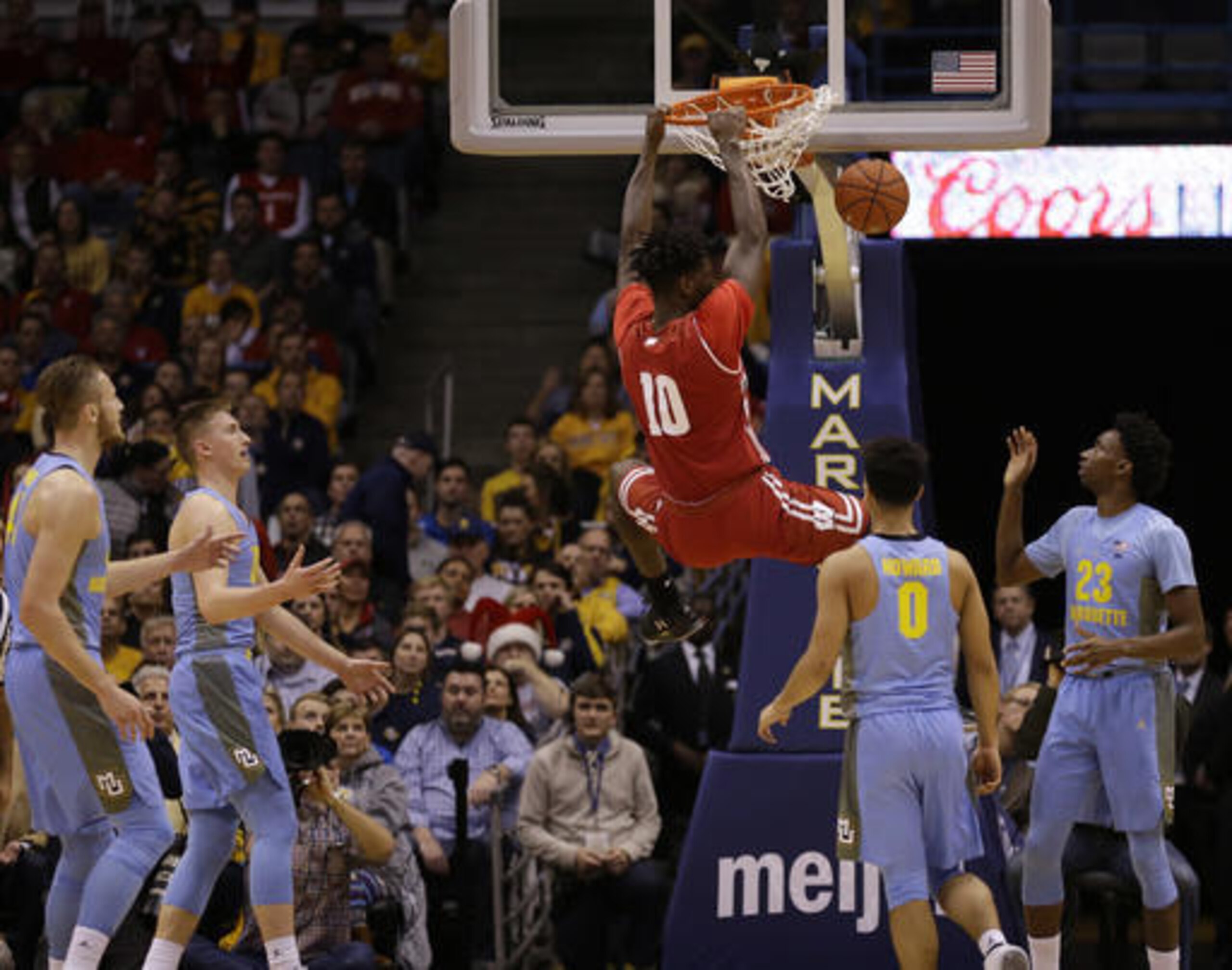
These rankings are based solely on nonconference results and are not a prediction of final Big Ten standings. That will be addressed later.
1. Indiana (10-2)—The wins over Kansas and North Carolina indicate how good this team can be. The road loss to Fort Wayne shows what happens when it is not focused, although the Mastodons are better than most people realize. The Hoosiers rank fifth in the nation in field-goal percentage (51.9 percent). Guard James Blackmon Jr. has replaced center Thomas Bryant as the team's star.
2. Purdue (11-2)—The Boilermakers' two losses, to Villanova and Louisville, were both to Top 10 teams, and Purdue was very much in the game against Villanova. The Boilermakers' best win was against Notre Dame. Sophomore forward Caleb Swanigan is having a monster season and 7'2" Isaac Haas has become a quality big man.
3. Wisconsin (11-2)—Losses to Creighton and North Carolina by double-digit margins were not attractive, but those are good teams. The Badgers really have no outstanding wins, as their 17-point victory over fading Syracuse rates as their headline win. This team is solid and Nigel Hayes' shooting percentage has improved significantly over last season, although he is still a bit inconsistent.
4. Northwestern (11-2)—The Wildcats could easily be 13-0, as they let winnable games against Butler (on the road) and Notre Dame get away in the closing seconds. They did beat Texas by 19 points, which seemed more significant at the time than it does now. Scottie Lindsey and Vic Law have increased their production significantly, but Bryant McIntosh, the team's presumed star, is shooting just 30.6 percent from the field in December.
5. Minnesota (12-1)—The Gophers have already won four more games than they did all of last season, thanks in part to the addition of four players: freshman Amir Coffey and transfers Reggie Lynch, Akeem Springs and Eric Curry. The defense that has allowed opponents to shoot just 37.1 percent from the field is a bigger reason. The Gophers' only loss was on the road to a good Florida State team, and they handed Arkansas its only loss.
6. Maryland (12-1)—Despite the loss of four starters from last year's team, the Terps enter Big Ten play with the same number of losses as last season. Part of that is the increased scoring of Melo Trimble. Part of it is the contributions of freshmen Anthony Cowan and Justin Jackson. Part of it is the softer nonconference schedule. The Terps have beaten no one of significance, and the one loss was at home to an unranked team (Pittsburgh) by 14 points.
7. Michigan (10-3)—The Wolverines have put that embarrassing November loss to South Carolina behind them, although the memory of their 19.2 percent shooting performance in that game lingers in observers' minds. Senior guards Derrick Walton Jr. and Zak Irvin are the heart of the team, but its Big Ten success depends on improving 6'11" Moritz Wagner.
8. Illinois (10-3)—Decisive wins over North Carolina State and Virginia Commonwealth suggest the Illini are better than last season's squad. The loss to Winthrop raises some questions. Malcolm Hill would be a conference player of the year candidate if Illinois would get an NCAA tournament berth, but he still may not have enough help.
9. Ohio State (10-3)—The Buckeyes played well against elite teams Virginia and UCLA in losses. However, the defeat against Florida Atlantic is difficult to explain and the two-point home win over UNC-Asheville in their most recent game does not bode well. Having six players who average double figures in scoring is encouraging.
10. Michigan State (8-5)—Four of the Spartans' five losses came against ranked teams, but the recent home loss to Northeastern shows how much this freshman-laden team needs its best freshman, Miles Bridges. Bridges has missed the past five games with an ankle injury and he may not be ready for the conference opener.
11. Rutgers (11-2)—Folks are marveling at the Scarlet Knights' 11 wins, but they lost to the two decent teams they played (Miami and Seton Hall). Their best win is a road victory against DePaul, but any way you slice it it's still four more wins than they had all of last season. First-year coach Steve Pikiell seems to be off on the right foot. Transfers Nigel Johnson and C.J. Gettys have helped.
12. Iowa (8-5)—Freshman Tyler Cook is expected back for the Big Ten opener after missing the past seven games with a broken index finger. That should help, but Peter Jok still needs more help than is available on the Hawkeyes roster. Iowa's current five-game winning streak, which includes a decisive win over Iowa State, suggests this team is improving.
13. Penn State (8-5)—Losses to Albany and George Mason indicate this team is not ready to challenge for an upper-half finish in the conference, but the addition of freshmen Tony Carr and Lamar Stevens has made the Nittany Lions more competitive.
14. Nebraska (6-6)—The Cornhuskers enter conference play having lost six of their last eight games, including a loss to Gardner-Webb. Having Andrew White III transfer to Syracuse during the summer robbed Nebraska of the offensive threat needed to complement Tai Webster.
Biggest Lessons Learned from Nonconference Play
2 of 10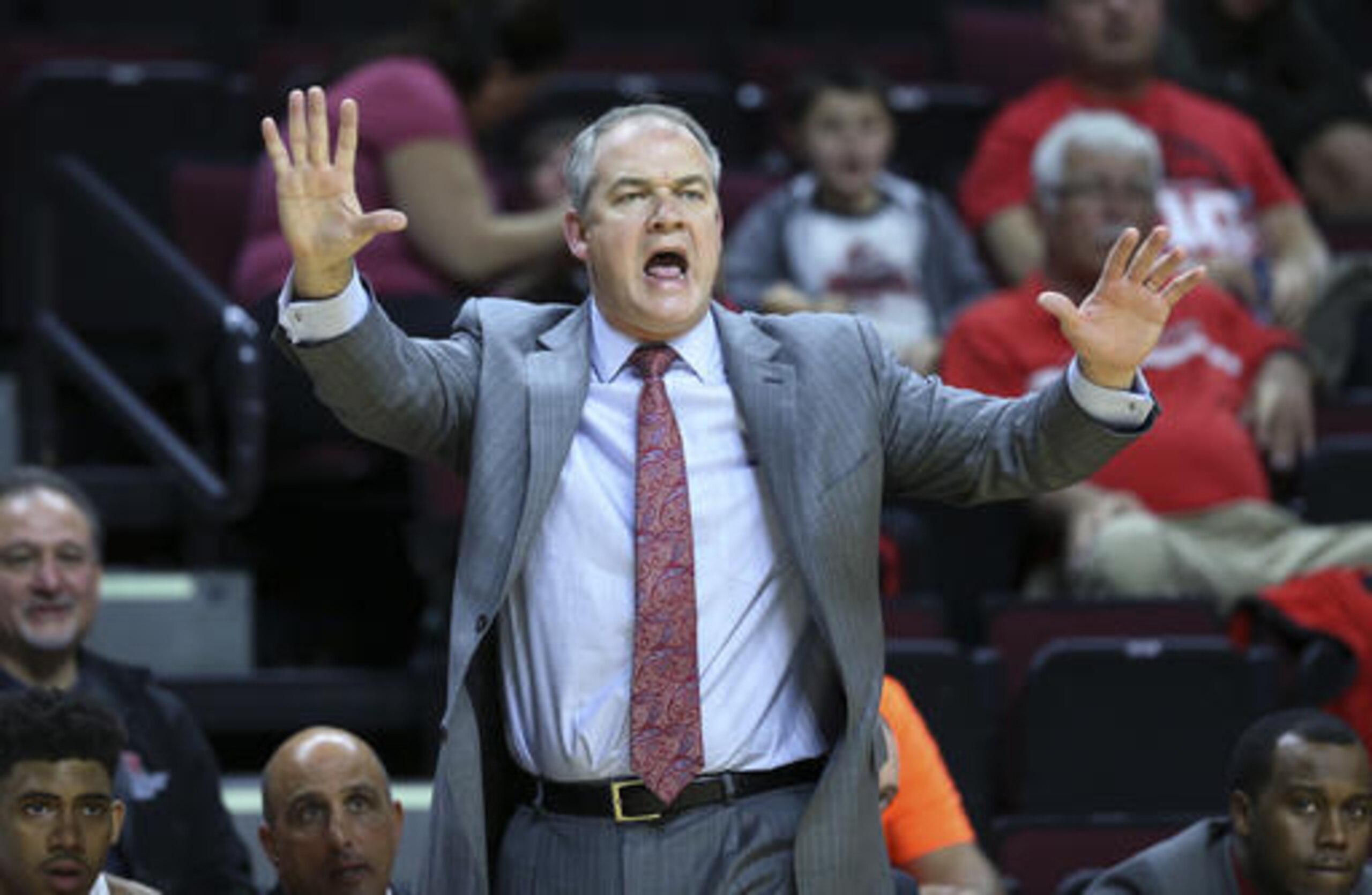
OG Anunoby may be key for Indiana
Guard James Blackmon Jr. and center Thomas Bryant are Indiana's stars and they played well in the Hoosiers' big-time wins over Kansas and North Carolina.
However, the key to Indiana's success appears to be OG Anunoby. In the win against Kansas, he had 13 points while hitting 3-of-7 three-pointers to go along with seven rebounds and three blocks. Anunoby contributed 16 points on 6-of-8 shooting with five boards and two blocks against North Carolina.
It is probably no coincidence that Indiana was upset by Fort Wayne when Anunoby, weakened by an illness, played just 13 minutes and went scoreless. His second-worst game of the season occurred in the loss to Butler, when he scored seven points on 2-of-6 shooting.
Anunoby is that third threat Indiana needs to become the conference champion.
Michigan State's freshmen have not made expected impact ... yet
Michigan State was ranked No. 12 in the Associated Press preseason poll and was expected to compete with Purdue, Wisconsin and Indiana for the Big Ten title. That was based largely on the fact that the Spartans' incoming freshmen were ranked the third-best recruiting class, per Scout.
Michigan State's early results suggest those expectations were too high. Miles Bridges, the jewel of the freshman class, has performed as anticipated, but he has missed time with an ankle injury and may not be ready for the start of conference play.
However, the other three freshmen of note (Joshua Langford, Cassius Winston and Nick Ward) were not starters when the season began and had minimal influence in the losses to Arizona, Baylor, Kentucky and Duke. That's why the Spartans are just 8-5.
Langford, Ward and Winston all started the Spartans' most recent game and may stay there when Bridges returns. Their progress provides hope for Michigan State's conference season, but it did not have the immediate impact that freshmen at UCLA and Kentucky have had.
Minnesota, Rutgers may be more than mere punching bags
Minnesota and Rutgers were a combined 3-33 in conference games last season, firmly holding on to 13th and 14th place in the final Big Ten standings. Not much more was expected this season.
However, Minnesota is 12-1, losing only to a strong Florida State team on the road and handing Arkansas its only loss. Coach Richard Pitino has made good use of three transfers and freshman Amir Coffey has had a significant impact. Last season, the Gophers entered conference play at 6-6 with losses to South Dakota, South Dakota State and Milwaukee.
Rutgers was 5-6 when Big Ten play began last season, but the Scarlet Knights are 11-2 this time around under coach Steve Pikiell (pictured above), who is in his first season at Rutgers after leading Stony Brook to the NCAA tournament. A much softer nonconference schedule than last season has a lot to do with the perceived improvement, but at least the Scarlet Knights know what it feels like to win.
Experience and the addition of transfers Nigel Johnson and C.J. Gettys have made the Scarlet Knights more than a mere joke.
Top Storylines to Watch
3 of 10
How many wins will it take to win title?
There are no Big Ten teams currently ranked among the Top 13. With bottom-feeders Minnesota, Illinois and Rutgers showing some promise, the conference seems to be weaker at the top but stronger at the bottom this season.
There is little to choose from among Indiana, Wisconsin and Purdue, who figure to wage a three-team tussle for the title. But it may not take as many wins to get the crown, especially if Michigan State and Northwestern pose challenges.
Not since 1976 has a Big Ten team gone unbeaten through conference play, and in six of the past eight seasons the champion has lost at least three of its 18 conference games. In 2012, a 13-5 record earned a share of the Big Ten title, which might be enough this season as well.
Indiana is trying to become the first team since Ohio State in 2006 and 2007 to win consecutive outright Big Ten regular-season titles.
The Big Dance for Northwestern, Michigan State
The road to a possible NCAA tournament berth will be a significant story for Michigan State and Northwester, but for opposite reasons.
The Spartans have been to the NCAA tournament 19 consecutive seasons, the third-longest active streak behind Kansas (27) and Duke (21). However, Michigan State's 8-5 record entering conference play puts that run in jeopardy, especially if freshman star Miles Bridges does not return soon from his ankle injury and the other three key freshmen do not continue to progress.
Michigan State typically improves during the course of the season under Tom Izzo and is a good bet to extend the NCAA streak to 20.
Northwestern, meanwhile, is seeking its first-ever NCAA tournament berth. It is one of four schools who have been Division I members since the NCAA tournament began in 1939 that have never played in the event. The Wildcats are the only one from a power conference.
Northwestern looks like it might make it this season. The Wildcats are 11-2, including wins over Dayton and Texas, and they nearly beat Butler (on the road) and Notre Dame.
Who can win on road?
Home court is a major advantage, especially in the Big Ten with its large and noisy crowds. Five Big Ten teams are unbeaten at home so far, six others have just one loss and no team has more than two home defeats.
Which teams have the toughness and maturity to win games on the road?
Last season, Indiana went unbeaten at home and 6-3 on the road to win the title. But even Indiana had a misstep on the road, losing to a Penn State team that finished 10th.
Maryland, which was ranked No. 3 in the 2015-16 preseason poll, was pushed down to a four-way tie for third, largely because it went 4-5 on the road, including a loss to Minnesota.
Every road win will be a major victory.
Coach watch
Minnesota's Richard Pitino and Illinois' John Groce were on the hot seat, per Scott Gleeson of USA Today last month. After going 2-16 and 5-13 last season in the Big Ten, respectively, they needed to show improvement this season.
Both are off to good starts, with Minnesota at 12-1 and Illinois at 10-3 heading into conference play. But how they fare in the Big Ten will determine their future.

Rivalry Games and Can't-Miss Matchups
4 of 10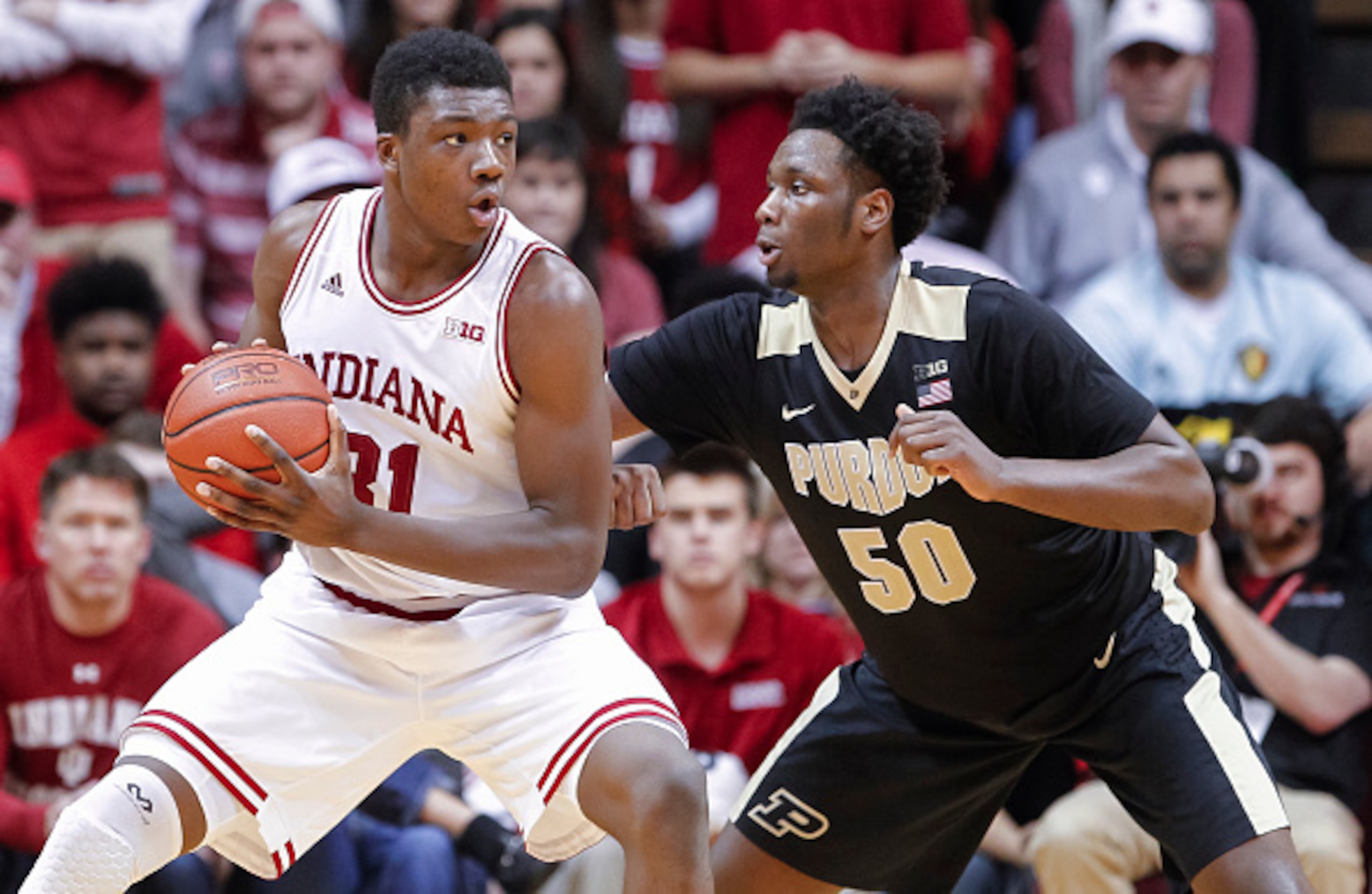
Purdue vs. Indiana
These look like the best two teams in the conference at the moment. They also have an in-state rivalry in basketball-crazed Indiana that dates back to 1901 and includes 203 meetings.
Although the unbalanced 18-game schedule in the 14-team conference prevents a lot of teams from meeting twice in a season, the Boilermakers and Hoosiers will slug it out on two occasions. Their first meeting is Feb. 9 in Bloomington, and they face off again 19 days later in West Lafayette in the next-to-last game of the regular season.
The rivalry may not have quite the intrigue it had when Bob Knight and Gene Keady were patrolling the sidelines, but the strong frontcourts of both teams and the title implications make this the best Big Ten rivalry of the season.
Wisconsin at Michigan State
The Spartans typically improve as the season goes on, and that should be particularly true this season with Tom Izzo's reliance on freshmen.
The Feb. 26 game against Wisconsin in East Lansing, Michigan, is their only meeting of the season and comes near the end of the season. The meeting of the experienced, fundamentally sound Badgers and talented but young Spartans may have a direct impact on the conference title and Michigan State's NCAA tournament hopes.
The Spartans are just 1-3 against Wisconsin the past two seasons, but they won their only encounter in East Lansing.
Maryland at Northwestern
If Northwestern is to finally get into the NCAA tournament it needs to win games like the Feb. 15 home contest against a reputable opponent in Maryland. The Terps may need this game for an NCAA berth as well.
Melo Trimble had big games in both of the Terps' wins over Northwestern last season, collecting 24 points, eight assists with one turnover in the first win and 18 points, six assists and two turnovers in the second. Northwestern can't let Trimble dominate like he did last season
Ohio State at Michigan
Although the Ohio State-Michigan basketball matchup does not match the esteem of their football rivalry, their one and only meeting this season could be critical.
It's a good bet that both teams will be on the bubble when NCAA tournament berths are handed out. Their Feb. 24 meeting in Ann Arbor may determine whether one goes to the NCAA tournament and the other heads to the NIT.
Freshmen to Watch
5 of 10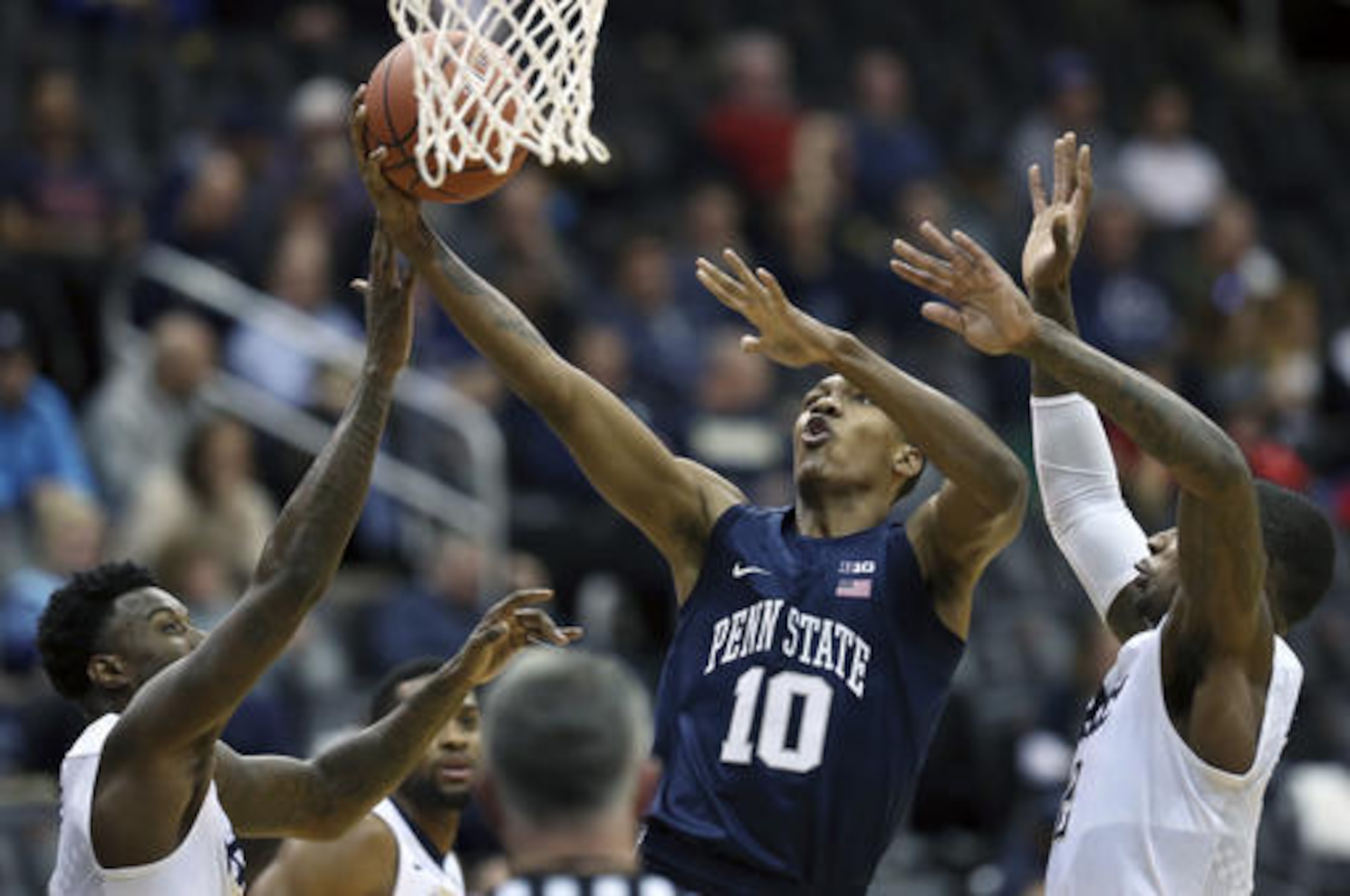
Miles Bridges and Co., Michigan State
Bridges, who leads the team in scoring (16.6 PPG) and rebounding (8.8), is the star of this freshman group. The Spartans need him to return from his ankle injury for them to be a factor in the Big Ten race. But the three other highly touted freshmen (Cassius Winston, Joshua Langford and Nick Ward) are becoming bigger factors. All three were starters in Michigan State's final nonconfererence game, and the Spartans' starting lineup could include four freshmen when Bridges returns. Winston leads the Big Ten in assists (6.0 per game) and Ward is averaging 13.2 points, 6.4 rebounds and 1.9 blocks.
Amir Coffey, Minnesota
Much of the Gophers' early-season success can be attributed to the 6'8" Coffey. He scored 30 points in the victory over St. John's and had 19 when Minnesota handed Arkansas its only loss of the season. Unlike most freshmen, who tend to start slowly before picking up speed as they get more comfortable, Coffey was successful coming out of the gate but has slipped a bit lately. He averaged 16.0 points in the Gophers' first five games, but just 8.0 over the last six, when he made just 35.7 percent of his field-goal attempts.
Justin Jackson and Anthony Cowan, Maryland
Maryland has yet to face a ranked team, so it remains to be seen how Jackson and Cowan will fare in conference play. But Jackson is the team's second-leading scorer (10.8 PPG) and top rebounder (6.0), while Cowan is third in scoring (10.6 PPG) and first in assists (3.8). Cowan has taken over much of the ball-handling responsibility, allowing Melo Trimble to be more of a scorer. They must be doing something right because the Terps are 12-1 despite losing four starters from last season.
Tyler Cook, Iowa
The 6'8" Cook is averaging 13.7 points and 5.3 rebounds, but he missed the past seven games with a broken finger. Coach Fran McCaffery expects Cook to be back for the Big Ten opener against Purdue, according to Jeremiah Davis of the Gazette. The Hawkeyes are currently on a five-game winning streak, so it remains to be seen whether McCaffery puts Cook back in the starting lineup immediately.
Tony Carr and Lamar Stevens, Penn State
Lamar Stevens had 24 points and Tony Carr (pictured above) added 20 in the Nittany Lions' victory over Duquesne in the second game of the season, suggesting big things are ahead. Things have cooled down a bit but Stevens is still second on the team in scoring (12.5 PPG) and rebounding (5.7), while Carr is averaging 11.3 points, 5.2 rebounds and a team-leading 4.1 assists from his point guard position. Whatever positives Penn State derives from this season will come through them.
Carsen Edwards, Purdue
Purdue boasts one of the best frontcourts in the country, but it needed help in the backcourt to become a Big Ten title contender. The Boilermakers hope Carsen Edwards is the answer. He is averaging 10.2 points but has been inconsistent. He had 21 points on 7-of-11 shooting in the 25-point win over Auburn, which has just one other loss. However, Edwards was 1-of-8 with three points in the loss to Villanova and 4-of-15 with nine points in the loss to Louisville.
Top Big Ten Player-of-the-Year Candidates
6 of 10
Melo Trimble, Maryland
Trimble's scoring has picked up considerably this season (from 14.8 points last year to 17.9 this season), partly because the addition of freshman Anthony Cowan has relieved him of playmaking responsibilities. His shooting percentage has also risen (from 41.0 to 47.6 percent). If the Terps continue their winning ways during Big Ten play, Trimble will continue to be in the player-of-the-year conversation.
Caleb Swanigan, Purdue
Swanigan's statistics speak for themselves: His 18.3 points per game rank fourth in the Big Ten and his 12.5 rebounds per game are first in the conference and second in the nation. The Boilermakers are ranked No. 15 this week and are expected to challenge for the conference title, putting Swanigan in prime position for individual honors.
Bronson Koenig, Wisconsin
Any one of three Wisconsin players could vie for player-of-the-year honors. Frontcourt players Ethan Happ and Nigel Hayes, the preseason Big Ten player of the year, could be in the running, depending on how conference games play out. However, guard Bronson Koenig is the team's leading scorer this season, averaging 14.6 points per game, after being second to Hayes in scoring last season. Koenig had only two points in the loss to North Carolina and his scoring has slipped lately, both of which will be forgotten if he comes up big in conference play.
Miles Bridges, Michigan State
If Michigan State makes a run at the title, Bridges will be the reason why. He is the team's top scorer (16.6 points per game) and top rebounder (8.8), and he should be ready to return to action soon after suffering a severe ankle sprain. The Spartans hope his ankle issues do not affect his athletic skills going forward.
James Blackmon Jr., Indiana
Blackmon entered the Big Ten player-of-the-year discussion after Indiana's first game when he scored 26 points in the Hoosiers' victory over Kansas. He is second in the Big Ten in scoring at 18.5 points per game. He also is hitting 50.7 percent of his shots and 45.6 percent of his three-point attempts while averaging 5.4 rebounds for a nationally ranked Indiana team that should be in the conference race to the end.
Peter Jok, Iowa, and Malcolm Hill, Illinois
These two have the numbers and talent to be considered player-of-the-year candidates, but their teams are unlikely to finish high enough for them to earn the top individual award. Jok leads the conference in scoring by more than four points a game with a 22.6 average, and Hill is third in scoring (18.4) while also averaging 6.6 rebounds.
Predicting the 2016-17 Big Ten Awards
7 of 10
Player of the year: Caleb Swanigan, Purdue
We are predicting that Purdue and Indiana will tie for the Big Ten regular-season title, which puts Hoosiers guard James Blackmon Jr. and Boilermakers forward Caleb Swanigan at the top of the list.
The pick here is Swanigan because his numbers have been so impressive, particularly lately. He was named Big Ten player of the week for the second straight week on Monday and was named national player of the week the same day. Granted, the opponents that week did not pose much of a threat, but his 21 points and 21 rebounds against Western Illinois and his 32-point, 20-rebound effort against Norfolk State are impressive regardless.
In the game the previous week, he had 26 points, 10 rebounds and four blocks in a win over No. 21 Notre Dame.
Swanigan ranks fourth in the Big Ten in scoring (18.3 PPG) and second nationally in rebounding (12.5) and has made 11-of-21 (52.4 percent) three-pointers for good measure. In Purdue's three games against teams that were ranked at the time, Swanigan averaged 20.0 points and 9.7 rebounds.
Freshman of the year: Miles Bridges, Michigan State
If Michigan State makes the NCAA tournament for a 20th straight season, Bridges (pictured above) will be the main reason. The expectations for Bridges were sky-high as soon as he scored 33 points on 12-of-14 shooting in an exhibition victory over Northwood.
He has not been a disappointment, leading the team in scoring (16.6 PPG) and rebounding (8.8). He has missed the past five games with an ankle injury, and it's no coincidence that the team has struggled without him, losing to Northeastern and barely beating Oral Roberts.
His spectacular dunks draw attention, which will not hurt his bid for individual honors.
Coach of the year: Steve Pikiell, Rutgers
Admittedly, this pick comes out of left field, but bear with me for a moment.
With the teams at the top of the conference so evenly matched, the conference champion may not have an outstanding conference record. That may cause voters to look elsewhere for a coach of the year candidate.
The only time a coach from a team that finishes in the middle of the pack gets consideration is if he took over a lousy team with low expectations and made something out it. Steve Pikiell may fit that description.
The Scarlet Knights seem to be improved. If they finish with a, say, 8-10 conference record, that would represent a major improvement over last year's 1-17 embarrassment. The first-year coach would get much of the credit for the improvement. If there is no obvious choice from among the title contenders, Pikiell may sneak in. Northwestern coach Bill Carmody was the Big Ten coach of the year in 2004 when the Wildcats went 8-8 in conference play.
Big Ten Favorites and Dark Horses
8 of 10
The favorites: Purdue, Indiana
Indiana and Purdue seem destined to finish tied for the Big Ten regular-season title, which makes them co-favorites, just ahead of Wisconsin.
Indiana and Purdue play each other twice and Indiana also plays Wisconsin twice, giving the Hoosiers the toughest road to a title. If the schedules were even, Indiana would be the favorite by itself, based on its nonconference wins over Kansas and North Carolina.
The Hoosiers and Purdue have plenty of talent, with the Hoosiers boasting center Thomas Bryant and guard James Blackmon Jr., while the Boilermakers have power forward Caleb Swanigan and center Isaac Haas (pictured above).
The dark horses: Michigan State, Northwestern, Minnesota
Michigan State slipped from its No. 12 preseason ranking and is unranked with five losses, including four to ranked teams. But Michigan State's habit of playing its best at the end of the season and the progress of Tom Izzo's four freshmen suggest the Spartans could make a late run at the title.
Northwestern nearly beat Butler on the road and is a mature, hungry team on the rise, while Minnesota is certainly a long shot but has made good use of three newcomers to make the Gophers a factor.
At least one of these three will challenge the leaders.
Who Makes the Tournament?
9 of 10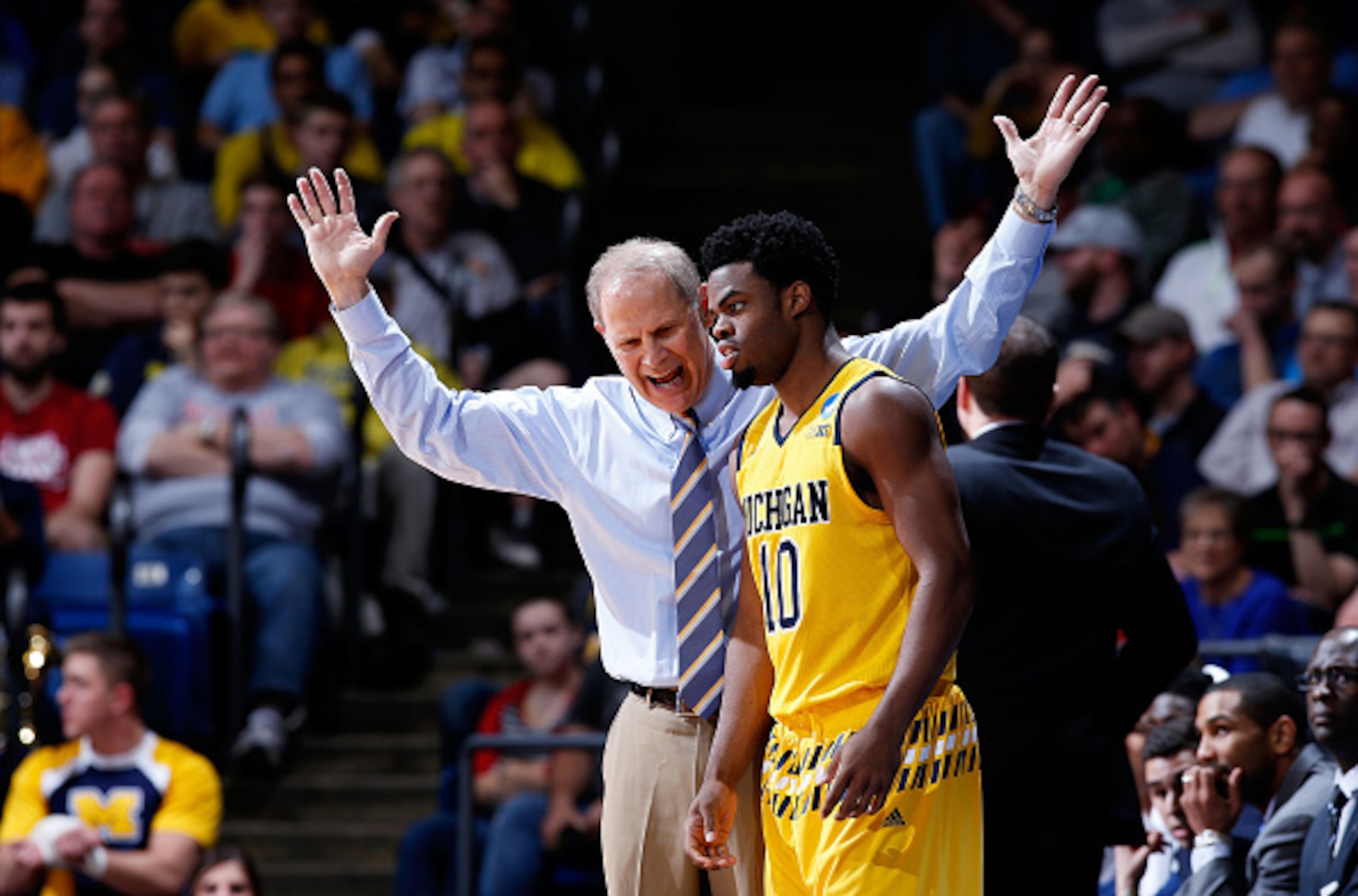
Shoo-ins: Indiana, Purdue, Wisconsin
These three teams are bunched together in this week's rankings at Nos. 14, 15 and 16, and they have done enough against top-flight competition during the nonconference season to be assured an NCAA tournament berth as long as they don't suffer major collapses in conference play.
Indiana has wins over Kansas and North Carolina, which puts the Hoosiers in with ease, while Purdue has a win over Notre Dame and a close loss to Villanova. Wisconsin has no impressive wins, but its only losses are to Creighton (on the road) and North Carolina, which are certainly acceptable.
Hopefuls: Michigan State, Maryland, Northwestern, Ohio State, Michigan, Minnesota, Illinois
Seven Big Ten teams landed in the NCAA tournament last season and the conference has had at least six NCAA teams each of the past five seasons.
The Big Ten can expect to get at least two teams from this group into the tournament and probably three or four.
Michigan State (8-5) played the most difficult nonconference schedule. If Miles Bridges returns and the Spartans improve like they have in past seasons, they should get it.
Minnesota had a significant win over Arkansas and lost only to Florida State on the road, while Northwestern, which beat Dayton, would be sitting pretty now if it had pulled out close, winnable games against Butler and Notre Dame.
Ohio State's best showing was a two-point loss to Virginia, while Michigan has a 22-point win over SMU to its credit.
Maryland has no wins of consequence, but it is 12-1 and has a chance to improve with two freshmen playing key roles.
The Illini may fade, but their wins over Virginia Commonwealth, North Carolina State and BYU give them the right to dream.
Long shots: Nebraska, Penn State, Rutgers, Iowa
Rutgers (11-2) has the best record of this group, but until the Scarlet Knights produce a win of significance they will be grouped here.
Penn State and Iowa have shown modest improvement since the start of the season but don't have enough talent to fare well in the conference. Nebraska is already hopelessly behind.
These teams will need a historic run in the Big Ten tournament to get to the Big Dance.
Predicting the 2015-16 Big Ten Standings
10 of 10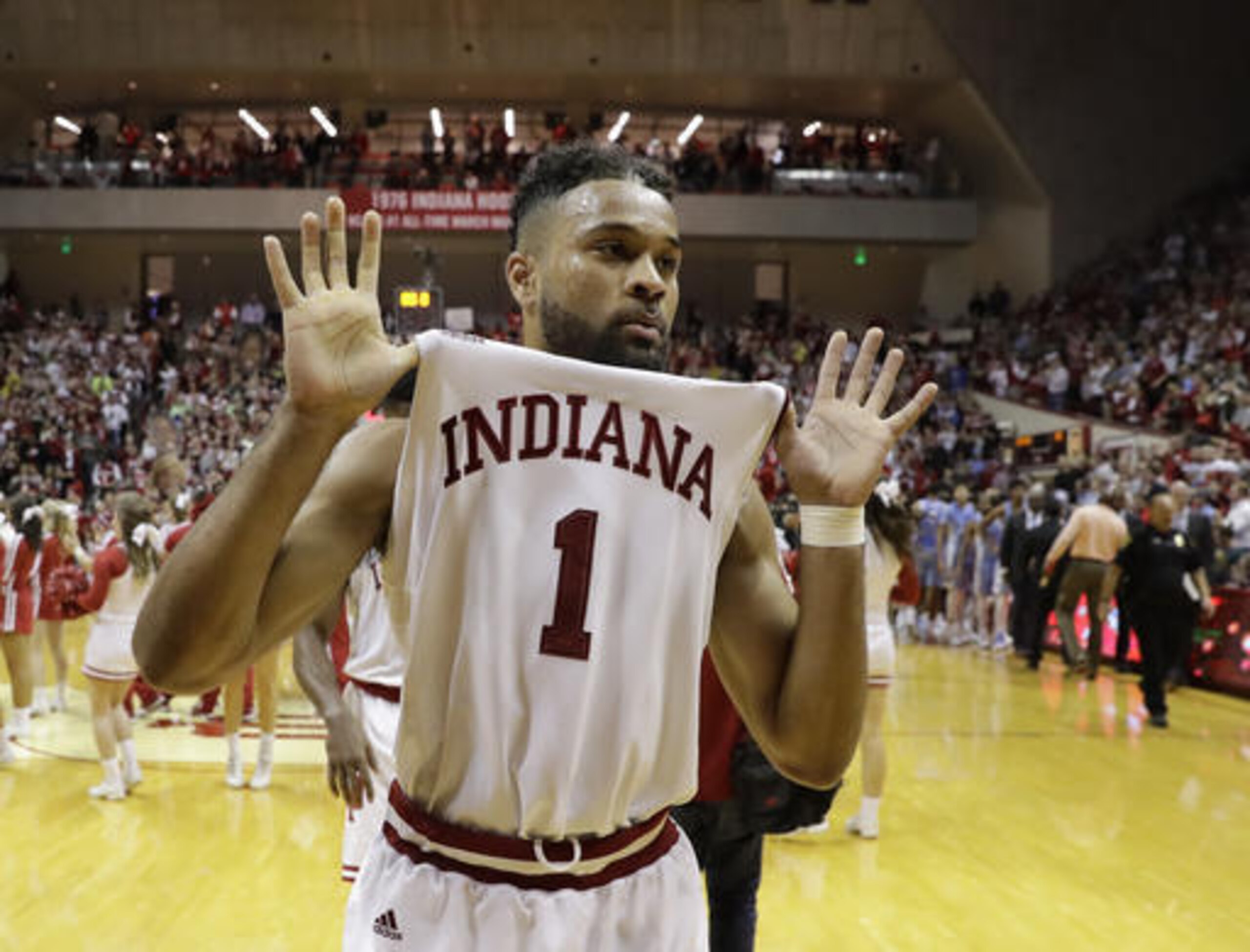
1. (tie) Indiana
1. (tie) Purdue
3. Wisconsin
4. (tie) Northwestern
4. (tie) Michigan State
6. Maryland
7. Michigan
8. Ohio State
9. Minnesota
10. (tie) Rutgers
10. (tie) Illinois
12. Iowa
13. Penn State
14. Nebraska
.jpg?w=2560 "Cardinals Giants Football")

.jpg?w=2560 "Report: Chiefs Contact Hill's Agent")
.jpg?w=2560 "OBJ Calls Out Giants 😳")
.jpg?w=2560 "Tyreek makes another cryptic post amid Chiefs rumors")


.jpg?w=2560 "Greenlaw Talks Payton Exchange")
