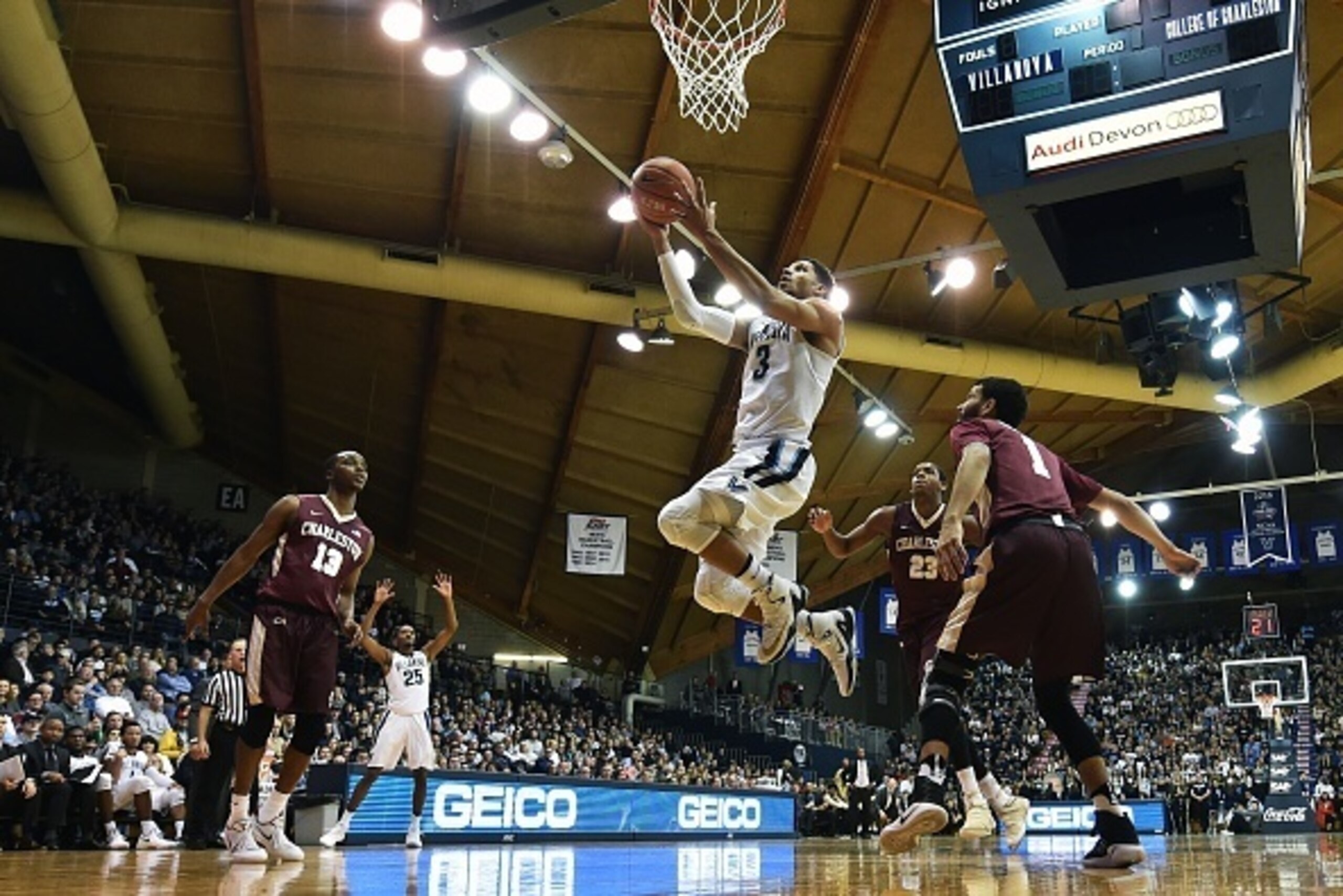

Ranking the Best Seniors in College Basketball in 2016-17
There's no substitute for experience, but in today's college basketball it's becoming more difficult to find a lot of that going around. The best players don't tend to stick around long, heading for the pros at the first chance when they think they can make it, and most of those who do end up using up their eligibility don't find themselves in a featured role until that final year.
It may seem like the standout senior is becoming increasingly rare in the game, but there are 370 seniors averaging at least 10 points per game entering Monday. That comprises more than 36 percent of Division I players averaging double-digits in scoring, with freshman making up just 10.1 percent of that group.
The best seniors in the country aren't necessarily going to be top pro prospects, though there are exceptions. While the past NBA draft saw 14 freshmen selected, including 10 in the first round, 15 of the 60 selections were seniors and five of those were first-rounders.
The following list isn't based on pro potential, though. It's a reflection of how well these veterans have fared so far during the 2016-17 season, using past performance and value to team as key pieces of the ranking process.
12. Michael Young, Pittsburgh
1 of 12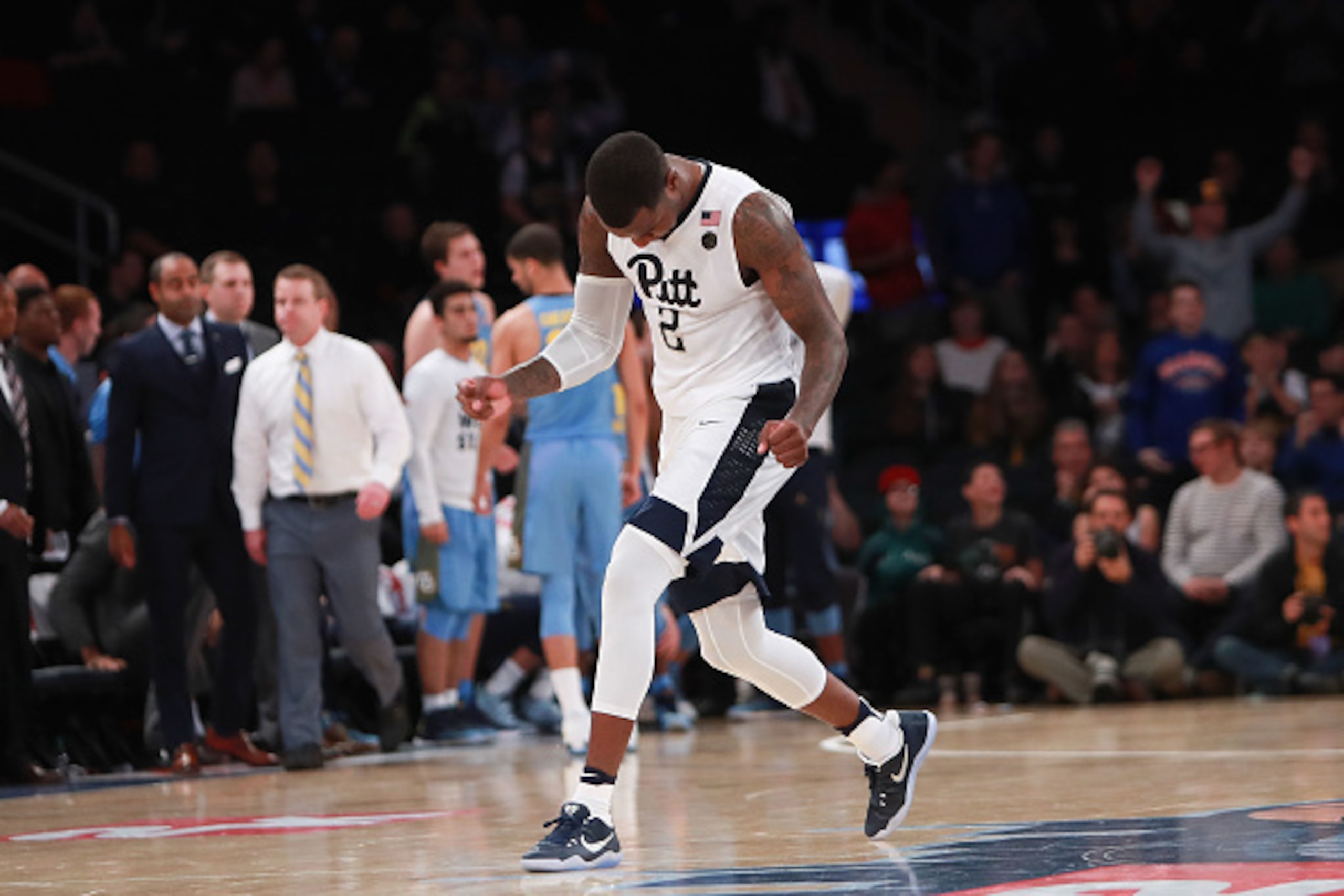
Don't expect it to keep up once Pittsburgh starts playing better defensive teams when the ACC schedule begins, but as of now the Panthers' 81.3 points per game would be their best scoring rate since at least the mid-1990s and far better than during any of Jamie Dixon's 13 seasons as coach.
Kevin Stallings has upped the tempo but isn't going away from Pitt's strength, which is the frontcourt. That means feeding Michael Young as much as possible and letting the 6'9” forward do his thing.
Young has averaged 23.3 points per game during Pitt's 5-1 start, highlighted by 30 points against Marquette at the 2K Classic in New York City. He's also pulling down a career-best 8.2 rebounds per game and shooting 58 percent, making 60 percent of his two-pointers.
11. Sindarius Thornwell, South Carolina
2 of 12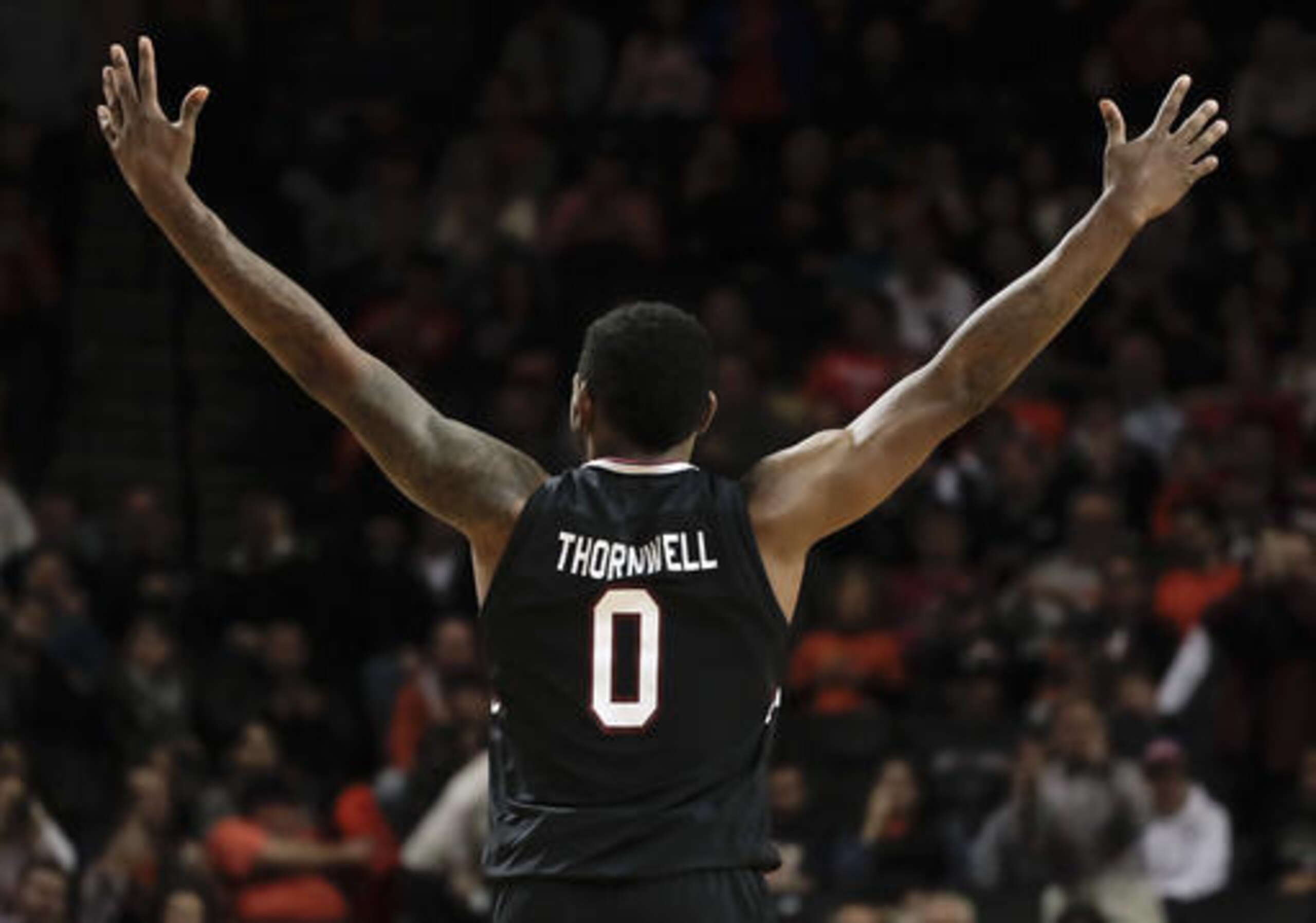
Back in the rankings for the first time since February, South Carolina (6-0) is riding high after a week in which it knocked off Michigan at home and Syracuse in Brooklyn. And a significant part of that last victory was that Sindarius Thornwell had an off game in comparison to his other efforts this season.
A starter his entire Gamecocks career, the 6'5” guard was always good for 11 or 12 points per game but not in the most efficient manner as he shot 37.1 percent his first three seasons. So far in 2016-17 he's lifted that rate to 48.7 percent overall and 48.1 percent from three-point range (after shooting 33.3 percent from outside last season), and that's translated into a team-best 20 points per game.
Thornwell has also become more focused on rebounding; his 7.0 per game also lead the team and is 2.2 more per game. And just for good measure, he's contributing 3.5 assists per game, which is also best on the roster.
10. Peter Jok, Iowa
3 of 12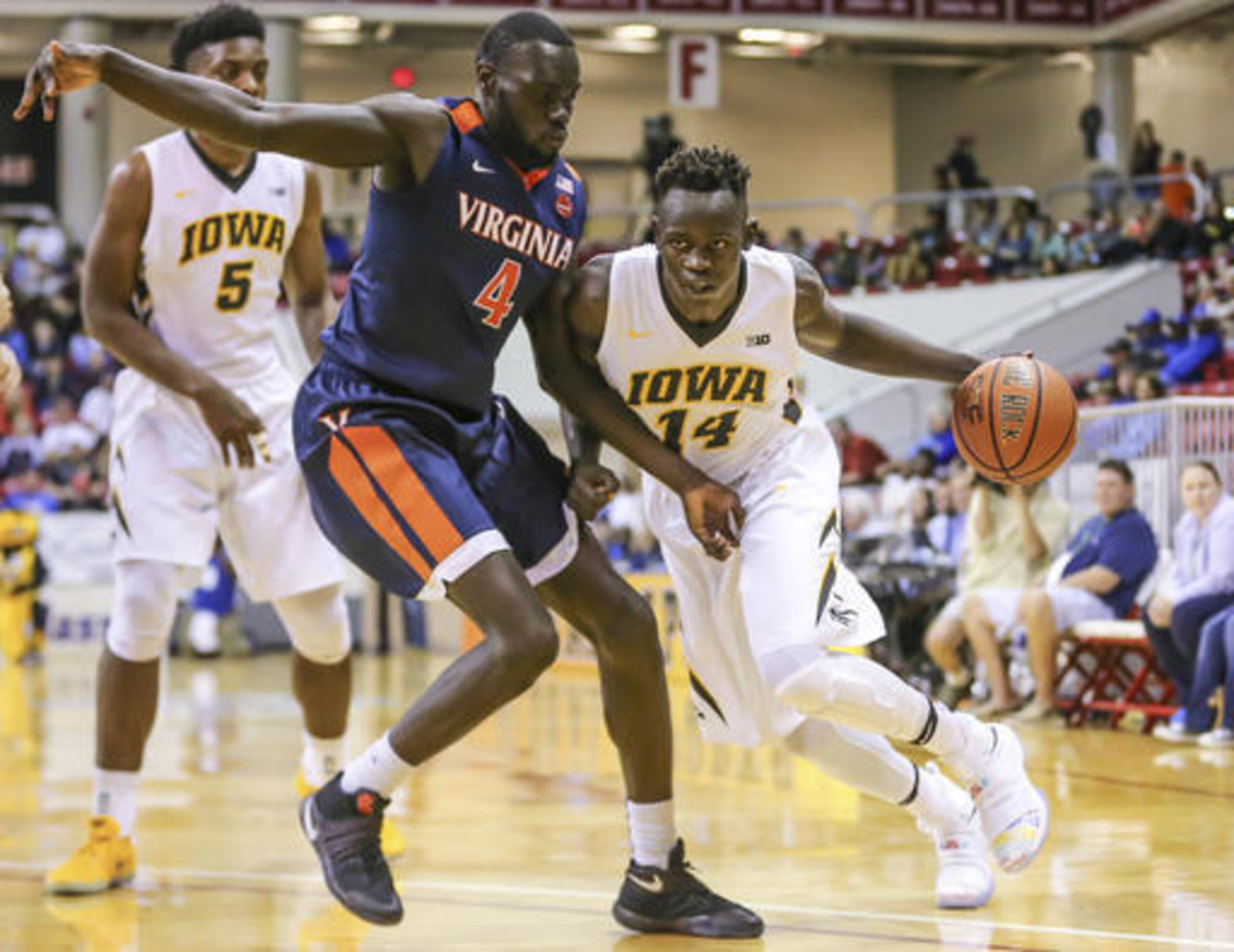
Iowa (3-3) graduated more than 56 percent of its scoring from a team that was ranked in the top five for more than a month and reached the second round of the NCAA tournament. Peter Jok is the only starter back for the Hawkeyes, and so far he's playing like he needs to personally account for his departed teammates.
The 6'6” guard is scoring 25.3 points per game, which ranks second in the country and represents an increase of 9.2 points per game from Jok's junior season. That was a pretty good campaign, but it may end up paling in comparison to 2016-17 based on early numbers.
Jok is nearly doubling Iowa's second-leading scorer, freshman forward Tyler Cook, who's averaging 13.7 per game. Cook's 9.2 shots per game are 7.1 fewer than Jok, yet Jok's 53.1 percent accuracy (including 45.3 percent on three-pointers, of which he takes 8.8 per game) makes it understandable why Iowa is having him do so much.
.jpg?w=2560 "Saints Lions Football")
9. Malcolm Hill, Illinois
4 of 12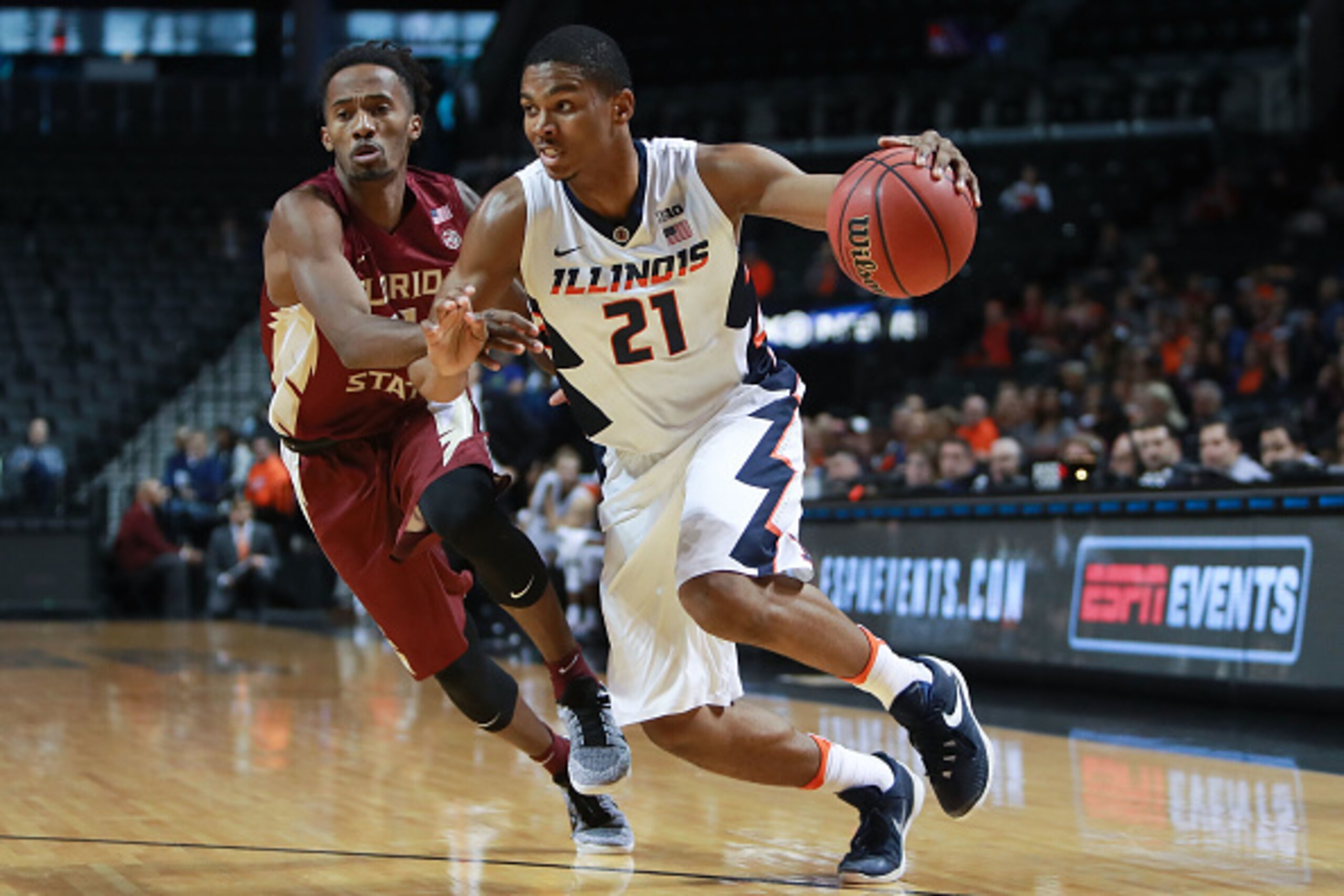
So, that recent prediction of Illinois (4-3) possibly sneaking into the Top 25 isn't going to happen anytime soon, not after dropping its last three games starting with a home loss to Winthrop and followed by setbacks to West Virginia and Florida State in the NIT Season Tip-Off. Maybe, if the Fighting Illini had more players who could fill the stat sheet like Malcolm Hill, things would be different.
Hill is picking up where he left off last season, when he was the only guy doing anything for Illinois during a 15-19 season. He's averaging 18.3 points and 7.3 rebounds and though his overall shooting rate has dipped a bit, the 6'6” guard has seen his three-point accuracy jump from 31.4 percent to 45.2.
Unfortunately, some opponents have been able to neutralize him. He turned it over seven times and was just 4-of-17 from the field against Winthrop and, while he didn't give the ball away much against West Virginia's swarming defense, he was only 2-of-8 for seven points and a season-low four rebounds.
8. Maurice Watson Jr., Creighton
5 of 12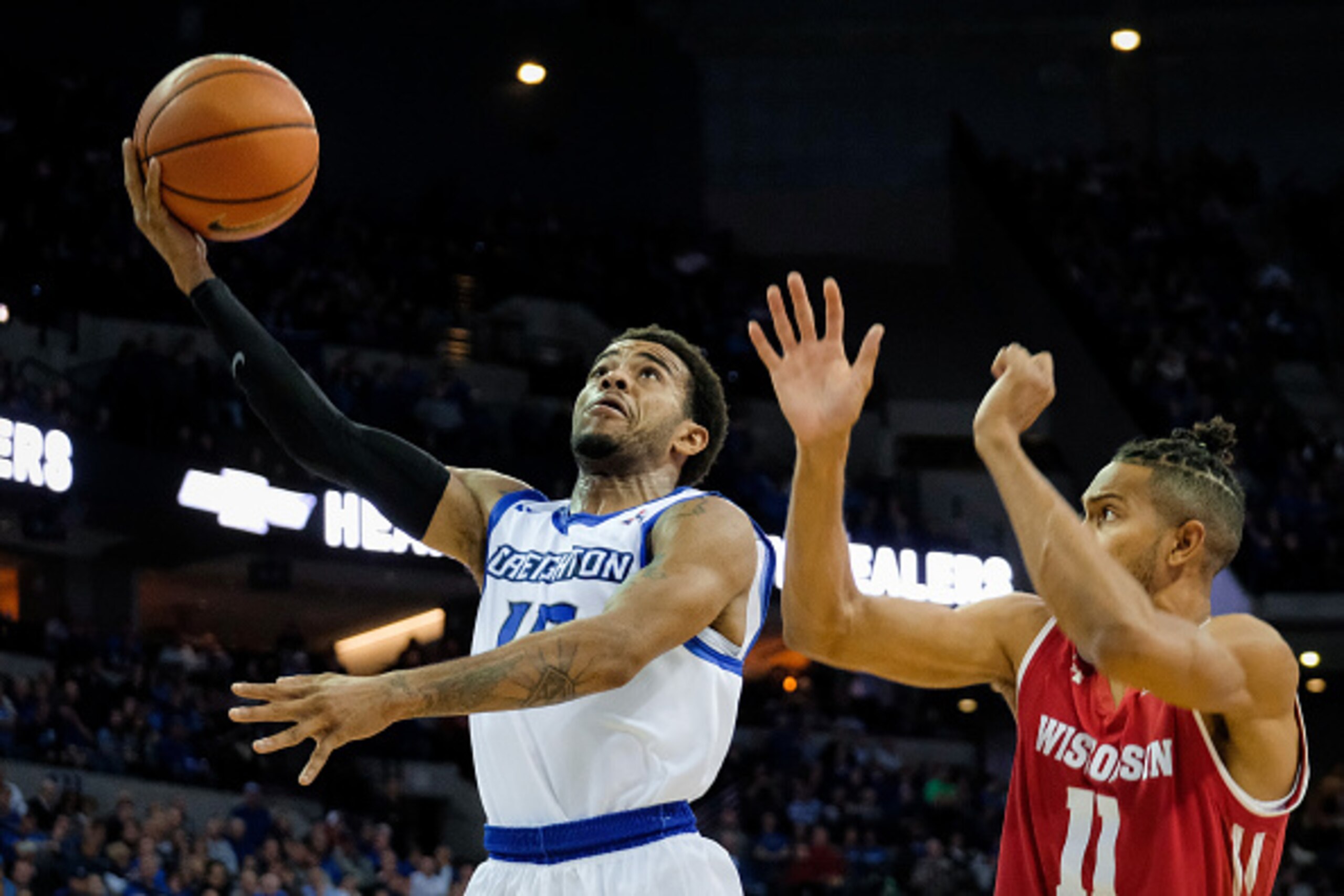
At 11.2 points per game, Maurice Watson is scoring at a lesser clip than in 2015-16 when he was in his first season at Creighton. The transfer from Boston University averaged 14.1 points per game last year when the Blue Jays didn't have many other offensive options in the backcourt.
But the addition of former Kansas State guard Marcus Foster has changed that, as has sophomore Khyri Thomas' hot start. That pair is putting in 31.2 points per game, taking pressure off Watson to be the sole perimeter weapon and free him up to do what he does best.
That would be providing his teammates with good scoring chances. The 5'11” guard is dishing out 8.5 assists per game, two better than a year ago. He's had a pair of double-doubles thanks to those dimes, but he's also had four games with at least four turnovers as Watson sometimes gets a little careless with his passing and will force one when he doesn't need to.
7. Kennedy Meeks, North Carolina
6 of 12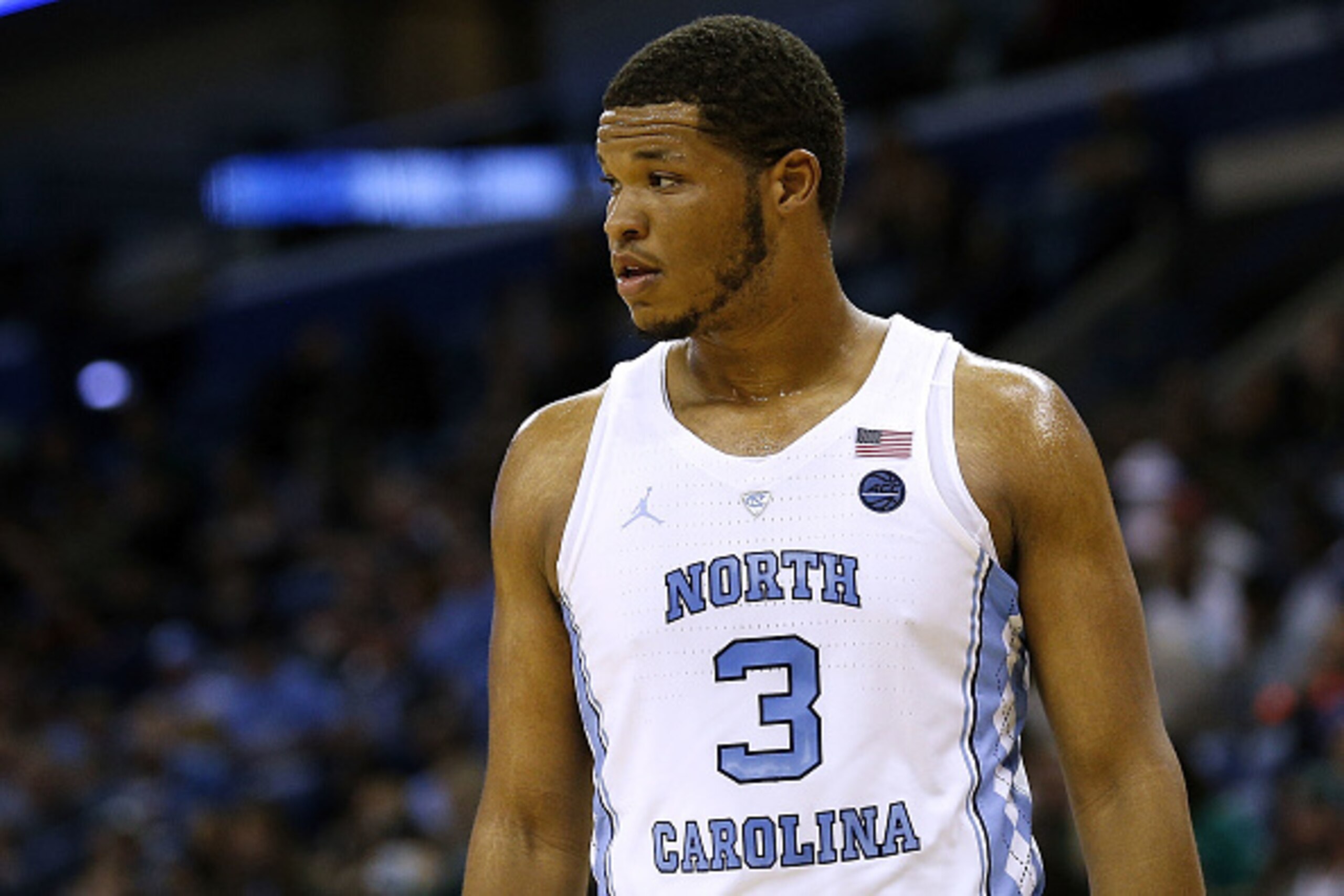
The transformation of Kennedy Meeks from an oversized big man to one who makes the most of his size has been well-chronicled. When he arrived at North Carolina in 2013, he was 290 pounds and a lot of it was fat, but now the 6'9” senior is a chiseled 260 and finally has the stamina to remain on the court.
Meeks has averaged 23.4 minutes per game during the Tar Heels' 7-0 start, the most of his career, and it would be more if UNC had played in a few more close games and it didn't also have 6'8” senior Isaiah Hicks and 6'10” freshman Tony Bradley there to share minutes with. He played 31 minutes in the Heels' last game, the Maui Invitational win over Wisconsin, and had 15 points and a career-high 16 rebounds.
For the season he's averaging 13.7 points and 10.7 rebounds with four double-doubles. It's early, but if he can maintain those numbers, he'd be the fourth UNC player under coach Roy Williams to average a double-double.
6. Chris Boucher, Oregon
7 of 12
Chris Boucher exploded onto the scene last season in his debut with Oregon, the latest stop in a journey that took him from St. Lucia to Canada and multiple high schools and junior colleges. He averaged 12.1 points, 7.4 rebounds and 2.9 blocks per game, his 110 swats a school record in what was originally considered his senior year.
Then the 6'10” Boucher was awarded an extra year of eligibility, blessing us with another season of watching his unique skill set that includes the ability to block a shot on one end and then either dunk or drain a three on the other.
Boucher is doing more of the same this season, averaging 13.7 points, seven rebounds and 3.3 blocks per game. He's made 10-of-25 threes, draining five against Connecticut in the Maui Invitational, and in three of his last four games he's blocked at least five. Foul trouble impacted him in Monday's 68-63 win over Boise State, but he still finished with six points, eight rebounds and five blocks.
5. Alec Peters, Valparaiso
8 of 12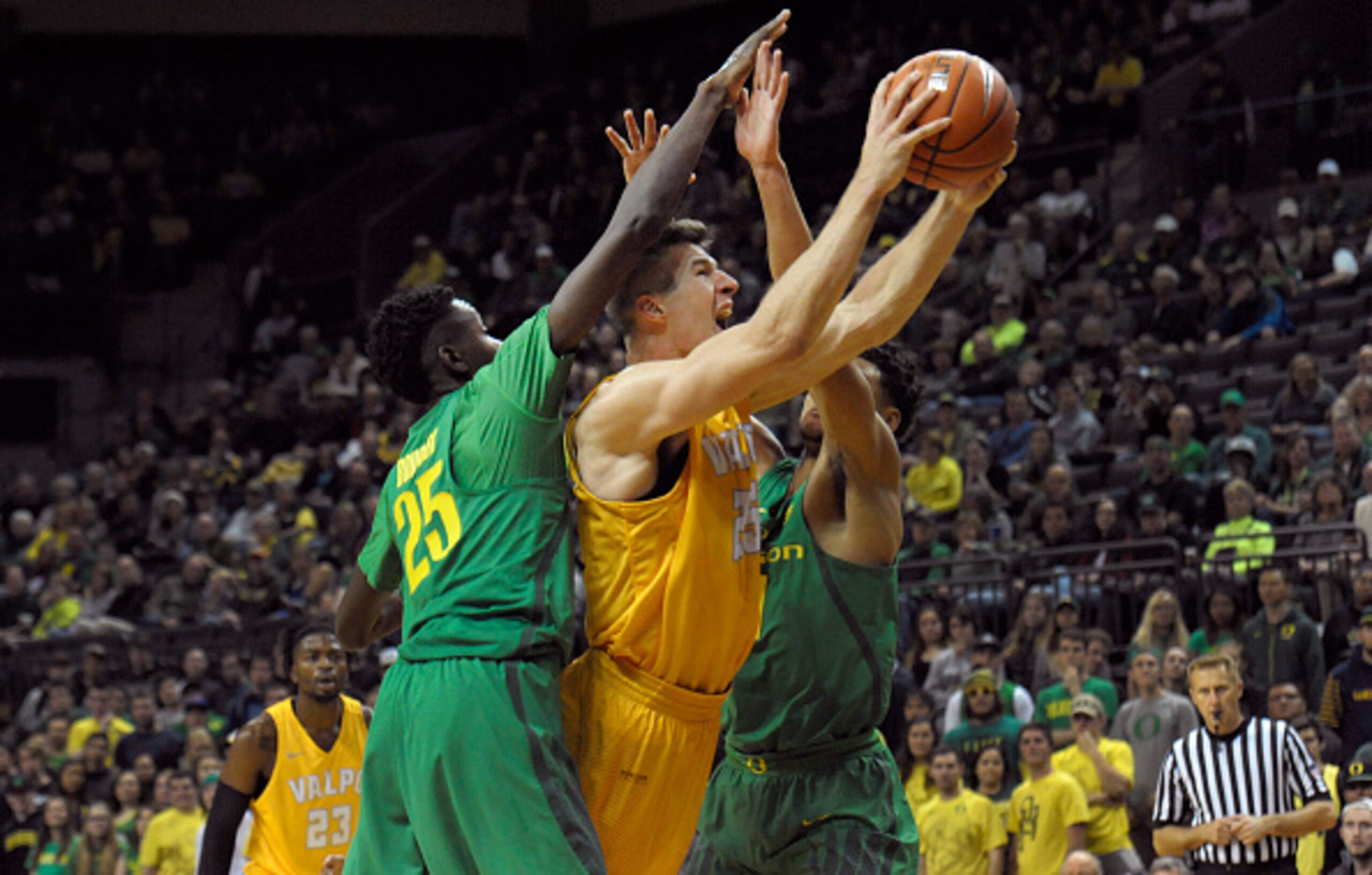
There's a much greater prevalence of impact seniors outside of the power conferences than within those top leagues, though even that number is decreasing with so-called graduate “up transfers” increasing by the year. Alec Peters bucked that trend by opting to stay at Valparaiso for his final season after testing the NBA draft waters and having his coach leave for another school.
Peters has been the focal point of the Crusaders (6-1) for several years, but their reliance on him has been even more pronounced this season. The 6'9” forward is averaging 25.1 points per game, fourth-most in Division I and 6.7 better than a year ago. That's also nine points more per game than Valpo's second-leading scorer, senior wing Shane Hammink, as Peters is providing 32.7 percent of the scoring on 30.2 percent of the shots.
His shooting numbers are down significantly from his junior year, at 42.2 percent overall and 23.3 percent from three after being at 50.5 and 44 in 2015-16. Yet Peters continues to make his mark even when the shots aren't falling, recording three double-doubles and making 93.5 percent of his free throws.
4. Frank Mason III, Kansas
9 of 12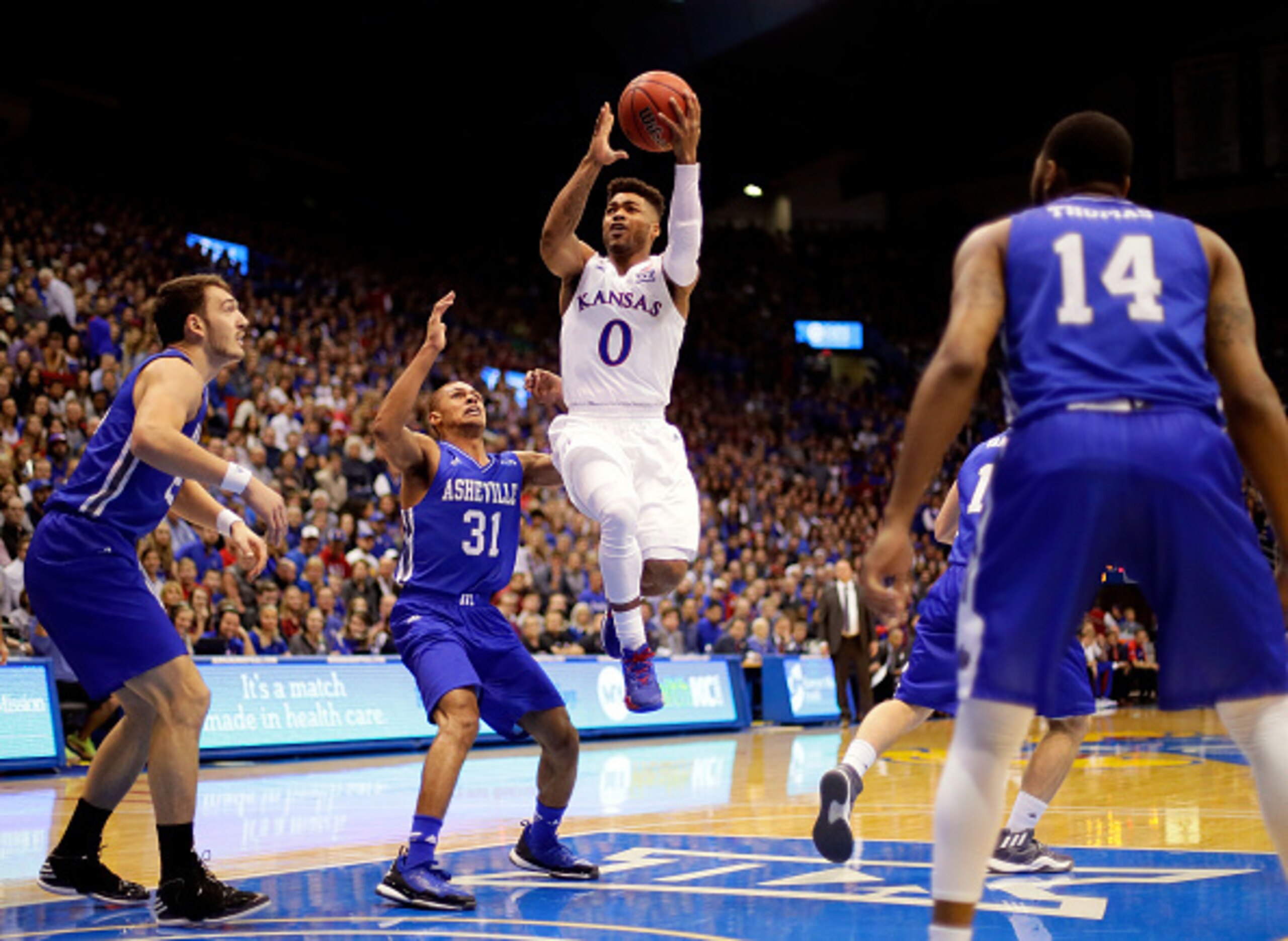
As much attention as Kansas has gotten in recent years for the talented one-and-done players it has had, upperclassmen have arguably been far more valuable to the program's run under Bill Self. Since he arrived in 2003-04, the Jayhawks have had 11 players finish the season averaging 15 or more points per game and nine of them have been juniors or seniors.
You'll be adding Frank Mason to that list after 2016-17 and he's on pace to be Self's most prolific scoring player ever. Through six games the 5'11” guard is averaging 21.5 points per game, topping the 20.3 average of Wayne Simien—as a senior—in 2004-05.
A point guard by trade, Mason is averaging a career-best 5.0 assists per game as well. But since Kansas has the luxury of putting two point guards on the court, the other being junior Devonte' Graham, that frees Mason up to be more involved in the scoring.
And he's making the most of those extra chances, shooting 54.9 percent overall and 48 percent from three-point range. That includes going 8-for-13 from the field in the Champions Classic win over then-No. 1 Duke and then hitting 5-of-5 threes on Friday against UNC-Asheville.
3. London Perrantes, Virginia
10 of 12
Coaches always hope to see improvement from players from one year to the next, keeping that trend going all the way through their senior year if they stay around long enough. London Perrantes is a case study in how to develop a player over time and have it pay off in the end.
Though he's started 106 of the 110 games he's played in at Virginia, including every game since January of his freshman year, Perrantes' role has changed significantly over that time. The 6'2” guard has maintained his place as the Cavaliers' floor leader in terms of directing the offense, but as he's grown he's become more involved in producing points instead of just facilitating them.
Perrantes' 9.2 points per game in Virginia's 6-0 start is down from the 11.0 he averaged as a junior, but he's also averaged 6.2 fewer minutes per game so far with the first five games decided by at least 25 points. Use his per-40 numbers and Perrantes is shooting and scoring more than last season as he has each year of his career.
And Perrantes also remains the catalyst of Virginia's smothering defense, which so far is holding opponents to 41.3 points per game and 30.5 percent shooting.
2. Josh Hart, Villanova
11 of 12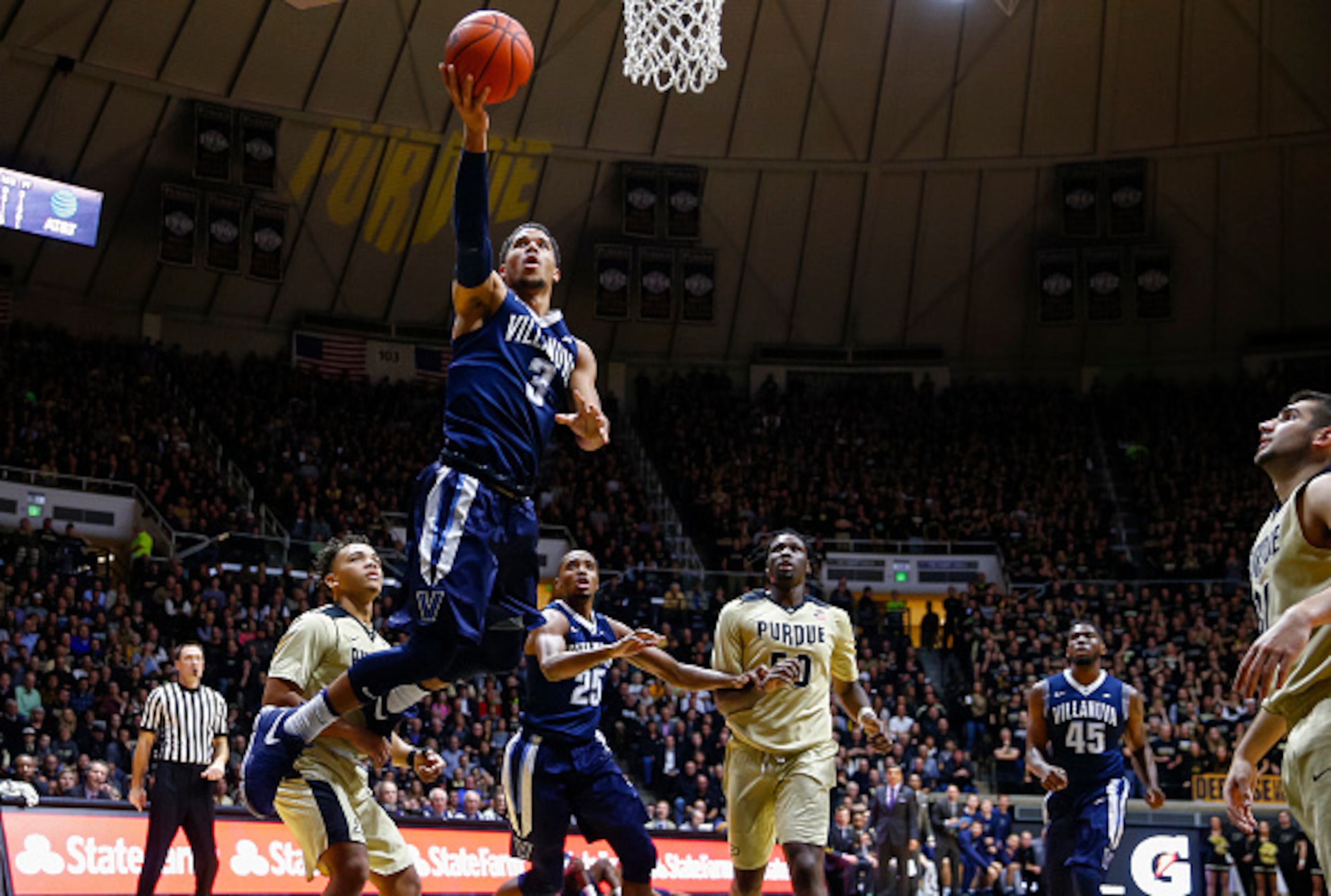
He was the best player on the best team in the country last season, and not much has changed since Villanova won the national title in April. The Wildcats are 6-0 and have looked good so far, with Hart again pacing the attack.
The 6'5” guard is scoring at an 18.2 points-per-game clip, a 17 percent increase from last season, and his shooting rates are also on the rise. He's made 57.4 percent of his field goals including 44.4 percent from outside, compared to 51.3 and 35.7 percent in 2015-16.
Hart is doing this as part of a balanced unit, one with four players scoring at least 11 points per game and seven taking at least six shots per contest. He's taking a little more than 20 percent of the shots, only slightly higher than a year ago, but the selection is more polished and thus he's hitting at a better rate.
1. Monte Morris, Iowa State
12 of 12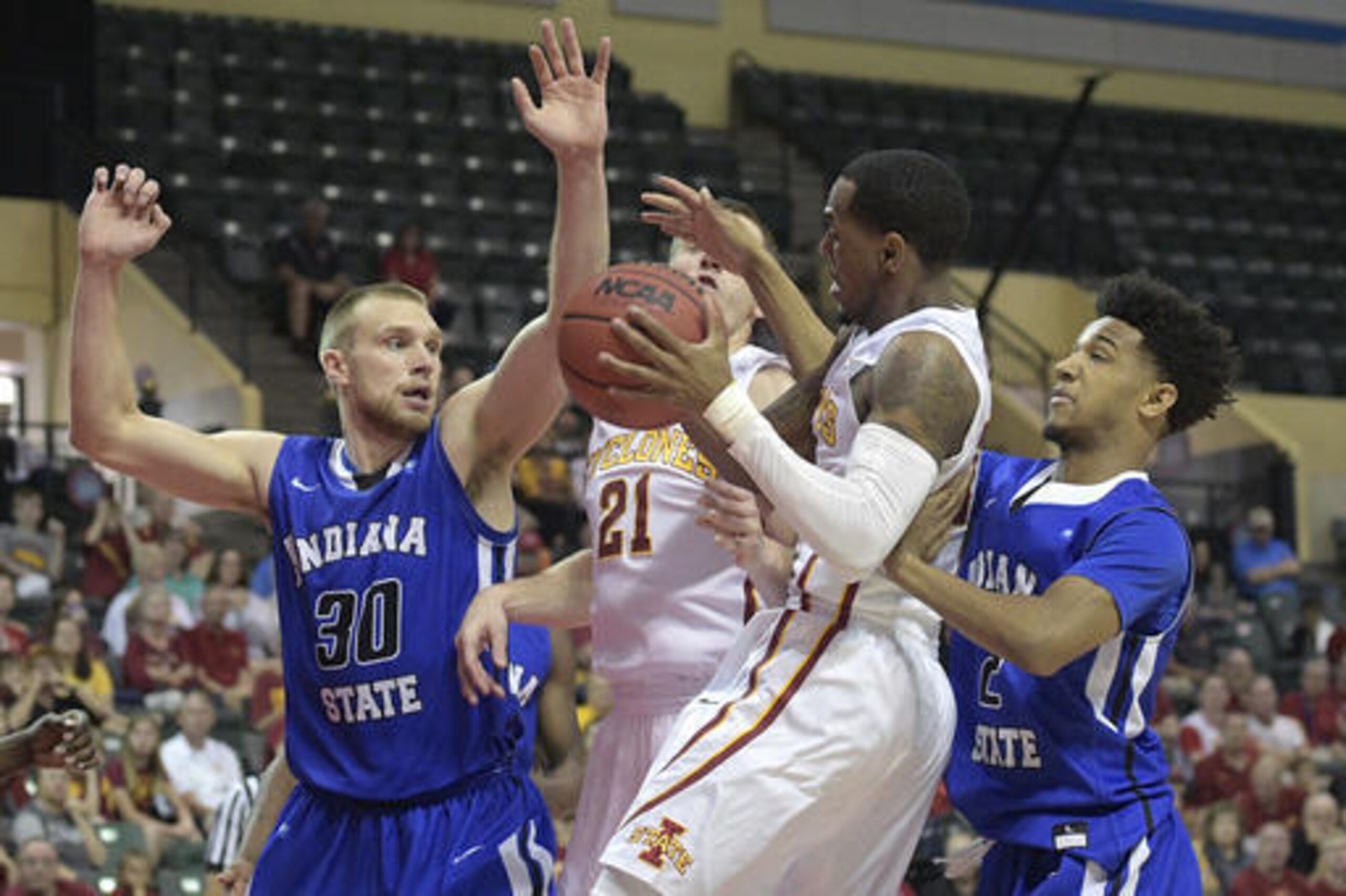
On his way to recording the best career assist-to-turnover ratio in NCAA history, Monte Morris has added leading scorer to his resume without sacrificing his ability to find open teammates and avoid mistakes with the ball.
The 6'2” guard is averaging 16.0 points, 5.2 rebounds and 6.5 assists per game while shooting 52.6 percent overall and 42.9 percent from three-point range. All of those are career highs except for the assist average, which is slightly down from 6.9 per game in 2015-16 when he had Jameel McKay, Abdel Nader and Georges Niang to fish it to.
Iowa State (5-1) actually starts five seniors, a rarity for a power-conference team, but none are as important to the team as Morris. A possession rarely goes by without the ball going through his hands, and ISU has few trips down the court without getting off a shot because of him. In six games he's committed a mere seven turnovers, compared to 39 assists, and for his career his assist-to-turnover rate is 4.54-to-1.
The Cyclones are fifth in Division I in turnover percent, at 11.9 percent, with Morris' rate at 7.9 percent.
All statistics courtesy of Sports-Reference.com, unless otherwise noted. All recruiting information courtesy of Scout.com, unless otherwise noted.
Follow Brian J. Pedersen on Twitter at @realBJP.
.jpg?w=2560 "Vikings Buccaneers Football")
.jpg?w=2560 "EVERY Fantasy Football Update")
_0.png?w=2560 "Week 5 Winners & Losers 📊")

