
Way-Too-Early Predictions for the Cinderellas in the 2017 NCAA Tournament
All these upsets in early season, neutral-site tournaments have us wondering whether the likes of Rhode Island, Nevada or UCF can be Cinderella teams in March.
The 2016 NCAA tournament was even crazier than usual. The only seed that didn't win at least one game was a No. 16, as Middle Tennessee, Stephen F. Austin, Hawaii, Yale and Arkansas-Little Rock all wreaked havoc on our annual delusions of filling out a perfect bracket. We even had a No. 10 seed in the Final Four, although Syracuse is just about the last team that can ever be considered a Cinderella story.
It may be early in the season, but one of the primary qualifications for Cinderella teams in years past has been aggressive scheduling and moderate success against it. As such, teams like IPFW and Arkansas State that have already scored impressive wins were obvious places to start looking.
But big wins aren't the only desirable qualities. To find this year's top candidates, we went searching for veteran teams from non-major conferences that were either expected to do well or are out to surprisingly hot starts. Ranking the teams is entirely subjective, but it boils down to a matter of deciding who we would least want to see matched up in the first round against our dark horse for the Final Four.
Honorable Mentions
1 of 11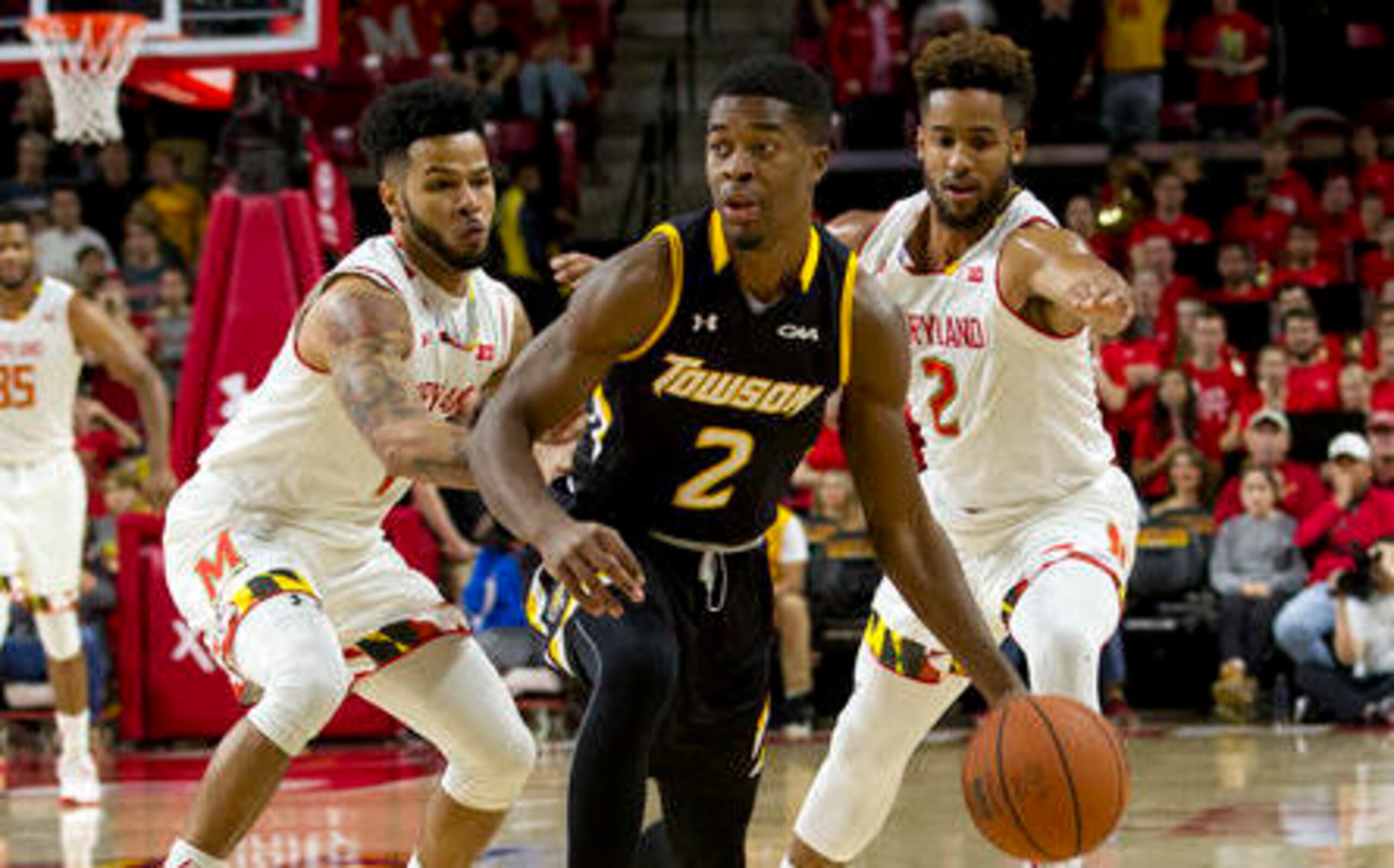
Towson Tigers
The Tigers aren't even remotely the favorites to win the CAA, but they have shown some early spunk. They won road games against George Mason and Morgan State, nearly won a road game against Maryland and put up a respectable fight at Boston College. They are loaded with veterans, including two starters who transferred in from Wake Forest and Cincinnati. Should Towson sneak into the tournament, it could put a No. 2 seed on upset watch.
North Dakota Fighting Hawks
UND has yet to face a D-I opponent, but it has slaughtered Crown, Mayville State and Presentation and opened the season as our favorite to win the Big Sky Conference. In mid-December, the Fighting Hawks will play four consecutive games against North Dakota State, Northern Iowa, North Dakota State again and Iowa. Don't be surprised if Quinton Hooker and company win at least three of those contests.
IPFW Mastodons
John Konchar and the Mastodons had a huge win over Indiana Tuesday night, but losses to Arkansas and Illinois State leave something to be desired. Let's see how they fare against Notre Dame next month before we start asking how deep they can go in the NCAA tournament.
Wichita State Shockers
If Gregg Marshall's guys are still allowed to count as a Cinderella team, they're No. 1 on the list. Led by little-known players like Zach Brown and JUCO transfer Darral Willis, the Shockers ran a freight train through their first five opponents, winning by an average margin of 36.4 points per game. After seven consecutive seasons with at least 25 wins, including a trip to the 2013 Final Four, we're beyond hesitant to include Wichita State among the Cinderella candidates.
San Diego State Aztecs
Similar to Wichita State, if you consider the Aztecs an option for a Cinderella story, then they rank near the top of the list. They got smoked at Gonzaga last week, but they didn't have Malik Pope or Max Hoetzel due to injuries. Playing with those two guys against California, they won by a dozen and looked like a much bigger threat for March. But with six NCAA tournament wins and an average of 28.2 total wins over the past six seasons, San Diego State isn't sneaking up on anyone in the Big Dance.
Northern Iowa Panthers
Early wins over Arizona State and Oklahoma in the Tire Pros Invitational have Northern Iowa back among the teams to watch out for in the tournament. But Ben Jacobson has done such a great job with this program over the past decade that the Panthers don't really qualify as a Cinderella team anymore. They already have four NCAA tournament wins in the 2010s.
Saint Mary's Gaels and Gonzaga Bulldogs
You get the idea. Saint Mary's would be more of a Cinderella story than Gonzaga, but neither one would be a surprise to reach the Sweet 16 after both opening the season in the AP Top 25.
10. Arkansas State Red Wolves
2 of 11
Anthony Livingston nearly averaged a double-double over his last two seasons with the Red Wolves, but they were no good with him, going a combined 22-38 and finishing second-to-last in the Sun Belt conference both years.
Somehow, they have gotten better without him, jumping out to an early 5-1 record.
Everyone peeked in for last week's shocking 78-72 win at Georgetown in which Arkansas State held a 23-point lead late in the first half, but the Red Wolves backed up that upset with subsequent wins over Army and Chattanooga within the next three days.
They're committing way too many fouls and turnovers—a combined 42.5 per game—but in a weird, Press Virginia kind of way, that physical and aggressive style of play has given them an edge over what should be better opponents.
One thing we've learned is that whomever comes out of the Sun Belt Conference needs to be taken seriously. Georgia State upset Baylor two years ago and Arkansas-Little Rock knocked off Purdue this past March.
We initially assumed Texas-Arlington would be this year's team, but the Mavericks are struggling with star player Kevin Hervey playing poorly in his return from a torn ACL. That might open the door for Arkansas State to knock off another major-conference foe in the tournament.
9. Lehigh Mountain Hawks
3 of 11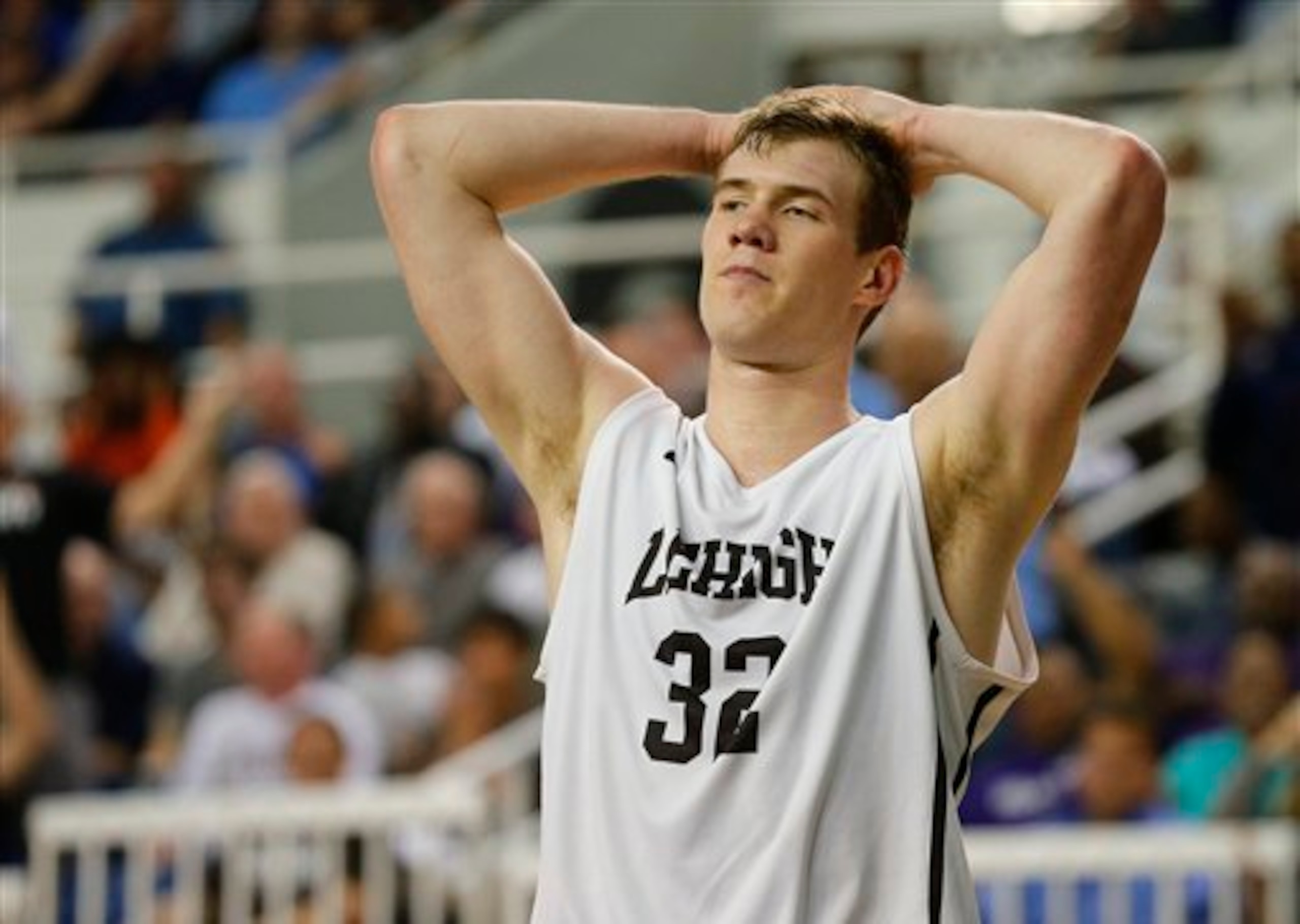
Lehigh is only 1-2, but don't let that record fool you. The Mountain Hawks also lost their first two games in 2011-12 before going on to beat Duke in the NCAA tournament.
Much like that season, they've challenged themselves early and have fared well in those litmus tests. Lehigh nearly won at Xavier on opening night and took Yale to overtime before beating Princeton.
With a little better luck from the free-throw line, Lehigh would be 3-0 and would have gotten some love in the most recent AP poll. All three games were decided by a single-digit margin, even though opponents are shooting a combined 83.7 percent from the charity stripe against the Mountain Hawks.
As expected, Tim Kempton is leading the way. The two-time reigning Patriot League POY is averaging 26.3 points and 9.7 rebounds per game, has expanded his game to include more perimeter shooting and has even become more of a factor on the defensive end than usual. There might not be a more important player in the country fewer people are talking about.
Lehigh will get three more games in November against Mississippi State, Arkansas State and La Salle before disappearing into the obscurity of a weak December and conference schedule. Don't forget about this team, though. Your chances of a winning a bracket poll may depend upon it.
.jpg?w=2560 "Saints Lions Football")
8. Valparaiso Crusaders
4 of 11
Alec Peters is one of the best college basketball players in the country. Even though his three-point stroke hasn't arrived yet—25.7 percent, as compared to 45.2 percent over the previous two years—Peters is averaging 25.4 points and 8.8 rebounds per game. He has at least 20 points in each of his five games, scoring 34.5 percent of the team's points thus far.
But does he have enough of a supporting cast?
Valparaiso won 30 games last season before losing Keith Carter, Vashil Fernandez, Darien Walker and E. Victor Nickerson to graduation. Thanks in large part to the shot-blocking and rebounding of Fernandez and the on-ball defense of Carter, the Crusaders had one of the stingiest defenses in the country in addition to a relatively well-balanced scoring assault. Though Peters was clearly their best option, he only averaged 11.9 field-goal attempts per game.
This year, that number has skyrocketed to 18.6, even though he's only playing 2.7 more minutes on average. Their team defense is marginally above average and their rebounding is sub-par. Former LSU transfer Shane Hammink is the only player other than Peters who can be counted on for much of anything.
The hope was that redshirt freshman Derrik Smits could make a significant impact in the paint, but he's barely playing five minutes per game and has averaged 14.8 personal fouls per 40 minutes.*
And yet, you'd have to be crazy to disregard this team's Cinderella potential. Most of the guys on the roster are inexperienced, but they will naturally develop throughout the season. And with a player like Peters who could go for 40 when he's really feeling it, anything is possible.
7. Monmouth Hawks
5 of 11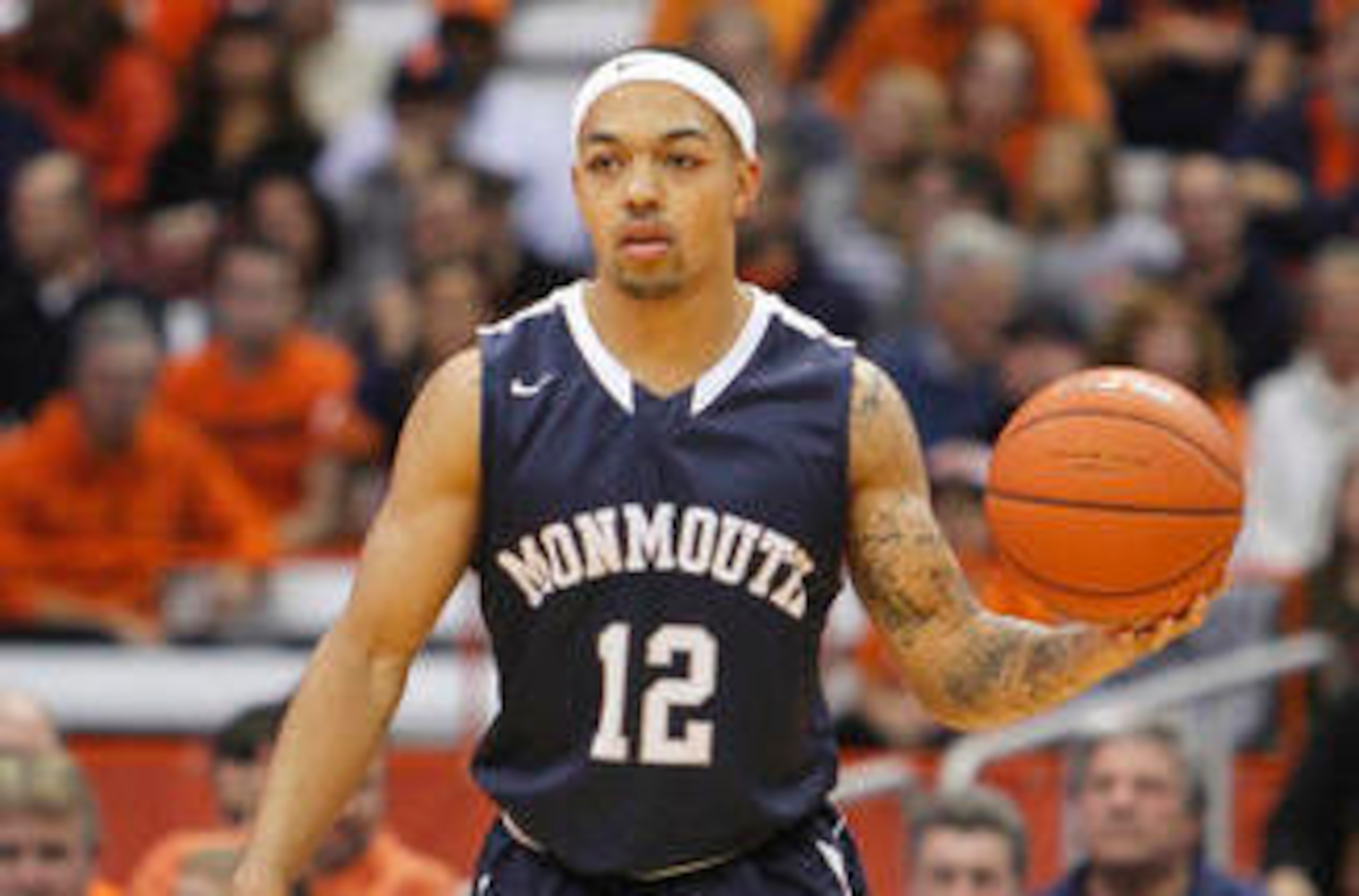
The most noteworthy snub from last year's NCAA tournament is hoping to avoid a similar fate this March, but early results won't do much to help the Hawks on that quest.
Monmouth comfortably took care of Drexel and Cornell but is sitting at 2-2 after a pair of losses to major-conference teams. The Hawks shot 4-of-29 from three-point range in the 71-50 loss to Syracuse, but they really should have won at South Carolina. After falling behind 19-2 in the first nine minutes, they stormed all the way back to force overtime before losing on a fluky buzzer beater.
Unless they can beat Memphis, Princeton and/or North Carolina in December, the Hawks won't have much of an at-large resume for the selection committee. As the favorite to win the MAAC, though, Monmouth should still get the chance to play Cinderella.
They'll need to get better on offense to make it happen. The Hawks are shooting 25.7 percent from three-point range—compared to 36.6 percent last year—have struggled to get to the free-throw line and have committed too many turnovers. For a team almost entirely comprised of returnees from last season, though, it's safe to assume those numbers will correct themselves once the sample size is more than 165 minutes.
There won't be much obsessing over the bench mob this year, but this is an experienced bunch that could make some noise in March, even without a shtick.
6. Florida Gulf Coast Eagles
6 of 11
Save for Long Beach State, no team scheduled more aggressively for the first 10 days of the regular season than Florida Gulf Coast did, and its record paid the price for it. The Eagles did win a home game against Texas-Arlington, but they also lost road games against Florida, Baylor and Michigan State.
Despite the 1-3 record, we're impressed by what we have seen—particularly since they have been playing without their star.
Marc-Eddy Norelia averaged 17.1 points and 9.3 rebounds per game last season, leading the team in both categories by a wide margin. He was also No. 1 in blocked shots and No. 2 in steals. But Norelia suffered a broken hand in an early October practice and did not take the floor until Wednesday night's game against Binghamton.
The Eagles lost by 21 points to Florida and probably still lose that game with Norelia, but they lost by just nine at Baylor and held a late lead against Michigan State before falling by a one-point margin. With him in the mix, they might already have a build-up of statement wins on their resume.
They'll need to get their fouls and turnovers under control—they've allowed 39 more free-throw attempts than they've taken and have committed 19 more turnovers than their opponents—but getting their leader in the paint back should help cure some of that sloppiness.
If UCF transfer Brandon Goodwin (19.5 PPG) keeps playing this well with Norelia on the court, we might be talking about FGCU in the second weekend of the NCAA tournament once again.
5. Princeton Tigers
7 of 11
The 2016-17 season hasn't started anywhere near as well as Princeton hoped. Nine-point road losses to BYU and Lehigh leave the Tigers at 0-2 with non-conference tests remaining against VCU, California, Monmouth and Saint Joseph's.
Last year, the three-point arc was their best friend. They shot 38.3 percent from the perimeter and averaged 9.7 makes per game. This year, though, they're shooting just 30.2 percent while watching opponents shoot an unsustainable 43.8 percent.
There has also been a massive disparity at the free-throw line, where the Tigers have given up more than twice as many attempts as they have taken (57 to 25). Worse yet, opponents are shooting 77.2 percent from the free-throw line, so the Tigers are paying dearly for that differential. They allowed an average of 17.9 free-throw attempts per game last season, so 28.5 is a bit extreme and should decrease in due time.
Princeton was at or near the top of everyone's list of Cinderella teams heading into the season because it returned virtually everyone from last year's 22-7 team while also reintegrating Hans Brase, who was a key component in the 2013-14 and 2014-15 seasons before missing last year due to injury. But the ball simply isn't bouncing the Tigers' way thus far.
Give it time, though. If they were 0-4 with at least one loss to a bad team, we'd be concerned. However, two losses to likely NCAA tournament teams isn't much of a sample size for what to expect in the future. The real test will be later this month against VCU. Even if they don't win that road game, the Tigers could make a strong Cinderella statement by battling the Rams for 40 minutes.
4. Chattanooga Mocs
8 of 11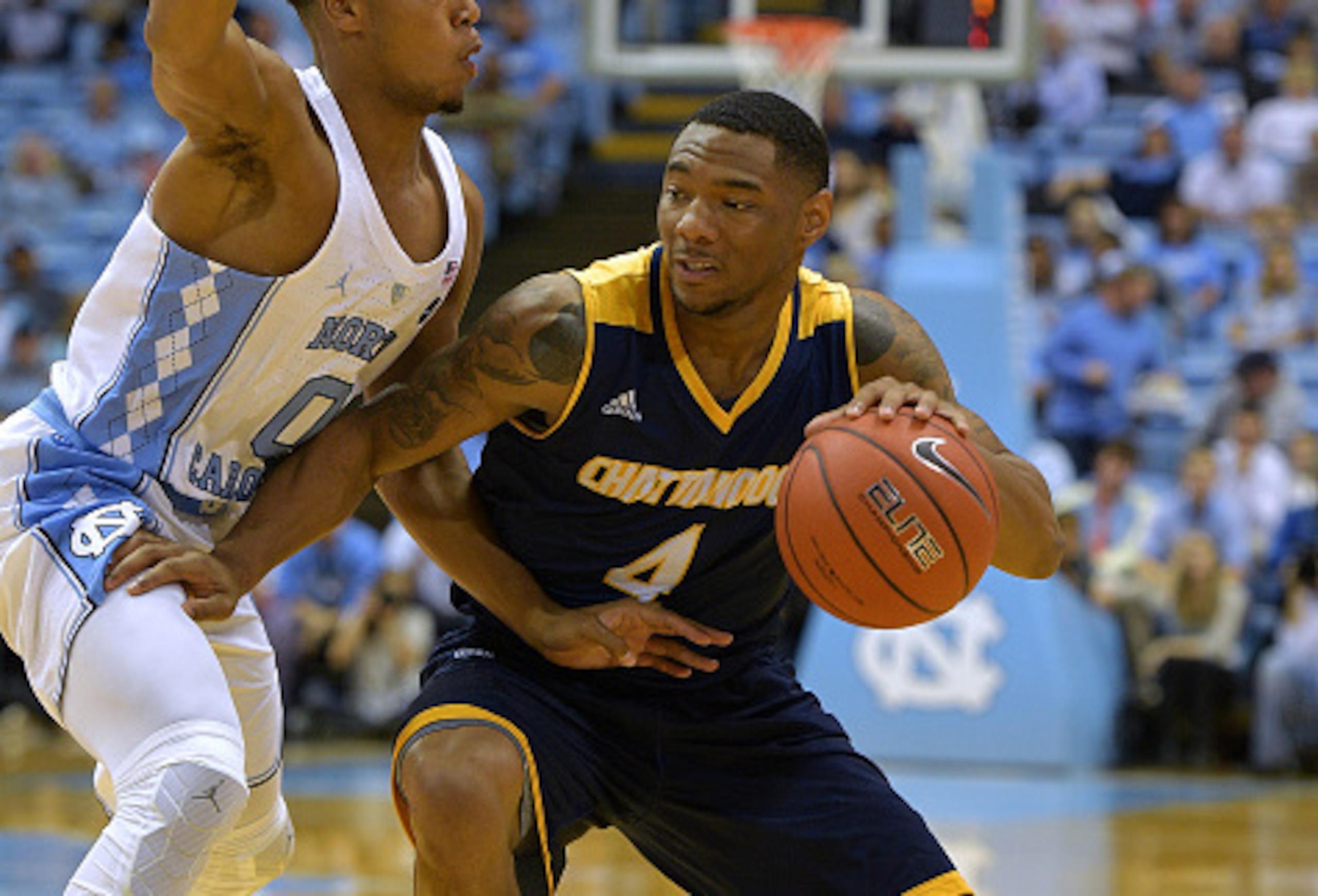
A No. 12 seed in last year's NCAA tournament that won 29 games, Chattanooga is no stranger to Cinderella expectations. The Mocs didn't exactly answer that call with a 99-74 loss to Indiana, but perhaps 2017 will go better for the veteran squad.
In the season-opening road win over Tennessee, Chattanooga started five seniors, two of which—Justin Tuoyo and Tre' McLean—went for at least 20 points and 10 rebounds.
Since then, though, the Mocs have been a bit disappointing, falling to 3-2 with a 40-point loss to North Carolina and a neutral-site loss to Arkansas State. They are getting destroyed on the defensive glass, struggling to hit threes and committing a lot of turnovers, not one of which was a problem for this team one year ago.
As is the case for Princeton, though, we have faith they'll turn things around. This team is too experienced and talented to not eventually right the ship—particularly once Casey Jones returns from an ankle injury that has cost him the last four games and Xavier transfer Makinde London becomes more acclimated to the offense.
3. UCF Knights
9 of 11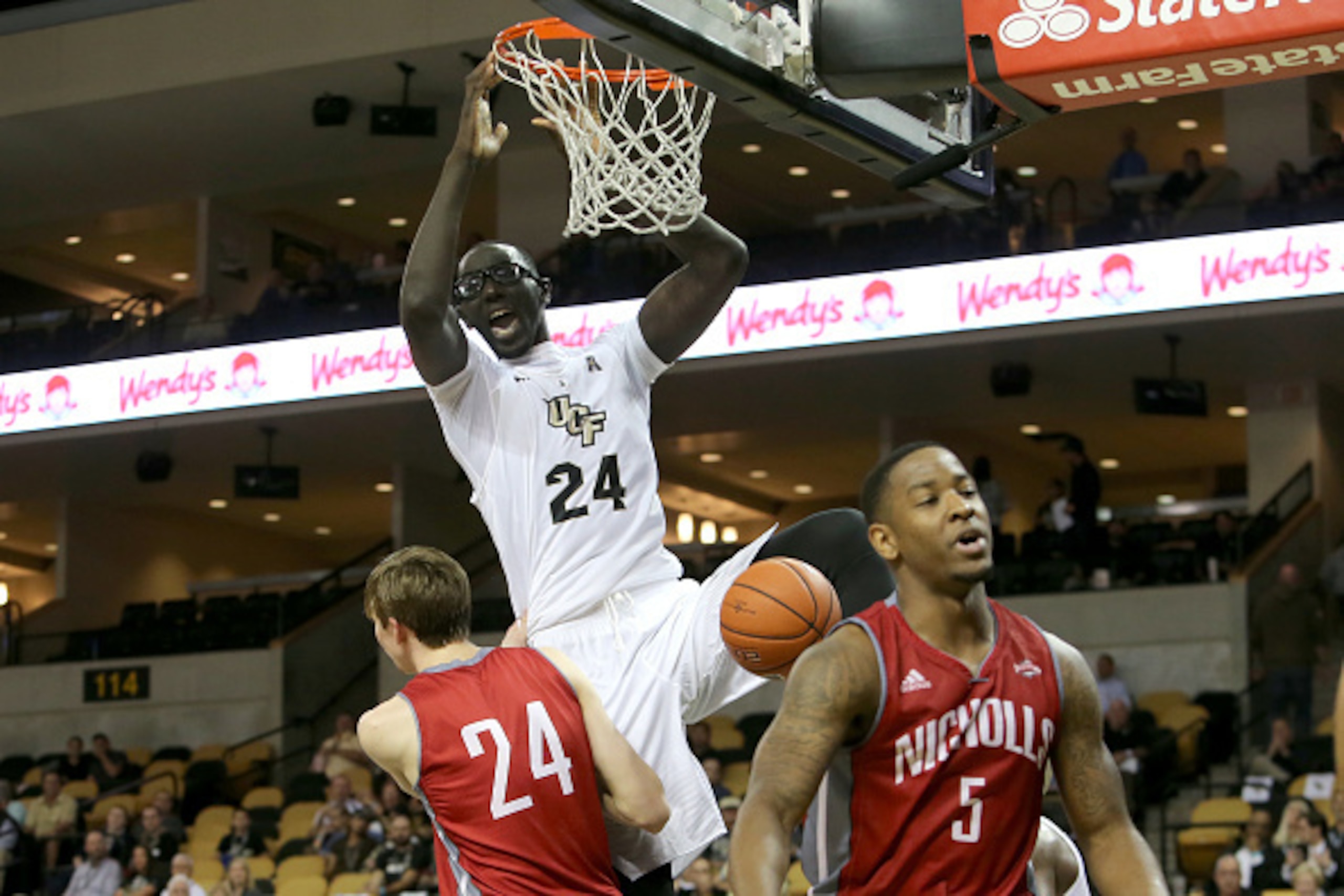
The AAC is to major conferences what "Y" is to vowels. The ACC, Big 12, Big East, Big Ten, Pac-12 and SEC are the clear majors. The A-10, Missouri Valley, Mountain West and West Coast are clear mid-majors. The AAC is somewhere in between.
Thus, as far as Cinderellas are concerned, it's kind of a case-by-case basis in the American. Connecticut, Cincinnati, Memphis, SMU and Temple don't qualify, but UCF—a program that has never won an NCAA tournament game and has finished at least five games below .500 in each of the past three seasons—most certainly does.
Heck, if the Knights even make the NCAA tournament, it would be a surprise to everyone because they haven't done so since 2005. But new head coach Johnny Dawkins has this team headed in the right direction.
It's a painfully short-handed rotation. A.J. Davis averaged 12 points per game last season, but he's currently sidelined with a broken hand. Chance McSpadden was a key backcourt reserve as a freshman, but he's recovering from a torn ACL and won't be back until at least December. The Knights also have Aubrey Dawkins (Michigan), Dayon Griffin (Louisiana Tech) and Rokas Ulvydas (Texas Tech) sitting out after transferring into the program.
As a result, they have four guys averaging at least 33.3 minutes per game and four guys attempting more than 10 shots per game.
But it's working. Tacko Fall has been an absolute stud, making 81.0 percent of his field-goal attempts while leading the team in points (17.8), rebounds (12.5) and blocks (3.0). Sophomore point guard B.J. Taylor nearly had a triple-double in the team's 25-point win over Mississippi State. Matt Williams is a gunner who will occasionally drain half a dozen triples in a game. And former New Mexico and Illinois State transfer Nick Banyard is finally making a significant impact with the Knights.
They won their first three games by a margin of at least 20 points and put up a good fight in a 10-point, neutral-court loss to Villanova. It'll be a while before they face another opponent worth mentioning, but the school record of 25 wins in a season is officially in danger of being broken.
2. Nevada Wolf Pack
10 of 11
Following a lackluster, 18-point loss in the season-opener at Saint Mary's, Nevada has been kicking butt and taking names. The Wolf Pack beat both Loyola Marymount and Iona by a 15-point margin and stomped Oregon State by 25 points in between those two wins.
Missouri State transfer Marcus Marshall is averaging 18.5 points and 5.3 assists per game. Southern Illinois transfer Jordan Carolina is averaging a double-double. Elijah Foster has been an unexpected breakout performer, putting up 12.8 points per game after averaging just 2.8 as a junior.
But if you were buying stock in this team before the season began, Cameron Oliver was the main reason why. He has not disappointed. The star big man has been great on both ends of the floor to the tune of 18.3 points and 2.8 blocks per night.
And with three impact transfers sitting out but still practicing, the Wolf Pack should only get better as the year progresses. Kendall Stephens (Purdue) and Caleb and Cody Martin (North Carolina State) will be crucial members of next year's rotation and should help to improve the game of those who are eligible to play this year.
The big unknown for Nevada is how many bids the Mountain West will be worthy of receiving. After a great run in the early 2010s, the conference has only averaged two tournament teams over the past three years and only sent one last year. If it's another one-bid March, the Wolf Pack will have their work cut out for them to get in ahead of San Diego State. If it's a multi-bid league, though, look out for these guys.
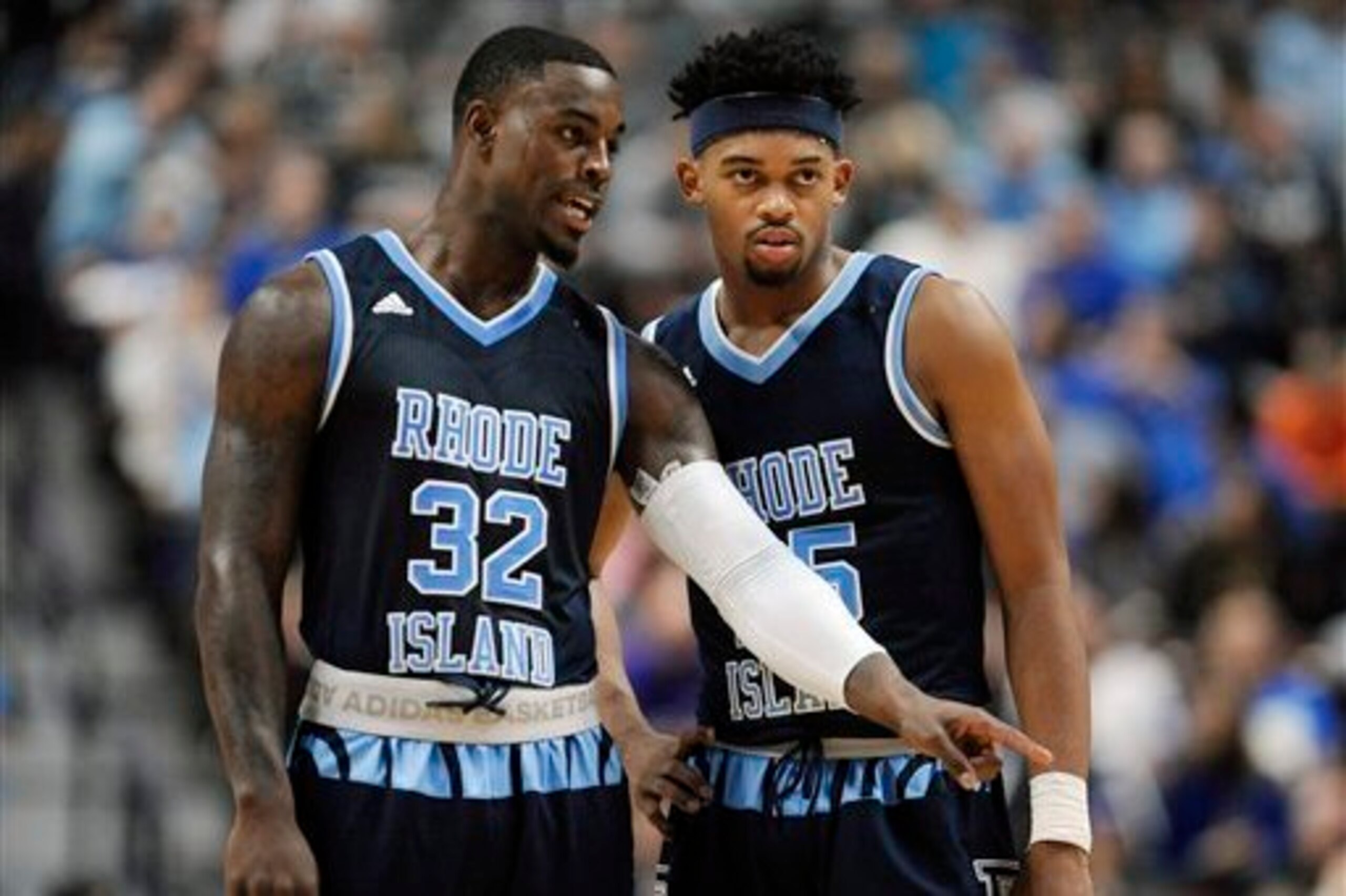
1. Rhode Island Rams
11 of 11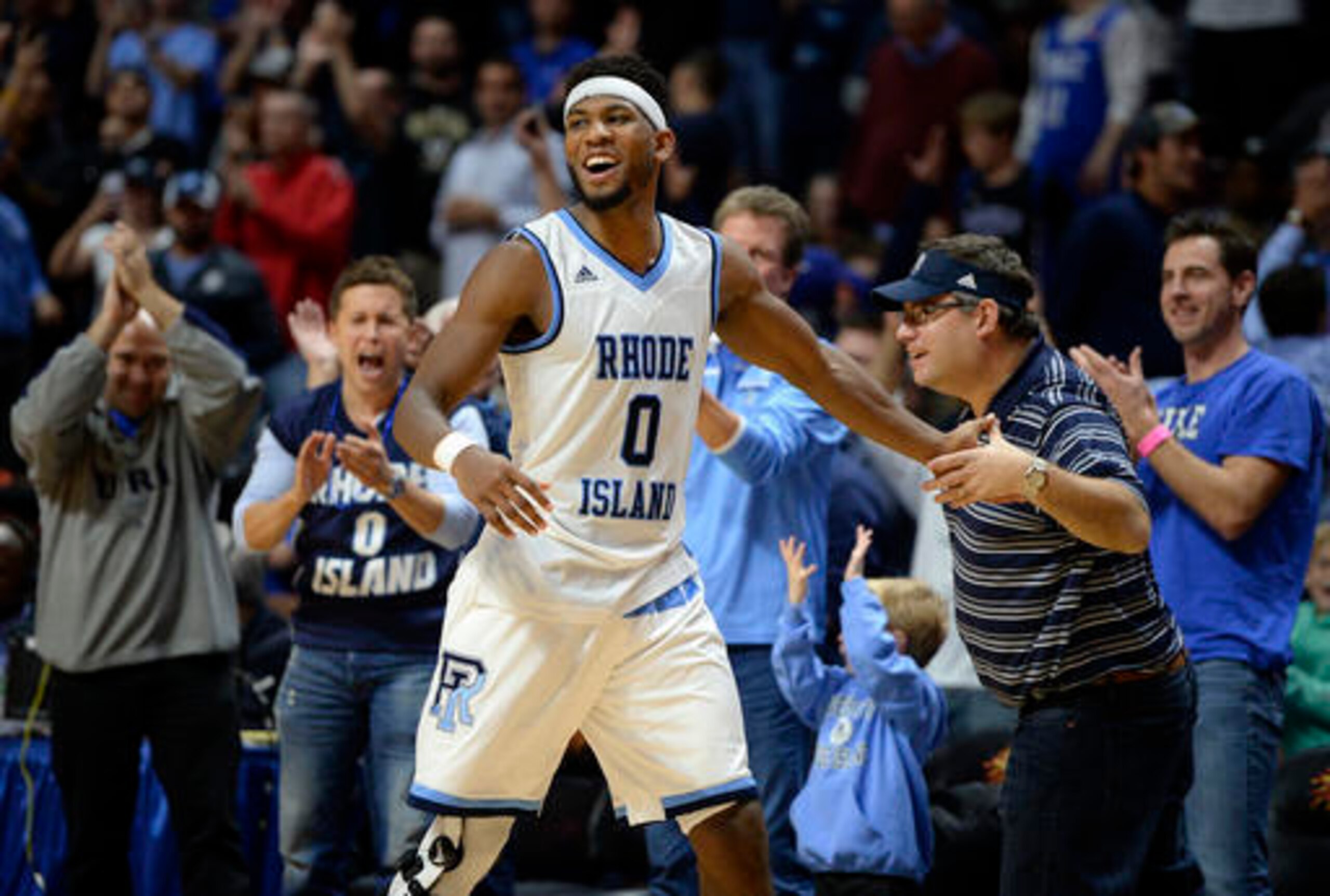
Rhode Island was supposed to be the cream of the A-10 crop last year, but a knee injury suffered by E.C. Matthews 10 minutes into the season derailed those plans in a hurry. The Rams went 17-15, but 11 of those losses were by a margin of six points or fewer, so it's not crazy to think they could have won 28 games at full strength.
So far, we're seeing what that team might have looked like. Rhode Island is 4-1 with a marquee win over Cincinnati and a 10-point loss to Duke in which only two of the starters (Jared Terrell and Hassan Martin) played well.
Those might be the two best opponents Rhode Island faces before the NCAA tournament. Road games against Valparaiso, Providence, Houston and Dayton will be moderately challenging, but the Rams should be favored in every remaining game. That isn't to say they'll enter the A-10 tournament with a 29-1 record, but it would be a surprise if they finish the regular season with more than five losses.
Provided they stay healthy this year, that is. They already got one scare when Jarvis Garrett was taken to the hospital following an awkward fall in the Cincinnati game, but he was back on the court one night later against Duke. Guys like Nicola Akele, Cyril Langevine and Christion Thompson are getting decent minutes, but this is predominantly a six-man rotation that can't withstand many rolled ankles.
But Duke won a national championship two years ago without much of a bench, so who's to say Rhode Island can't string together a few wins in March by relying on a select few players. If the injury gods allow it, this is a team that could make a legitimate run.
Unless otherwise noted, all statistics are current through the start of play on Wednesday, Nov. 23.
Stats are courtesy of KenPom.com and Sports-Reference.com. Recruiting information is courtesy of Scout.
Kerry Miller covers college basketball for Bleacher Report. You can follow him on Twitter @kerrancejames.
.jpg?w=2560 "Vikings Buccaneers Football")
.jpg?w=2560 "EVERY Fantasy Football Update")
_0.png?w=2560 "Week 5 Winners & Losers 📊")

