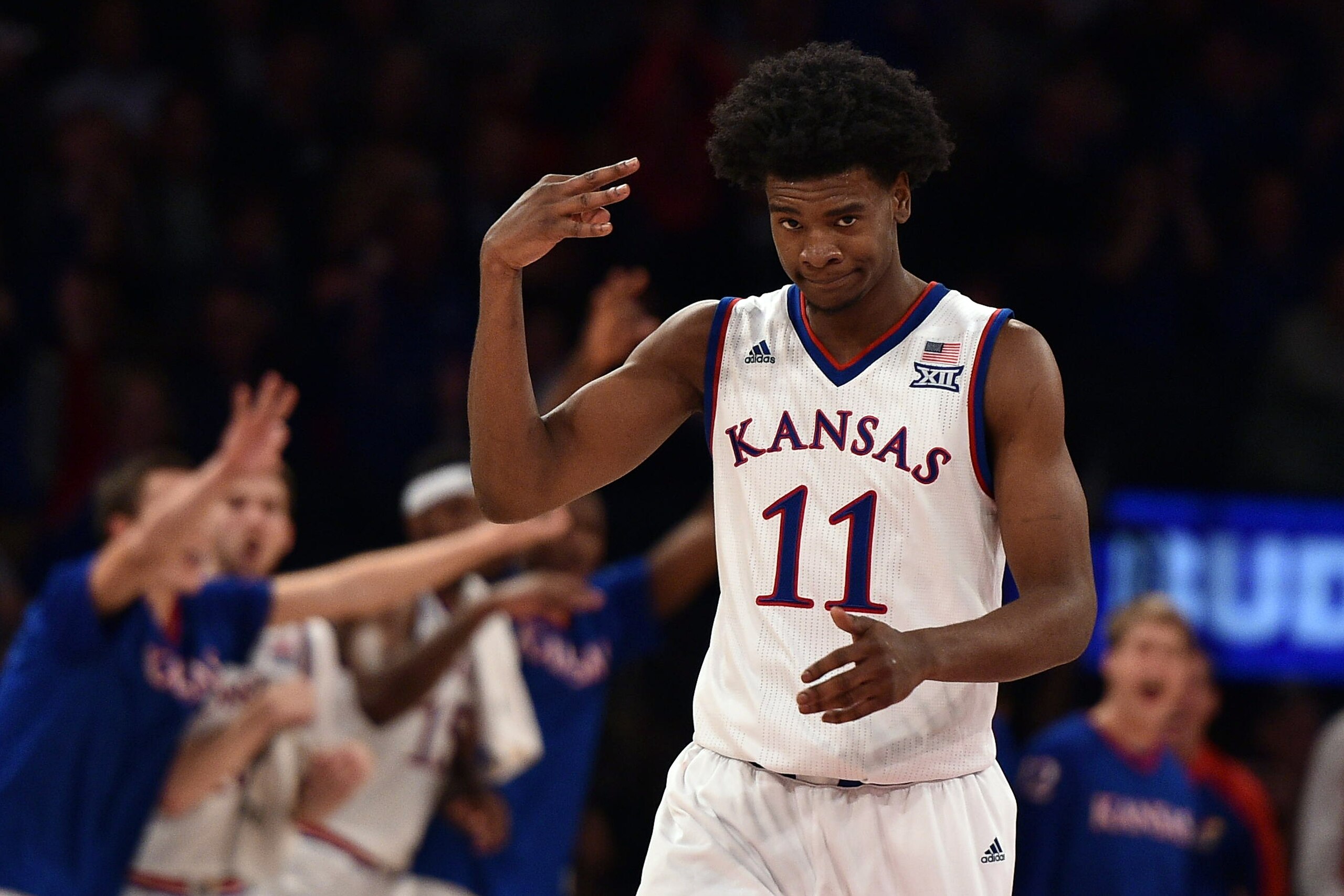

Jonathan Wasserman's 2017 NBA Draft Big Board: Top 50 Early-Season Players
The 2017 NBA draft discussion is officially up and running. And a number of the big names have already started to shake the radar.
Washington's Markelle Fultz, Kansas' Josh Jackson and UCLA's Lonzo Ball are just a few high-profile freshmen who've backed up the hype with strong early-season play. That list of freshmen is also growing with the fast emergence of Michigan State's Miles Bridges and Arizona's Lauri Markkanen.
And we still haven't seen any of Duke's prized three newcomers—Jayson Tatum, Harry Giles III and Marques Bolden—who've each started the year on the sidelines with injuries.
One could say it's been a good start for both college basketball and losing NBA teams.
These rankings are based on NBA potential, which is determined by a combination of physical tools, athleticism, skills, intangibles, age and production, as well as conversations with scouts. However, this is not necessarily a reflection of where I believe each prospect will be picked.
No. 50-No. 48
1 of 30
50. Sviatoslav Mykhailiuk (Kansas, SG/SF, 6'8", Junior)
It's still early to quit on Mykhailiuk, a rare teenage junior. He had some nice moments against Indiana with two assists and three-point makes but was nowhere to be found in Kansas' win over Duke.
At 6'8", he's athletic, can handle the ball and knock down jumpers. The talent, tools and skill set are there for Mykhailiuk—they just have to click eventually.
49. D.J. Hogg (Texas A&M, SF, 6'9", Sophomore)
With more touches and reps, we should see Hogg's confidence and shooting percentages improve. He has a pure stroke from three, and with 6'9", 220-pound size, his physical tools pass the NBA eye test.
By June, he'll have established himself as a shot-maker. Showing wiggle and scoring ability off the dribble—something we didn't see much of last year—takes his game and stock to new heights.
48. Kyle Kuzma (Utah, PF, 6'9", Junior)
Kuzma put himself on the map last season with flashes of versatility. And after opening his junior year with a 23-point, 19-rebound effort, he now has everyone's attention.
At 6'9", Kuzma isn't a great athlete, but his skills cover ground—from his shooting and passing to his line-driving and post footwork. There is minimal upside here, but with more touches in 2016-17, he'll have a chance to build a case for himself as a future jack-of-all-trades role player.
No. 47-No. 45
2 of 30
47. Carlton Bragg Jr. (Kansas, PF, 6'9", Sophomore)
Bragg was productive and efficient against Indiana and Duke, but foul trouble kept him under 20 minutes in each game. Defense has been and still looks like a challenge.
At 6'9", 220 pounds, he's a smooth mid-range shooter. He'll just need to emerge as a more reliable and assertive presence for Kansas, which based on his start, may take more than just two seasons. Bragg will eventually look to sell himself as a pick-and-pop 4, finisher and rebounder.
46. Chimezie Metu (USC, C, 6'11", Sophomore)
Long and athletic, Metu looks the part, but his offensive skills still need fine-tuning. Scouts will want to see him incorporate the mid-range jumper and face-up game from the short corners, given his lack of strength to bang down low.
He'll get looks due to his physical tools and bounce, which translate to big finishes and rejections. Through two games, he has seven blocks, 18 rebounds and 29 points, and he's hit nine of 11 free throws.
45. Josh Hart (Villanova, SG, 6'5", Senior)
Hart returned for one more year after Villanova's national title run. (He attended the 2016 NBA combine, but failed to stand out.) Good news: Hart already looks on track to take another step—he went off against Wake Forest, having scored a career-high 30 points on six three-point makes.
A strong defender and slasher, he's a consistent jump shot away from moving up draft boards. Keep an eye on his three-point percentage, as it could be the determining factor in his stock.
No. 44-No. 42
3 of 30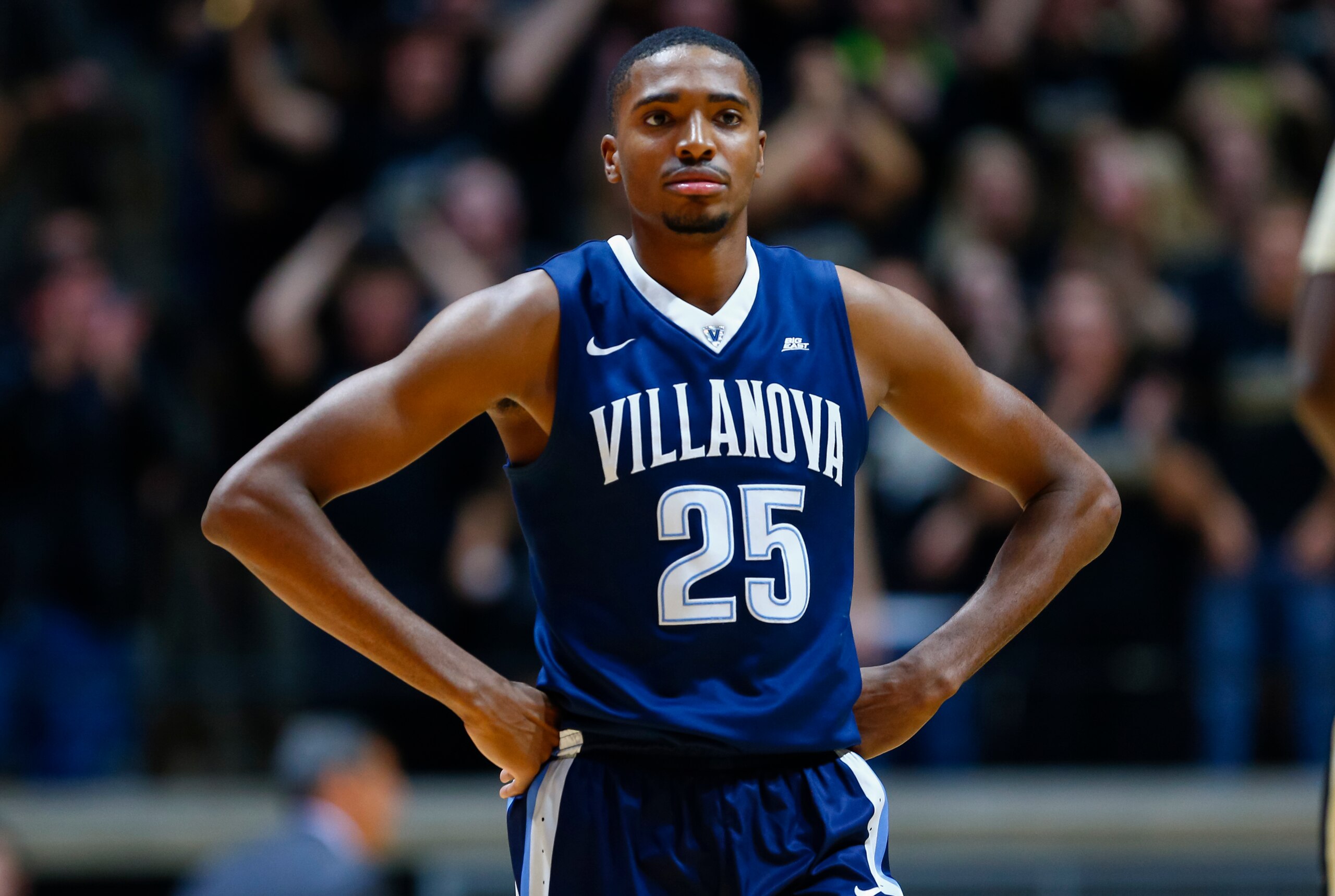
44. Monte Morris (Iowa State, PG, 6'3", Senior)
Expect Morris' outstanding production and efficiency to continue throughout the year. Skilled, with an excellent feel for the point guard position, he's going to rack up assists first, score second and take care of the ball.
Limited speed, athleticism and shooting credibility work against his NBA case, though. He'll go in the second round to a team that values his basketball IQ and facilitating instincts for a backup role.
43. Mikal Bridges (Villanova, SF, 6'7", Sophomore)
A key bench player for Villanova during last year's title run, Bridges' role and game have both expanded in year No. 2. He's valued for his defense and ability to guard multiple positions, but he also rebounds, slashes and makes open shots.
Bridges finished with a career-high 19 points on three three-point makes in a win over Wake Forest on Friday. With Josh Hart graduating after this season, Bridges could also benefit from a third year as a top option. But if he continues to give the Wildcats consistent production off the bench, the NBA interest could build sooner than later.
42. Thomas Bryant (Indiana, PF, 6'10", Sophomore)
Bryant showed off his versatility against Kansas with 10 rebounds and two three-pointers. He's clearly built for the next level physically, but outside of high energy, there isn't any one part of his game he can hang his hat on.
He's still worth monitoring given his 6'10", 255-pound size and flashes of shooting and post scoring. Bryant becomes worth the draft pick if he can eventually specialize in one or the other.


No. 41-No. 39
4 of 30
41. V.J. Beachem (Notre Dame, SG/SF, 6'8", Senior)
Now a top scoring option in Notre Dame's offense, Beachem is in position to make noise with his 6'8" size, athleticism and jumper. He opened with 22 points against Bryant on Saturday before drilling three triples during a blowout over Seattle on Wednesday.
He'll need to improve defensively this year, especially given his limitations as a shot creator and playmaker. With textbook size for the NBA wing, Beachem should still draw interest as a potential shooting specialist, assuming he convinces teams he's capable of guarding backup 2s and 3s.
40. Wenyen Gabriel (Kentucky, PF, 6'9", Freshman)
Gabriel's breakout will likely come during his sophomore year, as he's just not advanced enough offensively to make a significant freshman impact. But his defensive versatility and nose for the ball create unique energizer potential.
At 6'9", he's shown he can guard bigs and stick with wings around the perimeter. Loose balls also just find him around the basket. He's more of a 2018 prospect, but he's going to surprise with capable three-point shooting and while attacking closeouts.
39. Cameron Oliver (Nevada, PF, 6'8", Sophomore)
Foul trouble has limited Oliver early, but the breakout is coming following a freshman season that saw him put up per-40-minute averages of 18.2 points, 12.3 rebounds and 3.5 blocks.
At 6'8", he lacks great size for a power forward, though he compensates with explosiveness, quickness and motor. His stock could spike if he builds on last year's 20 three-point makes and he continues to make strides as a post scorer.
No. 38-No. 36
5 of 30
38. Arnoldas Kulboka (Lithuania, SF, 6'9", 1998)
After catching my eye last year at Basketball Without Borders Global Camp, Kulboka is off to a hot start in Germany's second league, having just hit the 20-point mark for the third time in four games.
At 6'9", Kulboka has great size and fluidity for a small forward, along with a high skill level, smooth handle and jumper. He can score from all three levels, including three-point range, where he's shooting 39.6 percent and hitting 2.1 threes a game.
Lack of strength is an obvious concern, but Kulboka is emerging as an intriguing second-round draft-and-stash option.
37. Rawle Alkins (Arizona, SG, 6'5", Freshman)
Alkins isn't a one-and-done lock, but his body type and scoring ability should eventually attract NBA attention. He just knocked down four threes in his second game at Arizona. At 6'5", 220 pounds, he's physical, athletic and dangerous with the jumper.
Allonzo Trier's status is up in the air, and Ray Smith is out for the year, meaning Alkins could be looking at a significant freshman role. Expect ups and downs—bad shots, streak shooting, turnovers—but ultimately flashes of NBA 2-guard potential.
36. Jonathan Jeanne (France, PF, 7'2", 1997)
There was hope that Jeanne would see minutes with Le Mans' senior team, but it hasn't happened. He'll stick on the radar with 7'2" size, mobility, shooting touch, extreme length and some intriguing ball skills. But there are questions as to how tough he can be inside, and unless we see him against higher-quality competition, he'll be hard to trust in the 2017 first round.
No. 35-No. 33
6 of 30
35. Felipe Dos Anjos (Brazil, C, 7'2", 1998)
Playing in Spain's LEB Gold league (second division behind the ACB), Dos Anjos is producing, having just gone for 24 points and 13 rebounds after double-doubling the game before. He turned some heads (including mine) during 2016's Basketball Without Borders Global Camp with his 7'2" size, mobility, soft touch and effort inside. A project without high-level experience, he's more likely a prospect to watch for the 2018 draft.
34. Devonte Graham (Kansas, PG, 6'2", Junior)
Graham should win some support within NBA scouting departments based on his quickness off the dribble, shooting stroke and defensive toughness. Though his jumper wasn't falling recently against Duke on Tuesday, he gave the Blue Devils trouble by frequently penetrating and getting into the lane, where he was effective scoring at the rim. He also did a nice job of holding Grayson Allen in check throughout stretches of the game.
Graham lacks size and exciting athleticism, but his ability to break down defenses, knock down shots and defend could draw NBA interest.
33. Edmond Sumner (Xavier, PG, 6'5", Sophomore)
Sumner has been most impressive defensively through three games, but he's also averaging 16.5 points. At 6'5", he has consistently used his blow-by speed, size and hang time to attack and finish in the lane.
On the other hand, he hasn't shown much as a distributor, averaging 3.8 assists and four turnovers. And he's still struggling with the jumper, having missed seven of his first eight threes.
His defense and attacking are enticing, but unless he shows shooting (30.1 percent from three last year) and passing improvement, there isn't any reason for Sumner to leave early.
No. 32-No. 30
7 of 30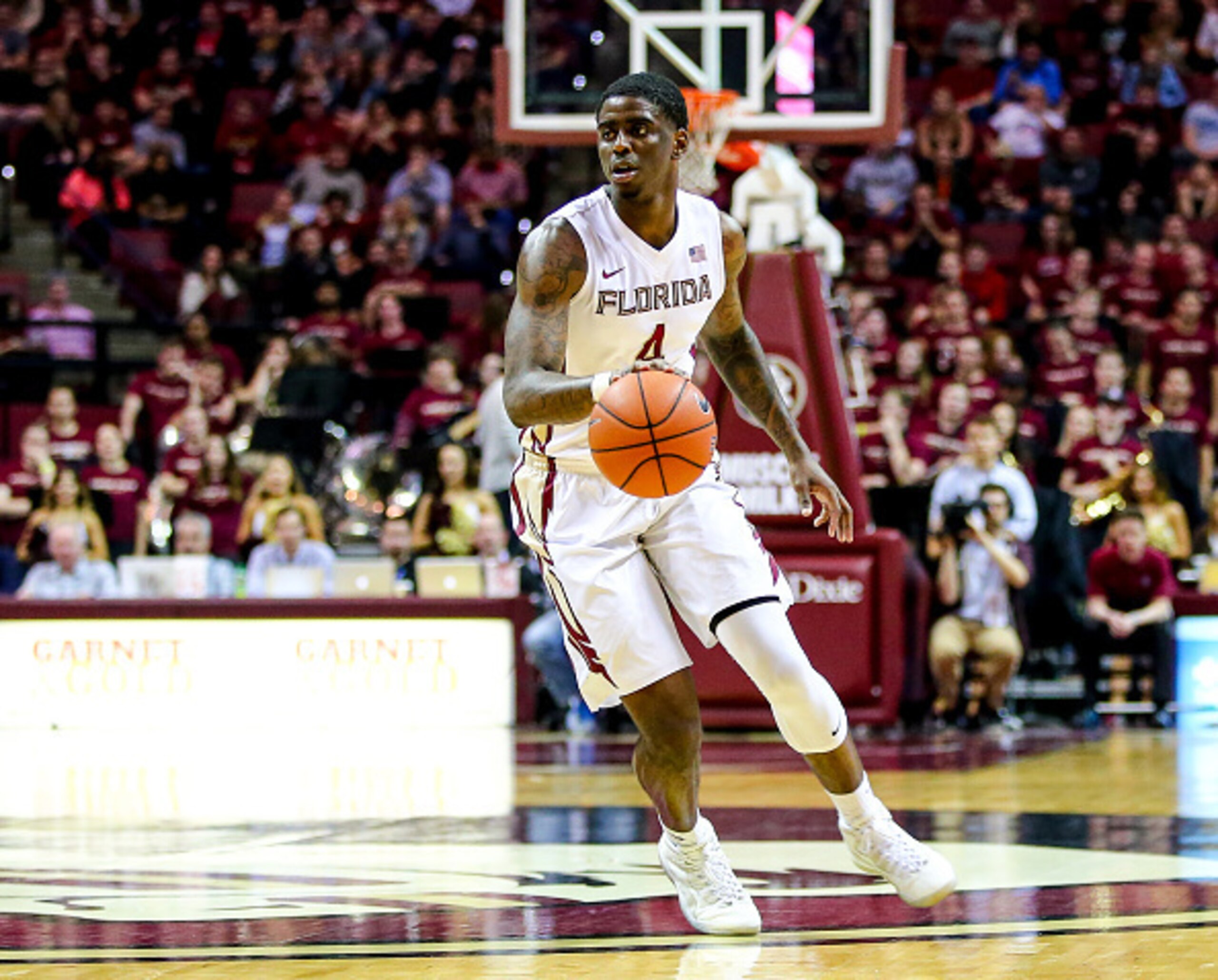
32. Omer Yurtseven (North Carolina State, C, 7'0", Freshman)
Suspended the first nine games by the NCAA (for payments received while overseas), Yurtseven's debut will have to wait. It will be highly anticipated, though, following his terrific showing this summer at the European Championships.
At 7'0" and 245 pounds, he looks the part of an NBA center with size, mobility and soft hands around the basket. A solid pick-and-roll target with some mid-range touch, he'll just need to avoid questions concerning his defensive toughness and skill level.
31. Dwayne Bacon (Florida State, SG/SF, 6'7", Sophomore)
Listed at 6'7", 221 pounds to start the year, Bacon's body and athleticism are NBA-wing material. And the skill set is there—he'll just need to sharpen it in year No. 2.
He's off to a good start, having knocked down four of six threes against Charleston Southern in the opener last Saturday. Bacon is proficient in transition and slashing to the rack, and he's capable of creating jumpers and knocking down open ones.
More consistent shot-making and defense carries Bacon into the back end of the 2017 first round.
30. Johnathan Motley (Baylor, PF, 6'10", Junior)
Motley racked up 17 points and 10 boards in Baylor's upset win over Oregon on Tuesday. He finished with a pair of dunks and four made mid-range jump shots. Athletic with an improved post game and developing jumper, his inside activity and budding offense should create more NBA buzz in 2016-17.
No. 29-No. 27
8 of 30
29. Alec Peters (Valparaiso, PF, 6'9", Senior)
Peters looks poised for one of those monster senior breakouts after averaging 18.4 points as a junior. He's putting up 25.8 points early through four contests, showing scouts an array of perimeter skills and shooting that highlight stretch 4 potential.
Can he defend at the pro level? By June, that's likely to be the only question keeping Peters from being a consensus first-rounder.
28. Andrew Jones (Texas, PG, 6'4", Freshman)
Jones has looked more like a scoring point guard than an undersized 2. Texas has a number of ball-handlers, so Jones' stats won't jump off the page this year. But at 6'4" with plenty of athleticism and playmaking ability, it's only a matter of time before he emerges as the team's top backcourt weapon.
He's finished with at least 10 points in each of his first three games, and that's without making many jump shots. It may take him two seasons at Texas, but once his floor game and shooting come alive, so will his NBA draft stock.
27. Tony Bradley (North Carolina, C, 6'10", Freshman)
Bradley won't hide below the radar much longer. He's averaging 10.7 points in just 16.7 minutes and has only missed five shots through three games.
At 6'10", 240 pounds, he has a strong body and fundamentally sound game, even if there isn't anything flashy about it. He may need another year in school to improve his defense—Bradley has nine fouls and zero blocks in 50 minutes so far. But his post skills and touch should generate conversation among scouts this season.
No. 26-No. 24
9 of 30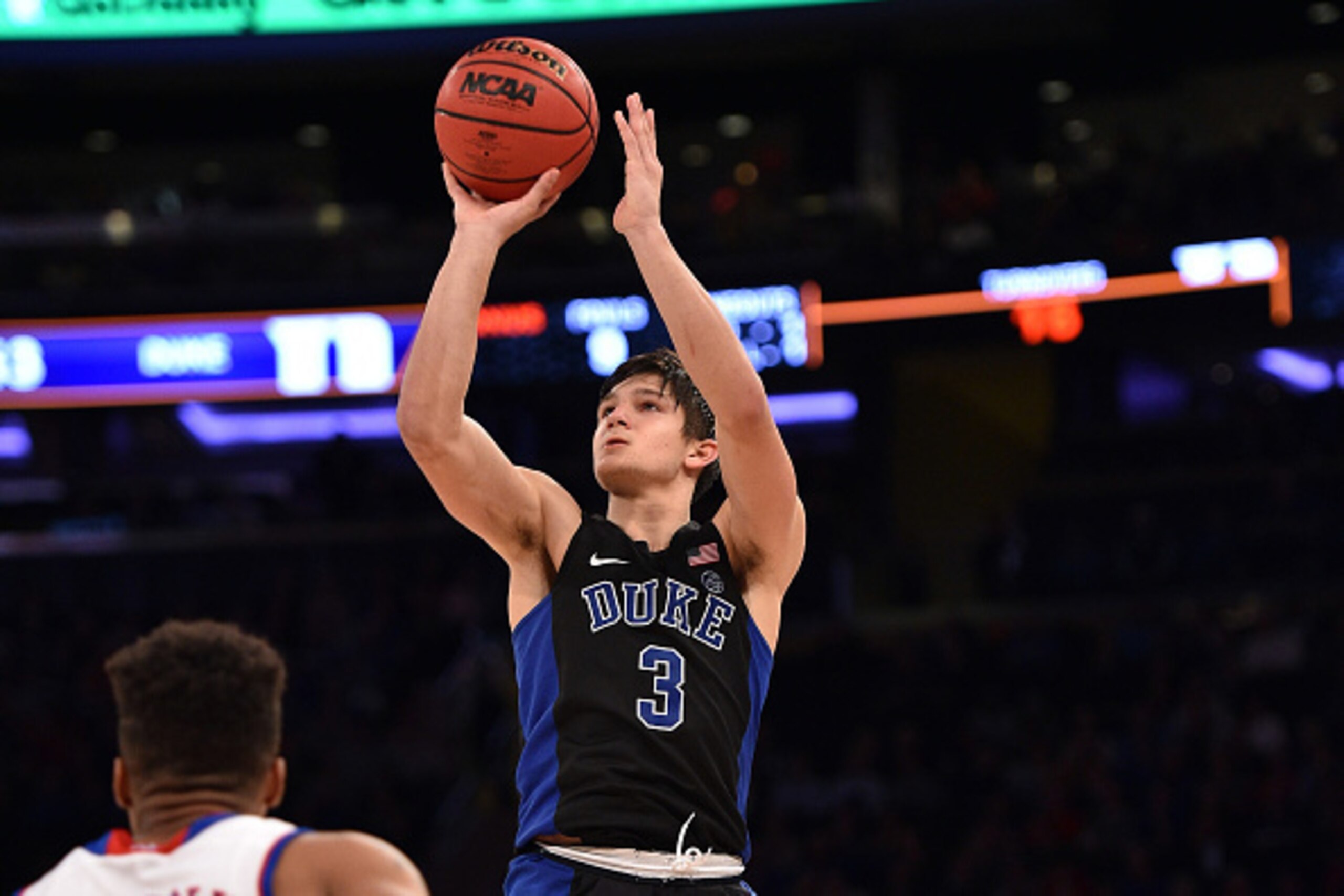
26. Grayson Allen (Duke, SG, 6'5", Junior)
Allen woke up late against Kansas on Tuesday but struggled for most of the night (4-of-15 shooting). To his credit, he'd been forced to carry a heavy workload, and unfortunately for him, his jumper wouldn't fall.
Defense, average tools and no in-between game limit Allen's potential. But his explosive athleticism, shooting stroke and competitiveness should still look attractive in an offensive spark-plug role.
25. Rodions Kurucs (Latvia, SF, 6'8", 1998)
Kurucs returned to Barcelona's B team following an early-season knee injury, though he hasn't received many minutes yet. Eligible for the 2017 draft, 2018 sounds like the more reasonable time to declare for the athletic small forward.
24. Isaiah Hartenstein (Germany, PF, 6'11", 1998)
Hartenstein hasn't seen much action lately overseas, which won't help his stock given the Lithuanian league (LKL) isn't considered cream of the crop.
A known talent coming from his time in FIBA, the Jordan Brand Classic, Eurocamp and Adidas Next Generation Tournament, a quiet season among pros at 18 years old won't knock him off the map.
At 6'11", 230 pounds, he's flashed shooting potential, face-up scoring ability, post offense and strong rebounding. Physical tools and offensive versatility should keep him from falling out of favor.
No. 23-No. 21
10 of 30
23. Bam Adebayo (Kentucky, PF/C, 6'10", Freshman)
Adebayo struggled to get involved against Michigan State on Tuesday, finishing with six points, five boards, five turnovers and four fouls. Unless he's set up to catch and dunk or score over the shoulder on the block, he's looked uncomfortable with the ball.
There is still no teaching that 6'10", 260-pound size and explosiveness, however. He's an easy-bucket target with high rebounding potential and plenty of room for offensive growth. But Adebayo needs to improve defensively, particularly in pick-and-roll coverage.
Unless he shows signs of shooting or post scoring, his luster could start to fade.
22. Jaron Blossomgame (Clemson, SF/PF, 6'7", Senior)
Blossomgame struggled against Xavier on Friday after managing 17 points in a win over Davidson on Thursday, though his jumper hasn't been falling. At 6'7", 220 pounds, he still leans more on physical tools and athleticism than skill.
After averaging 18.7 points and shooting 44.6 percent from three, his size, shooting potential, attacking ability and defensive versatility still form an attractive package. If he can approach the 40 percent mark again from deep, he should wind up in the first-round discussion by June.
21. Tyler Lydon (Syracuse, PF, 6'9", Freshman)
Lydon doesn't appear to have added much, but his athleticism and shooting stroke have't left. He also looks bigger in the upper body, which should help in the rebounding department, where he struggled last season (6.3 rebounds in 30.3 minutes per game).
He just scored 17 points on seven shots against Holy Cross on Tuesday and should draw first-round interest as long as the three-ball continues to drop. His stock will spike if he can show more as a playmaking 4.
20. Frank Jackson (Duke, PG, 6'3", Freshman)
11 of 30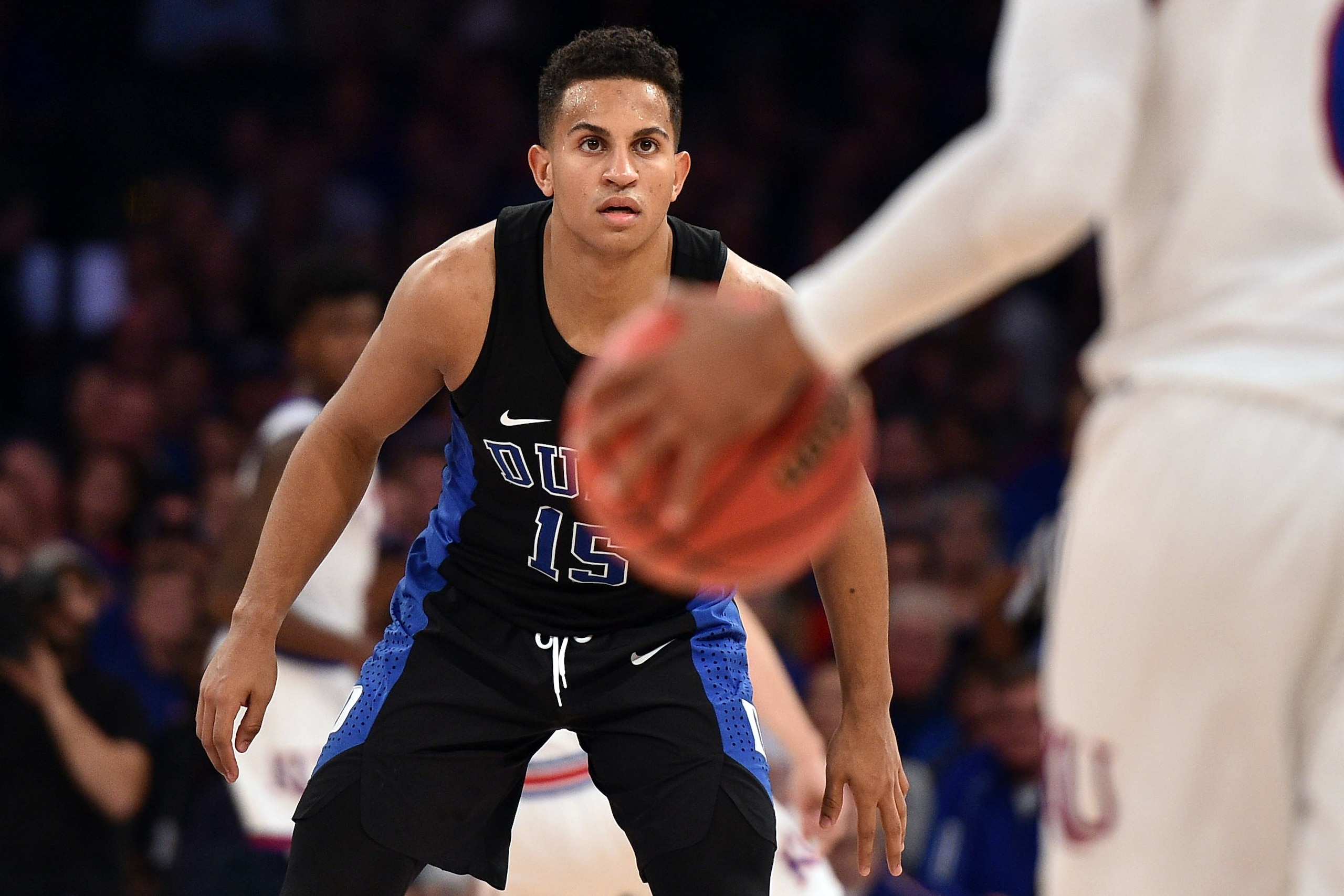
Key stats through three games: 16.7 points, 2.0 assists, 53.3 percent FG, 7-of-13 3PT
Frank Jackson has taken on a bigger workload with Duke's top three freshmen recruits out. Though we've seen mixed results, he's managed to remain efficient and productive.
Marist (November 11) and Grand Canyon (November 12) had no answer for Jackson around the perimeter. He burned them in the catch-and-shoot and pull-up games. But he was fairly silent throughout most of Duke's showdown against Kansas on Tuesday—until the final minutes, when he converted a four-point play and game-tying three-pointer on the team's final offensive possession.
Still, Jackson struggled to create and assert himself most of the game. Considering his measurements (6'3", 6'6 ¾" wingspan) don't match up with traditional NBA 2-guards, he'll want to showcase some more playmaking.
Bottom Line
Jackson hasn't run the show the way it seemed he might—Grayson Allen is still doing much of the ball-handling. However, Jackson has just enough wiggle and passing instincts off the dribble, plus plenty of shot-making ability. His perimeter game is the real deal. A strong upper body and quick feet bode well for his defensive potential as well.
He's not a breakdown, blow-by guard, and Jackson won't ever be a big assist or setup man. But by June, teams should feel good about his chances of being able to defend, run a play and make shots.
19. Terrance Ferguson (Adelaide 36ers, SF, 6'7", 1998)
12 of 30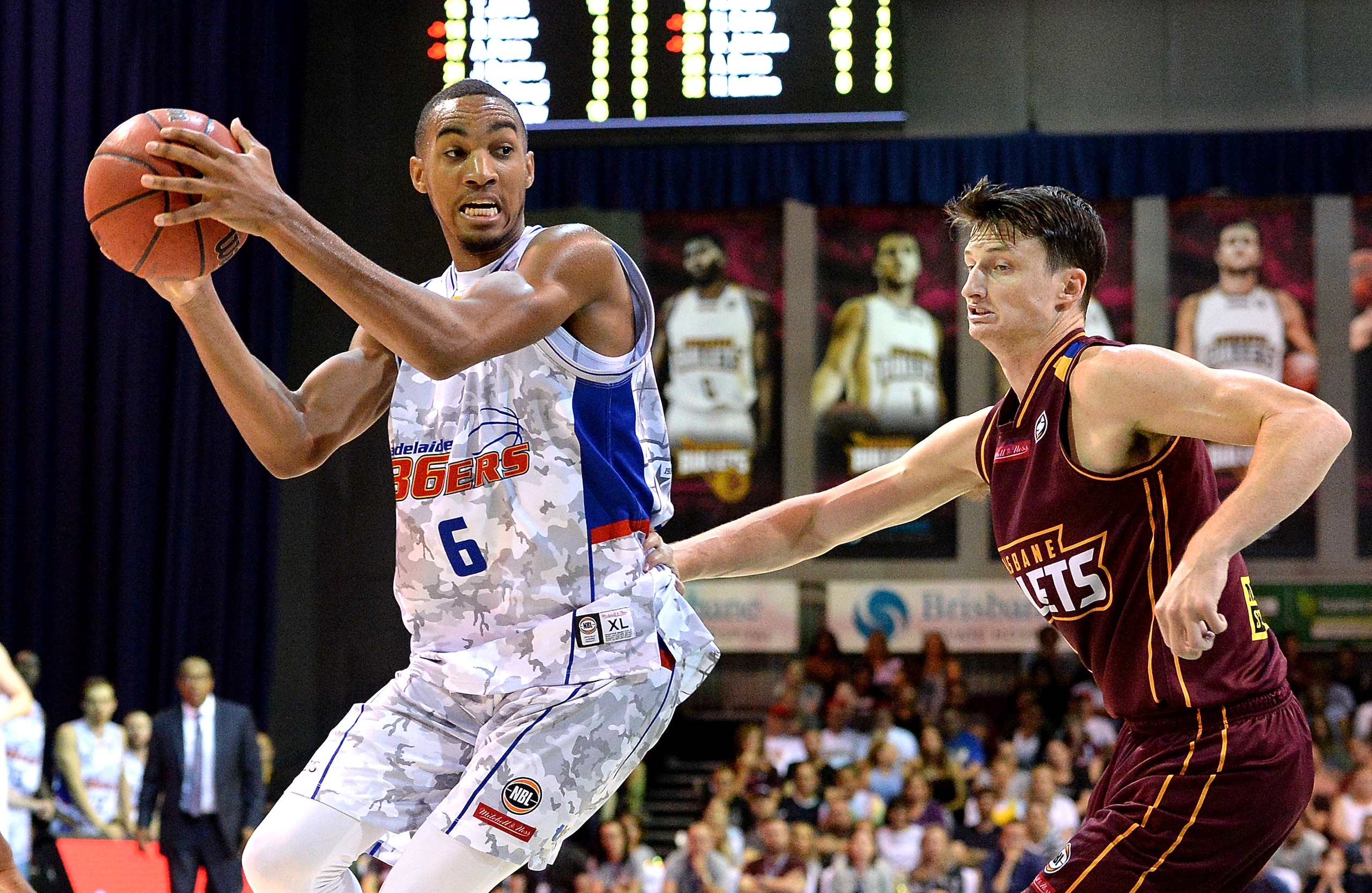
Key stats through seven games: 17.5 minutes, 6.7 points, 38.1 percent 3PT
Terrance Ferguson has struggled to find a rhythm lately, and he hasn't been super involved in the Adelaide 36ers' offense overseas (18 percent usage). His scoring opportunities have mostly come in the form of spot-up threes and cuts to the basket (21 of his 41 field-goal attempts are threes).
It shouldn't be surprising—Ferguson's calling card is shooting, which, when paired with his athleticism, size and defensive quickness, spells out three-and-D.
Bottom Line
Scouts won't put much stock into Ferguson's production in Australia's National Basketball League, considering he's 18 years old playing with pros. The small role and unique setting don't mask his NBA potential.
He's a limited shot creator and playmaker; for a perimeter player, that hurts his chances of rising into this year's lottery discussion. But as a complementary shot-maker who can defend wings, Ferguson's physical tools, bounce and jumper are easy to buy into.
18. Kostja Mushidi (Germany, SG/SF, 6'5", 1998)
13 of 30Key stats trough 14 games: 21.3 minutes, 8.5 points, 1.6 3PTM
Shooting 36.5 percent combined between Adriatic League and Basketball Champions League play, it's no secret that Kostja Mushidi will need time. But at 18 years old it, it's tough to ignore his 213-pound frame, athleticism and skills.
It came in a loss, but he led Mega Leks in scoring (13 points) on Wednesday against Strasbourg—who have potential top-10 pick Frank Ntilikina—in an anticipated matchup for scouts. He knocked down multiple threes for the sixth time.
Though raw, Mushidi has flashed a potent transition game and tough shot-making ability. Between his strength, length, quickness and competitiveness, there is defensive versatility/upside to unlock.
Bottom Line
Energetic, tough and confident, Mushidi drops jaws with highlight plays and frustrates with bad decisions.
At this stage, he has the NBA body and athletic ability, and he's capable in all areas—from ball-handling to shot-creating, shooting, passing and defending. Only time will tell if he can tie it all together.
The risk versus potential reward suggests mid-to-late first-round value.
17. Shake Milton (SMU, PG, 6'6", Sophomore)
14 of 30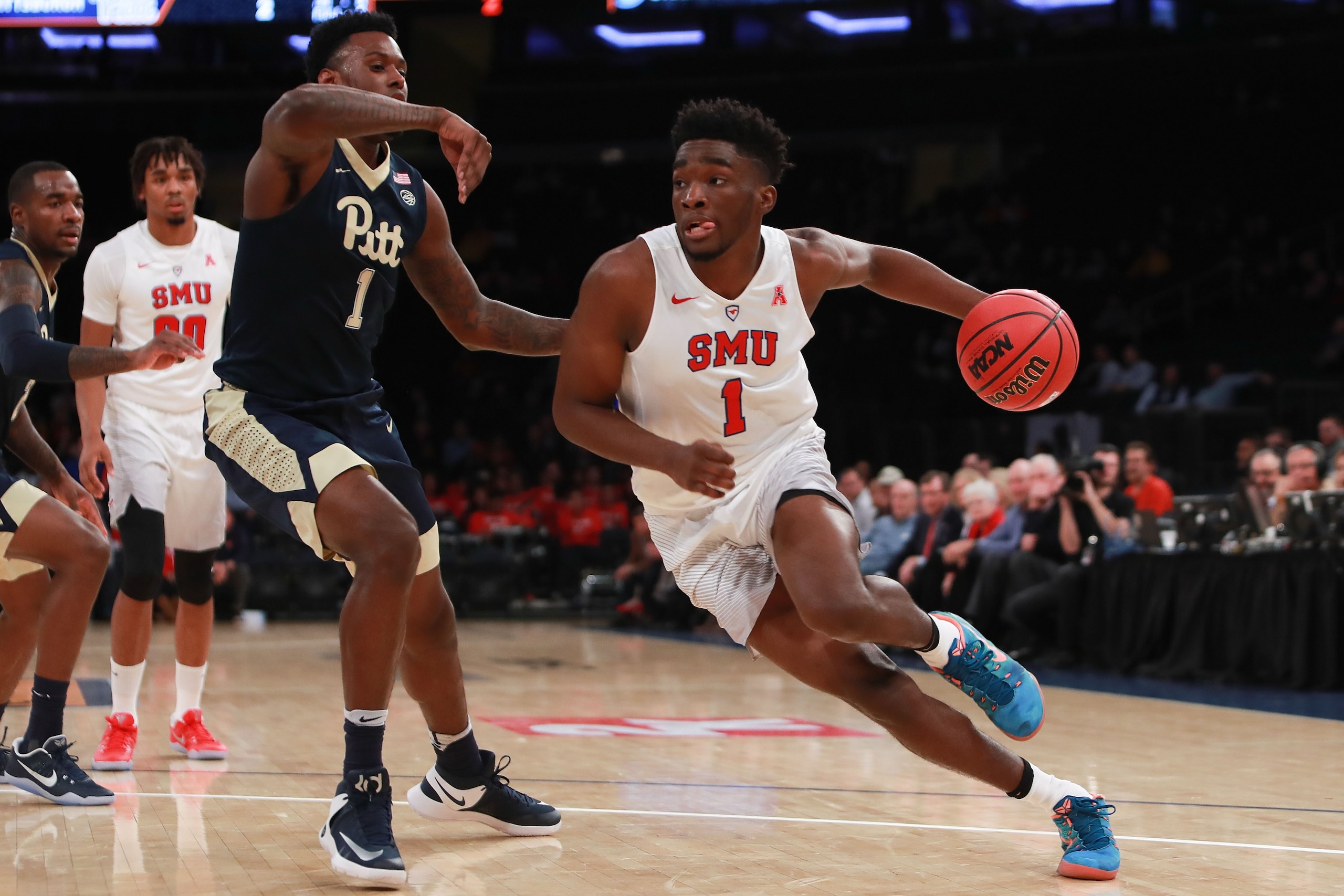
Key stats through four games: 12 points, 4.5 assists, 1.8 steals
Nobody has risen further on my board than Shake Milton over the past month.
Following two cakewalk wins over Gardner-Webb (November 11) and Eastern Michigan (November 13), Milton helped seal the deal for SMU late in a victory over Pittsburgh on Thursday with a pair of isolation drives. He also knocked in at least two threes for the second time in three tries and made a few beautiful assists.
Milton just looks tougher to stop and ready to convert freshman flashes into sophomore consistency.
Bottom Line
Despite lacking great bounce and explosiveness, Milton gets off shots with 6'6" size and the ability to separate over smaller point guards. He's shifty off the dribble, strong at the rim (70.4 percent last year, per Hoop-Math.com), dangerous pulling up and accurate from three (42.6 percent last year, 52 threes).
With 2-guard physical tools and a sweet spot-up stroke, he'll also offer off-ball versatility.
Leading SMU over the hump into the national spotlight would indicate growth. Milton must keep his foot on the gas, but he's trending in the right direction with tools and game to succeed in the pros.
16. Jarrett Allen (Texas, C, 7'0", Freshman)
15 of 30
Key stats through seven games: 10 points, 8.0 rebounds, 1.7 blocks, 60 percent FG
Jarrett Allen's strengths and weaknesses have been easy to spot through three games against poor competition. He's a combined 12-of-20 from the floor, doing most of his scoring as a finisher around the basket. He has, however, shown some touch on the mid-range jumper and fundamental footwork with his back to the basket.
Allen's real value shows up on defense, where he uses that 7'5 ½" wingspan to block and alter shots.
Offensively, he's shown little ability to create his own shot and, unless wide open inside 15 feet, isn't a threat to shoot.
Bottom Line
A mobile, active and long 7-footer, Allen's rim-protector potential should keep him in the top-20 discussion, regardless of how much he shows on offense. He'll pick up easy buckets by running the floor, crashing the glass and finishing at the rim.
Allen isn't an explosive athlete or skilled offensive player, so his ceiling tops out at low-end starting center. On the other hand, tremendous physical tools and a nose for the ball help drive up his floor.
It's early, but backup 5 looks like his worst-case scenario.
15. Malik Monk (Kentucky, SG, 6'3", Freshman)
16 of 30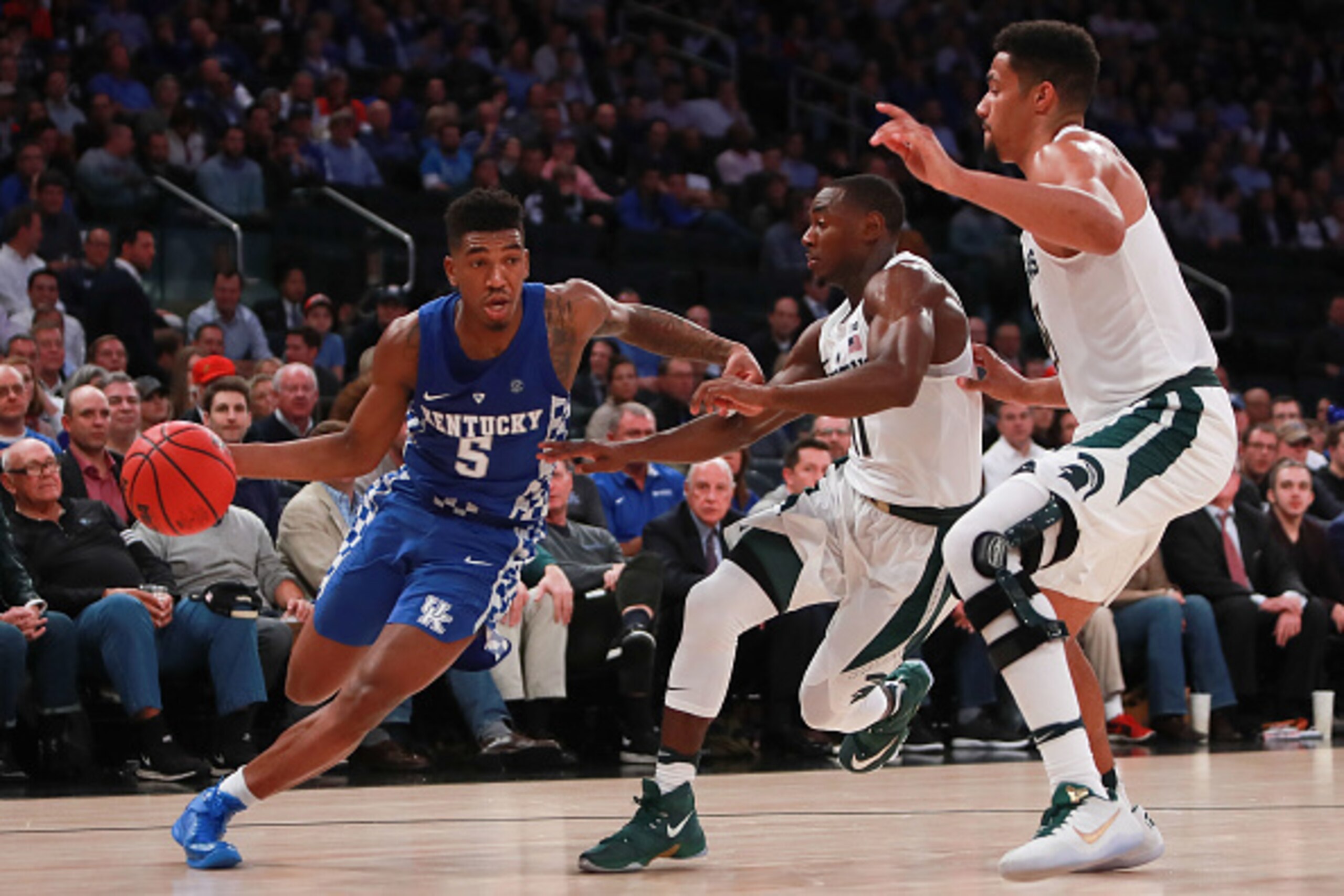
Key Stats through three games: 16.3 points, 43.5 percent 3PT
It took two games for Malik Monk to warm up and get loose. He went off with everyone watching Tuesday night at Madison Square Garden, where he drained seven threes en route to 23 points in a blowout over Michigan State.
Clearly an elite-level athlete, there isn't much doubt concerning Monk's shooting stroke, either. Monk gets good elevation with a consistent, fluid release, which should allow him to continue knocking down jumpers whether he's open or not.
Monk caught fire against the Spartans, showing aspects of his ability to score in bunches with quick-trigger spot-ups and pull-ups off the dribble.
On the downside, only six of his 42 field-goal attempts have come at the rim, and five of those were in transition, per Hoop-Math.com. He's shooting 40.5 percent from the floor with totals of six turnovers and four assists.
Bottom Line
A limited playmaker, who's undersized (6'3") for a traditional NBA 2-guard, Monk looks like he'll be heavily reliant on his jumper. Inconsistency wouldn't be surprising to see. But between his elite-level athleticism and shot-making skills, he's going to score in bunches and volume throughout the year.
14. De'Aaron Fox (Kentucky, PG, 6'3", Freshman)
17 of 30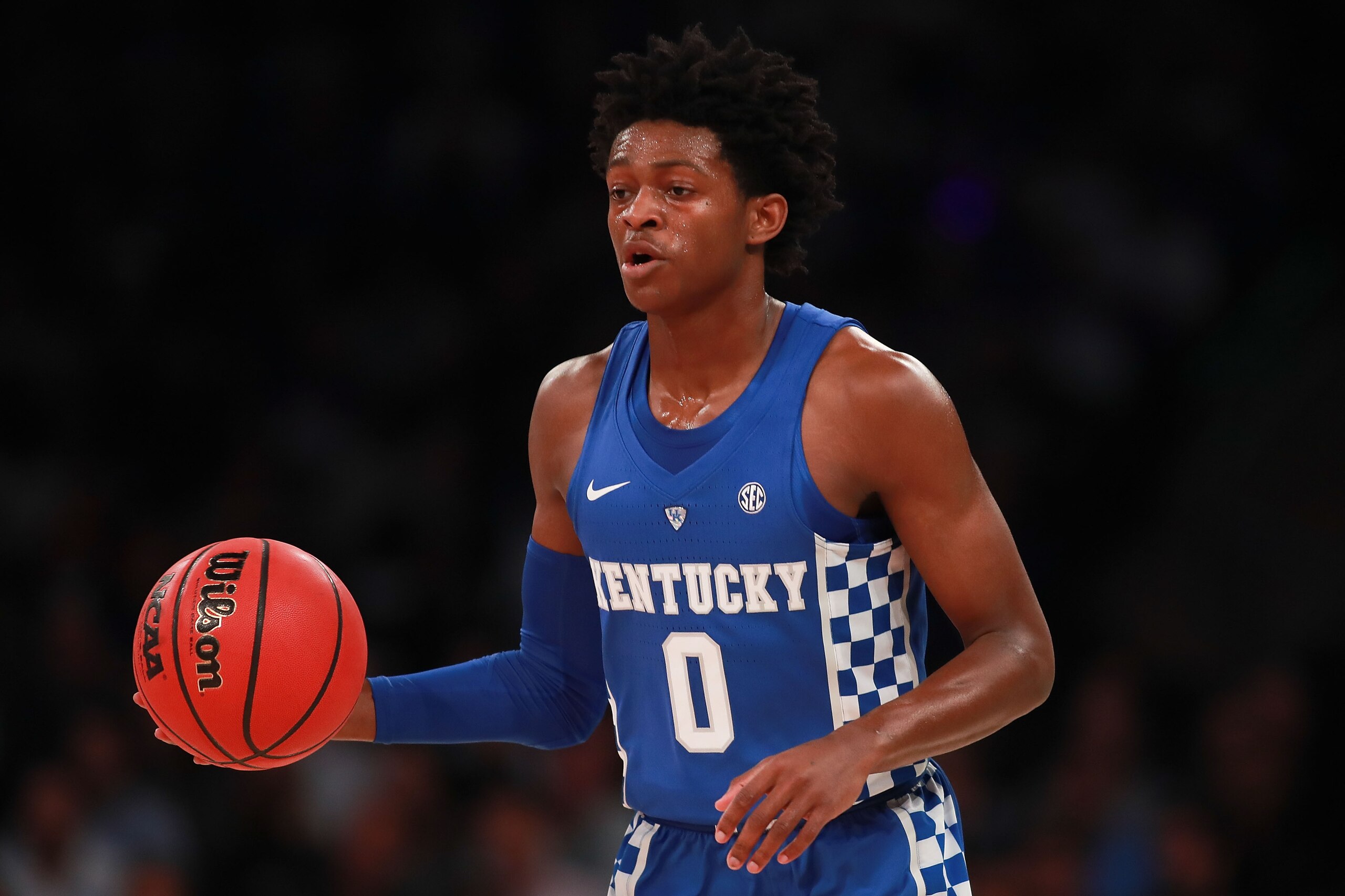
Key stats through three games: 15 points, seven assists, 1.3 steals
De'Aaron Fox opened the season with a 12-assist game against SF Austin on November 11, a Kentucky freshman-debut record. He's thrived playing the setup man role, showing strong facilitating instincts and playmaking ability when coming off ball screens, penetration and transition.
Fox has flashed his shiftiness off the dribble too, with hesitation drives that have resulted in layups, runners and foul shots (21-of-21). And he's done a good job of finding the open teammate as a standstill distributor, whether it's with an entry pass, the extra pass (to the corner shooter) or an inbound pass.
His athleticism showed up most on an explosive fast-break dunk against Michigan State on Tuesday. His quickness has appeared on defense, where he's kept his man in front of him and demonstrated the speed to recover when necessary.
But Fox's start hasn't been perfect. The three-point arc appears out of his range (0-of-7), at least in terms of his potential to be consistent. He's shooting just 37.5 percent through three games.
And though listed at 187 pounds, he doesn't look it. Fox is thin, something that becomes more apparent when he's looking to score in traffic.
Bottom Line
Fox's defense, distributing and transition offense are appealing and convincing. You get the impression these are strengths that will translate to NBA success.
I'm less convinced by his scoring potential. Fox can hit the two-point pull-up but will still need plenty of work on his overall shooting. And finishing at the rim could be a challenge difficult to overcome against NBA rim protection.
Fox gives Kentucky a dimension of two-way playmaking. He's going to thrive as Kentucky's primary table-setter, and he's undoubtedly a first-round talent with lottery upside. But throw the John Wall comparisons out the window.
13. OG Anunoby (Indiana, SF, Sophomore)
18 of 30
Key stats through two games: 14 points, 5.5 rebounds, two steals, 1.5 blocks, 4-of-11 3PT
With enormous expectations for a sophomore who played just 13.7 minutes last season, OG Anunoby has looked up to the task early.
He drilled three three-pointers in an opening-night win over Kansas and helped keep star freshman Josh Jackson relatively quiet. Anunoby followed with 15 points against Massachusetts Lowell, having showcased his exciting athleticism on a handful dunks, including one off a steal, another off a putpack and a third off a spin in the post.
His ball-handling and shot-creating still appear shaky, though.
Bottom Line
With 6'8" size, long arms, powerful legs and unreal quickness, he'll be in the conversation for top defender in the country all year. And if he continues to connect from behind the arc, he'll enter the draft with a coveted three-and-D label, which drives up his floor and cements him as a 2017 first-rounder.
Whether his stock and game really take off will come down to how much progress he shows off the dribble. His athleticism and motor are still far ahead of his skills. Showing he can put the ball on the floor and start scoring against set half-court defenses could propel Anunoby into this year's lottery.
12. Marques Bolden (Duke, C, 6'11", Freshman)
19 of 30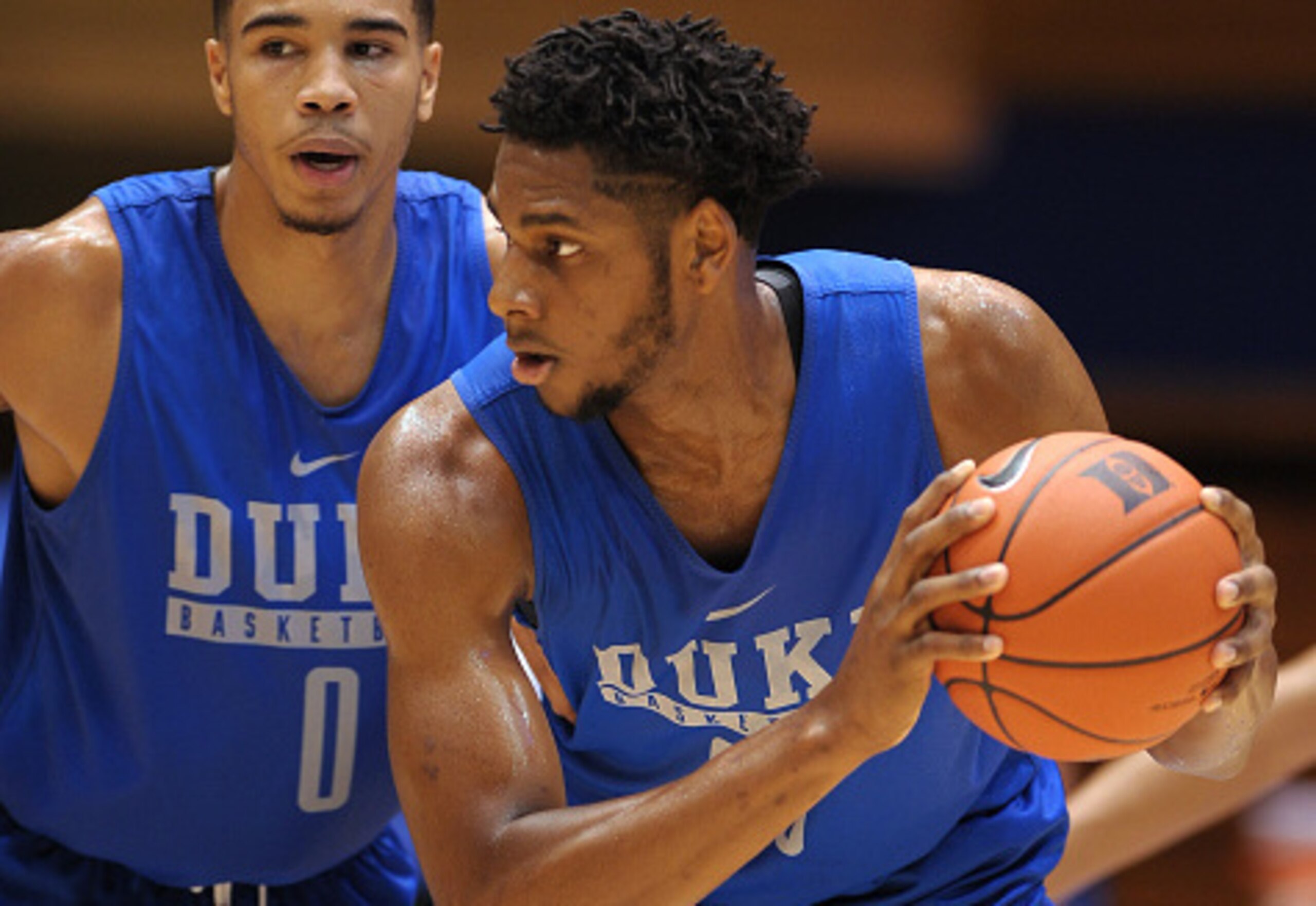
Key Stats through three games: Out (lower leg)
A lower-leg injury has kept Marques Bolden on the shelf to start the season. Compared to the other top prospects missing games, he's raw and has more to prove.
To keep his spot in the top 12, he'll need to return, produce and defend. There haven't been many details released, but nothing reported suggests there is anything serious to worry about. He'll eventually give Duke a much-needed rim protector and physical presence in the paint.
Bottom Line
At 6'11", 245 pounds with a 7'6" wingspan, Bolden aces the NBA eye test. And in doses, we've seen back-to-the-basket moves and Bolden's knack for picking up easy buckets. He's a monster inside, with the strength to gain position, the footwork to separate and giant hands for finishing around the basket.
He's not explosive, but he runs well and can lift off the floor for lobs and putbacks. He plays through contact down low.
The keys to Bolden maximizing his stock:
- Consistent flashes of post scoring
- Protect the rim, look capable in pick-and-roll coverage
- Avoid setbacks to foot
11. Lonzo Ball (UCLA, PG, 6'6", Freshman)
20 of 30
Key Stats through three games: 15 points, 8.3 assists, 7.7 rebounds, 1.7 steals, 56 percent FG, 5-of-13 3PT
Production won't be an issue for Lonzo Ball, who'll approach triple-doubles on quiet days. He just went for 13 points, seven rebounds and eight assists against San Diego on Thursday without doing anything particularly special.
Easily the most talented passer in the country, his vision, smarts and unselfishness have stood out most. He's making quick decisions with the ball, showing the alertness to know where all of his teammates are whenever he catches it. He's been at his best pushing the tempo and getting the rock to cutters or shooters before defenses can set. Ball has also shown off bounce and coordination on a few alley-oops you don't typically see point guards throw down.
He even knocked down three of four threes in the opener against Pacific November 11, though he followed by shooting 2-of-9 from three combined against Cal State Northridge (Sunday) and San Diego (Thursday). Chances are, the last two games are more indicative of where his jumper is.
Bottom Line
Ball's box scores and highlight reels will be a lot of fun. And at 6'6", with athleticism and superhero-like vision at the point guard position, there is no doubt he's an NBA player whose value lies within his transition offense, quarterbacking and rebounding.
I'm less confident in his scoring potential, which is something teams now covet at the primary ball-handler spot. His shooting mechanics are wacky—he starts the ball on the left side of his body and brings it over to the right as he releases. His mid-range game is also limited, and he has a skinny upper body for finishing in the half court.
The height of his ceiling is debatable, but obvious talent and a reputation for making his teammates better won't allow him to slide on draft night.
10. Frank Ntilikina (France, PG, 6'5", 1998)
21 of 30Key Stats through 13 games: 15.2 minutes, 5.7 points, 57.4 percent FG, 11-of-23 3PT
Averaging 17 minutes in the Basketball Champions League (five games) and 14.1 in LNB Pro A (eight games), France's top division, Ntilikina has carved out a role, though not one that showcases his passing and playmaking.
He's logging minutes at 2-guard, which helps explain why he's only racked up nine total assists. But Ntilikina has managed to remain efficient, a tribute to his ability to play within an offense, regardless of what position he's assigned to.
Shooting 47.8 percent from downtown, he's capitalizing on open three-point attempts. And despite lacking explosiveness, he's made 16 of 24 shots inside the arc, which mostly highlight timely drives, soft floaters, finishes off cuts and the occasional pull-up.
Bottom Line
You get the impression he's a prospect who just knows how to fit in and contribute. And at 6'5" with long arms, Ntilikina has excellent NBA tools. He's flashed quick feet, hands and instincts on defense; though it hasn't shown this season, he has a great feel as a facilitator for teammates.
He'll remain in the lottery discussion if he continues to knock down jumpers at a high rate.
Between his body type, unselfishness, defense, passing and shot-making potential, I can't help but think of Dante Exum.
9. Miles Bridges (Michigan State, SF/PF, 6'7", Freshman)
22 of 30
Key Stats through three games: 17 points, 10 rebounds, 3.0 assists
Miles Bridges has generated a ton of buzz early with his high-flying athleticism, energy and flashes of versatility.
He spent a ton of time above the rim against Arizona in the opener November 11, having thrown down four vicious dunks, a layup alley-oop and hang-time reverse. Bridges scored 19 points, wowing with an unbelievable mix of quickness, power and bounce.
He was less effective in a tougher matchup with Kentucky, who held him to six points and nine turnovers in what's likely to wind up being his worst game of the season. He struggled from the perimeter and creating his own shot. Frustration also led to a couple of poor fouls and reckless drives.
Bottom Line
Despite the implosion at Madison Square Garden, Bridges is on the rise. An off night didn't stop him from grabbing 12 rebounds and blocking three shots.
His explosiveness, strength and agility are off the charts. And though still raw offensively, he's shown impressive flashes of a first step, spin move and shooting ability.
He still has a lot to improve skill-wise with the handle and jumper if playing the NBA wing someday. But at 230 pounds with 6'7" size and motor under the boards, Bridges evolving into NBA small-ball 4 doesn't look so far-fetched given the direction the league is trending.
8. Ivan Rabb (California, PF/C, 6'11", Sophomore)
23 of 30
Key Stats through two games: Out (toe)
A toe injury has kept Ivan Rabb from suiting up so far, and it appears he'll be a game-time decision from here on out. There isn't any need for him to rush considering he's already given scouts an entire season's worth of production and encouraging flashes.
Bottom Line
It also wouldn't be surprising if Rabb averaged a double-double. Few college bigs can match his combination of size, quickness, hands and motor. And assuming he takes another step offensively, he's going to become one of the nation's tougher covers in the post.
Rabb has excellent footwork around the key, where he can separate playing back to the basket or facing up with short-corner drives. This year, expect to see more mid-range and fallaway shot-making. He has a good-looking stroke that should eventually become an every-game weapon.
Convincing physical tools, skills and stats should ultimately anchor Rabb inside the lottery discussion all season. But if his scoring attack takes off, look for his stock to follow suit.
He's a potential top-five pick with a late-lottery draft floor.
7. Jonathan Isaac (Florida State, SF, 6'10", Freshman)
24 of 30
Key stats through three games: 14.7 points, 4.7 rebounds, 7-of-13 3PT
Jonathan Isaac immediately sticks out with that 6'10" size, 7'1¼" wingspan and guard-like agility and skill set.
He showed off his bounce and shooting range last Saturday in the opener with two pairs of alley-oops and three-pointers. Isaac's 20-point game on Tuesday against Iona highlighted more skill. Aside from hitting a corner three and pull-up three, Isaac got to the rack for layups off separate nifty drives.
He hasn't been tested yet and has had trouble finding scoring opportunities at times. But he's played within the offense and hasn't forced anything. He's still managed to score 44 points on 27 shots in 71 minutes.
Bottom Line
Like Brandon Ingram, Isaac has power forward height with long arms and face-up guard skills. He oozes potential that isn't difficult to spot.
The question is how far and fast he develops from here.
Struggling with physicality, shot creation and shooting would hint at a lengthier developmental timetable. But he's going to fly up boards if he emerges as a consistent scoring threat alongside Dwayne Bacon.
6. Lauri Markkanen (Arizona, PF/C, 7'0", Freshman)
25 of 30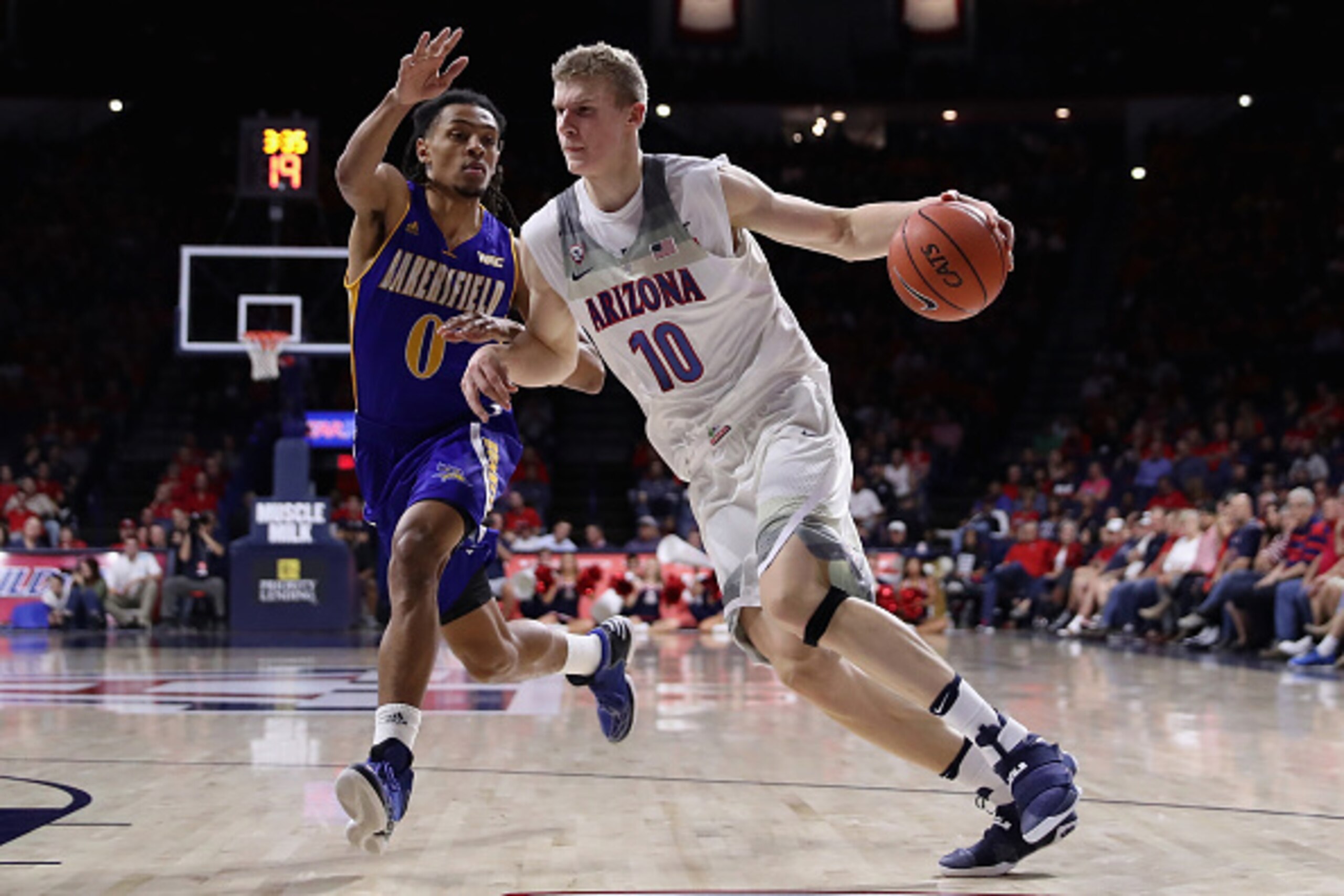
Key Stats through three games: 20.3 points, 6.7 rebounds, 5-of-11 3PT
If it hasn't already, Lauri Markkanen's inside-out offense will grab scouts' attention.
The 7-footer knocked down two threes against Michigan State November 11, showed over-the-shoulder touch in the post and some ball-handling ability. He followed up with 26 points against CSU Bakersfield on Tuesday in what was a showcase of captivating versatility.
With NBA-center size, he was knocking down jumpers off screens, pull-ups and step-backs. He went coast to coast for a dunk after grabbing a defensive rebound and showed he can attack off the dribble and finish on the move in the half court.
If there has been a negative, it's under the boards, where he's grabbed just 20 rebounds in 99 minutes.
Bottom Line
Markkanen's skills look tailor-made for today's pro game. He's a highly convincing shooter, one who can connect on more than just spot-ups. He can also make defenders pay for closing out hard via his ability to put the ball on the floor, blow by and wiggle free through traffic for buckets.
Though not known for defense, he's looked comfortable guarding away from the basket. It's down low where he has limitations: Markkanen isn't long or overwhelmingly strong and doesn't block many shots (one block through 70 minutes).
Limited rim protection and rebounding numbers hurt his value, but we could be talking about one of the top three offensive players from this class.
5. Harry Giles III (Duke, PF, 6'10", Freshman)
26 of 30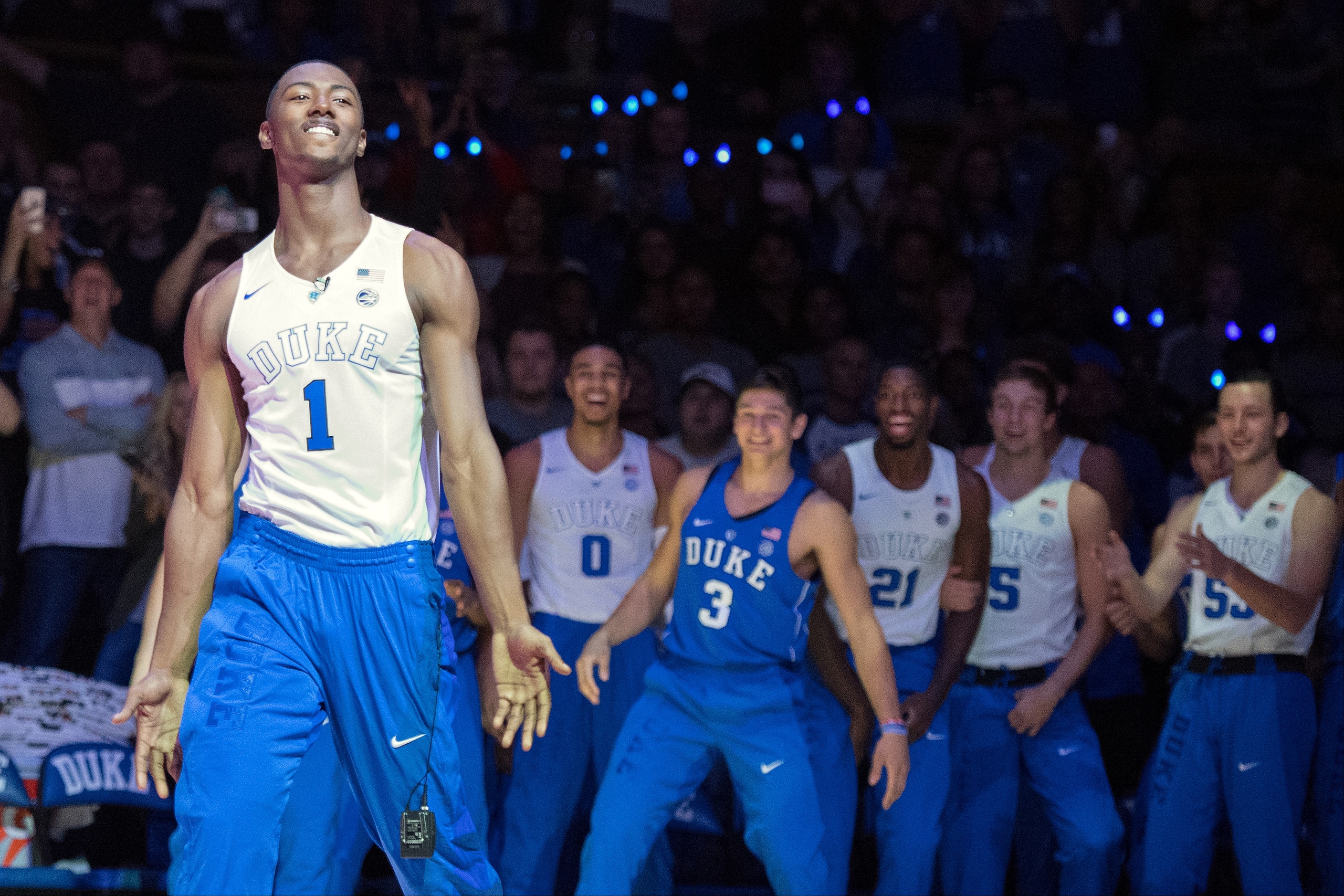
Key stats through two games: Out (knee surgery)
There isn't any word on when Harry Giles III will return, though it wouldn't be completely shocking to eventually hear he won't come back at all.
With such blatantly obvious, long-term potential tied to his physical tools, athletic ability, drive and developing skill set, the risk of another pre-NBA setback is unsettling: He's already undergone three knee procedures before turning 19 years old.
Though Duke could use him up front with Chase Jeter and Amile Jefferson, Giles' future and health are everyone's priority.
Bottom Line
Having missed his senior year of high school recovering from a torn ACL, Giles hasn't played ball in a while. It's bound to cause a divide among scouts, with some who'll be turned off by his injury history and limited reps, while others will have trouble writing off such eye-opening talent.
His ranking reflects both high risk and massive potential reward.
With strong alternative options to choose from, he'll be tough to consider for the top three. Thus, Giles is likely to remain in the mix to go between No. 4 and No. 6 for most of the year, regardless of whether he ever suits up at Duke.
4. Dennis Smith Jr. (North Carolina State, PG, 6'3", Freshman)
27 of 30
Key stats through two games: 11.5 points, four assists
Of all the upper-echelon NBA prospects, Dennis Smith Jr. has had the most difficulty through two games. It's too early to dock him, but his start has raised some questions.
On a positive note, he's looked unselfish and willing to move the ball (eight total assists, two turnovers)—we haven't seen the hero shot attempts follow him from high school. Smith has been most effective in transition, and he's made some strong setup passes to finishers off penetration.
He's struggled around the perimeter so far, though, having missed each of his first seven three-point attempts and 11 of 12 jumpers in total, per Hoop-Math.com. We haven't seen him take over yet, and on a few occasions, he's been caught flatfooted, either under the boards or away from the play.
Bottom Line
There is no doubt Smith is an NBA-starter talent loaded with explosiveness, playmaking and scoring potential. Between his flair and confidence, he beams star power.
He'll begin to look more assertive as he becomes comfortable with the college game. But Smith must eventually start connecting around the perimeter and immediately picking up his energy.
3. Jayson Tatum (Duke, SF, 6'8", Freshman)
28 of 30
Key stats through two games: Out (foot sprain)
Jayson Tatum has missed Duke's first two games with a foot injury, something nobody wants to mess with.
He'll likely return only at full strength to avoid any chance of aggravation, given the lengthy season, the team's depth and his own long-term NBA potential. But nothing suggests the sprain is anything serious.
Polished with superior quickness relative to others at his position, expect Tatum to make an immediate impact once back.
Bottom Line
Athletic, with 6'8" size, Tatum's physical tools and skills are at another level. His ceiling is debatable, but there isn't much doubt regarding the future: He's an obvious pro who'll enter the league with a refined scoring attack fueled by advanced ball-handling and shot-making ability.
The keys to Tatum maximizing his stock:
- Defend
- Make the open threes
- Improve shot selection (more free throws, fewer two-point jumpers)
- Show willingness to move the ball, create for others
2. Josh Jackson (Kansas, SF, 6'7", SF)
29 of 30
Key Stats (averages) through two games: 12 points, four rebounds, 1.5 assists,
Unlike most prospects, Josh Jackson has already had to face two quality opponents in Indiana and Duke.
He was kept quiet most of opening night (November 11) by Hoosiers' lockdown wing OG Anunoby, but with dozens of scouts and general managers at Madison Square Guard on Tuesday for Kansas versus Duke, Jackson's potential came to life. Though a few (questionable) foul calls led to an early exit, he still managed to capitalize on the big stage with 15 points and flashes of versatility at both ends of the floor.
Jackson showed off his lateral quickness on defense, doing a solid job of containing dribble penetration and getting into passing lanes. Four of his seven field goals came in one exciting second-half spurt that propelled the Jayhawks ahead. He followed a crossover into a floater with a coast-to-coast take, three-pointer and pull-up jumper.
Bottom Line
The guards will be running the show at Kansas, and Jackson still needs work as a shot creator and shooter.
Together, it should result in up-and-down production and the occasional disappearing act offensively, but it shouldn't hurt his long-term projection, which forecasts an obvious NBA talent and two-way player.
1. Markelle Fultz (Washington, PG, 6'4", Freshman)
30 of 30Key stats through two games: 32.5 points, 6 assists, 4.5 rebounds, .68 percent FG, 5-of-10 3PT
With 65 points on 31 shots through two games, it's safe to say Markelle Fultz looks comfortable. The Washington Huskies are another story—they lost their opener to Yale on Sunday, putting a cloud over Fultz's 30-point debut.
Much of his production came late and with Washington behind. That's not how it went down Thursday night against Cal State Fullerton, when Fultz showed the assertiveness to take over and carry his team.
He came out and drained three triples within the first six minutes. Fultz also found the lane repeatedly, shaking defenders with change of speed and shiftiness. But arguably the most impressive part of his 35-point scoring attack was his finishing at the rim: Fultz hung in the air and adjusted his body to convert a number of tough layups and reverses.
Of course, the volume production has come against mediocre competition, but Fultz destroyed it with remarkable efficiency—flashing everything from athleticism, ball-handling, scoring, shooting and facilitating.
Bottom Line
He's averaging 32.5 points, and it hasn't even looked like he's playing at full speed.
Fultz makes it look easy, and assuming Washington hits a few rough patches, he's bound to catch some criticism for his casual approach.
It won't mean much in terms of draft stock if he's still pummeling defenses. The scoring and playmaking firepower Fultz brings is ideal for the lead guard spot in today's NBA. Calm demeanor and a poor Huskies record won't weaken his case as the nation's No. 1 overall prospect.
Stats current as of November 18.

.jpg?w=2560 "OBJ Calls Out Giants After Release")

.jpg?w=2560 "Rap: Lions, LaPorta End Contract Talks")

.jpg?w=2560 "Report: Baker May Miss Up to 6 Weeks")