
Burning Questions Ahead of the 2016-17 NCAA Basketball Season
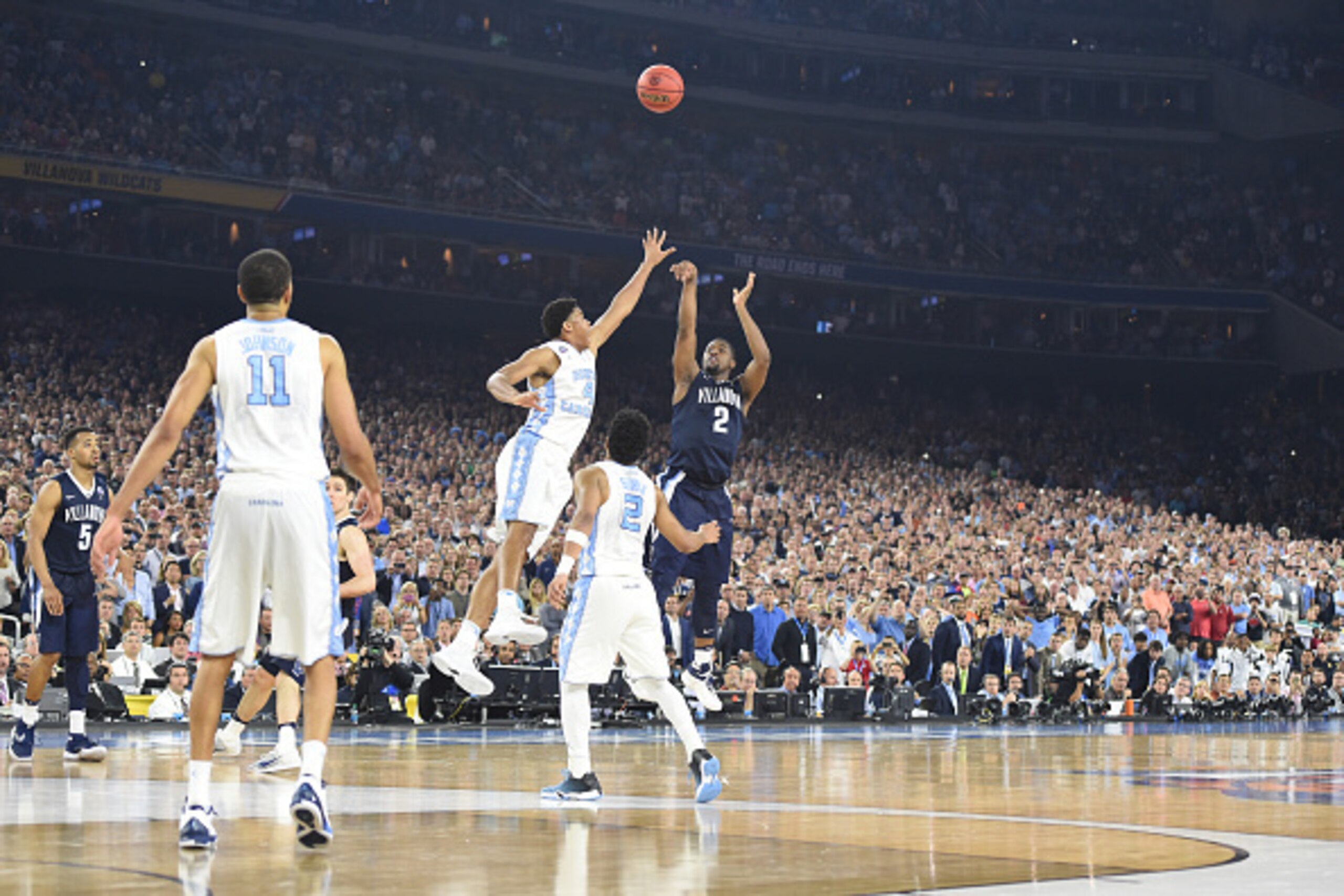
November is here, and with it comes the return of college basketball after a seven-month hiatus. Frankly, that's far too long to wait most years, but even more so after such an exciting end to the 2015-16 season, capped by Villanova's thrilling last-second win over North Carolina in April's national title game.
Much of our time since then has been spent wondering about what will happen in 2016-17, and now that the season is almost here—first games are Nov. 11, though exhibitions are underway—we're still thinking about what's in store for the next few months. And we're not just talking starting lineups and statistics or hypothetical 68-team brackets based on zero actual results; we mean some real "what if"-type questions that could shape the upcoming season.
Follow along as we pose some queries and delve into possible answers.
How Much Will New Rules Affect Flow of Games?
1 of 10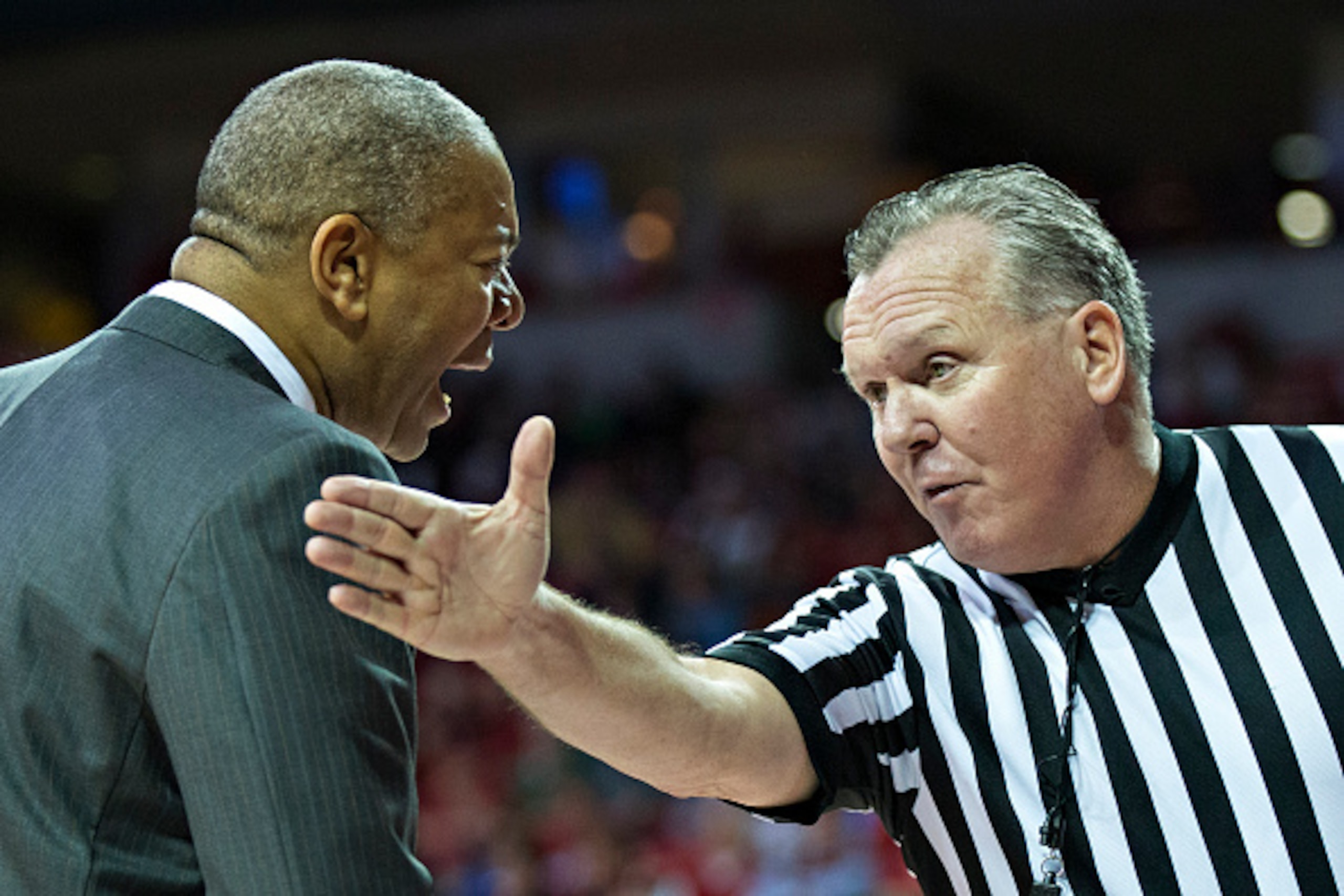
There are no major rules changes for the 2016-17 season, unlike a year ago, when a five-second reduction to the shot clock led to more scoring and better field-goal shooting...not to mention more exciting and free-flowing games. But an effort to more closely legislate the physical nature of the game could bog things down again.
Keeping a closer watch on the physicality that happens in the post, both offensively and defensively, as well as dealing with the chaos that comes on rebounds are among the "points of emphasis" referees will be focusing on this season, according to CBS Sports' Matt Norlander.
Norlander wrote that officials will be calling defenders more often for "swimming," which involves using both hands to get position on the ball-handler, and offensive players will likely see an uptick in whistles for using elbows to hold back a defender.
"Fifty to 60 percent of the time, both of those actions happen at the same time," NCAA head of officiating J.D. Collins said, per Norlander. "So it will be a foul on both players, the offense retains the ball and the shot clock is not reset."
In a nutshell: Instead of letting stuff like that go or just calling the foul on one side, we could see a bunch of double fouls and thus an increase in free throws later in the game.
Also, Big Ten and Mid-American Conference games are going to experiment with instant replay to determine block/charge calls in or around the restricted arc. It's only during the final two minutes of the second half or overtime, but if it proves successful, it could lead to across-the-board use...and thus slow down games.
What Looms for Louisville from the NCAA?
2 of 10
Louisville didn't play in the ACC or NCAA tournaments last March because of a ban it self-imposed during an investigation into an escort/recruiting scandal. The Cardinals hope the NCAA will decide the program has punished itself enough and that no additional penalties—scholarship reductions, other measures and, most notably, another postseason ban—will happen.
But right now, it's anyone's guess if that's going to be the case.
On Oct. 20, Louisville released the NCAA's notice of allegations, which included four major violations. The most significant charge was that Louisville head coach Rick Pitino failed to monitor his employees' actions. The notice didn't make allegations such as lack of institutional control or lack of head coach control, and thus the kind of major penalties that come with those charges don't seem likely.
It's still early in the process, since Louisville has time to respond to the notice. And according to Jeff Greer of the Louisville Courier-Journal, the school plans to fight the allegation related to Pitino "the whole way through." The school didn't push for an expedited process, so the NCAA may not make a decision on penalties until after the 2016-17 season.
In the meantime, Louisville will focus on meeting or exceeding expectations. It's picked to finish fourth in the ACC and is 13th in the preseason Associated Press poll.
Who Else Will Have to Sit?
3 of 10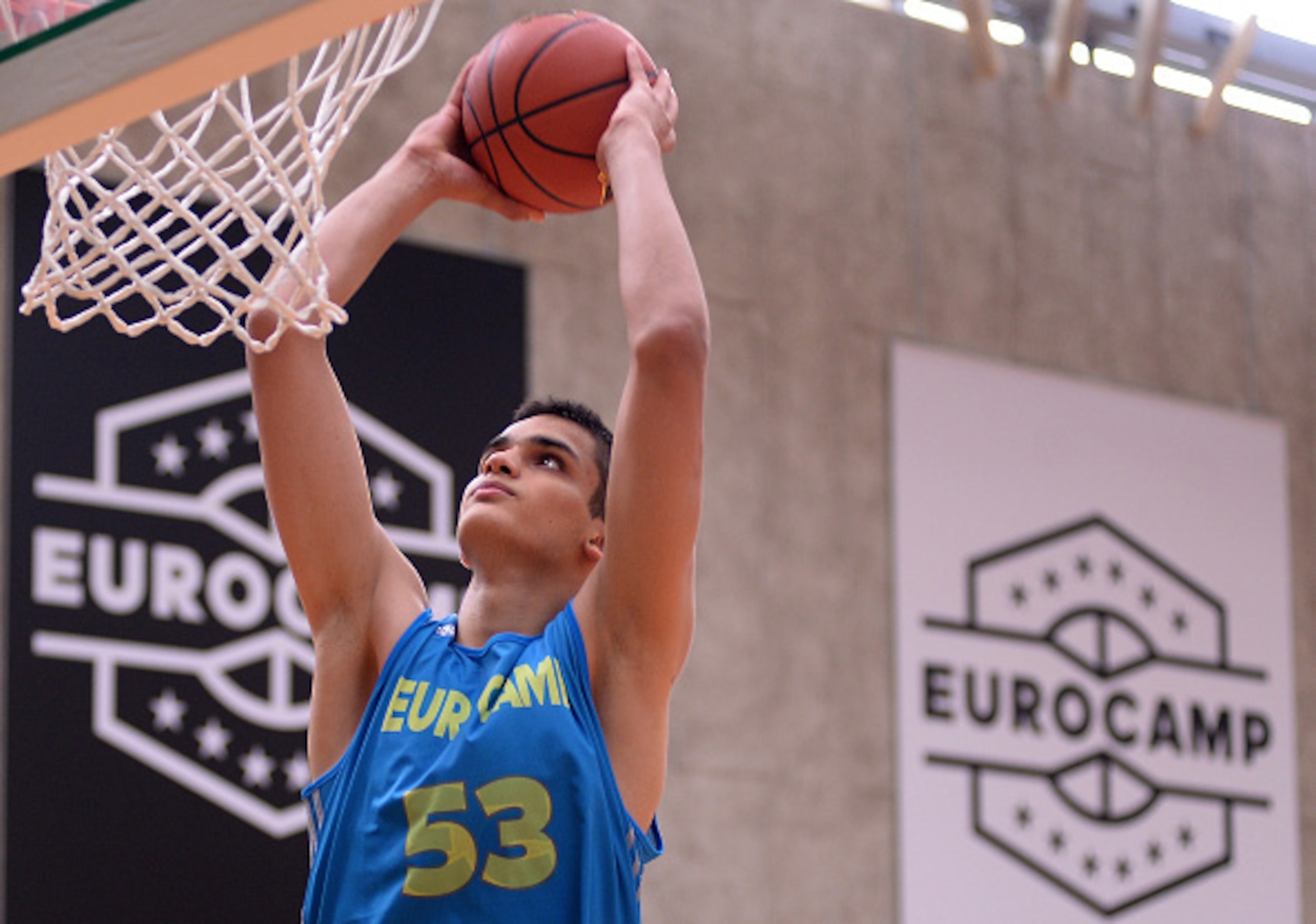
The NCAA put itself through an unnecessary public relations nightmare last month when it initially declared Oakland freshman Isaiah Brock ineligible, only to back off and allow him to play 12 days later. The 22-year-old Army vet was originally ineligible because he'd been a partial academic qualifier coming out of high school four years earlier, when he decided to enlist in the military.
Not everyone has been so lucky when it's come to the NCAA and its clearinghouse. Villanova center Omari Spellman, a 5-star prospect, was ruled ineligible because he didn't graduate within four years of starting high school. Texas A&M point guard J.J. Caldwell, a 4-star recruit, has to sit out the 2016-17 season because he was home-schooled last year, according to ESPN.com's Jeff Goodman.
And North Carolina State's Omer Yurtseven, a 7-footer from Turkey, has to sit out the first nine games because of an NCAA suspension related to his playing career overseas.
This has become an annual occurrence at the start of the season, with last year impacting Kansas big man Cheick Diallo and others, but it isn't just freshmen whose playing statuses are up in the air.
For weeks, there have been rumors that Arizona sophomore guard Allonzo Trier may be suspended, but the school has declined to comment on the situation. He was originally set to represent the Wildcats at Pac-12 basketball media day in San Francisco on Oct. 21, but others replaced him at the last minute.
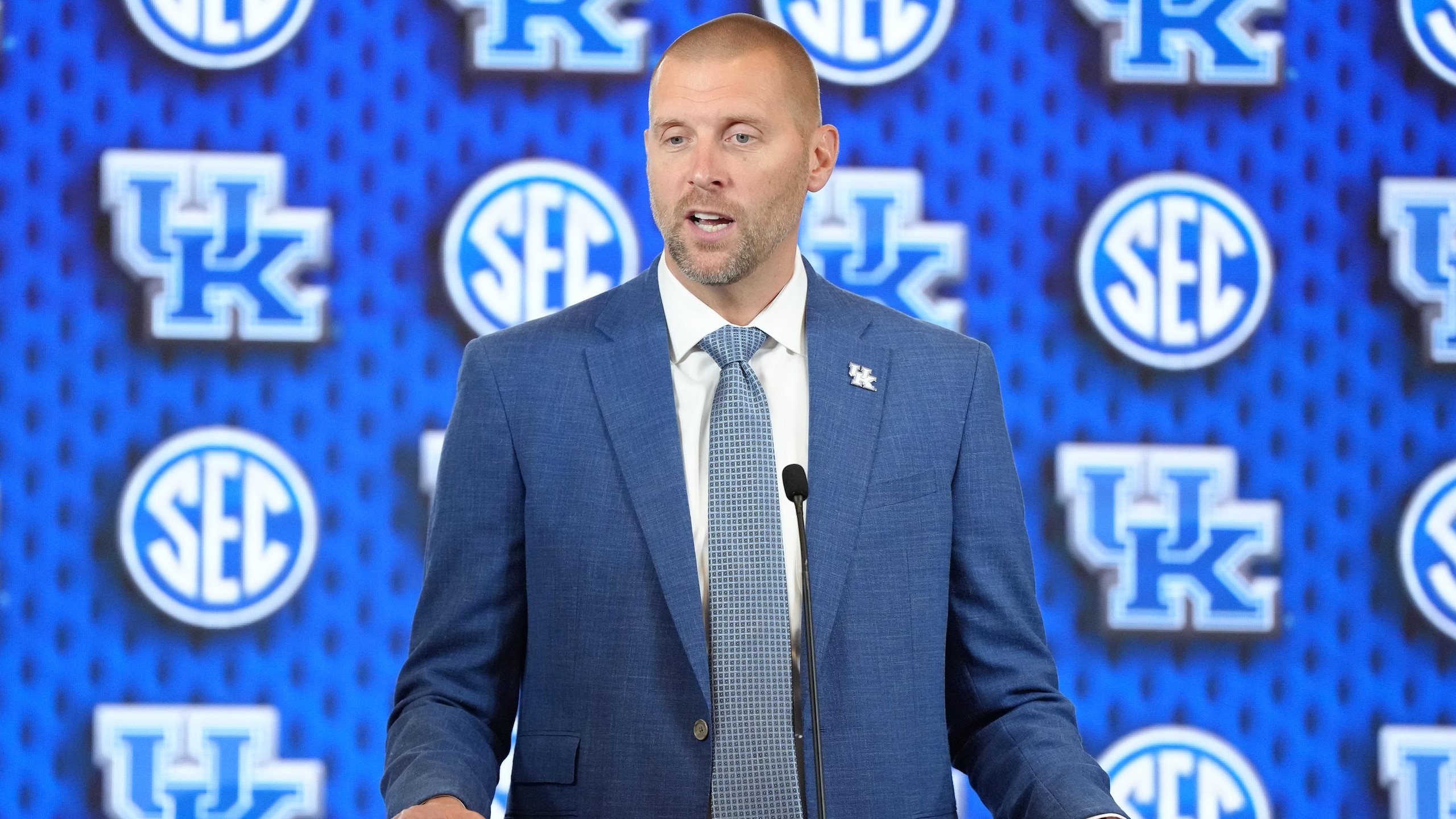
On Monday, Wildcats head coach Sean Miller remained mum on whether Trier will be available for Tuesday's exhibition game, per Bruce Pascoe of the Arizona Daily Star.
Which Freshmen Will Live Up to the Hype?
4 of 10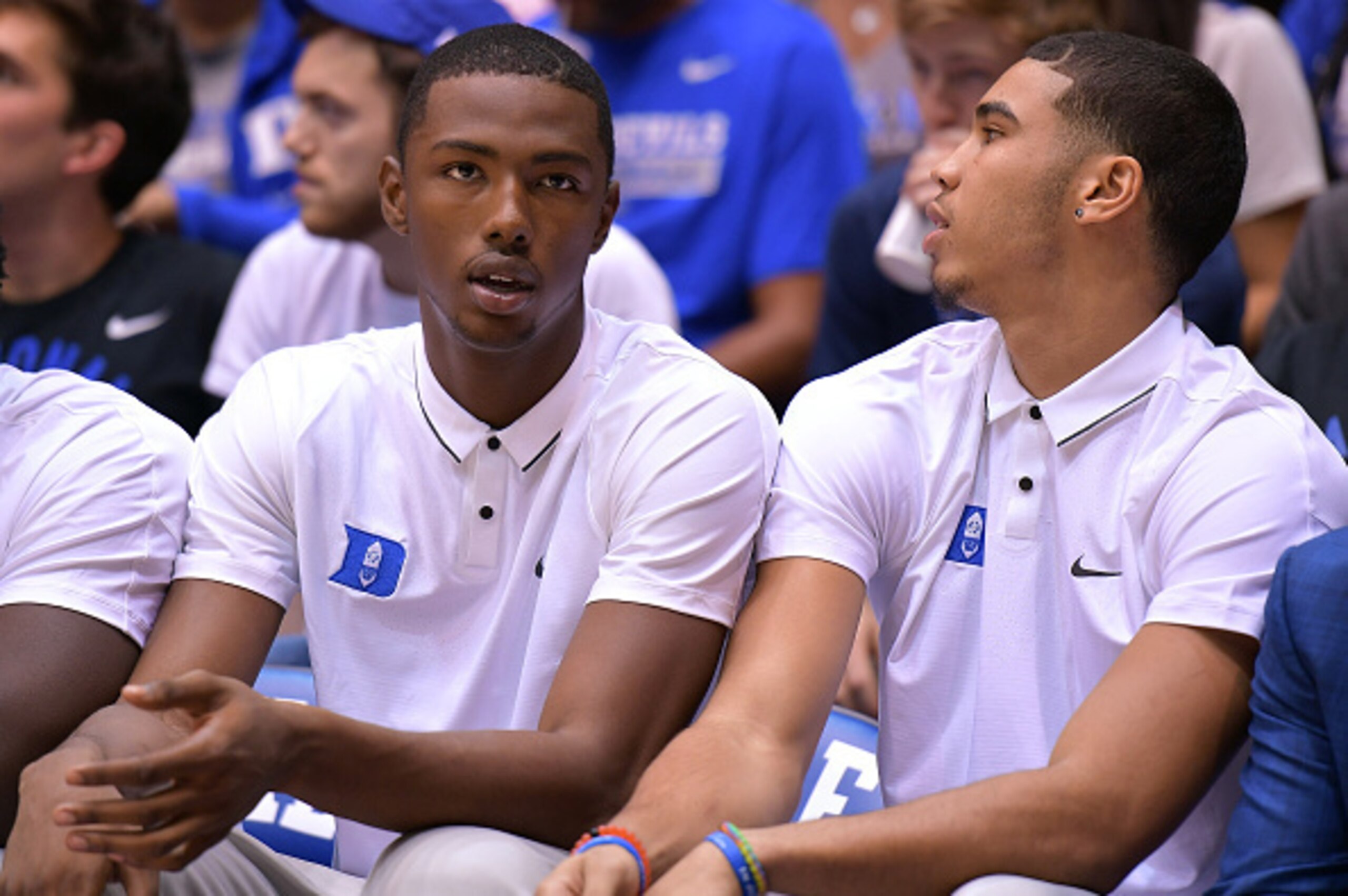
OK, enough about the guys who won't play or might have their college debuts delayed, at least by outside forces. Time to focus on the latest strong crop of freshmen, of which there are plenty of projected one-and-done stars who we better enjoy before they're gone.
Don't believe it? Just look at DraftExpress' latest mock 2017 NBA draft, where 14 of the top 26 picks (including the first five) are on college rosters. A 15th player, Terrance Ferguson, opted to play overseas instead of play at Arizona.
Many of these young studs are at the usual destinations: Duke, Kansas and Kentucky have a combined five freshmen who are projected one-and-done players, with Duke and Kentucky bringing in 10 top-50 prospects between them. Michigan State, North Carolina State, Texas and Washington are some other high-profile programs with highly rated freshmen.
Not all will be in action right away, though. New Duke forwards Harry Giles and Jayson Tatum are both nursing injuries—Giles recently underwent arthroscopic knee surgery and was already coming back from torn ligaments—and might not play in the Blue Devils' Nov. 11 opener against Marist.
How these freshmen play in their first game will be closely watched, as will their development over the season. And some will probably end up falling far short of expectations like 2015 No. 1 prospect Skal Labissiere.
Can Lonzo Ball Save UCLA?
5 of 10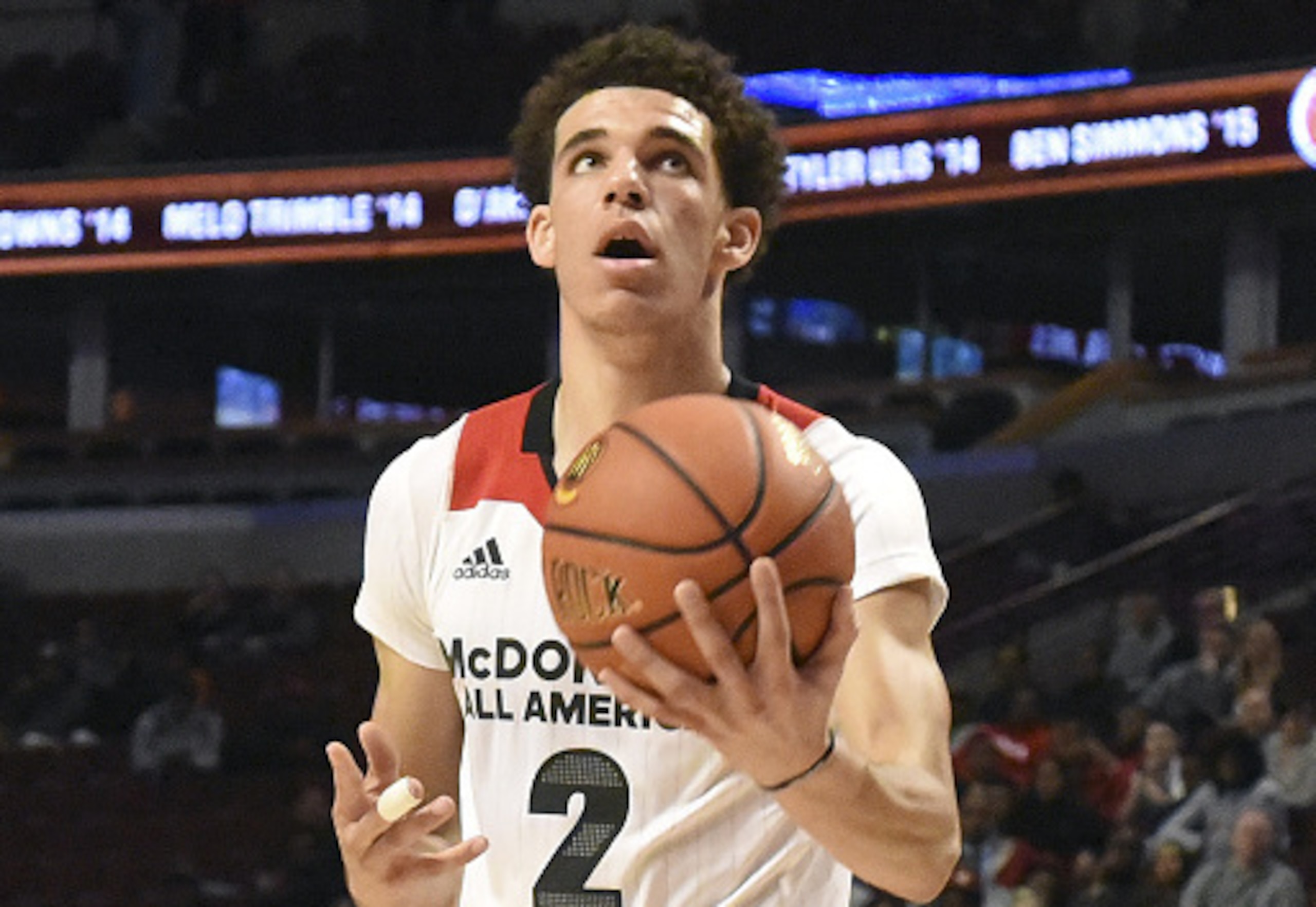
Speaking of star freshmen, UCLA's Lonzo Ball doesn't just have lofty expectations related to his pro prospects to live up to. He's been unofficially tasked with fixing all that ails college basketball's most storied program.
The Bruins have won more national titles than any other school, 11 in all, but the last one was in 1995. They made consecutive Final Fours in 2006-07 and 2007-08 under Ben Howland, but UCLA let him go after the 2012-13 season and hired Steve Alford. Alford coached Howland's leftovers to two straight Sweet 16 bids, but last season, the Bruins dipped to 15-17 and had a 6-12 record in the Pac-12, which they've won 31 times.
A growing faction of the the UCLA fanbase has been calling for Alford's head—someone started a petition in February that ended up getting nearly 1,700 signatures. But all that movement contributed to was Alford's decision to give back a one-year contract extension he'd received after the second straight Sweet 16.
Enter Ball, a 6'6" point guard who was No. 7 in the 2016 recruiting class and 14th in DraftExpress' mock 2017 NBA draft. He joins an already talent-laden roster that returns three guards who averaged double figures last season in Issac Hamilton, Aaron Holiday and Bryce Alford, the coach's son. Fellow freshmen TJ Leaf and Ike Anigbogu are Bruins as well.
Which Coaches Are on the Hot Seat?
6 of 10
Being a college basketball coach may seem like a glamorous job, especially once the salary gets into seven-figure territory. But with great power (and compensation) comes tremendous responsibility and expectations, not to mention quite a few people ready to call you out at the slightest setback.
Not surprisingly, dozens of coaches either get fired or jump to other jobs on an annual basis. Of the 351 Division I schools, 50 have coaches in their first season and another 42 entering their second season. And that trend is likely to continue, with the coaching carousel set to start as soon as a coach gets fired.
And it's going to happen; it's just a matter of when. That brings us to the topic of coaches on the hot seat, the ones who head into 2016-17 needing to do something big or else see their gigs not last much longer.
Among those who could be feeling the heat rise as the temperatures drop: Clemson's Brad Brownell, Illinois' John Groce, Kansas State's Bruce Weber, LSU's Johnny Jones, Minnesota's Richard Pitino and Washington's Lorenzo Romar.
They have been in their current jobs a combined 35 seasons with 11 NCAA tournaments but only one tournament appearance (LSU) the previous two seasons. Brownell and Romar haven't taken their teams to the NCAA tourney since 2010-11, and Pitino's peak was an NIT championship in his first season followed by 26 total wins the next two years.
Will Kansas Win Lucky No. 13?
7 of 10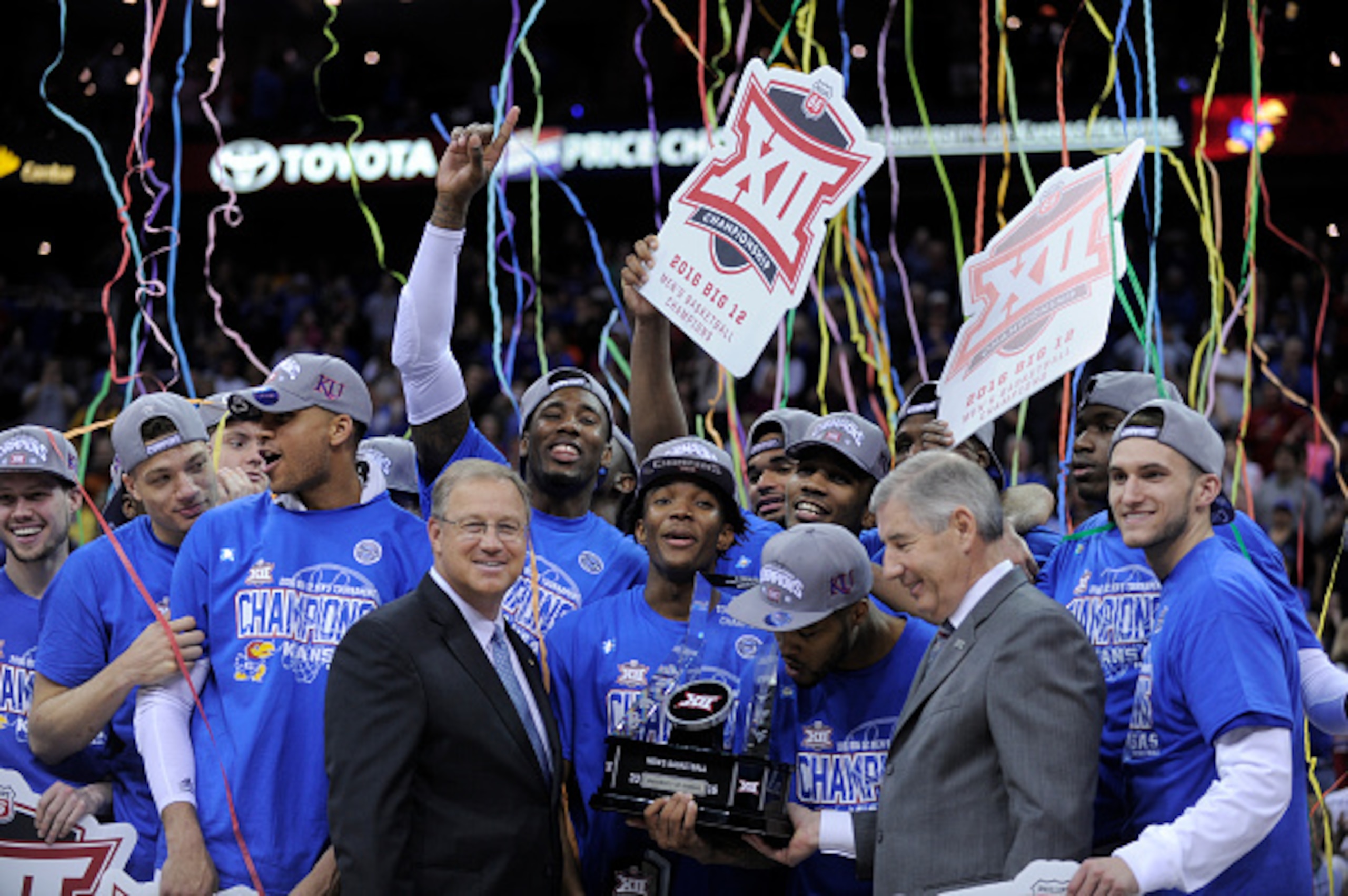
The Big 12 Conference recently opted not to expand beyond its 10-school membership, a move initiated on the football end that would have affected all sports. The league remains committed to keeping its name despite the inaccurate number in its title, though if Kansas wins another regular-season basketball title, it might consider changing to the Big 13 in honor of that achievement.
What the Jayhawks have done the past dozen seasons—winning 12 straight conference titles under head coach Bill Self—is nothing short of phenomenal because they've routinely had to replace key players along the way.
According to Matt Ellentuck of SB Nation, there were three occasions when all five starters from the previous season had moved on during the streak. Win a 13th and Kansas will tie UCLA's mark from 1967-79 (but under two coaches, unlike Kansas).
Gonzaga won 11 straight West Coast titles from 2001-11, and UNLV claimed 10 consecutive Big West regular-season crowns from 1983-92. But those weren't against the same kind of competition Kansas has faced. And not surprisingly, the Jayhawks have been pegged to win the Big 12 again.
Kansas has to replace Perry Ellis and Wayne Selden Jr., its top two scorers, and four other players who were part of the rotation, but the Jayhawks added a strong freshman class that includes No. 1 overall recruit Josh Jackson.
Will Injuries Derail Michigan State, Oregon and Other Top Teams?
8 of 10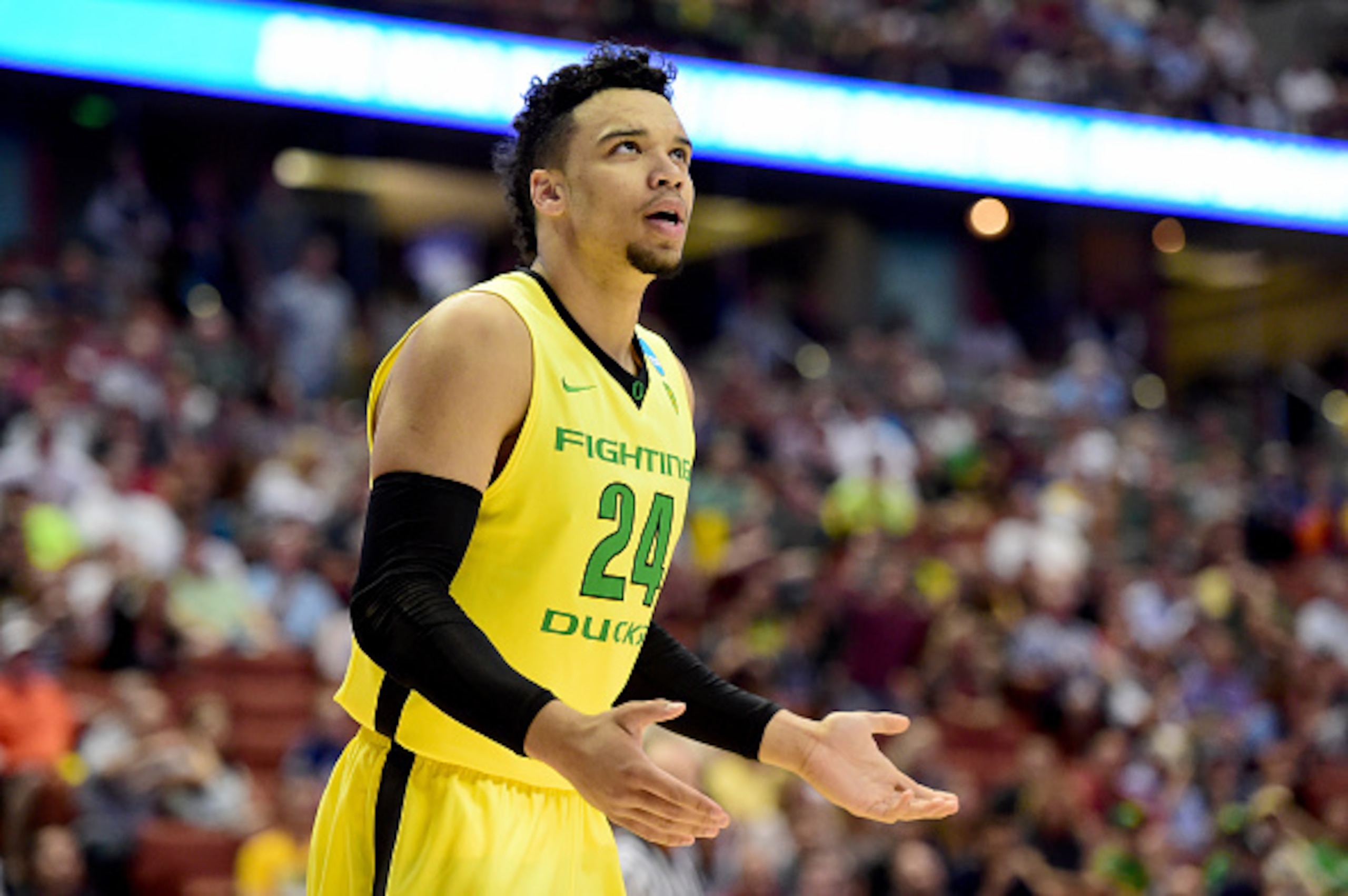
Earlier, we mentioned the injuries to a pair of Duke freshmen that have put their collegiate debuts on hold, but that's just the tip of the iceberg when it comes to hurt players. The Blue Devils have more than enough talent to compensate for those temporary losses. But not every team can say the same, and that includes some big-time programs.
Oregon made the Elite Eight last season and claimed the Pac-12 title, and the league's media picked the Ducks to repeat as champs. But that's likely assuming junior forward Dillon Brooks will come back from foot surgery before Pac-12 play begins in late December. He's been on the shelf since the summer, and there's no timetable for his return.
Michigan State was already dealing with major roster attrition from graduation, transfers and early NBA entry, but it's heading into the season minus two frontcourt players who were expected to be key contributors. Center Gavin Schilling and forward Ben Carter, a UNLV transfer, both suffered significant knee injuries in October.
"It's going to be a year where I think everybody's going to have to work harder than they've ever worked," MSU coach Tom Izzo said, per Chris Solari of the Detroit Free Press.
Many other teams are dealing with similar injury-fueled situations, and more ailments are likely to pop up in the next 10 days before the regular season begins. Even more injuries will occur once the real games come too, and how a team adapts to those losses could make or break its year.
Which Non-Power Teams Are Worth Watching?
9 of 10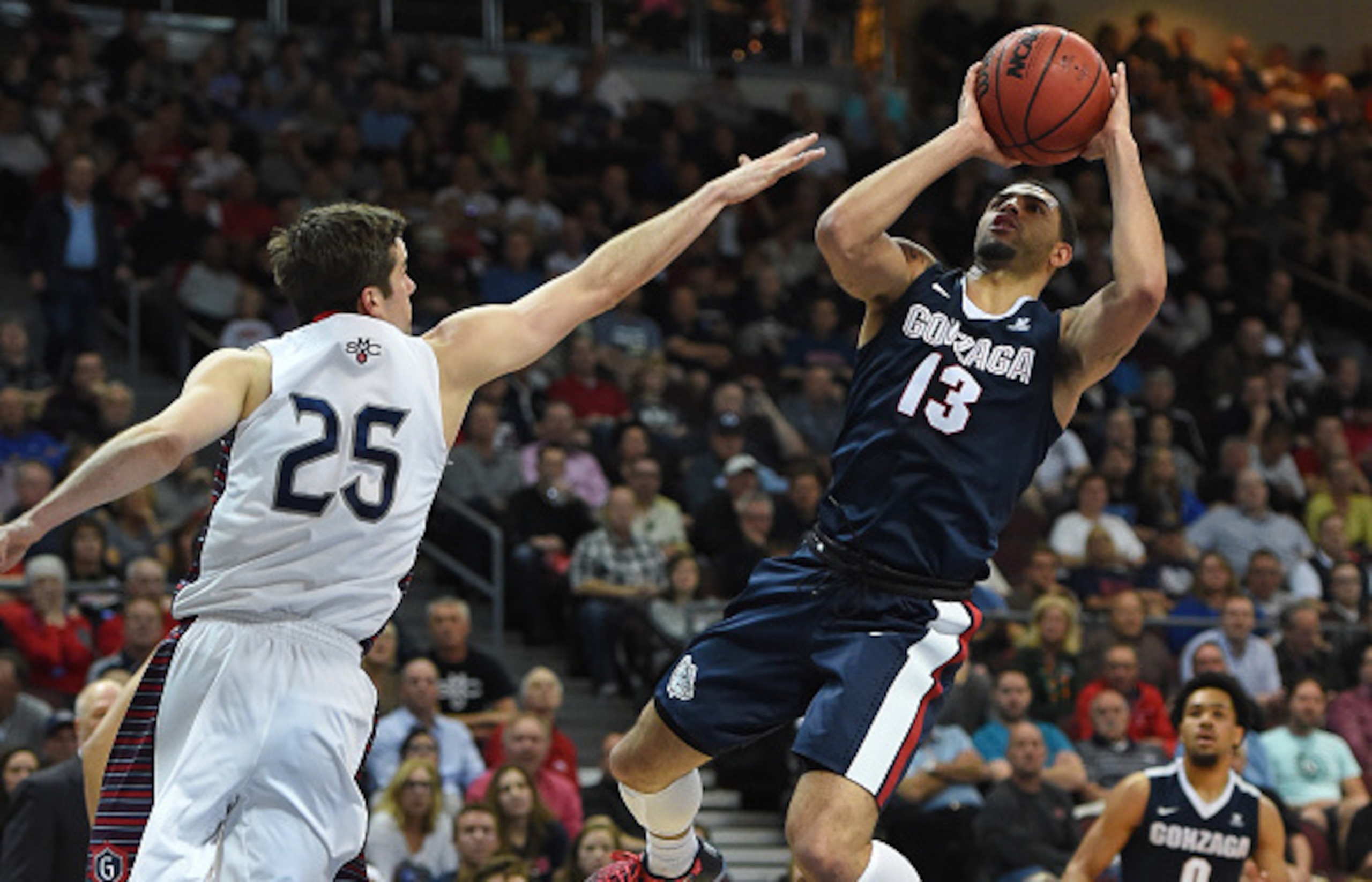
The Associated Press released its preseason Top 25 Monday, and it's filled with a lot of the usual suspects. Seventeen of those schools were in the final AP poll at the end of the 2015-16 regular season, and others (such as Gonzaga, Syracuse and Wisconsin) are back in the rankings after going deep in last year's NCAA tournament and bringing back strong lineups.
Only a few ranked teams—not to mention those that received votes but didn't make the Top 25—hail from outside the power conferences, which is to be expected. No. 14 Gonzaga is the notable exception, since it's become a mainstay in the rankings, though fellow West Coast Conference team Saint Mary's at No. 17 is an indication voters are paying attention to the non-power leagues.
The Bulldogs and Gaels will get plenty of attention this year, but they're not the only non-power schools to keep an eye on. Wichita State should be in the mix in the Missouri Valley again, as will Monmouth in the MAAC after making waves during last season via numerous wins over power teams.
Who else? Using CollegeInsider.com's designation of which conferences constitute the mid-major ranks, other schools that figure to make a splash include Akron (Mid-American), Belmont (Ohio Valley), Chattanooga (Southern), Illinois State (Missouri Valley), Long Beach State (Big West), North Carolina-Wilmington (Colonial), Princeton (Ivy League), Texas-Arlington (Sun Belt) and Valparaiso (Horizon).
Can Villanova Break the Title Defense Streak?
10 of 10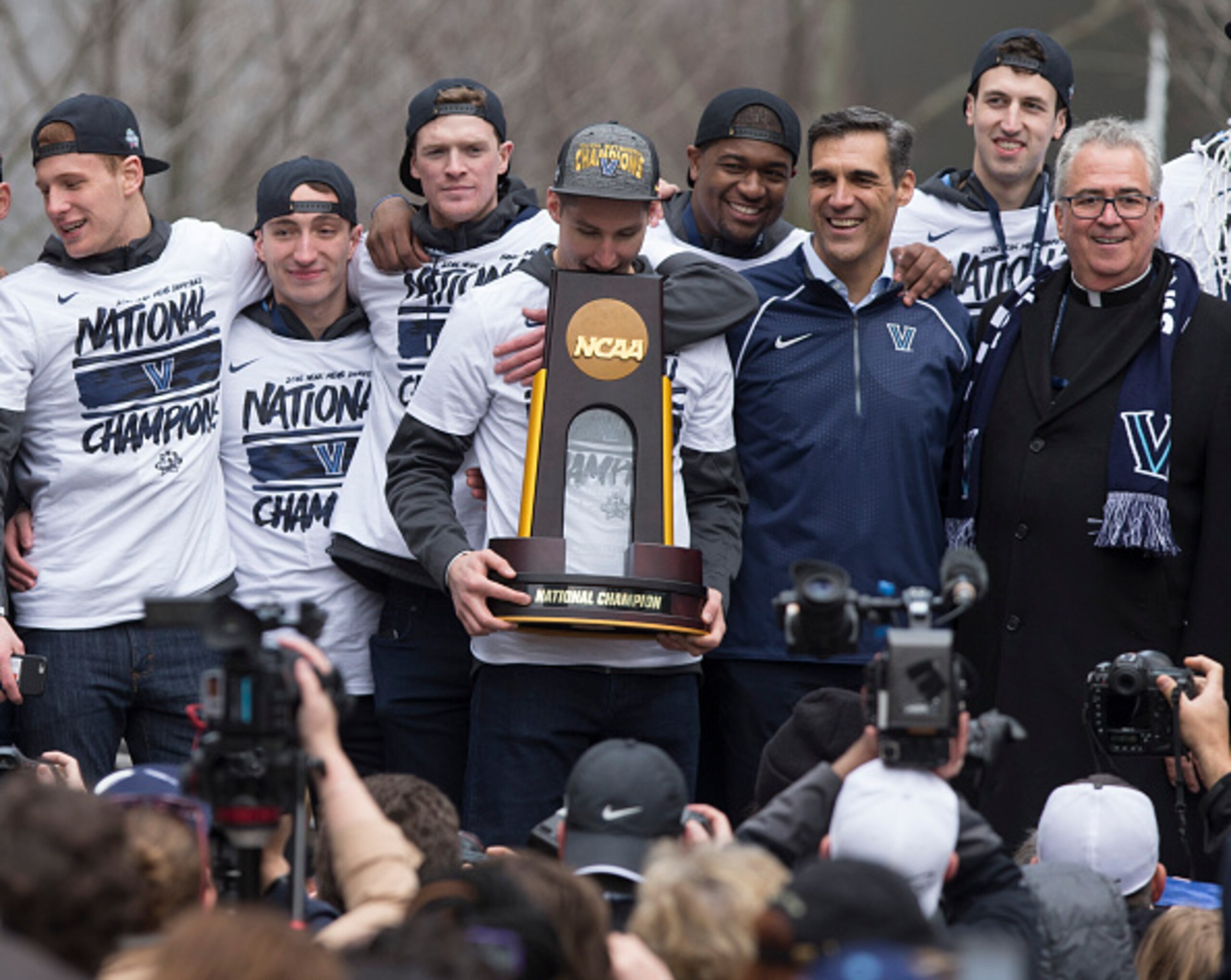
It's good to be the king. At least until the rest of the kingdom starts trying to take the crown away.
Villanova is the defending national champion after knocking off North Carolina in Houston for its second championship, the first coming back in 1985. The season after that, the Wildcats made it back to the NCAA tournament but were dispatched in the second round.
Repeating has become next to impossible in college basketball, with Florida (2006-07) the last to do it. The only other repeat champion since UCLA's incredible seven consecutive titles from 1967-73 is Duke in 1991 and 1992. But getting to the position of defending the title is almost as hard as successfully doing so.
Florida failed to make the NCAA tournament in 2008 as two-time champs, starting a trend of nine consecutive defending champions who didn't go any further than the Sweet 16. Duke got that far last season, as did Louisville in 2014 and Kansas in 2009, while three other defending champs (North Carolina in 2010, Kentucky in 2013 and Connecticut in 2015) didn't even make the field.
Villanova has the talent to break this trend, with leading scorers Josh Hart and Kris Jenkins back as seniors. Check back in late March, though, to see if the Wildcats are still alive.
All statistics courtesy of Sports-Reference.com unless otherwise noted. All recruiting information courtesy of Scout.com unless otherwise noted.
Follow Brian J. Pedersen on Twitter at @realBJP.


.jpg?w=2560 "NFL House in Paris Closes for Protests")
.jpg?w=2560 "Trevon Diggs Cut by Seahawks")