
NCAA Basketball Stars Playing in the Perfect System in 2016-17
The best players in college basketball are so talented they could excel no matter where they end up, regardless of the coach in place and the system he runs. But that's only a small fraction of the thousands of players across Division I, and for the vast majority of them, a strong connection with the coach and the system is critical for success.
And sometimes, things just fit perfectly, with a player's skills and tendencies looking like they were tailor-made for his program.
We've picked out 10 players who best fit this description. This list is limited to those who have spent at least one season at their current school and with the same coach, thus leaving out incoming freshmen and most transfers as well as returning standouts who have a new head coach to work with.
Grayson Allen, Duke
1 of 10
Villains and Duke go hand in hand, much like the comic book versions do with maniacal plans for world domination. Grayson Allen was made to be part of the Blue Devils system, one where his unrelenting motor and drive allows him to play with reckless abandon and get under the skin of his opponents.
Duke coach Mike Krzyzewski could probably do without the tripping stuff, but otherwise, he's completely on board with the junior guard's high-energy game.
NBC Sports' Rob Dauster wrote:
"Playing at Duke comes with the caveat that you will be disliked because of the jersey you wear for your entire college career. …
But when you reach the level of a [Christian] Laettner and a [J.J.] Redick, it changes the equation. That’s when the target gets put on your back, and Allen got there last season. He averaged 21.6 points, 4.6 boards and 3.5 boards — which, when combined with his 61.6 true shooting percentage, gave him a stat-line that had never been accomplished at the high-major level before.
"
The 6'5" Allen throws himself all over the court in much the same way former Duke players like Bobby Hurley once did. The results are usually great, but no matter how he fares, the reactions from fans (other than Duke diehards) are almost always negative.
Amida Brimah, Connecticut
2 of 10
When longtime Connecticut coach Jim Calhoun retired in 2012, the school turned to assistant Kevin Ollie to replace him not just because he was a former Huskies player, but because it was expected he'd carry on Calhoun's system. This has proven true not only in terms of having small-but-heady guards like Shabazz Napier, but also shot-blocking specialists like Amida Brimah.
Brimah remains raw on the offensive end even after three seasons in college, averaging only 3.9 shots and 6.4 points per game for his career, but that's not where the 7-footer's true value is felt. Instead, it's as a defensive disruptor, either swatting away shots or altering them into bad attempts.
The senior has 280 blocks for his career, maintaining a rate of 5.3 per 40 minutes and 14.9 percent of all available shots when he's on the court. He probably won't play more than the 21 minutes he averaged last season, but in that time, opponents aren't going to be heading into the paint unless they're ready to get denied.
V.J. Beachem, Notre Dame
3 of 10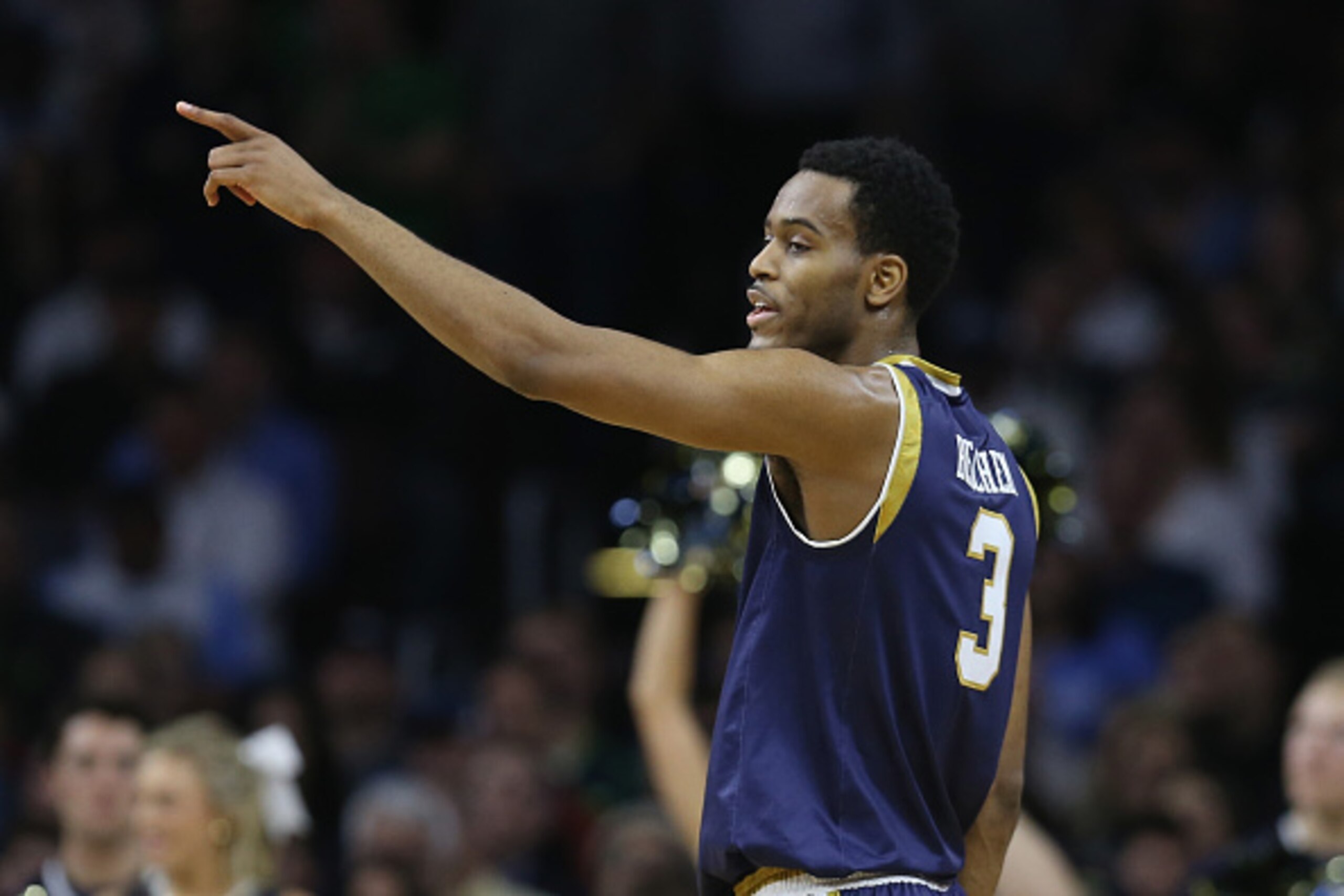
Notre Dame has averaged 23.8 wins the last decade and made the last two Elite Eights thanks to a system in which head coach Mike Brey preaches the importance of perimeter play. Regardless of size, being able to shoot from outside and stretch the defense is critical to success, which is why so many strong shooters have thrived with the Fighting Irish.
V.J. Beachem is part of the latest crop of Notre Dame shooters, a 6'8" forward who is catching NBA scouts' eyes because of his outside stroke. He was 88-of-198 from three-point range as a junior and has made 41.3 percent of his shots for his career, and this has improved his two-point shooting as well since defenders have to stick close to him and he can drive past.
"There's a lot of skill there that you really like," CBSSports.com's Sam Vecenie said in an interview with Blue & Gold Illustrated (via Rivals.com). "He's exactly what the NBA is looking for right now, in terms of an athletic wing."

.jpg?w=2560)

Shannon Evans, Arizona State
4 of 10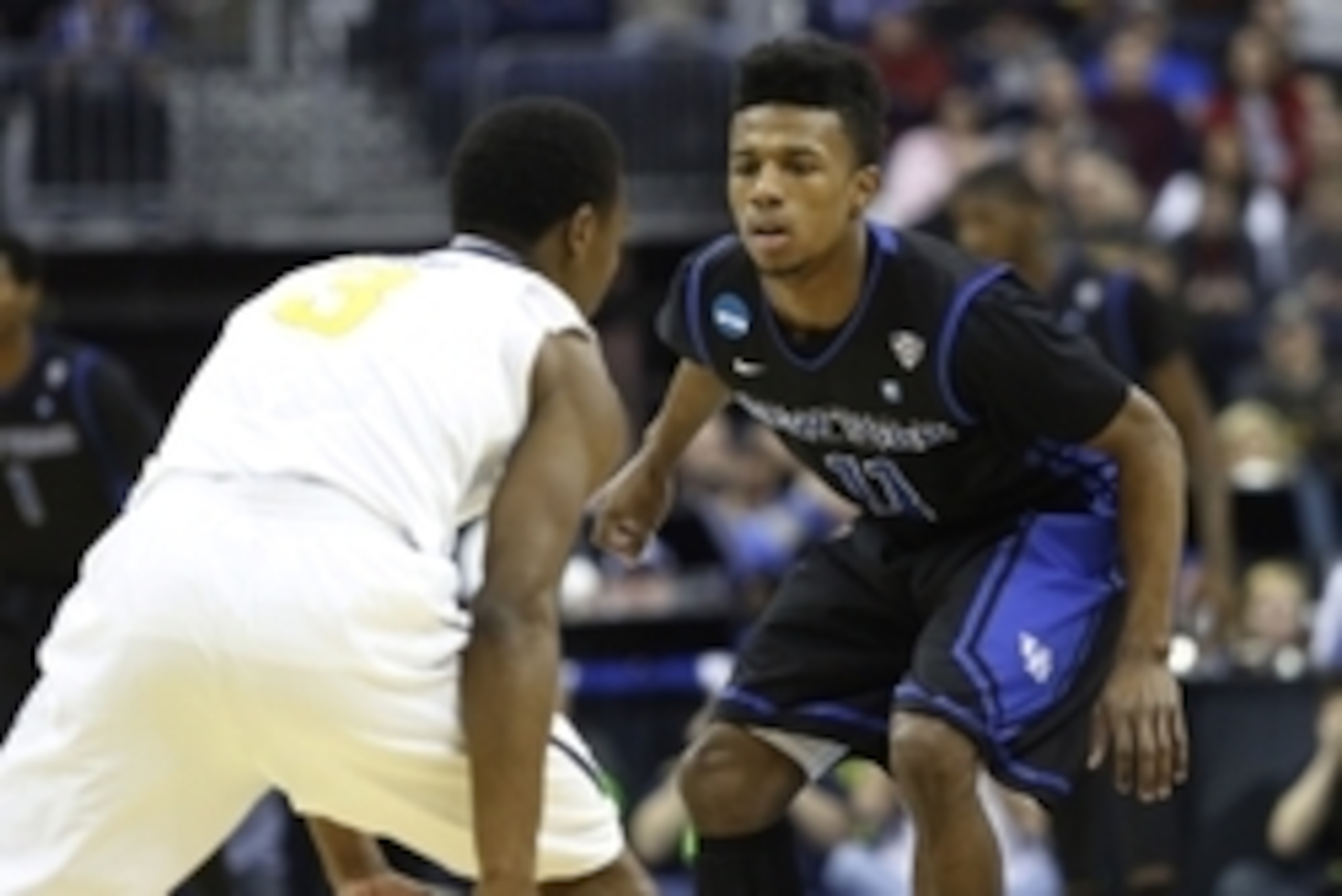
Bobby Hurley had quick success in his two seasons coaching Buffalo, winning 42 games and making the NCAA tournament in 2015. That landed him the Arizona State job, and though he was able to implement his system, it didn't produce the same immediate results, as the Sun Devils went 15-17.
But now that one of Hurley's top players in Buffalo has become eligible at ASU, things are looking up.
Shannon Evans averaged 15.4 points, 3.2 rebounds and 4.6 assists for the Bulls as a sophomore in 2014-15, opting to follow his coach to the desert and sit out last season. His addition is the equivalent of adding a McDonald's All-American to the roster, Hurley told Jeff Metcalfe of the Arizona Republic.
"Shannon is as gifted as any player in our conference coming into this year on the perimeter," Hurley said. "…It's like a volcano that’s building up for him. That guy’s got so much passion and energy, and it was all bottled up last year."
Evans, a 6'1" guard, should fit right in since his coach blew up a few times during his first season at ASU, most notably when he was ejected in the final minutes of a home loss to rival Arizona in January.
Jack Gibbs, Davidson
5 of 10
In its move up in competition from the Southern Conference to the Atlantic 10, Davidson hasn't changed its approach, as it relies on players who like to run and shoot. The Wildcats ranked 82nd in offensive pace last season at 71.2 possessions per 40 minutes, with more than 44 percent of their shots coming from three-point range.
It was an atmosphere that Jack Gibbs thrived in, jumping from 16.2 points per game as a sophomore in 2014-15 to 23.4 last year. The 5'11" guard managed that by taking 18.2 shots per game, which accounted for nearly 28 percent of the Wildcats' shots. He also took more than six free throws per game, making 84 percent of them and showing a willingness to drive into traffic and force the issue.
When he wasn't shooting, Gibbs was facilitating. He was Davidson's top assist man at 4.9 per game, with a 30.5 percent assist rate.
Head coach Bob McKillop has put his faith in Gibbs, much like he did nearly a decade ago with Stephen Curry.
Justin Jackson, North Carolina
6 of 10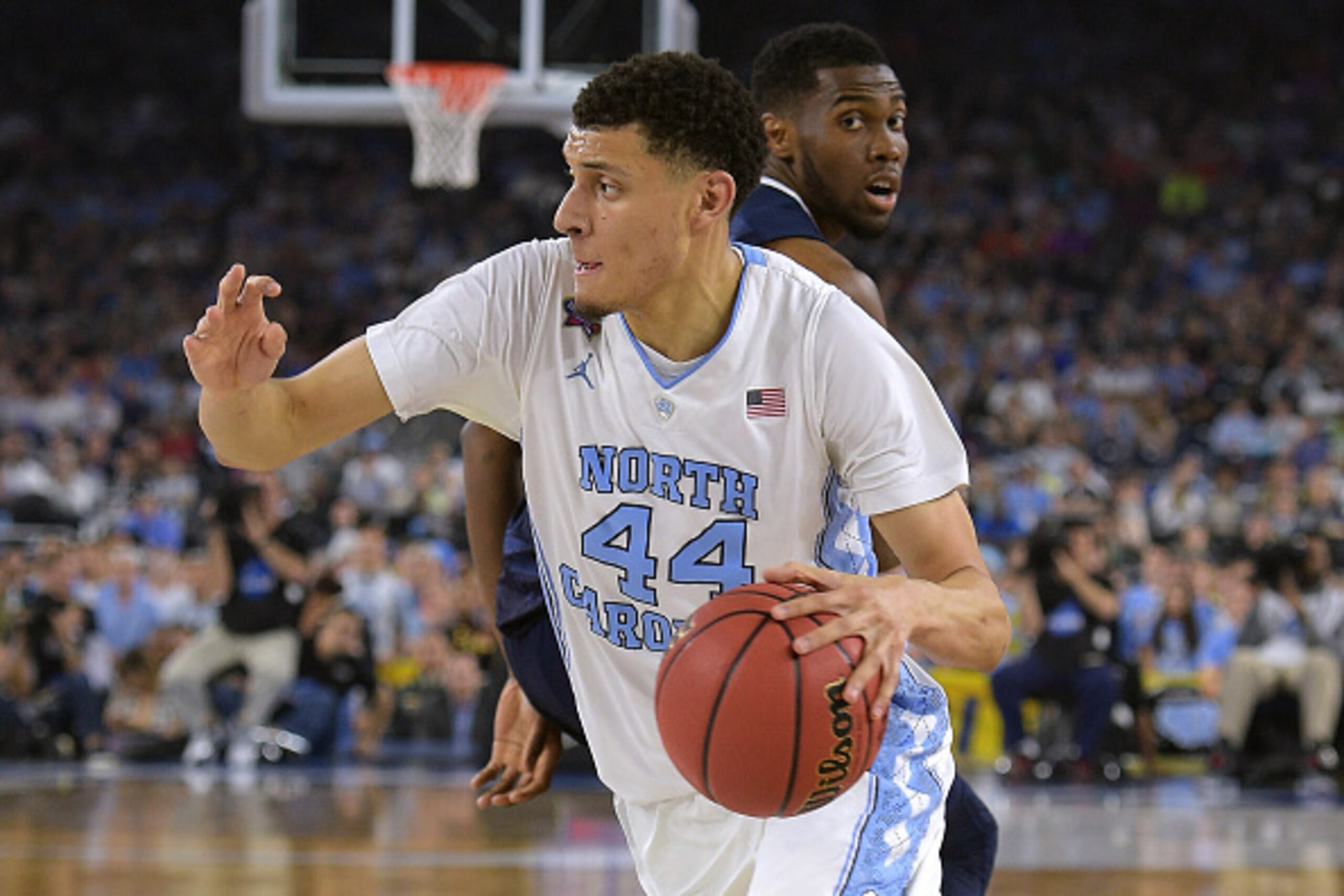
How did Brice Johnson go from a long-but-scrawny freshman to one of the best frontcourt players in the country by the time his college career was done? It was a joint effort between the player devoting himself to adding weight and getting stronger and North Carolina coach Roy Williams' fondness for players willing to shoot close to the basket and crash the boards.
"Long story short, a high-volume, high-percentage two-point shooter who can run the court and crash the offensive glass will fit like a glove in North Carolina's system," Bleacher Report's Kerry Miller wrote last year in noting how perfect a fit Johnson and UNC's system were for each other.
The same applies to Johnson's potential successor, Justin Jackson, assuming he can continue to add strength and give up on being a perimeter shooter.
Jackson, listed at 6'8" and 210 pounds on his online bio, was 193 pounds as a freshman. Still, he managed to shoot 54.4 percent from inside the arc and then made 53.7 percent of his twos last season while becoming more active on the boards.
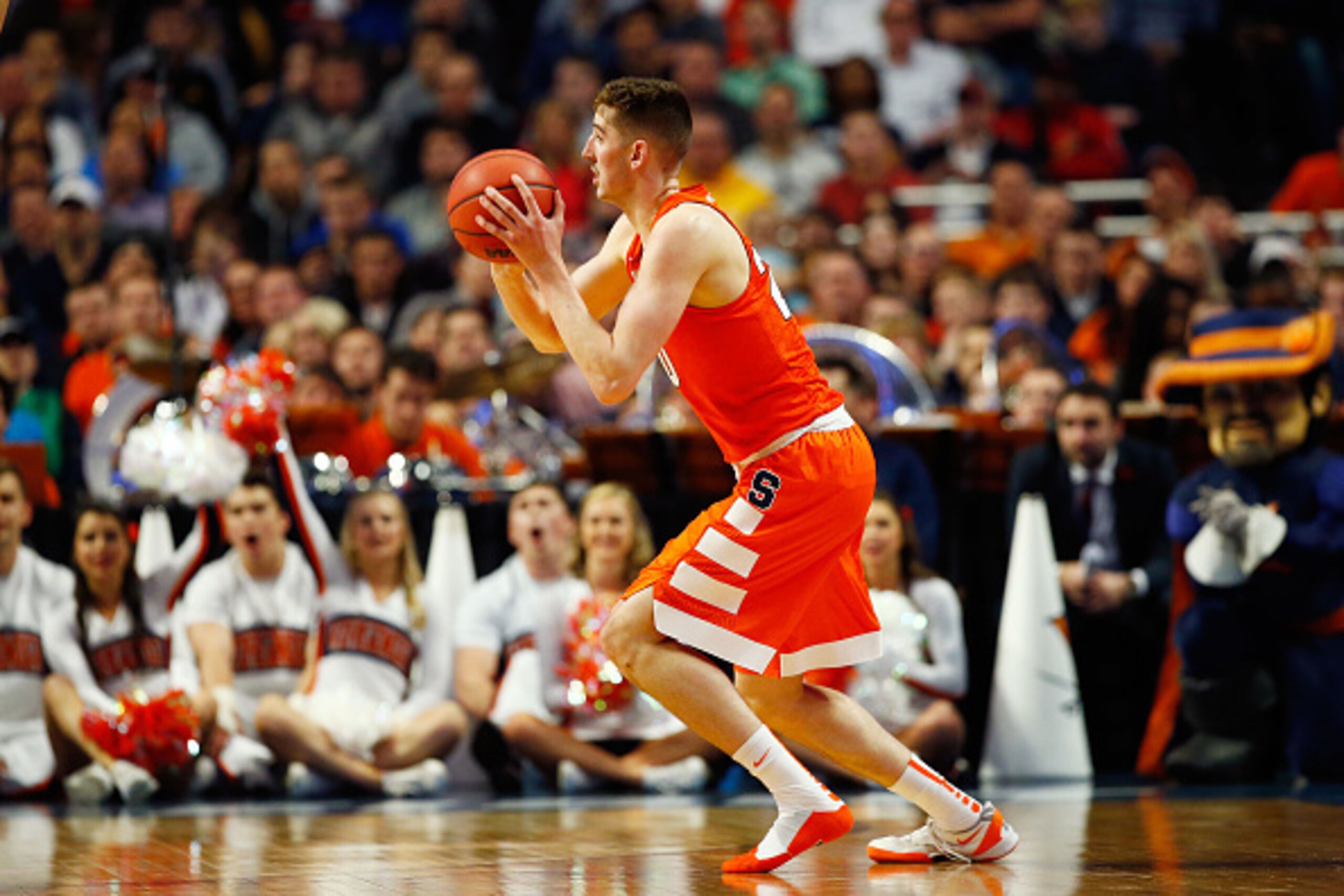
Tyler Lydon, Syracuse
7 of 10
Quite a few college basketball fans don't get really interested in the sport until March comes around, but even the most casual observers are probably aware of Jim Boeheim's famous zone defense at Syracuse.
It's won him nearly 1,000 games over 40 years and has worked not only because he's drilled those zone principles into hundreds of players, but also because so many of his guys have fit a particular mold. That would be one that involves length and wingspan, making it difficult for opponents to penetrate the zone and thus forcing them to shoot from the perimeter. And when those shots are missed, those long and lean players can grab the rebounds.
Also part of the package for many Syracuse players has been a penchant for the three-point shot, which is how Tyler Lydon first got noticed last year as a freshman before he eventually showed the ability to handle the defensive half of the system.
The 6'8" Lydon averaged 10.1 points, 6.3 rebounds and 1.8 blocks per game while shooting a team-best 40.5 percent from the field. He was one of seven players in Division I last season who shot 40 percent from outside (while taking at least three three-pointers per game) and averaged at least one block per contest.
Tarik Phillip, West Virginia
8 of 10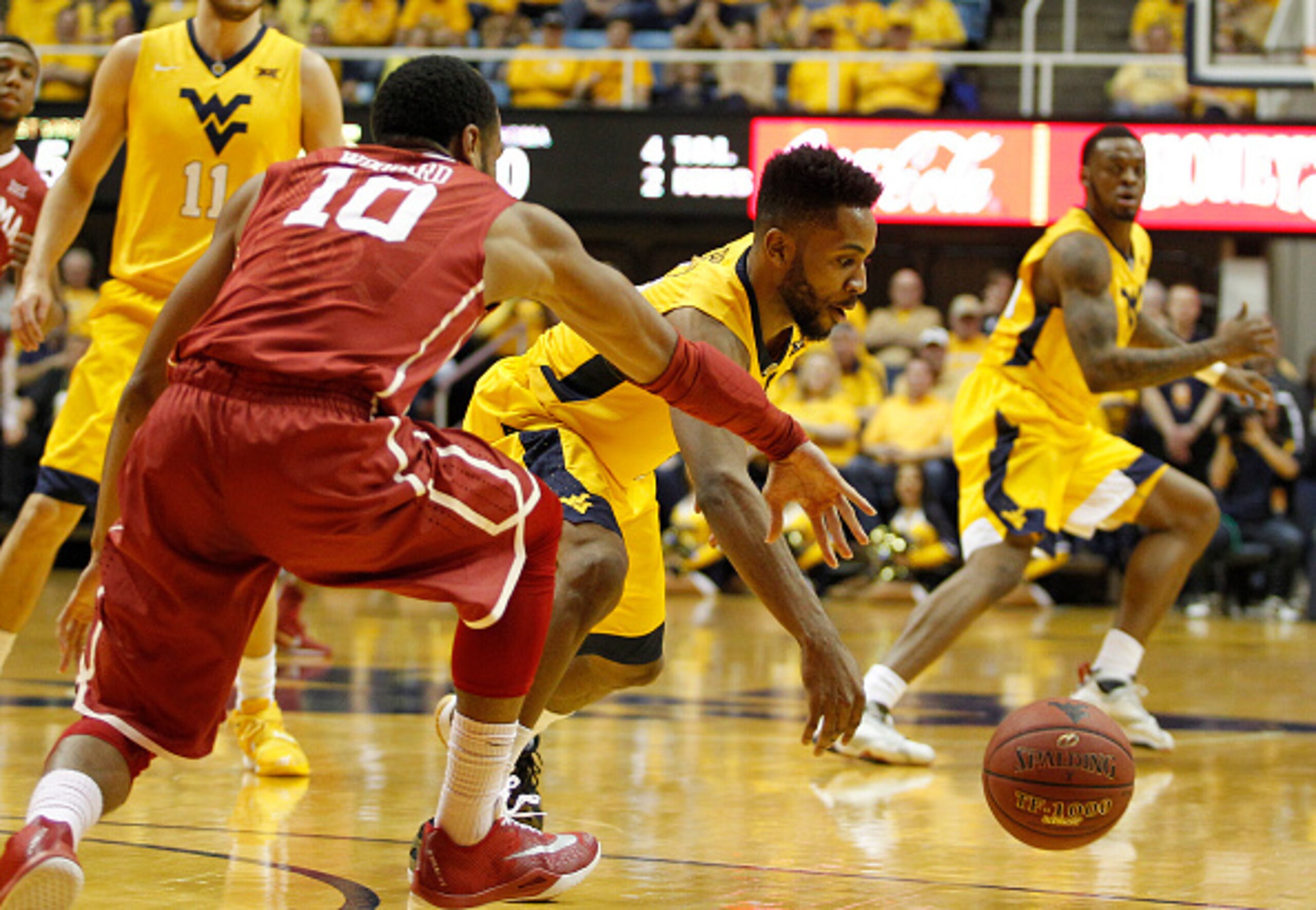
Bob Huggins believes in playing defense at a frenetic pace that stresses quick hands to force turnovers, then getting the ball up the court quickly and putting up the first shot possible, even if it's not the best one. As long as there are a few players available to grab an offensive rebound, all is good.
That led to the Mountaineers leading the nation in steal percentage (13.8) and offensive rebound rate (41.8).
And with his regular use of at least nine players for 13 or more minutes per game, as was the case in 2015-16, we could have picked any of four or five guys from the Mountaineers roster who fit so well into the system. Since West Virginia's top two rebounders—Jonathan Holton and Devin Williams—have moved on, we concentrated on the steal aspect of the attack.
Four players had a steal percentage of 3.0 or better last season, with Tarik Phillip's 3.8 rate at the top. He had 53 steals in 779 minutes, and if not for his 71 turnovers, his impact would have been greater than 9.3 points per game. Still, the 6'3" guard embodies exactly what Huggins looks for in his guards.
Allonzo Trier, Arizona
9 of 10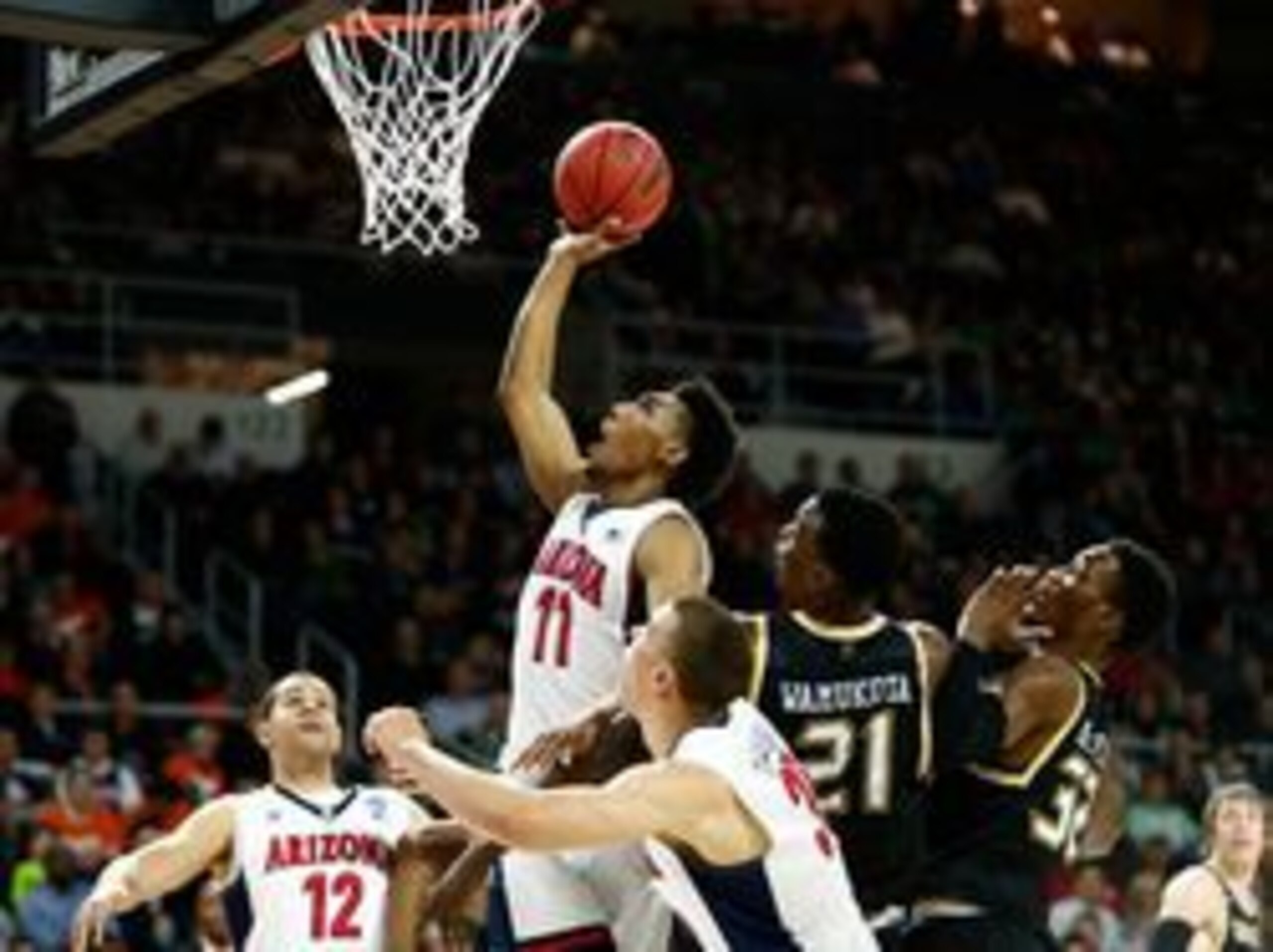
Sean Miller has been on a recruiting tear his last few seasons, landing 12 5-star prospects in the last six cycles. Many of these young stars have been physical freaks like Stanley Johnson and Aaron Gordon, one-and-done players who moved on to the NBA thanks to their athleticism, but they also fit well with Miller's desire to get as many points from the foul line as possible.
The Wildcats tend to be among the best teams in the country in free-throw rate, meaning the number of foul shots attempted per field-goal attempt. They were 20th this past season at .438, taking 863 free throws in 34 games.
Allonzo Trier was near the top of the list in drawing fouls and getting to the line, taking 7.7 foul shots per 40 minutes by driving in the lane and inducing contact. Of his eight 20-point games last season, six of those involved him going to the line at least eight times, including a 22-point performance in which he took on five field goals (making four) but was 14-of-14 from the line.
Zeek Woodley, Northwestern State
10 of 10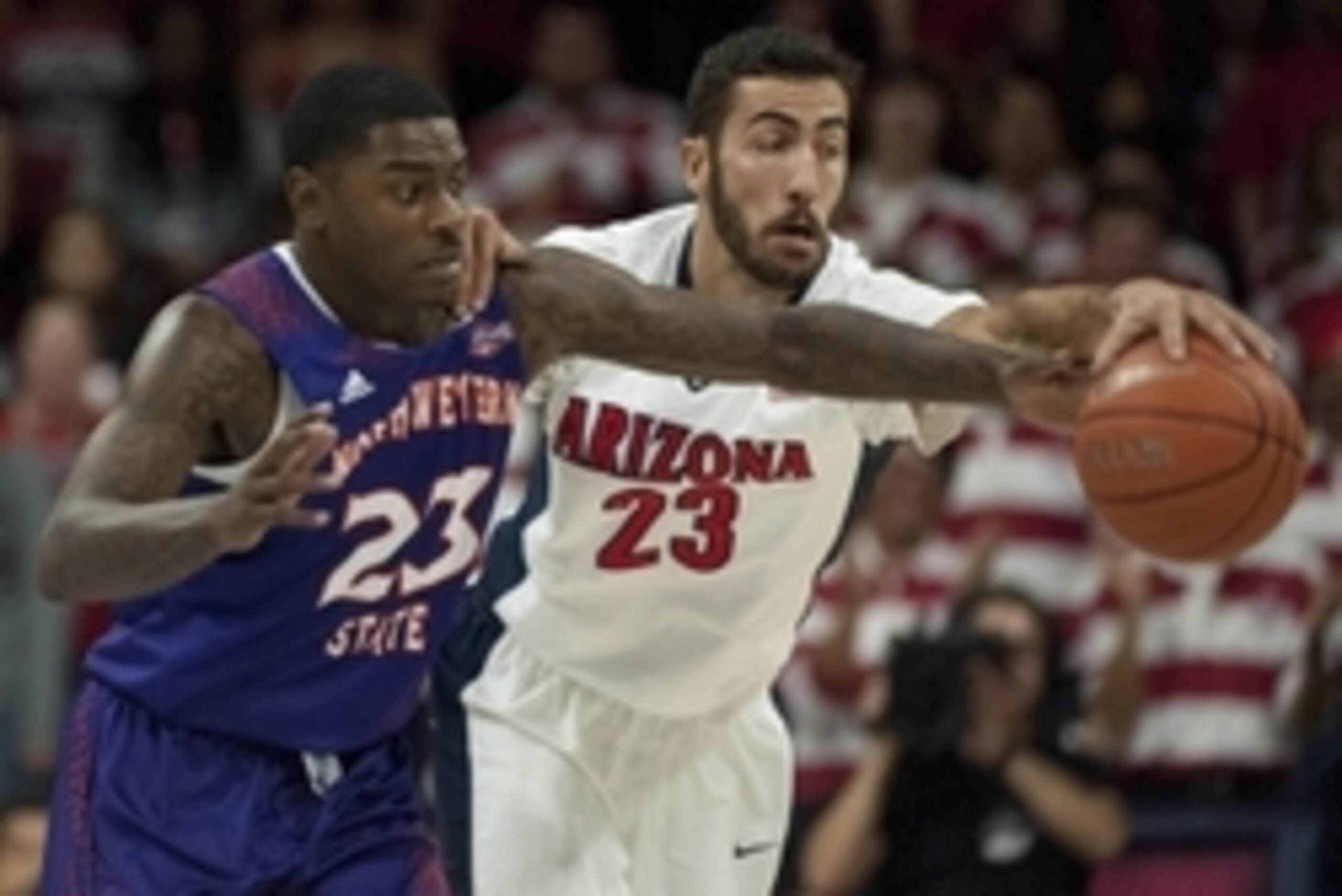
Northwestern State coach Mike McConathy is one of just 15 Division I coaches who have had the same job since 1999, with most of the others in that group among the game's household names. He's stayed under the radar despite three NCAA tournament trips, most recently in 2013, getting more attention for the pace at which his teams play than how they've performed.
The Demons have averaged at least 79 points in four straight seasons, the last three with Zeek Woodley a main cog in that fast-moving machine. He's averaged 22.2 points per game the last two years, and last year's version was even more impressive because he was doing it without point guard Jalan West feeding him the ball after West suffered a season-ending knee injury in the opening game.
West is out for 2016-17 as well because of torn knee ligaments, leaving Woodley to do the job himself again. The 6'2" guard was incredibly efficient last year even without many weapons around him, shooting 53.1 percent overall and a career-high 40.7 percent from three-point range.
Woodley figures to be a lock to become the 21st player since the mid-1990s with three seasons averaging 20-plus points per game. If he matches the scoring output of the last two years, he'd be just the sixth to average 22 or more in three seasons.
All statistics courtesy of Sports-Reference.com unless otherwise noted. All recruiting information courtesy of Scout unless otherwise noted.
Follow Brian J. Pedersen on Twitter at @realBJP.
.jpg?w=2560 "Rams Eagles Football")
.jpg?w=2560 "Falcons Saints Football")

.jpg?w=2560 "Injury-stricken Seahawks signing veteran RB")

.jpg?w=2560 "2 NFL Officials Suspended")
