AC Milan: The Benefits and Pitfalls of Milan Lab
The 2007 Champions League final meant a lot to AC Milan. Two years on from the trauma of Istanbul, where they finished runners-up after throwing away a 3-0 lead to draw 3-3 with Liverpool and lose on penalties, they had an opportunity to claim revenge.
The team Carlo Ancelotti sent out on the night was filled with internationals and superstars. The defence included the elegant Alessandro Nesta and the iconic Paolo Maldini; the midfield, made up of Andrea Pirlo, Clarence Seedorf, Massimo Ambrosini and Gennaro Gattuso, offered both class and ruggedness; and the attacking duo of Kaka and Filippo Inzaghi combined outrageous skill with unerring efficiency.


It was a team filled with memorable names, though these players were also haunted. The memories of 2005’s defeat lingered painfully with the sense of a legacy unfulfilled. However, beyond the overarching theme of vengeance, there was a less evocative but equally meaningful storyline. With an average age of 34 years and 31 days, this team was the oldest to ever line up for a Champions League final.
When that match kicked off, every member of Milan’s back line was over the age of 30. And Maldini—captain, inspiration and defensive leader—was, at 38 years of age, the oldest player to take part in the final of European football’s most prestigious club competition. The midfield comprised players with an age range of 28 to 31, while the 33-year-old Inzaghi was charged with leading the attack.
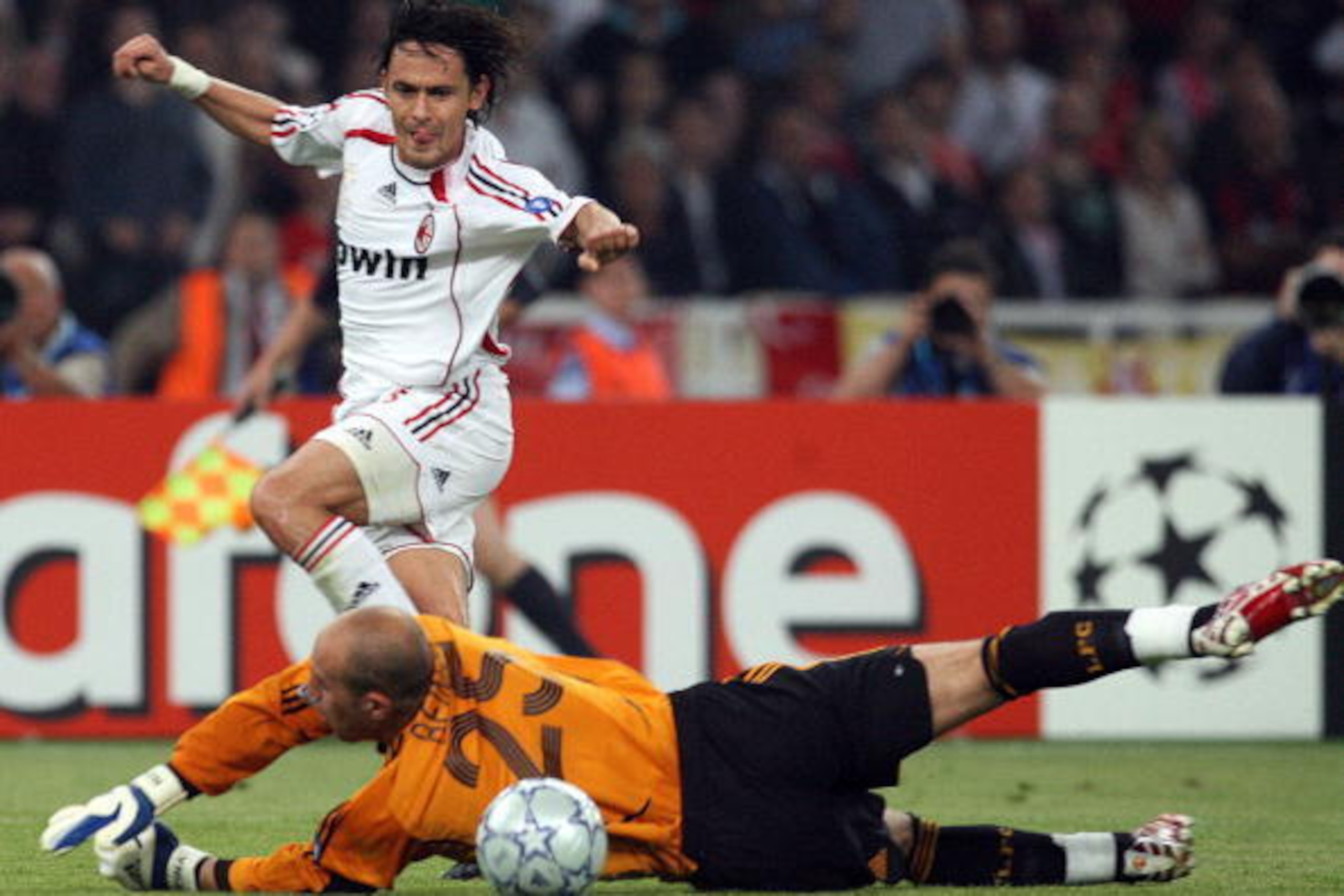
The ageing striker proved the hero, deflecting in a Pirlo free-kick before scoring what turned out to be the match-winning goal after one of his trademark runs. Defying both his age and Liverpool’s offside trap, he broke free to latch onto a perfectly weighted Kaka through ball before rounding Pepe Reina and passing calmly into an empty net.
Milan won 2-1, a victory that allowed them to go some way to vanquishing bitter memories of the past. But the win also served as an advertisement for an innovative internal project, one that had allowed a great team to prolong its greatness.
Milan Lab was set up in 2002 on the back of a failed transfer. Fernando Redondo was one of the finest midfielders in the world when he left Real Madrid to sign for the Rossoneri in 2000 for a fee of £11 million. The player’s sale was vociferously protested by fans of the Spanish club, who saw him as vital to their team.
Such anger was understandable. The Argentinian was a sublime technician, a midfield craftsman with a wand for a left foot and an ingenuity that regularly left defenders flummoxed. His capture was considered a coup, though a knee ligament injury he suffered early on in his career with the club ruled him out of competitive action for over two years.
Redondo eventually made his debut in the 2002-03 season, though he was already past his best by that point and struggled to make an impression on the first team before retiring in 2004 at the age of 34.
His signing, exciting as it was at the time, was deemed a wasted investment. And Milan Lab was consequently founded, with the ambition being to prevent such a situation from arising again in future.
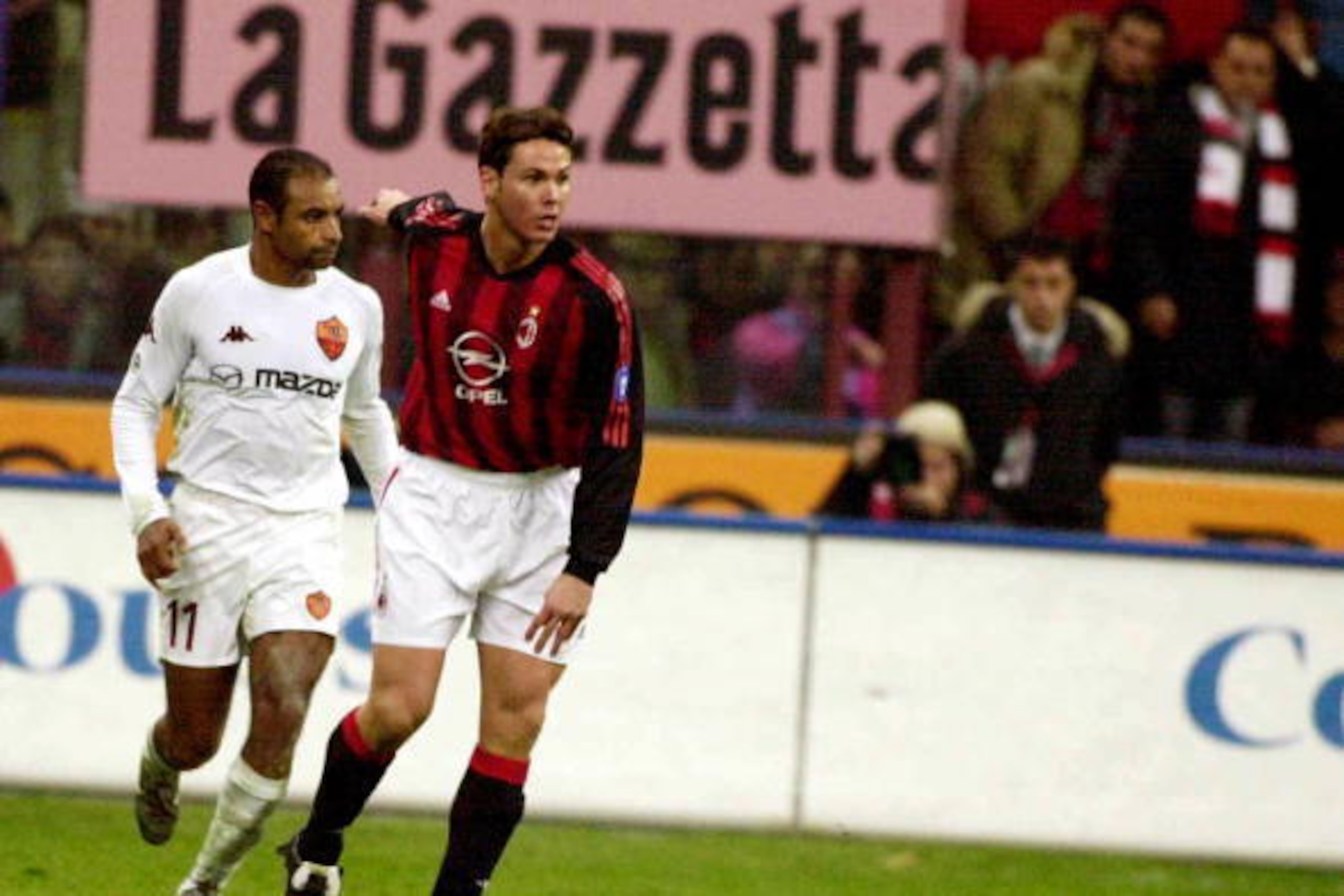
Jean-Pierre Meersseman, a Belgian chiropractor who had previously worked with Milan in an advisory capacity, was the man at the forefront of the project. He believed the club could either prevent or predict costly injuries such as Redondo’s and enhance players' careers beyond their expected age of decline, telling a Belgian reporter (h/t the Daily Mail’s Michael Walker): “Age doesn't exist. What counts is that you are physically and psychologically ready to play. It doesn't matter if you are 21 or 41.”
His methods were as unorthodox as his aims were ambitious, something perhaps best exemplified by his treatment of Seedorf upon the Dutchman’s arrival at the club in 2002.
“When Seedorf came to see me he had continuous groin pain which had been bugging him for a year and a half,” Meersseman told the Guardian’s Sean Ingle in 2013. “He couldn't practise properly and was on a downward spiral. I remember the first day he was at Milan I had his wisdom teeth pulled out. The pain in his groin went away immediately and that helped rebuild his career.”
Seedorf went on to play 10 full seasons of regular football with the club before leaving for Brazilian side Botafogo in 2012, retiring at the age of 38.
In the world of football, where players who cost large sums of money can have their careers changed with one bad touch, one poor decision or one late tackle, Meersseman and his Milan Lab, incorporating kinesiology, psychology and neurology while collecting vast quantities of data on squad members, enabled Milan to undertake a more strategic vision.
It paid immediate dividends; in the project’s first full campaign, the club reported, per Sky Sports: “Total practise days lost [went] down 43 per cent, use of medicines (went) down 70 per cent. Player injuries dropped by two thirds."
And the results weren’t just seen on the training ground.
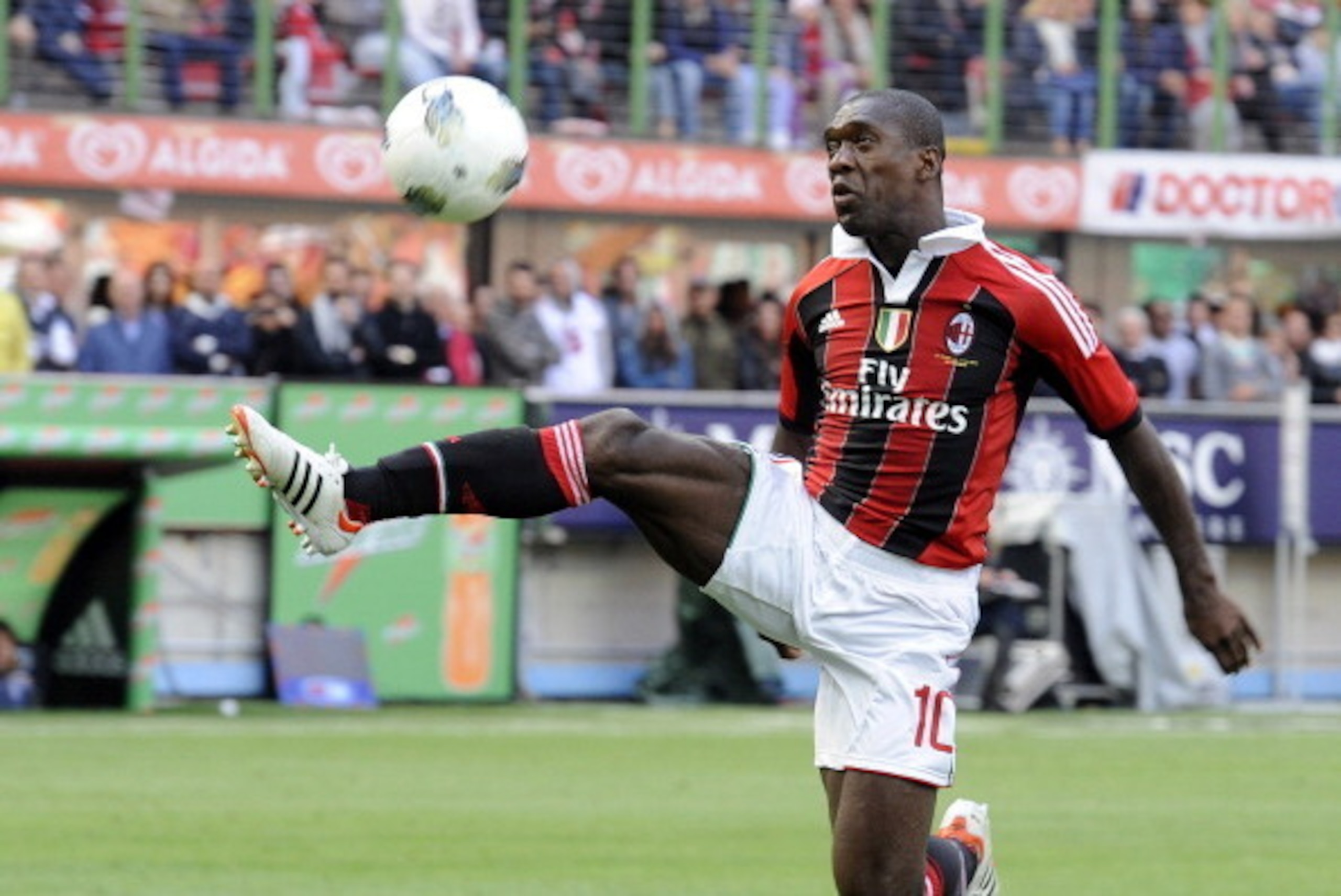
On the pitch, Ancelotti’s side improved. Having finished fourth in 2002, they rose to a third-place Serie A position the following term while also winning the Champions League and the Coppa Italia. A Scudetto came in 2004, along with the UEFA Super Cup, before the emotional victory over Liverpool in 2007 secured another continental crown.
The accumulation of silverware was impressive, though even more so was the way in which it was achieved. With Milan Lab allowing the club to extend players’ careers, they were under less pressure to spend big on an annual basis, instead retaining and refining the same core throughout.
And whenever Milan did dip into the transfer market, their policy was slightly different to that of other elite European clubs. Rather than focus on highly rated prospects and pay exorbitant fees in the process, they often targeted those closer to the end of their careers, confident in their chances of getting more out of them.
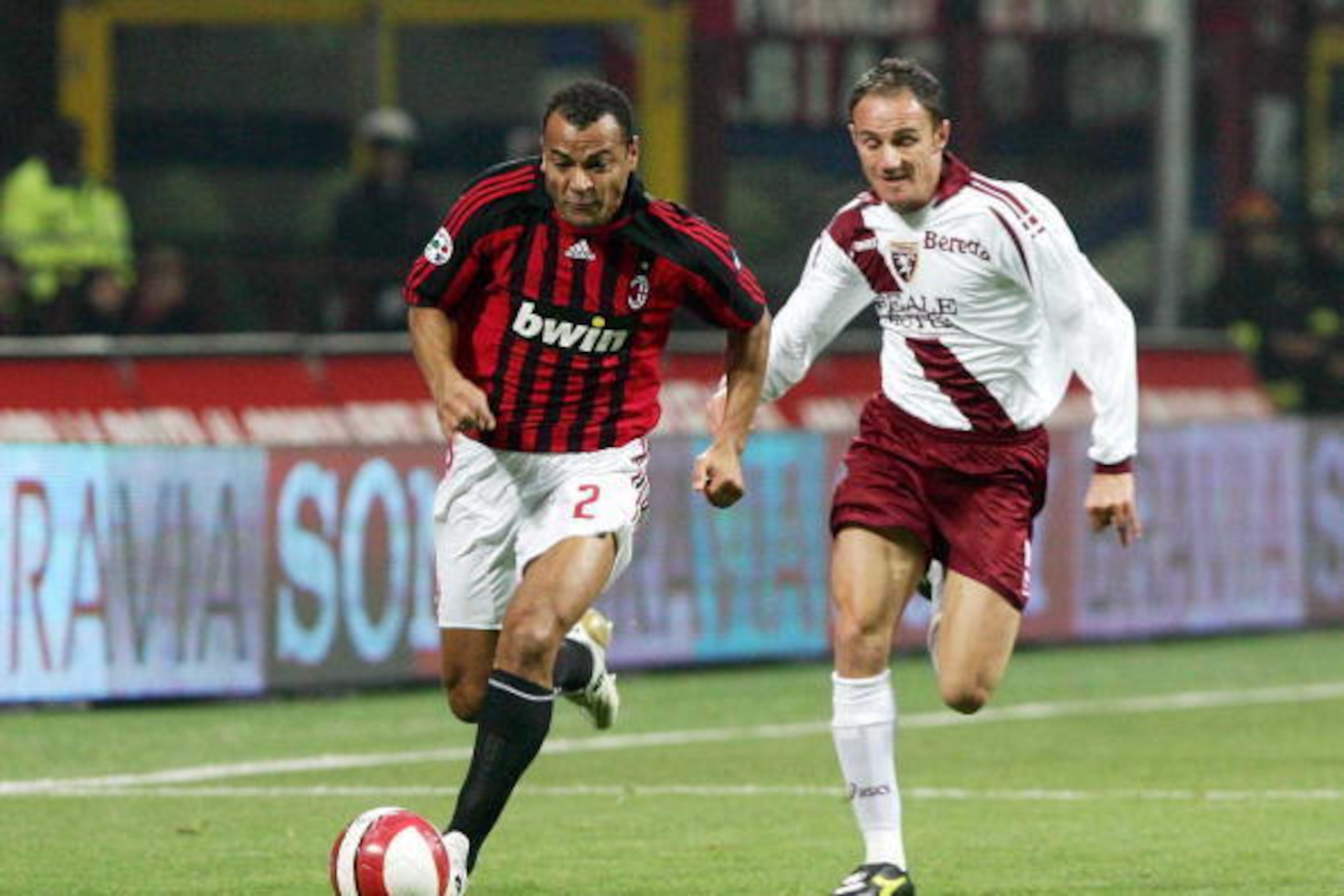
When Cafu joined from AS Roma in 2003, he was 32 years old but was able to enjoy five more successful years of first-team football with the club. Jaap Stam joined in 2004 at the age of 31 and played regularly, and well, for two more years. Five years later, David Beckham revelled during a loan spell with the club at the age of 33.
For all the benefits Milan reaped from Milan Lab, there was also one major flaw. Players’ performance levels remained high for a longer period of time, with most playing well into their 30s, but this led to a bottleneck of talent. The reliance on Meersseman and his theory of agelessness had unwittingly led to a seeming complacency that the club needn’t plan beyond the existing squad.
A lack of succession planning was evident in the way the team’s results declined in the years following the end of Ancelotti’s wonderful generation. Ambrosini, the last of the 2007 Champions League-winning side, left in 2013, one year on from the departures of Massimo Oddo, Nesta, Maldini, Gattuso, Seedorf and Inzaghi.
Kaka returned to the club in 2013 after a four-season stint at Real Madrid, but during his time away, his skills had been blunted by a procession of injuries.
In the three years since Ambrosini’s move to Fiorentina, Milan have finished eighth, 10th and seventh. They are the results of a team that has been ravaged simply yet ruthlessly by the one thing Milan Lab couldn’t prevent: the passing of time.

.jpg?w=2560 "Cardinals Giants Football")
.png?w=2560 "Week 6 Winners & Losers 📊")
.jpg?w=2560 "Grading Wild MITB PLE 😮💨")
.png?w=2560 "Shocking CFB Top 25 Shakeup 🔢")
.jpg?w=2560 "DK Shades Sauce Gardner 👀")

.jpg?w=2560 "Report: Cowboys Open to More Trades")