John Stones Has Much to Prove, but He's the Right Man for the Pep Guardiola Role

Two moments around the turn of the year, on the same small patch of turf six days apart, define John Stones and the debate around him.
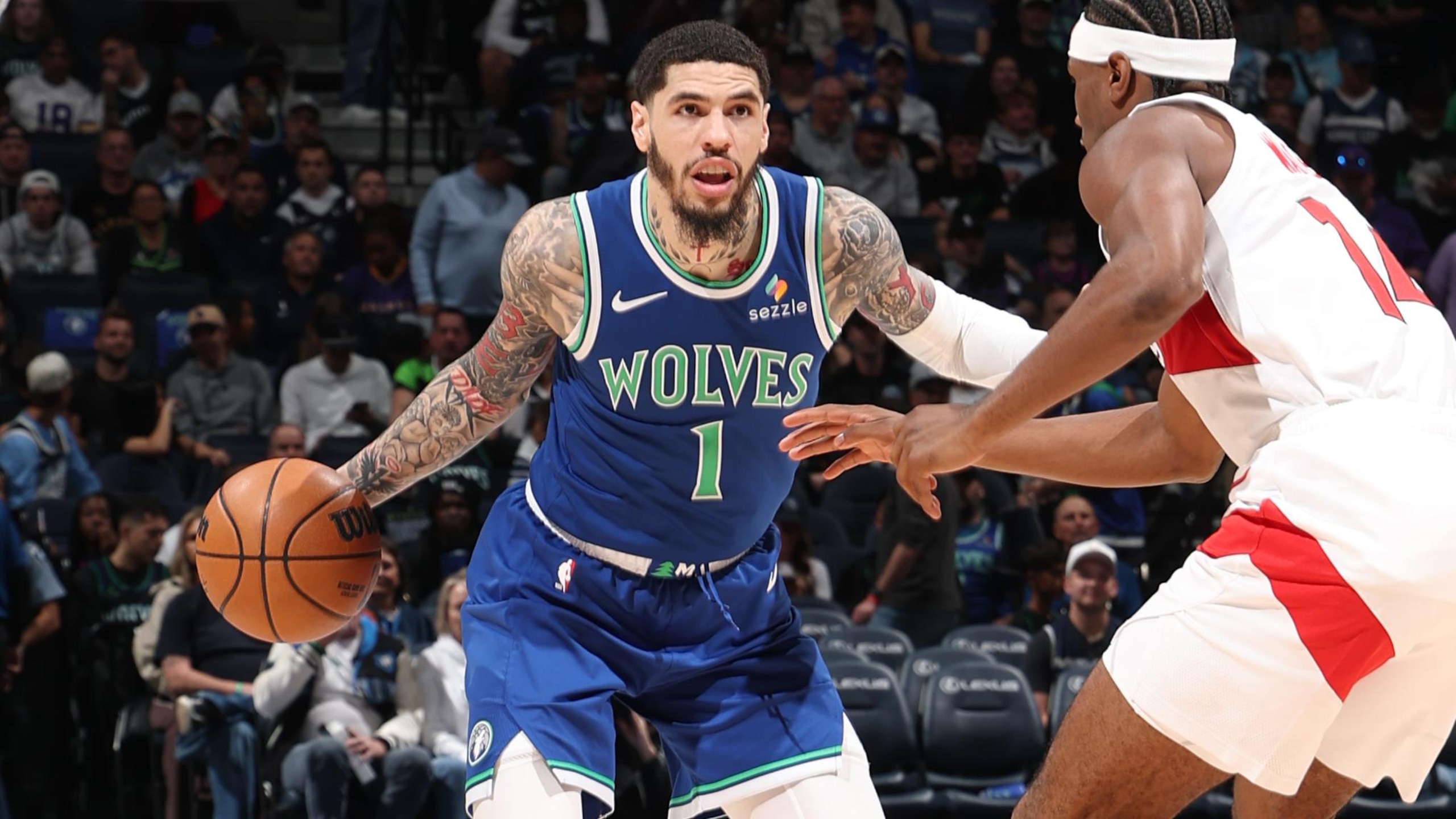
Against Stoke City on December 28, the England international was caught in possession and conceded an injury-time penalty that led to Everton losing 4-3.
On January 3 against Tottenham Hotspur—in almost exactly the same place on the Goodison Park pitch, under pressure from Heung-Min Son—he again tried to turn away, but this time he did so successfully enough to win a free-kick.


.jpg?w=2560 "Seahawks Chiefs Football")
Stones responded by gesturing to Everton fans who had been baying for him to clear it to stay calm, a remarkable assertion of his confidence in his principles and his self-belief.

There are still many, though, who will argue that against Spurs he got away with it, that the percentage option was to put the ball into touch and let the defence reset. Perhaps they are right; such issues tend to be judged on results rather than the thought processes that led to them.
It’s about risk management, and accepting the occasional mistake for the benefits that a more audacious approach brings. That Manchester City manager Pep Guardiola admires Stones sufficiently to sanction a £47.5 million purchase perhaps shouldn’t come as a great surprise: for his possession-based game the ability of every position in the team to pass is paramount.
But while that’s fine in theory, it’s hard to quantify. How many times does a defender need to be caught in possession before it outweighs the greater fluency brought by passing out from the back? And what if a goal is scored from a throw-in or corner conceded by the clearance, or from the move begun when the opposition is presented the ball back in their own half?
And even the most committed proponents of having defenders who can pass the ball would surely acknowledge that Stones was caught out rather too often last season—the 4-0 defeat at Liverpool, when he ended up going off with stomach cramps, was perhaps the nadir. Is there ever a time when a defender doing a Johan Cruyff turn in the six-yard box is a good idea?
Part of the problem, perhaps, is terminology, and how that defines expectations. If Stones is referred to as a defender, then it’s obvious that he has significant flaws. He does, at times, lose concentration and he does perhaps overcomplicate matters in trying to find the right option to distribute.
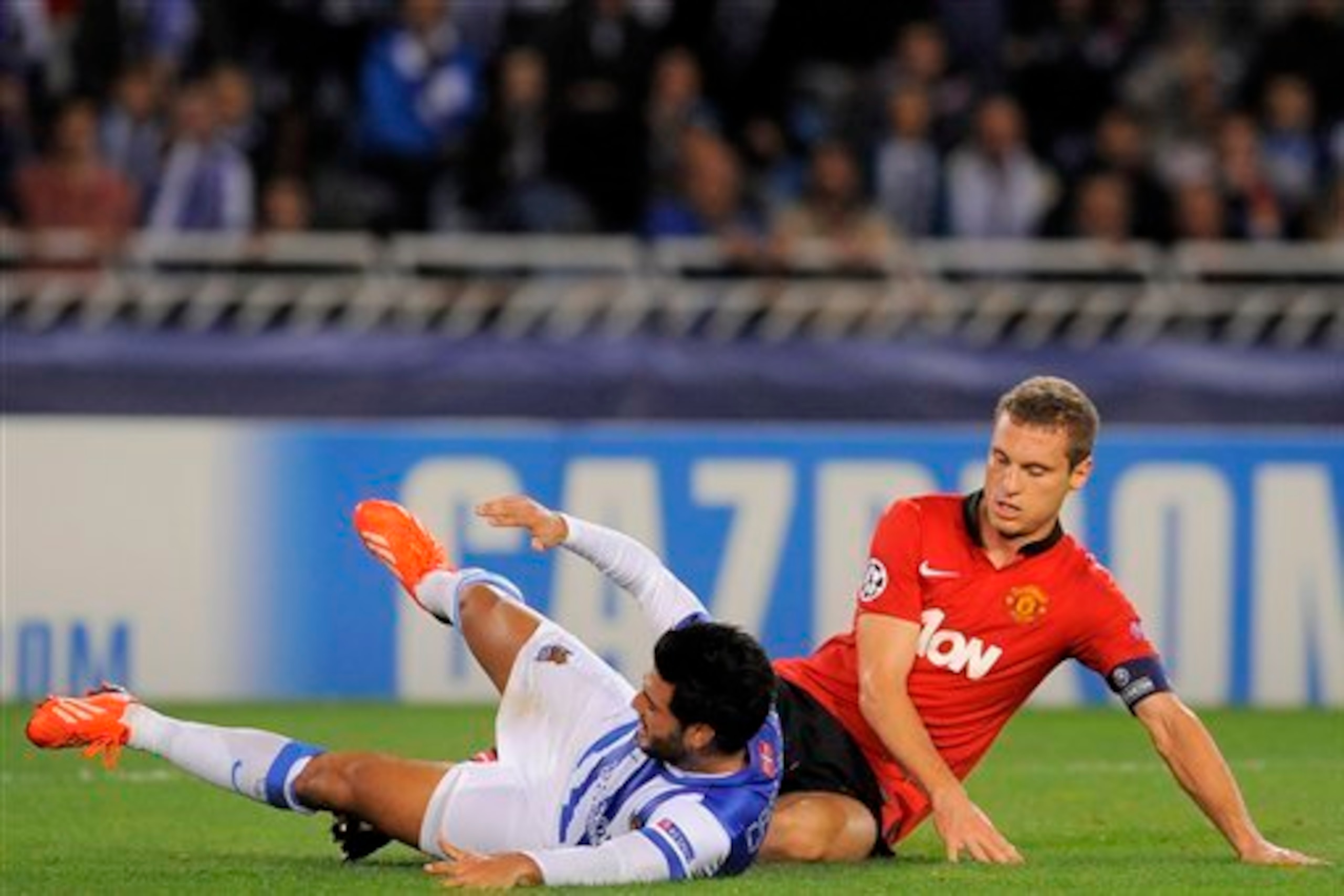
When Manchester United signed Nemanja Vidic, Sir Alex Ferguson described him as “a defender who can defend," meaning that he relished 50-50 duels, loved getting his body in front of the forward, winning headers and making tackles. Stones is not that.
He is a centre-back in the sense that that is where he plays on the pitch. The description of his position has become freighted over time with certain preconceptions, and for centre-backs that is perhaps nowhere more restrictive than in England. The man who defined the position was Arsenal’s Herbie Roberts, whom Herbert Chapman turned to in the late 1920s as he sought to respond to the 1925 change in the offside law.
Bernard Joy, the last amateur to play for England and later a journalist, joined Arsenal in 1935 as Roberts’ deputy.
In his book on the early history of the Gunners, Forward, Arsenal!, Joy wrote:
"He was a straightforward sort of player, well below [Jack] Butler [the player he replaced] in technical skill, but physically and temperamentally well suited to the part he had to play. He was content to remain on the defensive, using his height to nod away the ball with his red-haired head and he had the patience to carry on unruffled in the face of heavy pressure and loud barracking. This phlegmatic outlook made him the pillar of the Arsenal defence and set up a new style that was copied all over the world.
"
It’s still the stereotype of the British centre-back today. Roberts’ line stretched through Jack Charlton to Terry Butcher to John Terry: they are defenders who can defend. But just because a player operates in the middle at the back of the pitch, does he have to be like that?
When Italian sides began playing with a libero in the 1960s, he tended to be just another defender, somebody who won tackles and could be relied upon to get the ball clear. But gradually it became clear that the libero was often given time on the ball and that meant it made sense to use a player there who could pass the ball, a recognition that led to the likes of Franz Beckenbauer and Ruud Krol in the 1970s.
By the 1990s, it had become possible for a centre-back in a back four to fulfil that role as Louis van Gaal explained to Henny Kormelink and Tjeu Seeverens in The Coaching Philosophies of Louis van Gaal and the Ajax Coaches.
“In modern football," Van Gaal said, "the players in the middle of the back four… have really become playmakers.” They, he explained, had space, whereas the No. 10, the advanced central midfielder, had become too restricted to control the tempo of the game.
When Ajax won the UEFA Cup in 1992—Van Gaal’s first major trophy—he had Wim Jonk as his No. 4, creating the play from the back. Ronald Koeman and Frank Rijkaard fit in the same tradition, and that was why he used Daley Blind in the middle of his back four at Manchester United last season.
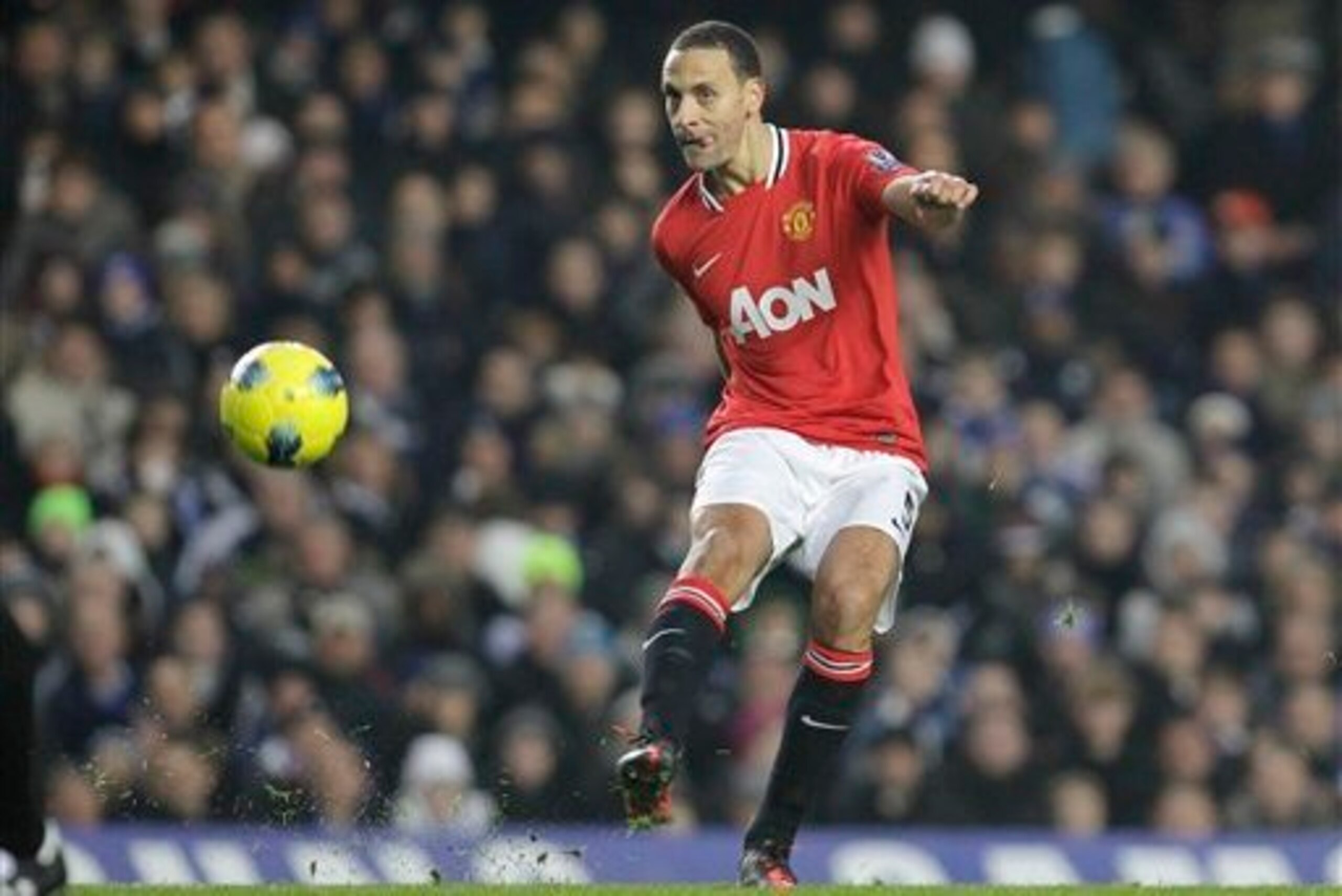
The notion of a centre-back who can pass the ball isn’t unknown in Britain: it’s just that the likes of Bobby Moore and Alan Hansen, even Rio Ferdinand, seemed to occur almost by mistake rather than as part of a defined philosophy or clear tactical vision.
The comparison with Ferdinand is perhaps most apt. Like Stones, he was accused of overplaying at an early age, but by his mid-20s he had developed into the most stylish English centre-back of his generation, more discerning in when to pass and when to clear and highly effective in partnership with a more defensive defender like Vidic or Terry.
Guardiola, as befits somebody raised in the Dutch-Barcelona tradition, has always favoured a passer for the role, often using midfielders in the centre of the back four. Rather than moving a Javier Mascherano or a Javi Martinez back, it may be that his solution for the Premier League is to refine a centre-back who can pass and who is still only 22.
It’s easier, after all, to coach a skilful player into taking fewer risks than to imbue a clogger with a first touch.