Every Big Ten Team's Best- and Worst-Case Scenarios for 2016
The start of the college football season is officially fewer than two months away and anticipation for the coming year is already beginning to reach a fever pitch.
That rings especially true in the Big Ten, which possesses no shortage of teams with high expectations for the 2016 campaign.
But whether you're a team with championship aspirations or one just looking to improving on a losing season, every team in the conference has a best- and worst-case scenario that could potentially play out in the coming year. Most programs will likely find themselves in the middle of those two extremes—but that doesn't stop them from existing in the first place.
And with so much still unknown about the upcoming season as a whole, what better time to project the potential highs and lows it could possess? With that in mind, let's take a look at what would be the best and worst scenario for each Big Ten team in 2016.
Illinois
1 of 14
Best-case scenario
With Lovie Smith now in charge in Champaign, a new era of Illinois football is upon us. And in the best case possible for the Fighting Illini, the impact of their new head coach would be felt sooner rather than later in 2016.
If new offensive coordinator Garrick McGee can get the most out of third-year starting quarterback Wes Lunt and Smith can continue to develop one of the Big Ten West's more talented defensive units, it wouldn't be a surprise to see Illinois improve by as many as three wins from last season's 5-7 record. Winning eight games would not only provide a strong start to the Smith era, but would require beating three teams from a collection of opponents that includes North Carolina, Nebraska, Michigan, Michigan State, Wisconsin, Iowa and Northwestern—the type of quality victories that would signify a turnaround that is already in progress.
Worst-case scenario
For as impressive as Smith's track record is coming off of nearly two decades' worth of work in the NFL, sometimes in life timing is everything. That could prove especially true for the Illini in 2016, as their new head coach takes over a team that simply may not be ready for one of the Big Ten's tougher schedules.
With cross-divisional games slated against two of the East division's best in the Wolverines and Spartans, this simply may not be a season where Illinois' record is indicative of any potential progress made. In the absolute worst-case scenario, the Illini would not only lose to every team listed above, but also Minnesota, giving them an overall record of 4-8. That would mark a step back in Champaign, at least as far as the standings are concerned.
Indiana
2 of 14
Best-case scenario
With Nate Sudfeld, Jordan Howard and Jason Spriggs all headed to the NFL, there is no shortage of star power to be replaced in Bloomington in the coming year. But while Indiana finds itself with some of the biggest holes to fill in the entire conference, the Hoosiers also possess some of the league's most already established offensive players in All-American offensive lineman Dan Feeney, running back Devine Redding and wide receiver Simmie Cobbs Jr.
With a manageable out-of-conference schedule and cross-divisional games against Big Ten West wild cards Nebraska, Northwestern and Purdue, Indiana could do enough damage in its six non-divisional games to improve its win total by three games with a 9-3 regular-season record in 2016. And in the absolutely best-case scenario, the Hoosiers would not only become postseason eligible but win their bowl game, which would mark their program's first such victory since 1991.
Worst-case scenario
While Indiana may have players it believes it can count on, there's no getting around just how much head coach Kevin Wilson relied on Sudfeld throughout his tenure as the Hoosiers' starting quarterback. Now, Wilson will put his offense in the hands of either junior college transfer Richard Lagow or one of his even younger and less experienced signal-callers, which could spell trouble given the uncertainty at such an important position.
Should Wilson fail to find a suitable replacement to run his spread offense, Indiana could be in store for a long season. With the schedule it has ahead, six wins should be all but guaranteed regardless of who's behind center, but a slip-up against potential upstarts in Maryland or Rutgers could leave the Hoosiers on the outside looking in once again this postseason.
Iowa
3 of 14
Best-case scenario
Coming off of last season's undefeated regular season, Iowa finds itself the odds-on favorite to once again capture the Big Ten West title. With the returns of quarterback C.J. Beathard, cornerback Desmond King and linebacker Josey Jewell, there simply may not be a more talented or experienced roster than the Hawkeyes' in their entire division.
On top of that, Iowa finds itself facing a more than manageable schedule, with its three toughest opponents—Wisconsin, Michigan and Nebraska—each being forced to head to Iowa City and face the Hawkeyes inside of Kinnick Stadium. The best-case scenario for Iowa still likely involves suffering one regular-season loss but going on to win the Big Ten title game—a trade Iowa would gladly make if it meant clinching a spot in the College Football Playoff.
Worst-case scenario
Despite its impressive regular season, the Hawkeyes are hardly riding a wave of momentum entering 2016. Not only did Iowa lose to Michigan State in heartbreaking fashion in the Big Ten title game, but Stanford then throttled the Hawkeyes by a score of 45-16 in the ensuing Rose Bowl.
With the schedule it's facing, even an apparent regression shouldn't allow Iowa to suffer more than four losses in the coming year. That, however, would be considered a massive disappointment for a team that believes it still has room to improve after a breakthrough season in 2015.
.png?w=2560)


Maryland
4 of 14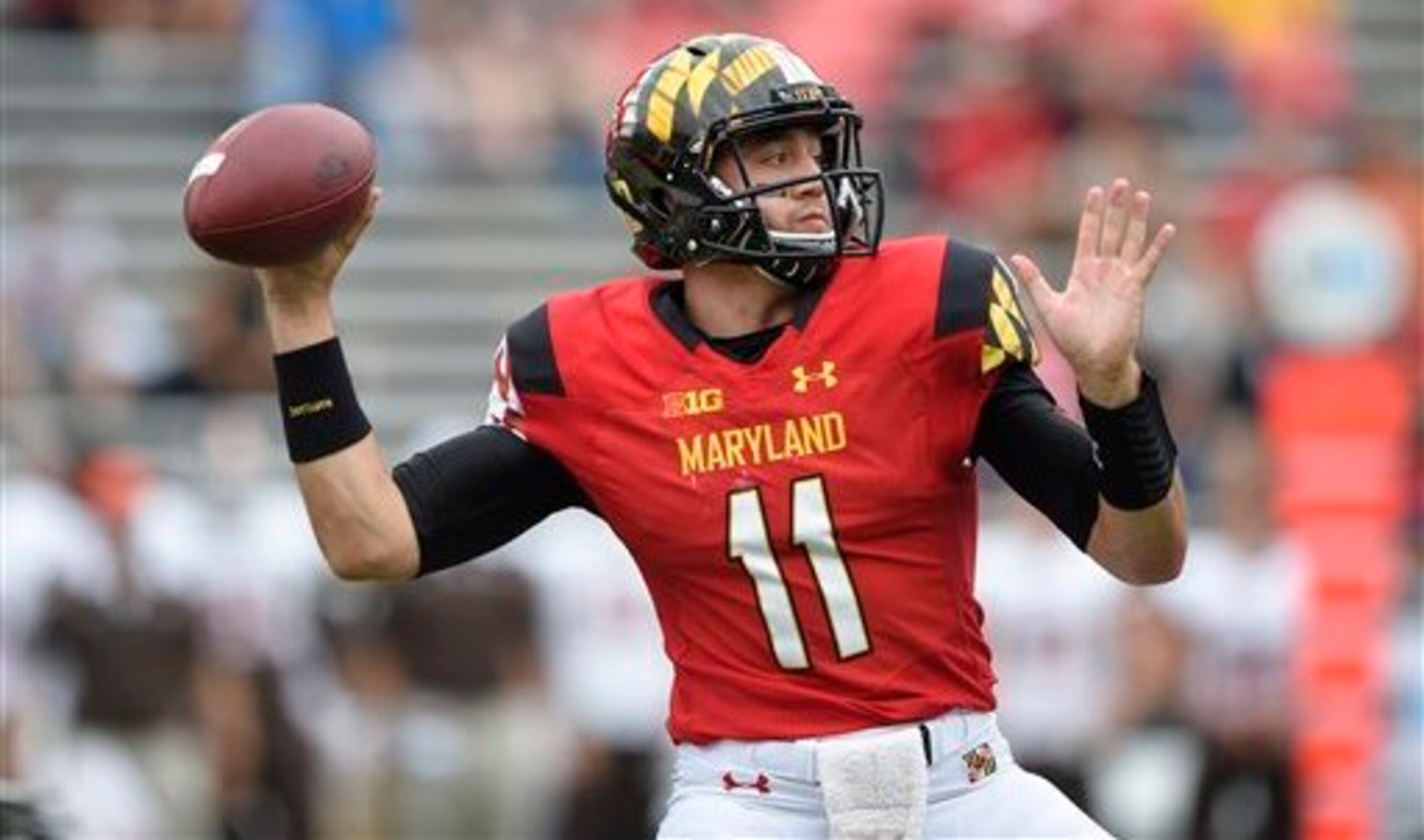
Best-case scenario
With the arrival of D.J. Durkin, Maryland is hoping to get its program headed in the right direction for the first time since joining the Big Ten in 2014. The former defensive coordinator at Michigan, Durkin is certainly familiar with the conference, which could work to his advantage in his first season as the Terrapins head coach.
With a slate of unimpressive out-of-conference games and cross-divisional contests against Purdue, Minnesota and Nebraska, an improvement from last year's 3-9 record to becoming postseason eligible at 6-6 isn't out of the question. That would likely require not only beating division rival Rutgers, but also securing an upset against either the Cornhuskers, Indiana, Ohio State, Michigan or Michigan State, but Durkin's roster possesses more talent than its record a season ago indicates.
Worst-case scenario
Despite its talent, sometimes you are what your record says you are. In the case of the Terrapins, that means one of the conference's worst teams, which finished last in the league—and third-to-last in the nation—in turnover margin with -1.5 per game.
If Durkin can't find a suitable signal-caller in either Perry Hills or Caleb Rowe, Maryland's shortcomings of 2015 could continue to rear their heads. At the very least, a one-game improvement to 4-8 would still be likely, but that improvement could ultimately be in record only.
Michigan
5 of 14
Best-case scenario
Based on most premature preseason polls, there's not a team in the Big Ten with higher expectations for 2016 than Michigan. Almost universally, the Wolverines are the conference's highest-ranked team nationally, according to a compilation of such preseason lists, via Bleacher Report's Justin Ferguson.
In order to live up to the hype, Jim Harbaugh will need to work his magic as a quarterback whisperer with either John O'Korn or Wilton Speight, as a talented roster around Michigan's starter should provide plenty of room for error. A single regular-season loss—perhaps to Michigan State or Iowa on the road—might be unavoidable, but the Wolverines possess the potential to not only crash the College Football Playoff, but win the whole thing.
Worst-case scenario
While last year's 10-3 record may have provided a solid building block for the Harbaugh era in Ann Arbor, this year's schedule is less than ideal. Not only will Michigan travel to East Lansing and Iowa City in the coming year, but beating Ohio State in Columbus in its regular-season finale will also be a tall task.
Throw in a cross-divisional game against a talented Wisconsin team and the Wolverines' slate may simply contain too many potential pitfalls for Michigan to get to the top of the Big Ten. In the worst-case scenario, the Wolverines quarterback battle would carry into the year, with neither candidate proving as capable as Jake Rudock was a year ago, with Michigan ultimately ending up with a lackluster 8-4 record—including a fifth straight loss to the Buckeyes—heading into postseason play.
Michigan State
6 of 14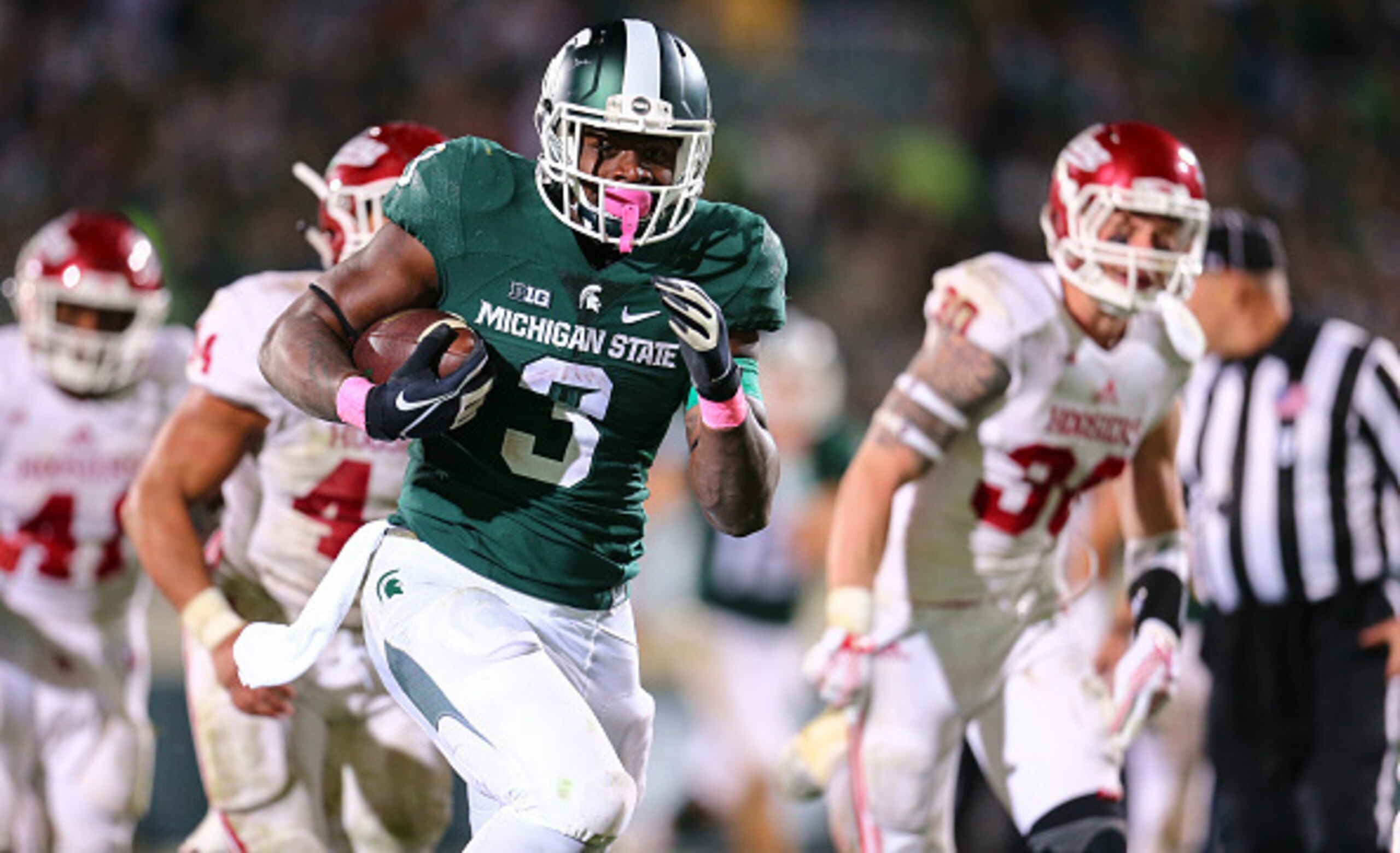
Best-case scenario
Having won two of the past three Big Ten titles, there may not have been a more consistent team in the conference in recent years than Michigan State. And while the Spartans may be short on star power following an offseason full of departures, they're only just starting to reap the recruiting rewards of their recent success.
Ideally, the transition from Connor Cook to Tyler O'Connor at quarterback will be a seamless one as Michigan State takes advantage of Big Ten East rivals Michigan and Ohio State each having to travel to East Lansing in the coming year. Ultimately, the Spartans could likely survive one regular-season loss and still make both the Big Ten title game and College Football Playoff, just as they did a year ago before falling short against Alabama in the semifinals.
But with all the losses on the MSU roster, its ceiling for the coming year should be no higher than that.
Worst-case scenario
While Mark Dantonio may only be replenishing his roster from a talent standpoint, there's no making up for the experience the Spartans just lost. Cook goes down as the most accomplished quarterback in program history, while left tackle Jack Conklin, center Jack Allen, wideout Aaron Burbridge and defensive end Shilique Calhoun each contributed significantly to last year's playoff run.
In the worst-case scenario, Michigan State would stumble out of the gates, with losses to Notre Dame and Wisconsin in the first four weeks of the season setting the stage for an underwhelming campaign. With their talent departures and the relatively tough schedule ahead, a 7-5 regular-season record isn't completely out of the question if all that could go wrong does go wrong for the Spartans in the coming year.
Minnesota
7 of 14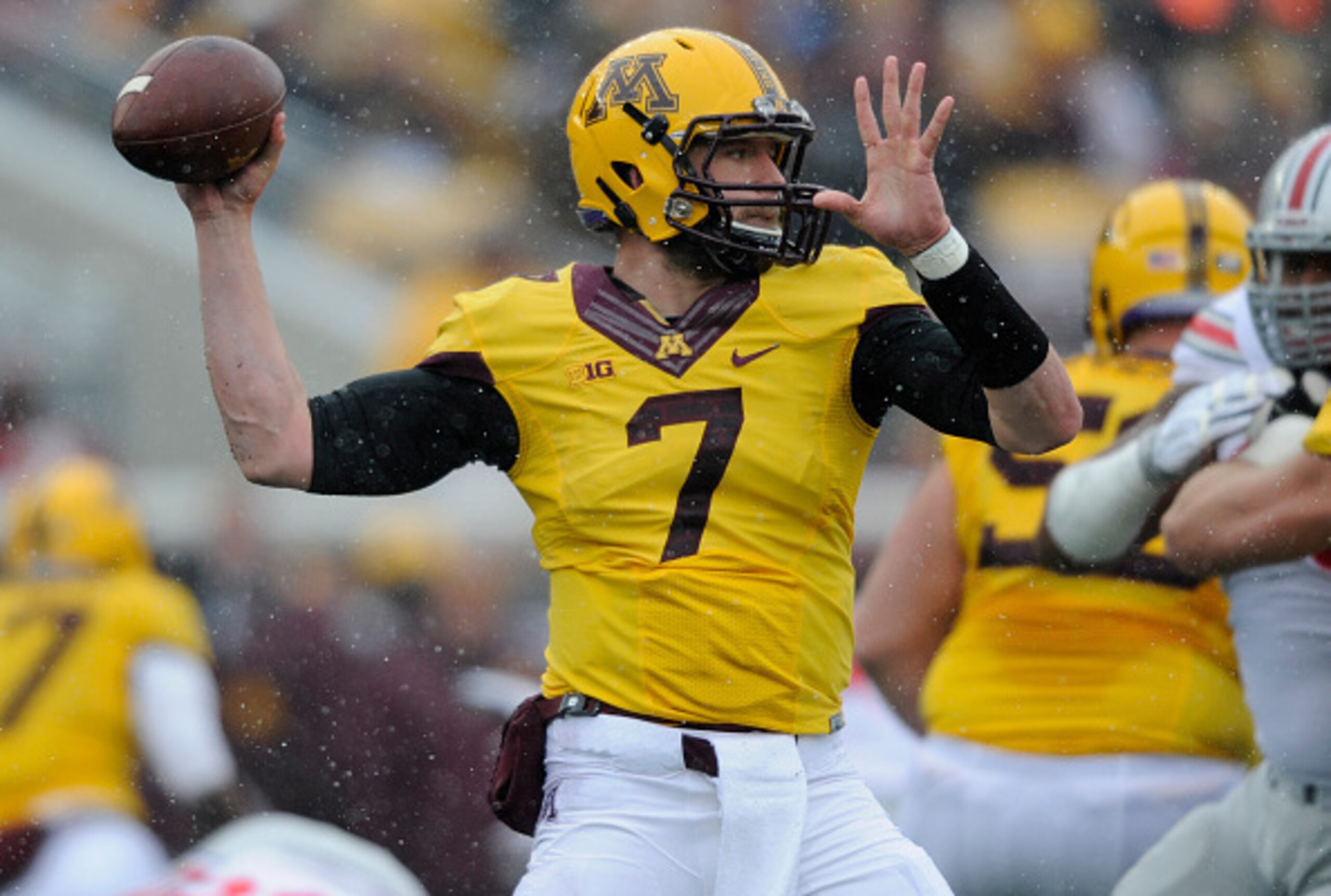
Best-case scenario
Despite its 5-7 regular-season record a year ago, Minnesota managed to end its 2015 on a high note with a win over Central Michigan in the Quick Lane Bowl. Ideally, the Golden Gophers would continue to ride that wave of momentum entering Tracy Claeys' first full season in charge of the Minnesota program.
After all, between the constant close calls and midseason departure of head coach Jerry Kill, the Gophers' lackluster campaign a year ago can at the very least be explained. If quarterback Mitch Leidner looks every bit like the first-round pick some think he can be, it would go a long way toward Minnesota taking advantage of a favorable schedule—cross-divisional games against Penn State, Maryland and Rutgers—and becoming the Big Ten West's unlikely representative in the conference title game with a 10-2 record.
Worst-case scenario
Although Leidner has shown potential, there's a reason so many were surprised to see ESPN draft analyst Todd McShay forecast a first-round future for the senior signal-caller in his way-too-early 2017 mock draft. Even with his apparent talent, the Golden Gophers weren't able to maintain a winning regular-season record in the weaker of the Big Ten's two divisions in 2015.
With a manageable schedule ahead, it's tough to envision Minnesota not adding at least one win to its resume in the coming year. But that could also be all the improvement the Gophers enjoy, which would only be considered a successful season if grading on the curve that last year's disappointing campaign created.
Nebraska
8 of 14
Best-case scenario
While Nebraska's 5-7 regular-season record was a disappointing way to start the Mike Riley era in Lincoln, the Cornhuskers' Foster Farms Bowl victory over UCLA may have been indicative of success still to come. Beating a team that was at one point ranked seventh in the nation by a score of 37-29, Nebraska supported the claims of advanced stats that it was better than its record indicated it was in 2015.
The Cornhuskers' schedule isn't ideal, with an out-of-conference game against Oregon and back-to-back road trips to Madison and Columbus, but if Nebraska can escape its three toughest tests with a 2-1 record, it could very well control its Big Ten West destiny heading into its regular-season finale at Iowa. And in a rivalry anything can happen, meaning that should they reach their potential, the Huskers will be representing their division in the Big Ten title game this December.
Worst-case scenario
For all that's working in Nebraska's favor as a potential sleeper team this fall, the reality remains that a reversal of luck is a lot for a team to rely on in order to go from a losing record to a division contender. Furthermore, one of the Huskers' strengths, their defensive line, took a big hit this offseason with the departures of Maliek Collins and Greg McMullen.
If quarterback Tommy Armstrong Jr. continues to struggle with taking care of the ball after throwing a league-high 16 interceptions in 2015, similar results could be in store in Lincoln in 2016. A second straight losing season is hardly likely, but even a 7-5 record could be enough to heat up the hot seat for Riley just two years in.
Northwestern
9 of 14
Best-case scenario
With a 10-2 regular-season record, Northwestern served as one of the most pleasant surprises in all the Big Ten in 2015. A year later, the Wildcats find themselves returning an improving quarterback in Clayton Thorson, arguably the Big Ten's best running back in Justin Jackson and one of the top linebackers in the nation in Anthony Walker, making Pat Fitzgerald's team one with no shortage of expectations for the coming season.
With one of the conference's tougher schedules, including four consecutive games against Duke, Nebraska, Iowa and Michigan State early in the season before a trip to Columbus to face the Buckeyes in October, the Wildcats' likely ceiling once again sits at 10-2. But with breaks elsewhere in the division, that could be enough for Northwestern to ultimately win the Big Ten West and find itself playing for the conference title—and perhaps a spot in the College Football Playoff—in the first weekend of December.
Worst-case scenario
Despite its impressive record, there always seemed to be a sense the Wildcats were winning with fool's gold in 2015. That was reflected in Northwestern's performance in the Outback Bowl, where it suffered a 45-6 defeat at the hands of Tennessee.
If Thorson fails to make the improvements necessary for the Wildcats passing offense to no longer rank last in the Big Ten, opponents will be able able to more easily key in on Jackson, potentially hindering the production of the Northwestern defense in the process. Given the degree of difficulty their schedule will provide, the Wildcats could find themselves facing a 5-7 record, should the defeats add up and roll one into the other for a still relatively young team early in the season.
Ohio State
10 of 14
Best-case scenario
Over the course of the past five years, nobody in the Big Ten has recruited as well as Urban Meyer has at Ohio State.
In fact, you'd be hard-pressed to find a close second.
With J.T. Barrett no longer battling it out with Cardale Jones to be the Buckeyes starting quarterback, Ohio State has rid itself of what was arguably the toughest obstacle standing in its way from repeating as national champions a year ago. If they live up to their potential, the Buckeyes could suffer one regular-season loss—perhaps to Oklahoma in Norman in the third week of the season—but rebound in time to not only win the Big Ten title, but go on to secure the status of college football's first repeat champion in the playoff era.
Worst-case scenario
While Barrett may be the best quarterback in the Big Ten, experience elsewhere on the Ohio State roster is hard to come by. The Buckeyes return just six total starters from a season ago, having lost 12 draftees—including five first-round picks—to the NFL.
Even with Meyer's impressive recruiting, it will be tough for Ohio State to not eventually feel the effects of those departures. That could mean as many as four regular-season losses in the coming year, including at least one in consecutive road games at Wisconsin and Penn State, with back-to-back defeats at the hands of Michigan State and Michigan to close the year, becoming the Buckeyes' version of rock-bottom.
Penn State
11 of 14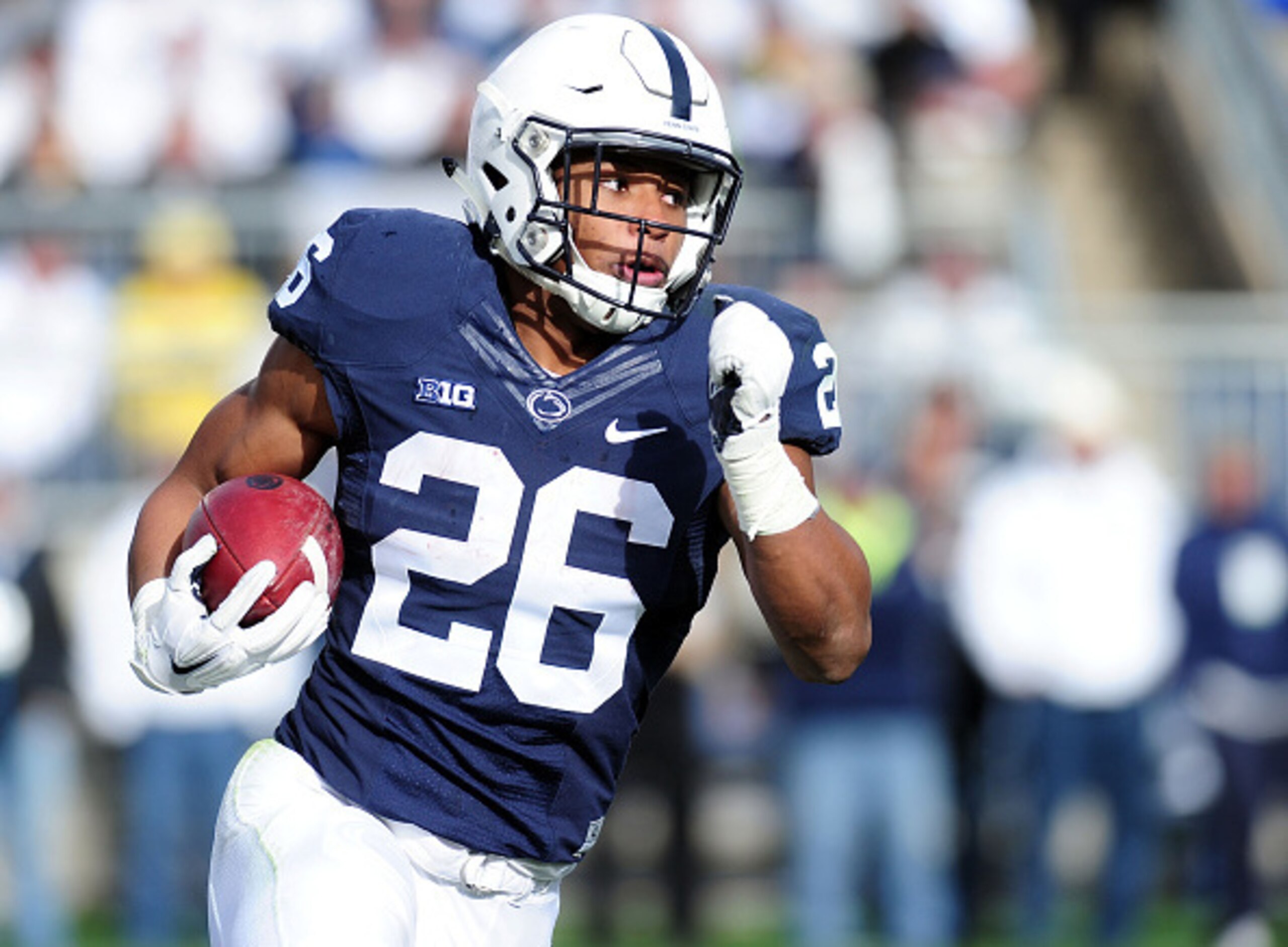
Best-case scenario
While Christian Hackenberg takes three years of starting experience with him to the NFL, sometimes addition can come by way of subtraction. For all of the former Penn State quarterback's apparent talent, his successor—whether it be Trace McSorley or Tommy Stevens—may simply be a better fit in James Franklin's system.
With the addition of the nation's top-ranked running back prospect, Miles Sanders, to a backfield that already includes 2015 standout Saquon Barkley, the Nittany Lions could find themselves with one of the more potent offensive attacks in the entire conference. Franklin's program is still likely a year away from being a viable Big Ten title contender, but with an upset win over two or more of Michigan, Ohio State, Iowa and Michigan State, Happy Valley could be the home of a 10-2 Penn State team in 2016.
Worst-case scenario
With consecutive 7-6 seasons, the Franklin era in State College has hardly gotten off to a strong start. And perhaps what's most worrisome for the third-year Nittany Lions head man is that things may need to first get worse before they get better, at least from a record standpoint.
With not only Hackenberg but Big Ten Defensive Player of the Year Carl Nassib now in the NFL, there may just be too many holes to fill on the roster for Penn State to take a significant step forward in the coming year. The worst-case scenario for the Nittany Lions would be losses to Pitt, Temple and Michigan resulting in a 1-3 start, which in turn snowballs into a distraction-filled 5-7 season and more questions about Franklin's future.
Purdue
12 of 14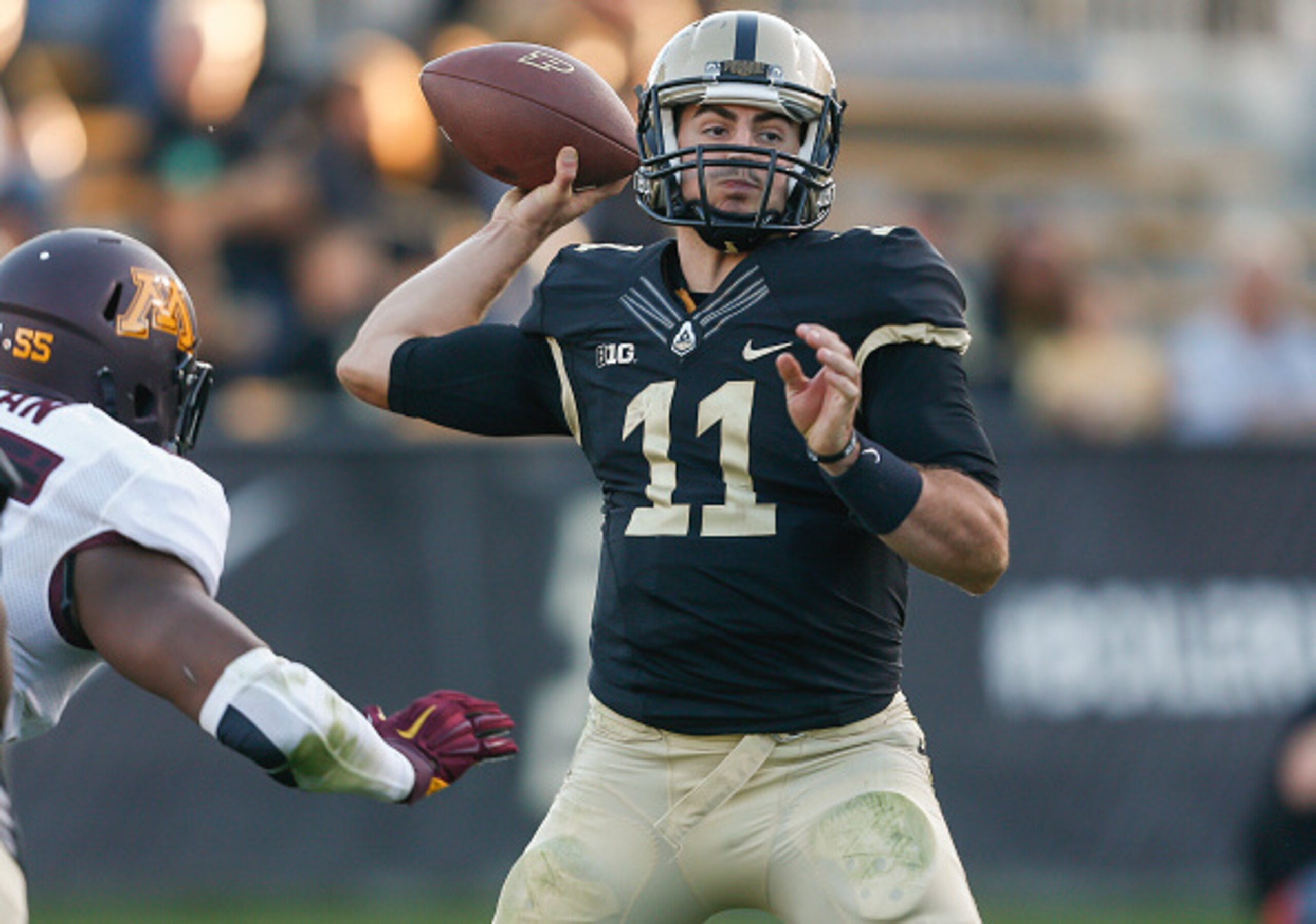
Best-case scenario
While Darrell Hazell has compiled a 6-30 record—including a 2-22 mark in Big Ten play—in his three seasons as Purdue's head coach, the good news in West Lafayette is this: With such a low bar having been set, it shouldn't be hard for the Boilermakers to see improvement coming off 2015's 2-10 record.
If running back Markell Jones can build on his impressive freshman campaign (875 yards, 10 touchdowns) and David Blough can finally fill the void Hazell's long been searching to fill at quarterback, Purdue could find itself taking advantage of a relatively non-threatening cross-divisional schedule that includes games against Penn State, Maryland and Indiana. And while that may not be enough to make the Boilermakers eligible for postseason play, a ceiling of a 5-7 record isn't all that bad considering what the Purdue program has become accustomed to in recent years.
Worst-case scenario
The worst-case scenario for Purdue? More of the same. Even if the Boilermakers manage to improve their win total by one or two victories, it'd be hard to imagine significant changes not occurring next offseason in another effort to reboot the Purdue program.
If Blough proves ineffective early against the easier portion of the Boilermakers' slate, another Purdue season will find itself plagued by questions about the quarterback position. Theoretically, 2-10 is likely the Boilermakers' bottom, but Purdue is at a point where not even its win total seems significant in judging the overall quality of its season.
Rutgers
13 of 14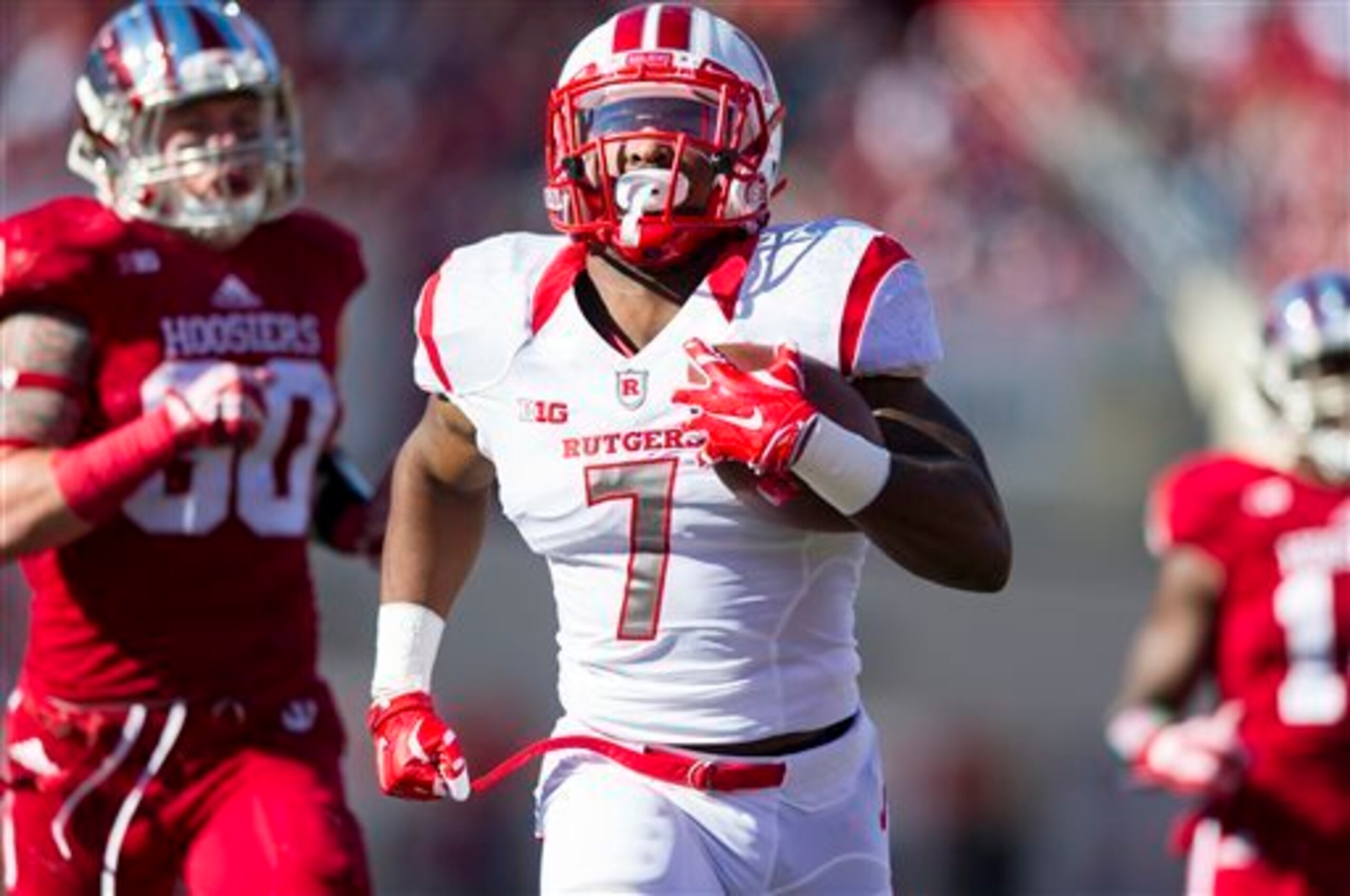
Best-case scenario
He may be taking over a program coming off a 4-8 season, but new Rutgers head coach Chris Ash is no stranger to quick turnarounds. The former defensive coordinator at Ohio State, Ash oversaw the overhaul of a defense that ranked 112th against the pass in 2013, a year before it played a key part in the Buckeyes winning the national title in 2014.
In Piscataway, Ash won't have the benefit of the Ohio State-caliber talent, but his press quarters coverage scheme could present problems for opposing offenses, especially with defensive end Darius Hamilton coming off the edge. The Scarlet Knights' schedule won't do it many favors, not with games against Iowa, Ohio State and Michigan to start their Big Ten slate, but if Ash's scheme can remain ahead of the curve and pave the way for a few upsets, an 8-4 regular-season record for Rutgers isn't out of the question.
Worst-case scenario
For as talented as Ash is as a coach, it's tough to understate the issues he's inheriting in his first go-round as a head coach. Most notably, no clear front-runner has emerged to be the Scarlet Knights' starting quarterback, which could lead to the Rutgers staff turning to true freshman Tylin Oden to run the show.
If the Scarlet Knights do ultimately opt for a youth movement, growing pains will likely be plentiful. Another 4-8 season could be ahead, as 2016 may ultimately just be a building year for Ash's tenure in the Garden State.
Wisconsin
14 of 14
Best-case scenario
With one of the Big Ten West's most talented rosters but arguably college football's toughest schedule, Wisconsin finds itself in an interesting predicament entering 2016. Because no matter how much improvement the Badgers show in their second season under Paul Chryst, it may just not be enough to overcome a season opener against LSU, as well as five consecutive games to open Big Ten play against Michigan State, Michigan, Ohio State, Iowa and Nebraska.
With such a tough haul ahead, even the best-case scenario for Wisconsin would likely involve no fewer than three regular-season losses. With enough breaks, the Badgers could still land in the Big Ten title game, but any hopes of making the College Football Playoff appear to be over before the season has even started in Madison.
Worst-case scenario
With as many tough games as it has ahead, it would hardly be a surprise to see Wisconsin's 2016 slate take a collective toll on the Badgers. One loss could ultimately snowball into another, leaving Wisconsin vulnerable in a not-so-easy second half of its schedule.
Should Bart Houston fail to adequately fill the void at quarterback left by Joel Stave, a 6-6 record could be a real possibility, given the degree of difficulty the Badgers' schedule presents. If that's the case, however, it would hardly be a shock to see Wisconsin win a potential bowl game, as its record wouldn't reflect just how much talent the Badgers truly possess.
Ben Axelrod is Bleacher Report's Big Ten lead writer. You can follow him on Twitter @BenAxelrod. Unless noted otherwise, all quotes were obtained firsthand. Recruiting and class ratings courtesy of 247Sports' composite ratings.



.jpg?w=2560 "Jonathan Taylor Landing Spots")