
Predicting the Best 6th Men in College Basketball in 2016-17 Season
Five start the game and five finish, but not always the same five. Being good enough to start in college basketball is a notable achievement, though many teams are fortunate to have more than five starting-caliber players. When this happens, it means they've got a sixth man off the bench who's just as dependable as the five who are on the court to begin with.
In looking ahead to the 2016-17 season, we've projected who some of the best sixth men in the country will be. The players on the following slides—listed alphabetically—are all good enough to start and probably would on many other teams, but in their case their value is best found in a reserve role. Several may end up being among their team's highest scorers, their top defensive specialist or a glue guy who can do a little bit of everything.
Whatever the case, these sixth men will be just as integral to their team's chances for success as the five who make the starting lineup.
Deng Adel, Louisville
1 of 18
Year: Sophomore
Position: Forward
Height, weight: 6'7”, 190 lbs
Deng Adel was low on Louisville's depth chart last season, stuck behind fifth-year senior Damion Lee on the wing and limited to just 12.1 minutes per game over 22 contests. A knee injury slowed him down as well, though he showed some exciting flashes, such as a dunk at Pittsburgh in which he drove from the corner and rose high above the rim.
With Lee gone the opportunity is there for Adel to slide into the starting lineup, but that will require having to beat out the Cardinals' top incoming freshman (V.J. King) for that spot. King is highly regarded and considered ready to play, with coach Rick Pitino noting in a blog that "playing against Deng every day will get him ready" and may cause him to beat out Adel.
Adel's explosiveness figures to work better on smaller bursts, where he can go all out. Once his jumper improves, that will add to his minutes and make him a candidate to start if a lineup change is needed.
Spike Albrecht, Purdue
2 of 18
Year: Senior
Position: Guard
Height, weight: 5'11”, 175 lbs
Spike Albrecht figured his playing days were over, a lingering hip issue that previously required surgery coming back to sap him of most of his senior year at Michigan. But after the 2015-16 season ended he decided to give it one more go, but in a different environment than one he's played in multiple times during his career.
In switching to Purdue as a graduate transfer, Albrecht is joining a Boilermakers team that has no scholarship seniors and struggled to take care of the ball in the backcourt. He's committed only 73 turnovers in 1,927 minutes, with a career assist-to-turnover ratio of 3.22-to-1.
Along with a career 39.9 percent three-point shooting rate, highlighted by his 4-of-5 performance in the 2013 NCAA title game as a freshman, Albrecht can provide a combination of experience, consistency and outside scoring. Forward Vince Edwards was Purdue's top assist man and best three-point shooter last year, neither of which was supposed to be his main function.
Albrecht went 2-1 with Michigan at Purdue in his career, scoring 17 points with four threes in a loss at Mackey Arena in January 2015.
Mikal Bridges, Villanova
3 of 18
Year: Sophomore
Position: Guard
Height, weight: 6'7”, 191 lbs
Villanova's guard-heavy lineup isn't going to be much different in 2016-17 when it defends its national championship. Ryan Arcidiacono has graduated but everyone else returns, and either Mikal Bridges or Phil Booth can easily slide into Arcidiacono's spot alongside Josh Hart, Kris Jenkins and Jalen Brunson.
Brunson figures to take over the ball-handling duties while Booth—who scored 20 in the national title game off the bench—will add more scoring punch with his increased minutes. That leaves Bridges as the first option off the bench, where he can relieve both the backcourt as well as some of the frontcourt thanks to his strong rebounding acumen.
Bridges averaged 6.4 points and 3.2 rebounds in 20.3 minutes per game as a freshman. He shot 52.1 percent from the field, including a superb 71.6 percent on two-pointers, with his overall rate affected by a still-developing outside shot. He doesn't need to score from the perimeter and can focus on driving and crashing the boards to make his impact.



Dylan Ennis, Oregon
4 of 18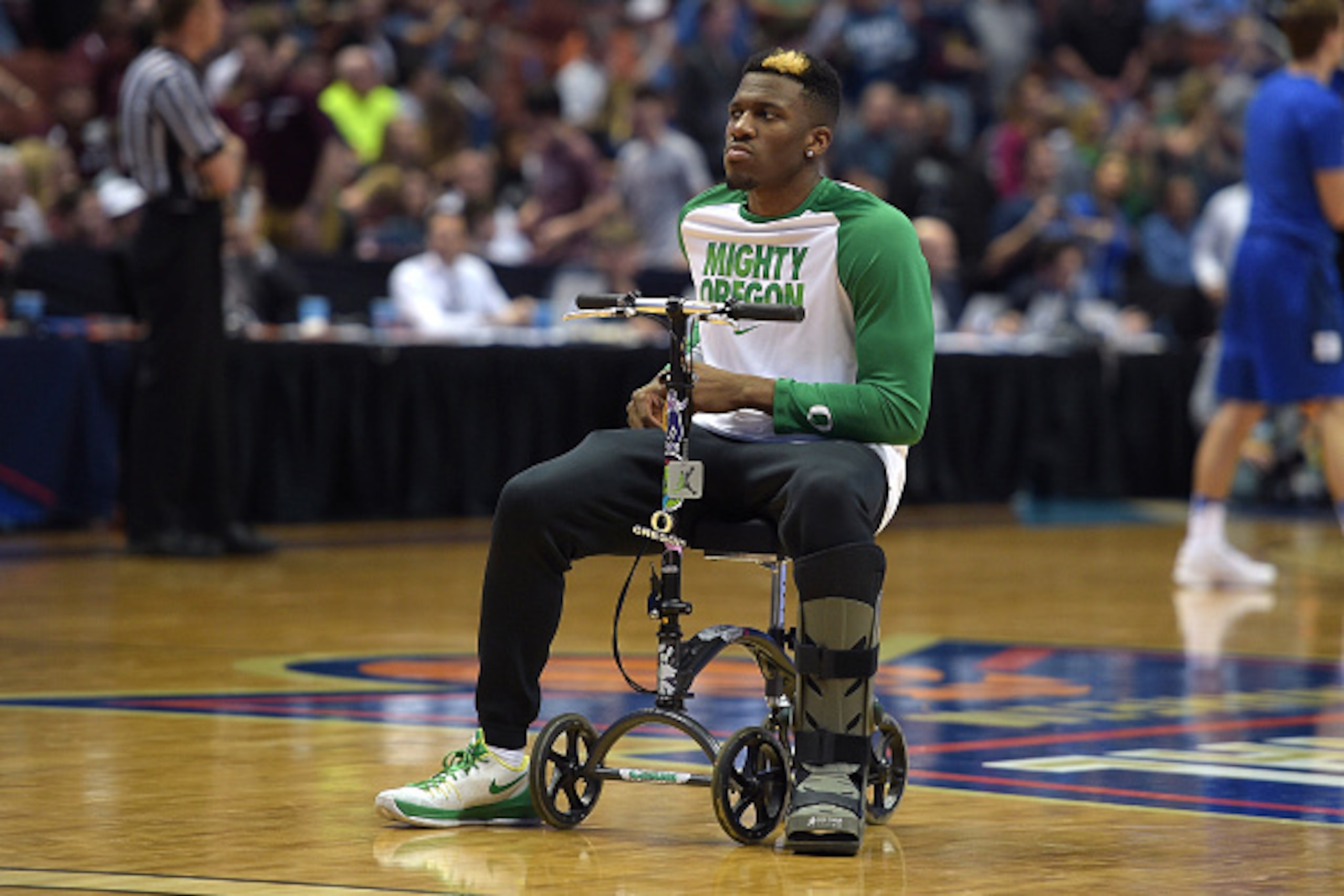
Year: Senior
Position: Guard
Height, weight: 6'2”, 192 lbs
Oregon was the class of the Pac-12 last year, riding that success to the Elite Eight before coming up short against Oklahoma. Maybe one more veteran guard would have gotten the Ducks over the hump and to their first Final Four since winning the first NCAA tournament in 1939.
Good thing the NCAA was sensible in granting Dylan Ennis a sixth year of eligibility, especially since he would have been part of Oregon's tourney run had a foot injury not sidelined him in mid-November. That was Ennis' first year with the program, a graduate transfer who had been at Villanova the previous two seasons after starting his career at Rice.
Ennis has averaged 7.8 points, 3.3 rebounds and 3.1 assists per game for his career, with his best numbers coming at Villanova (9.9 points, 3.7 rebounds and 3.5 assists) in 2014-15.
Oregon could start him over Casey Benson, who is known more for his ball-handling than shooting, but Benson's familiarity with the system makes him better off staying in that role. That would leave Ennis as a veteran option off the bench, one who helped Villanova win a pair of Big East titles and who is itching for another chance to contribute.
Alterique Gilbert, Connecticut
5 of 18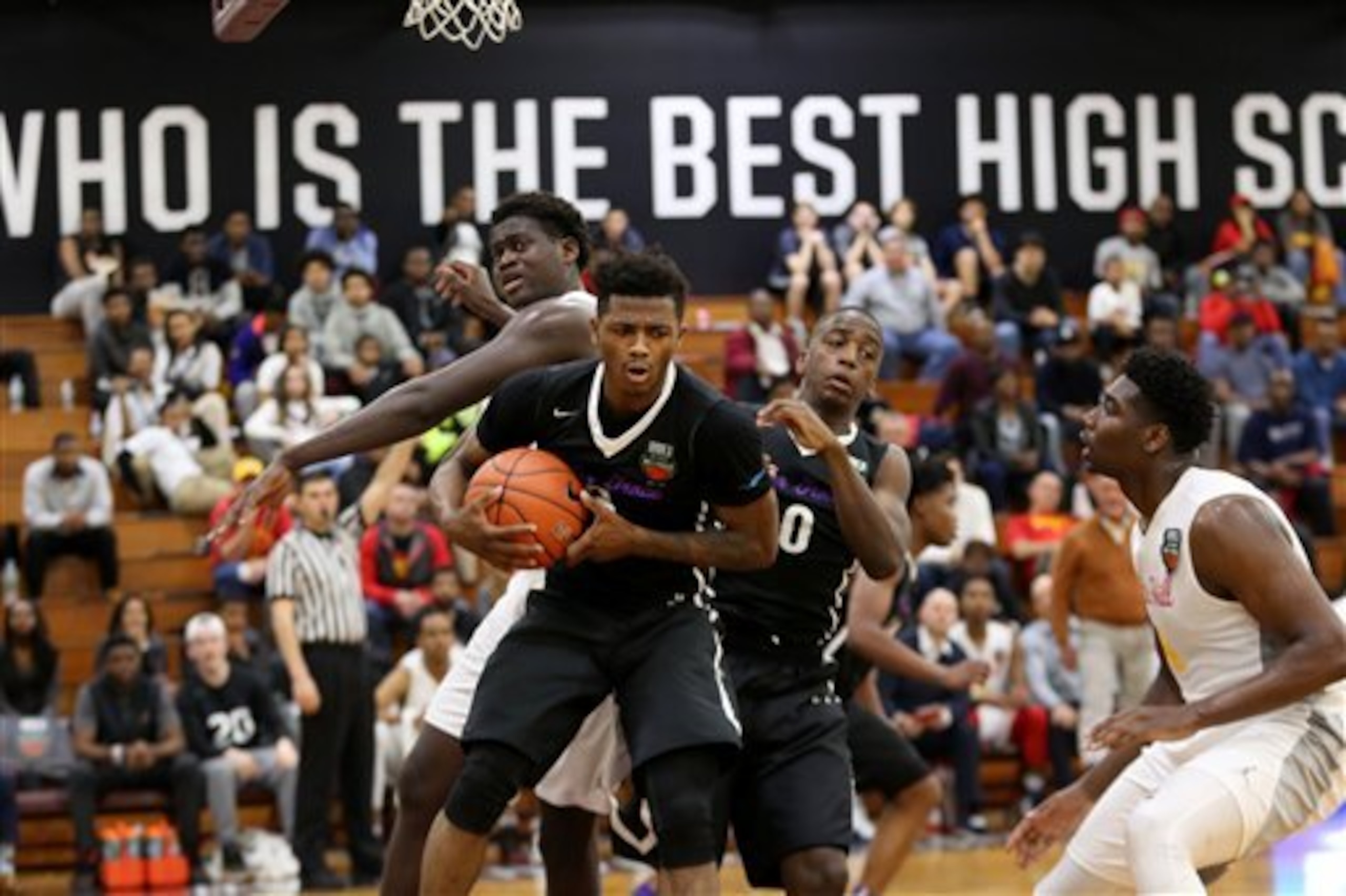
Year: Freshman
Position: Guard
Height, weight: 5'10”, 155 lbs
After an uneven freshman season, Connecticut is hoping for big things from point guard Jalen Adams as he becomes a focal point of the offense. If he struggles, though, the Huskies know they've got another talented ball-handler on the bench in Alterique Gilbert.
The No. 34 overall prospect in the 2016 class and the sixth-best point guard, Gilbert scored seven points with five rebounds and four assists in just 12 minutes in the McDonald's All-American Game in April. Adams, who averaged 2.6 rebounds per game last year, managed five or more rebounds in just six different contests. He also turned it over 18.2 percent of the time.
Gilbert would make for a great second unit point guard as he settles into the college game, and if he played alongside Adams he could free his teammate up to shoot more. It could eventually pan out similar to the Shabazz Napier/Ryan Boatright combo that UConn used to win the national title in 2013-14.
Jordan Hill, Wisconsin
6 of 18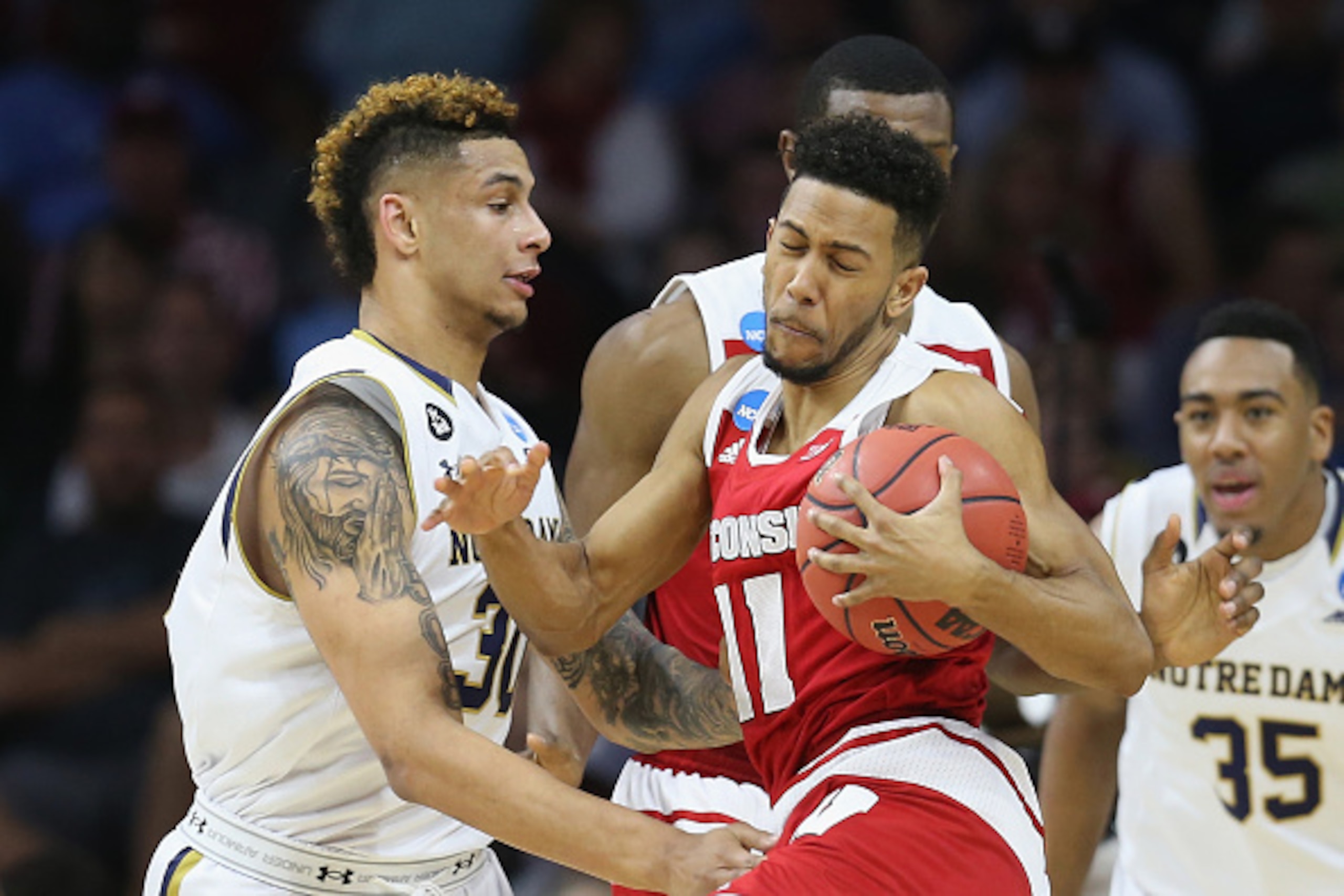
Year: Junior
Position: Guard
Height, weight: 6'3”, 170 lbs
Among the keys to Wisconsin turning its season around after Greg Gard took over was the then-interim coach's decision to give more minutes to Jordan Hill. Hill had logged 27 minutes in the Badgers' first 12 contests, but after Gard moved him into the playing rotation he averaged more than 19 per game over the next 23.
Not surprisingly, Wisconsin was 15-8 in those games after starting 7-5, with Hill's ability to provide some scoring off the bench going a long way. And that should continue to be the case in 2016-17 when Hill figures to see a more consistent level of playing time.
Wisconsin returns nearly its entire team, including all five starters, so Hill's chances to get into the first unit will depend on his continued development.
Aaron Holiday, UCLA
7 of 18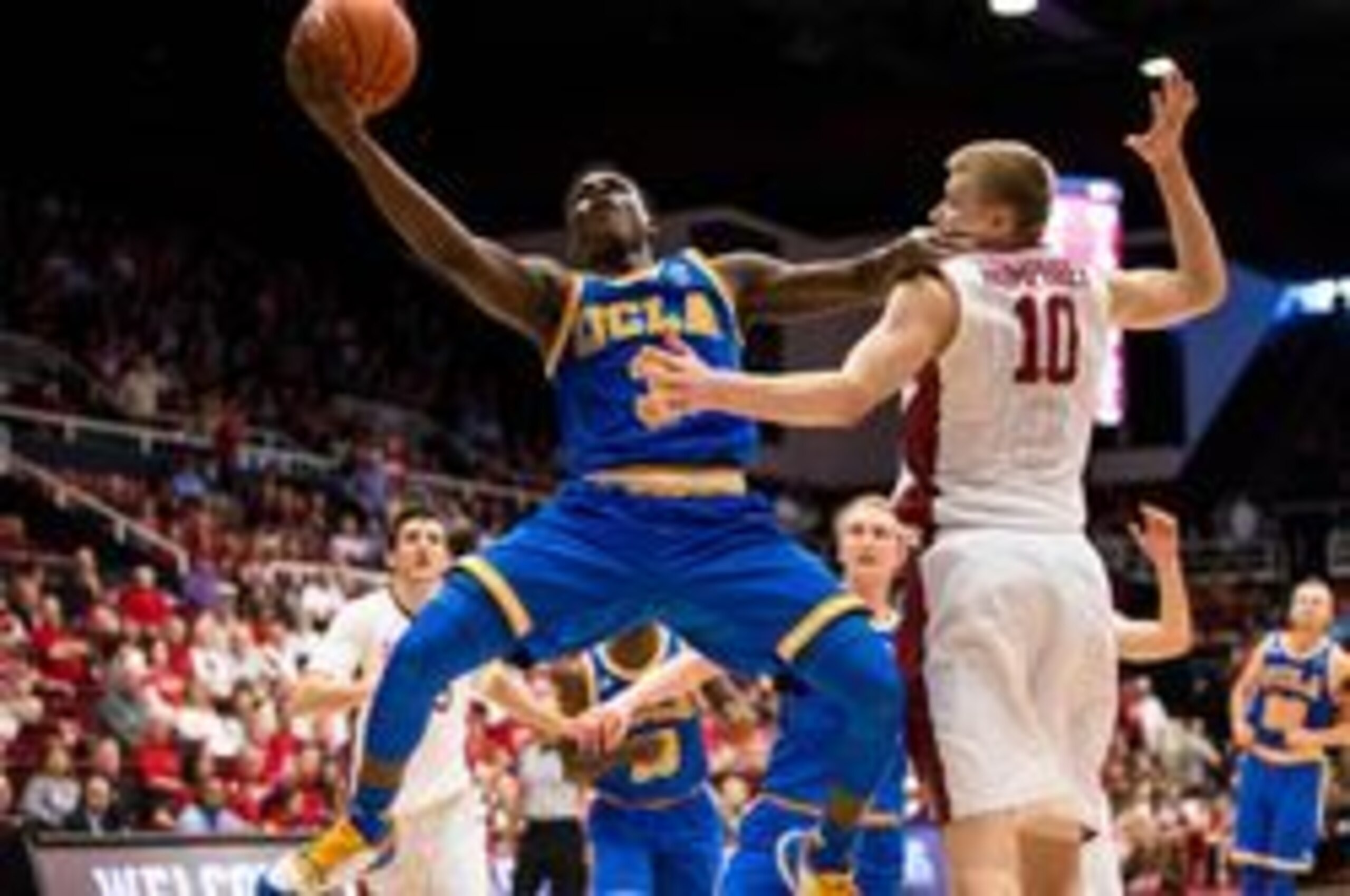
Year: Sophomore
Position: Guard
Height, weight: 6'1”, 185 lbs
Amid the overall disappointing season that UCLA put forth was a solid debut for Aaron Holiday. He started all 32 games, averaging 10.3 points, 3.0 rebounds and 4.0 assists while shooting 41.9 percent from three-point range.
But with the Bruins adding 5-star guard Lonzo Ball and bringing back Bryce Alford and Isaac Hamilton, there's no room in the backcourt for Holiday. A bench role is in his immediate future, which gives UCLA one of the higher-scoring reserves in the country.
Bleacher Report's Kerry Miller notes Holiday is "probably the only player on a team other than Duke who will come off the bench after averaging double figures last season," though he'd be hard-pressed to score that much in a reduced role. Instead, UCLA will look to have him focus on certain areas when he enters, whether it be outside shooting or driving to the basket like Hamilton.
Josh Langford, Michigan State
8 of 18
Year: Freshman
Position: Guard
Height, weight: 6'5”, 200 lbs
Michigan State will get a lot of minutes out of its four-man recruiting class to help replace the loss of three seniors, two transfers and an early departure to the NBA. Only forward Miles Bridges figures to have a starting spot locked down, while Josh Langford could crack the lineup in the backcourt but will likely begin as one of the top reserves.
If Langford can find his niche, either as a shooter or a driver, he'll quickly become the first one Tom Izzo turns to when needing a replacement guard.
Langford is behind Eron Harris and Matt McQuaid on the depth chart at shooting guard but can move his way into the top bench spot by the time Big Ten play begins.
Luke Kennard, Duke
9 of 18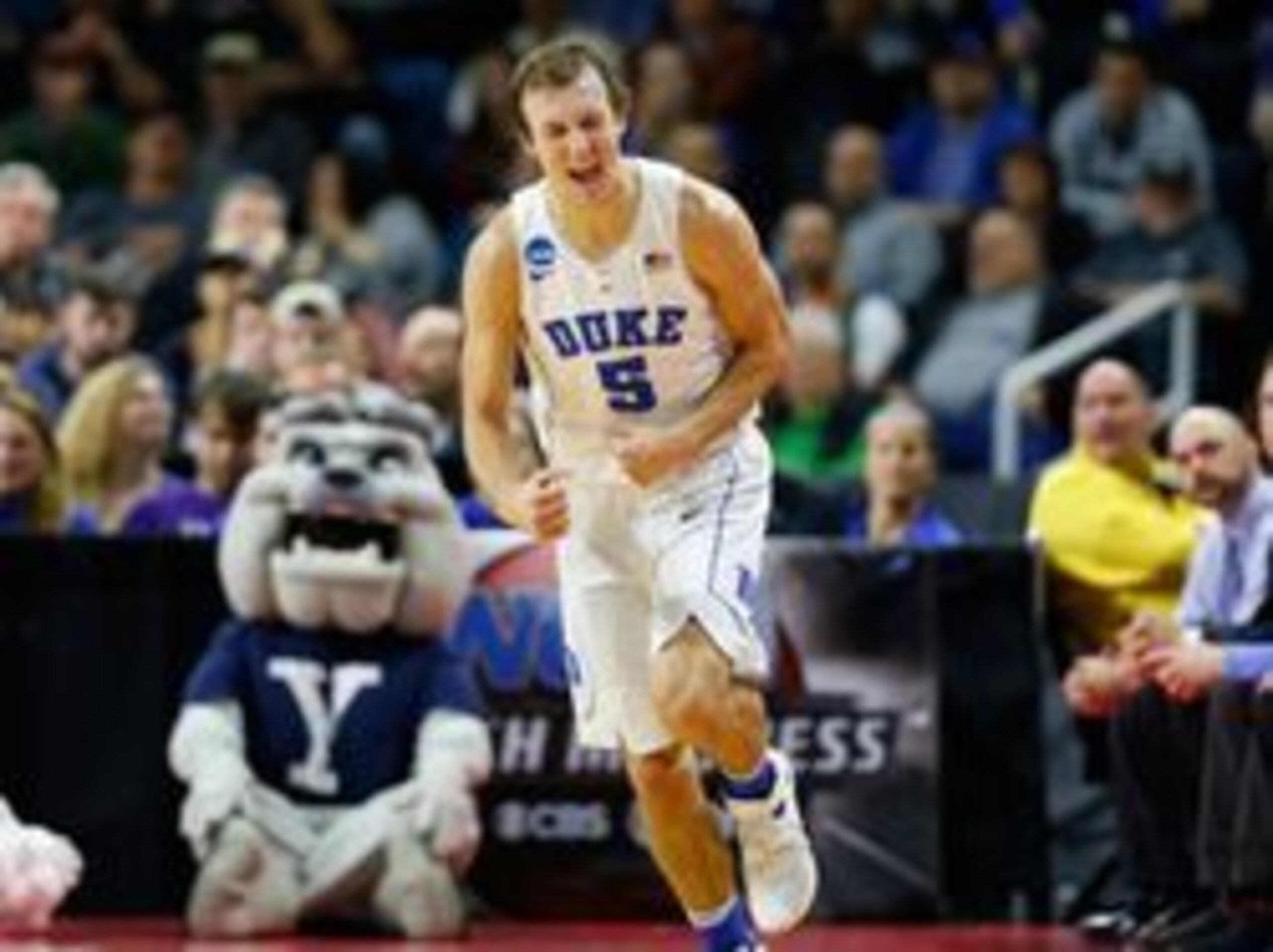
Year: Freshman
Position: Guard
Height, weight: 6'5”, 180 lbs
Luke Kennard wasn't supposed to be a starter in his freshman year, at least not until he'd shown he could shoot and score on a consistent basis. But when injuries whittled Duke's rotation down to six players by December (and fellow freshman guard Derryck Thornton was struggling), it came time for Kennard to get his shot.
He had both good moments and bad ones, finishing the year averaging 11.8 points per game but shooting only 31.8 percent from three-point range. Praised as a lights-out shooter from deep, Kennard was better scoring near the rim and started to turn into more of an aggressive driver as the season went on so as to tap into his great foul-shooting ability.
But it'll be back to the bench as a sophomore for Kennard, as Duke's top-rated recruiting class includes as many as four potential starters. The only guard in that group is Frank Jackson but an influx in frontcourt players will move Duke back to a two-man backcourt most of the time, and the other starting spot belongs to Grayson Allen.
Sacha Killeya-Jones, Kentucky
10 of 18
Year: Freshman
Position: Forward
Height, weight: 6'10”, 207 lbs
A season after having to settle for a frontcourt by default, and not a particularly reliable one, Kentucky is overflowing with options in the paint. Returning center Isaac Humphries and stretch 4 Derek Willis are joined by Bam Adebayo, Wenyen Gabriel and Sacha Killeya-Jones, a trio of guys who could play either spot or occupy the wing if the Wildcats decide to go big.
Killeya-Jones might have the most versatility of the group, other than Willis, and therefore figures to be one of the first options off the bench who can step into a variety of formations. Last August, DraftExpress' Jonathan Givony wrote that he "moves like a wing" but can also "play above the rim with ease." He's only gotten better since then.
Kentucky is closer to the 2014-15 version that had to platoon than last year's thinner squad. This means Killeya-Jones might not play nearly as much as some of the Wildcats' freshman did in 2015-16, but he could have just as important a role.
Elijah Macon, West Virginia
11 of 18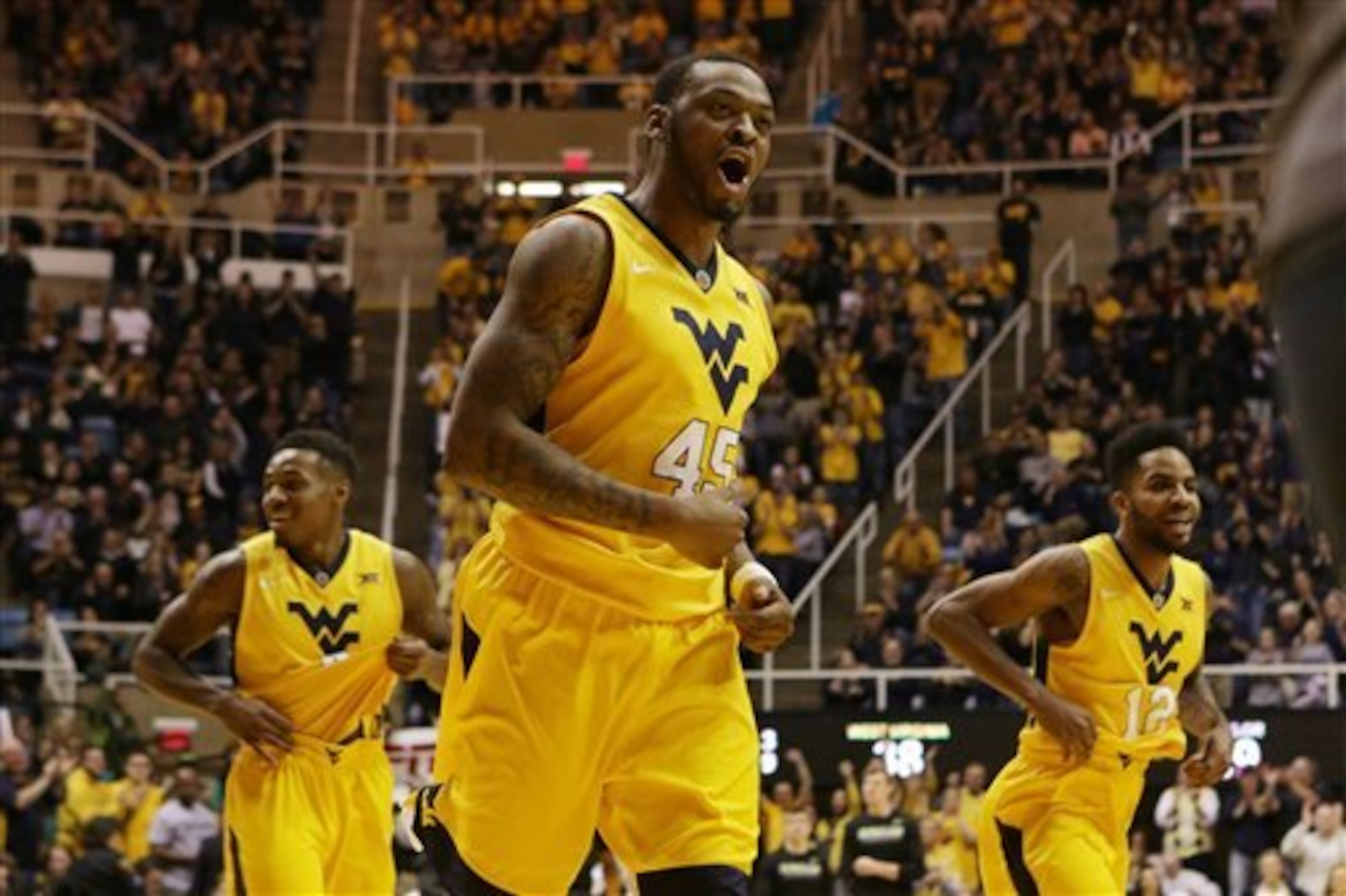
Year: Junior
Position: Forward
Height, weight: 6'9”, 240 lbs
West Virginia plays so many guys, a necessity due to its "Press Virginia" scheme, that picking someone off the 2016-17 roster to be a top-tier sixth man is basically a blind throw at the dartboard. Last year the Mountaineers had nine players average at least 13 minutes per game and had six log 22 or more minutes, with nine different guys earning a start along the way.
Jaysean Paige was West Virginia's top sixth man a year ago and was its leading scorer, but he's one of three players from the main rotation who have departed. Assuming everyone moves up in minutes and role, that leaves Elijah Macon as the top reserve.
Nathan Adrian and Esa Ahmad have the best shot to start up front, with Macon spelling them or allowing Ahmad to move to the 3 in a bigger lineup. As a sophomore, Macon averaged 4.5 points and 3.0 rebounds in 13.2 minutes per game.
Macon could end up winning a starting job if he can become more forceful in the paint, but he describes himself as "more of a mobile guy," he told Justin Jackson of TheDPost.com. "I kind of like to keep moving and keep defenses guessing."
King McClure, Baylor
12 of 18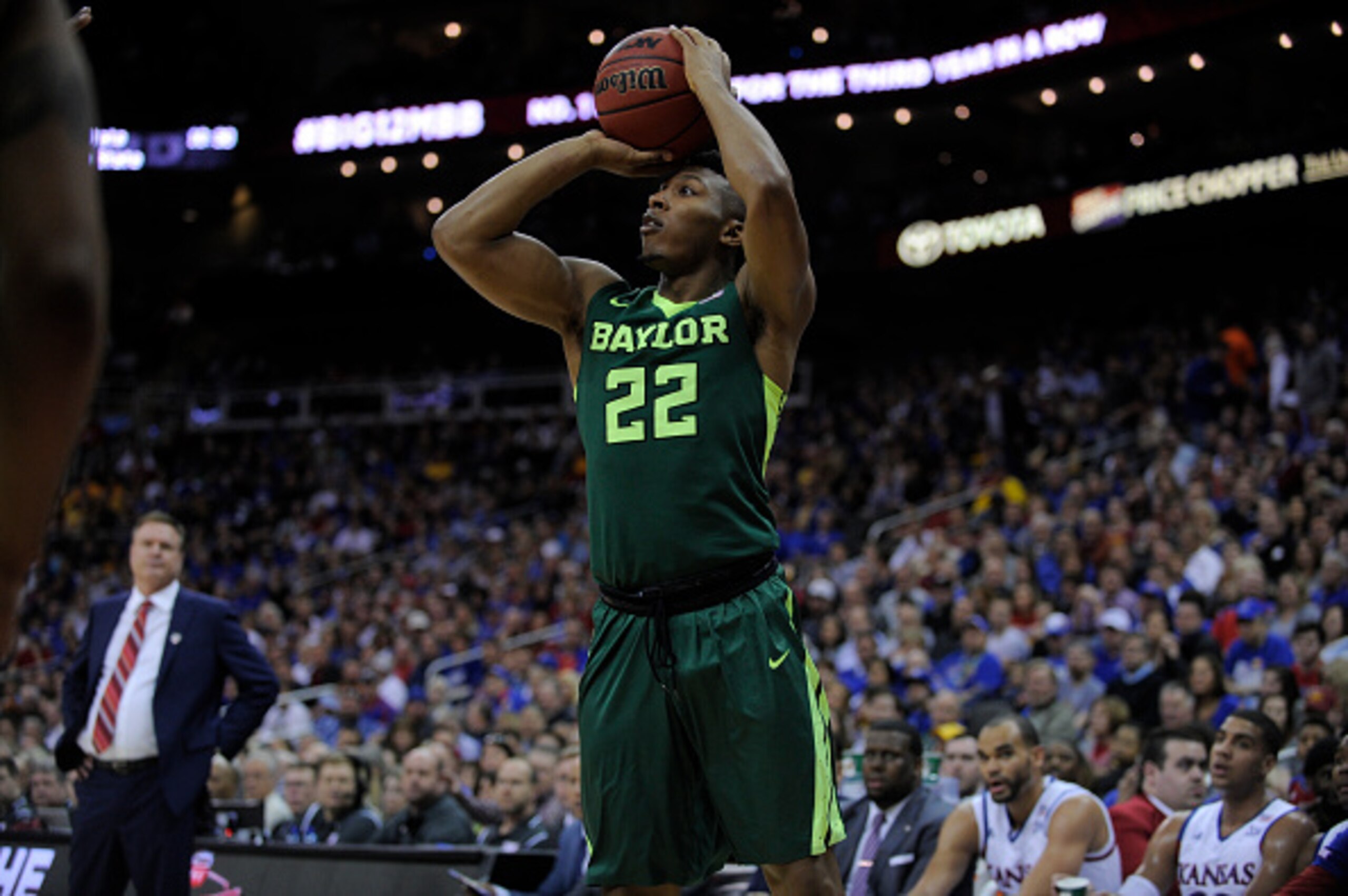
Year: Sophomore
Position: Guard
Height, weight: 6'3”, 200 lbs
Baylor has made a cottage industry out of producing impact sixth men. Taurean Prince led the Bears in scoring in 2014-15 off the bench, and last year Johnathan Motley spent most games as a reserve and had some of the team's top scoring outputs.
Now it's King McClure's turn to be Baylor's super substitute, coming off a freshman year when he didn't see much court time due to a backlog in the backcourt. The Bears lost Lester Medford but replace him with Baylor transfer Manu Lecomte while Al Freeman and Ish Wainright figure to retain their starting spots, which keeps McClure coming off the bench but with more experience to build off.
McClure shot 59 percent on two-pointers and 37.7 percent on threes last year, his breakout performance coming in a two-point loss to Oklahoma in March when he had 17 points on 7-of-8 shooting in 22 minutes.
Nazareth Mitrou-Long, Iowa State
13 of 18
Year: Senior
Position: Guard
Height, weight: 6'4”, 210 lbs
Depth was a serious issue for Iowa State last season, made more so after Nazareth Mitrou-Long had to be shut down when his surgically repaired hips continued to bother him. Before then, Mitrou-Long was averaging 12 points in eight games, including a 24-point effort against Chattanooga.
Granted a medical redshirt, Mitrou-Long could regain his starting spot but because of his physical issues would work better playing in short bunches in relief of either Monte Morris, Matt Thomas or Deonte Burton. He's shown in his career he can bring to the court the things each of those starters do, with 157 made threes and 142 assists along with strong defensive numbers.
Mitrou-Long has started 48 games for the Cyclones but should prove to be just as valuable as a reserve. It might be just the thing to help him make it through his final season.
Svi Mykhailiuk, Kansas
14 of 18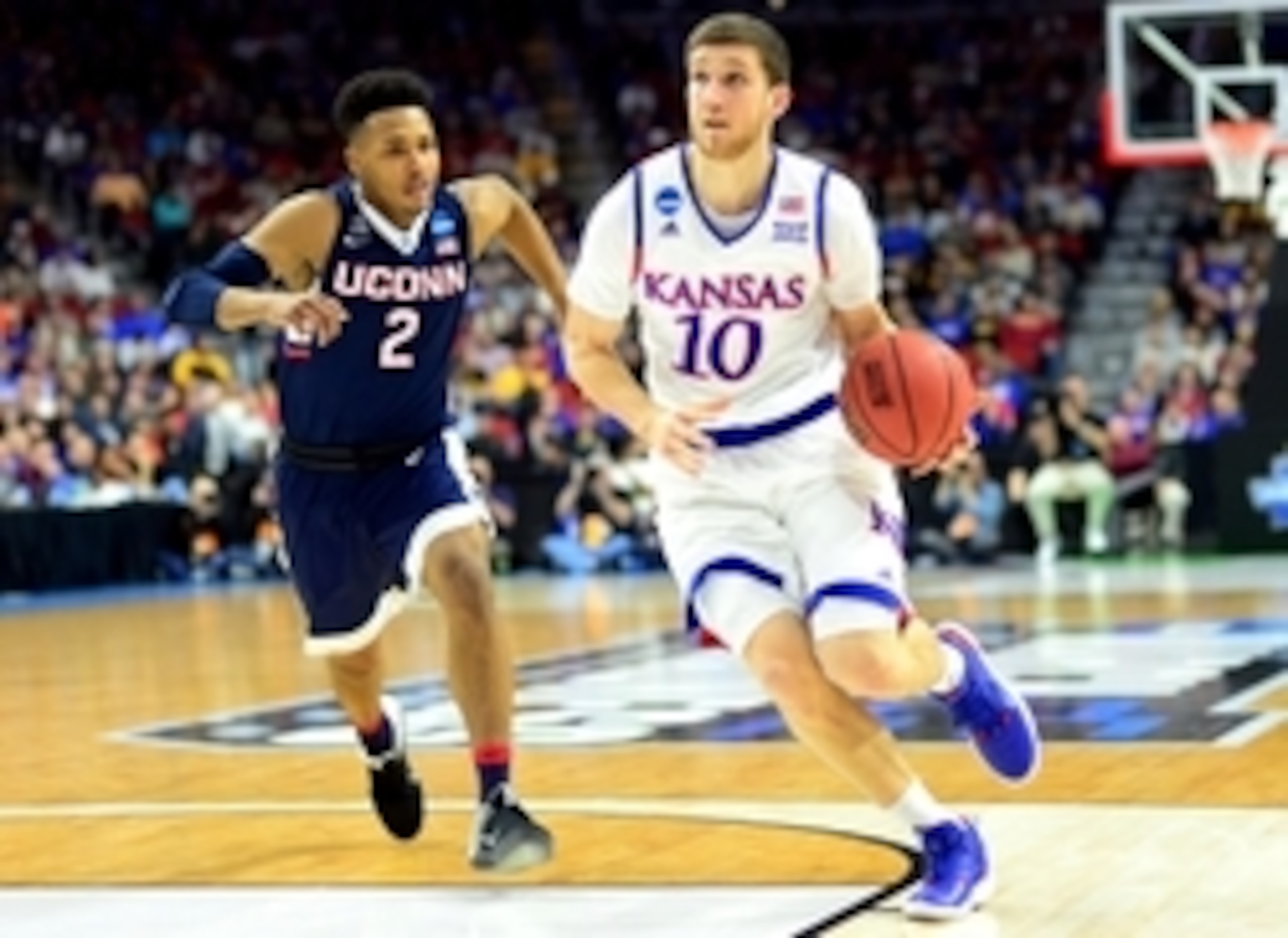
Year: Junior
Position: Guard
Height, weight: 6'8”, 195 lbs
Kansas cycled through 11 players, most of them in the frontcourt, searching for the best group of five to get the Jayhawks over the hump and back to a Final Four. They came up just short, and with five departees replaced by three quality newcomers they'll have another opportunity to find the right mix in 2016-17.
It's in the best interest of all Kansas players not assured of a starting spot to become really good at one or two areas of the game to ensure a consistent role, which is what Svi Mykhailiuk is planning to do after playing 12.1 minutes per game in his first two seasons.
"For me, if you can’t play defense you can’t play basketball, so I’m just trying to play defense, and offense just comes naturally," Mykhailiuk told DraftExpress (h/t KUSports.com). "If you can play good defense it gives you a fast break on offense, and it’s a basket. It just depends on how you’re playing defense."
Among Kansas' 11 most-used players last year, Mykhailiuk ranked last in defensive rating in 2015-16.
Kobi Simmons, Arizona
15 of 18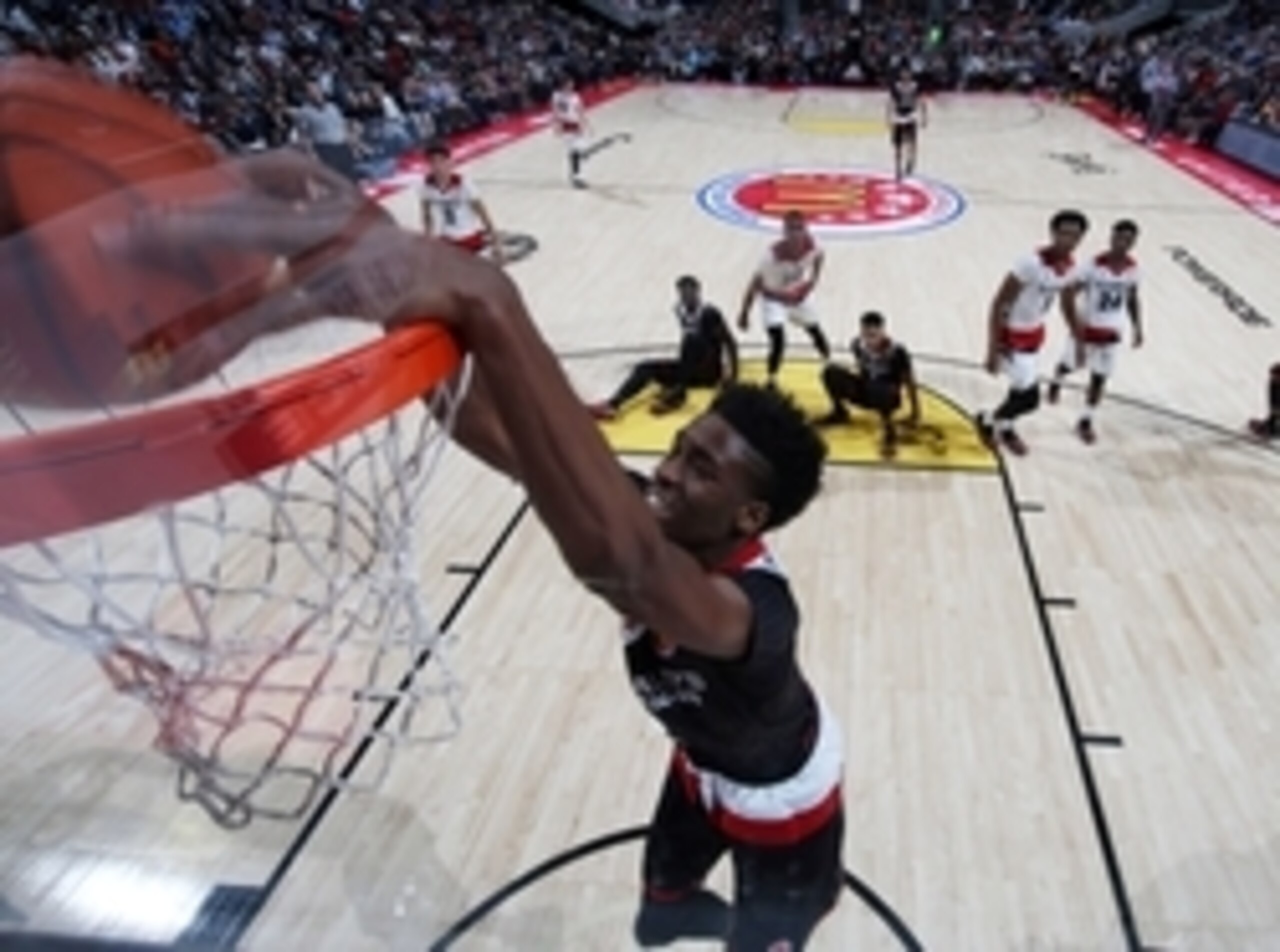
Year: Freshman
Position: Guard
Height, weight: 6'5”, 170 lbs
For most programs, losing a 5-star talent such as Terrance Ferguson (who is heading overseas to play professionally instead of attending college) would be a devastating blow. For Arizona, it just means the logjam in its backcourt for 2016-17 is going to be a little easier to manage.
There are still too many guards to go around, which isn't necessarily a bad thing but it means a player like Kobi Simmons isn't likely to be starting for the Wildcats, whereas he might have at the other schools the third-best combo guard in the 2016 recruiting class was considering. He's going to get his minutes, and the more he earns will depend on how he adapts into a reserve role.
Simmons can play the point or off the ball, doing both well, and thus makes for a valuable backup because he can spell every backcourt starter. And if he can lock down on defense he might end up being even more useful in late-game situations.
Taurean Thompson, Syracuse
16 of 18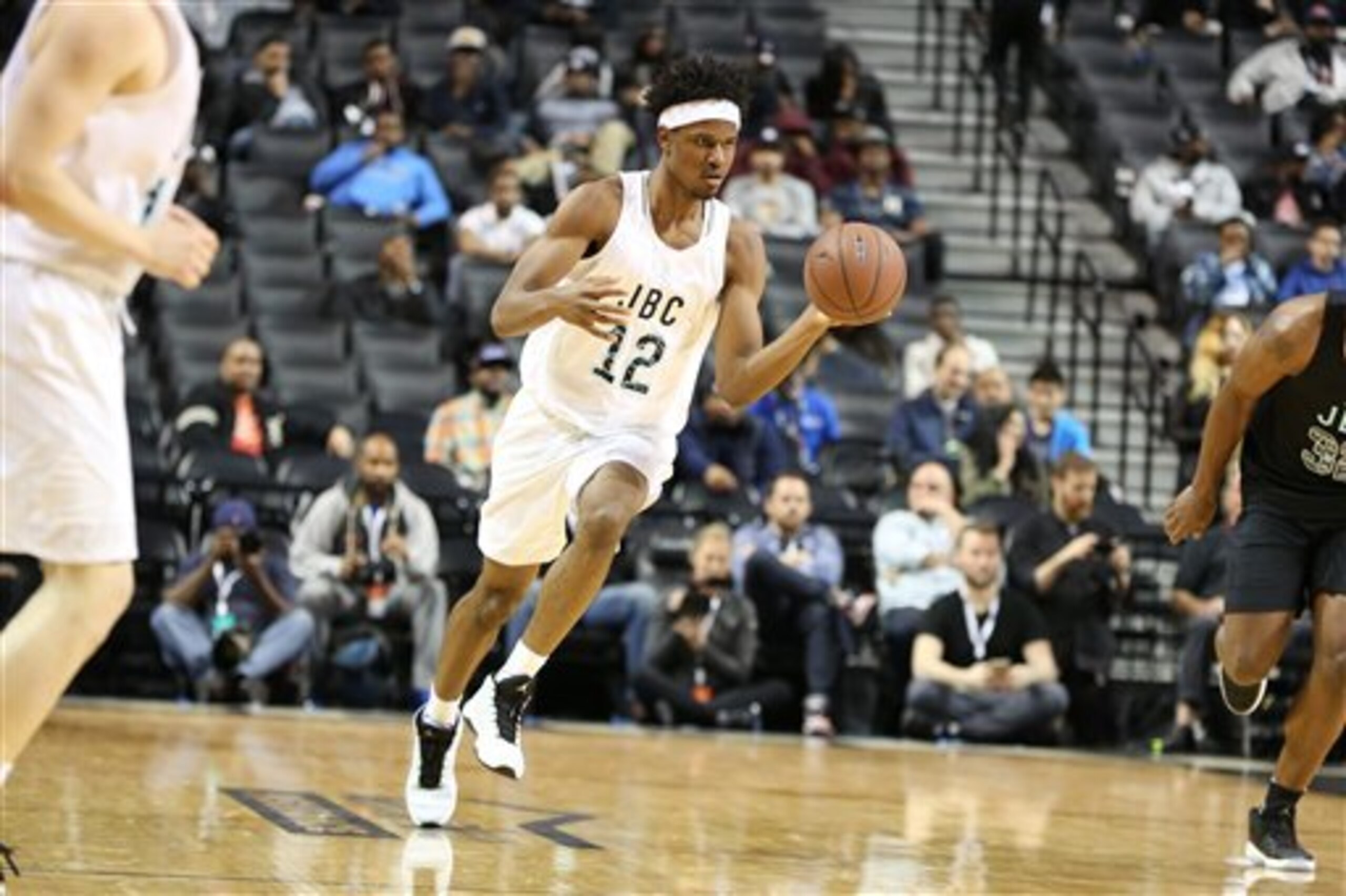
Year: Freshman
Position: Center
Height, weight: 6'9”, 200 lbs
One of the last top prospects of the 2016 recruiting class to land with a program, Taurean Thompson committed to Syracuse last week over Michigan State and Seton Hall. Though listed as a center, he seems like the prototypical Orange wing or forward who is long, lean and can shoot.
If he can also handle the rigors of getting pushed around in the paint he could end up supplanting Dajuan Coleman at the 5, but to start will be part of the rotation of forwards that Jim Boeheim has stockpiled throughout his coaching career.
Tyler Lydon is set to slide into Malachi Richardson's starting spot after he turned pro, teaming with Tyler Roberson and Coleman up front. That will leave Thompson and fellow freshman Matthew Moyer contending to be the first forward off the bench, the more minutes going to whoever fits the Syracuse system best.
Kenny Williams, North Carolina
17 of 18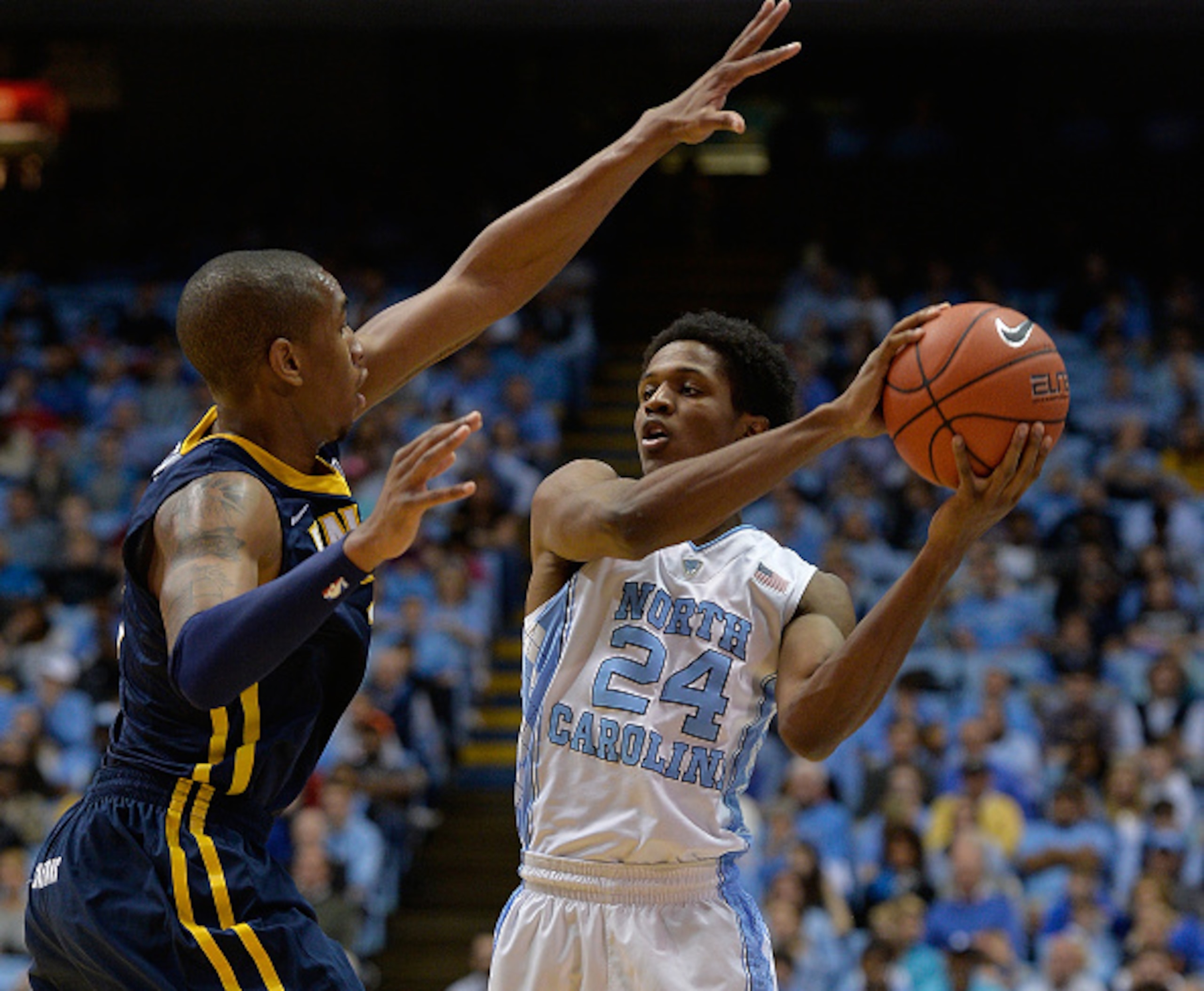
Year: Freshman
Position: Guard
Height, weight: 6'3”, 166 lbs
Had Kenny Williams stuck it out with VCU—with whom he originally pledged but then reversed course after Shaka Smart left to coach Texas—there's a good chance he would have averaged more than the 0.8 points and 4.2 minutes per game. Instead he was the 11th man in a rotation that often didn't go past nine as North Carolina made the national title game.
Seven players ahead of Williams on the pecking order return, but only three play in the backcourt. That alone will increase Williams' playing time, but if he doesn't put in the effort he risks getting beat out by incoming freshmen Brandon Robinson and Seventh Woods.
That drive to improve is what can earn Williams the most minutes, combined with the fact he didn't take the easy way out and transfer as so many players tend to do when not getting enough playing time.
Avery Woodson, Butler
18 of 18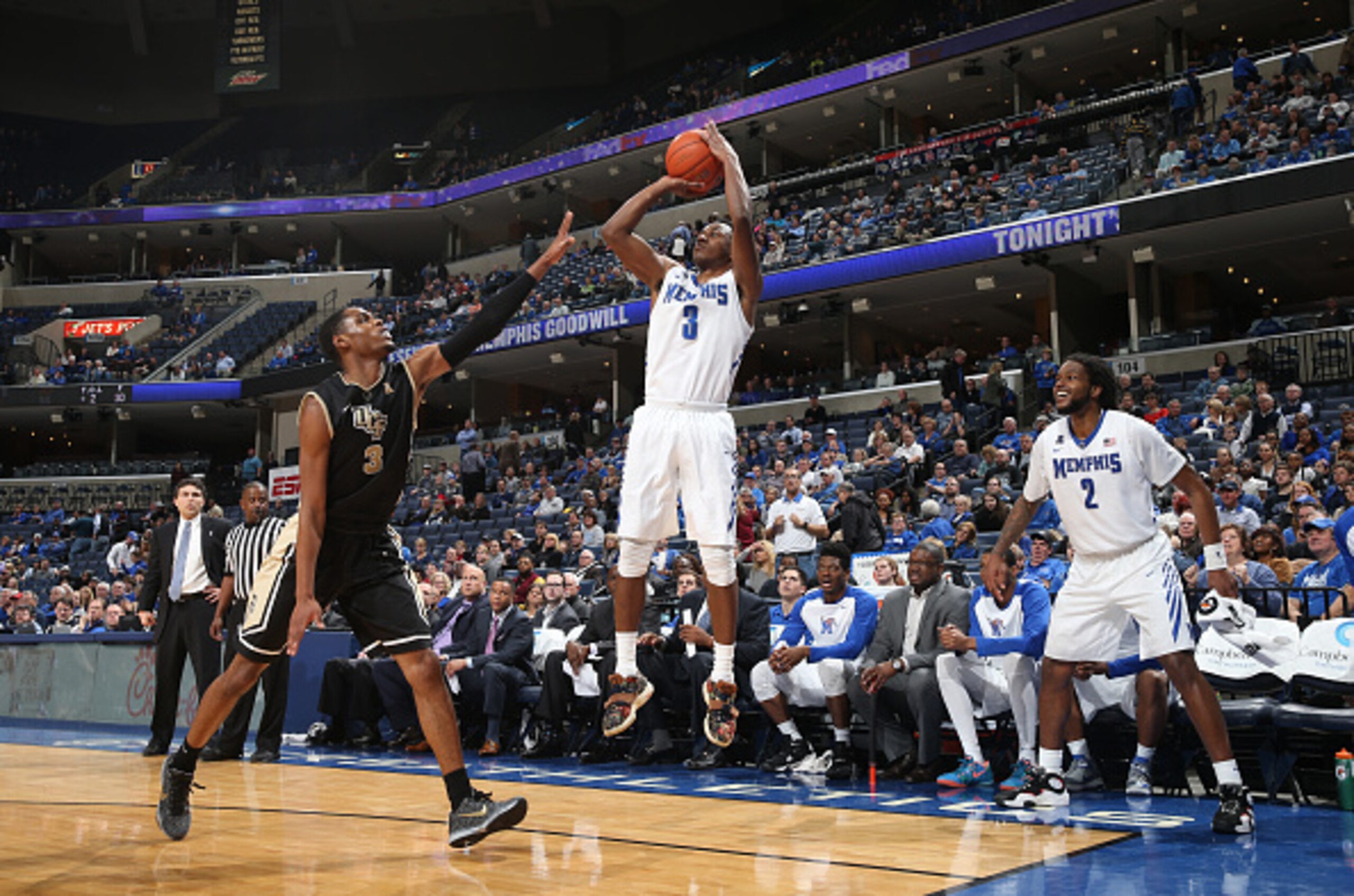
Year: Junior
Position: Guard
Height, weight: 6'2”, 196 lbs
Avery Woodson managed to graduate from Memphis with two years of eligibility remaining, a bonus for Butler after it lost its starting backcourt to graduation. He continues the Bulldogs' trend of bringing in guards from other schools, as he'll be battling with ex-North Carolina State guard Tyler Lewis and former George Washington guard Kethan Savage for playing time.
We're predicting Woodson will be the odd man out when it comes to the starting lineup, but he'll still get used quite a bit in Butler's uptempo system that averaged 79.9 points per game in 2015-16.
Woodson averaged 8.8 points per game in two seasons with Memphis, making 138 three-pointers along the way, including 77 last year. No returning Butler player made more than 46 threes last season.
All statistics courtesy of Sports-Reference.com, unless otherwise noted. All recruiting information from 247Sports, unless otherwise noted.
Follow Brian J. Pedersen on Twitter at @realBJP.
.png?w=2560)

.jpg?w=2560 "Malik Beasley Negotiating Plea Deal (AP)")

.jpg?w=2560 "Jonathan Taylor Landing Spots")