Updated NFL Rookie Report for All 2016 First-Round Picks
The 2016 NFL draft class is settling into their new situations as training camp is approaching next month. With rookie minicamps and OTAs in the rearview mirror and veteran minicamps approaching, there’s been some time for rookies to make an impression on their new coaches and teammates. We have the updated rookie report for all 31 2016 first-round picks.
This is your one-stop shop for the latest news from around the web on each first-round pick. Whether positive or negative, the start of each player’s career is far from defining what will happen when the games begin this fall. But a good start can lead to a bigger role sooner than expected, or a poor showing can create more pressure to perform.
Let’s dive in and look at each first-round pick around the NFL. Don’t forget to leave your reaction in the comments section below.
1. Jared Goff, QB, Los Angeles Rams
1 of 31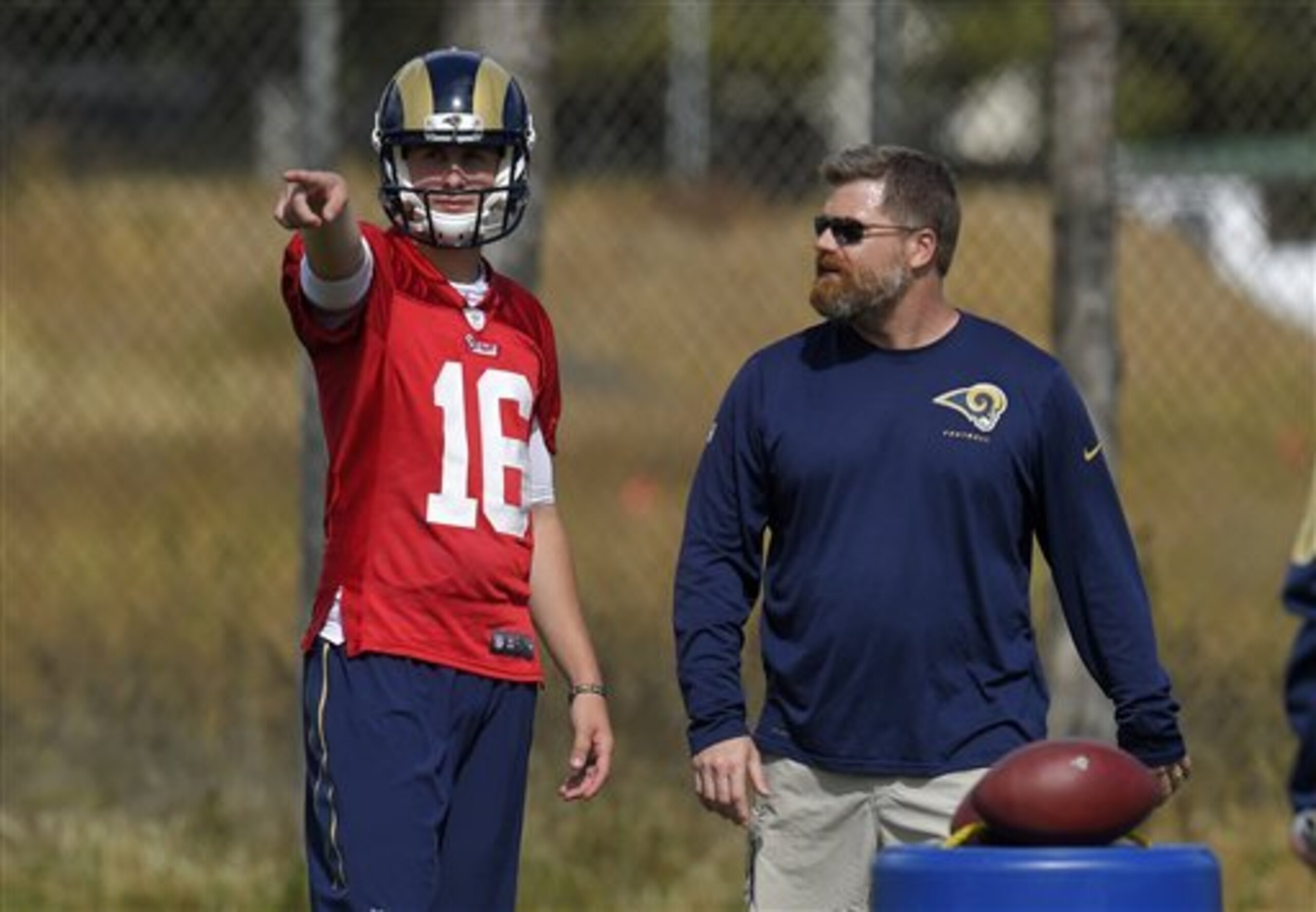
It hasn’t taken long for positive reviews to be hailed upon quarterback Jared Goff, the No. 1 overall pick in the 2016 NFL draft. The face of the Los Angeles Rams at just 21 years old, Goff has already benefited from the Rams coaching staff challenging him. According to head coach Jeff Fisher, via Gary Klein of the Los Angeles Times, Goff is showing leadership traits and the ability to bounce back from mistakes on the practice field.
“Jared saw a couple things out here that he hadn’t seen before, and the ball ends up in the defensive players hands,” Fisher said. “The best thing … was he walks in the huddle and goes, ‘Hey, that was on me. Let’s go to the next play and we’ll go on.’"
Goff will inevitably go through growing pains as a young quarterback but the Rams are putting him in the position to succeed early. Exposing him to complex coverage looks and unfamiliar plays can be overwhelming for less gifted players but Goff had a similar hill to climb at Cal. He responded well throughout his collegiate career to adversity and thus far the Rams seem pleased with his progress.
It won’t take long for Goff to secure the starting quarterback job. Not only was the massive trade up by the Rams an indicator that he’s their guy, but he’s much more talented than any other option. His mental aptitude and natural feel for the position will separate him from the pack of competitors quickly.
2. Carson Wentz, QB, Philadelphia Eagles
2 of 31
The leap from North Dakota State to the Philadelphia Eagles was never going to be easy for quarterback Carson Wentz. The No. 2 overall pick in the 2016 NFL draft class landed in a good situation with stability for his development. Since the Eagles can keep Wentz as a third-stringer for 2016, he won’t face the pressure or scrutiny right away that his peers will.
The early reviews suggest he needs the year to tighten his mechanics. According to Phil Sheridan of ESPN, Wentz struggled with wobbly passes in minicamp. Despite having a big arm that endeared evaluators to him throughout the draft process, Wentz’s collegiate film was littered with the occasional errant pass.
Since Wentz has a strong arm capable of hitting almost any throw, he’s prone to forgoing proper footwork and trunk rotation during his passes. This in turn leads to wobbly and inaccurate passes. Spending time and repetitions to iron this issue out isn’t a guaranteed solution but it won’t hurt.
3. Joey Bosa, DE, San Diego Chargers
3 of 31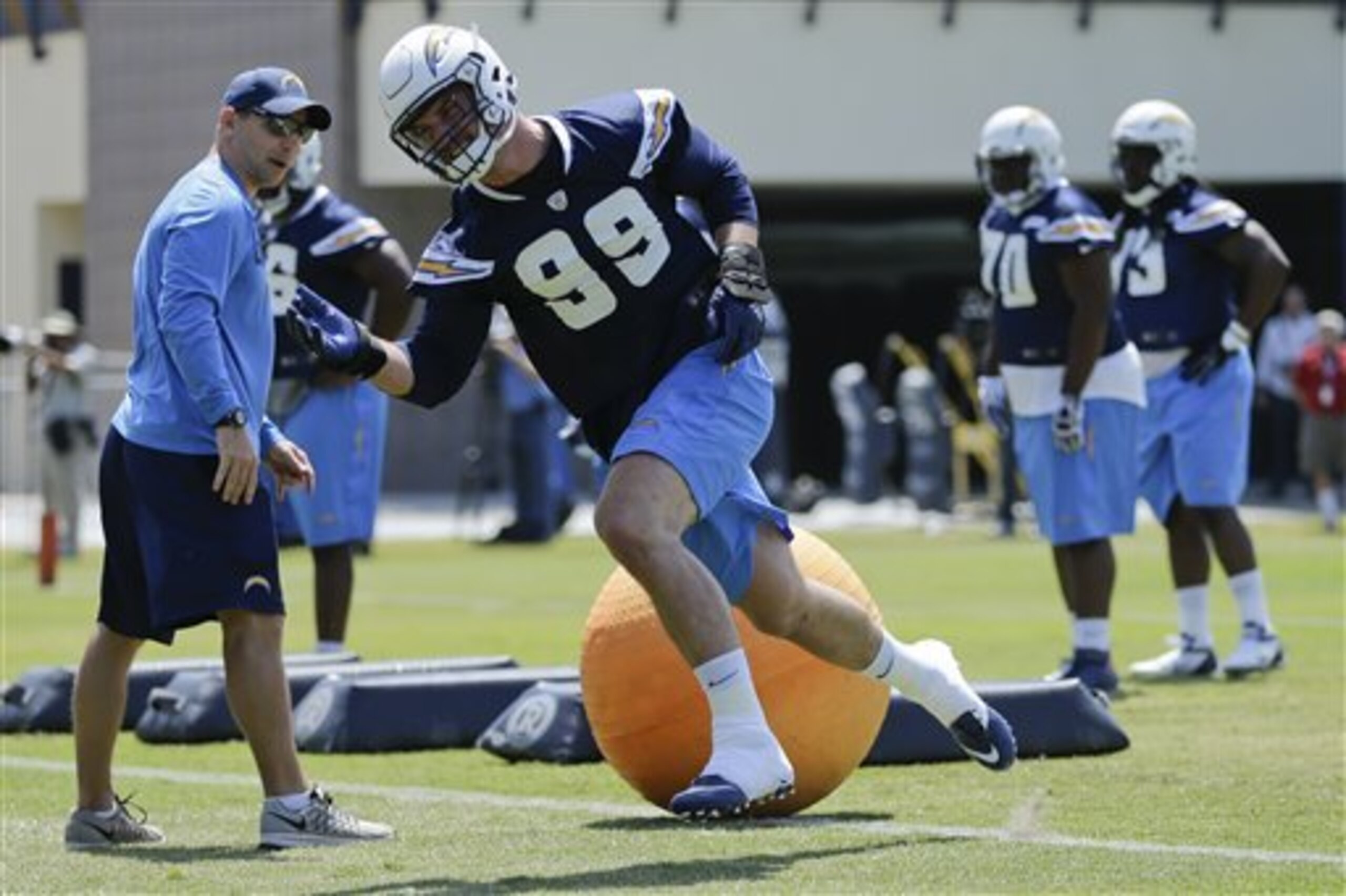
The San Diego Chargers made a surprising but sensible pick by selecting defensive end Joey Bosa third overall. While Bosa wasn’t projected to be a base 3-4 end by evaluators, he’s a solid athlete with a history of terrific work ethic and production. The Chargers defense has severely lacked playmakers on defense in recent years, and Bosa adds to the several young pieces they had in place already.
There hasn’t been much noise about Bosa to this point, except some positive feedback from head coach Mike McCoy. Per Michael David Smith of Pro Football Talk, McCoy raved about Bosa’s natural talent from minicamp sessions. McCoy noted how he’s been every bit as good as the staff had hoped based on his time at Ohio State.
How Bosa will perform as a rookie is one of the smaller storylines for the Chargers for a few reasons. While he’s clearly talented, the Chargers don’t need him to be a superstar right away. They need consistent performance and good health from their roster, which was lacking last year and a major reason why the team had the opportunity to draft Bosa.

.jpg?w=2560 "Cardinals Giants Football")
.jpg?w=2560 "Hill Injury Update Football")
4. Ezekiel Elliott, RB, Dallas Cowboys
4 of 31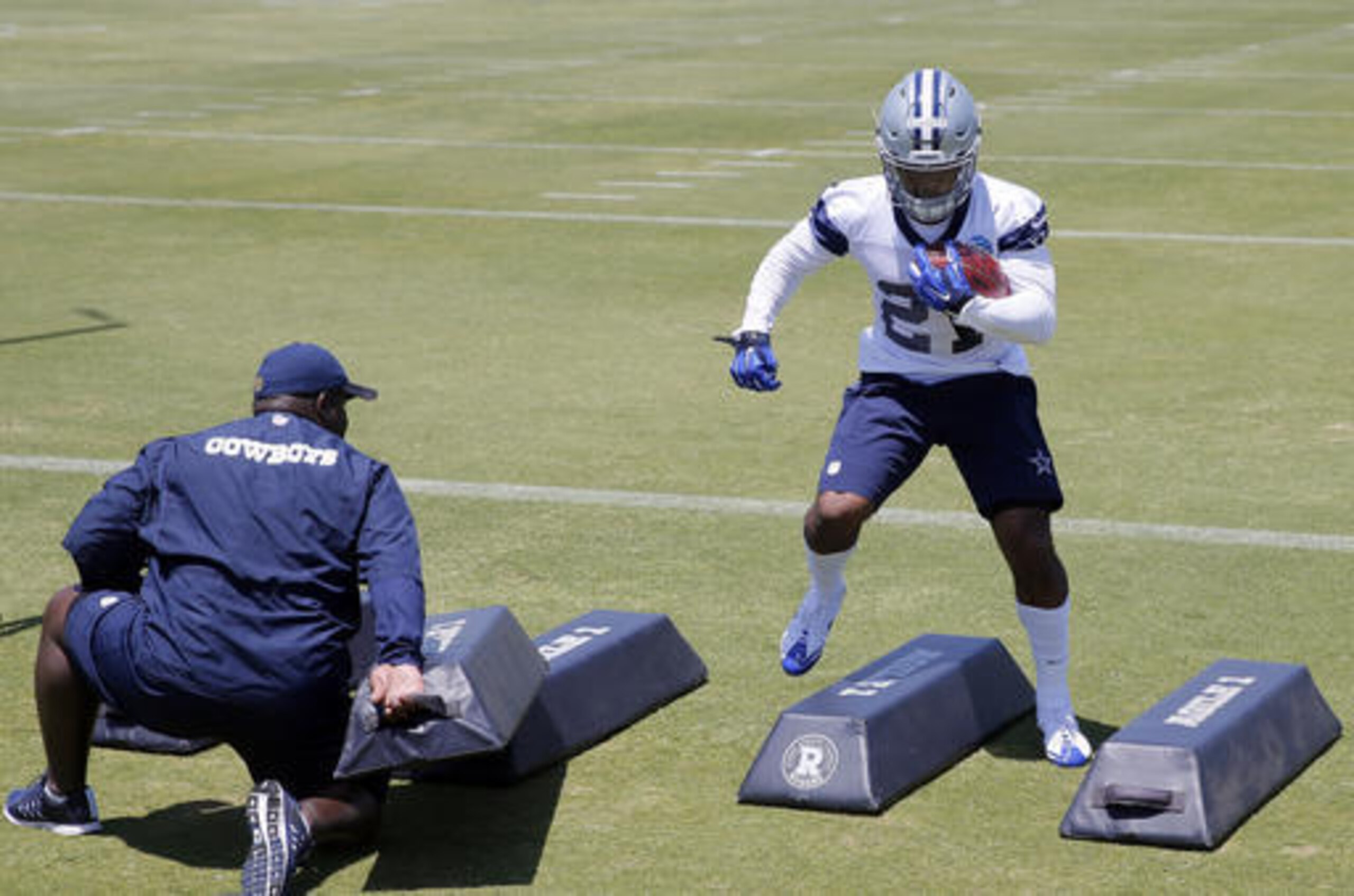
Easily the best offensive playmaker in the 2016 NFL draft, the Dallas Cowboys running back didn’t waste time to make headlines. Known for his unique blend of athleticism, patience and efficiency, Ezekiel Elliott will be an immediate star. According to SportsDay’s David Moore, he’s already standing out like superstar receiver Dez Bryant did in minicamp:
"You could tell the talent and just how he handles himself in Ezekiel Elliott. Just moves around so well. The way he catches the ball in those drills. Just the way he moves in and out of the drills and other things he did, again you could tell. As offensive coordinator Scott Linehan said, he's a natural. And you could really see that out there much like you could Dez Bryant a few years ago when he came in.
"
It’s a lofty comparison considering Bryant is an All-Pro-caliber player, but Elliott was an elite running back prospect. The 6’0”, 225-pound back has incredible explosiveness for his size and can be the focal point of the Cowboys offense. Dallas will be more dangerous than previous seasons with a healthy quarterback Tony Romo joined by Elliott and Bryant as weapons.
The sky's the limit for Elliott’s rookie production as long as Romo is upright. Even then, 2015 starting running back Darren McFadden finished fourth in total rushing without Romo present most of the season. Elliott could lead the NFL this year considering the talent gap between he and McFadden is large.
5. Jalen Ramsey, CB, Jacksonville Jaguars
5 of 31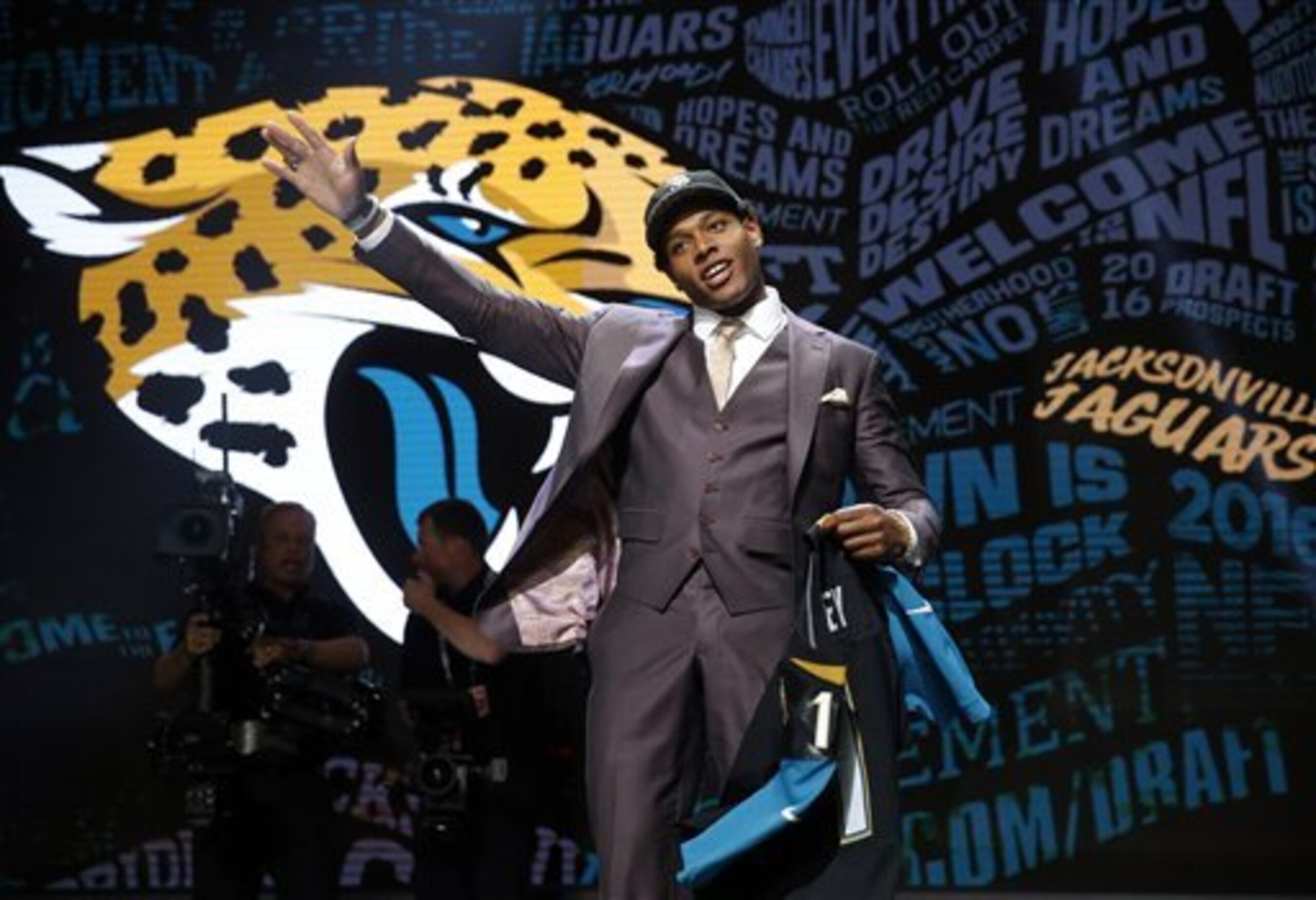
It’s never a good thing when surgery is needed, but for Jacksonville Jaguars cornerback Jalen Ramsey, his operation could have been much worse. According to Ryan O’Halloran of the Florida Times-Union, Ramsey had the meniscus in his right knee trimmed recently. The surgery was minor enough for him to already be expected on the field for training camp next month.
Ramsey will miss this week’s minicamp as he recovers. The news isn’t ideal from the Jaguars point of view considering their experience with 2015 first-round pick Dante Fowler and his torn ACL, but there’s still a lot of positive momentum for the team. If Ramsey proves to be as talented as he appeared at Florida State, then the concerns over the knee will quickly fade.
The 6’1”, 209-pound cornerback landing in Jacksonville was called a “dream scenario” by NFL.com analyst Mike Mayock. His versatility in the secondary will help solve one of the biggest issues the Jaguars have had the last few years, which was lacking impact players. Throughout his Florida State career he produced 181 tackles, five sacks, three interceptions and 22 passes defensed. He’s exactly what head coach Gus Bradley needed in this secondary.
6. Ronnie Stanley, OT, Baltimore Ravens
6 of 31
The sixth overall pick in the 2016 NFL draft was one of the more surprising selections at the time it was announced. The Baltimore Ravens chose Notre Dame tackle Ronnie Stanley, and speculation immediately began about where Stanley would play as a rookie. Some clarification came at minicamp last week.
Ravens head coach John Harbaugh didn’t hold back when he said Stanley has every chance to earn the starting left tackle job, per Sarah Ellison of BaltimoreRavens.com. His path includes beating incumbent Eugene Monroe, who is still recovering from shoulder surgery. If Stanley can claim the job, then the Ravens will either benefit from depth or can move on from Monroe’s bloated contract.
If Monroe wins the left tackle position, Harbaugh admitted that left guard is an option for Stanley. Stanley never played the position before but after losing Kelechi Osemele to the Oakland Raiders in free agency, he’s a worthy risk considering his natural blocking talent. The other option could be moving one to right tackle to battle Ricky Wagner, who has been shaky as a starter for the team.
7. DeForest Buckner, DE, San Francisco 49ers
7 of 31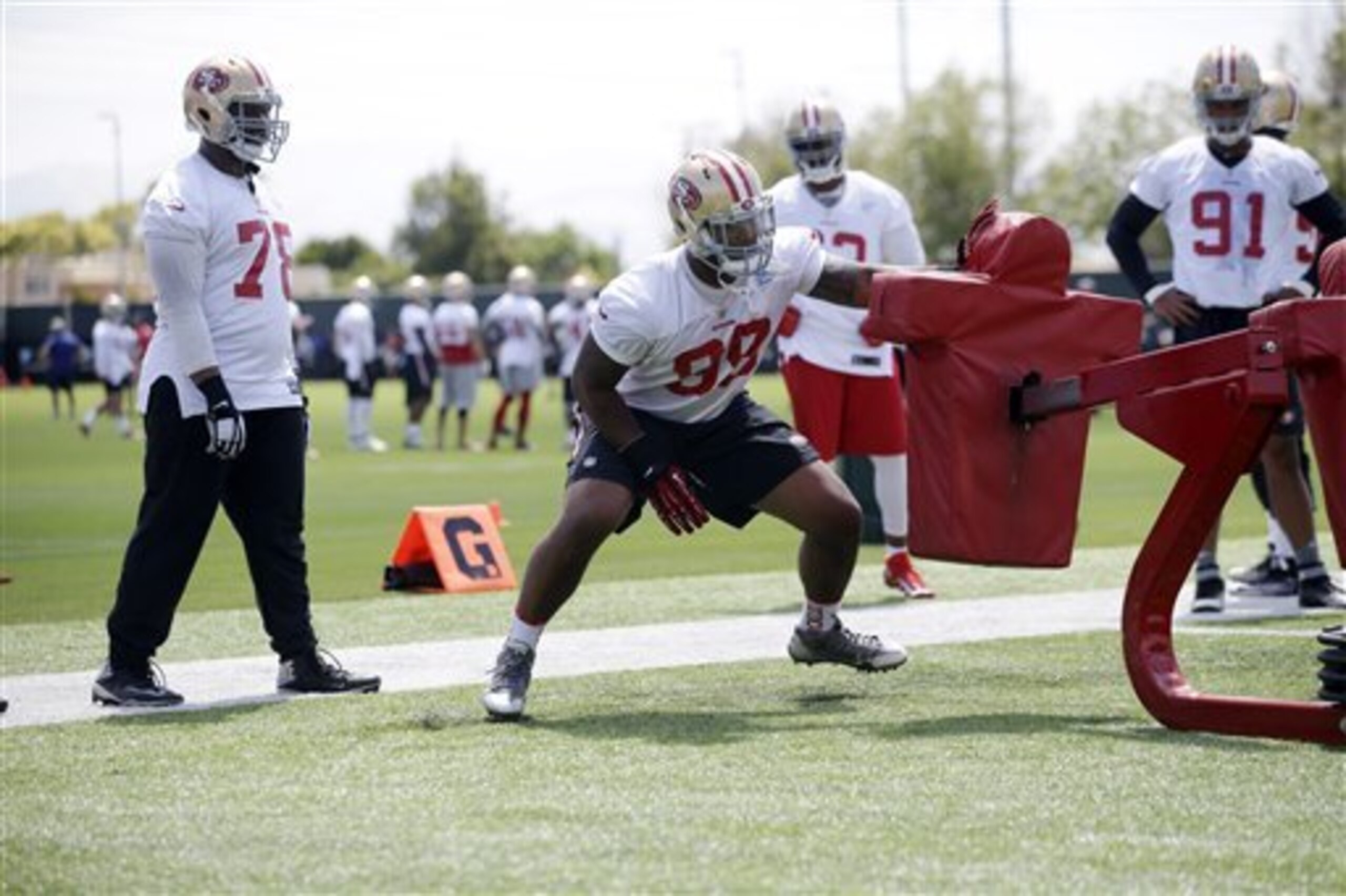
One of the most physically talented and imposing players in the 2016 NFL draft class was Oregon defensive end DeForest Buckner. The 6’7”, 290-pound 5-technique landed with the San Francisco 49ers and former Oregon head coach Chip Kelly. Outside of the obvious ties to the same school, Buckner fell into a good situation for his career to take off.
While the 49ers aren’t the most talented team in the NFL, their rebuild will greatly benefit from their attention to the trenches. Pairing Buckner with former teammate Arik Armstead and nose tackle Ian Williams will significantly bolster the defensive front. Like Leonard Williams in 2015, it’s conceivable the best defensive prospect fell out of the top five picks as Buckner went seventh.
According to Buckner in a post-minicamp press conference on 49ers.com, he’s excited to be working with Armstead as he learns a new defense. His utterly dominant play in 2015 suggests his learning curve will be less severe than his peers, but having familiar faces to ease his transition to the NFL may be the biggest advantage he has available this year.
8. Jack Conklin, OT, Tennessee Titans
8 of 31
The Tennessee Titans completed two bold moves successfully when they not only dropped from the No. 1 overall pick, but subsequently traded back up to the No. 8 pick. Their decision to draft Michigan State offensive tackle Jack Conklin over Ole Miss tackle Laremy Tunsil will long be a discussion considering how much higher evaluators had Tunsil as a talent. But Conklin’s addition to the Titans can solve a major long-term need as they work to protect quarterback Marcus Mariota.
Conklin took part in the team’s rookie minicamp in early May, but his latest update comes from an interview about his adjustment to the NFL. According to Conklin, via Mickey Ryan of 104.5 The Zone in Nashville, he knew working with head coach Mike Mularkey and general manager Jon Robinson would be the best situation for him. While there may be an element of Conklin playing to the crowd with his comment, it’s encouraging that Mularkey already has buy-in.
Conklin is a nasty blocker, using his powerful frame to bulldoze defenders into the ground. His matchup with Oregon defensive end DeForest Buckner in 2015 was a great battle for evaluation. Conklin and Buckner traded haymakers throughout the game but Conklin did well against the player who ended up being picked one spot higher than he did.
9. Leonard Floyd, OLB, Chicago Bears
9 of 31
Possibly the most explosive and freakish natural athlete in the 2016 NFL draft was linebacker Leonard Floyd. The Chicago Bears pounced at the opportunity to jump up two spots to secure Floyd’s services for their defenses. The 6’6”, 244-pounder has an incredible blend of length, speed and agility that could lead to a major payoff for the Bears.
He’s still thin for his build, though. According to Rich Campbell of the Chicago Tribune, the Bears have designed a nutritional plan for Floyd to bulk up and get closer to 260 pounds this season. The added weight may help with durability and effectiveness against the run on the edge or even middle linebacker at times.
The Bears plan on utilizing Floyd in a variety of ways under defensive coordinator Vic Fangio. According to John Mullin of CSN Chicago, Fangio will unleash his unique skill set as both a pass-rusher and a coverage linebacker. If Floyd responds and plays well, the Bears will have one of the best linebacker units in the NFL.
10. Eli Apple, CB, New York Giants
10 of 31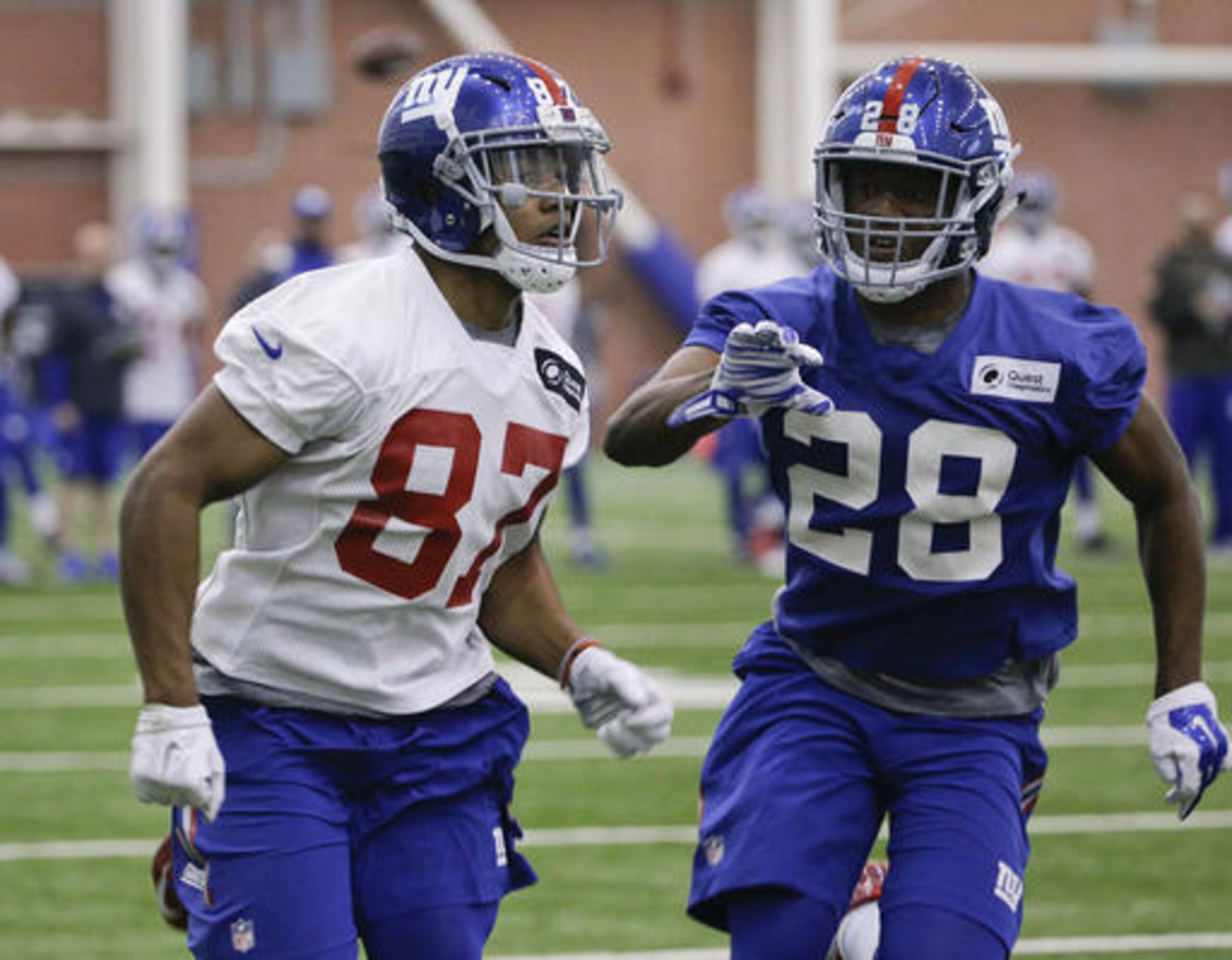
Former Ohio State cornerback Eli Apple wasn’t expected to be the second cornerback taken in the 2016 NFL draft, but the New York Giants announced his name despite already investing into the position earlier in free agency. The 10th overall pick was a boundary cornerback for the Buckeyes defense, showing great natural coverage talent with his impressive 6’1”, 199-pound frame. But his fit on this team is odd.
With Janoris Jenkins and Dominique Rodgers-Cromartie already on the roster, the Giants could’ve gone another direction to fill a bigger priority need. None of those three cornerbacks is a slot player, and that’s been the case early on as well. According to Jordan Raanan of NJ Advance Media, Apple worked exclusively outside in minicamps.
This is concerning because the slot position is an important one that can’t just be filled by the third-most-talented cornerback. It requires a special skill set and experience. Maybe Jenkins or Apple will prove to be good at that role, but it’s asking a lot for someone to do for the first time at the NFL level.
11. Vernon Hargreaves, CB, Tampa Bay Buccaneers
11 of 31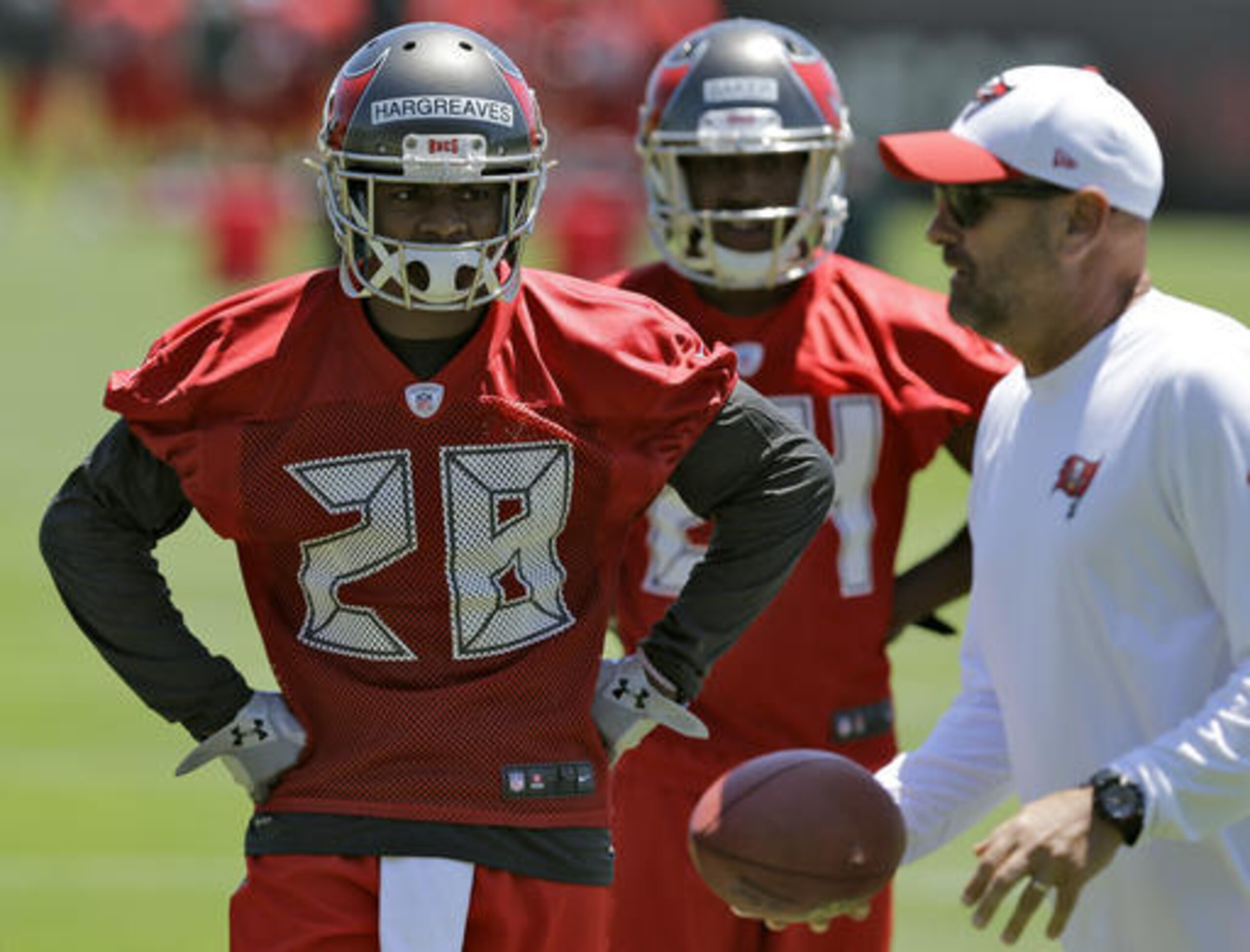
For the Tampa Bay Buccaneers, this was an offseason to prepare themselves for sustained success. Not only does the franchise want to capitalize on a four-win improvement from 2014 to 2015, but it wants to continue its ascension for the long term. Another four- or five-game jump would likely mean the Buccaneers return to the playoffs this season.
The Buccaneers addressed almost every major need this offseason, including bolstering the cornerback position. First-round cornerback Vernon Hargreaves from Florida faced doubts due to his 5’10” stature throughout the draft process, but he’s a potential star. The three-time All-SEC selection and two-time All-American is a dynamic, physical and versatile playmaker in the secondary.
According to Rick Stroud of the Tampa Bay Times, Hargreaves will be utilized on the boundary as a starter early on. As offenses stretch the field with more receivers in sub-packages, he’ll be aligned in the slot on occasion. This makes sense considering his size and terrific quickness, which are both ideal slot qualities. The slot can also mitigate his below-average height and deep speed.
12. Sheldon Rankins, DT, New Orleans Saints
12 of 31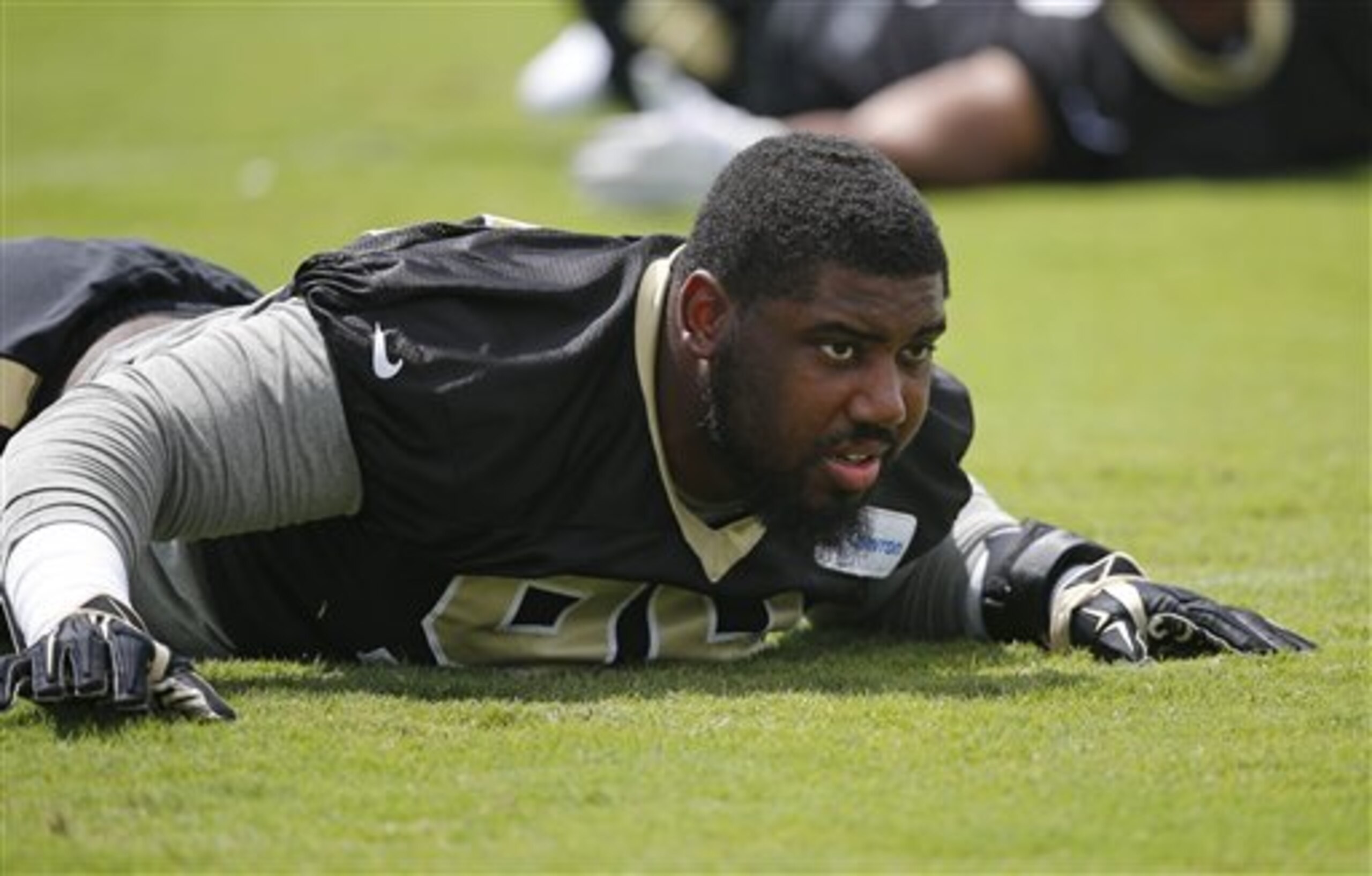
For some players, minicamp and training camp is the place to play yourself into football shape. Generally this is more likely to happen with veterans with a secure roster spot than it is rookies, but it’s encouraging when trench players are prepared to play as soon as the offseason ends. Their massive bodies require significant training to be healthy at their size.
For New Orleans Saints first-round pick Sheldon Rankins, he showed up to minicamp in excellent shape. According to Joel A. Erickson of the New Orleans Advocate, Saints head coach Sean Payton was impressed with Rankins’ physical shape but also his ability to learn quickly. As Payton mentioned, being in shape just weeks after the draft concludes is not easy considering the whirlwind these prospects went through en route to the big event.
Rankins’ ability to pick up the playbook will be key for him to earn a starting job. While the Saints don’t have the depth to challenge his talent, the ability to correct himself on mental errors is what usually holds rookies back from playing right away. As long as Rankins can stay in good shape physically, his main concern is mastering the playbook and his responsibilities. The 6’1”, 299-pound defensive tackle is on track to accomplishing just that.
13. Laremy Tunsil, OT, Miami Dolphins
13 of 31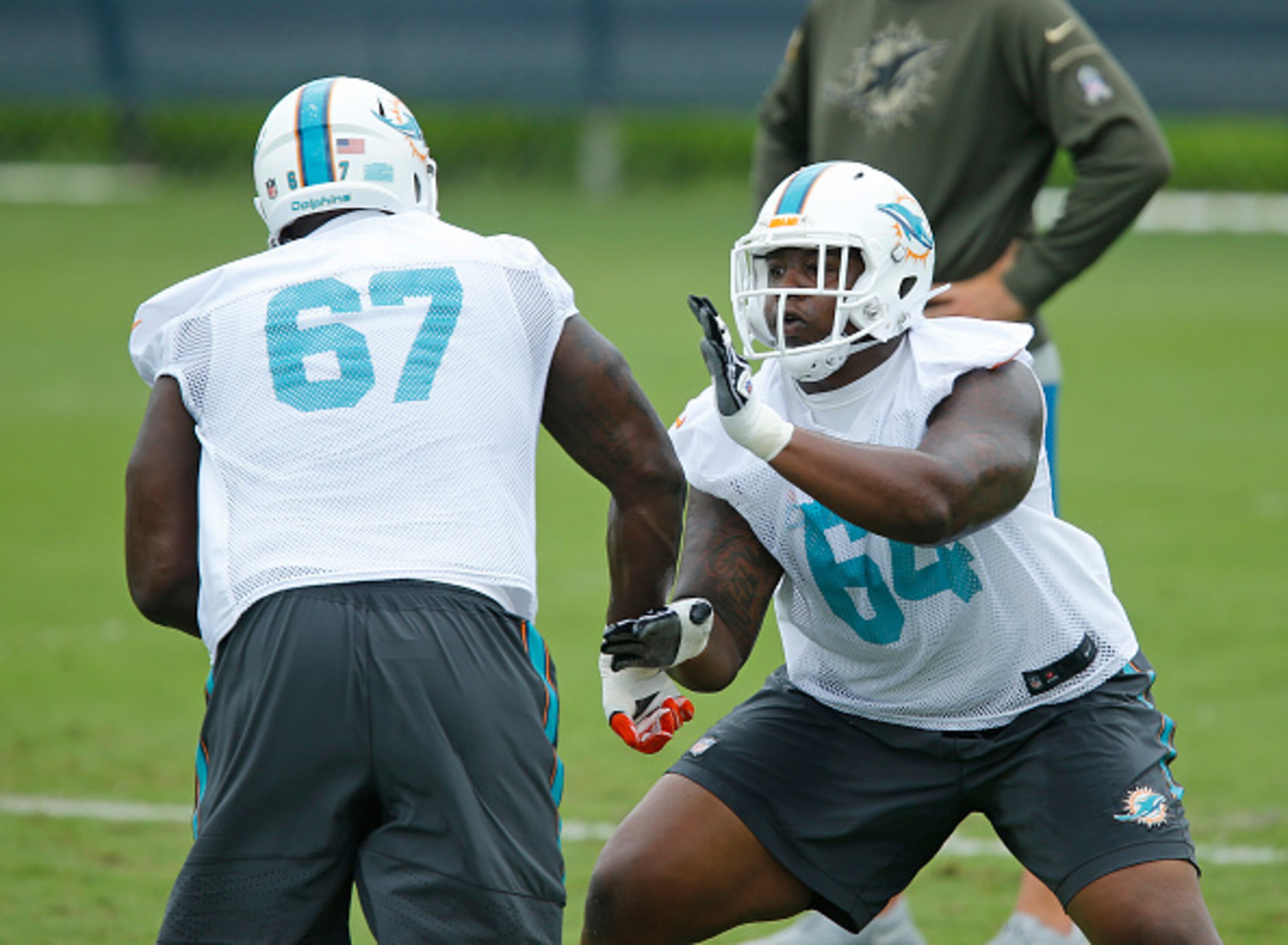
The story of former Ole Miss offensive tackle Laremy Tunsil and his draft slide to the 13th overall pick was the major headline of the 2016 NFL draft. It’s rare to see the best overall player fall to the teens, and it’s completely unprecedented for what happened to Tunsil as the draft started. Now that Tunsil is past the drama, he’s focused on football and helping the Miami Dolphins.
Dolphins general manager Mike Tannenbaum explained to Jenny Vrentas of The MMQB how Miami did deep digging on Tunsil as he fell in the draft. Their predraft background work on him uncovered some concerns when Tunsil was younger, but he had grown from the mistakes. The payoff could be tremendous as Tunsil is immensely gifted.
According to James Walker of ESPN, Tunsil has done nothing but shred the national narrative by being a model citizen and promising player in minicamps. Offensive coordinator Clyde Christensen told Walker that Tunsil’s mindset and ability to handle adversity is a major advantage he has over peers. This is an excellent sign that Tunsil will provide a needed boost to a woeful offensive line in Miami.
14. Karl Joseph, SAF, Oakland Raiders
14 of 31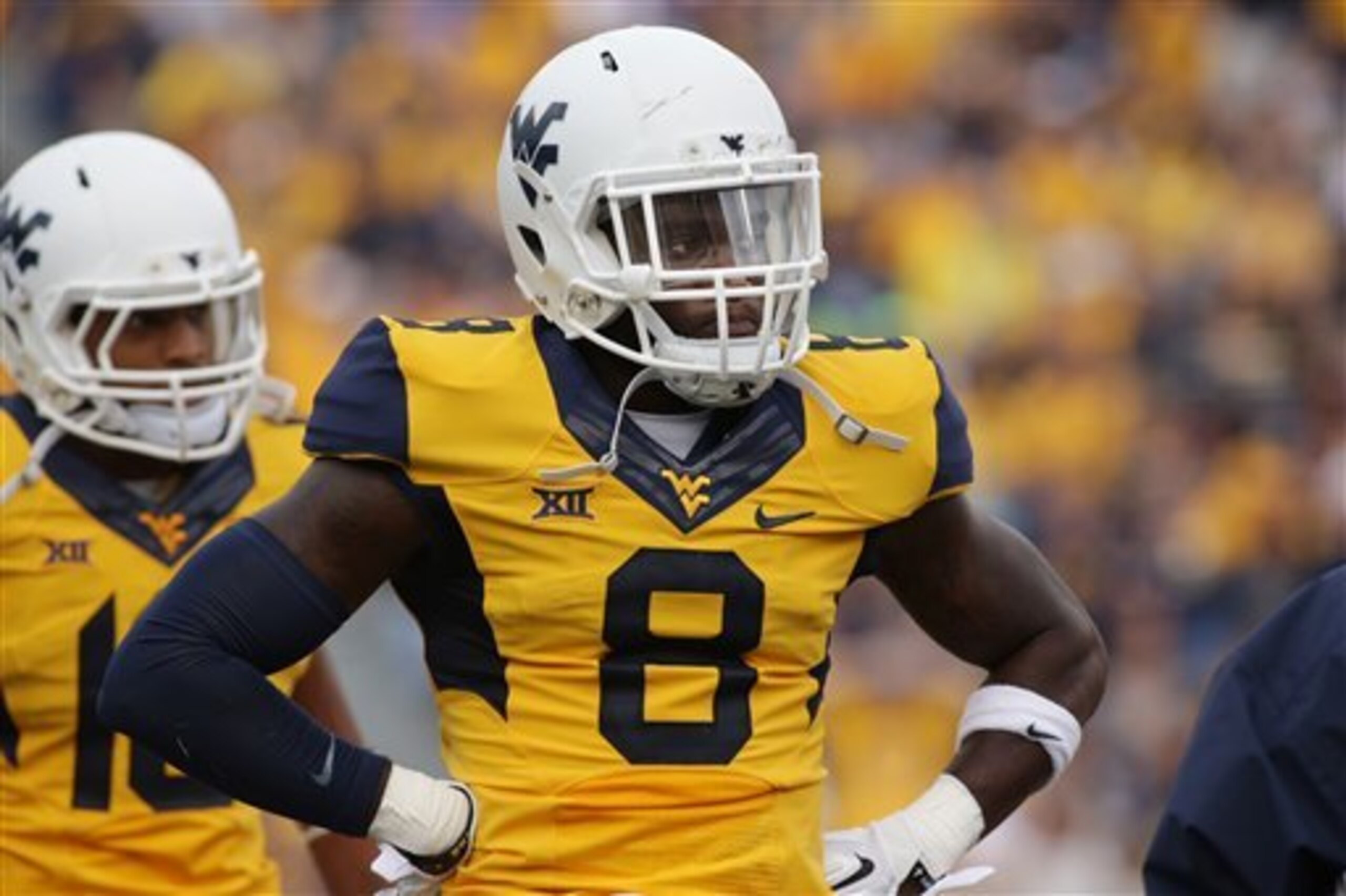
Drafting an injured player in the first round is a risky proposition, but sometimes the talent is too good to pass over. The risk and reward of the move for the Oakland Raiders with safety Karl Joseph made sense considering their need for secondary help and how seamlessly Joseph should fit once healthy. As he recovers from a torn ACL, he’s focused on learning the playbook and acclimating to a new environment.
The Raiders coaching staff have been very positive about his attitude and West Virginia tape. According to Jimmy Durkin of the Bay Area News Group, defensive coordinator Ken Norton Jr. has been effusive to this point, saying: “The guy is explosive. He’s around the football a lot. He’s a pack of dynamite.” The 5’11”, 197-pound defensive back totaled 274 tackles, 16 tackles for loss and nine interceptions in his career.
The value of Joseph in the mid-first round was a no-brainer so long as he returns healthy. His ability to play in the slot or single-high is a rare one. If he can rein in his penchant to try unnecessary big hits a little, the Raiders may have found one of the best turnover producers in recent draft classes.
15. Corey Coleman, WR, Cleveland Browns
15 of 31
It shouldn’t be surprising for a first-round wide receiver who accumulated 74 receptions, 1,363 yards and 20 touchdowns in one season to be impressive early in his career. Former Baylor and current Cleveland Browns receiver Corey Coleman did just that to opposing defenses in 2015 and will hope to provide a similar spark to the weakest receiving corps in the NFL. The 5’11”, 190-pound playmaker has quickly left a positive mark on his new coaching staff.
Browns head coach Hue Jackson told ClevelandBrowns.com staff writer Andrew Gribble that Coleman has been a “tremendous player” throughout OTAs and minicamp:
"He’s a tremendous player. He’s going to be pretty good. I ride him pretty hard because he has so much ability and I want to get it out of him. He’s really shown why we drafted him in the first round. He is a tremendous talent. If he keeps working like he is and stays as humble and he has great desire to be a great football player, I think that’s going to happen for him.
"
Although Coleman must still earn his starting spot, it shouldn’t be too hard. His playmaking will absolutely translate to the NFL in some form as a rookie. There just aren’t many players as quick and gifted as Coleman is.
The Browns will be able to move Coleman between outside receiver and the slot with ease, depending on the play call. For times they need yards after the catch, his quickness and separation ability will work perfectly in the slot. More vertical plays will likely see him outside, where his sub-4.4 speed will blaze past defenses.
16. Taylor Decker, OT, Detroit Lions
16 of 31
One of the best offensive tackle prospects in the 2016 NFL draft was Ohio State’s Taylor Decker. The behemoth standing at 6’7” and 310 pounds is one of the fiercest run-blockers that were available, which led to many projecting him as a right tackle. That was always odd considering the caliber of pass-rushers that play on the left side of the defense and would face the right tackle, and that Decker hadn’t played the position previously.
Now that Decker is with the Detroit Lions, they’ve shown their plan for him throughout OTAs and minicamp. There’s no doubt about their intentions. According to Paula Pasche of the Oakland Press, Decker has spent his entire time at left tackle, with teammate Riley Reiff moving to his more natural right tackle position.
There’s certainly elements of Decker’s play that improve, such as his leverage and overall pad level. This will show more against NFL edge-rushers than it did in college. Nevertheless, the early reports of Decker having a clear plan set forth for him will pay off as the Lions get him more snaps in training camp and preseason.
17. Keanu Neal, SAF, Atlanta Falcons
17 of 31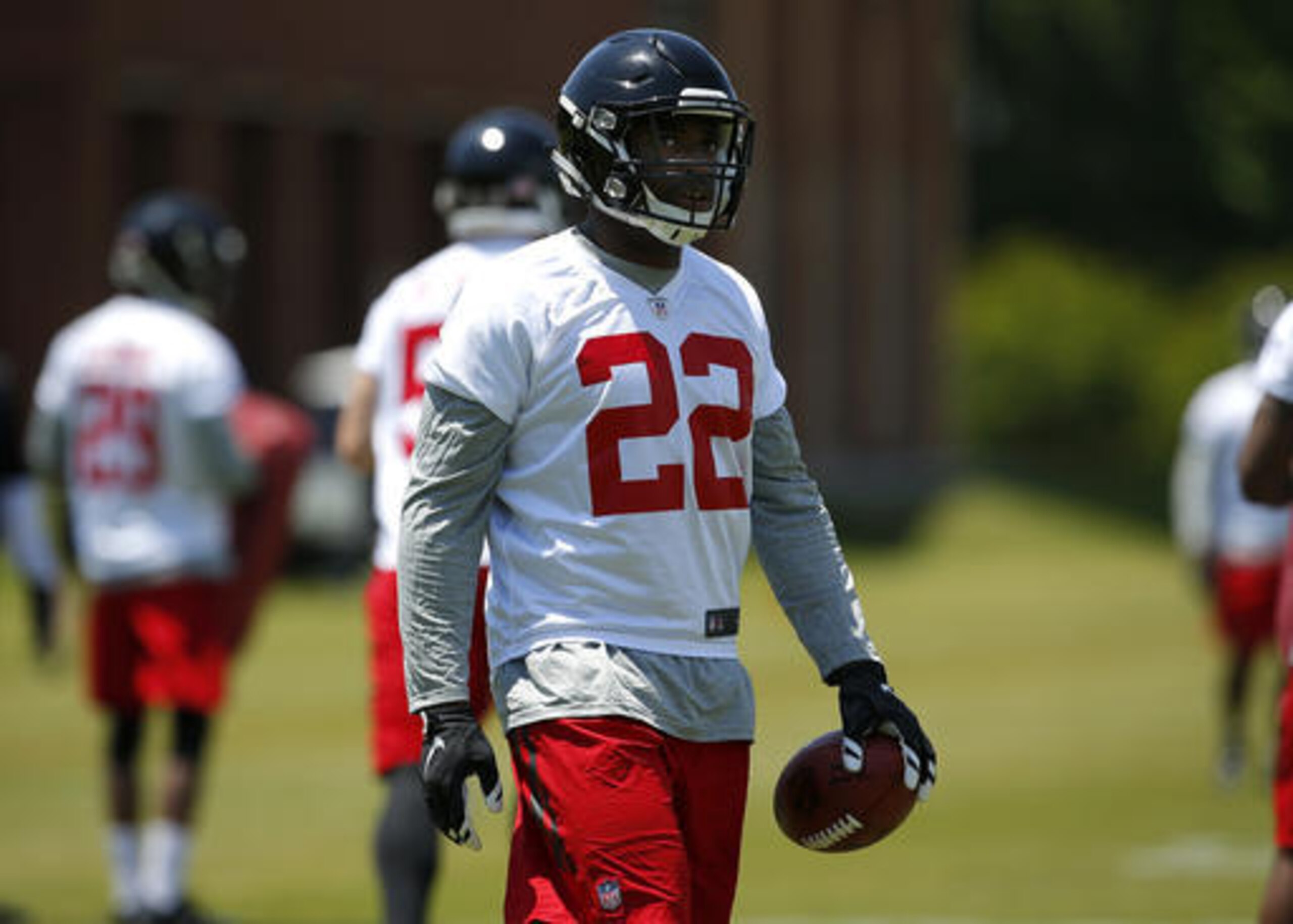
In search of a punishing strong safety presence to replicate Kam Chancellor’s role in Seattle, the Atlanta Falcons spent their first-round pick on Florida’s Keanu Neal. The 17th overall pick is an enforcer in the run game and has good size at 6’0” and 211 pounds. One of the biggest positives for adding Neal is the leadership and competitiveness factor.
According to Andrew Hirsh of AtlantaFalcons.com, head coach Dan Quinn raved about his impact on Day 1 of minicamp as he worked to break up passes. His effort will help set the tone for a unit generally lacking talent and depth throughout it. He must prove to be more than one-dimensional, though.
What makes Chancellor so valuable in Seattle is his length and coverage ability. Those are two areas where Neal faces questions when compared to Chancellor. If he can’t compete against upper-tier tight ends and slot cornerbacks because he’s more of a box defender, then this pick will look questionable in the next few years.
18. Ryan Kelly, C, Indianapolis Colts
18 of 31
After years of making questionable decisions on building the Indianapolis Colts roster around quarterback Andrew Luck, Colts general manager Ryan Grigson seemed to have one of the strongest draft hauls of all teams. Throughout the seven rounds, the Colts stuck to their plan of finding immediate starters or at least high-level talent that could develop quickly. It began with first-round pick Ryan Kelly.
The presumed starter at center for the foreseeable future, Kelly was one of the best center prospects to enter the NFL in the past five years. His game tape was that strong and he was known as a leader for the national title-winning Alabama Crimson Tide in 2015. He’s been living up to his reputation to this point.
According to Josh Wilson of SB Nation, head coach Chuck Pagano mentioned Kelly and Luck will be spending significant time together this offseason to build chemistry. The Colts likely know as well as anyone the importance of the center and quarterback relationship after Peyton Manning and Jeff Saturday spent 13 years playing together. Kelly’s working as hard as he can to become the next mainstay for the Colts' offensive line.
19. Shaq Lawson, DE, Buffalo Bills
19 of 31
Sometimes predraft reports of medical concerns for players get brushed aside by fans as mere smoke screens, but 2016 draft prospects didn’t benefit from that tactic. Former Clemson and current Buffalo Bills defensive end Shaq Lawson was medically flagged at the combine for his shoulder by a few teams, which may have led to his fall to the 19th overall pick. The Bills originally downplayed the injury, but then he had shoulder surgery to correct the damage before the season.
According to Jay Skurski of the Buffalo News, the Bills are now claiming to be playing the long-term battle and hoping this is a pre-emptive measure. This comes off as defensive and that the franchise underestimated the significance of the damage to his shoulder. While Lawson is talented, he’s likely to start training camp unable to perform as he recovers.
It’s hard enough for rookies to produce, but now Lawson faces a major uphill climb as a rookie. The expectations for him should be lowered at this time until further notice and we get the chance to see him in the preseason. The adjustment to the NFL is difficult enough without injuries getting in the way.
20. Darron Lee, LB, New York Jets
20 of 31
As the NFL continues to evolve to keep up with newfound tactical advantages and build around unique athletes, the mold for certain positions will change with the schematics. New York Jets linebacker Darron Lee is a great example of this. Ten years ago he would maybe be a mid-round pick as an undersized defender, but he went 20th overall in 2016 because he’s the perfect mold for a modern-day outside linebacker.
The 6’1”, 232-pound linebacker was highly productive for the Ohio State Buckeyes as he played the position for the first time in his career in his two seasons. He flies around the field with 4.47 speed, which led to Jets head coach Todd Bowles telling Lee to ease up at minicamp. Per Pat Leonard of the New York Daily News, Lee has been aggressive even when he’s not wearing pads, tackling teammates and being authoritative. This is a terrific sign for Lee’s future, even if the coach had to bring his level of energy down.
NFL.com draft expert Lance Zierlein noted in Lee’s scouting report that Lee lacks physicality, but his approach so far seems to dismiss that concern. Lee has to assert himself as a quality run defender to reach his potential in the NFL. So far, so good for the Jets rookie linebacker.
21. Will Fuller, WR, Houston Texans
21 of 31
The fastest player in the 2016 NFL draft who competed at the scouting combine was Notre Dame wide receiver Will Fuller. The 4.32 40-yard dash he blazed immediately solidified his status as a first-round prospect. Somewhat surprisingly, he became the second wide receiver drafted.
Fuller is a home run hitter, which is exactly what the Houston Texans wanted next to DeAndre Hopkins. The 6’0”, 186-pounder is reminiscent of DeSean Jackson as a big-play threat. If Fuller can produce anything near Jackson’s rookie numbers of 62 receptions, 912 yards and two touchdowns, the Texans will be quite pleased.
According to Houston Chronicle reporter Aaron Wilson, both Fuller and fellow rookie receiver Braxton Miller have proven to be “quick studies.” Hopkins told Wilson that each has been putting extra time in to learn the offense so they don’t fall behind once training camp arrives. Their work ethic could prove to be one key reason the Texans return to the playoffs in 2016.
22. Josh Doctson, WR, Washington Redskins
22 of 31
One of the worst fears that can be realized for a coaching staff is when an injury strikes in minicamp and OTAs. Rookies already face a tough challenge to earn playing time as they adjust to new surroundings and a playbook, but their physical condition must be in tiptop shape as well. Washington Redskins wide receiver Josh Doctson suffered an Achilles injury recently, causing the team to take it slow with the playmaker.
The 6’2”, 202-pound Doctson is as dominant in the air as any receiver in the class, showing terrific hands and balance throughout his time at TCU. He has the ability to change a game in a heartbeat as he erases mistakes by the quarterback. But for the Redskins, the goal is just to get him back on the field without risking a major injury.
According to Stephen Czarda of Redskins.com, Doctson’s been resting as the injury has accumulated over the past year. His time off the field has been spent learning the playbook and the various roles in the offense that head coach Jay Gruden may ask him to play. This is smart, as the long term is more important for Doctson than 2016, as Washington is loaded with talented playmakers who can step in for Doctson.
23. Laquon Treadwell, WR, Minnesota Vikings
23 of 31
The Minnesota Vikings made an inspiring run at the end of 2015 to win the NFC North divisional crown, and almost advanced in the playoffs to the divisional round. This is a young, budding roster that had clear holes for general manager Rick Spielman to address. After adding depth to the offensive line in free agency, he successfully acquired one of the best receivers in the draft with the 23rd overall pick in Laquon Treadwell.
The former Ole Miss receiver will be a great threat for quarterback Teddy Bridgewater with his 6’2”, 221-pound frame and excellent hands. Bridgewater has already noted how impressed he is with Treadwell throughout offseason workouts. Per Eric Smith of Vikings.com, Bridgewater said Treadwell is standing out among his peers and is working hard to earn a starting job.
For the Vikings to improve or replicate on their 11-5 record, they’ll need Treadwell to emerge early as a top threat. The bar was low last year with the exception of Stefon Diggs as the Vikings lacked credible and reliable receivers. Treadwell should have the starting job firmly in hand by the preseason.
24. William Jackson III, CB, Cincinnati Bengals
24 of 31
The Cincinnati Bengals have built almost exclusively through the draft to save money and find a sustainable model for success. While the strategy isn’t foolproof and there are clear negatives to the method, their ability to identify and develop talent cannot be questioned. The Bengals have made the playoffs in each of the past six seasons, losing in the first round each year.
This could be the season this team takes the next big jump and wins a playoff game if health permits. 2016 first-round pick cornerback William Jackson III can immediately help in that regard, as the 6’0”, 189-pound speedster is a perfect fit in the Bengals secondary. He’ll challenge incumbent Dre Kirkpatrick, who greatly struggled in his first full season as a starter.
According to ESPN staff writer Coley Harvey, Jackson is “eager to make a statement.” Jackson knows he has the opportunity to displace Kirkpatrick despite his rookie status, and is doing everything he can to put himself in position to earn the job. This type of competitiveness is great to see and encouraging that he’ll quickly acclimate to the NFL.
25. Artie Burns, CB, Pittsburgh Steelers
25 of 31
Clearly looking to continue their defensive remodeling, the Pittsburgh Steelers focused on their secondary in the 2016 NFL draft. Their first two picks were dedicated to the cornerback and safety positions, respectively. First-round pick Artie Burns was the crown jewel of their haul, as the 6’0”, 193-pounder has all of the tools to become an impact starter in time.
Burns is raw in his development right now, but the Steelers are going to expose him to the NFL’s best receiver to try to help accelerate his learning. According to Jeff Hartman of SB Nation, Burns and Antonio Brown faced off several times in minicamp. Although Burns deflected one pass, Brown had his way with Burns on other occasions.
This isn’t surprising, nor should Burns be expected to be that good yet. Most cornerbacks take multiple seasons to develop fully, and Burns just turned 21 last month. He’ll be eased into a role this year and be asked to do more over the course of the season and in 2017.
26. Paxton Lynch, QB, Denver Broncos
26 of 31
Being a rookie quarterback being thrust into a starting job is possibly the most difficult challenge there is for any first-year player. Even in a limited role, the scrutiny and attention thrust upon the quarterback position is unmatched in professional sports.
Now imagine overtaking the Super Bowl champions that just lost Peyton Manning to retirement. That’s what rookie Paxton Lynch will attempt to do for the Denver Broncos. The 6’6”, 244-pounder entered a three-way battle for the starting job, but it’s hard to imagine his competition will outperform Lynch. He’s simply more physically gifted and talented than his peers and any playbook advantage will eventually subside.
In his first minicamp, Lynch earned the respect of his teammates. According to Lindsay H. Jones of USA Today, cornerback Aqib Talib praised his performance: “He threw some great passes. He was impressive to me. I've seen a lot of rookie quarterbacks come out and not look that good on their first day. But he came out and threw the ball with confidence and he showed off that strong arm one time to [Jordan Taylor]. I definitely liked what I saw.”
The early positivity is what the Broncos need to continue seeing. If Lynch can manage games effectively in 2016, this team may have the chance to repeat as Super Bowl champions.
27. Kenny Clark, DT, Green Bay Packers
27 of 31
Although school isn’t on the mind of most NFL players, especially rookies, there are a select few who couldn’t fully embrace their new lifestyle. That applies to Green Bay Packers first-round defensive tackle Kenny Clark. According to Bob Demovsky of ESPN, Clark had to return to UCLA to finish the semester to comply with NFL rules.
Clark wasn’t the only one who had to go back, as two more Packers rookies had to finish their session. But Clark is the notable one as he will be fighting for a starting job for the Packers. Like some injured first-round players, Clark can only study his playbook but couldn’t hit the field in minicamp activities.
Overall it shouldn’t set him back in achieving his goal of cracking the starting lineup. Clark specializes at eating blocks and stopping the run, which will endear himself to the coaching staff quickly. He’ll be able to play either nose tackle or defensive end in the Packers 3-4 front.
28. Joshua Garnett, OG, San Francisco 49ers
28 of 31
Another Pac-12 first-round pick who had to sit out rookie minicamps due to NFL stipulations about the school year was San Francisco 49ers guard Joshua Garnett. The 28th overall pick is a punishing run-blocker and powerful pass protector who should excel in head coach Chip Kelly’s run-centric offense. He finally got the chance to get on the field last week for his new team.
Per Joe Fann of 49ers.com, Kelly was quite pleased with Garnett’s performance: “I think the biggest thing is he didn’t stand out. Usually you stand out in those situations because you’re going the wrong way or the right guard’s going right and everybody else is going left. I think he fit in really well."
The 49ers were dominated in the trenches last season on both sides of the ball, but their two first-round picks should help eliminate that problem in 2016. Garnett and defensive end DeForest Buckner bring intensity and polish to the team. Expect each to be considerable upgrades for this roster.
29. Robert Nkemdiche, DT, Arizona Cardinals
29 of 31
One of the most dominant performers in college last year was Ole Miss defensive tackle Robert Nkemdiche. Despite having only three sacks in 2015, Nkemdiche was constantly in the backfield of opponents and disrupting plays. His tremendous athleticism at 6’3” and 294 pounds was worthy of a first-round investment even though his production wasn’t ideal.
The early feedback for Nkemdiche was great in early May. According to Darren Urban of azcardinals.com, head coach Bruce Arians was thoroughly impressed by his performance.
""He was killing people in walkthrough and I had to slow him down," he said. "It's a walkthrough and he's bench-pressing linemen already.” Arians also mentioned he threatened Nkemdiche with fines. "We had to have a little (talk)," Arians said. "‘If I get fined it's coming out of your check.' He slowed down all of a sudden."
"
For the Cardinals to reach their apex, they’ll need Nkemdiche to be a spark in his snaps. He may not start right away but he’ll be unleashed in passing situations at the very least. Allowing him to penetrate and cause havoc without other responsibilities may be the best way to maximize his impact in 2016.
30. Vernon Butler, DT, Carolina Panthers
30 of 31
A mammoth 6’4”, 323-pound defensive tackle, it’s easy to see why the Carolina Panthers had to pounce when Vernon Butler was still on the board with the 30th overall pick. Coming from Louisiana Tech, Butler was a terror to deal with in college as he produced 168 tackles, 28.5 tackles for loss and five sacks. His combine confirmed that he’s a solid athlete despite the large frame he carries as he ran a 5.33 40-yard dash and 7.82 three-cone drill.
Where Butler fits into the Panthers plans is interesting. They currently have an elite defensive tackle rotation featuring Kawann Short and Star Lotulelei, but both will be seeking extensions within the next 24 months. Butler may end up replacing one as the Panthers look to save money wherever possible to build a well-rounded roster.
Per Joseph Person of the Charlotte Observer, Butler says he’s in great shape despite the draft process taking so much energy. It’s not uncommon for rookies to lose their playing form after going through the ringers of the draft since so much attention is on non-football activities. But having Butler show up to training camp next month is key for him to start his career in a positive manner.
31. Germain Ifedi, OG, Seattle Seahawks
31 of 31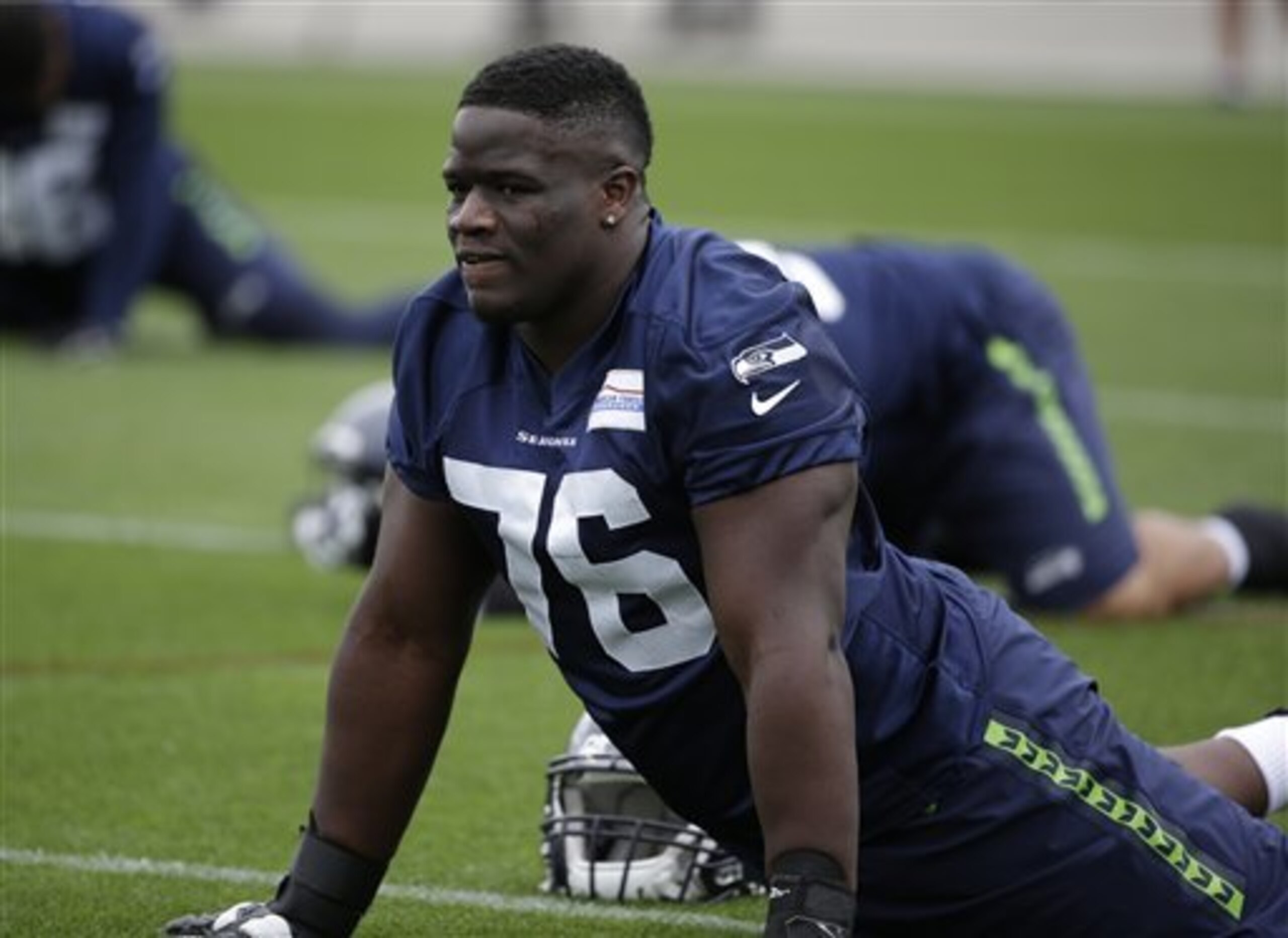
The Seattle Seahawks had an obvious need for an offensive lineman capable of stepping in Day 1 and starting as the 2016 NFL draft began. After landing Texas A&M’s Germain Ifedi with the final pick of the first round, they immediately decided he’d move from right tackle to right guard. The athletic specimen stands 6’6” and 325 pounds, and stood out because of his tremendous ability to move smoothly for a lineman.
Upon his arrival in Seattle, Ifedi could have been discouraged that he’d no longer play tackle. But according to Ifedi, per Gregg Bell of the News Tribune, when offensive line coach Tom Cable delivered the news, he was excited for the challenge. “He (Cable) came in and said, ‘Right guard in rookie minicamp,’” Ifedi said Friday. “I said, ‘Yes, sir.’”
It’s impossible to not love that mindset by Ifedi. He could have been upset since moving inside could affect his value in the future, but he took it in stride and understood that the switch was the best for the team. That’s the drive championship-level teams look for and demand from the top down in the organization.
All stats used are from Sports-Reference.com.
Ian Wharton is an NFL Featured Columnist for Bleacher Report.
.jpg?w=2560 "Titans Giants Football")
.jpg?w=2560 "Dolphins Bills Football")