
An Early Look at Potentially Historic RB Class in 2017 NFL Draft
The 2017 NFL draft is still a long way from commencing, but evaluators and fans don’t need all that time to recognize how unique and special the talent could be. In terms of depth, running back is the most intriguing positional group since the 2014 wide receiver class. By the time the nation’s best running backs are eligible for the 2017 NFL draft, this could be a historic class once they start producing as professionals.
Even as early as last November, there were discussions over whether teams should pass on drafting a running back in 2016 because of the deep crop next year. That doesn’t happen unless the talent is that overwhelming. And at this point in time, there are at least 10 draft-eligible backs who will be in the running for the first or second round.
Some of the big names may drop off in favor of sleepers throughout this season. Let’s dive into the eight studs—plus four more names—to watch this fall in advance of the 2017 draft.
Dalvin Cook, RB, Florida State
1 of 9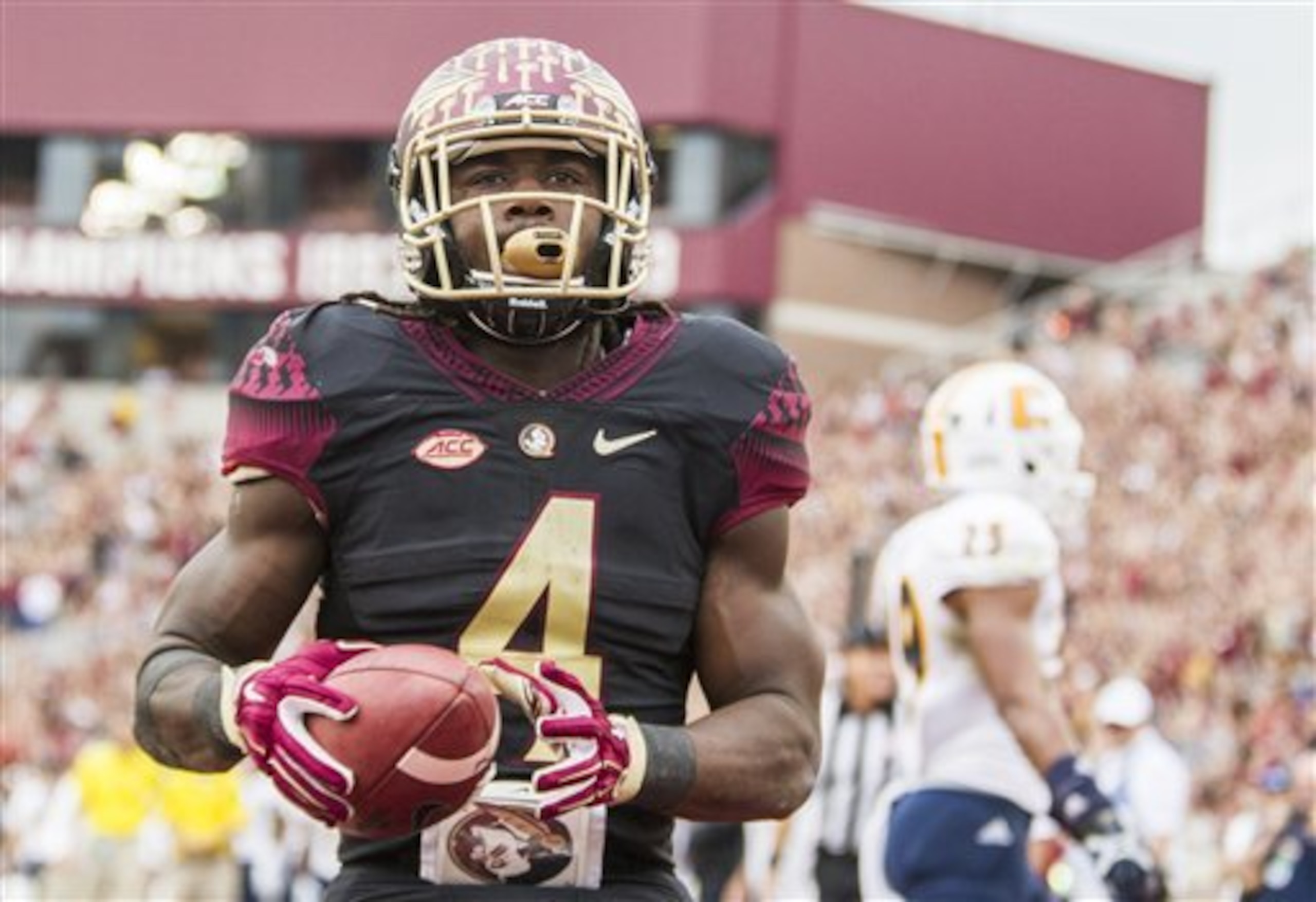
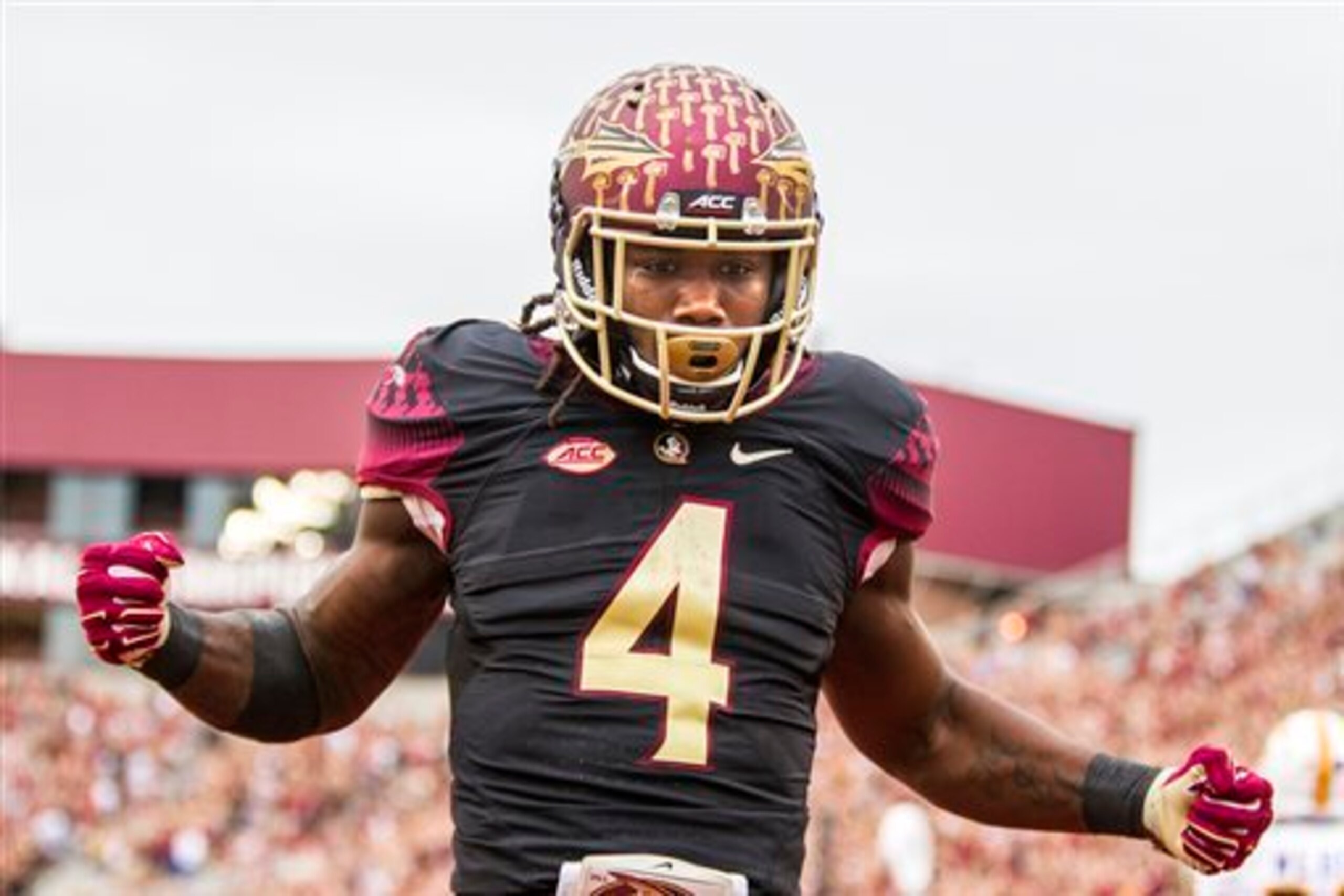
The most explosive and well-rounded running back who could be in the 2017 NFL draft is Florida State’s Dalvin Cook. The 5’11”, 206-pounder has the rare combination of elite speed, short-area burst, elusiveness and vision. It’s not easy to peg a favorite in such a potentially historic class, but Cook is my top back at this point.
Cook has posted back-to-back 1,000-yard seasons in his first two seasons with the Seminoles and figures to again be the workhorse for this offense. His 1,691 rushing yards and 244 receiving yards in 2015 were filled with big plays that Cook created with little space to work with. He’s capable of changing the game no matter how many times he touches the ball.
Since he’s not reliant on his sheer power for wearing down defenses, Cook gets the nod over more physical backs as a potential No. 1 pick. With his subtle footwork and shiftiness in tight crevices, he rarely allows defenders to deliver clean and big hits.
Cook also contributes in the passing game. Last year, he averaged 10.2 yards per catch and hauled in a touchdown through the air. He’s a true three-down back with his experience in pass blocking and receiving out of the backfield. Any team would immediately benefit from adding Cook to the offense.
Christian McCaffrey, RB, Stanford
2 of 9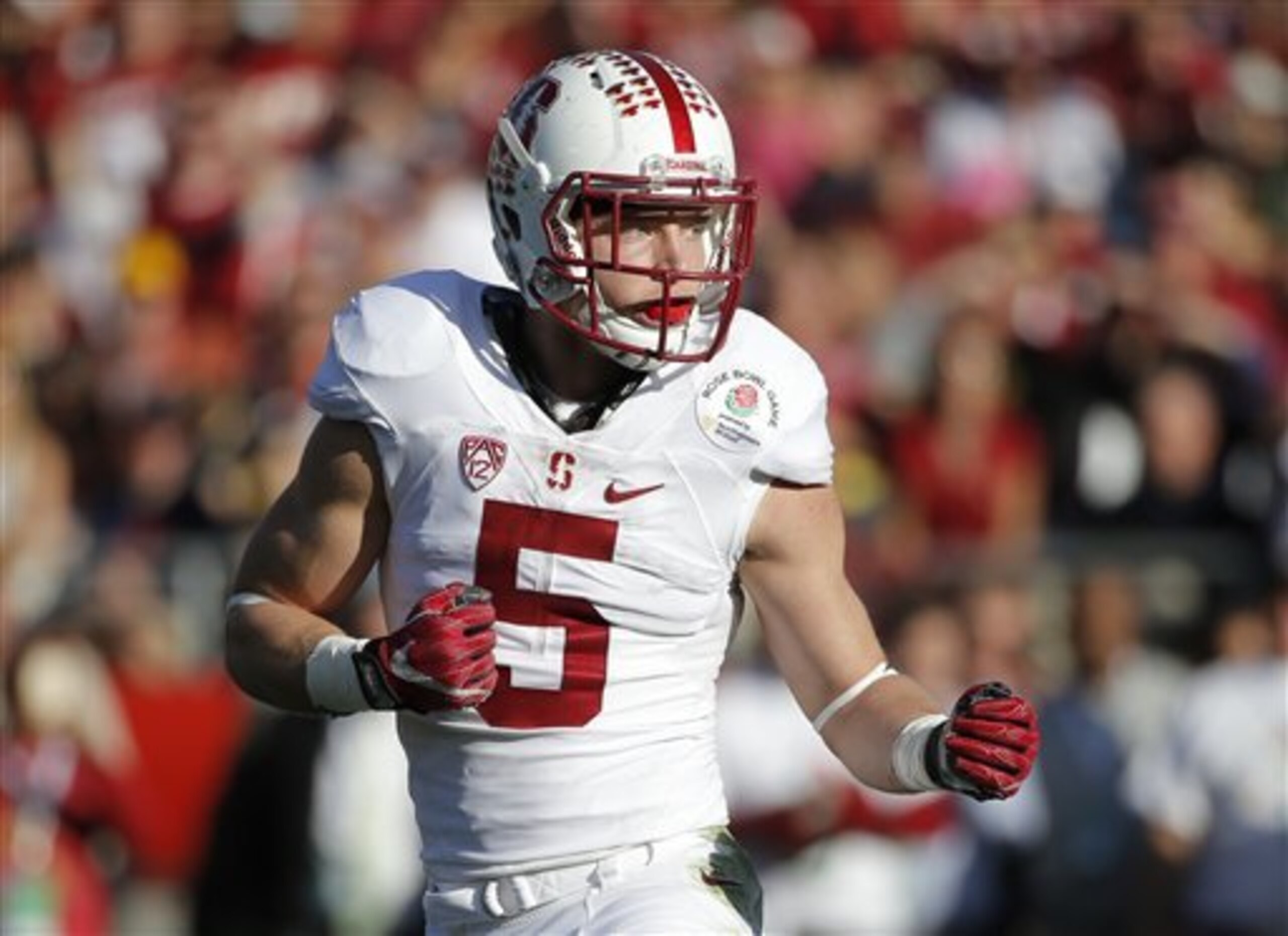
A stud sophomore who broke out with 2,664 total yards from scrimmage in 2015, Stanford running back Christian McCaffrey perfectly fits the modern NFL. For years, there have been quality sub-package running backs like Darren Sproles and Danny Woodhead who impacted the game in limited touches. Rarely has there been someone that explosive with that build who could handle being the focal point of the offense.
The 6’0”, 197-pound McCaffrey has the potential to be the ultimate playmaker in the NFL. He’s not as thickly built or physically imposing as some of the others on this list, but he is productive and unique. His quickness, acceleration and ability to make defenders miss in open space are as good as any prospect since Reggie Bush left USC.
In an era when creating mismatches with every-down players is becoming more difficult and valuable, McCaffrey is arguably the easiest prospect to project in the NFL. Whether he’s in the backfield taking 15-20 carries per game or lined up at receiver, McCaffrey is a legitimate home run threat every play.
He’s the type of player an offense will build around because he’s so dynamic and versatile. He eclipsed 100 yards rushing in 11 of 14 games and broke 200 yards in three of those matchups in 2015. That doesn’t happen by accident in a deep and talented Pac-12 conference.
Nick Chubb, RB, Georgia
3 of 9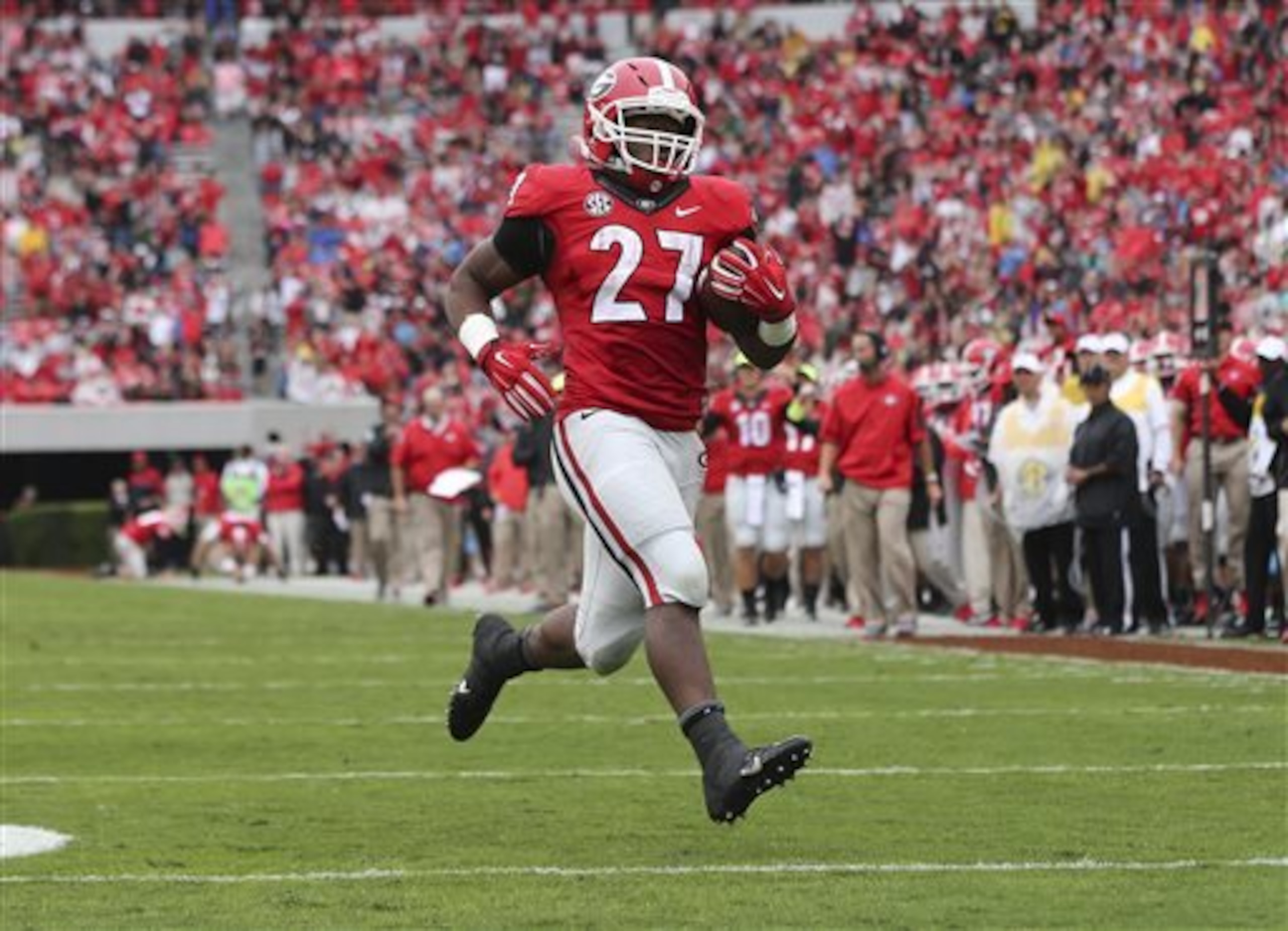
Although injuries are a part of every sport, every season one or two gruesome incidents shake the football landscape. Georgia superstar running back Nick Chubb suffered a horrifying knee injury last year that led to multiple ligaments needing surgery. According to Georgia head coach Kirby Smart via Anthony Dasher of Rivals, Chubb is on track to recover with his initial timetable, but the Bulldogs are taking it slow with him.
An electric runner who has accumulated 2,294 yards, 21 touchdowns and another 245 receiving yards in his two seasons with the Bulldogs, Chubb would be the top back in most draft classes. The 5’10”, 220-pounder moves well for his squatty build, showing the ability to cut in small spaces and manipulate defenders before they know he’s already setting them up.
He’s worth every bit of hype if he’s healthy.
ESPN draft expert Mel Kiper ranked Chubb as his 25th-best prospect for the 2017 class in his initial big board. He noted Chubb's size, speed and excellent vision as factors that make him stand out, even among his peers in this class. Georgia’s zone-blocking running game may return under new offensive coordinator Jim Chaney, but Chubb should do just fine in a more balanced offense as well.
Besides the injury situation, it’ll be interested to see how much of the workload Chubb will receive. Georgia has another talented back in Sony Michel. It’s unlikely the Bulldogs force the situation with Chubb before he’s ready to carry the offense.

.jpg?w=2560 "Eagles Titans Football")
Leonard Fournette, RB, LSU
4 of 9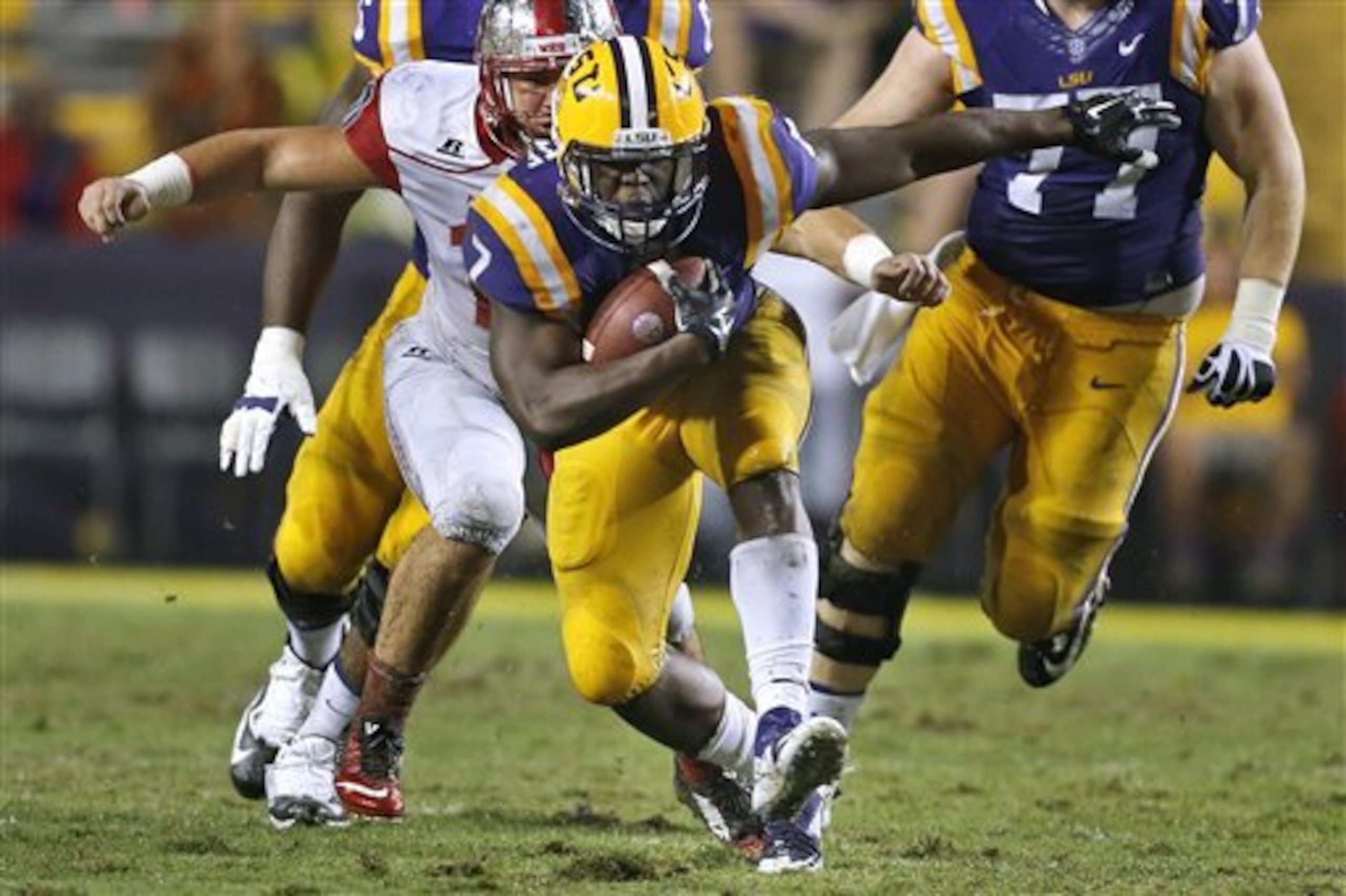
Possibly the most recognizable name in this class is LSU bruiser Leonard Fournette. He took a massive step forward from a solid freshman season with a freakish 2015 campaign. He totaled 1,953 yards and 22 touchdowns on the ground, with another 253 yards and one touchdown through the air.
Fournette isn’t just a typical plodding back who runs through would-be tacklers thanks to his size. He’s a high-motor player with the capability of handling the burden of an entire offense and maintain efficiency due to terrific leverage and balance. His fit in the NFL is especially intriguing, as defenses are becoming smaller to combat the pass-happy nature.
Fournette is a bit stiff in his hips, which shows when he’s met in the backfield. This caused San Diego Chargers running back Melvin Gordon to struggle as a rookie in 2015. Fournette is more naturally gifted as an athlete and power runner than Gordon, though.
A power-rushing attack that wants to get back to a physical style of offense would love Fournette’s talent more than a spread offense. Since this running back class is so deep and diverse, which back goes first will depend on the identity of the team. There may not a more punishing and reliable option than Fournette at this early juncture.
Elijah Hood, RB, North Carolina
5 of 9
Some star playmakers show their freakish talents earlier than others. For North Carolina running back Elijah Hood, he was destined to be a legitimate NFL prospect even as a high school recruit. He turned heads at Nike’s annual The Opening event in 2013, posting a 4.48 40-yard dash, 4.20 shuttle time and 36-inch vertical at 6’0" and 221 pounds.
Physically, Hood is the complete package at the position, and last year it translated on the field. He had 218 rushing attempts, as the Tar Heels couldn’t help but feed him. He finished the year with 1,463 yards and 17 touchdowns. Like some of the other players on this list, Hood moves at a different speed and more efficiently than even some starting NFL running backs.
NFL Media analyst Bucky Brooks sees a future No. 1 NFL running back in Hood, lauding his physical skill set and blend of power and speed. Hood may have the most potential of any back in college football considering his low usage and overwhelming tools that can still be refined. The Tar Heels have a bevy of playmaking wide receivers, but installing a new starting quarterback should give Hood the opportunity to be the focal point of the offense in 2016.
Samaje Perine, RB, Oklahoma
6 of 9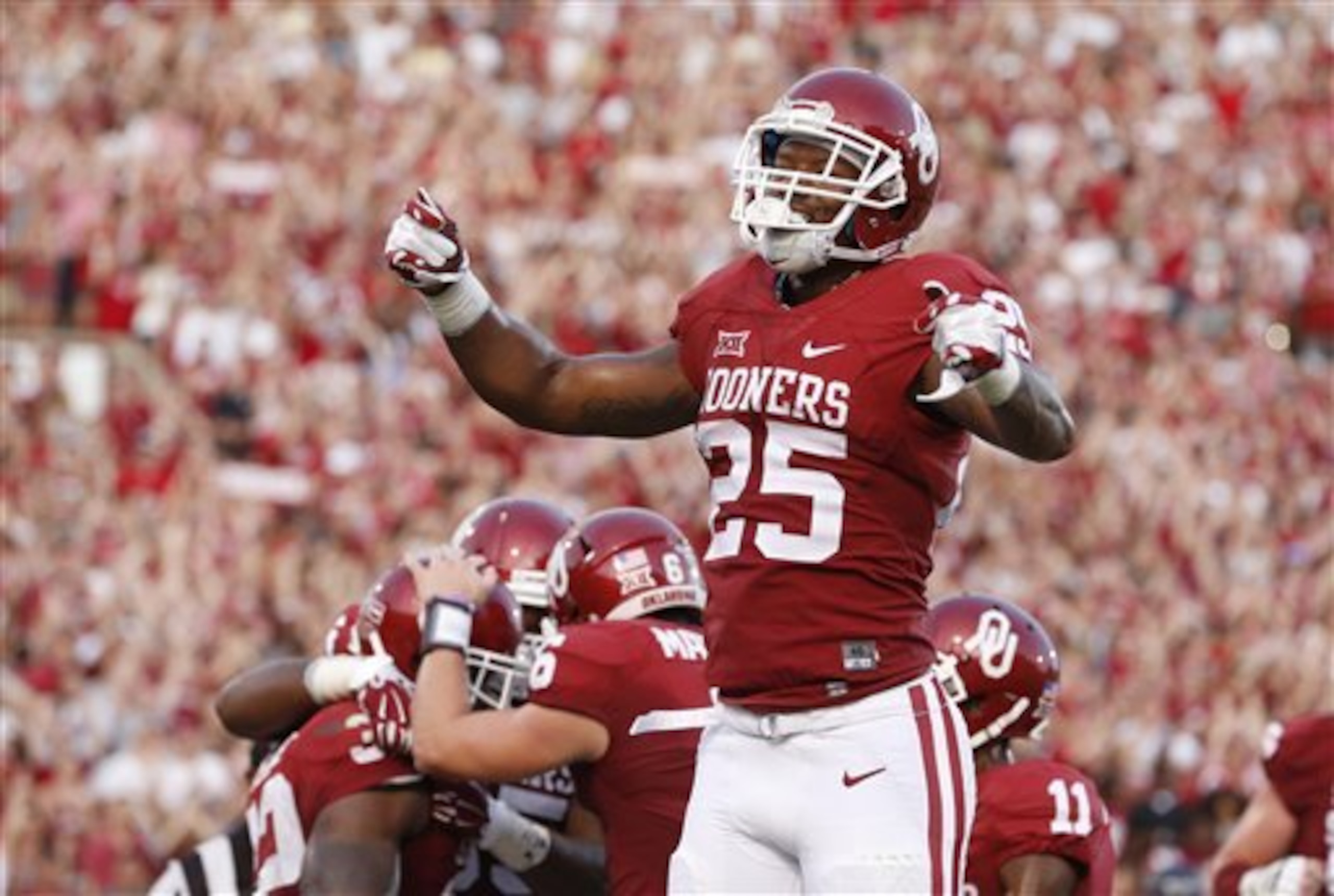
It’s uncommon to find big, bulky running backs who can sink their hips and move laterally, but those players have great value. The modern NFL tends to favor more traditionally sized backs, which is one reason why the unique look of Derrick Henry confused evaluators this past class. Oklahoma running back Samaje Perine could undergo a similar draft process as Henry did because his style doesn’t necessarily fit his look.
The 5’11”, 243-pound Perine has amassed 3,062 rushing yards over the last two seasons while also crossing the goal line 37 times. He’s a freight train with nimble enough feet enough to stutter-step his way through traffic. An ankle injury that required surgery in late 2015 and a hand injury midway through the year did slow him down, so durability is something to watch in his junior campaign.
A slow start to his sophomore season did raise some concerns about whether he was a fluke, but he finished last year with 90 yards or more in six out of seven games. His dominant three-game stretch against Baylor, TCU and Oklahoma yielded 485 yards and five touchdowns to help alleviate any doubts. If he can pick up where he left off last year, he could vault into the first round of the 2017 NFL draft.
Royce Freeman, RB, Oregon
7 of 9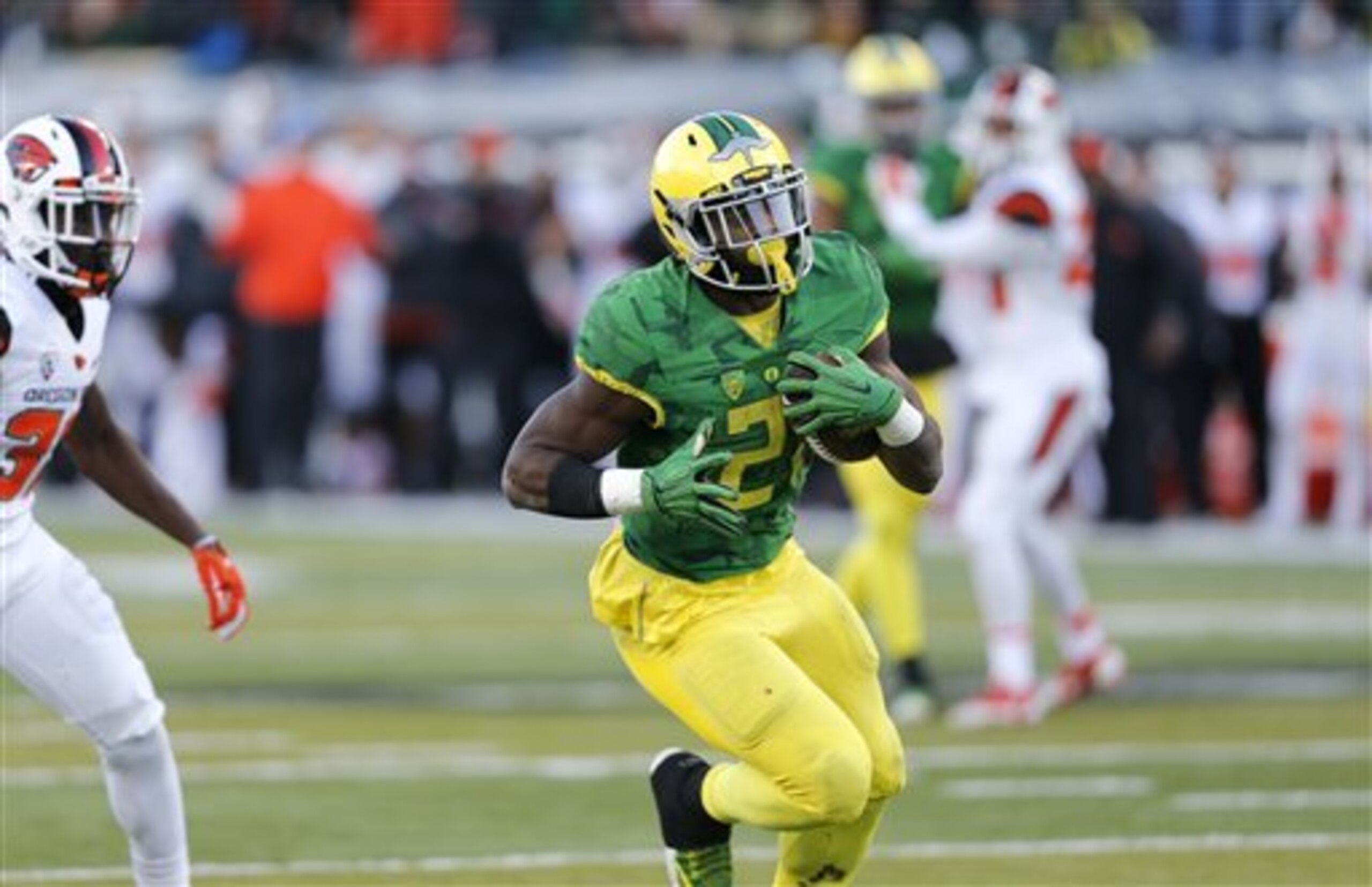
The most productive running back who hasn’t seen as much buzz is Oregon junior Royce Freeman. The 6’0”, 229-pound bruiser finished fourth in the country with 1,838 rushing yards and an additional 348 receiving yards. He accounted for 19 touchdowns as a true sophomore despite playing with an injured quarterback and a more limited Ducks team than ever in recent memory.
Freeman eclipsed the 100-yard barrier in 11 of 13 games in 2015, showing dominance among his peers. There’s little question he’s an NFL back considering his ability to gain positive yards and create extra with his size. He’s not overly quick or speedy, but he’s smart and steady.
One concern with Freeman is his lack of flexibility and production against premier defenses. Both Utah and Michigan State kept him under 100 yards rushing in 2015 using the same strategy. They used their athleticism and speed to cut off inside rushing lanes, leaving Freeman dead in the backfield multiple times. That will be tough to overcome consistently.
Unlike his peers, Freeman is more of a system back than a transcendent talent. There’s nothing wrong with that, but it does mean he’ll likely be more valuable to a power-gap or inside zone running attack as opposed to a balanced or outside zone scheme.
Corey Clement, RB, Wisconsin
8 of 9
The hype came a little early for Wisconsin running back Corey Clement, who was expected to shine in 2016 as the undisputed starter. Without Melvin Gordon to steal carries, Clement had a clear path to be the next great Badgers runner. But an untimely sports hernia surgery and ankle injury contributed to his limited effectiveness last year.
At 5’11” and 217 pounds, Clement is ready to bear the weight of this offense as the nation’s top senior. He possesses great size to complement his quick feet and acceleration. He’s able to find cutback lanes in stride and maximize yards available despite not being overly powerful.
What makes Clement a name to watch is his ability to contribute to the offense on all three downs. His 2014 season was special even as a backup. He finished the season with 1,068 yards from scrimmage and 11 total touchdowns.
His role will grow, giving Clement the platform to star. His health may be the only thing that can slow him down this year.
Others to Watch
9 of 9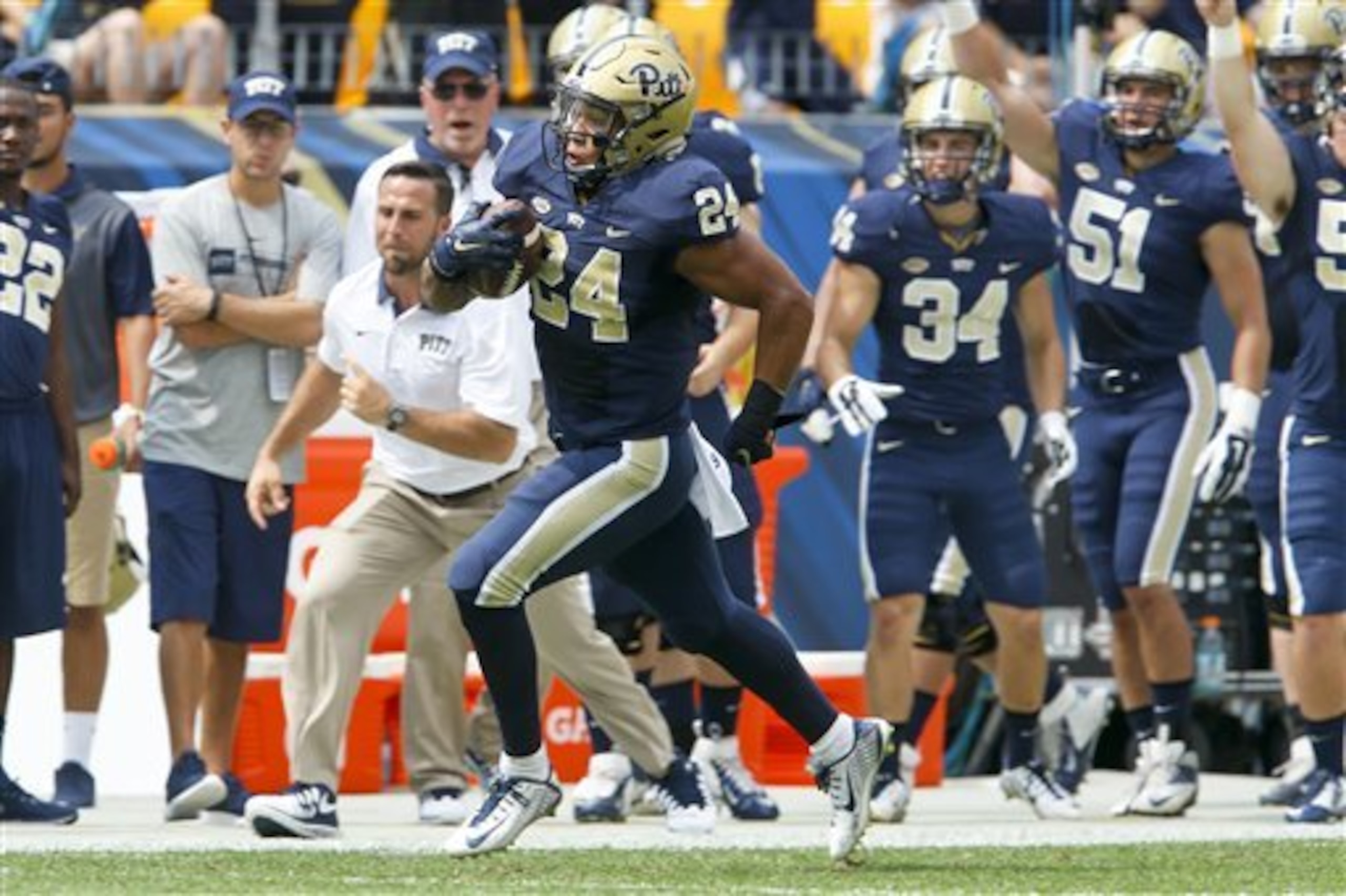
Sony Michel, RB, Georgia
The “other” Georgia Bulldogs running back is Sony Michel. The 5’11”, 212-pound junior struggled to start his 2015 campaign without a legitimate passing game to open running lanes. As he settled into the starting job, he looked more confident and explosive. He finished the year with 1,136 yards and eight touchdowns after a hot final five weeks of the season.
Since Michel is healthier than Nick Chubb at this time, it’s possible he earns the nod to start on opening day. He’s a rhythmic runner and good athlete. Don’t be surprised if he becomes a solid Day 2 prospect for 2017.
James Conner, Pittsburgh
Many things in life are more important than football, and Pittsburgh running back James Conner’s diagnosis of cancer was a reminder of that. According to NFL.com's Dan Parr, Conner's cancer is in recession and he’ll be on the field this fall. That terrific news also renews hope that the talented player will regain his status as a top running back.
Now a senior, Conner’s 6’2”, 240-pound frame will be put to test as he looks to maximize his NFL stock. His breakout 2014 season included 1,765 yards and 26 rushing touchdowns. He’s a powerful running back with elite size and strength for the position.
Jalen Hurd, Tennessee
The SEC had two of the biggest-statured running backs in recent history last season with Alabama’s Derrick Henry and Tennessee’s Jalen Hurd. The latter stands an impressive 6’3” and 227 pounds and plays almost identically to Henry. He’s strong but still fast when he has a clear running lane. He won’t make many defenders miss with his lack of wiggle, but it’s still rare to find players who are talented enough with the football at that size to stay at running back.
Hurd has averaged just 4.7 yards per carry throughout his career despite the workload. This is in part due to his limited supporting cast but also helps show his lack of explosion. Nevertheless, he projects to be a LeGarrette Blount or Brandon Jacobs-type back.
Marlon Mack, RB, South Florida
Tucked away in the American Athletic Conference at South Florida is running back Marlon Mack. The 6’0”, 205-pound back has almost literally carried this offense for the last two seasons and still produced at a high level despite defenses keying in on him. He increased his yards-per-carry average from 5.2 in 2014 to 6.6 in 2015.
With a total of 2,422 rushing yards and 17 touchdowns in the last two years, Mack is a legitimate NFL prospect as a potential starter early in his career. He’s possibly the biggest sleeper to sneak into Day 2 in the 2017 NFL draft class.
All stats used are from Sports-Reference.com.
Ian Wharton is an NFL Featured Columnist for Bleacher Report.