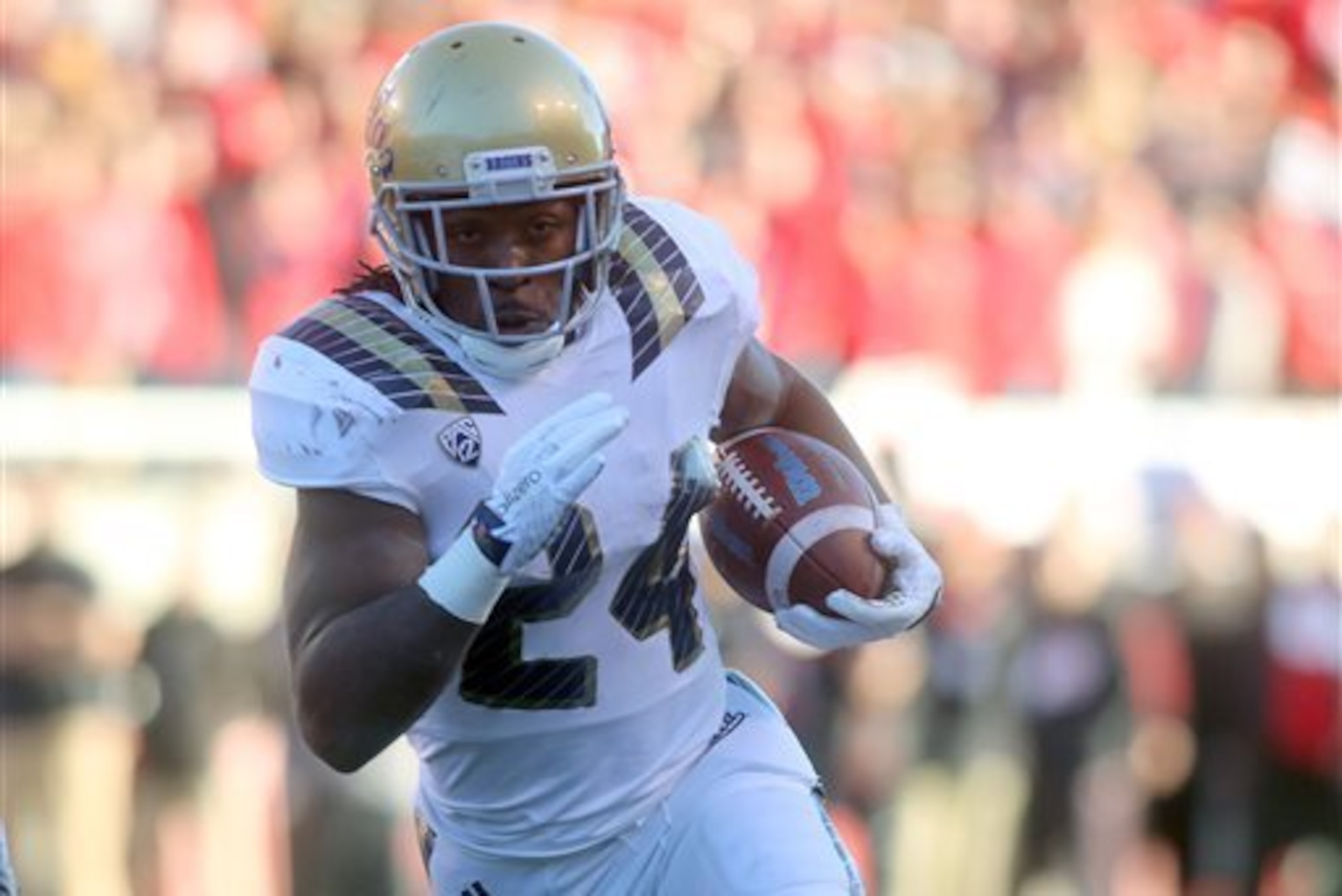

Late-Round Rookie Running Backs Who Could Surprise in 2016
Zac Stacy, Devonta Freeman and Karlos Williams are just three of the recent Day 3 running backs who have surprised as rookies early in their careers. The rise of late-round running backs has contributed to the devaluation of the position on draft day, as teams are counting on their late-round selections to at worst contribute situationally and, at best, challenge for the lead running back duties.
The 2016 class has eight running backs who, despite ending up as Day 3 picks, have awesome opportunities to contribute heavily as rookies, whether it’s in training camp, in the future or because of potential injury.
Tyler Ervin, Houston Texans
1 of 8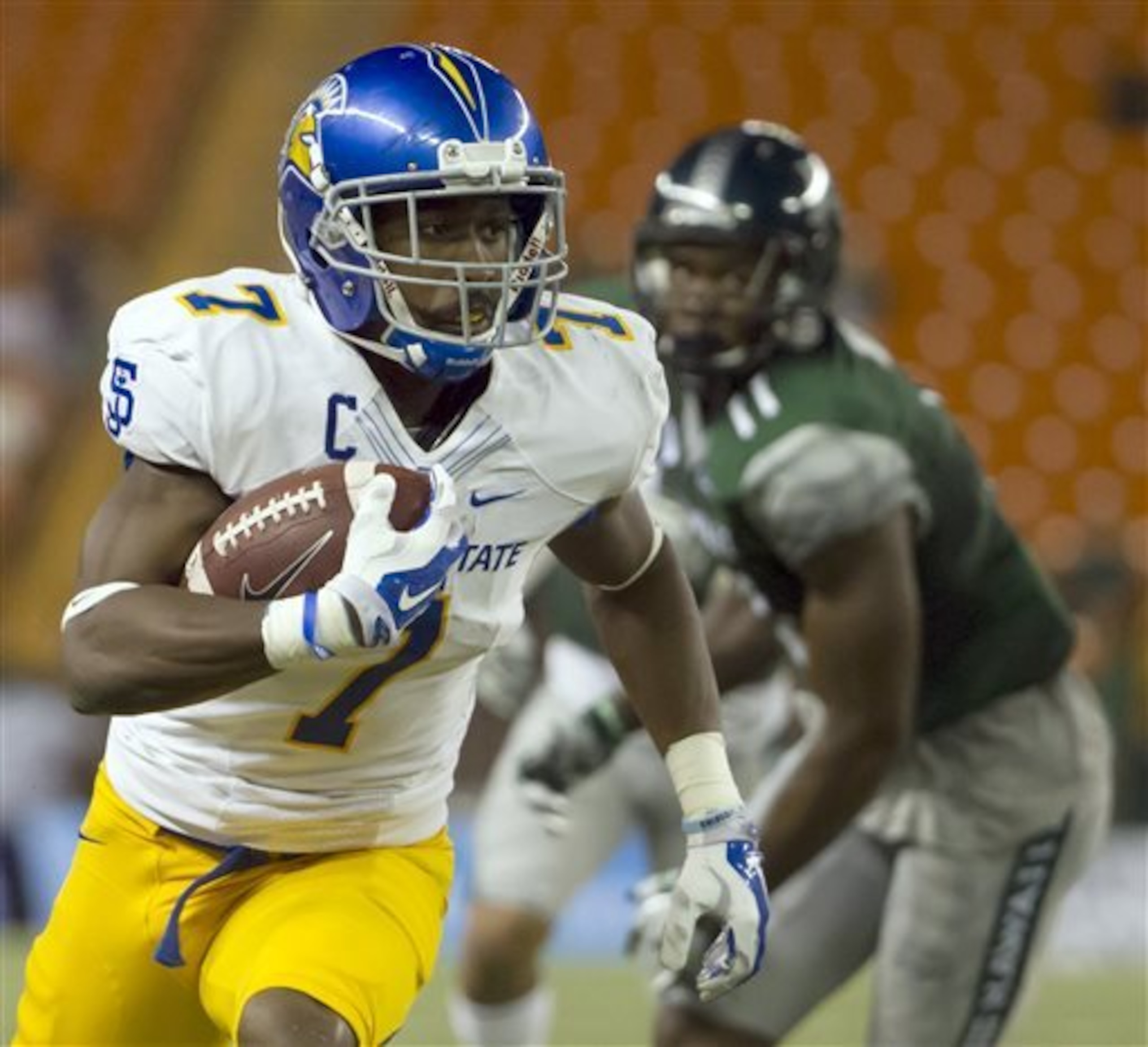
With Lamar Miller as feature running back and likely offensive catalyst until Brock Osweiler gets comfortable, Tyler Ervin won't get the lion's share of carries to start his rookie season. But with Ervin's awesome receiving ability and quick-twitch athleticism after the catch, he's likely in store for a rookie role.
Hailing from San Jose State, Ervin offers ample experience as a swing, screen and quick-slant running back route-runner, finishing away from his frame with reliable hands. And as one of the more elusive first-step backs in the 2016 NFL draft, Ervin was unsurprisingly the first third-down back taken on Day 3 of the draft.
Given Miller's injury history, Ervin should serve as a worthwhile change-of-pace back and potentially a much-needed backup for the 2016 season.
Kenneth Dixon, Baltimore Ravens
2 of 8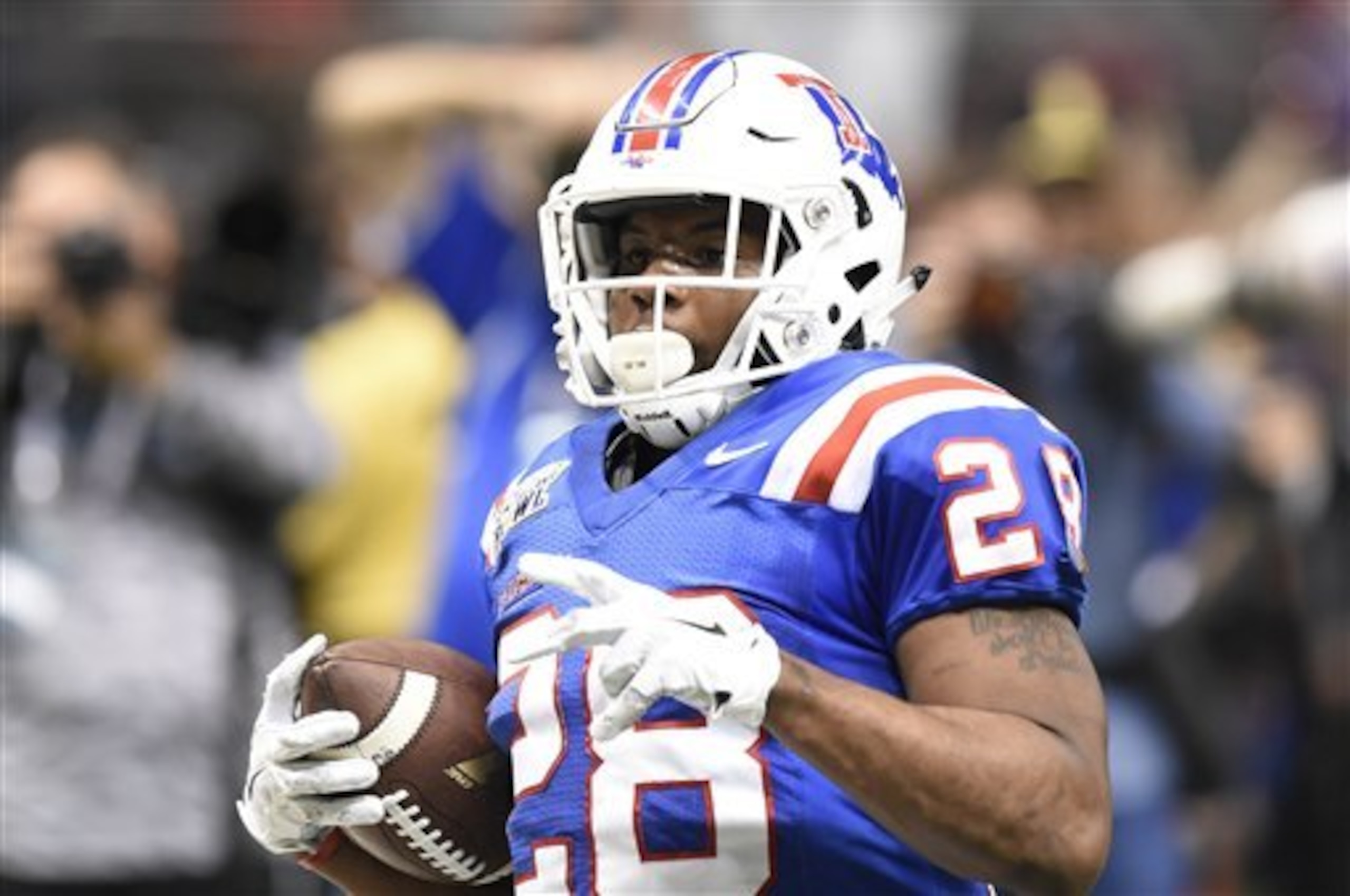
Touted as one of the 2016 draft class’ best running back prospects, Kenneth Dixon still slipped to the fourth round. However, in terms of team fit, he couldn’t have landed in a better position to both thrive in the offensive system and potentially emerge as the Ravens' feature back.
Justin Forsett is currently the starter, but considering his season-ending injury last year and his age (31 in the fall), it’s no lock he’ll be able to lead the team in carries throughout the year. Javorius Allen, Lorenzo Taliaferro and Terrance West will all be jostling for carries behind Forsett, but none is as talented as Dixon.
With his elite stop-start quickness and dynamic one-on-one elusiveness, Dixon fits the new model of speed running backs, and he should have a golden opportunity to emerge as the feature back in the future.
Devontae Booker, Denver Broncos
3 of 8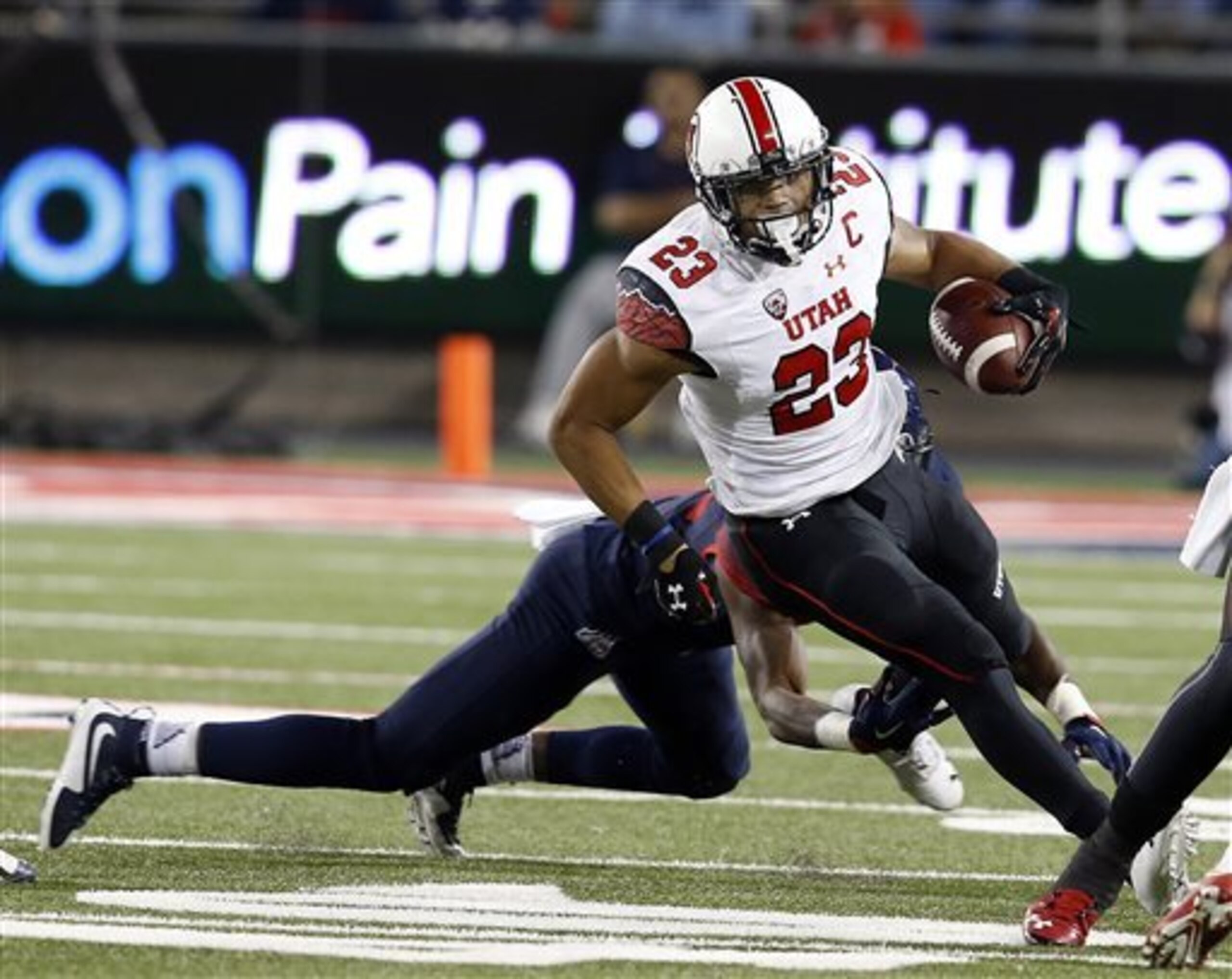
A do-it-all running back with awesome receiving and blocking upside, Booker enters a running back situation that is both cluttered and somewhat ripe for a feature back to take over. Head coach Gary Kubiak has made the most of a Ronnie Hillman and C.J. Anderson backfield, but neither has grown into a reliable, feature running back option.
Booker slipped a bit on draft day thanks to his relative age (will be 24) and minor injury history. But he possesses receiving and route-running experience, a decisive upfield running style and stop-start ability to take advantage on the perimeter. Reminiscent of Matt Forte, Booker has the skill set to cement a starting job in Denver.


DeAndre Washington, Oakland Raiders
4 of 8
Falling to the fifth round, DeAndre Washington is an undersized (5'8", 204 lbs) back from a spread passing attack who didn't show off his physicality or ability to generate speed under duress. However, that didn't stop the running back-needy Oakland Raiders from coveting him on draft day and likely putting him second on the depth chart.
There's not much depth behind injury-prone Latavius Murray, and Washington offers a different dimension than upright power running. With ample receiving experience in the Texas Tech offense and a persistent showing of quick-twitch running separation, Washington has the potential to both contribute on third down and eventually challenge for starter-level carries.
He has the chance to earn plenty of third-down carries early in his career thanks to his receiving experience and open-field elusiveness.
Paul Perkins, New York Giants
5 of 8
With a two-headed rushing attack led by Rashad Jennings and Shane Vereen, the Giants have a capable positional group that has proved effective and versatile for quarterback Eli Manning's offense. However, Paul Perkins has the skill set to offer feature-back reliability and big-play opportunity despite being a fifth-round pick.
The ultra-elusive Perkins repeatedly showcased the stop-start acceleration, open-field separation from linebackers and defensive linemen and speed to turn the corner on outside runs. While he tends to "dance" a bit in the backfield and doesn't offer power-running upside, Perkins is the most talented Giants running back now. He'll need a strong training camp to start stealing starter carries.
Jordan Howard, Chicago Bears
6 of 8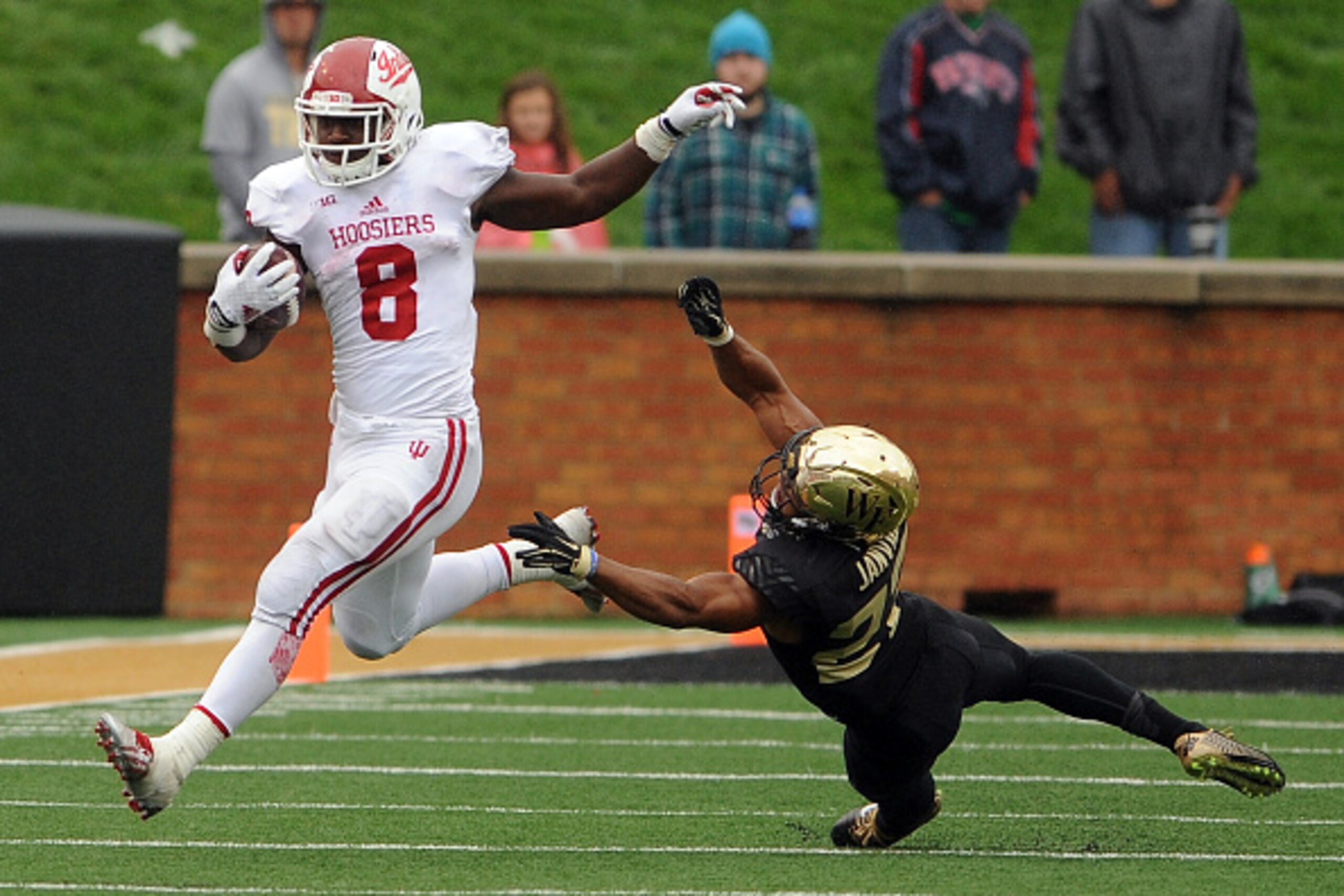
Letting Forte depart in free agency was a bold decision by the Bears, but they now have three recent draft picks competing for the starting position. Jeremy Langford surprisingly catapulted to the top of the depth chart last season with Forte's injury, but former Arizona Wildcat Ka'Deem Carey has a lot to offer and the size (5'10", 210 lbs) to be a starting-capable NFL running back.
But Indiana's Jordan Howard, the Chicago's fifth-round pick, also has the opportunity to emerge as the starting running back. Both Langford and Carey were also Day 3 picks, and neither offers the vision at the second level or physicality as a second-level runner that Howard does. He's behind the eight ball in terms of earning the coaching staff's trust, but he's as much in the starting running competition as Langford and Carey are when training camp starts.
Alex Collins, Seattle Seahawks
7 of 8
The second of two running backs the Seahawks drafted, Alex Collins is the more NFL-ready of the two. C.J. Prosise, the team's third-round pick, offers unique receiving/running back duality as a prospect but doesn't have nearly the polish at either position to contribute as a fill-in starter.
With Thomas Rawls flashing for just one season and his injury lingering from last year, the No. 2 running back spot on the depth chart is of utmost importance.
Collins surprisingly slipped to the fifth round, but he was among the most talented and second-level explosive running backs in the 2016 draft class. Similar in offensive scheme to Derrick Henry, Collins offered less bulk as a runner but more fluidity and speed adjustment.
He doesn't offer much as a third-down option and needs to be more of a finished product in his buildup to the line of scrimmage as a runner, but he was one of the most talented running backs in the 2016 draft class. I'm confident he'll be the team's leading backup to start the regular season.
Kelvin Taylor, San Francisco 49ers
8 of 8
The team's sixth-round pick, Kelvin Taylor has four other running backs to compete with in training camp. But as former Jaguars great Fred Taylor's son, there's reason for optimism.
He'll need to earn a spot over Shaun Draughn and DuJuan Harris, two runners who have been in the league for some time and are on the downswing of their careers. And current backup Mike Davis, from South Carolina and taken in the 2015 draft's fourth round, hasn't wowed nearly as much as expected in his career and has some lingering injury concerns.
Taylor didn't impress as an athlete in the predraft process and doesn't have game-breaking speed or elusiveness. But he's a short-area powerful runner who offers control, decisive footwork and efficiency as an interior runner. Given Carlos Hyde's foot injury concerns that kept him on the sideline for most of the 2016 season, Taylor, or whoever is the 49ers backup, will garner plenty of attention once the season begins.
.jpg?w=2560 "LA Premiere of \"Chad Powers\"")



.jpg?w=2560 "Ugly Jets Scoring Stat 😳")
.jpg?w=2560 "Landing Spots for Trade Candidates 📍")