NFL Draft 2016: Projecting the Top Rookie Team-Scheme Fits
After 253 draft selections and undrafted free agency, every team leaves the draft process confident in their picks and giddy with optimism to see their newly added long-term pieces on their roster. But as we know, not every prospect will have long-term success and, in reality, if more than a third of draft picks last in the league more than five years, it'd be a surprise.
One of the biggest reasons prospects succeed and fail is based on their eventual spot and whether the scheme and situation is or isn't conducive to that prospect's skill set. We've seen prospects like Morris Claiborne or Dion Jordan get drafted by teams based purely on talent, yet don't live up to expectations because they're not in a position to thrive.
These eight players, taken anywhere from the first through fifth rounds, all have a leg up on almost every other prospect in the draft because they're entering a team and coaching scheme that should allow them early NFL success and hope as a long-term NFL player.
Paxton Lynch, QB, Denver Broncos (1st Round)
1 of 8
The two most often used comparisons for former Memphis quarterback Paxton Lynch are Brock Osweiler and Joe Flacco, which is ironic considering that both of those passers have thrived when now-Denver Broncos head coach Gary Kubiak was at the helm of their offense. Lynch, who's a dynamic passer thanks to ideal arm talent, mobility for a bigger quarterback and a willingness to take chances, should be able to quickly adapt to Kubiak's play-action and vertically stretching offense.
While he won't be expected to start early with Mark Sanchez on the roster, Lynch isn't nearly as far away as some have made it seem. He needs drastic improvement on his footwork and mechanics and will have some adjustment from the Memphis offense to the NFL. But his skill set should allow Kubiak to put Lynch in comfortable positions as a mobile passer and vertically attacking quarterback, and it shouldn't surprise if Lynch is handed the keys to start before the end of the regular season.
Laquon Treadwell, WR, Minnesota Vikings (1st Round)
2 of 8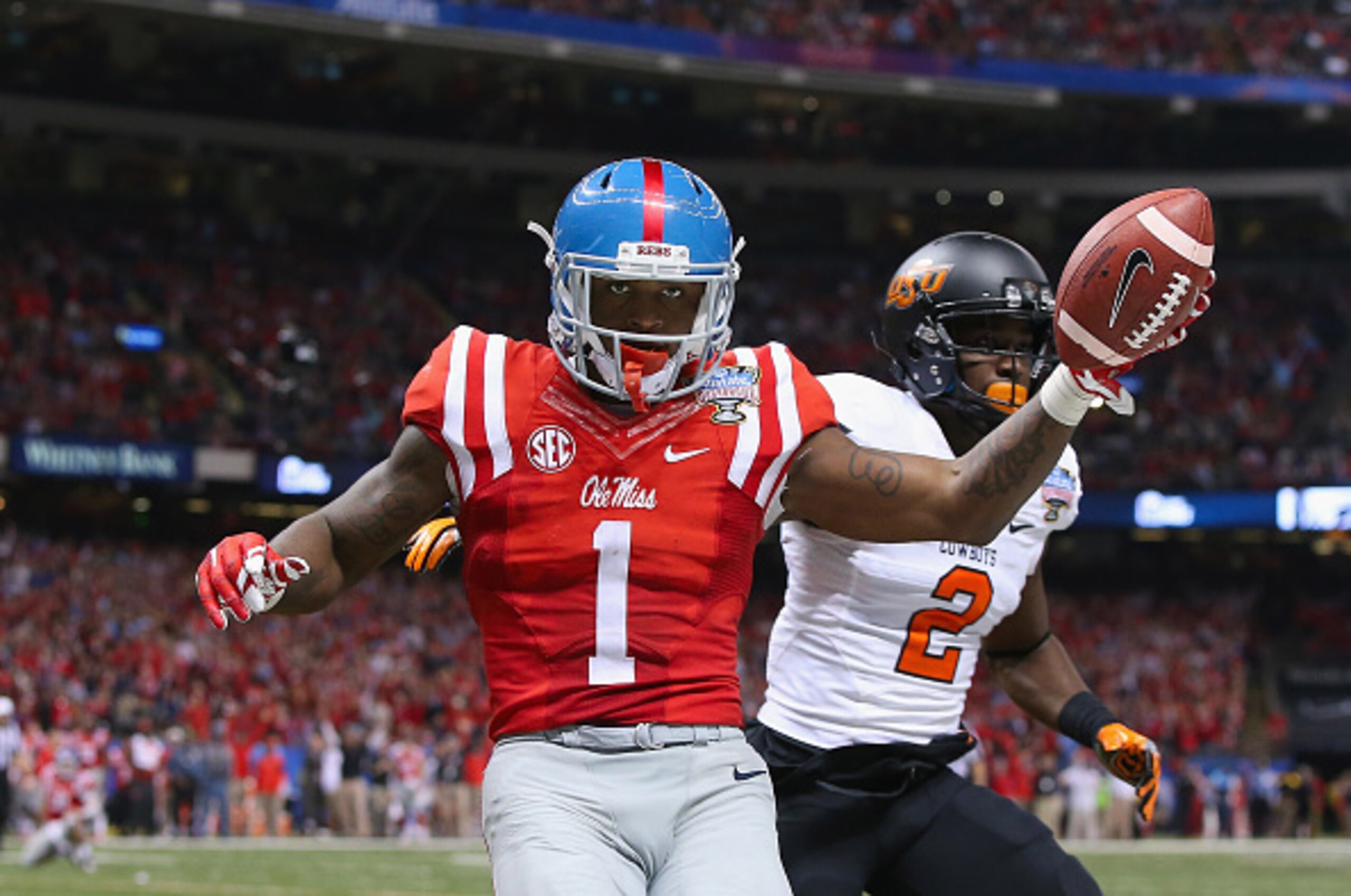
The Vikings' first-round pick, Laquon Treadwell from Ole Miss, was clearly drafted to aid Teddy Bridgewater's development as the Vikings aim to take this roster to a Super Bowl-contending level. Ranked as the top receiver on my board during the draft process, Treadwell fell to the 22nd overall pick thanks to concerns about his top-end speed after running a 4.65 40-yard dash at his college pro day.
But Vikings offensive coordinator Norv Turner should be able to get the most out of him thanks to Turner's experience with bigger receivers. Turner loves to build his offense toward big plays down the the field with underneath set-up routes and keeping a defense off balance as to when that vertical threat is coming. Despite his slower 40 time, Treadwell can certainly still offer that skill set for Bridgewater and Turner. With buildup speed and a threat to constantly win as a midfield target, Treadwell, as is customary in Turner's offenses, can lull a defense to sleep on underneath routes, setting up himself or new teammate Stefon Diggs for vertical opportunities.
Austin Hooper, TE, Atlanta Falcons (3rd Round)
3 of 8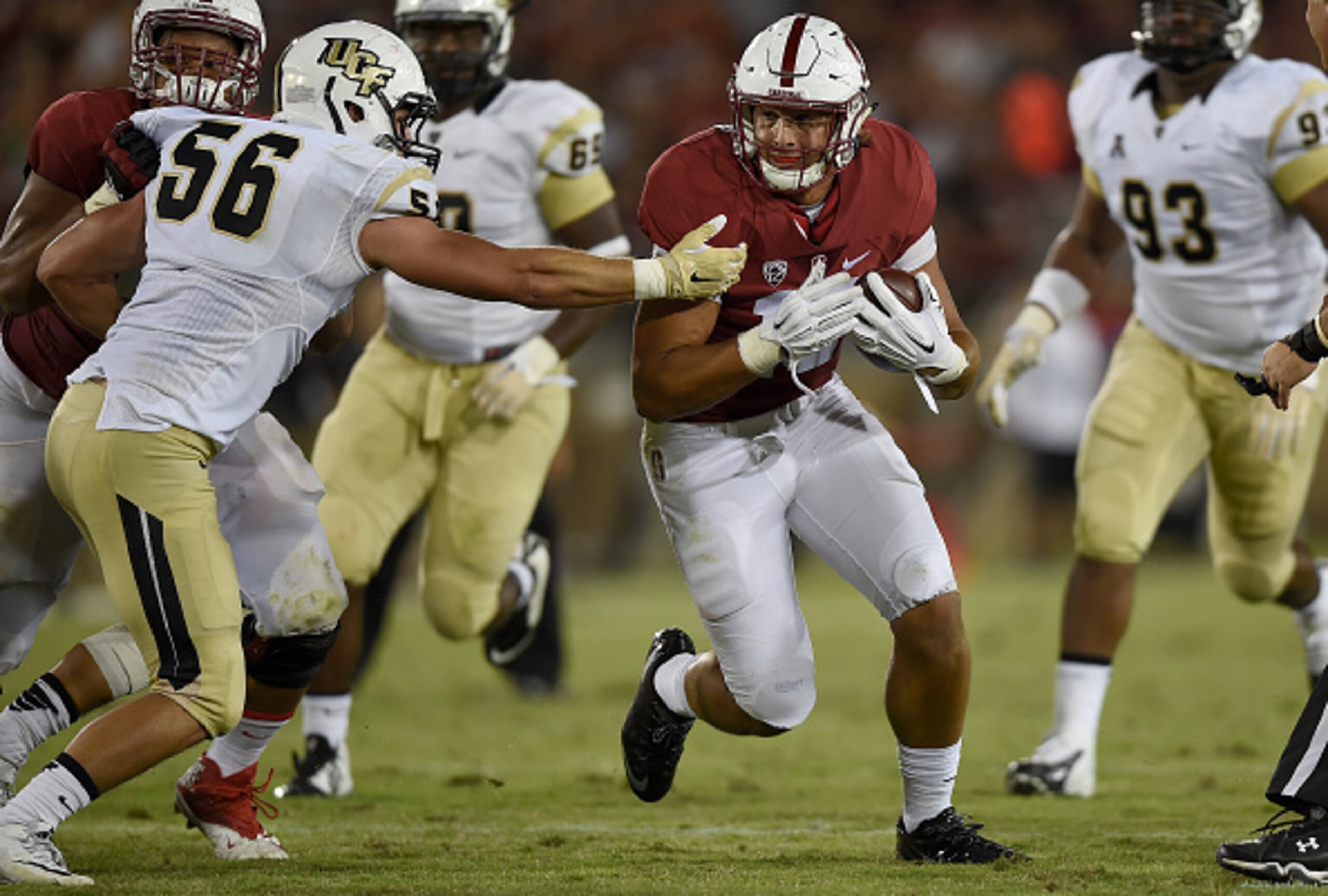
Since the retirement of Tony Gonzalez, the Atlanta Falcons have been searching for a viable pass-catching tight end to aid Matt Ryan in the seam and as a chess piece for the offense. Going to the Stanford well that has produced multiple starting tight ends in the league, Atlanta left the third round with Austin Hooper, arguably the best tight end prospect in the 2016 class.
Hooper is still lacking as a proficient blocker, as he still needs to bulk up and play with better interior blocking technique. But Hooper's natural catching and finishing ability under duress should allow him to contribute early as a tight end. Likely to be used situationally, Hooper's surprising route refinement on underneath throws, body control as a jump-ball receiver and experience working as a tight end, slot receiver and perimeter receiver all should allow him to find a home somewhere in the Falcons offense.

.jpg?w=2560 "LA Premiere of \"Chad Powers\"")
Le'Raven Clark, OT, Indianapolis Colts (3rd Round)
4 of 8
Le’Raven Clark wasn't highly rated for me on film because, despite four years of experience, he still struggled with interior rushers and hand positioning at Texas Tech. However, his college offense’s limitations in his experience and lack of ideal coaching development may have stunted his growth, and it’s tough not to be impressed by his lateral ability, length and finishing strength once engaged. Now removed from the quick passing, limited interior protection-needed offensive system, Clark can hopefully begin to blossom at the NFL level.
Landing in Indianapolis couldn’t have been a better opportunity. With Joe Philbin, known for developing later-round offensive linemen into quality starters during his time in Green Bay, as the Colts' offensive line coach, Clark won’t be rushed into the starting lineup but can grow as a right tackle or as a backup swing tackle in his rookie year. Andrew Luck needed offensive line reinforcements, and while he may have gotten quality depth or a fringe starter in Clark as a rookie, it's more likely Clark can grow as Luck’s featured backside protector for the rest of Luck’s career.
Jarran Reed, DT, Seattle Seahawks (2nd Round)
5 of 8
The powerful yet shocking laterally explosive Alabama defensive lineman surprisingly slipped to the tail end of the second round on draft day, but the Seattle Seahawks gladly scooped up Jarran Reed. While he’s not a pass-rusher or a dominant interior penetrator, two reasons why he likely slipped, Reed can offer rare run-defending upside and lateral control while engaged and while defending against more zone-blocking looks.
With experience in a multiple-front defense at Alabama, Reed should be able to slide into the more unique Seahawks defenses without many issues mentally or position-wise. In the Seahawks offense, Reed's experience and versatility as a nose, 3-technique and 5-technique will be put to use, as the Seahawks covet players who can run in multiple fronts without entirely changing personnel. Reed has the potential to grow into a better version of recently departed Brandon Mebane, and based on his surprising athleticism for a 310-pound interior lineman, he could be another Seahawk-like steal on draft day.
Myles Jack, OLB, Jacksonville Jaguars (2nd Round)
6 of 8
If not for a knee injury that gave likely every NFL team at least some pause in their decision to draft him, Myles Jack would have been a top-10 pick. Even more unique and despite that drop, if Jalen Ramsey didn’t slide into the Jacksonville Jaguars' lap, he still may have been a top-five pick on draft day. But as the draft unfolded, it became clear that some team would be getting an even more motivated Myles Jack on Day 2 of the draft.
Jack is the best coverage linebacker of the past decade, offering safety and nickel corner-like hip fluidity, positioning and confidence in coverage, and he’ll be able to add that rare wrinkle to Gus Bradley’s offense that no Seattle Seahawk was able to during his tenure. With their biggest need entering the draft being linebacker, the Jaguars fill that spot with the perfect rangy, fluid and physical linebacker that Bradley needed to complete his defense. And the Jaguars may have gotten a hungrier, more determined and more thankful prospect in Jack than anyone could have imagined before the draft unfolded.
Tavon Young, CB, Baltimore Ravens (4th Round)
7 of 8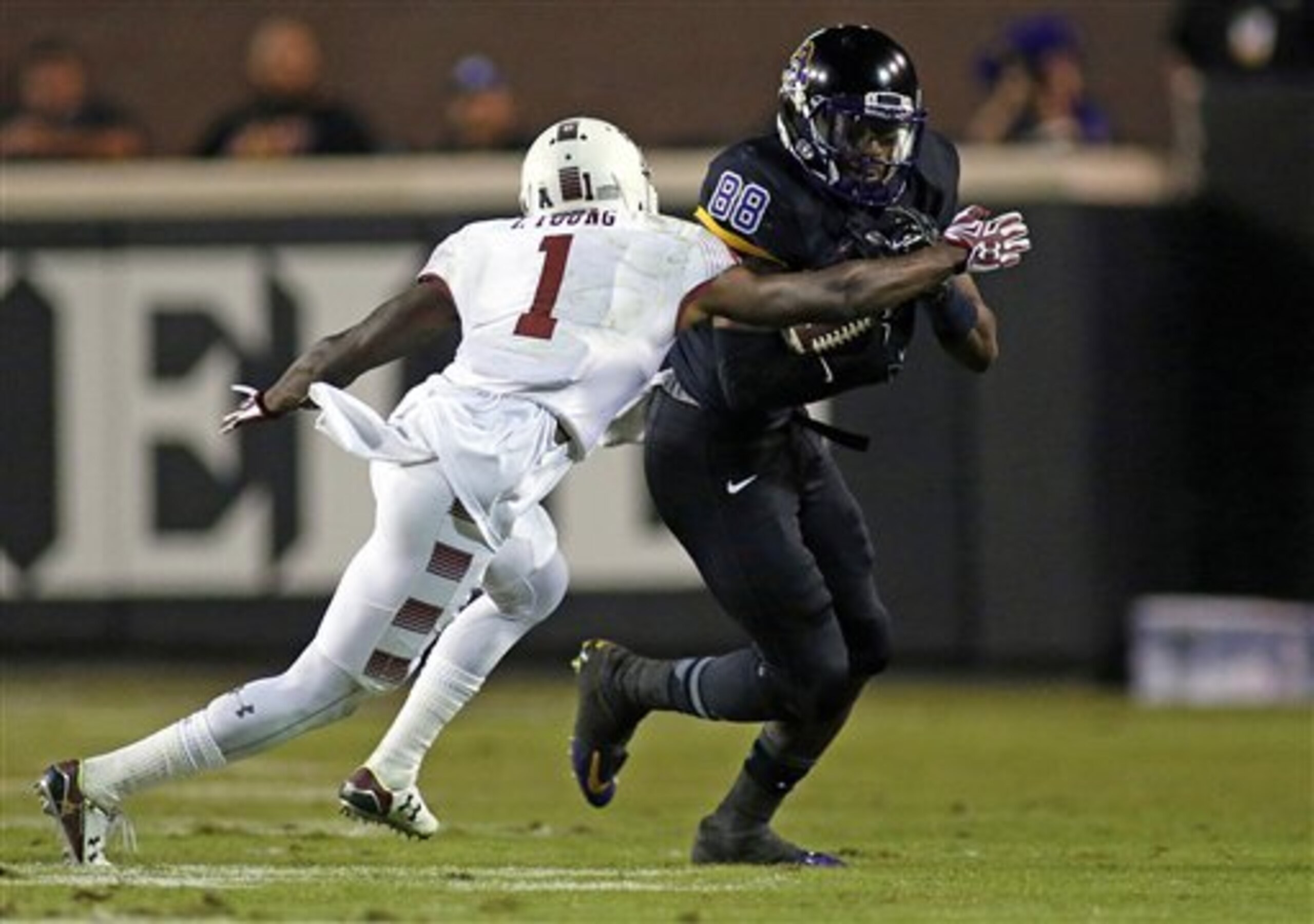
One of my favorite prospects throughout the draft process, the Baltimore Ravens scooped up arguably the 2016 draft's best slot cornerback and one of the most physical defensive backs in the 2016 class. Tavon Young has displayed efficient and powerful tackling, underneath coverage physicality and vertical coverage capability throughout his senior season, working well against the bigger receivers and tight ends in the AAC and shutting down Notre Dame's Will Fuller during the year.
The Ravens, who took advantage of their 2016 draft depth of picks to restock their defense, needed a long-term slot cornerback option on a defense working through an on-the-fly overhaul. Being a Day 3 pick, Young won't enter with too high of expectations, but it shouldn't take long for Young to slide into the feature slot cornerback role and begin slowing the speedy receivers in the slot in the AFC. He'll be needed against the dynamic Pittsburgh Steelers receiving weapons and the new stock of receiving talent in Cleveland early in his NFL career.
Keanu Neal, SAF, Atlanta Falcons (1st Round)
8 of 8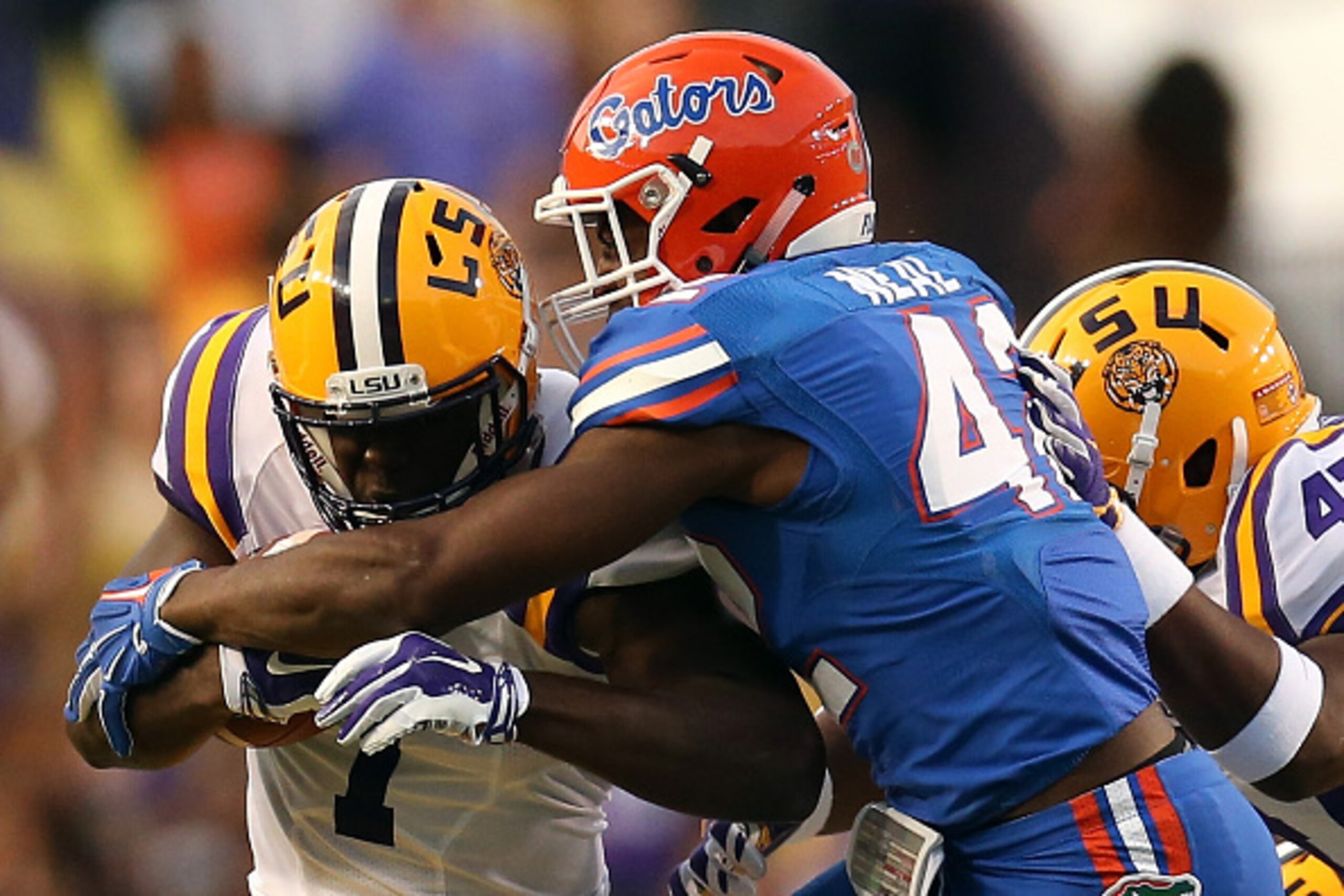
As Dan Quinn works to build his own version of the Seahawks defense in Atlanta, he's slowly adding similar talent and unique defenders to the Falcons roster every year. Finding the next Kam Chancellor is no easy task, but former Florida Gator Keanu Neal may be their attempt at replicating the hard-hitting yet mid-range-coverage-capable strong safety.
Neal is a big hitter, someone who has consistently been an enforcer on the Florida defense on the interior. He's still a bit reckless in running lanes or vertical coverage, but so too was Chancellor, both out of college and early in his Seattle career. But Neal, like Chancellor, plays with a controlled violence as a tackler, with a linebacker attitude in a laterally controlled safety's body, and Quinn will hope that comparison holds early in Neal's career.
.jpg?w=2560)


.jpg?w=2560 "Landing Spots for Trade Candidates 📍")