The Biggest Question for Top 25 Teams in the 2016 College Basketball Offseason
The 2015-16 college basketball season is in the past, and the next campaign doesn't start for almost six months. That leaves a lot of time in between for teams to worry and wonder about what lies ahead.
How do they replace departed stars? Could anyone else decide to leave during the offseason, or could someone who has declared for the NBA draft change his mind and come back to school? Has the team addressed all its needs through recruiting, or is an impact transfer worth exploring?
There are so many questions that will pop up during college basketball's long season, and each team has its own most pressing query. Using Bleacher Report's super-early top 25 for the 2016-17 season as a guide, we've identified the biggest one that each top school must be concerned with in the interim.
Nos. 21-25
1 of 21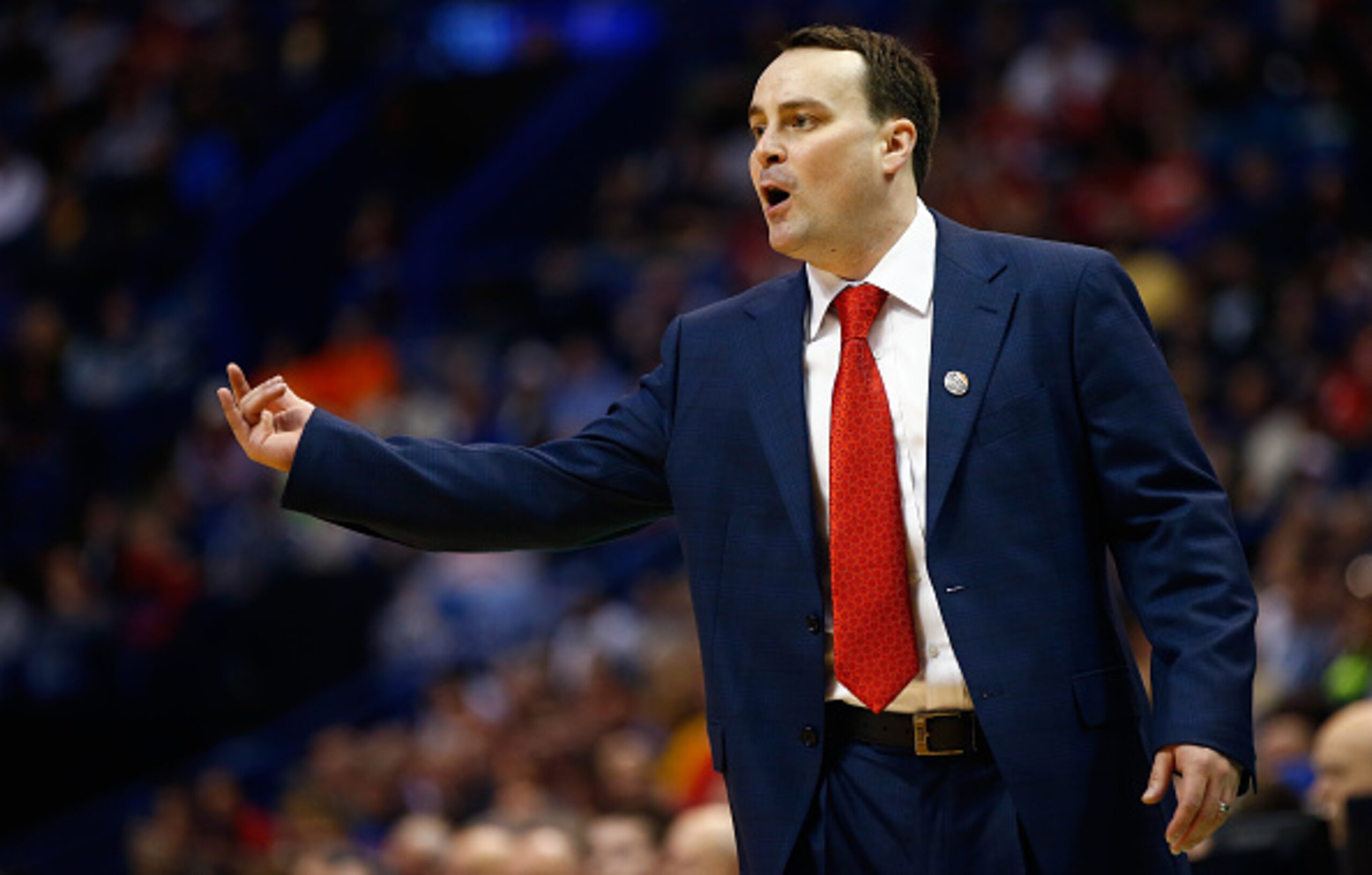
25. USC
The surprise transfer of guard Katin Reinhardt (along with three other reserves) has dampened some of the expectations for next season, but not as much as if guard Julian Jacobs decides to remain in the draft. The Trojans have a strong recruiting class coming in, led by guards De'Anthony Melton and Jonah Mathews, but their strength for 2016-17 was supposed to be experience.
24. SMU
Larry Brown will be 76 years old when the 2016-17 season, his fifth with SMU, is set to begin. He's the oldest coach in Division I, and he'll have been at this job longer than any since he spent six seasons with the Philadelphia 76ers from 1997 to 2003. Is there any worry that he might lose interest or wear down before next year, putting at risk all of the progress he's made with the Mustangs?
23. Seton Hall
He hasn't signed an agent, so Seton Hall is hoping Isaiah Whitehead will come back after his breakout sophomore year that saw him average 18.2 points and 5.1 assists per game. If he doesn't, that's a big production void that no single player may be able to fill, including Khadeen Carrington. His efficiency was slightly better than Whitehead's, but that's not saying much since Whitehead shot only 37.9 percent.
22. Syracuse
Michael Gbinije was a revelation this past season in his conversion to point guard, leading Syracuse in scoring (17.5) and assists (4.3) while shooting 39.2 percent from three-point range. Now his graduation along with Kaleb Joseph's decision to transfer leaves the Orange without a proven ball-handler. They're hoping 6'6” freshman Tyus Battle can be that guy, but since Joseph didn't pan out, there is uncertainty on relying on a first-year player.
21. Dayton
Coach Archie Miller got another contract boost this offseason; he's now signed through 2023 as Dayton hopes to keep him from jumping to a better job for as long as possible. His name regularly comes up anytime power-conference vacancies occur, and that figures to continue as long as he's there. Though Miller has just been extended, that doesn't mean the Flyers are safe from getting poached; the coaching carousel wound back up this past week with Josh Pastner going from Memphis to Georgia Tech and Tubby Smith leaving Texas Tech to take Pastner's place.
20. Purdue
2 of 21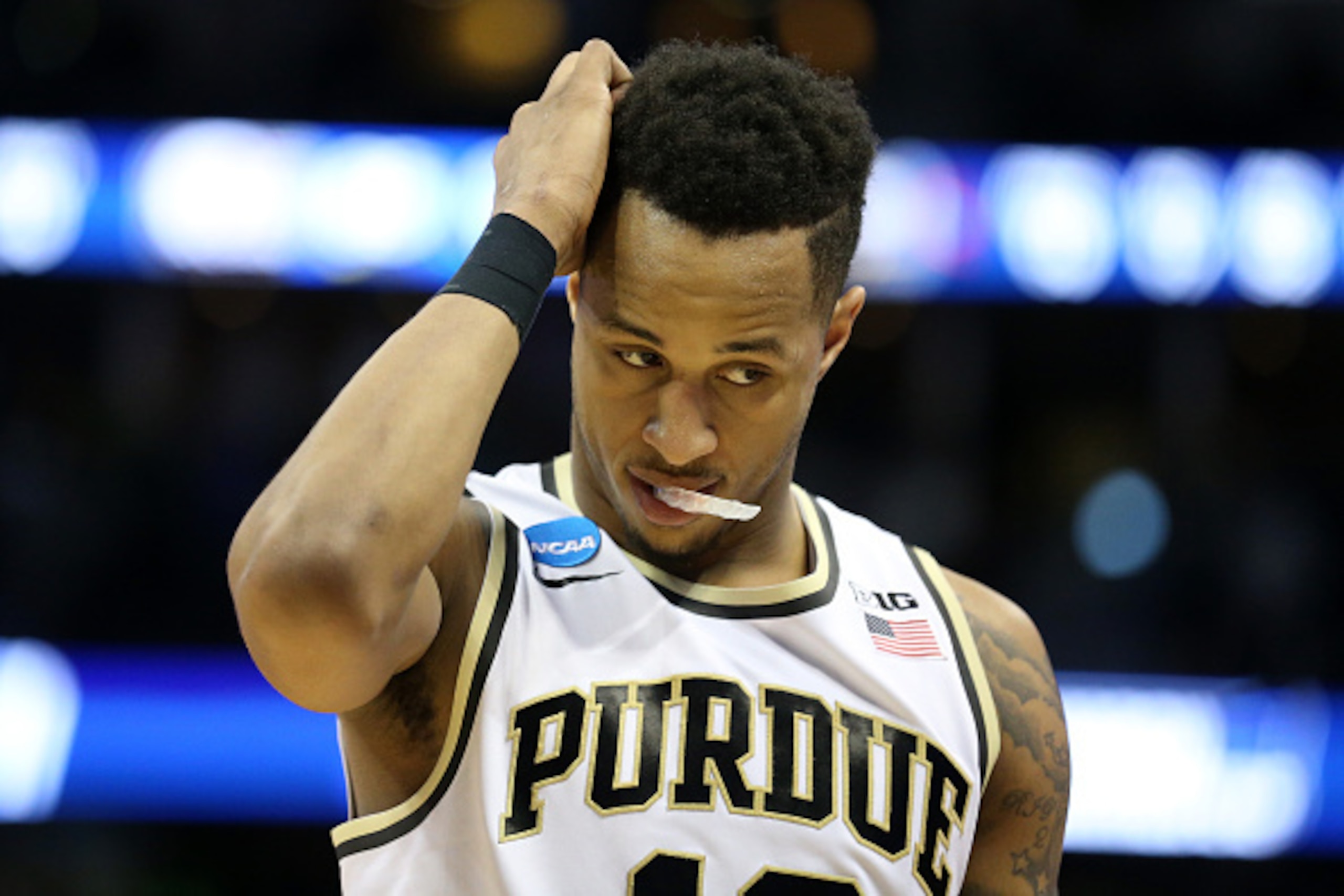
What if Vince Edwards doesn't return?
Purdue should be able to withstand losing Caleb Swanigan if the freshman decides to stay in the draft. The same can't be said if Edwards stays in the draft, not with Rapheal Davis, A.J. Hammons, Johnny Hill, Jon McKeeman and Grant Weatherford also leaving.
Edwards was the glue that held the Boilermakers' frontcourt and backcourt together, a 6'7” forward who was second in scoring at 11.3 points per game and tops in assists at 2.9 per game. Purdue's inability to identify a primary ball-handler hurt it quite often last season, though Edwards helped keep it from being worse by recording the most assists on the team for the second year in a row.
Most experts expect Edwards to return to school: He's not listed on DraftExpress' top 100 prospects for 2016 but instead is the No. 54 pick for 2017. If his stock rises over the next month, though, a decision to remain in the draft could cripple Purdue.
19. Butler
3 of 21
Are there other Roosevelt Joneses on the roster?
He wasn't Butler's leading scorer, its best rebounder or the most graceful and athletic member of a lineup that averaged nearly 80 points per game. But there was just something about Jones' game that made him not just hard to describe but also impossible to replace.
Yet the Bulldogs would be best served to identify someone else on the team who can score, rebound, pass and defend in a manner that makes him able to take on all situations. At the very least, finding a slew of players who can collectively do all that is important for 2016-17.
Tyler Lewis can take on the ball-handling, redshirt Sean McDermott can pick up the slack on the boards, and George Washington transfer Kethan Savage could be the scorer among Jones' replacements in the backcourt.
.jpg?w=2560 "Seahawks Chiefs Football")


18. Texas A&M
4 of 21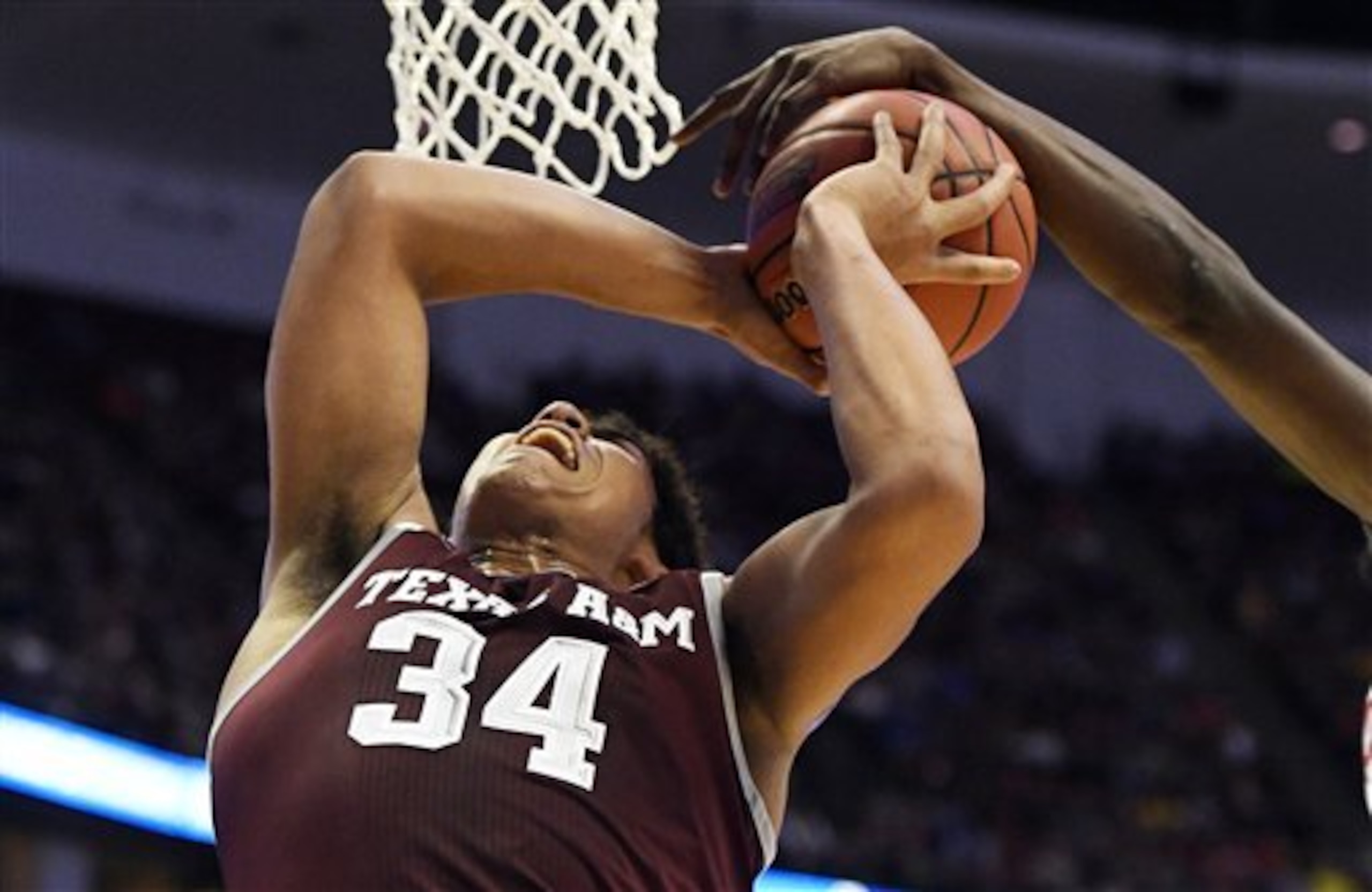
Can Tyler Davis be a go-to player?
The early returns were quite promising for Davis, who as a freshman averaged 11.3 points and 6.2 rebounds and shot 65.5 percent from the field. Texas A&M will need a lot more of that next season after the loss of leading scorers Danuel House and Jalen Jones.
Davis only took 6.4 shots per game last year compared to the 25.4 per game that House and Jones contributed. His production was effective but not frequent enough, something that should change in 2016-17.
"A&M needs to find a way to make the offense revolve around freshman post Tyler Davis," wrote 247Sports' Jeff Tarpley, noting how the 6'10” center has the soft hands to make developing an inside-out offense quite possible.
17. Connecticut
5 of 21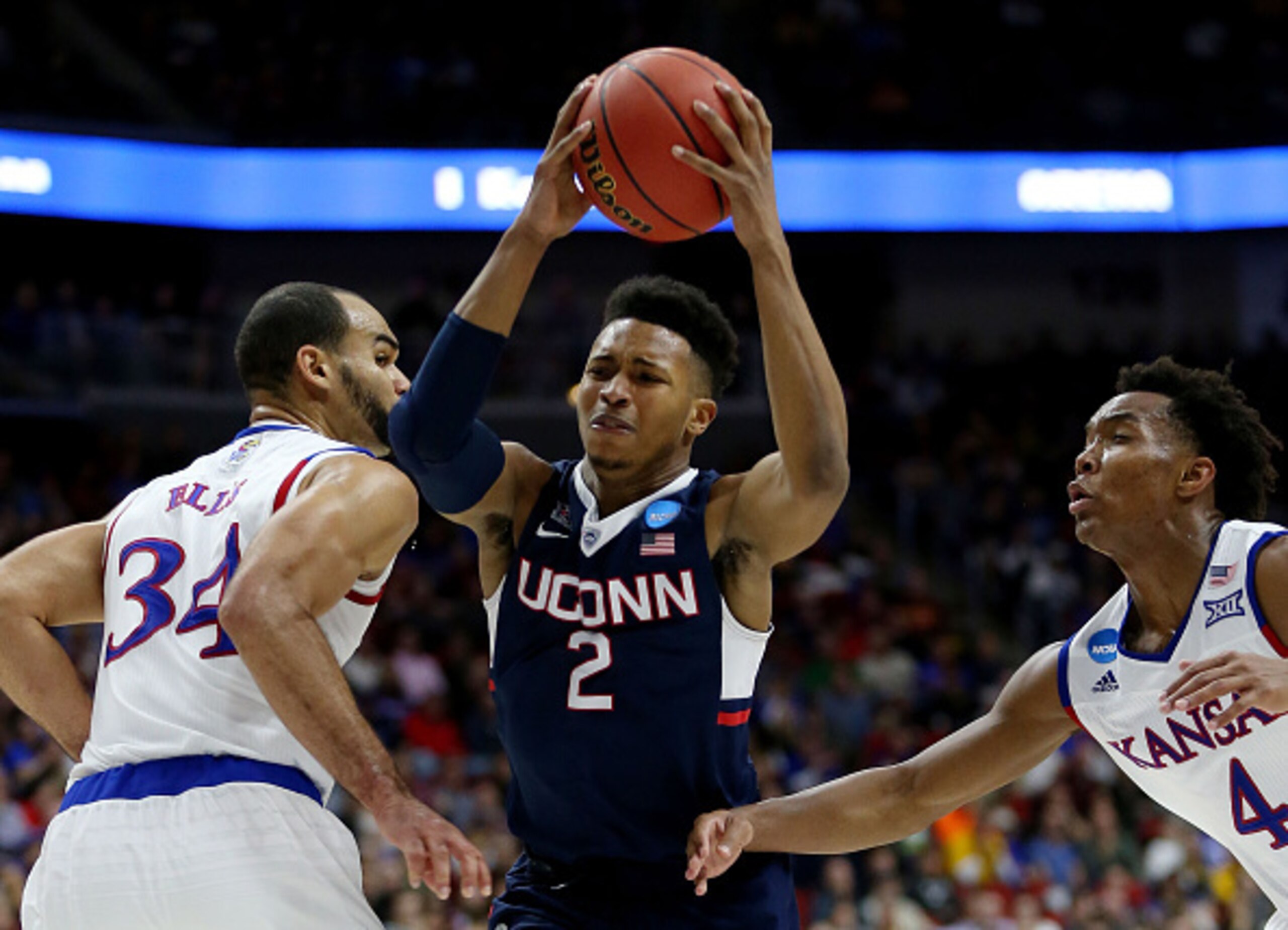
Can Jalen Adams take the next step?
Daniel Hamilton has signed with an agent, while Rodney Purvis and Amida Brimah have put their names in for the draft. Getting either or both of those last two players back for 2016-17 will be huge for Connecticut, but in reality the next season is far more dependent on the continued development of Adams.
The 6'3" guard was the Huskies' only impact freshman from last season, scoring 7.3 points per game but shooting 42.4 percent from the field. He should benefit from the arrival of 4-star guard Alterique Gilbert, who could allow Adams to move off the ball and focus on attacking the basket more.
His 22-point performance in the AAC tournament thriller against Cincinnati—not just the full-court shot that extended the game—and the 11-point, eight-assist game the following day showed what Adams is capable of. Now he needs to do it every night, not just on occasion.
16. Baylor
6 of 21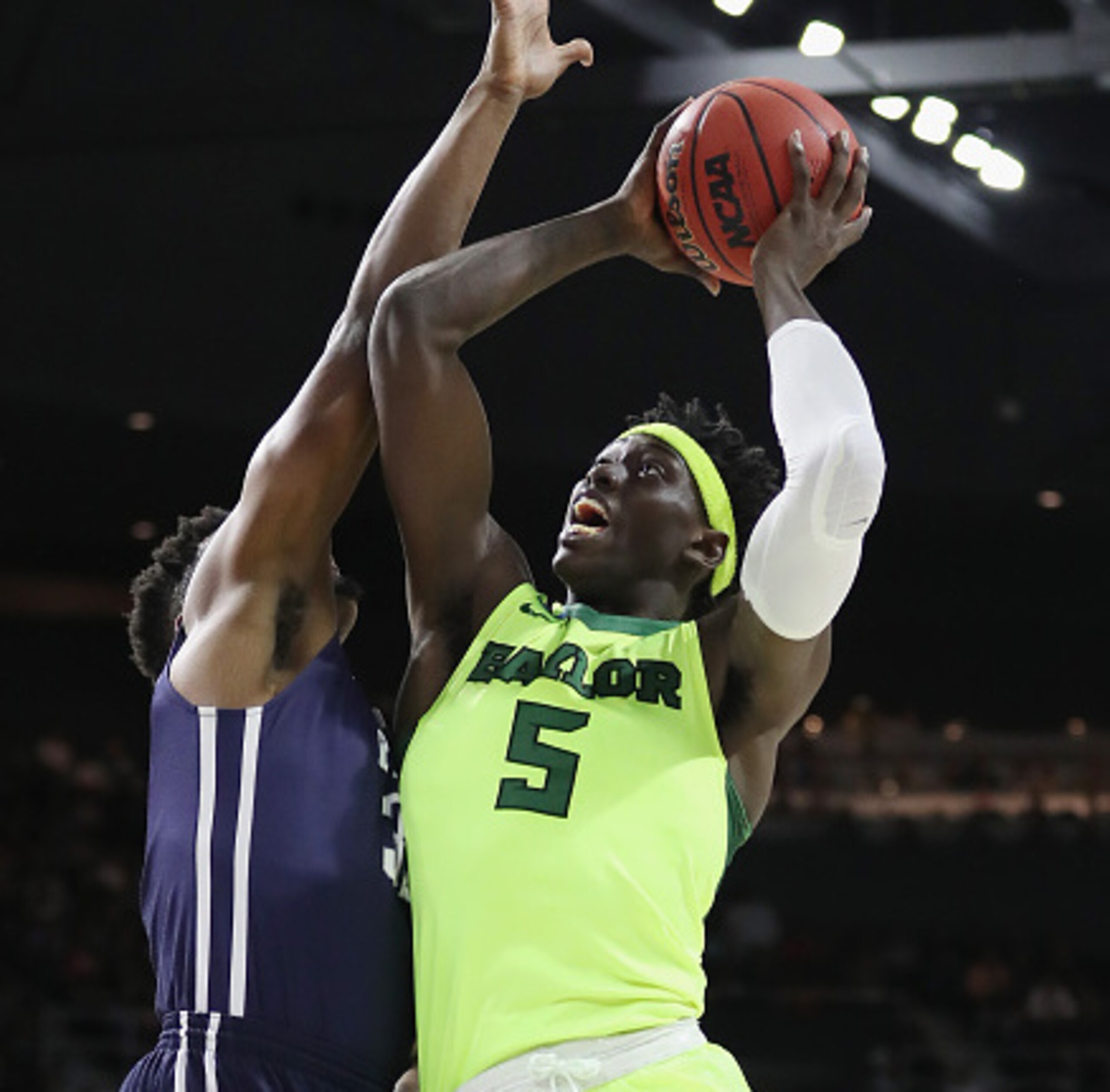
Who will rebound the ball?
Baylor's scoring and defense shouldn't suffer even with the graduation of Taurean Prince, Rico Gathers and Lester Medford, because what remains and what's getting added figure to be enough to keep those areas at a high level. Miami (Florida) transfer Manu Lecomte can take over in the backcourt alongside Al Freeman, while Johnathan Motley is a player on the rise up front.
But Motley alone might not be enough to fill the void of the biggest loss from Baylor's departures: rebounding. Gathers averaged nine rebounds per game including four offensive boards. His 18.5 percent offensive rebound rate was the best in Division I, while Prince pulled down 6.1 rebounds per game.
Motley is the top returning rebounder at 5.1 per game, followed by 6'5” guard Ishmail Wainright at 4.3. Those two had 136 offensive rebounds combined, just eight more than Gathers had on his own.
15. UCLA
7 of 21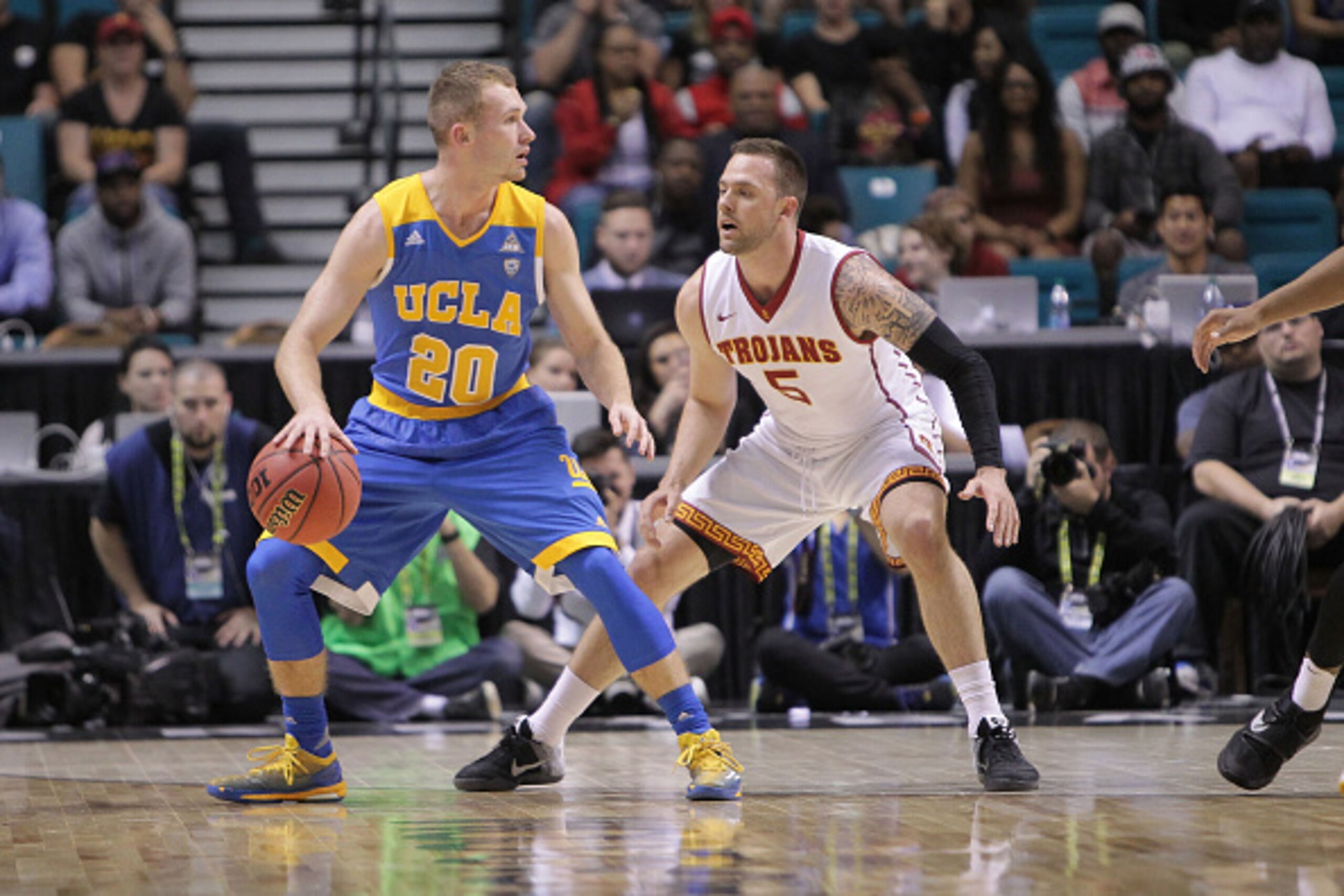
Will Bryce Alford accept a role change?
Whether it was the product of being the coach's son or because he truly was UCLA's best option for running the offense, the Bruins often lived and died by Alford's shooting and passing. He had UCLA's three highest-scoring performances in 2015-16 and also 13 games with at least six assists.
But with highly regarded point guard Lonzo Ball joining the program next season, Alford will likely move over from primary ball-handler to—like Isaac Hamilton—someone who is having others create for him. And it remains to be seen if he's going to be OK with that change.
"Right now they don't really have a set point guard, they don't really have that leader on the floor," Ball told Bleacher Report, a statement that might not sit well with Alford.
As Steve Alford's most prized recruit since coming to UCLA, Ball was a huge get. Now, we get to see if he and Bryce can play together, or if there will be conflict.
14. Arizona
8 of 21
Is there enough frontcourt depth?
Wednesday's commitment from guard Terrance Ferguson gives Arizona four 5-star pledges for 2016-17, three of which join a backcourt that returns Allonzo Trier, Kadeem Allen and Parker Jackson-Cartwright. The Wildcats might have the deepest group of shooters and ball-handlers in the country for next season, but it won't matter much if they can't find the right pieces up front.
Ryan Anderson, Kaleb Tarczewski and Mark Tollefsen have all graduated, taking with them 31.7 points and 22.4 rebounds per game. Dusan Ristic, who will be a junior next season, and sophomore Chance Comanche are Arizona's returners up front along with wing Ray Smith, who missed 2015-16 while recovering from a torn ACL.
Arizona also adds Lauri Markkanen, a 6'11” forward from Finland.
The Wildcats' depth in the paint was a major asset last season, but not having the same this time around could make for a significant flaw. The number of guards will make it possible to play small, but that might not work against every opponent.
13. Gonzaga
9 of 21
Can Przemek Karnowski return to form?
Inconsistent guard play plagued Gonzaga throughout this past season, contributing to numerous blown leads, most notably in the Sweet 16 against Syracuse. But just as impactful was the early loss of 7'1" center Karnowski, who appeared in only five games before getting shut down with a back injury that required surgery in late December.
A 62.2 percent shooter who paired perfectly with Domantas Sabonis in the paint, Karnowski wasn't as flashy or dominant as his teammate but still very reliable. And now with Sabonis and leading scorer Kyle Wiltjer headed to the NBA, Karnowski has to take on more offensive responsibility in 2016-17, assuming he is able to come back healthy.
"They said I’ll probably be able to start jumping in June, maybe late June, but it’s still three more months to see if everything goes well," Karnowski told Jim Meehan of the Spokane Spokesman-Review in February. "It might be up to seven, eight, nine months (from surgery date) before I start playing full speed."
If Karnowski isn't able to be the same player he was in the past, Gonzaga will be even more reliant on its backcourt. That lineup will be much better in 2016-17 with Washington transfer Nigel Williams-Goss becoming eligible, but the Bulldogs still need a frontcourt presence.
12. Wisconsin
10 of 21
Can Ethan Happ keep improving?
Some of Wisconsin's best players in recent years have seen their biggest jump in performance come between their sophomore and junior years. Frank Kaminsky became a star that third season after minimal impact his first two years, and Sam Dekker's junior year helped propel him into the NBA. Nigel Hayes' third year saw improved scoring but at a major cost to his efficiency.
The 2016-17 season will technically be Happ's third with Wisconsin, since the 6'8” forward redshirted his first year before averaging 12.4 points and 7.9 rebounds this past season. The question now will be if that was just a baseline, or if that's his ceiling.
Hayes and Bronson Koenig are just as important to the Badgers for next year, but we've already seen what they're capable of. Happ is just scratching the surface of his talent and figures to have a lot of room to grow, but it will be up to him and the coaching staff to bring forth this improvement.
11. Indiana
11 of 21
Can Thomas Bryant become more involved on offense?
Indiana scored a big-time win this month with Bryant's decision to return for his sophomore year. The 6'10” center was the Hoosiers' best interior defender, but instead of even giving the draft process a shot, he's committed to helping his school win a second straight Big Ten title.
"Bryant’s return ensures (coach Tom) Crean’s Hoosiers have a centerpiece player next season following the graduation of Yogi Ferrell," Zach Osterman of the Indianapolis Star wrote.
Now, Indiana can focus on getting Bryant to become a more complete offensive player, one who makes the most of his strong shooting ability close to the basket. He ranked fifth in Division I last year on two-point field-goal shooting at 70.7 percent, but in just 22.6 minutes per game he only attempted 10 or more shots in five of 35 games.
If Bryant is able to take on the role of the Hoosiers' top offensive option, or at least one of the best, he'll not only justify his return to school but also keep Indiana from dropping off in 2016-17.
10. Xavier
12 of 21
Will Trevon Bluiett test too highly to want to come back?
The NCAA's change to early-entry draft rules is being considered a boon for fringe NBA prospects who aren't sure if they have what it takes to play at the next level. By being able to declare each season, as well as come back to school multiple times, many players can learn what they need to improve on in the draft process.
But it also means some players who otherwise wouldn't have tested the waters under the old rules could end up leaving and not coming back when previously they would have stayed in school for at least another year. That's the case with Trevon Bluiett, Xavier's leading scorer and top three-point shooter this past season.
Bluiett isn't on many mock draft boards, but that could change if he excels during workouts and the draft combine. The Musketeers will be much better if he's still around in 2016-17, but they might not know if that's going to happen for another month. In the interim, any potential replacements (via the high school ranks or the waiver wire) could sign elsewhere.
9. Louisville
13 of 21
Will the self-imposed penalties satisfy the NCAA?
Louisville would have been no worse than a No. 5 seed had it been in the NCAA tournament last month, but its decision to self-impose a ban robbed players such as Damion Lee and Trey Lewis of a chance to play in the postseason. The move was made in hopes it would keep the NCAA from coming down hard on the program in light of allegations over recruiting violations, just as the decision to reduce scholarships and recruiting visits in the near future.
The idea was that if the Cardinals punished themselves enough, then that should be enough to satiate the NCAA, but there are no guarantees. And, frankly, there is no official timetable to find out if that's going to be enough.
The NCAA seems to have a different approach to each investigation; some are resolved quickly, while others (like the never-ending one for North Carolina) take forever. Until a resolution comes about, Louisville won't be able to rest easy and assume its scandal is in the past.
8. Virginia
14 of 21
Can the system be enough to overcome the talent loss?
Virginia fans were asked to trust the process when Tony Bennett was hired in 2009, to be patient as he slowly implemented defensive-minded system. It led to an NCAA bid in his third season, and by year five he led the Cavaliers to their first of two straight ACC regular-season titles and three consecutive years as either a No. 1 or No. 2 seed in the NCAA tournament.
The Final Four appearance hasn't happened yet, but Virginia has been close. Now, we'll see if this drive can continue after the most significant departure of talent the Cavs have had in Bennett's tenure.
Virginia handled the loss of Justin Anderson and Darion Atkins after 2014-15, but now it's saying goodbye to Malcolm Brogdon, Anthony Gill and Mike Tobey. Each was among the top five on the team in defensive rating, not to mention they were three of the top four scorers.
A talented recruiting class—the best one Bennett has had at Virginia—comes in with high praise, but it remains to be seen if those prospects are right for the system. More telling will be if point guard London Perrantes can continue to improve on the offensive end and if Memphis transfer Austin Nichols and redshirted forward Mamadi Diakite can keep Virginia at its previous level.
7. North Carolina
15 of 21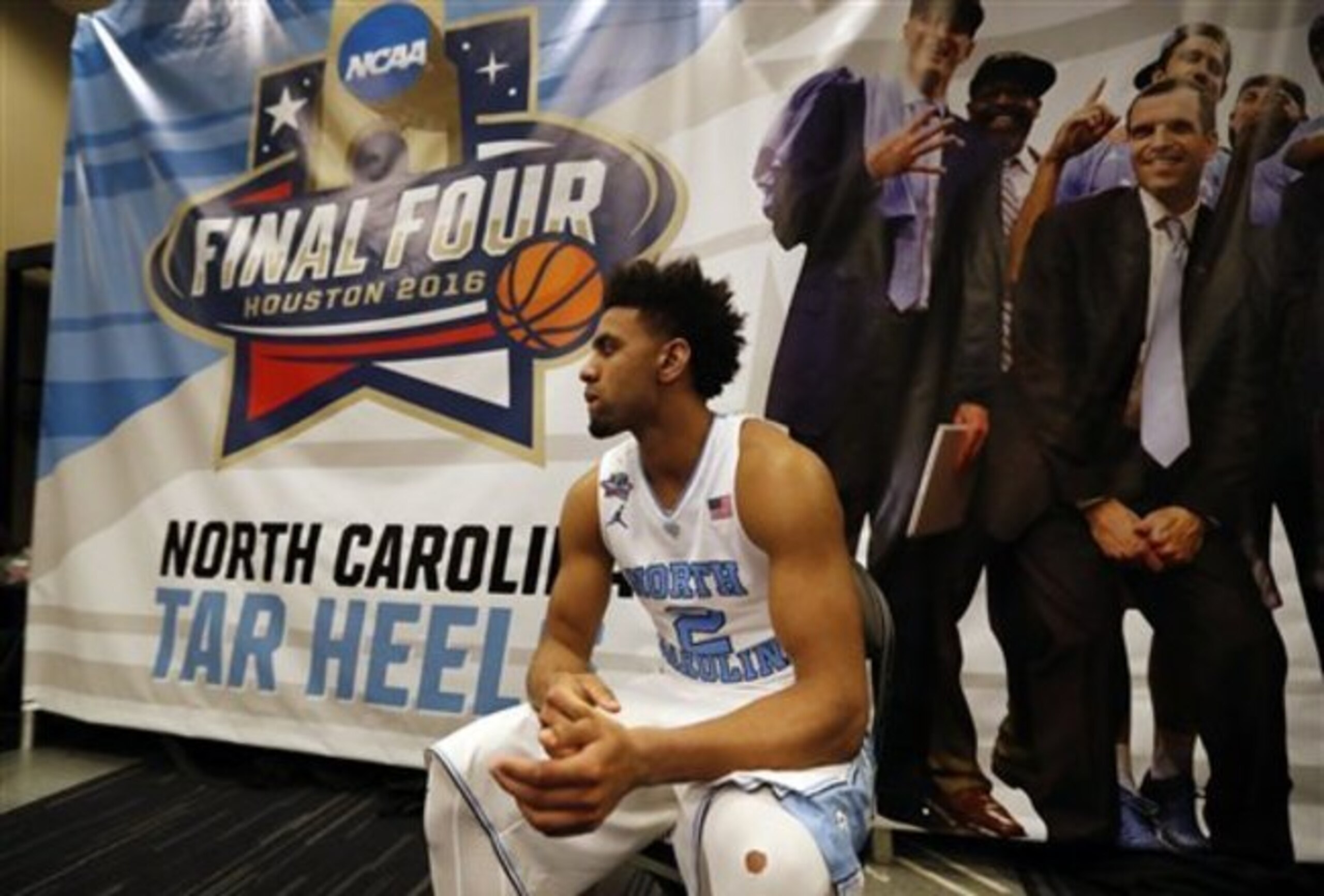
Can Joel Berry become the next Marcus Paige?
In his sophomore year, Paige went from a promising young guard to a star as well as the heart and soul of North Carolina's team for the remainder of his career. The Tar Heels hope what they saw down the stretch from Berry means he's in line to follow a similar path, though one that doesn't include any regression like it did with Paige.
Berry more than tripled his production in 2015-16 as a sophomore, from 4.2 points per game to 12.8, and he also upped his rebounding, assist and steal numbers and improved his shooting rate. All three of his 20-point games came from Feb. 27 through the national final, when he scored 20 including 16 in the first half.
With Paige graduating as one of the top 12 scorers in school history—though one who could never match what he did as a sophomore—the Heels backcourt is fully in Berry's hands. He'll be the veteran guard in a lineup that loses Paige, forward Brice Johnson and possibly wing Justin Jackson if he opts to stay in the NBA draft.
6. Villanova
16 of 21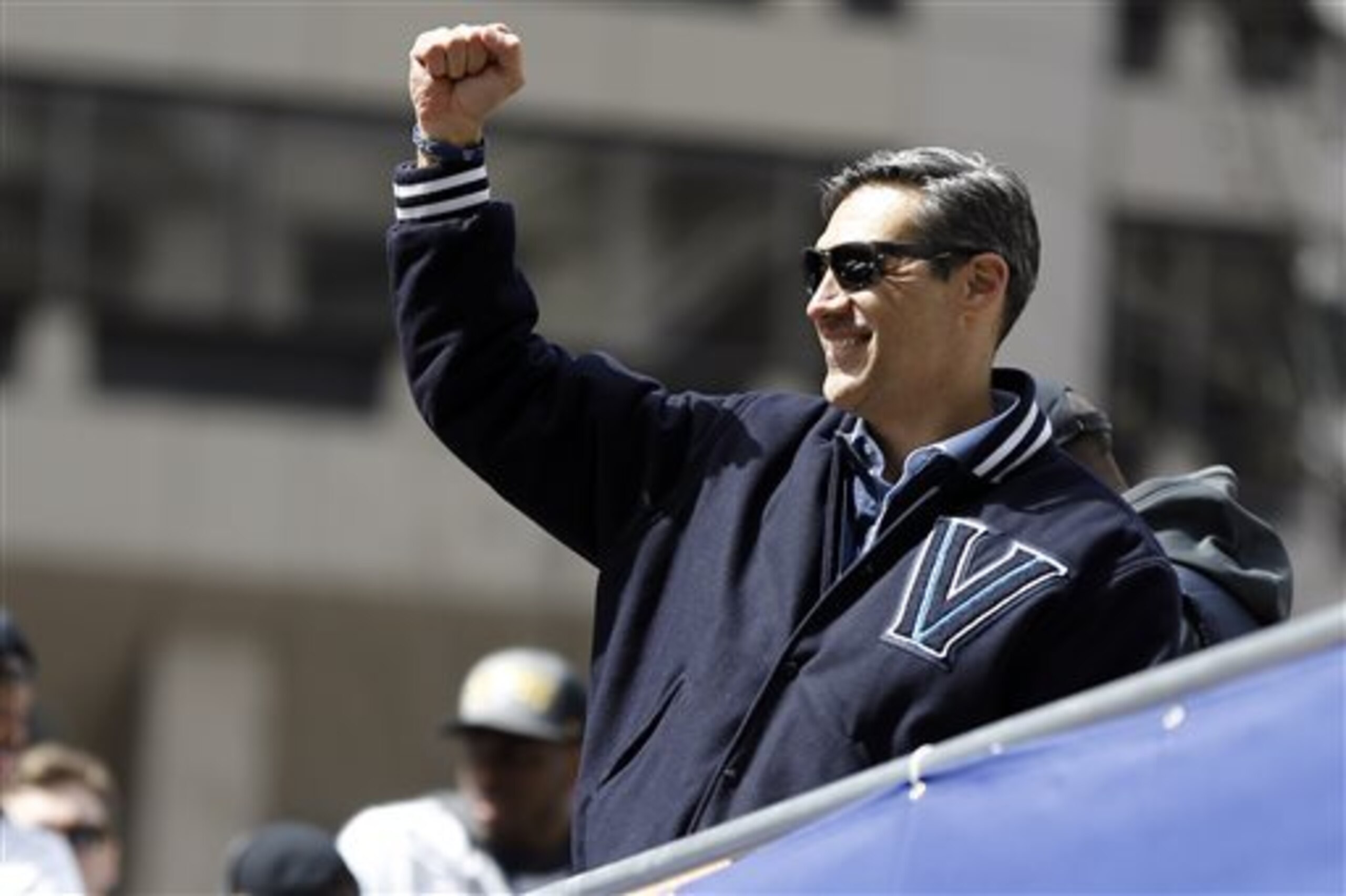
Will the NBA manage to lure Jay Wright away?
He's already come forth with a statement meant to allay fears that Villanova could lose the coach of its just-crowned NCAA champions, saying "in my mind I plan to stay at Villanova," per ESPN.com's Dana O'Neil. But Jay Wright went on to admit that "I hope I can stay because I've learned from the past how crazy things can be."
In other words, sometimes the draw of—and the compensation from—the NBA might be too much to resist.
According to Mitch Lawrence of Sporting News, Wright has been linked to the Phoenix Suns job, and if other openings pop up now that the pro league's regular season is over, he figures to have his name mentioned for those as well. He's been at Villanova since 2001 and seems content, but so did Iowa State's Fred Hoiberg (now coaching the Chicago Bulls) and Florida's Billy Donovan (now coaching the Oklahoma City Thunder) last year.
If Wright were to leave for the NBA, his old job would no doubt draw strong interest from other top college coaches, but it would be hard for anyone else to have the same relationship with Villanova and Philadelphia has Wright has had the last 15 years.
5. Michigan State
17 of 21
Can supporting players become go-to ones?
Michigan State's shocking first-round NCAA tournament exit put a quicker-than-expected end to a senior-laden team that had high serious championship hopes. Any aspirations the next Spartans team has will depend on the ability of role players to take on more responsibility.
Gone are seniors Denzel Valentine, Bryn Forbes and Matt Costello, MSU's three double-digit scores, as well as freshman forward Deyonta Davis (coach Tom Izzo's first one-and-done player since 2001). What remains is a roster that will likely feature a mix of veterans and newcomers trying to pick up the slack.
Eron Harris is the top returning scorer at 9.3 points per game, while Lourawls “Tum Tum” Nairn Jr. should be at full strength after dealing with foot issues last season. Forward Gavin Schilling will need to take a big leap after playing just 12.5 minutes per game last year, while incoming freshmen such as Miles Bridges and Joshua Langford won't be able to get eased into action.
Had MSU managed to get top overall prospect Joshua Jackson—who instead chose Kansas—to come to East Lansing, it would be a different story. Instead, a lot will depend on offseason development.
4. Oregon
18 of 21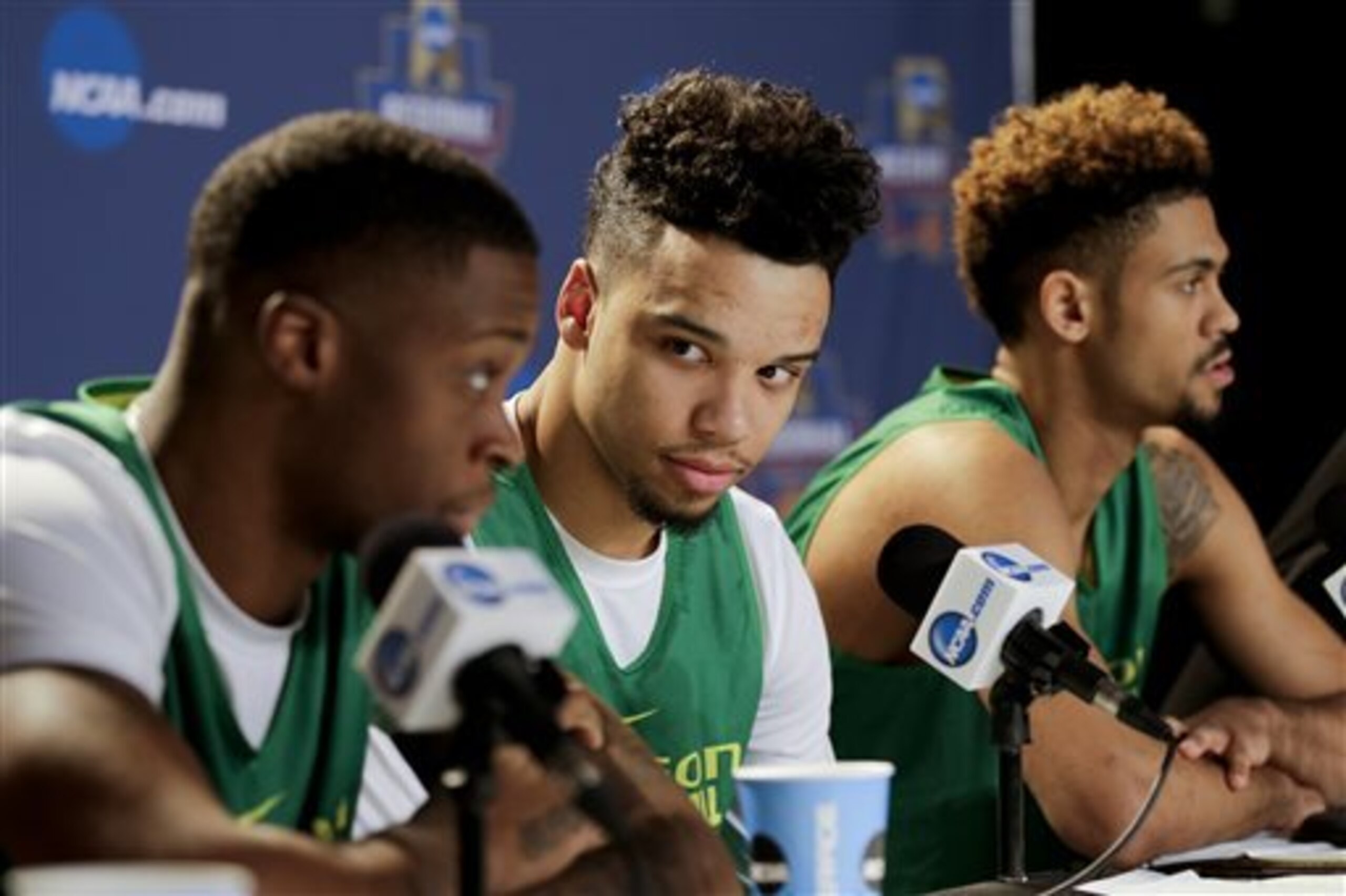
Will any stars opt to turn pro?
Players have another week to declare for the NBA draft, and as of now Oregon hasn't seen any of its stars opt to put their name in for consideration. This could change, since ESPN.com's Jeff Goodman reported Thursday that guard Dillon Brooks and forward Chris Boucher were declaring (but not hiring agents) not long after coach Dana Altman provided different information.
Per CBS Sports' Jon Rothstein (h/t The Score), Boucher and forward Jordan Bell are coming back for 2016-17, while Brooks and guard Tyler Dorsey are still weighing their options. Goodman then tweeted that Brooks told him he was turning pro but with the option to come back.
Are you keeping up?
Until the April 24 declaration deadline, this is how it figures to be for Oregon; whoever does go into the draft has until May 25 to back out if desired. Until then, the Ducks can't know for certain what parts of the defending Pac-12 champions will be around for a repeat run.
3. Kentucky
19 of 21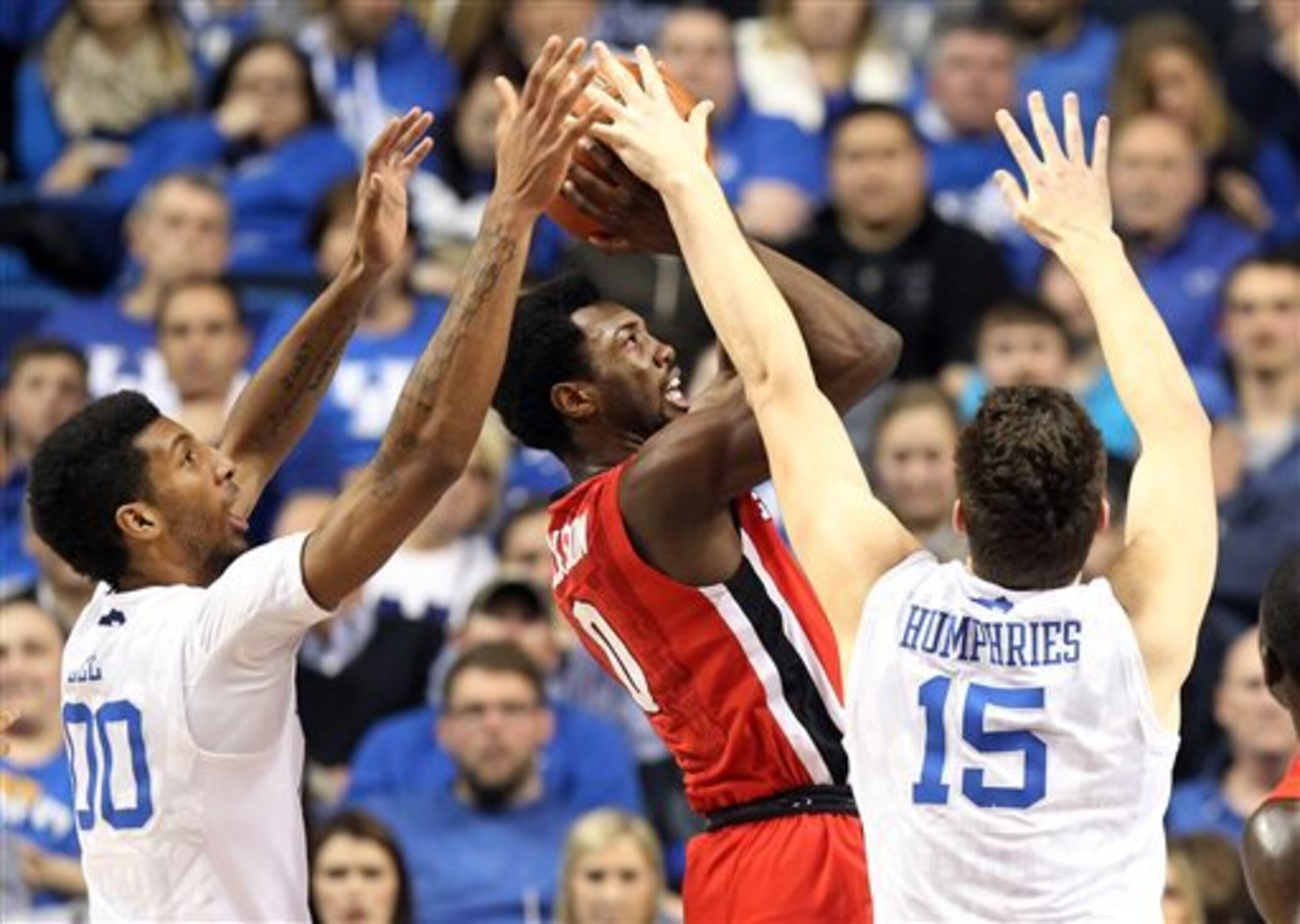
Can the frontcourt rebound from last year's poor showing?
For a team that has produced as many top-tier frontcourt players in the past few years as Kentucky has, the group it had to work with in 2015-16 was by far the worst of the lot under John Calipari. It wasn't supposed to be, based on projections, but Skal Labissiere was over-valued as a prospect, while Marcus Lee didn't improve and Alex Poythress couldn't put it all together in his final season.
The Wildcats' next crop of big men has to be better, right?
Forwards Bam Adebayo, Wenyen Gabriel and Sacha Killeya-Jones will join Lee and Derek Willis (assuming all three back out of the NBA draft, as expected), as well as 7-foot Australian Isaac Humphries. Another big man, possibly an uncommitted prospect such as Jarrett Allen or Marques Bolden, could also come along.
There won't be any concerns about Kentucky's perimeter play even with Jamal Murray and Tyler Ulis turning pro, since the team has Isaiah Briscoe coming back along with incoming standout guards De'Aaron Fox and Malik Monk. Ultimately, though, the Wildcats need better balance to have their best shot at another title, and that involves getting strong efforts down low.
2. Kansas
20 of 21
Does Carlton Bragg have the makeup of a star?
Bragg was one of four 5-star recruits from 247Sports' 2015 rankings who didn't average 10 minutes per game last year as a freshman, two of which were on Kansas. But while Cheick Diallo is likely to stay in the NBA draft despite hardly playing this past season, Bragg is coming back and looking to be far more involved as a sophomore.
The 6'9” forward appeared in all 38 games for Kansas but averaged just 8.9 minutes per game and just 29 in the Jayhawks' four NCAA tourney games.
He averaged 3.8 points and 2.5 rebounds on 56.1 percent shooting with more scoreless games (seven) than those where he scored 10 or more (three). Two of those double-digit games came in the Big 12 tournament, but in his quest to crack the frontcourt rotation, he couldn't get consistent minutes.
Four of Kansas' forwards have either graduated or turned pro, but it's also adding two more big men: power forward Mitch Lightfoot and center Udoka Azubuike. Both could pass Bragg on depth chart if he can't show improvement this offseason.
1. Duke
21 of 21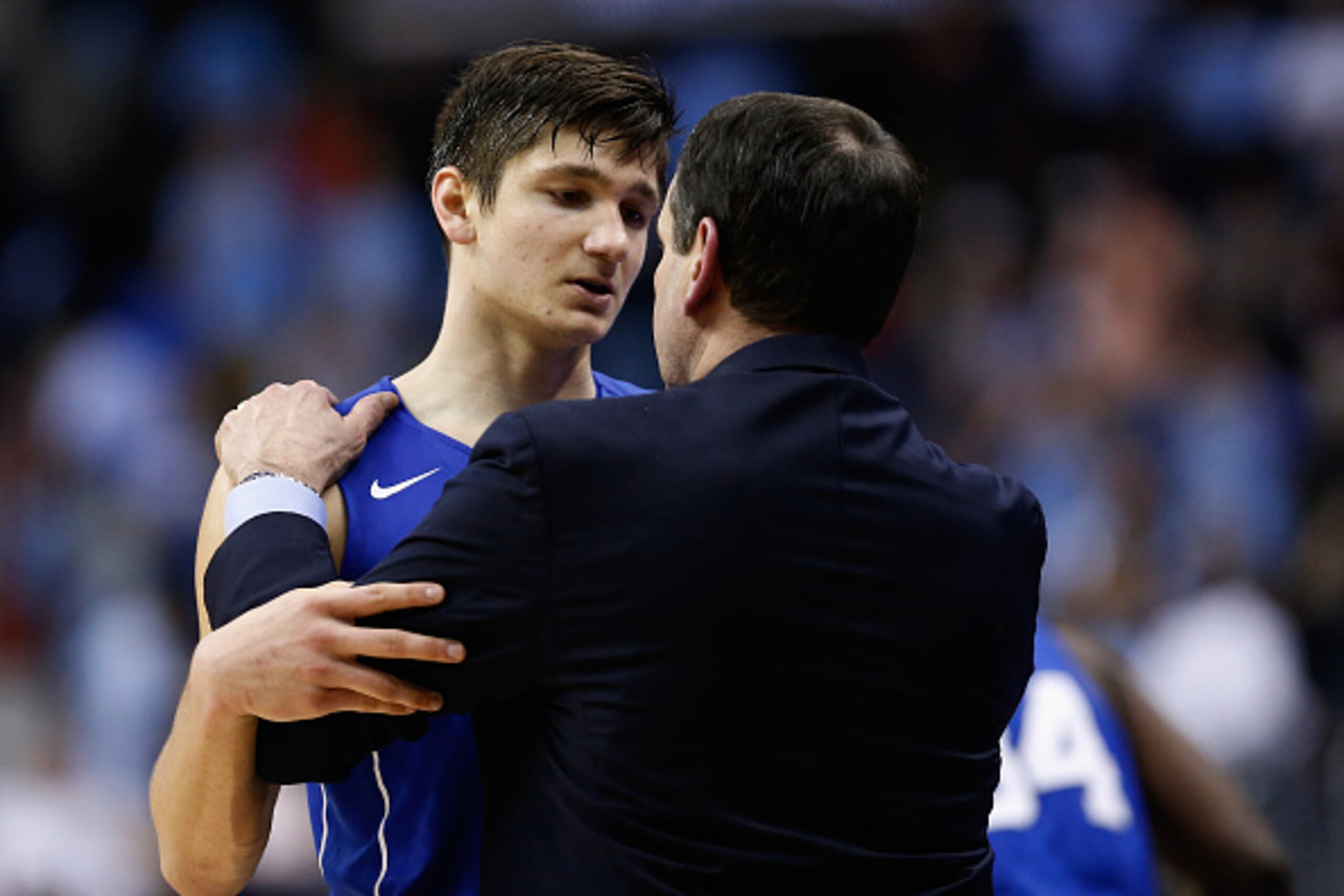
Are there enough minutes to go around?
From barely having enough capable players to get through a full game to now having an overabundance of talent, Duke's 2016-17 season is going to look much different than the one that just ended in the Sweet 16. It's a good problem to have but still something to worry about.
The quintet of forwards Javin DeLaurier, Harry Giles, Jayson Tatum and Jack White and point guard Frank Jackson will combine with an impressive group of Blue Devils returners to form one of Mike Krzyzewski's deepest teams ever. It would be even deeper had guard Derryck Thornton not opted to transfer, though that move freed up a scholarship that Duke could use to land 5-star center Marques Bolden.
This past season saw Duke struggle to get through many games because of fatigue or foul trouble—the result of just a six-man rotation after forward Amile Jefferson was lost to a foot injury. Jefferson returns, along with lightly used forward Chase Jeter, as well as guards Grayson Allen, Matt Jones and Luke Kennard. Krzyzewski traditionally sticks to a short rotation that doesn't regularly go more than seven or eight deep, but this coming season Duke could have as many as 11 guys trying to get on the court.
Having too many players could prove to be as troublesome for Duke as not having enough.
All statistics courtesy of Sports-Reference.com, unless otherwise noted. All recruiting information from 247Sports, unless otherwise noted.
Follow Brian J. Pedersen on Twitter at @realBJP.