
NCAA Tournament 2016: Biggest Strengths and Weaknesses for Every Team
Sixty-eight teams have a dream to win the NCAA championship, though in reality only a handful have a legitimate shot to claim the title. But in one of the most balanced and unpredictable seasons in recent memory, there's no counting out anyone just yet.
Making a run in March (and into April) requires a team to tap into its best attributes and use them to its full advantage, while also hoping its biggest deficiencies don't get in the way. Those flaws seem more pronounced than ever in 2015-16, with the amount of losses by top-ranked teams having left us without a clear-cut championship contender.
This year's No. 1 seeds combined to lose 23 games, the most ever, further prove there are no perfect teams. Nor are there any in the NCAA field who lack at least one thing they do really well, often better than most of the other teams in the field.
We've identified the best and worst that all 68 tournament teams have to offer. Check them out and let us know your thoughts in the comments.
No. 16 Seeds
1 of 16
Austin Peay Governors (18-17)
Strength: Austin Peay isn't a one-man team, but there is one player who stands above the rest. That's senior forward Chris Horton, who averages 18.9 points and 12 rebounds while shooting 60.4 percent, with two 30-point games in the Ohio Valley tournament including a 37-point, 21-rebound performance against Tennessee Tech.
Weakness: The Governors don't take care of the ball well, turning it over almost 14 times per game. Horton is one of three starters with 90-plus giveaways, and their team assist-to-turnover ratio is 0.97-to-1.
Fairleigh Dickinson Knights (18-14, First Four participant)
Strength: Fairleigh Dickinson likes to play fast, which means keeping hands active and moving in hopes of forcing turnovers and creating transition opportunities. The Knights force 15.4 turnovers per game and have four players averaging at least a steal per contest.
Weakness: If FDU doesn't force a turnover, it's in trouble. It allows 78.3 points per game, 45.2 percent shooting and has yielded at least 79 points in 10 of its 14 losses.
Florida Gulf Coast Eagles (20-13, First Four participant)
Strength: In a conference (Atlantic Sun) filled with three-point shooting teams, Florida Gulf Coast prefers to take it to the hole and shoot quickly. One of the best defensive rebounding teams in the country, the Eagles love to run out after pulling in an opponent's miss.
Weakness: FGCU might as well shoot its foul shots from the three-point line. At 64.7 percent, the Eagles are in the bottom 10 percent nationally in free-throw shooting.
Hampton Pirates (21-10)
Strength: Like many small schools that make it into the NCAA tournament, Hampton is incredibly experienced with four senior starters. That quartet was part of the Pirates team that made the tournament last year, beating Manhattan in the First Four.
Weakness: Hampton shot 46.3 percent in the MEAC title game, only the 10th time it shot 45 percent or better this season. The Pirates made 41.5 percent of their shots for the season and just 30.8 percent from three-point range.
Holy Cross Crusaders (14-19, First Four participant)
Strength: Through the end of the regular season, Holy Cross decided it had nothing left to lose and scrapped its game plan for one that focused solely on defense. This resulted in the Crusaders holding their final three Patriot League opponents to 55.3 points per game and 40.9 percent shooting.
Weakness: Holy Cross doesn't have a player who gets real minutes that shot better than 47.7 percent from the field, and point guard Anthony Thompson shoots just 27.6 percent overall and 25.9 percent from three-point range.
Southern Jaguars (22-12, First Four participant)
Strength: Southern's opponents take almost 21 three-pointers per game, needing to launch that often just to get some production from the perimeter. The Jaguars' 31.7 percent three-point defense is among the best in the NCAA field, with 15 opponents held below 30 percent.
Weakness: Distributing the ball is not a specialty for the Jaguars, who assist on less than 42 percent of their made field goals, per sports-reference.com. That ranks sixth-worst in Division I.
No. 15 Seeds
2 of 16
Cal State-Bakersfield Roadrunners (24-8)
Strength: The Roadrunners' first NCAA tournament bid at the Division I level has been buoyed by defense, holding opponents to 39.1 percent shooting and 63.2 points per game. Both rank in the top 15 nationally.
Weakness: Don't expect Bakersfield to win a game at the foul line, but losing it on the stripe is certainly a possibility. The Roadrunners shoot 65.3 percent on free throws, making just six of 13 in the Western Athletic Conference title game win over New Mexico State.
Middle Tennessee Blue Raiders (24-9)
Strength: Middle Tennessee makes 38.6 percent of its three-pointers, led by sophomore guard Giddy Potts, who jumped back over 50 percent for the season by going 4-of-5 from outside in the Conference USA title game. He's one of four Blue Raiders shooting at least 37.5 percent from deep on 30-plus attempts.
Weakness: Fouling a three-point shooter is considered one of the worst offenses possible, but that might not be a bad strategy against Middle Tennessee. It shoots 61.7 percent at the line and has had seven games when it missed more foul shots than it made, though Potts' 75 percent free throw percentage would make fouling him not the best option.
UNC-Asheville Bulldogs (22-11)
Strength: UNC-Asheville stole the Big South automatic bid by beating the league's top two teams in the conference tournament, using its fondness for thievery to pace those wins. The Bulldogs average 9.3 steals per game, forcing a steal on 13.1 percent of opponents' possessions—third in the nation.
Weakness: There's no size to speak of on the roster, meaning UNCA can be abused on the inside. It allows 50 percent shooting on two-point field goals, not surprising when the entire starting lineup is 6'5" or smaller and junior forward Will Weeks is the big man at 6'6" and 235 pounds.
Weber State Wildcats (26-8)
Strength: Only two teams collected more defensive rebounds in Division I than Weber State, and it can thank senior forward Joel Bolomboy for that. His 299 defensive boards are second-most in the country, contributing to a per-game rebounding average of 12.7 that ranks third nationally.
Weakness: Weber State's strong shooting (48.5 percent) and scoring numbers (76.7 points per game) are offset by the fact it turns the ball over quite a bit. More than 17 percent of their possessions end in a giveaway, including 13 games with at least 15 turnovers.
No. 14 Seeds
3 of 16
Buffalo Bulls (20-14)
Strength: A second consecutive NCAA tournament appearance was paced by aggressive play that produced plenty of points at the line. Buffalo averaged nearly 25 free-throw attempts per game, making 71 percent, with 13 games in which it made at least 20 foul shots.
Weakness: The success at the line makes up for poor shooting numbers from elsewhere on the floor, as Buffalo only made 43.8 percent of its shots. The Bulls shot 50 percent or better just eight times in 34 games, winning the Mid-American title game despite 37.7 percent shooting.
Fresno State Bulldogs (25-9)
Strength: Fresno State creates a lot of turnovers with its pressure, resulting in a steal on 11.6 percent of its defensive possessions. Three Bulldogs have at least 40 steals, led by the 74 of senior guard Marvelle Harris to go along with his 20.6 points and 4.4 assists per game.
Weakness: You might have been fouled by Fresno, because everyone else was this season. The Bulldogs commit nearly 22 fouls per game, leading to almost 25 free throws a night for their opponents.
Green Bay Phoenix (23-12)
Strength: Green Bay averages 77.3 possessions per 40 minutes, tops of any team in the NCAA tournament field, and it doesn't have many empty trips down the court. The Phoenix average 84.2 points per game, sixth-best in the country, while forcing 16.8 turnovers per game.
Weakness: Despite drawing 22 fouls per game and taking more than 28 foul shots each night, Green Bay doesn't take advantage of this frequency. It shoots 65.9 percent, with top scorer Carrington Love making only 60.5 percent of his free throws.
Stephen F. Austin Lumberjacks (27-5)
Strength: The only team to go unbeaten in its league this season, Stephen F. Austin did so by dominating nearly every possible statistic. What the Lumberjacks do better than anything else, though, is share the ball, with a 65.2 percent assist rate that ranks third in the country.
Weakness: The competition in the Southland Conference was noticeably weak, ranking fourth-worst in conference RPI, and because of this, Stephen F. Austin's only top-100 RPI wins came against Texas A&M-Corpus Christi. In non-league play, three of its five losses were by double digits.

No. 13 Seeds
4 of 16
Hawaii Rainbow Warriors (27-5)
Strength: Hawaii terrorizes opponents on the defensive end, snagging nearly eight steals per game while limiting teams to 39.8 percent shooting. Only 31.5 percent of three-pointers go in against the Rainbow Warriors, with 15 teams failing to hit 30 percent from outside.
Weakness: The Warriors like to launch from deep as well, taking almost 40 percent of their shots from three-point range, yet they're among the worst in the NCAA field at making those shots. Their 32.7 percent ranks 273rd nationally.
Iona Gaels (22-10)
Strength: A.J. English has one of the most complete all-around skill sets in college basketball. The 6'4" senior guard is averaging 22.4 points per game, his second consecutive season above 20, shooting 50.6 percent on two-pointers, 37.4 percent on threes and 84.4 percent at the line. Oh, yeah, he also also dishes out 6.2 assists and grabs a healthy five rebounds per contest.
Weakness: The Gaels aren't particularly strong in the rebounding department, getting out-boarded for the season. They're 6-7 in games when losing the rebounding battle.
Stony Brook Seawolves (26-6)
Strength: Stony Brook has arguably the best player you've never heard of in Jameel Warney, a 6'8" senior forward who has more than 2,100 career points and 1,200 rebounds. This year, he's averaging 19.8 points, 10.7 rebounds and three blocks while shooting 63.6 percent.
Weakness: Like the rest of his teammates, Warney's kryptonite is the foul line. He's a 62.4 percent free-throw shooter, with Stony Brook shooting 67 percent as a unit.
UNC-Wilmington Seahawks (25-7)
Strength: Five Wilmington players have recorded at least 30 steals, leading to an impressive 15.1 turnovers forced per game. The Seahawks use those swipes to start their offense, which produces a healthy 79.2 points per game.
Weakness: Defending without fouling isn't part of the UNCW game plan. Opponents go to the line more than 29 times per game, and the Seahawks are 4-4 when allowing teams to make 25 free throws.
No. 12 Seeds
5 of 16
Arkansas-Little Rock Trojans (29-4)
Strength: At 59.6 points allowed per game, Arkansas-Little Rock ranks second nationally in scoring defense. This is not due just to its slow pace—it averages 64.5 possessions per 40 minutes—but also by holding opponents to 38.8 percent shooting.
Weakness: The Trojans aren't strong on the boards, with just 11 more total rebounds than their opponents for the season. Lis Shoshi, a 6'11" junior, is the only player averaging more than five rebounds per game.
Chattanooga Mocs (29-5)
Strength: You can't key on one or even two players to try to neutralize in hopes of slowing Chattanooga, because its scoring is as balanced as it comes. Nine players average at least six points per game, while none who have played the whole season score more than the 12.3 of junior wing Tre' McLean.
Weakness: That scoring balance means there isn't anyone to turn to in clutch time on a regular basis. McLean was the last Mocs player to hit the 20-point mark, with 25 on Feb. 13.
South Dakota State Jackrabbits (26-7)
Strength: South Dakota State knows how to get to the line and make the most of those chances. The Jackrabbits average 23.2 foul shots per game, converting on 73.9 percent of their attempts, and five of their top six scorers shoot at least 76 percent from the line.
Weakness: There's not much rim protection to rely on, with just 82 blocked shots in 33 games, and teams who dumped it into the paint did best against South Dakota State. Five of its seven losses came to teams that shot 48 percent or better on two-pointers.
Yale Bulldogs (22-6)
Strength: Despite not having a guy taller than 6'9" in its rotation, Yale rebounds like it has an NBA-sized front line. The Bulldogs had a plus-11.1 advantage on the boards for the season, collecting 57.9 percent of missed shots in their games. Three players average at least seven rebounds per game.
Weakness: If the game is close late, Yale can't count on free-throw shooting to help make it through. At 66.4 percent, the Bulldogs are near the bottom nationally and were second-worst in the Ivy League.
No. 11 Seeds
6 of 16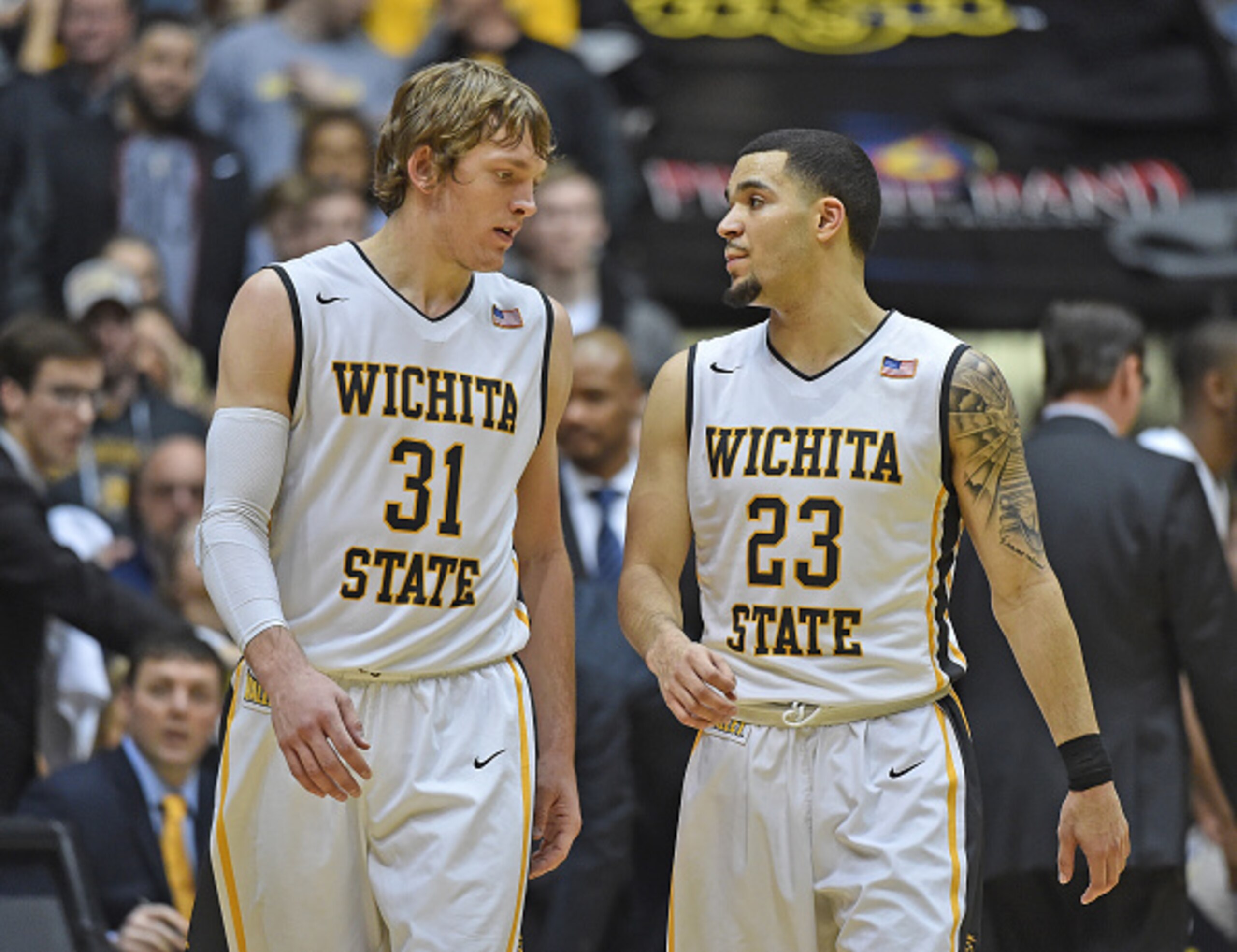
Gonzaga Bulldogs (26-7)
Strength: Gonzaga's 18th consecutive NCAA tournament team doesn't have the heady guard play of past teams, but their perimeter players still know how to defend. The Bulldogs allow only 29.7 percent shooting from three-point range, fifth-best in Division I.
Weakness: It might force bad shots, but Gonzaga doesn't do much to instigate turnovers. The Bulldogs only collect 5.6 steals per game, never reaching double-digits this season.
Michigan Wolverines (22-12, First Four participant)
Strength: Michigan has gone more than half of the 2015-16 season without one of its best ball-handlers, senior guard Caris LeVert, yet still has remained careful with the rock. The Wolverines turn it over 9.8 times per game, with no player contributing more than two per contest.
Weakness: Michigan hasn't been as overwhelmed in the paint as it was a year ago, but it's still severely lacking in the size department. This has led to being out-rebounded in 14 games and for the season overall, with the Wolverines' 24.5 percent offensive rebound percentage ranking in the bottom 30 nationally.
Northern Iowa Panthers (22-12)
Strength: Northern Iowa is careful with the ball, only turning it over 9.7 times per game. That care enabled the Panthers to pull off upsets of North Carolina and Iowa State and two wins over Wichita State, with only 33 giveaways in those four victories.
Weakness: The Panthers shoot pretty well, at 45.7 percent, but if they miss they're likely one-and-done on the possession. At 17.9 percent, their offensive rebound rate is second-worst in Division I.
Tulsa Golden Hurricane (20-11, First Four participant)
Strength: Tulsa turns the ball over on 13.6 percent of its possessions, ranking in the top 25 nationally in that statistic. The game that put the Golden Hurricane on the bubble—and which caused nearly every bracket projection to have them out of the NCAA field—saw them turn it over 13 times in an AAC tournament loss to Memphis, tied for their sixth-most this season.
Weakness: The three-point line has been a bone of contention for Tulsa all year, whether it's shooting from it or defending it. It shoots 32.9 percent from outside, with no player hitting at better than a 37 percent clip, while opponents shoot 36.3 percent from the perimeter.
Vanderbilt Commodores (19-13, First Four participant)
Strength: Vanderbilt's balance of inside presence and outside performance is quite unique among the NCAA tournament field. It is one of just four schools in the country—and three in the tournament, along with Michigan State and Oklahoma—that rank in the top 25 nationally in both three-point shooting and blocked shots. Three players shoot better than 40 percent from outside on at least 30 attempts and two others have at least 50 blocks.
Weakness: While the Commodores defend well, allowing only 38.6 percent shooting and 67.3 points per game, they are pretty straightforward with their approach on that end. Teams with strong ball-handlers can tear them apart, as they pick up only 4.3 steals per game and opponents turn it over fewer than 10 times each outing.
Wichita State Shockers (24-8, First Four participant)
Strength: Senior guards Ron Baker and Fred VanVleet are savvy NCAA tournament veterans, ones who were part of the Shockers' run to the Final Four in 2013 and the unbeaten team a year later. They know what it takes to win at this level, and a key element is not giving the ball away, as evidenced by Wichita's exceptional 12.8 percent turnover rate which ranks eighth nationally.
Weakness: Just don't expect those guards, or anyone else on Wichita State, to do much scoring from outside. A 33 percent team shooting rate from three-point range ranks in the bottom 100 nationally, with VanVleet the only player over 40 percent.
No. 10 Seeds
7 of 16
Pittsburgh Panthers (21-11)
Strength: Pittsburgh is at its best when it is getting physical and drawing contact, since this means it can take advantage of a major strength at the foul line. The Panthers make 75.4 percent of their free throws, going 9-0 when they make at least 20 foul shots.
Weakness: The 67.9 points per game Pitt allows is the most in coach Jamie Dixon's 13 seasons, yet it's the way the Panthers offense comes and goes that has caused the most trouble. They're 1-11 when failing to score 72 points, the only win coming at Syracuse in late February.
Syracuse Orange (19-13)
Strength: Long and lean throughout the lineup, Syracuse doesn't rely on strength and physicality to defend the ball. Instead it tries to bait opponents into either shooting over its zone or dribbling through it, both of which can be problematic. The Orange steal the ball on nearly one-eighth of the opponent's possessions, while allowing only 30.4 percent three-point shooting.
Weakness: That length doesn't always translate into limiting defensive possessions to one shot, or extending ones on the offensive end. Syracuse has been out-rebounded 13 times, including in 11 of its 13 losses.
Temple Owls (21-11)
Strength: Temple had many offensive issues this season but holding onto the ball wasn't one of them. In fact, no team in Division I takes better care than the Owls, who committed turnovers on just 11.7 percent of possessions.
Weakness: At 40.5 percent, Temple is the worst shooting team in the tournament field, with its two-point efficiency (44.5 percent) better suited for a team that lacks size and not one that has two 6'8" starters. The Owls only shot 34 percent from three-point range yet managed to fare better from outside than on two-pointers in six games.
VCU Rams (24-10)
Strength: Shaka Smart took his "havoc" defense with him to Texas, but coach Will Wade still uses some facets of that approach in a more half-court style. The Rams know how to use pressure to their advantage, stealing the ball on 12.5 percent of possessions for the nation's seventh-best theft rate.
Weakness: VCU's pressure can force opponents into mistakes, often causing them to foul in frustration. It doesn't take good advantage of this, shooting just 69 percent at the free-throw line. In nine single-digit losses, they were 114-of-175 on foul shots, or 65.1 percent.
No. 9 Seeds
8 of 16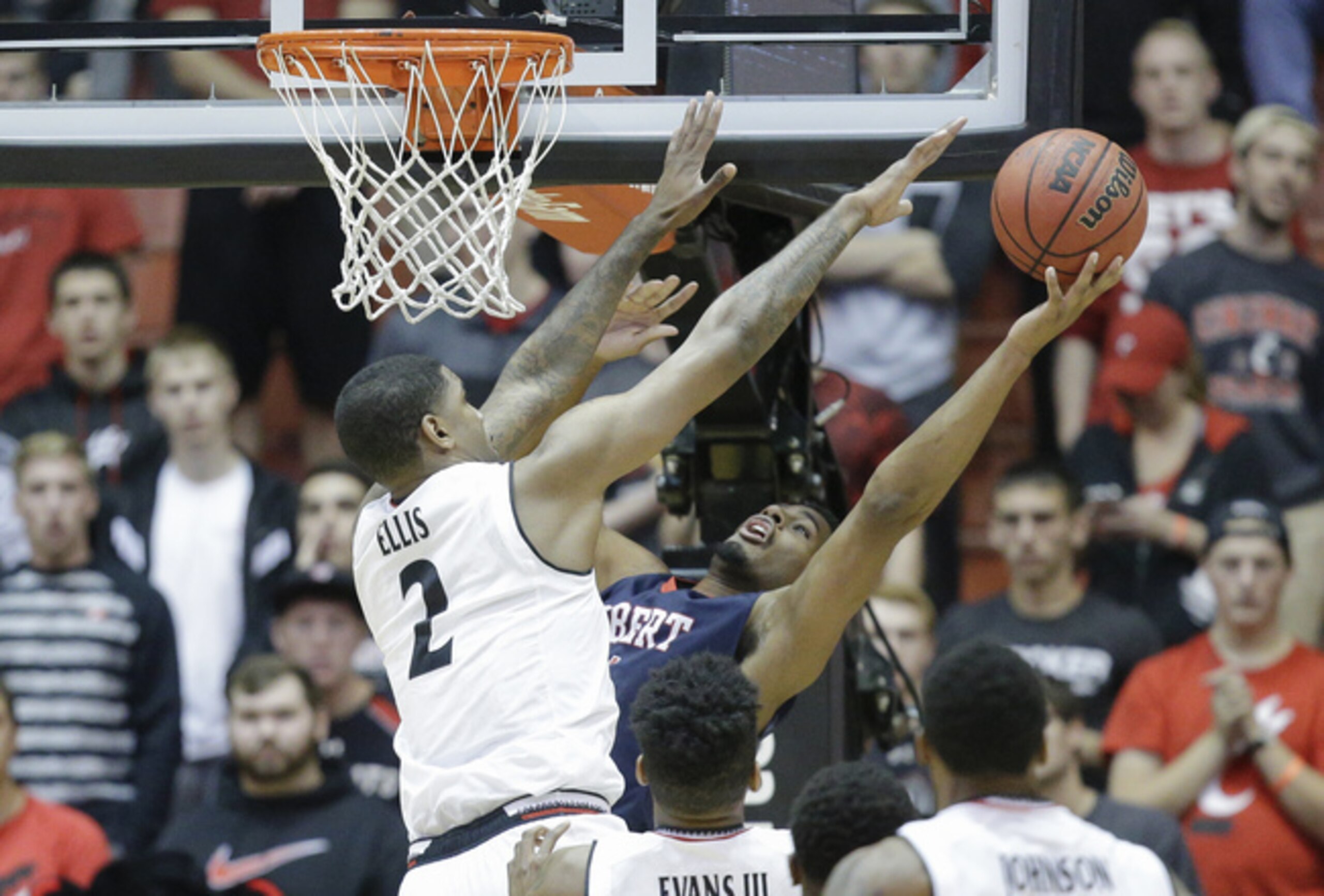
Butler Bulldogs (21-10)
Strength: Butler's uptempo attack produces more than 1.14 points per possession, the result of strong shooting and balanced scoring but also great care with the ball. The Bulldogs turn it over just 12.7 percent of the time, which is seventh-best in Division I.
Weakness: The Bulldogs have to make the most of every possession because their defense has become a liability since the calendar switched to 2016. They allowed more than a point per possession in nine of their last 12 games, losing four times in that span.
Cincinnati Bearcats (22-10)
Strength: Enter the paint at your own peril against Cincinnati, and prepare to be denied. The Bearcats' 39 percent field-goal defense is aided by 186 blocked shots, swatting away 15.5 percent of opponents' two-points shots. Forwards Gary Clark and Octavius Ellis have combined for 97 blocks, with two other players swatting at least 27 shots.
Weakness: The Bearcats make less than 43 percent of their shots, hitting 50 percent or better just five times. Compare that to 12 games with a success rate below 40 percent, resulting in a 6-6 record.
Connecticut Huskies (24-10)
Strength: Jalen Adams' miraculous shot at the end of the third overtime against Cincinnati on Saturday was the big highlight of that win, but Connecticut wouldn't have won in four overtimes if not for its stellar performance at the line. The Huskies were 22-of-24 on free throws and they rank first nationally at 78.7 percent.
Weakness: Having four players averaging at least 12 points per game is both a blessing and a curse for UConn, since it never knows who is going to thrive and who will struggle. That quartet has combined for 39 games of 15 or more points but also 13 occasions when at least one failed to score more than five.
Providence Friars (23-10)
Strength: The duo of Ben Bentil and Kris Dunn will be unmatched by most teams Providence faces in the NCAA tournament. Only two other schools in the field (Gonzaga and Saint Joseph's) have two players who average 16 points and 5.5 rebounds while each shooting 44 percent from the field.
Weakness: The Friars aren't a particularly good shooting team overall, but it gets really bad the farther they are from the basket. Their 32.1 percentage from three-point range is among the worst of any NCAA tournament team, with none of its four most frequent outside shooters at better than 34.4 percent.
No. 8 Seeds
9 of 16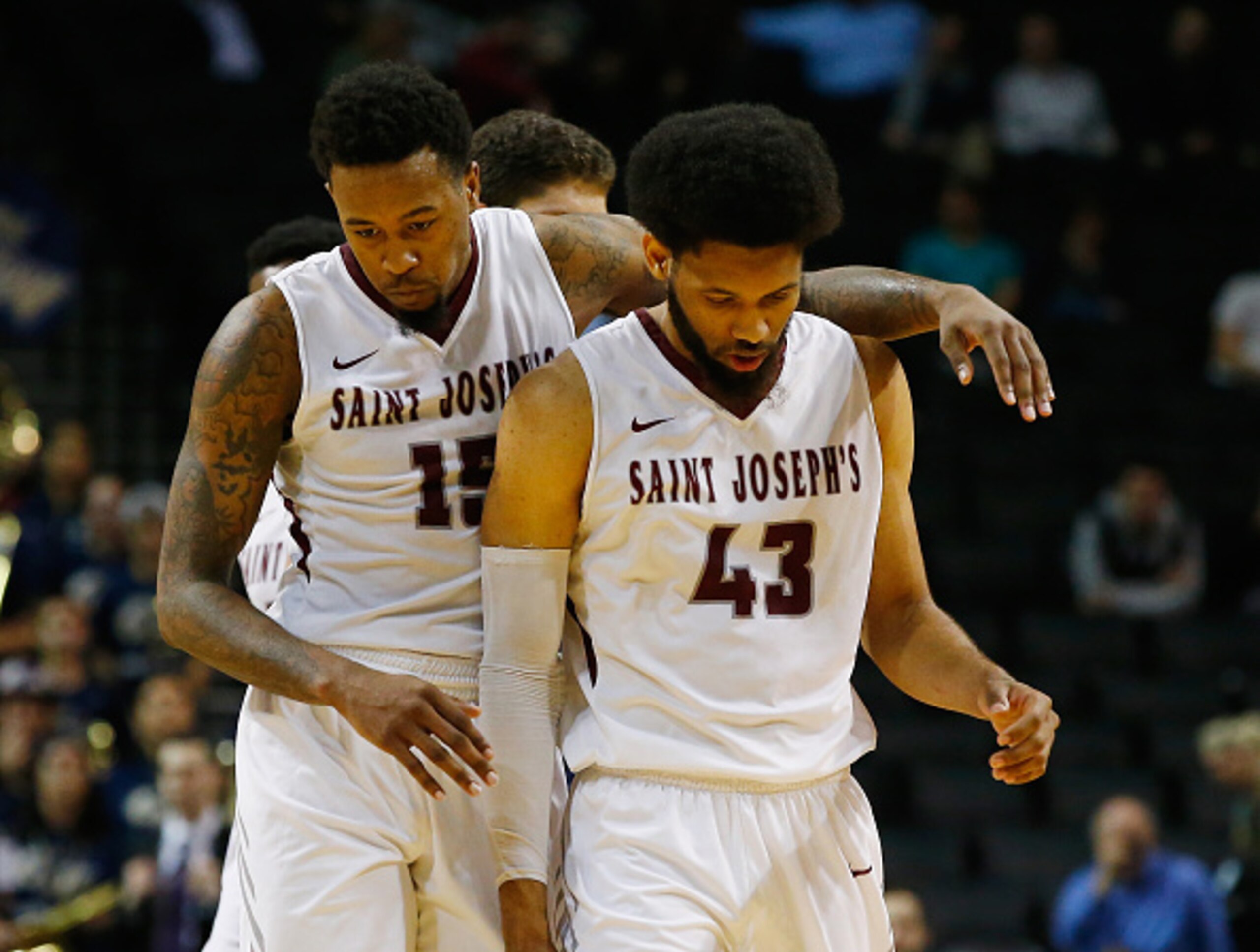
Colorado Buffaloes (22-11)
Strength: It doesn't shoot them as much as some teams, but Colorado is among the best at hitting the three-point shot at 39.2 percent. Dominique Collier and George King both make more than 45 percent of their attempts, combining for 107 of the Buffaloes' 250 triples.
Weakness: The Buffaloes give the ball away a lot, turning it over 13.3 times per game, and they've had their pockets picked 246 times. Opponents have recorded at least 10 steals on nine occasions this season, including 16 by Oregon State in Colorado's four-point loss in Corvallis in February.
Saint Joseph's Hawks (27-7)
Strength: It's going to take more than two players for Saint Joseph's to get to its first Sweet 16 since 2004, but the duo the Hawks rally around is a heck of a start. Forwards DeAndre' Bembry and Isaiah Miles combined for 56 points on 24-of-32 shooting in the Atlantic 10 title game, the second time this season they've both scored 20 or more. They account for 46 percent of St. Joseph's scoring.
Weakness: Find a way to neutralize one or both of those scorers, and St. Joe's doesn't have anywhere else to turn. Aaron Brown averages 10.3 points per game, but he and players not named Bembry and Miles have fewer games scoring double digits than they do.
Texas Tech Red Raiders (19-12)
Strength: Texas Tech's first NCAA bid in nine years is the product of a well-balanced offense that has seven players scoring between 8.7 and 11.1 points per game. Three of those Red Raiders shoot better than 50 percent from the field.
Weakness: While you can't focus on just one or two players in trying to slow down Texas Tech, you also don't have to worry about anyone getting hot. In 31 games, only 18 times did the Raiders have a player make at least six field goals while shooting 60 percent or better from the field—and only three times did multiple players do it in the same game.
USC Trojans (21-12)
Strength: USC's long-and-lean lineup knows how to block a shot. The Trojans average 5.4 swats per game, and a trio of players 6'10" or taller combined for 106 blocks, including 53 (in 618 minutes) by freshman Chimezie Metu.
Weakness: USC struggles against talented big men, whom they encountered often in Pac-12 play. The Trojans allowed 14 double-doubles of points and rebounds in 2015-16—and grabbed only 54 more boards than their opponents all season.
No. 7 Seeds
10 of 16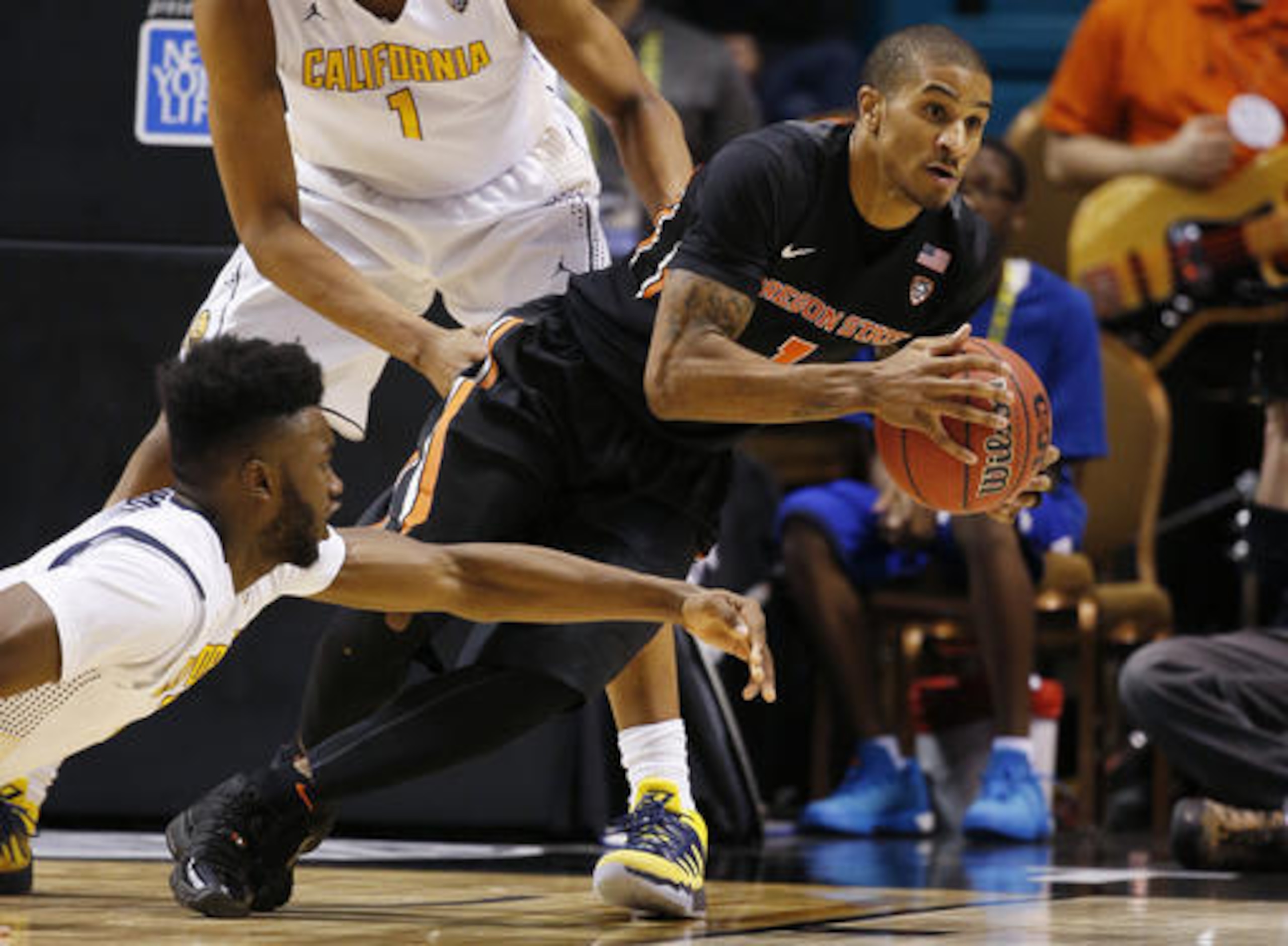
Dayton Flyers (25-7)
Strength: Steve McElvene is the only rotation player taller than 6'6", yet he and the rest of Dayton's lineup are quite adept on the boards. It has a rebounding margin of plus-5.4 per game and limits opponents to only 25.9 percent of available offensive rebounds.
Weakness: Six of the Flyers' seven losses were by single digits, and in those games they missed 43 foul shots. They shoot just 67.3 percent from the line, and their three most-fouled players make only 64.8 percent of their attempts.
Iowa Hawkeyes (21-10)
Strength: Iowa's effort on defense has dropped off significantly down the stretch, with seven of its 16 worst games (in terms of defensive rating) coming in February or March. But it hasn't slacked off in avoiding fouls. The Hawkeyes commit only 16.3 personals per game, and their opponents average just 15.5 free-throw attempts.
Weakness: The sudden decline in defense is a major concern, since it's coincided with a huge drop in offensive efficiency. Iowa shoots a respectable 45 percent overall, yet its only win in the past four weeks was also the only time it shot better than 42 percent.
Oregon State Beavers (19-12)
Strength: Gary Payton II might be the most valuable-to-his-team player in the country, a 6'3" senior guard who leads Oregon State in scoring (15.9 points per game), rebounding (7.9), assists (5.1) and steals (2.5). He's the only player in the country averaging 15/7/5/2 and the main reason the Beavers able to end a 26-year NCAA tournament drought.
Weakness: Payton's one significant flaw is his foul shooting, which is a woeful 64.2 percent. Oregon State as a whole shoots 67.1 percent from the line, with a combined 43 misses in five single-digit losses.
Wisconsin Badgers (20-12)
Strength: Wisconsin makes it difficult for teams to score close to the basket despite not having a notable shot blocker on its roster. Opponents make only 45 percent of their two-point attempts, which ranked 52nd out of 351 Division I teams.
Weakness: This defensive success doesn't extend to the three-point line, where the Badgers allow 37.9 percent shooting to rank last among NCAA tournament teams. Half of their losses came when opponents shot 40 percent or better from deep.
No. 6 Seeds
11 of 16
Arizona Wildcats (25-8)
Strength: Arizona has one of the best rebounding margins in the country, collecting 9.2 more boards per game than its opponents to help feed a 48.2 percent shooting rate. The Wildcats are the only team in Division I with two players (seniors Ryan Anderson and Kaleb Tarczewski) averaging at least nine rebounds per game.
Weakness: Turnovers have spelled Arizona's doom in many of its biggest games. The Wildcats average 12.8 per game, and they've given the ball away 15 or more times in 10 games (including half of their losses). Three players have at least 60 turnovers.
Notre Dame Fighting Irish (21-11)
Strength: Notre Dame treats the ball like a precious heirloom on offense, turning it over just 9.7 times per game with a top-10 national turnover rate of 12.8 percent. Point guard Demetrius Jackson has given the ball away just 66 times in 31 games—and never more than five times in one contest.
Weakness: For a team that shoots well from three-point range (36.9 percent), the Fighting Irish don't defend the perimeter well. Their 37.6 percent three-point defense is in the bottom 10 percent nationally, and they've allowed 10 or more threes to more than one-third of their opponents.
Seton Hall Pirates (25-8)
Strength: Seton Hall's first Big East title in 23 years and first NCAA bid since 2006 came thanks to some of the best defense in the country. The Pirates rank 33rd in opponents' field-goal percentage (40.1) and 38th against the three (31.6).
Weakness: Seton Hall edged Villanova in the Big East final despite its third-worst foul-shooting performance of the season (9-of-18). The Pirates are great at drawing whistles but don't capitalize on this, shooting 66.6 percent from the line.
Texas Longhorns (20-12)
Strength: With forward Cameron Ridley returning from a foot injury in the Big 12 tournament, Texas has 11 players averaging double-digit minutes. Only guard Isaiah Taylor logs more than 30 per game. That depth enables the Longhorns to cycle in fresh bodies without worry of fatigue.
Weakness: Even with Ridley giving Texas three legitimate big men, foul trouble remains an issue for the frontcourt. He, Prince Ibeh and Shaquille Cleare have committed four or more fouls 26 times, with Ibeh fouling out six times.
No. 5 Seeds
12 of 16
Baylor Bears (22-11)
Strength: Baylor has drastically improved its offensive efficiency from a year ago, shooting 46.7 percent (up from 43.4 percent) while assisting on 65 percent of its made field goals. It also helps that the Bears have an offensive rebound rate of better than 40 percent.
Weakness: Defending the three-point shot has been a problem all season. Baylor allows its opponents to shoot 36.7 percent from long range.
Indiana Hoosiers (25-7)
Strength: No team in Division I is more efficient with its shooting than Indiana, which has a true shooting percentage of 61 thanks to a 50.1 percent overall field-goal rate and 41.5 percent efficiency from three-point range. There is nothing the Hoosiers do poorly with the ball in their hands.
Weakness: While their defense has made marked improvement over the course of the season, the Hoosiers are still susceptible to major breakdowns on that end. They allowed at least 46 percent shooting in five of their seven losses—including the Big Ten quarterfinal defeat to Michigan.
Maryland Terrapins (25-8)
Strength: Maryland is a top-50 team in all four offensive shooting categories: field-goal percentage (48.9), two-point percentage (55.7), three-point percentage (37.4) and free-throw percentage (75.9). The closest thing the Terrapins have to a bad shooter is sophomore Melo Trimble, who shoots 41.4 percent from the field but makes up for it by getting to the line almost five times a game and hitting 86.1 percent of those shots.
Weakness: How are the Terps so good at putting the ball in the basket but are outside the top 100 in scoring? Take a look at their turnover numbers. Maryland throws it away 17.1 percent of the time, the worst rate of any NCAA tourney team, and four starters have at least 60 turnovers.
Purdue Boilermakers (26-8)
Strength: Purdue was outrebounded in Sunday's Big Ten final loss to Michigan State, just the second time this season its formidable frontcourt didn't control the boards. The Boilermakers have a plus-10.6 rebounding edge per game, and their 57.5 rebounding percentage ranks third in the country.
Weakness: Purdue has been sorely lacking in consistent play from its backcourt all season. Rapheal Davis shoots 38.2 percent, and all eight of the Boilermakers' losses have come when he scores eight or fewer points.
No. 4 Seeds
13 of 16
California Golden Bears (23-10)
Strength: Cal's interior defense can match up with that of any other team in the country. It holds opponents to 40.9 percent on two-pointers, has blocked 158 shots and pulls down more than 54 percent of the misses.
Weakness: The Golden Bears' top two scorers, senior Tyrone Wallace and freshman Jaylen Brown, each average at least 15 points per game, but they need a combined 23.5 shots to make that happen while each logging a usage rate of more than 27 percent. They also combine for 5.6 turnovers per game.
Duke Blue Devils (23-10)
Strength: Duke takes care of the ball about as well as any team in the country, turning it over just 9.8 times per game. For a team that plays a lot of one-on-one in the halfcourt, the Blue Devils' 12.2 percent turnover rate is impressive.
Weakness: Duke has absolutely no bench to speak of. It's gone with a six-man rotation for almost the entire season, making it susceptible to foul trouble, which then prevents the Blue Devils from playing tight defense.
Iowa State Cyclones (21-11)
Strength: Simply put, Iowa State doesn't take a lot of bad shots. Four of its top six players shoot better than 50 percent on twos and 35 percent on threes, and Jameel McKay sticks to shots in the paint while Matt Thomas is the designated outside sniper. Much of this is facilitated by Monte Morris' stellar 4.09-to-1 assist-to-turnover ratio.
Weakness: The Cyclones struggle mightily on the boards—both offensive and defensive. Their offensive rebound rate is 27.2 percent, while opponents pull down 30.7 percent of their misses.
Kentucky Wildcats (26-8)
Strength: Find another backcourt that provides both the explosiveness and elusiveness of Kentucky's Jamal Murray and Tyler Ulis and you'll find a team that can go toe-to-toe with the Wildcats on the perimeter. Murray is the highest-scoring player in the John Calipari era, averaging 20.1 points per game with 110 three-pointers, while Ulis chips in 17.2 points and 7.2 assists.
Weakness: Skal Labissiere is slowly coming around, and Derek Willis has been a pleasant surprise, but all in all, Kentucky's frontcourt is several levels below the one that nearly carried it to perfection a year ago. Sunday's SEC final was the 10th time in 2015-16 Wildcats have been outrebounded.
No. 3 Seeds
14 of 16
Miami Hurricanes (25-7)
Strength: If the game is going to be decided at the foul line, Miami is in good shape. The Hurricanes make 75.1 percent of their free throws, with three starters hitting at better than a 79 percent clip.
Weakness: Its 66.8 points allowed per game and 43 percent field-goal defense are solid, but Miami struggles to shut down top players. Sixteen opponents have dropped 20 on them, including an average of 24 points in three games from Virginia's Malcolm Brogdon.
Texas A&M Aggies (26-8)
Strength: The dual-point guard system is a unique one, but Texas A&M makes it work. Seniors Alex Caruso and Anthony Collins combine to dish out 9.4 assists per game, helping the Aggies rank 12th nationally in assist rate at 63.2 percent. Six of their losses have come when less than 60 percent of made field goals come off passes.
Weakness: Danuel House scored a career-high 32 points in the SEC final, but he needed 23 shots to get there. Offensive efficiency has been an issue for he and Jalen Jones, both of whom score more than 15 per game but take a combined 25.5 shots.
Utah Utes (26-8)
Strength: Thanks to Mr. Automatic, Jakob Poeltl, Utah is one of the top shooting teams in the country at 48.9 percent. Even without his 65.6 percent efficiency, the Utes can score efficiently, with two other starters shooting over 50 percent and three hitting at least 39 percent from three-point range.
Weakness: The Utes struggle to hold onto the ball, turning it over 12.2 times per game with more than half of those giveaways resulting in steals. In the Pac-12 title game loss to Oregon, a season-high 20 turnovers led to 28 points for the Ducks, the Utes' seventh loss with at least 12 turnovers.
West Virginia Mountaineers (26-8)
Strength: They don't call it "Press Virginia" just because it sounds catchy. West Virginia swarms opponents all over the court on defense, hoping to speed them up to the point they make mistakes. This results in a steal on 13.9 percent of possessions, with turnovers occurring 23.1 percent of the time.
Weakness: All of that pressure leads to plenty of transition opportunities, which lead to a lot of layups and also an immense number of trips to the foul line. But while the Mountaineers take almost 28 free throws per game, their 67 percent accuracy at the line negates a lot of that hard work.
No. 2 Seeds
15 of 16
Michigan State Spartans (29-5)
Strength: Denzel Valentine is the only player in the country who averages more than 19 points, seven rebounds and seven assists while shooting better than 44 percent from three-point range—one of the many reasons he's a top contender for national player of the year awards. And those numbers mirror that of the Spartans, who rank first nationally in three-point shooting (43.4 percent), rebounding rate (58.1 percent) and assist rate (71.4 percent).
Weakness: No team-wide statistics stand out in MSU's losses, but the play of shooting guard Bryn Forbes does. He's tied for seventh in Division I with 108 three-pointers, and second nationally with a 48.4 percent success rate, but he shoots 25 percent when the Spartans lose.
Oklahoma Sooners (25-7)
Strength: Oklahoma loves to light it up from outside, shooting 42.6 percent from three-point range with it at least 10 treys in 21 of 32 games. The Sooners have three guards making at least 42 percent of their long distance shots, with Buddy Hield leading the nation with 127 treys.
Weakness: As great as Oklahoma is with its jump-shooting, it struggles mightily in half-court sets when shooters can't get open. And with no real inside presence—power forward Ryan Spangler makes just 3.1 two-pointers per game—the offense can become stagnant when not able to run.
Villanova Wildcats (29-5)
Strength: For as much as Villanova launches it from outside—almost 44 percent of its shots are three-pointers—it could get by without ever taking another shot from the perimeter because of its accuracy inside. At 56.4 percent on two-pointers, the Wildcats are seventh-best, with six of their eight main players shooting at least 51.9 percent on twos.
Weakness: Josh Hart is one of the best rebounding guards in the country, but when he's nearly beating his team's starting post player, that speaks to a greater issue. The Wildcats have been outboarded 11 times this year, including in their first four losses this season.
Xavier Musketeers (27-5)
Strength: The scoring pace has tailed off a bit down the stretch, but Xavier has the ability to hit triple-digits with the right conditions. The Musketeers use steals (7.3 per game) to push the tempo and offensive rebounds (13.1 per game) to keep possessions alive, leading to 81.3 points per game with eight games in the 90s.
Weakness: Despite having four players averaging double-digits, most of these scorers tend to disappear from time to time. Leading scorer Trevon Bluiett, averaging 15.5 per game, was 2-of-10 for four points in a February loss at Creighton.
No. 1 Seeds
16 of 16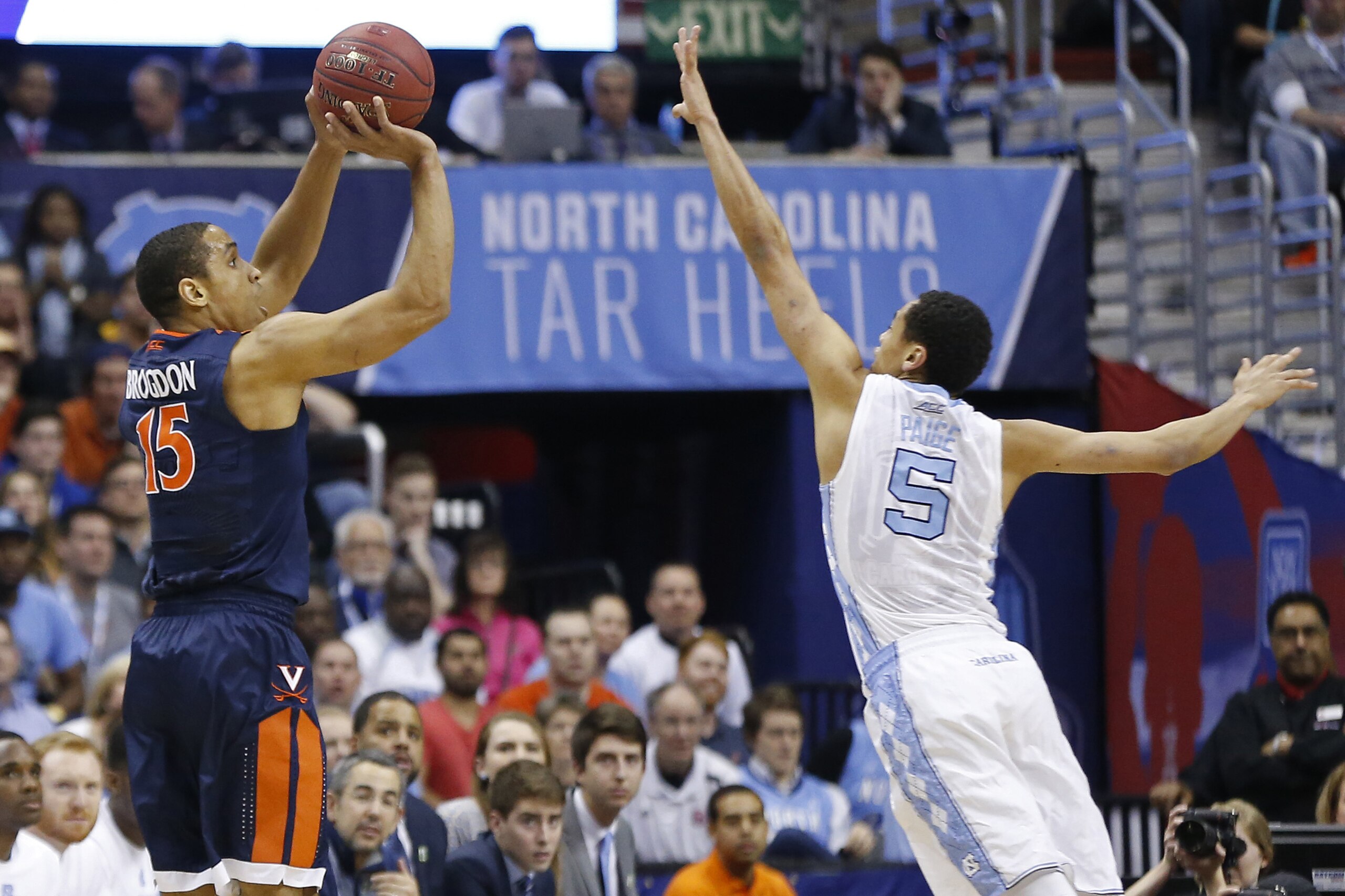
Kansas Jayhawks (30-4)
Strength: Kansas might have its best shooting team in Bill Self's tenure in Lawrence. The Jayhawks are sixth overall at 49.4 percent, and their 42.6 percent three-point rate is second-best in the country. The top five scorers shoot better than 40 percent from outside, and all four double-figure scorers are hitting at least 44.5 percent of their field goals.
Weakness: The Jayhawks outscore their opponents by almost 14 points per game, a margin that would be much higher if they were a little better at taking care of the ball. Their 12.5 turnovers per game aren't astronomical, but four different players have at least 50 giveaways, and only Perry Ellis has a turnover rate below 10 percent.
North Carolina Tar Heels (28-6)
Strength: Brice Johnson's 10.6 rebounds per game is what draws the eye when checking out North Carolina's stat sheet, but look closer and you'll see nearly everyone on the roster does his share on the glass. This is especially true on the offensive end, as the Tar Heels rank fourth nationally with a 39.7 percent offensive rebounding rate.
Weakness: Only 16th-seeded Hampton is worse at three-point shooting among NCAA tourney teams. Marcus Paige's prolonged slump from the perimeter overshadows an all-around horrible team performance, as UNC makes 31.4 percent of its outside shots and hits only 5.4 per game.
Oregon Ducks (28-6)
Strength: Oregon has had a player set the school single-season record for blocks in consecutive years, and they're both still on the roster. Chris Boucher leads the nation with 106 blocks, while previous record-holder Jordan Bell has 43 despite being limited by injuries. Opponents get 15.5 percent of their two-point field-goal attempts swatted away.
Weakness: The Ducks have a slew of players who are willing (and mostly able) to shoot the three, yet when it comes to recognizing opposing perimeter shooters, they struggle. Oregon allows 36.3 percent from three-point range, which is seventh-worst among NCAA tournament teams.
Virginia Cavaliers (26-7)
Strength: Virginia's offense can be incredibly efficient when it wants to, and a lot of that revolves around how often it shoots from three-point range. The Cavaliers take fewer than 15 threes per game but rank 10th in accuracy, at 40.4 percent. Malcolm Brogdon and London Perrantes combine to shoot 44.5 percent.
Weakness: The Cavaliers can be taken advantage of on the boards by teams with strong front lines. They've been outrebounded in 11 of 33 games, and without the ability to keep the tempo slowed down, their defensive rating goes down the tubes.
Statistics courtesy of Sports-Reference.com.
Follow Brian J. Pedersen on Twitter @realBJP.


.jpg?w=2560 "Dak to Stroud: Get Some Wins 💯")

.jpg?w=2560 "5 NFL Players Getting Trade Buzz")
.jpg?w=2560 "NFL Won't Fine 'Beverage' Celebrations 🍻")