
Predicting Which CFB Teams Will Succeed with New Systems in 2016
As spring practice gets underway across the country in the next few weeks, plenty of college football teams are putting a ton of emphasis on installing new schemes on offense and defense.
From the struggling offense looking to open things up with an uptempo strategy to the defense tinkering with how it lines up most of the time, this is an extremely crucial time in the football calendar.
Some schematic changes are coming with an entirely new coaching staff. Some teams are looking to shake things up with an incoming coordinator in a regime that has already established itself on campus.
Here are 10 college football teams implementing new systems that are projected to have good success in 2016—five on offense, five on defense. These teams were chosen based on their new coaches' past successes, schematic fits and how much talent they have to work with in 2016 (new assistants that will keep similar systems weren't eligible).
Which new system will have the most success this fall? Are there any other new systems you expect to thrive in 2016? Sound off in the comments below.
Arizona
1 of 10
New system: 4-2-5 defense
One of the hallmarks of the Arizona football program in the last few seasons has been the use of the 3-3-5 "stack" defense. The Wildcats struggled mightily on that side of the ball through a huge rash of injuries and are now going in a different direction for 2016.
Former Boise State defensive coordinator Marcel Yates ran a base 4-2-5 scheme with the Broncos, and the results were overwhelmingly positive. Boise ranked 12th nationally in total yards allowed per game in 2015 after making the jump into the top 50 in 2014. The switch to a 4-2-5 from a 3-3-5 isn't drastic but could be enough to make a huge difference.
Yates and head coach Rich Rodriguez are keeping extremely quiet about any scheme changes during the Wildcats' ultra-early spring practice sessions. But, according to Anthony Gimino of Tuscon News Now, the Wildcats practiced with a 4-2-5 look at a practice session that was open to the media—and nose tackle Sani Fuimaono was converted to a versatile 3-technique tackle.
"What I am trying to get back to is being comfortable with the open room I have off the edge during pass rushes, just setting the edge and getting to the quarterback as quickly as I can," Fuimaono said, via Gimino. "It's been a while since I've rushed off the edge, but it's slowly coming. I got a couple of good runs in there these last couple of days."
While the exact look of the Arizona defense remains to be seen, expect Yates to turn up the intensity and the pressure for a team that desperately needs improvement on this side of the ball. The Wildcats return plenty of experience on defense, which will help ease the transition to a new look.
Indiana
2 of 10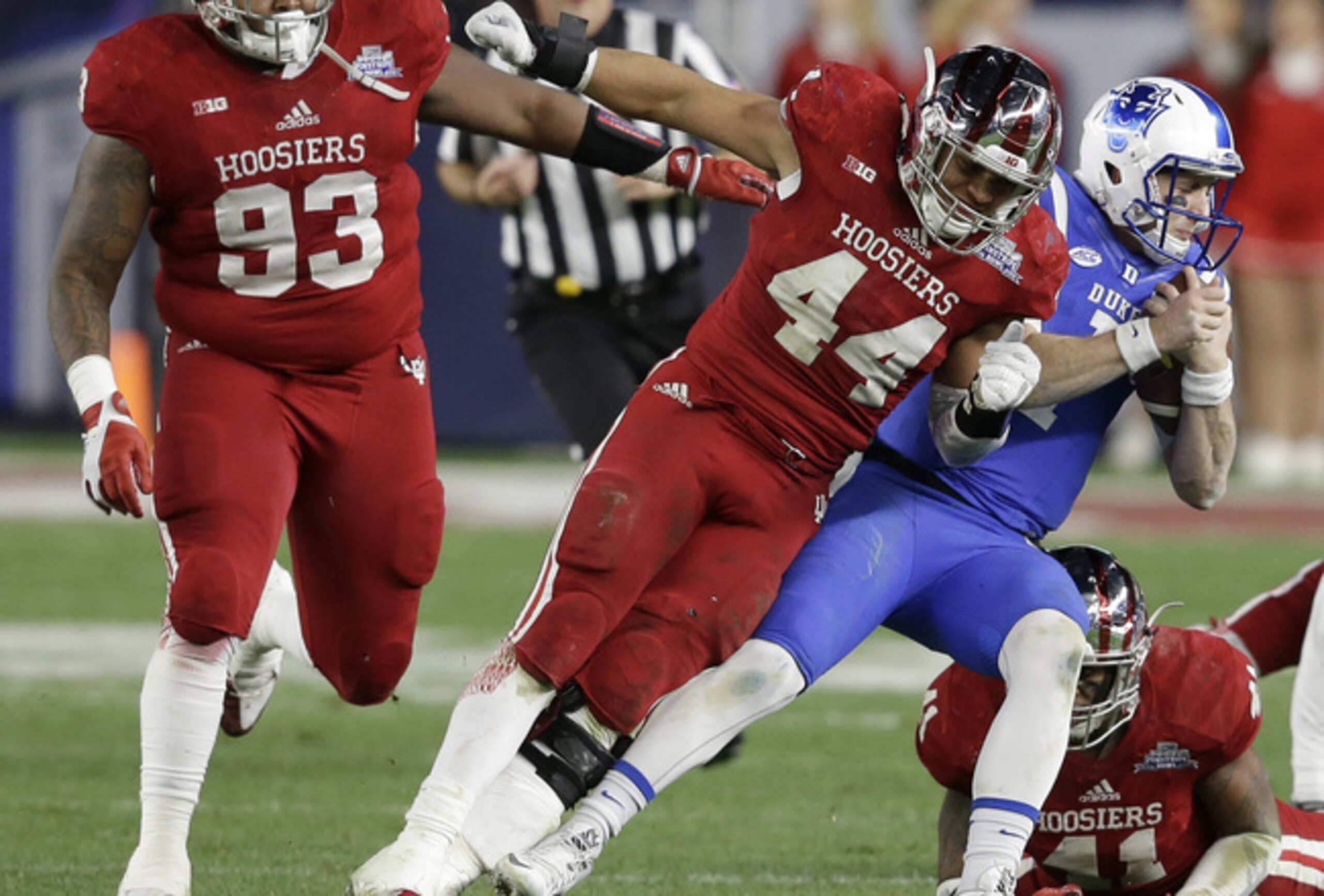
New system: 4-2-5 defense
Defensive coordinator Tom Allen is the latest assistant tasked with resurrecting the Indiana defense. Allen was hired after one strong season at USF and will take over a defense that was third-worst among Power Five teams in yards allowed per game last season.
But Allen is no stranger to turning defenses around. He was a linebackers coach at Ole Miss in its revitalization from the SEC's worst defense in 2011 to the fierce "Land Shark" unit that was No. 1 nationally in scoring by the end of the 2014 campaign. At USF, the Bulls improved across the board defensively and went bowling.
The Indiana native will install his 4-2-5 scheme with the Hoosiers, who return seven starters on the defensive side of the ball, including leading tackler Marcus Oliver and young ball-hawking defensive back Jonathan Crawford. While the Big Ten is known more for power rushing attacks, Allen saw great success in the 4-2-5 in the similarly schemed SEC West.
"I believe in what we do, I believe in the way we’re going to do it and I believe in the guys we're going to have here to get it done," Allen said, via Brian Bennett of ESPN.com. "There is a formula we're going to follow to get it turned around, and I believe in that process."
Allen has a massive rebuilding effort on his hands at Indiana, but it's hard to argue with his resume at restoring downtrodden defenses. He'll have an athletic and swarming defense this fall for a Big Ten program on the rise.
LSU
3 of 10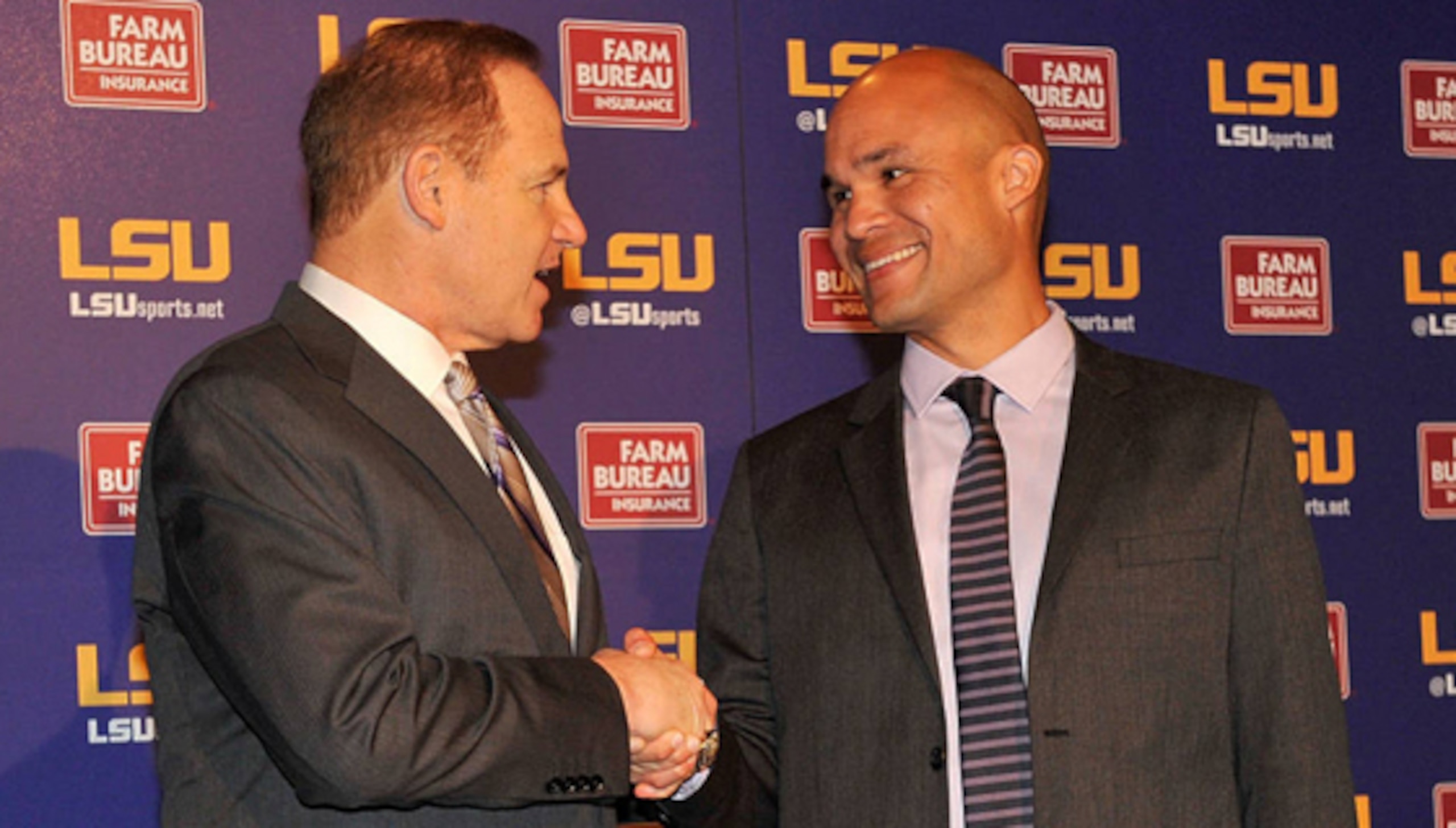
New system: 3-4 multiple defense
LSU made one of the best coaching hires of the offseason by snagging high-rising defensive coordinator Dave Aranda from Wisconsin to replace Kevin Steele, who went to SEC West rival Auburn.
Aranda's defenses with the Badgers ranked seventh, fourth and second nationally in total yards allowed per game, and now he's inheriting one of the most talented rosters in the entire country. Even better, LSU is returning nine starters on its defense from 2015, which ranked a respectable 25th nationally under Steele.
One of the biggest changes Aranda will make at LSU is the use of 3-4 defensive fronts, which is a change from the 4-3 looks the Tigers ran under Steele and John Chavis. But LSU fans shouldn't worry too much about how the defense will adjust. When he installed the scheme at Wisconsin in 2013, the Badgers improved in nearly every major defensive category.
"I think so much of it is trying to match guys," Aranda said, via David Ching of ESPN.com. "If you take a defensive lineman and you get him in a spot to where he can win one-on-one, or you get a linebacker in a spot to where he can get in a spot to win one-on-one, I'm excited to find those one-on-ones and use our guys."
As Ching writes, LSU has a ton of "natural versatility" in its experienced defense thanks to the high level of athleticism the Tigers crave in recruiting. Aranda has been a success everywhere he's been, and he's never had a set of players as naturally talented as the ones in Baton Rouge. This looks like a match made in football heaven.


Miami
4 of 10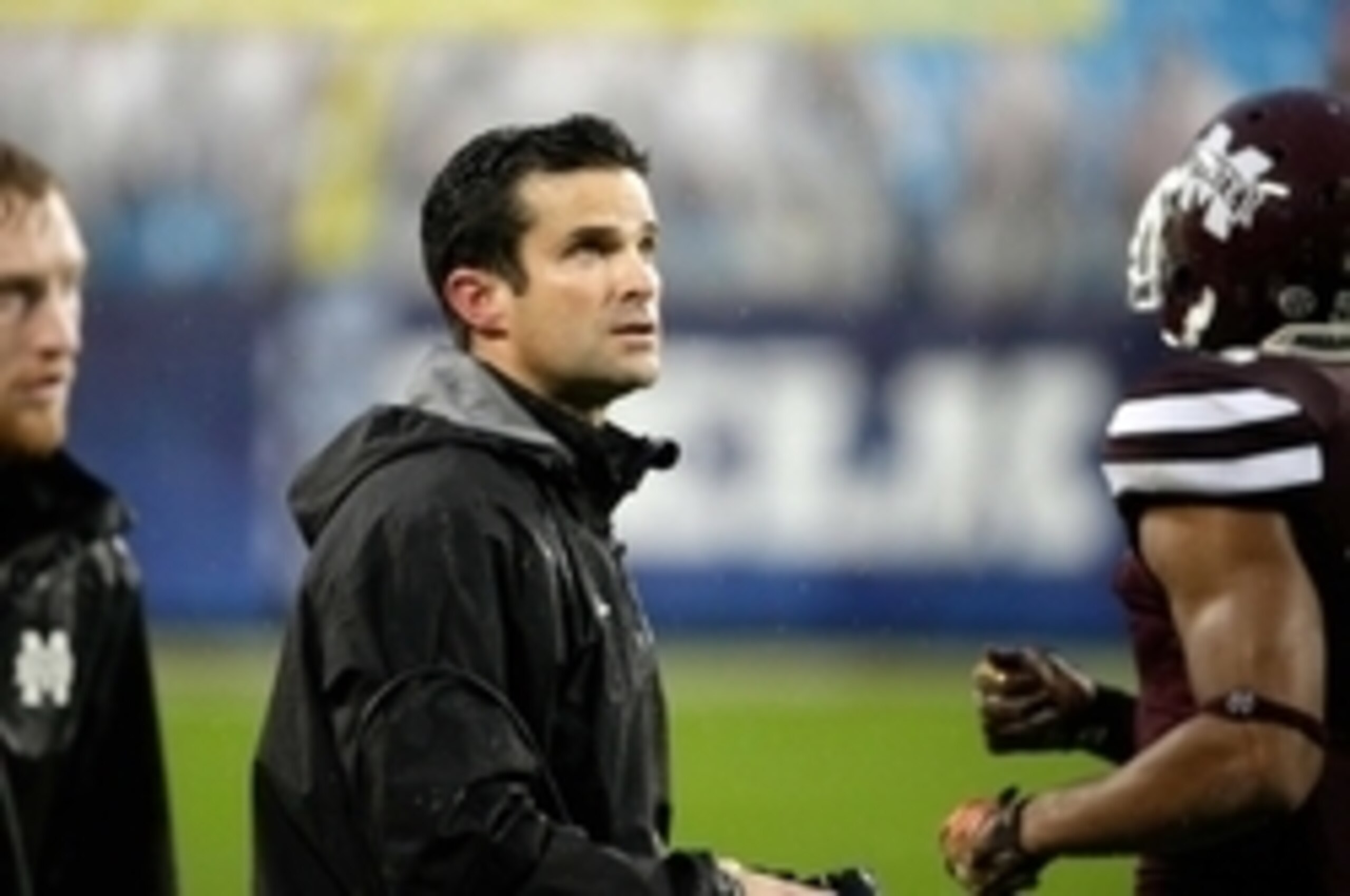
New system: 4-3 defense
For Miami fans hoping to see The U's famous swagger back on a defense that ranked a dreadful 115th nationally last season in rushing yards allowed per attempt, Manny Diaz was a nearly perfect hire as defensive coordinator.
In his past stops at Middle Tennessee, Mississippi State, Texas and Louisiana Tech, Diaz made a name for himself with an ultra-attacking 4-3 defense. When he was hired at Miami, new head coach Mark Richt made it clear that the Hurricanes defense was going to play in Diaz's style starting in 2016.
While Miami's secondary will have to reload in several areas, the meat of that attacking defense—the front seven—should be stacked with talent for Diaz and his new staff. Miami returns five starters from last year's defensive front seven and added four early enrollees there, with three of them earning consensus 4-star ratings.
"That’s all everyone’s been talking about, that we’re talented, we’re talented, we’re talented," Diaz said, via Matt Porter of the Palm Beach Post. "We have to play like it. It’s not fantasy football. We can’t walk around and pat ourselves on the back for being talented. Let’s learn how to be productive."
An attack-minded 4-3 defense plays right into the strengths of what Miami brings back in 2016 and conjures up images of the legendary hard-hitting units of the past for the Hurricanes. Miami has the right mix of returning talent, fresh faces and experienced coaches to make this scheme switch work well this fall.
Michigan
5 of 10
New system: 4-3 defense
When D.J. Durkin left for the head coaching vacancy at Maryland, Jim Harbaugh wasted no time in securing arguably the best defensive coordinator in the country in Don Brown. After all, Brown's defensive squad of lower-rated recruits at Boston College ranked first nationally in total yards allowed per game in 2015.
Durkin's defense at Michigan ranked just a few spots behind Brown's at Boston College last season, so Brown is stepping into an ideal situation in Ann Arbor. He'll inherit a deep defensive line that keeps getting stronger and a secondary that features elite defensive backs Jourdan Lewis and Jabrill Peppers.
The depth at the defensive line is important, because Michigan will change from a primarily 3-4 look under Durkin to the 4-3 one that gave Brown so much success at Boston College. Instead of using a "Buck" linebacker, the Wolverines should line up with two traditional ends and two tackles in their standard defensive set.
A switch to the 4-3 will also work out well for the Wolverines due to the lack of returning experience at linebacker in 2016. Michigan needs all new starters across that unit, so getting to replace a new linebacker with a more-experienced defensive lineman will be a benefit.
With Chris Wormley, Ryan Glasgow, Maurice Hurst, Taco Charlton and now Rashan Gary holding things down in the front and the duo of Lewis and Peppers patrolling the secondary, Brown will be able to play to Michigan's strengths in what should be an elite, attack-minded defense.
Penn State
6 of 10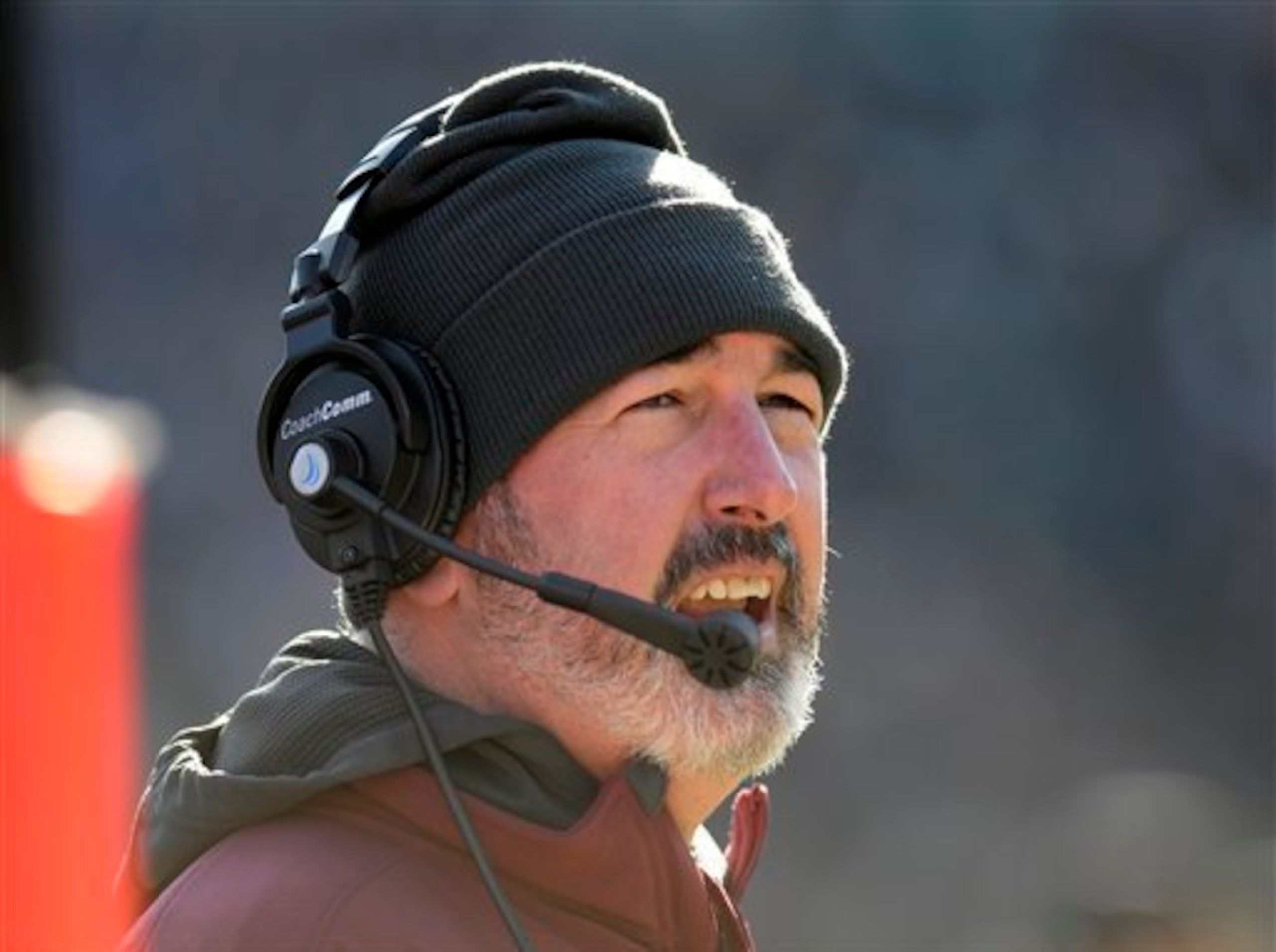
New system: spread offense
Penn State desperately needed a change on offense after finishing 105th nationally in total yards per game last season, and head coach James Franklin went off the beaten path by hiring offensive coordinator Joe Moorhead from the FCS ranks to install a new system in State College.
The new scheme is going to be a drastic change from what Nittany Lions fans have seen in the last several seasons. Moorhead, who helped lead UConn to a Big East title and a BCS bowl appearance in 2010, is all about getting his best playmakers into space.
"We want to be uptempo," Moorhead said, via Mike Poorman of StateCollege.com. "We want to be attacking. We want to dictate the speed of the game. We want to get our kids in the best play possible against the look that is presented."
The opportunity for a big offensive turnaround is definitely there for the Nittany Lions. Penn State returns rising sophomore star running back Saquon Barkley and the majority of the starters at skill positions and on the offensive line. A strong running game is a tenant of Moorhead's offense, which will look to turn Chris Godwin and DaeSean Hamilton loose on the outside.
At both UConn and Fordham, Moorhead's offenses wasted little time in becoming early success stories. It may take some extra time to get going at full speed—especially with a new starting quarterback—but Franklin's move should pay dividends in what will be a crucial season for him.
Pittsburgh
7 of 10
New system: multiple offense
While Matt Canada's offenses at NC State had good numbers during his tenure, something was off just enough to get him to leave the Wolfpack for fellow ACC school Pittsburgh.
With Pat Narduzzi at the helm, expect Pittsburgh to continue to pound the ball on the ground and look for ball-control offense. Canada did just that at NC State, as the Wolfpack dominated time of possession and had seven different players rush for 200 or more yards last season.
Pittsburgh will return young star Qadree Ollison and James Conner, who continues to practice after recovering from a knee injury and battling cancer. Ollison rushed for 1,121 yards and 11 touchdowns, and Conner was one of the nation's best running backs when healthy in 2014 with 1,765 yards and 26 scores.
The main difference Canada will bring in his scheme, though, will be in the passing game. Canada wasn't afraid to air it out a decent amount with Jacoby Brissett at NC State.
He'll also be able to get returning quarterback Nathan Peterman moving around more in the pocket and looking to hit more big plays downfield to a new-look receiving group led by big-play threat Dontez Ford, who had 19.42 yards per catch in 2016. Under Canada, Pittsburgh's offense should have multiple threats that will make it more dangerous than in years past.
Texas
8 of 10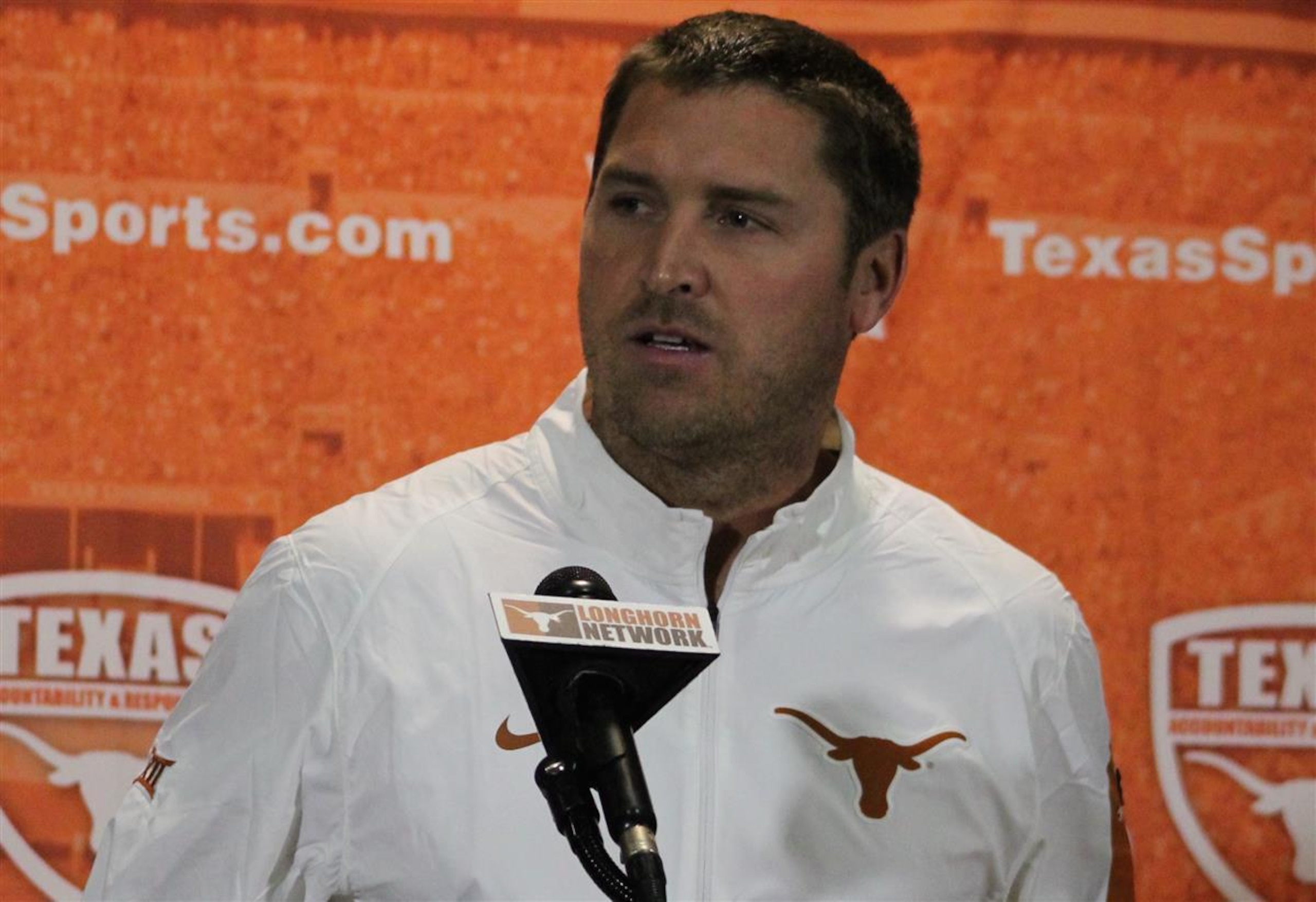
New system: run-pass option offense
Texas has fallen way behind in the offensive arms race in the Big 12, a league known for its high-powered, no-huddle schemes. Now the Longhorns are transitioning to a fast-paced, spread-option attack from a member of Baylor head coach Art Briles' coaching tree.
Offensive coordinator Sterlin Gilbert has been a part of dramatic offensive turnarounds at Eastern Illinois, Bowling Green and Tulsa. Now the pressure is on to do the same with one of the biggest programs in the entire country—one that needs to see major offensive improvement in order to get back to where it wants to be in the college football world.
Fortunately for Gilbert, he's inheriting a rushing attack that ranked 21st nationally in yards per carry last season and returns five rushers with at least 450 yards on the ground in 2015. His style of offense will be highly familiar to plenty of the in-state players on the Longhorns roster, including the likes of quarterbacks Jerrod Heard, Kai Locksley and early enrollee Shane Buechele.
"From what I’ve seen when I look up stuff, he [Gilbert] does a lot of RPO [run-pass option] stuff. We did a lot of that at my high school," Buechele said, via Max Olson of ESPN.com. "It’s pretty similar. The tempo is the big thing. We’re gonna be going fast."
No one should expect Texas to have a Baylor-esque offense overnight—at least not in production—but the Longhorns have a good chunk of experience coming back to an offense that should fit better in the wide-open style that Gilbert has helped engineer in previous stops.
UCLA
9 of 10
New system: pro-style offense
UCLA didn't make an outside hire once offensive coordinator Noel Mazzone left for Texas A&M, but the Bruins are still going to have a decidedly different look on offense this season under Kennedy Polamalu.
According to Bleacher Report's Bryan Fischer, fans can expect to see more of a pro-style attack under Polamalu that isn't afraid to take some more shots downfield in the passing game. That kind of mindset has plenty of potential with rising sophomore star Josh Rosen, a strong-armed quarterback who should only get better after his masterful freshman debut.
"There should be far fewer screen passes and short-passing plays than in years prior for UCLA going forward," Fischer wrote. "No matter what form the team’s new offense will take, however, they most certainly will be a team that builds around their quarterback and likely will evolve as the season goes on and playmakers around him [Rosen] develop."
UCLA will have to rebuild its receiving corps, shuffle on the offensive line and get Soso Jamabo and Nate Starks to help pick up the production of Paul Perkins at running back, so there might be some early bumps in the road.
However, by focusing its pro-style attack on the strengths of one of college football's brightest young talents, UCLA should be more successful in the long haul with Polamalu in charge of running the offense. The change will be welcome in Westwood this fall.
Virginia Tech
10 of 10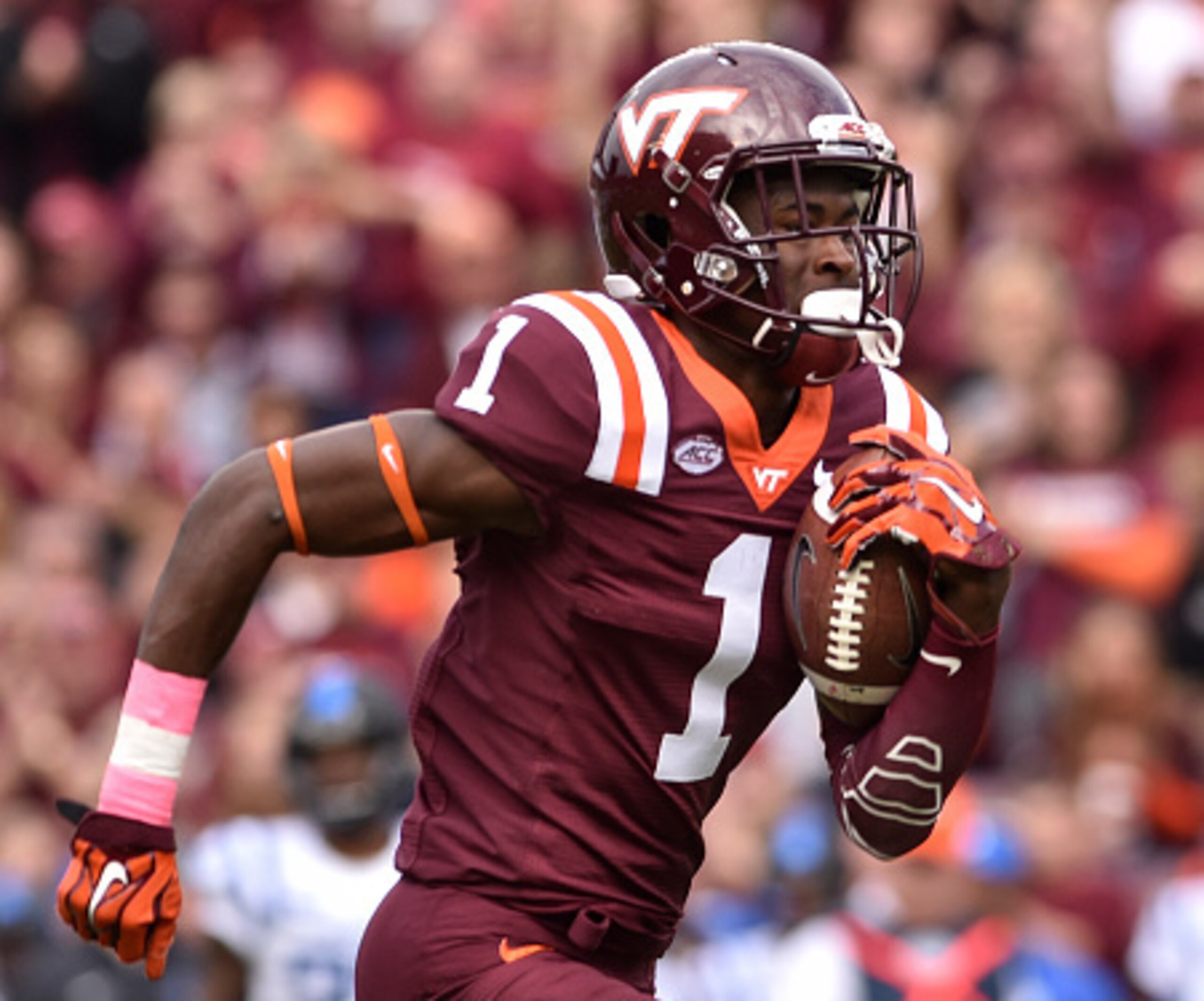
New system: spread offense
The retirement of legendary head coach Frank Beamer not only allowed Virginia Tech to start fresh with a young coaching star such as Justin Fuente, but it also gave the Hokies a reason to revamp their stagnant offense under coordinator Scot Loeffler.
Virtually any new hire would've been an improvement from Loeffler, but the hiring of Fuente's offensive coordinator at Memphis, Brad Cornelsen, took the change to the next level. Cornelsen called plays for Memphis last season and was responsible for developing quarterback Paxton Lynch into a first-round NFL draft talent.
Now the Hokies can expect a faster-paced spread offense that seeks to get the most out of a variety of playmakers. They have that in 2016 in star wide receiver Isaiah Ford, who had 1,164 yards and 11 scores last season, and Travon McMillian, who rushed for 1,042 yards as a freshman last season. Prized 6'7" tight end Bucky Hodges will be a valuable weapon for whoever emerges from a five-wide quarterback race.
"Fuente has complete faith and comfort in his assistant," Rich Cirminiello of Campus Insiders wrote. "Plus, with the points-hungry Hokies, the young and anonymous Cornelsen is going to get an opportunity to earn a healthy dose of national exposure."
If Fuente and Cornelsen can work their quarterback magic with the new starter in Blacksburg, he has eight returning starters in the skill positions and on the offensive line that could make the entire offense a complete success in 2016. Look for Virginia Tech to take a huge step forward on offense with the brain trust that made Memphis so effective in recent seasons.
All statistics courtesy of CFBStats.com unless otherwise noted.
Justin Ferguson is a college football writer at Bleacher Report. You can follow him on Twitter @JFergusonBR.
_0.png?w=2560)


.jpg?w=2560 "NFL investigating 2 referees for separate viral exchanges")
.jpg?w=2560 "OBJ Calls Out Giants 😳")


.jpg?w=2560 "Ward Nearly Walks Out of Presser 😳")
.jpg?w=2560 "Tyreek makes another cryptic post amid Chiefs rumors")