Why It's in Best Interest for Big 12 Football Not to Expand
It's the offseason, which means Big 12 expansion talk is in full swing. At least now, however, there's an unofficial date on whether the conference is going to stay at 10 members or grow to 12 and put themselves on par with the other four power conferences.
Per Berry Tramel of the Oklahoman, "Big 12 presidents have agreed that they need to make a decision, perhaps by this summer" regarding three reforms outlined by University of Oklahoma President David Boren: expansion, a football championship game and a possible conference network.
These items are inherently intertwined, but resolutions for each may come at different times. For example, legislation allowing deregulated conference championship games was passed in January, though the Big 12 likely won't implement one until 2017 (h/t George Schroeder of USA Today).


_0.png?w=2560)
As for a conference network, a la the SEC's partnership with ESPN, Schroeder notes Texas would have to "give up the Longhorn Network, from which the school reaps an average of $15 million a year from ESPN." Regardless of whether the LHN is considered a success or failure, Texas, the Big 12's prize program, still gets its paycheck.
That leads us back to expansion.
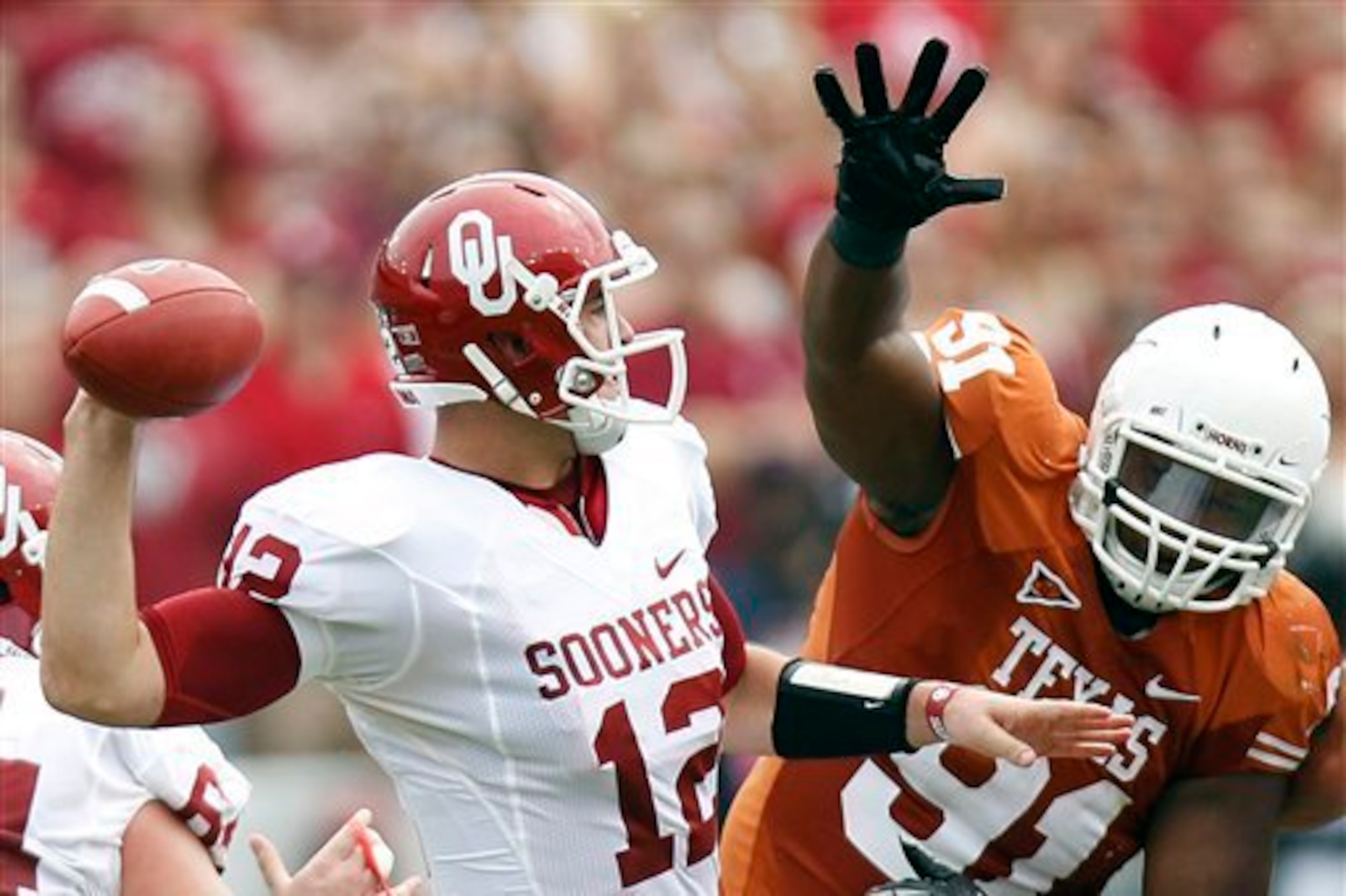
By far, Boren been the most outspoken among Big 12 presidents on expansion, which indicates he is the thought leader in the boardroom. The thing is, what Boren wants isn't necessarily best for the conference—at least as far as expansion is concerned. Unless monetary data suggest otherwise, it's not in the Big 12's best interest to add two more teams. Boren is, however, willing to yield if the numbers do in fact do the talking.
“We're in a fact-finding mode, we're in a data-gathering mode,” Boren said, per Tramel. “In other words, what will it mean to the stability of the conference? What will it mean financially to the conference?"
Tramel's column mentions the usual suspects for Big 12 growth: BYU, Cincinnati, UConn, Central Florida, Boise State and the like. The problem with those names, though, is the same problem from last year. And the year before that. And the year before that.
Put simply, there are no great options for Big 12 expansion. There haven't been for some time. If there were, the Big 12 would have 12 teams. End of story.
And the schools often mentioned by name side by side with Big 12 expansion? They'll be available in five years, 10 years even. There's a bit of irony, then, that the Big 12 feels compelled to make a decision sooner rather than later.
Either way, there's one main question that needs to be asked: How much do those teams move the meter for television money? That's what matters most—that and playoff inclusion—but Boren buried that lead:
"Well, what are their academics? What's their research base? How well do they fit our academic profile? How well do they fit our fan base profile? How many dollars in their market do they bring to the table? We're looking at all that. In terms of the network and those dollars, we're looking with our TV consultants to tell us.
"
Academic, cultural and even geographical fits make for good talking points, but they're relatively meaningless compared to what a school does for a conference's bottom line. If nothing else, the intersection of so-called amateur sports and the growing world of multimedia deals makes such talking points seem disingenuous.
So what would, say, BYU and Cincinnati bring the Big 12 financially? There's no way to officially know right now, but the conference is doing its due diligence by asking the right questions and collecting data to find out.
“I think people are being very sincere about trying to look at the figures and the facts,” Boren told Tramel. “Not be emotional about it or ‘I want this school' or ‘I want that.'"
The emotion has to be taken out of the equation. While there's no denying the Big 12 makes less money than the Big Ten and SEC in television deals (h/t Chris Smith, Forbes.com), it's not guaranteed the conference will suddenly be in a substantially better place because it added Cincinnati and Boise State, for example.
Then there's the playoff angle.
In the playoff era, the Big 12 has been hosed by not having a title game (2014) and benefited from it (2015). That's hardly enough to say for certain that the Big 12 is disadvantaged. In fact, back when the conference had 12 teams and a conference championship, the underdog had a fairly decent success rate, as noted by Dennis Dodd of CBS Sports:
Is the Big 12 in a tough spot? Absolutely. Being different from other Power Five conferences isn't the position Commissioner Bob Bowlsby and the league's presidents want to be in. But the reality is there aren't many great options. That's why you're seeing the Big 12 consider solutions that go around issues rather than attacking them head-on.
Realistically, a conference network is more critical to Oklahoma staying in the Big 12, and thus the conference's survival, than expansion. Boren is 100 percent right to address that issue. The expansion talk? It grabs the headlines, but it's a secondary issue. With all due respect to the likes of Cincinnati or UConn, they're not going to be the savior the Big 12 needs. Those programs are already in the conference.
And just because the Big 12 can expand doesn't mean it should.
Ben Kercheval is a lead writer for college football. All quotes cited unless obtained firsthand.

.jpg?w=2560 "NFL investigating 2 referees for separate viral exchanges")
.jpg?w=2560 "Report: Chiefs Contact Hill's Agent")
.jpg?w=2560 "OBJ Calls Out Giants 😳")
.jpg?w=2560 "Tyreek makes another cryptic post amid Chiefs rumors")