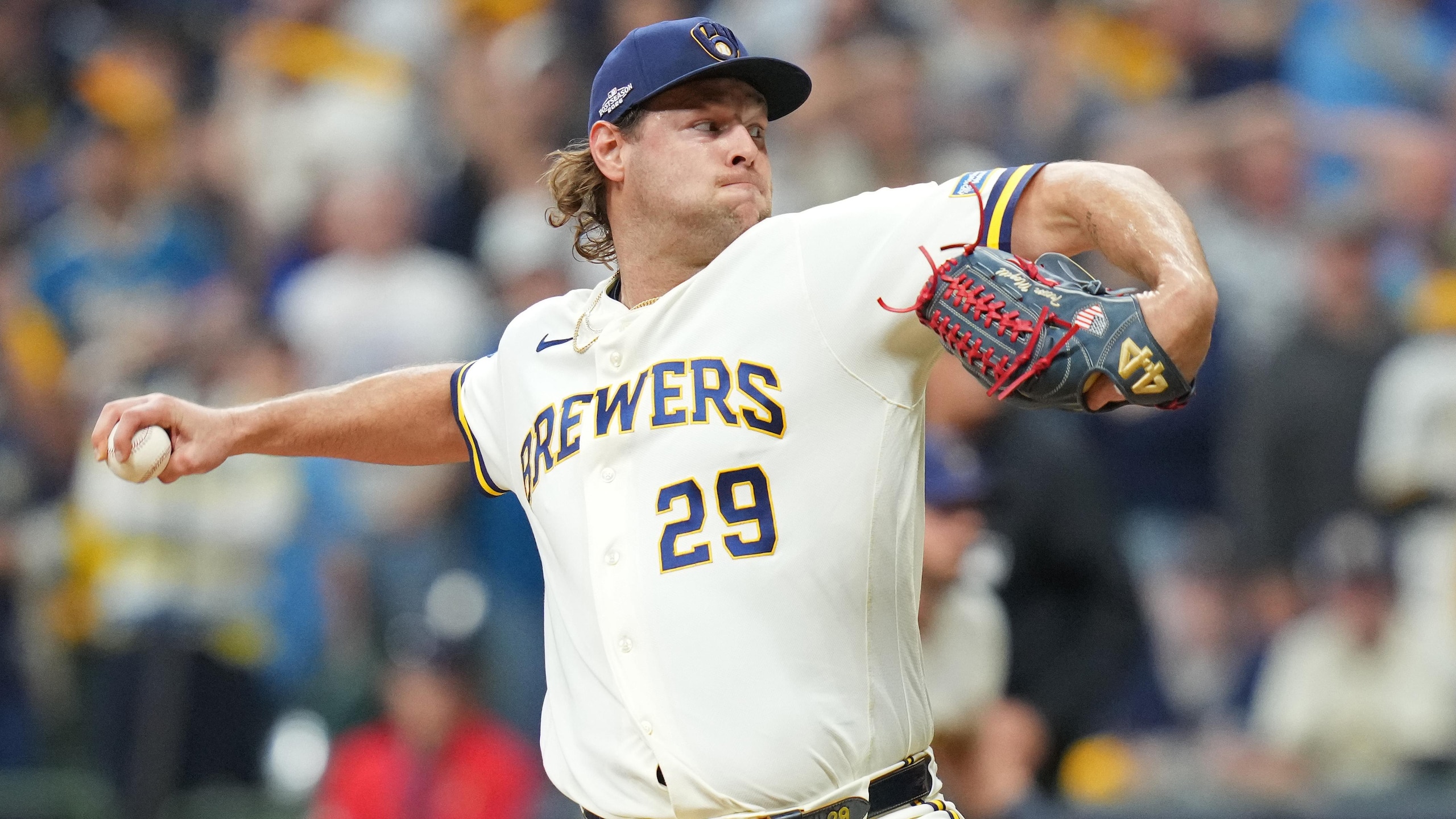
Finn Balor Is the Modern-Day Version of The Great Muta
In ensnaring the audience with a shadowy alter ego and a dynamic, fleet-footed approach to wrestling, Finn Balor is following The Great Muta's lead.
Balor has been a highlight of NXT for the last two years. His ring work is stellar. His heartthrob appearance doesn't hurt, either.
It's his theatrics, from his horror-movie crawl to the fangs painted on his neck, that have truly allowed him to stand out.
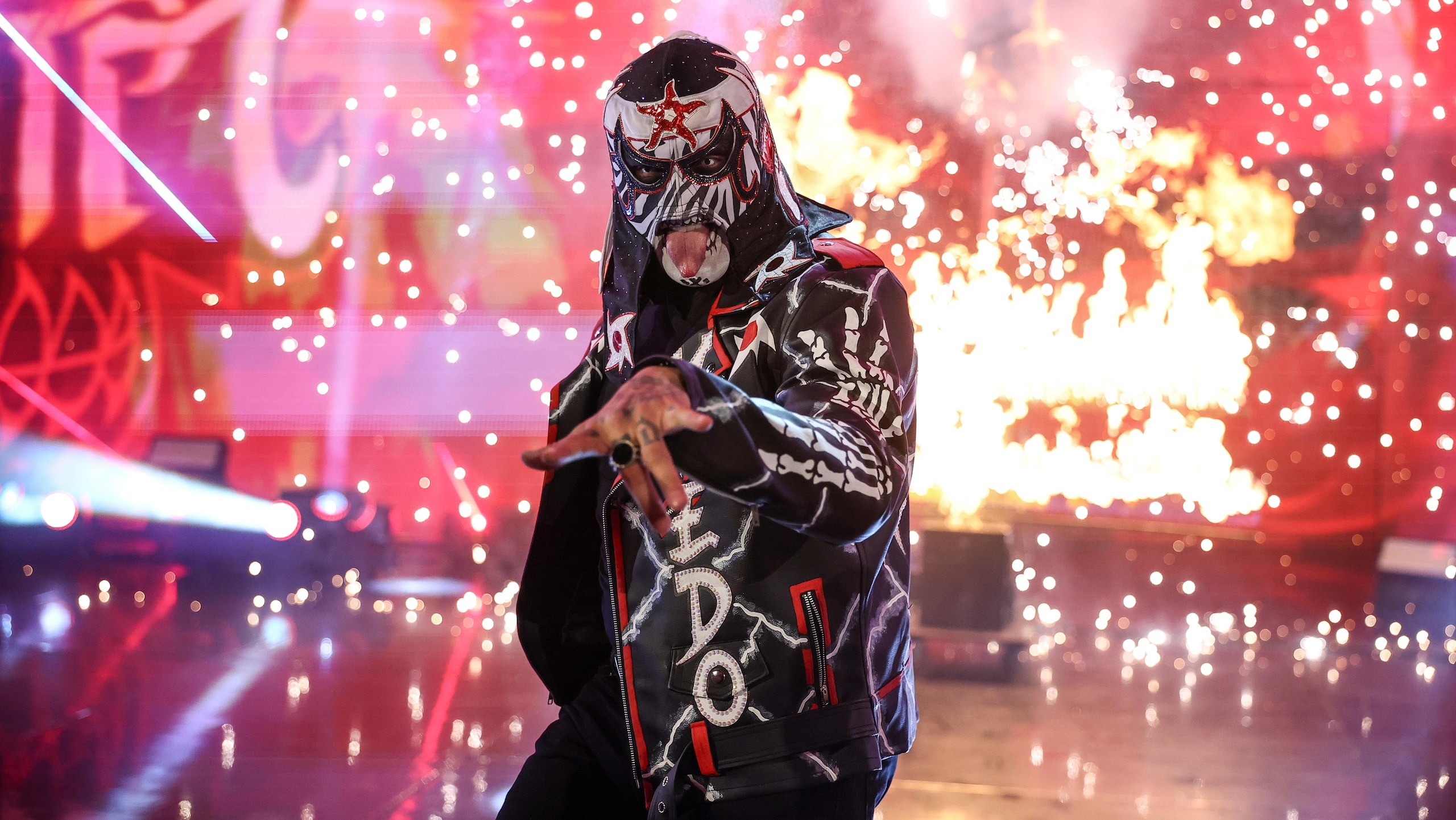

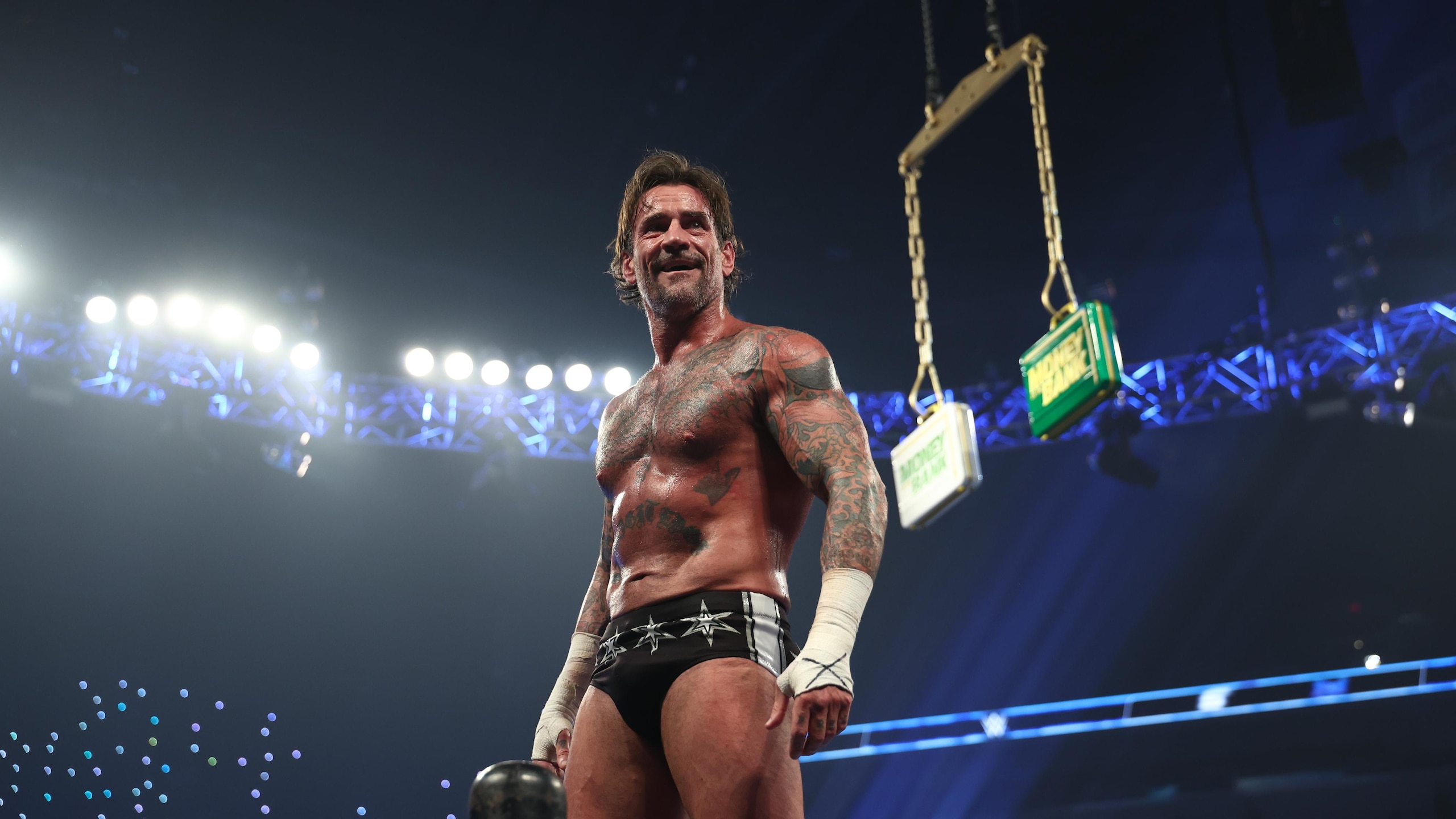
Muta, who later wrestled under his real name, Keiji Mutoh, forced fans to notice him in a similar way. The Japanese star first made waves in the United States in the late '80s in the National Wrestling Alliance, going up against names like Sting and Ric Flair. He would later ply his trade for New Japan Pro Wrestling, letting his gimmick evolve over time.
Height difference and country of origin aside, Muta is a lot like Balor and vice versa.
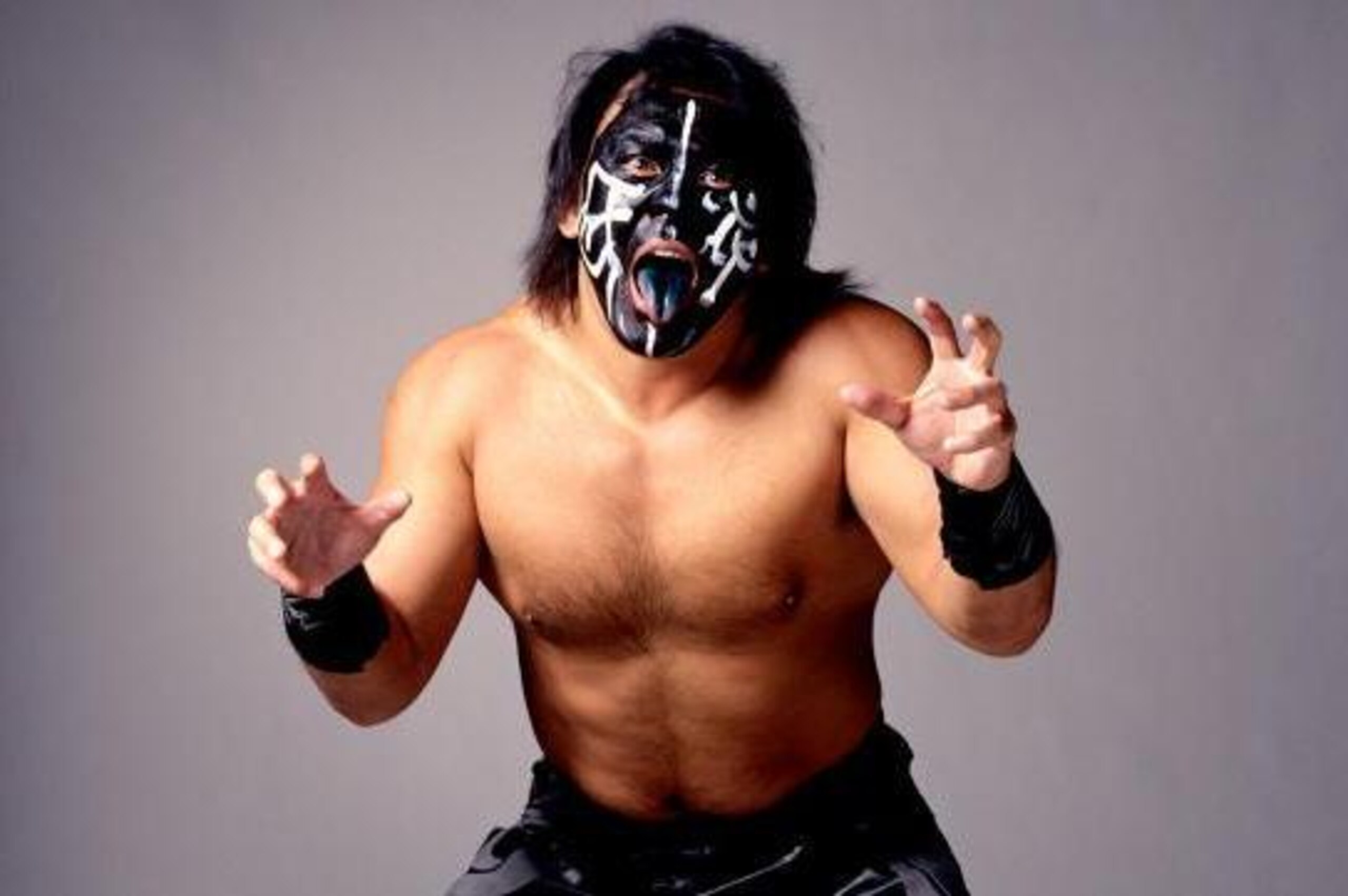
His WWE.com profile reads, "The Great Muta's startling athleticism and threatening ring presence allowed him to connect with audiences in ways Kabuki could not." Balor clearly possesses "startling athleticism." When he becomes The Demon, his presence most certainly becomes sinister.
All that had added up to him being a hugely compelling figure, his style and skills overlapping with Muta's.
Innovation, Originality
In March 1989, Gary Hart welcomed a mysterious new arrival to the NWA. He introduced Muta as the son of Hart's demonic, mist-spewing cohort—The Great Kabuki.
A black cowl covered Muta's face. He stood silent on the stage, holding a martial arts pose, as his entourage talked up his ability in the combat arts. Muta than proceeded to step into the ring, flipping over the ropes and soaring through the air as he easily dispatched of his foe.
Japanese wrestlers didn't often compete in the U.S. at the time. High-flyers of Muta's caliber were rare, too. And a man donning blue face paint was a new sight as well.
All that combined for a package unlike any other. As Michael Moore wrote for PWTorch, "When Muta debuted with Gary Hart as his manager on NWA TV in early 1989, he was something U.S. fans had never seen."
Muta was portrayed as an enigmatic figure from a far-away world.
Today, WWE presents Balor in much the same way. Instead of focusing on his country of origin, though, Balor's dark side seems to come from the same mystical place as Undertaker.
That exotic aura that Muta gave off is present once more.
Muta played up his otherness with dramatic mannerisms. He looked much like a character plucked from anime, an over-the-top karate artist. Balor's in-ring theatrics are similar.

He crawls to the ring like a spider. Body paint covers his flesh. His victory posture looks like some sort of salutation to the sun.
Balor seems to have borrowed elements from Muta, Undertaker and Shawn Michaels. The end result, like Muta before him, is a combination that fans have yet to see.
Athlete Extraordinaire
Balor glides in the ring.
When he leaps from the top rope or hits a sudden dropkick, it looks effortless. Springing around the squared circle is key to his matches. Sentons and enzuigiris are prime weapons for him.
In an interview with Josh Modaberi of Cult of Whatever, Balor named Fit Finlay, Rick Martel and Savio Vega as early influences. His in-ring style looks nothing like anything those men did, however. It's far easier to draw a line from Muta's work to Balor's.
Muta's style has shifted with age, but when he was in his prime, he wowed crowds with a kick-heavy offense and moonsaults.
In an era where ground-centered offense was commonplace, he took to the air often. His full-throttle, gravity-defying style is a lot like the one Balor leans on today.
Balor, like Muta before him, makes one notice him right away. There is nothing subtle about his approach to the art. He uses broad, sweeping strokes and is as masterful as Muta at doing so.
Mining Duality
Mutoh transformed into Muta and back again several times over. Later in his career, he would wrestle under his real name until the situation called for him to bring forth his alter ego. The Muta gimmick grew darker as he traded a monstrous mask for his face paint.
This was a play on the idea of a gimmick, making it something one can morph into, much like how Bruce Banner turned into The Incredible Hulk.
There was a comic-book vibe to these changes. Mutoh wasn't just putting on a mask; he was putting on a new self. His ring style changed, too, becoming more savage to accentuate the shift.
Balor is playing with that same idea.
Normally, he's the resilient Irishman with magazine-cover looks. But when he is in the heart of a feud or when a huge match arrives, he changes into a manifestation of his darker side. He covers his skin in body paint, dons dreadlocks and creeps his way to the ring under red lights.
WWE fans first saw that for the first time at NXT TakeOver: Revolution. Balor entered the ring in his "demon" attire.
In reference to that entrance, David Wilcox noted on AuburnPub.com, "Balor had the show-stopping mystique of fellow New Japan alum The Great Muta."
The parallels were clear. The mystifying effects of both men's aura were similar, too.
If a wrestling manager had introduced Balor as the son of The Great Muta when he first arrived, there would have been ample reason to buy that tale.
.jpg?w=2560)


.jpg?w=2560 "NFL investigating 2 referees for separate viral exchanges")
.jpg?w=2560 "Report: Chiefs Contact Hill's Agent")
.jpg?w=2560 "OBJ Calls Out Giants 😳")

.jpg?w=2560 "Tyreek makes another cryptic post amid Chiefs rumors")