Why the Return of Refuelling Would Be Bad for Formula 1
Refuelling appears to have once again fallen off the agenda for 2017.
A return was proposed at a meeting of the Formula One Strategy Group last May, as part of a series of measures aimed at "improving the show." Other suggestions included increased downforce, wider tyres, lighter cars and a more aggressive look—but it was the refuelling return that stood out, and it quickly became the main topic dividing opinion.
In the end, all the debate over the pros and cons came to naught—it was dropped the following month after the teams rejected the idea.
.jpg?w=2560)


Everyone thought it was gone for good, but it surfaced again early this month, seemingly at the behest of FIA president Jean Todt. Barely a week later, it was off the table once more—and hopefully, that's where it will remain.
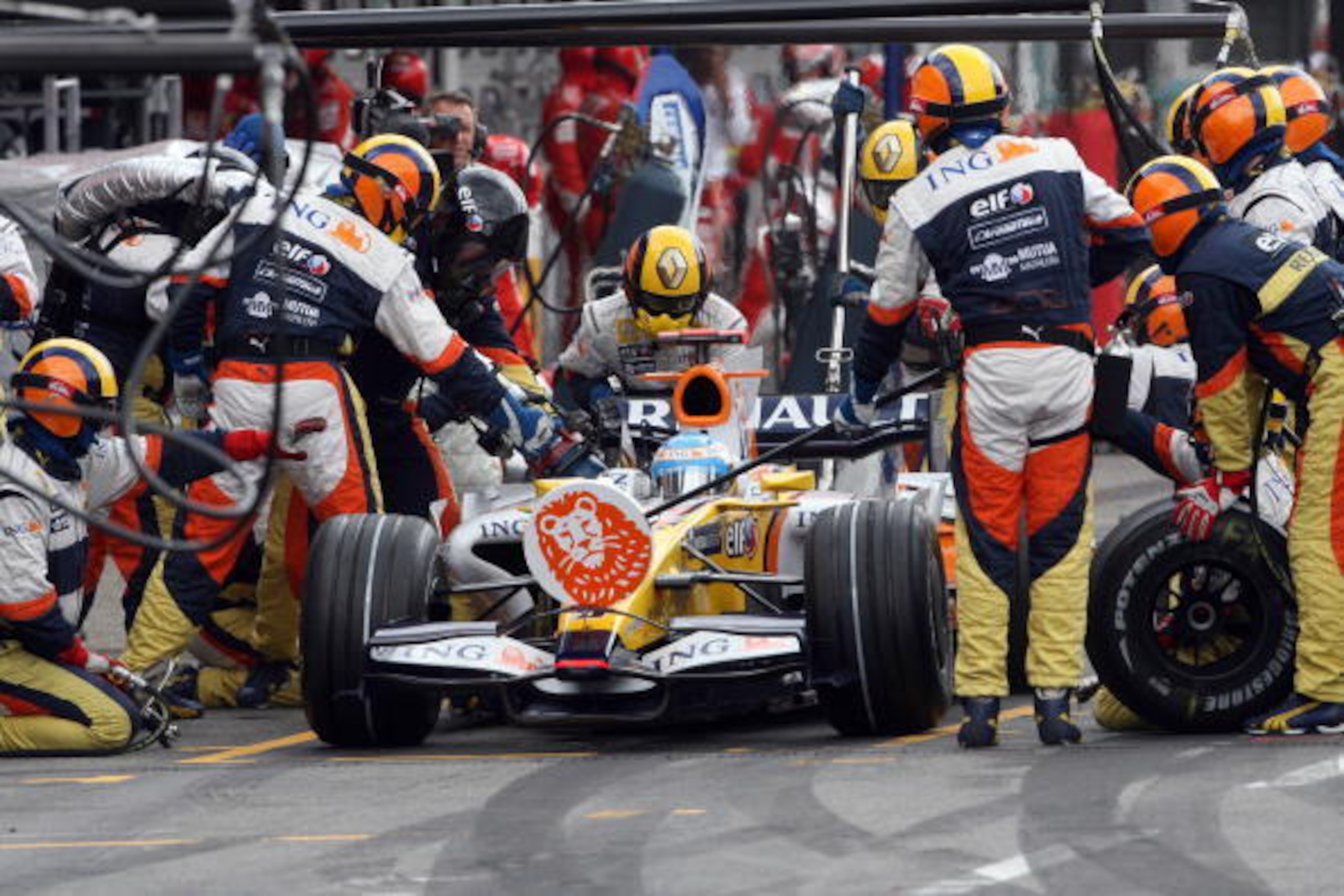
Refuelling was banned at the end of the 2009 season as part of efforts to reduce costs and increase safety. Moving the equipment—and the employees needed to look after it—around the world did not account for a major chunk of any team's budget, but back then every penny counted.
Today, the financial situation facing at least half of the teams on the grid is even more dire. When he re-floated the idea at the Autosport International show in mid-January, Jean Todt dismissed the cost as minor, stating it was around "€50,000 a year."
But back in May, the BBC reported that the sporting directors of the teams had come to the conclusion it would cost around 20 times that amount—in the region of €1 million per year.
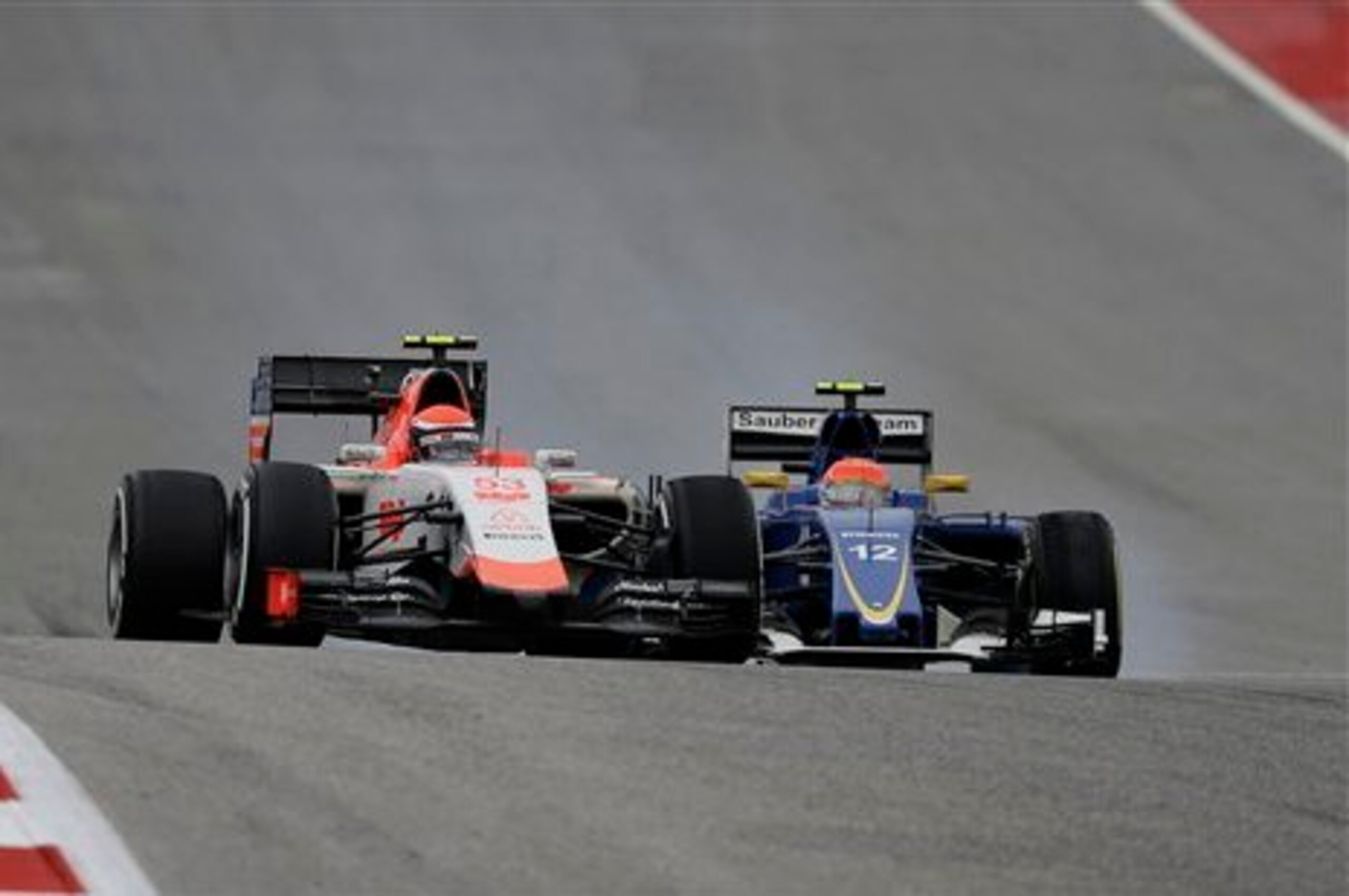
It doesn't sound like a lot to an F1 team, and to the bigger squads it would barely be a drop in the ocean. But for teams on a lower budget—such as Manor, Haas and Sauber—€1 million as an extra, non-optional cost of taking part is a lot of money.
And issues surrounding the other primary reason for its banning, those relating to safety, are also still very much worthy of consideration. Any new fuel rig would surely come with greater fail-safes and be of superior construction to those used in 2009.
But the stuff inside it would be almost identical, and it doesn't matter how many safety features you put on a rig—hurling fuel into a car while under intense pressure in the heat of battle will always be more dangerous than sedately pouring it in before the start of the race.
If two clear and indisputable operational downsides are going to be introduced, there needs to be a very good reason for bringing in whatever will create them.
But the arguments in favour of refuelling are not greater than those opposing it.
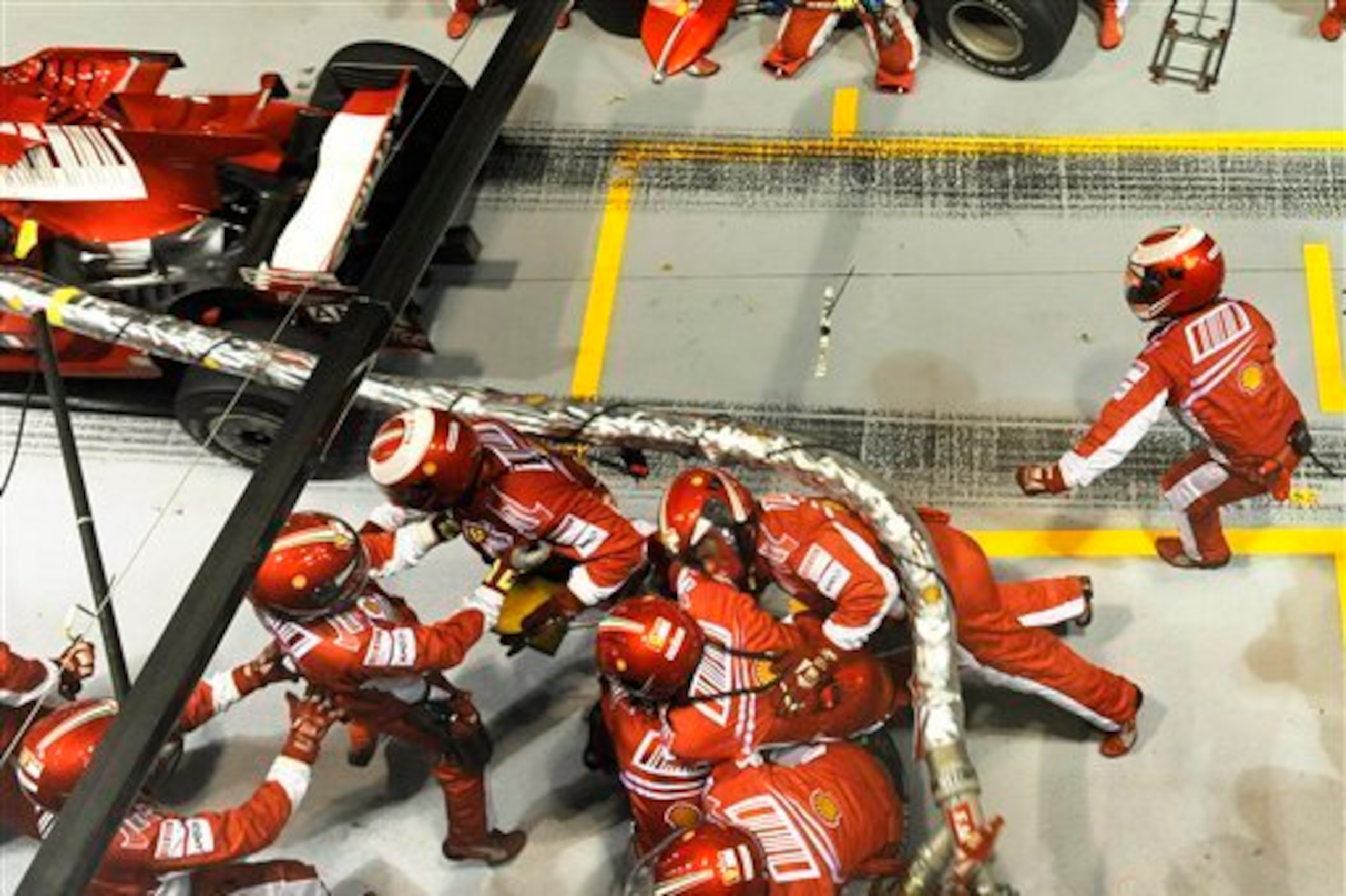
It would be impossible to dispute the cost or safety drawbacks, but it would also be extremely difficult to argue that refuelling would not make the cars quicker. A lighter car is a quicker car, so one starting a race with 50 kilograms of fuel on board would be faster than one starting with 100 kilograms.
The speed increase is a large part of the reason the now-nixed refuelling return was backed by many of the drivers, from world champions Fernando Alonso, Sebastian Vettel and Jenson Button all the way to rookies including Max Verstappen.
Vettel's view was typical, with the German telling press, including Alan Baldwin of Reuters, "Obviously as a driver, if you go faster, which you do when you refuel the car, it's better. So I appreciate the decision."
A driver would definitely notice his car was quicker, but a fan would need highly trained eyes because the speed difference would not be as great as it was in years gone by. Modern engines are far more fuel-efficient than the old V10s or V8s, as 1996 world champion Damon Hill pointed out when he spoke to ESPN:
"There's no question that cars coming in to top up for fuel is a drama, but you have to remember that these cars use 100 kilograms of fuel—the last few years have been using two thirds of the fuel that they used to use in the past.
So fuel is always going to be significant but it's not nearly as significant as it used to be in the days when it used to be 180kg in the car.
"
As an example, taking the standard "10 kilograms of fuel equals three-tenths per lap" rule, a car starting with 50 kilograms of fuel would lap just 1.5 seconds per lap quicker than one starting with 100 kilograms—the current maximum allowance.
Spread over a whole lap, the visual difference would be very, very small; there'd be a "placebo effect" from watching the timing screen and seeing that the sectors were faster, but even an obsessive fanatic with 20 or more years of experience watching F1 would struggle to identify exactly where the car was gaining a tenth or two.
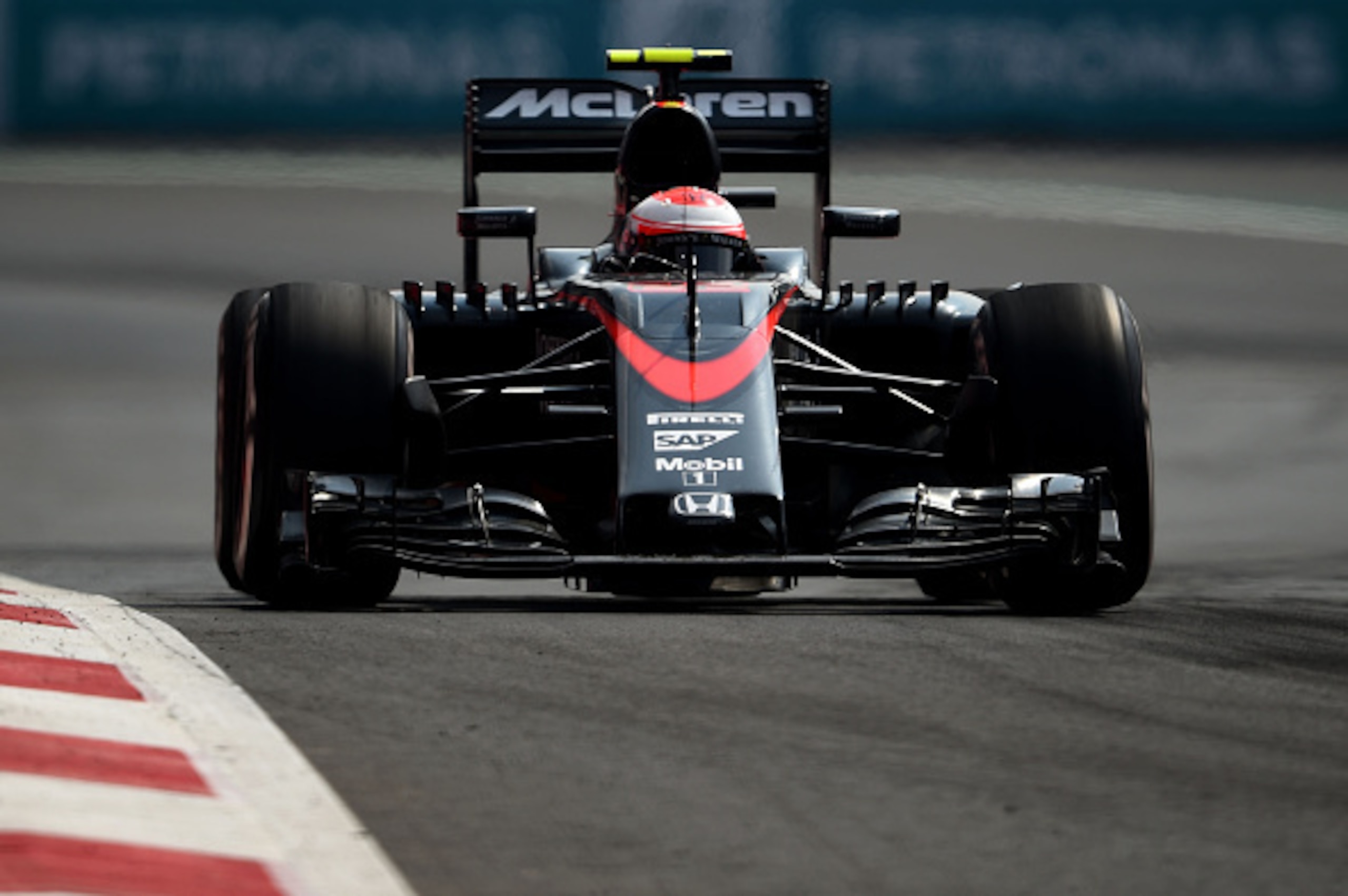
Even if the lighter load allowed the driver to push his tyres a little harder—say, to the tune of half-a-second per lap—it still wouldn't look too different. Only a few months ago we had a perfect example—the cars were slower than normal through the corners in Mexico due to the loss of aerodynamic performance caused by the high altitude.
We knew it was happening, but was it visually evident?
The drivers would love quicker cars, but they're not the ones watching the races—we are, and slightly lighter cars wouldn't make any great difference to our viewing experience.
But they—or rather, refuelling—could very easily have a large negative impact on something most fans consider very important.
Overtaking.
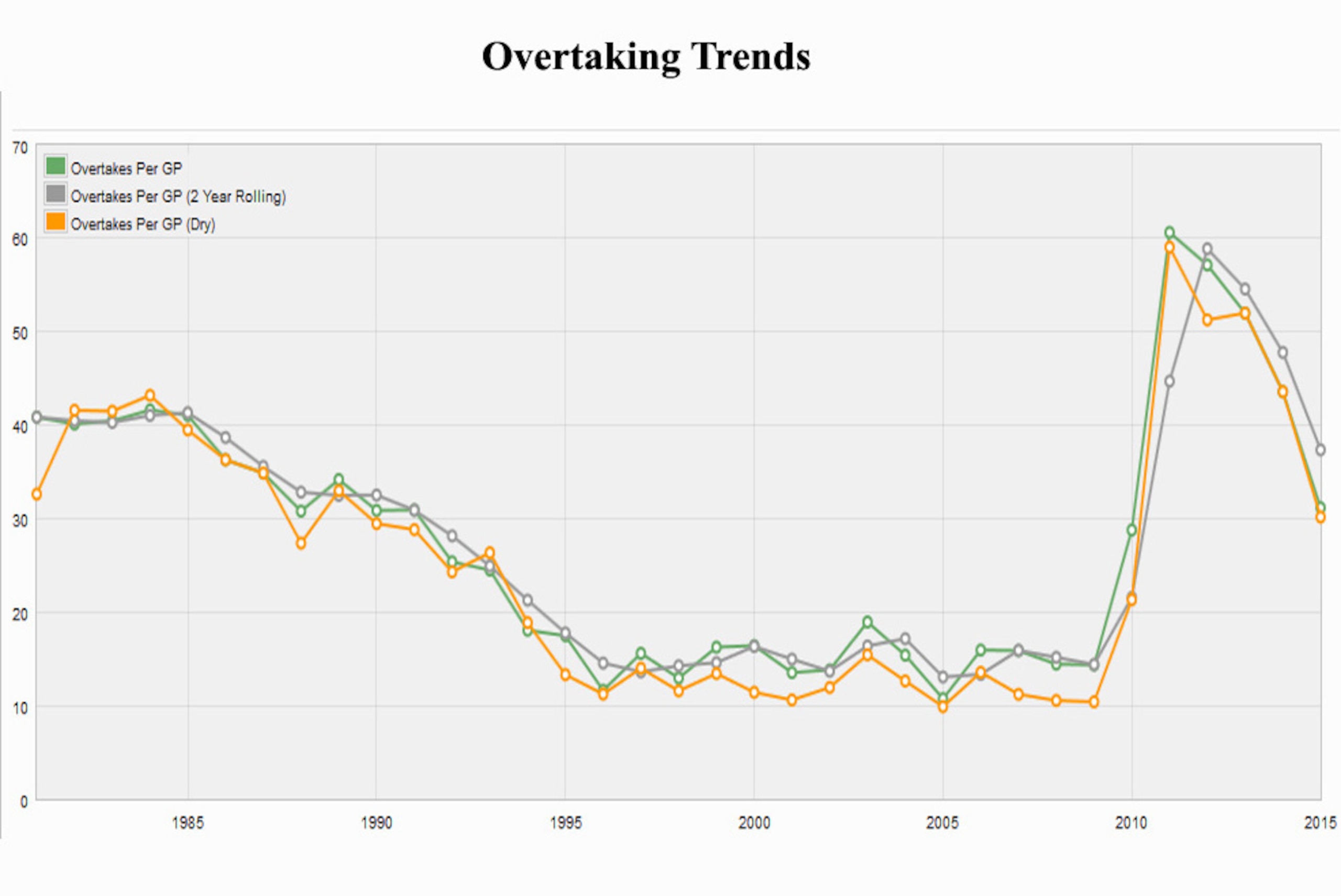
The above chart, created by Clip The Apex, shows how many overtaking moves were completed in an average race for each season.
Between 1994 and 2009, when refuelling was used, overtaking was lower than at any point in recent memory. This period saw a huge variety of cars used, from the wider, slick-tyred 1990s machines to the narrower, grooved-tyre cars of the 2000s.
We had Williams dominance, McLaren dominance, Ferrari dominance and seasons with no single quickest car.
There was, though, one constant amid all the change—a marked lack of overtaking.
It would be incredibly unfair to put the recent upturn of moves down solely to the banning of refuelling. The arrival of three new teams in 2010 influenced the figures, while Pirelli's designed-to-degrade tyres and the DRS (Drag Reduction System) overtaking aid both arrived in 2011 and turned the whole sport on its head.
But it would be equally wrong to say refuelling didn't have any adverse impact on overtaking. Statistics can paint a misleading picture, but it's rare for such a vast quantity of data to fail to give a truthful overall trend, and the view that refuelling harms overtaking is backed up by a number of very experienced senior figures inside F1.
Williams chief technical officer Pat Symonds is one of them, and he told Motorsport.com last May:
"Personally I am against refuelling because when we got rid of it, it was done on very solid grounds.
I was not a huge fan of it because we all got clever with it. We were all doing the same things and all the overtaking was happening in the pits. You would do the last pit stop and then drive around until the end.
"
Mercedes executive director Paddy Lowe concurred, adding, "Getting rid of refuelling had an effect on [improving] the amount of overtaking and introduced more strategies."

"Overtaking" during pit-stop rounds still happens. The overcut—where a driver got past a rival by staying out longer with a lower fuel load, putting in quicker laps—has been replaced by the undercut, where a driver can leapfrog a rival by fitting fresher, faster tyres a lap or two earlier.
But this type of passing is not a foregone conclusion in the way overcut passing was. Back then, if you had enough fuel for 14 laps, you could only do 14 laps. If the guy behind had enough fuel for 16 laps, he was guaranteed to emerge ahead.
All the chaser had to do was sit a second behind his rival and wait for the stops to happen.
Today, with tyres as the main variable, any driver—the attacker or the defender—can take the initiative and make an on-the-fly strategy call to try to either retain or gain the place. The chasing driver is no longer assured of a pit-lane pass, so getting the job done on the track is still the most appealing avenue.
The undercut is just a back-up option.
But while the evidence of the past tells us that pit stops for fuel would be a negative so far as overtaking is concerned, they could be seen as an enhancement to another area of racing—strategy.

Whether or not this would be a good thing is very much down to individuals. Some fans enjoy deep and complex strategic battles between the teams, and they may see the addition of an extra variable—fuel—as a benefit.
Drivers could opt for different starting fuel loads, different numbers of stops; they could short-fuel or long-fuel in an effort to gain a place either immediately or 20 laps into the future.
Though it could be very difficult for even long-time fans to follow, this sort of chess game was a key part of the overtaking-lite races of the 2000s—and it was enjoyed by many.
But the other school of thought is that the pit wall already has enough of an influence on proceedings, and giving the simulation experts even more say over how the race will pan out would be a bad thing.
At least with tyres as the limiting factor for stint length, variables such as track and ambient temperature, dirty air and unforeseen circuit conditions can result in the actual strategies used being quite different from those planned out the night before the race.
Fuel use, though, is more straightforward and easy to predict—and deviations from the preordained optimum strategies would be much rarer as a result.

In the widely publicised GPDA fan survey undertaken last year, around 60 percent of fans said they backed a return of refuelling. But after considering the original proposal made back in May, Autosport reported that the teams had unanimously rejected it.
Their own detailed analysis found it would have a detrimental impact on the spectacle for fans, reduce overtaking and needlessly increase costs.
The positives—chief among them quicker cars and somewhat-reduced tyre wear at certain points of the race, allowing a little more pushing—would be nice to have, and more in-depth strategic battles would be enjoyed by some.
But they in no way outweigh the negatives.
F1 needs to attract new fans, and the focus should be on creating interesting, close racing with greater competition all the way through the field and bags of on-track action. And most importantly, it has to be relatively simple and easy for newcomers to follow.
Refuelling, based on the evidence available and on the analysis carried out by the teams, would give us the opposite of that.
It would also increase costs for already-struggling teams and be more dangerous for the pit crews, drivers and other trackside personnel.
So for now, at least, let's hope those with the power to make such decisions concentrate on making changes that will make a real and positive difference to the sport we love—and leave refuelling firmly where it belongs.
In the past.
.png?w=2560)
.jpg?w=2560)