
Ranking the Most Unforgivable Losses in the 2015-16 College Basketball Season

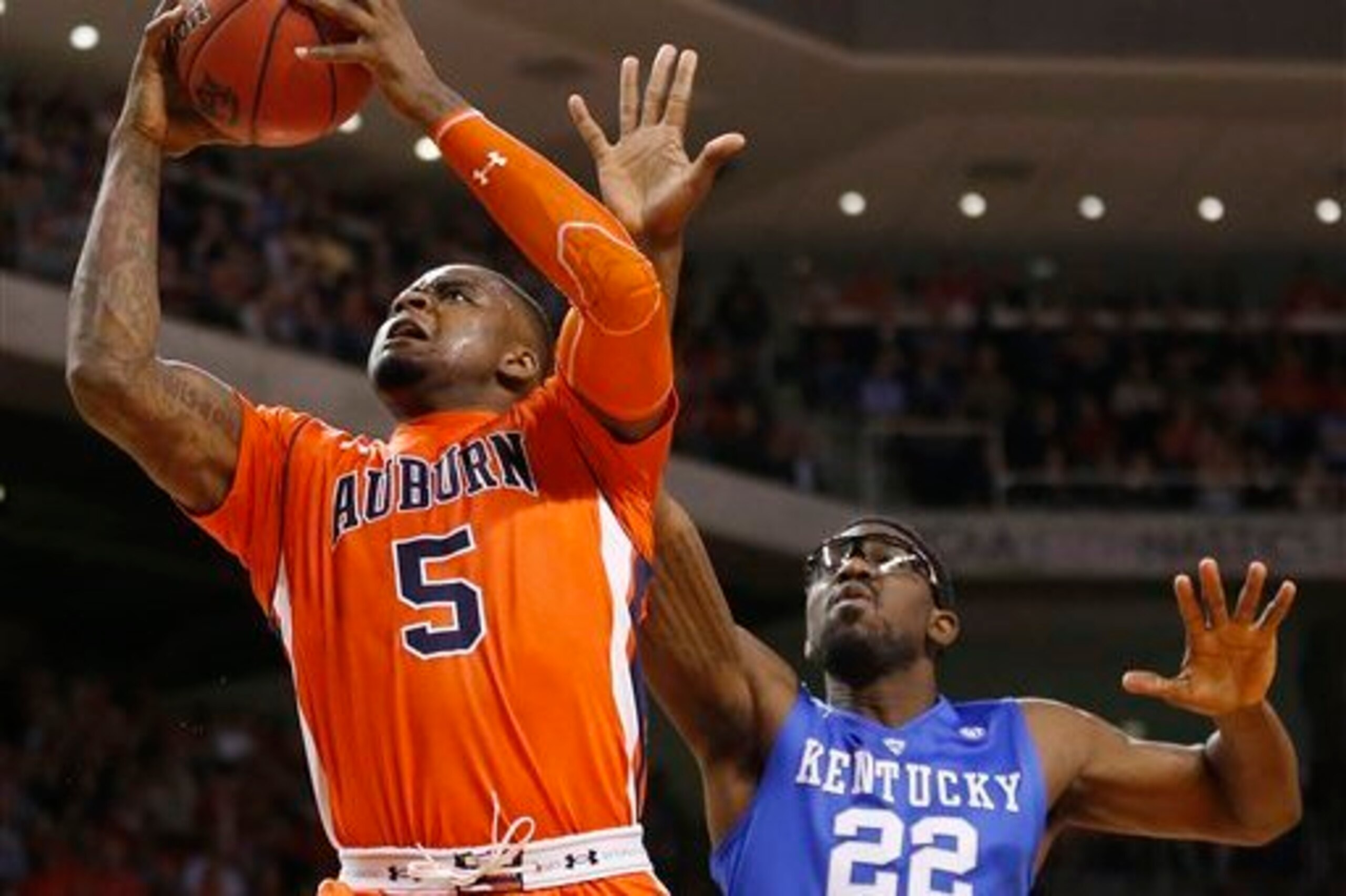
The 2015-16 college basketball season has been unpredictably wild, but amid the stockpile of surprising upsets are a select few that were particularly unforgivable—like Kentucky's loss to Auburn this past weekend.
The losses in this article are ranked based on location, opponent, margin, timing and history. Usually, the loss negatively impacts a team's projected tournament seed. Almost always, it has a pretty huge effect on how (un)willing we are to trust that team going forward.
But, in the end, you just kind of know a horrible loss when you see one, and these 10 games are ranked on how perplexed or disgusted we were in the aftermath of the final buzzer.
For your own safety while reading, you're going to want to wear some sort of protective cover on your head, so you don't scratch through your scalp trying to figure out how these losses happened.
Honorable Mentions
1 of 11
North Carolina @ Northern Iowa 71-67 (Nov. 21)
The Tar Heels didn't have Marcus Paige for this one, otherwise it's a surefire top-10 loss. But how were Justin Jackson, Brice Johnson and Kennedy Meeks not enough to survive a UNI team that is otherwise 9-9 this season? We'll see how the next two months play out, but it's hardly crazy to think that this could be the loss that keeps North Carolina from a No. 1 seed in the NCAA tournament.
Creighton @ Loyola-Chicago 68-65 (Dec. 5)
The Bluejays have been one of the good surprises this season. Following a 14-19 campaign, they're 13-6 with every win coming by a double-digit margin, and most of the losses are understandable. Losing to Loyola-Chicago, though? A team that just capped off an 0-5 start in Missouri Valley play with a home loss to a Bradley team that entered the game on a 15-game losing streak against D-I opponents? That's not so easy to overlook.
Arizona State vs. Sacramento State 66-63 (Nov. 13)
As far as RPI-murdering losses go, this is one of the worst. It's the only win over a RPI Top 200 team that Sacramento State has this season. However, it was the first game of the year under new head coach Bobby Hurley, so we kind of get it. That doesn't make it look any better, though.
Maryland @ Michigan 70-67 (Jan. 12)
Under normal circumstances, this barely makes a blip on the radar. However, Michigan was playing without Caris LeVert and had already lost four games by a margin of at least 14 points each. It had a cumulative rebounding margin of minus-62 in those losses. With Robert Carter and Diamond Stone down low and Melo Trimble up top, the Terrapins should have destroyed the Wolverines, regardless of where the game was played.
Syracuse @ St. John's 84-72 (Dec. 13)
Despite recording 13 steals while committing just six turnovers, Syracuse couldn't overcome a massive differential beyond the arc. The Orange shot a season-worst 5-of-26 from three-point range while St. John's shot a season-best 12-of-24 in the type of loss that might ultimately keep Syracuse out of the Big Dance.
The ACC vs. Clemson
Florida State @ Clemson 84-75 (Jan. 2)
Louisville @ Clemson 66-62 (Jan. 10)
Duke @ Clemson 68-63 (Jan. 13)
Miami @ Clemson 76-65 (Jan. 16)
In a weird way, these become more forgivable as they continue to pile up. But let's not forget that Clemson entered conference play with nothing more impressive than home wins over Texas Southern and Wofford on its resume. Even after running rampant through what might be the best conference in the country, the Tigers are still a bubble team.
Non-Major Blunders
Saint Mary's @ Pepperdine 67-64 (Jan. 9)
Valparaiso @ Ball State 69-66 (Nov. 28)
Dayton @ La Salle 61-57 (Jan. 9)
George Washington @ DePaul 82-61 (Dec. 22)
George Washington @ Saint Louis 65-62 (Jan. 6)
These non-major teams have limited (if any) remaining opportunities to pick up statement wins this season, but they've each suffered losses that will be easy to point to as evidence that they either don't belong in the at-large conversation or don't deserve as strong of a seed as they're projected to get.
Such is life in minor or mid-major conferences. Clemson lost to Massachusetts and Minnesota in the span of a week, but the Tigers got and capitalized on a chance at redemption in an equally short window. What more can Valparaiso possibly do to eradicate that loss to Ball State? And can George Washington get back in our good graces with anything short of finishing the season with at least 12 wins in its final 13 games?
10. Indiana @ Duke
2 of 11
How and When: 94-74 on Dec. 2
Why?
This loss was so bad that it preemptively kept us from believing that Indiana's current 11-game winning streak is a sign that the Hoosiers need to be taken seriously.
Though Notre Dame and Syracuse have made it look rather easy in the past week, winning at Cameron Indoor is always tough to do—and was particularly difficult with Amile Jefferson still on the court at this point in the season. There's certainly no shame in the loss itself.
But keep in mind that the reason Indiana struggled last season was defense.
The Hoosiers ranked ninth in the nation in adjusted offensive efficiency, but they were 214th defensively. We bought offseason stock in this team partially because all of the offensive weapons were coming back, but mostly because they were adding three important frontcourt pieces in Thomas Bryant, Juwan Morgan and Max Bielfeldt. This was supposed to fix their inability to protect the rim and the defensive glass.
By giving up 94 points in a 62-possession game—within 10 days of losses to Wake Forest and UNLV, no less—the Hoosiers made it pretty clear that they're far from elite on the defensive end. How Bryant (6'10") and Collin Hartman (6'7") managed to play a combined 53 minutes without grabbing a single rebound remains one of life's biggest mysteries.
Maybe if they shut down the likes of Michigan, Michigan State, Iowa and Maryland, we'll be more willing to accept that they've really turned a corner since that Duke loss. For the time being, though, the back-loaded Big Ten schedule is keeping us from believing that any recent performances are truly indicative of what Indiana can do in March.
9. Gonzaga vs. BYU
3 of 11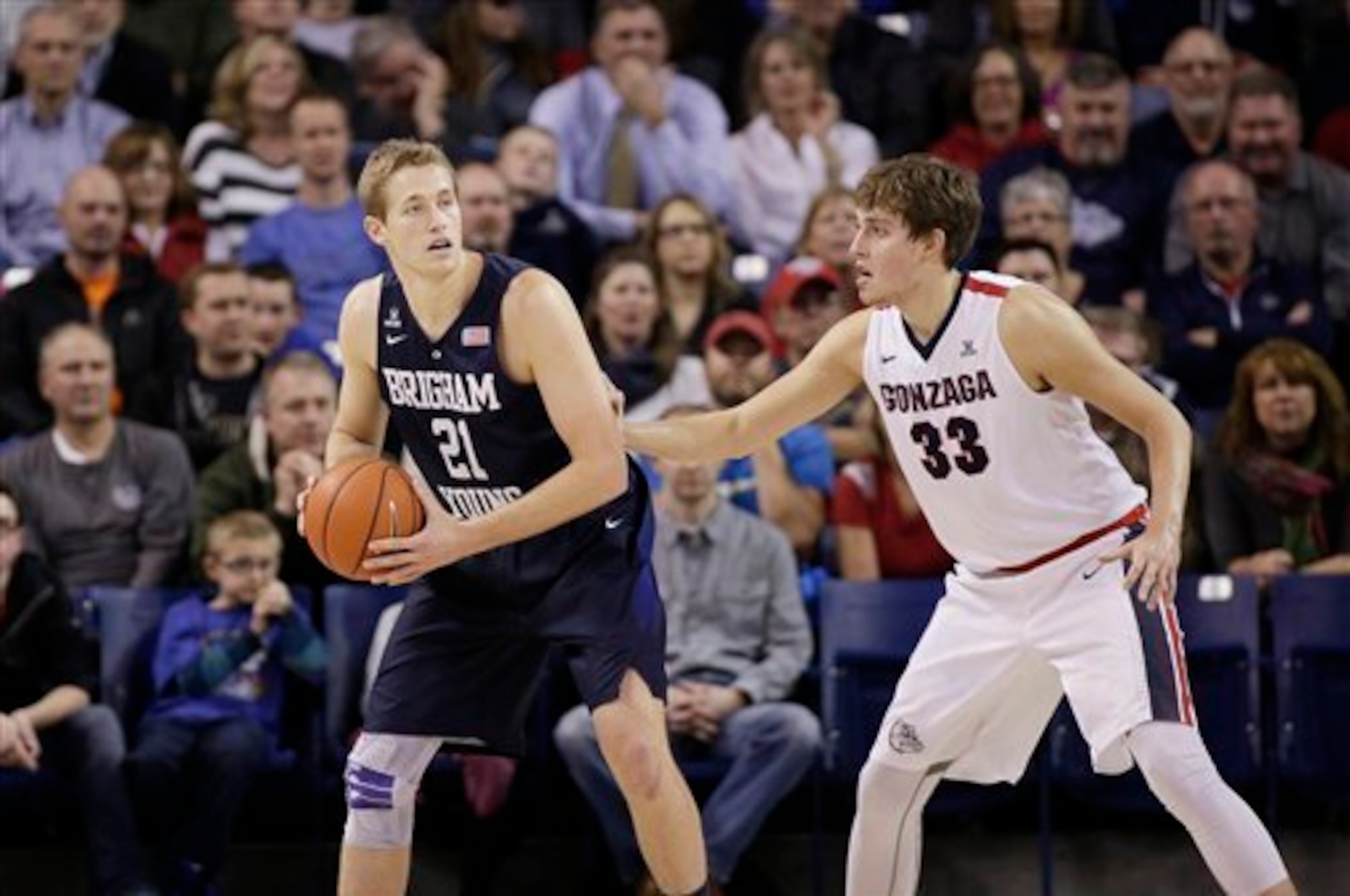
How and When: 69-68 on Jan. 14
Why?
This one was bad on so many levels.
For starters, it was a home game against a BYU team that isn't even in the bubble picture this year—partially because the Cougars went out and suffered their worst loss of the season (at Portland) two days after this game.
Moreover, it was Gonzaga's third home loss of the season. The Zags went 62-3 at the Kennel in the previous four seasons, but this loss moved them to 5-3 since the beginning of December. Not one of their home wins this season has come against a team in the KenPom Top 125, so they're struggling to protect what used to be one of the safest forts in the country.
But even the way the game played out was pretty unforgivable.
Kyle Wiltjer had 35 points and 10 rebounds, hitting more three-pointers (four) than BYU's entire team (three). BYU's Kyle Collinsworth didn't even remotely flirt with a triple-double and Nick Emery had one of his worst games of the entire season. Gonzaga led by 13 with less than 12 minutes remaining and should have cruised to a win.
Then, suddenly, Collinsworth could do no wrong. He scored 13 of his 20 points in a span of less than nine minutes, capping off the hot streak by hitting just his fourth three-pointer of the year. Meanwhile, Wiltjer cooled off and Domantas Sabonis remained invisible, finishing the night with just five points and six rebounds.
And just like that, Gonzaga probably needs to win the WCC tournament to be assured of a spot in the Big Dance.

.jpg?w=2560 "Rams Raiders Football")

8. South Carolina @ Alabama
4 of 11
How and When: 73-50 on Jan. 13
Why?
When you open the season without a single vote in the AP poll and play a schedule completely devoid of teams in the RPI Top 50, it takes a lot to get noticed.
It wasn't until South Carolina got to 10-0 that the Gamecocks finally broke into the AP Top 25, and, let's be honest, that only happened because we were all desperately searching for teams worthy of votes. No one was really buying them as a contender, but at least they weren't suffering ugly losses like everyone else near the Top 25 bubble.
But after they beat Memphis and Auburn by double-digit margins and won a home game against Vanderbilt, we finally started considering the possibility that this team might be good. The Gamecocks were rarely (if ever) mentioned with Texas A&M and Kentucky as legitimate challengers to win the SEC, but they might have been just a couple of wins away from that status.
Things were really looking up for 15-0 South Carolina...until it ran into Riley Norris and Alabama.
To be fair, there was no good reason to game plan for Norris. He entered the game averaging 6.2 points per game, was shooting 10-of-30 from three-point range on the year and had yet to start a single game. Suffice it to say, his 27-point game on 8-of-11 shooting from beyond the arc might be the biggest anomaly we see this year.
It's pretty unlikely, but he might have used some Moron Mountain magic to sap that three-point ability away from South Carolina, because the Gamecocks shot 3-of-18, even though they entered the game shooting 37.5 percent from downtown.
In trailing 51-27 midway through the second half, it only took about 90 minutes for South Carolina to undo two months' worth of good. Though they're one of just two teams left in the country with less than two losses—the others is SMU—the Gamecocks might need a big win over A&M or UK to get back in our good graces.
"Bad day at the office," South Carolina head coach Frank Martin said after the game, according to David Cloninger of The State. "I kind of saw it coming."
7. California vs. San Diego State
5 of 11
How and When: 72-58 on Nov. 26 (in Las Vegas)
Why?
Don't let San Diego State's hot start in Mountain West Conference play fool you. This was a horrible loss.
On Christmas Day, the Aztecs were 5-6 against D-I opponents. Outside of this win over California, their most impressive victory came against Long Beach State, and they had losses to Arkansas-Little Rock, Grand Canyon and San Diego on their resume.
Five days before this game, San Diego State scored 43 points in a 59-possession game. The day after this upset, the Aztecs scored 50 points in a 72-possession game.
How in the world did California allow this team to score 72 points while committing a season-low eight turnovers?
Better question: How were the Golden Bears held to a season-low 58 points by one of the most disappointing teams in the country?
San Diego State always plays great defense, but come on now. Cal was supposed to have one of the best starting units in the country. Jaylen Brown scored just seven points in 16 minutes before fouling out. Jabari Bird somehow played 27 minutes without scoring a single point. Ivan Rabb was the only player who wasn't a colossal disappointment on offense.
But the really unforgivable part is that California was up by 15 early in the second half. This game should have been over. Instead, the Golden Bears allowed one of the least efficient offenses in the country to score 42 points in the final 17 minutes.
Now, with the school announcing on Tuesday that Tyrone Wallace is out for the next 4-6 weeks with a broken hand, Cal's tournament life is in serious danger. We'll see how well the Golden Bears tread water without him, but this loss to SDSU might be what keeps them out of the tournament—which subsequently could keep big-name recruits from taking the unconventional route through Berkeley.
6. Miami vs. Northeastern
6 of 11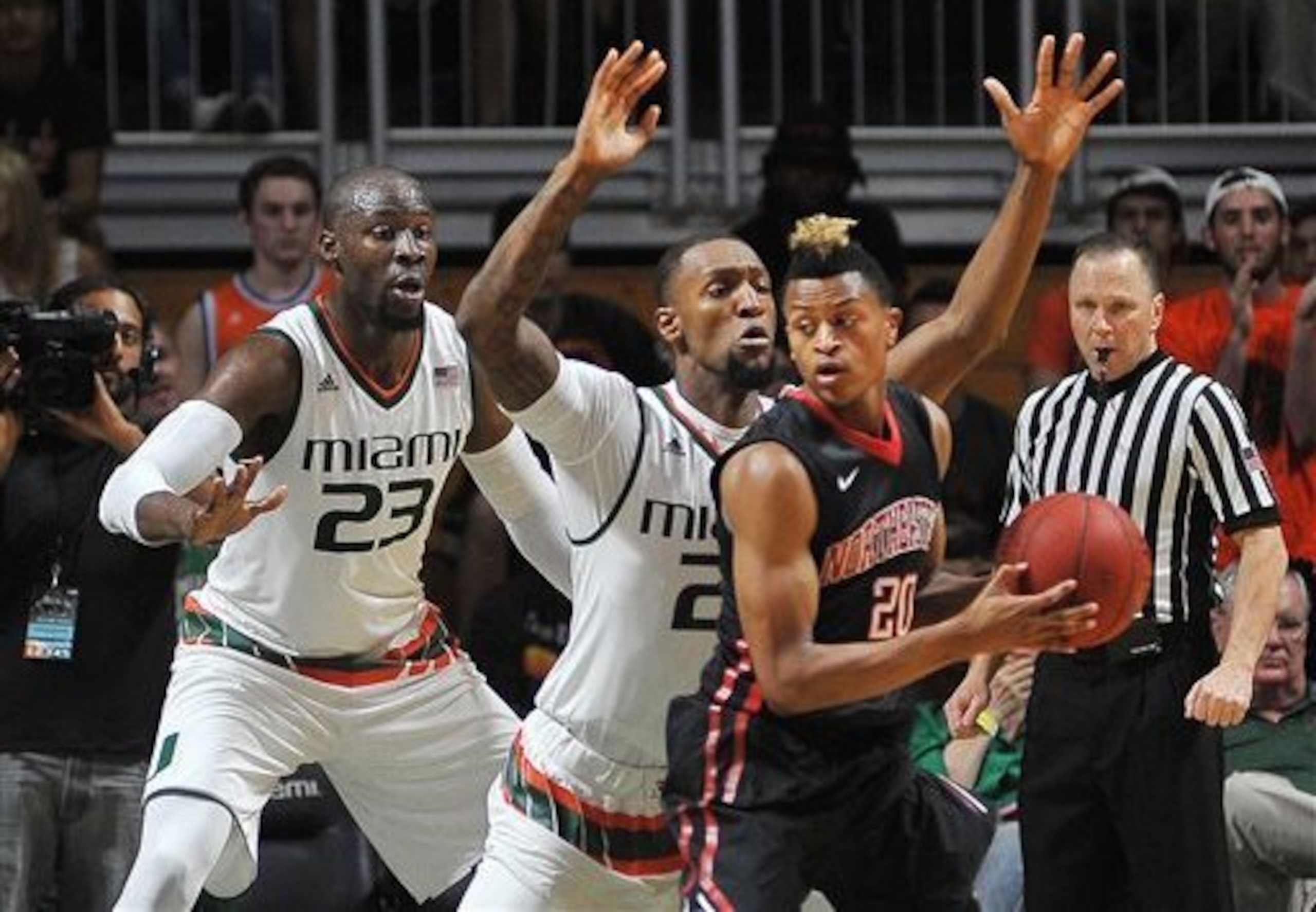
How and When: 78-77 on Nov. 27
Why?
It wasn't the margin or the opponent that made this such an ill-advised hiccup.
It was the location and the timing.
Miami was unarguably the hottest team in the country. In a seven-day span, the Hurricanes had stomped Louisiana-Lafayette, Mississippi State, Utah and Butler. Throw in the season-opening win over UT Rio Grande Valley and Miami entered Thanksgiving weekend with a 5-0 record and an offense averaging 131.1 points per 100 possessions.
And yet, red hot Miami (FL) lost at home to a team from the Colonial Athletic Association that had just lost to Miami (OH).
Now, as far as minor conference teams go, Northeastern is one of the better ones. The Huskies have an excellent duo in David Walker and Quincy Ford. When those guys are cooking, anything is possible, and they certainly were in this game.
But that doesn't excuse the home loss for a team with a recent history of blowing a hot start with bad home losses. Just last year, Miami opened the season 8-0 and climbed to No. 15 in the AP Top 25 before suffering ugly home losses to Green Bay and Eastern Kentucky, so the loss to Northeastern felt like deja vu all over again.
Fortunately, the Hurricanes bounced back with eight straight wins, but that one loss could be the difference of at least one seed line on Selection Sunday. And there's little doubt the poor defensive effort against Northeastern is something that people will point to on the first few days after Selection Sunday as a reason not to ride Miami too far in the bracket-picking process.
5. Wisconsin vs. Western Illinois
7 of 11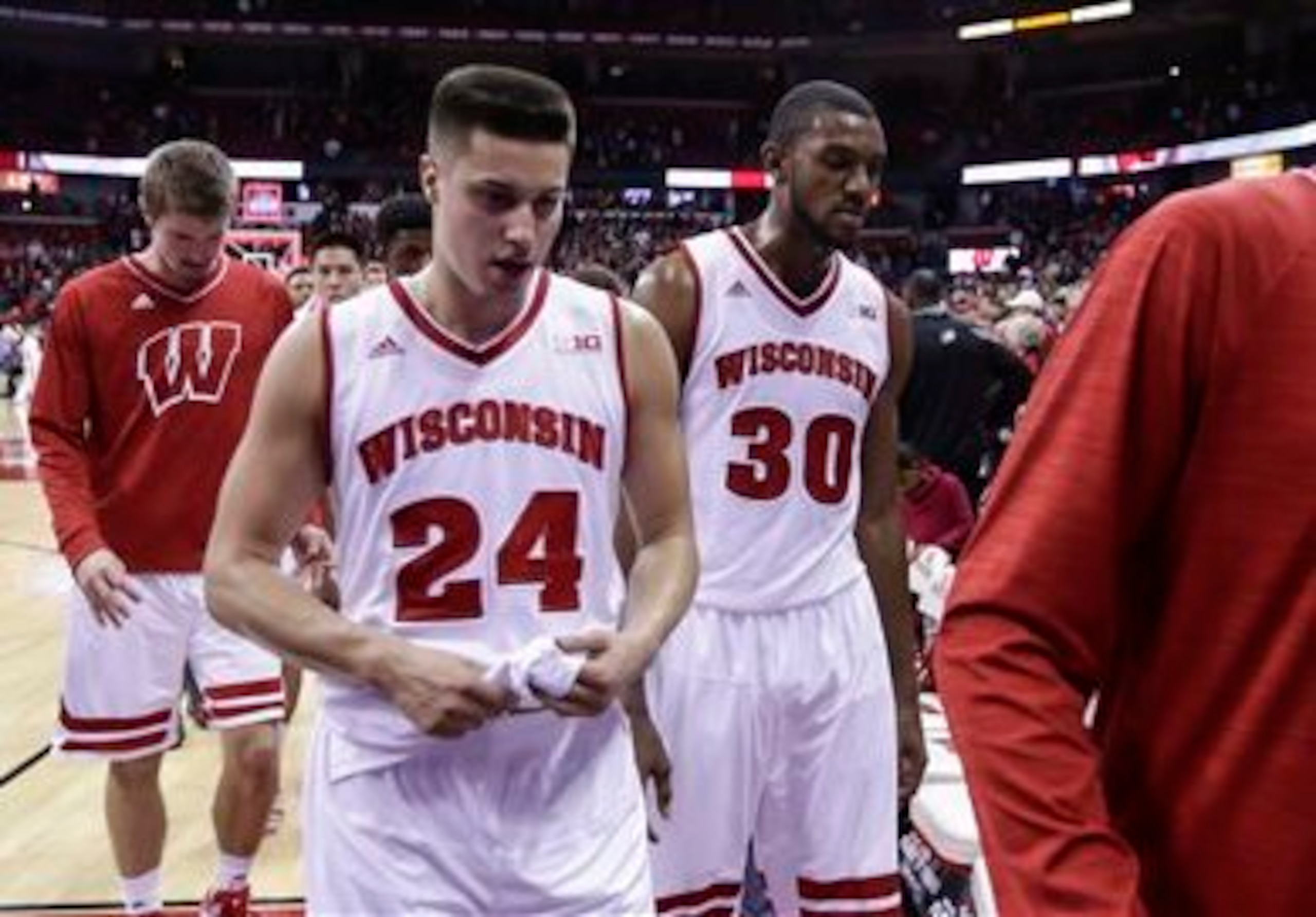
How and When: 69-67 on Nov. 13
Why?
I was one of the few who refused to buy into the "Don't worry about Wisconsin; Bo Ryan always wins" hype, and even I was pretty shell-shocked by this opening night loss.
As Sam Vecenie wrote for CBS Sports after the game, "If you would have told anyone Friday morning that No. 17 Wisconsin was a lock to beat Western Illinois—projected by Summit League coaches to finish LAST in its conference—you probably wouldn't have been crazy."
Here's the thing: Wisconsin was always going to need some time to figure things out. After losing Frank Kaminsky, Sam Dekker and three more of last year's top seven scorers, the Badgers entered the season as a young team trying to figure out their third-best scoring option—let alone fourth and fifth.
As expected, Nigel Hayes and Bronson Koenig were the go-to guys with each one scoring 17 points. As a team, the Badgers grabbed 21 offensive rebounds, committed just four turnovers and attempted 13 more free throws than Western Illinois. They even had six steals, which is pretty unusual for Ryan's containment defense.
Based on those numbers and the opponent, you would think that Wisconsin won by a 30-point margin. Instead, the Leathernecks pulled off the two-point upset in the Kohl Center.
Yes, Western Illinois shot 77.8 percent from three-point range, but it only attempted nine triples. The Leathernecks were simply the better team, which is pretty inconceivable, considering they're winless against the KenPom Top 250 since then, including a 30-point loss to Creighton and a 34-point loss to Iowa.
This was the first of what has already been five home losses for Wisconsin—a list that also includes losses to Milwaukee and Marquette. Even with Sunday's win over Michigan State and previous wins over VCU and Syracuse, this loss to Western Illinois is keeping Wisconsin from serious consideration as an NCAA at-large team.
4. LSU @ College of Charleston
8 of 11
How and When: 70-58 on Nov. 30
Why?
An awful lot of people were burying LSU within the first month of the season—understandably so, given the complete lack of nonconference wins against anything even resembling a quality opponent.
For the most part, though, it wasn't quite as bad as we were led to believe.
Playing without two starters (Keith Hornsby and Craig Victor), losing neutral-court nail-biters to Marquette and North Carolina State is pretty understandable. We just overreacted to them because we knew LSU had nothing of value left on its schedule in November or December, and because the Tigers somehow managed to lose those games, despite getting a combined 25 points, 34 rebounds and 17 assists out of Ben Simmons.
Turning that into a three-game losing streak against College of Charleston, however, was the lowest of LSU lows.
CoC isn't terrible by any means, but to score 58 points in a 75-possession game is completely inexcusable for a major conference team that opened the season in the AP Top 25.
Simmons had 15 points and 18 rebounds, but he needed 15 shots and seven turnovers to get there. Antonio Blakeney shot 1-of-3 from the free-throw line and 0-of-9 from the floor in what was probably the worst game of the shooting guard's entire life. Everything went wrong as LSU had dug itself a 22-point hole by halftime.
The worst part of it all is that Charleston didn't even play that well. The Cougars committed 17 turnovers and shot 38.8 percent from inside the arc. They did pretty much everything in their power to not run away with the game, but it was as if LSU tried even harder to lose it.
The Tigers do look a lot better with Hornsby and Victor in the mix, but winning back our trust remains an uphill battle—particularly now that the SEC is more a sea of landmines than a land of opportunity as far as quality wins are concerned.
3. Georgetown vs. Big South
9 of 11
How and When: 82-80 vs. Radford on Nov. 14; 79-73 vs. UNC-Asheville on Dec. 19
Why?
Yes, we're cheating by counting two losses together, but this list would be incomplete without one of the most disappointing teams in the entire country.
Were it just the one loss, OK, fine, these things occasionally happen. Maybe not to great teams, but they do happen. And that's more or less the mindset with which we approached the season-opening loss to Radford.
Should the Hoyas have won the home game in which Bradley Hayes came out of nowhere to put up 19 points and 12 rebounds? Yes. Without question. But they struggled from three, looked lost on the offensive glass without last year's frontcourt (Joshua Smith and Mikael Hopkins) and ran into a two-headed Rashun Davis and Cameron Jones buzzsaw that had by far its best joint performance of the season.
Maybe they just overlooked this game with Maryland, Wisconsin and either VCU or Duke looming in the next eight days, we wondered.
But then Georgetown got blown out at home by Monmouth and followed it up with a home loss to UNC-Asheville four days later.
Now what's the excuse?
Hayes was outstanding in defeat once again (11 points, 18 rebounds and six assists) as the Hoyas shot 62.9 percent from inside the arc. But they were terrible from beyond it (4-of-22) while UNC-Asheville couldn't seem to miss (9-of-19).
They're finally starting to apply better (read: Georgetown-like) defense in Big East play, but the Hoyas couldn't slow down anyone during the nonconference portion of the season. Because of those two home losses to Big South teams, Georgetown is going to need to do something pretty special in the next six weeks to get into position for its annual disappointingly early loss in the NCAA tournament. The win at Xavier on Tuesday night was certainly a step in the right direction.
2. Villanova vs. Oklahoma
10 of 11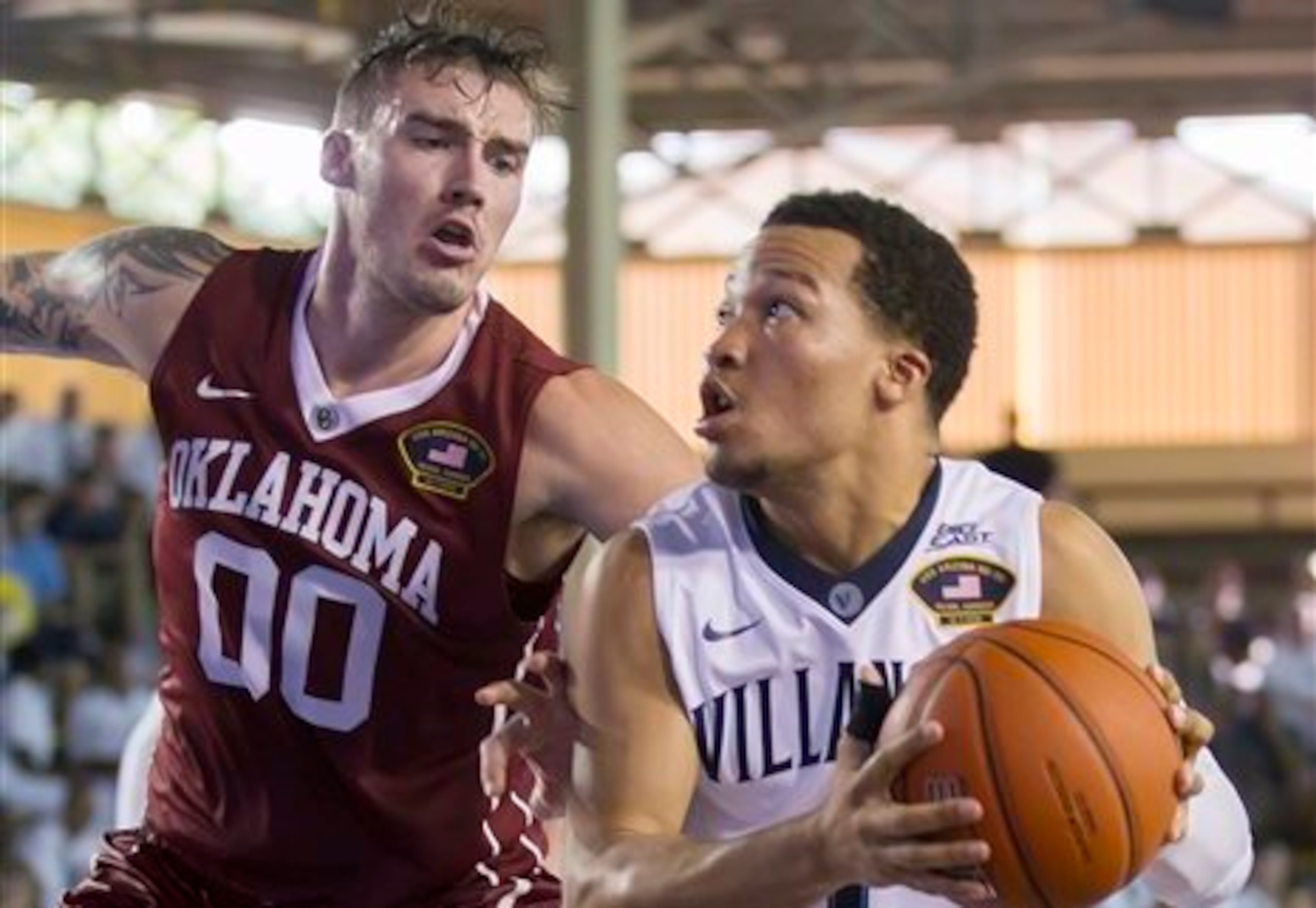
How and When: 78-55 on Dec. 7 (in Hawaii)
Why?
This game combined the ugliness of Indiana's loss to Duke with the not-so-sweet familiarity of Miami's loss to Northeastern for one really ugly blunder that we won't be able to forget for a long time.
On its surface, this one's no big deal. A neutral-court loss against the team currently ranked No. 1 in all of the polls is about as forgivable as it gets.
But Villanova looked some unholy combination of terrible, helpless and foolhardy in a game that the whole world had to have been watching, right? The second-best college hoops game of the night was probably Oregon vs. Navy, Golden State had the day off and the Monday Night Football game was 3-8 Dallas vs. 5-6 Washington. I mean, if you weren't watching No. 7 Oklahoma vs. No. 9 Villanova, what were you doing?
Unfortunately for the Wildcats, everyone tuned in to see them shoot 4-of-32 from three-point range while allowing the Sooners to hit 14-of-26. There must have been worse at some point in time, but I certainly can't remember a game of this magnitude with that type of disparity beyond the arc.
It served as a notice that Villanova is still the same old team that will occasionally get murdered from long range.
Two years ago, the Wildcats were blown out by Syracuse and dominantly swept by "senior year Doug McDermott" Creighton. In those losses, the opposition shot a combined 37-of-63 (58.7 percent) from downtown.
Moreover, the loss to Oklahoma showed that the Wildcats are more reliant on the three-point shot than ever, even though it's failing them miserably. Even with cutting back on the long ball over the past month, Villanova's three-point rate is still higher than in any prior season in the KenPom era, and its three-point percentage is worse than each of those seasons.
This loss won't affect the Wildcats' tournament seed, but given their early struggles in the last two tournaments, people were already going to be hesitant to trust them.
And now that they're projected for a No. 1 seed in one of the most topsy-turvy seasons in recent memory, I guarantee there will be sound-minded people proclaiming in March that this will be the year a No. 16 seed upsets a No. 1. They might not explicitly name Villanova as the team on the receiving end of the historic loss, but you know they have the Wildcats in mind.
1. Kentucky @ Auburn
11 of 11
How and When: 75-70 on Jan. 16
Why?
There are road losses in conference play, and then there's the team with four Final Four appearances in the last five years losing to a team that hasn't been to the NCAA tournament since 2003.
It'd be one thing if—like USC, Oregon State or Northwestern—Auburn was a team in a tournament drought that is currently playing its best basketball in a long time.
But it's not.
Even after beating Kentucky, Auburn entered play on Tuesday rated by KenPom as the 160th best team in the country. Directly surrounding the Tigers on that list were Elon and Central Florida, and if Kentucky had lost to either of those teams, we would be somewhere on the spectrum between aghast, astonished and apoplectic.
You certainly can't say that Auburn was building toward this upset, either. The Tigers entered the game having lost five of its last six games, all by double-digit margins.
Simply put: When you lose by 15 to Missouri, you're not supposed to beat Kentucky seven days later.
Luckily for Auburn, Kentucky hit rock bottom in this game.
Feel free to chalk it up as a regular season loss for a team still figuring itself out, but this is neck-and-neck with "The Robert Morris Game" for Kentucky's worst loss in the John Calipari era. Tyler Ulis and Derek Willis were seemingly the only Wildcats interested in the game, and they weren't enough to slow down an Auburn team still playing without T.J. Dunans—the JUCO transfer who was averaging 13.8 points per game before suffering a knee injury.
We've still got a few months left in this season, but short of a No. 16 knocking off a No. 1 in the tournament, there probably won't be a more unforgivable loss in 2015-16 than this one.
Kerry Miller covers college basketball for Bleacher Report. You can follow him on Twitter @kerrancejames.

.jpg?w=2560 "Steelers Saints Football")
.jpg?w=2560 "Packers Safety Slams Refs 🤬")

.jpg?w=2560 "🚨 Week 8 AP Top 25 Poll")
