
Ranking the Top 10 South African Fighters of All Time
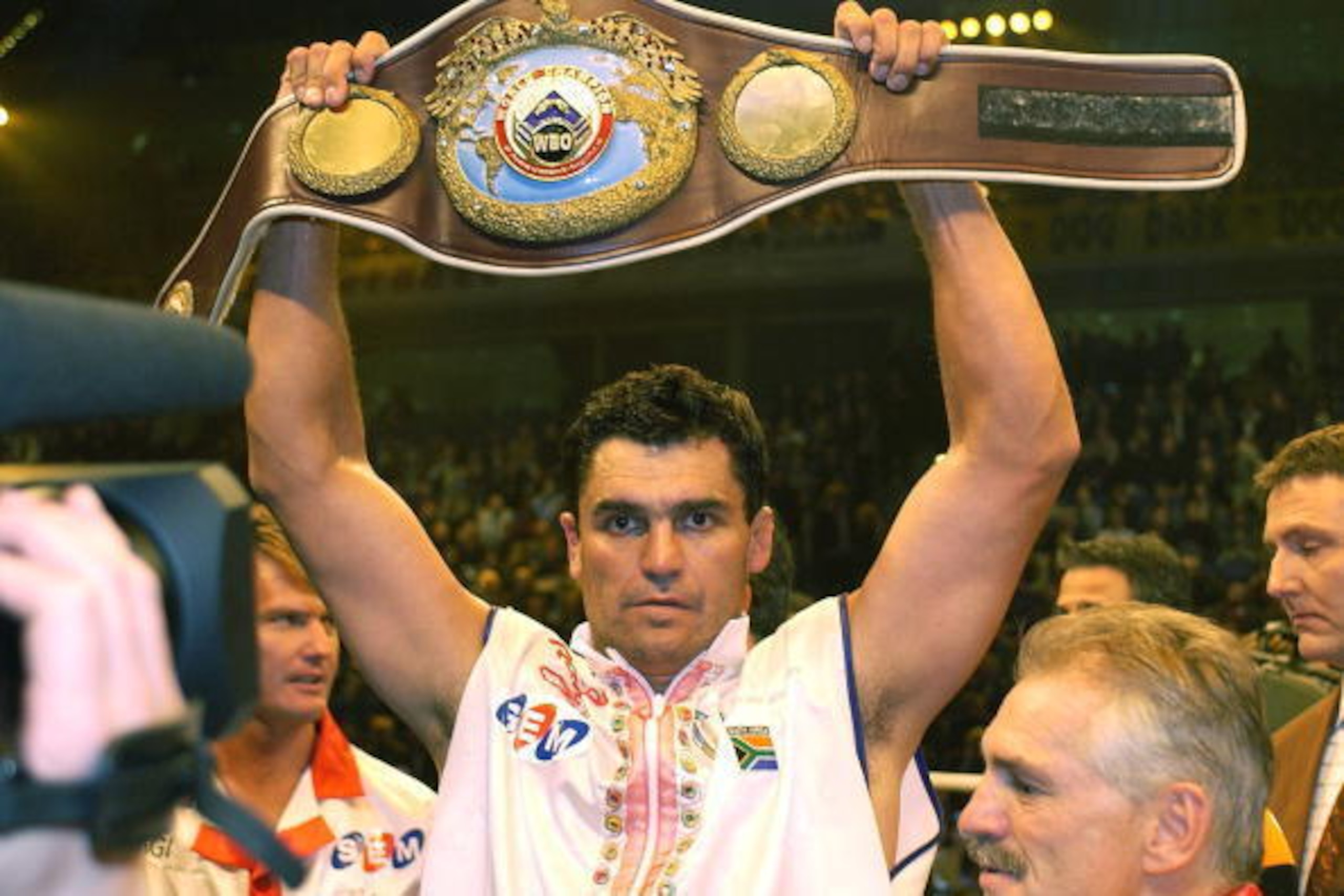
Corrie "The Sniper" Sanders won 42 fights in his professional career. However, the one victory he will always be remembered for is his stunning knockout of Wladimir Klitschko.
The South African shocked the boxing world when he knocked out the Ukrainian in Hannover, Germany, on March 8, 2003. Sanders stopped his opponent in Round 2 to become the new WBO heavyweight champion of the world.
The southpaw didn't manage to do the family double though, as he lost to Wladimir's older brother, Vitali, in his next fight.
He had four more bouts before retiring in 2008 with a 42-4 (31 KOs) record. On September 22 in 2012, Sanders was shot and killed by robbers while attending a family party at a restaurant.
January 7 in 2016 would have seen Sanders turn 50. To mark the anniversary of his birth, we have picked out the top 10 all-time fighters from South Africa.
The Sniper squeezes in there, but you will have to read on to find out his exact position in the list.
Honourable Mentions
1 of 11
As with any rankings, there are always a few names who are unfortunate to fall on the wrong side of the cut line.
Actually, there were more than a few. South Africa has a proud boxing history, so there was no shortage of candidates for the list.
Mbulelo Botile (27-4, 16 KOs) was perhaps the most unfortunate to miss out. He won the IBF world title at both bantam and featherweight.
Cassius Baloyi (37-8-1, 19 KOs) defeated compatriot Botile during a career that saw Mr. Shy Guy twice become IBF super featherweight champion.
Enoch "Schoolboy" Nhlapo (100-15-3, 32 KOs) fought for 20 years, during which time he won the South African title at three different weights. However, the rules of apartheid blocked him from fighting the best.
Jake Tuli (31-14-2, 16 KOs) became the first black South African boxer to become a champion of the Commonwealth when he defeated fellow flyweight Teddy Gardner in 1952.
However, Tuli—along with the other names mentioned on this page—didn't make it into the top 10.
Modern fighters Hekkie Budler and Zolani Tete could both end up in there one day, but it's difficult to rank them while their careers are still in progress.
Of course, this is all a matter of opinion. You may disagree with the final list. In that case, make use of the comments section and argue your case.
10. Thulani Malinga
2 of 11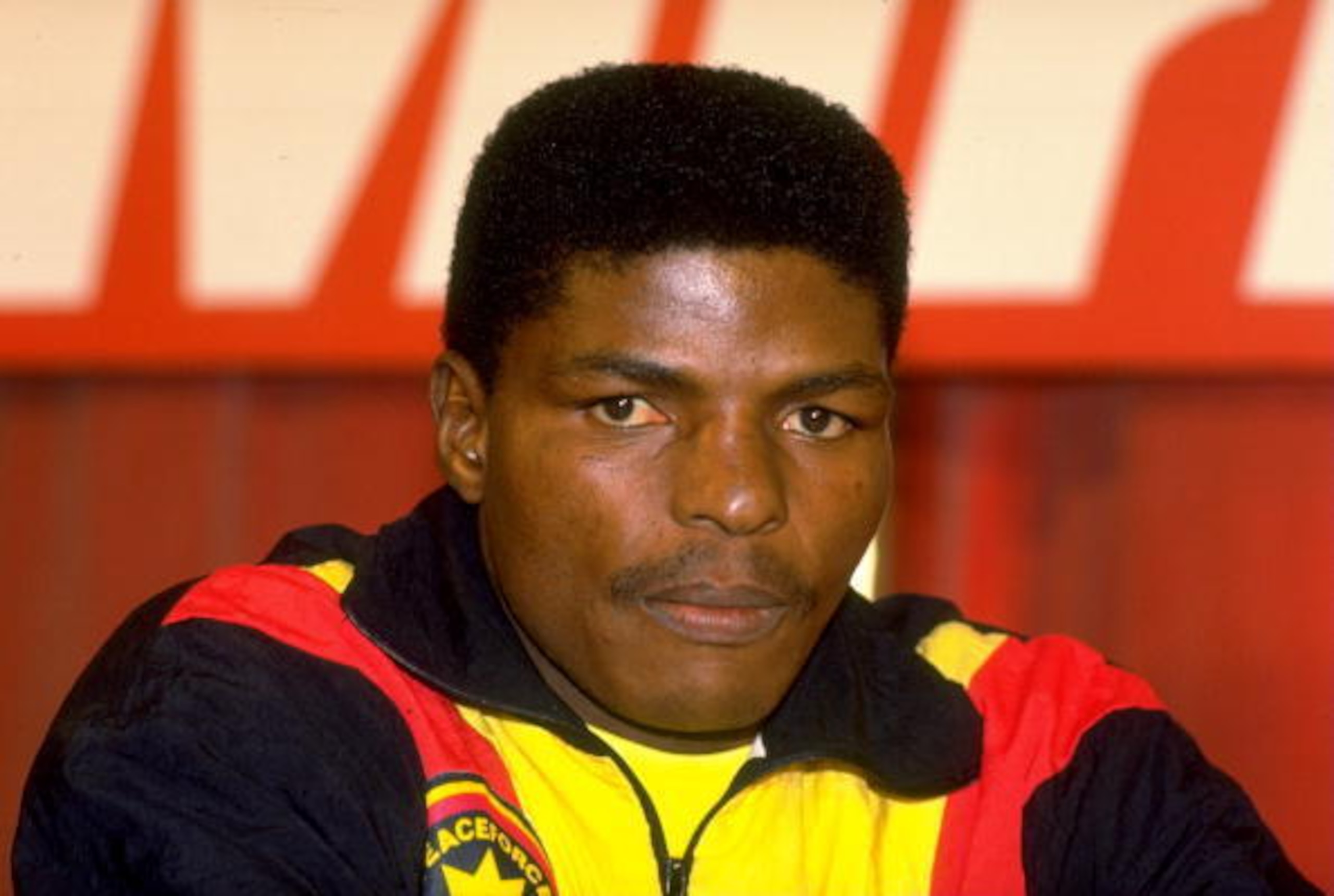
Record: 44-13 (19 KOs)
Thulani "Sugar Boy" Malinga squeezes into the top 10 because of the calibre of opponents he fought during a golden time for the super middleweight division.
He was South African champion at middle and light heavyweight, but it was at the 168-pound limit where he found international success.
Malinga lost to English duo Chris Eubank and Nigel Benn in 1992, but he gained revenge on the latter four years later with a split-decision points win in Newcastle, England, that saw him crowned WBC champion.
His first defence saw him lose the belt to Vincenzo Nardiello in 1996, only to then regain the same belt the following year from Robin Reid, who had stopped the Italian Nardiello to become champion.
Malinga's second reign was also short-lived—he lost to another Englishman, Richie Woodhall, in 1998.
9. Corrie Sanders
3 of 11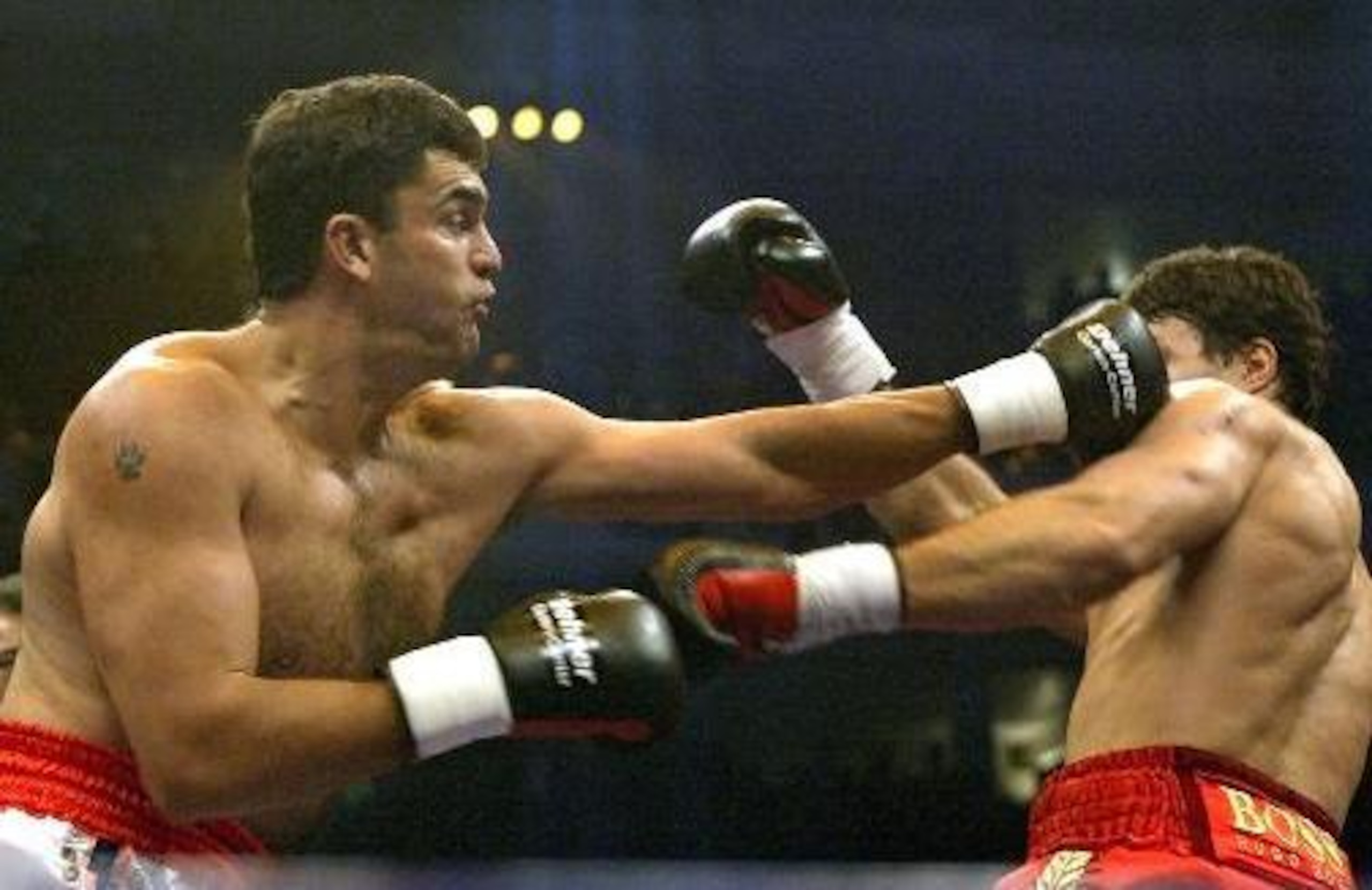
Record: 42-4 (31 KOs)
The greatest night of Corrie Sanders' career came close to never happening.
The heavyweight had considered retirement after losing to Hasim Rahman in 2000. His decision to carry on reaped dividends when he stunned Wladimir Klitschko about four years later.
What was the key to his success against Klitschko? Power.
Former opponent Michael Sprott once said of Sanders, per Matt Christie of Boxing News (WARNING: Linked article contains language NSFW): "Man, he could punch. He was definitely the hardest puncher I’ve faced. I don’t know where he got that power from."
The southpaw never defended the WBO title he claimed from Wladimir, instead vacating it to fight Vitali Klitschko.
That career move didn't pay off, but the late Sanders had already struck a blow in the twilight of his boxing career that still resonates now.

.jpg?w=2560 "Rams Raiders Football")
8. Laurie Stevens
4 of 11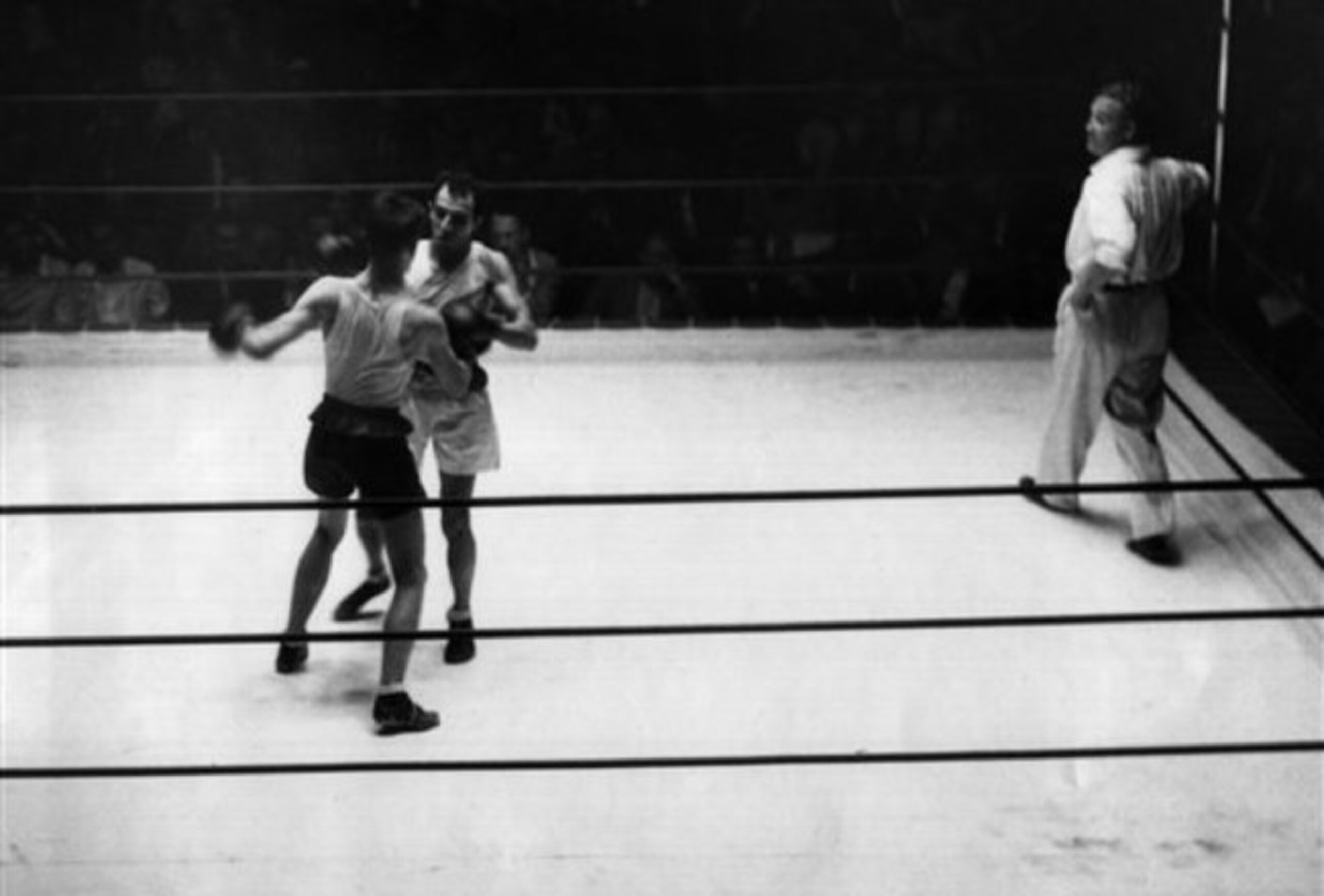
Record: 38-2-1 (19 KOs)
Laurie Stevens was a national champion at both lightweight and welterweight while also picking up the Commonwealth title at the 136-pound limit.
While he never ruled the world in the paid ranks, the Johannesburg-born boxer makes it onto the list thanks to his success at the 1932 Olympics.
Stevens struck gold as a lightweight at the Los Angeles Games. His victory came just two years after he had picked up a silver medal as a featherweight at the British Empire Games.
7. Willie Toweel
5 of 11Record: 46-6-2 (23 KOs)
Willie is the first member of the Toweel family to appear in our top 10.
A national champion at four different weights (bantam, feather, light and welterweight), Toweel fought around the world. His final outing saw him top the bill at the famous Madison Square Garden in New York, as he lost to Emile Griffith by TKO in Round 8.
He had previously come up short in an attempt to win the world title at bantamweight, as Robert Cohen knocked him down four times in a bout in 1955 that was eventually scored a draw.
Toweel was awarded an Olympic bronze medal in 1970—18 years after appearing at the Games.
He had lost in the last four at flyweight, but at the time semi-finalists did not feature on the podium. The Olympic Committee later changed the rules and honoured those who had previously missed out on a medal.
In charting the careers of the famous fighting Toweel family, Ron Jackson wrote for SuperSport: "Willie the fifth of the Toweel brothers, was a tough fighter, yet became one of the top sales representatives for an insurance company."
6. Dingaan Thobela
6 of 11Record: 40-14-2 (26 KOs)
Dingaan Thobela gets into the list as a two-weight world champion whose career spanned more than 20 years.
However, what makes his achievement so special is that his two titles came at vastly different weights and seven years apart.
The Rose of Soweto was WBO and WBA champion at lightweight, picking up the latter belt by beating Tony Lopez at the second attempt in 1993.
After his success at 135 pounds, Thobela moved up through the divisions. He eventually found himself campaigning at super middleweight, where he knocked out WBC champion Glenn Catley in Round 12.
He finished up with a run of seven defeats in a row, though two of those did come at the hands of future world champions Lucian Bute and Mikkel Kessler.
5. Vuyani Bungu
7 of 11
Record: 39-5 (19 KOs)
Like fellow top-10 selection Corrie Sanders, Vuyani Bungu pulled off a shock result when he became a world champion.
Carousel Kid ended Kennedy McKinney's unbeaten record in 1994 with a unanimous points triumph in Gauteng, South Africa, to take the IBF super bantamweight title from his opponent.
The performance impressed The Ring magazine, which named it Upset of the Year.
Bungu made 13 successful defences before relinquishing the belt to move up to featherweight. However, the career switch failed to pay off.
His attempt to win a world belt at a second weight ended in a stoppage loss at the hands of Englishman Naseem Hamed.
4. Gerrie Coetzee
8 of 11Record: 33-6-1 (21 KOs)
Gerrie Coetzee created history when he became South Africa's first world champion at heavyweight in 1983.
The Boksburg Bomber stopped Michael Dokes to win the WBA belt. It was a case of third time lucky for Coetzee—he had previously lost in title fights against John Tate and Mike Weaver.
His reign was short, though it also ended in controversial circumstances.
Greg Page knocked him out in Round 8 on Coetzee's home soil in his first defence, though a timing malfunction meant the finish came well after the bell should have sounded.
Per BoxRec, Coetzee had a total of 23 surgeries on his right hand. Still, he used it with great success against Leon Spinks, as he knocked the American out in Round 1 in 1979.
3. Jacob Matlala
9 of 11
Record: 53-13-2 (26 KOs)
Jacob Matlala was a small man who made a big impact during his career. Actually, Baby Jake was a very small man, standing at just 4'10".
He was WBO champion at light fly and flyweight during a long career that spanned 22 years.
His final fight saw him claim the WBU title at 108 pounds and then hand the belt to Nelson Mandela, who was present at ringside.
Matlala explained his reason for retirement, per Steve Bunce of the Independent: "I walked away from boxing because there was nobody small enough left for me to fight. I went to London, I went to Las Vegas and I beat them all—I had nobody else to meet."
The Soweto-born fighter had both financial and health problems after hanging up his gloves. He died in 2013 at the age of 51.
2. Vic Toweel
10 of 11Record: 28-3-1 (14 KOs)
The second eldest of six brothers, Vic Toweel was South Africa's first world champion.
The bantamweight defeated the experienced Manuel Ortiz in just his 14th fight to win the world title in 1950. He had been a pro for just 17 months, having been lost in the first round at the 1948 Olympic Games.
In his first defence against the Englishman Danny Sullivan, the aggressive Toweel knocked his opponent down no less than 14 times, according to BoxRec.
He was dethroned by Jimmy Carruthers in 1952 and, after failing to win a rematch between the pair, retired two years later at the age of 26.
It was a short but sweet career for a man who was nicknamed The Benoni Atom.
Toweel—who had also been a national champion at featherweight—moved to Australia in the 1980s. He died in Sydney in 2008 at the age of 80.
1. Brian Mitchell
11 of 11Record: 45-1-3 (21 KOs)
Brian Mitchell was a two-time world champion at super featherweight who was hampered by restrictions placed on South Africa due to its apartheid policy.
His solitary defeat—against Jacob Morake—came less than a year after turning pro. After that, Mitchell went on to have great success, first as national champion before winning both the WBA and IBF belts.
He held the WBA strap for five years, making 12 successful defences and never losing it in the ring.
The IBF version arrived in 1991 with a win in a rematch against Tony Lopez after their first contest had been drawn.
Mitchell retired as a world champion but made a brief comeback to fight twice on home turf.
He remained in the sport after hanging up his gloves, working as a trainer and manager. Under his stewardship, compatriot Cassius Baloyi won a world title.
Inducted to the International Boxing Hall of Fame in 2009, Mitchell deservedly takes the top spot in our rankings.
Do you agree with the order? Should one of the honourable mentions have made it into the top 10? Share your thoughts via the comments section.

.jpg?w=2560 "Steelers Saints Football")

.jpg?w=2560 "Packers Safety Slams Refs 🤬")

.jpg?w=2560 "🚨 Week 8 AP Top 25 Poll")