
10 College Basketball Teams That Need to Make Big Adjustments in the New Year
With the college basketball season almost equally split among two years, the switch from 2015 to 2016 creates a natural opportunity to take stock and see what changes are necessary for the stretch run. It helps that this also comes right as conference play begins, with some teams having already started their league slates and others set to do so over the weekend.
Regardless of where a team is in its schedule, that doesn't change the fact it needs to make some adjustments in order to have the rest of the season go well.
We've identified 10 teams that need to tweak a certain aspect of their game, although making the necessary changes might not always be possible based on personnel and depth.
Duke
1 of 10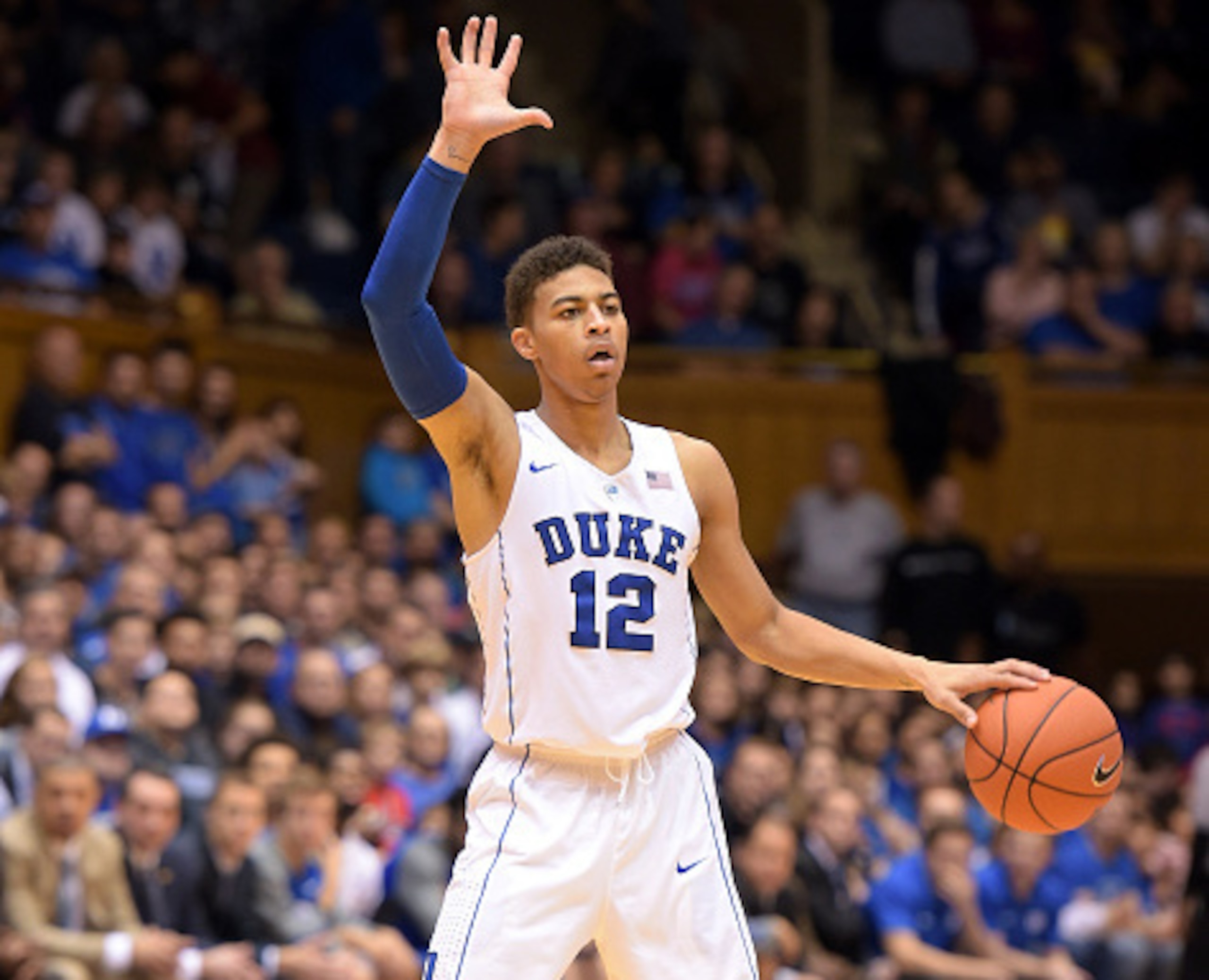
Adjustment needed: Passing
Despite having a limited rotation of players, Duke is once again not lacking in scorers. The Blue Devils are now second in the nation in scoring at 88.9 points per game, with six players averaging double figures.
And they're doing this despite being one of the worst teams in Division I at sharing the ball effectively.
Duke has only assisted on 172 of 390 made field goals this season, translating to an assist percentage of 44.1 that ranks 337th out of 351 schools. Sophomore Grayson Allen, the team's leading scorer at 20.8 points per game, is the only player on the team who accounts for more than three assists per contest.
The good news, though, is in Duke's last game (a 103-81 win over Long Beach State) it did assist on 18 of 32 field goals.
Gonzaga
2 of 10
Adjustment needed: Scoring balance
Gonzaga has had to play most of this season without one of its big men, 7'1” senior center Przemek Karnowski, who is now out for the year following back surgery. He was averaging 8.8 points per game on 59.4 percent shooting, but like most of the Bulldogs, he wasn't that involved on the offensive end.
That's because senior Kyle Wiltjer (20.1 points per game) and sophomore Domantas Sabonis (17.1) have been handling the bulk of the scoring, sometimes to the point that the other three players on the court are just standing around.
Gonzaga averages 78.6 points per game, which means its top two contributors account for more than 47 percent of the production. The backcourt rotation of Kyle Dranginis, Eric McClellan, Silas Melson and Josh Perkins takes about 26 shots per game, roughly the same as forwards Wiltjer and Sabonis.
Indiana
3 of 10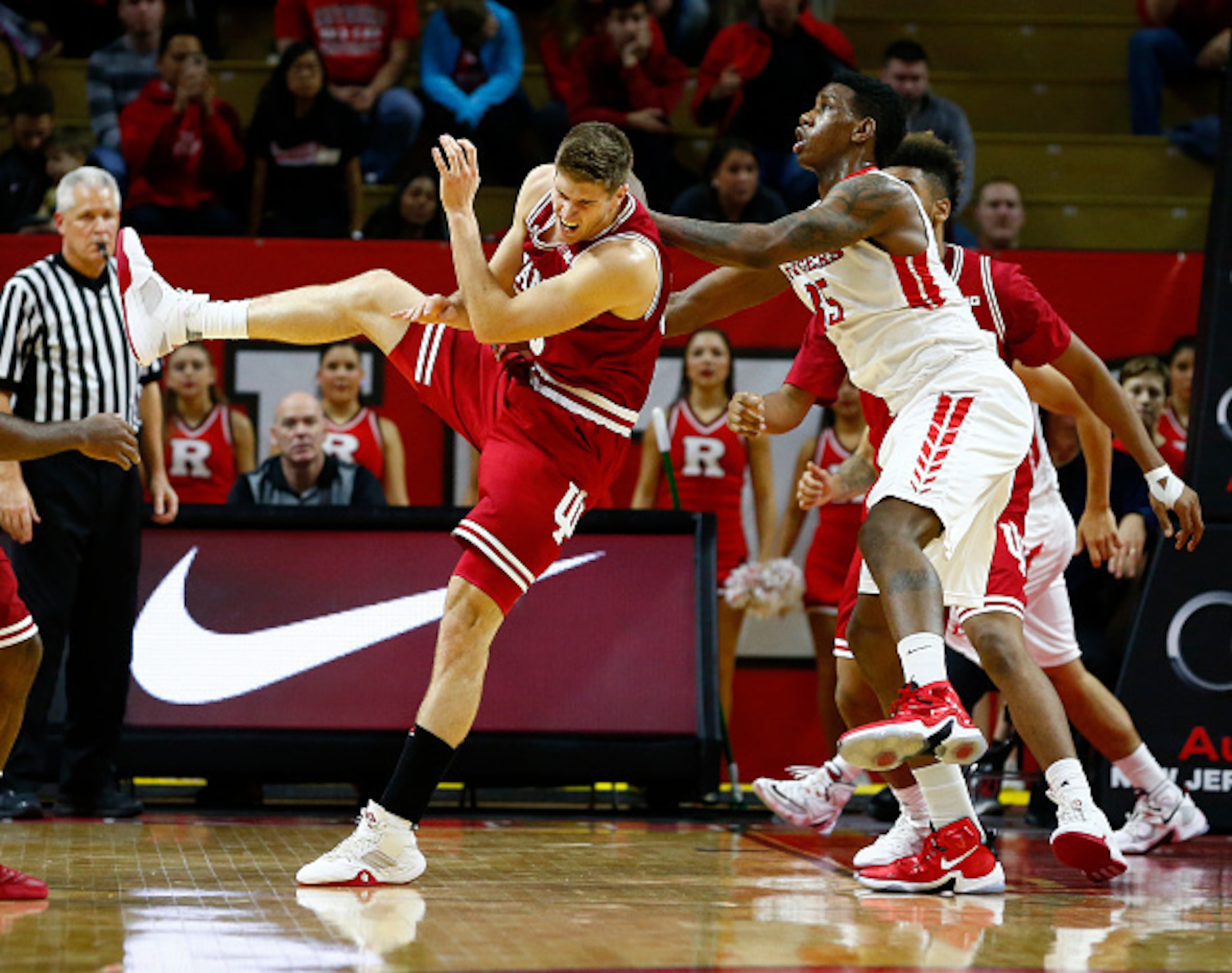
Adjustment needed: Turnovers
With the number of weapons he has on offense, Tom Crean doesn't seem too interested in making sure his Indiana team becomes equally adept on the defensive end. Say what you want about that approach, but this appears to be the Hoosiers' mindset again this season.
But great offense can falter from time to time, especially if players are not taking care of the ball. As a result, Indiana is wasting a lot of possessions by turning it over.
The Hoosiers' turnover percentage (which estimates the number of giveaways per 100 possessions) is 17.8 percent, ranking 294th in Division I. That's despite having the fifth-best offensive rating (123.6 points per 100 possessions) in the country, which means that when Indiana holds onto the ball, it's usually scoring.
Case in point: In the Big Ten opener at Rutgers Wednesday, Indiana committed a season-high 23 turnovers, resulting in 37 points for Rutgers. Twenty of those points came in the first half, leading to a 34-34 tie, but in the second half the Hoosiers were better with the ball and won 79-72.

.jpg?w=2560 "Rams Raiders Football")
Michigan
4 of 10
Adjustment needed: Offensive rebounding
At 11-3 overall and 1-0 in the Big Ten, Michigan has put itself in position to return to the NCAA tournament if it can hold its own in conference play. Bleacher Report's Kerry Miller has the Wolverines as his third-to-last team into the field at this point, despite a glaring issue on the interior.
Senior guard Caris LeVert has come back strong from last year's injuries, scoring 17.6 points per game, while former Division III player Duncan Robinson has been a phenom from outside by hitting 58.3 percent of his three-point attempts. Michigan ranks 12th in the country in shooting at 50.4 percent, but on offense it's mostly been a one-and-done team on possessions.
That's because Michigan pulls in only 26 percent of available offensive rebounds, ranking in the bottom 20 percent nationally. No frontcourt player averages more than 16.2 minutes per game, and Ricky Doyle's paltry 19 offensive boards are the most on the team.
In its three losses, Michigan has been out-rebounded by an average of 15.7 per game.
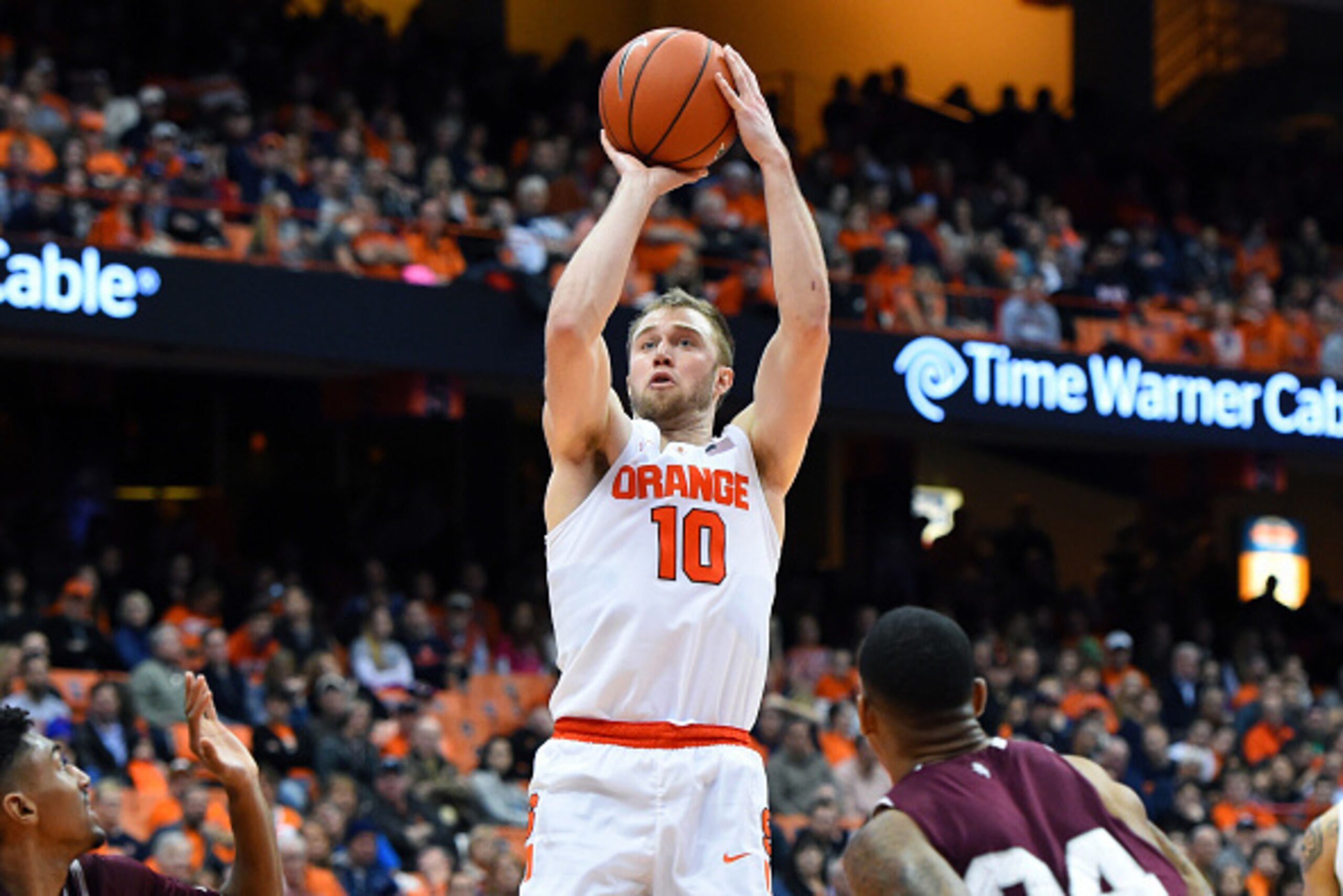
Syracuse
5 of 10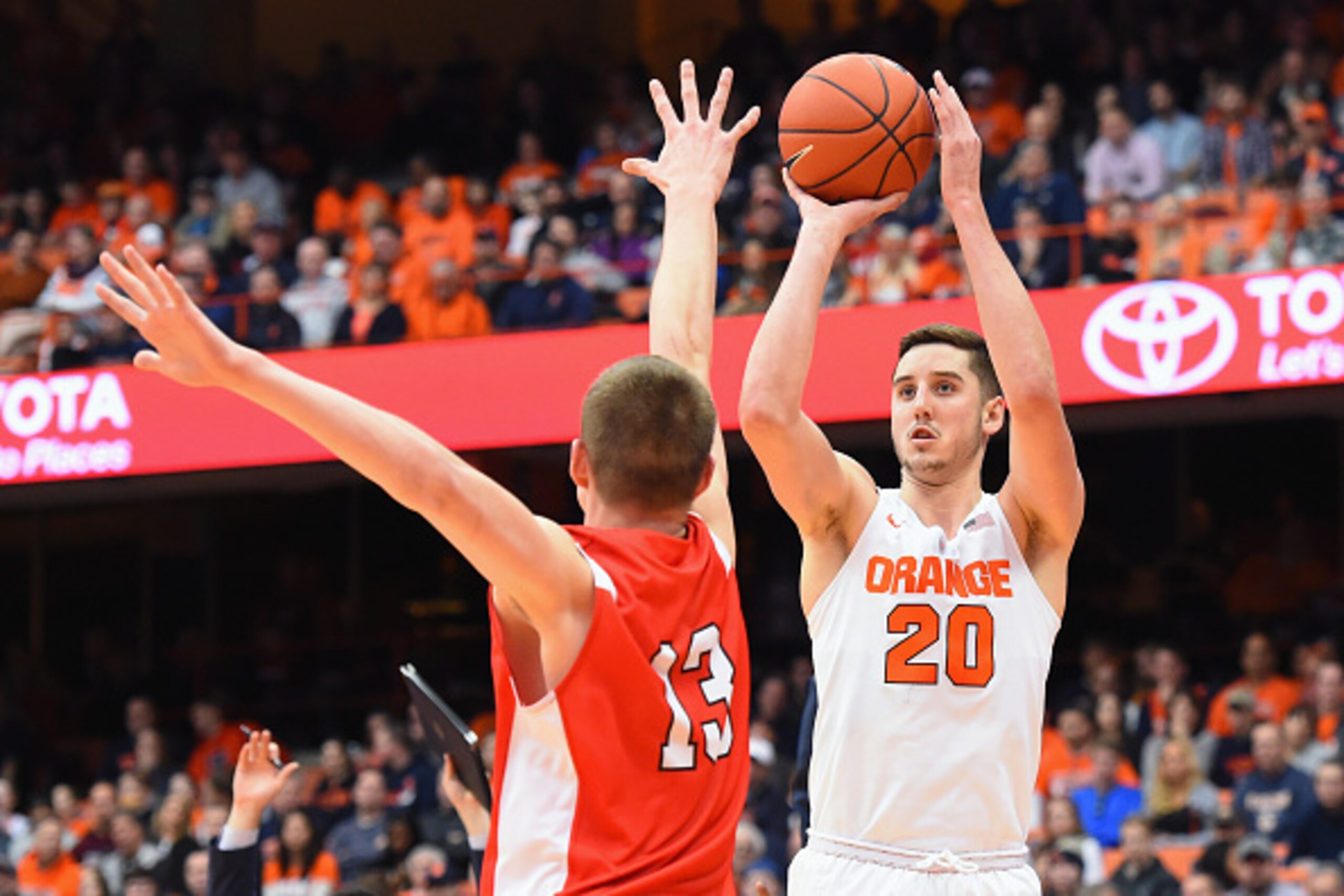
Adjustment needed: Shot selection
The 15 three-point attempts that Syracuse took in Wednesday's loss at Pittsburgh tied for its fewest of the season. Was this the work of interim coach Mike Hopkins—who is handling coaching duties while Jim Boeheim finishes a nine-game suspension—trying to address the Orange's lack of balance on offense or just a statistical anomaly?
It's probably the latter, since Hopkins has been on Syracuse's staff since 1996 and has witnessed years of the same simple approach for this team. The long and lean players the Orange tend to recruit to handle the zone defensive assignments also include many with a propensity for putting up jump shots.
Nearly 43 percent of the Orange's field-goal attempts come from three-point range, and three of their six most-used players all take more threes than twos. This approach lends itself to hot and cold nights, as evidenced by a blistering start to this season (making 34 of 63 threes en route to the Battle 4 Atlantis title) but then a just-as-sudden slump where they shot 19-of-77 from deep in losses to Wisconsin, Georgetown and St. John's.
Texas
6 of 10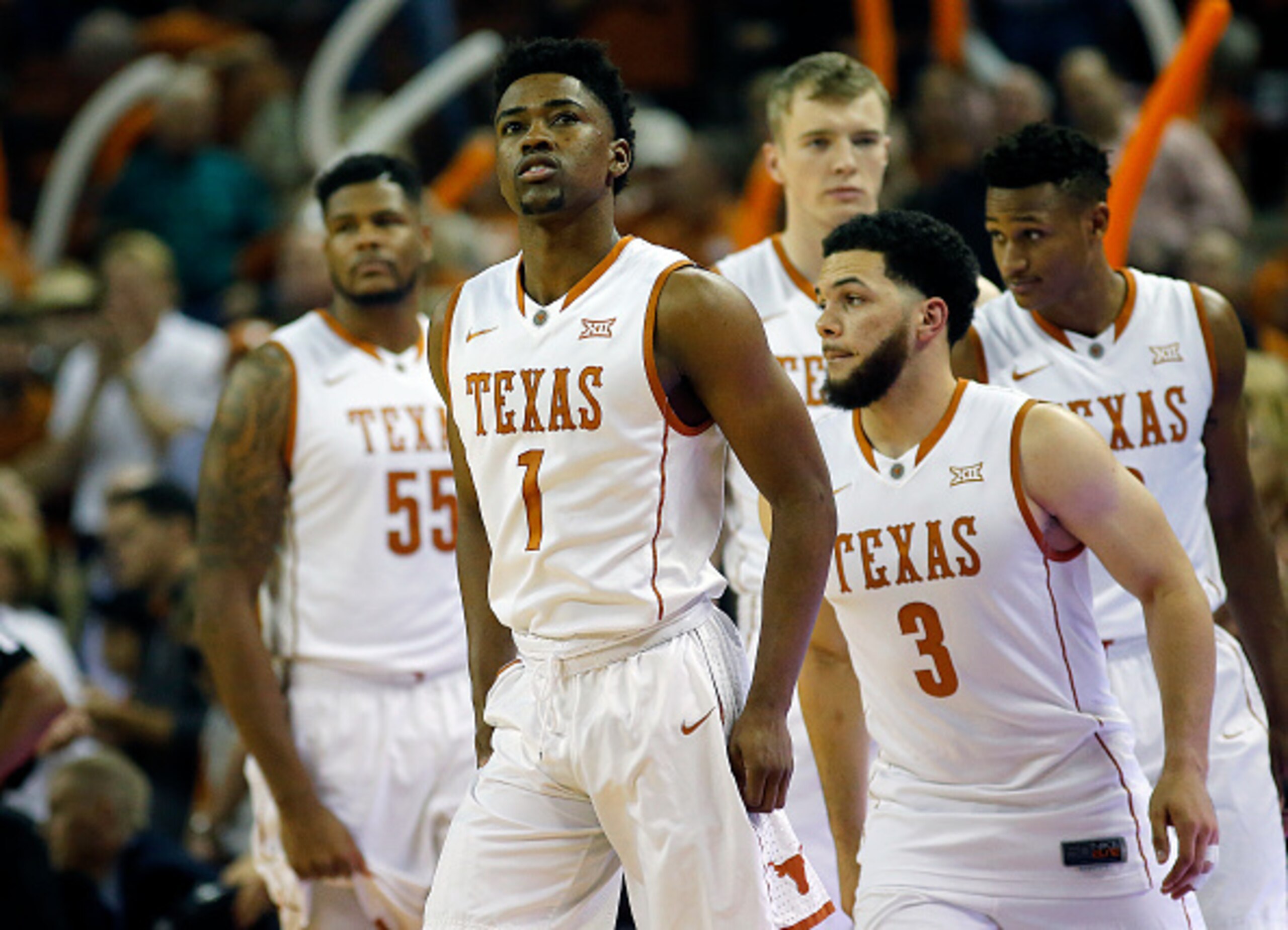
Adjustment needed: Free-throw shooting
Shaka Smart's first season at Texas has included a huge win over North Carolina but also some losses that could have gone their way. All it would have taken was some better performance at a point on the court where no one is able to block your shot.
The free-throw line has been unkind so far for the Longhorns, who at 61.7 percent rank 335th out of 351 Division I schools. The 16 schools below Texas, which is 8-4, are a combined 55-151, and none is better than .500 on the season.
Texas' losses this year have been by an average of seven points, and in those games it has missed 49 total free throws.
The overall rate might be on the upswing, though, with senior center Cameron Ridley out indefinitely due to a broken foot. He had taken the second-most foul shots on the team but was 20-of-51 from the line.
UNLV
7 of 10
Adjustment needed: Foul management
Watch a few minutes of a UNLV game and you'll notice plenty of things that need to get fixed if the Runnin' Rebels want to come out on top of a weak Mountain West Conference this season. But since coach Dave Rice doesn't seem to have any problem with his team's lethargic half-court offense, we'll focus on the frequency of whistles in UNLV games.
UNLV and its opponents average 42.4 fouls per game, resulting in 44.4 free-throw attempts each contest. Amazingly, UNLV has only had a player foul out three times, despite five of its top seven players averaging more than four fouls per 40 minutes of court time.
The Rebels' style on offense wavers between isolating a player one-on-one and having him drive to the basket in hopes of drawing a foul or putting up a contested jumper. Their defensive approach is physical, resulting in a high number of steals but also leading to plenty of fouls on reach-ins.
Utah
8 of 10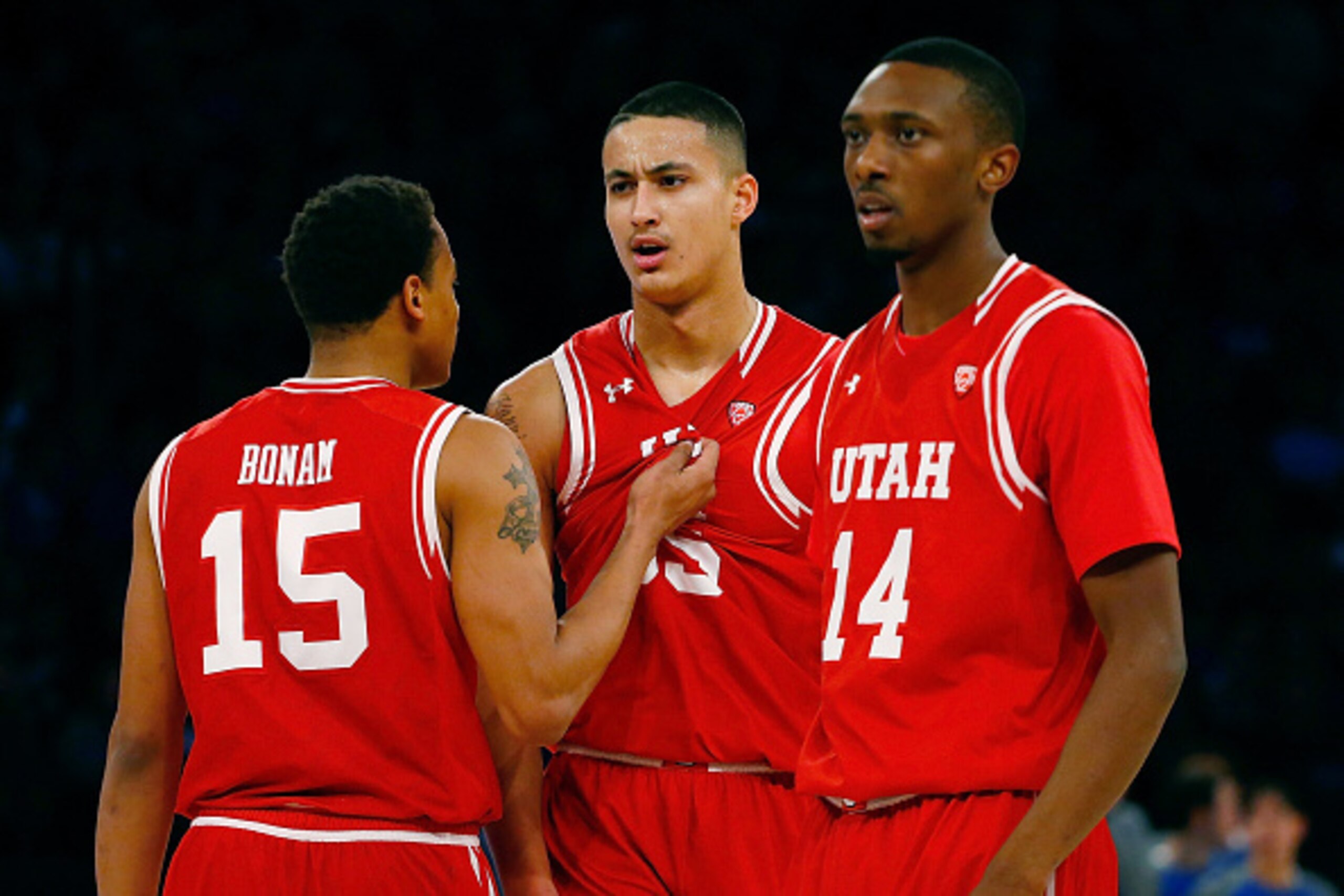
Adjustment needed: Three-point defense
It didn't end up costing Utah a victory Friday night—going 11-of-24 from the foul line had a much great impact in the 70-68 overtime loss at Stanford, but most of this season the Achilles heel' for the Utes has been their defense of the three-point line.
Stanford was only 4-of-17 from outside, which dropped opponents' efficiency from deep to 38.5 percent. That's among the bottom 30 teams in Division I in three-point defense.
Seven of Utah's 14 foes this season have made at least 40 percent of their outside shots, including Miami (Florida) and Wichita State. When the Utes have defended well on the perimeter, such as in neutral-site games against Duke, Temple and Texas Tech, they've posted quality nonconference wins.
Villanova
9 of 10
Adjustment needed: Interior scoring
Villanova attempts 29 three-pointers per game, and that's not going to change anytime soon. Not with the number of guards the Wildcats play, and regardless of an unimpressive 32.4 percent efficiency that is only masked by the frequency of shots.
It would just be nice if Villanova would at least pay some attention to trying to score in the paint—and not just on times when those guards choose to drive toward the basket rather than launch a long ball.
Daniel Ochefu is the team's only semblance of a frontcourt player, a 6'11” senior who is averaging 9.7 points and 8.0 rebounds per game. He's also the only regular Wildcats contributor who doesn't shoot from outside, yet his 6.5 shots per game are sixth-most on the team.
Ochefu shoots 63.5 percent from the field, but outside of putbacks he rarely gets a look down low, even in games like the blowout loss to Oklahoma when Villanova shot 4-of-32 from three-point range.
Wisconsin
10 of 10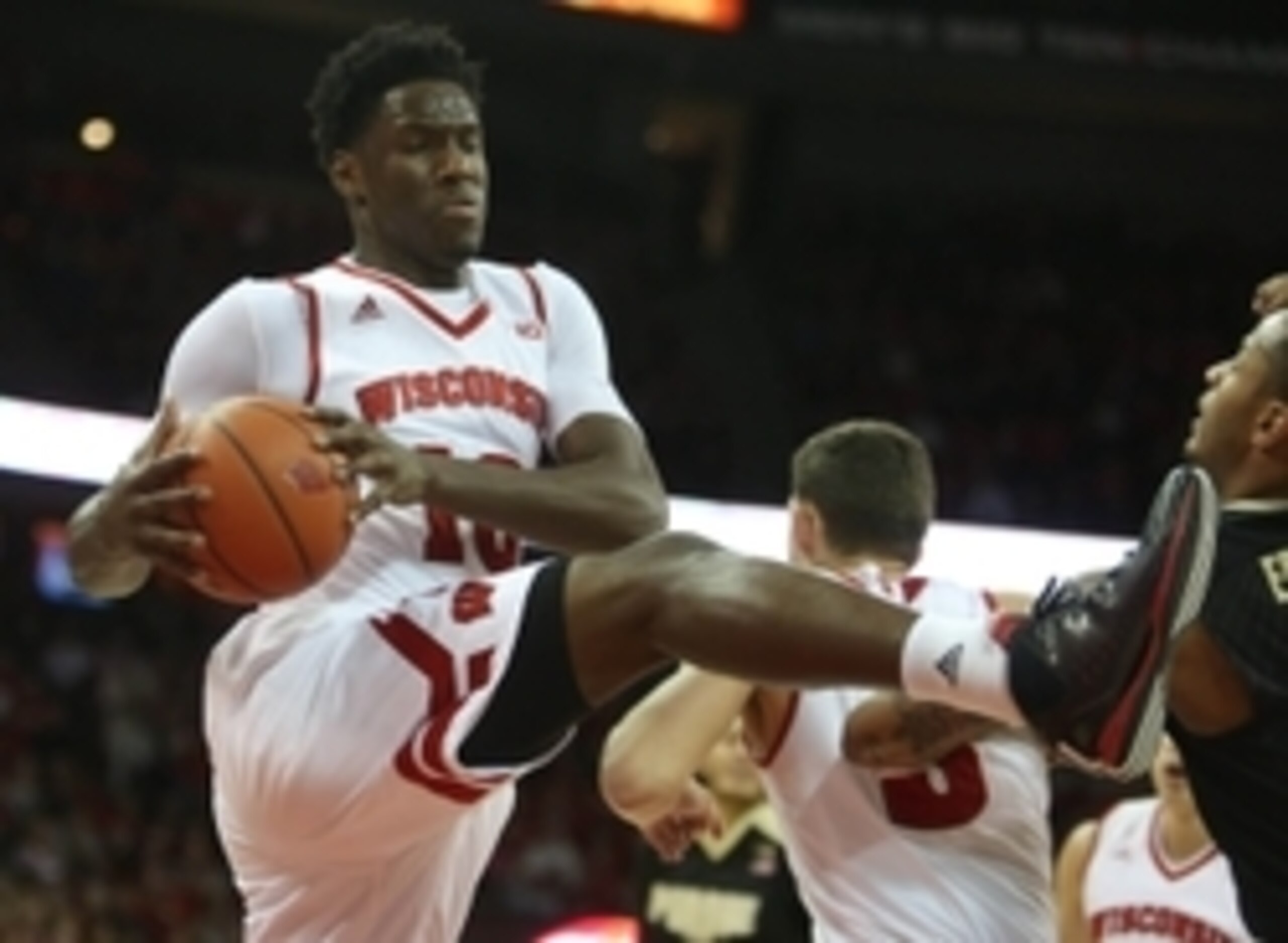
Adjustment needed: Shooting
Clean, crisp fundamental basketball has always been a staple of Wisconsin basketball teams under Bo Ryan. Even in the leaner years when the Badgers didn't have 7-footers like Frank Kaminsky and sharpshooters such as Sam Dekker, they usually put up good numbers from a field-goal-percentage standpoint.
The 41.7 percent field-goal rate through 14 games would be the worst in any season under Ryan, who abruptly retired in mid-December. The Badgers' 33.3 percent three-point efficiency isn't much better, ranking second-worst since 2001-02.
Forward Ethan Happ is shooting 51.8 percent, but after that there's a sizable drop-off to guard Zak Showalter's 42.9 percent. Leading scorers Nigel Hayes and Bronson Koenig are shooting 39.0 and 40.2 percent, respectively.
These numbers make it hardly surprising that Wisconsin is 8-6, having already lost 50 percent more games than the 2014-15 team that reached the national title game.
All statistics courtesy of Sports-Reference.com.
Follow Brian J. Pedersen on Twitter at @realBJP.



.jpg?w=2560 "Rodgers Iced Out on Plane 💎")
.jpg?w=2560 "🚨 Week 8 AP Top 25 Poll")
