

The Most Surprising Stat for Each Top 25 College Basketball Team
We're about four weeks into the 2015-16 college basketball season, which only accounts for about a quarter of the long journey to March. The results so far have provided an early picture of how the top teams in the country will fare, but we can't glean too much from these numbers from an overall standpoint.
Still, some figures jump off the page. Every team in the current Associated Press Top 25 has at least one statistic that is notable, either for good or bad reasons.
Check out the stats we've identified as the most amazing for each ranked team so far in 2015-16, and then give us your thoughts in the comments section.
25. Utah Utes
1 of 25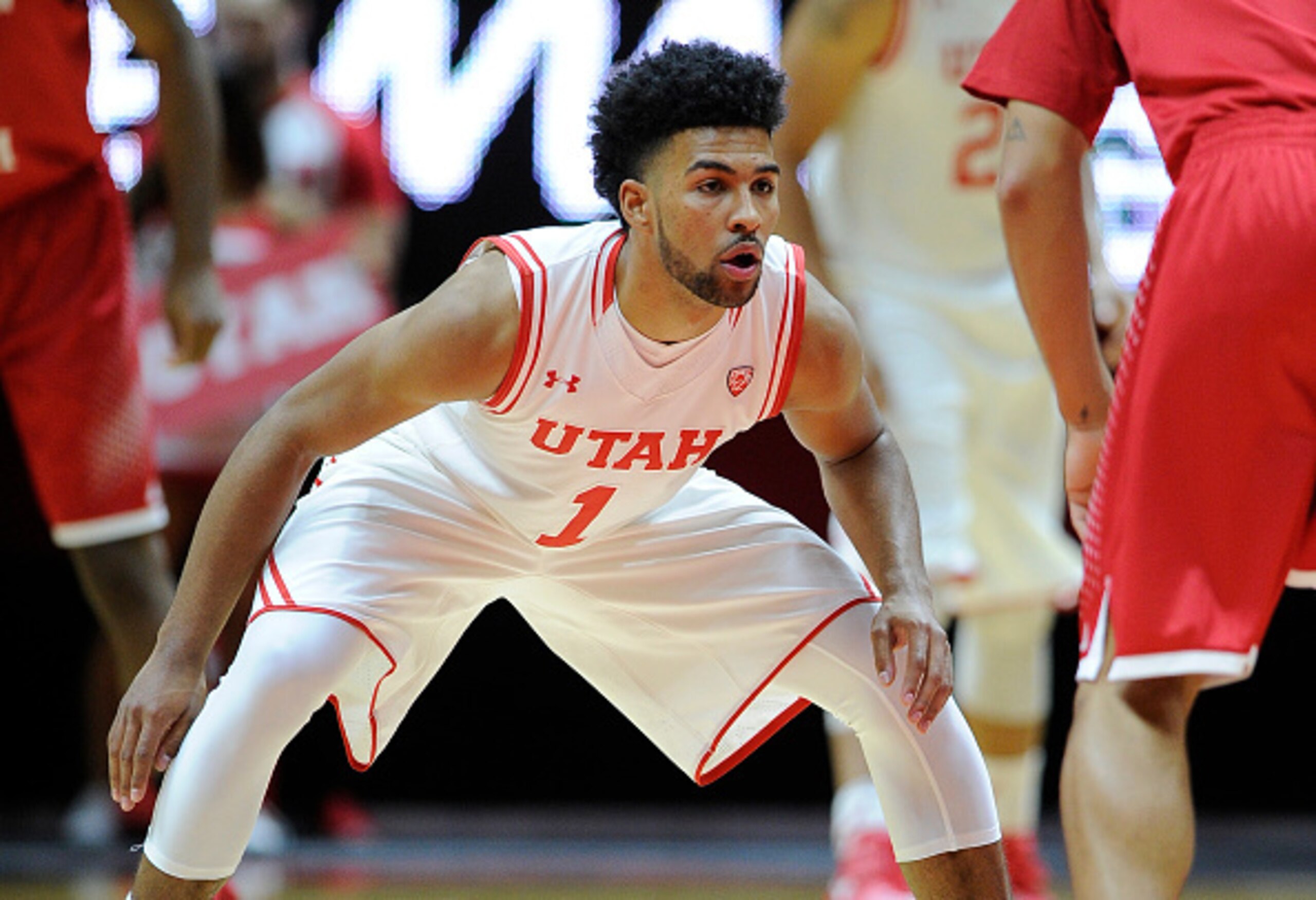
42.3 percent three-point field-goal defense
If Utah wants to improve how it shoots from the perimeter, it might want to find a way to practice against itself, since the Utes don't seem capable of preventing the three-point shot.
Seven of Utah's opponents have made at least eight threes, most recently 13 (on 27 tries) by IPFW on Saturday. Take out the 3-of-19 effort that Texas Tech had against the Utes, and their three-point defense percentage would soar to 45.9 percent.
As it stands, the 42.3 percent rate is 10th-worst in Division I.
24. Oregon Ducks
2 of 25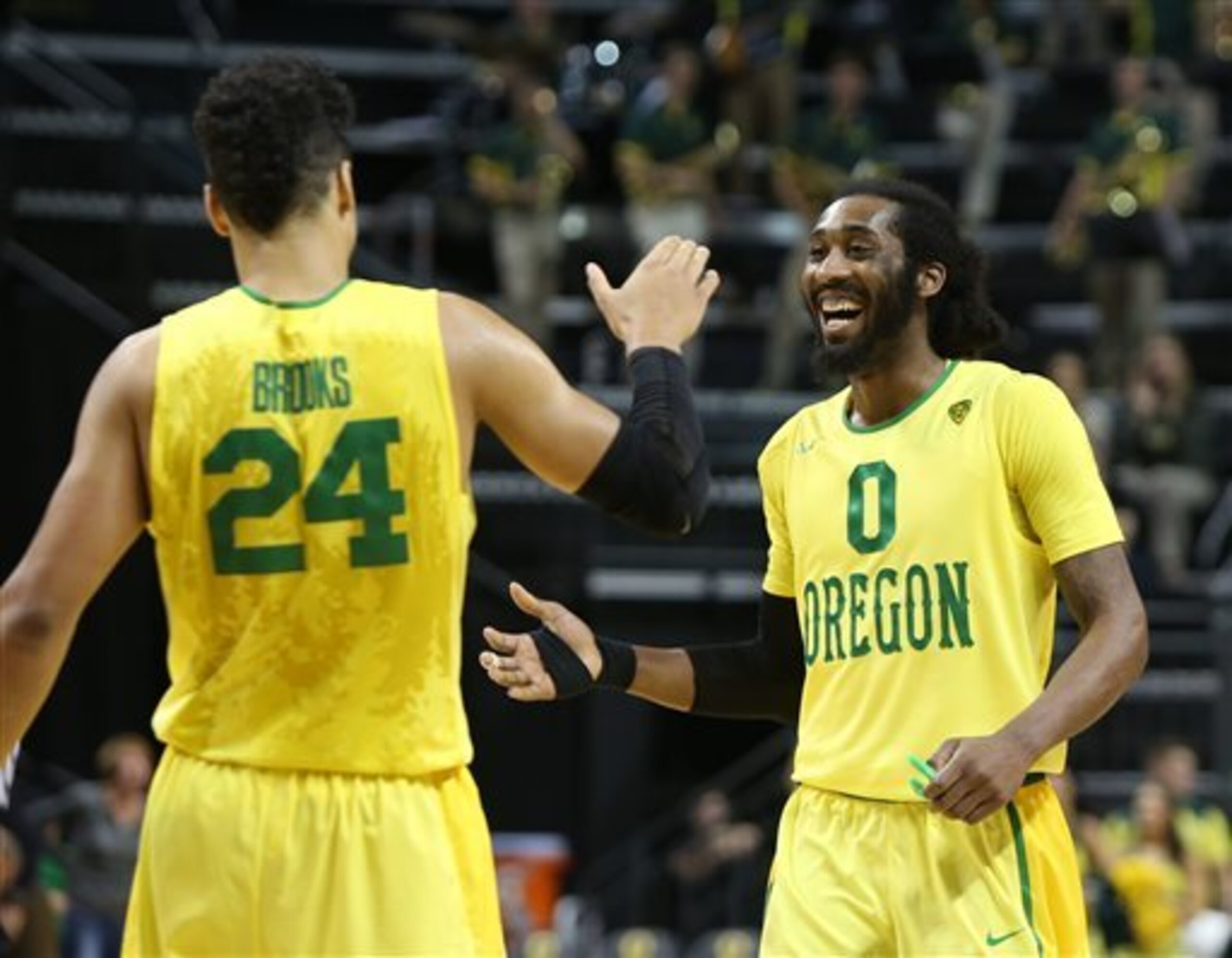
48 made three-pointers
The Oregon team that has been on the court so far this season doesn't closely resemble the one it hopes to feature when at full strength. Nowhere is this more evident than in the Ducks' three-point shooting, which has been mostly nonexistent because of the absence of senior guard Dylan Ennis.
Ennis, who transferred from Villanova, has yet to play this season because of a foot injury. He was expected to make a big impact for Oregon as both a ball-handler and an outside shooter, having made 112 three-pointers in three seasons with Villanova.
Without Ennis, Oregon is shooting 30.4 percent from three-point range, and Dwayne Benjamin is the only player averaging more than two made threes per game. Another injured Duck, forward Jordan Bell, has forced the team to rotate wings such as Benjamin and Dillon Brooks closer to the basket, thus affecting their ability to shoot from beyond the arc.
23. Cincinnati Bearcats
3 of 25
69.7 possessions per 40 minutes
Cincinnati is still a long way from being considered an uptempo team, but not many schools have seen such a boost in pace from last season to this one like the Bearcats have.
Through nine (mostly) easy games, Cincinnati averages 10.1 more possessions per 40 minutes than it did in 2014-15. Combined with soft competition and sold shooting, it's averaging 82 points per game after being at 62.1 last season.
Even with the boost, the Bearcats are still on the bottom end of the pace spectrum. They rank 204th out of 351 schools.


22. Louisville Cardinals
4 of 25
127.5 offensive rating
For a team that's almost a shell of the version that made the Elite Eight last season, Louisville is executing at a level that belies the team's overall lack of experience playing together. Through seven games, the Cardinals are averaging 86 points per game and shooting 51.4 percent from the field.
In terms of offensive rating, which determines the number of points a team would score per 100 possessions, Louisville is second-best in Division I. That's a huge jump from the 104.5 rating it had last season, with a lineup made up of several players who either graduated, turned pro or otherwise left the program.
Graduate transfers Damion Lee and Trey Lewis have led the charge, combining to score 33.2 points per game. Lee, formerly of Drexel, is shooting 55.3 percent from the field.
21. Vanderbilt Commodores
5 of 25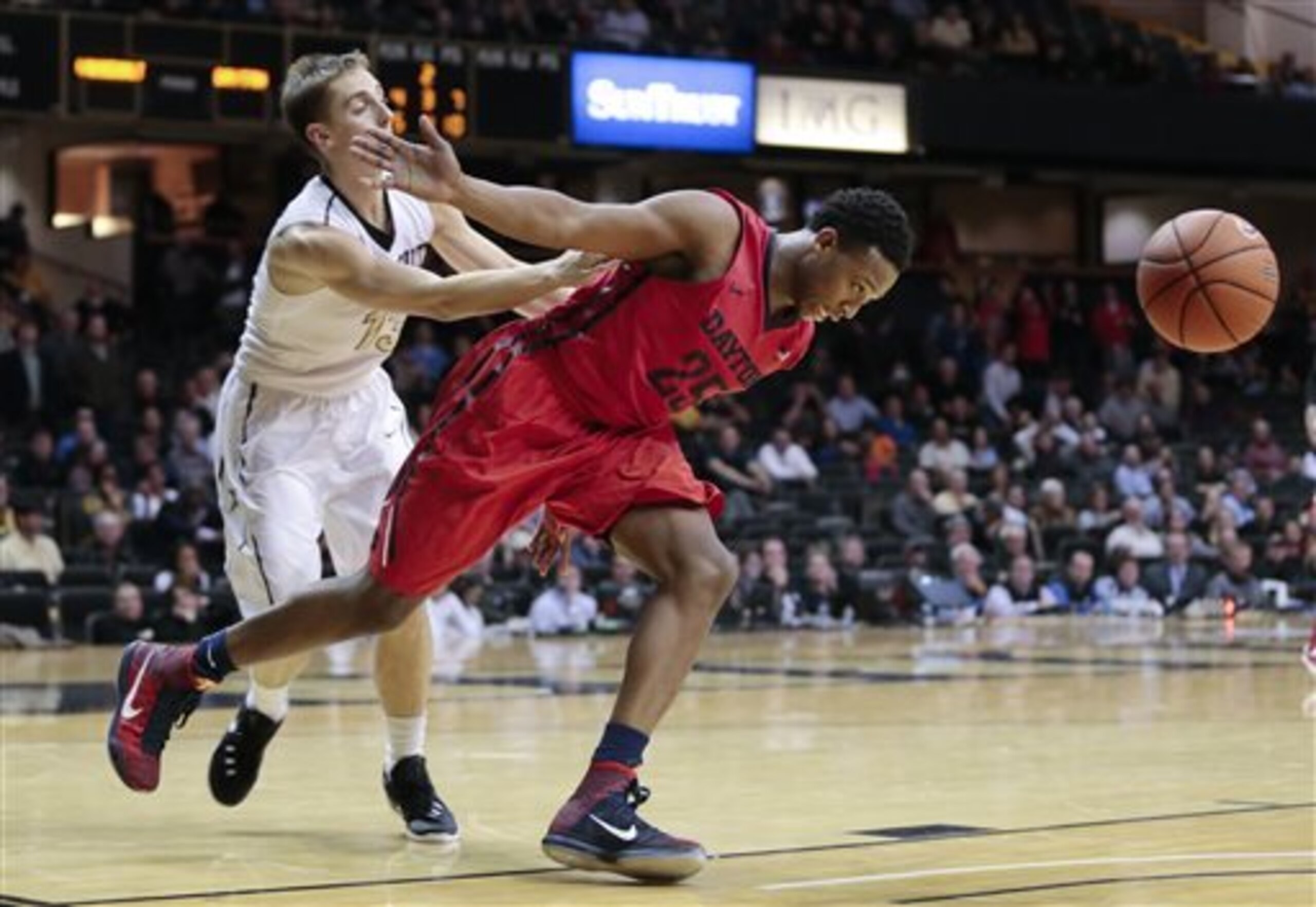
34.6 percent field-goal defense
Vanderbilt got its first taste of what life is going to be like without 7'0” junior Luke Kornet on Wednesday, losing 72-67 at home to Dayton. Kornet was the team's leading shot-blocker and second-leading rebounder and a big reason the Commodores entered the game ranked third in the country in field-goal defense.
He suffered a torn MCL this week in practice, and the school announced he would miss four to six weeks.
Dayton made 45 percent of its shots and was 22-of-45 from two-point range, capitalizing on Kornet's absence near the rim. Vandy's previous eight opponents shot 36.9 percent from inside the three-point line, fifth best in Division I.
20. Gonzaga Bulldogs
6 of 25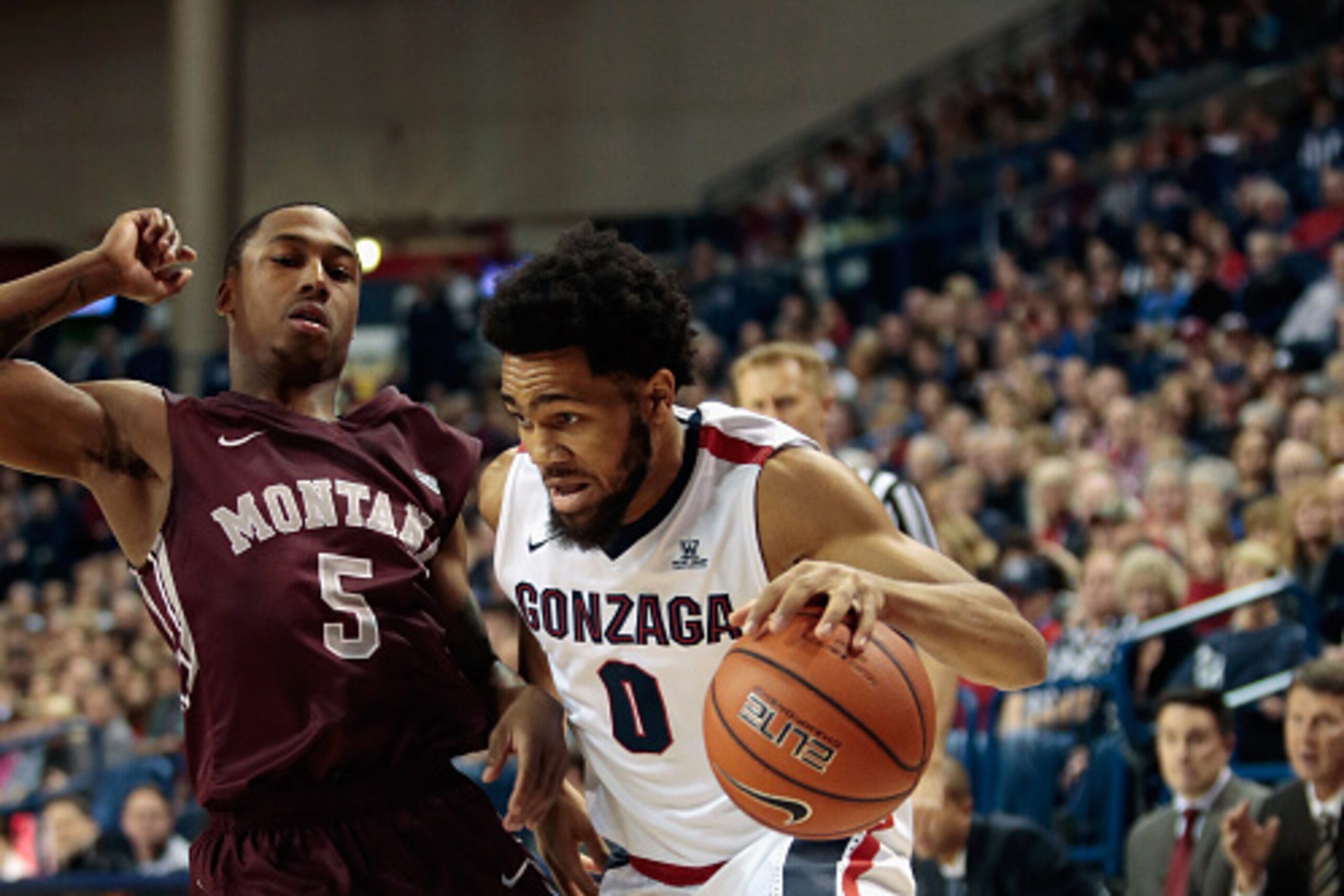
0.93-to-1 assist-to-turnover ratio
Gonzaga has been blessed with great guard play throughout its rise from obscurity to elite status, going back to the late 1990s, when Richie Frahm and Matt Santangelo helped the Bulldogs reach the Elite Eight. Last year's backcourt of Gary Bell, Kevin Pangos and Byron Wesley was one of their best, resulting in a 1.56-to-1 assist-to-turnover ratio for the team.
Kyle Dranginis and Gonzaga's other guards might someday get to that level, but right now, they've become a notable weakness in an area that used to always be one of the team's strengths.
The struggles aren't just with turning the ball over; the guards are also having trouble scoring. Dranginis is shooting 34.1 percent from the field, while Silas Melson has made only 32.8 percent of his shots.
19. SMU Mustangs
7 of 25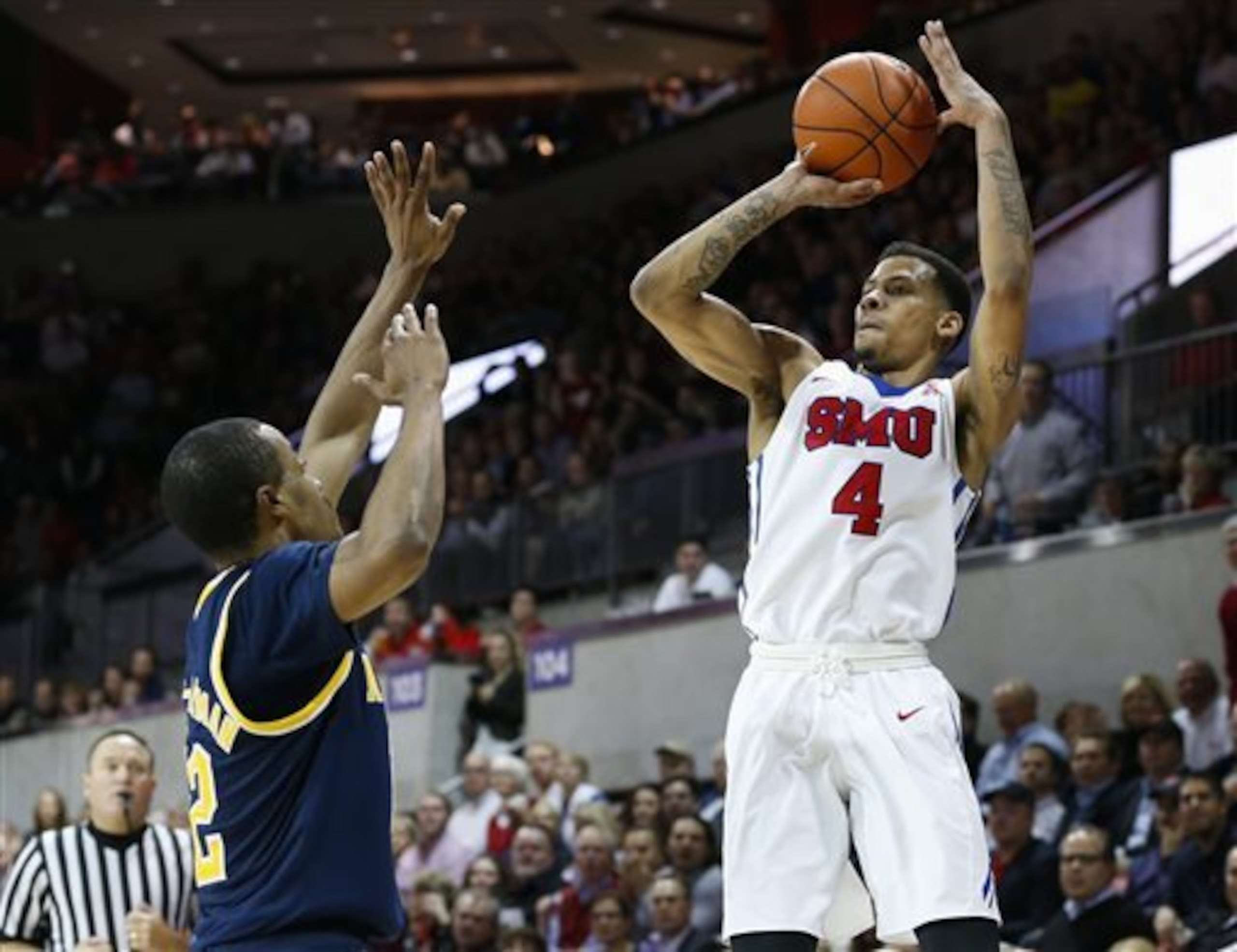
45.4 percent three-point shooting
A postseason ban handed down by the NCAA means that SMU has nothing but pride to play for. It's started out 7-0 despite not having Hall of Fame coach Larry Brown around—his punishment for past program infractions being a nine-game suspension—with an all-out attack that overwhelmed Michigan on Tuesday and has led to wins at Stanford and TCU.
It's also been a very efficient offensive style, too, particularly from three-point range. The Mustangs were 8-of-15 from outside in the 82-58 win over Michigan, which was their third game making at least half of their threes.
Senior Nic Moore is the main deep threat, sitting at 45.7 percent, but junior Keith Frazier has improved to 36.4 percent, and freshman Malik Milton has drained 11 of his 20 three-point shots.
“The big question with SMU is whether it will be able to maintain this level of focus and concentration over the course of a long season without the possibility of it ending in the NCAA tournament,” Yahoo! Sports' Jeff Eisenberg wrote.
18. Butler Bulldogs
8 of 25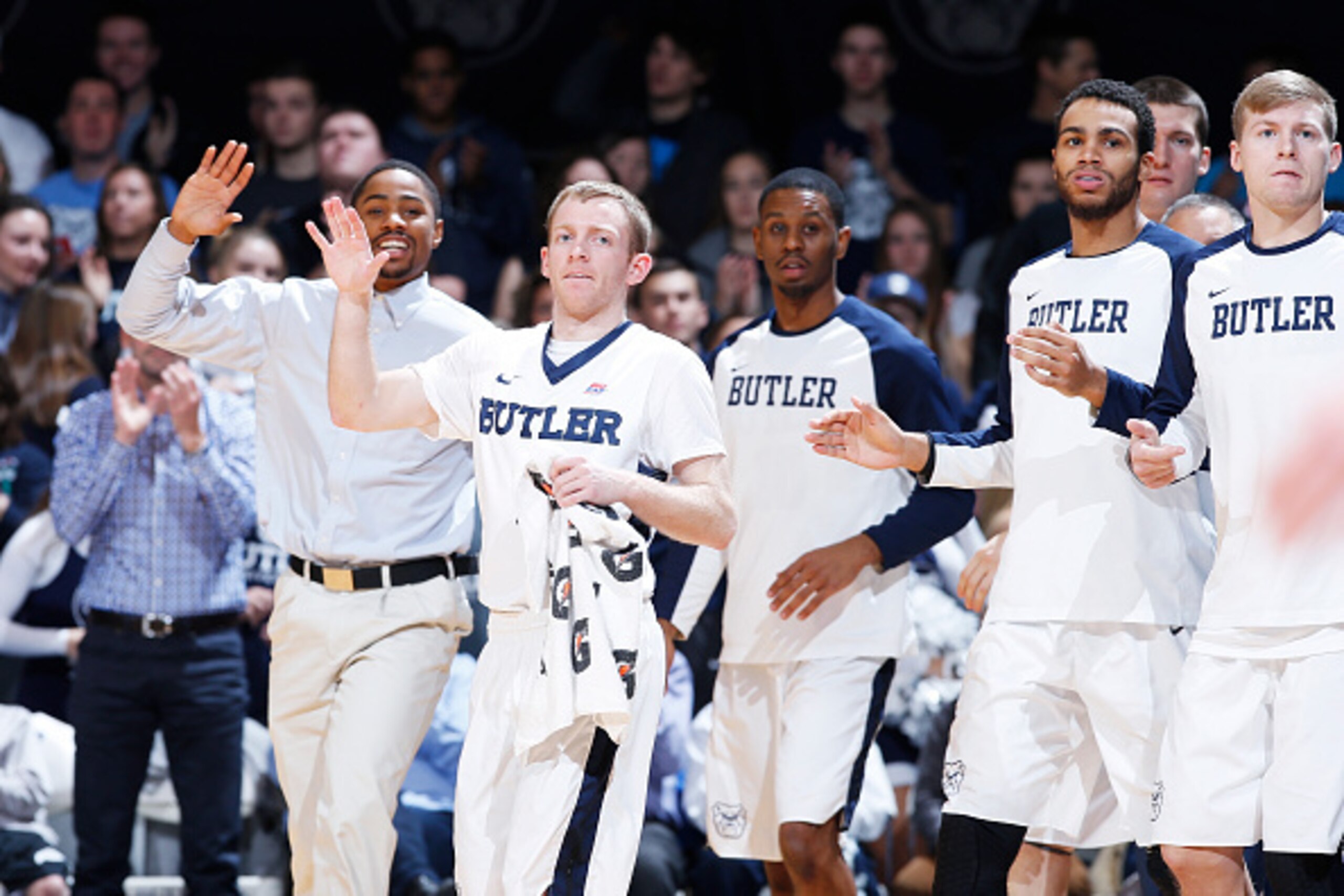
91.4 points per game
This early in the season, one outlier of a performance can have a major impact on a team's statistical output. But even without the school-record 144 points that Butler put up in its opener against The Citadel, the Bulldogs would still be scoring at a rate far above expectations.
Butler has the nation's No. 2 scoring offense, topping 90 points in three of its first eight games. Remove the Citadel result, and the Bulldogs are still averaging 83.9 points, up from 69.0 last season.
It's not just a pickup in pace that has Butler scoring in much bigger bunches; it's also shooting far better. The Bulldogs are making 52 percent of their shots overall and 37.6 percent from three-point range.
17. Miami (Florida) Hurricanes
9 of 25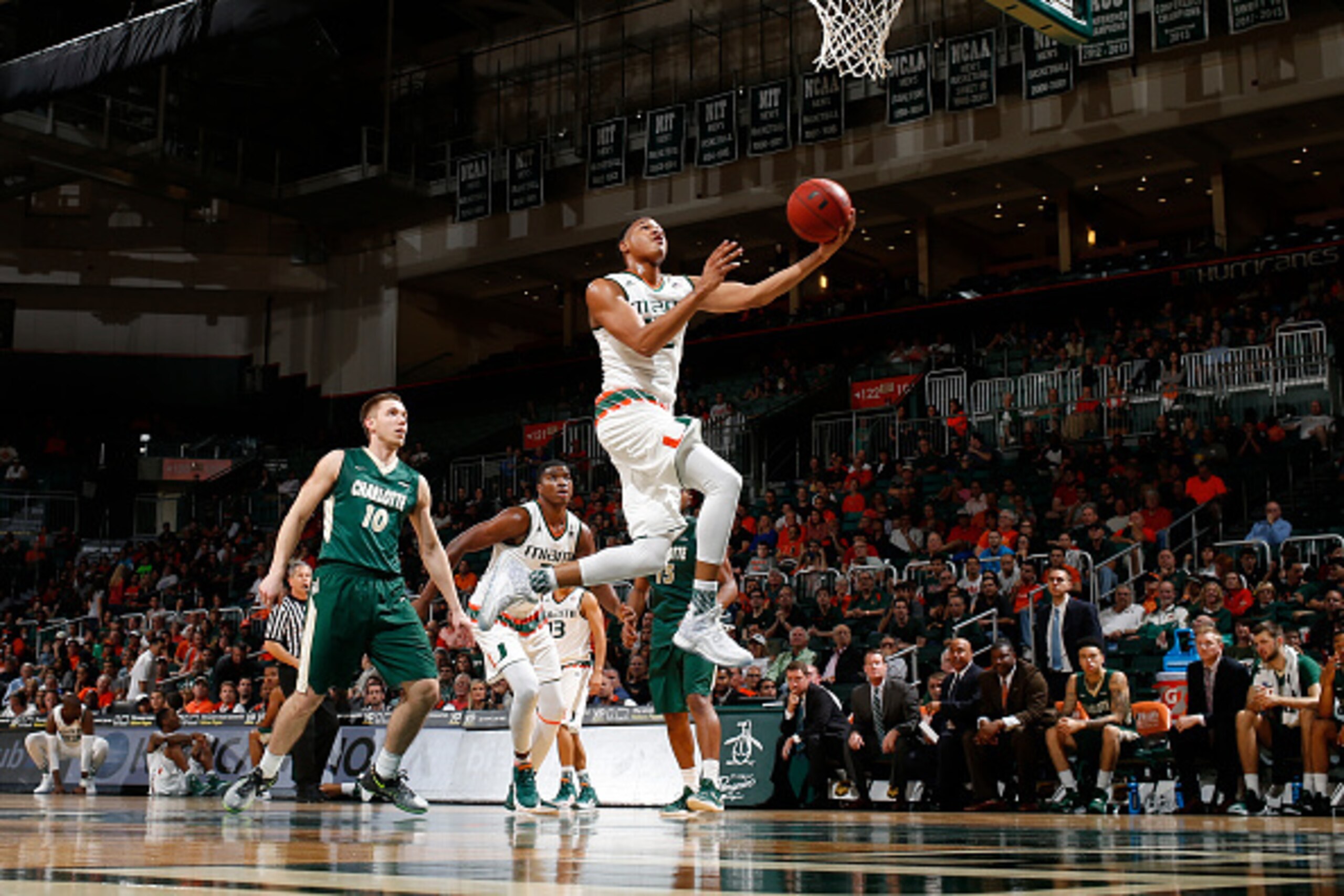
78.3 percent free-throw shooting
Miami is off to another strong start, fueled by wins over Utah and Butler in Puerto Rico and on Tuesday against rival Florida. In each of those games, as well as an overtime victory at Nebraska, the Hurricanes didn't give away any free points at the line.
The 'Canes go to the line more than 26 times per game and have topped 80 percent three times already. They didn't struggle with foul shooting in their lone loss, a one-point home setback to Northeastern, making seven of nine, but that was 15 fewer attempts than in any other game in 2015-16.
Miami ranks eighth in Division I in foul shooting, with all five starters shooting at least 76 percent and three making at least 82.1 percent of their free throws.
16. Baylor Bears
10 of 25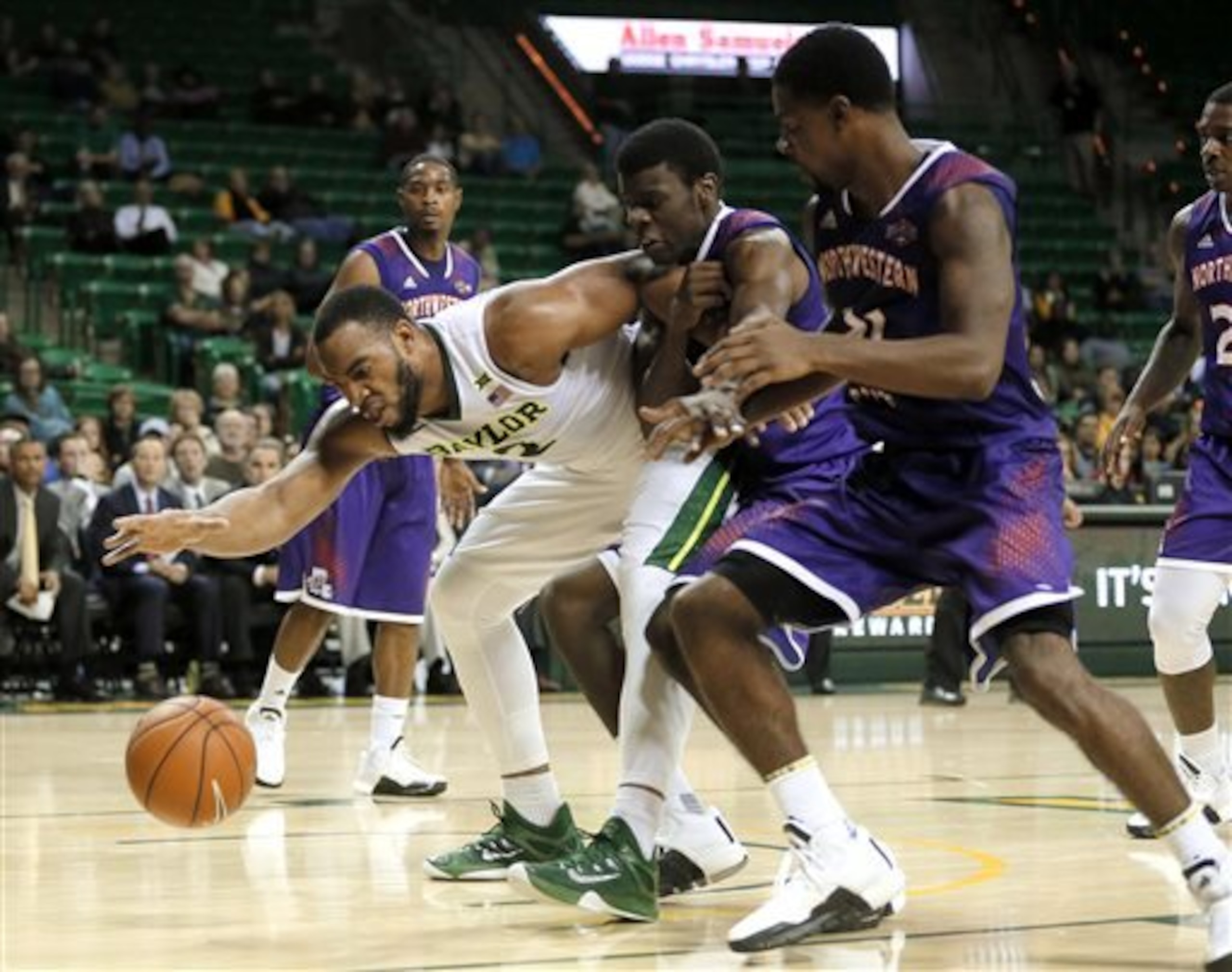
Plus-14.1 rebounding margin
Baylor was one of the best rebounding teams in the country last season partly because it was very good at grabbing its own missed shots, of which there were many. The Bears have improved their shooting so far, hitting 48 percent from the field through eight games.
The edge on the boards is still there, and it's also better than a season ago. Baylor ranks sixth in the nation in rebounding margin, according to NCAA.com, up from plus-8.2 in 2014-15.
Baylor has out-rebounded every opponent so far, most impressively when it had a 36-29 edge over Vanderbilt in a 69-67 win on Sunday.
15. Providence Friars
11 of 25
Ben Bentil's 17.7 points per game
Providence puts five players on the court just like every other college basketball team, though junior guard Kris Dunn has gotten so much attention it almost seems like he's doing it alone.
Far from it.
Dunn is now second on the team in scoring, at 16.8 points per game, after being held to just four points in the Friars' 66-51 home win over Boston College. Dunn was sick and only played 15 minutes, sitting out the second half.
Ben Bentil also left the game early, injuring his ankle late in the first half, but not before scoring 16 points to go with eight rebounds. The 6'9” sophomore forward scored 6.4 points per game last season but has emerged as just as reliable a player as Dunn this season, and if his ankle injury proves to be serious, it would make for just as damaging a loss as if Dunn were to miss time.
14. West Virginia Mountaineers
12 of 25
27.0 percent three-point field-goal shooting
West Virginia has massively improved its overall field-goal shooting this season, particularly close to the basket, which contributed to a 7-0 start before losing to Virginia on Tuesday night. But when the shots aren't falling inside, there's no hope that help will come from long distance if the way 2015-16 has started is any indication.
The Mountaineers made two of 14 three-point attempts on Tuesday, dropping their season average to 27 percent from beyond the arc to rank 338th in Division I. They shot 31.6 percent from outside last season.
The two-point shot is a much better option for West Virginia, having made 56.1 percent, thanks in part to plenty of putbacks that have come from 136 offensive rebounds in eight games.
13. Arizona Wildcats
13 of 25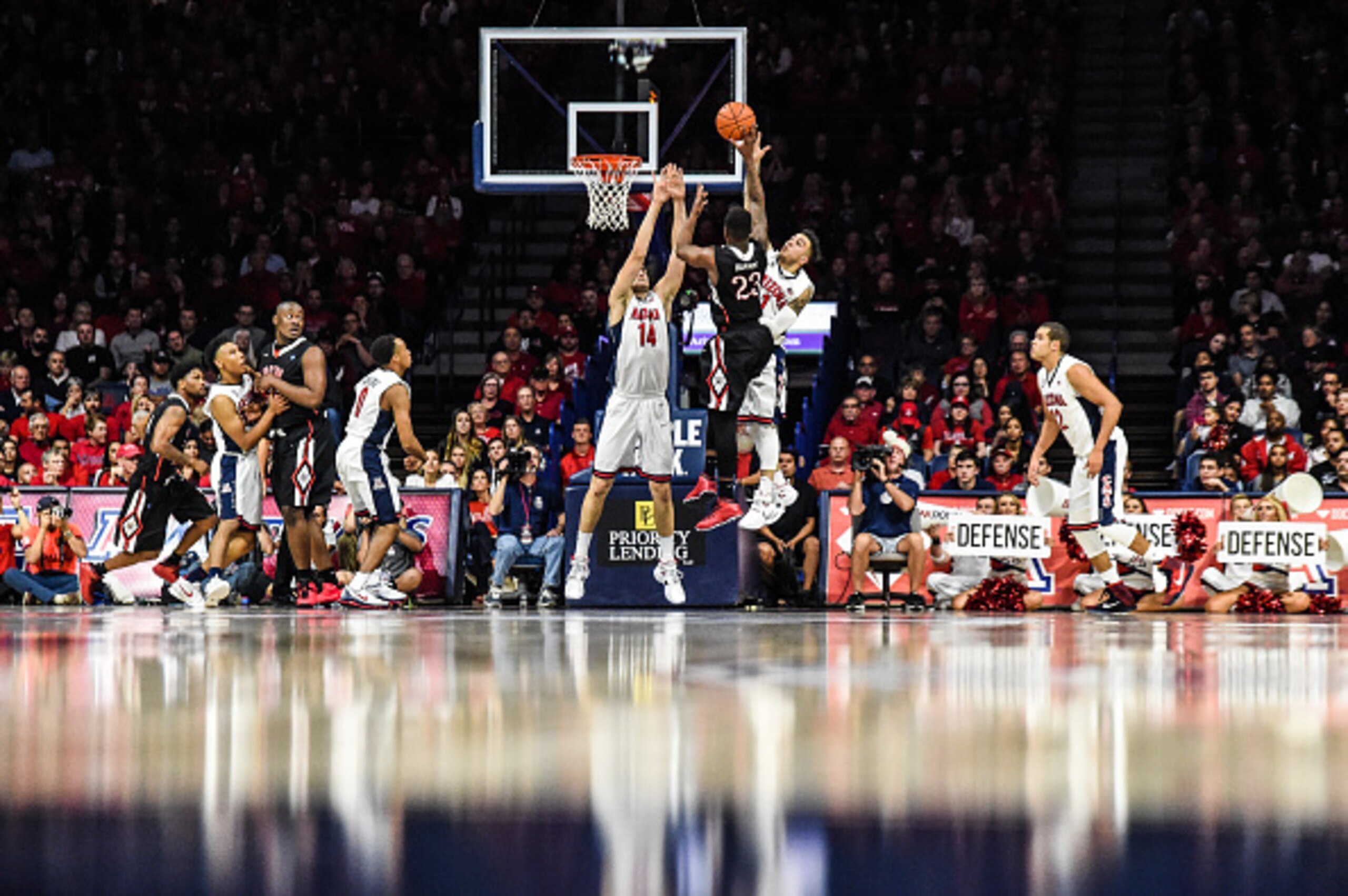
39.1 percent second-half field-goal defense
Arizona trailed Fresno State 46-43 at halftime on Wednesday, putting in doubt a 42-game home-court winning streak. The Wildcats allowed the Bulldogs to shoot 57.6 percent from the field in the first half, which was the second straight game they'd been torched in the opening 20 minutes.
And just like on Saturday, when Arizona rallied to win 68-63 at Gonzaga, it cranked up the defensive intensity in the second half.
Fresno was 12-of-33 on field goals in the second half, managing only 26 points in those last 20 minutes. Against Gonzaga, Arizona limited its opponent to 31.3 percent shooting in the second half after it shot 58.6 percent in the first half.
The only opponent to shoot better than 50 percent against Arizona in the second half this season was Providence—the only team it has lost to. The other eight have shot 37.4 percent.
12. Xavier Musketeers
14 of 25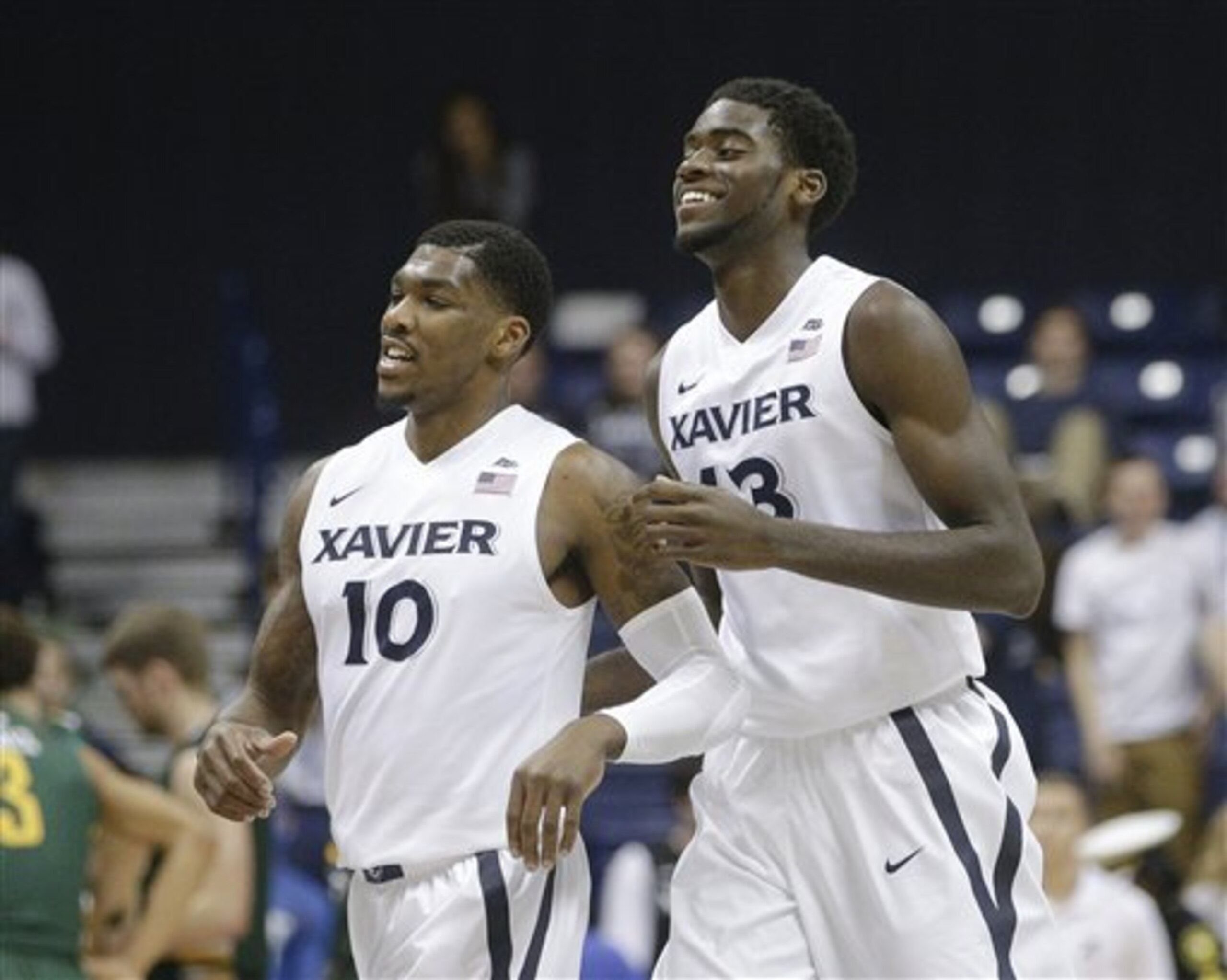
272 free-throw attempts
Many factors have contributed to Xavier's 9-0 start, its best since 2008-09. One that should continue to pay off as the season progresses is its ability to get to the foul line and get points without taking time off the clock.
The Musketeers have attempted the second-most free throws in the country, an average of 30.2 per game. They've made 75 percent of those shots, accounting for a fair chunk of the 83.2 points per game they've averaged to this point.
All seven of Xavier's most used players are drawing fouls, and each makes at least 69 percent from the line. Junior guard Myles Davis leads the ground, hitting 27 of 29 for a 93.1 percent clip.
11. Purdue Boilermakers
15 of 25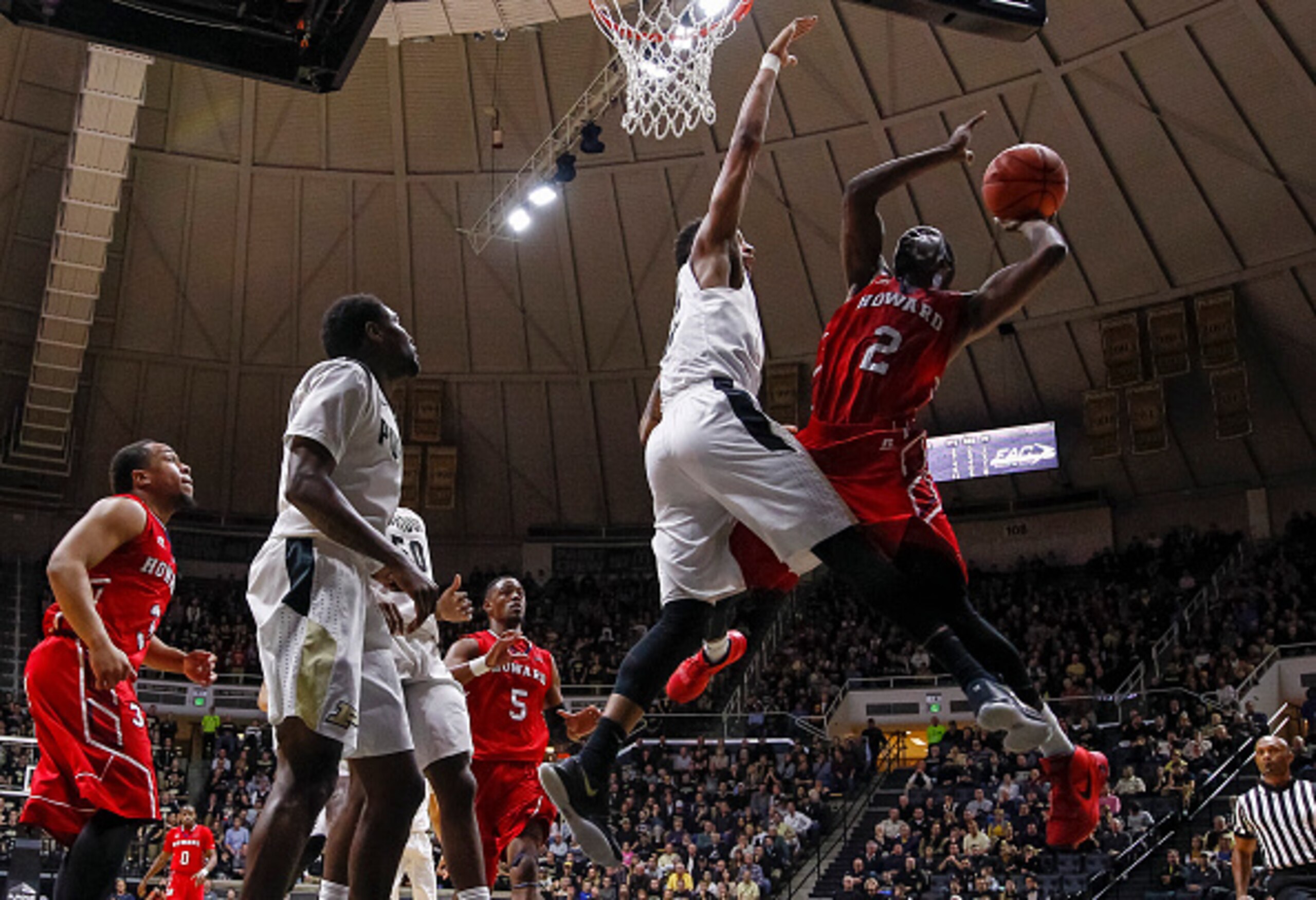
17.8 percent block rate
With a pair of 7-footers and a beefy 6'9” freshman, Purdue's front line is as good as any in the country. So it shouldn't be surprising that the Boilermakers are defending the rim to the tune of 53 blocked shots in its first games. They had four more swats in Wednesday's 93-55 home win over Howard, getting to 10-0 for the first time since 2009-10.
Isaac Haas, a 7'2” sophomore, has 19 blocks, while 7'0” senior A.J. Hammons has 16. Caleb Swanigan, a freshman power forward, only has three blocks but uses his 260 pounds in ways that either alter shots or force defenders into the block radius of Haas and Hammons.
10. Virginia Cavaliers
16 of 25
1.77-to-1 assist-to-turnover ratio
Virginia doesn't get enough credit for its efficiency on offense, the product of being so well-known as a defense-driven team and because it doesn't play at a swift pace. But what the Cavaliers do with the ball in their hands, they do quite well. And maybe their best skill this season has been spreading the ball around and not throwing it away.
The Cavaliers are fifth in Division I in assist-to-turnover ratio, with 138 assists and 77 giveaways through nine games. The rate was much better before facing West Virginia and its chaotic defense, which forced 18 Virginia turnovers.
By not wasting possessions and keeping the ball moving, Virginia is shooting 51 percent overall. The Cavs shot 62.8 percent in the 70-54 win against West Virginia.
9. Villanova Wildcats
17 of 25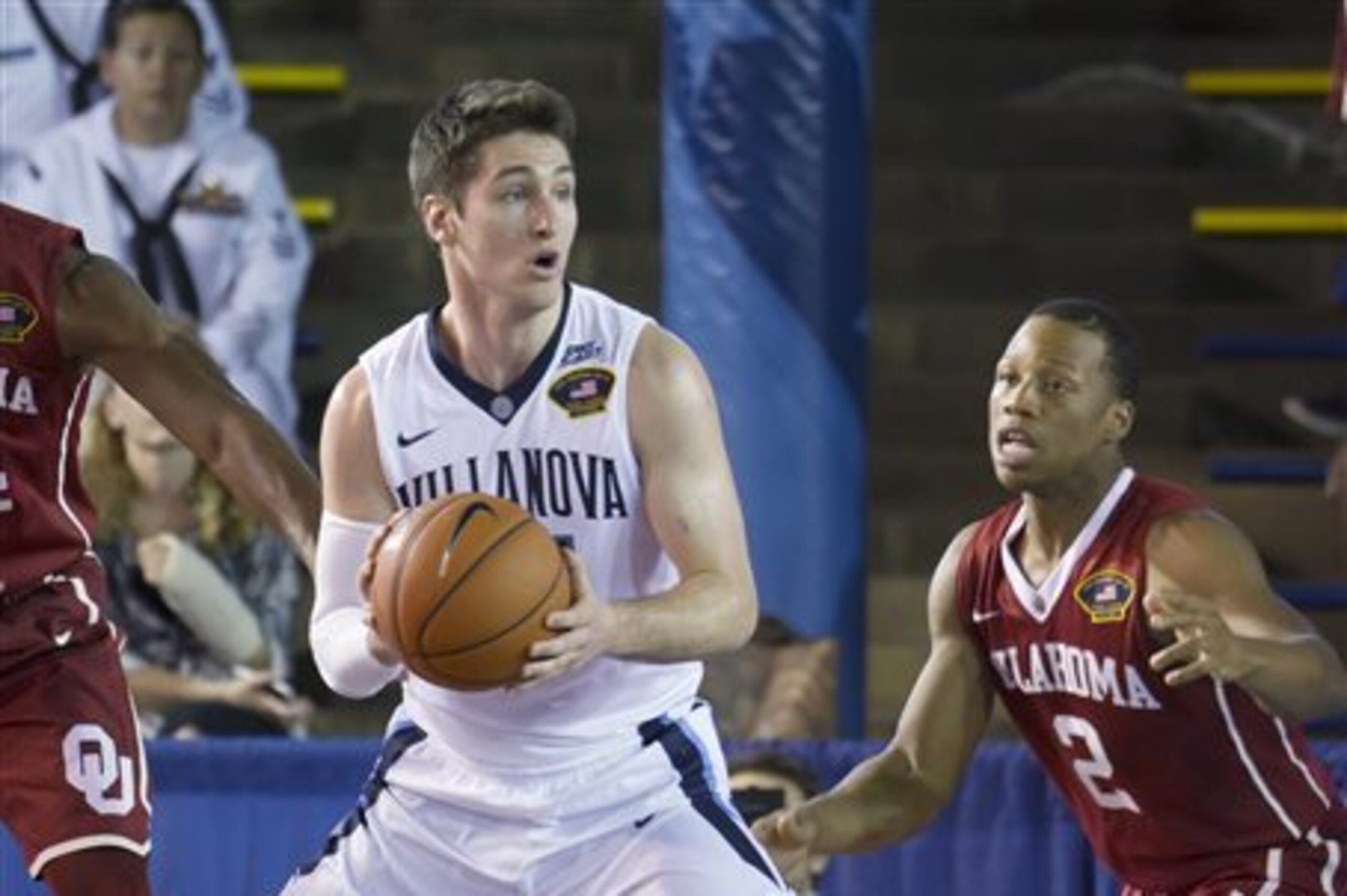
50.4 percent three-point frequency
Villanova has been known for excellent guard play throughout coach Jay Wright's tenure, and from that has usually been a tendency to take a lot of three-point shots. That's great when they go down, but the Wildcats are shooting only 28.6 percent from long range.
And when more than half of their shots have come from beyond the arc, this can translate into some rough offensive nights such as on Monday. That's when Villanova lost for the first time in blowout fashion, falling 78-55 to Oklahoma in the Pearl Harbor Classic in Hawaii.
Villanova was just 4-of-32 from outside, the sixth time in eight games it's attempted 30 or more threes. The Wildcats have launched 30 or more twos in only five games.
8. Duke Blue Devils
18 of 25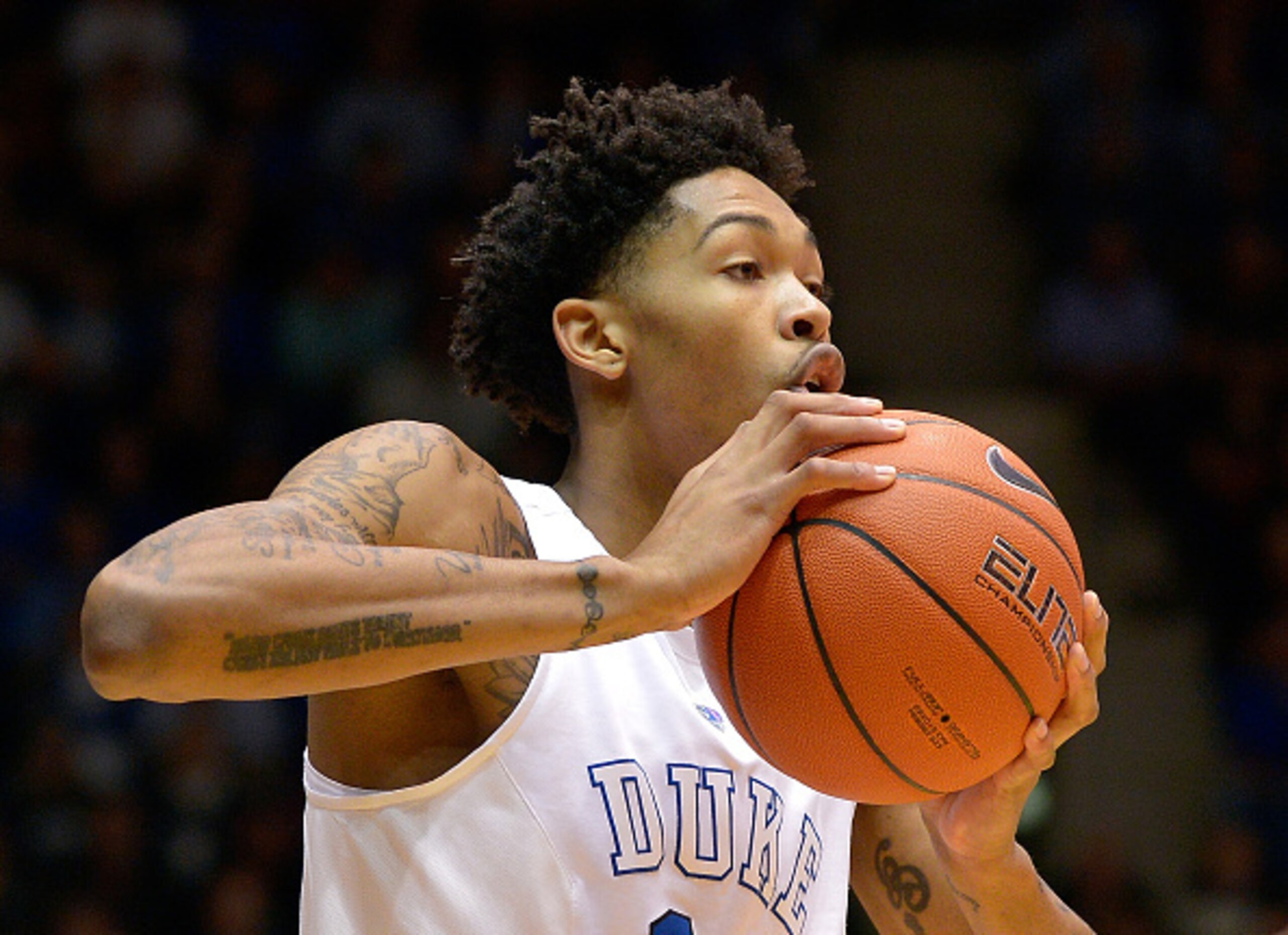
12.1 percent turnover rate
For a team that had to replace four starters from a national championship team, Duke is taking care of the ball like a veteran unit. That's because the most common lineup on the court so far has consisted of two seniors, a junior and a sophomore, while the bulk of the Blue Devils' newcomers have seen limited action.
Turnover rate calculates the number of giveaways a team has per 100 possessions, and Duke ranks seventh nationally in this advanced statistic. From a per-game standpoint, Duke turns it over only 10 times per game, and no player is particularly careless.
Fittingly, freshman Brandon Ingram—the only first-year player who starts on a regular basis—has the most turnovers, with 16 in 242 minutes of action.
7. Oklahoma Sooners
19 of 25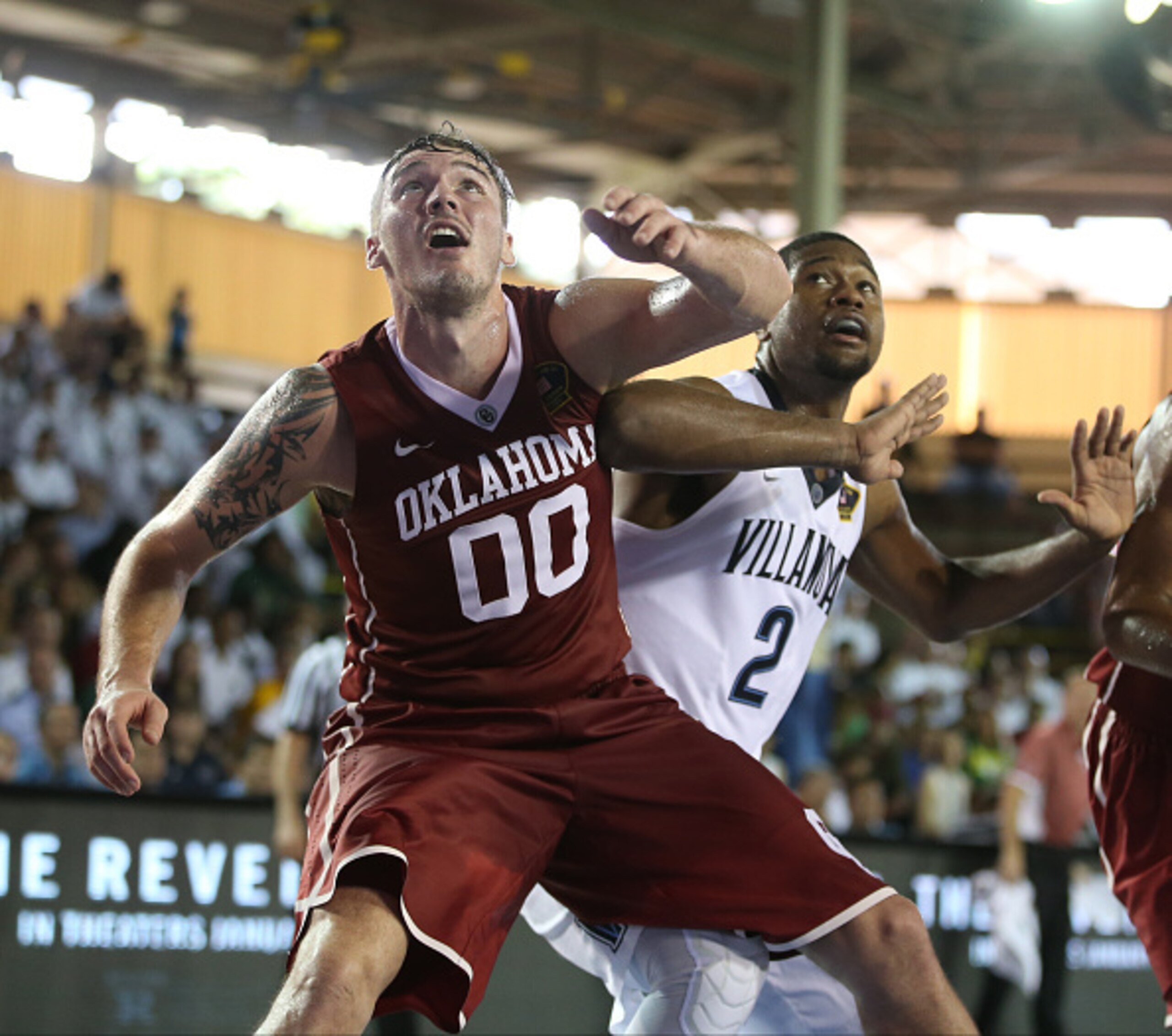
32.5 percent field-goal defense
Oklahoma has only played six games so far, the fewest of any team in the Top 25. This makes the Sooners' numbers even less reliable than those of other teams who have played more often, but even with the limited sample size, their ability to force opponents into bad shots has been impressive.
No foe has shot better than 37.7 percent this season, and that was a Central Arkansas team that Oklahoma beat by 43 points. It allowed 78 points in its first game, at Memphis, but Memphis needed 78 shots to get that total.
Oklahoma is tops nationally both in field-goal defense and in defending the three-pointer, yielding only 22.8 percent from long range so far.
6. Maryland Terrapins
20 of 25
53.5 percent field-goal shooting
Tuesday's hard-fought win over Connecticut in the Jimmy V Classic in New York City came despite Maryland shooting only 46.3 percent from the field. A year ago, that would have been one of the Terrapins' better efforts, but in 2015-16, it's on the low end of their nine games.
Maryland has made at least 50 percent of its shots six times this year, going over 60 percent twice, and its overall rate of 53.5 percent ranks third in the country. Last season, en route to shooting 44 percent, the Terps only reached the 50 percent barrier in five of 35 games.
Four of Maryland's five highest scorers are shooting at least 50 percent from the field, with Georgia Tech transfer Robert Carter shooting 62.9 percent so far.
5. Kentucky Wildcats
21 of 25
28.5 percent three-point shooting
Kentucky didn't blow away the competition when it came to outside shooting last season, but it often seemed like one guard or another would come up with the big three-point shot in a clutch situation. Three of those four big-time distance shooters aren't around anymore, and so far, no viable replacements have emerged.
The Wildcats are 321st overall from three heading into Wednesday's game against Eastern Kentucky, and then they were just 4-of-21. Jamal Murray and Tyler Ulis each made two threes, but combined, they needed 15 tries.
Murray is the most efficient outside shooter through nine games, making 33.3 percent.
4. Iowa State Cyclones
22 of 25
Fifth-fewest free-throw attempts in Division I
Either Iowa State has figured out how to play within the new scope of officiating rules, or it's not trying very hard to get fouled. Whatever the case, the Cyclones don't spend much time at the free-throw line—just 104 attempts made in seven games.
It's also been helpful they haven't really been challenged, either, since the Cyclones also only hit 64.4 percent of their foul shots.
Iowa State's season high was 27 attempts in the second game, against Chicago State, making only 16. The next game saw the Cyclones get to the line a mere eight times in an 83-63 win against Chattanooga, making three.
3. North Carolina Tar Heels
23 of 25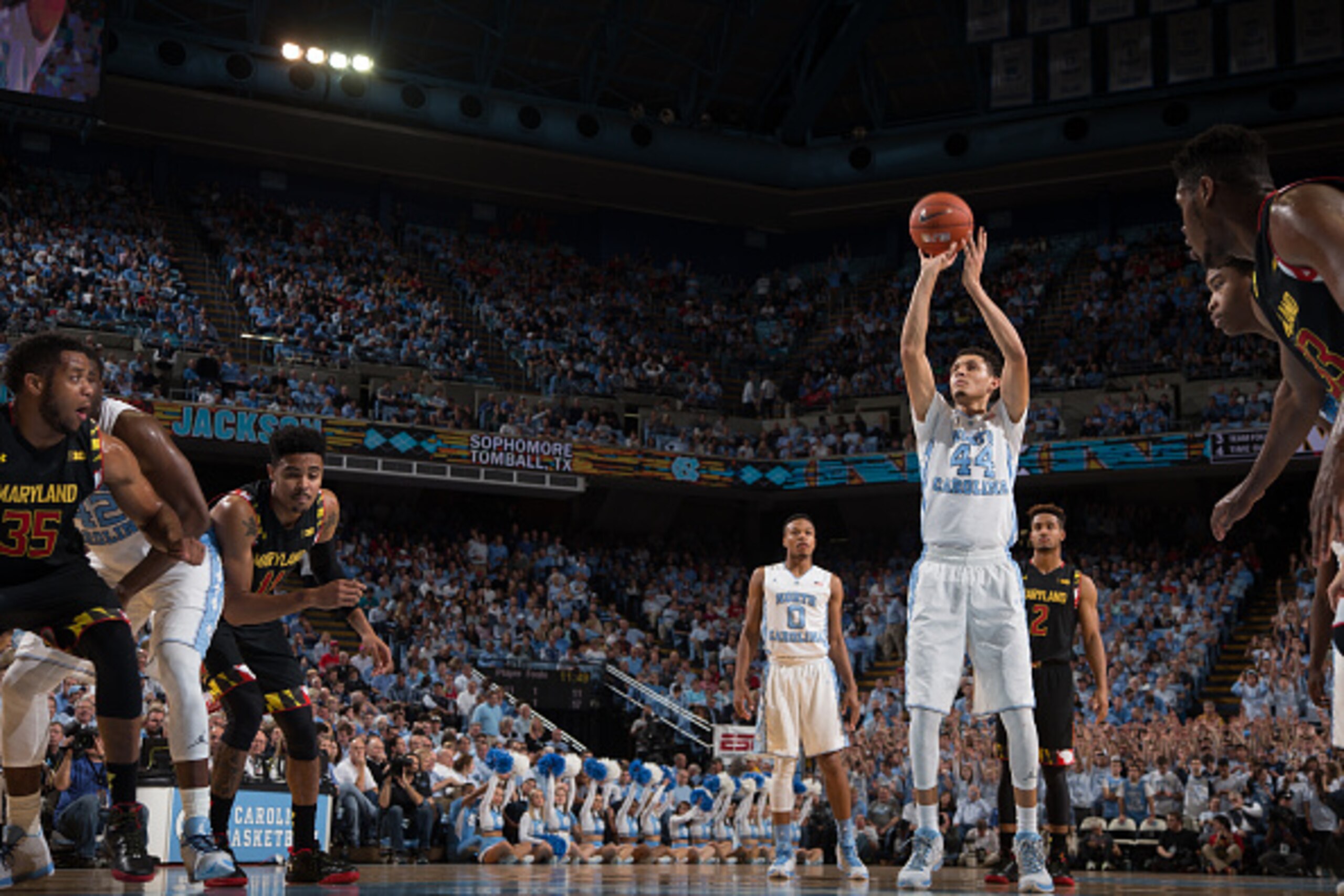
17.75 three-point attempts per game
Marcus Paige took more than 46 percent of North Carolina's three-pointers in 2014-15, more than the next three players attempted. It was an unbalanced formula that led to opponents swarming Paige and leaving other perimeter players open, knowing most wouldn't put up a shot from deep.
The preseason hand injury that Paige suffered in early November forced the Tar Heels' other players to be more assertive with their outside shooting. Now that Paige is back, UNC is far more balanced outside and thus much harder to guard.
Paige had made six of 10 from three-point range in his two games. He'll probably end up being UNC's most frequent outside shooter again, but guards Joel Berry, Nate Britt and Theo Pinson, and forward Justin Jackson are all on pace to take more threes in 2015-16 than a year ago.
2. Kansas Jayhawks
24 of 25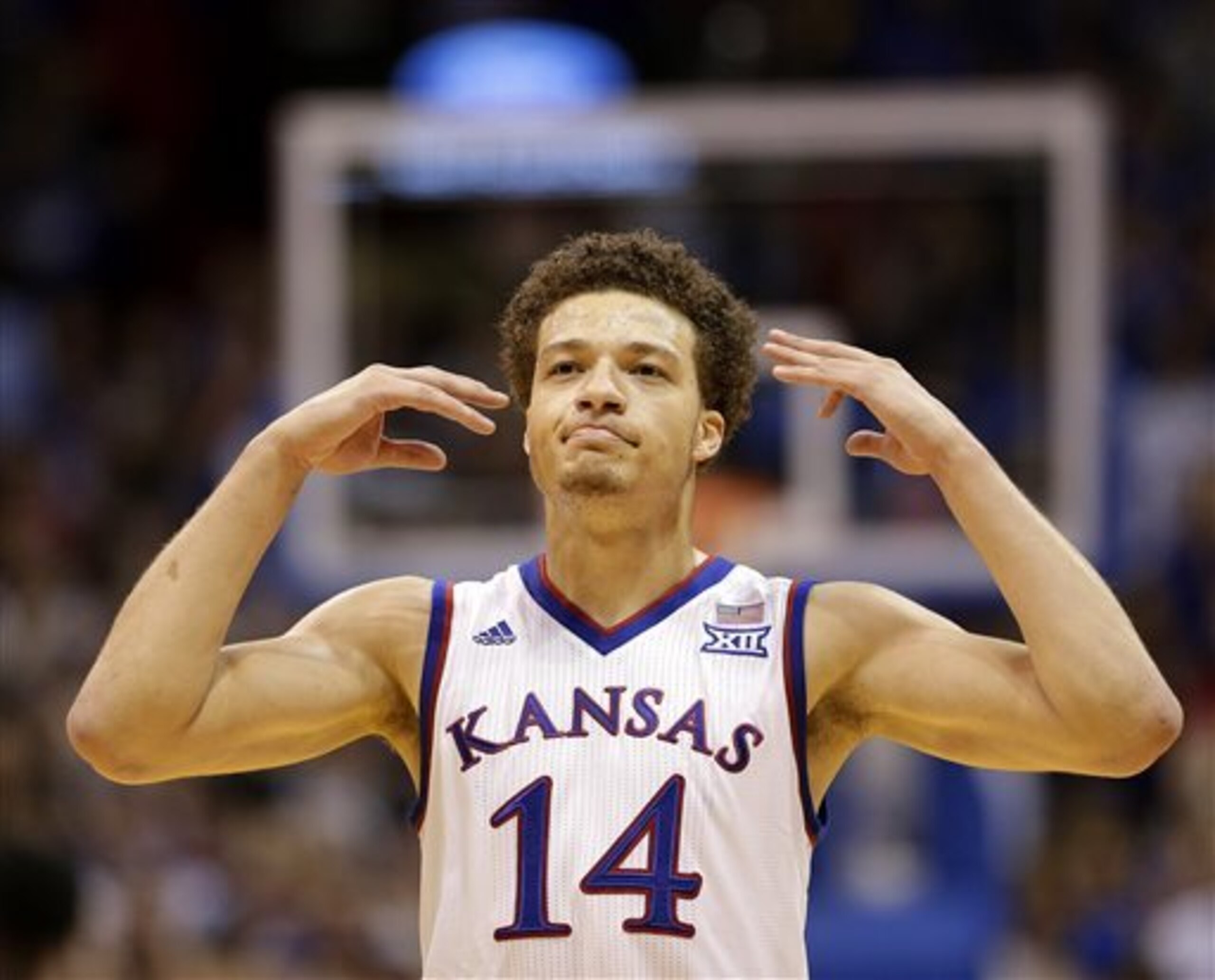
45.5 percent three-point field-goal shooting
Kansas' best outside shooter was suspended for five games, returning with a flourish on Wednesday in the 92-59 home win over Holy Cross. Yet even without Brannen Greene around for most of this season, the team is killing it from deep.
The Jayhawks ranked fourth in the country from three-point range before making 12 of 20 on Wednesday. While they don't launch at a frequency anywhere close to some other teams, it's not like they're extremely selective from outside either. They've attempted at least 20 threes in five games.
Kansas' accuracy has come in spite of a 3-of-15 performance in the loss to Michigan State and five games without Greene, a 6'7” junior whom Bill Self suspended for “conduct detrimental to the team” in November. It was supposed to be a six-game suspension, but Greene was reinstated a game early and made three of four threes against Holy Cross.
For the year, he's 8-of-9 from outside after going 40.4 from three-point range last season. In his absence, Wayne Selden Jr. lit it up from deep and has made 59.5 percent after going 3-of-4 on Wednesday.
1. Michigan State Spartans
25 of 25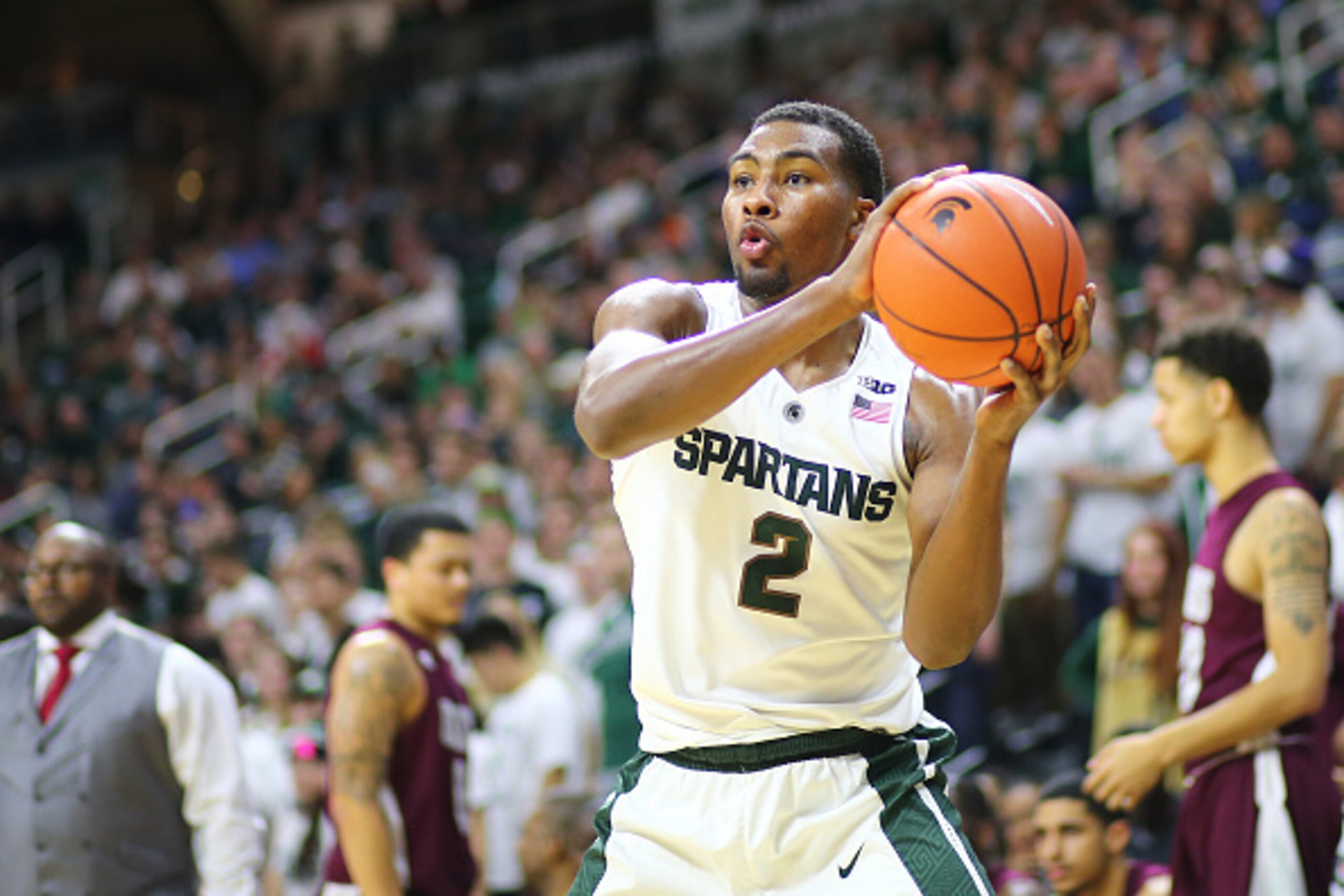
78.7 percent assist rate
As phenomenal as senior Denzel Valentine has been for Michigan State to this point, he's not doing it alone. The Spartans are unbeaten and No. 1 in the country because they have a group of players who all contribute by either hitting the open shot or finding the teammate who's in better position to do so.
Of the 263 baskets MSU had made entering Wednesday's game against Maryland-Eastern Shore, 207 of those came off passes. The 78.7 assist percentage (a measure of the number of field goals that were assisted on) ranked first in the nation, a few ticks ahead of Evansville.
That percentage is going to go up, because 25 of the Spartans' 27 field goals on Wednesday were the product of assists. The backcourt of Bryn Forbes, Lourawls Nairn and Valentine combined for 16 of those dimes.
All stats are provided by Sports-Reference.com unless otherwise noted.
Follow Brian J. Pedersen on Twitter at @realBJP.
.jpg?w=2560 "Rams Raiders Football")
.jpg?w=2560 "Steelers Saints Football")

.jpg?w=2560 "🚨 Week 8 AP Top 25 Poll")

