
Biggest Steals, Overpays of MLB Offseason Entering December
Following an active trade market last July, this MLB offseason has taken a while to get its footing and take off, resulting in a slow start to the free agent and trade markets as we enter December.
That could start changing this week in preparation for next week’s winter meetings, where things are always expected to shift into a higher gear. But as of now, only a couple of blockbuster trades have happened, with one major free-agent signing.
That is enough to dive into evaluations through the first month of the offseason. What team overpaid for what player, and what teams could end up with the steals of the market to this point?
We have seven significant trades and signings to dissect and conclude.
Steal: Jordan Zimmermann
1 of 7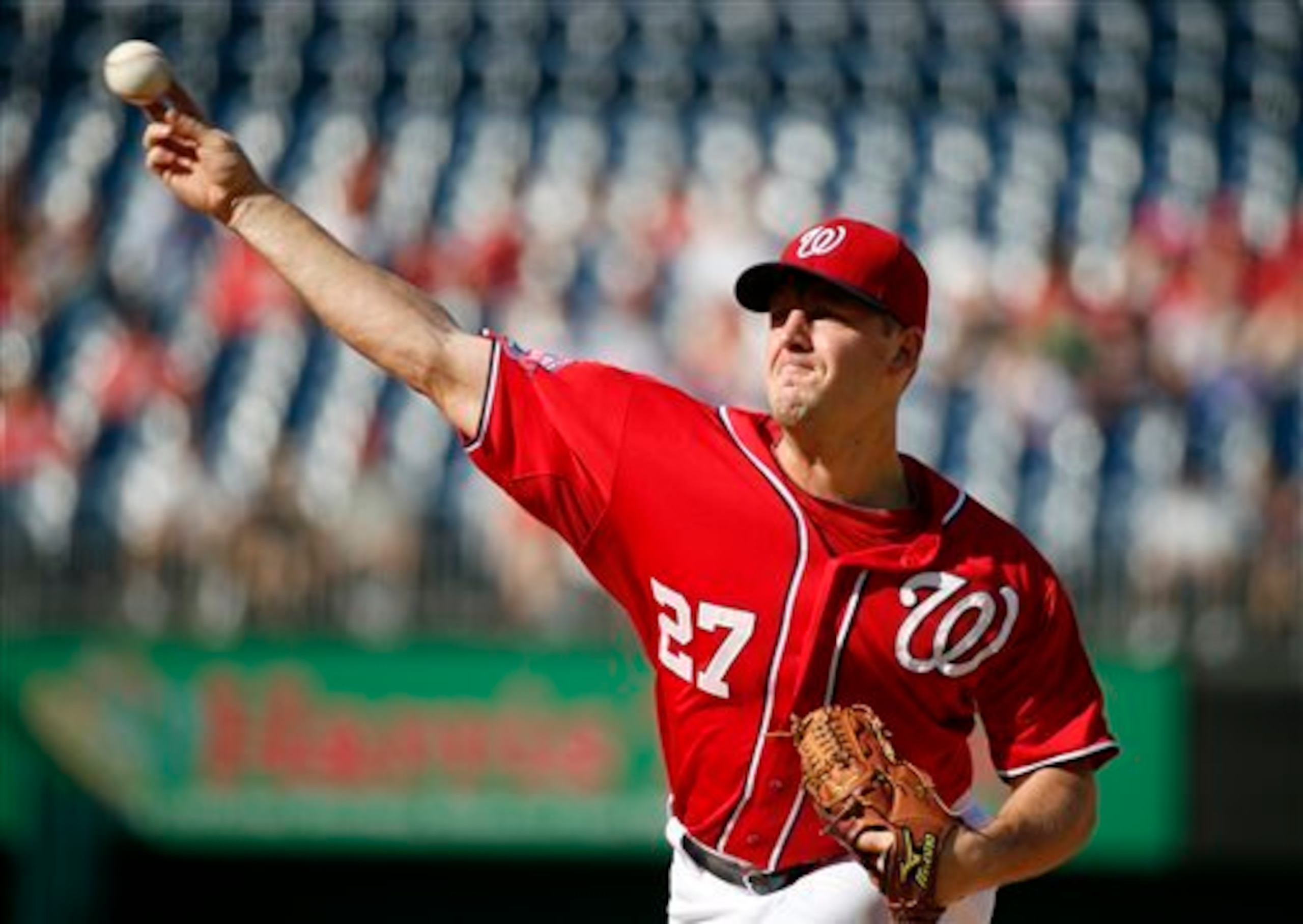
Homer Bailey will make $18 million next season. Rick Porcello will make $20 million. Matt Cain will make $20 million, too. Zimmermann is better than that trio, and probably will be going forward. He will make $22 million next year, which is more but just barely.
A year ago Zimmermann was seen as a No. 1 starter and stood to be paid like one in this offseason, which could have made him a $200 million man. But a down 2015—3.66 ERA, 3.75 FIP, 110 ERA+—dampened his earning potential, and he ended up with a five-year, $110 million deal to pitch for the Detroit Tigers.
In the previous four seasons before 2015, Zimmermann had a 3.00 ERA, 3.18 FIP and 128 ERA+, showing he was consistently a front-line starter. Now he is being paid like a mediocre one because of one down year, and the Tigers could very well start reaping the benefits as soon as next summer.
Zimmermann comes with risks—he’s already had Tommy John surgery, making him a potential candidate for future arm issues—but it is too soon to say his 29-year-old right arm is in significant decline. If he bounces back from a so-so year to re-establish himself as a top-of-the-rotation pitcher, his new contract will be a bargain for the Tigers.
Overpay: Craig Kimbrel
2 of 7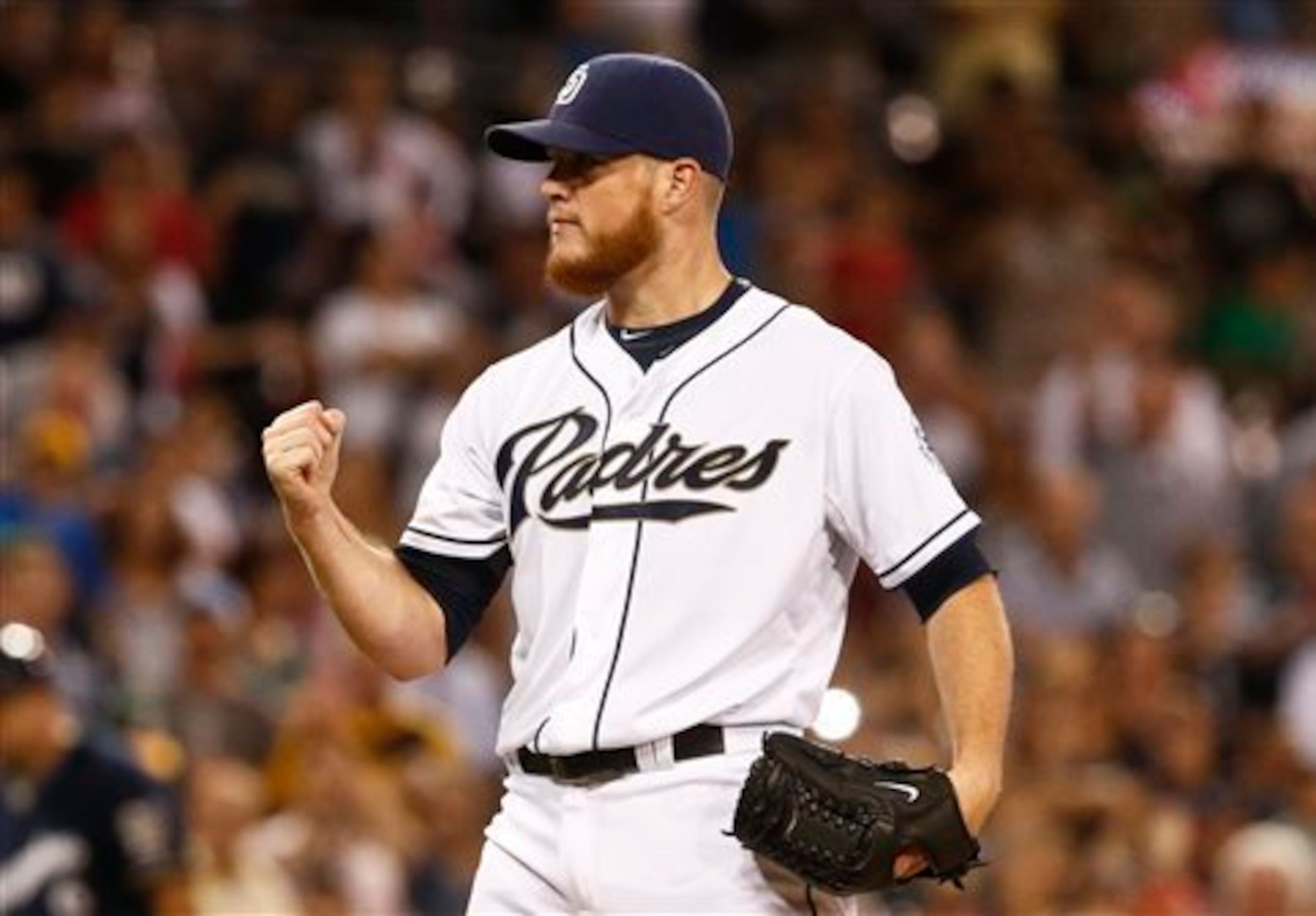
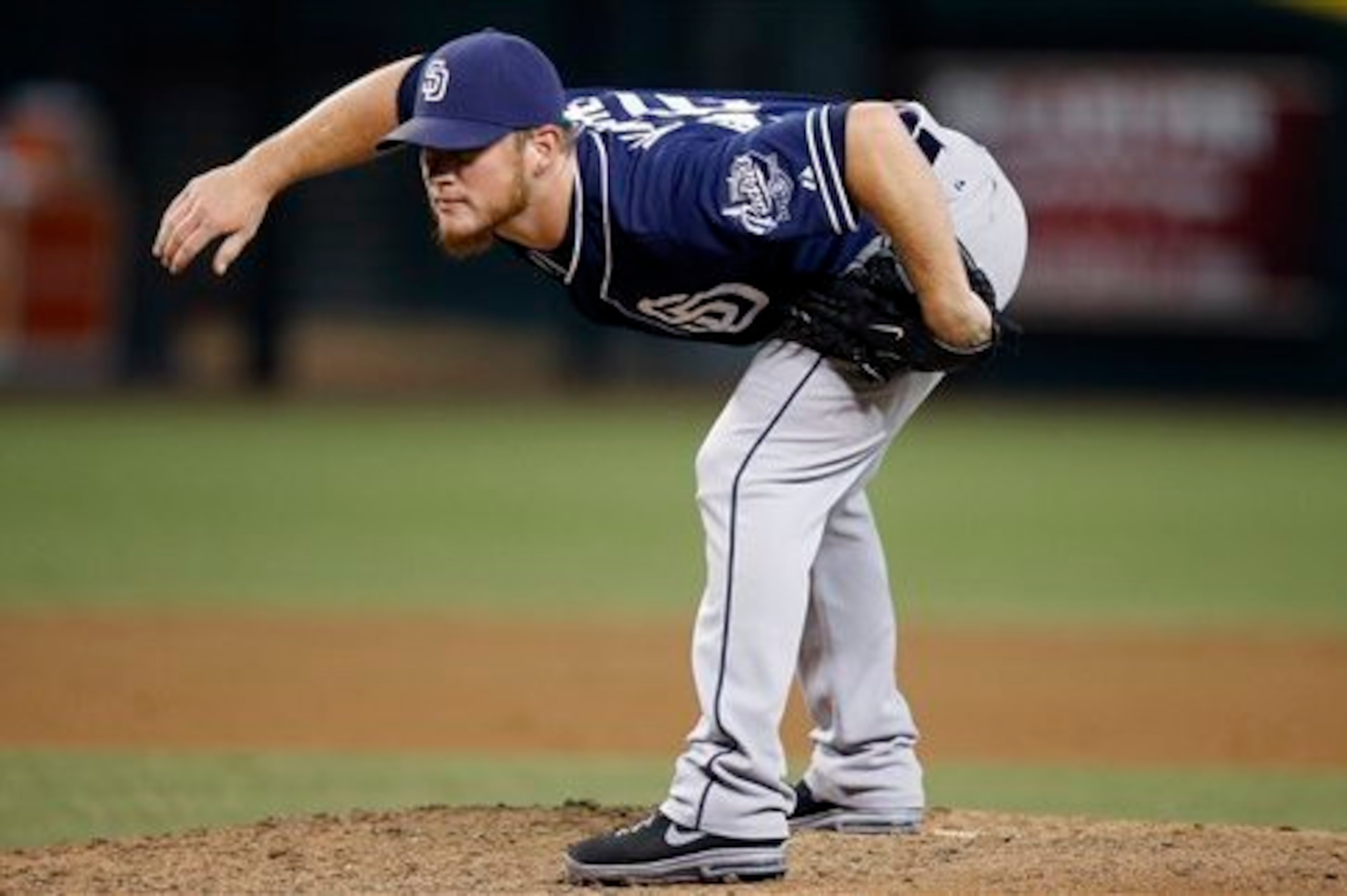
Kimbrel has been an elite reliever since his major league debut in 2010, but he is still a reliever who can contribute only 60-70 innings per season. While bullpens are critical parts to contending teams, giving up four good prospects for a single reliever is an overpay.
The Boston Red Sox did that to acquire Kimbrel from the San Diego Padres on Nov. 13. It was an understandable win-now move, but the price was steep as others, including ESPN’s Keith Law and league executives, have noted.
"I certainly thought [they gave up too much] but it's a different paradigm,” a major league executive told Sean McAdam of CSN New England. “Either you're looking long term [rebuild], balancing short- and long-term, or you are locked in on the short term. [Red Sox Dombrowski] is all about the short term and this trade made sense from that perspective. But if you do too many of the deals, you wake up in a few years like the Phillies … or the Tigers."
Kimbrel will undoubtedly help Boston's bullpen, but he does not solve the club’s biggest problem—starting pitching—and his value will be significantly diminished if the team cannot lure a top-end starter in free agency. If so, the trade would look quite bad, as Boston would have parted with potential pieces of its future for a closer with sliding worth.
Steal: Brandon Crawford
3 of 7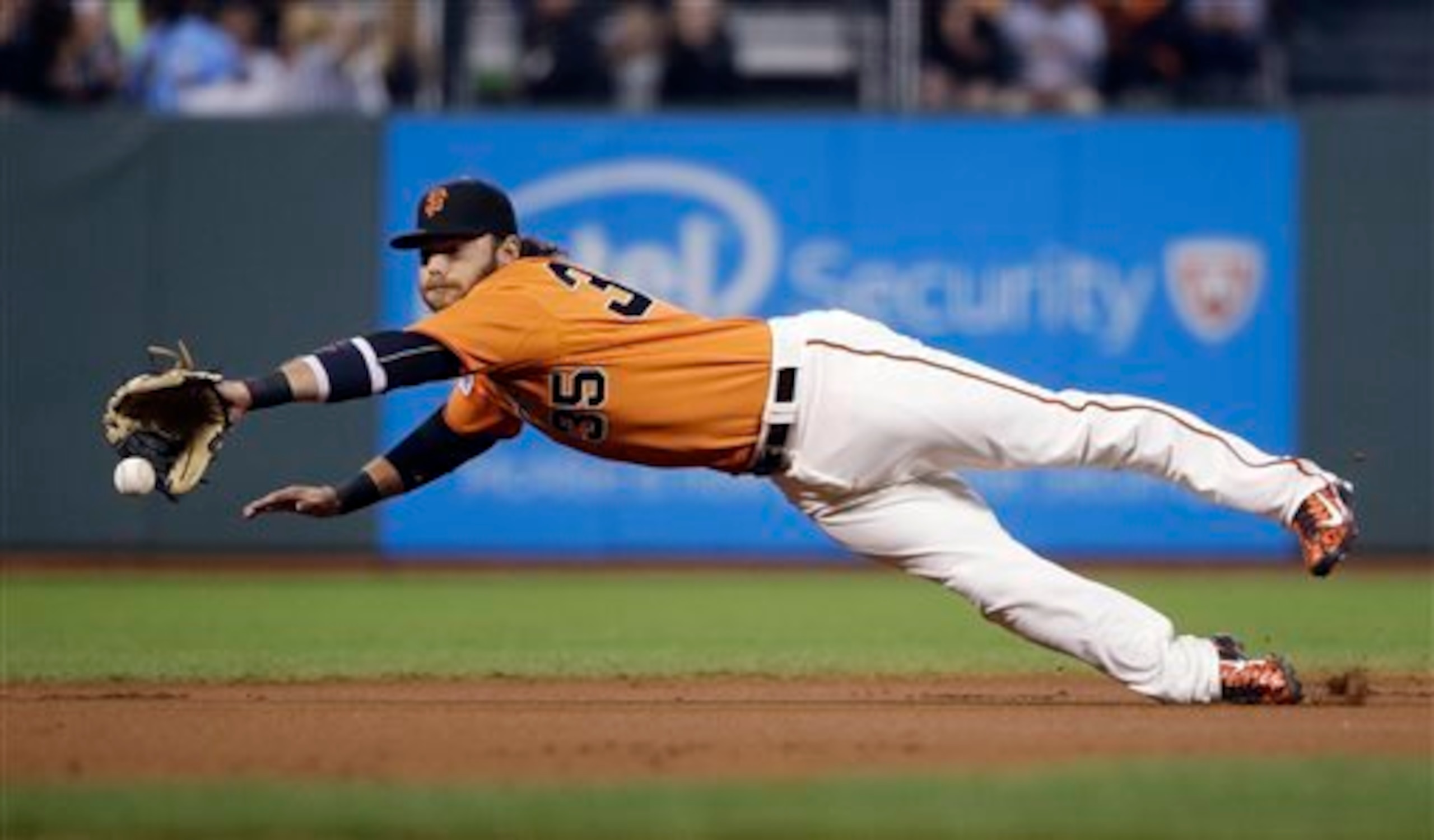
The San Francisco Giants gave Crawford, their cornerstone shortstop, a six-year extension worth $75 million. This came after Crawford’s breakout offensive season, arguably making him the best all-around shortstop in the game.
Crawford has always been a defense-first player whose bat never projected to catch up to his glove. However, last season he set career bests in batting average (.256), runs (65), doubles (33), home runs (21), RBI (84), OPS (.782), OPS+ (114) and wRC+ (117).
That earned him his extension, but even if Crawford regresses back to a league-average hitter, he will keep a good portion of his value if he continues to be one of the best defensive shortstops in the game. It also won’t hurt the Giants much if that happens, because the $75 million extension is still fair money for a player of that mold.
But if Crawford truly has found his offensive prime before age 30, the Giants will absolutely be underpaying Crawford based on what the market would give him if he were a free agent with those kinds of offensive and defensive numbers.



Overpay: J.A. Happ
4 of 7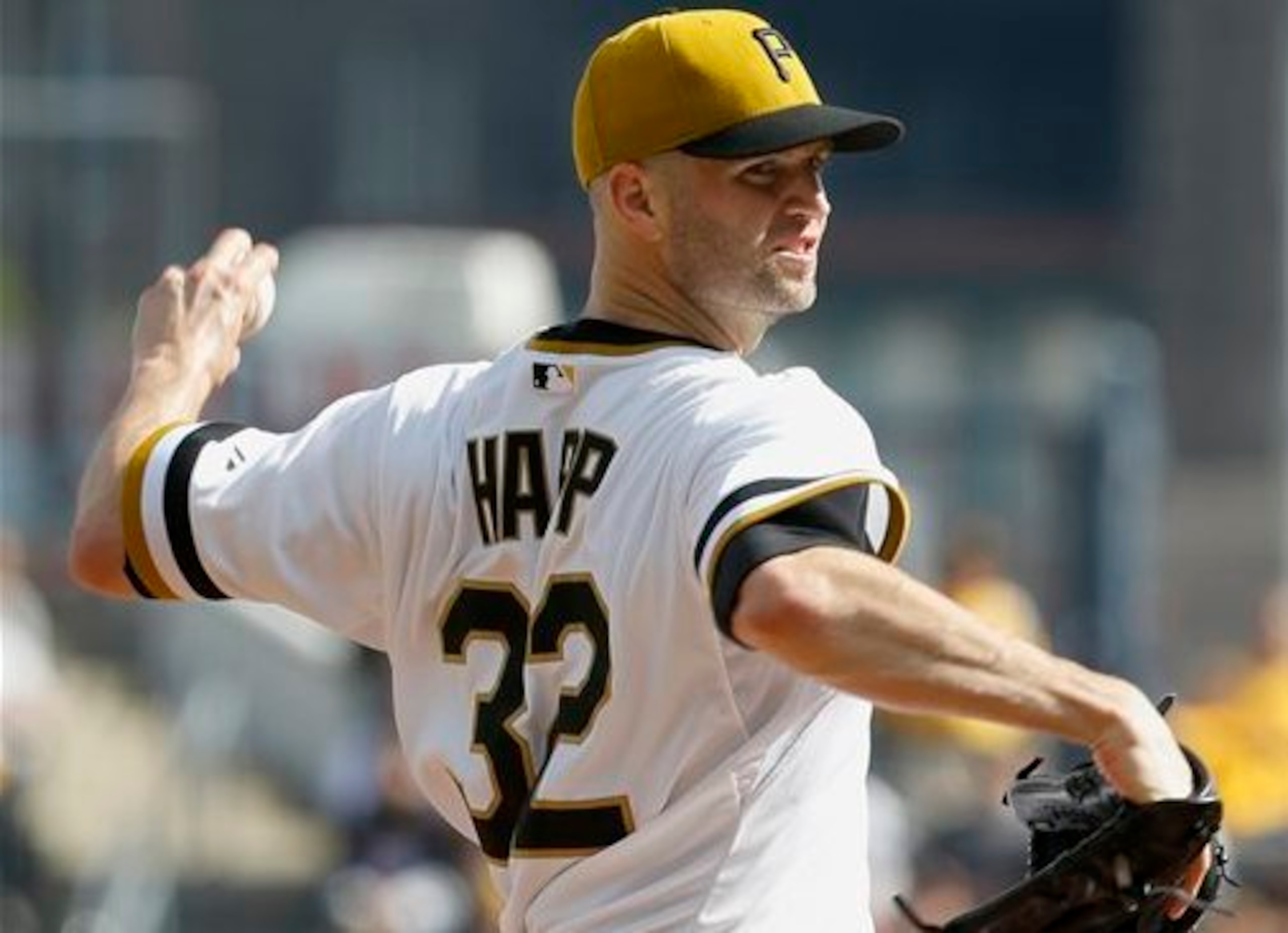
The Toronto Blue Jays gave 33-year-old J.A. Happ a three-year contract worth $36 million, but that deal was significantly based on 11 very good starts with the Pittsburgh Pirates last season, in which Happ had a 1.85 ERA and 2.19 FIP. The deal pretty much ignores his 4.64 ERA in 21 outings with the Seattle Mariners last season, and his 4.48 ERA since 2011.
While the contract is not one to break the bank, the Blue Jays are electing to go with guys like Happ and Jesse Chavez rather than signing a front-line starter like Johnny Cueto, Jordan Zimmermann (signed with the Detroit Tigers) or even David Price. That pair, thrown into the rotation with Marcus Stroman and Marco Estrada, is not enough to replace what Price gave the team last season after it traded for him.
FanGraphs’ Jeff Sullivan explained during the season that Happ was throwing more fastballs and more strikes while with the Pirates, but that strategy might not work so well in the American League. Sullivan also noted that the Pirates put Happ, a lefty, in favorable situations to limit the potential for disaster, like matching him up with more left-handed hitters.
The Blue Jays might not get to protect Happ in such ways, and in the AL East there will be plenty of opportunities for Happ to face some heavy-hitting teams. But at least he won’t have to face the Blue Jays.
Steal: Francisco Rodriguez
5 of 7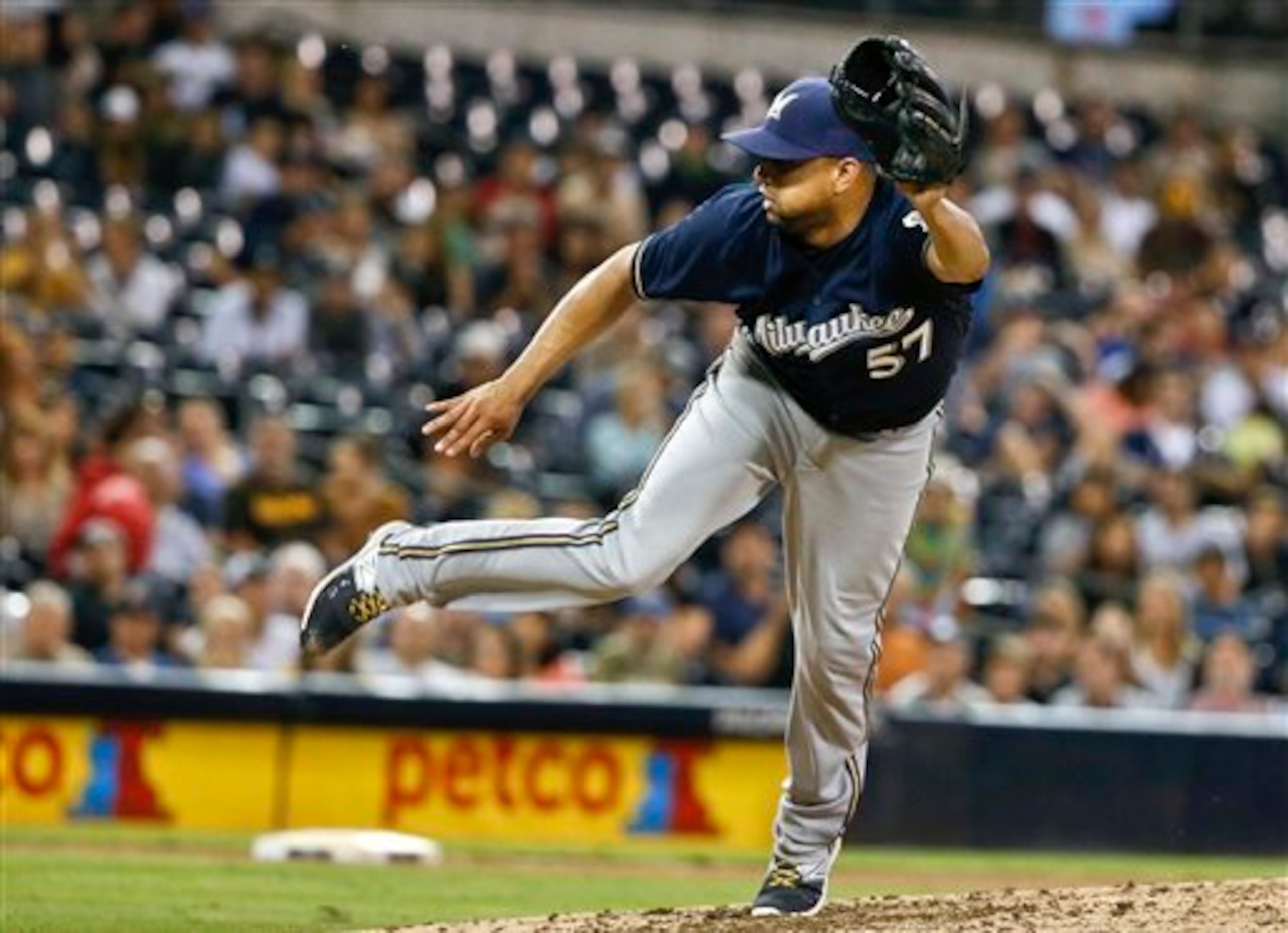
The Detroit Tigers always seem to be in need of bullpen help, so trading for Rodriguez was not a surprise. That he cost the Tigers only a low-level prospect who does not project to be a star—and does not even crack the Milwaukee Brewers’ top 15 prospects list—means K-Rod could present much more value for Detroit than said prospect Javier Betancourt ever would.
Rodriguez had a 2.21 ERA, 2.91 FIP and averaged about 10 strikeouts per nine innings last season with the Brewers. If he duplicates that kind of production for the Tigers in 2016, the trade will be a huge win for them.
Plus, he would have cost the Tigers almost nothing in terms of prospects, and would cost the Tigers just $13.5 million in actual money assuming they pick up his option for 2017. If they do not, Rodriguez costs them $9.5 million.
Considering what pitchers like Andrew Miller (four years, $36 million) and Aroldis Chapman (about $13 million next season) cost, Rodriguez has the potential to be paid under market value for a reliever with an ERA below 3.00.
Overpay: Andrelton Simmons
6 of 7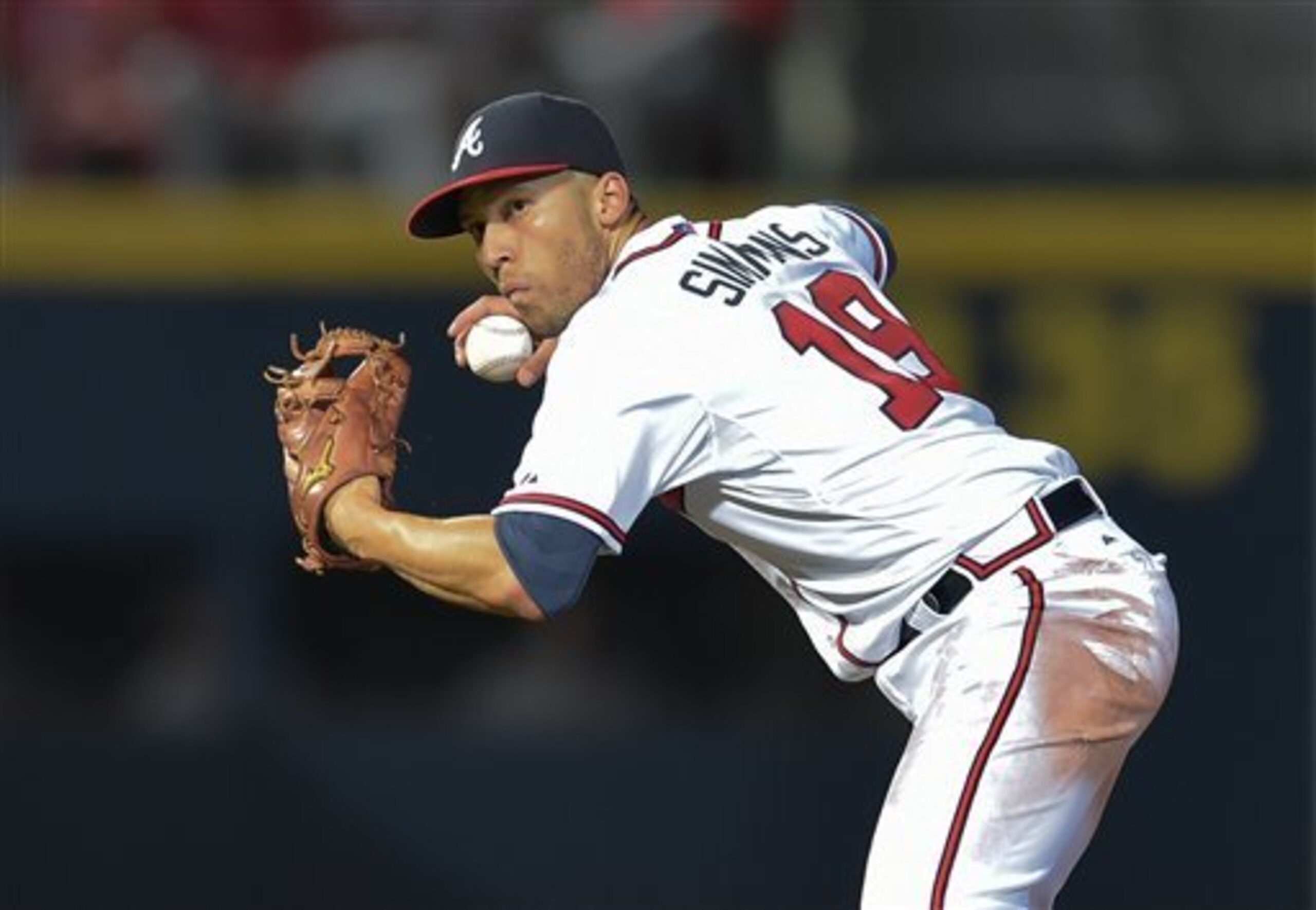
Simmons may be the best defensive player in all of baseball, but he provides little offense and was hardly a need for the Los Angeles Angels. While he brings real value to the club and will be a defensive pillar, the Angels were forced to part with coveted pieces.
The Atlanta Braves got pitching prospects Sean Newcomb and Chris Ellis in return. Those were the Angels’ top two prospects and now Newcomb is the Braves’ top prospect and Ellis is No. 9, according to MLB Pipeline. Newcomb could end up as a solid No. 2 starter, as evident by his 2.38 ERA through three minor league levels last season.
Simmons is great at what he does, but he fills a hole for the Angels that did not even exist. Because of that, and because of what Newcomb and Ellis could become, some in the industry do not like the deal for the Angels.
Simmons is likely to never be an offensive force, tying all his value into his defense. So, if Newcomb indeed becomes a front-line starter, the trade is a win for the Braves and an overpay for the Angels.
Steal: Marco Estrada
7 of 7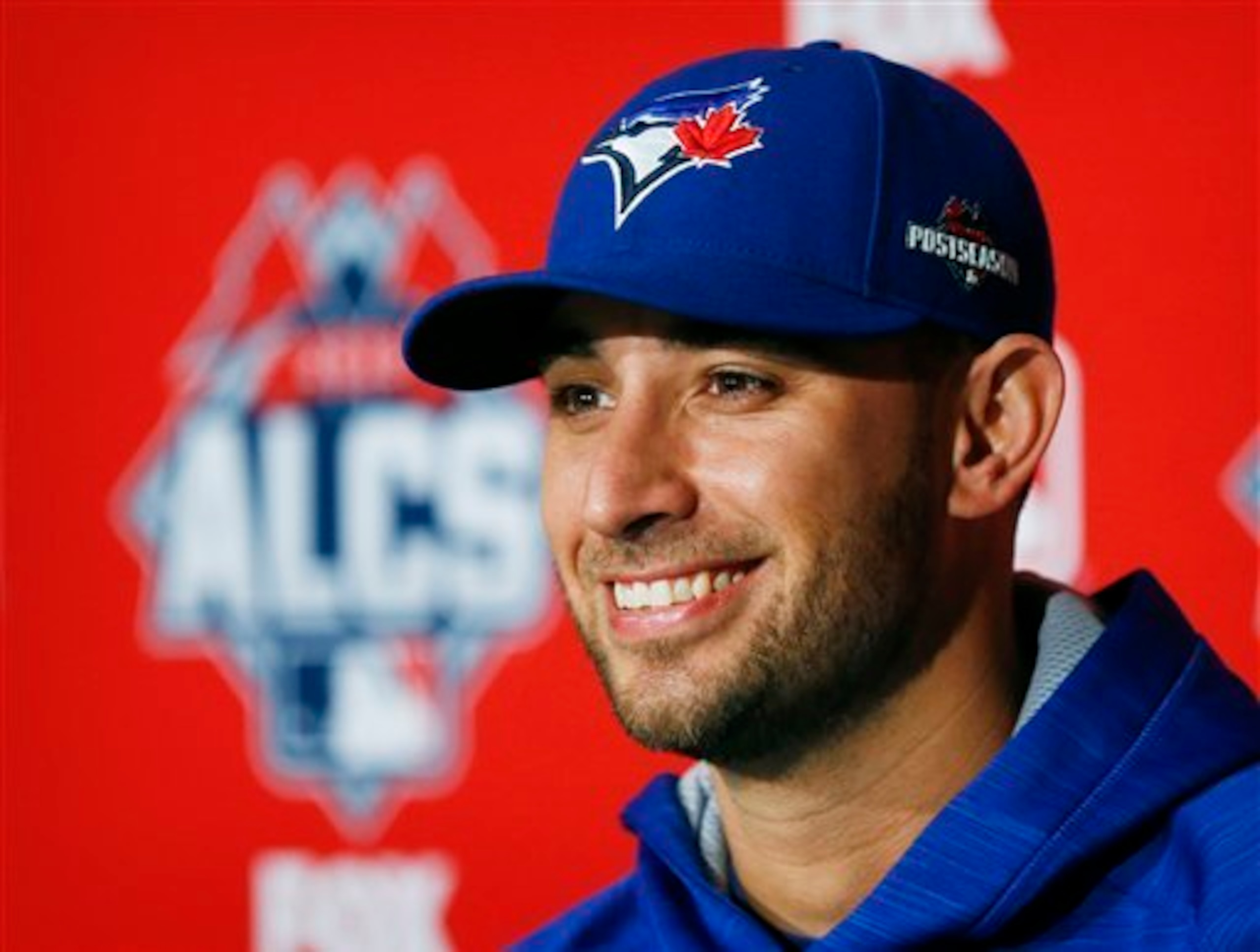
A two-year, $26 million contract for a solid starter like Estrada is already a fine team-friendly contract for the Toronto Blue Jays, but when you add in that Estrada could very well repeat his 126 adjusted ERA from 2015, the deal becomes a potential steal for Toronto.
Estrada is 32 and stands to age well because he does not rely on power pitches. He instead relies on one of the better changeups in the league, and that is the kind of pitch that ages well because it is not so reliant on sharp break or incredible movement.
The Blue Jays milked a 3.13 ERA out of Estrada last season as he took full advantage of a career-low .216 BABIP against. There was likely some luck involved last season, but he has also been great at inducing weak contact with pop ups over the last four seasons. So while the BABIP stands to increase, it should not go up a massive amount—his BABIP since 2009 is .258 and is the third-lowest mark among major league starters in that time, according to FanGraphs.
If Estrada can be about the same pitcher he was last season, the team will have a bargain on its hands.

.jpg?w=2560 "Grading WWE Raw 🔠")

.jpg?w=2560 "Viral Rams Coach Vid 🖕")
.jpg?w=2560 "Bijan's INSANE 1st Half 🤩")

.jpg?w=2560 "Injury-stricken Seahawks signing veteran RB")

.jpg?w=2560 "2 NFL Officials Suspended")
