
Biggest Storylines of the 2015-16 NCAA Basketball Season
The 2015-2016 college basketball season is about to begin, bringing with it a variety of storylines, some of which are present every year and some of which are specific to this season.
Other stories will develop during the season, such as Wichita State's undefeated run through the 2013-14 regular season or Anthony Davis' rise to national Player of the Year status as a Kentucky freshman in 2012.
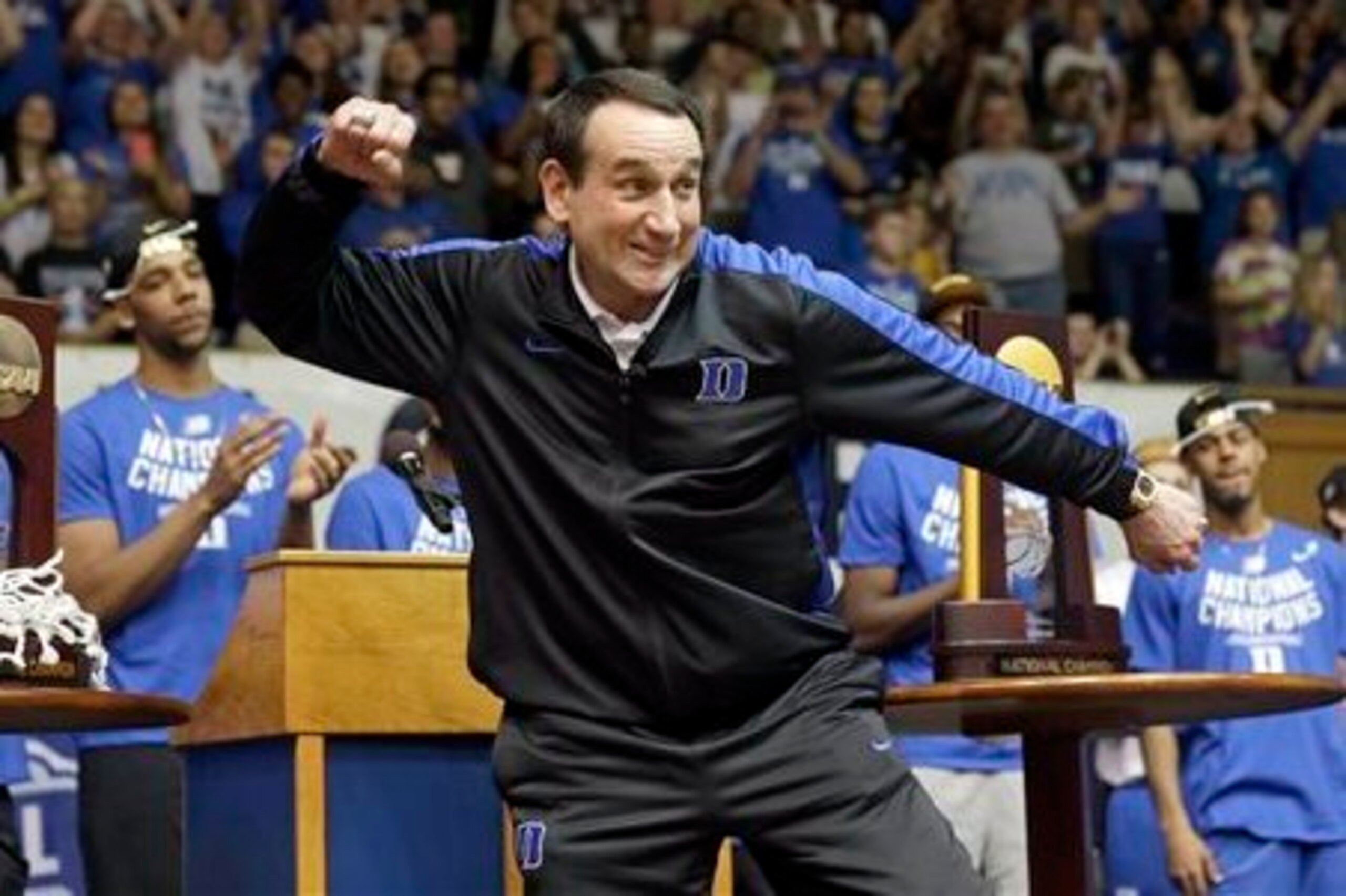
Last season ended with Duke head coach Mike Krzyzewski (pictured above) and his band of freshman standouts claiming the national title. But it starts from scratch again this month, and we introduce you to the season by listing 10 storylines that seem to be the focal points before a meaningful game is played.
Tar Heel Talent
1 of 10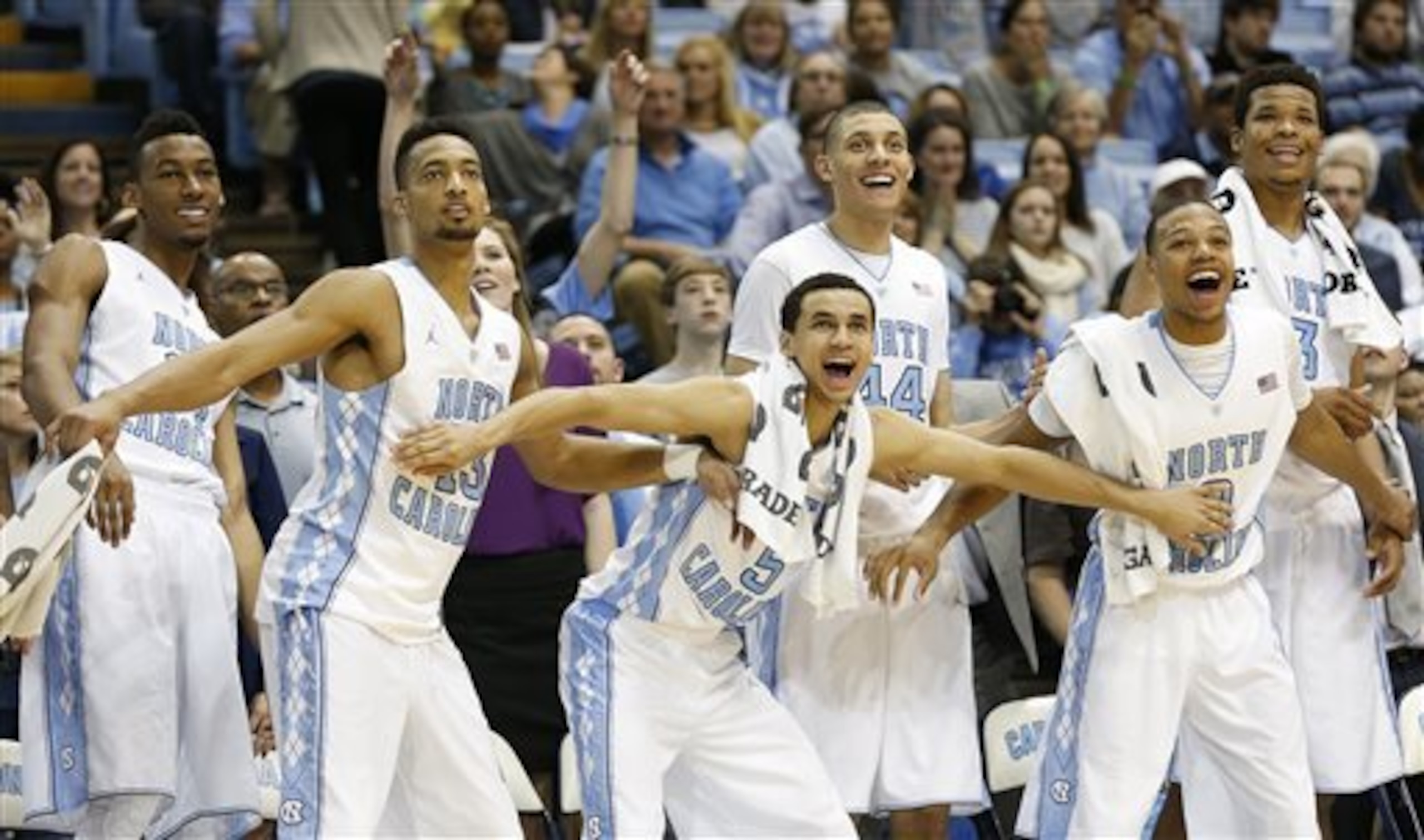
North Carolina is the preseason No. 1 team in the Associated Press Top 25 poll, and those high expectations are not based on an incoming flood of freshman talent. The 2015-16 Tar Heels have gone old school, aiming to create a college basketball juggernaut out of returning talent.
Two of the past four NCAA champions (Kentucky in 2012 and Duke last year) were built on one-and-done freshmen players, and Duke and Kentucky are using that formula again this season. But Roy Williams' incoming class is not ranked among Scout.com's top 25 recruitment classes in the nation, the first time since 2007 the Tar Heels have not had a top-12 recruiting class.
What North Carolina does have is a group of experienced, talented veterans who could lead the Tar Heels to a title in what is probably the toughest conference in the country this season—the Atlantic Coast Conference.
North Carolina returns its top four scorers from last year and loses only one starter, J.P. Tokoto, a second-round NBA draft pick.
The most important returner is senior guard Marcus Paige, who figures to improve on his disappointing junior season. A preseason Associated Press first-team All-American last year, Paige struggled through much of the season when an ankle injury and plantar fasciitis contributed to his woes, according to Nicole Auerbach of USUSA Today. His scoring average dipped from 17.5 points as a sophomore to 14.1 points last season, when he shot just 41.3 percent from the field.
Paige had ankle surgery in April, per Auerbach, and spent six weeks recovering. He expects a big senior season, and the Tar Heels will need it after suffering through several disappointing seasons.
The Tar Heels finished first in the ACC in six of Williams' first nine seasons at North Carolina, bringing home two national titles in that stretch. But North Carolina has failed to finish in the top two in the conference in the three years since and ended up fifth in the ACC last season after being ranked No. 6 in the AP preseason national poll.
North Carolina has already encountered a setback this season. The left-handed Paige suffered a fracture in his right hand on Nov. 2, the school announced, and will be sidelined three to four weeks. He is expected to miss the first four to six regular-season games, including a road game against Northern Iowa, which went 31-4 last season.
Nonetheless, the Tar Heels are expected to end their three-year slump this season, which will squelch concerns in Chapel Hill. But if North Carolina struggles like it did a year ago, the pressure will mount on Williams and the program.
Player of the Year Competition
2 of 10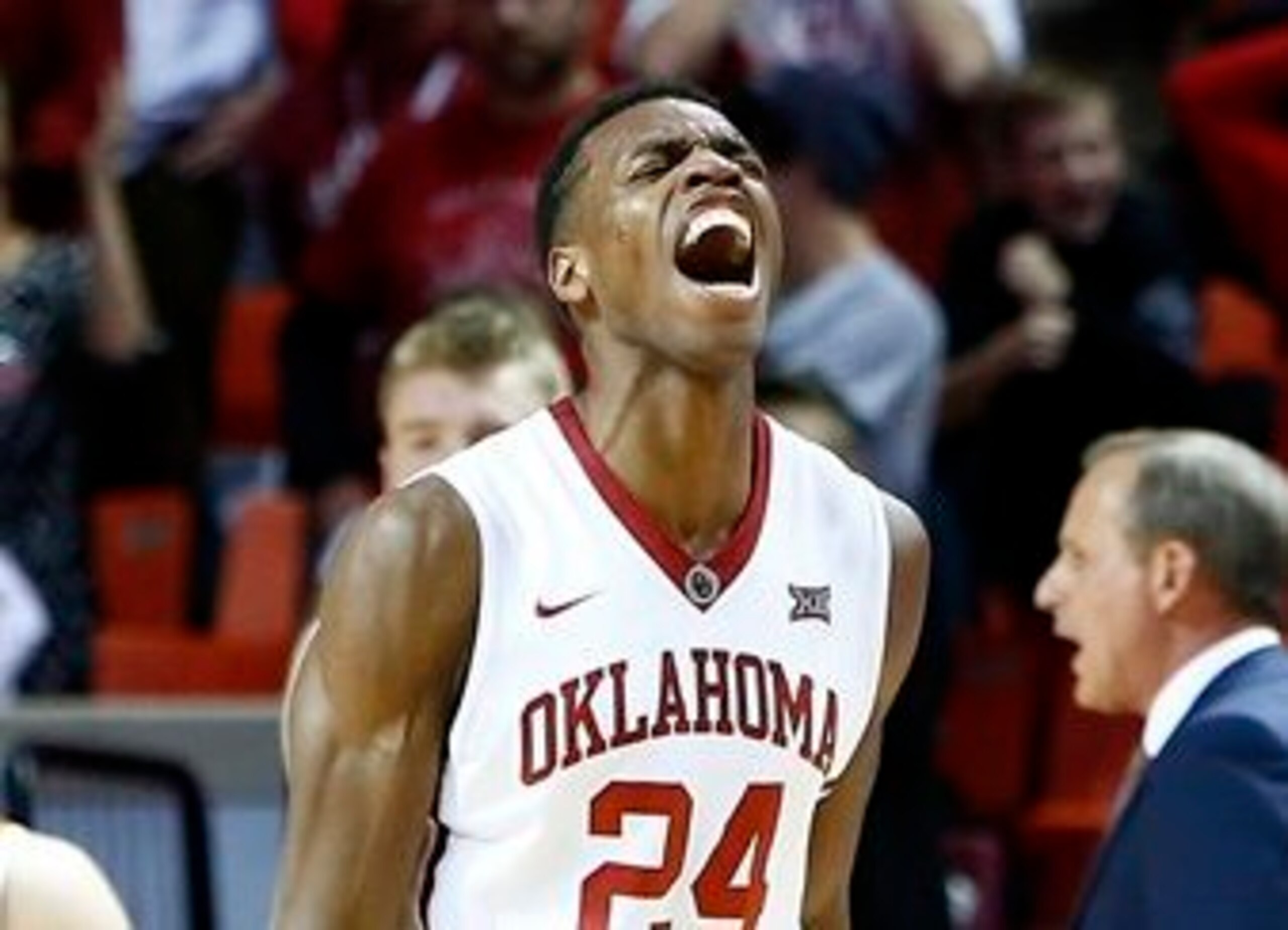
Guessing who will win the national Player of the Year award is always part of the preseason discussion, making it an annual storyline.
Past winners have followed a variety of paths to achieve the level needed. This season, there seems to be at least one candidate for each path, as we point out with our nine national Player of the Year contenders:
The one-and-done-freshman model
Just as highly touted incoming freshmen Kevin Durant (Texas, 2007) and Anthony Davis (Kentucky, 2012) captured the Player of the Year award in their first seasons of college ball, LSU freshman forward Ben Simmons and Kentucky freshman center Skal Labissiere are immediate candidates.
ESPN.com listed Simmons as the top college player in the country this season and ranked Labissiere at No. 11.
Staying-the-course model
Doug McDermott was a star from the day he arrived at Creighton, but he hung around for four years, winning the top honor as a senior. North Carolina senior guard Marcus Paige and Iowa State senior forward Georges Niang fall into that category, and they are both in the running for the top honor this season.
The vast-improvement model
Not all players come to college as instant stars.
Frank Kaminsky barely played his first two seasons at Wisconsin, averaging 1.8 points and 4.2 points as a freshman and sophomore. But by the time he was a senior last season, he was a dominant player who was named Player of the Year. Oklahoma senior guard Buddy Hield, Providence junior guard Kris Dunn and Wichita State senior guard Fred VanVleet have followed that path.
Hield (pictured above) averaged just 7.8 points as a freshman but was up to 17.4 as a junior when he was named Big 12 Player of the Year.
Largely because of injuries, Dunn did little his first two seasons, averaging 5.7 points as a freshman and playing just four games as a sophomore. But he averaged 15.6 points and 7.5 assists as a junior. ESPN.com ranks Dunn as the second-best player in the nation.
VanVleet was not a starter as a freshman, averaging 16.2 minutes and 4.3 points that year. But he became the Missouri Valley Conference Player of the Year as a sophomore and continued his rise last season.
Making-a-big-splash-as-a-sophomore model
In a few cases, a player who could have entered the NBA draft after his freshman season opted to stay in college for one more year. That's what Trey Burke of Michigan did, and he ended up as the 2013 Player of the Year as a sophomore.
Maryland sophomore guard Melo Trimble could do likewise this season. Rather than turn pro after his outstanding freshman season, Trimble is back with the Terps, who have national title aspirations. ESPN.com ranks Trimble as the fourth best player in the country.
The transfer route
There is not much precedent for this, unless you consider UNLV's Larry Johnson, who transferred from junior college and was national Player of the Year in 1991, or Larry Bird, who spent less than a month at Indiana before winding up at Indiana State, where he was named national Player of the Year in 1979.
However, with the rising number of transfers in recent years, it's only a matter of time before a transfer is named the nation's best. The candidate this season is senior forward Kyle Wiltjer, who spent his first two college seasons at Kentucky before becoming a star at Gonzaga last season.
One prerequisite for winning national Player of the Year is that the player's team must be ranked at the end of the season. The higher the ranking, the better his chances.
Labissiere, Paige, Niang, Hield, Trimble, VanVleet and Wiltjer all play for teams ranked in the Associated Press preseason top 10. Simmons' LSU team is No. 21, and Dunn's Providence squad is unranked, so those two may have to push their teams to unexpected heights to be in the running.
The Rule Changes and Scoring
3 of 10
The skill and athleticism of college basketball players seem to be improving every year, yet offenses continue to struggle to score points.
Scoring has been on the decline for years, and last season's team average of 67.74 points per game was the third-lowest since 1952, according to NCAA statistics. Only the 67.50 points per game in 2012-13 and the 67.6 points per game in 1981-82 are lower.
The decline has been rather steady since it reached a high of 77.7 in both 1970-71 and 1971-72. Scoring averages, which had dipped below 70 points per game in the early 1980s, jumped back up to 76.7 in 1990-91, five years after the 45-second shot clock was implemented in 1985-86. Introducing a 35-second shot clock in 1993-94 did not increase scoring appreciably.
Now officials are tinkering with the shot clock again, implementing a 30-second shot clock this season. A few other rule changes hope to speed up the game as well, including reducing the number of timeouts a team can take in the second half from four to three. Officials hope that adjustment and a few other tweaks will limit the periods of inaction in the closing minutes of games.
Teams can no longer avoid a potential 10-second violation by simply calling a timeout. Now the 10-second limit to cross half court will not be reset when a timeout is called, as it was in the past.
But the most noticeable change is the 30-second shot clock, as college basketball tries to increase scoring opportunities and the pace of the game. Belmont coach Rick Byrd, the NCAA rules chairman, made it clear what the goals were in an interview with Eamonn Brennan ESPN.com during the summer:
"The areas of concern in our game have been about pace of play, about scoring, about increased physicality defensively. There are concerns about how long it takes to play our games sometimes, particularly as we've introduced review in the last two minutes. I think we've addressed all these areas as best we can.
"
Whether the changes have the desired effect of making college basketball more exciting and watchable will be a season-long story.

.jpg?w=2560)

The Bo Ryan Wisconsin Saga
4 of 10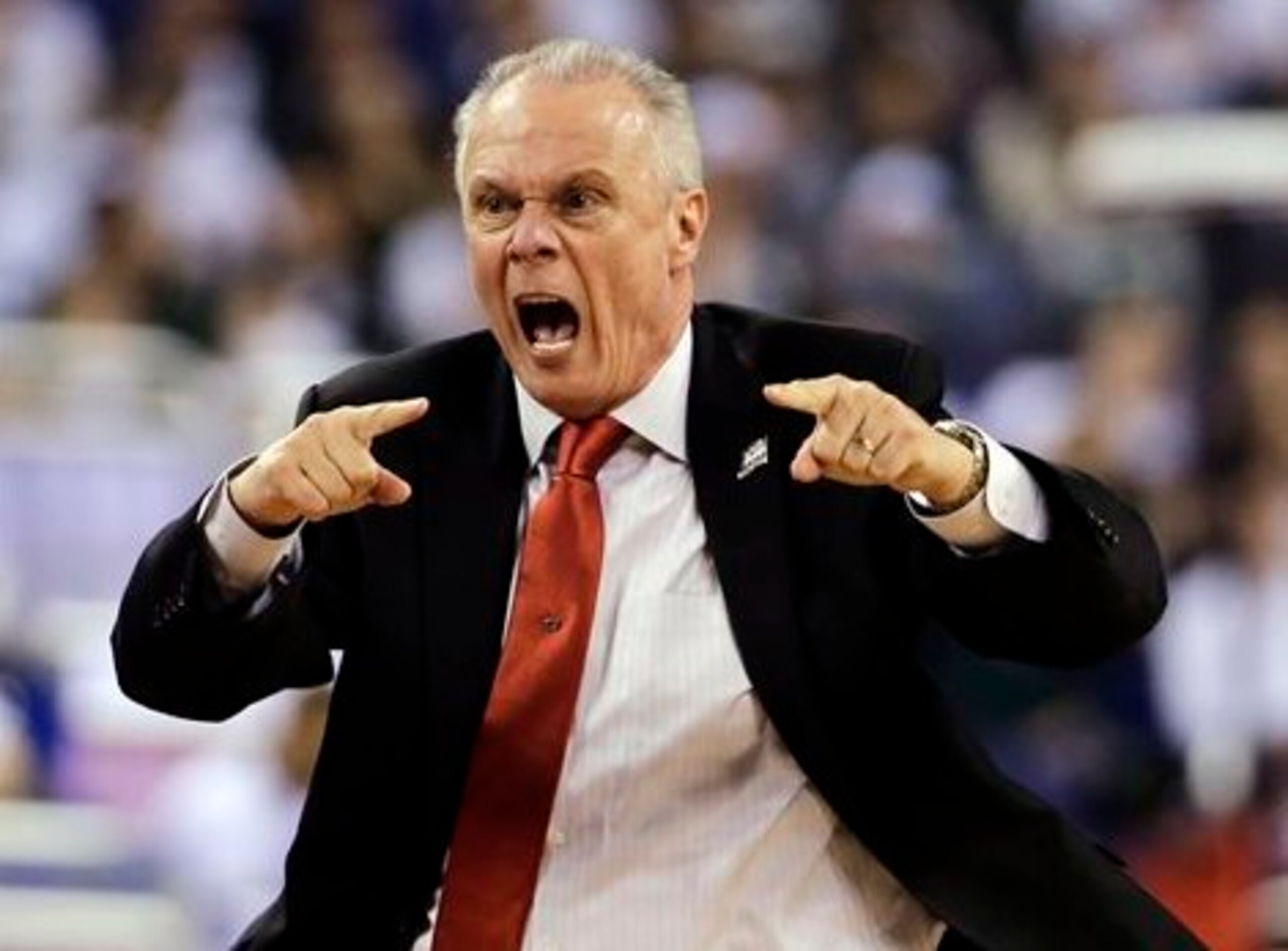
Is this Bo Ryan's final season as Wisconsin's head coach?
In June, the 67-year-old Ryan said the 2015-16 season would be his last, but Jim Polzin of the Wisconsin State Journal reported in August that he was hedging on that commitment, saying he would wait until after this season to make a final decision.
So it remains to be seen whether this is Ryan's farewell tour. Whenever he leaves, Badger basketball may never be the same.
Wisconsin has finished among the top four in the Big Ten standings in each of Ryan's 14 seasons as head coach, according to Benjamin Worgull of Scout.com, and those 14 straight top-four finishes are the longest such streak in conference history. What makes that run so impressive is that the Badgers have not had a recruiting class ranked among the nation's top 25 by Scout.com since 2006, when Wisconsin's incoming group of recruits was ranked No. 23.
Last year, Wisconsin finished first in the Big Ten for the fourth time under Ryan, then knocked off No. 1 unbeaten Kentucky on its way to a runner-up finish in the NCAA tournament. Before Ryan arrived, the Badgers had not finished first in the conference since 1947, and they had finished in the top four only twice since 1974.
Wisconsin lost two players taken in the first round of this year's NBA draft, including national Player of the Year Frank Kaminsky, so the Badgers would not seem capable of matching last season's 36-4 success. However, Ryan has a way of making something out of nothing.
You have to wonder what will happen to Wisconsin basketball when Ryan retires, and we may find out next season.
Can Kentucky and Duke Have One-and-Done Success Again?
5 of 10
Kentucky lost its top seven scorers, all of whom were taken in the NBA draft, from a team that was ranked No. 1 nearly all of last season. Despite those losses, the Wildcats are still ranked No. 2 in this year's Associated Press preseason poll and tied for No. 1 in the USA Today coaches preseason rankings.
Duke lost four starters, including three who were first-round NBA draft picks, from a team that won the national championship last season. Nonetheless, the Blue Devils are No. 5 in the AP preseason rankings and No. 4 in the coaches poll.
Even with those crippling losses, both teams are expected to challenge for the national title again because of their incoming freshmen, many of whom figure to play just one college season before turning pro.
The recruiting classes of Duke and Kentucky are ranked No. 1 and No. 2 in the nation by virtually every recruiting service, with Kentucky's class first and Duke's class second, according to Scout.com and Rivals.com, while Duke is first and Kentucky is second in the ESPN.com rankings.
Each has a freshman capable of competing for national Player of the Year honors. Duke's potential star is forward Brandon Ingram, who is ranked as the nation's No. 3 incoming prospect by ESPN.com and Scout.com and fourth by Rivals.com.
Kentucky's likely one-and-done player is center Skal Labissiere (pictured above), who is considered the nation's top incoming freshman by both Scout.com and Rivals.com and No. 2 according to ESPN.com's ratings.
Teams that rely primarily on freshmen are a bit unpredictable, though. Duke won the national title last season and Kentucky did likewise in 2012 with teams based on outstanding freshman talent.
However, it was a different story for the Kentucky teams that were ranked No. 3 in the 2012-13 preseason Associated Press poll and No. 1 in the 2013-14 preseason rankings based on the Wildcats' highly rated freshman classes those years.
The Wildcats finished out of the AP Top 25 both years. In fact, the 2013 Wildcats did not even get into the NCAA tournament and lost to Robert Morris in the first round of the National Invitation Tournament.
It's difficult to know exactly what a freshman-laden team can do until its faces top collegiate competition. That uncertainty and the presence of new potential stars make Kentucky and Duke intriguing stories.
The Alleged Louisville Scandal
6 of 10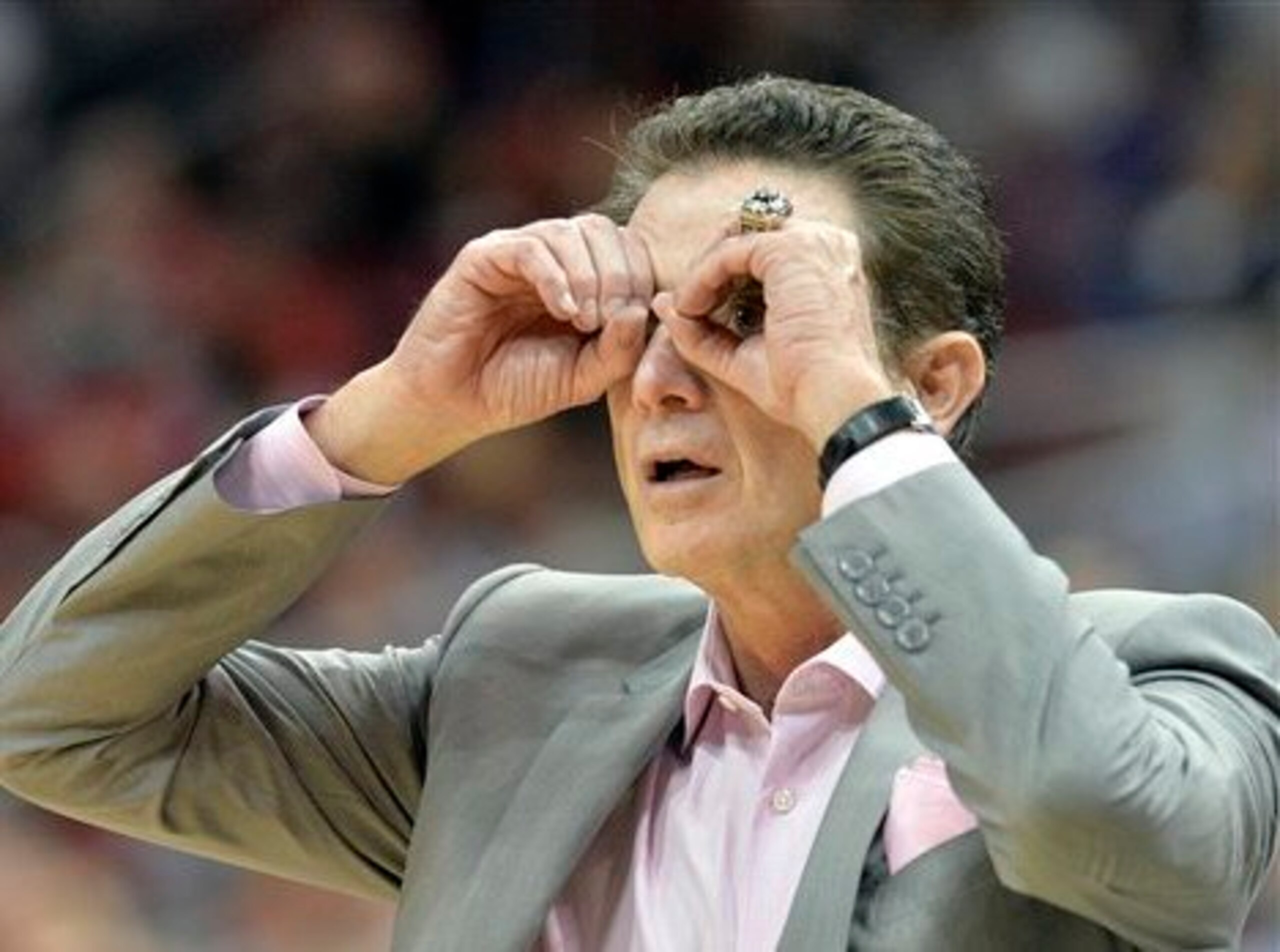
Embarrassing preseason allegations leveled at a program tend to fester if a team falters during the early part of the season. And even if Louisville plays well through the first few months, it is unlikely to erase talk and media reports regarding alleged off-the-court incidents, which will be a distraction throughout the season.
Katina Powell, an escort who wrote Breaking Cardinal Rules: Basketball and the Escort Queen, alleges in the book that former Louisville basketball staff member Andre McGee provided her and other escorts with tickets to games and also paid them thousands of dollars in exchange for having sex with players and recruits and also dancing for them, per Jeff Greer of the Louisville Courier-Journal.
McGee recently resigned from the University of Missouri at Kansas City (UMKC), where he had worked the past 18 months, and police and the NCAA are investigating Powell's allegations, according to Greer. Grand jury subpoenas are being sent.
Head coach Rick Pitino does not plan to resign, and he told Dana O'Neil of ESPN.com early last month that he did not know anything about the alleged incidents (via CBSSports.com).
Athletic director Tom Jurich issued a statement last month that read, "Coach Pitino has no plans to step down, he has a long-term contract here and he absolutely did not know anything about the allegations," per Greer.
Greer also noted that university president James Ramsey issued a statement that supported Jurich but did not mention Pitino.
Pitino did not attend ACC media day last month on the advice of his lawyer, according Chip Patterson of CBSSports.com.
Pitino, 63, is a Hall of Fame coach who won a national title in 1996 at Kentucky and in 2013 at Louisville, but it remains to be seen whether he can survive this alleged incident. A story like this is unlikely to die any time soon. Louisville is unranked in the preseason Associated Press poll, and disappointing results will only increase the pressure on the program and its coach.
Coaching Changes That Matter
7 of 10
Forty Division I schools have new head coaches this season, according to Raphielle Johnson of NBCSports.com. Assessments of how those coaches will fare provide a storyline that may change as the season progresses.
Ten of those 40 coaching changes are particularly intriguing, giving us 10 subplots to follow as the big picture comes into focus.
Chris Mullin, St. John's
This may be the biggest gamble of all the coaching hires. Mullin worked in the front office of the Golden State Warriors, but he has never been a coach at any level. He certainly has name recognition at St. John's, having been a three-time Big East Player of the Year for the Red Storm and getting his number (20) retired.
Steve Lavin never finished higher than third in the Big East in his five years at St. John's, reaching the NCAA tournament twice.
Mike White, Florida
White won at least 27 games in each of his final three seasons as head coach of Louisiana Tech, which finished first in the Sun Belt all three of those seasons. But he does not have much name recognition nationally, and he replaced a famous college coach, Billy Donovan, who led the Gators to unprecedented heights, including two national championships.
The Gators went just 16-17 last season, but that will diminish expectations only slightly.
Steve Prohm, Iowa State
Prohm has the unenviable task of replacing a man known as The Mayor in Ames, Iowa. Not only was Fred Hoiberg beloved in much of Iowa, but he molded the Cyclones into a national title contender with his distinctive coaching style.
Prohm's Murray State teams finished first in their division of the Ohio Valley Conference all four of his seasons there. The Racers' program gained prominence under Billy Kennedy, and Prohm maintained that level. Prohm has a similar task at Iowa State, which finished each of the past two seasons ranked in the top 10 and is No. 7 in this year's preseason Associated Press poll.
Shaka Smart, Texas
Smart (pictured above) had tremendous success at Virginia Commonwealth with his use of ferocious, nonstop, full-court defensive pressure. But will that tactic work in the Big 12?
He was a big fish in a small pond at VCU, but now he is at Texas, where the stakes and exposure are higher and allowances are not made for transition seasons. Rick Barnes took the Longhorns to the NCAA tournament in 16 of his 17 seasons there, but he was fired after last season, when the Longhorns went 20-14 and got to the NCAA tournament.
You may recall that Anthony Grant had nearly as much success at VCU as Smart. But Grant never made a big splash at Alabama and was fired last spring after six seasons with the Crimson Tide.
Rick Barnes, Tennessee
Barnes' resume was strong enough to get him a high-prestige job right after getting fired by Texas. He has made 22 NCAA tournament appearances in his time as head coach at Providence, Clemson and Texas. Barnes was hired at Tennessee when Donnie Tyndall was fired after one 16-16 season following revelations of unethical conduct while Tyndall was at Southern Miss, according to an ESPN.com report.
Reports of academic misconduct at Texas when Barnes was the Longhorns coach, as noted in an Associated Press story (via ESPN.com), won't help, especially if something sinister is revealed. Tennessee certainly doesn't want more image problems with Barnes.
Bobby Hurley, Arizona State
The former Duke All-American has plenty of name recognition, but that won't insulate him from criticism for long. He has been a head coach for just two seasons, but he led Buffalo to first-place finishes in its division of the Mid-American Conference both years. Hurley was lauded when the Bulls reached the NCAA tournament for the first time in school history last spring, then nearly upset West Virginia in their opening game.
However, past coaches have found success elusive at Arizona State. The Sun Devils have not finished first in their conference since 1975, and they finished as high as second only once since 1981. Herb Sendek got ASU to the NCAA tournament only twice in his nine seasons.
Media members picked the Sun Devils to finish ninth in the Pac-12 this season.
Ben Howland, Mississippi State
Obviously, the region of the country is of no concern to Howland. He had success in the Northeast with Pittsburgh, finishing first in the Big East in two of his four seasons there.
Howland then went to the West Coast and managed three consecutive Final Four berths during his 10 years at UCLA. He got fired after the Bruins finished first in the Pac-12 in 2013 and now will try to resurrect a program in the South, Mississippi State, which went 4-14, 3-15 and 6-12 in the SEC in its three seasons under Rick Ray.
Mark Price, Charlotte
Known more for his play in college and the pros than his coaching experience, Price will get his first chance to be a college head coach at Charlotte, which finished 11th in Conference USA last season and has not had a conference finish higher than fifth the past seven years.
Price was an outstanding college player at Georgia Tech and had a solid NBA career, averaging 15.2 points over his 12 seasons. He has been an assistant at the high school, college and pro levels. His only head coaching experience came with the South Dragons, a pro team in Australia.
But he was fired after just five games, all of which were losses. Presumably, his second head coaching stint will last a little longer.
Avery Johnson, Alabama
Johnson had some success as a head coach in the NBA, leading the Dallas Mavericks to the NBA Finals in 2006 and finishing first in the Western Conference with the Mavs in 2007. But will that translate to the college level?
Johnson has already landed a big-name recruit for next season in Terrance Ferguson, who's rated the No. 10 prospect in the 2016 class by ESPN.com. The task is not easy at Alabama, a football school that has been to the NCAA tournament just once since 2006.
Eric Musselman, Nevada
Musselman was the head coach of the Golden State Warriors for two years and the Sacramento Kings for one, but he had losing records all three years and failed to make the playoffs. He was later a head coach in the NBA Developmental League before serving as an assistant at Arizona State and LSU in recent years.
Nevada is not a high-profile basketball school and was 9-22 last season, so there is less pressure to win immediately.
LSU, Cal Become Instant Conference Contenders
8 of 10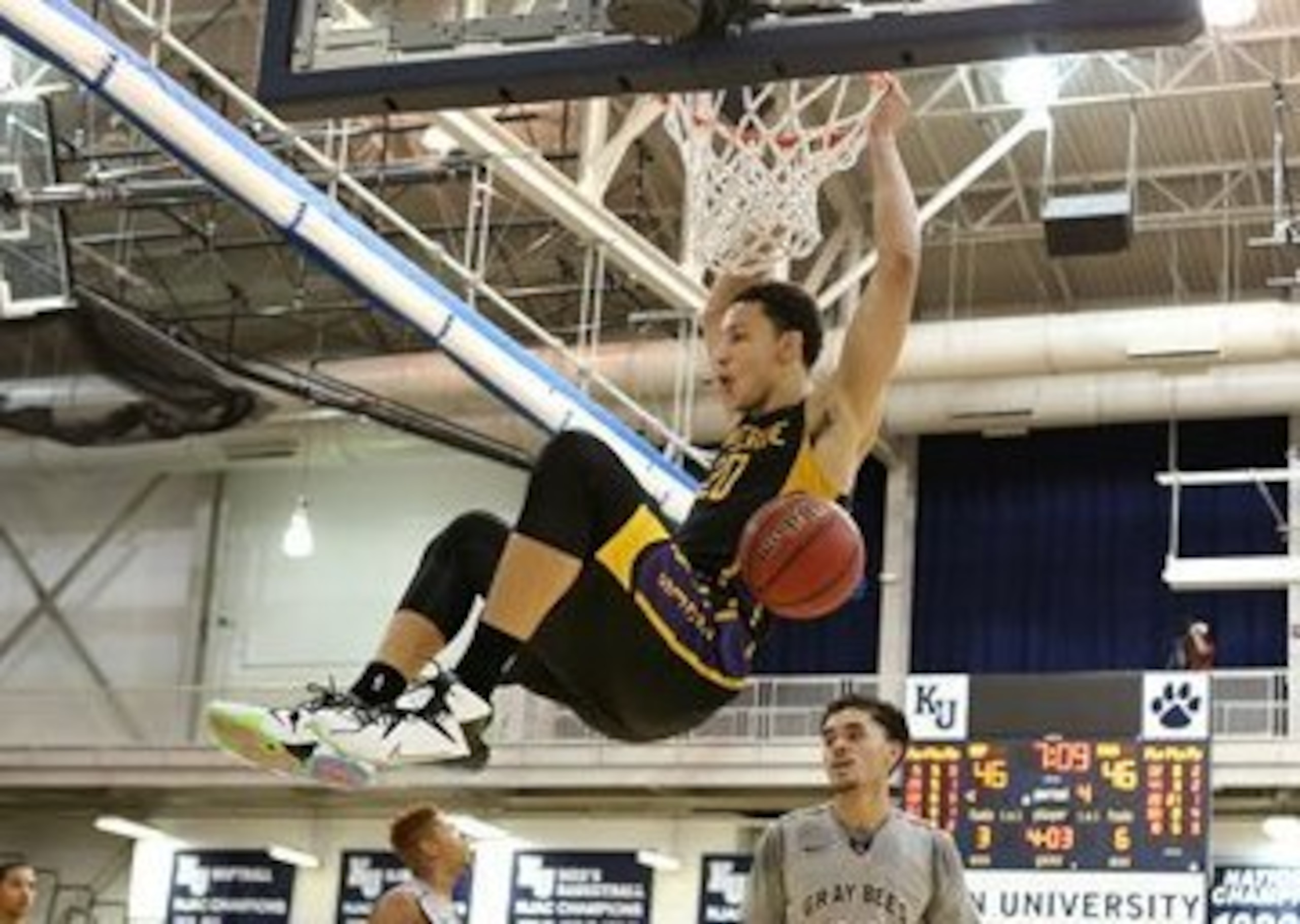
Cal was 7-11 in the Pac-12 last season and did not make NCAA tournament. LSU lost both of its all-conference players from last season's squad, which lost its opening game of both the Southeastern Conference and NCAA tournaments.
So why are these teams ranked in the preseason Top 25 polls and considered title contenders in their respective conferences?
Both have unusually good recruiting classes coming in, instantly transforming them into teams to be feared. Relying heavily on talent untested on the college level brings a level of uncertainty to those two teams, but the potential for success has risen significantly.
Cal had not been ranked among Scout.com's top 15 recruiting classes in any of the previous 10 years before coming up with the No. 3 class this year. Other recruiting services have similar opinions, with the Bears' class ranked No. 5 by ESPN.com and No. 7 by Rivals.com
In his second season at Cal, coach Cuonzo Martin landed two top-five prospects: small forward Jaylen Brown, who is ranked as the nation's No. 4 prospect by Scout.com and No. 3 by Rivals.com, and power forward Ivan Rabb, who is ranked No. 5 by Scout.com and No. 7 by Rivals.com.
When added to Cal's three established perimeters players—Jabari Byrd, Tyrone Wallace and Jordan Mathews—the Bears have a lineup that was ranked No. 13 in the Associated Press preseason poll and capable of challenging Arizona for Pac-12 supremacy.
Cal is not used to having one-and-done players, but it may have one in the powerful 6'7" Brown. Meanwhile, LSU already knows it can count on only one college season from forward Ben Simmons (pictured above).
Ranked as the No. 2 incoming freshman by Rivals.com and Scout.com, the 6'9" Simmons is ranked as the nation's No. 1 prospect by ESPN.com. He is the kind of player that can change a program.
Tigers coach Johnny Jones also landed guard Antonio Blakeney, who is ranked as the No. 13 prospect by Rivals.com, No. 15 by ESPN.com and No. 21 by Scout.com. But it is the acquisition of Simmons that enabled LSU to sign a class ranked No. 3 by ESPN.com, No. 4 by Rivals.com and No. 5 by Scout.com.
The presence of Simmons is the chief reason the Tigers are No. 21 in the preseason Associated Press poll.
If Cal and LSU meet or exceed expectations, Simmons and Brown are likely to become bigger stories than they already are. ESPN.com rated Simmons as the No. 1 college player this season before he played a game, and Brown came in at No. 13.
Transfers Who Will Make an Impact
9 of 10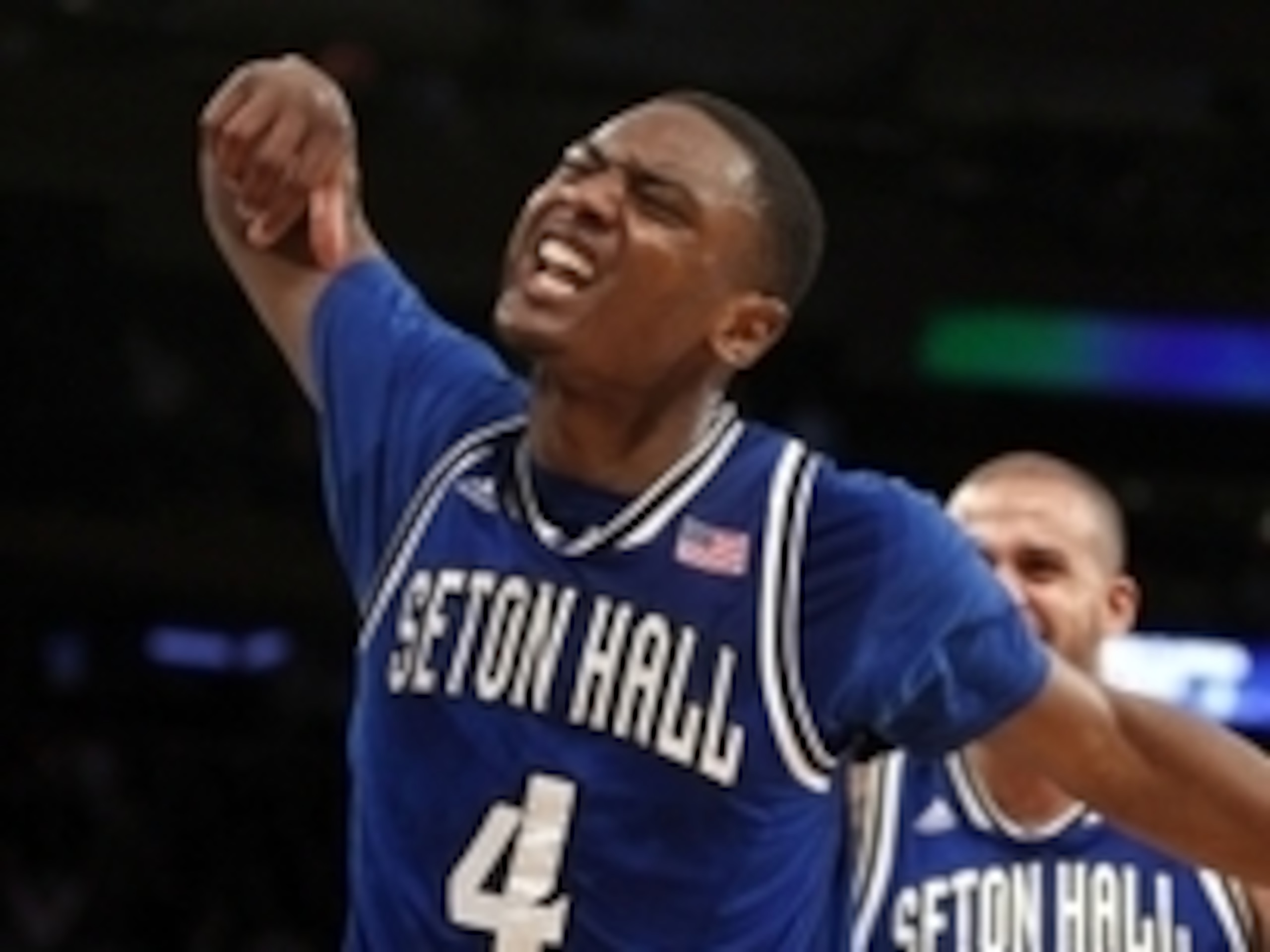
Transfers have become nearly as important as incoming freshmen in influencing a team's success. According to Jeff Goodman and Jeff Borzello of ESPN.com, more than 700 players transferred a year ago. The graduate transfers are particularly significant because they can play for another school without having to sit out a season.
Several schools brought in more than one transfer. We will highlight four high-profile basketball schools that each brought in two transfers who could make a significant difference this season.
CONNECTICUT: Guard Sterling Gibbs (from Seton Hall), forward Shonn Miller (from Cornell)
UConn has won two of the past five national championships (2011, 2014), but the Huskies failed to make the NCAA tournament last year and are ranked only ranked No. 20 in the preseason Associated Press poll. With star Ryan Boatright gone, the Huskies need help immediately to return to prominence.
Both Gibbs and Miller are graduate transfers, which means they can play right away. Gibbs (pictured above) is a double transfer, having started his career at Texas before playing two seasons at Seton Hall. He averaged 16.3 points for the Pirates last season and figures to step in as the Huskies' lead guard.
As for Miller, it's not often that a player transfers from an Ivy League school to a place like UConn and expects to make a difference. But Miller was an all-Ivy player who averaged 16.8 points and 8.5 rebounds, according to NBCSports.com.
LOUISVILLE: Guard Damion Lee (from Drexel), wing Trey Lewis (from Cleveland State)
Not only do the Cardinals have an alleged scandal hanging over their heads, but they lost a lot of talent from last season's squad. Louisville's top four scorers from a year ago have departed, and it returns no one who averaged more than 4.1 points.
The Cardinals, who are unranked in the preseason Associated Press poll, need help immediately. Lee is considered "the most sought-after transfer" by Terrence Payne of NBCSports.com. After sitting out the 2013-14 season with a torn ACL, he averaged 21.5 points for Drexel last season.
Lewis should provide a perimeter threat after averaging 16.3 points and hitting 42.3 percent of his three-point shots at Cleveland State last season. Both are graduate transfers, so they can play immediately.
MARYLAND: Guard Rasheed Sulaimon (from Duke), forward Robert Carter Jr. (from Georgia Tech)
The Terps are already well stocked with their returning starters, and the addition of freshman Diamond Stone as well as Sulaimon and Carter could make them national title material.
Sulaimon was a starter at Duke as a freshman and scored 25 points against Maryland that season. His playing time diminished over the next two years, and he was dismissed from the team last January. But Sulaimon stayed in school and graduated in August, per Roman Stubbs of the Washington Post, allowing him to play immediately at Maryland. He fills the void left by the departure of Dez Wells.
Carter sat out last season after averaging 11.4 points and 8.4 rebounds at Georgia Tech in 2013-2014.
WICHITA STATE: Forward Anton Grady (Cleveland State), guard Conner Frankamp (from Kansas)
Wichita State coach Gregg Marshall seldom signs highly rated recruiting classes, but he succeeds by making good use of what he has and bringing in transfers from junior colleges and other four-year schools.
Grady averaged 14.3 points and 7.9 rebounds in his final season at Cleveland State and should offer an inside presence to complement the perimeter games of Fred VanVleet and Ron Baker.
Frankamp does not become eligible until the second semester, but he will have two more full seasons of eligibility after this season. He did not get much playing time at Kansas as a freshman, averaging just 8.3 minutes and 2.5 points, but he was ranked as the nation's No. 10 point guard in the class of 2013 by ESPN.com.
The Larry Brown/Jim Boeheim Suspension Issue
10 of 10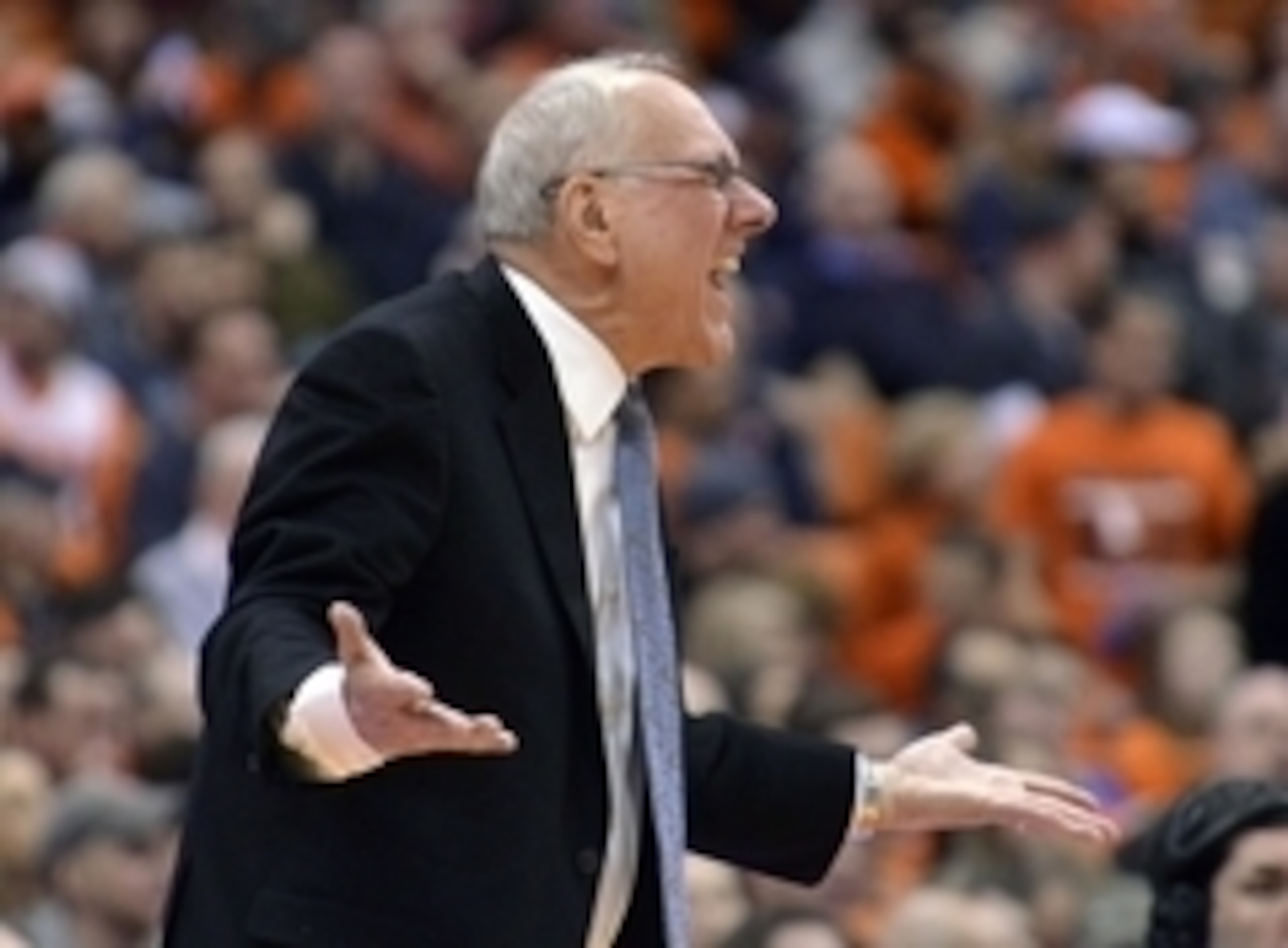
Syracuse's Jim Boeheim and SMU's Larry Brown are the two oldest head coaches in Division I basketball. Each has won a national championship, and they are two of the six active Hall of Fame coaches.
This season, however, they have become a story for unwanted reasons, as both were suspended several games by the NCAA for rules violations, as noted by Andy Katz of ESPN.com.
The 75-year-old Brown brought the Mustangs to national prominence in his first two seasons at SMU, and he won a national title while at Kansas in 1988. But he was suspended for the first nine games this season as one of several penalties levied against the Mustangs, per ESPN.com. That same report notes this is the third time Brown has brought NCAA sanctions against one of his teams, with Kansas and UCLA getting hit for violations that occurred during his time at those schools.
This seems destined to be an unfulfilling season for Brown and the Mustangs. They are picked to win the American Conference title by the league's coaches, and they have the look of a Final Four team. But SMU is banned from postseason play this season as part of the NCAA penalties and cannot participate in the conference tournament either.
Boeheim, who turns 71 on Nov. 17, 2015, won an NCAA title in 2003, but that did not prevent the NCAA from slapping the Orange with heavy penalties. Boeheim is suspended for the first nine Atlantic Coast Conference games, although Boeheim is appealing that, hoping the suspension will apply to the first nine nonconference games instead.
Syracuse banned itself from postseason play last season in light of the investigation, but getting to the NCAA tournament this season will be a chore since the Orange are picked to finish ninth in the ACC.
Boeheim said he plans to retire after the 2017-2018 season, although he acknowledged in an Associated Press story (via the Boston Herald) that this season could be his last. Brown believes, according to Scott Gleeson of USA Today, that he will be coaching the Mustangs this year and next. In any case, it's not the way these coaches wanted to go out.
.jpg?w=2560 "Rams Eagles Football")
.jpg?w=2560 "Falcons Saints Football")

.jpg?w=2560 "Injury-stricken Seahawks signing veteran RB")

.jpg?w=2560 "2 NFL Officials Suspended")
