
The Most Important Stat for Every College Football Playoff Contender
Football is a game of many things: inches, X's and O's, and Jimmys and Joes.
It's also a game of numbers.
For playoff-contending teams, stats can disclose a lot about why things work as well as they do.
For this year's playoff contenders—teams ranked in and around the Top 15 of major polls who are either undefeated or have a loss to an above-.500 team—which single stat is the most important? Keep in mind this number could be for better or worse. It could show a huge mismatch a team has to exploit or a weakness it has to keep under control.
We dive into each playoff contender's most important stat in the following slides.
Ohio State: 13
1 of 14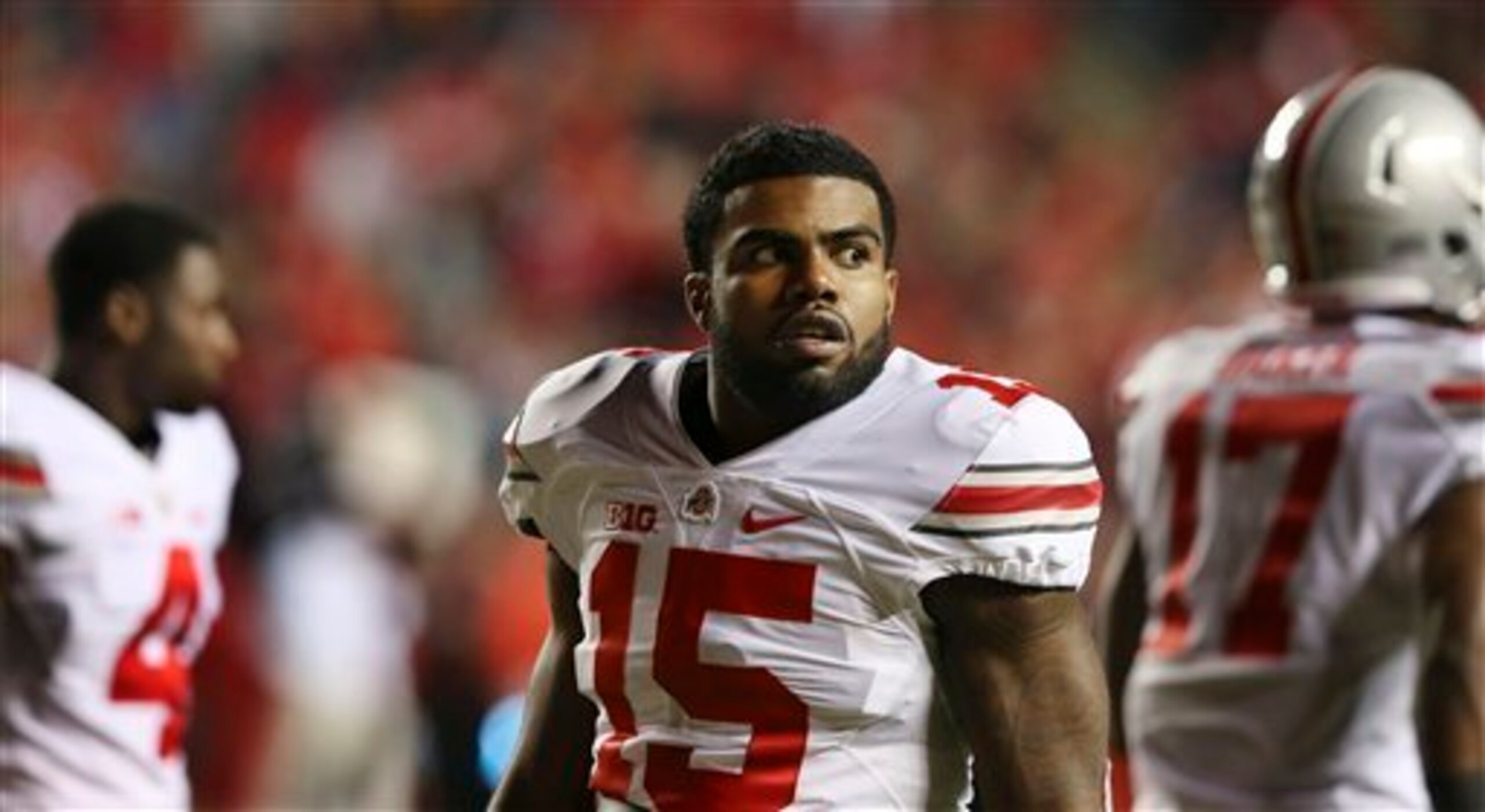
Ohio State running back Ezekiel Elliott has had 13 consecutive 100-yard games, dating back to last season.
As disjointed as Ohio State's offense has looked this year, the constant playmaker has been Elliott. He's averaging 141 yards per game at nearly 21 carries per contest. In a tight game against Indiana on the road, he had a career-high 274 yards and three touchdowns, with each score coming on runs of 50 yards or longer.
Initial returns on head coach Urban Meyer starting J.T. Barrett at quarterback have been good, but Elliott is the player the Buckeyes offense needs to feed. He's a tough runner but also a tremendous blocker. There are few weaknesses to his game, and he's one of the most complete players in the country.
“From Game 1 to Game 8, [Elliott] has been really consistent with and without the ball,” Meyer said, via Tim Shoemaker of ElevenWarriors.com.
Baylor: 9.6
2 of 14
Through seven games, Baylor is averaging a touchdown once every 9.6 plays. When you factor in field goals, of which Baylor has five, that number goes down to one score every 8.9 plays. Yes, that's insane.
When people think of Baylor's offense, they probably think of fast tempo. There's some degree of truth to that. The Bears offense has the ball for only about 26 minutes a game while averaging just north of 81 plays per contest.
Baylor uses tempo wisely, just not all the time.
The simplest way to explain Baylor's offense is that it runs effectively with little waste. True freshman quarterback Jarrett Stidham's insertion into the lineup for the injured Seth Russell (neck surgery) will test this efficiency.
Furthermore, Baylor's defense is average in those same categories. Opponents run about three fewer plays per game but score touchdowns once every 22.8 plays. For reference, Alabama allows a touchdown once every 35.3 plays. Michigan, which has the top defense in college football, gives up a touchdown every 47.4 plays.
Basically, if you can knock the Bears out of rhythm on offense, you have a chance to win.
Clemson: 20.39
3 of 14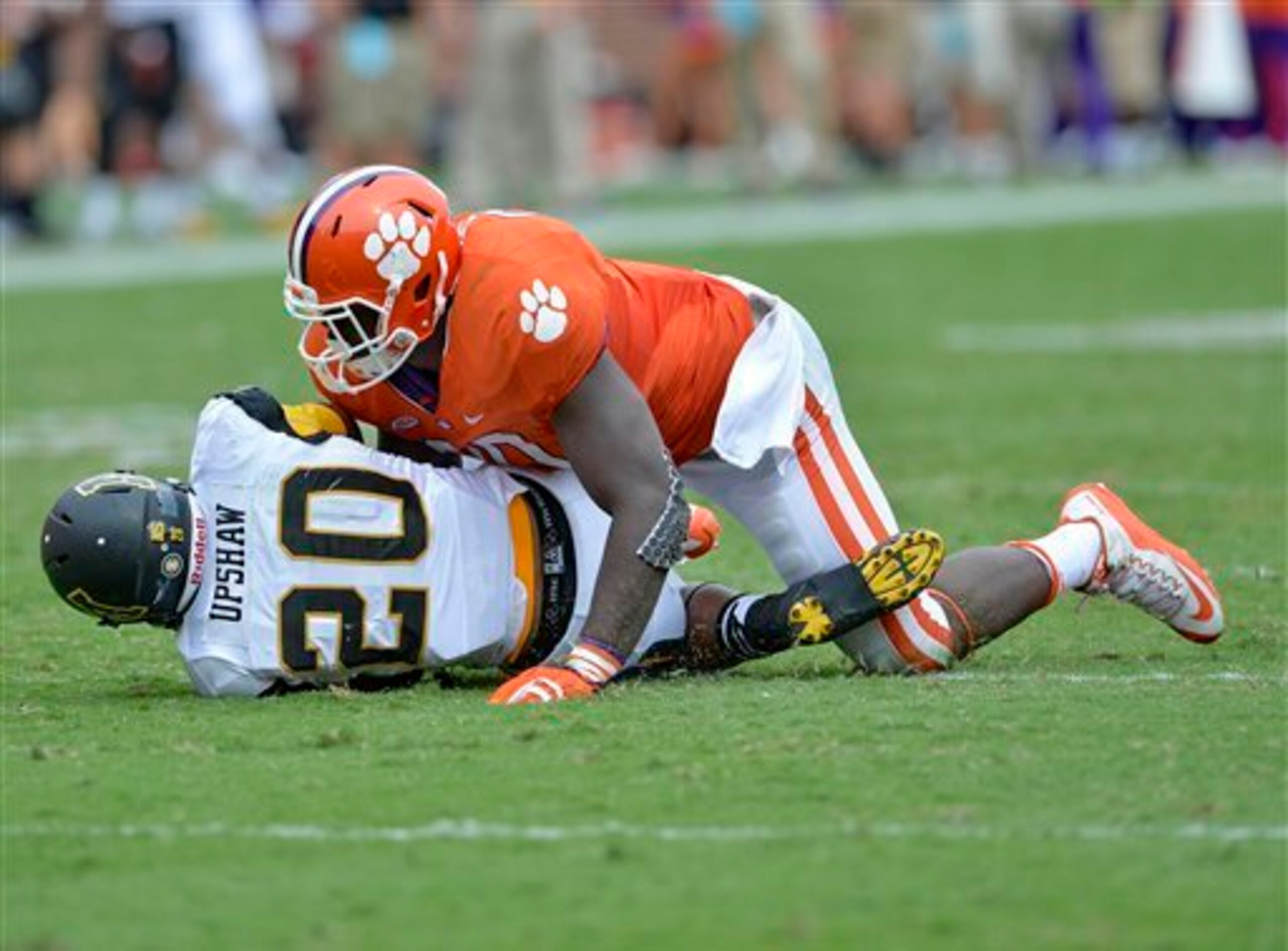
A lot is made of Clemson's offense and quarterback Deshaun Watson, and rightly so. However, the Tigers defense has been the biggest story for this team. Through seven games, Clemson is allowing opponents to convert third downs just 20.39 percent of the time. That's second nationally behind only Michigan.
It begins with the fact that opponents have had a hard time running against Clemson's rebuilt defensive front. The Tigers are yielding 2.85 yards per rush and have allowed only four rushing touchdowns. That allows Clemson to make teams more one-dimensional. Clemson then ranks just outside the Top 25 nationally in sacks per game (No. 27).
Give defensive coordinator Brent Venables a ton of credit. He lost college football's best defensive line last year and has been able to reproduce many of the same results.

LSU: 153.85
4 of 14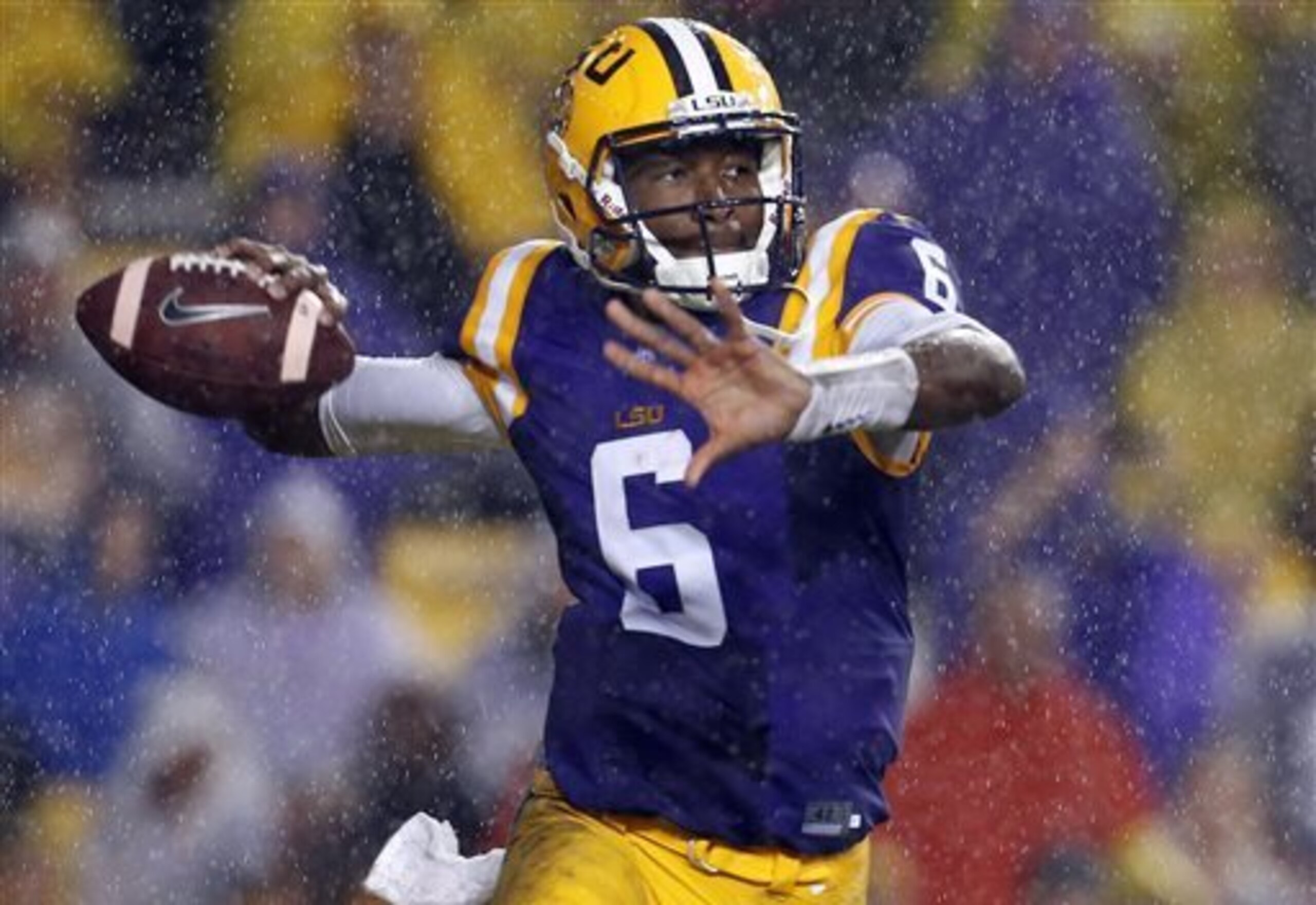
LSU quarterback Brandon Harris has a passer rating of 153.85. To put that into context, that's second in the SEC behind Ole Miss' Chad Kelly (154.81) and 19th overall in college football.
Running back Leonard Fournette is the star. He's averaging 193.1 yards per game on the ground—we're heading into Week 9 and this is the first time since Week 3 that he's not averaging at least 200 yards per game—and is the clear Heisman front-runner, according to OddsShark.com.
However, Harris holds the key to LSU making its way through the SEC and into the playoff. There has to be some threat of the passing game, and to his credit, Harris is providing just that. In conference games, he is completing exactly two-thirds of his passes at 7.4 yards a pop and has five touchdowns to zero interceptions. Against Florida, easily the best defense he's faced, he threw for 202 yards and a pair of scores.
LSU will never be a passing team as long as Fournette is around, but Harris is finally developing like the coaching staff hoped he would.
TCU: 152.4
5 of 14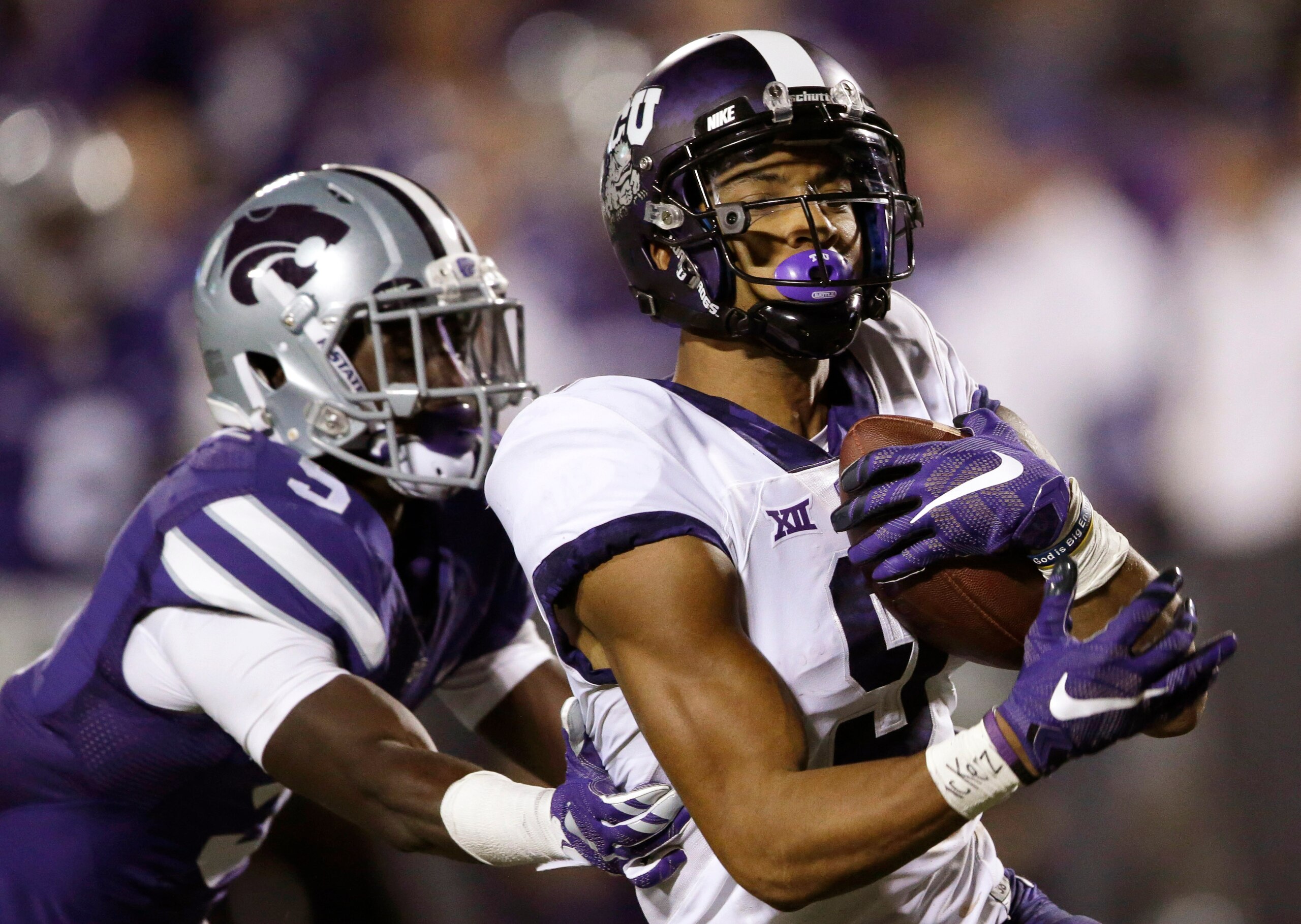
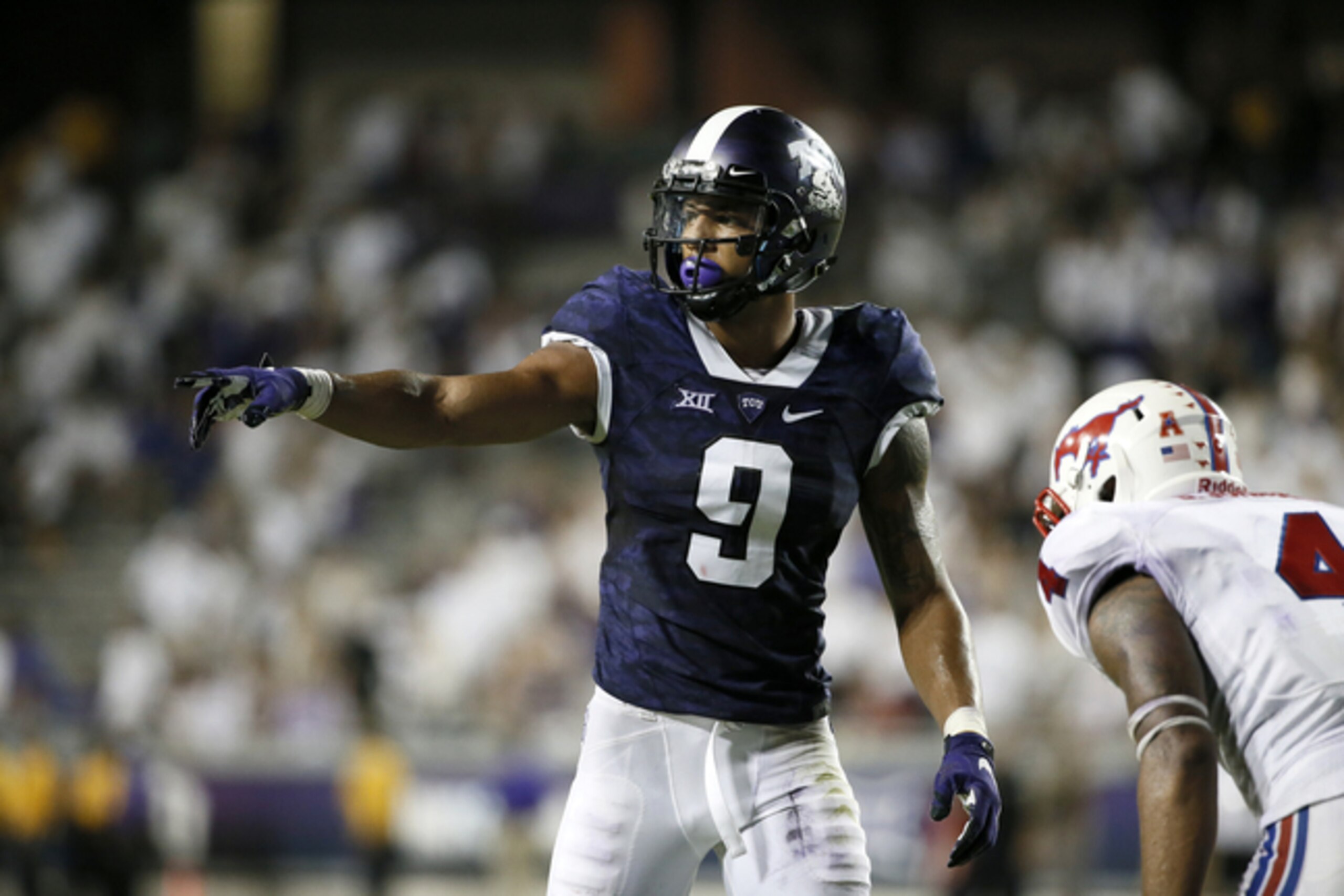
Other than Baylor's Corey Coleman, there may not be a more valuable wide receiver in major college football than TCU's Josh Doctson. Doctson and quarterback Trevone Boykin are the best combo in the Football Bowl Subdivision.
Doctson leads the country with 152.4 receiving yards per game, and he's come up huge when he absolutely needs to. Though he has only eight fourth-quarter receptions, all eight have gone for first downs and three have gone for touchdowns. He's also averaging 23.2 yards per reception in third-down situations.
He has three times the amount of receptions as the next-leading receiving for TCU (Desmon White). When TCU needs a play, it goes to Doctson. Oftentimes, it goes big. With a knack for playing in close games on the road and with its toughest games ahead, TCU will need Doctson to continue this run.
Michigan State: 78
6 of 14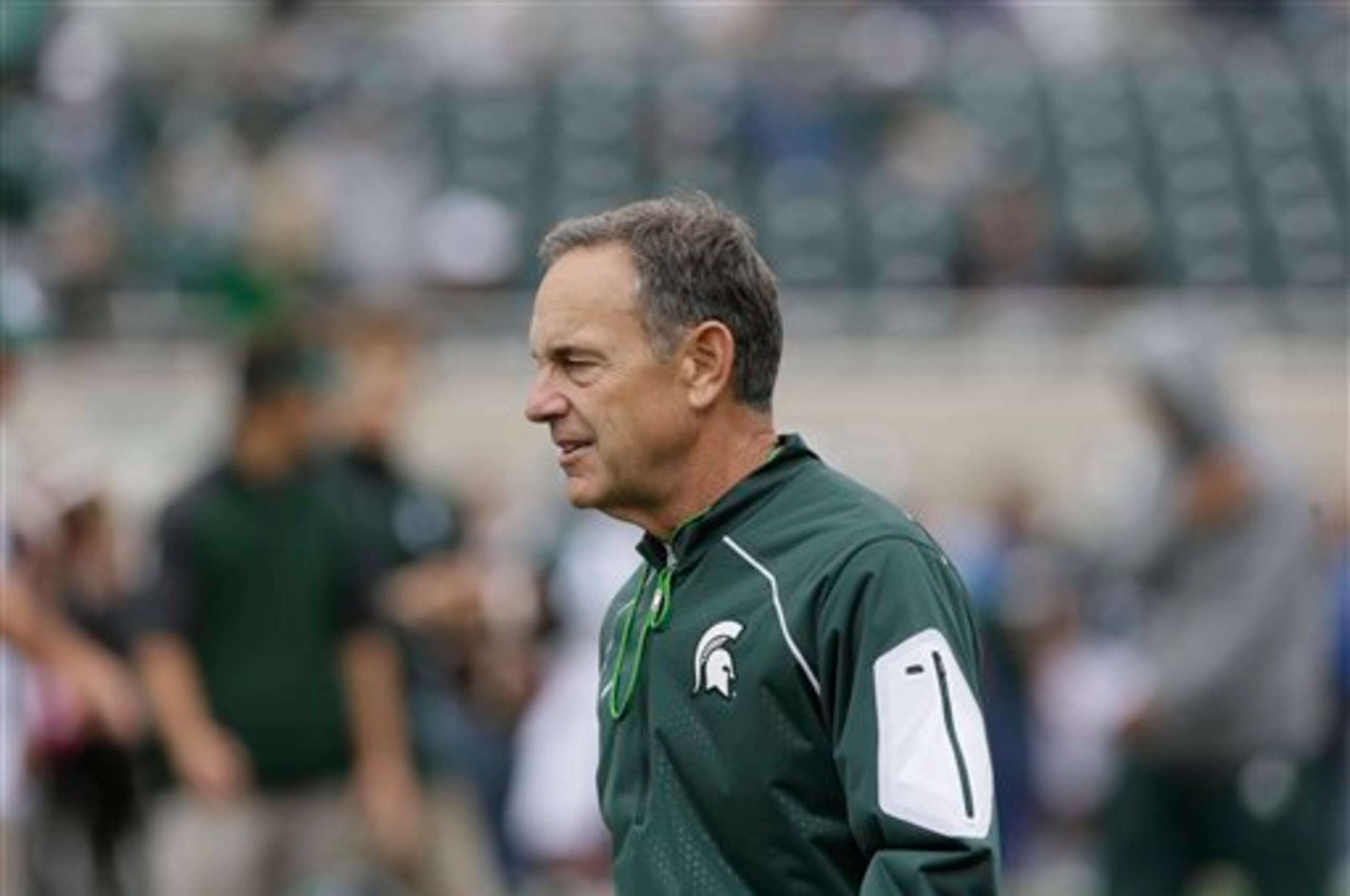
Special teams have been, for a lack of a better word, adventurous for Michigan State. The Spartans are one of the worst teams in the Big Ten (and tied for 78th nationally) in kick return coverage. Punt return coverage numbers aren't much better, either.
In all, Michigan State ranks 11th in the Big Ten in average kick return yards and dead last in average punt return yards, and has given up a touchdown in each category. The Spartans have allowed four kickoff returns of at least 30 yards, four of at least 40 yards and two of at least 50 yards. The only thing Sparty hasn't given up on punt returns is one of at least 90 yards.
In short, Michigan State has been known to give opponents better field position than most. It shouldn't be that surprising then that the Spartans' scoring defense is in the lower tier of the Big Ten. In fact, it's amazing it's not worse.
Alabama: 3.1
7 of 14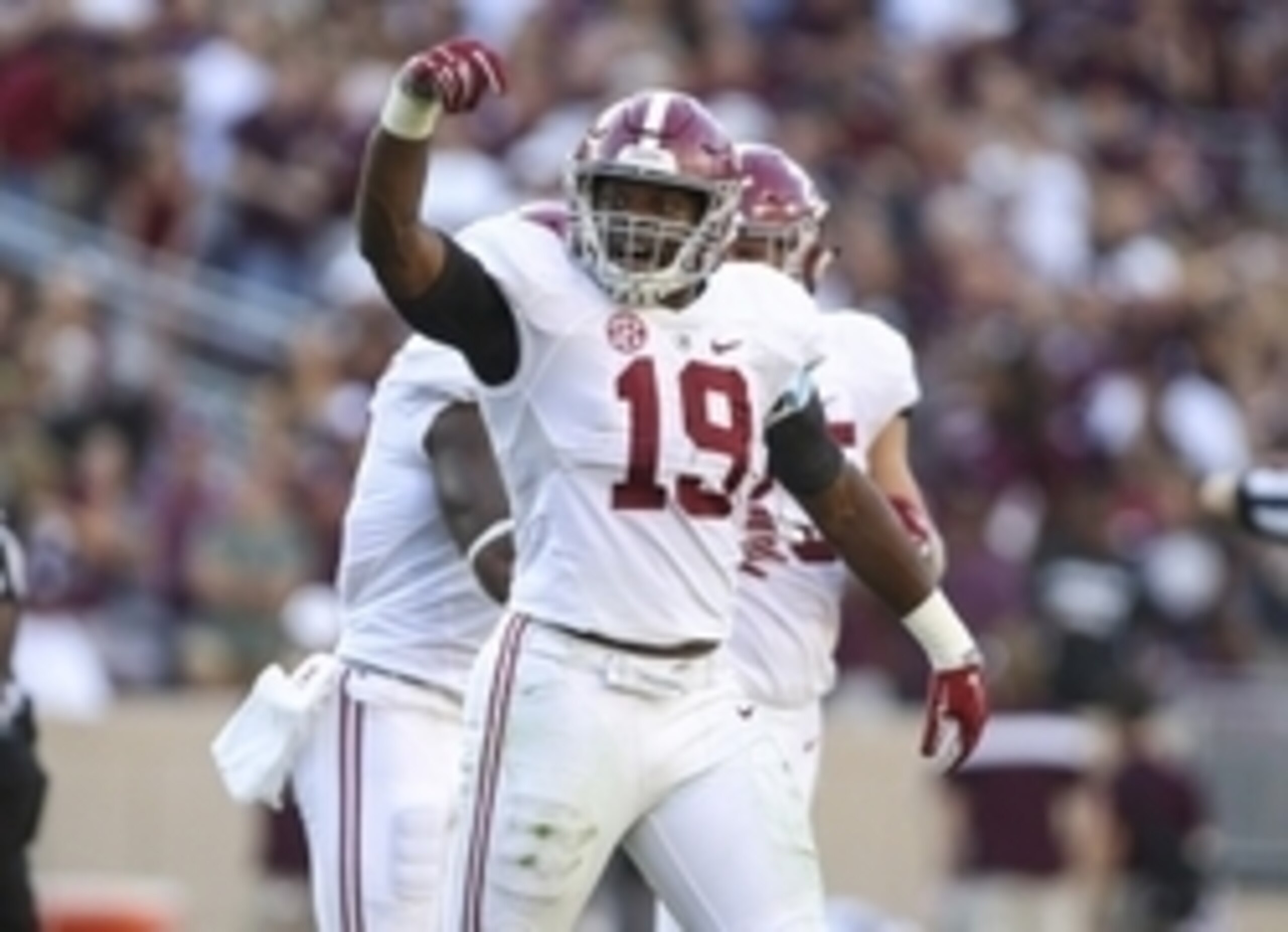
Run defense was always going to be Alabama's strength this season, and that's come to fruition. The Tide have given up 2.6 yards a carry and four touchdowns on the year. That number hasn't changed much in conference play. Against SEC opponents, Alabama is giving up just 3.1 yards per rush.
Why is that important? Beginning with LSU on Nov. 7, Alabama will face two of the SEC's top three rushing offenses in terms of yards per attempt (the other being Mississippi State) in back-to-back weeks. Specifically, the Tide will face two bruising runners, Leonard Fournette and MSU quarterback Dak Prescott. Combined, they've accounted for 22 touchdowns on the ground.
Alabama's bread and butter on defense is stopping the run and forcing opponents to win through the air. Only Ole Miss has defended against more passing plays in the SEC. If the Tide can somehow slow or otherwise stop the SEC's best rushers in the remaining games, it has a good chance to win out.
Stanford: 259.7
8 of 14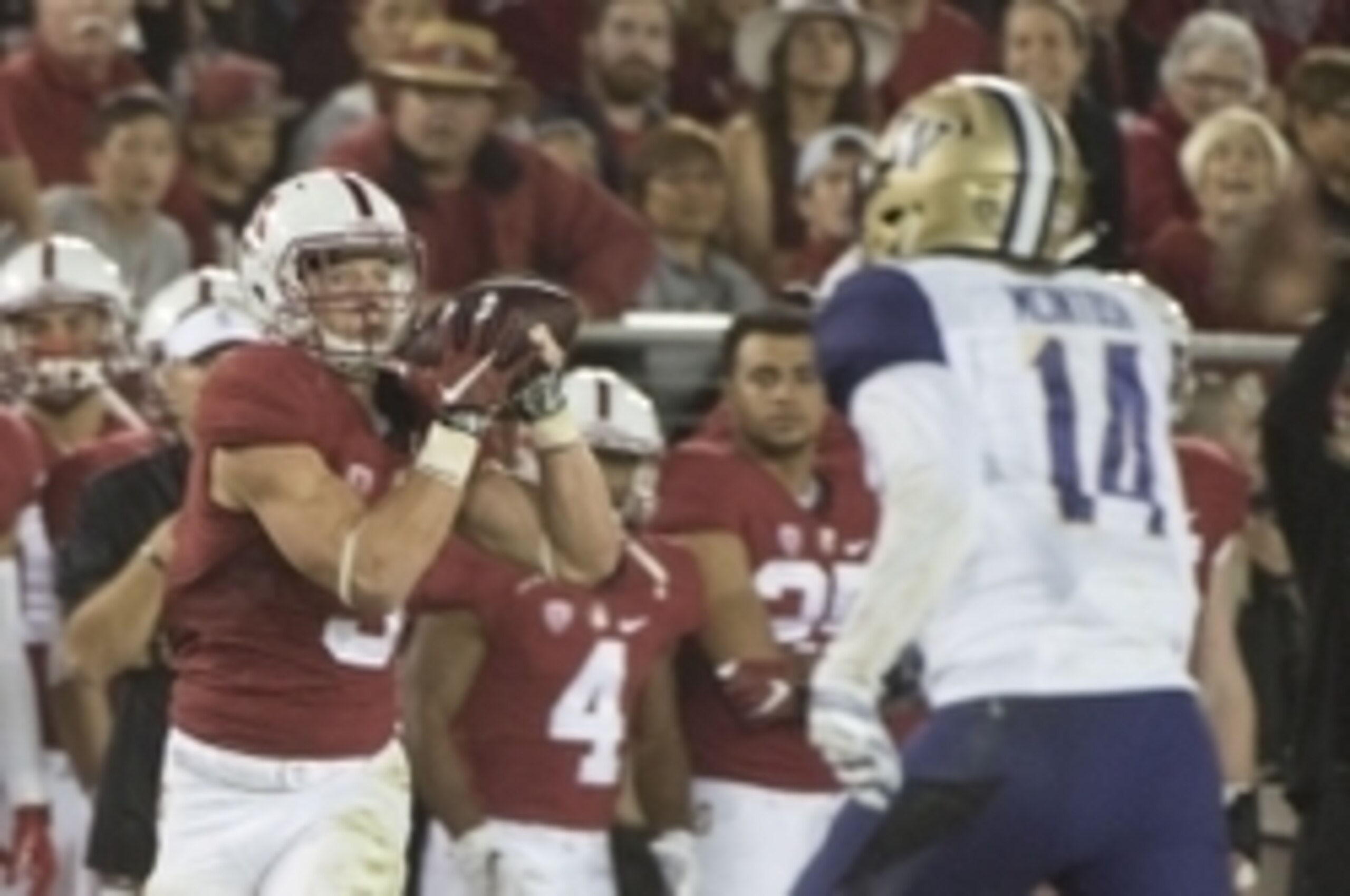
Stanford running back Christian McCaffrey has come out of nowhere to become one of college football's breakout stars, leading the country with 259.7 all-purpose yards. That breaks down into 136.1 rushing yards per game, 40.6 receiving yards per game, 79.9 kickoff return yards per game and a mere 3.1 yards per punt return.
Beyond the stats, McCaffrey gives Stanford an extra dimension on offense that it hasn't had in recent years. He has the special teams productivity of, say, a Ty Montgomery, but the speed and versatility on offense that the Cardinal haven't experienced for a while.
Stanford is first and foremost be a smashmouth team, but the way head coach David Shaw uses McCaffrey in the short passing game—which basically serves as an extension of the run—makes the offense so multifaceted it's tough to defend.
Notre Dame: 21.94
9 of 14
Notre Dame quarterback DeShone Kizer has done an admirable job of filling in for the injured Malik Zaire (ankle) this season. It took a couple of games, but Kizer's confidence is as high as it has ever been—and having receiver William Fuller helps tremendously.
There might not be a better true deep threat in major college football than Fuller, who's averaging 21.94 yards per reception. That's the highest average of anyone with at least 30 receptions on the year. One out of every four passes Fuller catches goes for a touchdown.
Fuller's ability to open up things deep creates space underneath in the running game. And with 38.3 points per game, it's hard to say the Irish offense doesn't click. Notre Dame will face some excellent defenses in the coming weeks (Temple, Pitt, Boston College and Stanford). The Eagles (No. 7) and Panthers (No. 15) rank among the top 25 teams in college football against the pass. To be fair, Clemson did contain Fuller (two catches, 37 yards).
For Notre Dame's offense to keep pace, Fuller can't afford another performance like that.
Iowa: 19.43
10 of 14
This is not the same old Iowa, especially on offense. For the first time since 2008, the Hawkeyes have cracked at least 30 points per game. However, the run game is still the cornerstone of the Hawkeyes' attack.
Leading that is running back Jordan Canzeri. Before sustaining an ankle injury against Northwestern, Canzeri was averaging 19.43 attempts per game. That remains the fourth-highest total in the Big Ten. He was also averaging just a touch under 100 yards per game and had nine touchdowns.
In short, that's what Iowa is trying to replace. Akrum Wadley did an excellent job filling in against Northwestern by rushing for 204 yards and four touchdowns. Canzeri will once again be absent for Saturday's game against Maryland, per Mark Singelais of the Times Union, meaning Wadley will again be asked to carry the load against the Terps.
The good news for Iowa is the easiest stretch of the schedule is ahead of it. But the Hawkeyes must show they have capable replacements for Canzeri's production on a consistent basis.
Florida: 20
11 of 14
Offensive line experience and depth has been a road block for Florida, as expected. The Gators' coaching staff has done a good job of ensuring the problem isn't worse, but there's only so much they can do. The bottom line is Florida ranks near the bottom of the SEC with 20 sacks allowed.
Of course, sacks can be a team statistic, not just one for the offensive line. Quarterbacks can hang on to the ball too long, or coverage downfield can be good. Still, the Gators have to do a better job of not getting behind the sticks. They also rank near the bottom of the SEC in rushing offense, meaning there's more stress put on the passing game. That's a situation ripe for opposing defenses to tee off on quarterback Treon Harris.
Florida doesn't face an overly potent pass rush for the rest of the regular season, and Harris has the gift of mobility. If this offense still takes a number of sacks, that would be a bad sign for a team trying to win out and get to the SEC title game.
Oklahoma State: 28
12 of 14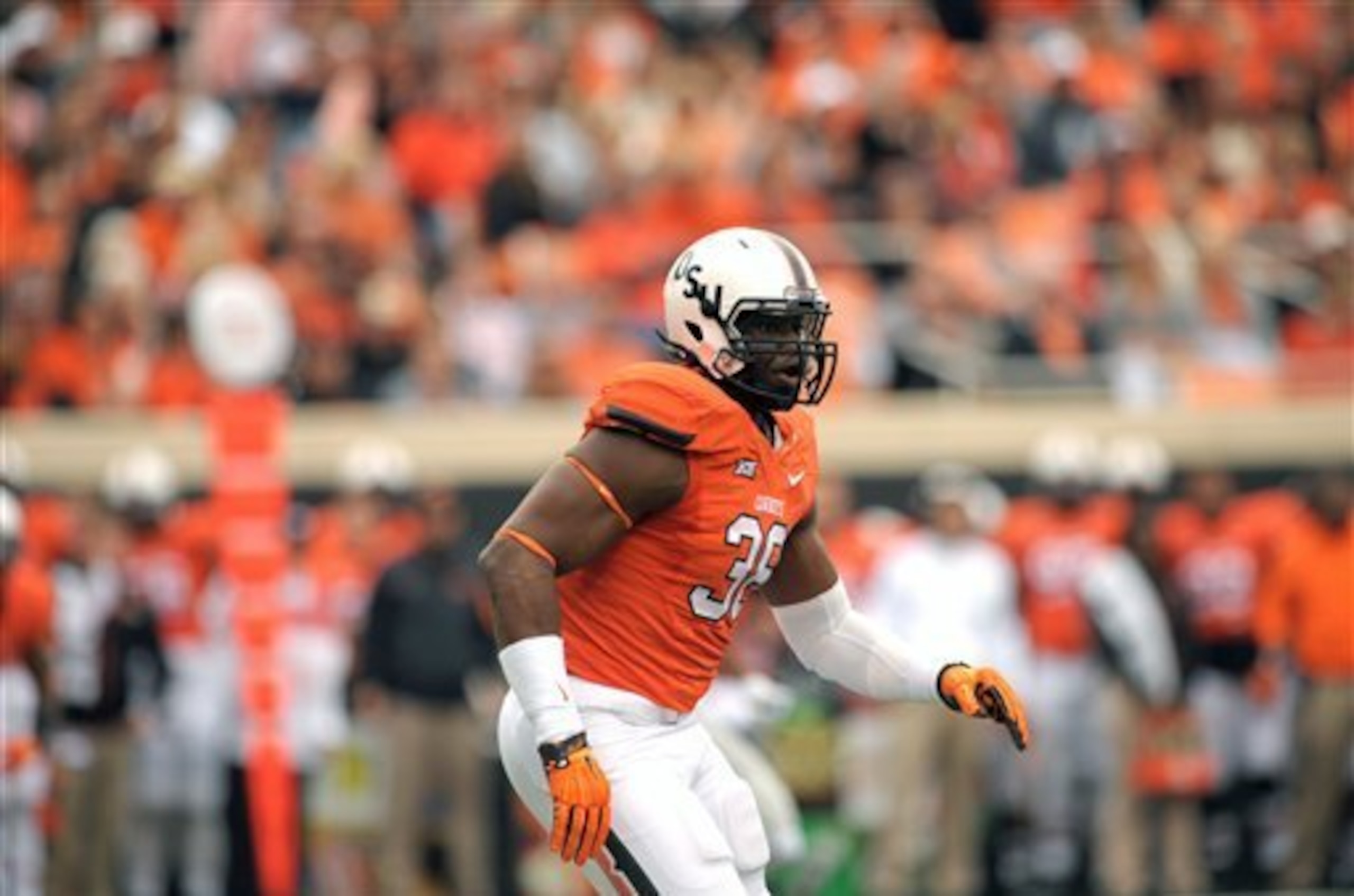
No defense gets to opposing quarterbacks in the Big 12 better than Oklahoma State. The Cowboys rank second nationally with 28 sacks, and star defensive end Emmanuel Ogbah leads the conference with eight of them. In fact, 17.5 of those sacks directly come from the defensive line. That's more than 88 other FBS teams have total.
With TCU, Baylor and Oklahoma still on the schedule—all in Stillwater, mind you—the Pokes' defense will need to show up. TCU's Trevone Boykin is the best quarterback in the conference when you consider combined experience and mobility. Oklahoma's Baker Mayfield can extend the play well and is frustrating to cover. And while Jarrett Stidham has yet to start a game for Baylor, he's looked good in limited action.
The key is finding ways to disrupt all three of those guys, whether it's batting down passes or keeping them contained in and around the pocket. The more pressure Oklahoma State can get with its defensive front, the more guys it can commit to covering other skill players.
Utah: Plus-2
13 of 14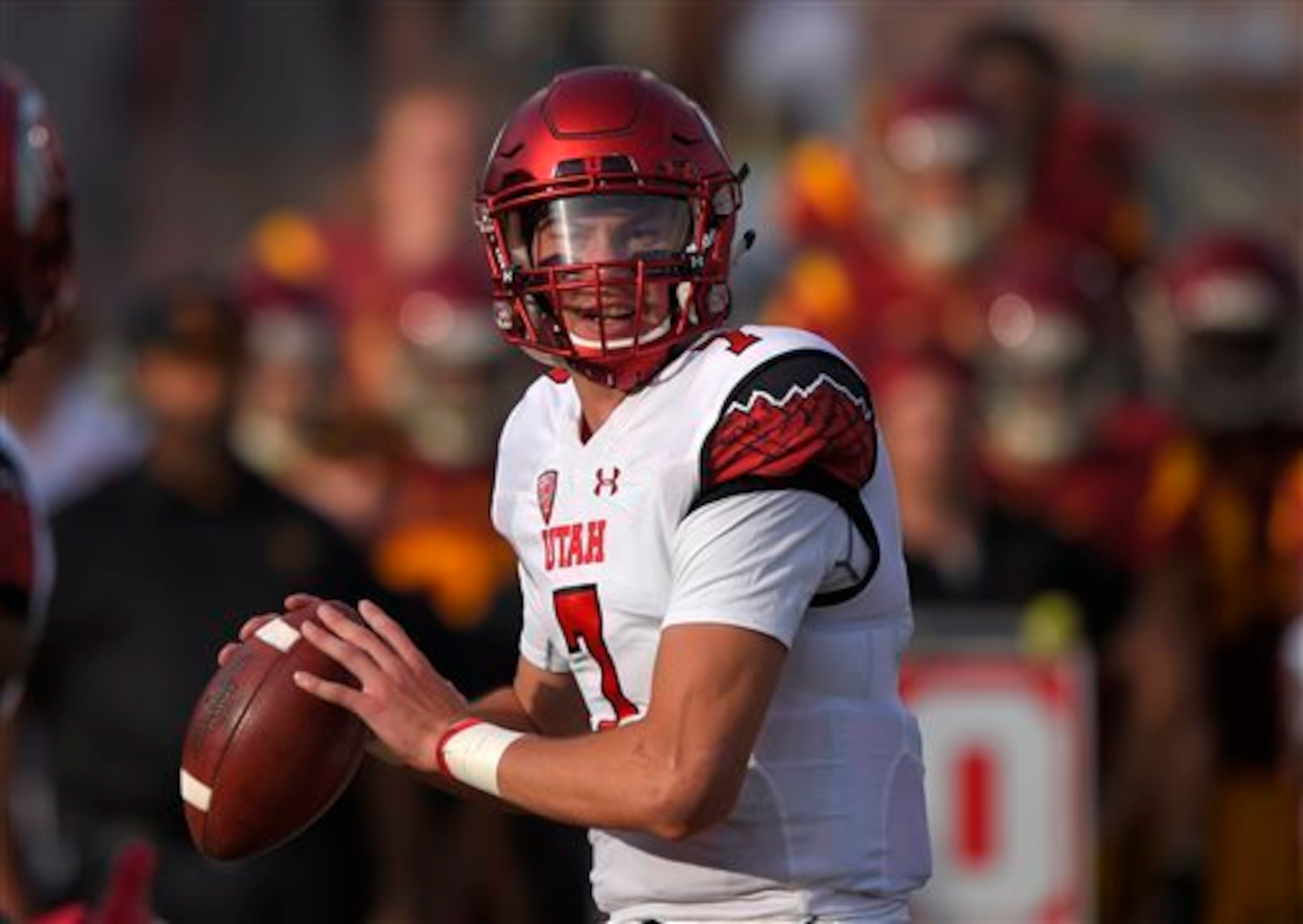
The rest of the schedule will tell for sure if Utah's Week 8 loss to USC was the start of a trend or merely a bad game, but it did produce a statistical anomaly for the Utes.
Quarterback Travis Wilson had one of the worst efforts of his career with four interceptions. He looked rattled and was erratic most of the night. It was also a departure from what Utah has leaned on this season. In all but two games, Utah has won the turnover battle with at least a plus-two margin. The only other game besides the USC loss in which Utah did not win that battle was against Fresno State. But the Bulldogs are, well, not good.
In the Pac-12, only Cal has taken the ball away more than Utah, which is ironic in a way, since the Utes forced Golden Bears quarterback Jared Goff into five interceptions a few weeks ago. Utah has done an excellent job of picking off the ball through the air, whether through disguise of good defense or being in the right place at the right time.
Staying on the right side of the turnover margin battle is Utah's best friend moving forward.
Memphis: 17-to-1
14 of 14
It's almost too easy to point to the quarterback as the primary reason a team succeeds or fails—and far too often it's untrue. However, Memphis is undefeated and in position to play playoff spoiler in large part because quarterback Paxton Lynch is so good.
He's averaging 338 passing yards a game, which ranks seventh nationally. He's also hitting 71.3 percent of his passes with a 17-to-1 touchdown-to-interception ratio. And before everyone thinks it's all due to short and intermediate passes, keep in mind Lynch is averaging 9.7 yards per attempt. Lynch's accuracy is underappreciated, too, as Dan Wolken of USA Today pointed out during Week 8's game against Tulsa.
Memphis' toughest matchups come in November against Navy, Houston and Temple. Navy and Temple, by the way, have two of the top passing defenses in the American Athletic Conference. Memphis' defense isn't good enough to shut teams down. Lynch needs to play his best football.
Ben Kercheval is a lead writer for college football. All stats courtesy of CFBstats.com.
_0.png?w=2560)
.jpg?w=2560 "OBJ Calls Out Giants After Release")

.jpg?w=2560 "Rap: Lions, LaPorta End Contract Talks")

.jpg?w=2560 "Report: Baker May Miss Up to 6 Weeks")