It feels like a lifetime ago that Michael Beasley was a double-double machine for Kansas State, but he was the landslide victor in our ranking of the most dominant big men of the past decade in college basketball.
Others in our top 10 include recent greats DeMarcus Cousins, Anthony Davis, Blake Griffin and Kevin Love, but you'll have to do some clicking and reading to find out exactly where they landed on the list.
Popular opinion would have you believe that the conventional, back-to-the-basket big man is going the way of the dodo bird, but we've been blessed enough to watch a lot of outstanding power forwards and centers over the past 10 years. They certainly haven't all translated perfectly to the NBA, but at least for the collegiate portion of their careers, they were pretty swell.
We'll dive deeper into ranking criteria and process on the next slide, but we focused exclusively on points, rebounds, blocks and win shares, as calculated by Sports-Reference.com.
Will Ben Simmons, Skal Labissiere, Cheick Diallo or Diamond Stone be the next great big to join this list?
Criteria and Ranking Process
1 of 22
Typically, the criteria for top XX lists is a one- or two-sentence blurb near the end of the intro slide, hidden away from the sight of most irate commenters, it would seem. However, selecting and ranking these 20 big men was quite literally a multi-hour process that warrants a multi-paragraph explanation.
If you enjoy math and seeing how the sausage gets made, you'll hopefully appreciate this elucidation. If you don't enjoy those things, feel free to jump right into the honorable mentions, assured that these players weren't just randomly plucked and placed.
We started out with a list of approximately 200 forwards and centers, leaving no stone unturned. Any frontcourt player drafted, named an All-American or otherwise worth noting because of scoring, rebounding or blocking prowess in the past 10 years was added to the spreadsheet.
For each player, we looked up and jotted down his career points, rebounds, blocks and win shares, all on a per-40 minutes basis—a time-consuming search process made even more laborious by the roughly 15 percent of players whose total minutes were not listed on Sports-Reference.
Players were then ranked from top to bottom in each of the four categories and given a composite rank, from which the bottom 10-15 percent were expunged from the list. We went through about a dozen iterations of that process before getting down to the final 40 players. Rather than simply getting rid of 160 players all at once, the idea behind the multi-iteration approach was that a player should not be over-penalized for one poor category or over-rewarded for one great category.
Once the list was trimmed to 40, a scaled/weighted ranking was added to the mix. Instead of solely receiving a counting rank between 1-40, players also received a 0-10 score in each of the four categories based on where they fell in the remaining range. For example, if the top remaining scorer averaged 25 points per 40 minutes and the bottom one averaged 14, a player who averaged 20.7 points per 40 minutes would receive a score of 6.1, because that average is 61 percent of the way from the bottom to the top.
Using both the counting rank and the weighted rank, the bottom two players were expunged from the list. That process was repeated 10 times until the list was reduced to 20. The two ranking systems were used in conjunction to rank the top 20.
Honorable Mentions
2 of 22
Please note that these are not necessarily the eight players who came closest to making the cut. Rather, these are the eight players deemed most worthy of an explanation for why they don't appear in the top 20.
Tyler Hansbrough (North Carolina) and Jahlil Okafor (Duke)
We're lumping these two ACC studs together, as there's not a doubt in my mind that they will be the subjects of the loudest complaints.
I grew up a Duke fan, and even though the kid in me hated Psycho T with a passion, I respected the heck out of him. Any notion you may have of a writer's bias against these two players could not be more off-base. Tyler Hansbrough and Jahlil Okafor are two of my favorite big men of the past decade.
Unfortunately, neither one was a great rebounder or shot-blocker. Of the 20 players who made the list, the worst rate of rebounds per 40 minutes was 12.7, and the lowest score in blocks was 1.3. With respective marks of 11.1 and 0.6, Hansbrough wasn't actually anywhere close to making the list despite being one of the best scoring big men in recent history. Likewise, Okafor's rates of 11.3 and 1.9 weren't enough to propel him into the top 30, even though he's almost certainly going to do amazing things in the NBA.
Joakim Noah (Florida)
If this were a list of 21 players instead of 20, Joakim Noah would have made it. As the anchor in the paint for those two national championship teams, he put up solid numbers in all four categories. However, he didn't particularly excel in any of them and didn't grab quite enough rebounds per 40 minutes (12.1) to avoid being dragged down by that category once we got down to the final cuts.
Jared Sullinger (Ohio State) and Luke Harangody (Notre Dame)
Same as Hansbrough and Okafor, Jared Sullinger and Luke Harangody were great post scorers who weren't great enough as rebounders or shot-blockers. Both of these big men posted just 1.0 blocks per 40 minutes and had rebounding rates that would have ranked in the bottom five of the top 20.
Jarvis Varnado (Mississippi State)
One of the better shot-blockers in college basketball history, Jarvis Varnado ranked in the top four in block percentage in each of his final three seasons. Since the block became an official statistic, he holds the D-I record with 564 career blocks. Unfortunately, he didn't do a ton of much else, averaging just 15.6 points and 12.2 rebounds per 40 minutes—strong numbers by most standards, but not when compared to the top big men of the past decade.
Hasheem Thabeet (Connecticut)
Like Varnado, Hasheem Thabeet was a shot-blocking machine, but he was significantly less valuable in other aspects of the game, posting 14.0 points and 11.6 rebounds per 40 minutes.
Anthony Bennett (UNLV)
Anthony Bennett just barely made it into the top 40 before getting the ax. Just wanted to throw that out there for the crowd that's still holding out hope that the former No. 1 pick will eventually live up to that draft status.
20. Joel Embiid, Kansas
3 of 22
Career Numbers (Per 40 Minutes): 19.4 points, 14.0 rebounds, 4.5 blocks, 0.213 win shares
Who knows if we'll ever find out how he fares against NBA big men, but for 28 games with the Jayhawks, Joel Embiid was a certified beast.
Though it was quite rare to see him play more than 30 minutes in a game—foul trouble was hardly uncommon for him—Embiid posted seven double-doubles as a freshman and ranked second in the Big 12 in blocks per game.
We were told that Andrew Wiggins was going to be the freshman who set the world on fire at Kansas, but Embiid was very much in the running for the No. 1 overall draft pick until his season was cut short by a stress fracture in his back.
It's one thing to draft a player recovering from a broken hand or a torn ACL, but a 7-footer with a fractured back was a terrifying proposition for an NBA team in rebuilding mode. However, Embiid had so much proven talent and so much more untapped potential that the Philadelphia 76ers couldn't possibly pass on him at No. 3. Here's hoping he's finally able to get on the court again for the 2016-17 season.
19. Thomas Robinson, Kansas
4 of 22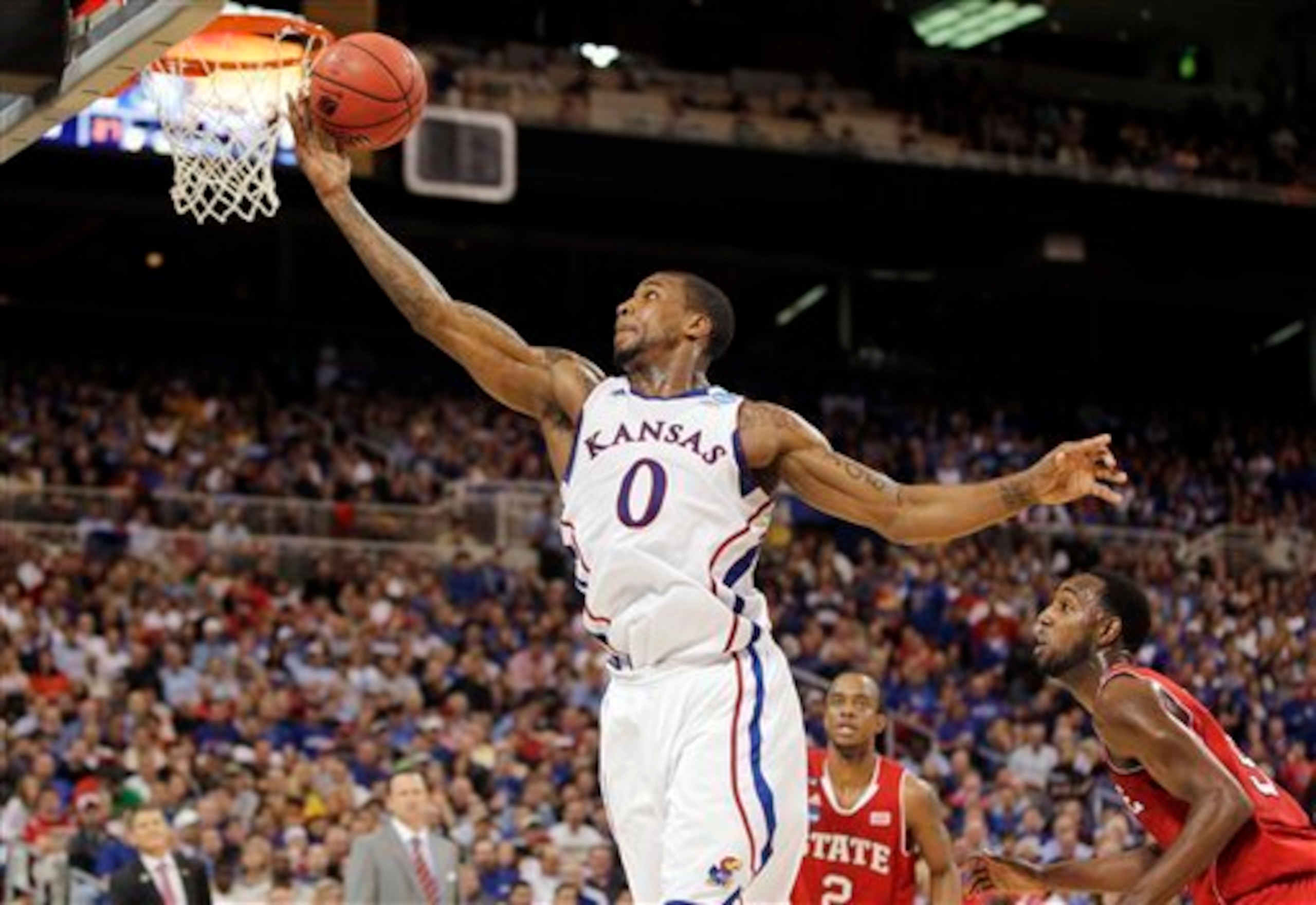
Career Numbers (Per 40 Minutes): 20.9 points, 15.6 rebounds, 1.5 blocks, 0.217 win shares
It's pure coincidence that we ended up with back-to-back Jayhawks to start the list.
Junior year Thomas Robinson was one of the most unstoppable players in recent memory. He averaged 17.7 points and 11.9 rebounds per game and posted 27 double-doubles, including an 18-point, 17-rebound performance in the national championship game against arguably the best team of the past decade (2011-12 Kentucky).
Hard to believe it took him three years to blossom, but there simply wasn't any room at the inn. Robinson played 7.2 minutes per game as a freshman, unable to find much playing time behind Cole Aldrich, Marcus Morris and Markieff Morris. His minutes doubled the following season, but the Morris brothers were still clearly the focus of Kansas' offense.
Even while barely playing, though, Robinson put up strong numbers, averaging 18.6 points and 16.7 rebounds per 40 minutes. He just needed more minutes to show how dominant he could be.
Robinson didn't rank extremely well on our list because he didn't block many shots, and his win shares undoubtedly suffered from a high rate of both turnovers and fouls, but there might only be one or two big men from the past decade we would rather turn to if in desperate need of a bucket or rebound.
18. Karl-Anthony Towns, Kentucky
5 of 22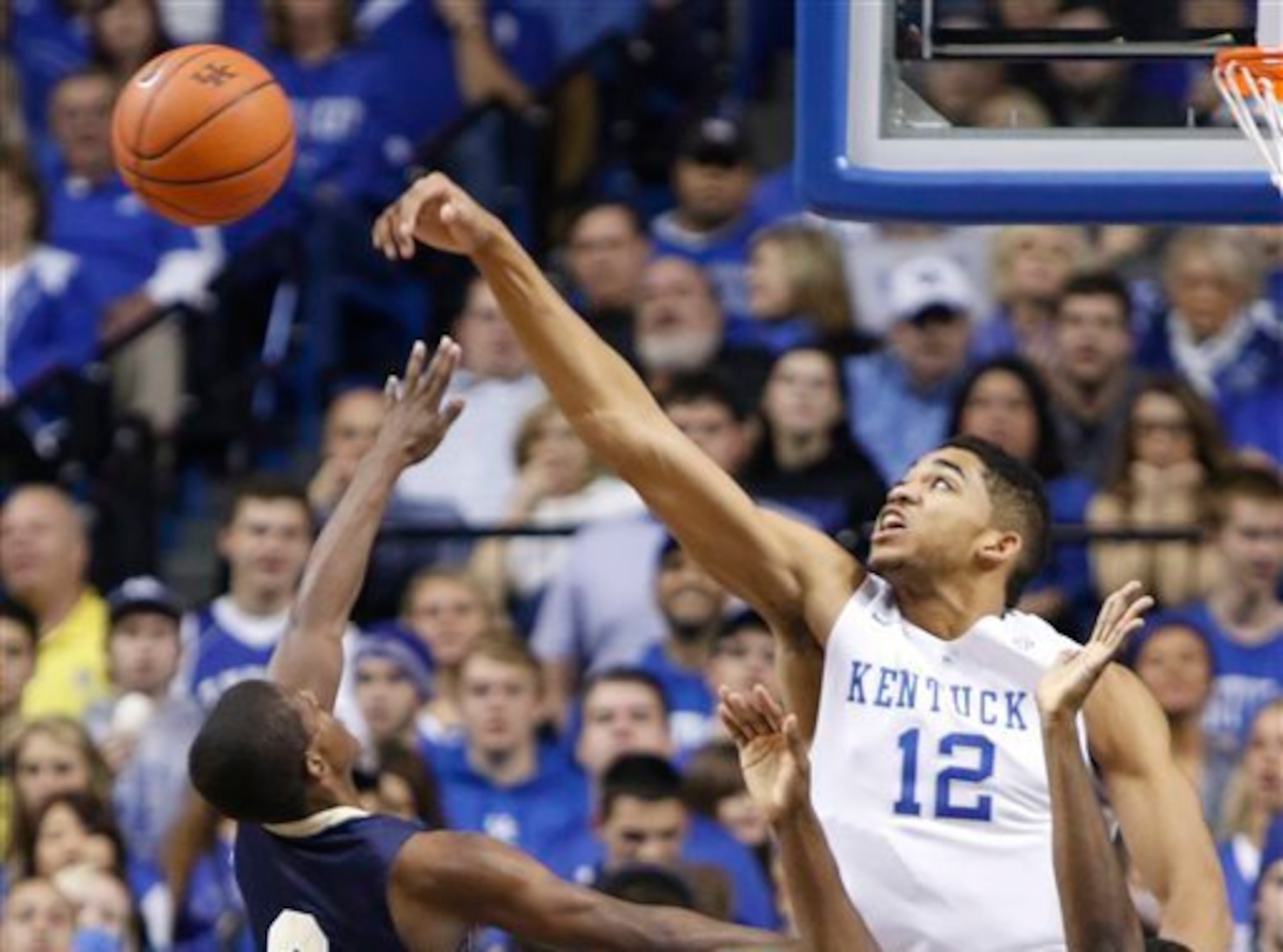
Career Numbers (Per 40 Minutes): 19.5 points, 12.7 rebounds, 4.3 blocks, 0.311 win shares
The No. 1 overall pick in the 2015 NBA draft, we'll forever be left to wonder what kind of ridiculous numbers Karl-Anthony Towns might have put up were he not playing 21 minutes per game for a team overrun with go-to guys.
Every now and again, we caught a prolonged glimpse of what he can do. Most notable was his performance in the Elite Eight game against Notre Dame. No one else on the team could buy a bucket, but Towns scored 25 points in 25 minutes. He did his damage on a wide variety of post-up moves, showing just how versatile and consequently unstoppable he can be.
It took a little while for that offensive game to develop, but he was an excellent rebounder and shot-blocker from the moment he arrived on campus. In the first six games of his collegiate career, Towns averaged 16.7 rebounds and 7.6 blocks per 40 minutes. Those numbers certainly tapered off a bit, but he still finished the season with eight double-doubles and the second-most blocked shots in the SEC.
Towns led the nation in win shares per 40 minutes last year.
17. Nick Fazekas, Nevada
6 of 22
Career Numbers (Per 40 Minutes): 25.0 points, 12.7 rebounds, 1.9 blocks, 0.306 win shares
Lest you think we only looked at big men from blue-blood title contenders, how about a shoutout for the guy who put Nevada on the map for a few years?
The Wolf Pack have made the NCAA tournament just four times in the past three decades, and it's no coincidence that Nick Fazekas played on all four of those teams. The only player in the past 25 years to finish his career with at least 2,400 points and 1,250 rebounds, Fazekas was named the WAC Player of the Year in each of his final three seasons, posting better than 20 points per game in each of those years.
He wasn't just some minor-conference hero who benefited solely from his team's strength of schedule, either. In the five NCAA tournament games Nevada played in his final three years, Fazekas averaged 16.4 points, 10.0 rebounds and 2.6 blocks.
Despite being taken early in the second round of the 2007 NBA draft, Fazekas never played a game in the NBA. He's still playing well, though, as he was named the 2014 MVP of the Japanese National Basketball League.
16. Shelden Williams, Duke
7 of 22
Career Numbers (Per 40 Minutes): 19.8 points, 12.9 rebounds, 4.3 blocks, 0.299 win shares
It's kind of crazy that Mike Krzyzewski has won five national championships in the past 25 years, but not one of those came during the four-year window he had both J.J. Redick and Shelden Williams—perhaps the most dominant inside-outside duo of this millennium.
Williams improved considerably as his career progressed, culminating in consensus first-team All-American honors for averaging 18.8 points, 10.7 rebounds, 3.8 blocks and 1.7 steals per game as a senior. Too bad Redick forgot how to shoot in the Sweet 16 game against LSU, because in Duke's three NCAA tournament games that year, Williams averaged 23.0 points, 15.0 rebounds and 5.0 blocks.
While plenty capable as a scorer and rebounder, Williams' primary value with the Blue Devils was as a shot-blocker. Duke ranked top 50 in the nation in block percentage and top 20 in adjusted defensive efficiency in each of his four seasons, according to KenPom.com. No matter how many Plumlees they use, the Blue Devils haven't been anywhere near that dominant in the defensive paint since Williams graduated.
15. Joey Dorsey, Memphis
8 of 22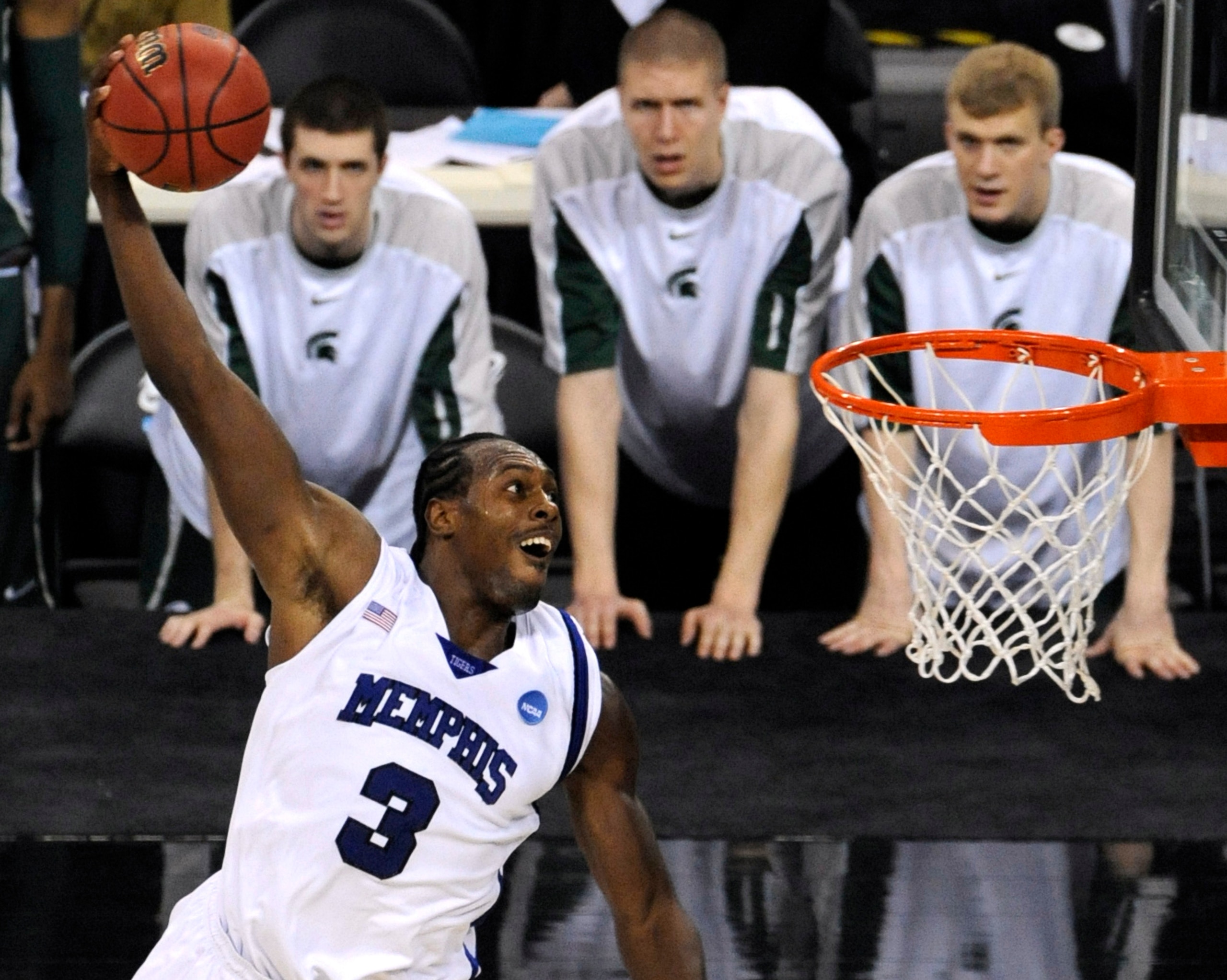
Career Numbers (Per 40 Minutes): 12.3 points, 15.0 rebounds, 3.3 blocks, 0.295 win shares
Because he played limited minutes and rarely bothered trying to score, Joey Dorsey never got the respect he deserved for 149 games of pure hustle.
If you look solely at his career averages of 21.7 minutes and 6.7 points per game and career free-throw percentage of 42.0, it probably seems like a joke that he's on the list. But Dorsey was an incredible asset on defense, putting up 15.0 rebounds, 3.3 blocks and 2.0 steals per 40 minutes.
As a sophomore, Dorsey ranked 12th in the nation in defensive win shares. He led the nation in that category as both a junior and senior. He finished his career with considerably more defensive win shares per 40 minutes (0.233) than Doug McDermott had offensive win shares per 40 minutes (0.189).
Sadly, there isn't much room in today's NBA for those Dennis Rodman types of players. It took six years for Dorsey to finally get an extended audition in the pros, playing more than half of his career minutes this past season with the Houston Rockets. But after being traded to and waived by the Denver Nuggets this offseason, Dorsey decided to sign a one-year deal to return to Europe for the upcoming season.
14. Cole Aldrich, Kansas
9 of 22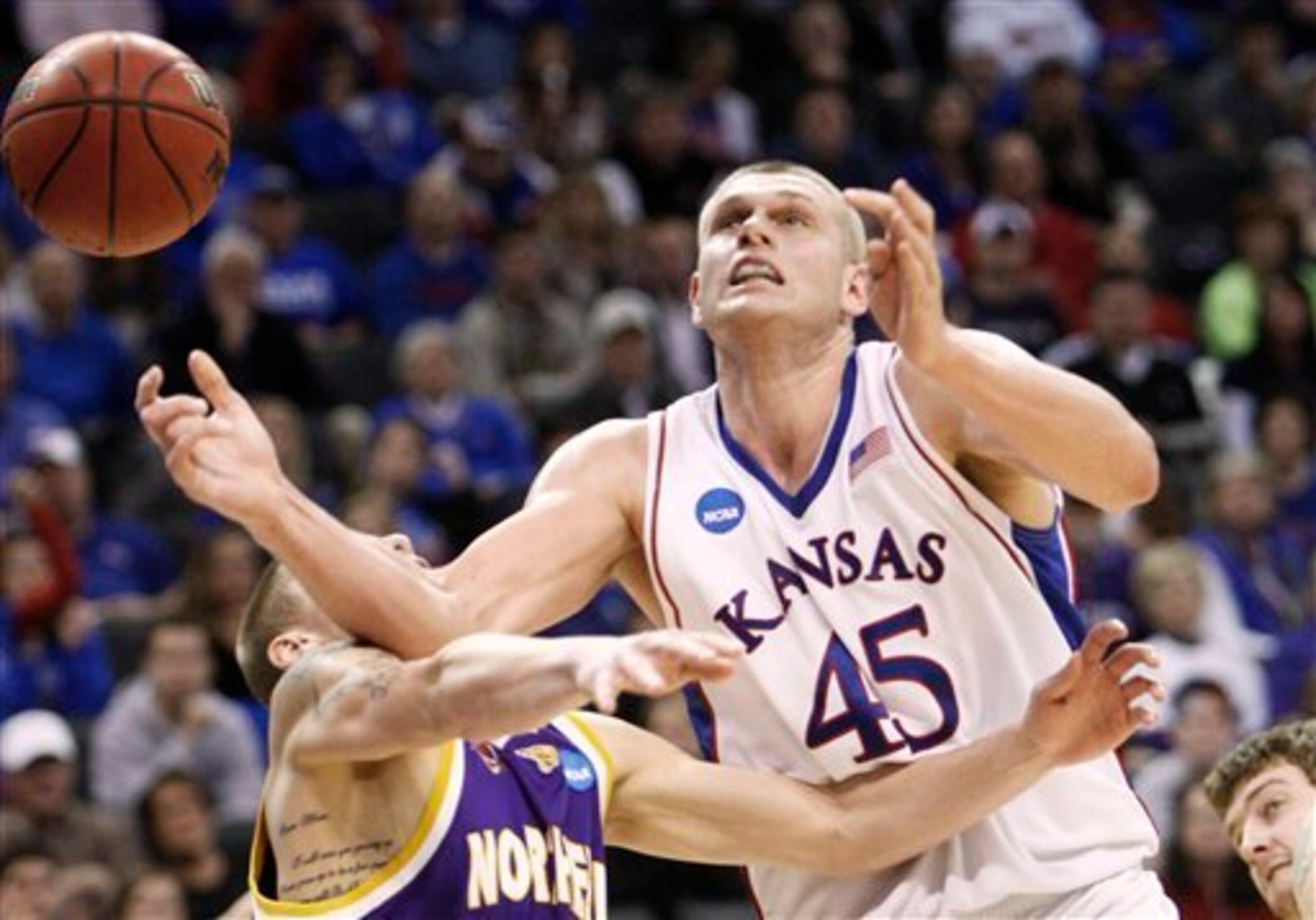
Career Numbers (Per 40 Minutes): 17.8 points, 14.8 rebounds, 4.3 blocks, 0.283 win shares
Cole Aldrich is our third (and final) Jayhawk on the list.
Last year was a real change of pace for Bill Self's squad, but Kansas had ranked in the top seven nationally in two-point percentage on either offense or defense in each of the previous nine seasons. The Jayhawks also ranked in the top 11 in adjusted defensive efficiency in nine of the past 10 years. If anything, it should be a surprise that there aren't more players from Kansas on the list, considering guys like Darrell Arthur, Jeff Withey and the Morris brothers most certainly warranted some consideration.
As far as Aldrich goes, his sophomore season was just plain silly. In slightly less than 30 minutes per game, he averaged 14.9 points, 11.1 rebounds and 2.7 blocks per game. The Jayhawks lost six of the seven leading scorers from the 2008 national championship team, yet they still won the Big 12 and earned a No. 3 seed in the NCAA tournament because of Aldrich's breakout party on an extremely inexperienced roster.
His role diminished slightly as a junior as the Morris brothers necessitated more playing time, but Aldrich took the opportunity to focus on his defense, blocking 5.2 shots per 40 minutes before jumping to the NBA as a lottery pick.
13. Alan Williams, UC Santa Barbara
10 of 22
Career Numbers (Per 40 Minutes): 22.9 points, 14.9 rebounds, 2.9 blocks, 0.225 win shares
As KenPom.com grew in popularity and things like "possessions used" and "rebounding percentage" became part of our daily lexicon, the campaign for Alan Williams as "best player who more than 50 percent of college basketball fans have never heard of" spread like wildfire.
In his four-year career at UC Santa Barbara, Williams recorded at least 15 points and 15 rebounds on 18 different occasions. In 10 of those games, he had at least 20 points, 16 rebounds and two blocks, including a 26-point, 19-rebound, two-block performance in the final regular-season game of his career.
Facing Big West competition for most of his games certainly didn't hurt his numbers, but he proved plenty capable of hanging with the big boys, too. In Williams' final two seasons, the Gauchos played games against UCLA, Kansas, Oregon, Oregon State, UNLV, California and Colorado State. He averaged 22.0 points, 11.1 rebounds and 1.9 blocks in those seven contests.
12. Paul Millsap, Louisiana Tech
11 of 22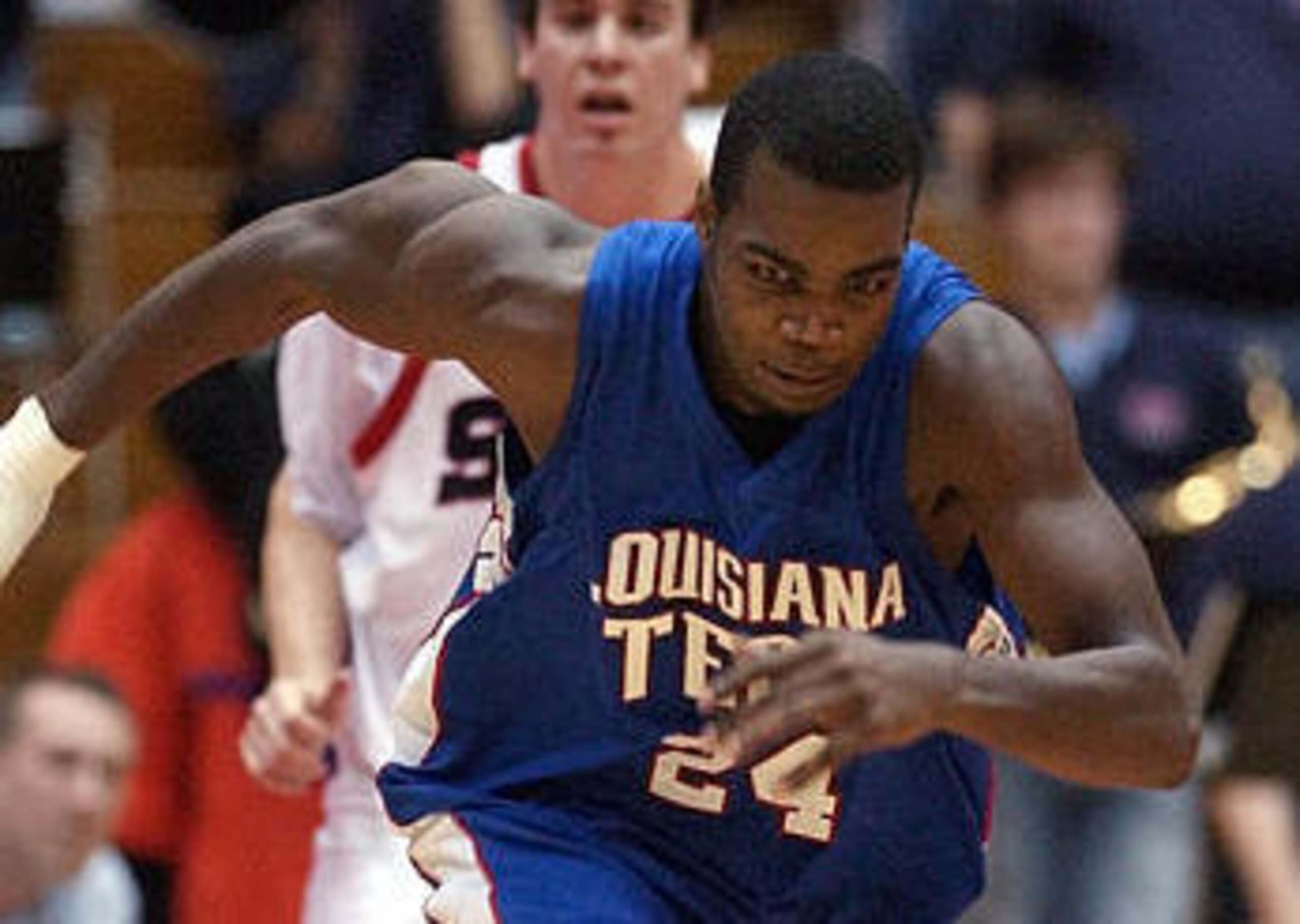
Career Numbers (Per 40 Minutes): 21.1 points, 14.5 rebounds, 2.3 blocks, 0.304 win shares
In retrospect, it makes perfect sense that Paul Millsap put up huge numbers at Louisiana Tech. One of the better power forwards in the NBA over the past five years, Millsap was a man among boys in the WAC. He led the conference in rebounds in all three of his collegiate seasons. He also led the conference in win shares as both a freshman and junior and ranked third in the category as a sophomore.
Unfortunately, Keith Richard apparently stopped recruiting once he signed Millsap.
The big man averaged 8.2 win shares per season, but no other Bulldog did better than 2.1 win shares in any of those years. His final year, Millsap tallied 10.8 win shares, while the rest of the roster combined for 11.3.
To put into perspective how much of a one-man show this was, Stephen Curry was worth 10.3 win shares during Davidson's magical 2007-08 season, but at least the rest of the Wildcats accounted for 23.5 win shares of their own.
So, even though Louisiana Tech went just 49-43 in Millsap's three seasons, he's still regarded as one of the most dominant big men of the past decade because he was singularly responsible for at least half of his team's wins.
11. Hassan Whiteside, Marshall
12 of 22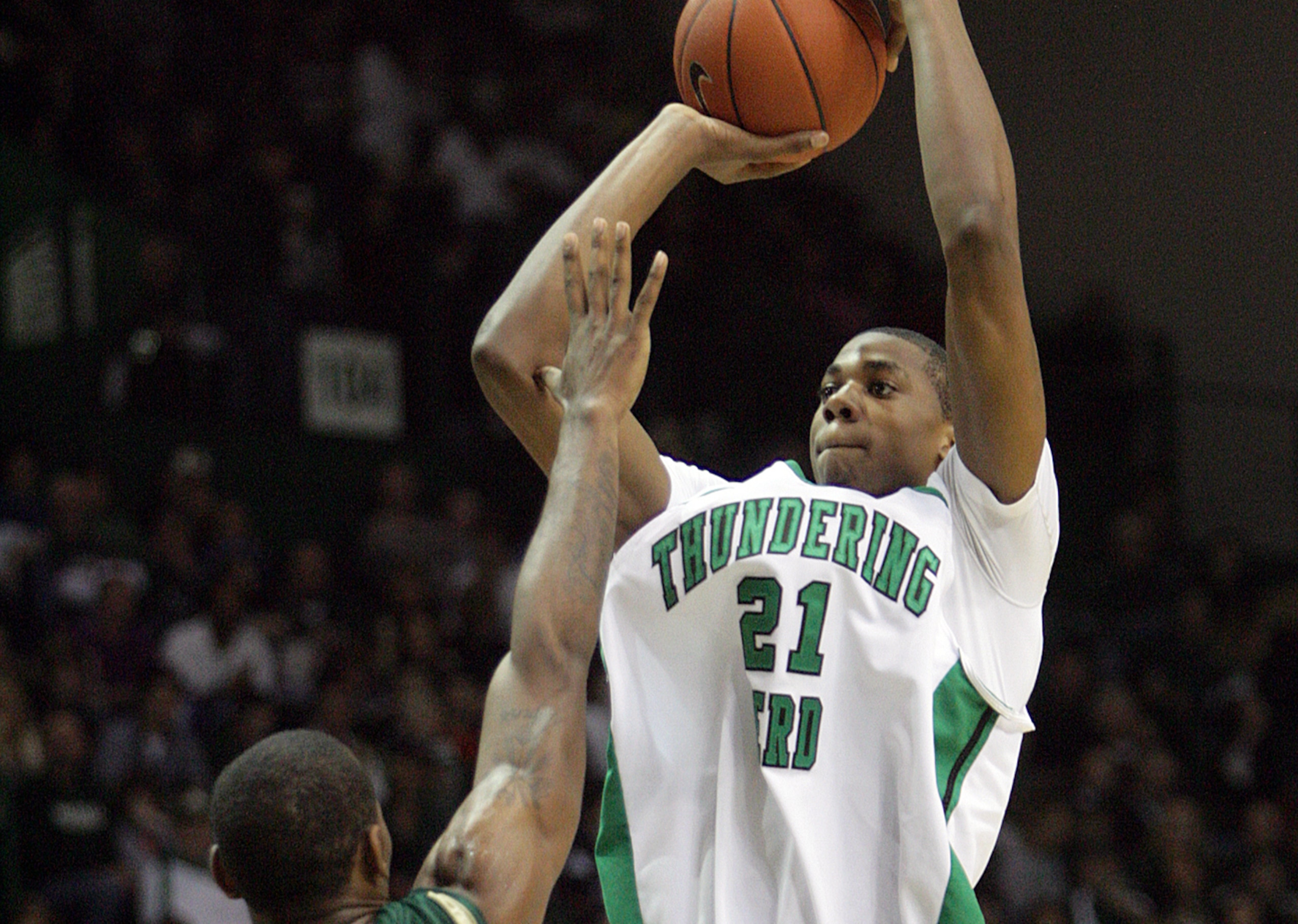
Career Numbers (Per 40 Minutes): 20.1 points, 13.6 rebounds, 8.2 blocks, 0.200 win shares
Oftentimes, elite shot-blockers are one-trick ponies. For example, Chris Obekpa—formerly with St. John's, now with UNLV—has averaged 5.5 blocks per 40 minutes over the past three seasons but only 7.3 points and 9.8 rebounds. Likewise, Connecticut's Amida Brimah is at 5.4 blocks per 40 minutes in his career but just 12.3 points and 7.0 rebounds.
But Hassan Whiteside was the total package.
He played just one season at Marshall, but he posted a block percentage of 18.79 that sits a full 1.2 percent higher than any other player has recorded in the past seven years. David Robinson set the record for blocked shots in a season with 207 in 1985-86, but he played 298 more minutes than Whiteside did in recording 182 blocks in 2009-10. In terms of blocks per 40 minutes, Whiteside (8.2) was much more efficient than Robinson (7.0).
While swatting all those shots, Whiteside also found time to lead the Thundering Herd in rebounds and finished just 14 points behind the team leader in that category, too.
Though that season's 24-10 record still stands as Marshall's best winning percentage of the past 27 years, Whiteside somehow didn't fare so well in the win shares category. Only one other player in our top 12 had a win shares per 40 minutes of less than 0.289, and Kenneth Faried (0.245) was able to make up for it with all of the rebounds. Had the advanced metric favored Whiteside a little more, he could have easily found his way into our top five.
10. Blake Griffin, Oklahoma
13 of 22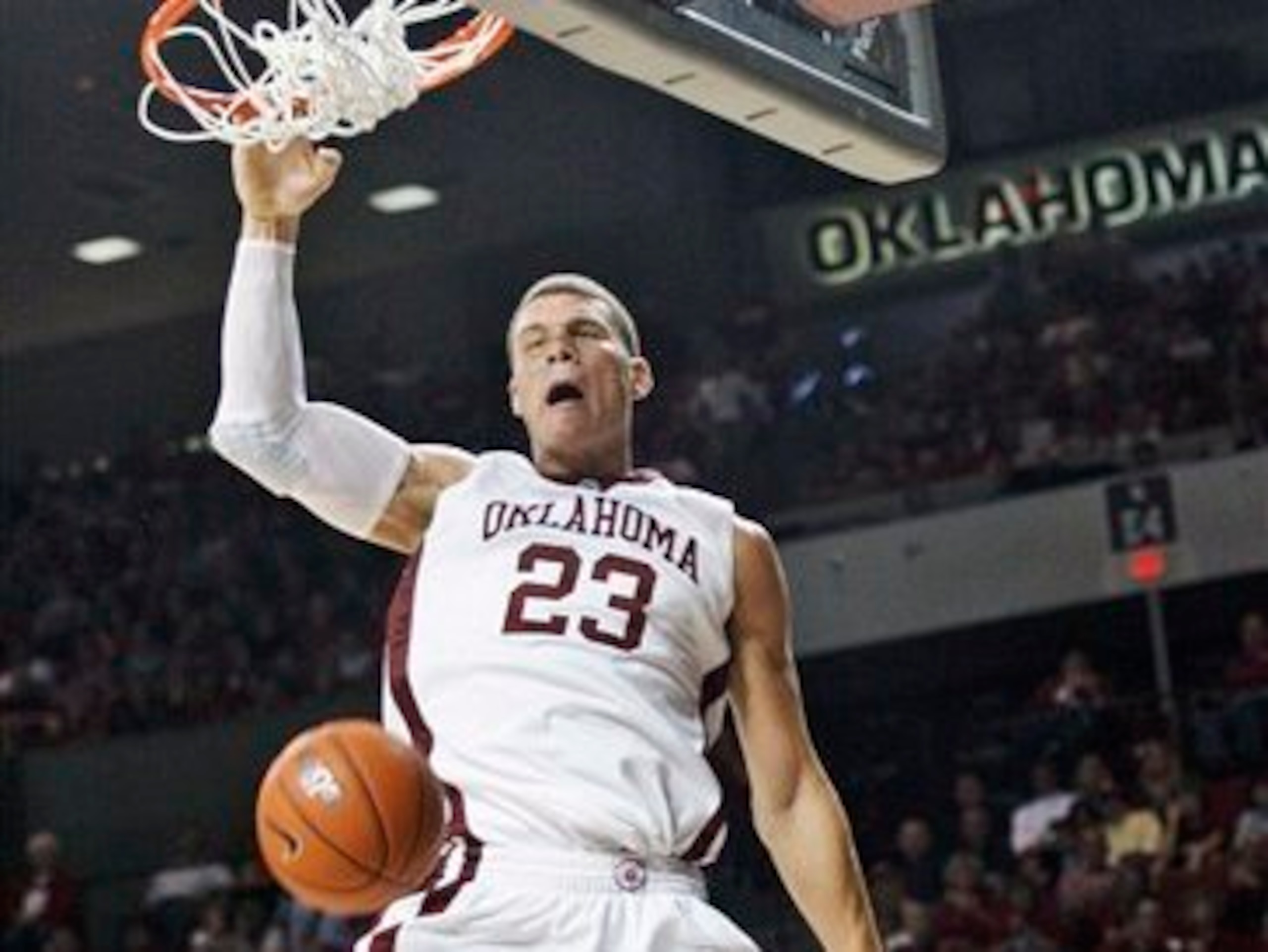
Career Numbers (Per 40 Minutes): 24.3 points, 15.3 rebounds, 1.3 blocks, 0.289 win shares
Before teaming up with Chris Paul and DeAndre Jordan to become Lob City, Blake Griffin was simply an unstoppable individual force of nature with the Oklahoma Sooners. In winning the 2009 Wooden Award as a sophomore, Griffin tallied 269 more points and 294 more rebounds than any other player on the team that earned a No. 2 seed in the NCAA tournament.
Once seeded, the tournament became his personal playground. In four games, Griffin averaged 28.5 points and 15.0 rebounds, converting on 46 of his 59 field-goal attempts. On the season, he shot 65.4 percent from the field—though, did you expect any less accuracy from the guy who would be right there with Vince Carter at the top of a list of the best dunkers of the past two decades?
Griffin ranked third in the nation in defensive rebounding percentage and was absolutely dominant with the ball in his hand. The only hope of slowing him down was putting him at the free-throw line where he shot just 59.0 percent. As a result of his physical style of play and poor production from the charity stripe, Griffin led the nation in fouls drawn per 40 minutes—finishing ahead of senior year Tyler Hansbrough in that category warrants some sort of merit badge.
However, Griffin only ranks 10th on our list because he wasn't much of a defender. Oklahoma defended well as a team that season, but in the final two games of his collegiate career, opponents shot 56.2 percent from inside the arc, and Griffin recorded zero blocked shots. In fact, among the players in our top 20, he had the worst rate of blocked shots per 40 minutes. That he was still able to finish in 10th place should tell you how strong he was in each of the other categories considered.
9. Anthony Davis, Kentucky
14 of 22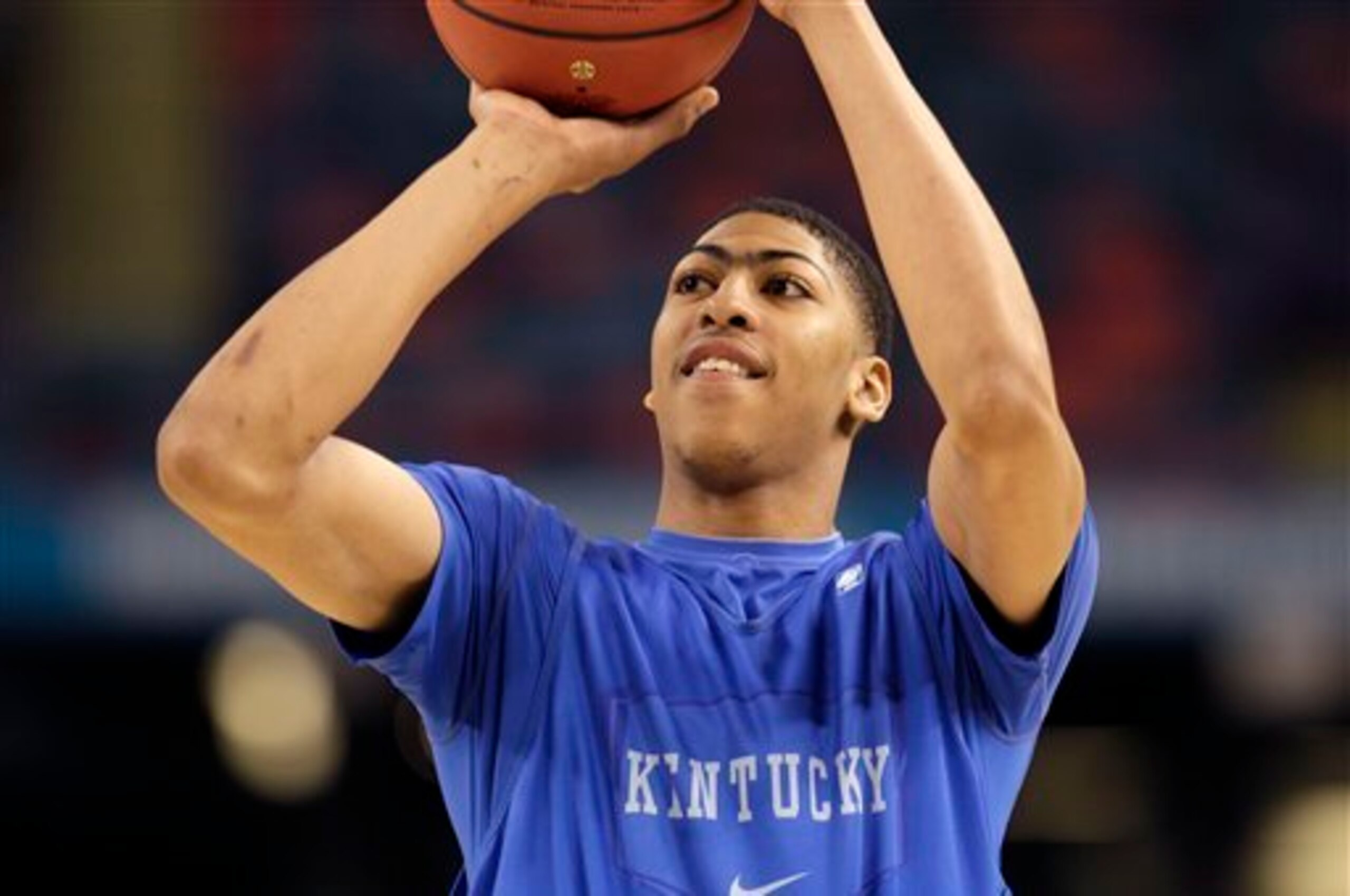
Career Numbers (Per 40 Minutes): 17.7 points, 13.0 rebounds, 5.8 blocks, 0.314 win shares
In going from Griffin to Anthony Davis, we transition from a No. 1 draft pick who couldn't block anything to a No. 1 draft pick who seemed to block everything.
Davis was simply impenetrable. Not only did he lead Kentucky to the highest team block percentage (20.2) in the country that season, but the only other team in the past decade to do better was that 2006-07 Connecticut team with Hasheem Thabeet, Jeff Adrien and Stanley Robinson. Not surprisingly, Kentucky also led the nation in defensive two-point field-goal percentage during its 2011-12 championship season.
Where Davis excelled at blocking shots, he left a bit to be desired in points and rebounds—though, that's certainly no longer the case, as he led DeMarcus Cousins and LaMarcus Aldridge on the short list of players who averaged at least 20 points and 10 rebounds per game last season in the NBA. At Kentucky, however, his points-per-40-minutes average was lower than that of any other player in our top 12, and his rebounding rate was the worst in our top 14.
Still, the Brow did enough on offense and so much on defense that there's no denying he was one of the most dominant big men of the past decade.
8. Kenneth Faried, Morehead State
15 of 22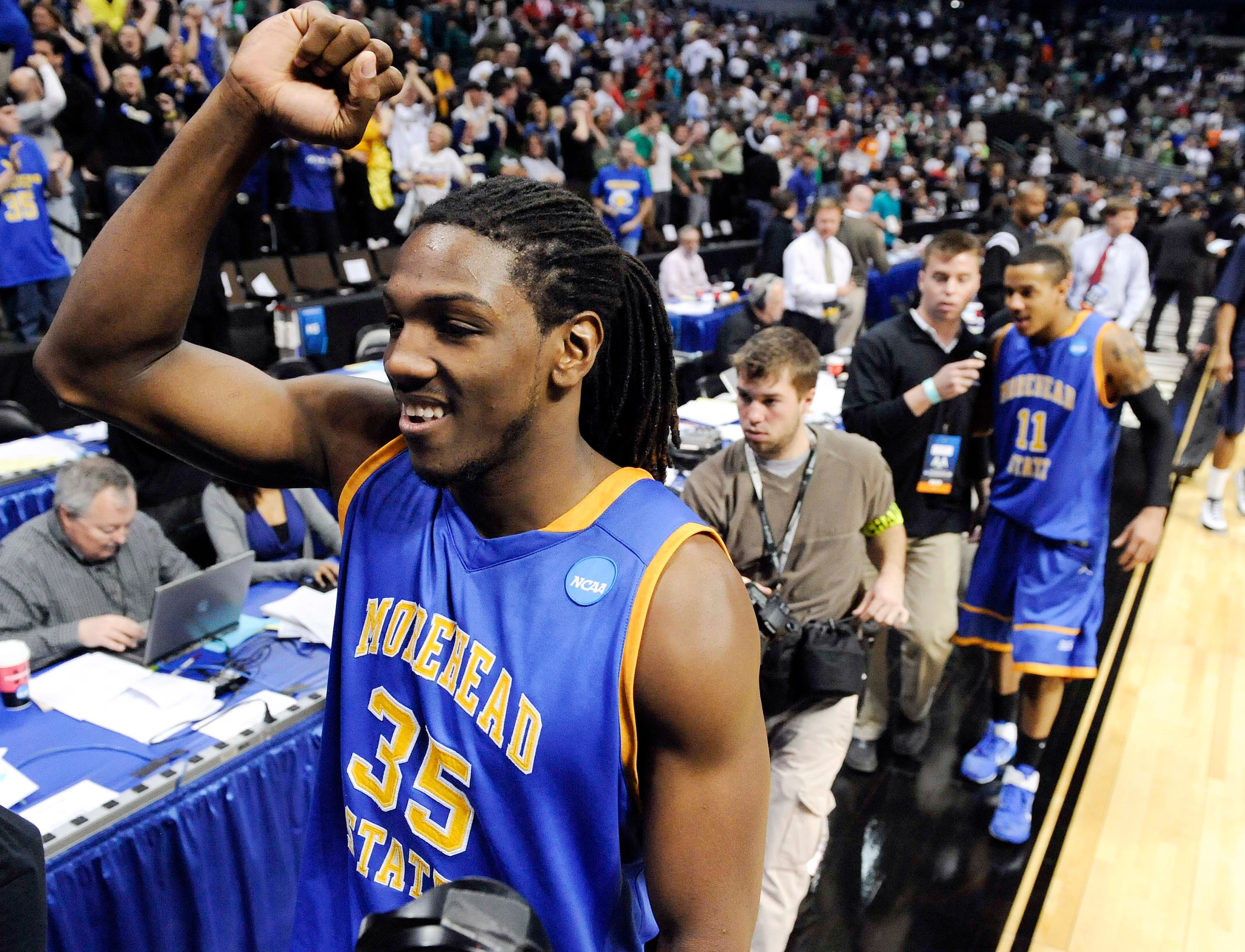
Career Numbers (Per 40 Minutes): 20.3 points, 16.9 rebounds, 2.4 blocks, 0.245 win shares
Kenneth Faried is our highest-ranked player from a non-major conference and also the top big man to have spent more than two years in college.
It's hardly a surprise to see him this high on the list, though, since he basically rewrote the book on rebounding. Faried ranked in the top eight in both offensive and defensive rebounding percentage in all four years. He incredibly led the nation in both categories as a senior.
Like Alan Williams at UC Santa Barbara, Faried undoubtedly benefited from being the only competent big man on a team that played quite the unremarkable schedule. In Faried's four-year career, Morehead State played just nine games against major-conference programs.
By the time he was a senior, though, it didn't matter whom he was facing. He recorded 29 double-doubles that year, including all three games against major-conference foes: Florida, Ohio State and Louisville. (It was the fourth time Faried faced Louisville. The Cardinals won each of the first three games by a margin of at least 20 points, but Morehead State pulled off an incredible 62-61 upset in the 2011 NCAA tournament.)
When all was said and done, Faried graduated with 2,009 points and 1,673 rebounds. He is one of just six players in NCAA history with at least 2,000 points and 1,600 rebounds and is the only person to join that club since Elvin Hayes did so in 1968.
7. DeJuan Blair, Pittsburgh
16 of 22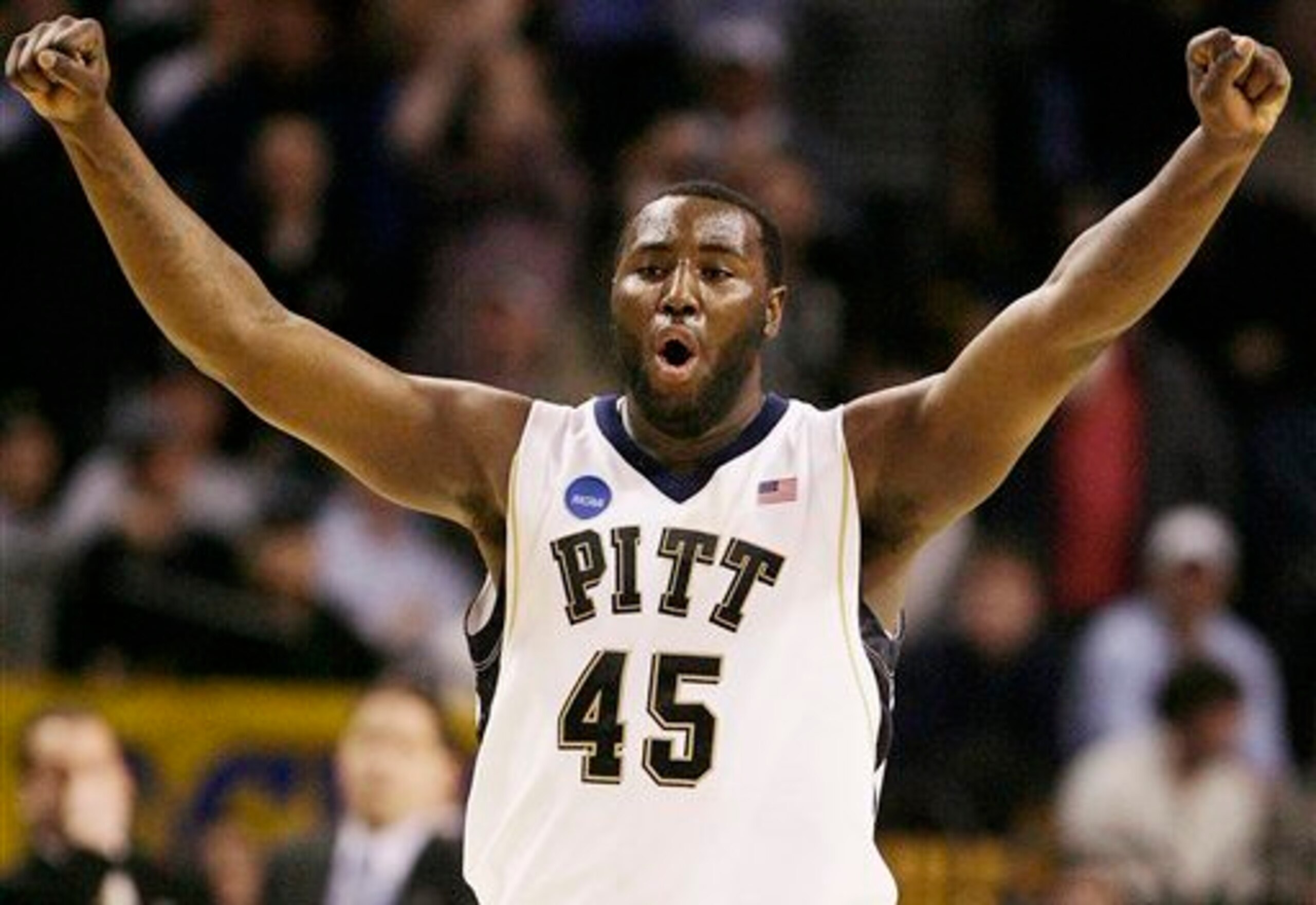
Career Numbers (Per 40 Minutes): 20.4 points, 16.0 rebounds, 1.6 blocks, 0.313 win shares
While we're on the subject of great rebounders, there's no better time to recount the collegiate career of a 6'7" center who played with no ACLs in a Big East conference that was long regarded as the most physical in the country.
Given his size and "medical condition," you would think DeJuan Blair was a team manager or a scarcely used reserve.
Nah. He merely led the nation in offensive rebounding percentage as a sophomore, finishing an astounding five full percentage points ahead of No. 2 on that list.
Like Joey Dorsey at Memphis, Blair epitomized hustle. In addition to the numbers listed above, he also averaged 2.4 steals per 40 minutes. For the 2008-09 Panthers that earned a No. 1 seed in the NCAA tournament, Blair was the team leader in rebounds, blocks and steals and ranked second in points scored.
6. Marreese Speights, Florida
17 of 22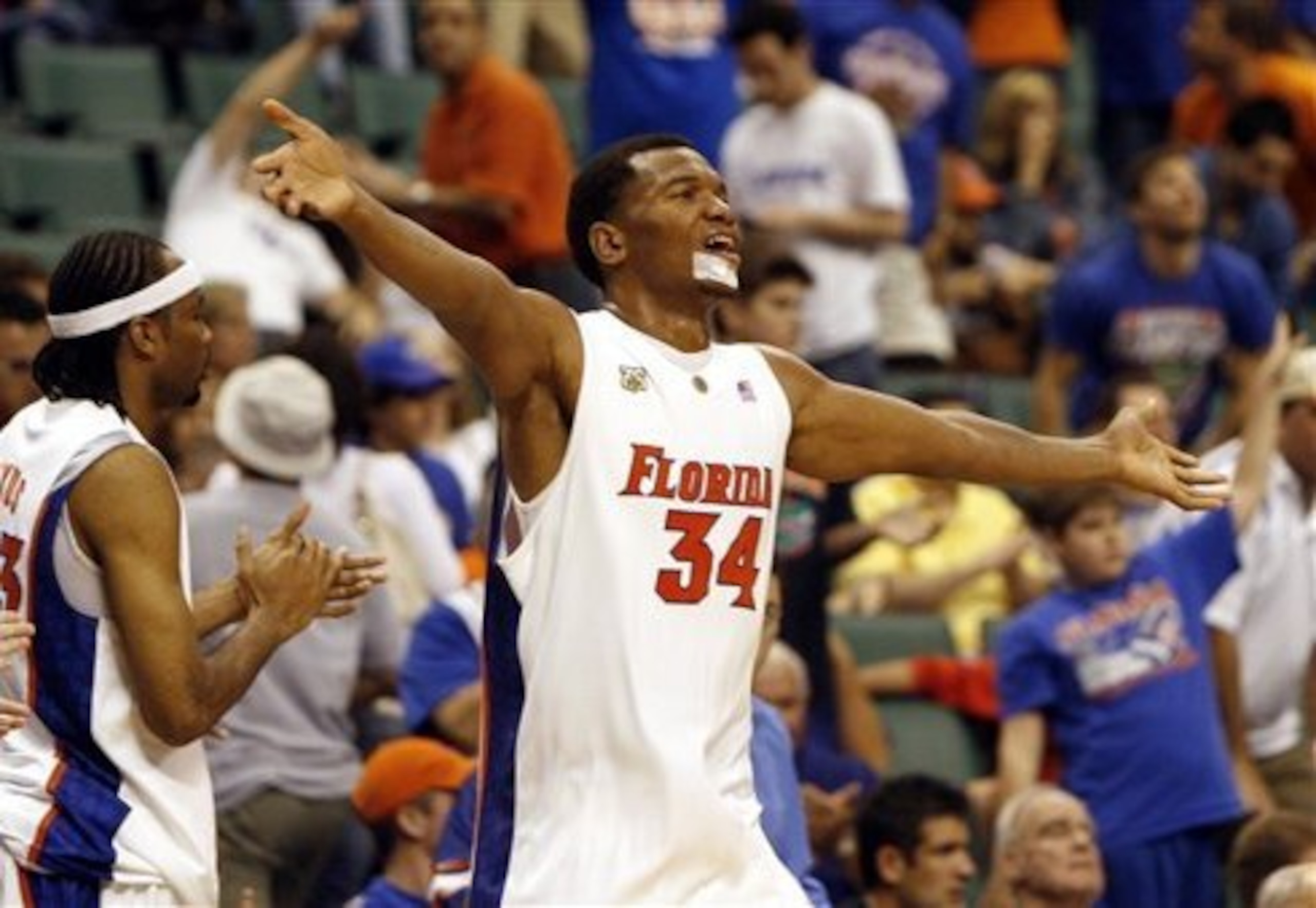
Career Numbers (Per 40 Minutes): 24.7 points, 14.1 rebounds, 2.4 blocks, 0.333 win shares
Without a remotely close runner-up, Marreese Speights appearing at No. 6 on the list was the most surprising revelation of this research. Had you told me that one member from Florida's back-to-back national championship teams would make the cut, I would have gone through Joakim Noah, Al Horford and Chris Richard before forgetting that Speights was even on the roster for the second title.
He played just 189 minutes as a freshman, but he was ridiculously efficient, posting a better O-rating than all Gators not named Lee Humphrey. While playing just 5.7 minutes per game, Speights averaged 28.4 points, 18.2 rebounds and 3.2 blocks per 40 minutes and had a win-shares-per-40-minutes ratio of 0.425. Had he played enough minutes to qualify, he would have led the nation in offensive rebounding percentage, ranked fifth in defensive rebounding percentage and ranked just outside the top 50 in block percentage.
With a drastically less talented supporting cast the following season—there's a reason the Gators missed the tournament in 2008 and 2009 before just barely making it in 2010—Speights shone in an expanded role. His playing time more than quadrupled, but his efficiency remained solid, as he put up better than 23 points, 13 rebounds and two blocks per 40 minutes.
Thus far in his NBA career, it has been a similar story. Primarily serving in a reserve role, Speights has played relatively limited minutes in each of the past seven seasons, but he averaged 21.4 points and 10.1 rebounds per 36 minutes over the past two seasons with Golden State. It seems he was destined for a career as a great backup.
5. Tyrus Thomas, LSU
18 of 22
Career Numbers (Per 40 Minutes): 19.1 points, 14.2 rebounds, 4.8 blocks, 0.351 win shares
Between Tyrus Thomas, Glen "Big Baby" Davis and Magnum Rolle, LSU had one of the most impenetrable front lines in recent history.
It was the 6'9" redshirt freshman with hops like a kangaroo who served as the Tigers' eraser. Even though he missed the end of the regular season and the entire SEC tournament with a sprained ankle, Thomas recorded at least three blocks in each of LSU's five NCAA tournament games, including the 13-rebound, nine-point, five-block game against Duke in the Sweet 16 that all but cemented his status as a lottery pick.
Unlike most players on this list who were responsible for a high percentage of their teams' shots while on the court, Thomas didn't force the issue. He averaged less than eight field-goal attempts per game, instead focusing all of his energy on becoming one of the 10 best shot-blockers and defensive rebounders in the country during his one season of collegiate hoops.
Unfortunately, his game never really translated to the NBA. Despite being taken with the No. 4 overall pick in 2006, he never averaged so much as 11 points, seven rebounds or two blocks per game in the pros. Amnestied by Charlotte in April 2013, the now-29-year-old forward has played just seven minutes in the NBA over the past two-plus years.
4. Greg Oden, Ohio State
19 of 22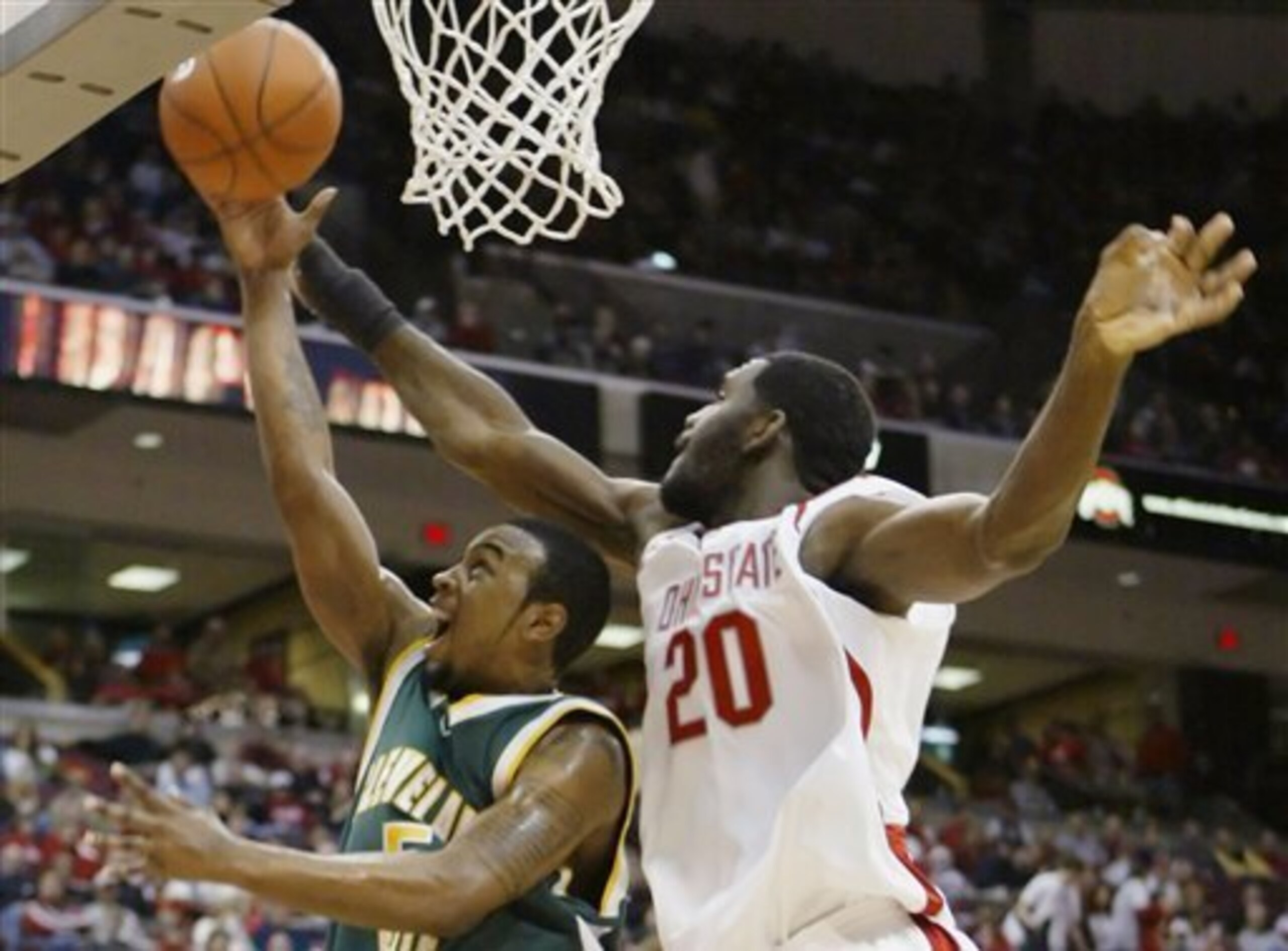
Career Numbers (Per 40 Minutes): 21.7 points, 13.2 rebounds, 4.5 blocks, 0.355 win shares
You had to know he was going to show up sooner or later, right?
Arguably the biggest "If he could have just stayed healthy" stories of this generation, Greg Oden was a beast during his one season with Ohio State. He missed the first seven games of the season while recovering from surgery on his right (dominant) wrist, shot free throws left-handed for most of the year and still finished the season with more total points, rebounds and blocks than any other Buckeye.
Oden didn't put up outstanding numbers in the NCAA tournament, mostly because he was saddled with at least four fouls in every game other than the opener against Central Connecticut State. However, he saved his best for last, recording 25 points, 12 rebounds and four blocks in the national championship loss to Florida.
Unless something completely unforeseeable happens in the next few years, that was the final time in his career that he scored at least 25 points in a game.
We feel bad for/laugh at Portland now for passing on Kevin Durant to spend the first pick of the 2007 NBA draft on Oden, but it was a well-calculated risk worth taking. Based on what he was able to do as a freshman who missed months of practices and the first few weeks of the regular season, a healthy Oden realistically could have become one of the best big men to ever play in the NBA.
3. Kevin Love, UCLA
20 of 22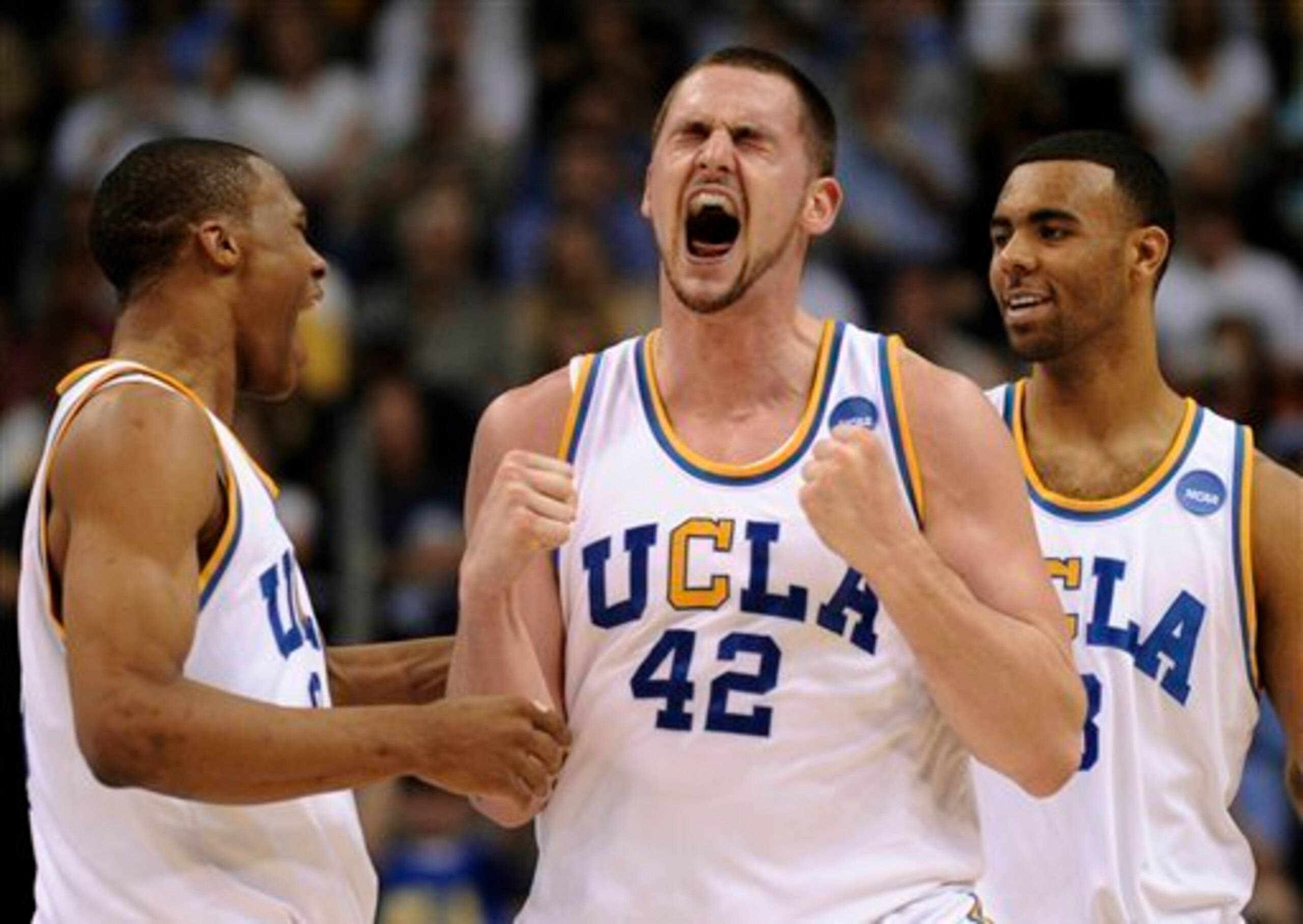
Career Numbers (Per 40 Minutes): 23.6 points, 14.4 rebounds, 1.9 blocks, 0.391 win shares
After reading about five consecutive players who have yet to appear in an All-Star Game in the NBA, let's take a much-needed break from that depressing realization to focus on one big man who has been a stud at both the collegiate and professional level—and one of the only names on the list willing and able to do some damage from three-point range.
Because of his versatility, few players had any hope of hanging with Kevin Love. As we've seen over the past few seasons with the likes of Frank Kaminsky and Kyle Wiltjer, big men with a moderately polished post game and a smooth perimeter game are among the toughest to slow down.
But neither Kaminsky nor Wiltjer was much of an offensive rebounder. In fact, if you add together their offensive rebound percentages from last season (6.0 and 6.5, respectively), it's still 2.9 percentage points behind what Love posted in his one season at UCLA (15.4). Even when defenses managed to keep him from doing any damage on UCLA's first shot, he was able to keep a lot of possessions going with his efficiency on the offensive glass.
In his five NCAA tournament games, Love averaged 19.8 points, 10.6 rebounds and 4.0 blocks.
Considering that unstoppable big man had Russell Westbrook and Darren Collison on the perimeter, I still can't fathom how this team ever lost a game, let alone two of them by double-digit margins.
2. DeMarcus Cousins, Kentucky
21 of 22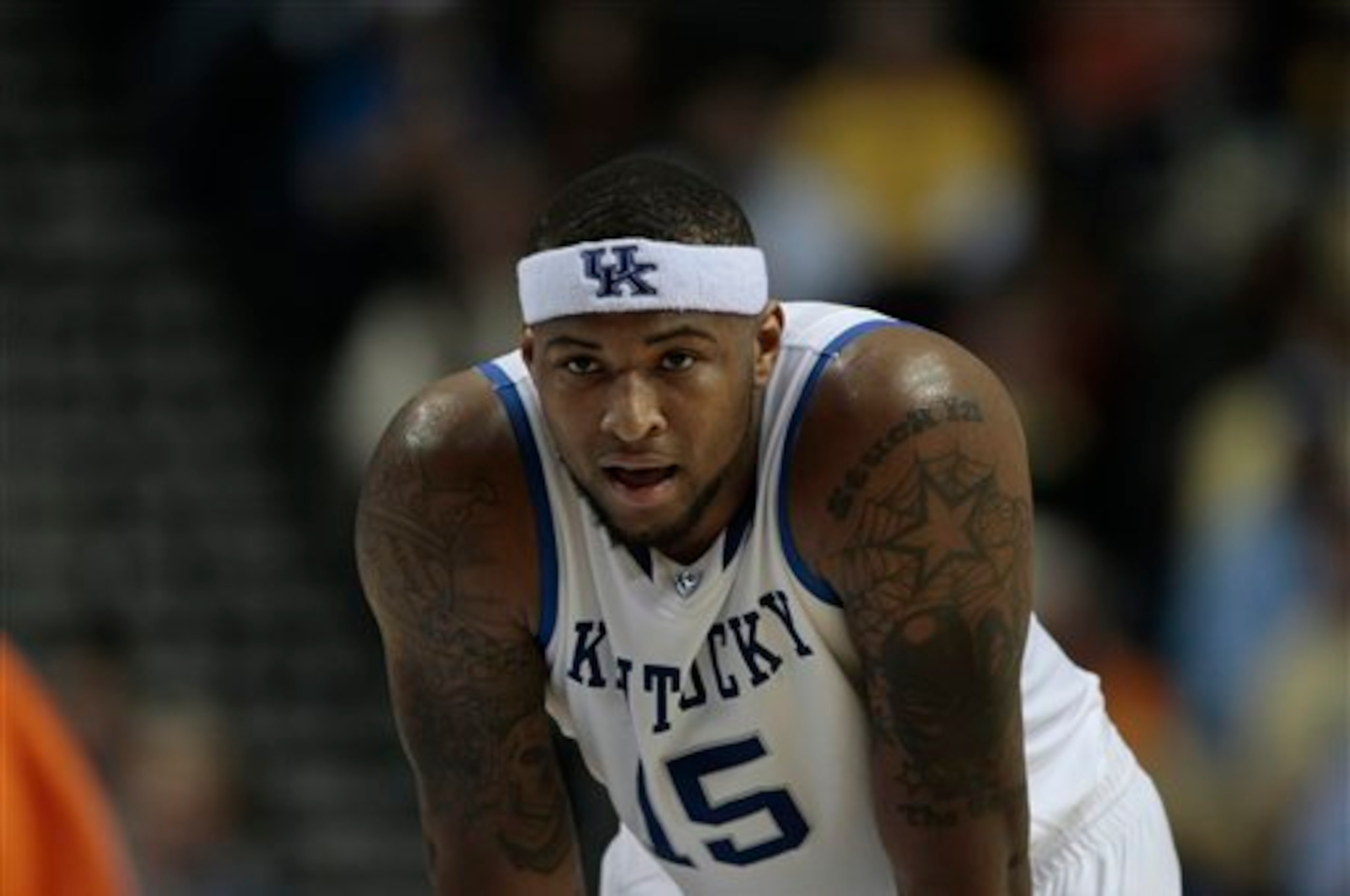
Career Numbers (Per 40 Minutes): 25.8 points, 16.8 rebounds, 3.0 blocks, 0.290 win shares
Once we settled on per-40 numbers as the basis for choosing and ranking these players, I would have bet good money that DeMarcus Cousins would come out on top. Boogie played just 23.5 minutes per game at Kentucky, but he still nearly averaged a double-double, putting up 15.1 points and 9.8 rebounds per game.
Making those averages even more remarkable is the supporting cast he played with.
For someone to average 25.8 points and 16.8 rebounds per 40 minutes, you'd think he was a one-man show. Quite the contrary, Cousins was forced to share the spotlight with John Wall, Patrick Patterson and Eric Bledsoe, each of whom was taken in the top 18 of the NBA draft that June. Had he instead been a part of the following year's roster on which Josh Harrellson averaged 28.5 minutes per game, heaven only knows what type of wrecking ball Cousins would have been.
Say what you will about the negative reputation he developed early in his NBA career, but there might not be a better big man in the game than a focused Cousins. (Unless we're counting LeBron James as a big man, of course.) As B/R's Kevin Ding wrote earlier this month, Cousins is a legitimate sleeper for NBA MVP this year.
1. Michael Beasley, Kansas State
22 of 22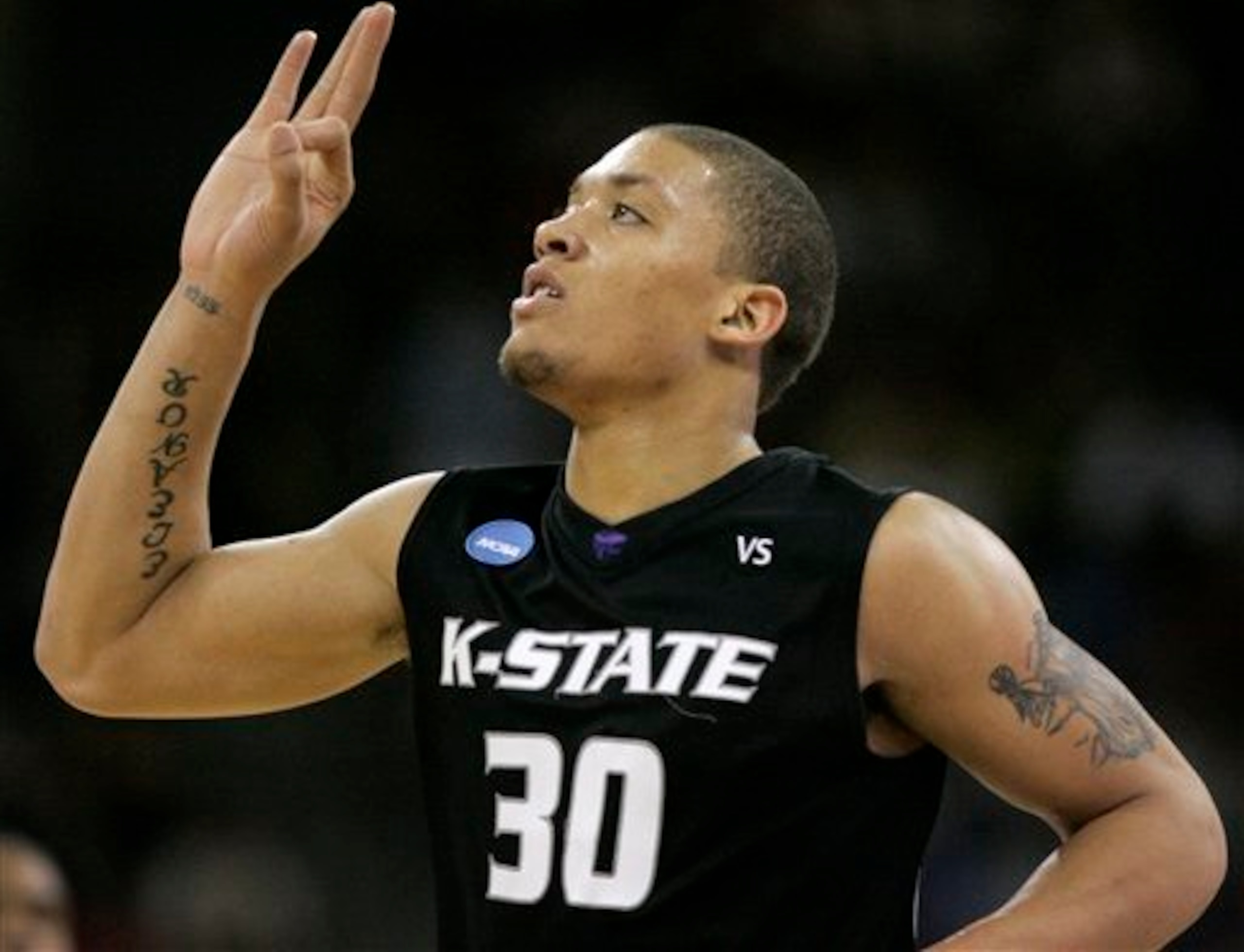
Career Numbers (Per 40 Minutes): 33.3 points, 15.7 rebounds, 2.1 blocks, 0.413 win shares
Every now and then, I look back at Michael Beasley's one season at Kansas State, and my jaw drops to the floor.
His 33.3 points per 40 minutes? Are you kidding me?
Doug McDermott averaged 31.6 points per 40 minutes during a senior season in which he won virtually every award in existence. Even Jimmer Fredette "only" put up 32.3 points per 40 minutes during the 2010-11 season in which he became the only player in the past two decades to score at least 975 points in a single season. (Fredette obliterated that mark by scoring 1,068.)
The only person I could find who surpassed Beasley's average was Stephen Curry. He averaged 34.0 points per 40 minutes in 2008-09, but he also averaged 24 field-goal attempts per 40 minutes, many of which were from three-point range. In terms of points per field-goal attempt, though, Beasley (1.50) fared better than Curry (1.42).
Regardless of how Beasley compared to those three-point assassins, no other big man is even in the same zip code. Among the players in our top 20, DeMarcus Cousins had the second-best rate of points per 40 minutes, and he was still 7.5 behind Beasley.
In 33 games, Beasley set the record for double-doubles by a freshman with 28. In 25 percent of those, he finished with at least 20 points and 15 rebounds, including quite possibly the most absurd debut in NCAA history: 32 points, 24 rebounds and four blocks against Sacramento State.
In Beasley and Bill Walker, Kansas State had the most incredible starting frontcourt of the past decade. (Emphasis on starters, not depth. Yes, I would take 2007-08 Beasley and Walker over 2014-15 Karl-Anthony Towns and Willie Cauley-Stein. No, I would not dream of picking that Kansas State team to beat that Kentucky team.) It's just a shame the Wildcats had a dreadful backcourt, because they just barely sneaked into the NCAA tournament as a No. 11 seed—where Beasley had 46 points and 24 rebounds in two games.
Kerry Miller covers college basketball for Bleacher Report. You can follow him on Twitter: @kerrancejames.

.jpg?w=2560 "Jonathan Taylor Landing Spots")
.jpg?w=2560 "NFL House in Paris Closes for Protests (AP)")
.jpg?w=2560 "Trevon Diggs Cut by Seahawks")