
Should We Believe FIFA's Suspensions Will Change Anything?
Another day, another FIFA scandal.
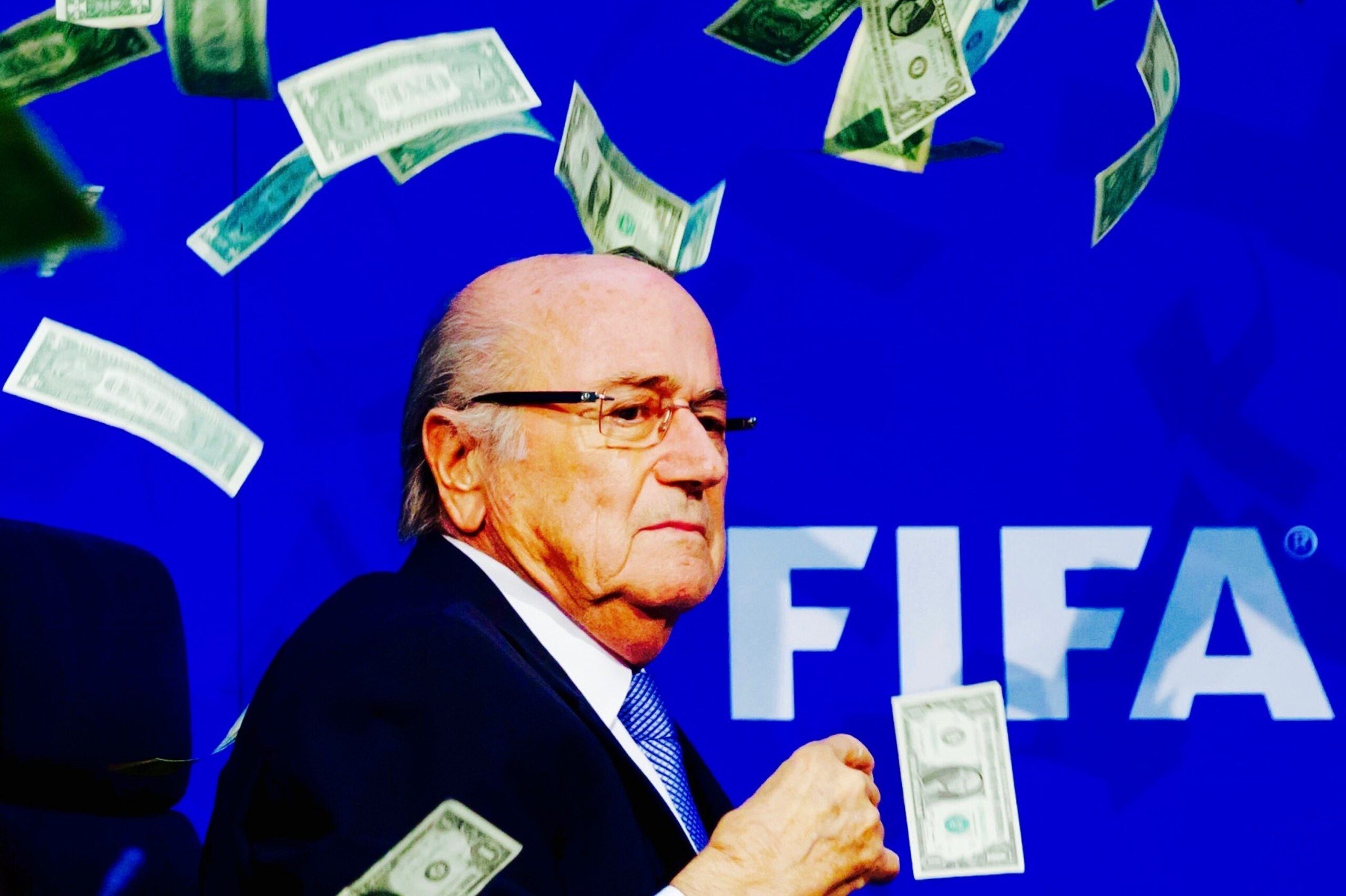
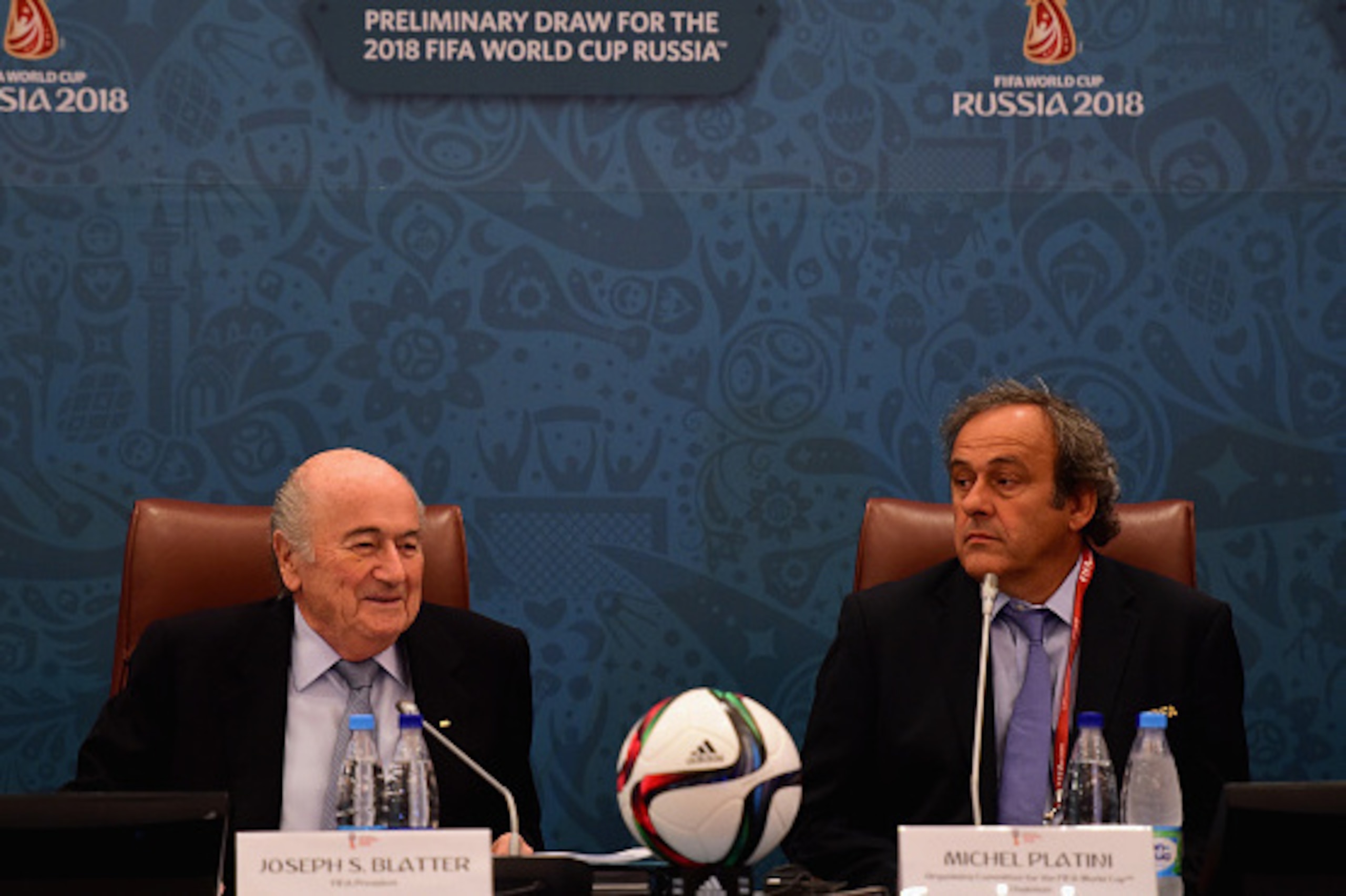
Football's governing body temporarily suspended president Sepp Blatter, vice-president Michel Platini and secretary general Jerome Valcke for 90 days. The punishments were given by FIFA's ethics committee (an admittedly ironic name), which is presently looking into corruption allegations
FIFA's ethics division is investigating circumstances surrounding a payment of £1.35 million Platini received in 2011 for purported consultation work he did in 2002, as reported by the Press Association's Martyn Ziegler and the MailOnline's Charles Sale.


The primary thinking behind the expulsions is avoiding further embarrassment.
FIFA would prefer not having Blatter, Platini and Valcke show up at functions before February's extraordinary congress. The 90-day suspensions allow FIFA to seem less influenced by its preeminent members and give the appearance of discipline.
In reality, we know better.
FIFA and change are the oil and water of football. No matter the guck, no matter the grime, FIFA invariably finds ways to circumvent necessary change. It has become an almost admirable characteristic. If it had the same energy directed to cleaning the organization as it does covering up would-be scandals, the game would be spotless.
Platini was thought to have his sights on Blatter's throne, but fresh allegations of payments for consulting, which coincided with a major FIFA vote, looks all too convenient.
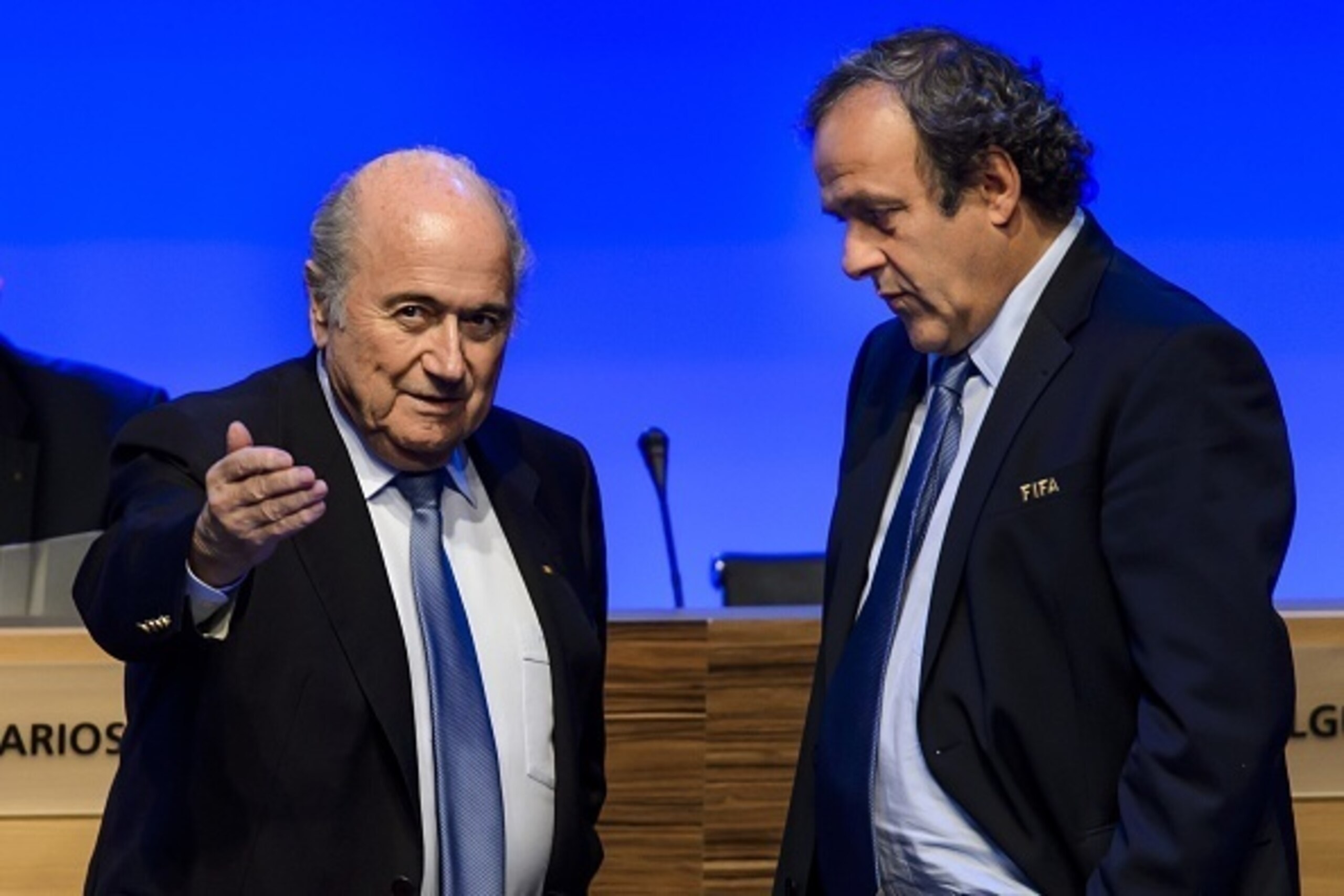
UEFA's current president made a statement following his suspension, taken from the MailOnline report:
"I reject all of the allegations that have been made against me, which are based on mere semblances and are astonishingly vague. Indeed, the wording of those allegations merely states that a breach of the FIFA code of ethics 'seems to have been committed' and that a decision on the substance of the matter cannot be taken immediately.
Despite the farcical nature of these events, I refuse to believe that this is a political decision taken in haste in order to taint a lifelong devotee of the game or crush my candidacy for the FIFA presidency.
"
Whether or not this is an attempt to thwart Platini's presidential candidacy, it may be time to consider whether he would be an improvement on the status quo.
Blatter is arguably the most disliked figure in world football, but that was not always true—that title belonged to former FIFA president Joao Havelange. Blatter once represented hope but has become the figurehead of corruption even greater than that associated with his predecessor, who resigned as FIFA's honorary president two years ago after a corruption case.
Regardless of its president, FIFA's major issue is the 209 countries that comprise its being. Millions in cash are not being transferred without being demanded. If FIFA could do their bidding without sending copious amounts of money to sweeten deals, they would—lest they be kept.
Countries without the firepower to finance their own footballing enterprises rely on FIFA money to survive, and in such nations, notions of corruption and skimming are not foreign.
Unless football can be the first governing body to eliminate greed from those in positions of power, a new president—no matter how righteous—would either fall victim to the system already installed or be hurled from FIFA's summit at the earliest convenience.
One could argue, however, the mouthpiece of an entity exists to deflect attention from other floundering components. If FIFA's members are truly a dysfunctional mass of money-grabbing, skullduggerous individuals, what point is there in superficial decoration if the body remains cancerous?
For true change to come from FIFA's executive wing, an individual exceedingly charismatic and noble without ties to the organisation's past or powerful federations would have to appear and shock the system. The nomination process, though, makes this near impossible—as one must be nominated by a member association, which makes them beholden to that nation and possibly the attached federation.
This makes the likes of Platini seemingly less like Blatter, but if he were to take charge, the Frenchman, after a few years and inevitable scandal, would likely turn into the exact men both his predecessors became.
Why anybody would want to run for FIFA president is its own puzzle.
It feels an impossible job to control all aspects of the world's most popular game and have nothing go wrong. When things do go sideways, the language everyone speaks is money.
Instead of actually solving the lack of resources in underdeveloped areas and promoting a sense of community, FIFA hands money to those in charge and places them on an honour code. It screams of stupidity.
As president, one has to juggle sponsors, federations and your own staff; the system becoming a never-ending cesspit of corruption and unchecked greed is not only possible but the probable outcome.
Change cannot be legislated.
Change is an individual process.
Change starts with one person making a cognitive choice to be different and that choice spreading to others, which, in turn, effects legislation.
Attempting to fix a broken system with broken components is futile and a waste of our collective attention.
Finding the correct piece will take time—time FIFA might not have to rebound its floundering image.
*Stats via WhoScored.com; transfer fees via Soccerbase where not noted.

.jpg?w=2560 "Colts Football")
.jpg?w=2560 "NFL House in Paris Closes for Protests (AP)")



.jpg?w=2560 "Trevon Diggs Cut by Seahawks")