
While some college basketball programs are synonymous with their longtime head coaches (Syracuse and Jim Boeheim, Duke and Mike Krzyzewski or Davidson and Bob McKillop, for example), there are dozens of programs that can't seem to hang onto coaches long enough to see one player through from freshman orientation to graduation.
Boeheim is the longest-tenured coach in college basketball, beginning his career with the Orange (then the Orangemen) in 1976. With that as a barometer, we looked through each D-I program's list of coaches from the past 39 years to determine the positions for which one might as well not even unpack his boxes.
Only current D-I programs with at least a decade of D-I membership were considered for the list. Of those 329 programs, our "top" 10 were ranked in descending order of average tenure since 1976*.
There were a lot of programs that replace their head coach at least once for every four years, but these 10 schools appear to be in a perpetual state of "the hot seat."
*For the purposes of this exercise, everything before 1976 effectively doesn't exist. If a coach was with a program from 1961-78, we only counted the two seasons after Boeheim was hired at Syracuse.
10. Loyola (MD) Greyhounds
1 of 10
Average Tenure: 3.4 years
G.G. Smith (2013-Present): 22-38
Jimmy Patsos (2004-13): 145-135
Scott Hicks (2000-04): 16-97
Dino Gaudio (1997-2000): 32-52
Brian Ellerbe (1994-97): 34-47
Skip Prosser (1993-94): 17-13
Joe Boylan (1992-93): 2-25
Tom Schneider (1989-92): 30-54
Mark Amatucci (1982-89): 85-116
Bill Burke (1981-82): 11-16
If you're expecting to find big-name programs on this list, allow me to save your clicking finger a few strokes by letting you know there won't be a single Power Five school. This one goes out primarily to the little guys who either fire coaches after a couple of terrible seasons or lose them to a better program after an extraordinarily rare trip to the NCAA tournament.
For Loyola (MD), it's a little of column A and a little of column B.
Scott Hicks and Joe Boylan had absolutely laughable winning percentages during their time with the Greyhounds before failing to ever secure another D-I head coaching job. On the flip side of that coin, Skip Prosser went dancing in his only season at Loyola and got an upgrade to Xavier the following year, and Brian Ellerbe left for the Michigan job after just three years with Loyola.
For the past 34 years, the Greyhounds have oscillated a bit between "just plain awful" and "not too shabby." Jimmy Patsos led them to 47 wins in his final two seasons, but G.G. Smith hasn't been nearly as successful since taking over.
Thus far, the transition from the MAAC to the Patriot League hasn't been a particularly smooth one, but they had a pretty young roster last season. With Eric Laster, Tyler Hubbard and Franz Rassman leading the way as seniors, the Greyhounds might be good enough this season to put Smith in a position to land a better job.
9. Marshall Thundering Herd
2 of 10
Average Tenure: 3.25 years
Dan D'Antoni (2014-Present): 11-21
Tom Herrion (2010-14): 67-67
Donnie Jones (2007-10): 55-41
Ron Jirsa (2003-07): 43-74
Greg White (1996-2003): 115-84
Billy Donovan (1994-96): 35-20
Dwight Freeman (1990-94): 46-65
Dana Altman (1989-90): 15-13
Rick Huckabay (1983-89): 129-59
Bob Zuffelato (1979-83): 71-41
Stu Aberdeen (1977-79): 25-31
Bob Daniels (1976-77): 8-19
Marshall was one of the better minor conference teams in the country back in the 1980s. Rick Huckabay led this team to three NCAA tournament appearances in the span of four years in the middle of a six-year stretch of consecutive seasons with at least 19 wins.
However, Marshall has not gone dancing since 1987 and has spent much of that 28-year hiatus struggling to string together back-to-back winning records.
The Thundering Herd have had a couple of great coaches on their sideline, but Dana Altman and Billy Donovan only stayed for a combined total of three years before launching their careers elsewhere.
For the most part Marshall has been where coaching careers go to die. Donnie Jones was the only other coach to get another D-I head coaching job within eight years of his final season with Marshall, and he inherited a situation at Central Florida that resulted in vacated wins due to an ineligible player, so he's hardly the lucky one.
There's a pretty good chance Dan D'Antoni will be following in that lineage of coaches who disappear after Marshall, given that he's already 68 years old. We'll see if he can bring the Thundering Herd back from three consecutive losing seasons before retiring.
8. Loyola Marymount Lions
3 of 10
Average Tenure: 3.25 years
Mike Dunlap (2014-Present): 8-23
Max Good (2008-14): 77-117
Bill Bayno (2008): 0-3
Rodney Tention (2005-08): 30-62
Steve Aggers (2000-05): 55-90
Charles Bradley (1997-2000): 20-62
John Olive (1992-97): 51-88
Jay Hillock (1990-92): 31-28
Paul Westhead (1985-90): 105-48
Ed Goorjian (1980-85): 44-92
Ron Jacobs (1979-80): 14-14
Dave Benaderet (1976-79): 27-51
Bill Bayno had perhaps the shortest tenure of any non-interim head coach in college basketball history, lasting just three (winless) games as Loyola Marymount's leader in 2008 before taking medical leave for work-related depression issues and eventually resigning.
Regardless of the cause for his departure, it counts as turnover for the Lions and helped secure their spot in the top 10.
Also helping their rank is the fact that Bayno's replacement, Max Good, was the only Loyola Marymount coach in the past 40 years to last more than five seasons—and he was only there for 5.9 years.
With the exception of Paul Westhead, though, they haven't exactly been leaving for bigger and better things. Westhead left to become the head coach of the Denver Nuggets after three consecutive 20-win seasons and NCAA tournament appearances. The only other coach to post a record better than .500 in his final season with the Lions was Jay Hillock, and his 15-13 record didn't exactly scream "AP ranking."
In fact, since Westhead left in 1990, LMU has neither participated in the NCAA tournament nor been ranked in the AP Top 25. And given the 8-23 record Mike Dunlap posted in his first season, the Lions aren't particularly close to changing either of those things.

7. Tennessee State Tigers
4 of 10
Average Tenure: 3.17 years
Dana Ford (2014-Present): 5-26
Travis Williams (2012-14): 23-40
John Cooper (2009-12): 43-52
Mark Pittman (2009): 6-2
Cy Alexander (2003-09): 67-106
Hosea Lewis (2002-03): 0-16
Nolan Richardson (2000-03): 23-45
Frankie Allen (1991-2000): 115-140
Ron Abernathy (1989-91): 12-43
Larry Reid (1985-89): 44-67
Ed Meyers (1984-85): 6-13
Edward Martin (1977-84): 106-83
Not only is Tennessee State struggling to hang onto coaches for more than a couple years, but the Tigers rarely manage to convince players to stay for four years.
During the 2014 offseason, 10 players transferred out of the program. This summer hasn't been nearly as destructive, but they still lost five players to the transfer market, four of which were freshmen this past season.
How can any coach be expected to succeed amid that degree of roster turnover?
Well, frankly, they aren't. Mark Pittman was the only coach in the past 31 years to leave the program with a winning record, and he only coached eight games after replacing Cy Alexander, who was fired in the middle of his sixth consecutive losing season.
The Tigers have a combined record of 10-51 over the past two seasons. Best of luck to Dana Ford to turn things around before the administration moves on to its 12th coach in three decades.
6. Florida Atlantic Owls
5 of 10
Average Tenure: 3.14 years
Michael Curry (2014-Present): 9-20
Mike Jarvis (2008-14): 76-112
Rex Walters (2006-08): 31-33
Matt Doherty (2005-06): 15-13
Sidney Green (1999-2005): 54-121
Kevin Billerman (1995-99): 36-71
Tim Loomis (1993-95): 12-42
Since becoming a D-I member in 1993, Florida Atlantic has won just 36.1 percent of its games. The Owls have only five winning seasons as opposed to 11 seasons concluded with a single-digit number in the win column.
Of their seven coaches in the past 22 years, four had never been a D-I head coach before nor have they secured another D-I head coaching position since.
For a team in the MEAC or SWAC, that all might be considered par for the course, but the Owls have been in moderately respectable conferences between the Atlantic Sun, Sun Belt and Conference USA. At some point, you'd think they could get a relatively established head coach and string together so much as a pair of 16-win seasons, but that hasn't been the case thus far.
They do have all three of last year's top scorers back for another season, so perhaps they'll show some improvement in 2015-16. On the heels of a 9-20 season with a 2-16 conference record, though, it might take some divine intervention to get this team to the NCAA tournament, no matter who's coaching.
5. New Orleans Privateers
6 of 10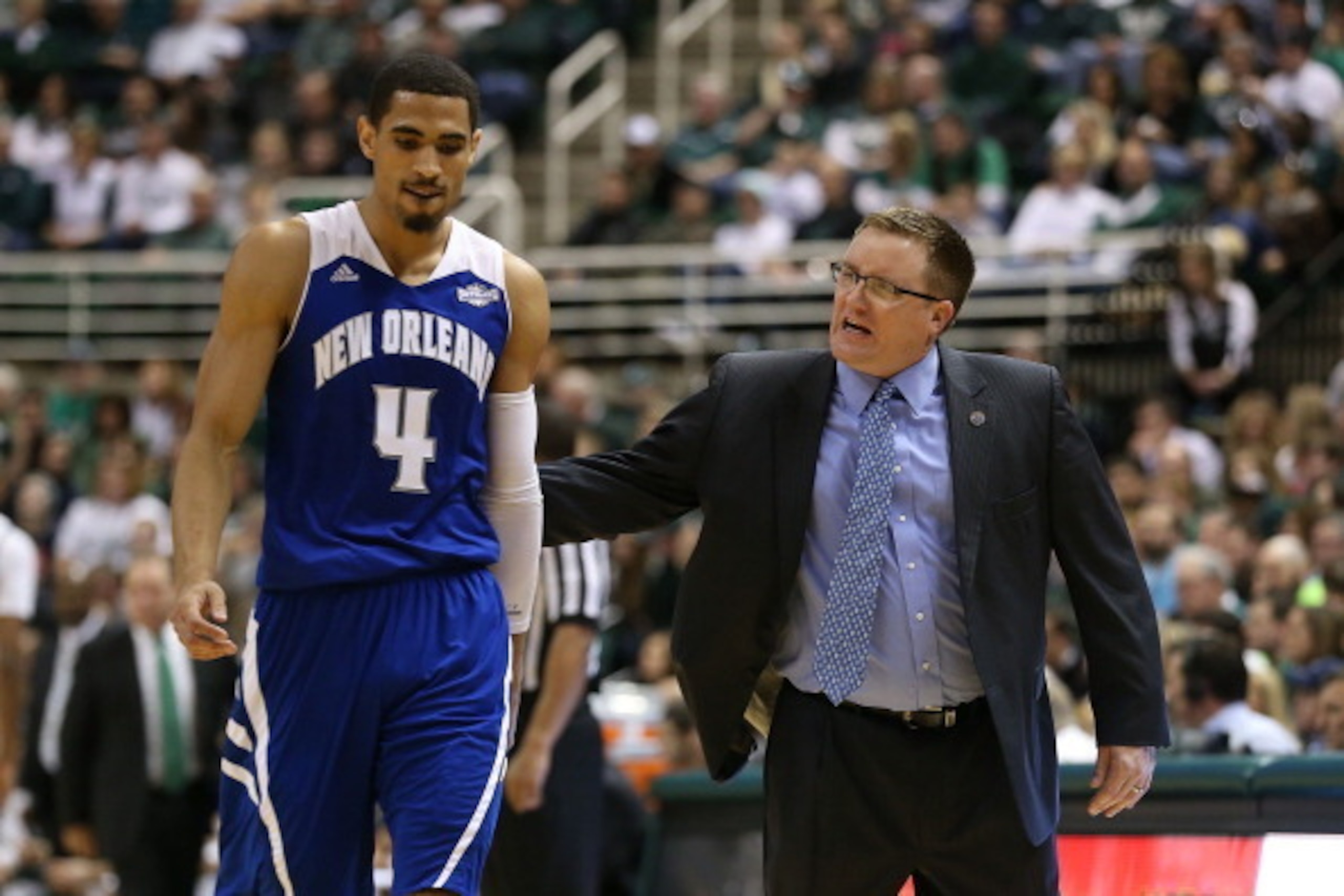
Average Tenure: 3.08 years
Mark Slessinger (2012-Present): 30-51
Joe Pasternack (2007-10): 38-54
Buzz Williams (2006-07): 14-17
Monte Towe (2001-06): 70-78
Joey Stiebing (1997-2001): 57-58
Tic Price (1994-97): 63-27
Tim Floyd (1988-94): 126-59
Art Tolis (1987-88): 21-11
Benny Dees (1985-87): 42-16
Don Smith (1979-85): 84-83
Butch van Breda Kolff (1977-79): 32-22
Ronald Greene (1976-77): 18-10
Based on the past 11 years, you might be led to believe that the Privateers are historically bad at basketball. They had just one winning season and even dropped out of D-I for a two-year period, due to enrollment/financial difficulties in the aftermath of Hurricane Katrina.
Prior to that, though, this was a solid program that won at least 18 games 15 times in the span of 22 years. The Privateers competed in four NCAA tournaments and even won a game against BYU as a No. 7 seed in the 1987 tourney.
Back then, they routinely lost coaches against their will. Ronald Greene bolted for Mississippi State, Benny Dees went to Wyoming, Tim Floyd left for Iowa State and Tic Price took his talents to Memphis. More recently, New Orleans got just one year out of Buzz Williams before losing him to Marquette.
Even with the past decade of relative disappointment, New Orleans' .554 winning percentage ranks 110th among the 282 programs in existence for at least 30 years. The Privateers just can't seem to convince anyone to stay for more than six years.
4. Norfolk State Spartans
7 of 10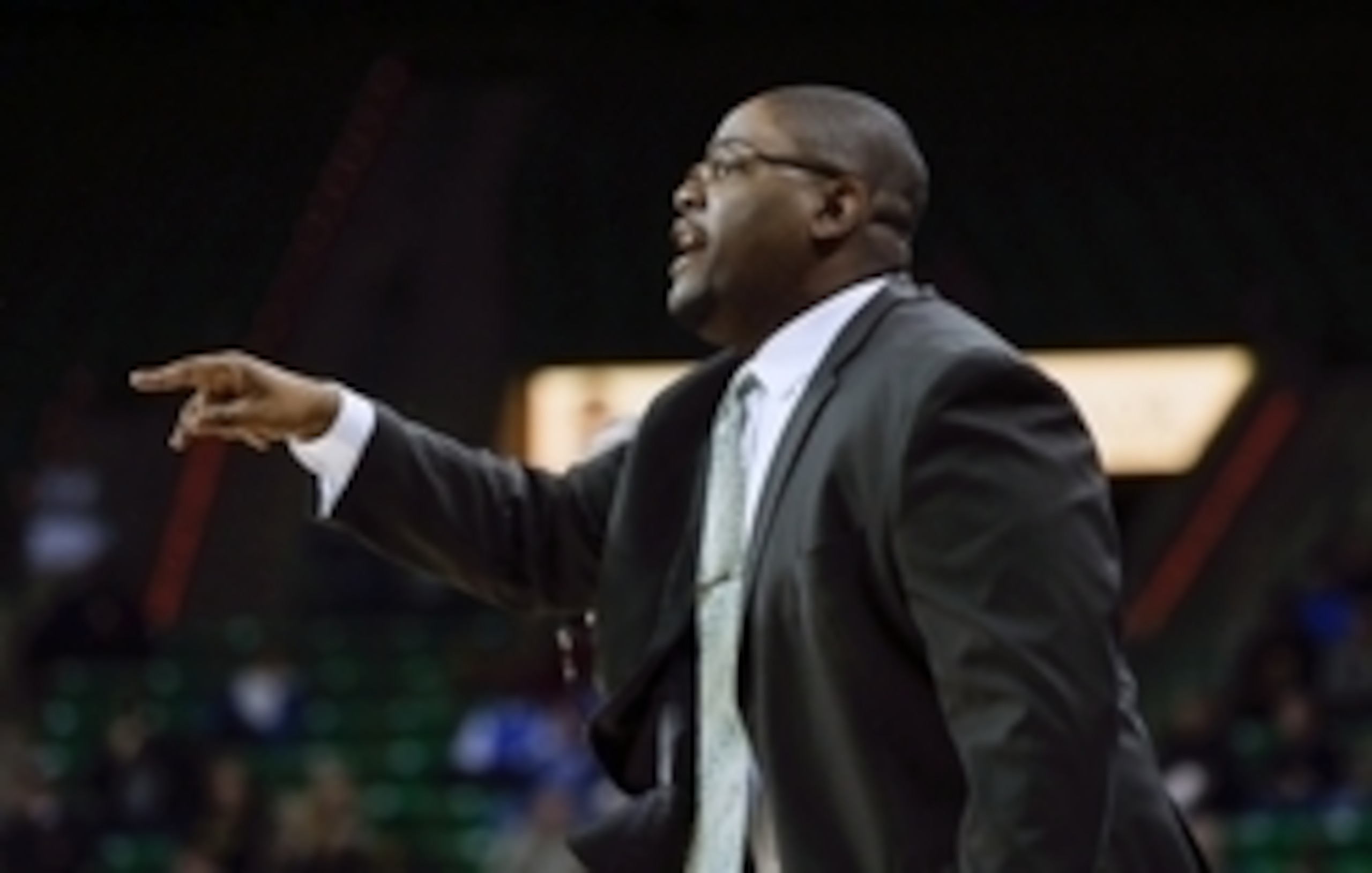
Average Tenure: 3.0 years
Robert Jones (2013-Present): 39-29
Anthony Evans (2007-13): 99-94
Dwight Freeman (2002-07): 63-83
Wil Jones (1999-2002): 34-52
Mel Coleman (1998-99): 15-12
Michael Bernard (1997-98): 6-21
With just three coaching changes since 1999, Norfolk State has actually been a pretty stable job recently. The Spartans have also been quite consistent on the court, winning at least 19 games in four straight seasons after failing to win 17 in any of the previous 14.
However, the rapid turnover at the beginning of their D-I membership doomed them to a spot near the top of the list, as they cycled through three coaches in their first three seasons.
Michael Bernard apparently wasn't a fan of coaching at the D-I level, returning to the D-II ranks with Fayetteville State after Norfolk State's inaugural D-I season. His successor, Mel Coleman, was forced to resign after one season amid investigations into fraud involving falsified hotel and meal receipts.
Since then, though, things have gone pretty smoothly. Every coach has stayed for at least three seasons and every season has resulted in at least 10 wins.
3. Tulsa Golden Hurricane
8 of 10
Average Tenure: 3.0 years
Frank Haith (2014-Present): 23-11
Danny Manning (2012-14): 38-29
Doug Wojcik (2005-12): 140-92
Pooh Williams (2004-05): 7-15
John Phillips (2001-05): 61-42
Buzz Peterson (2000-01): 26-11
Bill Self (1997-2000): 74-27
Steve Robinson (1995-97): 46-18
Tubby Smith (1991-95): 79-43
J.D. Barnett (1985-91): 106-75
Nolan Richardson (1980-85): 119-37
Bill Franey (1980): 2-7
Jim King (1976-80): 34-65
While most of these programs have high turnover rates by incessantly failing to win games no matter who is calling the plays, Tulsa has actually been pretty solid over the past 35 years.
The Golden Hurricane did have a three-year stretch in the mid-2000s in which they failed to win so much as 40 percent of their games, but they have won at least 60 percent of their games in 68.6 percent of the last three-and-a-half decades. They were invited to the NCAA tournament in 14 of those years.
However, the Tulsa job has been for college basketball coaching what Double-A is for Major League Baseball. Future greats come through on the way to bigger and better things, stopping in just barely long enough to have their talent appreciated.
Nolan Richardson and Tubby Smith each started his D-I head coaching career at Tulsa before going on to win a national championship elsewhere. For Bill Self, it was his second job (after Oral Roberts), but he, too, went on to win a title with Kansas.
Given all that coaching brainpower, it's kind of hard to believe Tulsa has never been to the Final Four.
2. Maryland-Eastern Shore Hawks
9 of 10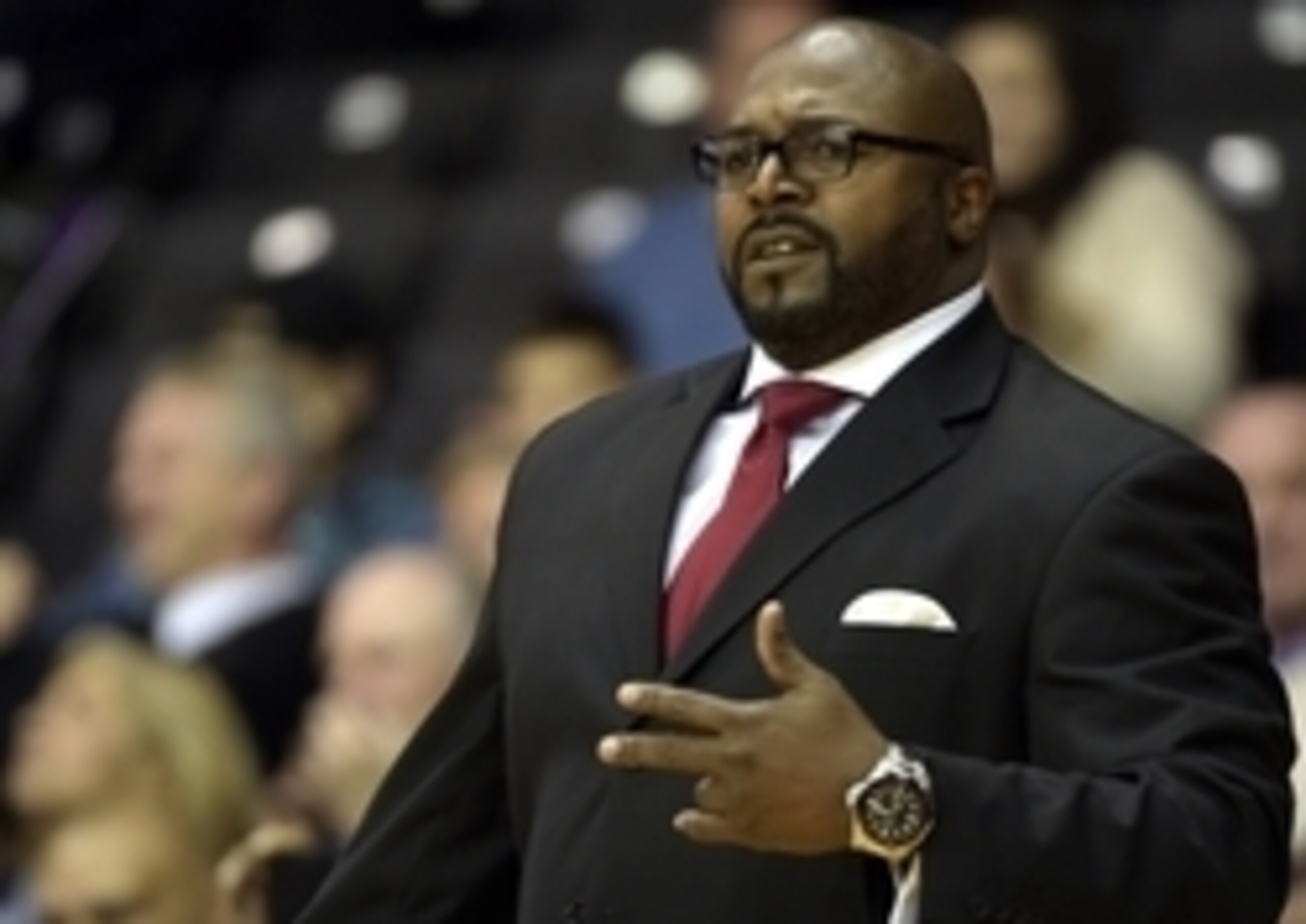
Average Tenure: 3.0 years
Bobby Collins (2014-Present): 18-15
Frankie Allen (2008-14): 42-139
Meredith Smith (2007-08): 4-28
Lawrence Lesett (2004-07): 13-75
Thomas Trotter (2000-04): 36-78
Lonnie Williams (1996-2000): 42-69
Jeffrey Menday (1994-96): 24-30
Rob Chavez (1992-94): 29-26
Robert Hopkins (1990-92): 8-28
Steve Williams (1987-90): 18-63
Howie Evans (1984-87): 10-72
Kirkland Hall (1981-84): 23-60
Quite the opposite of Tulsa, Maryland-Eastern Shore can't buy a win in most seasons.
Of the 269 programs that have been around for at least 36 years, the Hawks' .289 winning percentage is the worst by a considerable margin. In fact, New Hampshire (.333) is the only other team worse than 36 percent. This past season was only the second time since 1980 that they won at least 48.2 percent of their games.
Bobby Collins might be part wizard for leading this team to more than 16 wins for the first time in more than 40 years.
Four decades ago, though, this team was really good.
John Bates went 73-14 as the head coach of UMES from 1971-74—then with dual membership in the NAIA and D-II. In the last season of that stretch, the Hawks even cracked into the AP Top 20 while trying to put together a perfect record. They beat Manhattan in the first round of the NIT before wrapping up a 27-2 season.
But their fall from grace was one of the most spectacular in college basketball history, following up that incredible year with a 4-45 record over the next two seasons. It seems they're still working on picking up those pieces.
1. IPFW Mastodons
10 of 10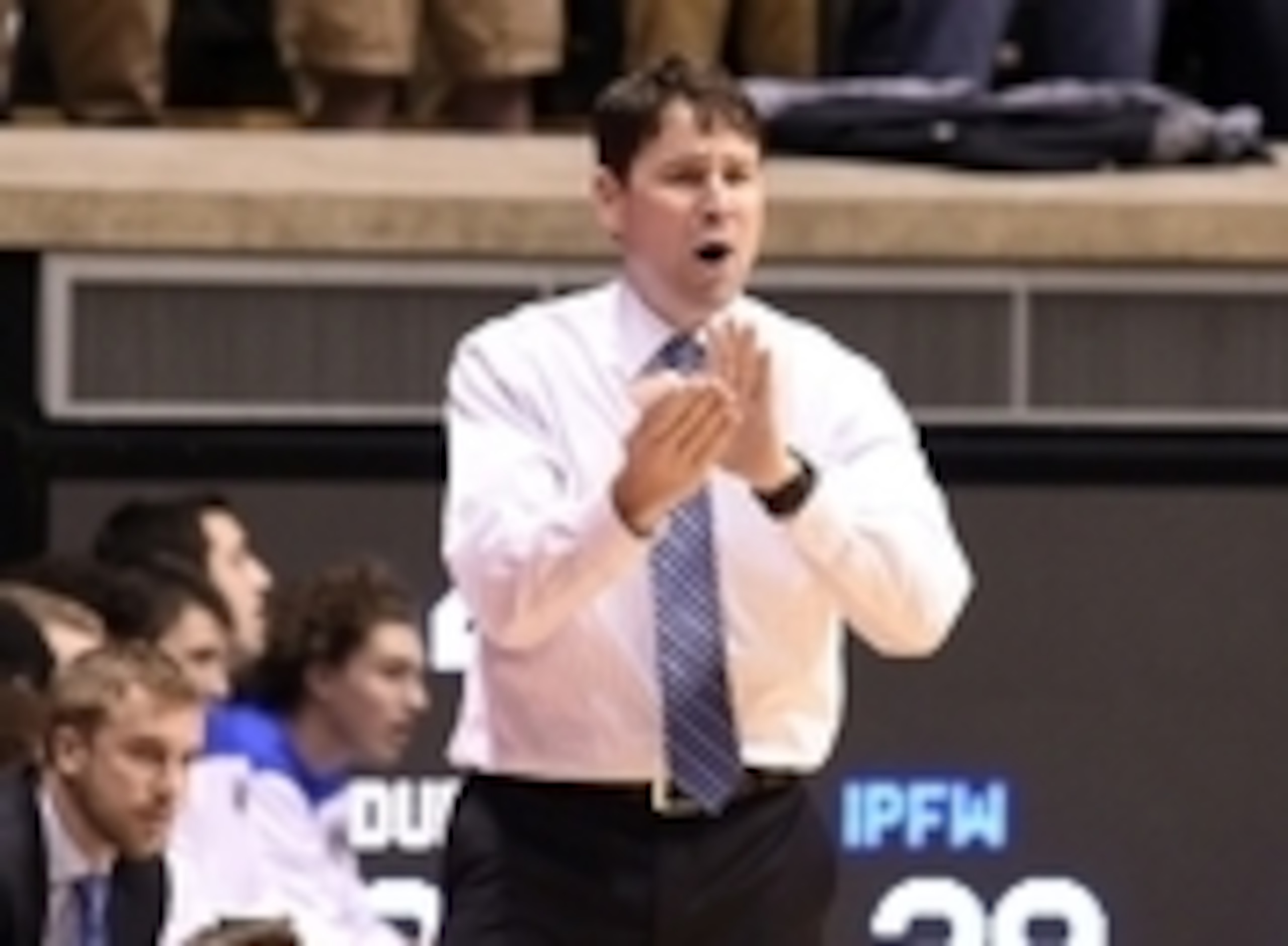
Average Tenure: 2.6 years
Jon Coffman (2014-Present): 16-15
Tony Jasick (2011-14): 52-47
Dane Fife (2005-11): 82-97
Joe Pechota (2005): 4-9
Doug Noll (2002-05): 15-59
We almost decided not to include the Mastodons, because they have only been a D-I program for 13 years. However, five coaches in 13 years was too impressive (or is it depressive?) to ignore.
After making the transition from the Great Lakes Valley Conference to the D-I independent ranks, IPFW gave Doug Noll less than three years to prove his mettle, firing him in the middle of the 2004-05 season after an eight-game losing streak capped off by a 100-59 loss to Wyoming.
Dane Fife had much better luck. He had an overall record 15 games below .500, but IPFW's winning percentage increased in each of his six seasons, culminating in an 18-12 year before he left to become an assistant at Michigan State. Tony Jasick followed a similar track, leaving for greener pastures one year after posting a 25-11 record with the Mastodons.
Might Jon Coffman do the same and be the one to finally lead this team to the NCAA tournament?
They came close two seasons ago, falling to North Dakota State by a three-point margin in the Summit League championship game. They have posted a winning conference record in back-to-back seasons, and now with a senior-laden roster in a wide-open conference, IPFW should certainly be in the mix once again this year.
Of course, if the Mastodons do go dancing in 2016, they'll probably end up needing to search for another new head coach next offseason.
At least they're quite familiar with the process.
Kerry Miller covers college basketball for Bleacher Report. You can follow him on Twitter @kerrancejames.
.jpg?w=2560 "Rams Raiders Football")


.jpg?w=2560 "Rodgers Iced Out on Plane 💎")

.jpg?w=2560 "Big Trade to Shake Up East 💡")