

NBA coaches will swear up and down that it's not about which players start but which players finish games.
Our well-reasoned, rational, wholly mature response: Psshhh!
OK, so closing games is actually a big deal, but starting them is, too. It's a big honor, for one, and clearly a point of pride. Not to mention, coaches obviously want their teams to get off to a good start, so it means quite a bit being one of the five players tasked with getting that done.
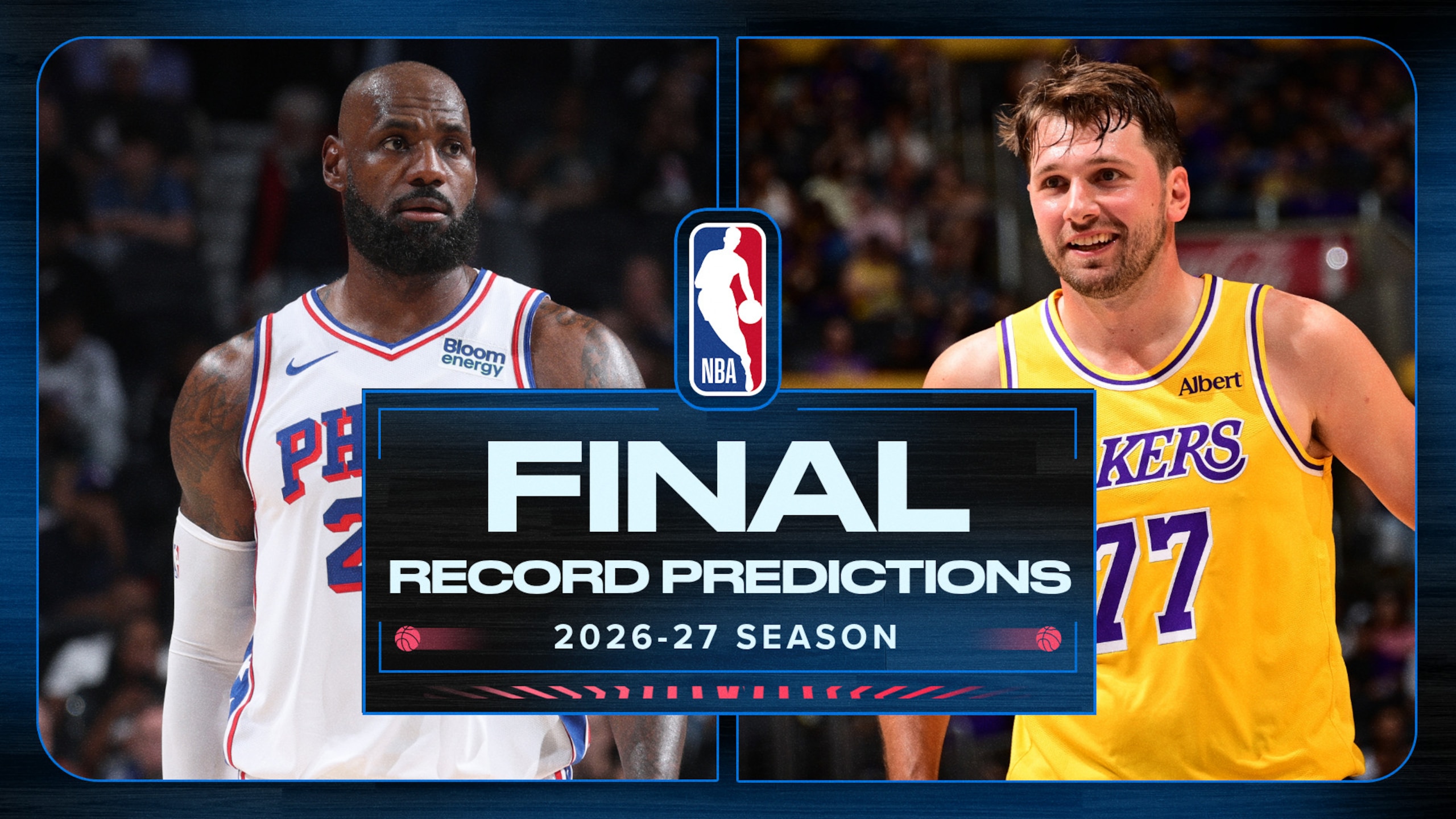
The (very) early portion of the 2026-27 season has given us glimpses of how teams will deploy their starters, so let's break down and rank every team's starting lineup based on fit, talent, production and potential.
These rankings assess each team's expected starting lineup, including regular starters who missed opening night, rather than strictly the five players who started its opener.
30. Milwaukee Bucks
1 of 30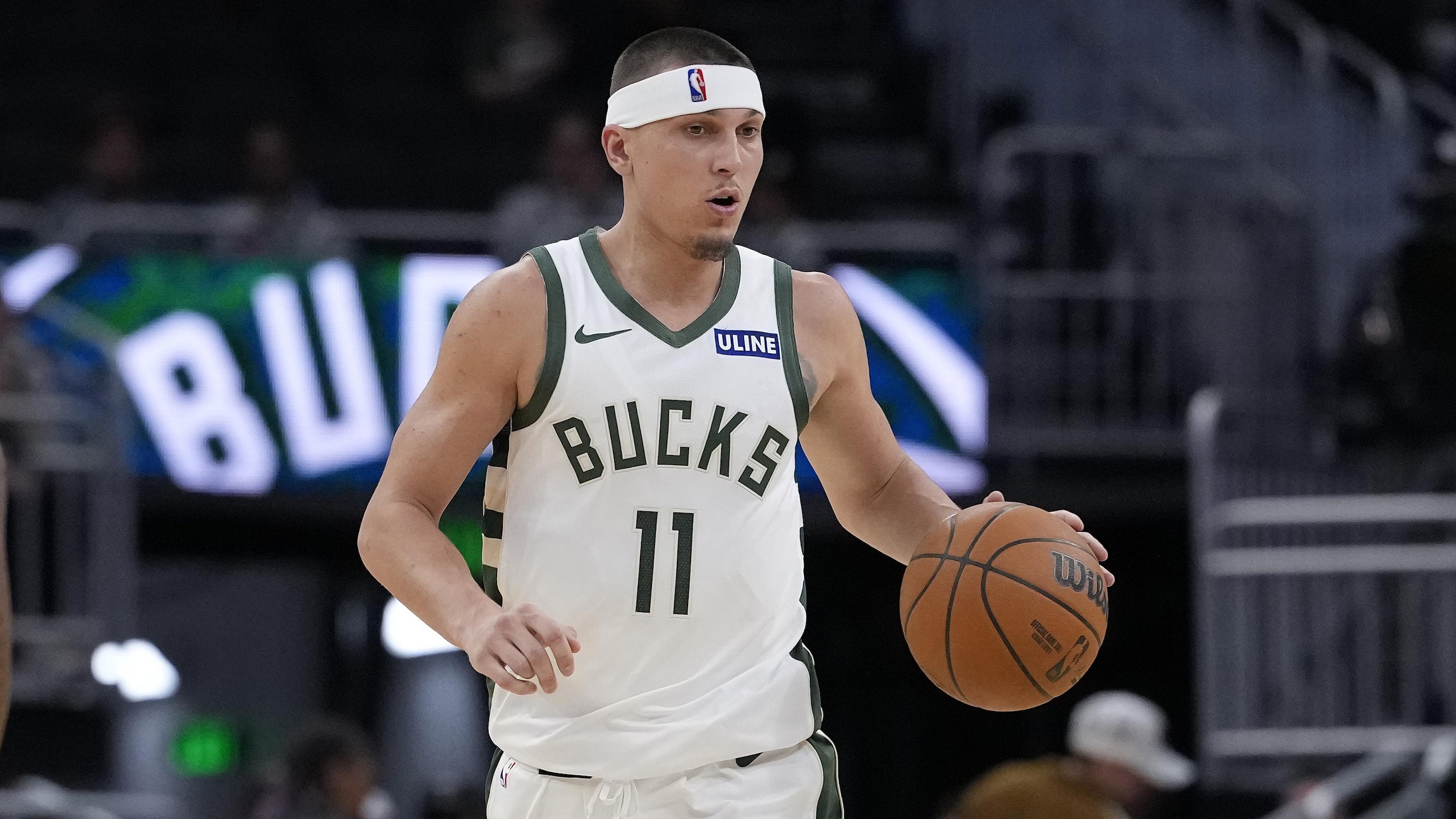
PG: Ryan Rollins
SG: Tyler Herro
SF: Jaime Jaquez Jr.
PF: Kyle Kuzma
C: Myles Turner
The Bucks were forced to trade away their best player in franchise history this offseason, and the package of players they brought back offers more quantity than quality.
Herro has technically been an All-Star, but shooting is his lone standout skill. He's a solid support scorer and secondary playmaker, but handing him the offensive keys is usually asking for disappointment.
Then again, it's not like Milwaukee has obvious alternatives.
Rollins impressed last season, but he's had one year of posting big numbers on a bad team. Kuzma and Turner are veteran holdovers who are seemingly waiting for any win-now shopper to take an interest. Jaquez is...fine, but maybe mostly in a he-can-pilot-your-second-unit kind of way.
29. Chicago Bulls
2 of 30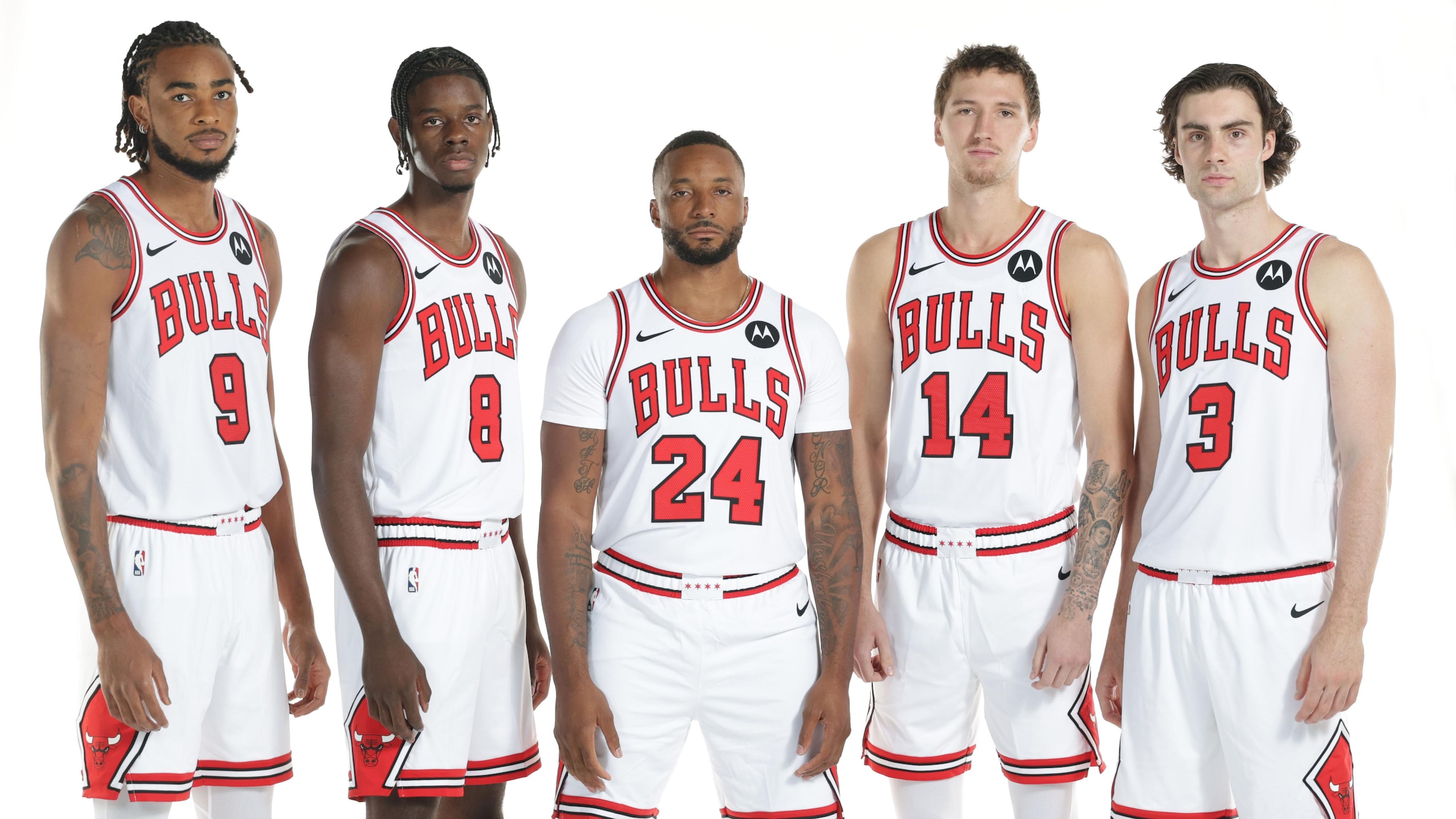
PG: Josh Giddey
SG: Norman Powell
SF: Matas Buzelis
PF: Caleb Wilson
C: Nic Claxton
It's a good thing Bulls fans can spend much of this season imagining all of the fun that might be part of a future led by Wilson and Buzelis. Because this could be a pretty rough watch in the present.
Powell gets over his skis as a primary scorer. He also might be the only quantity-plus-quality shooter in this quintet. Giddey could be more of a compiler than an actual contributor. Wilson's tools are special, but his offensive game is raw. Buzelis took a big leap as a sophomore, but averaging 16.3 points and 2.1 assists on a 51-loss team isn't exactly moving the needle. Claxton was just deemed non-essential by a Brooklyn Nets team with pretty underwhelming options at the 5.
Could these Bulls make a charge to their 30-something-win comfort zone? Maybe, but their (overdue) acceptance of a rebuild seems likelier to usher in the kind of losing typically associated with a top-to-bottom reset.
28. Sacramento Kings
3 of 30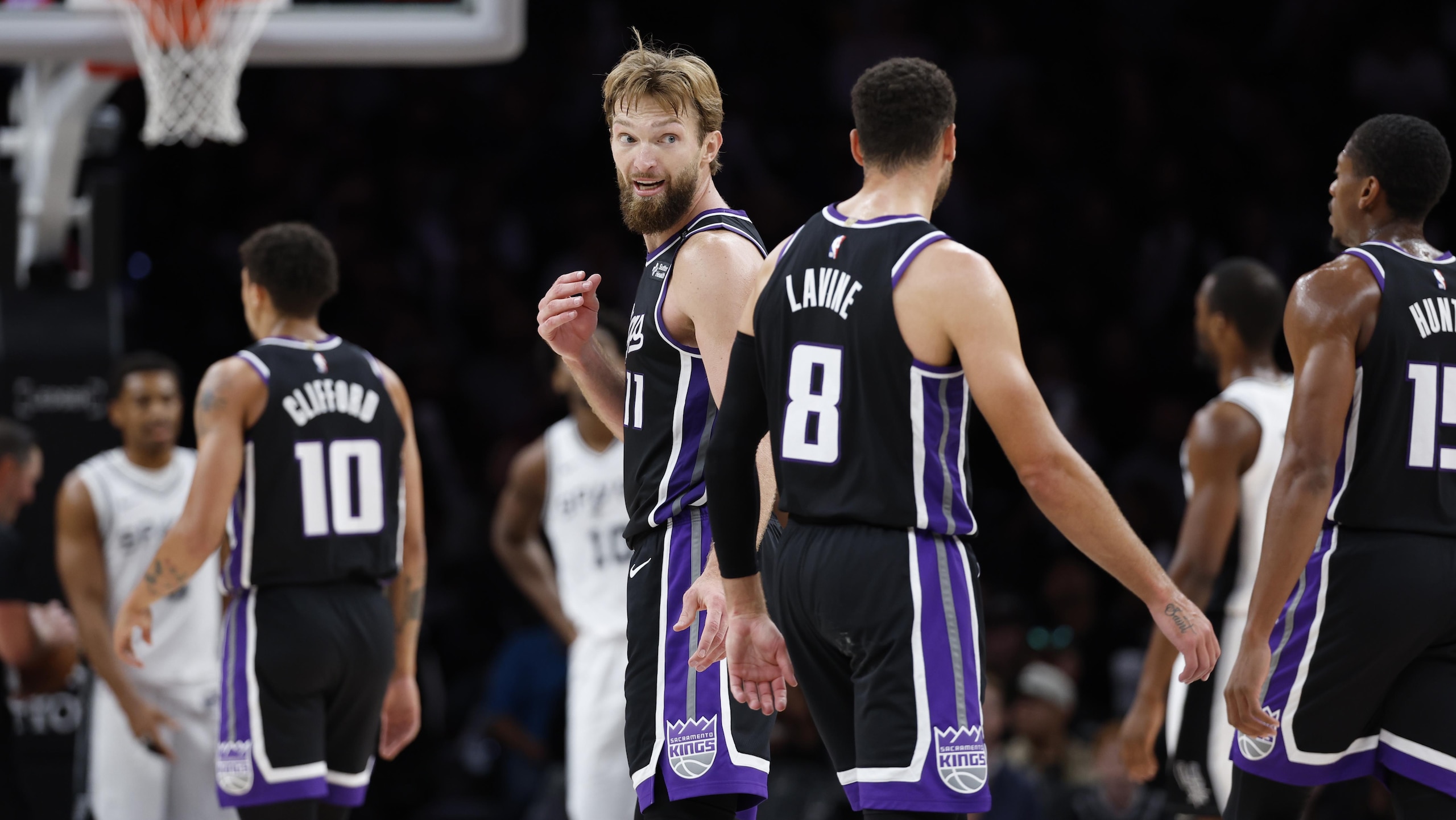
PG: Darius Acuff Jr.
SG: Zach LaVine
SF: De'Andre Hunter
PF: Keegan Murray
C: Domantas Sabonis
Admittedly, the Kings probably don't have the league's third-least talented starting five. Sabonis and LaVine have five All-Star selections between them, and Acuff was just the seventh player selected in one of the better regarded drafts in recent memory.
That said, this is very much a franchise in flux. Sacramento would love to unload both of those former stars if it could ever find a taker, so it could lean into a youth movement and eventually get things on the right track. But given their contract commitments and reputations as regular-season compilers, the Kings might have to incentivize trade partners to take either off their hands.
So, this team—and this lineup—is stuck between multiple, in some ways directly competing timelines. The Kings need to showcase the vets to hopefully increase their value, which limits the chances for someone like Acuff to find his footing. And, frankly, the less said about Hunter and Murray (who combined to have eight points on 13 shots in the opener), the better.


27. Los Angeles Clippers
4 of 30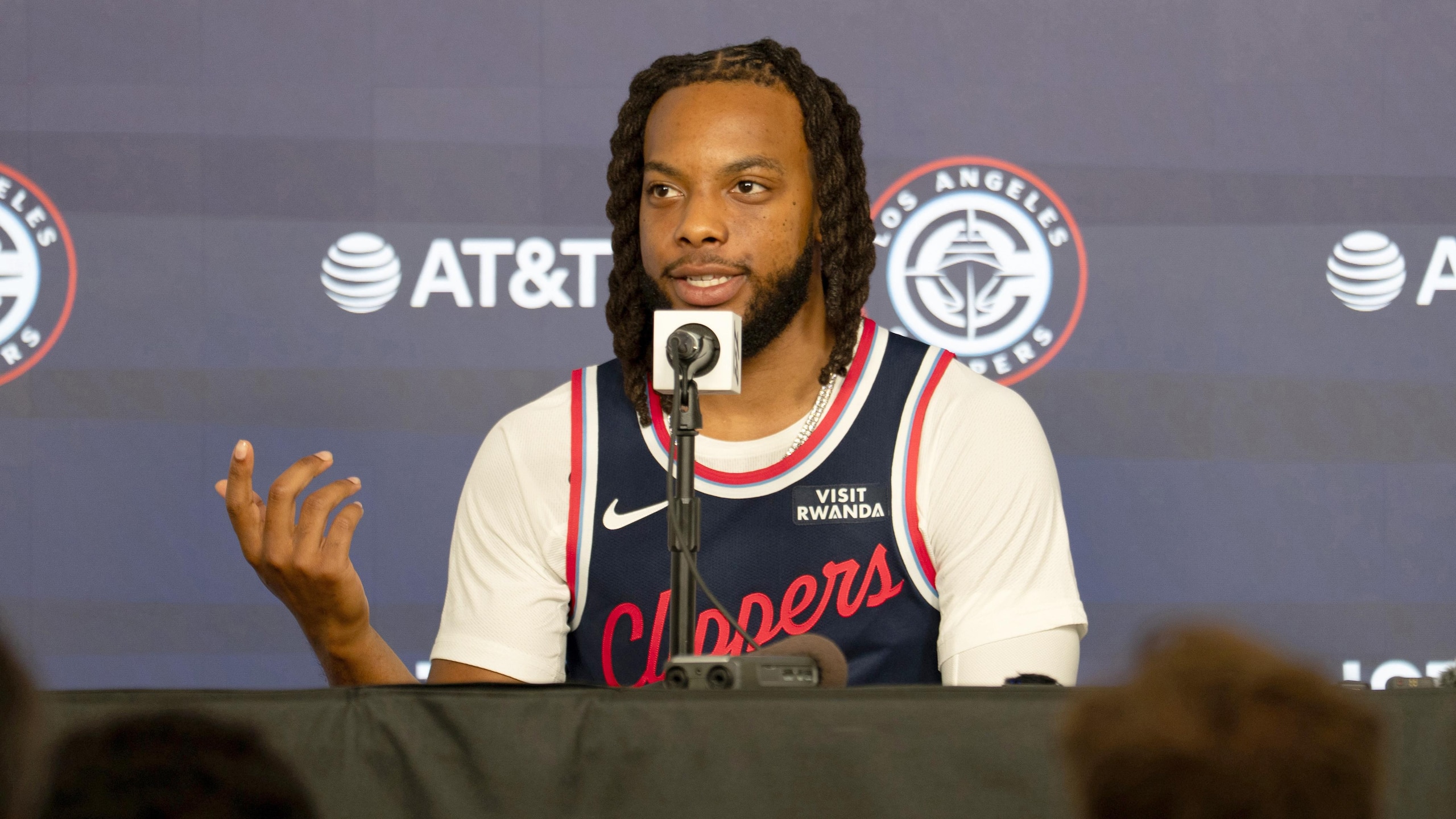
PG: Darius Garland
SG: Kris Dunn
SF: Derrick Jones Jr.
PF: Rui Hachimura
C: Isaiah Jackson
Not to kick the Clippers while they're down, but the long-term consequences of the NBA's salary-cap penalties could linger for years. On the court, those sanctions did little to change this season's outlook, which, as this ranking reflects, looks pretty grim.
Things should at least get better whenever Brandon Ingram is ready to return from May surgery on a right heel injury and partially torn Achilles tendon. And things should get more entertaining if rookie first-rounder Keaton Wagler ever wrestles away Dunn's starting spot.
For now, though, it's sort of just Garland on an island with a slew of unspectacular veterans around him. For as creative as Garland is and as potent as he can be, scoring could be an absolute grind for this group.
26. Memphis Grizzlies
5 of 30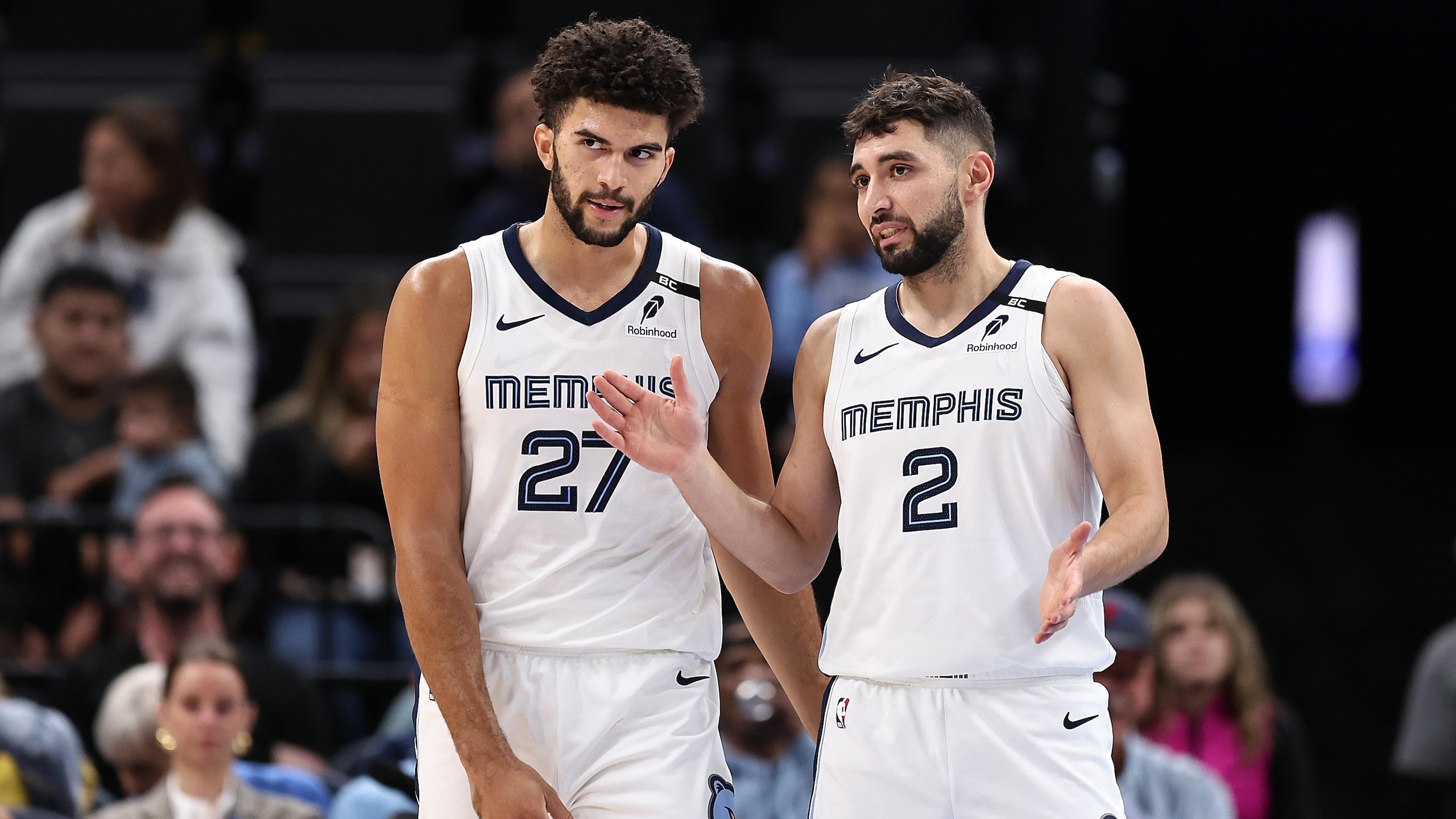
PG: Ty Jerome
SG: Cedric Coward
SF: Jaylen Wells
PF: Cameron Boozer
C: Zach Edey
Props to the Grizzlies for giving Wells the starting nod over veteran newcomer Jerami Grant. Not to slight Grant or anything—he is, at worst, a solid, starting-level player—but this seems to reflect an accurate assessment that this club's future towers over its present in importance.
And, hey, maybe this starting unit can help Memphis have a pretty promising present as is. Especially if Jerome has more fire-breathing efforts like his 45-point, six-assist, five-triple showing in the opener.
Boozer is an absurdly advanced processor for a teenaged rookie, Coward and Wells are helpful dot-connectors and Edey is a 7'4", 305-pound mountain of a man who can control the interior. The Grizzlies could become something pretty special down the line, but they can open a few eyes already this season, too.
25. New Orleans Pelicans
6 of 30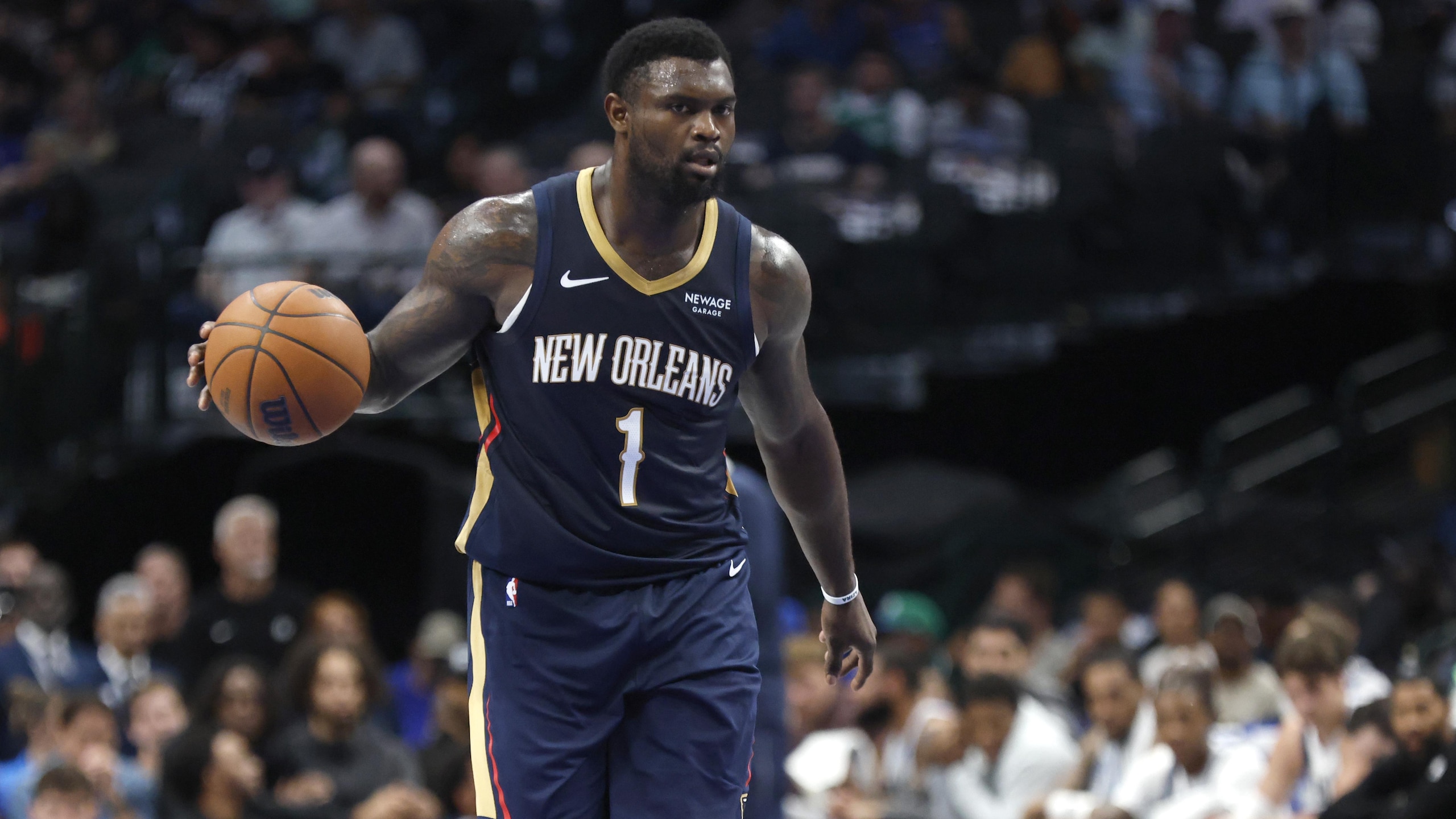
PG: Jeremiah Fears
SG: Dejounte Murray
SF: Trey Murphy III
PF: Zion Williamson
C: Yves Missi
Between Fears, Murray and Williamson, the Pels shouldn't be hurting for on-ball creativity. And with trade-market superstar Murphy in the mix, this is a group that could pile up points.
They do know, though, that defense is a part of the game, too, right? Because crowning Fears and Murray both winners of their training camp battle for a starting guard spot left this group without shutdown stopper Herbert Jones.
Maybe the trade-off will be worth it, but if the plan is to simply overwhelm opponents with offense, then it might need the most efficient versions of these players to date. Because this group could bleed points on the perimeter, and the paint protection might be just as flimsy.
24. Brooklyn Nets
7 of 30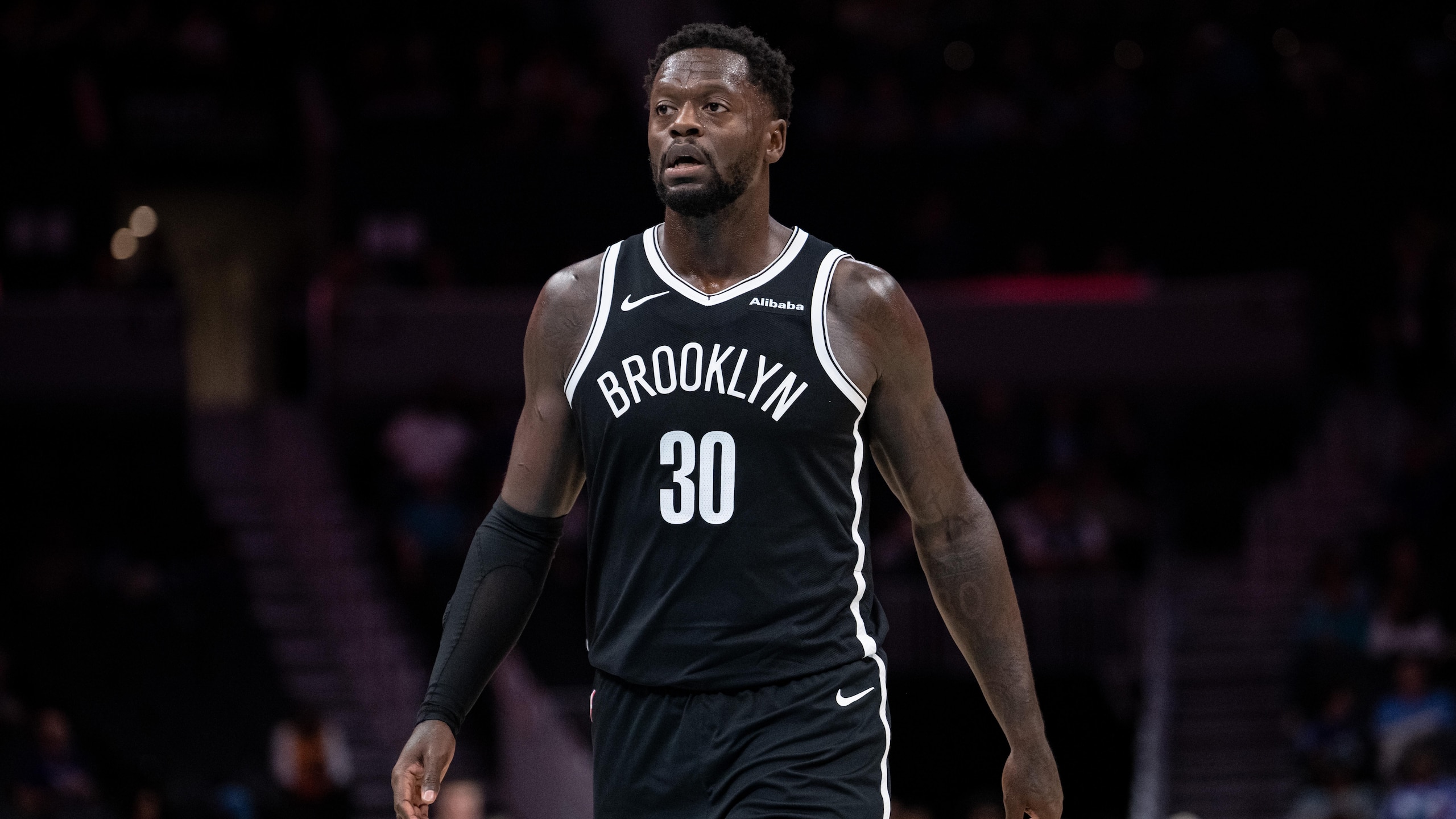
PG: Egor Dëmin
SG: Keon Ellis
SF: Michael Porter Jr.
PF: Julius Randle
C: Day'Ron Sharpe
Consider this rating a bit of a shoulder shrug for this group. It's not that the Nets totally lack talent; it's that it's a little hard to figure out how Brooklyn plans to blend high-scoring veterans Porter and Randle with such a youth-heavy roster.
The fact that the Nets started Ellis over No. 6 pick Mikel Brown Jr. suggests they might put more of a premium on competing over development, though it could have more to do with the ankle injury that limited Brown in the preseason.
Then again, Ellis' three-and-D game might be easier to plug into this lineup considering how many touches will be taken up by Porter and Randle, and Brown should have more on-ball chances with the second unit.
Unless the Nets think Porter and Randle are legitimate building blocks, though, there is at least some worry those two will monopolize possessions and leave players more important to the franchise's future lacking opportunities to grow.
In Brooklyn's season opener—a loss to a Kon Knueppel-less, Coby White-less Charlotte team—Porter and Randle accounted for 39 of the starters' 61 field-goal attempts.
23. Charlotte Hornets
8 of 30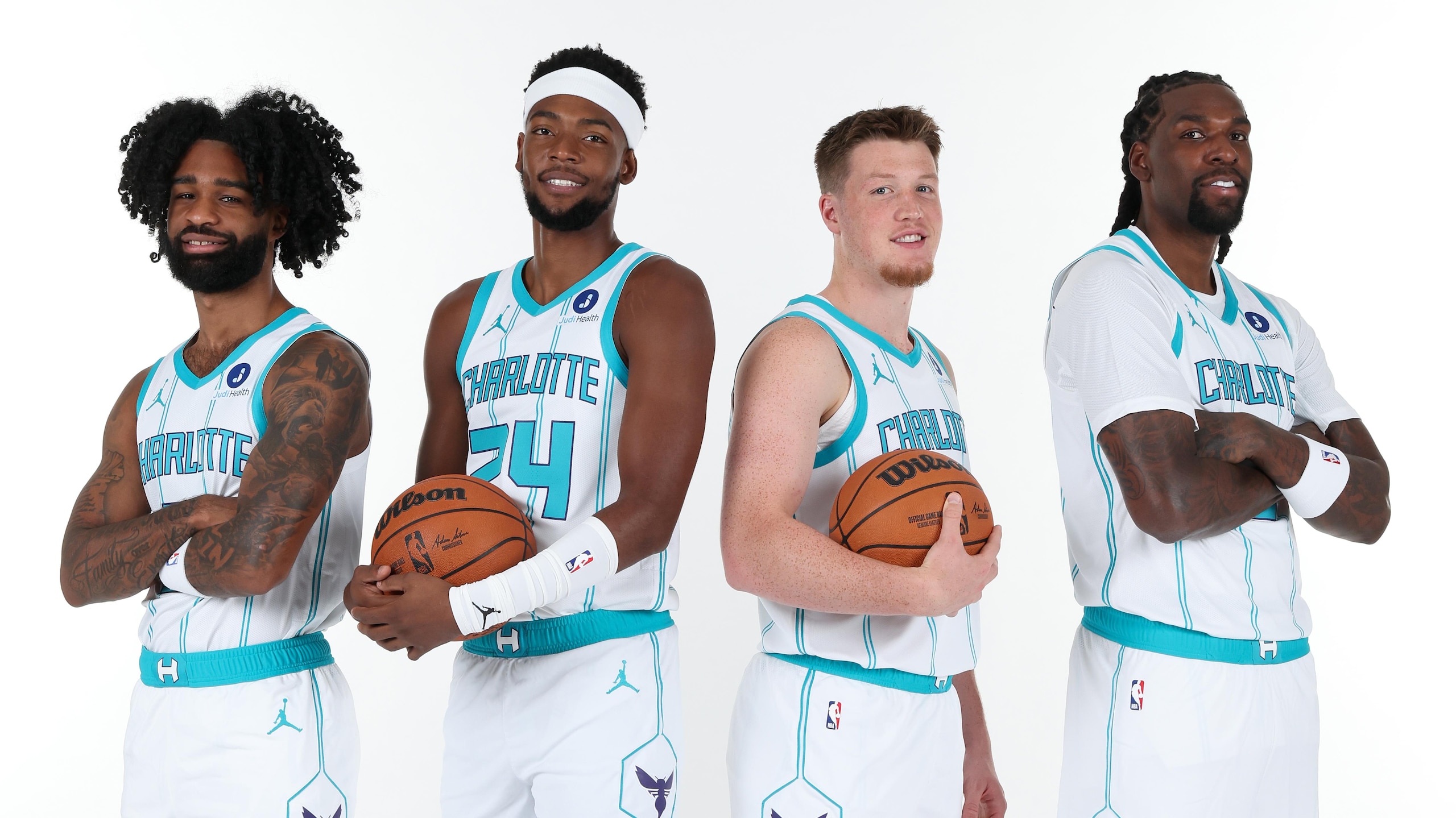
PG: Coby White
SG: Kon Knueppel
SF: Brandon Miller
PF: Naz Reid
C: Moussa Diabaté
This Charlotte fivesome has a chance to be pretty fun. Maybe not peak LaMelo Ball turning NBA games into AAU runs kind of fun, but a fun brand of basketball where the ball zips around and finds capable shooters at most spots.
This ranking is placing a slight wager on some internal growth, but this lineup isn't lacking for potential improvers. Knueppel had a historic shooting run as a rookie, Miller can look the part of a star big wing (the most coveted archetype in basketball) and Reid could really blossom with more of a featured role than he filled in Minnesota.
There will still be questions about Knueppel and Miller as first and second options, and those will be important questions since this is built to be an offense-forward group.
22. Golden State Warriors
9 of 30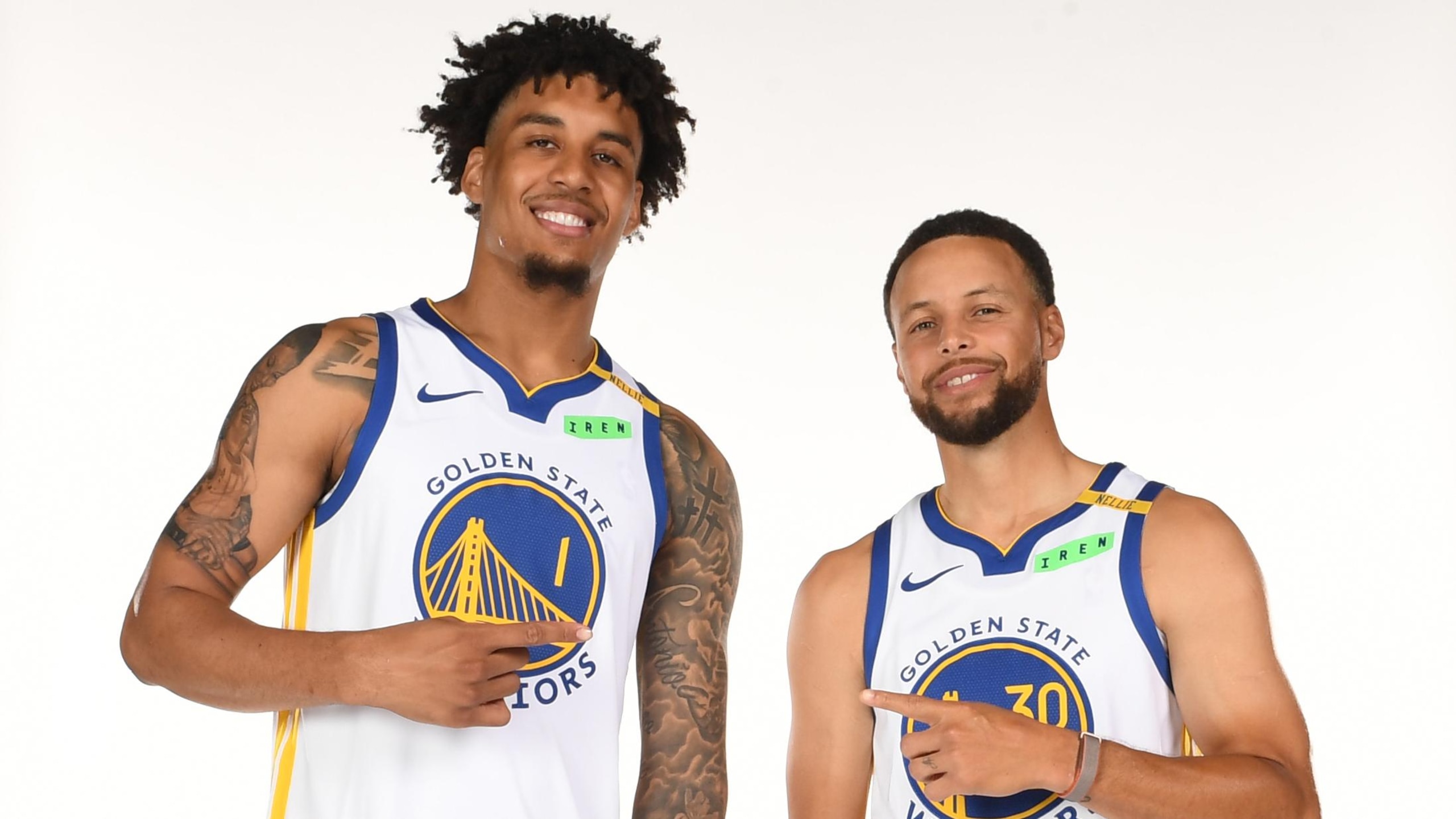
PG: Stephen Curry
SG: Brandin Podziemski
SF: Gui Santos
PF: Yaxel Lendeborg
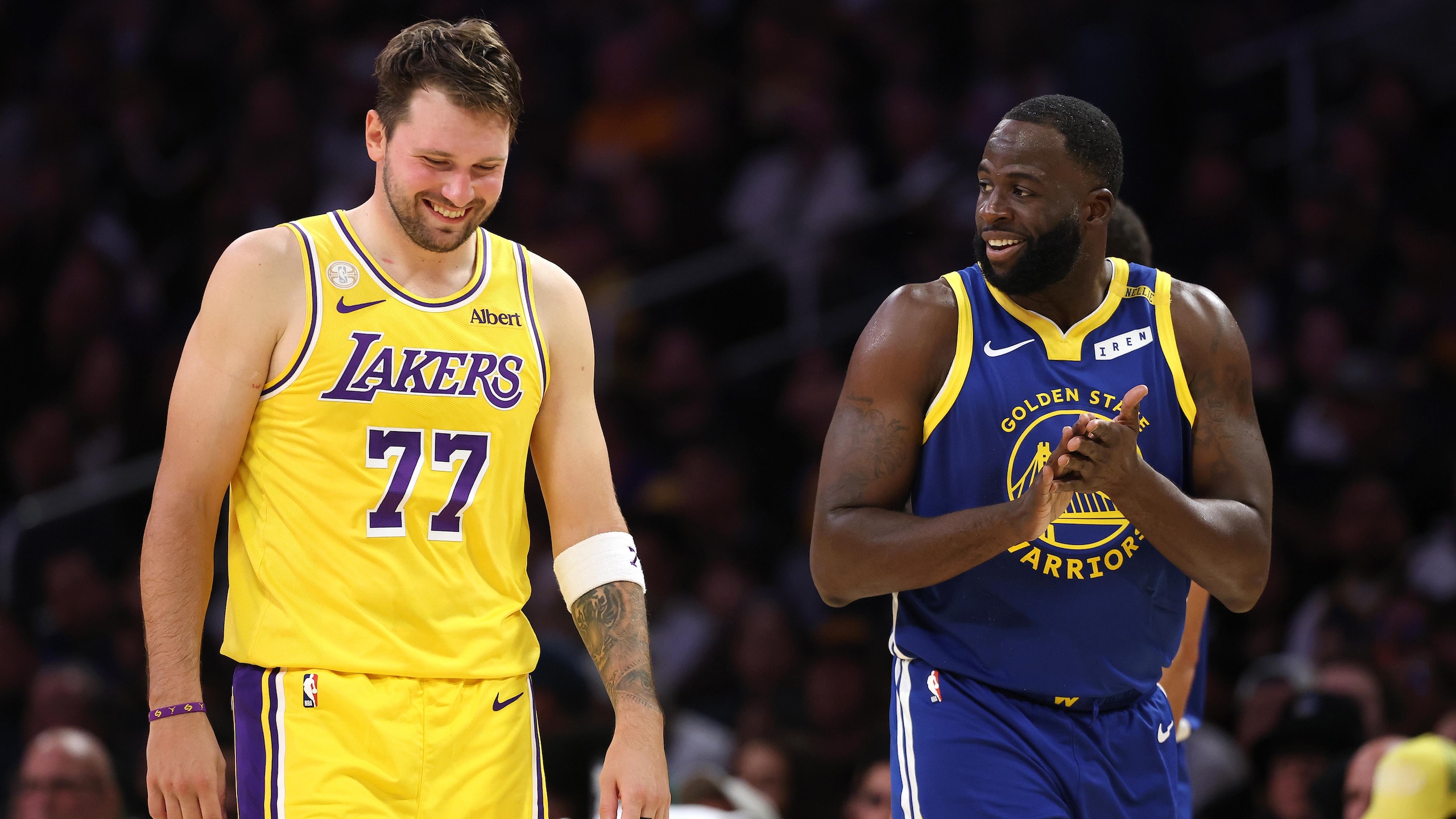
C: Draymond Green
This lineup looks like—well, a bummer, to be honest. Curry is a magical basketball force, obviously, but he just doesn't have the kind of support he deserves for his twilight years.
If someone could magic-wand Jimmy Butler, Kristaps Porziņģis (a super-early trade candidate) and Moses Moody back to full strength, maybe things would be different, but these Dubs will be depleted for a while.
And it's already showing. Granted, Golden State was without Podziemski (back) on opening night, but Curry's lack of support loomed as a fatal flaw. He netted 23 points; no other Warrior had even 15. Newcomer Brandon Williams came closest with 14 off the bench—while misfiring on nine of his 12 field-goal attempts.
Curry's presence alone keeps the Warriors from falling any farther, but this is about as bleak as it gets for a generational great. Hopefully, the Warriors at least avoid a total collapse amid their injury issues, because a full-strength starting lineup would probably push for top-10 status.
21. Phoenix Suns
10 of 30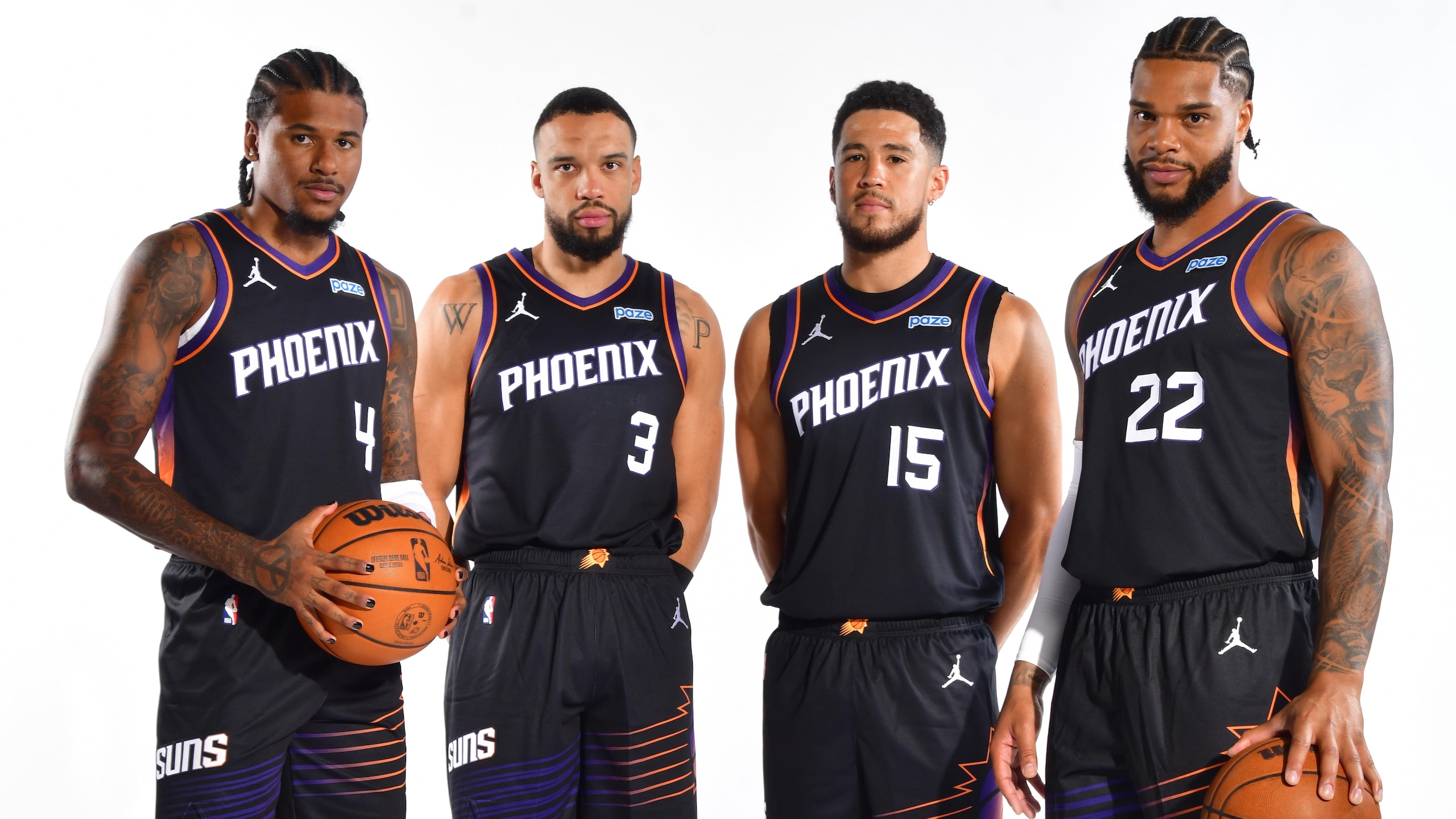
PG: Jalen Green
SG: Devin Booker
SF: Dillon Brooks
PF: Miles Bridges
C: Khaman Maluach
If Suns fans want to know why external trade speculation around Booker exists despite Phoenix's steadfast refusal to even entertain the idea, you might be looking at it. He is clearly without a co-star, and this lineup lacks some of the basic things the Suns probably need to win anything of substance.
Like, where is the offensive organizer? Or the space-creating shooters? Who can consistently be relied upon for paint protection and rebounding? In the season-opener, the Suns' starters shot 3-of-13 from range, assisted on only six of their 19 field goals and lost the rebounding battle 27-20.
Green and Bridges are volume scorers, Brooks is a defensive stopper and Maluach is unproven at this level. The sum of the parts still adds up to a non-terrible ranking, but the whole shows too many holes for these five to climb any higher.
20. Dallas Mavericks
11 of 30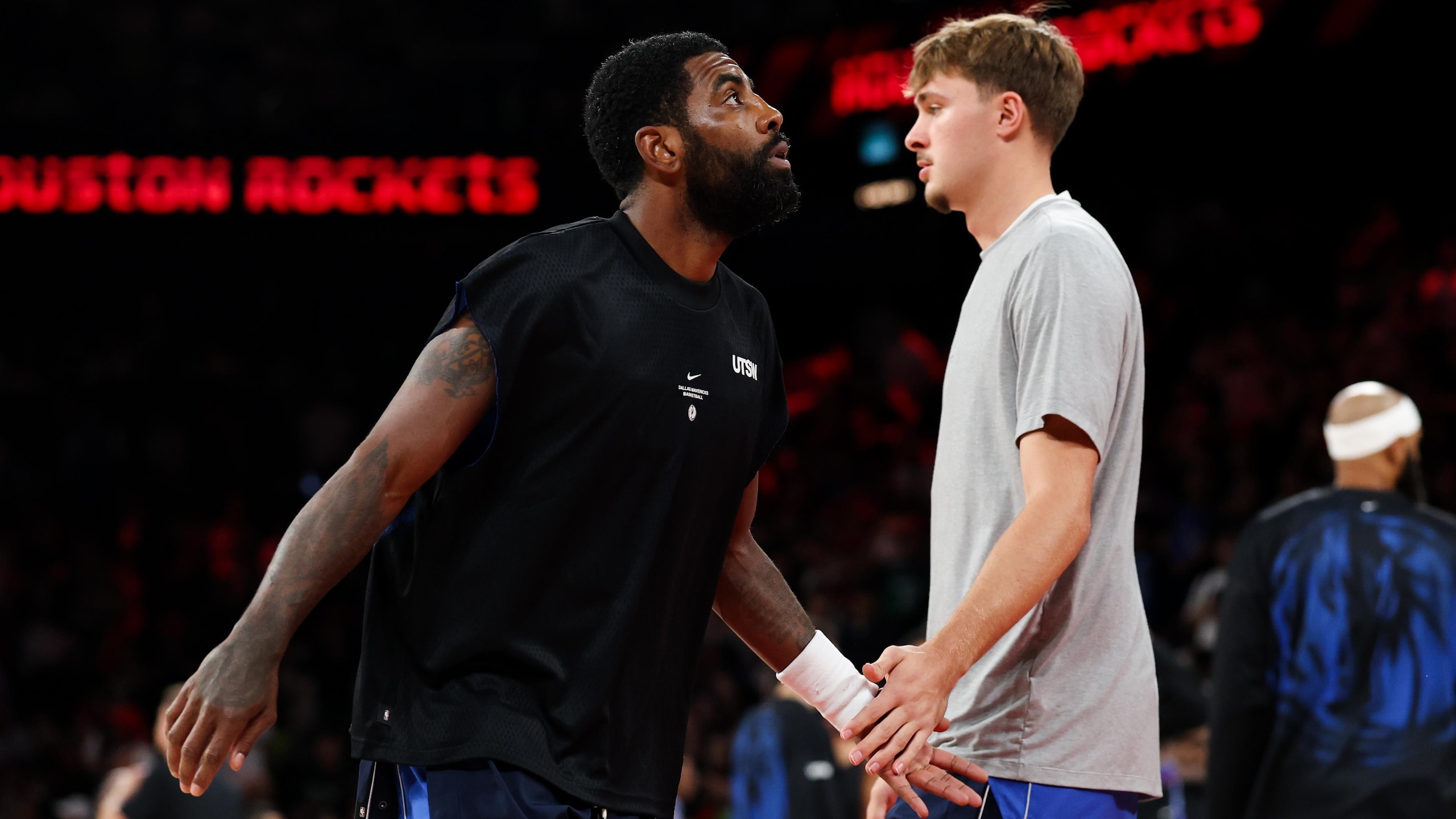
PG: Kyrie Irving
SG: Max Christie
SF: Cooper Flagg
PF: P.J. Washington
C: Daniel Gafford
Hopes are high for the Irving-Flagg pairing—for however long it lasts. Not in a Dallas-could-be-sneaky-awesome kind of way, but definitely in the sense that Irving's creation, scoring, playmaking and experience could all make life easier on Flagg.
That part of this equation seems promising. It's the other three spots preventing the Mavs from entering the teens.
Christie, Washington and Gafford are all fine. That's just too many replaceable parts in a five-man lineup. Especially with Irving being a 34-year-old returning after a season-plus on the sidelines (ACL), and Flagg being just a 19-year-old sophomore.
19. Utah Jazz
12 of 30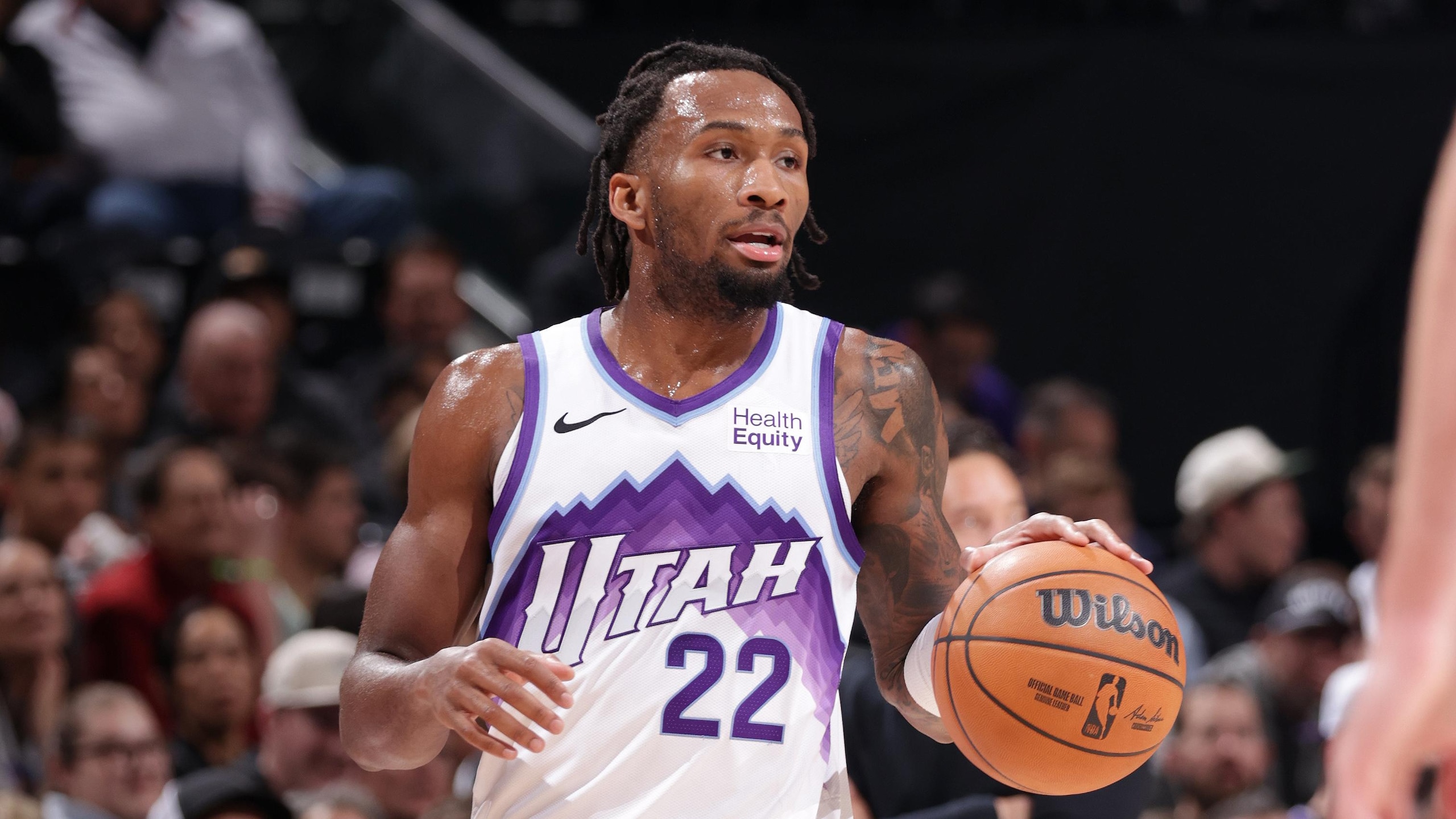
PG: Keyonte George
SG: Darryn Peterson
SF: Lauri Markkanen
PF: Jaren Jackson Jr.
C: Jusuf Nurkić
There are certainly scenarios in which the Jazz could make this ranking look low. Jackson and Markkanen have All-Star trips on their resumes, George had All-Star-ish numbers last season and Peterson was often regarded as the top talent in a loaded 2026 draft class.
That being said, Markkanen and George have posted their best numbers on some brutally bad teams. Jackson's offense lacks consistency, and his defense still features too many fouls and not enough rebounds. Peterson's best film came back in high school. It's both reasonable and rational to question this club's ability to immediately flip the switch after consecutive 60-loss seasons.
Utah's season-opener was rough, but it was missing Nurkić. Then again, the 32-year-old non-star center wasn't exactly the reason for preseason optimism around this team.
18. Portland Trail Blazers
13 of 30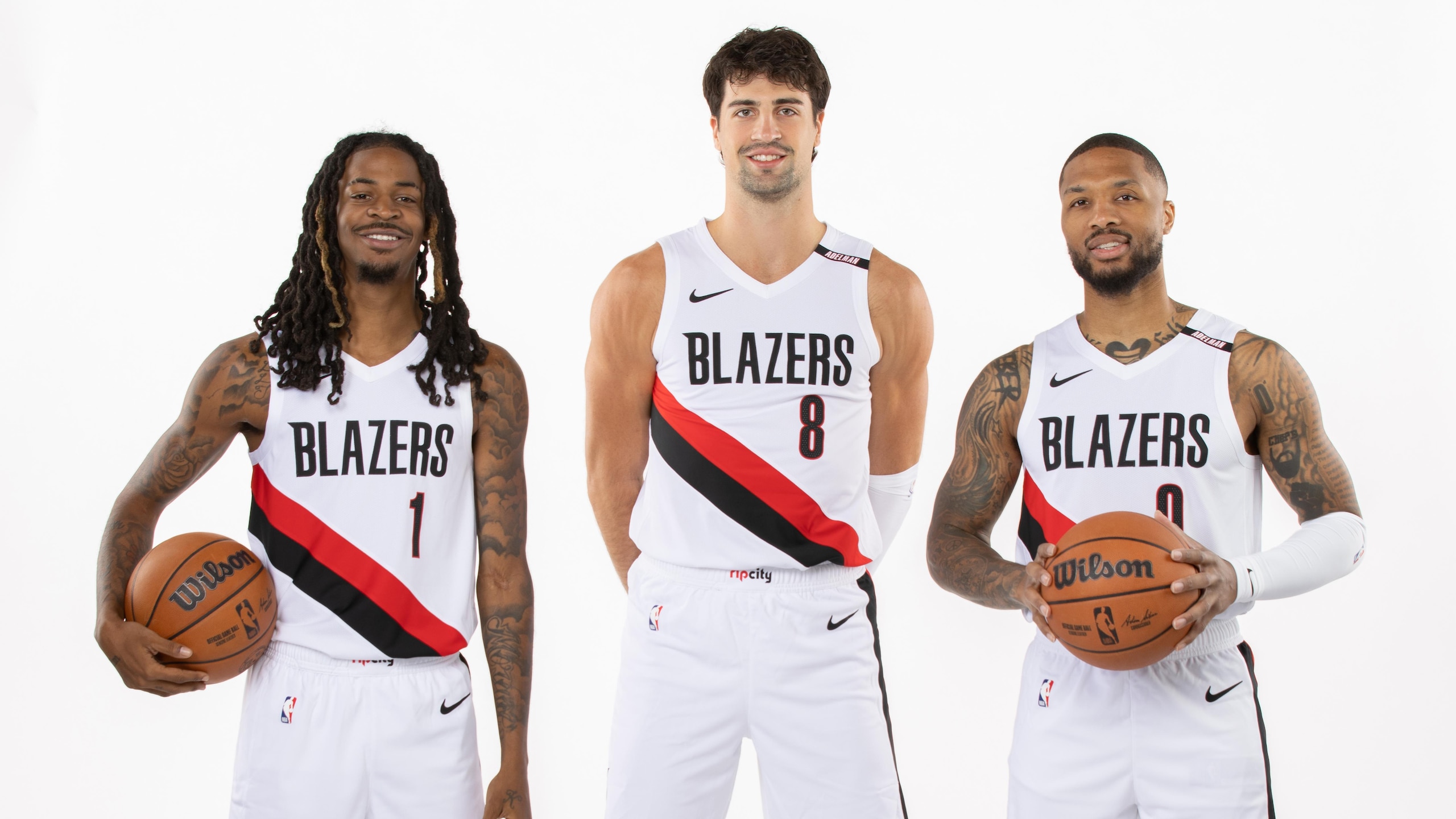
PG: Ja Morant
SG: Damian Lillard
SF: Toumani Camara
PF: Deni Avdija
C: Donovan Clingan
Did any combo up its stock more in its season opener than the Blazers' new backcourt? Sure, it's only one game, and the Suns looked awful, but this is exactly how believers in the Morant-Lillard backcourt hoped it would look: 39 points on 13-of-20 shooting (8-of-13 from range) and 14 assists against two turnovers.
"You only get one chance at a first impression," Morant told reporters. "And that was our message to each other before we ran out of the tunnel, to make sure we leave a good message and start off on the right foot."
One game, of course, hardly defines anything, and there are clearly questions of durability, shot distribution and backcourt defense. If shots are falling, though, this group gives the Blazers the chance to start out with a flurry before coach Micah Nori starts mixing and matching the on-court configurations to balance things out.
17. Washington Wizards
14 of 30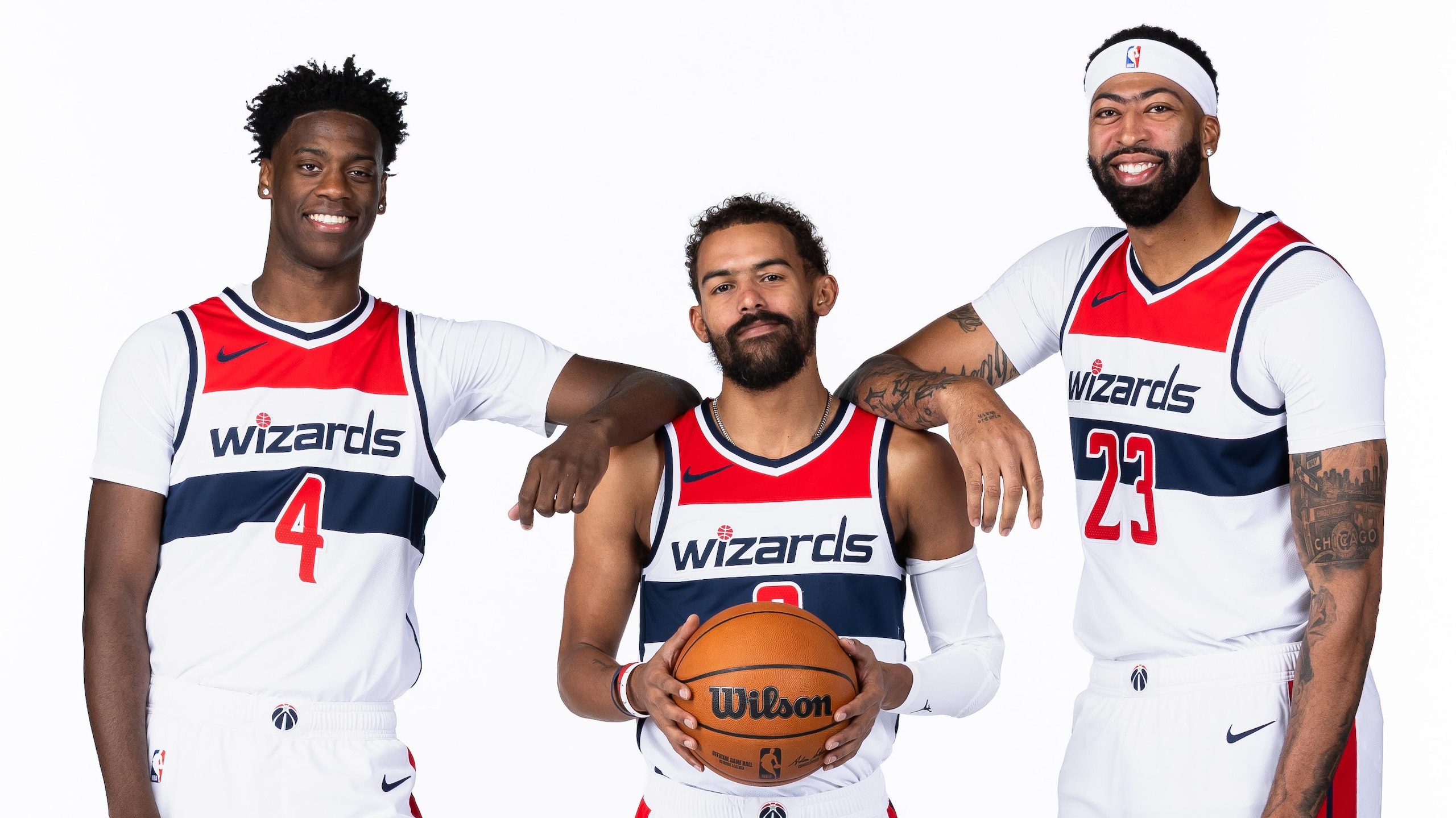
PG: Trae Young
SG: Kyshawn George
SF: AJ Dybantsa
PF: Anthony Davis
C: Alex Sarr
The Wizards make you want to believe, because their best-case scenarios are wildly entertaining. And, honestly, this ranking indicates at least some level of belief given that this franchise has delivered three consecutive 64-plus-loss seasons.
Granted, Davis and Dybantsa played in exactly none of those seasons, and Young was only slightly more involved (five appearances), but the stench from that level of losing can sometimes linger. If nothing else, the lack of meaningful basketball made it impossible to gauge whether George or Sarr could contribute to a winner.
Will the Wizards get a total buy-in from Davis given the lack of established talent around him? Are they built the right way to capitalize on Young's offensive gifts and minimize his defensive deficiencies? Is Dybantsa the kind of top pick who can star right away, or will he need some time to blossom? We don't know those answers, but we're eager to find out.
16. Orlando Magic
15 of 30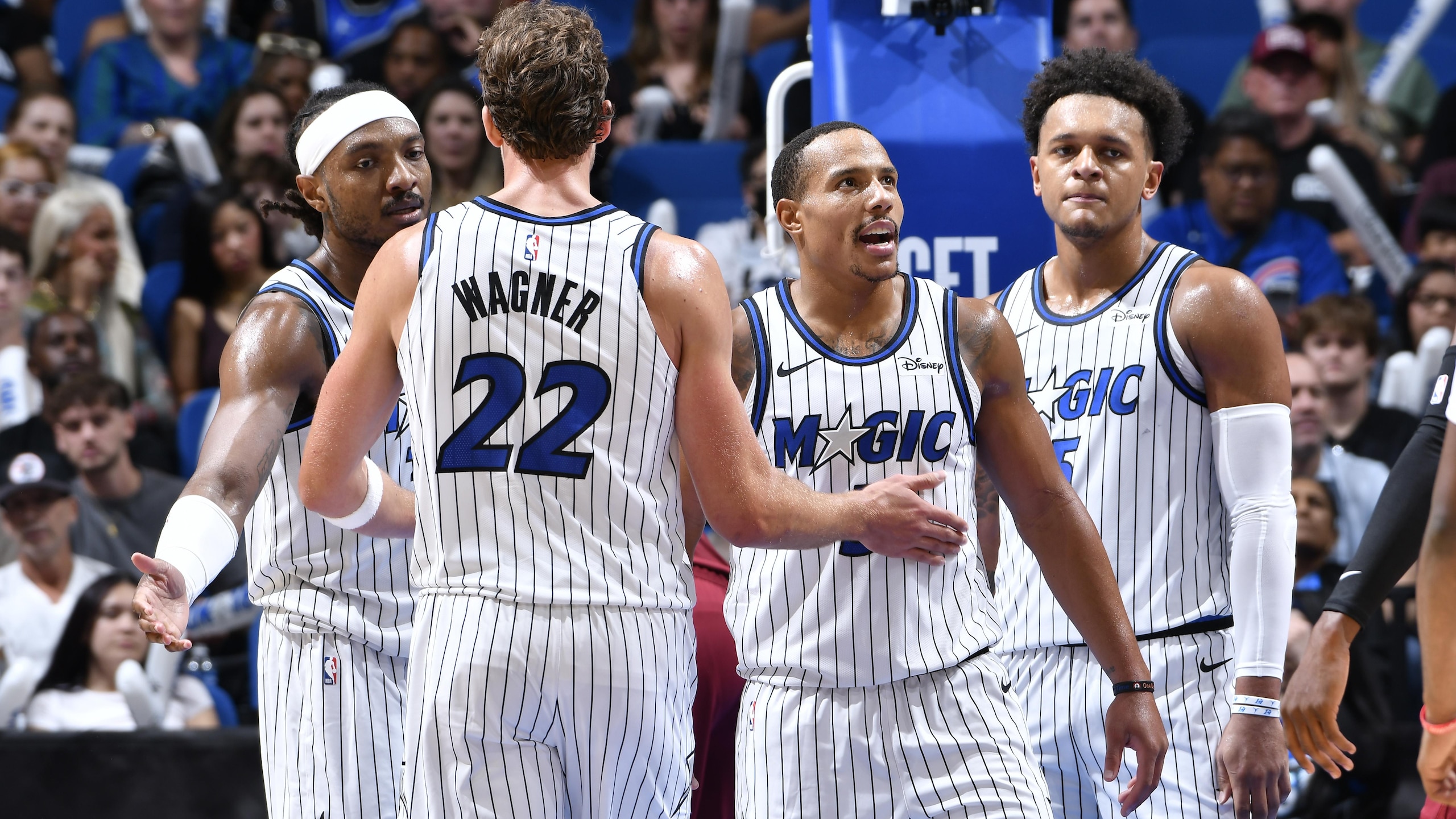
PG: Jalen Suggs
SG: Desmond Bane
SF: Franz Wagner
PF: Paolo Banchero
C: Wendell Carter Jr.
If this assessed only talent in a vacuum, the Magic might push for a top-10 placement. Wagner and Banchero are certified stars, Bane is one of the Association's best third options and Suggs and Carter are helpful to have at both ends.
So, why can't Orlando crack the upper half? Because basketball isn't played in a vacuum. The puzzle pieces have to fit, and there's just too much overlap—Wagner and Banchero both work best on the ball; Bane is the only reliable shooter—to trust they ever will.
An upgraded primary playmaker might better balance all the mouths to feed. A shooting upgrade or two could give everyone more breathing room. This fivesome doesn't feel that far away, but an internal breakthrough will be tricky to engineer.
15. Los Angeles Lakers
16 of 30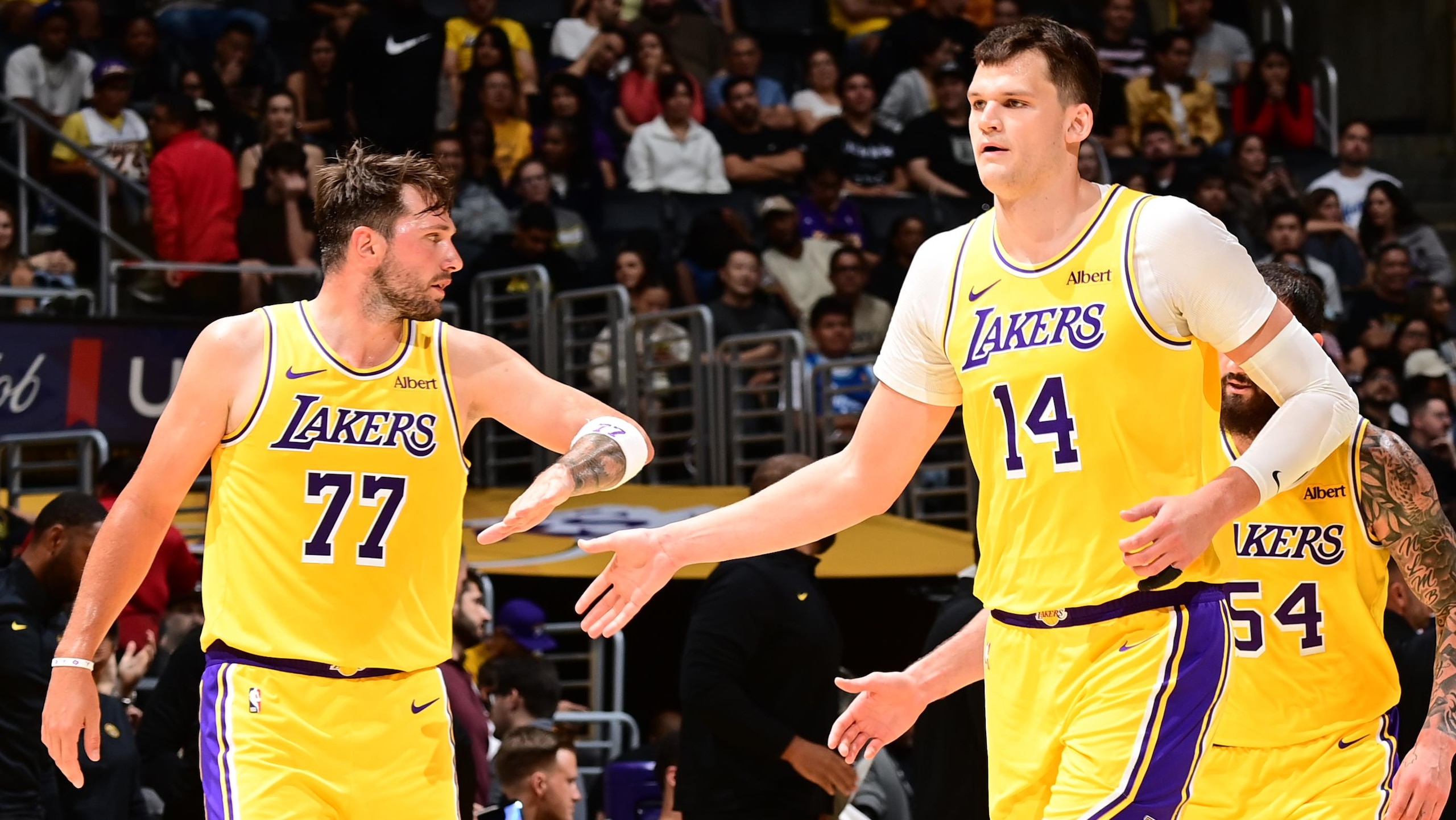
PG: Luka Dončić
SG: Austin Reaves
SF: Matisse Thybulle
PF: Ziaire Williams
C: Walker Kessler
The Lakers spent this offseason retrofitting their roster around Dončić. Their starting lineup doesn't necessarily reflect that.
It has his long-awaited rim-runner in Kessler and a good amount of wing defense to cover for the backcourt's limitations on that end. It is short on shooting, though, as the guards are the lone sources of either volume or efficiency from distance. Starters not named Dončić went just 3-of-7 from range in Wednesday's opener.
This still might work. L.A. could get all of the shooting it needs out of its guards, and Dončić can fashion Kessler into a legitimate offensive weapon (26 points, 12-of-12 from the field in his Lakers' debut). It still has a worrisome amount of one-way players, though.
14. Boston Celtics
17 of 30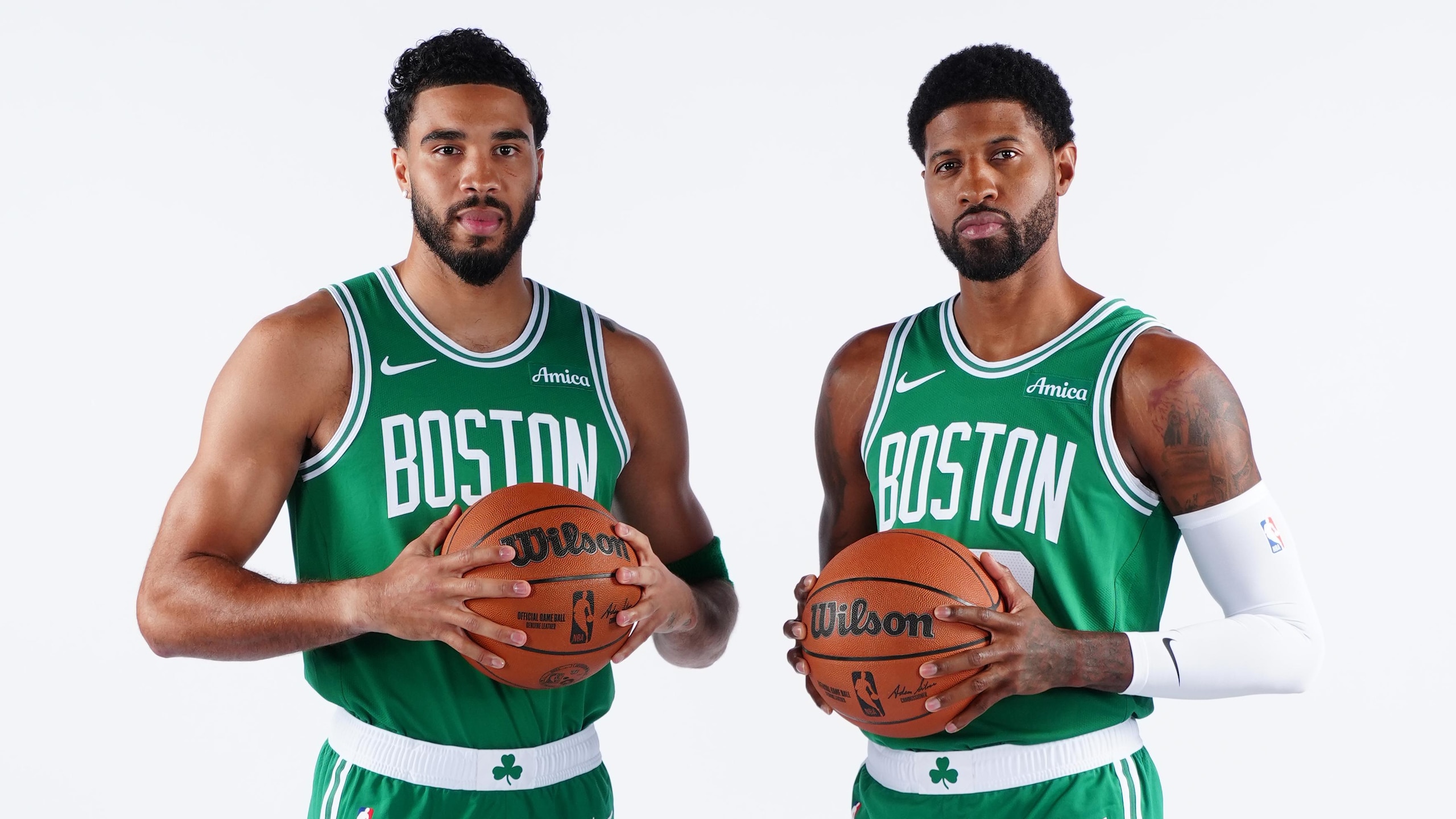
PG: Derrick White
SG: Jordan Walsh
SF: Paul George
PF: Jayson Tatum
C: Mitchell Robinson
The Celtics probably lost their shot at contention after trading away Jaylen Brown this summer. They still have a chance to factor into the Eastern Conference race, though, provided Tatum rediscovers his old superstar form.
If Tatum is a clear-cut elite, this lineup can cover most bases behind him. George is a little shaky as a second option at his age (36), but White will help with that role most nights. Having two non-spacers in the lineup seems strange for a Joe Mazzulla squad, but Walsh's versatility and Robinson's blend of length and bounce are major defensive assets.
There isn't a ton of safety net should Tatum struggle at all in his first full season back from a torn Achilles or should George show his age, but the high-end outcomes here are still pretty good.
13. Miami Heat
18 of 30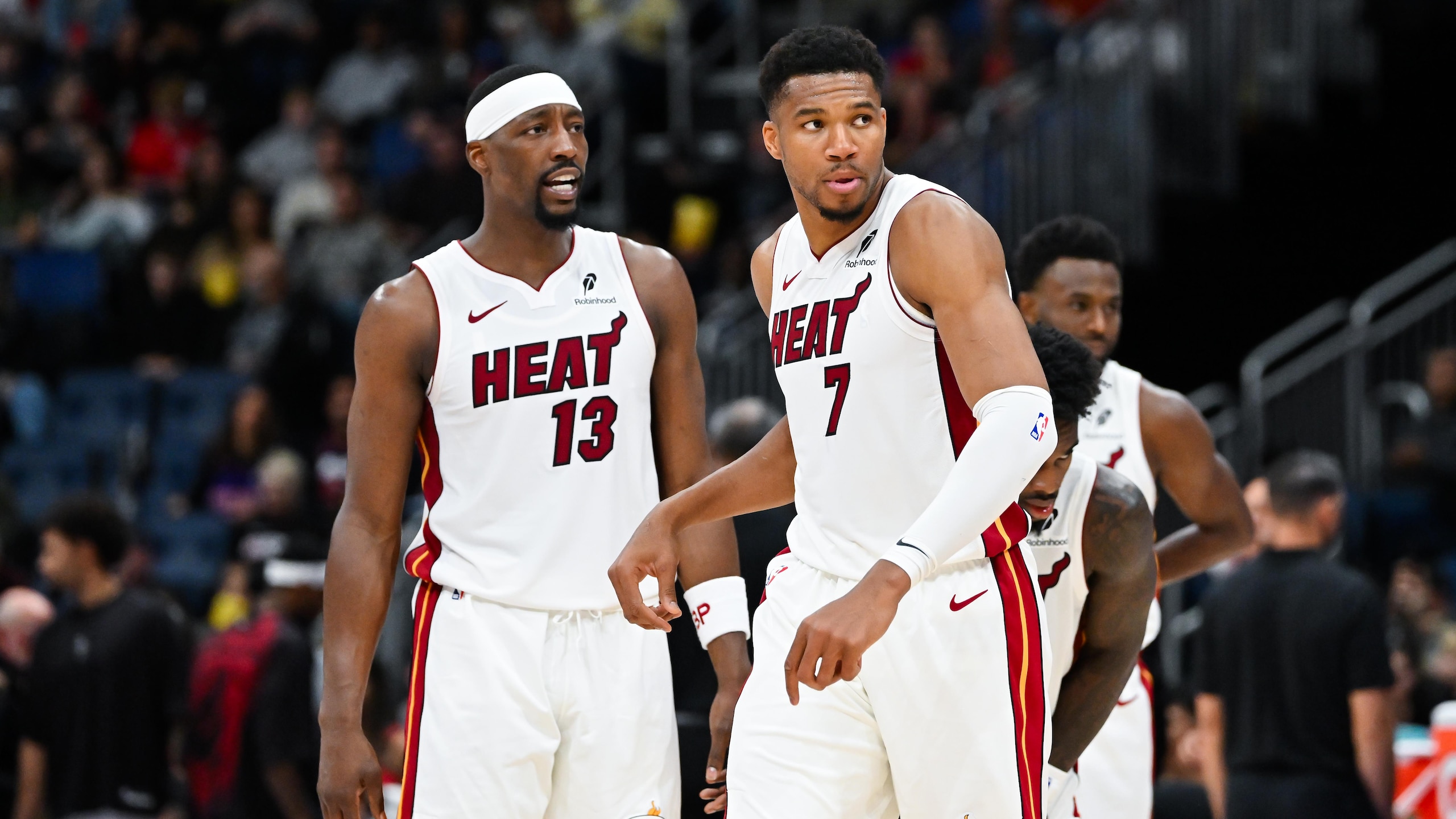
PG: Davion Mitchell
SG: Klay Thompson
SF: Andrew Wiggins
PF: Bam Adebayo
C: Giannis Antetokounmpo
The Heat are hard to handle here. On one hand, it's really hard to doubt Erik Spoelstra's ability to maximize a roster with a superstar centerpiece (Antetokounmpo) and a legitimate co-star (Adebayo). On the other, it's a little too easy to wonder whether Antetokounmpo has any more scoring help than he did in Milwaukee.
Adebayo isn't your classic No. 2 option. Thompson was at one point, but age and injuries have relegated him to shooting-specialist duties. Wiggins looks like a second option some nights, but he can be invisible on others. Mitchell is a low-volume scorer and shooter who Miami hopes just provides passable playmaking.
All of that said, Antetokounmpo is awesome, and so is Spo, and Adebayo is good-to-great at a lot of different things. Leaving that trio out of the top 10 seems risky, but concerns around spacing, creation and perimeter scoring left us no choice.
12. Atlanta Hawks
19 of 30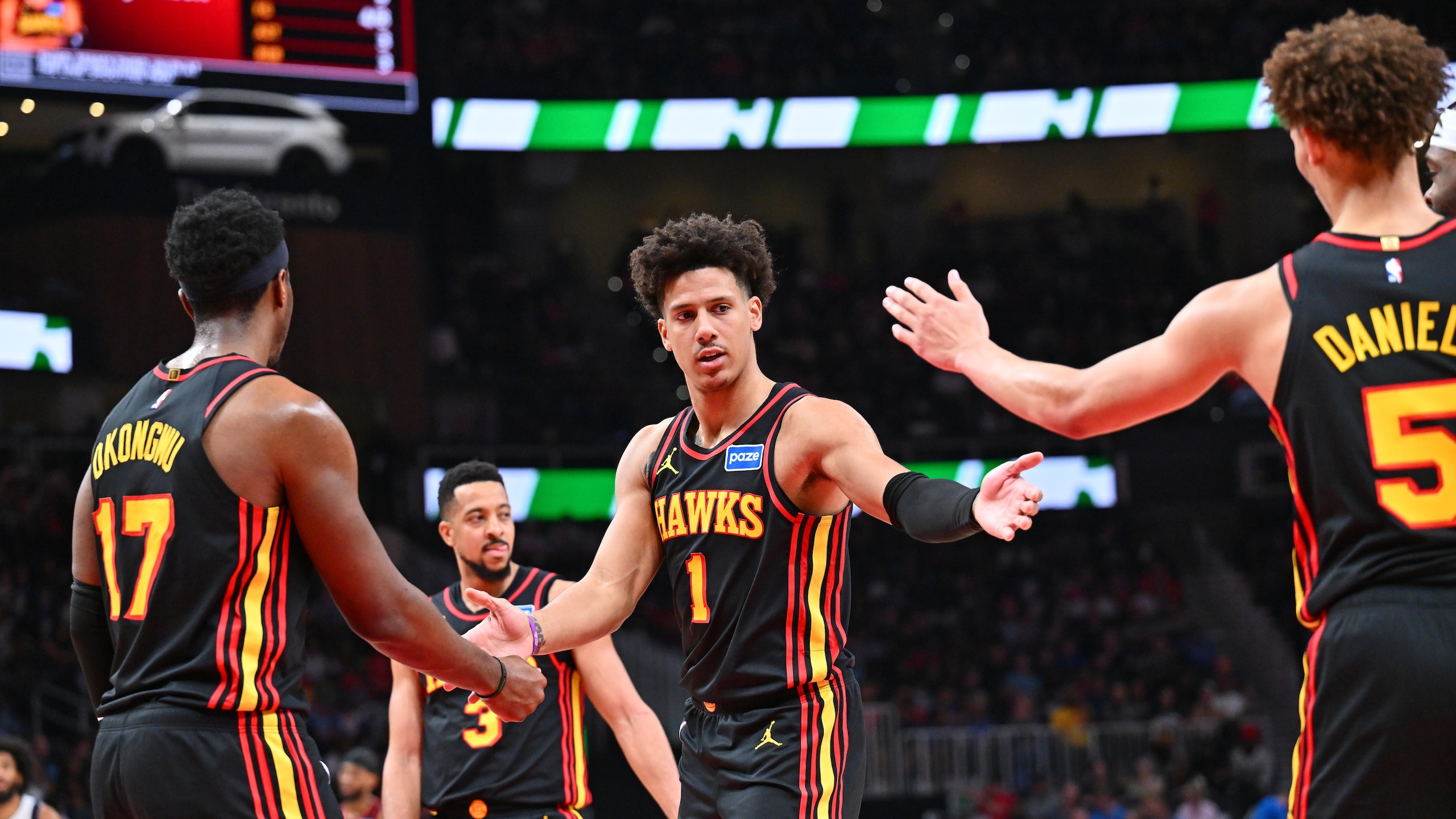
PG: CJ McCollum
SG: Nickeil Alexander-Walker
SF: Dyson Daniels
PF: Jalen Johnson
C: Onyeka Okongwu
This lineup has just about everything you'd want in a starting five. Well, everything other than a superstar, and we're high enough in the rankings now that the lack of a true elite talent looms pretty large.
Johnson took a big leap last season, but that final climb from really good to great is the hardest to traverse. He would need to up his scoring output and widen his range to scale it.
Even if he doesn't, though, there's lots to like with how these pieces all fit. This lineup was comically dominant last season (plus-20.3 over 391 minutes), but it was enough of a mess in the playoffs (minus-14.4 across 82 minutes) to wonder if it played high above its head.
11. Toronto Raptors
20 of 30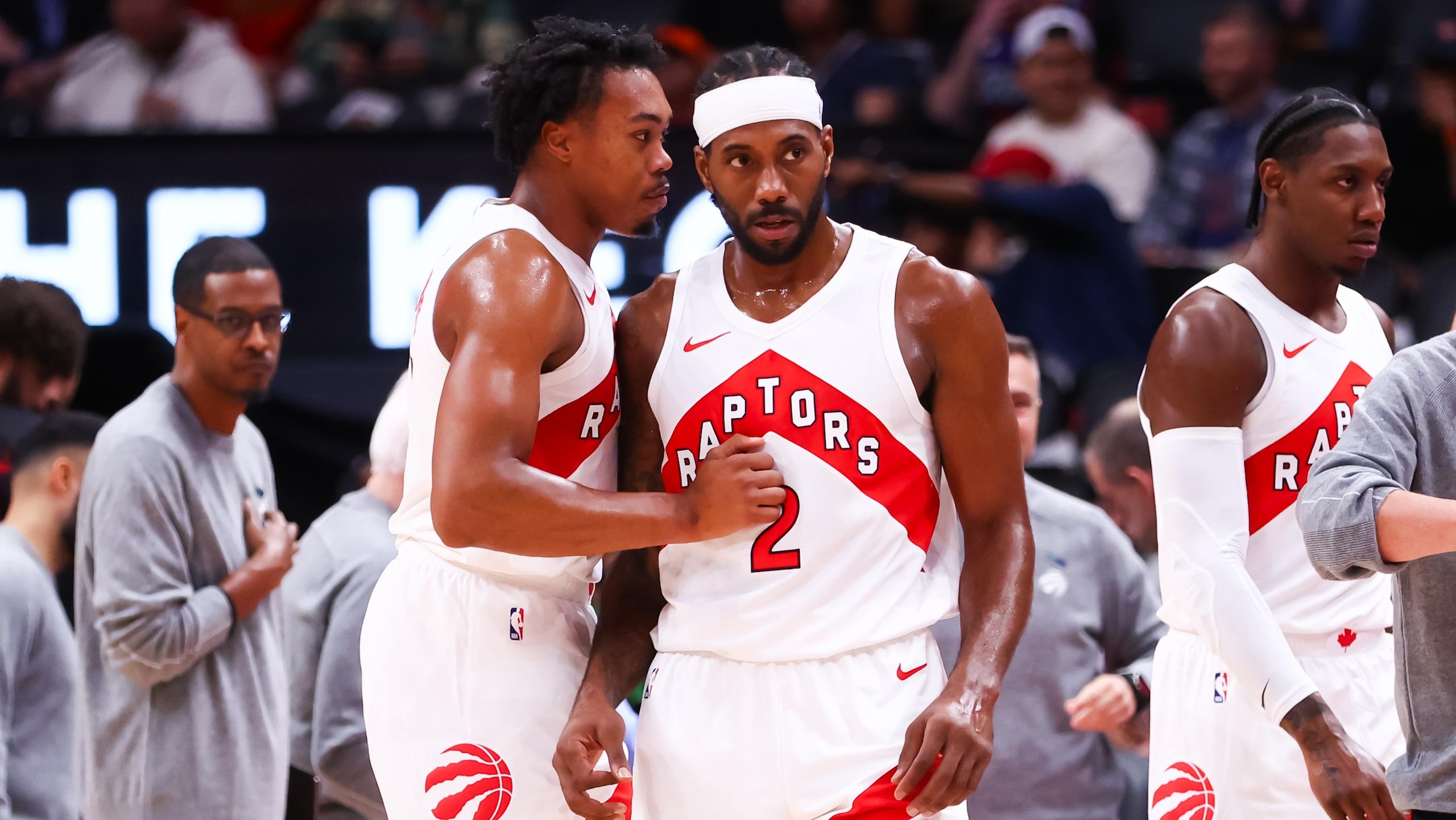
PG: Immanuel Quickley
SG: RJ Barrett
SF: Kawhi Leonard
PF: Scottie Barnes
C: Jakob Poeltl
Game 1 of Leonard's second stint up north played out about exactly as expected—provided you expected big things from this group, of course. The offense was balanced (and largely focused inside the arc), the defense was swarming and Poeltl was the least convincing (or impactful) member of the opening quintet.
The other four Raptors starters all scored 20-plus points. They all had multiple assists, too, and collectively dished 12 dimes against just a single turnover. They all had opportunities to contribute offensively (though Chicago didn't exactly provide the most defensive resistance).
It'd be nice if there was more shooting here, and you wonder whether Barrett can be his best self with perhaps fewer touches. The Leonard-Barnes combo could be special, though, and if the backcourt is merely above-average, the Raptors could be in business.
10. Detroit Pistons
21 of 30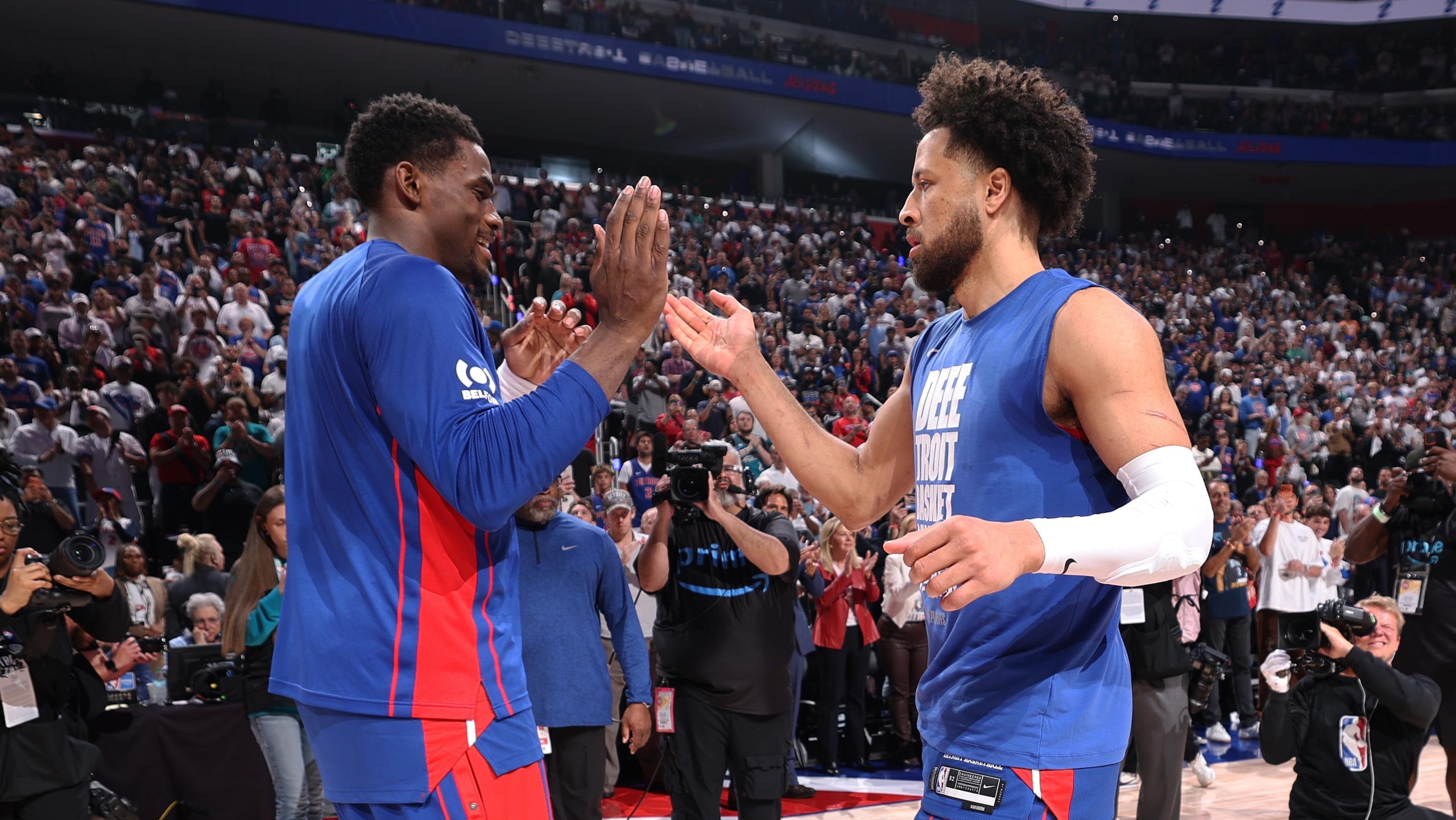
PG: Cade Cunningham
SG: Duncan Robinson
SF: Ausar Thompson
PF: John Collins
C: Jalen Duren
Four of these players—everyone but Collins—filled a starting spot for last season's 60-win Pistons and comprised one of the better high-mileage quartets in basketball. Cunningham, Robinson, Thompson and Duren spent 699 minutes together and outscored opponents by 11 points per 100 possessions.
That level of success matters. Yes, even if the shooting looks a little light, and there still isn't a second-creator in the mix. In fact, they lost some creation in their first five with Collins replacing Tobias Harris.
But Cunningham is an MVP candidate, Duren is a capable All-Star, Thompson is an All-Galaxy defender and Robinson is a top-shelf net-shredder. Collins has a chance to shine as a play-finisher, too. These five have some warts, but they have plenty of clear and compelling strengths.
9. Indiana Pacers
22 of 30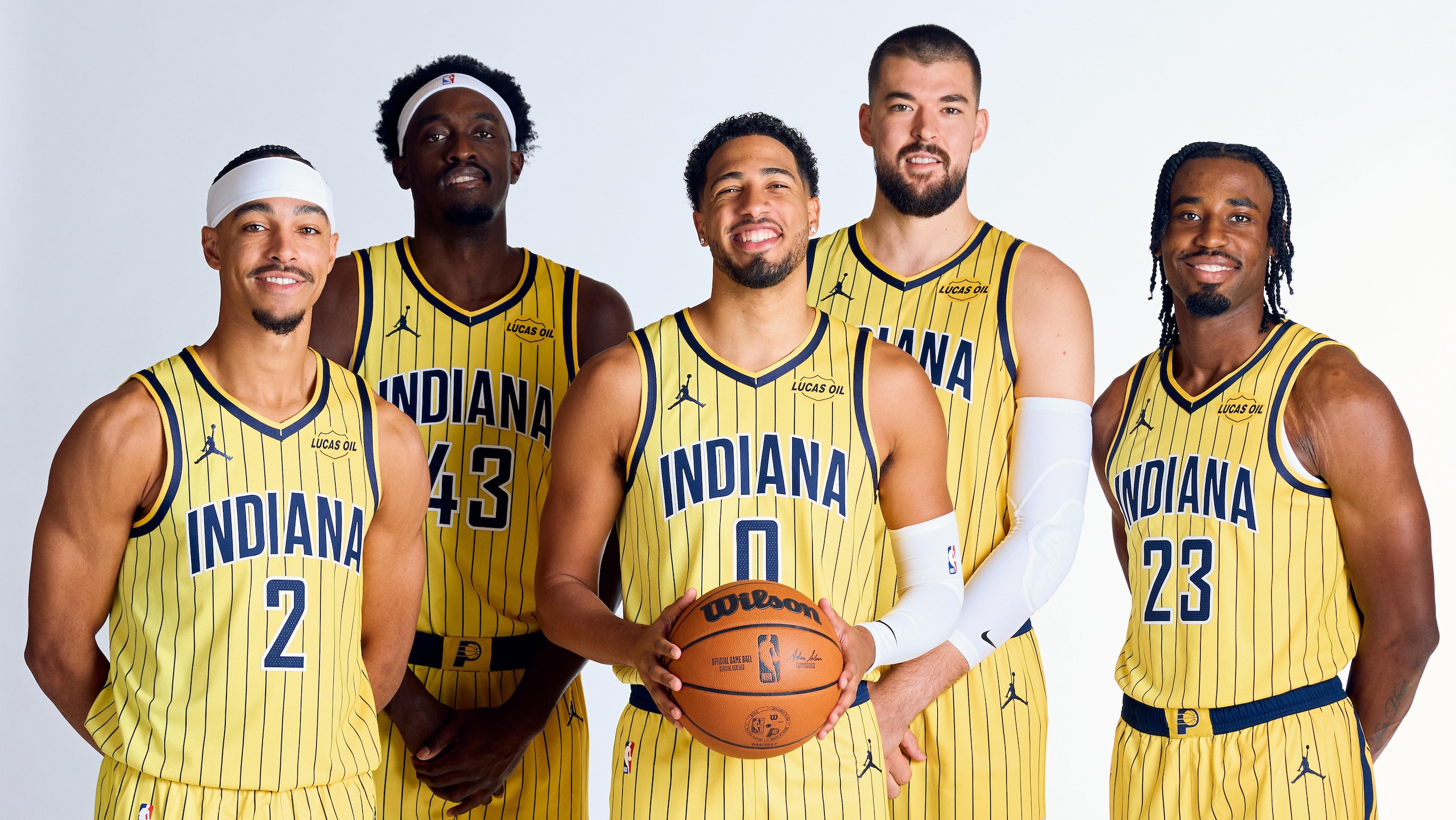
PG: Tyrese Haliburton
SG: Andrew Nembhard
SF: Aaron Nesmith
PF: Pascal Siakam
C: Ivica Zubac
Haliburton lost all of last season to the Achilles tear that forced him out of Game 7 of the 2025 NBA Finals (a championship trip he booked while starting alongside Nembhard, Nesmith and Siakam). During the Pacers' opener, Haliburton showed zero signs of rust, netting 23 points on 15 shots and dishing 12 assists against three giveaways.
If Haliburton can play at an All-NBA level, then Indiana might need to rank even higher. Again, the only change from that Finals group is swapping in Zubac for Myles Turner, which sacrifices spacing but gains plenty of interior oomph, rebounding and finishing.
8. Houston Rockets
23 of 30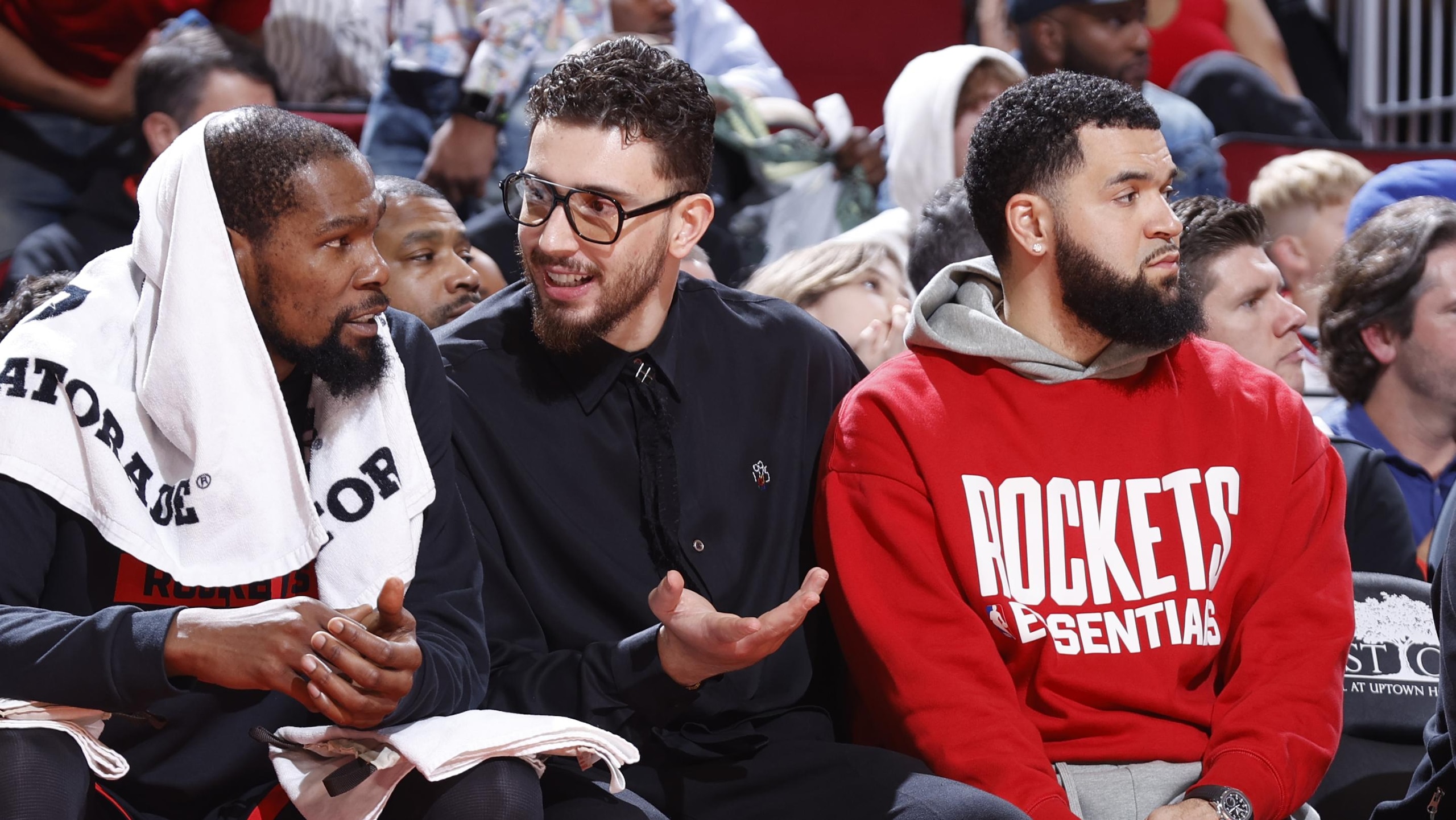
PG: Fred VanVleet
SG: Amen Thompson
SF: Kevin Durant
PF: Jabari Smith Jr.
C: Alperen Şengün
The Rockets failed to launch last season. On a directly related note, they played the entire campaign without their primary offensive organizer, VanVleet.
Well, VanVleet is back now, and their offense looked very much organized and energized in their opener. He had 11 assists in 30 turnover-free minutes, and the other four starters all had 16-plus points on 50-plus percent shooting, led by 30 apiece from Durant and Smith.
The offense won't always operate at peak efficiency, but the scoring punch is so powerful, that it can net a bunch of points on less than perfect nights. There are a couple of soft spots in the defense, but there's also tons of length, mobility and disruption.
7. Minnesota Timberwolves
24 of 30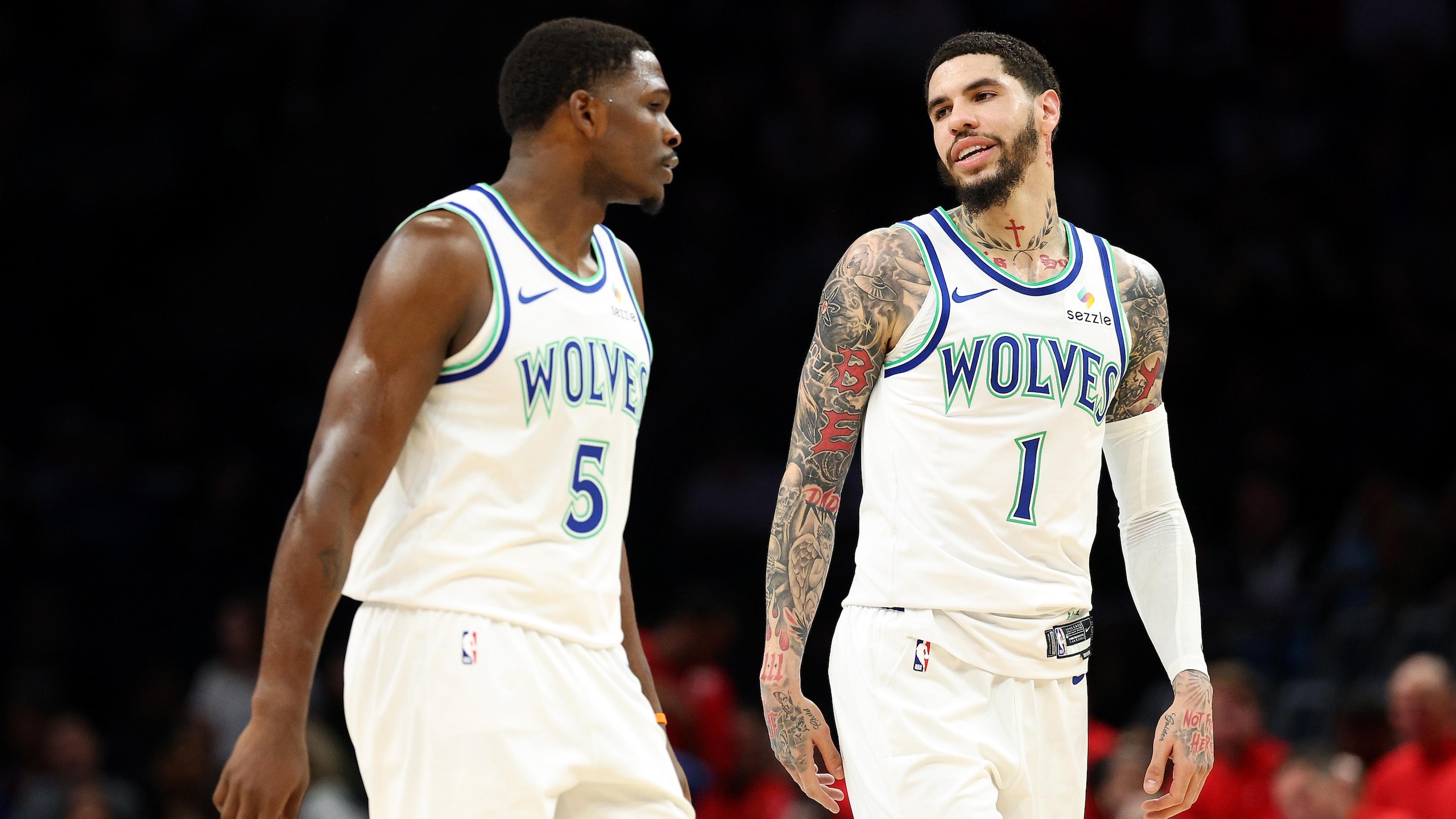
PG: LaMelo Ball
SG: Anthony Edwards
SF: Jaden McDaniels
PF: Jonathan Kuminga
C: Rudy Gobert
When the Timberwolves brokered a bold blockbuster trade for Ball, they immediately assembled something: if not the best backcourt in the NBA, then certainly the most entertaining.
Edwards being able to toggle between scoring and table-setting responsibilities might be a cheat code. Ball being second in the scoring pecking order might usher in even more playmaking from a player who already ranks among the Association's premier passers.
With so much defensive attention paid to these guards, McDaniels and Kuminga can feast on open shots. That may not leave many touches for Gobert (two shots in 33 minutes in their opener), but that also might allow him to funnel even more energy into his defense and rebounding.
6. Cleveland Cavaliers
25 of 30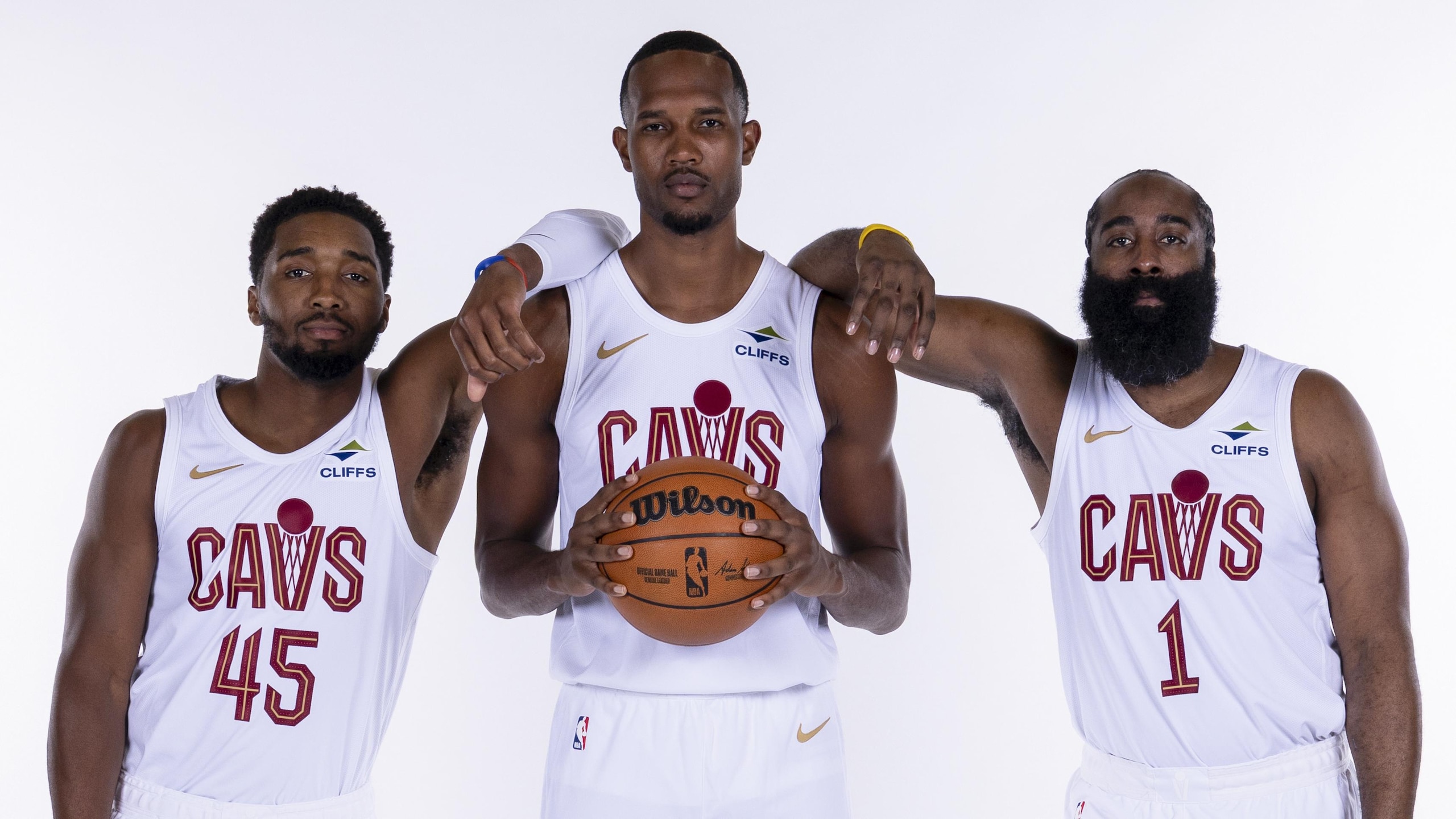
PG: James Harden
SG: Donovan Mitchell
SF: Peyton Watson
PF: Evan Mobley
C: Jarrett Allen
The Cavaliers have a lot riding on Watson being their missing-piece answer at small forward. If they haven't cracked the championship code with this move, it might mean rethinking the core four foundation of this roster.
This placement sort of hedges that bet. It certainly allows for the chance for Cleveland to be great, but it stops well short of guaranteeing that will happen.
More simply, it paints a pretty clear picture of just how much talent Cleveland has collected. Mitchell is an offensive megastar, Harden is a nightly threat for a 20-point, 10-dime double-double and the Mobley-Allen combo can cover up a lot of the backcourt's defensive weaknesses. Watson might be Cleveland's stingiest small forward yet, and hopefully the 24-year-old can build upon his 2025-26 offensive breakout (14.6 points per game, 41.1 three-point percentage).
5. Denver Nuggets
26 of 30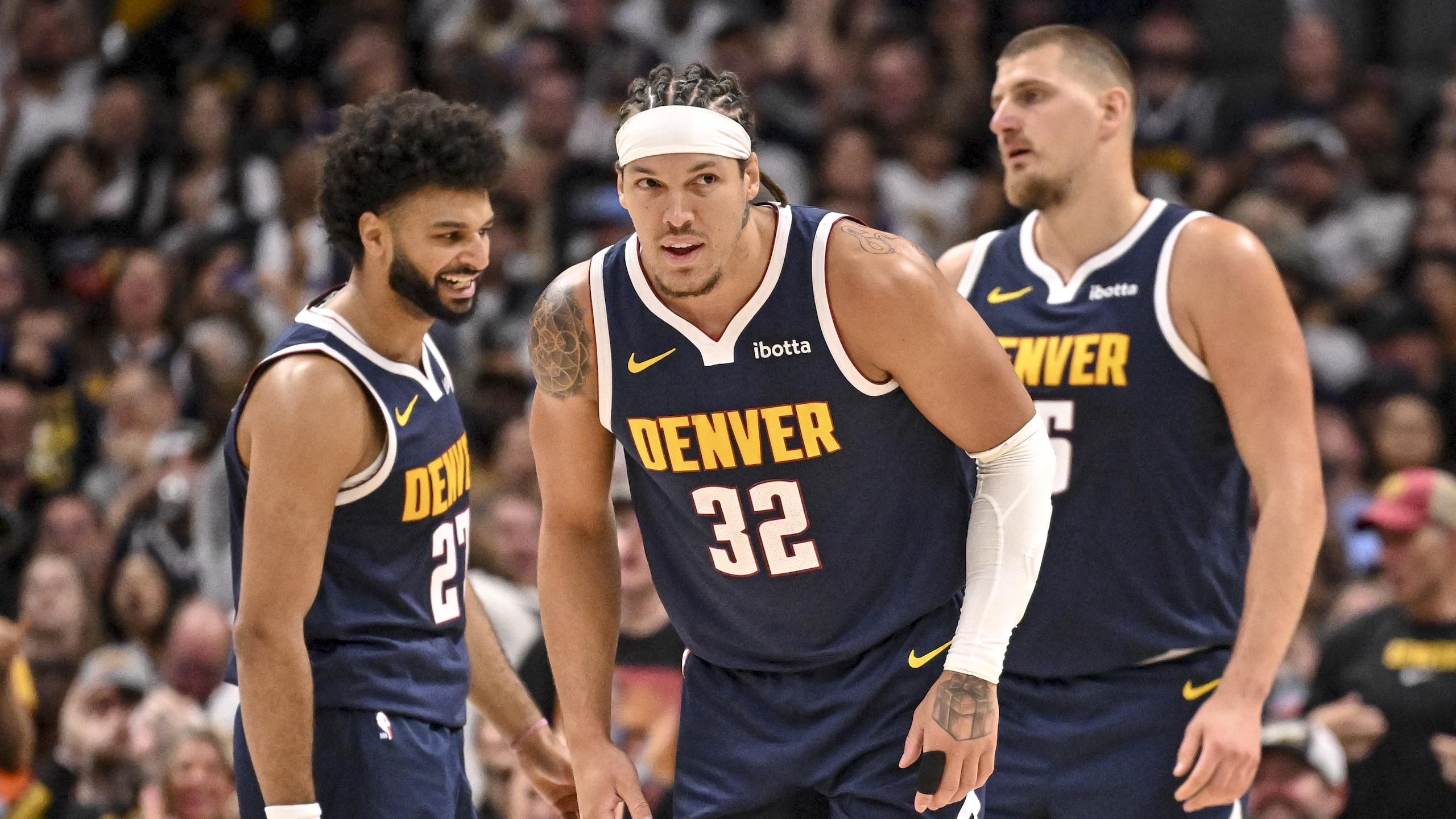
PG: Jamal Murray
SG: Christian Braun
SF: Cameron Johnson
PF: Aaron Gordon
C: Nikola Jokić
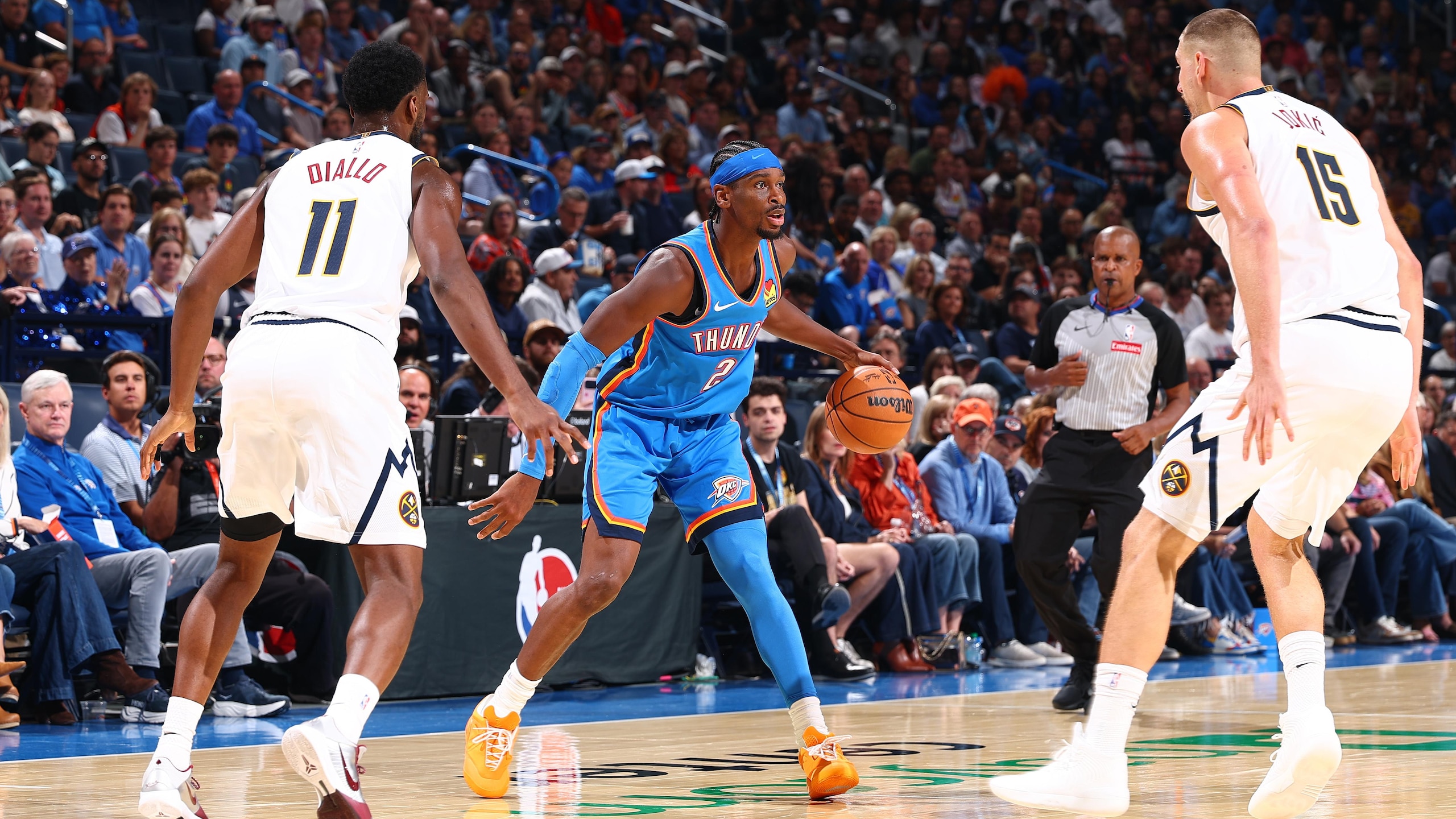
It is, without question, concerning how often the Nuggets are allowing solid starters to walk out the door for economic reasons. It's also probably not nearly as problematic as it would be without the presence of Jokić, who may still hold the title of best player on the planet.
He's just such a dynamic problem-solver as a 6'11", 284-pound playmaker who doubles as a near-30-point scorer on unfair shooting efficiency that you can only doubt anything about Denver so much. Even the clear weak spots here (Braun and Johnson) feel like they could morph into strengths, based somewhat on their track records but more so on how often Jokić will position them for success.
Defense could be a mess, especially if Gordon's recent availability issues resurface, but the offense might be so prolific that it doesn't matter. Braun and Johnson both had disappointing 2025-26 seasons, and this quintet still poured in an absurd 127 points per 100 possessions.
4. San Antonio Spurs
27 of 30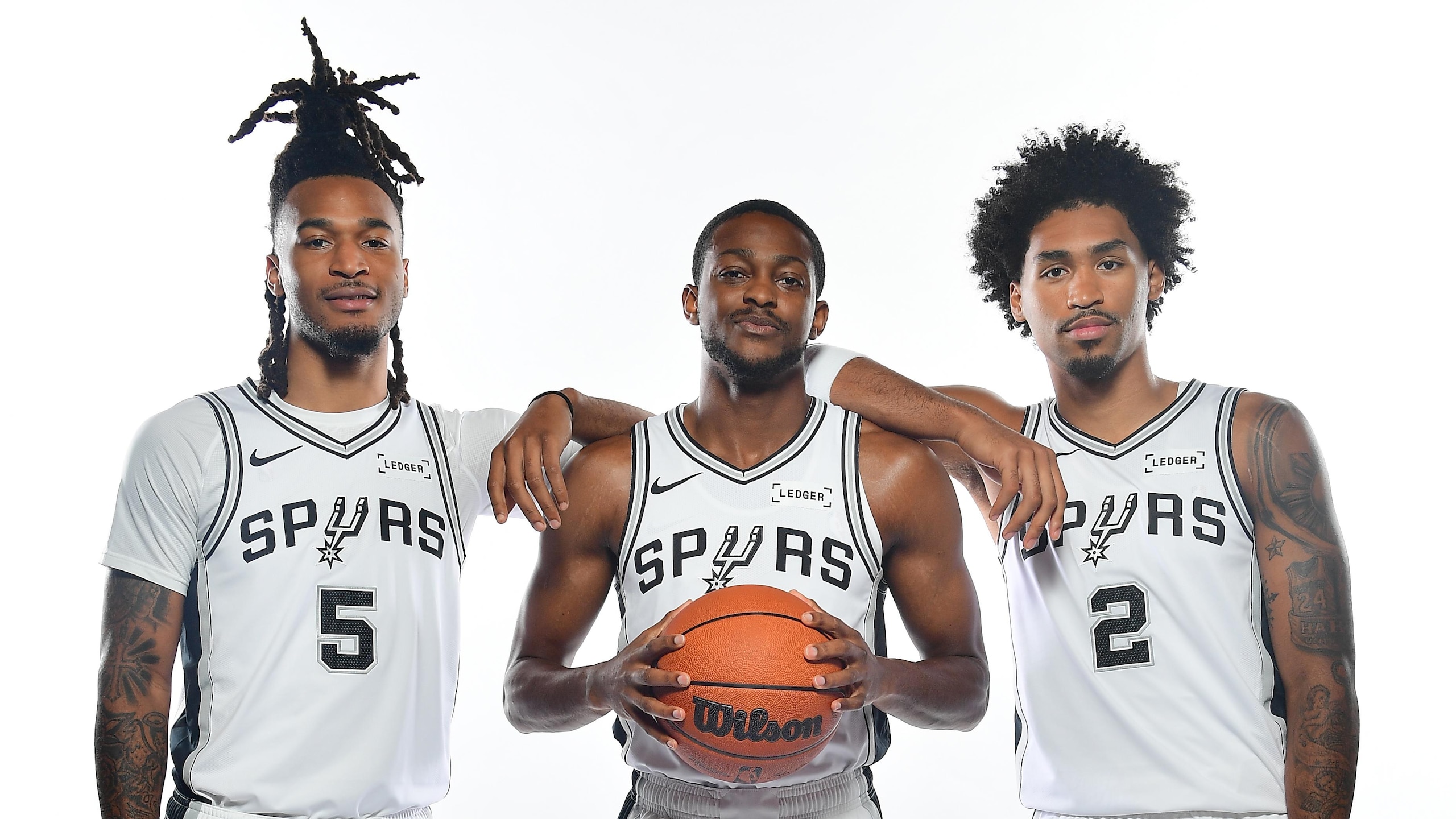
PG: De'Aaron Fox
SG: Stephon Castle
SF: Dylan Harper
PF: Devin Vassell
C: Victor Wembanyama
Leaning into this three-guard lineup has allowed the Spurs to find more shared floor time for their most talented players. It has also exposed them to obvious concerns regarding overlap, fit and role redundancy.
You still have to respect the talent, and this ranking does. Between the perimeter speed and Wembanyama's strength, San Antonio can cause chaos on the defensive end, which can directly fuel its dynamic transition attack. Offense can get clunkier in the half-court, but defenses are kept off-balance by the presence of so many playmakers and scoring threats.
It will take time for everything to jell, and it's possible the Spurs could just pull the plug at some point (to improve the spacing or even spark up the second unit if it's lagging way behind). But if things ever fully click, this is a lineup that could routinely dismantle opponents at both ends of the floor.
3. New York Knicks
28 of 30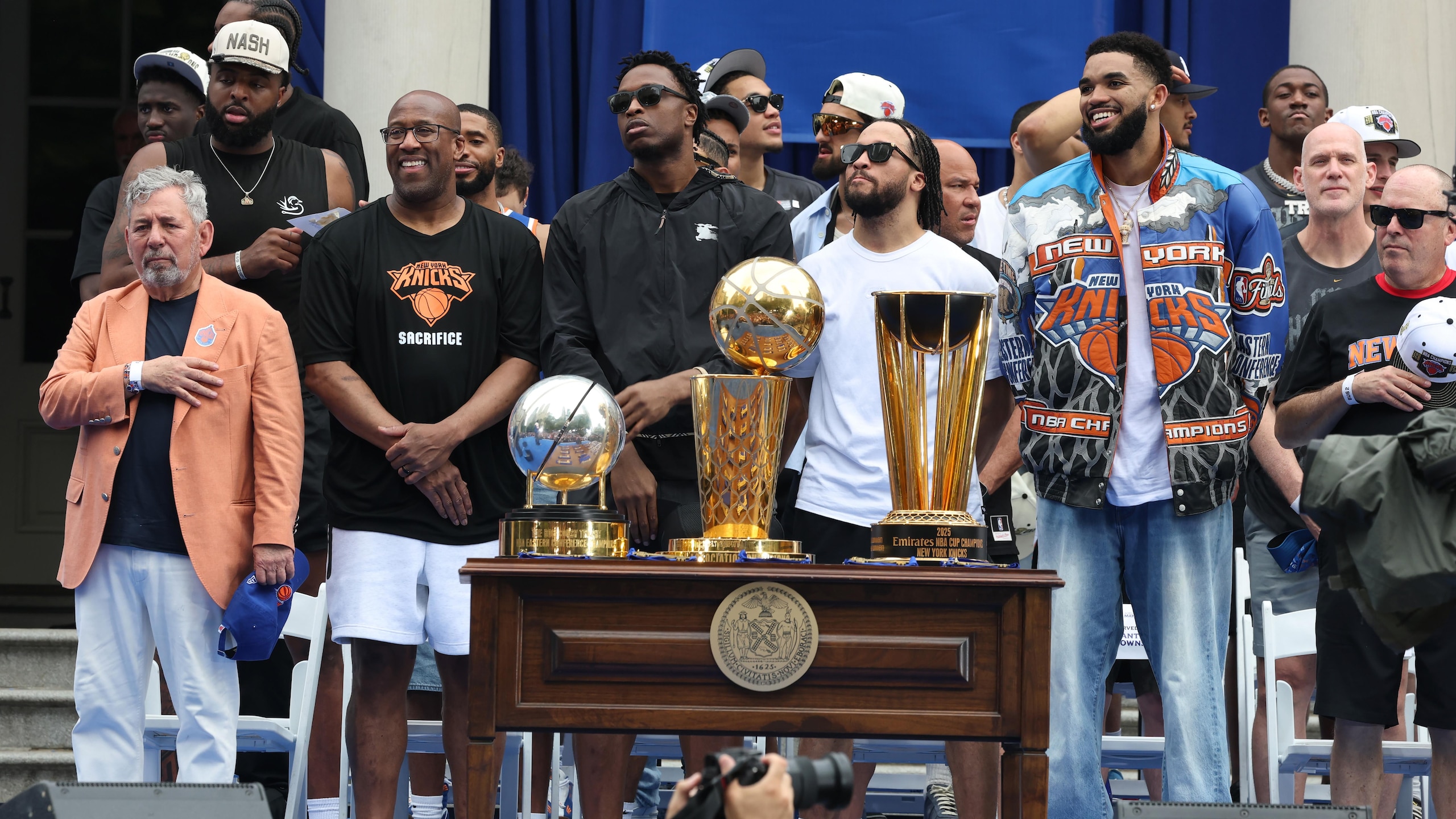
PG: Jalen Brunson
SG: Josh Hart
SF: Mikal Bridges
PF: OG Anunoby
C: Karl-Anthony Towns
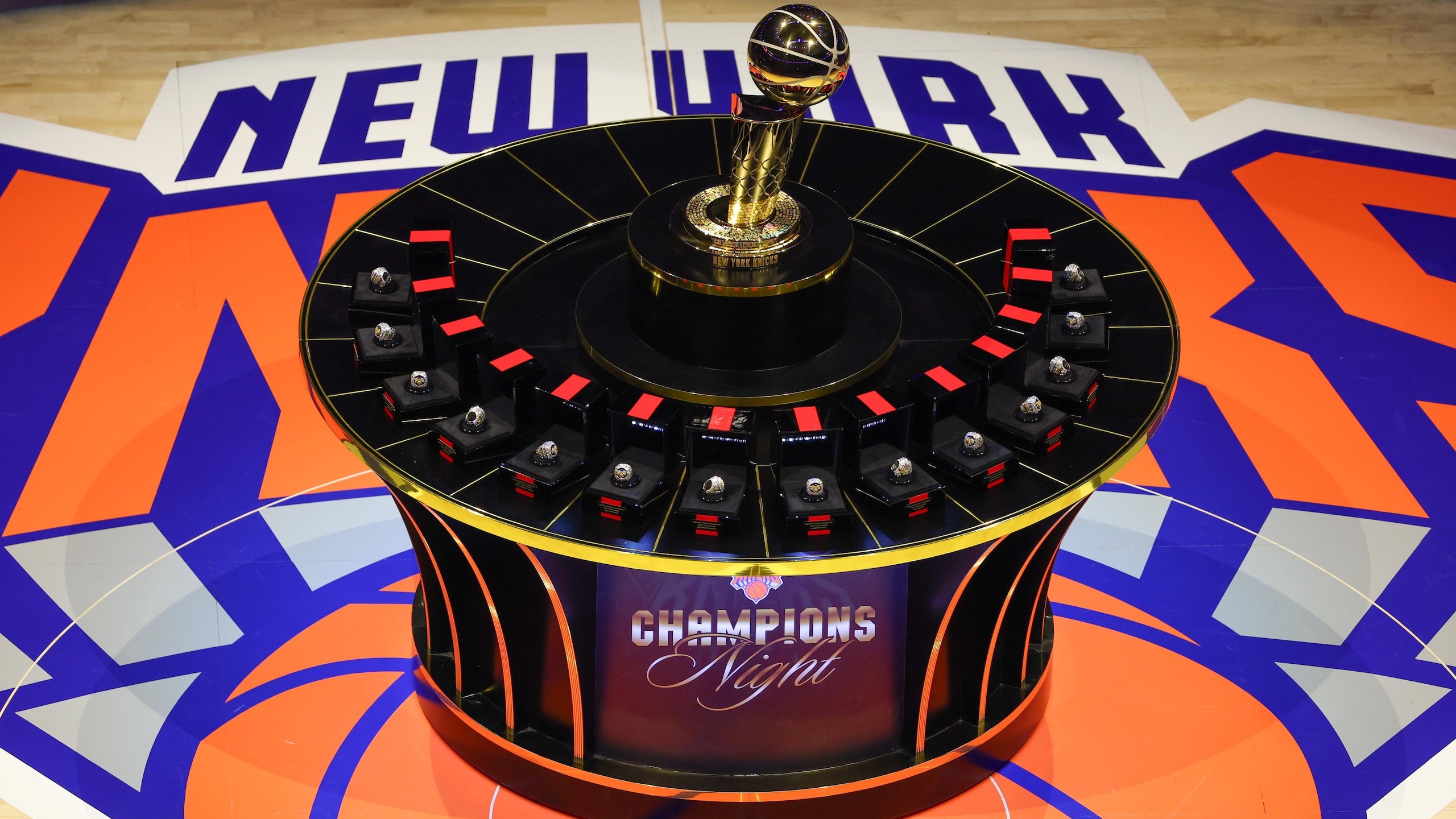
Wait, wasn't this lineup just responsible for snapping New York's 53-year championship drought? And didn't it pulverize opponents by 12.5 points per 100 possessions in the playoffs? Why isn't it a lock at No. 1?
Well, before that postseason surge, it was more pretty good than great (plus-2.3 net rating). And that probably aligns closer to realistic expectations. Brunson is awesome, but he's not part of the best-on-the-planet discussions, and this lineup lacks offensive consistency around him. All five players are capable scorers, but everyone not named Bridges can frustratingly disappear at times.
It's still the backbone of a champion, impresses with both star power and balance and lacks an obvious weakness. Sitting third overall says less about what this lineup can and can't do and more about how stacked the top two really is.
2. Oklahoma City Thunder
29 of 30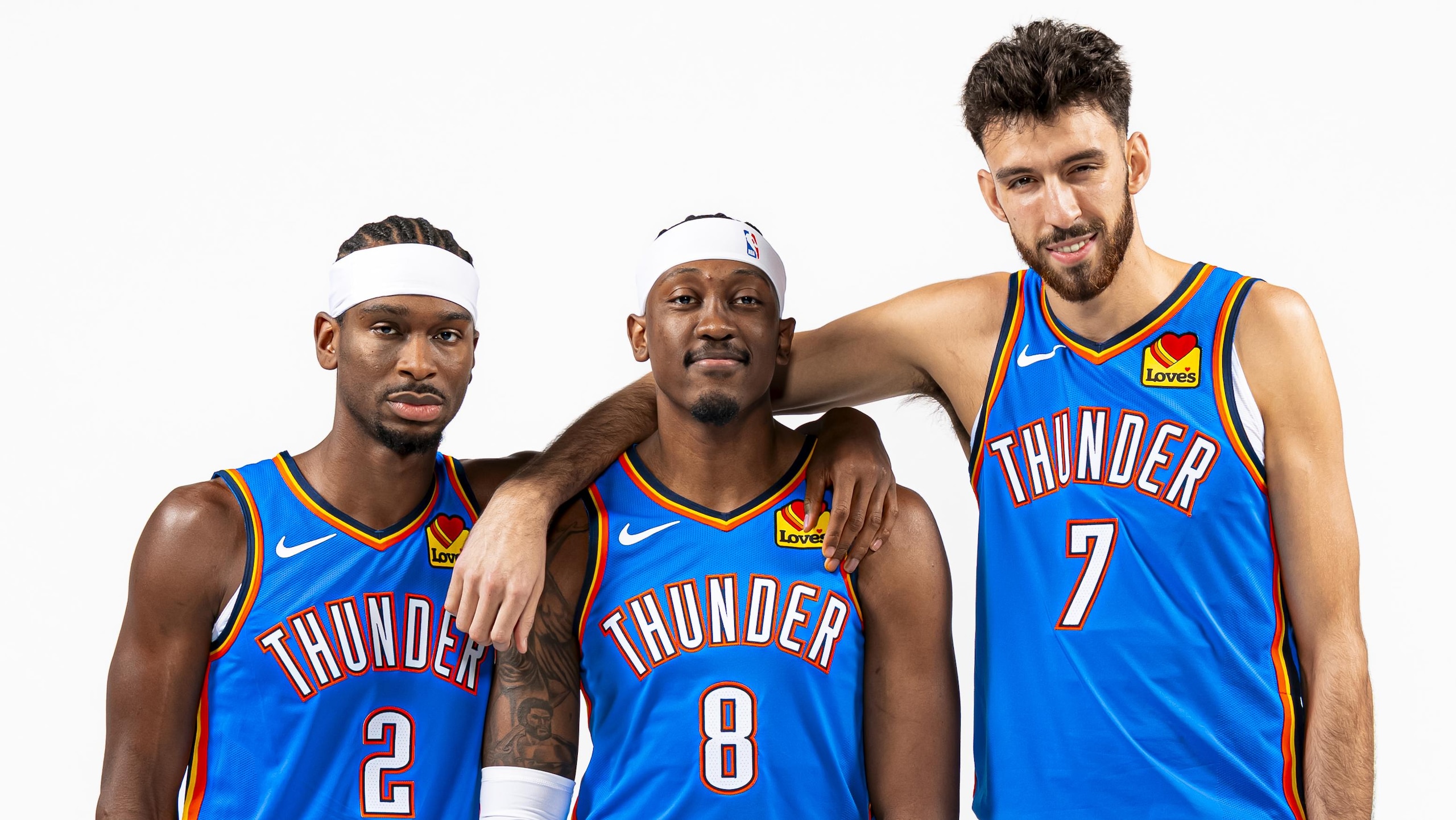
PG: Shai Gilgeous-Alexander
SG: Cason Wallace
SF: Jalen Williams
PF: Chet Holmgren
C: Isaiah Hartenstein
By track record, this lineup should probably sit No. 1. It'll get there on the eye test for plenty of observers, too. The puzzle pieces are brilliant in their own right and museum-worthy once connected. The Thunder somehow manage to make full use of their impressive depth while also letting SGA's star shine as bright as possible.
There's just this harmonious lockstep in everything the Thunder do. Gilgeous-Alexander pilots everything, but he'll share the controls if someone else has it rolling. And if they don't, the role players will just lean into whatever duties best help the team.
There are still a few swing factors that could bump this group to No. 1 or perhaps drop it down a few spots. Can Williams get back to an All-Star level after an injury-riddled season? Does Holmgren have another gear on the offensive end? And what does Wallace provide as the unit's newest member other than dogged defense?
The unknowns carry copious amounts of excitement, and maybe they'll play a part in helping this club recapture its championship form. Still, that's enough uncertainty to slot this team just behind our fully loaded lineup in the No. 1 spot.
1. Philadelphia 76ers
30 of 30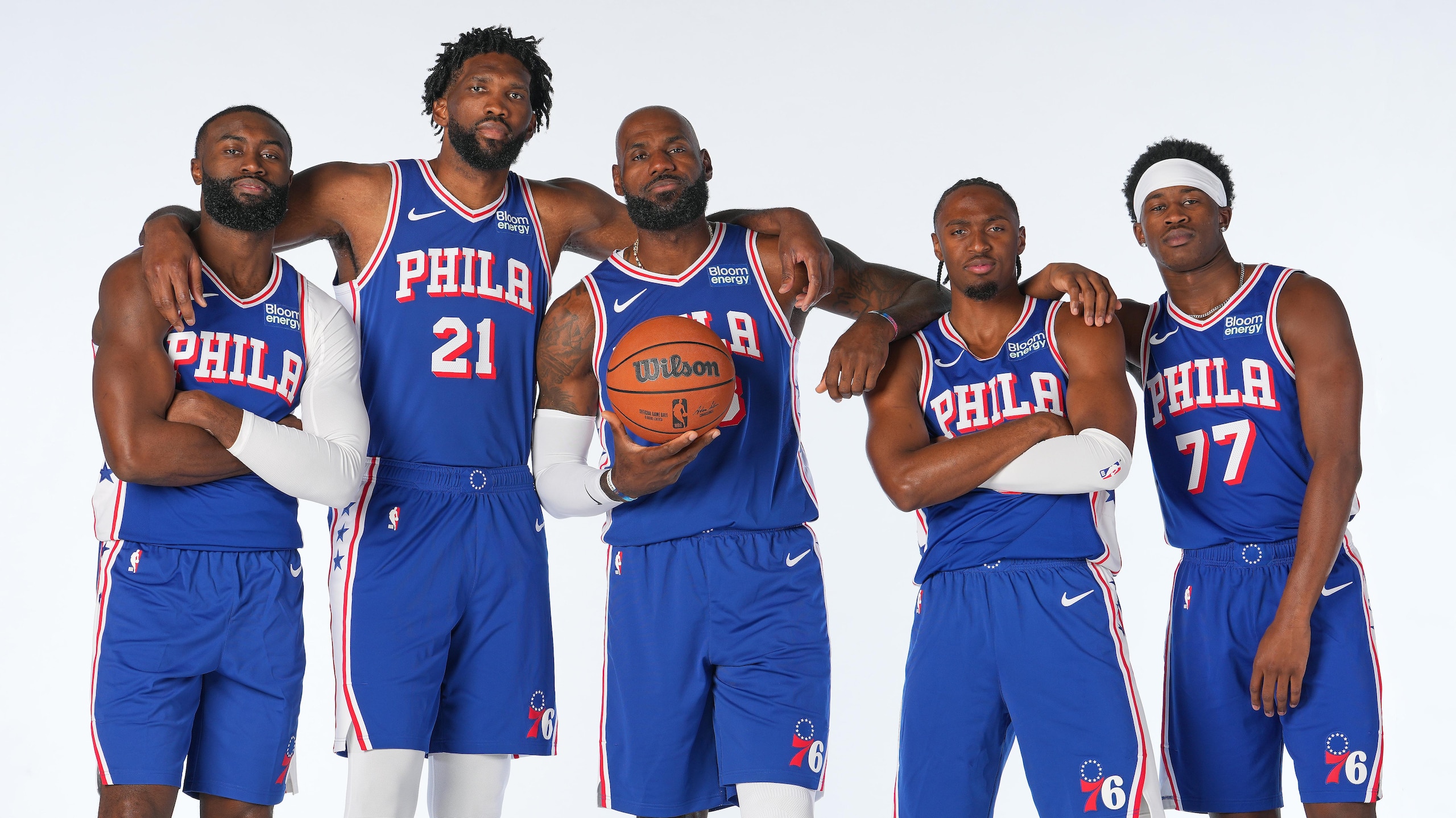
PG: Tyrese Maxey
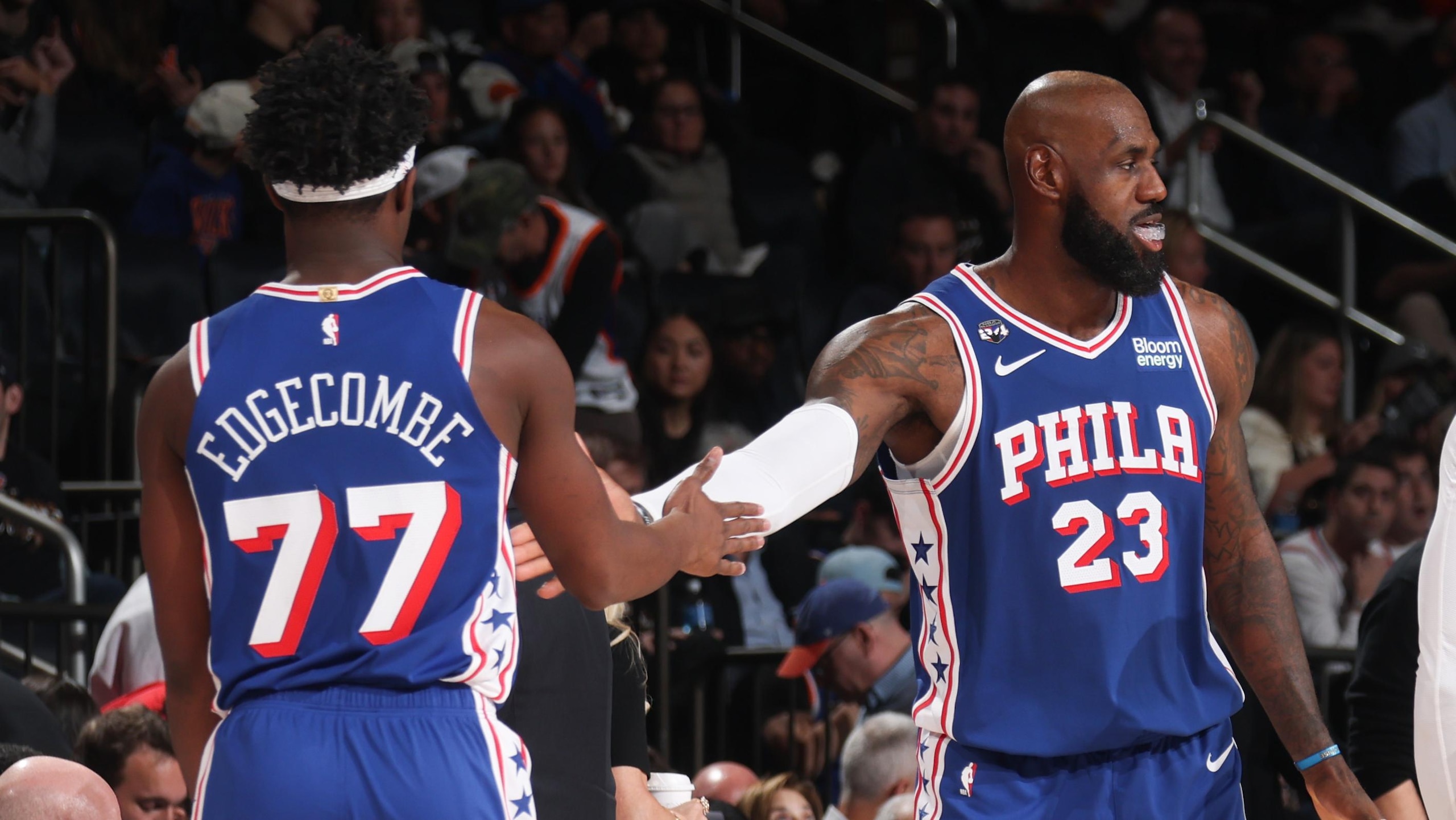
SG: VJ Edgecombe
SF: Jaylen Brown
PF: LeBron James
C: Joel Embiid
This is one of the most loaded lineups—on paper—in recent memory. You'd have trouble assembling this much talent in an NBA2K27 franchise mode, at least without turning off the salary cap and turning on trade override.
James is a four-time MVP and a reasonable response in the GOAT debate. The last time Embiid was healthy, he won the scoring title and the MVP. Maxey made All-NBA third-team last season; Brown made All-NBA second-team and received MVP votes. Edgecombe, easily the least decorated of the lot, snagged a spot on an All-Rookie first-team that's overloaded with star potential.
The offensive hierarchy could take a while to get sorted. The defense could run into issues (especially against athletic frontcourts). The spacing could get tight at times. The durability concerns attached to Embiid (96 games played the last three seasons combined) and James (turns 42 in December) are obvious and maybe ominous.
And yet, all of that pales in comparison to this unrivaled collection of established, elite talent. When assessing five-man lineups, it's hard not to marvel at the one featuring four different stars and an energetic, explosive 21-year-old with gobs of untapped potential.