_0.jpg?w=2560)

The 2026 NBA dfaft could feature one of the strongest top threes of the era.
AJ Dybantsa, Darryn Peterson and Cam Boozer all have superstar potential. Heck, even Caleb Wilson might.
Dybantsa wound up hearing his name called first. The new Washington Wizards forward has the potential to challenge some lofty spots on the list of the best No. 1 picks since 2000.
That group features several all-timers, including LeBron James, Anthony Davis and Kyrie Irving. It has recently crowned champion Karl-Anthony Towns. And it includes multiple MVPs.
Sorting out all 27 was no small task, but we took it on anyway.
The Method
1 of 28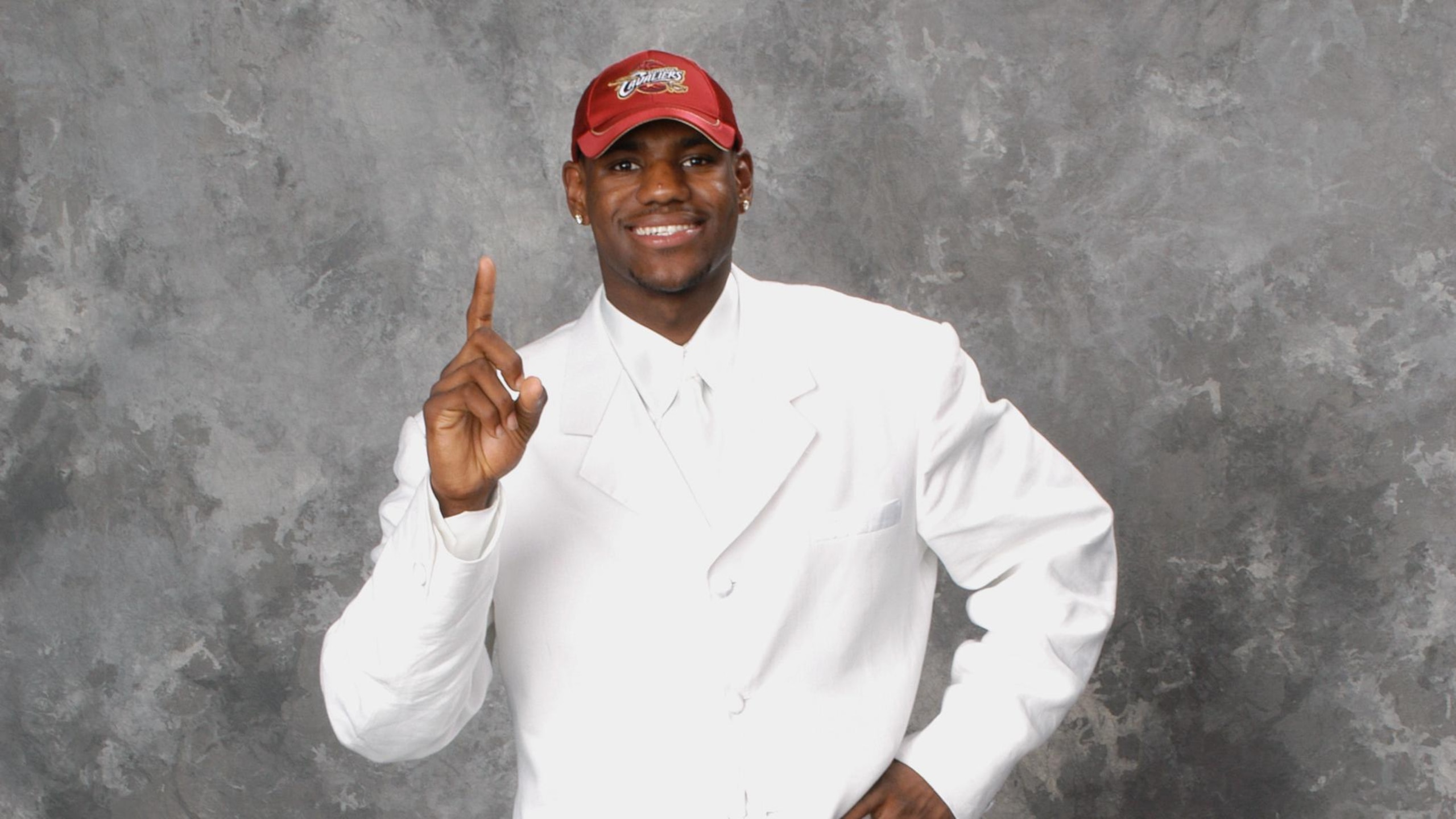
To determine the order of this list, we consulted a handful of easily accessible advanced stats (box plus/minus, win shares per 48 minutes and player efficiency). We had separate categories for career marks in each number, career playoff marks in each number and three-year-peak marks in each number.
From there, we threw in a little credit for a high usage rate and ended with a lot of credit for a vote from you, the fans.
All 27 of the No. 1 picks taken from the 2000 draft through today were sorted by the average of their ranks among each other in each of those categories (with a little more weight given to the fan vote and a little taken away from usage).
We were left with an order that passed the sniff test.
Too Early To Tell: AJ Dybantsa, Washington Wizards, 2026
2 of 28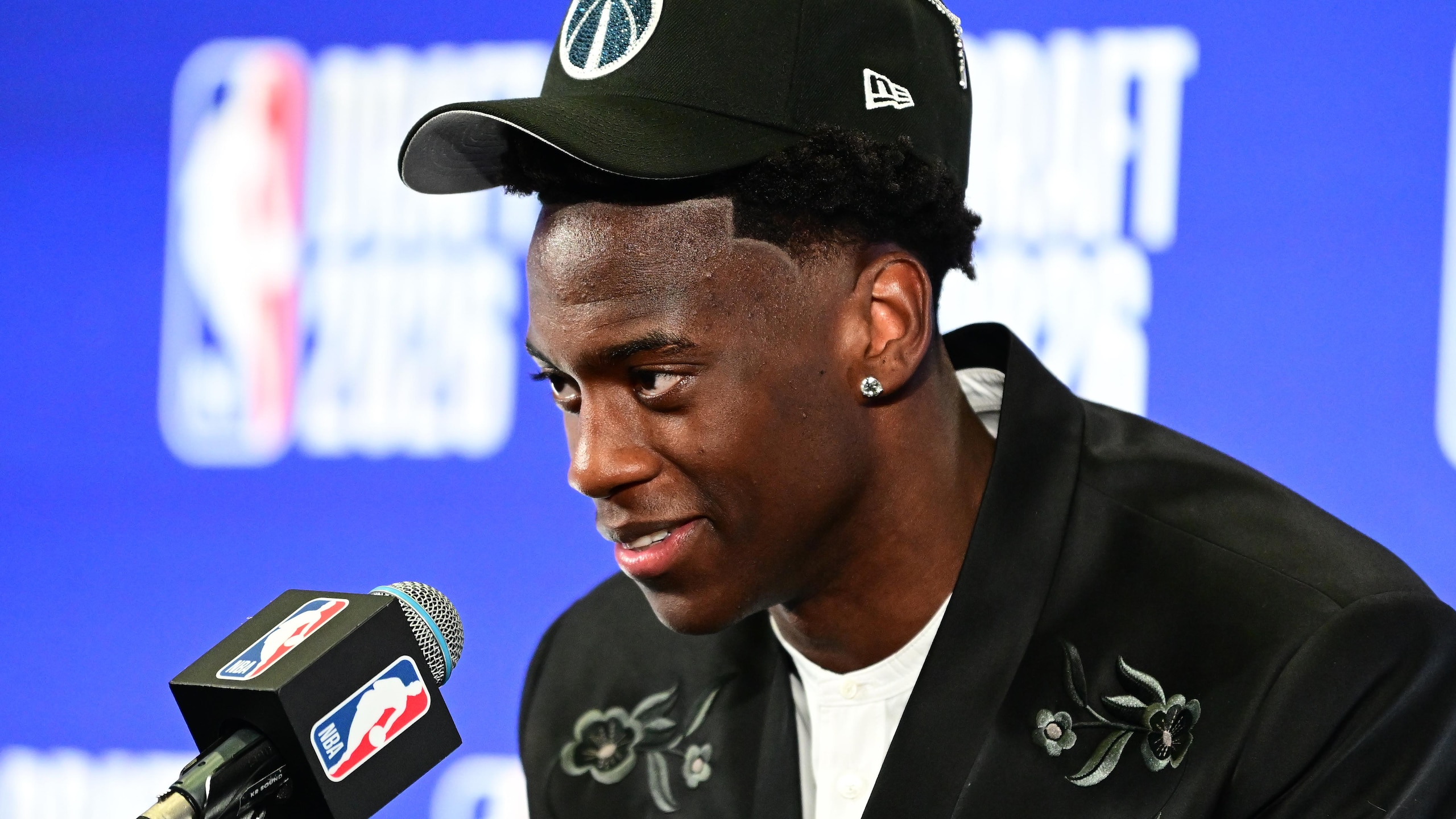
Based on the methodology we used, it's too early to have AJ Dybantsa ranked in this exercise. He has yet to play a single minute in the NBA.
But it's not hard to imagine him quickly climbing lists like these.
Bleacher Report's Jonathan Wasserman just ranked him as the eighth-best prospect of the past decade. Playing alongside Trae Young and Anthony Davis during his rookie contract should make his life easier on both ends of the floor.
That and a wide-ranging combination of skills that typically grades well in the numbers we used for this exercise should help Dybantsa find success relatively early.
He can score and pass. He's big enough and athletic enough to be a plus defender. If he develops even a decent level of consistency as a shooter, Dybantsa will be a star.
26. Anthony Bennett, Cleveland Cavaliers, 2013
3 of 28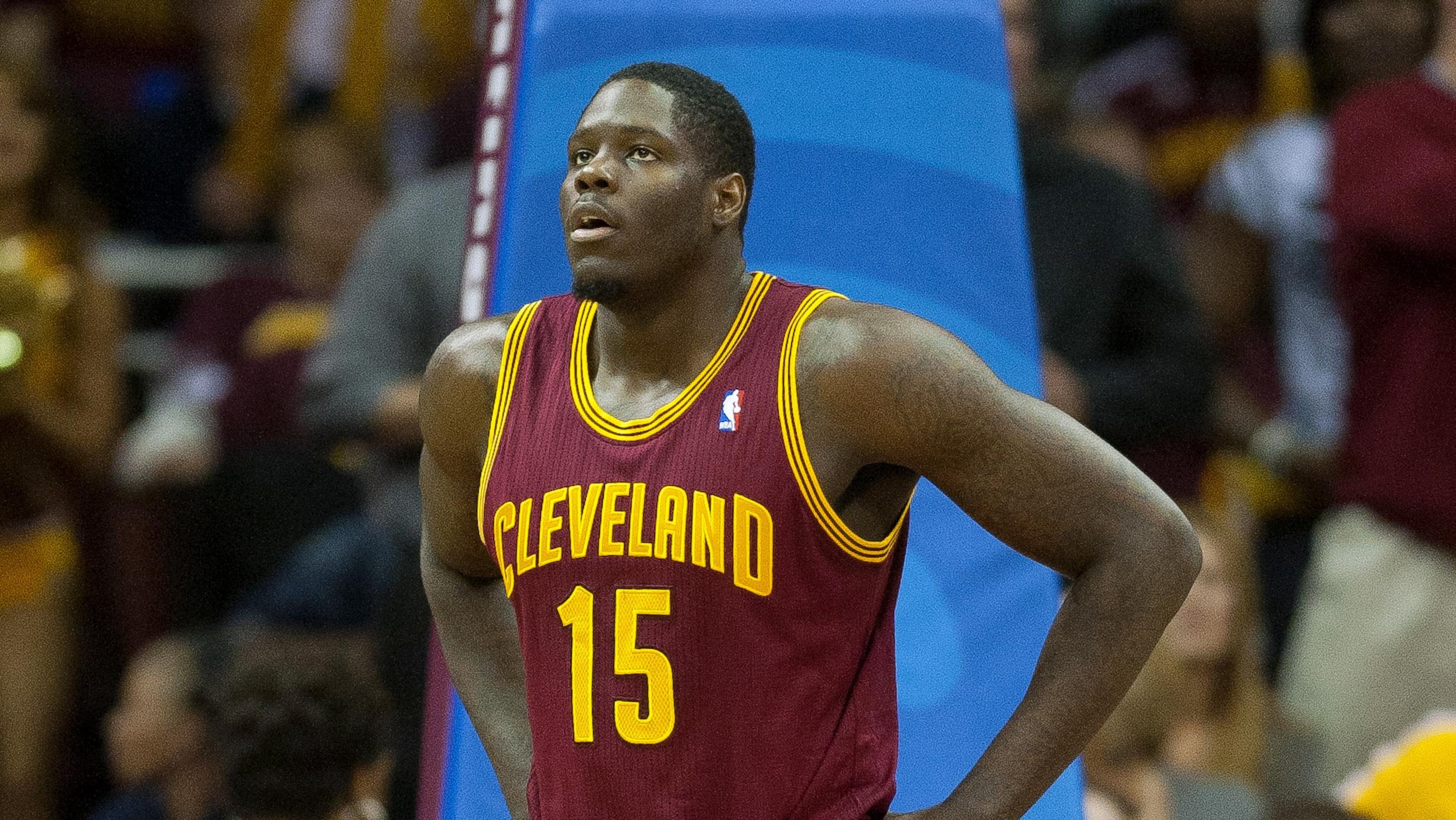
The two most obvious placements here are first and last. We don't need to give away No. 1 yet (although it's hardly a secret), but Anthony Bennett at No. 26 is no shock.
Even at the time, few could wrap their heads around what the Cleveland Cavaliers were doing.
"I'm just as surprised as everyone else," Bennett said shortly after hearing his name called first in 2013. "I didn't really have any idea who's going No. 1 or who was going No. 2. I heard everything was up for grabs."
Bennett was in the NBA for four seasons. He played 151 games and averaged 12.6 minutes and 4.4 points.
His 0.5 career win shares are about what Rudy Gobert, who was taken 27th that year, has gotten every four games during his career.
25. Kwame Brown, Washington Wizards, 2001
4 of 28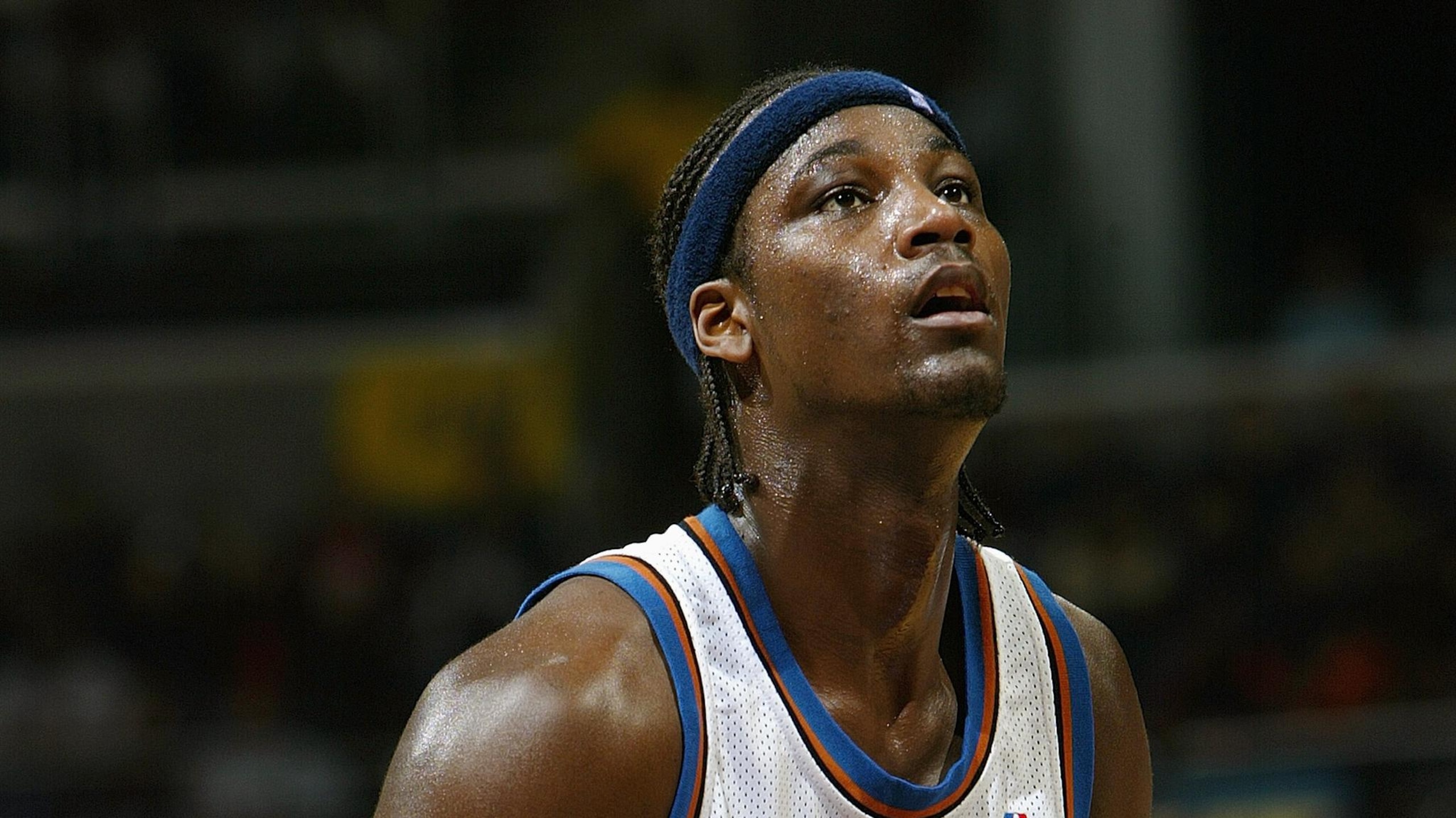
Kwame Brown had significantly more staying power than Bennett, who, to his credit, has had some solid G League numbers as of late. Brown played 12 NBA seasons and averaged double figures in his third campaign.
But he only had two years in which his BPM was better than replacement level (minus-2.0), and he didn't register a single above-average season during his career.
Over his 12 seasons, he averaged 6.6 points and 5.5 rebounds in 22.1 minutes per game while posting a minus-1.0 relative true shooting percentage (a player's true shooting percentage minus the league average of the time) and a minus-1.4 net rating swing. That means his teams' net points per 100 possessions were 1.4 points worse when he played.
24. Zaccharie Risacher, Atlanta Hawks, 2024
5 of 28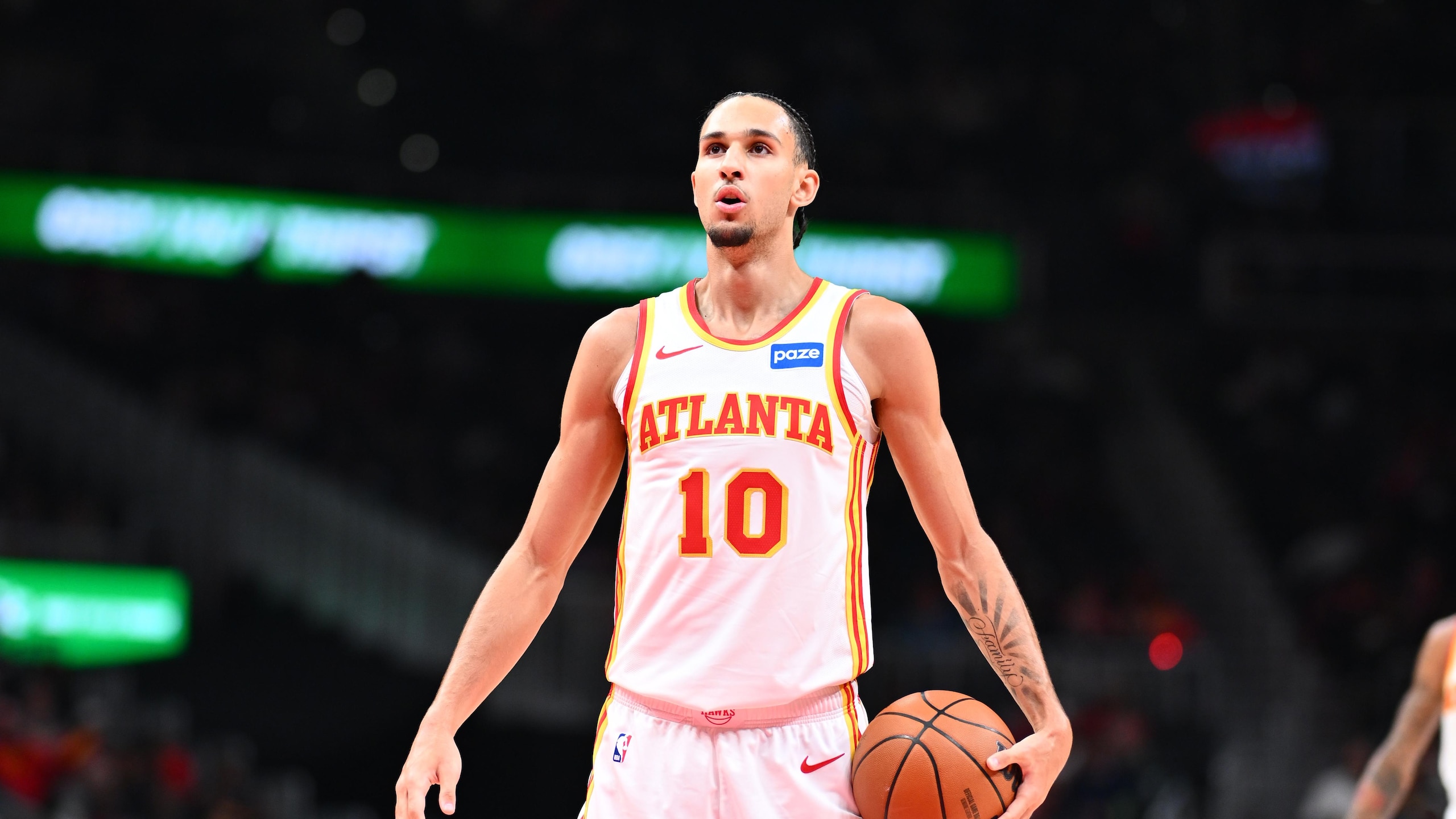
This feels a little unfair. Zaccharie Risacher has played only two seasons, is barely 21 years old and has shown some signs of real three-and-D upside.
But he's also 48th among the 55 players in his class who've appeared in an NBA game in career wins over replacement player.
Stephon Castle was just in the NBA Finals. Reed Sheppard flirted with Sixth Man of the Year this season. Donovan Clingan and Kel'el Ware both look like they could be long-term starting centers. And Ajay Mitchell is already a key contributor to a championship contender.
Now, some of those players were never in the mix for the top pick. Comparing them to Risacher may be a stretch.
But the point remains that Risacher has a long way to go to live up to his billing and the early accomplishments of his peers.
23. Markelle Fultz, Philadelphia 76ers, 2017
6 of 28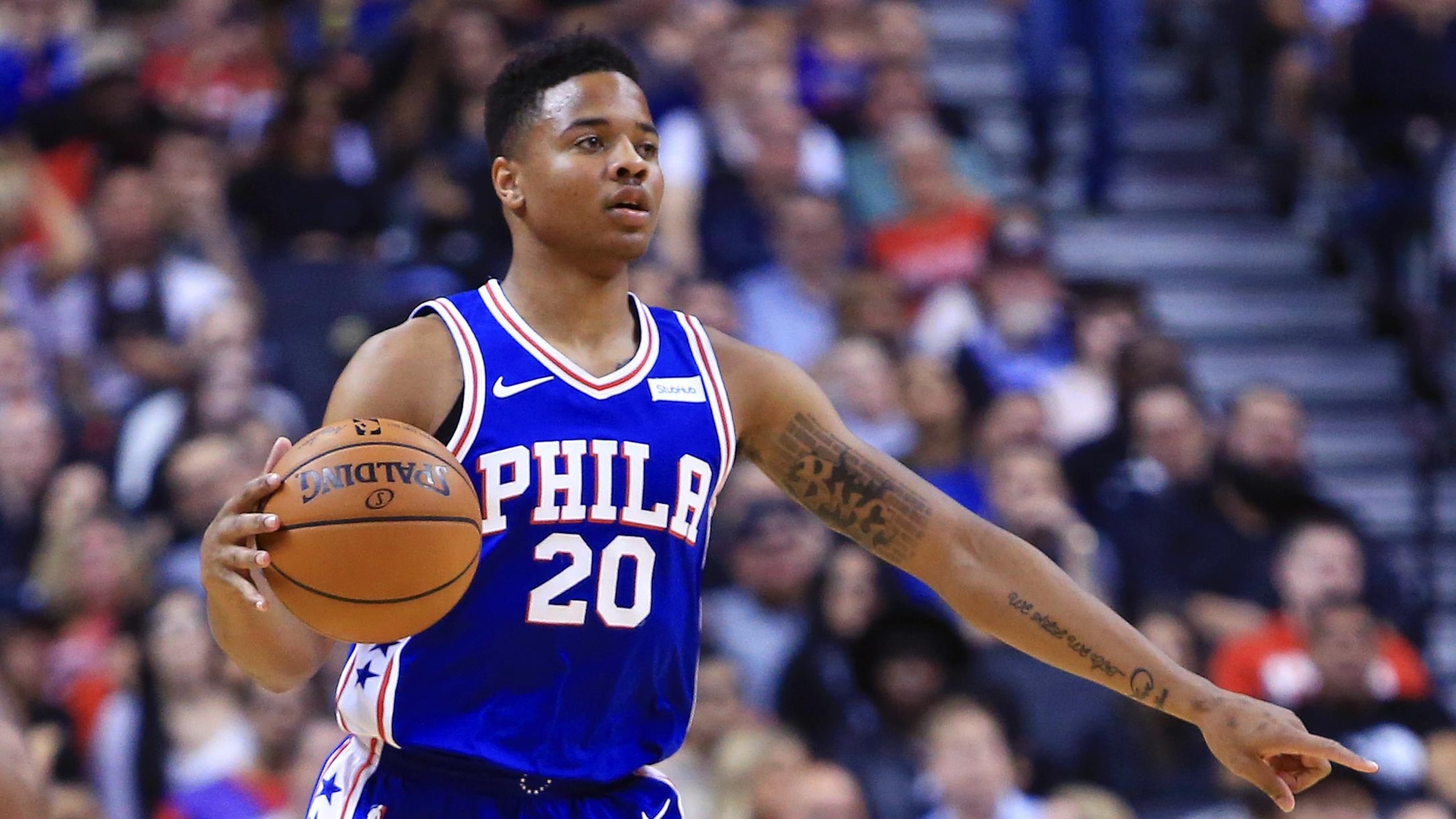
For a brief moment, it looked like Markelle Fultz finally found a solid role with the Orlando Magic, but that chance appears to have vanished. And his first few seasons were among the most bizarre in league history for a No. 1 overall pick.
There isn't enough space here to decipher the mystery surrounding his shoulder, headspace and everything else that happened when he was with the Philadelphia 76ers, but plenty of outlets have attempted to lay out the timeline.
In short, on the rare occasions he actually did play in Philly (where he only appeared in 33 games), he was not good. He had a well-below-replacement-level BPM there, and he shot just 41.4 percent from the field and 26.7 percent from three.
And over the two seasons since he last played for Orlando, Fultz has only appeared in 26 games.
22. Andrea Bargnani, Toronto Raptors, 2006
7 of 28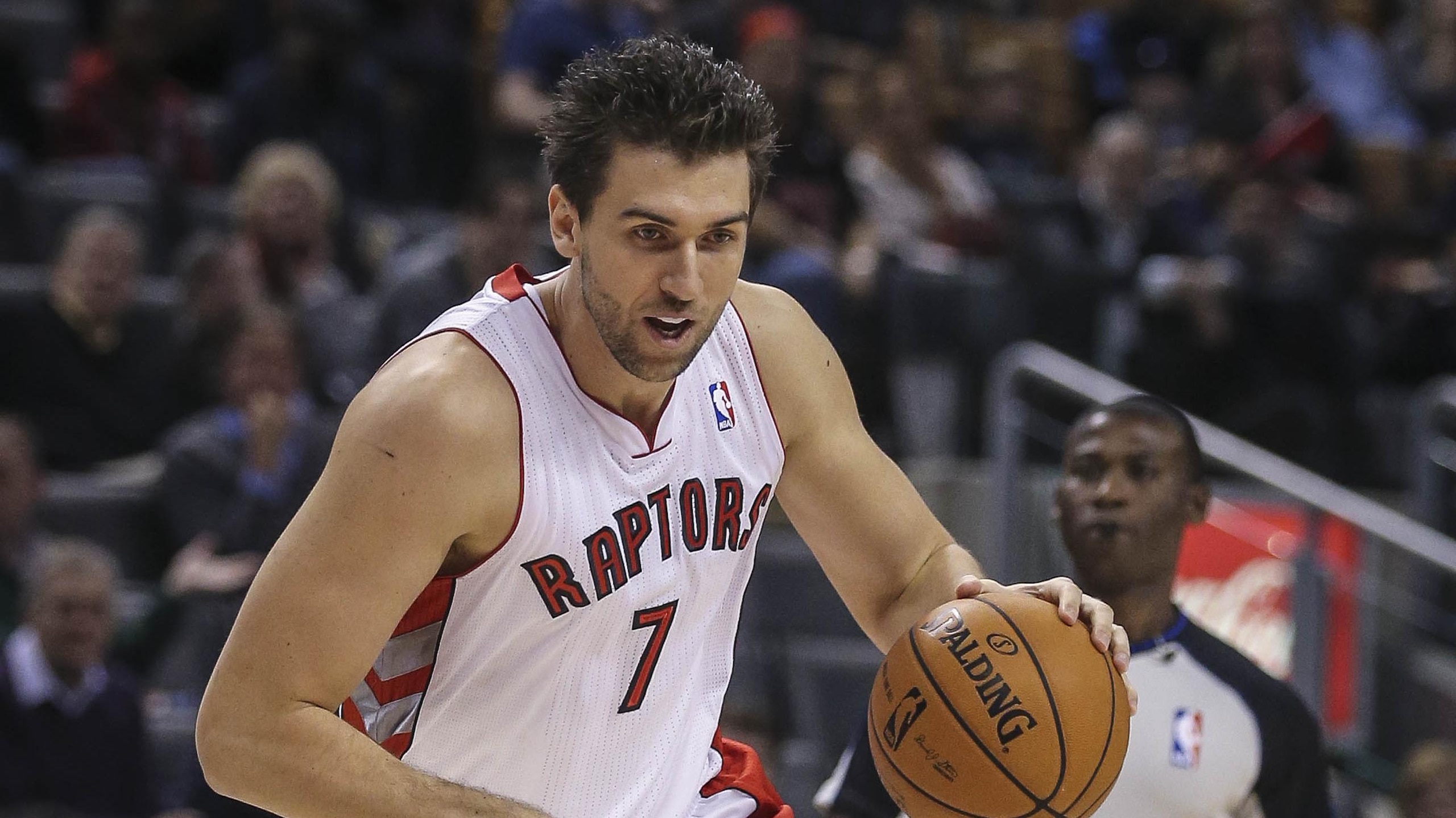
Andrea Bargnani is one of two players in NBA history who were taken No. 1 overall without any high school or college experience in the United States.
Still seemingly hypnotized by the Dirk Nowitzki model, the Toronto Raptors bucked conventional wisdom and took the 7'0" three-point shooter to play alongside Chris Bosh.
While it kind of worked for a few years—Bargnani averaged 10.8 points, shot 35.9 percent from three and had a positive net-rating swing in those first two seasons—he quickly became a plus-minus nightmare.
As it stands, the No. 1 pick from 2006 ranks 17th in that class in career wins over replacement player.
21. Greg Oden, Portland Trail Blazers, 2007
8 of 28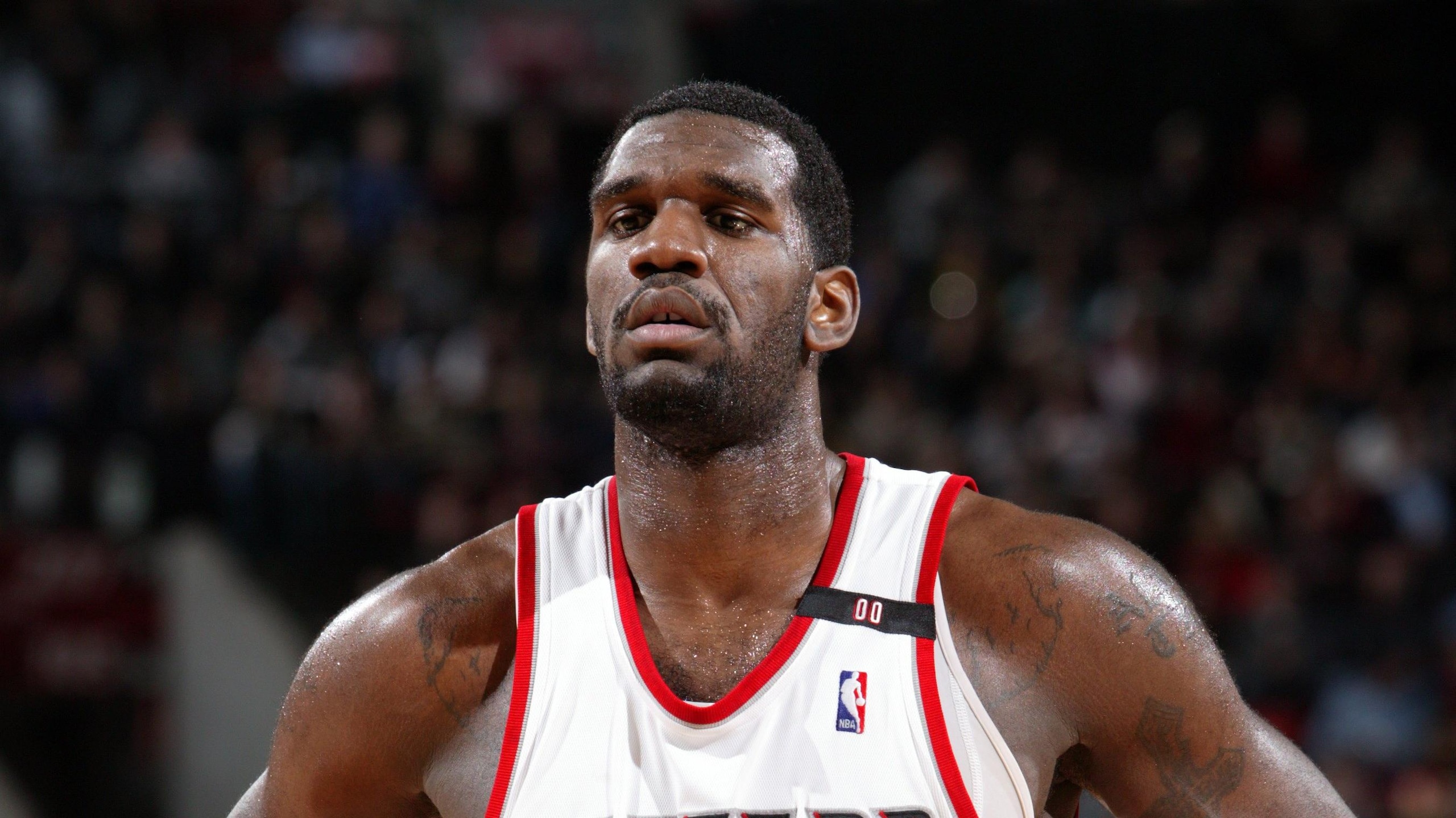
Not including cumulative numbers like wins over replacement player and win shares was a boon for Greg Oden, who only managed 105 career games in the NBA.
Injuries were a problem for Oden, who couldn't stay healthy once he joined the league. That's even sadder when you look back on the flashes he showed in his first two campaigns.
In 2008-09 and 2009-10, Oden played 1,816 minutes, had a plus-6.9 relative true shooting percentage and averaged 9.4 points, 7.3 rebounds and 1.4 blocks in 22.1 minutes per game.
Dwight Howard was the only player in the league who matched Oden's per-75-possession averages of 17.6 points, 13.7 rebounds and 2.7 blocks over that span.
20. Andrew Wiggins, Cleveland Cavaliers, 2014 (traded to Minnesota Timberwolves)
9 of 28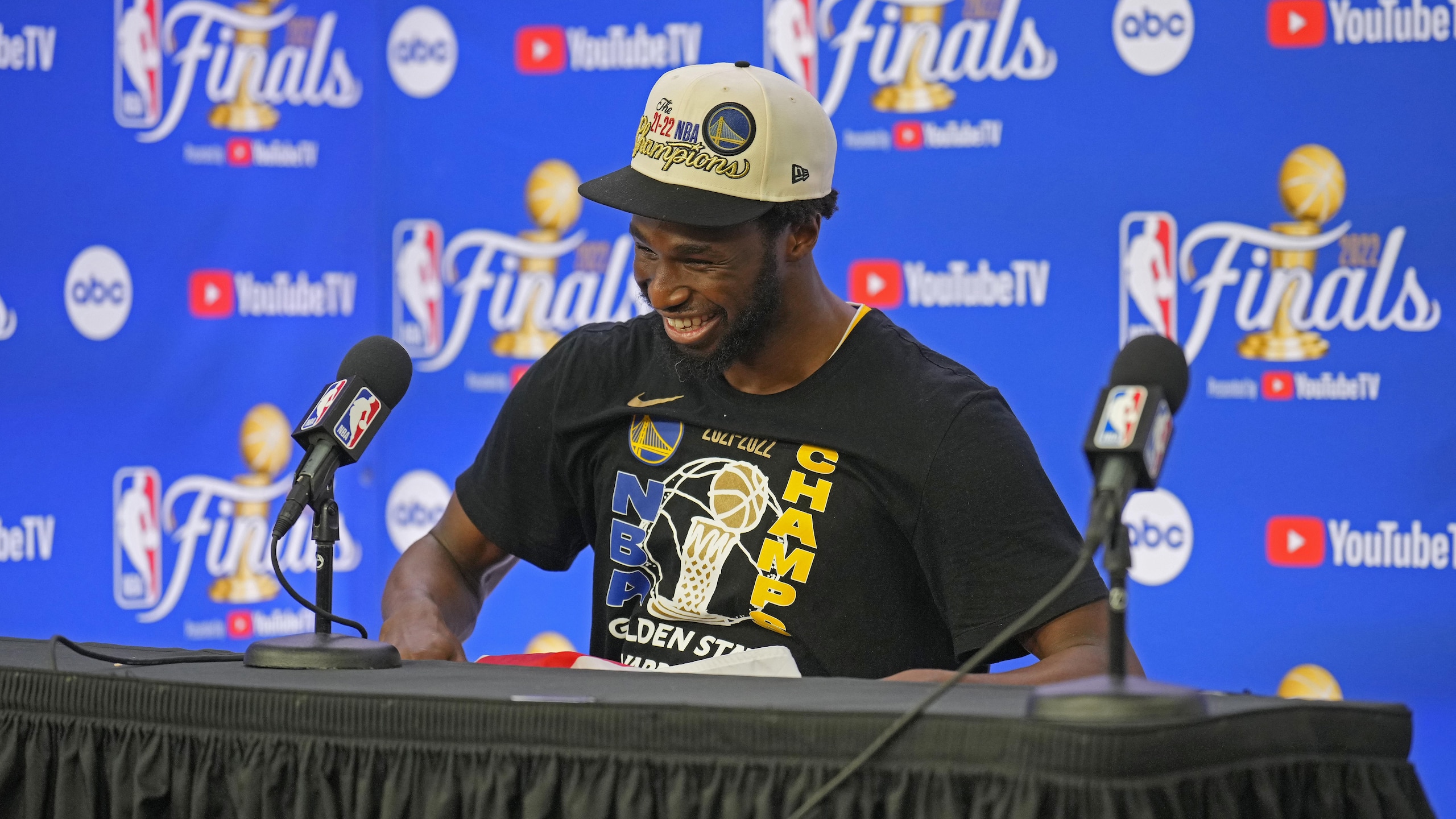
Andrew Wiggins has piled up plenty of basic numbers over the course of his 12 NBA seasons. In fact, only 18 players in league history totaled as many points, rebounds, assists and steals through their age-30 seasons as Wiggins has.
But Wiggins is the only member of that group with a below-average BPM during the relevant time period. That shouldn't be particularly surprising given his volume of shots and dreadful scoring efficiency.
It's possible that Wiggins was simply miscast as a No. 1 option. He meshed well with Stephen Curry in a supporting role on the way to the 2022 title in Golden State. But he was never anywhere near the franchise-cornerstone-level talent that he was hyped up to be.
19. Andrew Bogut, Milwaukee Bucks, 2005
10 of 28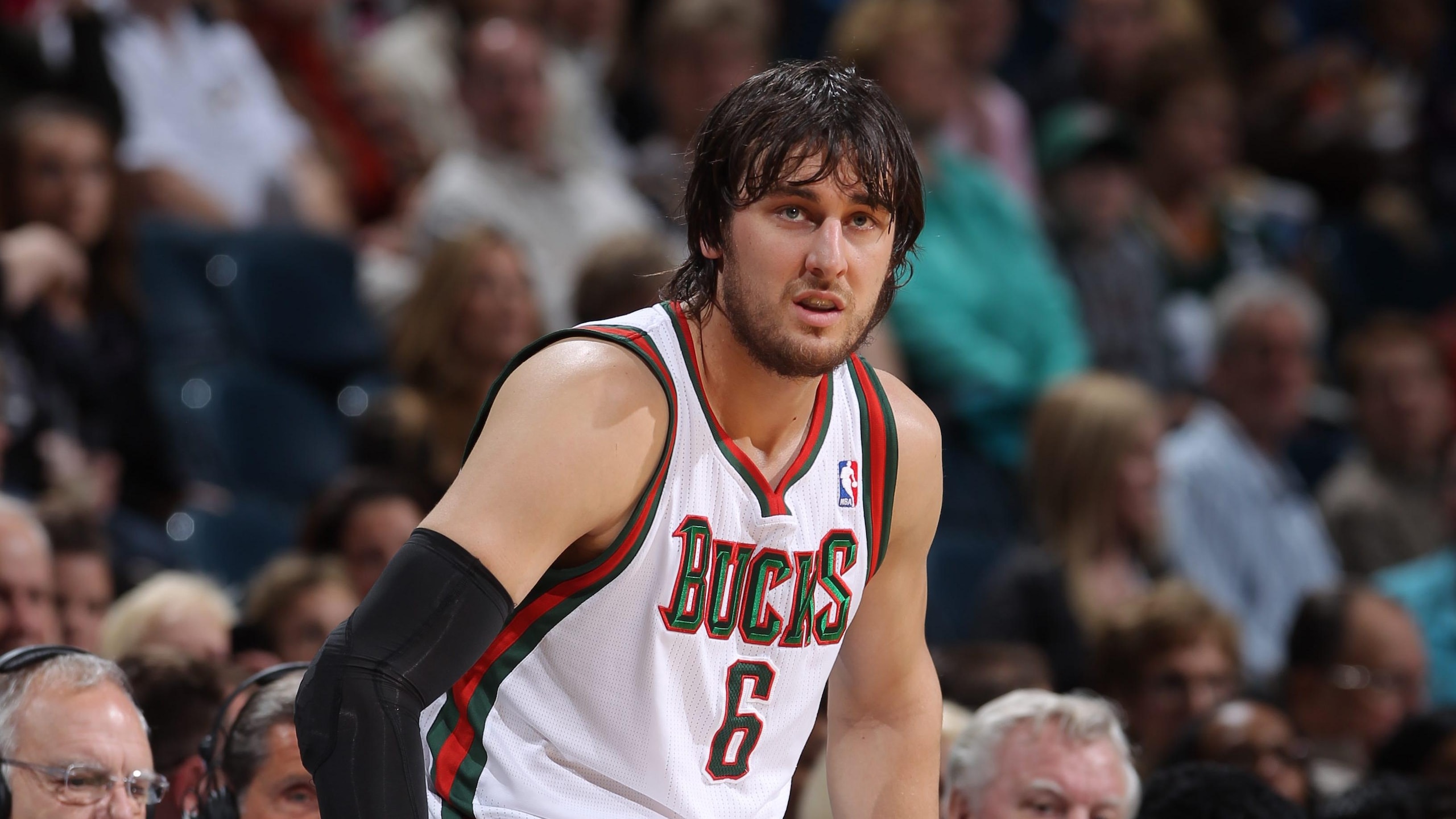
Andrew Bogut essentially had two NBA careers: one before his gruesome arm injury and one after.
Over a five-season stretch from 2006-07 to 2010-11, Bogut averaged 13.6 points, 10.0 rebounds, 2.3 assists and 1.8 blocks. He even made an All-NBA team in 2009-10.
Then, the injury happened and set him on a different course. Fortunately, it led him to the Golden State Warriors superteam led by Stephen Curry.
in 2014-15, Bogut had a plus-9.6 net rating swing and helped Golden State secure its first ring of the Splash Brothers era. His ability to act as an offensive hub around which Curry and Klay Thompson could cut was part of what made that offense so dynamic.
18. Kenyon Martin, New Jersey Nets, 2000
11 of 28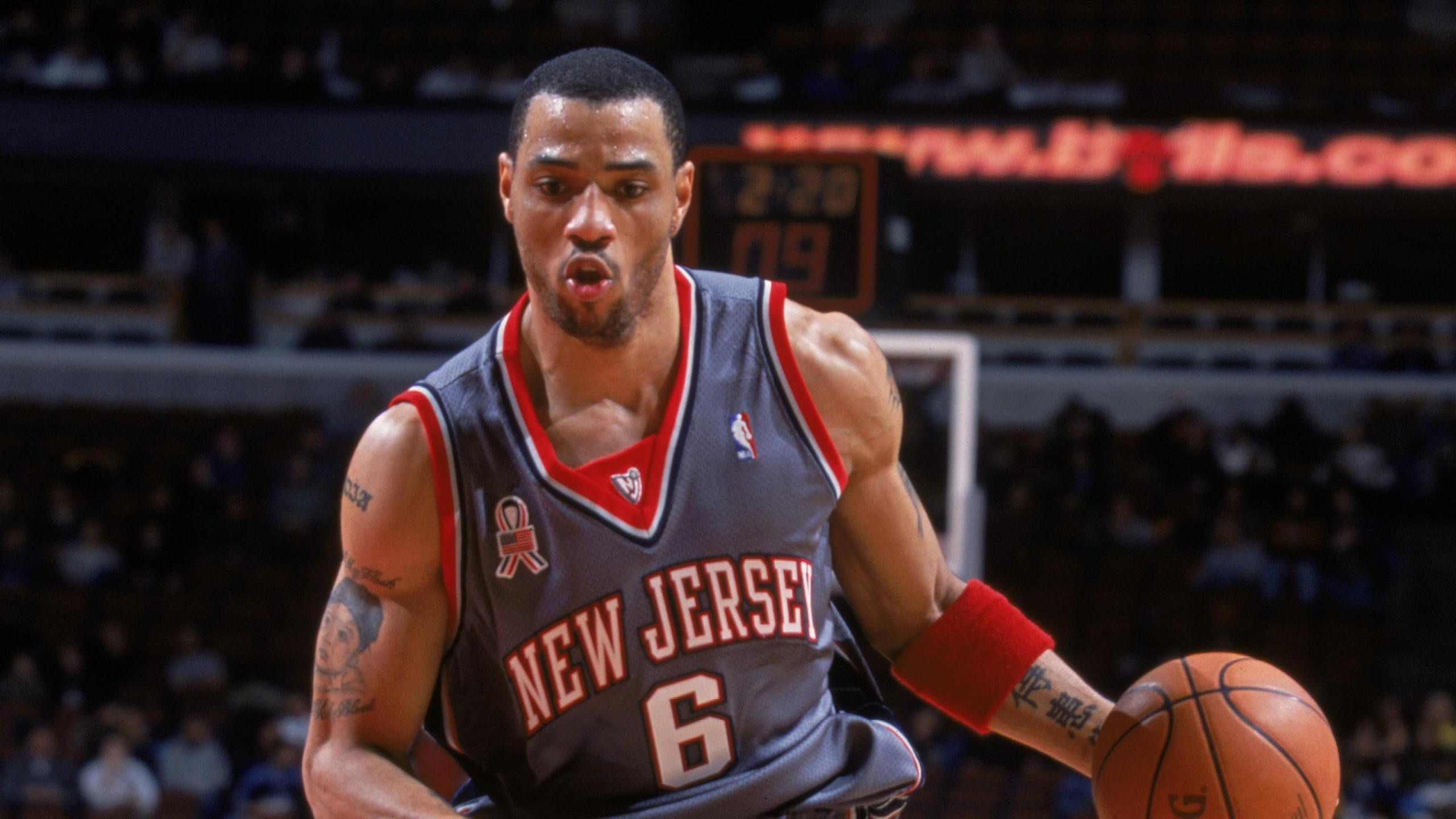
Kenyon Martin may not have reached superstar status at any point, but 15 seasons and a double-digit scoring average undoubtedly qualifies as a successful NBA career.
The one-time All-Star was a key cog for two New Jersey Nets squads that made the NBA Finals and a perennial playoff contender in Denver.
Over his 10-year peak from 2001-02 to 2010-11, Martin had an above-average BPM and a plus-2.0 net rating swing.
17. Deandre Ayton, Phoenix Suns, 2018
12 of 28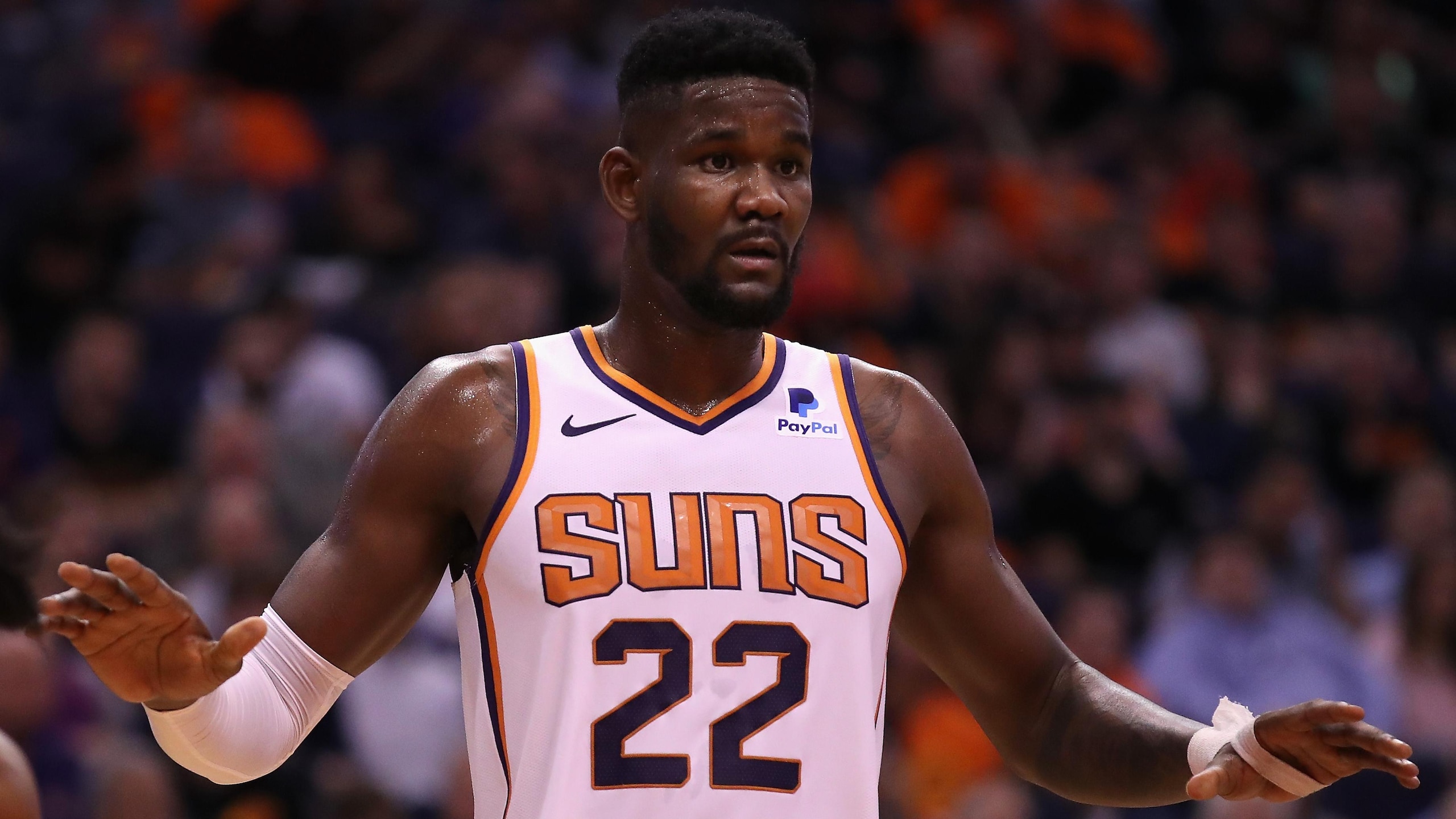
Deandre Ayton has the unfortunate distinction of being the top pick in Luka Dončić's draft, but his career per-75-possession averages of 19.0 points, 12.1 rebounds and 1.2 blocks are matched by only nine other players in NBA history.
Granted, those numbers don't really capture the general inattentiveness on defense that has plagued Ayton since his 2020-21 season, which ended with an NBA Finals appearance. His lack of fire and unwillingness to play through contact on offense are drawbacks, too.
But from just a raw production standpoint, Ayton, who's averaged a double-double in all but one of his NBA seasons, is far from the worst No. 1 pick of this era.
16. Ben Simmons, Philadelphia 76ers, 2016
13 of 28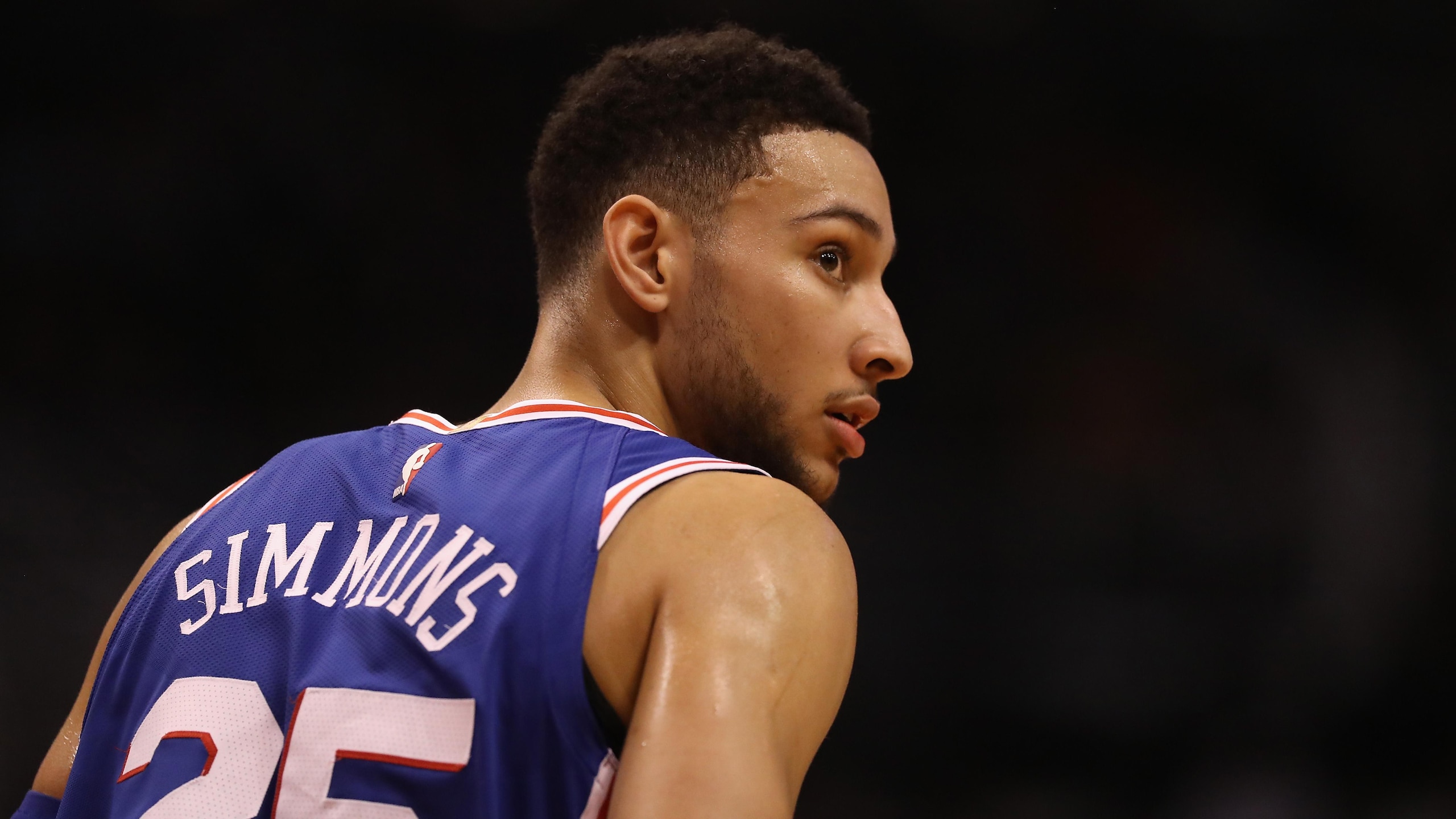
It's hard to remember now after his post-Philly spiral, but Ben Simmons' career got off to a roaring start.
There were always concerns about his inability and unwillingness to shoot, but Simmons averaged 15.9 points, 8.1 rebounds, 7.7 assists and 1.7 steals in his first four seasons. He won Rookie of the Year, made three All-Star teams and an All-NBA team and was first-team All-Defense twice.
Even if his jumper never arrived, Simmons figured to be one of the league's best distributors and a perennial Defensive Player of the Year candidate well into the 2020s.
But back injuries and something akin to the basketball version of the yips completely derailed a once-promising career.
Simmons didn't play a single game in 2025-26. In the previous three seasons, he averaged 5.9 points, 5.8 rebounds and 5.8 assists per game over 108 appearances.
His time in the NBA may already be done.
15. Paolo Banchero, Orlando Magic, 2022
14 of 28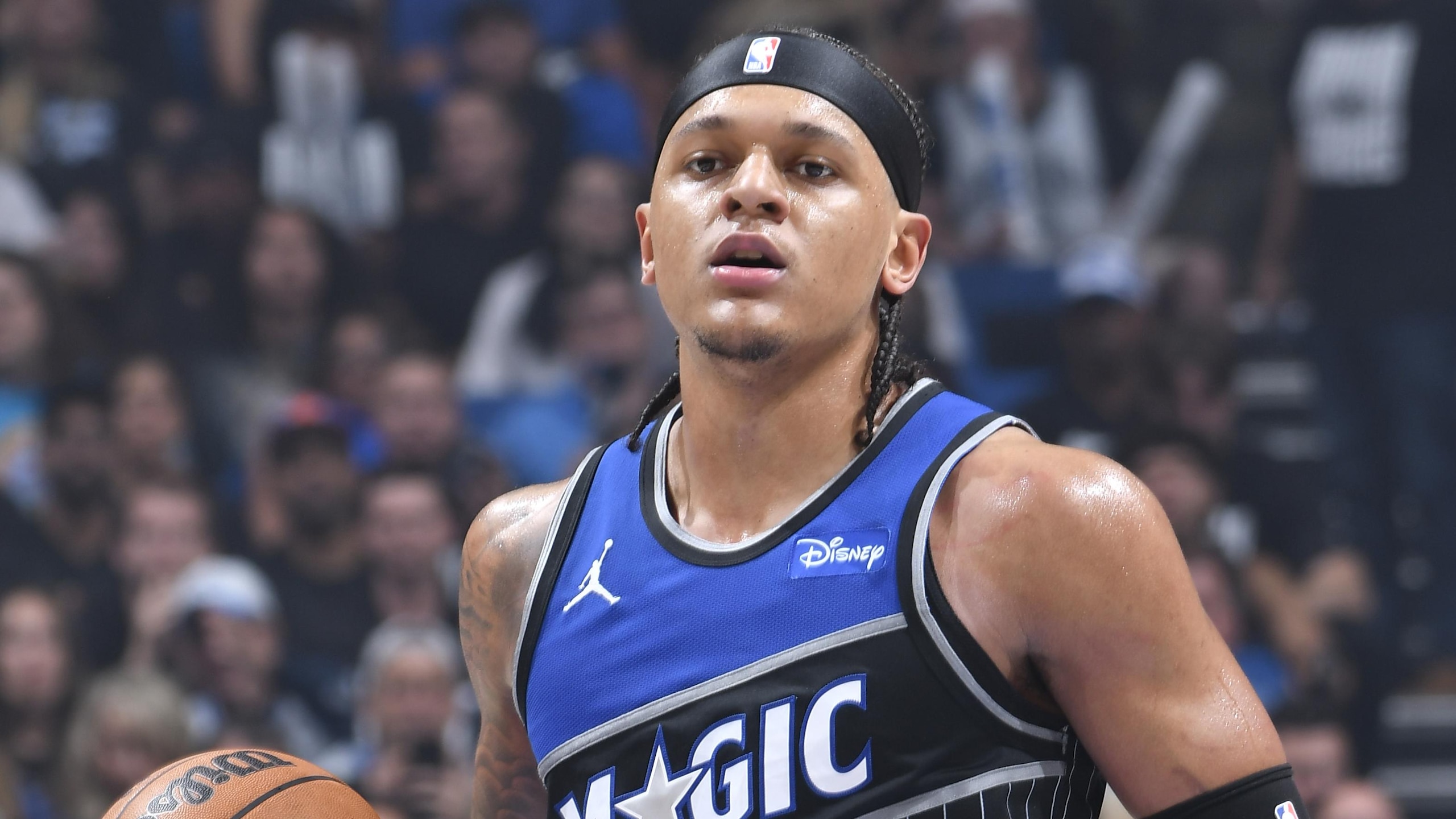
There's still lots of time for Paolo Banchero to climb up these rankings. He's been in the league for only four seasons, and his raw production in the playoffs (27.4 points, 8.7 rebounds and 4.9 assists) suggests superstar upside.
But there are clear reasons why Banchero isn't higher up this list and why he finished outside the top 10 in the fan vote, too.
Orlando's point differential per 100 possessions has been worse with Banchero on the floor in each of his four seasons. He's never been close to league-average in scoring efficiency.
And though it's nice to have some playmaking in a 6'10" frame, Banchero's assist-to-turnover ratio leaves a lot to be desired.
14. Cooper Flagg, Dallas Mavericks, 2025
15 of 28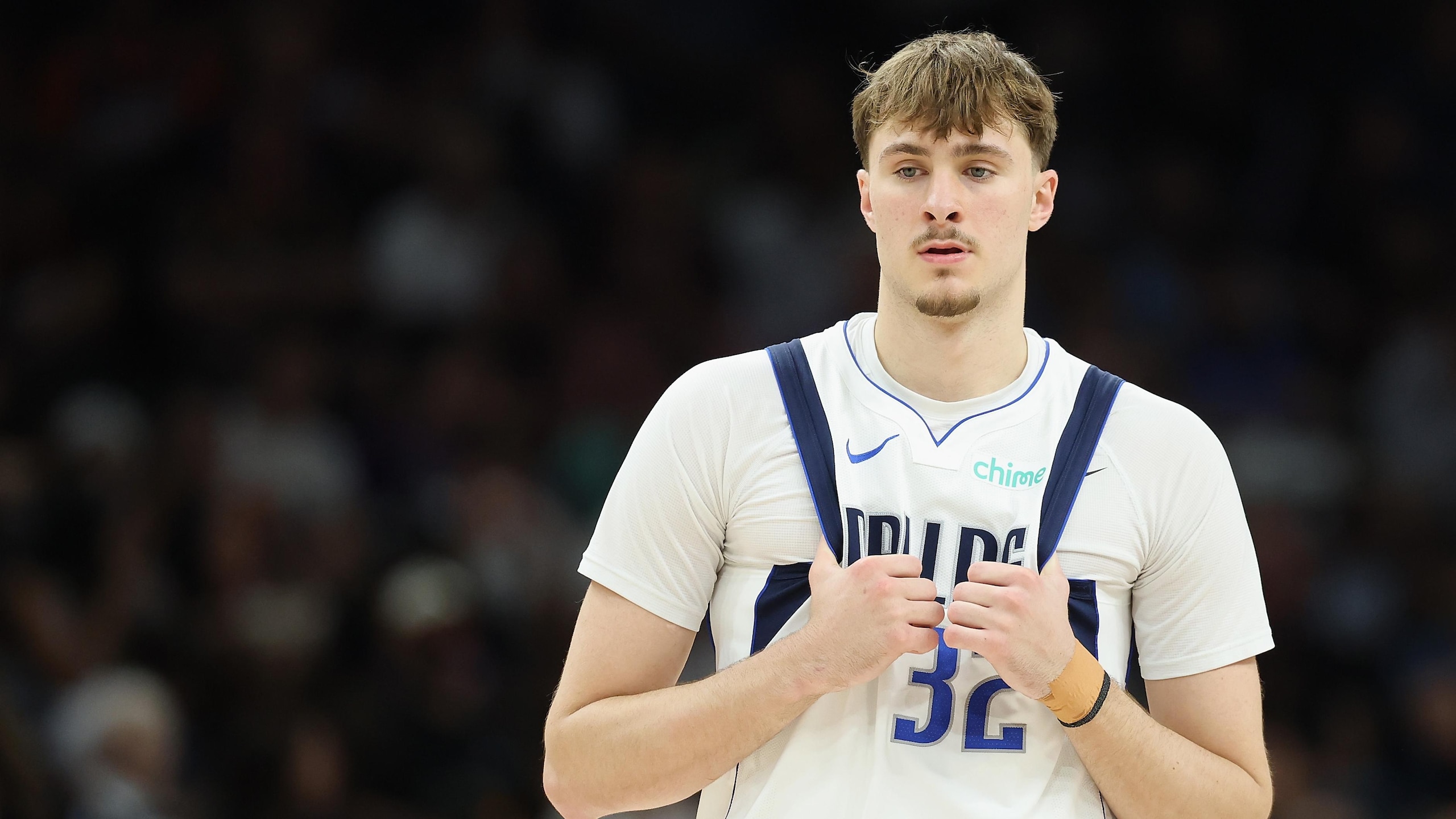
There was an inclination to include Cooper Flagg in the "too early to tell" camp, but the following disclaimer should work: Flagg is almost certainly going to fly up these rankings over the next several years.
The fact that he's already threatening to crack the top 10 here is a testament to how good he was as a rookie.
Flagg averaged 21.0 points, 6.7 rebounds, 4.5 assists and 1.2 steals, scored at least 42 points on four different occasions and topped out at 51 against a stout Orlando Magic defense.
13. John Wall, Washington Wizards, 2010
16 of 28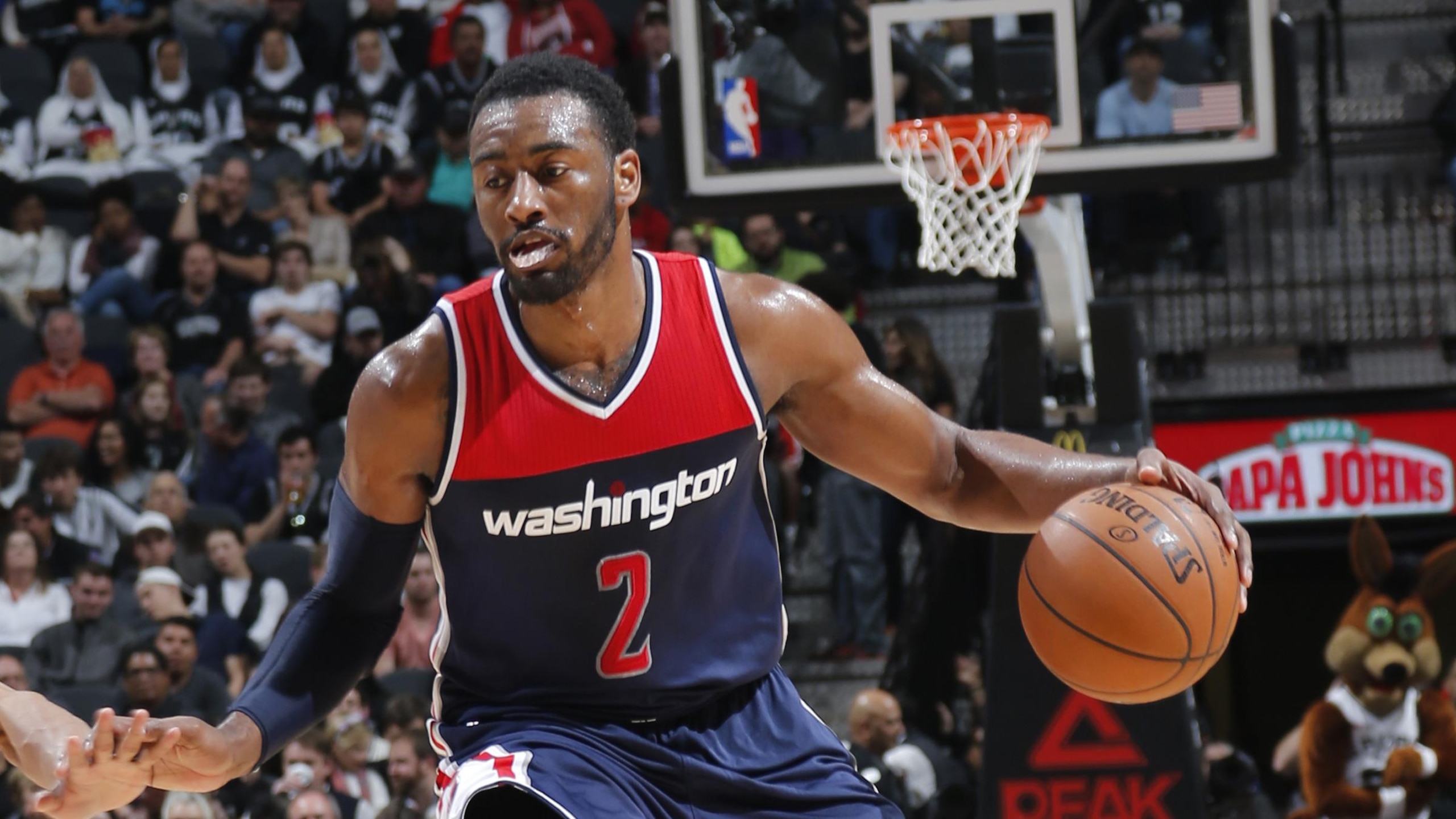
A devastating spate of injuries altered the course of John Wall's career, but he was one of the game's most dominant point guards before that.
From 2013-14 to 2016-17, Wall averaged 20.0 points, 9.9 assists and 1.9 steals per game. In that stretch, the Wizards were plus-3.1 points per 100 possessions with Wall on the floor and minus-5.2 with him off.
But he only managed 147 appearances over his last six seasons and was a TV analyst (a darn good one, too!) in what would have been his age-35 campaign.
12. Zion Williamson, New Orleans Pelicans, 2019
17 of 28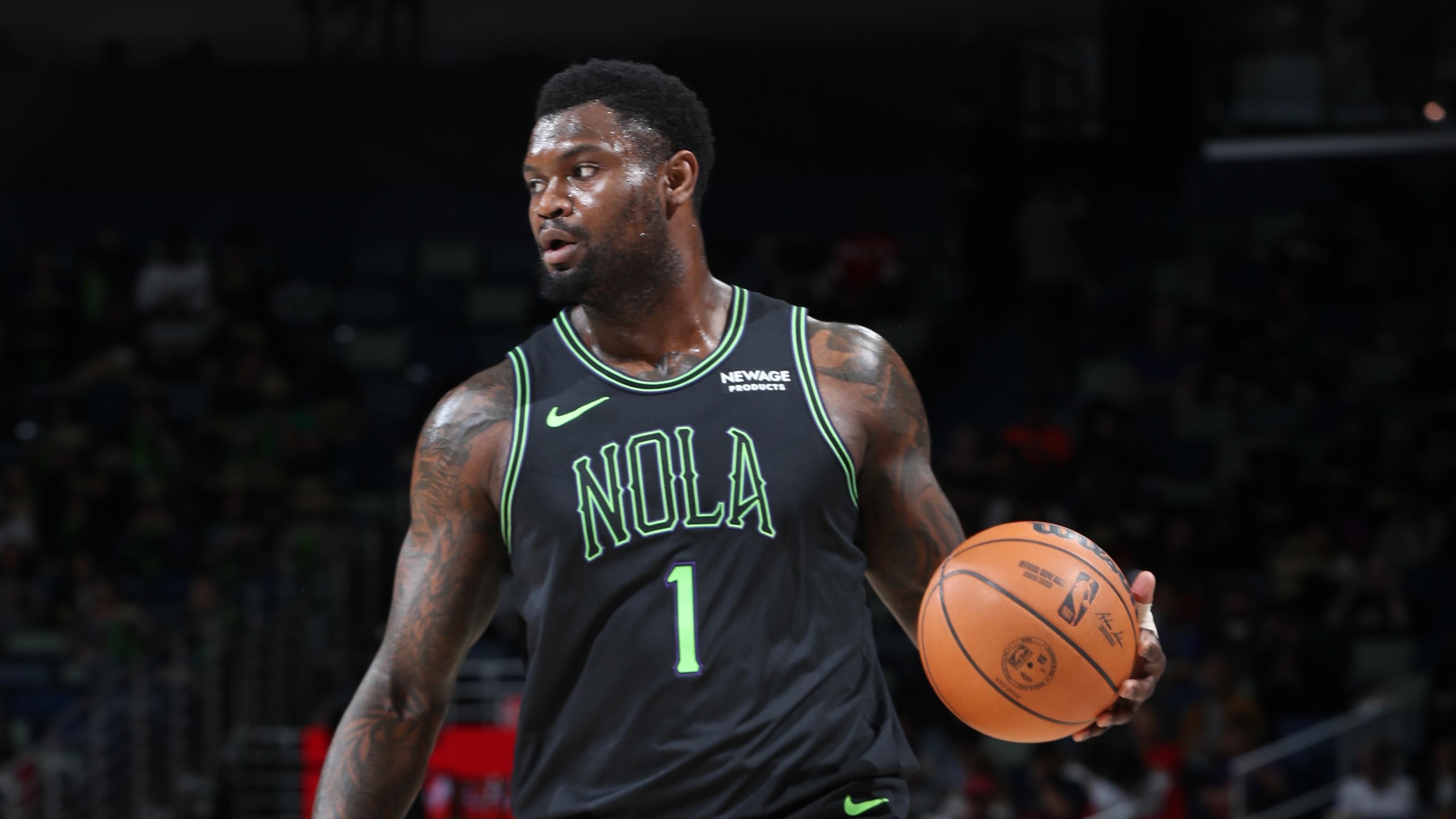
Unfortunately, injuries have probably been the prevalent storyline throughout the still-young career of Zion Williamson, who has averaged fewer than 40 appearances per season since he was drafted in 2019.
But when he does play, he's a near-unstoppable scorer.
Zion's average of 27.8 points per 75 possessions is the fourth-highest mark on record. He trails only Joel Embiid (31.7), Luka Dončić (30.6) and Michael Jordan (30.3).
And it isn't just empty-calorie scoring, either. Zion's relentless slashing and finishing at the rim have generally made him a positive-impact player in New Orleans.
For his career, the Pelicans are plus-1.4 points per 100 possessions when he's on the floor and minus-1.6 when he's off.
11. Derrick Rose, Chicago Bulls, 2008
18 of 28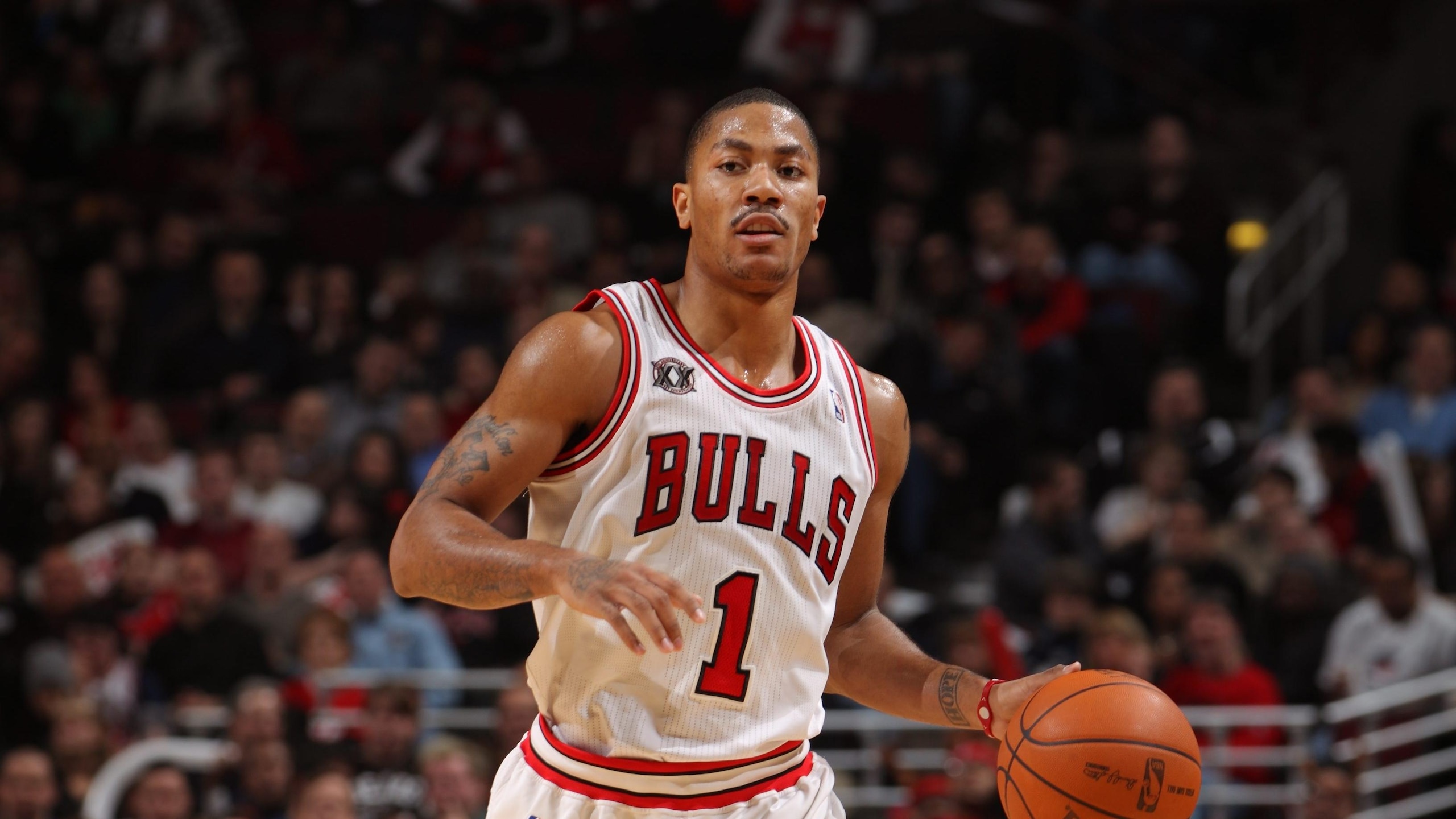
The youngest MVP in league history, Derrick Rose is another first overall pick whose career was dramatically altered by injuries.
Although he never quite got back to the level he hit at his peak (and presumably would've maintained without the torn ACL), Rose recovered nicely for a late-career surge as a reserve.
From 2018-19 through 2020-21, he finished in the top seven of Sixth Man of the Year voting three times and had pace- and playing time-adjusted production that was within striking distance of his MVP campaign.
- 2019-20 Rose: 23.6 points, 6.5 assists, 1.4 threes, 1.1 steals per 75 possessions, minus-1.0 relative true shooting percentage
- 2010-11 Rose: 26.7 points, 8.2 assists, 1.7 threes, 1.1 steals per 75 possessions, plus-0.9 relative true shooting percentage
Rose still may go down as the only NBA MVP to fail to make the Hall of Fame—his current probability sits at just 10.5 percent, per Basketball Reference—but he deserves some credit for salvaging his last several years in the league.
10. Cade Cunningham, Detroit Pistons, 2021
19 of 28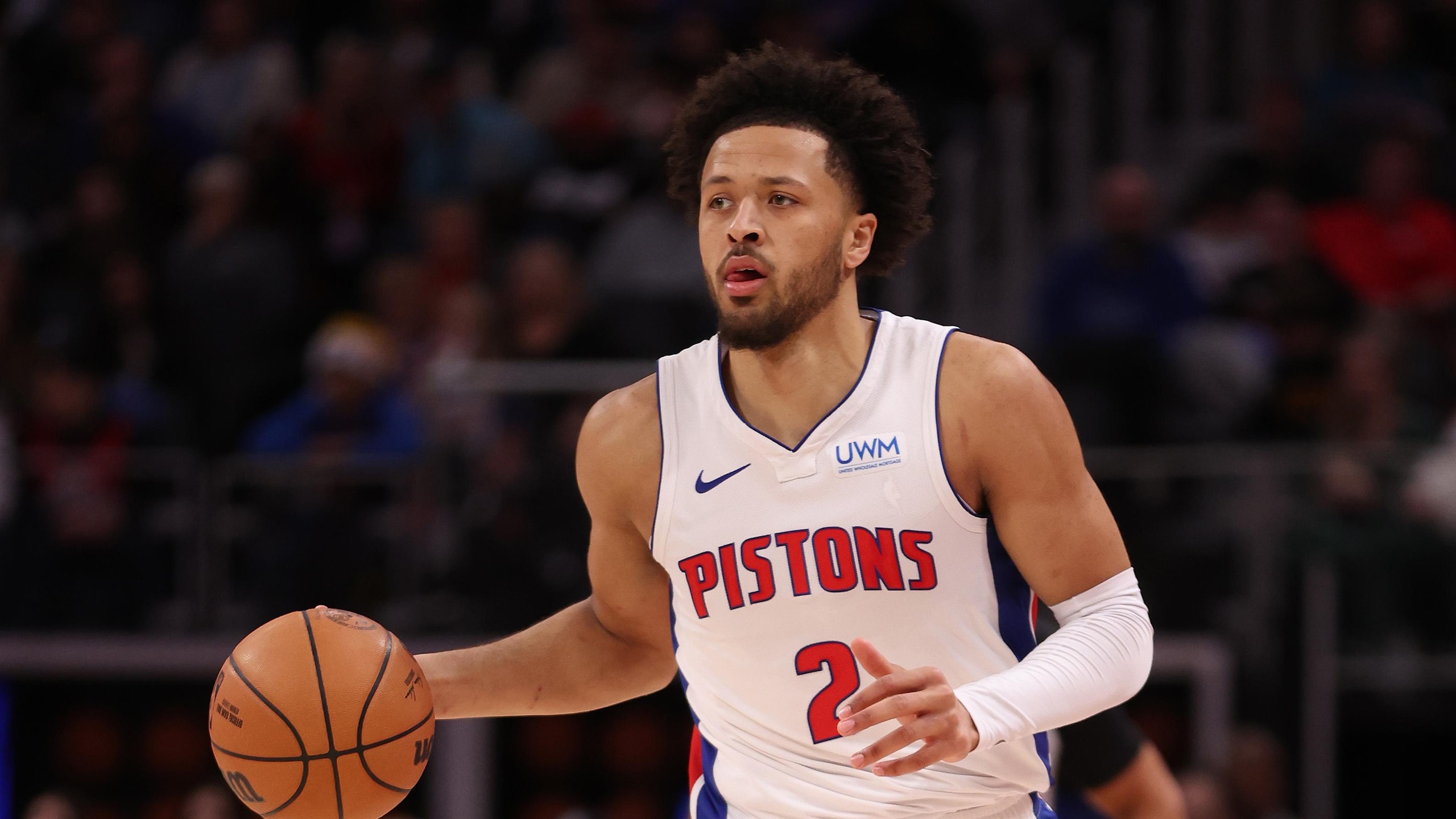
We've now entered the top 10, and there aren't any bad players or anything resembling a bust from here on out.
The fact that Cade Cunningham is this far down is evidence of that. He's quickly developed into one of the NBA's best playmakers and has made an All-NBA team in each of the last two seasons.
With a steady demeanor and ability to control the tempo of a game akin to that of '80s and '90s point guards, Cunningham has posted averages of 25.1 points and 9.5 assists per game over the last two seasons.
It feels safe to assume that he's still climbing. Cunningham is only 24, and he has an obvious area for improvement with his scoring efficiency.
If that gets on the same trajectory as the rest of his game, Cunningham could become an MVP candidate.
9. Blake Griffin, Los Angeles Clippers, 2009
20 of 28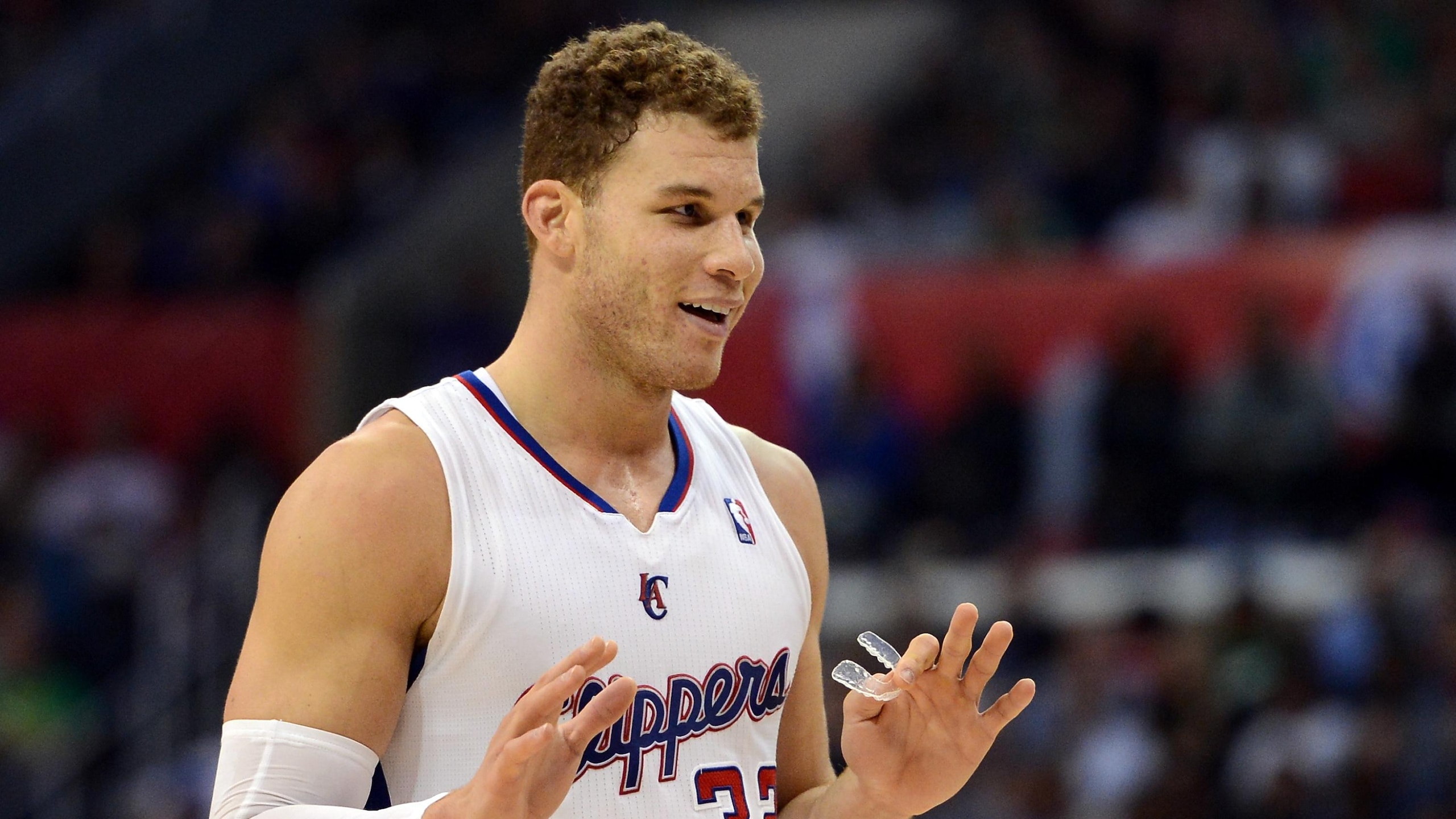
Over the 10 seasons leading up to Blake Griffin's 2010-11 debut for the Los Angeles Clippers, the franchise was dead last in the NBA in winning percentage. Over the course of his seven full seasons there, it was fifth, trailing only the San Antonio Spurs, Oklahoma City Thunder, Golden State Warriors and Miami Heat.
Griffin's contributions were key to that turnaround.
From 2010-11 to 2016-17, the Clippers were plus-6.9 points per 100 possessions with him on the floor and minus-2.1 with him off. In just seven-and-a-half seasons, he rose all the way to second on the franchise leaderboard in points, third in rebounds and fifth in assists.
For his entire career, Griffin's averages of 19.0 points, 8.0 rebounds, 4.0 assists and 0.7 threes are borderline unprecedented. Larry Bird, Luka Dončić and Nikola Jokić are the only players in league history to match or exceed all four of those marks.
Like several other players in these rankings, Griffin's career was marred by injuries, but he did enough to have a 54.8 percent chance of making the Hall of Fame, per Basketball Reference. In his prime, he was one of the game's most potent combinations of athleticism and playmaking.
8. Yao Ming, Houston Rockets, 2002
21 of 28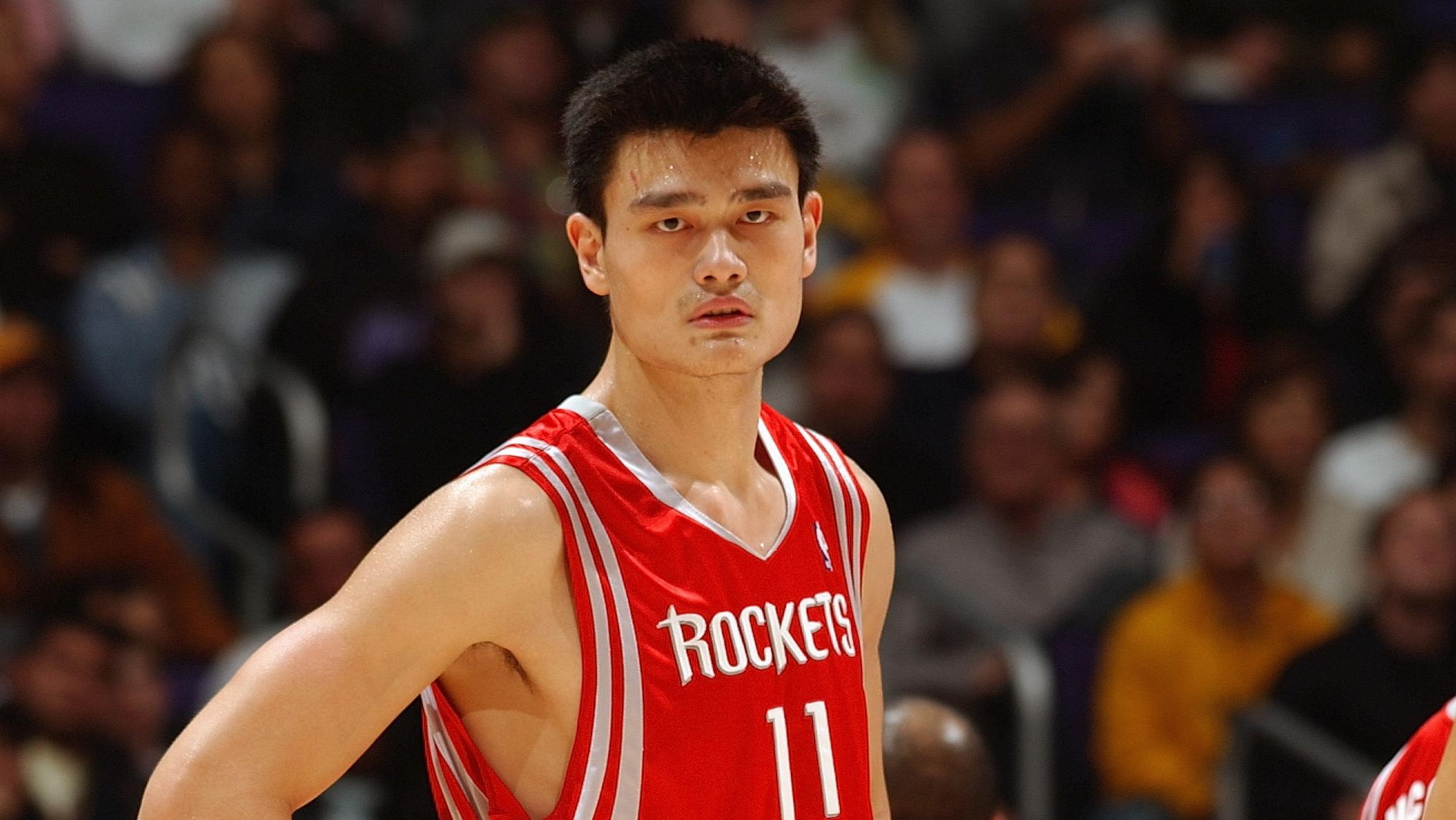
Yao Ming played in only eight NBA seasons, and injuries plagued him for much of his career. But when he was healthy, he was a force for the Houston Rockets.
Yao averaged 19.0 points, 9.2 rebounds and 1.9 blocks in 32.5 minutes per game with a plus-6.1 relative true shooting percentage.
The Rockets were plus-4.4 points per 100 possessions with him on the floor and plus-1.1 with him off.
Although Yao wasn't as mobile as Victor Wembanyama is now, he generated a similar level of awe when he entered the NBA.
7. Anthony Edwards, Minnesota Timberwolves, 2020
22 of 28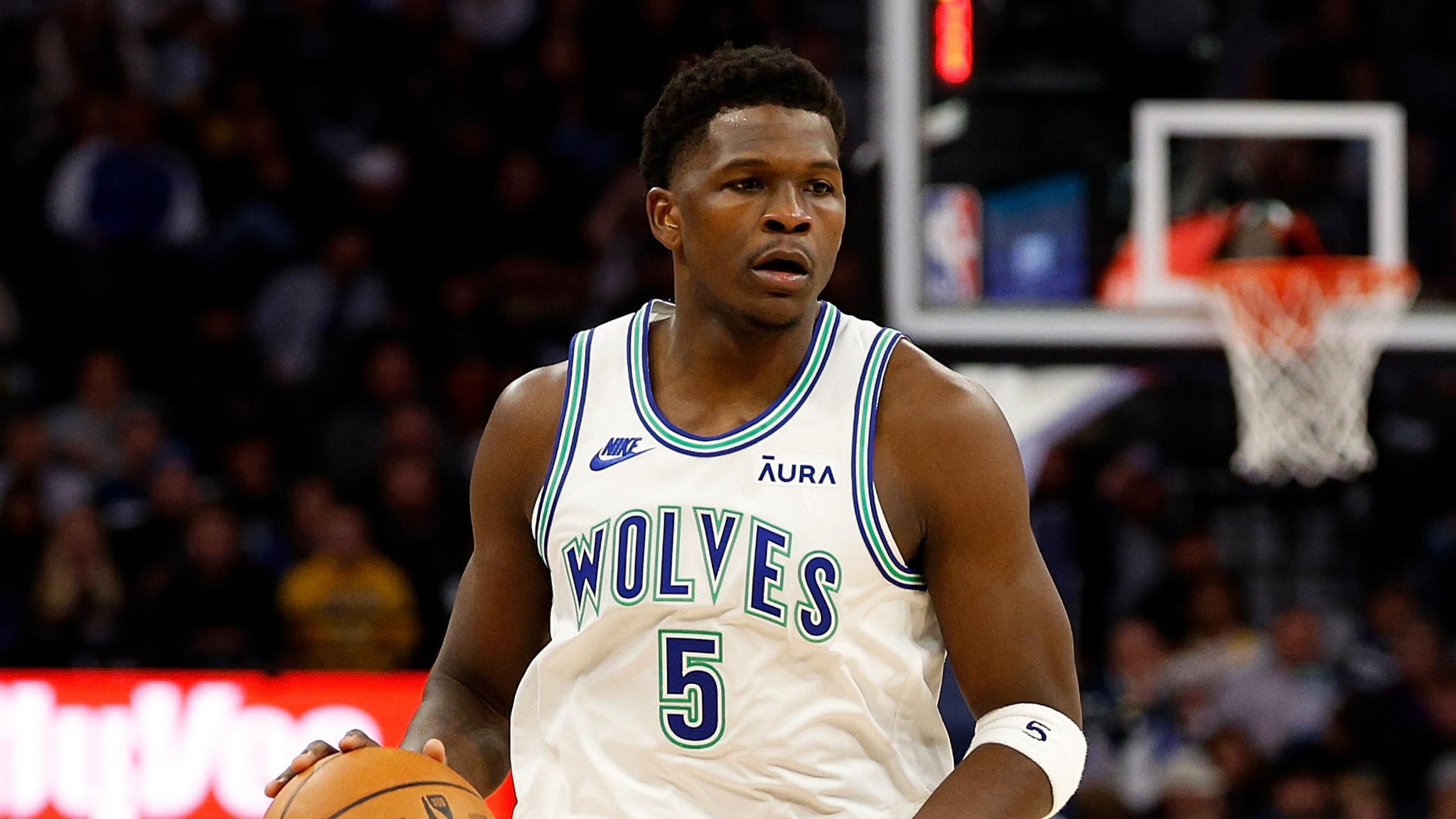
We're just six seasons into Anthony Edwards' career, and he already has four All-Star appearances, two All-NBA nods and two conference finals appearances.
While his production and highlight-worthy finishes from the regular season are well worth some adulation, his playoff exploits are even more exciting.
Ant is already 19th all-time in career playoff points per game and has turned his Minnesota Timberwolves into bona fide title contenders.
6. Karl-Anthony Towns, Minnesota Timberwolves, 2015
23 of 28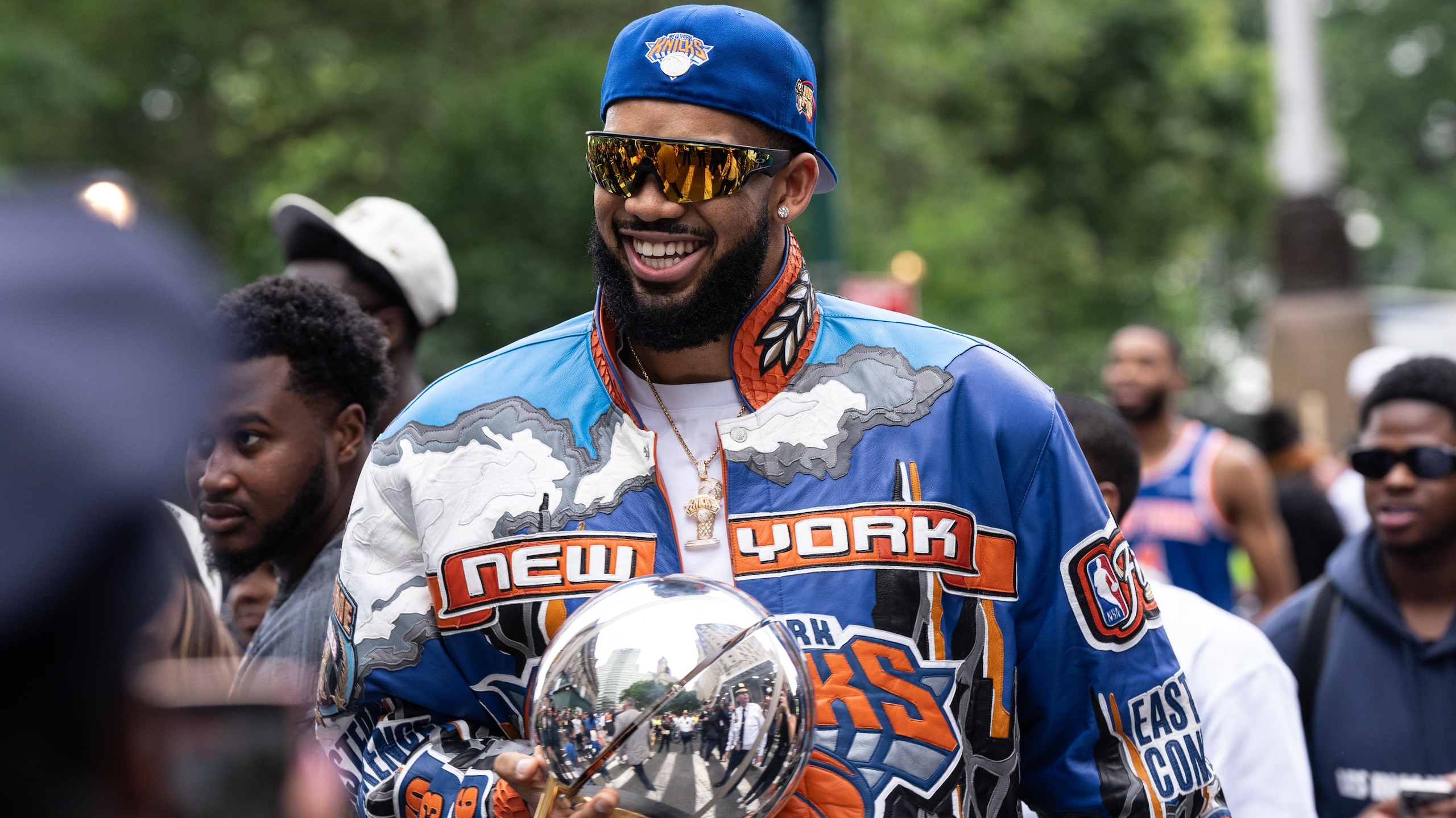
For years, it looked like Karl-Anthony Towns would have all-time-great offensive production with little to no team accomplishments to show for it.
He was a dominant rebounder and one of the best shooting big men of all time, but shaky decision-making on both ends of the floor often destroyed his title chances during postseason games.
But in 2026, the New York Knicks adjusted his role, empowered him as a playmaker and defender and won a championship in large part due to those adjustments.
Now, beyond a 39.8 three-point percentage and career averages of 22.8 points, 11.1 rebounds and 3.1 assists, Towns can claim to be an integral part of a title team.
5. Kyrie Irving, Cleveland Cavaliers, 2011
24 of 28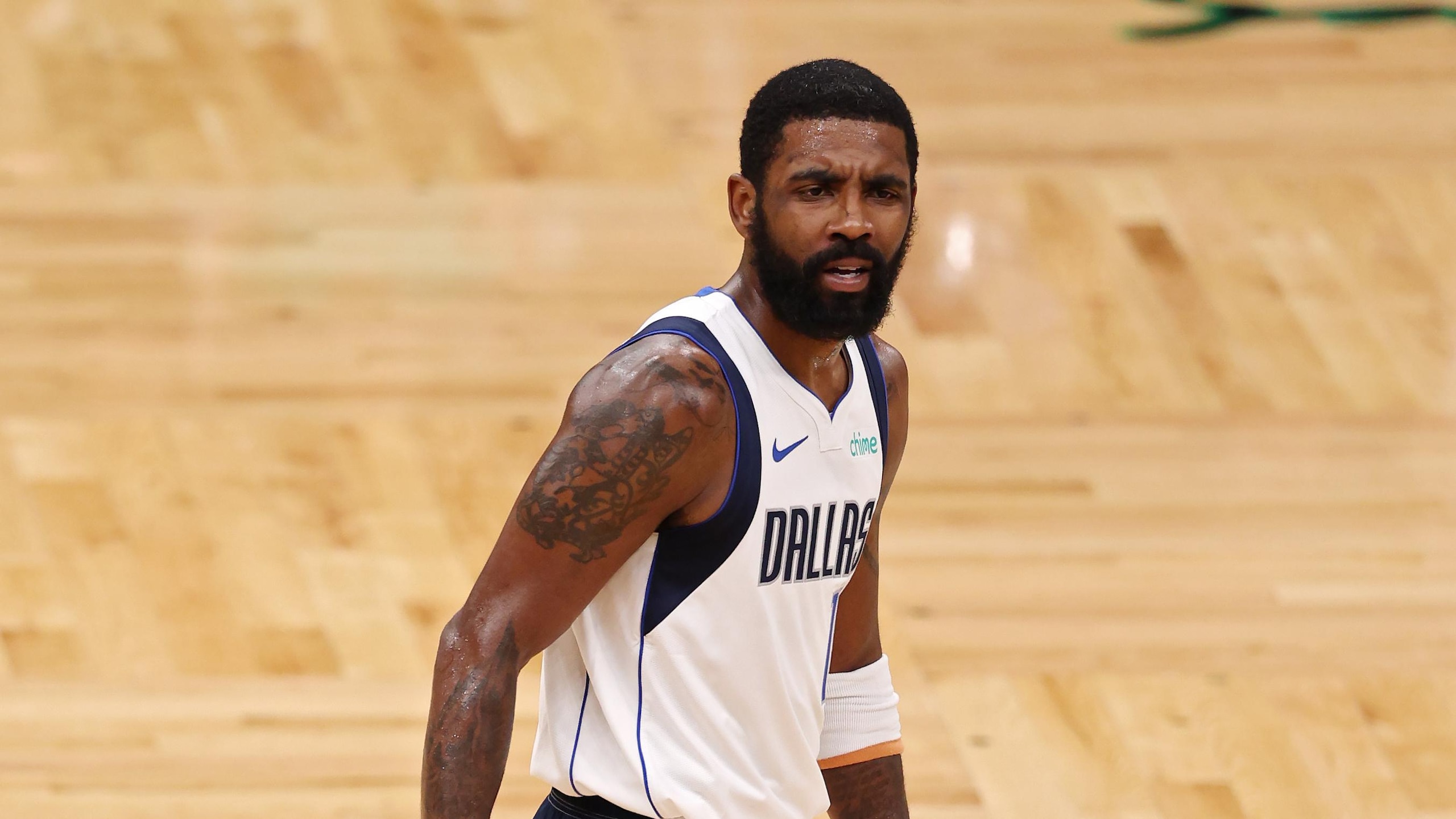
Another player whose career has been plagued by injuries, Kyrie Irving is one of the game's most dangerous offensive players when healthy.
He's posted a 3.0-plus offensive box plus/minus in each of the 14 seasons he's played. LeBron James (22), Kevin Durant (17), Chris Paul (16), John Stockton (16), James Harden (15) and Stephen Curry (15) are the only players in league history with more such campaigns.
And Kyrie's 25.7 points per 75 possessions for his career rank 19th all-time.
Those numbers fail to capture what it's like to watch Kyrie cook. Few are as skilled with the ball or have as extensive a repertoire of moves and shots. Given enough time, Irving can get by just about anyone, and he's one of the rare players left who still scores from all three levels.
For his career, nearly half of his shots have come from the mid-range. Despite that, he's still managed to post a way-above-average true shooting percentage.
His most famous shot was a side-stepping three that secured the 2016 NBA Finals for the Cleveland Cavaliers.
With time winding down in Game 7 of that series, Kyrie waited for a switch that put Stephen Curry on him outside the three-point line. He wasted little time getting to the shot that put Cleveland up for good after that.
It was one of the most striking examples of his ability to get a good look whenever he needs one.
4. Dwight Howard, Orlando Magic, 2004
25 of 28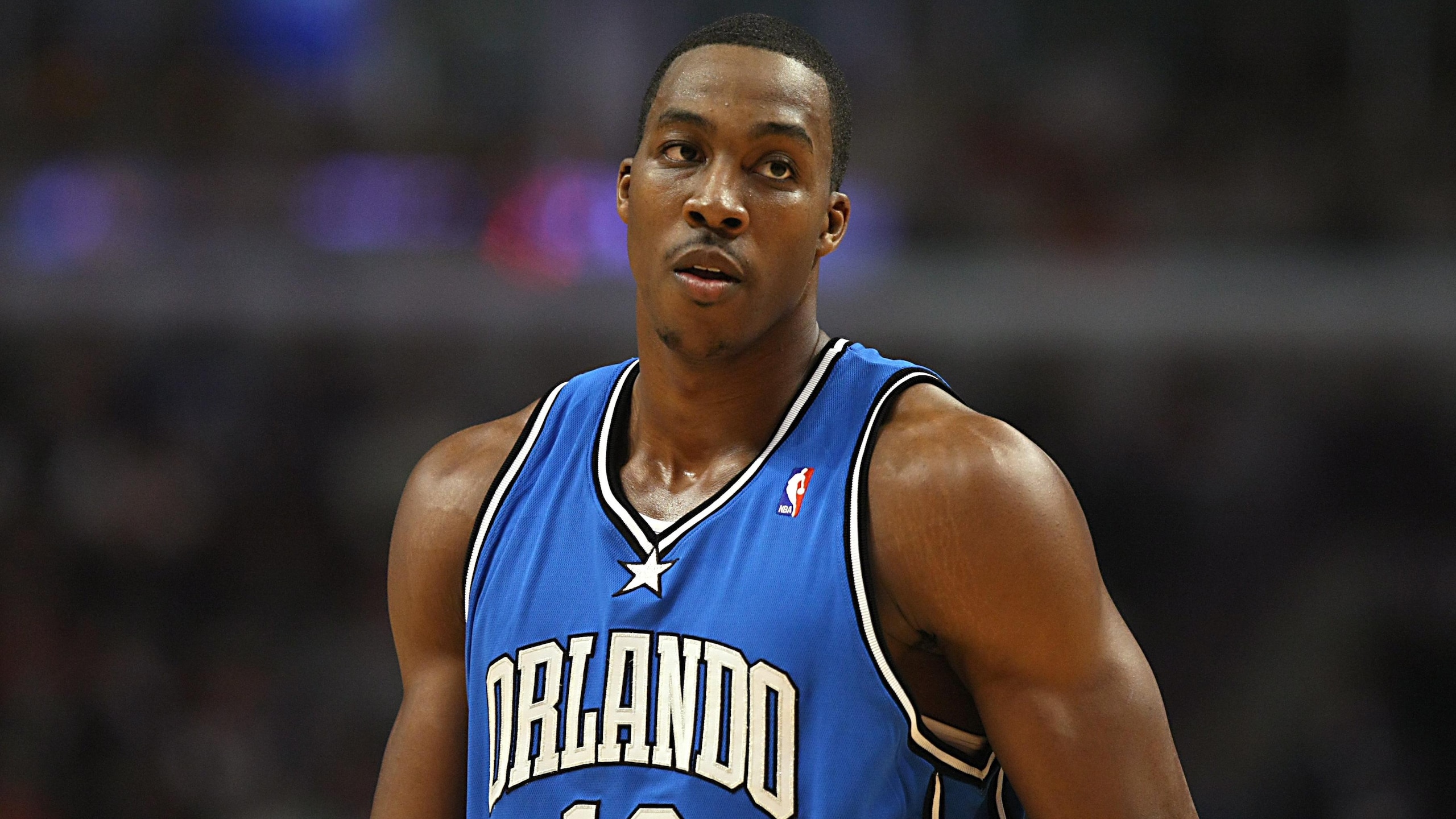
For nearly a decade with the team that selected him first overall in 2004, Dwight Howard was one of the game's most dominant big men.
From 2004-05 to 2011-12, he averaged 18.4 points, 13.0 rebounds, 2.2 blocks and 1.0 steals per game. In that same stretch, he had a plus-6.3 relative true shooting percentage, a plus-6.1 net rating swing and a BPM that was tied for 22nd in the NBA (sixth among big men).
In 2010-11, his second-to-last season with Orlando, he finished second in MVP voting.
"Howard is the centerpiece for everything Orlando does on both ends, and he remains unmatched in his ability to both protect the rim and rush out to disrupt pick-and-rolls," Zach Lowe wrote for Sports Illustrated at the time (h/t Evan Dunlap of Orlando Pinstriped Post). "His traditional stats are as good as ever, and he ranks fourth in the league in player efficiency rating."
That ability to protect the paint helped Howard earn his third consecutive Defensive Player of the Year trophy that season, and his impact on both ends of the floor made the Magic real title contenders.
He became a journeyman through the second half of his career, and that seems to have colored the opinion of some toward him. But at his peak, Howard was a double-double machine and a nearly perfect big around whom then-Orlando head coach Stan Van Gundy could deploy his revolutionary spaced offense.
3. Anthony Davis, New Orleans Pelicans, 2012
26 of 28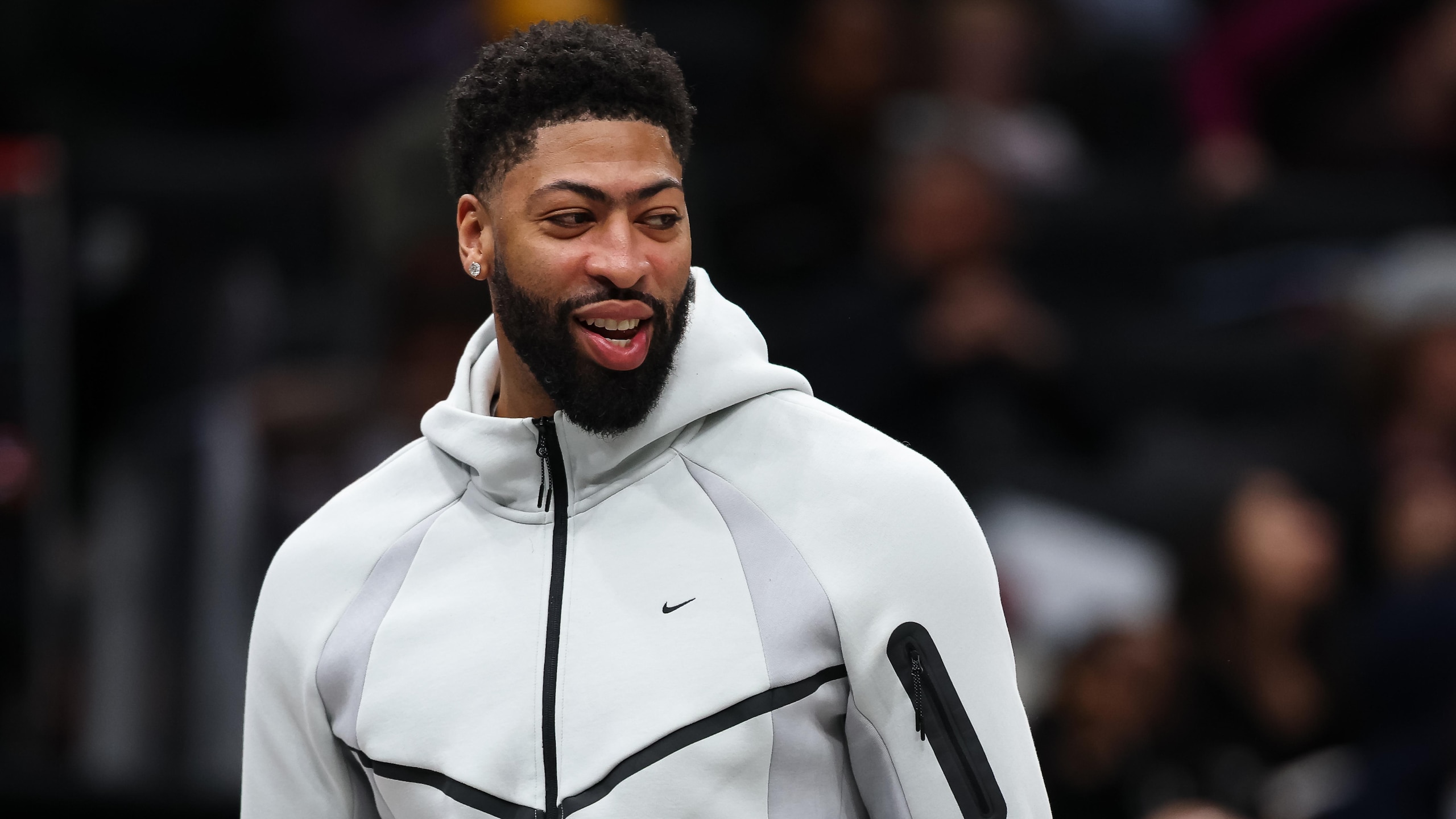
"[Anthony] Davis has taken the guesswork out of the top of the 2012 NBA draft," Jonathan Givony wrote for DraftExpress in 2012. "While he surely has plenty of things to work on, it's highly unlikely that he'll be anything less than a huge success in the NBA."
That was a common refrain from analysts and scouts on Davis back then. His box plus/minus from his freshman campaign at Kentucky is the third-highest on record (trailing only Zion Williamson and Cameron Boozer's), and everything he needed to work on was pretty much rectified by his second NBA season.
Now 14 seasons in, his career averages of 24.0 points, 10.7 rebounds and 2.3 blocks per game leap off the screen. Kareem Abdul-Jabbar and Wilt Chamberlain are the only players in league history to match or exceed those marks.
Davis is among the most skilled big men the game has ever seen. He has a classical post game, a sometimes-reliable jumper, a nose for shot-blocking and rebounds and physical tools that belie his 6'10", 253-pound frame.
And once he was paired with a legitimate GOAT candidate on the Los Angeles Lakers, he quickly added a championship to his resume.
2. Victor Wembanyama, San Antonio Spurs, 2023
27 of 28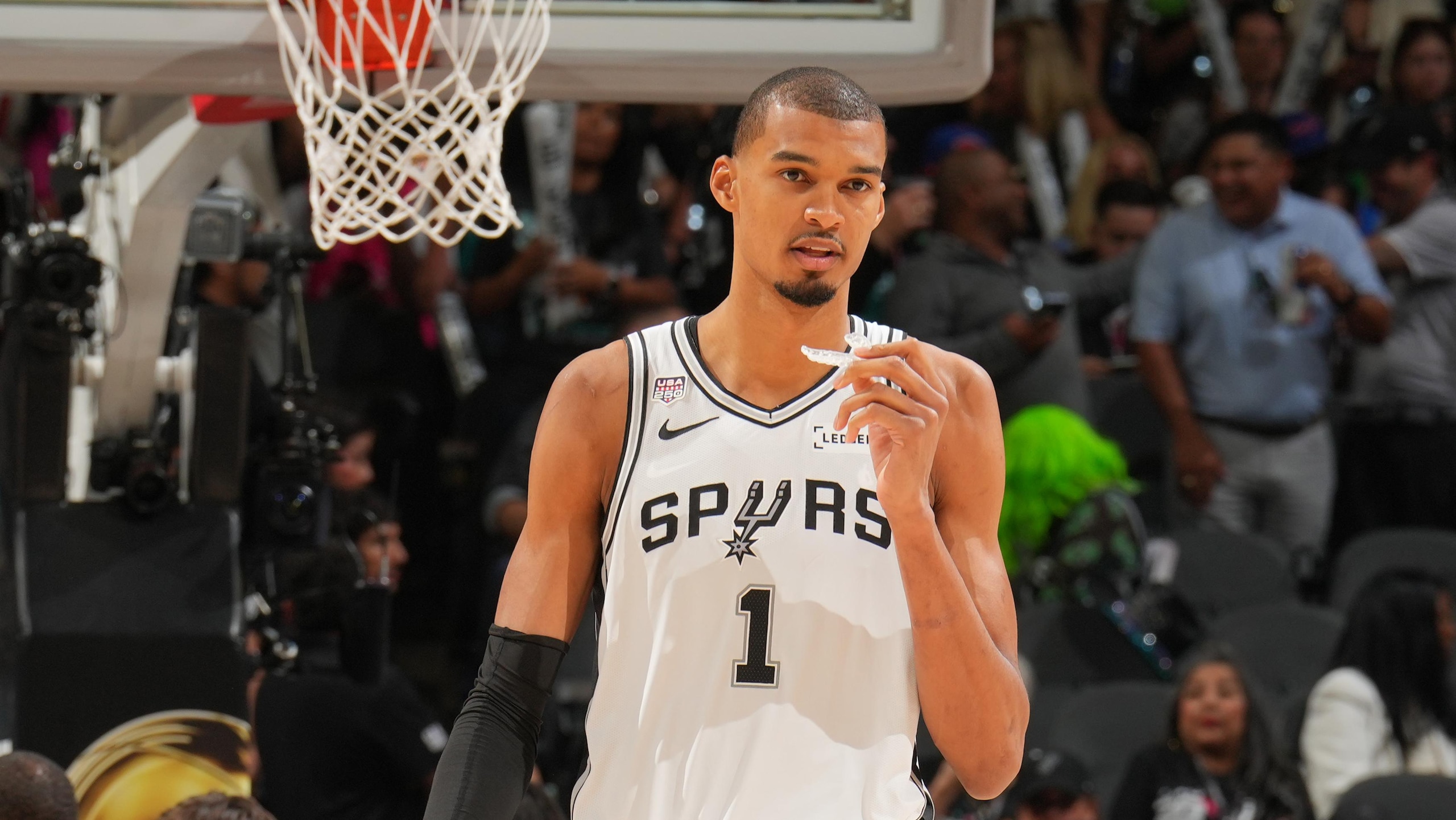
A few years ago, it would've seemed ludicrous that anyone might catch the player occupying the top spot in these rankings, but the first three years of Victor Wembanyama's career have cracked the door open on that possibility.
At 22 years old, Wemby just led his team to the NBA Finals, finished third in MVP voting and became the first player in league history to unanimously win Defensive Player of the Year.
In just 30.4 minutes per game, he has career averages of 23.4 points, 11.0 rebounds, 3.5 blocks, 3.5 assists and 1.1 steals per game.
If he polishes his playmaking a bit and becomes a more reliable jump shooter—two tasks that seem well within his gargantuan reach—Wembanyama has a real chance to start stacking championships (or at least Finals appearances) and building a GOAT-like resume.
1. LeBron James, Cleveland Cavaliers, 2003
28 of 28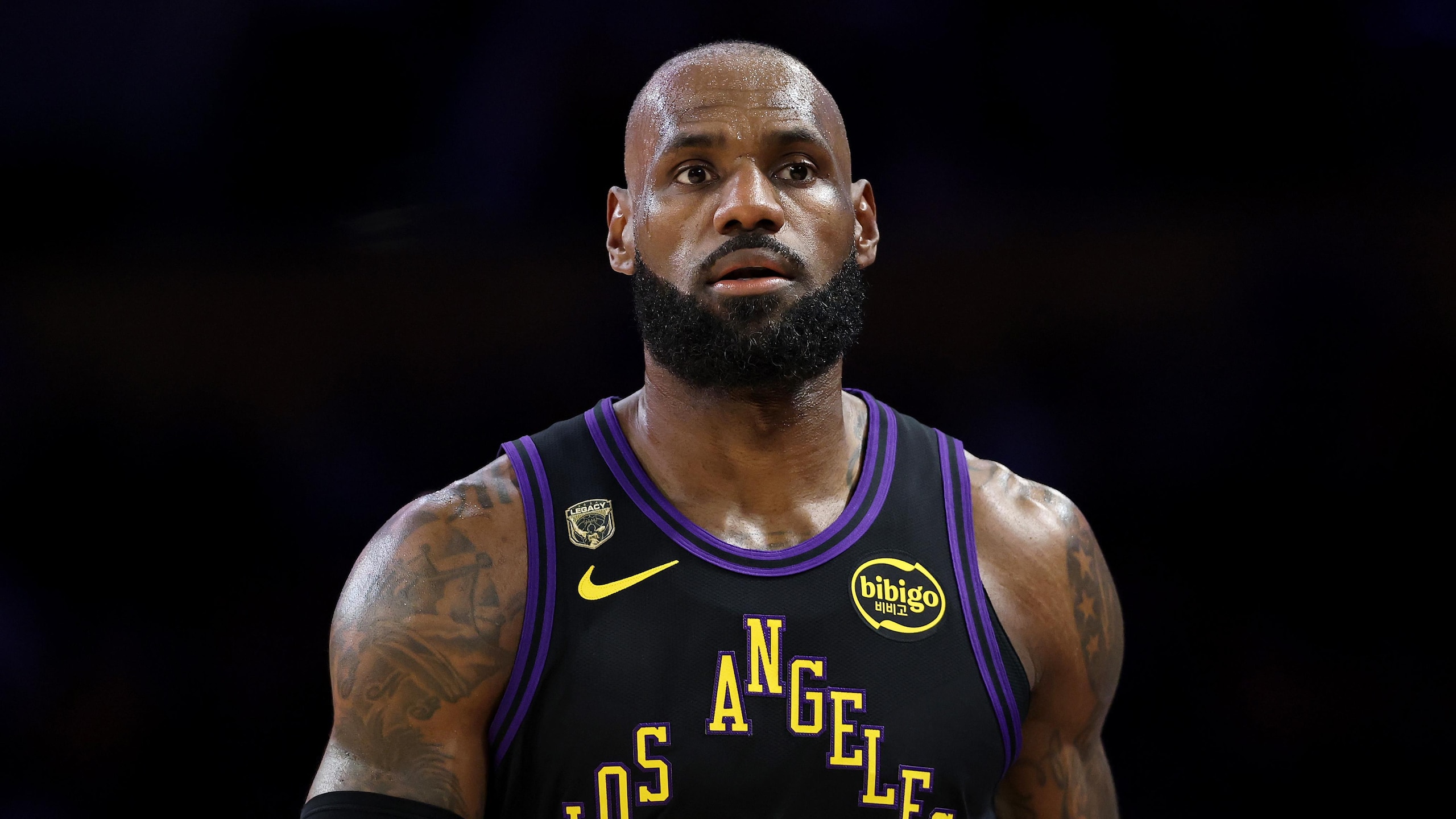
It truly does not make sense that LeBron James is still doing this. In his age-41 campaign, he just averaged 20.9 points, 7.2 assists, 6.1 rebounds and 1.2 steals.
With every year that he adds to his ridiculously long resume, several of his NBA records become closer to legitimately untouchable.
LeBron is first all-time in career wins over replacement player (regular season and playoffs), third in BPM (behind Nikola Jokić and Michael Jordan), first in points, fourth in assists, sixth in steals, sixth in threes and fifth in defensive rebounds.
And everywhere he's gone, he's had a massive impact.
His net-rating swing has been over 10.0 in 10 of his 23 seasons. Over the course of his career, his teams are plus-6.2 points per 100 possessions with him on the floor and minus-3.7 with him off.
That impact has translated into plenty of accolades. On top of 22 All-Star appearances, 21 All-NBA selections, four MVPs and four Finals MVPs, LeBron is also first all-time in career MVP shares.
Breaking his production down to a game-by-game level offers perhaps the most striking example of LeBron's dominance and longevity.
Over the course of his career, in both the regular season and playoffs, LeBron has 1,179 games with at least 20 points, five rebounds and five assists. Oscar Robertson's 650 such games rank second. The distance between those two is the same as the distance between Robertson and 86th-place John Wall.
Formula or not, LeBron was the obvious answer at the top of these rankings.