.jpg?w=2560 "Olivia Miles")


A month into the 2026 WNBA season, there are already a ton of fun storylines across the league.
The Minnesota Lynx are off to a 9-2 start without Napheesa Collier, with rookie point guard Olivia Miles playing at an MVP level. Portland has exceeded all expectations, while Dallas sits near the top of the standings behind an offense doing things no team has done before.
We'll break all of that down and more in our updated power rankings, starting from the bottom and working our way up.
15. Connecticut Sun (2-11)
1 of 15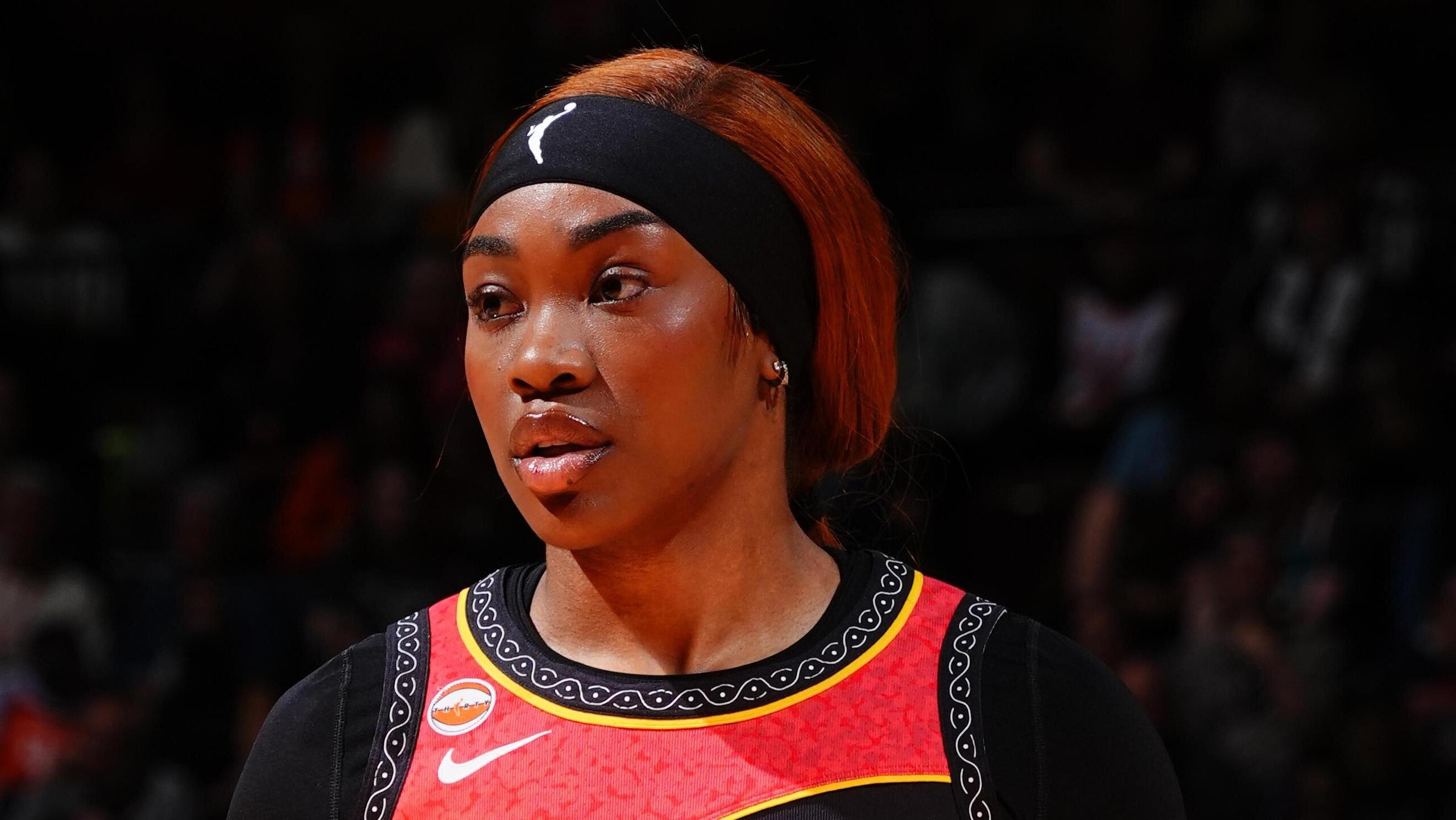
Previous: 14
It's no surprise the Connecticut Sun is here at No. 15. They have been outscored by 155 points through 13 games—the seventh-worst start by a team in WNBA history.
Connecticut, firmly in rebuild mode ahead of their move to Houston in 2027, is currently dealing with major issues on both sides of the floor. The Sun have almost no three-point shooting or shot creation, and they struggle to protect the rim on defense.
On the bright side, 23-year-old forward Aneesah Morrow has taken a leap in her sophomore season. She leads the team in points (12.3), while ranking second in the league in rebounds (10.9). Morrow's eight double-doubles also lead the WNBA.
14. Seattle Storm (3-10)
2 of 15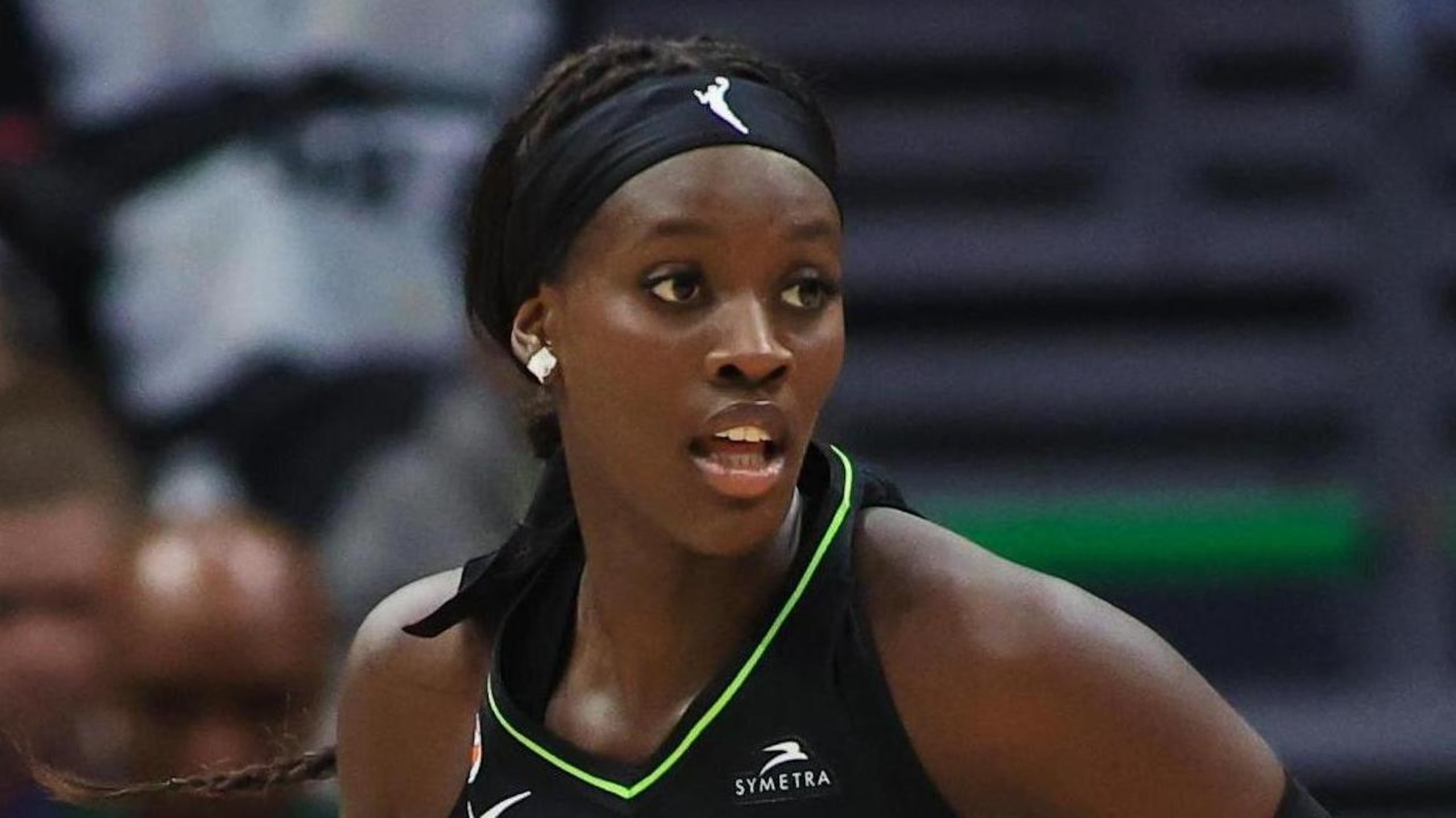
Previous: 13
The Seattle Storm struggled offensively with rising star Dominique Malonga missing eight of the team's first 12 games. They rank last in field-goal percentage (39.8%) and assist-to-turnover ratio (1.07).
However, their defensive energy has been a bright spot. The Storm rank sixth in defensive rating, spearheaded by Jordan Horston and rookie guard Flau'jae Johnson.
19-year-old rookie Awa Fam has also had some promising flashes, between her feel for the game, shotmaking talent and movement skills at 6'4".
13. Chicago Sky (4-7)
3 of 15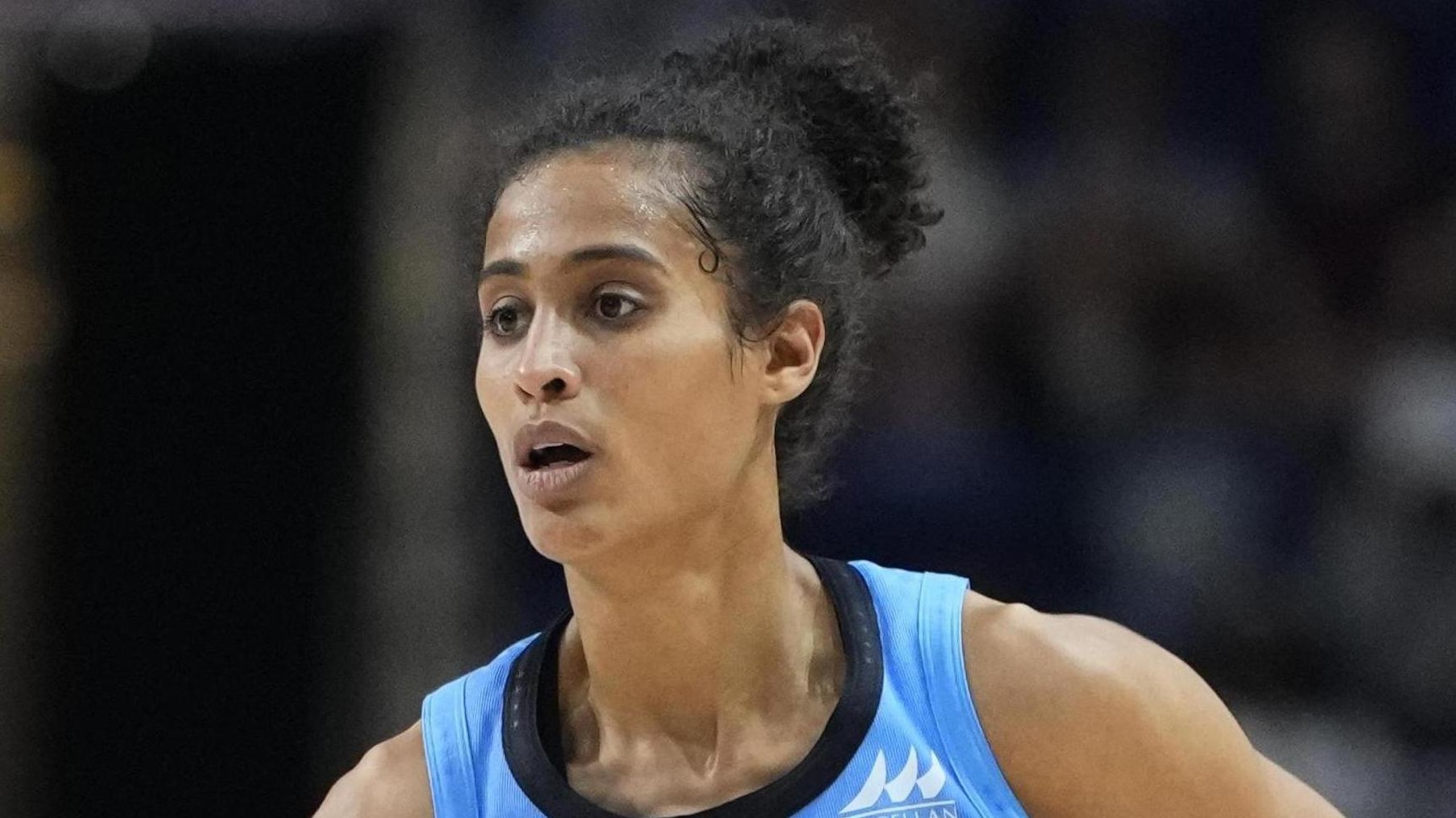
Previous: 10
This past offseason, the Chicago Sky went all-in, signing Skylar Diggins, Azurá Stevens and Courtney Vandersloot to multi-year deals with the clear goal of returning to the playoffs in 2026. But just 11 games into the season, a postseason berth feels far more aspirational than realistic.
Since Rickea Jackson went down with a torn ACL on May 17, Chicago has gone 1-7, with its only win coming against Connecticut. While Jackson's injury has clearly impacted the team, the struggles also speak to their roster construction issues. There's no way to build an efficient offense with a 35-year-old Diggins as the primary creator, especially with limited shooting around her. On top of that, Kamilla Cardoso's finishing at the rim has been wildly inconsistent despite her 6'7" frame.
Compounding the situation is the long-term cost of these roster decisions. Chicago no longer has access to its own 2027 first-round pick, so there's no chance at JuJu Watkins. And their 2028 first-round is also gone after being dealt in the Jacy Sheldon trade. That means no Sarah Strong, either. Just rough.
.jpg?w=2560 "Trump")
.jpg?w=2560 "Bills Rams Football")
12. Washington Mystics (4-6)
4 of 15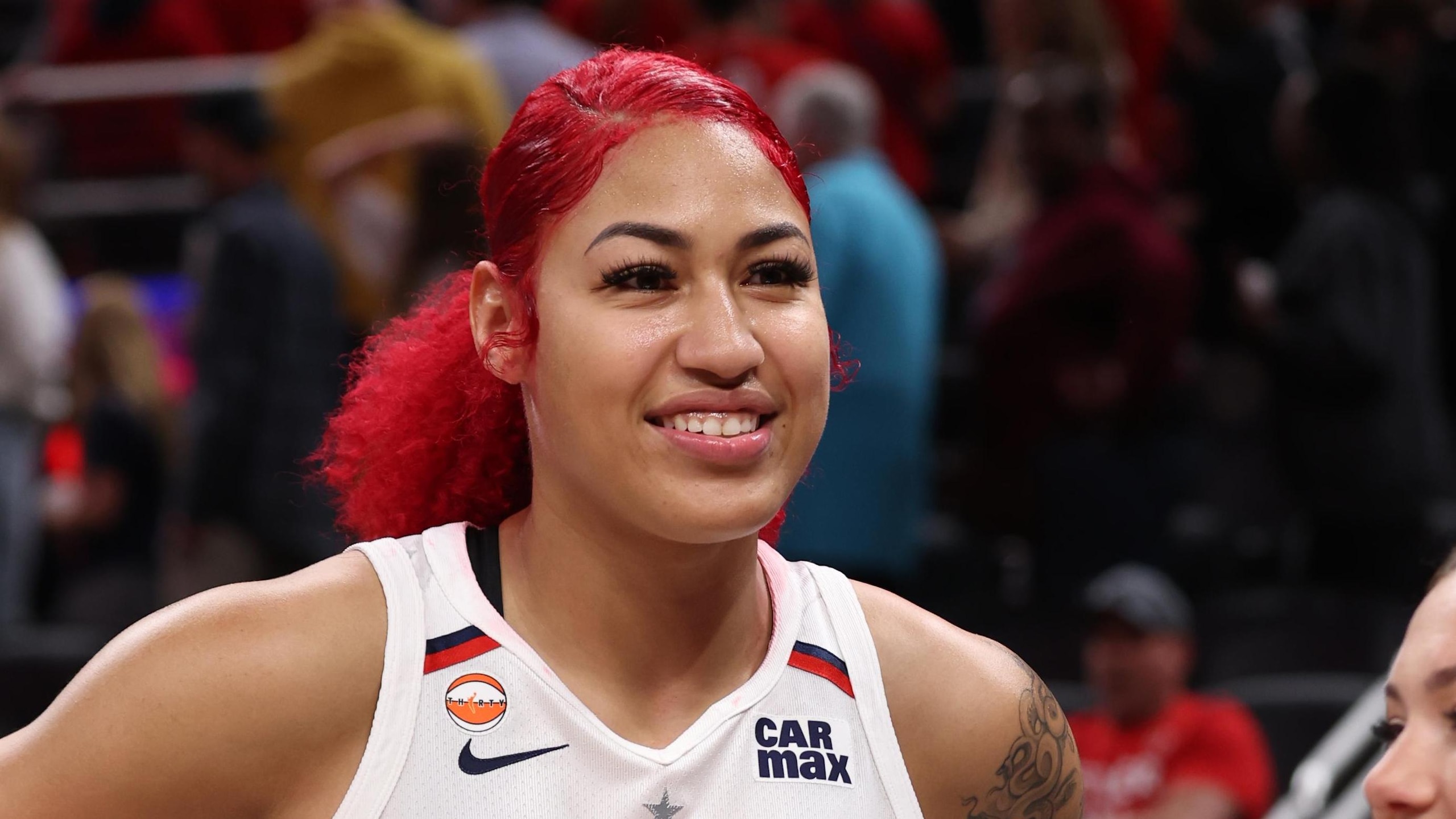
Previous: 11
At the expense of Chicago's poor trade decisions, Washington's long-term outlook still looks strong. But on the floor, the present product is a mixed bag.
For the good, Sonia Citron is one of the best drivers in the league, shooting over 65 percent from two (!!). Shakira Austin has made an All-Star leap, adding improved shooting and decision-making to her already dangerous downhill driving and lateral quickness as a big. Kiki Iriafen has also been productive, averaging 16 points per game on great efficiency.
For the bad, well, everything else. Washington's point guard room looks like one of the worst in WNBA history, and there's not much runway for Lauren Betts, the No. 4 pick in the 2026 WNBA Draft, to play minutes. If Austin is a part of the Mystics' future—which the three-year contract they gave her suggests—what is the vision for Betts' role long-term?
It's way too early to write off Betts completely, but the Mystics selected the 6'7" center over Kiki Rice, who is already a well-above-average guard as a rookie.
11. Portland Fire (6-7)
5 of 15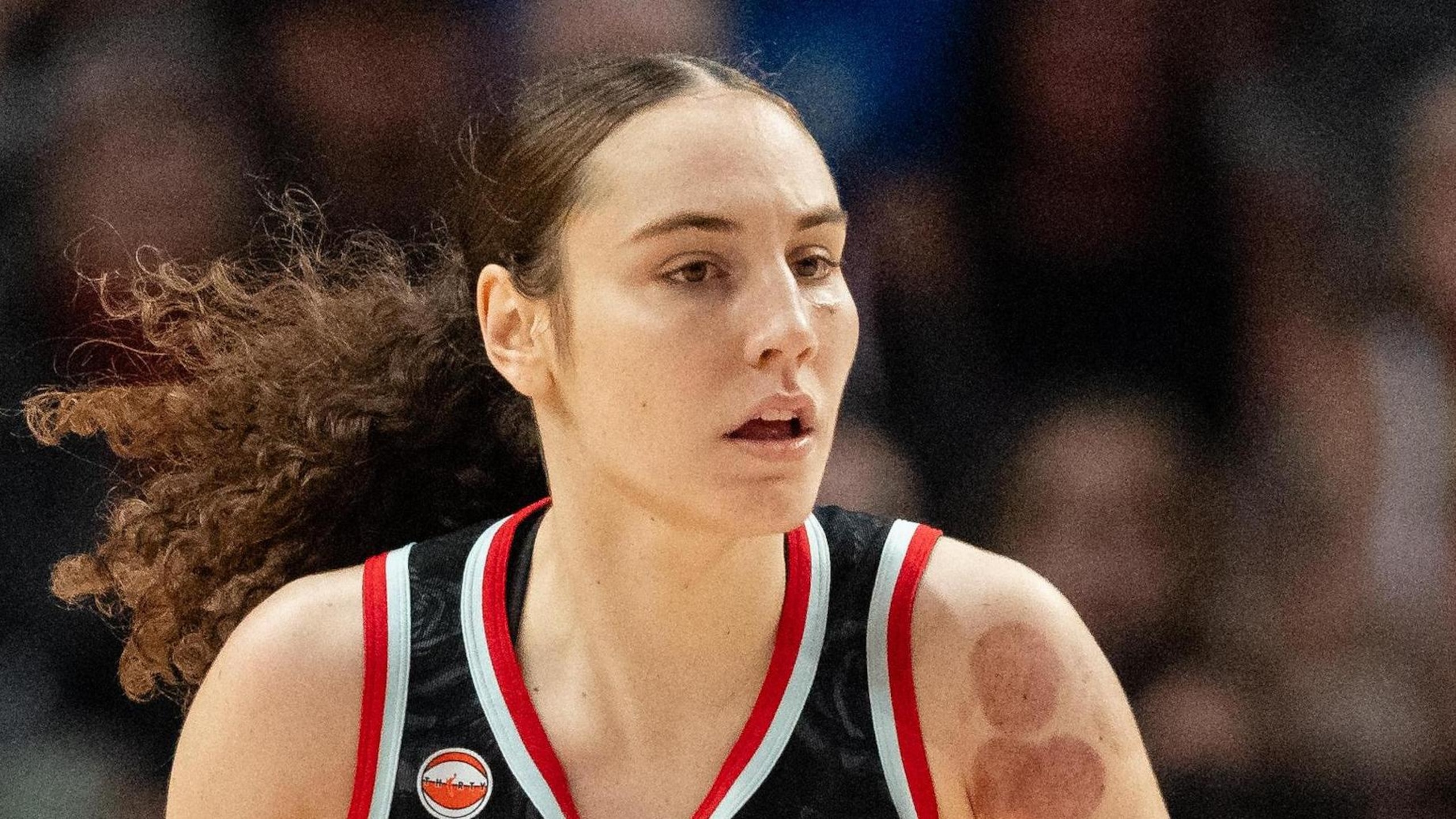
Previous: 15
We thought the Portland Fire might win five games all season, and that prediction couldn't have been more wrong. They've got six wins just a month into the year, including two over New York and a convincing win over Indiana.
Are they a playoff team? Probably not. But this season was never really about wins and losses; it was always about internal development and identifying long-term pieces from the expansion draft. On that front, Portland already looks ahead of schedule.
Carla Leite has been a dynamic pick-and-roll creator from day one, Emily Engstler has emerged as one of the league's most impactful defenders, and Sarah Ashlee Barker has been exactly the kind of versatile wing every team needs.
There's also clear buy-in to head coach Alex Sarama's system; they just don't have the star power yet. But if Portland can add that through the draft or free agency over the next few seasons, this start is a strong sign of where things could go.
10. Phoenix Mercury (4-8)
6 of 15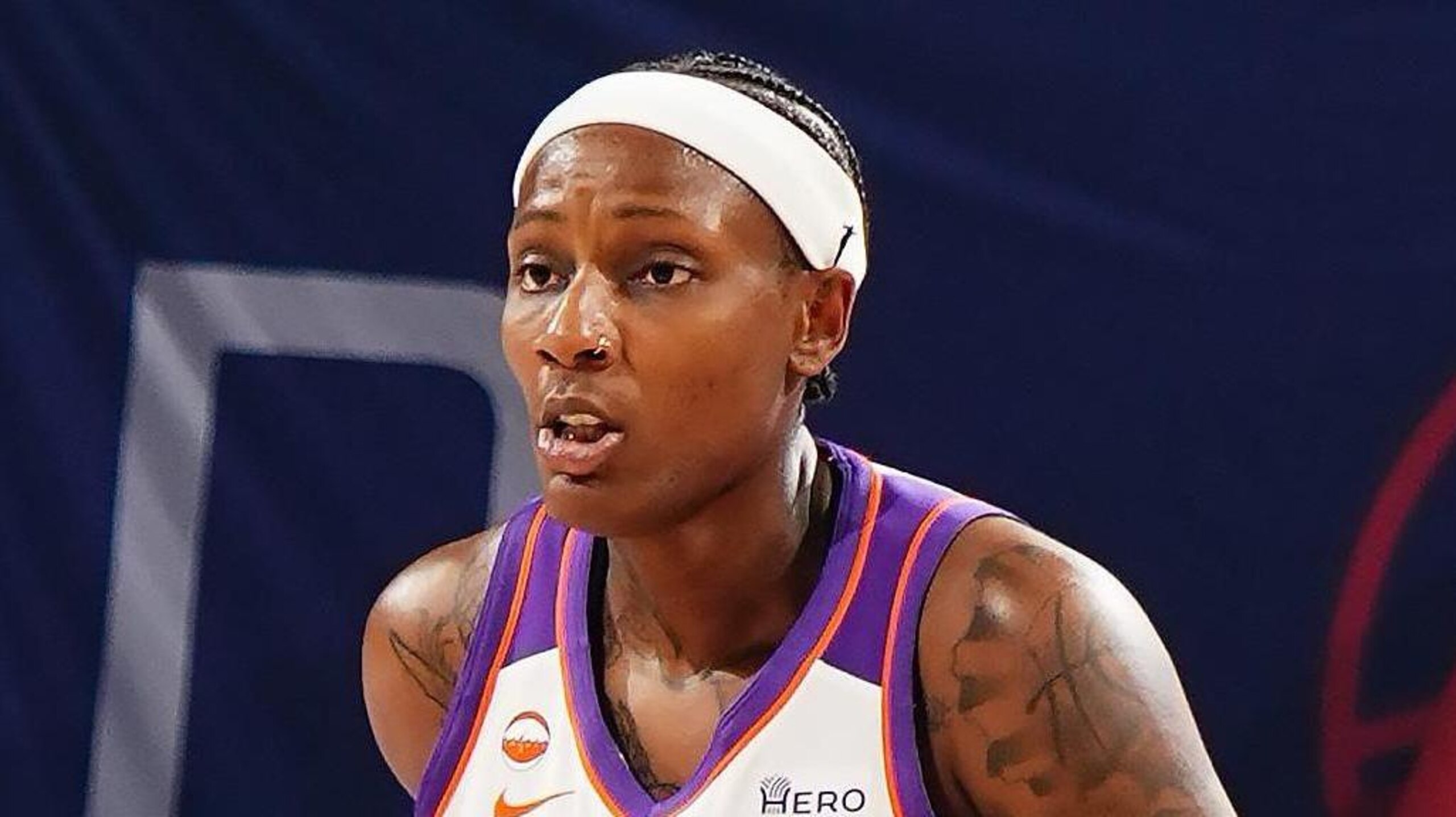
Previous: 5
After Phoenix beat Las Vegas by 33 on opening night, it looked like the Mercury were about to shock all their preseason doubters. But since then, they've only beat Chicago, Seattle and Portland—all by single digits.
It's been a disappointing start for sure, but there's still a few reasons to have some optimism. Monique Akoa-Makani's return should fix Phoenix's early season issues defending the point-of-attack, and it's not possible for Kahleah Copper and DeWanna Bonner to be worse than they've been. Bonner is the most inefficient high-volume three-point shooter in the league (17.6% on 4.3 attempts) and Copper is a close second (20.3% on 6.3 attempts).
One encouraging development has been Natasha Mack's offensive growth. She's added a legitimate midrange jumper and nearly doubled her free-throw shooting from 47 to 85 percent. The concern, however, is what the Mercury looks like when Mack sits. Through 12 games, Phoenix has a -19.1 NET rating with Mack on the bench.
9. Los Angeles Sparks (5-6)
7 of 15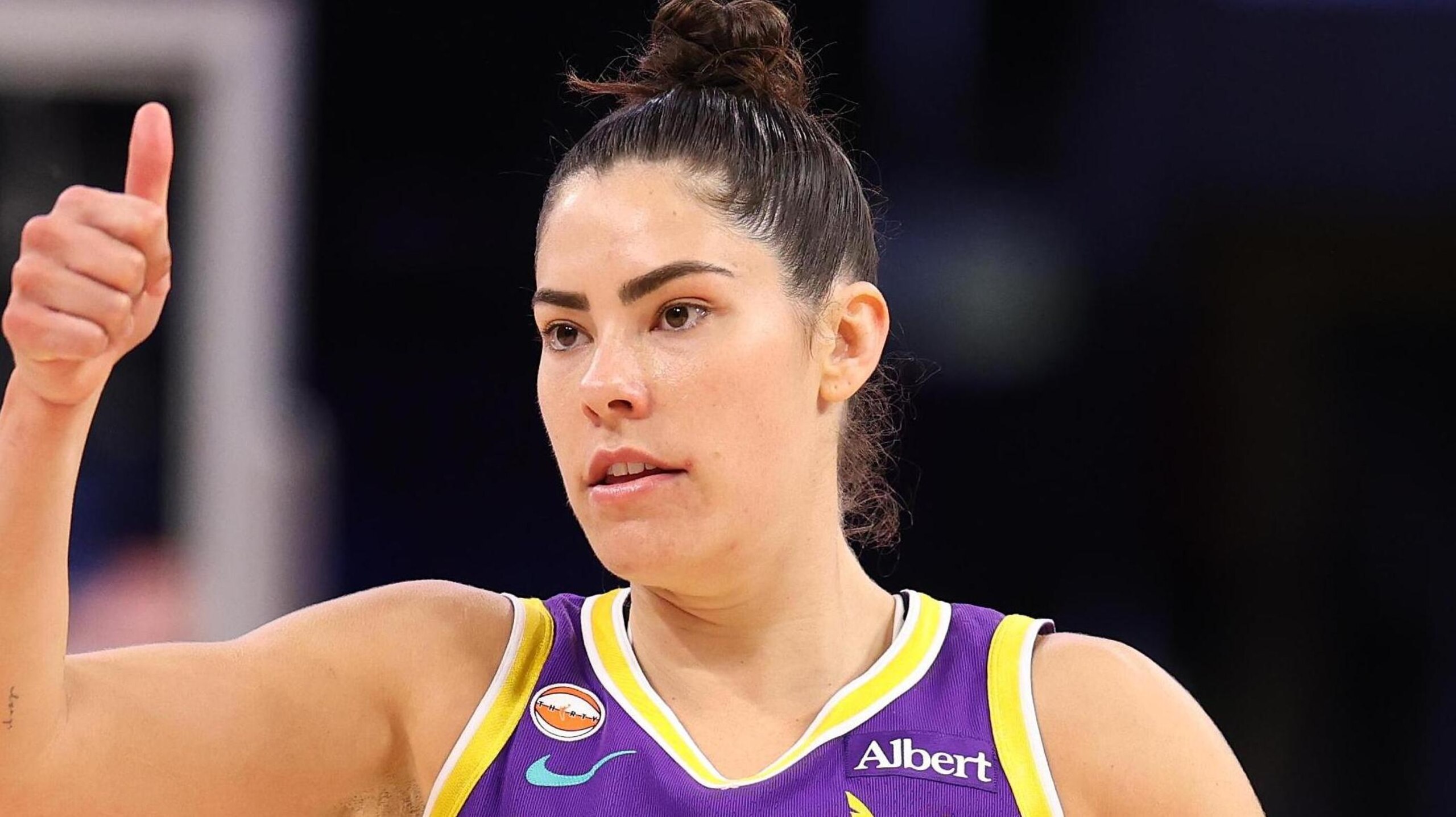
Previous: 6
First and foremost, Kelsey Plum is an unbelievable basketball player. 25.5 points on 69 percent shooting from two and 44 percent from three at 5'8" simply shouldn't be possible. But despite her having one of the most efficient eight-game stretches by a guard ever, it hasn't been enough.
The core problem is the Sparks' inability to get stops. If the season ended today, their defensive rating of 111.8 would rank as the third-worst in WNBA history. And it's not as if there are easy solutions within the current rotation. It's tough to build a competent defense around Dearica Hamby, Erica Wheeler, Rae Burrell and Plum in any configuration.
The hope was that Cameron Brink could emerge as the defensive anchor they desperately need while also learning to manage foul trouble. That hasn't happened yet. She's still averaging over four fouls in just 17.2 minutes per game.
8. Toronto Tempo (6-5)
8 of 15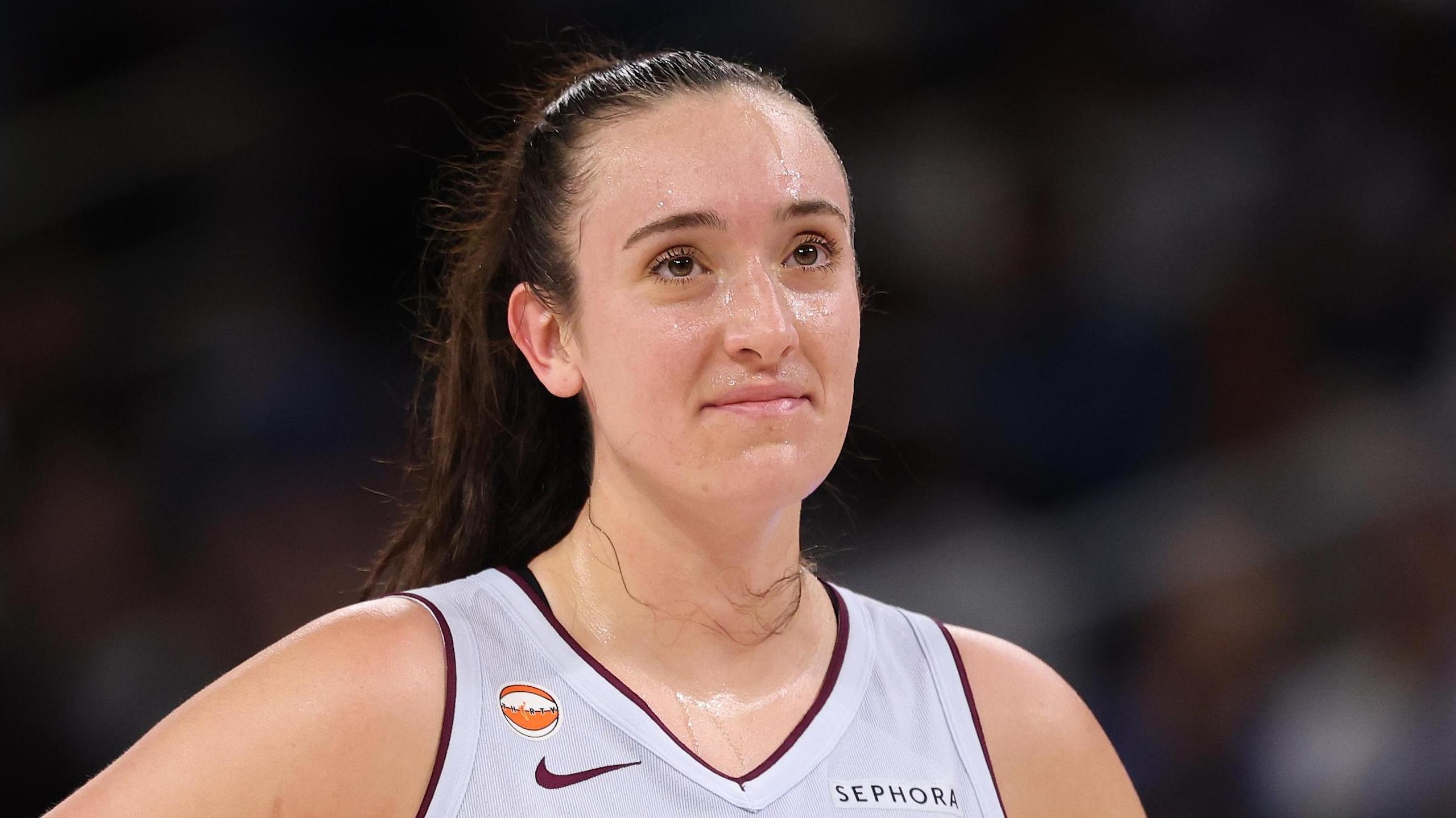
Previous: 12
Toronto is a bucket and a problem. They're capable of scoring 100 points on any night, but it's just as likely they allow 100 points, too. The Tempo are currently No. 4 in offense and No. 12 in defense to begin the season.
Brittney Sykes can draw fouls whenever she wants, Marina Mabrey has been firing from deep and Rice was outstanding before she suffered an ankle sprain on June 3.
If their defense improves a little bit and Rice doesn't miss too much time, they could push for a playoff spot. Sandy Brondello's goal is certainly to win now.
7. Indiana Fever (6-5)
9 of 15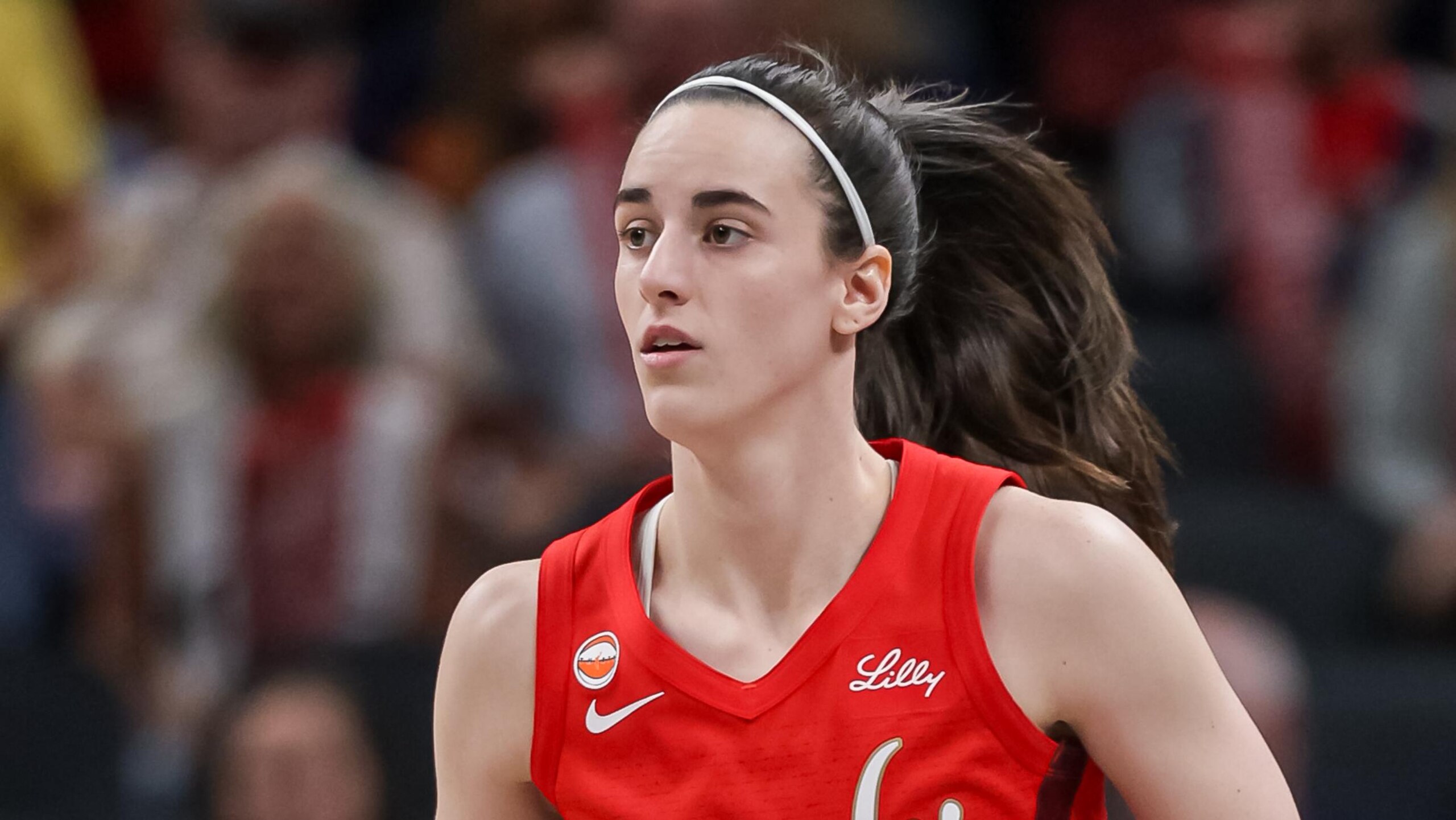
Previous: 3
There's no excuse for a team with Caitlin Clark, Kelsey Mitchell and Aliyah Boston to be a league-average offense. On top of it, Clark is being targeted in isolation more than any other defender in the WNBA. The result has been a lot of buckets for the other team.
Some of this is on Clark's propensity to give up dribble penetration, but Indiana's switch-heavy scheme makes it pretty easy for teams to target her, too. This spike in on-ball defensive responsibilities has caused her foul rate to increase dramatically.
On offense, Indiana has scaled back on Clark's pick-and-roll usage, and it's not like that's translated into a more efficient shot profile. She's not taking more catch-and-shoot threes, and she continues to bail out defenses as a pull-up scorer (21% overall).
Beyond Clark's inefficiencies on both ends, Boston has shot 40 percent from the field or worse in three of their five losses, and Indiana has struggled to get consistent production from their role players every night.
6. Golden State Valkyries (6-5)
10 of 15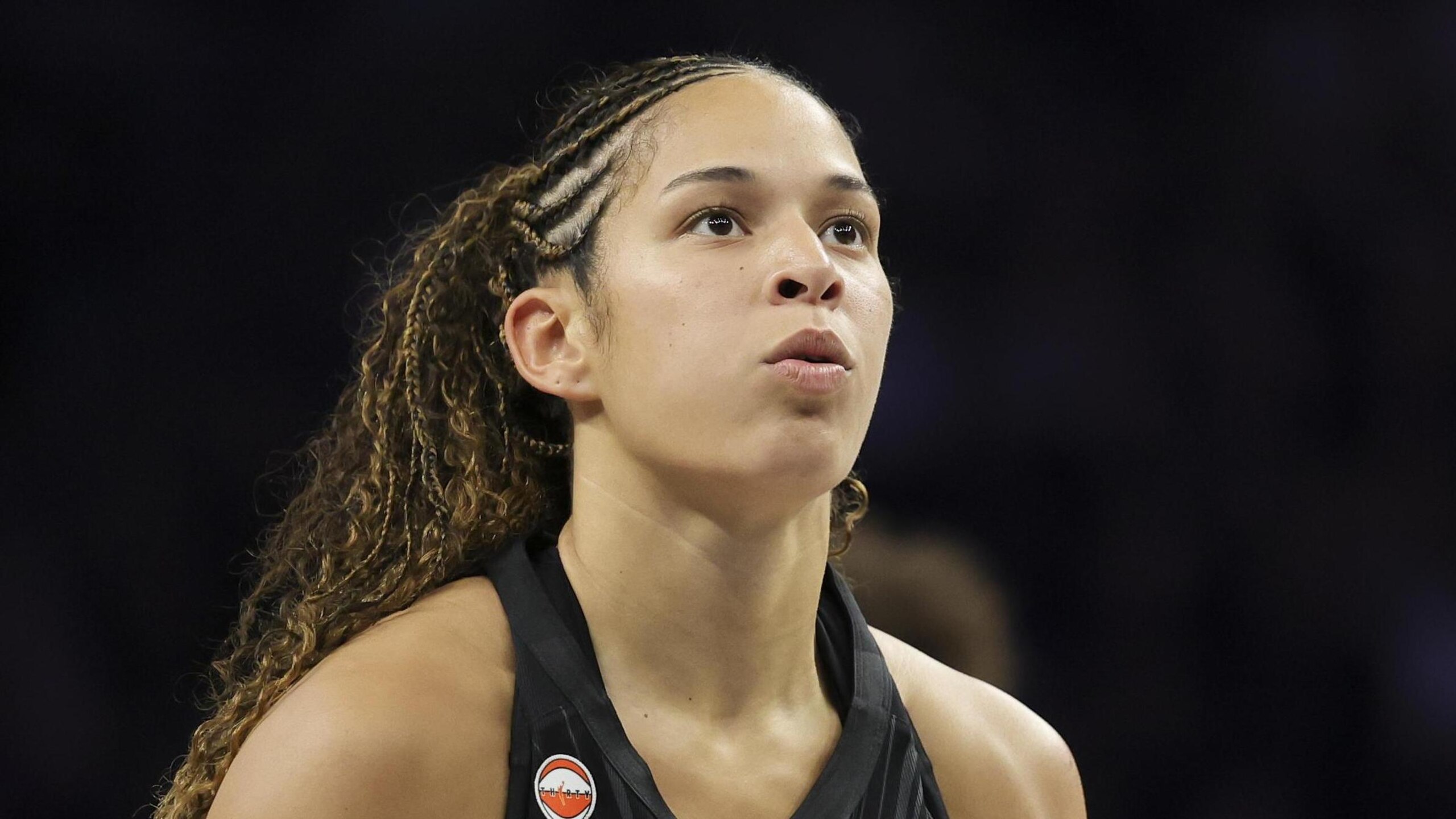
Previous: 8
The Golden State Valkyries play Mazzulla Ball, and it's an absolute blast.
For those unfamiliar with the term, Mazzulla Ball is named after Boston Celtics head coach Joe Mazzulla and his system is built around one core principle: generate as many efficient shots as possible. That means taking a ton of threes, limiting turnovers and avoiding low-value shots whenever possible. A byproduct of this approach is playing slower than any other team in the NBA.
For the Valkyries, that's what they do, too. They lead the WNBA in three-point attempts (32.2), three-point percentage (38.1%) and pace (76.9 possessions), while their assist-to-turnover ratio (2.02) is historically elite. It's not hard to see the influence when you consider Mazzulla has been a mentor to Golden State head coach Natalie Nakase.
Veronica Burton has been outstanding, Gabby Williams has been great and Janelle Salaün leads all bench players in scoring. The ball moves, players know their roles and there's a clear identity behind everything they do.
As fun as this team has been, though, they still feel more like a first-round playoff team than a group built for a deep postseason run. A big reason for this is their lack of go-to option in the clutch. The Valkyries are 1-4 in clutch games, with an abysmal 82.9 offensive rating, which is dead last by a wide margin.
5. New York Liberty (8-4)
11 of 15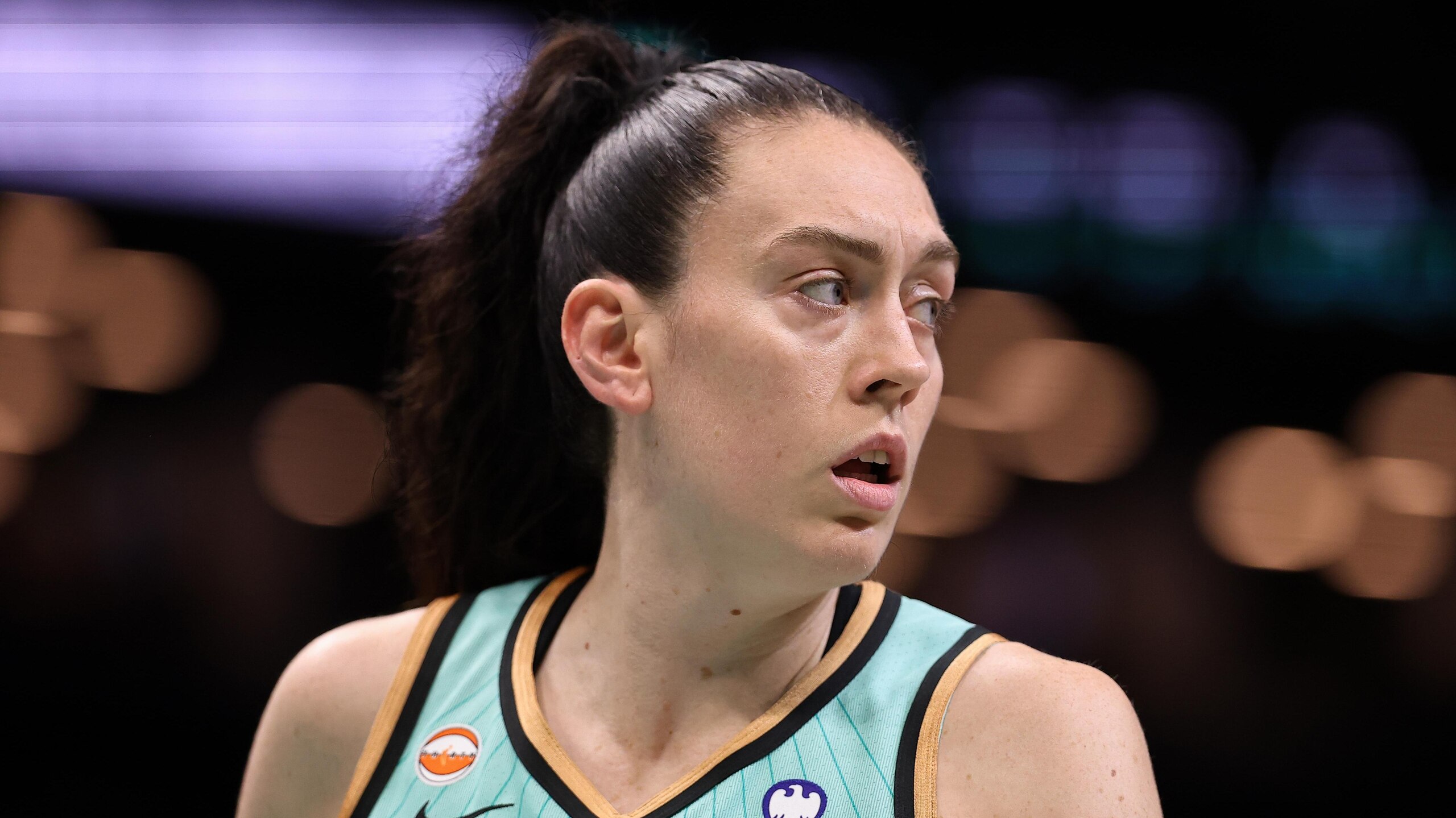
Previous: 1
The New York Liberty have won five games in a row, and before long, they should find themselves toward the top of our power rankings. Leonie Fiebich, Satou Sabally and Betnijah Laney-Hamilton are all back, and Sabrina Ionescu is set to return soon from a back injury.
Defensively, the Liberty have been a tricky task over the last couple weeks, mixing in different coverages to keep offenses guessing. They lead the league in zone usage (12% of possessions) and limit opponents to just 32 percent shooting out of it.
Breanna Stewart's jumper may be cooked, but that hasn't stopped her from getting to the free-throw line at-will and dominating around the rim. French rookie Pauline Astier is also a handful to stop getting downhill, shooting 77.1 percent in the restricted area.
Dropping two games to Portland wasn't ideal, and neither was their second half collapse against Dallas, but all in all, things are looking up for New York.
4. Dallas Wings (7-3)
12 of 15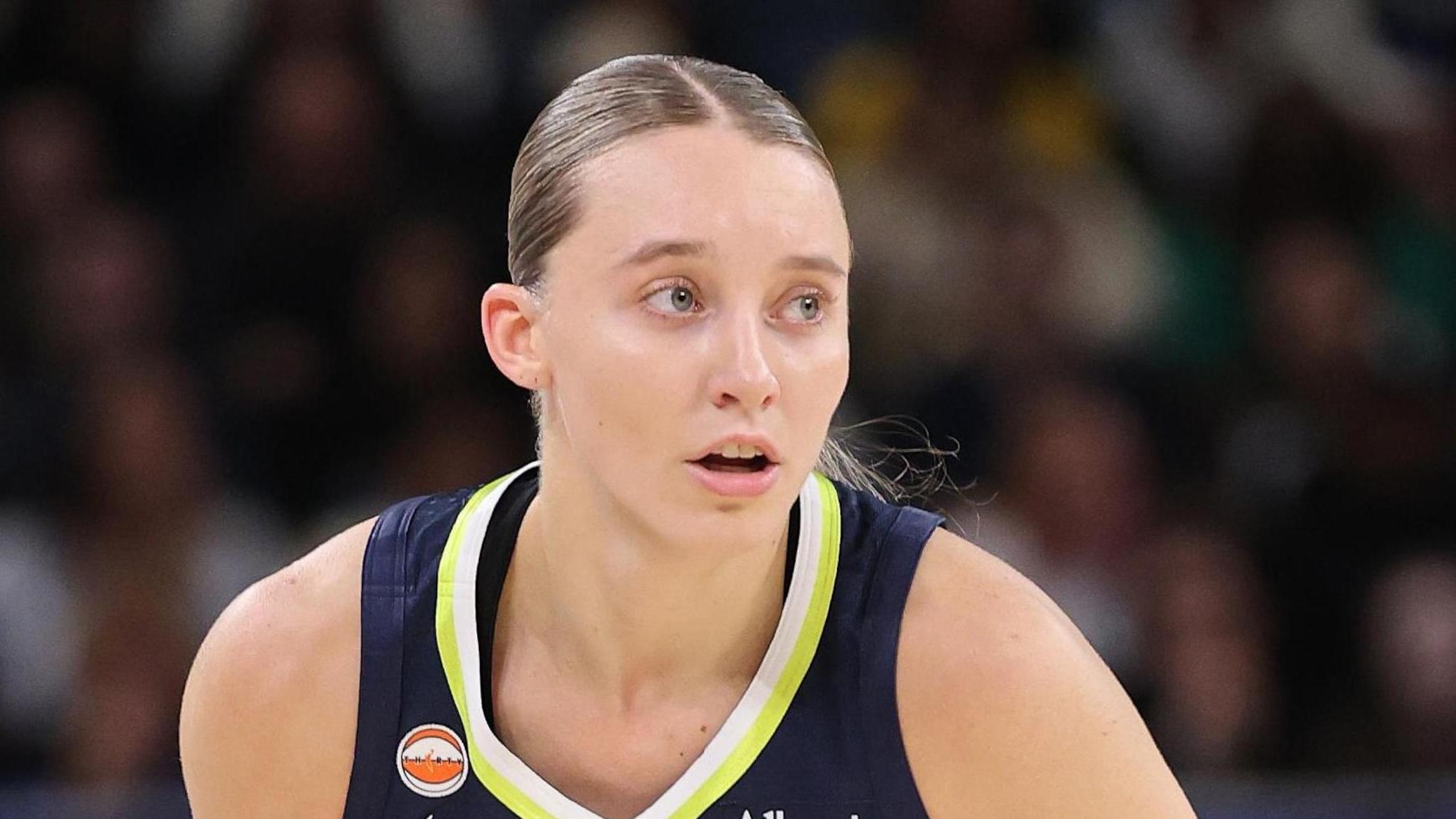
Previous: 9
There was the Beautiful Game Spurs, the Beautiful Game Lynx, and now there's the Beautiful Game Wings. Dallas ranks second in offensive rating, and it's just so aesthetically pleasing to watch.
Paige Bueckers plays basketball like a supercomputer, Jessica Shepard is the best passing center in the world and Azzi Fudd makes a calculated decision on every offensive possession. The Wings' assist-to-turnover ratio (2.31) is the highest through 10 games in WNBA history.
Dallas has been this good offensively with Arike Ogunbowale shooting 33 percent from two on 7.5 attempts, and a passable defense while getting almost nothing from Alanna Smith to this point.
This isn't a title contender by any means, but they're a really good team clicking on all cylinders right now.
3. Atlanta Dream (7-3)
13 of 15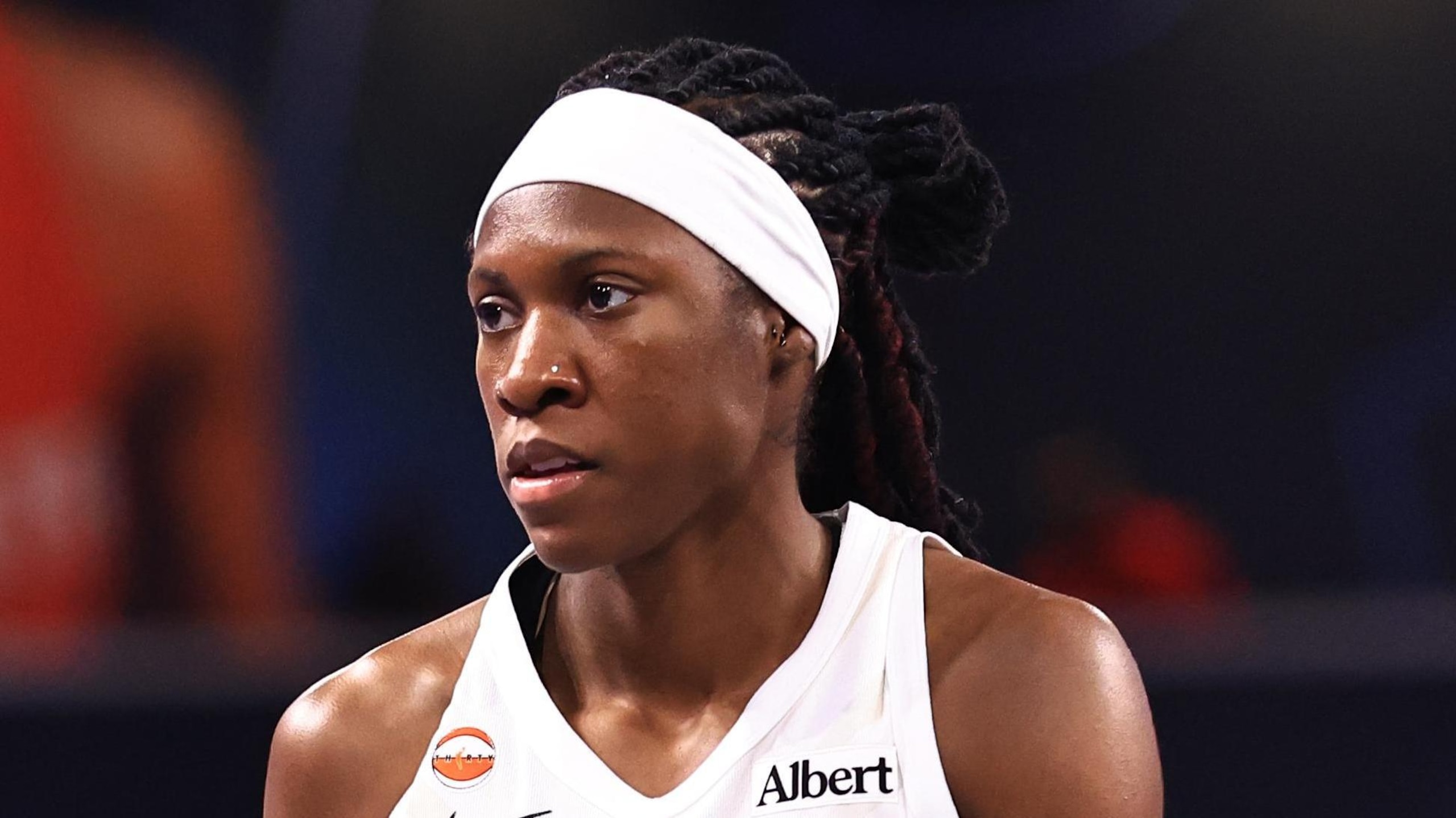
Previous: 4
The Atlanta Dream play defense everywhere. Jordin Canada, Allisha Gray, Rhyne Howard, Angel Reese and Naz Hillmon are a special lineup on that end. Howard and Reese would definitely make an All-Defensive team if the season ended today, and the other three have a case for one, too. Then once Bri Jones returns, that's not only your league-best defense, but possibly the greatest offensive rebounding team ever.
From a scoring perspective, Gray has been elite, and Howard is at over 40 percent from three. Beyond them, there's still another level this offense can reach. Can Naz Hillmon start to hit threes again? Is it realistic for Reese to get up to 50 percent from two? And of course, Jones' return should do a lot of heavy lifting.
2. Las Vegas Aces (8-3)
14 of 15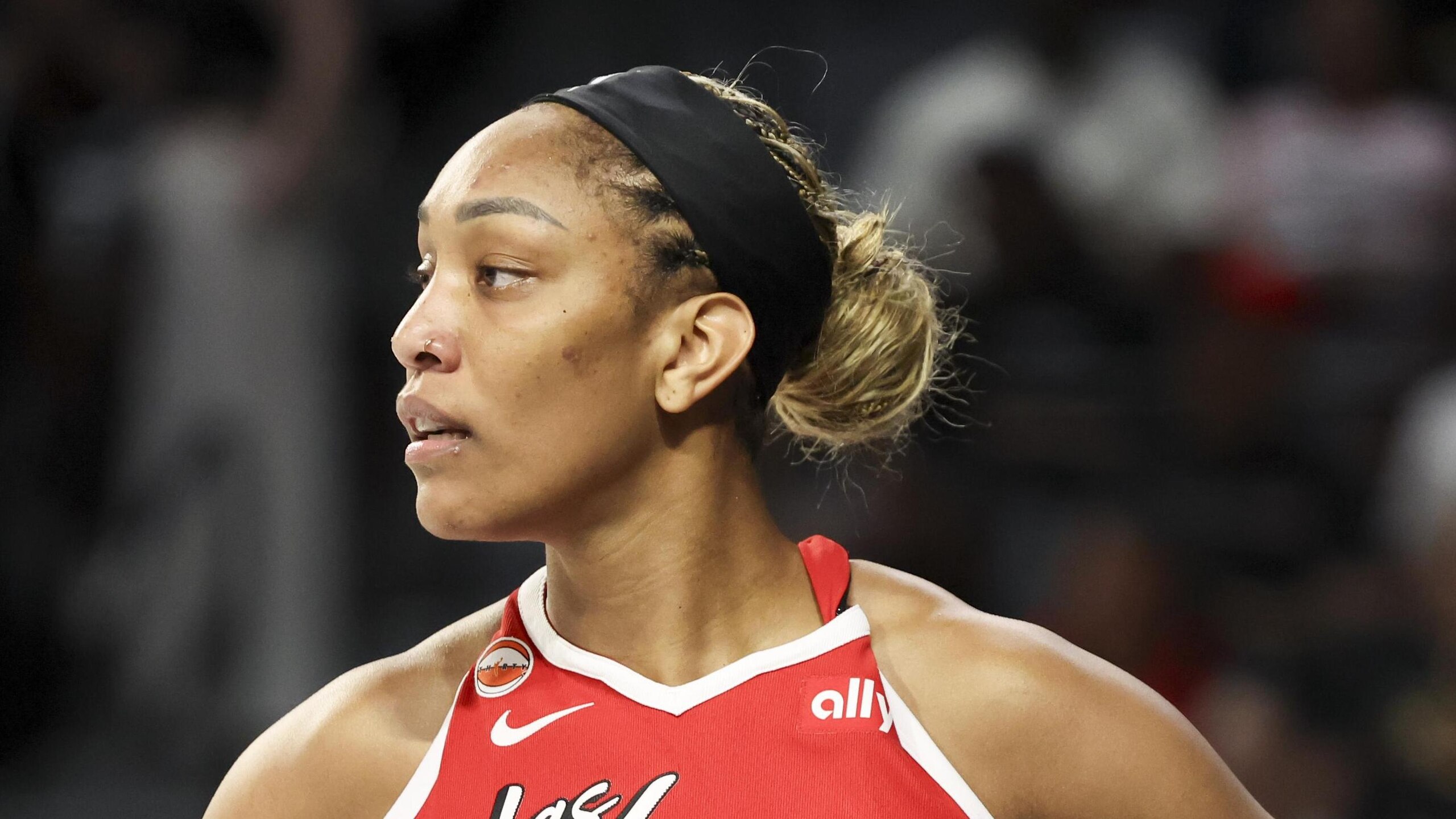
Previous: 2
A'ja Wilson keeps finding ways to improve every season, Jackie Young is back to her regular self after some early season struggles and the passes Chelsea Gray makes on a nightly basis are just hilarious. On top of that, Las Vegas added Sixth Player of the Year favorite Chennedy Carter to a reigning championship team.
If there are any concerns to have it's that Gray has even less juice athletically, Jewell Loyd is playing the worst basketball of her career and their fifth-starter is Stephanie Talbot. But when you have Wilson, none of that probably matters.
1. Minnesota Lynx (9-2)
15 of 15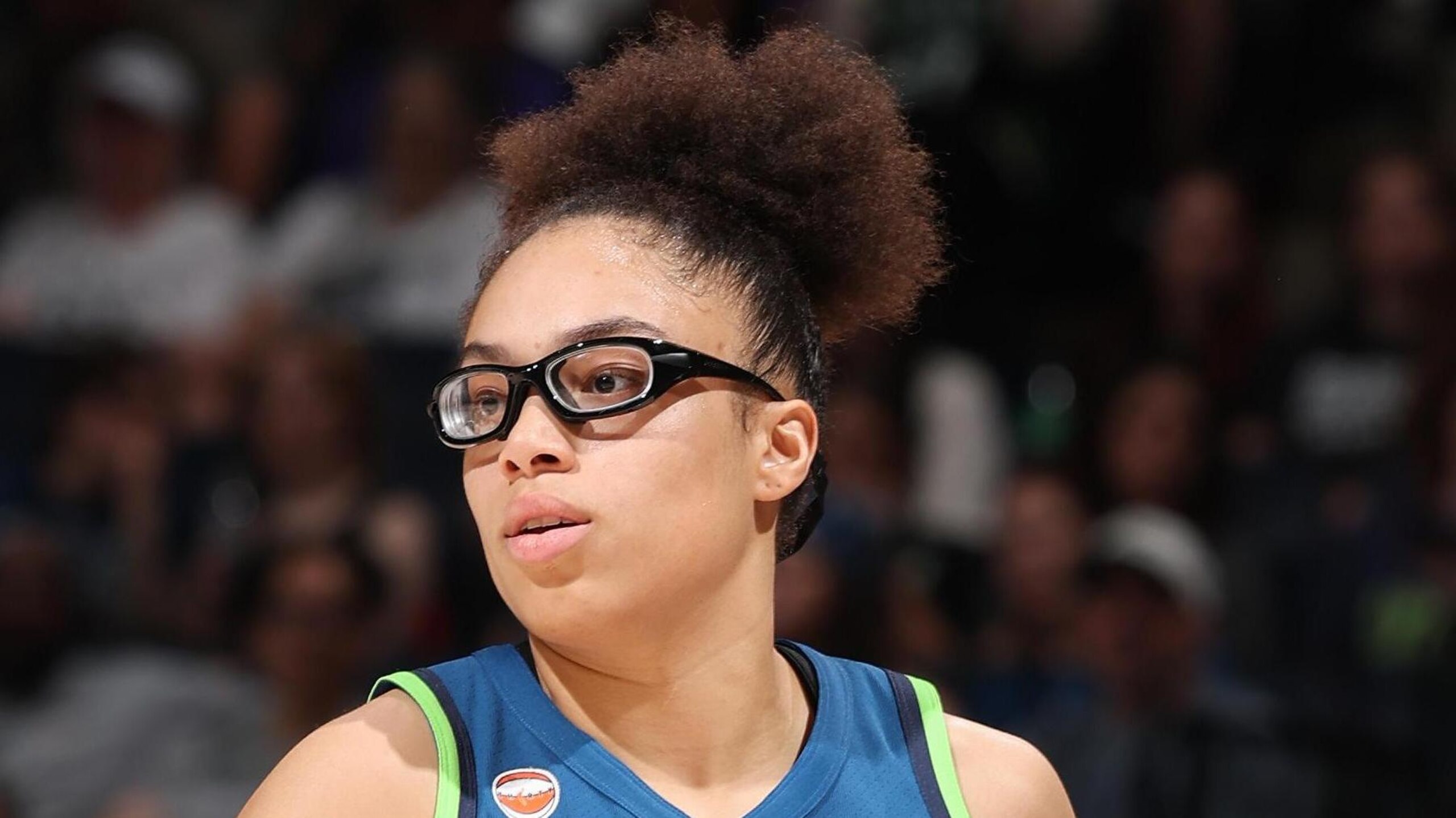
Previous: 7
The Minnesota Lynx have the best offense and the best defense in the league without a perennial MVP candidate on the court. How is that possible? I don't know, Cheryl Reeve makes stuff happen.
Olivia Miles is not just having an all-time rookie season, but is off to a historic start for any point guard in league history. Natasha Howard is playing like she's 27 years old, Courtney Williams doesn't miss from the mid-range and Nia Coffey is the best role player in the league right now.
Minnesota lost a co-Defensive Player of the Year, a big now averaging six assists and a wing who signed a 3-year max contract in Portland… and none of that seems to matter.
One last point: Minnesota's net rating (+13.9) is the 12th highest through 11 games in WNBA history. Add Napheesa Collier back into the equation, and this machine Miles is orchestrating becomes even more terrifying.

.jpg?w=2560 "Tank Dell Playing Sunday 💯")