
Pro Comparisons For the Top Prospects in B/R's 2026 NHL Mock Draft
One way people love to process the NHL draft is through comparisons. What NHL players can we look to in order to contextualize a prospect's abilities?
It's a useful exercise, but it can do more harm than good if not curated carefully. Players are idiosyncratic in real life, while comparisons are often reductive. Every smart center gets compared to Jonathan Toews or Patrice Bergeron. Every tall defenseman who can skate is framed as Miro Heiskanen.
There's also the problem of setting expectations. Watch back drafts from the past and you'll see casual comparisons of fifth-overall picks to Hall of Famers. It rarely works out that way.
This attempt to compare the 2026 draft class to current and former NHLers is not perfect, but it is the culmination of watching games, looking at data and speaking with scouts to move beyond the cliches and low-hanging fruit.
Most importantly, it's an attempt to hypothesize what an optimistic yet reasonable upside might look like for these players. Inevitably, some will surpass the comparisons, some will underwhelm, and some may not even make the NHL.
The lack of clarity is what makes the NHL draft so much fun, but this is at least a good-faith effort to set fair expectations while still allowing fanbases to dream of a better future.
So, without further ado, let's compare the top prospects to NHL players of the past and present.
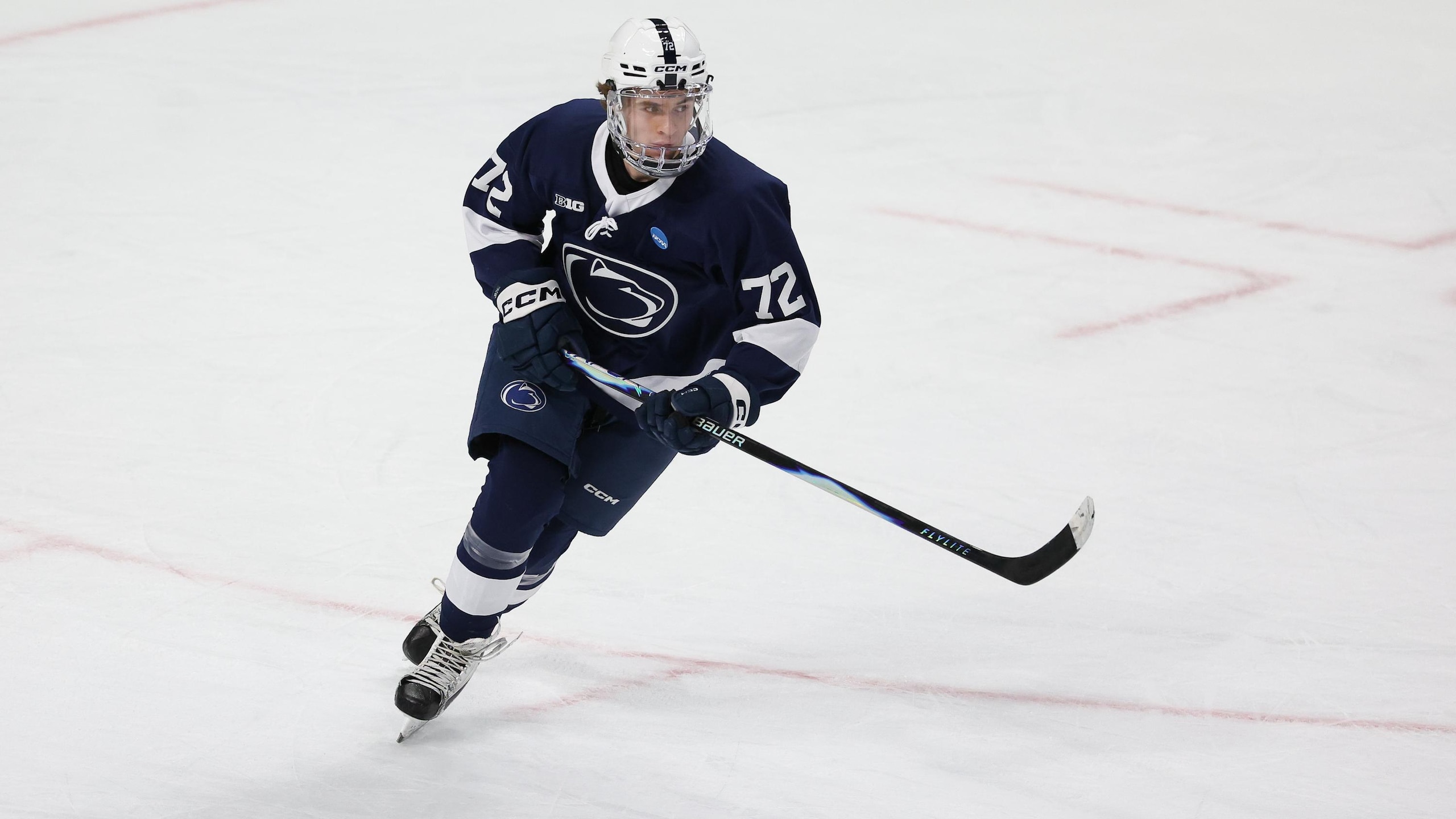
Gavin McKenna
1 of 8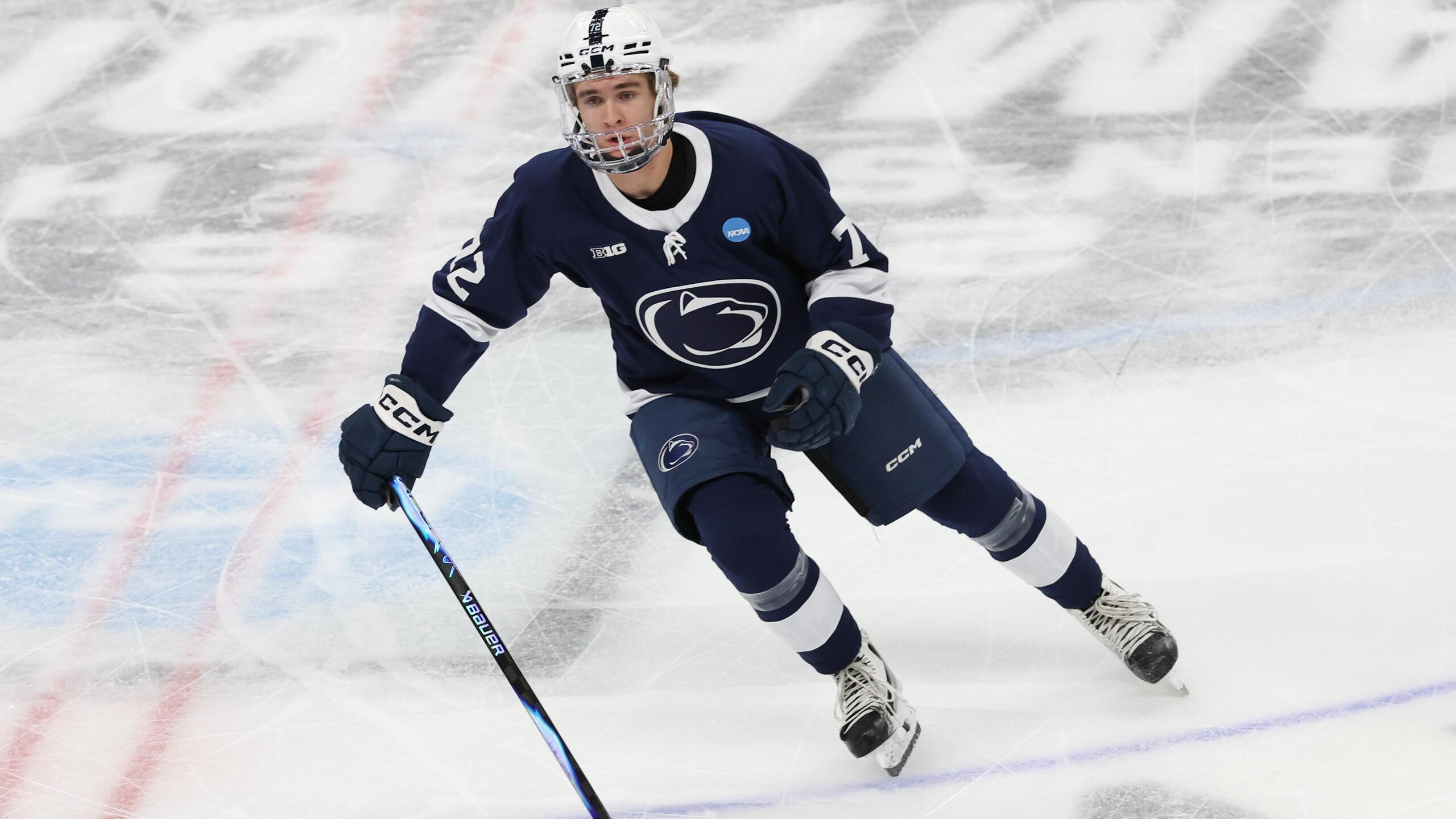
Stylistic Comparable: A left-handed Artemi Panarin
McKenna is a dual threat in the offensive zone, but he stands out as a playmaker. In both the WHL and NCAA, he had twice as many assists as goals.
But it's specifically about the way he goes about creating offense. He is not big, he is not fast, and his shot is not powerful. It's all about the hands and brain.
McKenna is a quick thinker who can make lightning-fast passes from the walls, but his ability to slow the game down and change angles of attack is remarkable.
Like Panarin, McKenna is undeterred carrying in possession into the offensive zone even when outnumbered, and he is patient and hangs onto pucks long enough for his team to come in support. He is brilliant at operating both on the perimeter and in the middle of the offensive zone.
His east-west passing is incredible, and the fleetness with which he is able to find teammates' tape across long distances and on one-touch plays is phenomenal. As a scorer, he can deke out players or also beat goaltenders from distance with quick flicks through traffic that are tough to read.
The comparison here is not only in game-type but also upside. Panarin has never won a Hart Trophy, but he's finished in the top five twice. He's never led the NHL in points, but he's sixth overall across the last decade.
If all goes well for McKenna, he could have that type of impact in the NHL; not a generational talent but a bona fide superstar.
Ivar Stenberg
2 of 8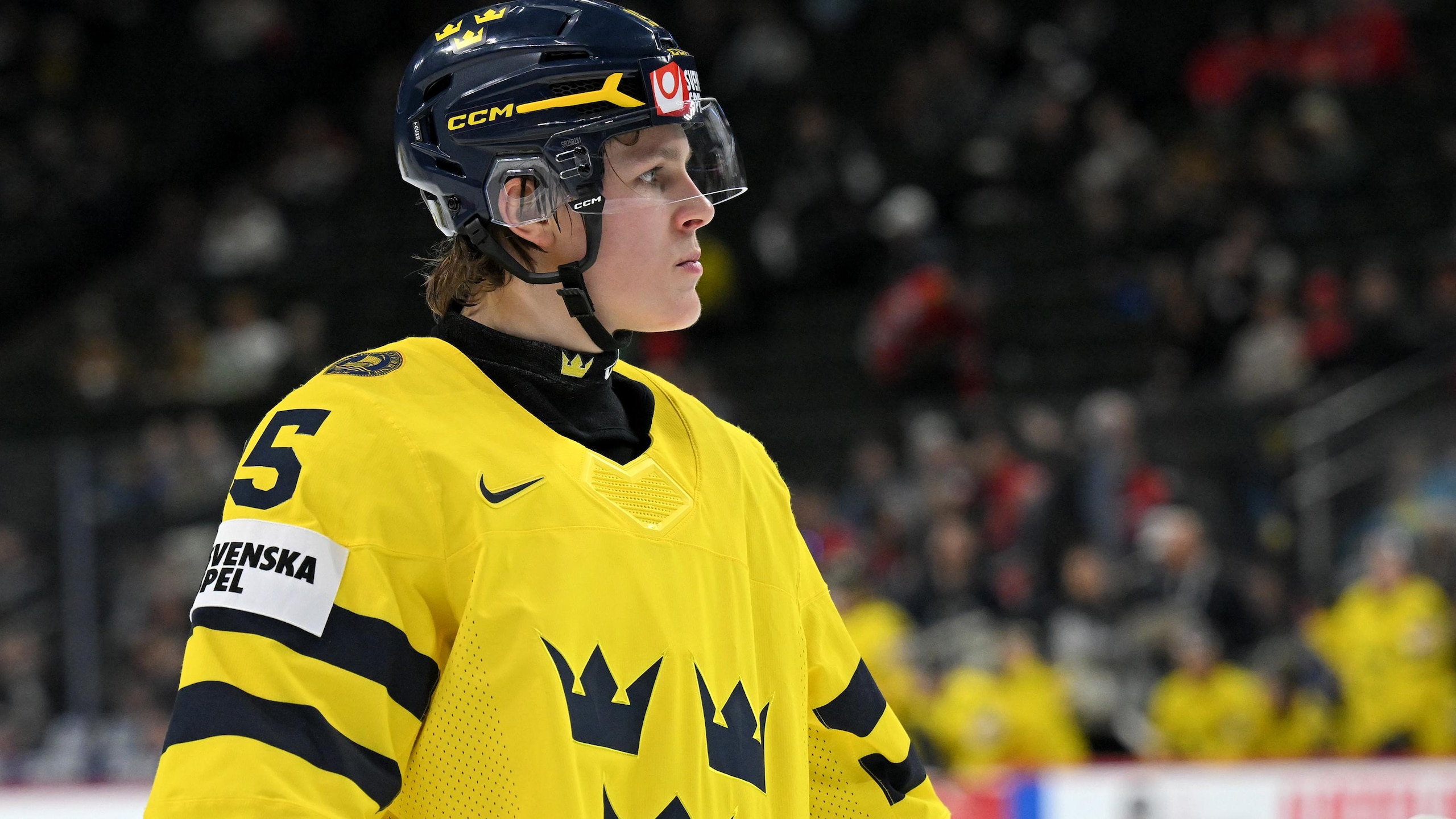
Stylistic Comparable: Smaller Brandon Hagel
Winger Ivar Stenberg has gained notoriety for an outpouring of offense in the Swedish Elite League not seen since the Sedin brothers. That creates lofty but achievable expectations, though he represents a very different type of player.
It's hard to poke holes in Stenberg's game. Offensively, he is a prime option for carrying and holding pucks. He blasts through the neutral zone with speed but is also dexterous enough to navigate around checks. He creates offense off the rush but is also a credible in-zone operator from the walls.
Stenberg is listed at 6'0" and that's probably a generous measurement, but he makes up for it with a whole lot of lower-body strength. Defensemen routinely bounce off of him, and he's not afraid to take pucks from the walls and into the slot area.
His work ethic is fantastic. He hunts pucks, battles along the walls, and puts in a full effort defensively. He doesn't quite have the puck skills of Gavin McKenna, but they are a strength of his game.
Stenberg picks corners shortside with deftness but can also scratch-and-claw for goals backdoor. I also like his ability to make passes through lateral seams, particularly off the rush.
Stenberg earns comparisons to Lucas Raymond, which isn't completely off-base, but it's one of convenience from the Swedish connection. Stenberg is a more physical presence and better shooter.
Instead, Brandon Hagel works as a comparison despite the size difference. A 200-foot first-line winger who excels in all facets of the game, skates at a high level, creates equally off the rush and cycle, and has his production accelerated by his work ethic.
Keaton Verhoeff
3 of 8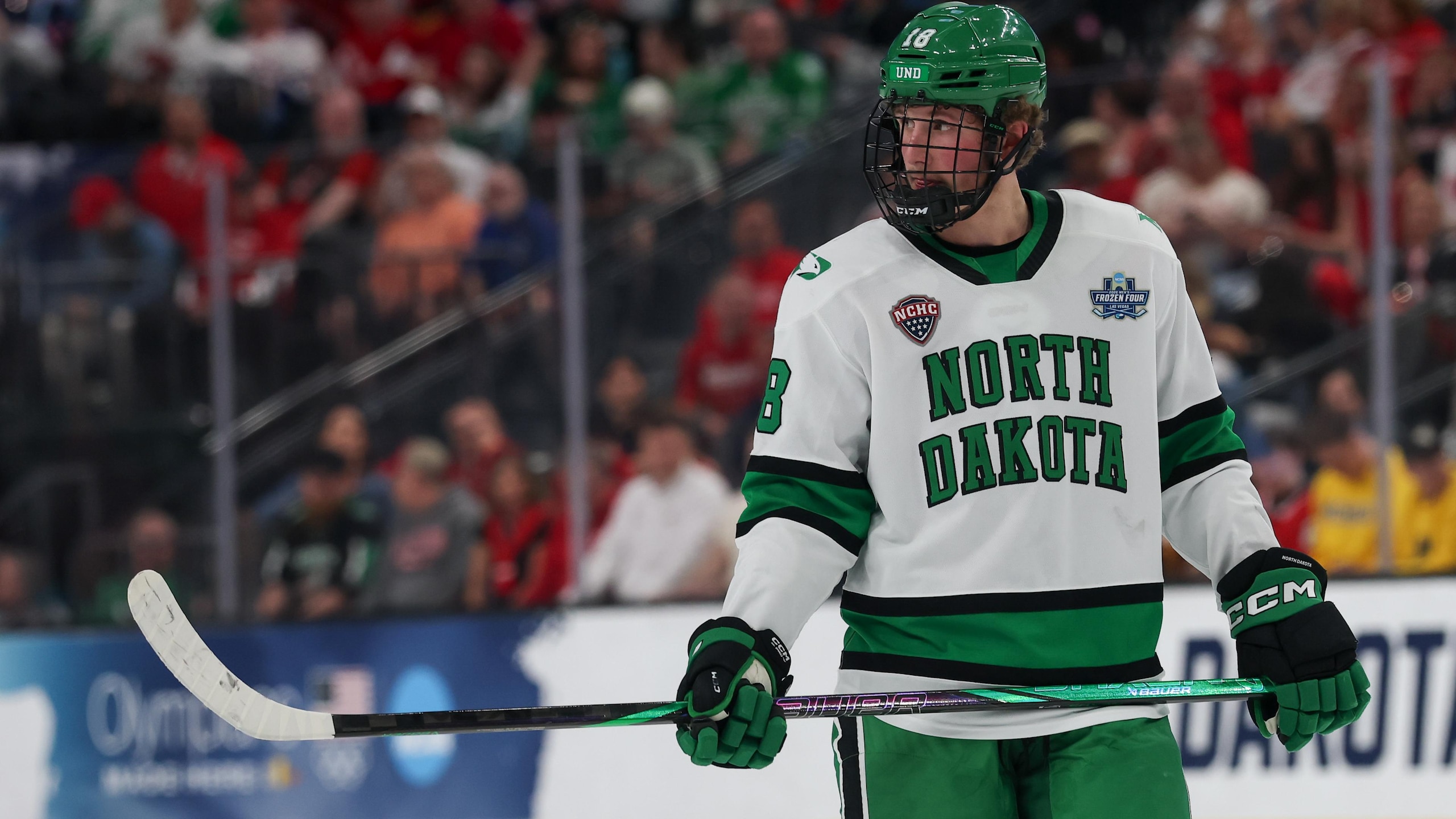
Stylistic Comparable: Pre-Injuries Aaron Ekblad
A 6'4" right-handed defenseman who produces offensively is like putting smelling salts under a hockey scout's nose. He's going to garner attention. Keaton Verhoeff largely justifies all of the eyes on him.
He is a creator in the offensive zone. His wrist shot is heavy, particularly his one-touch shot. He owns strong vision. He is an intelligent player who has a keen sense for when to pinch and join play down low versus when to not take the risk.
The defensive potential is equally massive. He uses his reach well. He's already showing glimmers of being a bully in the defensive zone, which is no small feat for a 17-year-old playing college hockey. He needs to bring it more consistently, but it's there.
The big question is about his skating. Verhoeff moves fairly well once he's in-stride, but the footwork is awkward and inefficient. He gets caught flatfooted in neutral ice too often and his pivots are slow, leading to him getting beat up on transitions too often.
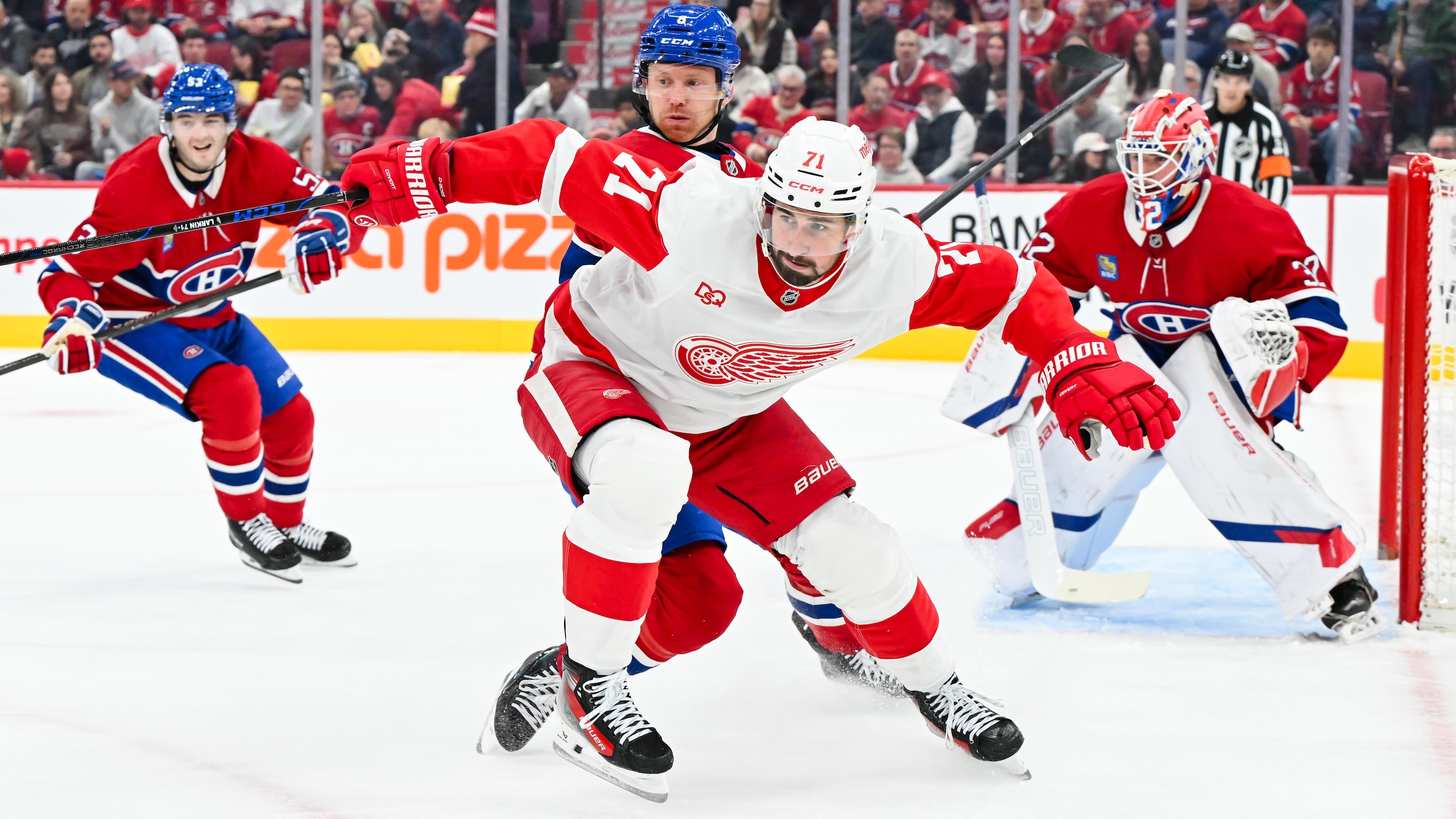
I'd argue the upside is Aaron Ekblad. Or at least the version of Ekblad who hasn't been slowed down by injuries. A big, strong defenseman who defends well in the defensive zone and puts up a lot of points on controlled O-zone and PP possessions. A potential No. 1 defenseman, though maybe not a top-10 defenseman.
And like Ekblad, Verhoeff gets tons of praise for his work ethic and leadership qualities.

Chase Reid
4 of 8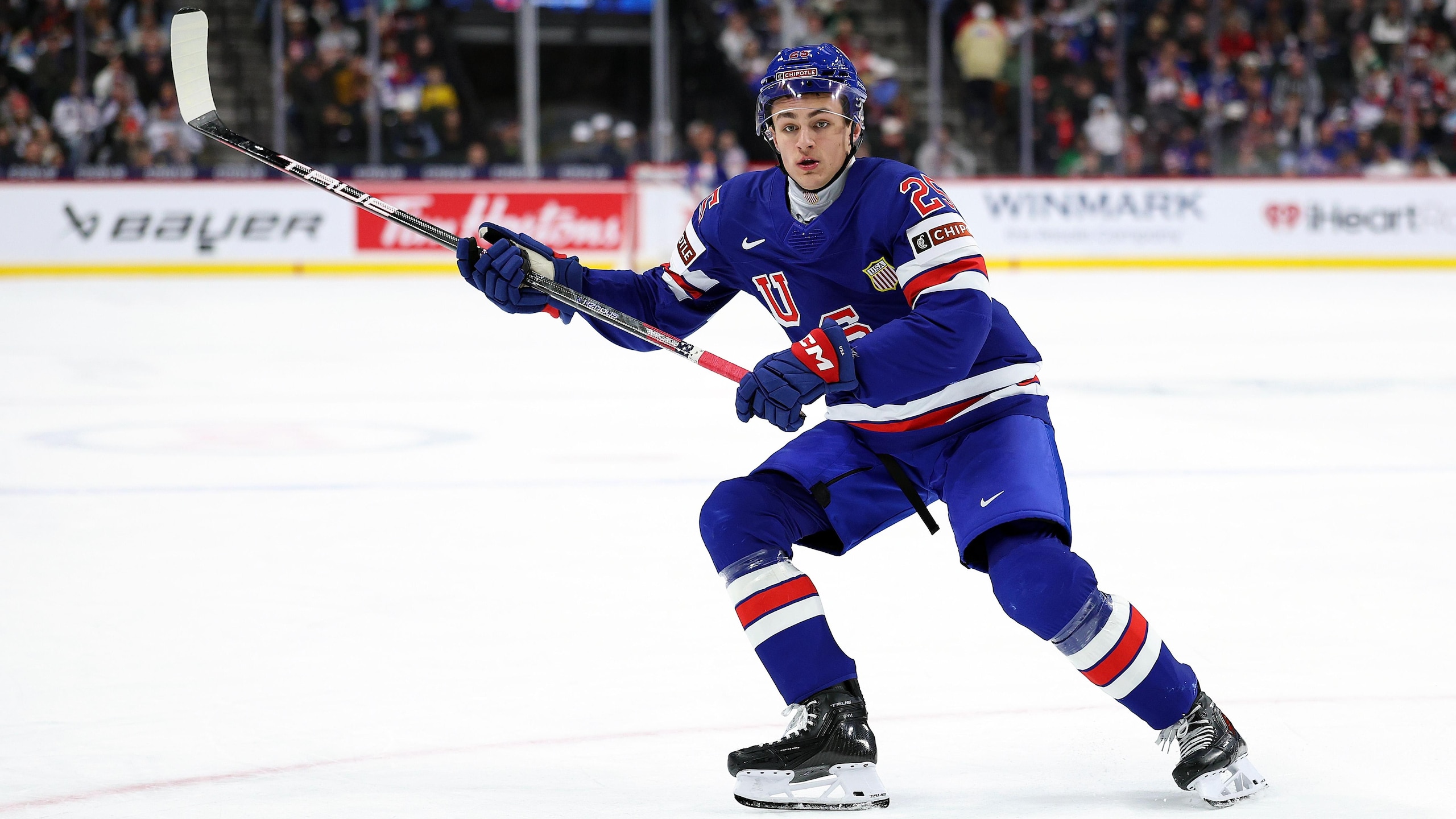
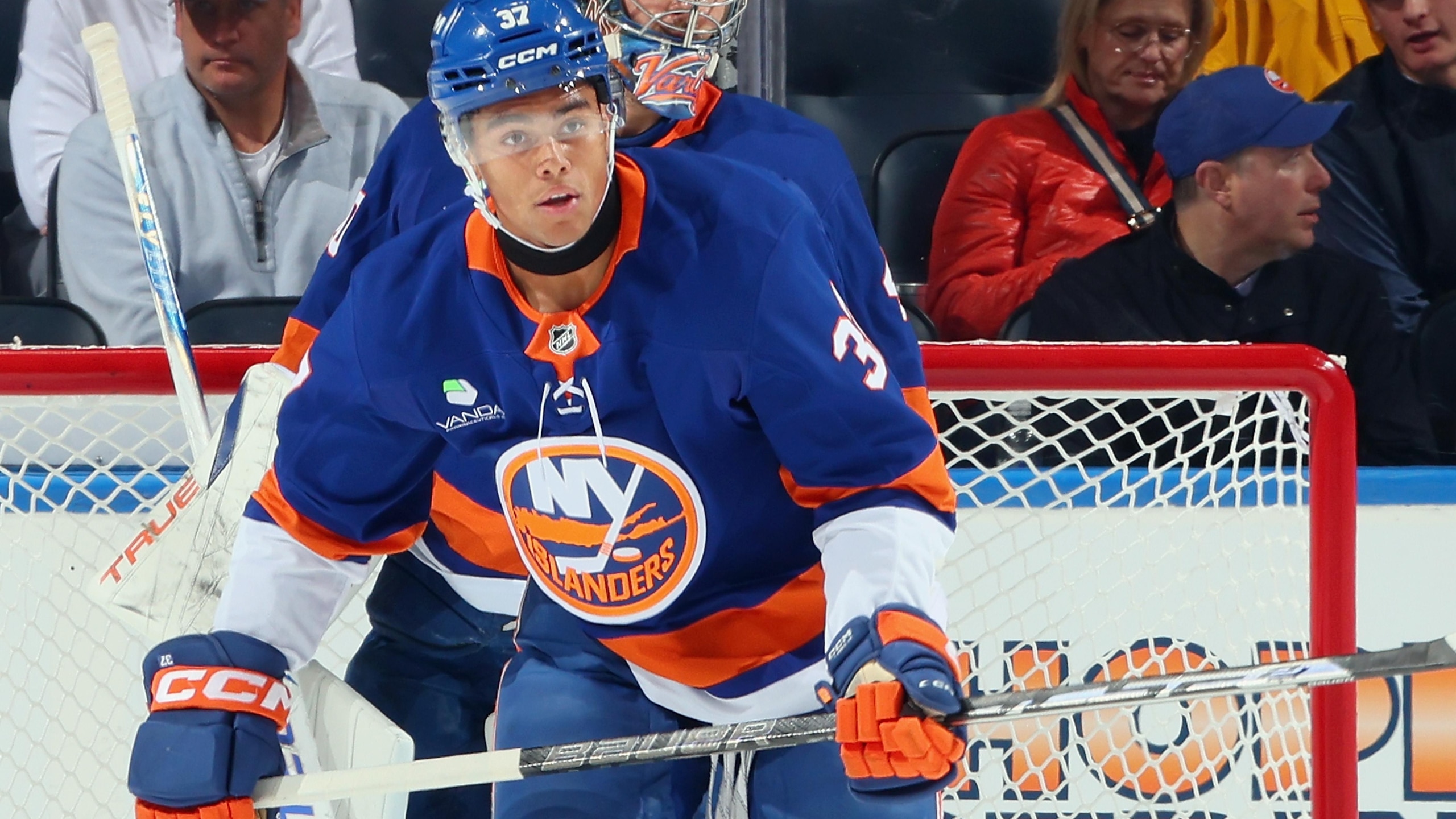
Stylistic Comparable: Bowen Byram
Chase Reid is the best skater in the draft at any position. His straight-line speed is superlative, with and without the puck, but his four-way mobility is even better.
His crossovers are polished. He's explosive from a standstill. He weaves around players as if they're mere inconveniences. When he's carrying the puck up ice with speed, it's absolutely electric.
The worry is that he's overly reliant on skating. I've seen good, but not great, offensive-zone play from controlled possession. He's a strong shooter, but his vision and decision-making with the puck leave questions about his ability to unlock defenses and run the point at higher levels.
Yes, he was above a point per game for the Soo Greyhounds in the OHL this season, but sometimes a player who overwhelms junior-level hockey with physical advantages, such as skating, never learns how to problem-solve.
It's a similar dilemma on defense, where his skating sometimes allows him to make awesome defensive efforts, but leads to over-aggressive routes at other times.
Outside the top two, Reid has the highest ceiling of any player in this draft class, and if he hits all checkpoints in his development, then we're talking about a Thomas Chabot or even Zach Werenski type of player. The lower-bound is someone like Jamie Drysdale.
Let's put our stylistic comparison somewhere in the middle. Bowen Byram is an excellent skater and zone-entry machine who puts up 40 points. An offensive playmaker who is a No. 2 defenseman on an average team.
Caleb Malhotra
5 of 8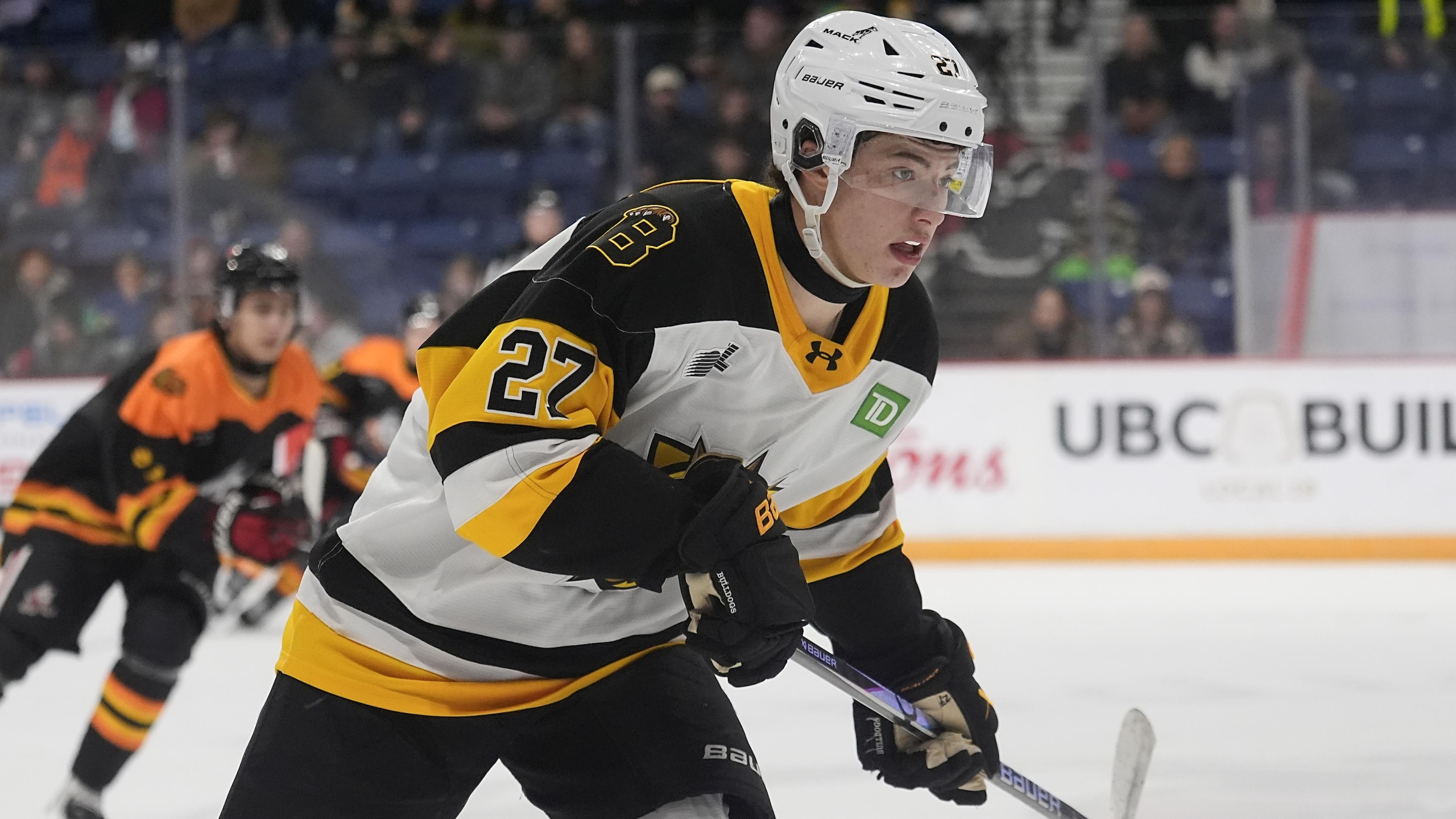
Stylistic Comparable: Mikko Koivu
The apple doesn't fall far from the tree. Caleb Malhotra plays the game in a way that is eerily reflective of his father, former NHLer Manny Malhotra.
Malhotra embodies the word "cerebral." His defensive acumen is brilliant. He has decent size (6'2", 182 lbs) but, more importantly, shows an extremely mature understanding of how to find inside positioning, either defensively to eliminate threats or on loose pucks to win battles.
A center, Malhotra is very good at one of the most underrated traits in hockey: taking pucks from the walls into the interior. He builds possession for his team.
He's put in a lot of work this season and it shows in the gains in his skating. As a playmaker, you're not going to see him manipulate defenses or pull off complex passes, but he does have very good vision, doesn't panic with the puck, and hits his teammates' blades on cross-seam passes.
Malhotra is quite good at accurately placing shots, but he lacks the velocity or the disguised release to be a true goal scorer.
The comparison to his father is there, but it's too easy and undersells Caleb's abilities. At the other end of the spectrum are comparisons to Jonathan Toews, which place unfair expectations both in terms of realistic goals and the trophy case.
Let's settle for Mikko Koivu. It's an imperfect comparison in certain respects (Koivu may have had better hands, but Malhotra is a better skater), but it gets the general point across.
A second-line center with high-end defensive abilities and 60-point production. A locker room leader the coaches love and the players look up to.
Albert Smits
6 of 8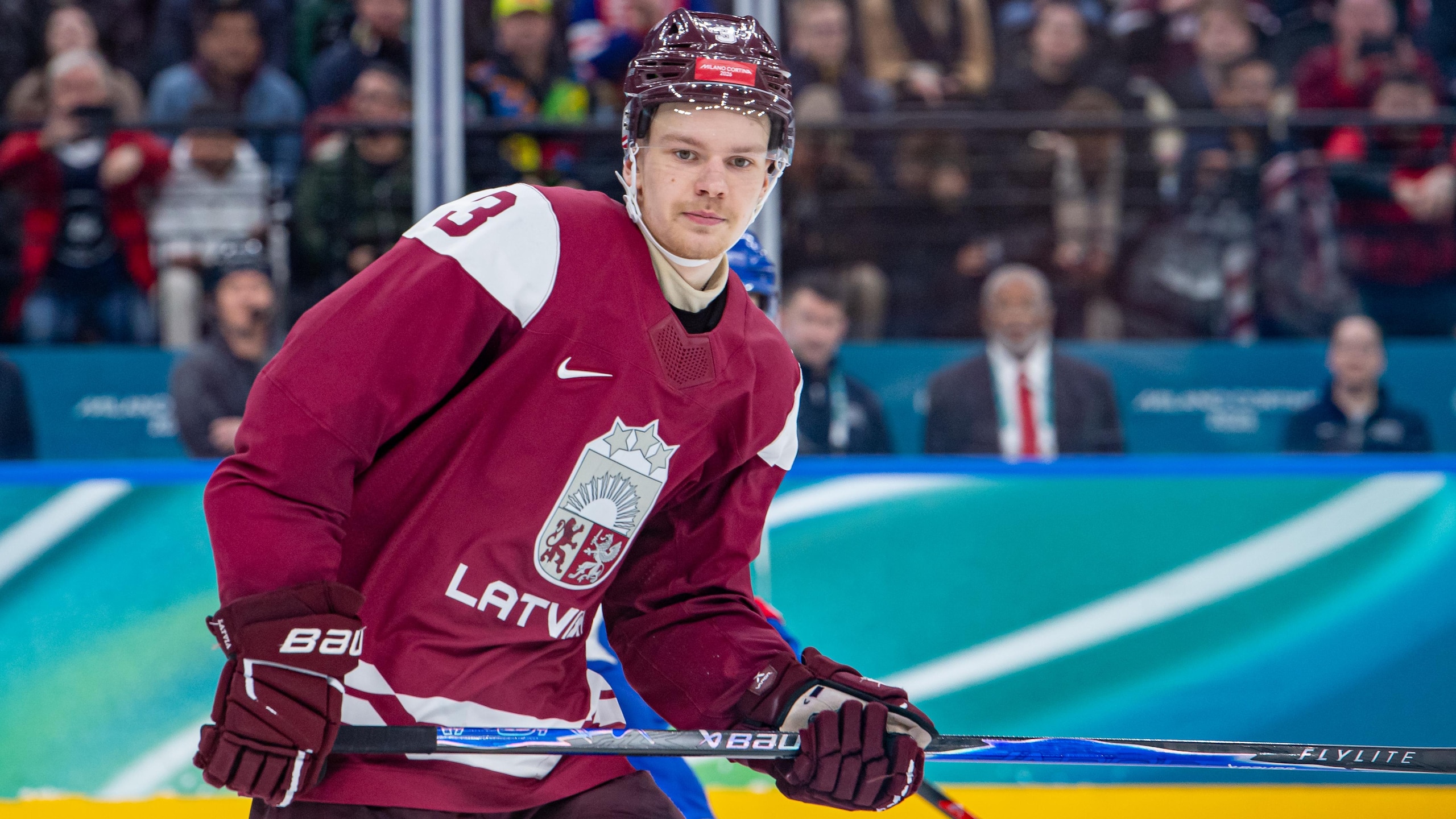
Stylistic Comparable: Edgier Ivan Provorov
When you watch Albert Smits, you see a lot of the skating mechanics you hope for.
A smooth stride that displays well on the large European ice, but also strong four-way mobility. He moves well backwards, he escapes small spaces, and his pivots are strong. He leans into that ability with an aggressive playing style.
Smits joins the rush often offensively and loves to take defenders on with the puck. He is assertive at the blue line. Within the defensive zone, he doesn't settle for keeping players to the perimeter but actively closes down space and tries to force turnovers.
He's not a pure quarterback like Quinn Hughes or Adam Fox, but he does belong on the power play. A hard wrist shot, the ability to walk the blue line and create attacking space, and playmaking in the form of shooting for deflections.
Plus, he has pretty good passing as well. His production in the Finnish Liiga—13 points in 38 games—compels serious attention. It puts him on par with Finnish luminaries such as Joni Pitkanen and Miro Heiskanen.
The problem is his decision-making. He gets drawn out of position way too much trying to chase puck-carriers. In almost every game I've watched, he's made at least one mind-numbingly bad blind pass.
To his credit, the Latvian has played in some tough situations abroad as an 18-year-old. Different countries, playing right D as a left-hander, and going up against fully grown men. But as a December birthday, he's already one full season maturer than some of his peers in this class.
Ivan Provorov is a beautiful skater who, at his best, is a 200-foot defender with killer offensive instincts, but is often way too inconsistent and plays more like a No. 3 defenseman.
Smits is already more physical than Provorov, but otherwise, the comparison captures the volatility of Smits' upside. Better processing and decision-making will be the difference between being merely a very good but frustrating player or a bona fide top-pairing defenseman.
Carson Carels
7 of 8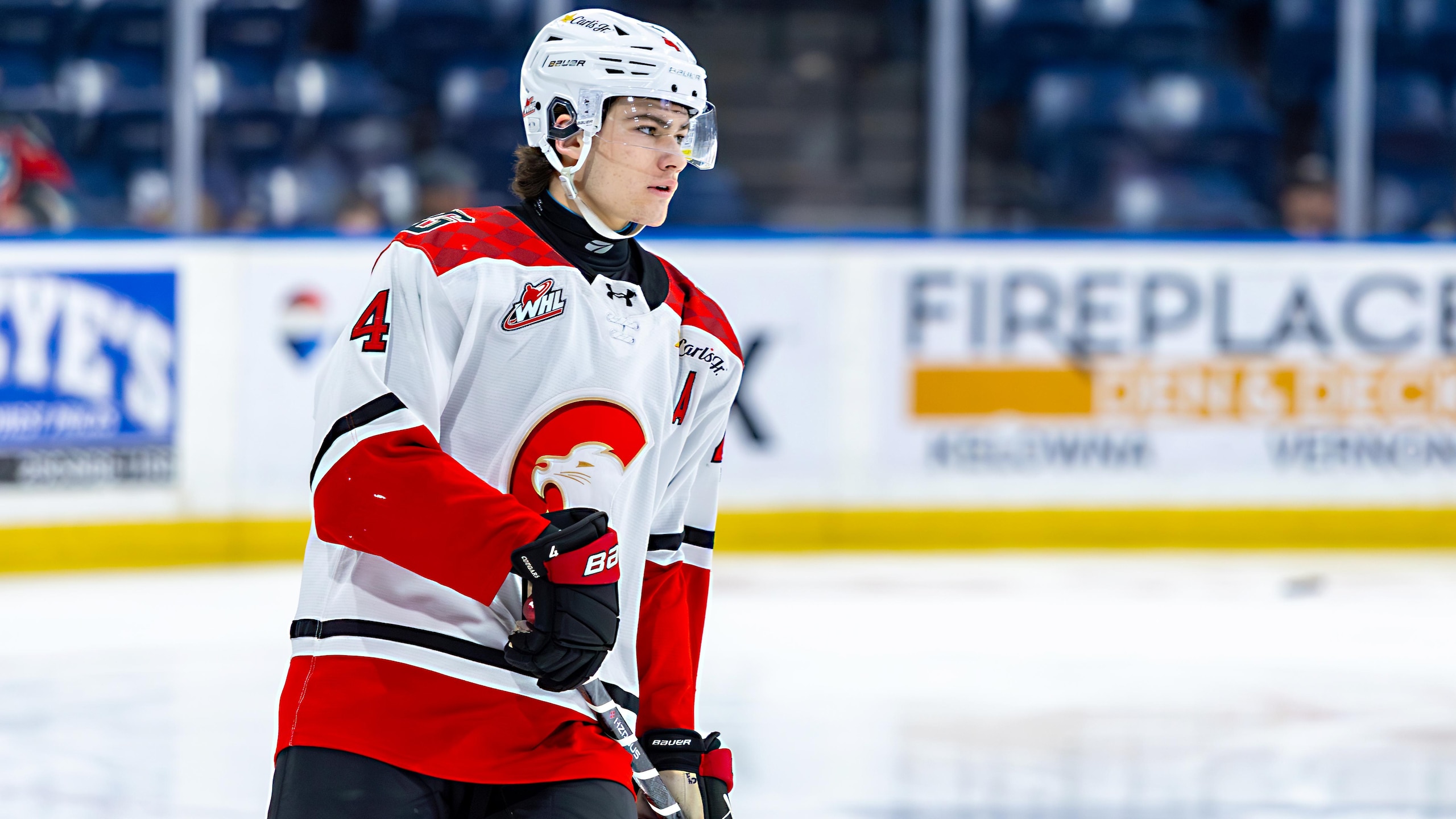
Stylistic Comparable: Winnipeg Jacob Trouba
Of the defensemen at the top of the draft class, Carels is the most physically proactive.
The 6'2" lefty takes a low stance when defending against the rush, often to create the leverage for a lunge right at the puck-carrier. When it connects, it's fun to watch.
The rest of his defensive game is up-and-down. At times, he looks great, taking the right gaps against puck-carriers and timing his slides well on 2v1s. At other times, he can be beaten outside or overly aggressive.
He's not a real quarterback, but he is capable of starting the rush and has some surprising moments where he stickhandles through forecheckers. His shot is booming from the point, and he has solid supplementary passing abilities.
There are times when I see his edgework and I'm impressed, yet there are other moments when I'd like to see him add some explosiveness.
I thought about using Columbus defenseman Damon Severson as a comparable, given Carels' minute-eating qualities, but that assumes too much about his ability to think the game at the NHL level.
Instead, we'll settle for the Winnipeg version of Jacob Trouba, which is distinguishable from the player he became in New York and Anaheim. Carels doesn't have quite the hip-checking prowess of Trouba, but his footwork is better.
Otherwise, it's a fair approximation for what Carels could become in the NHL: a two-way physical defenseman who can score 10-15 goals with his shot and find a spot on PP2.
Viggo Bjorck
8 of 8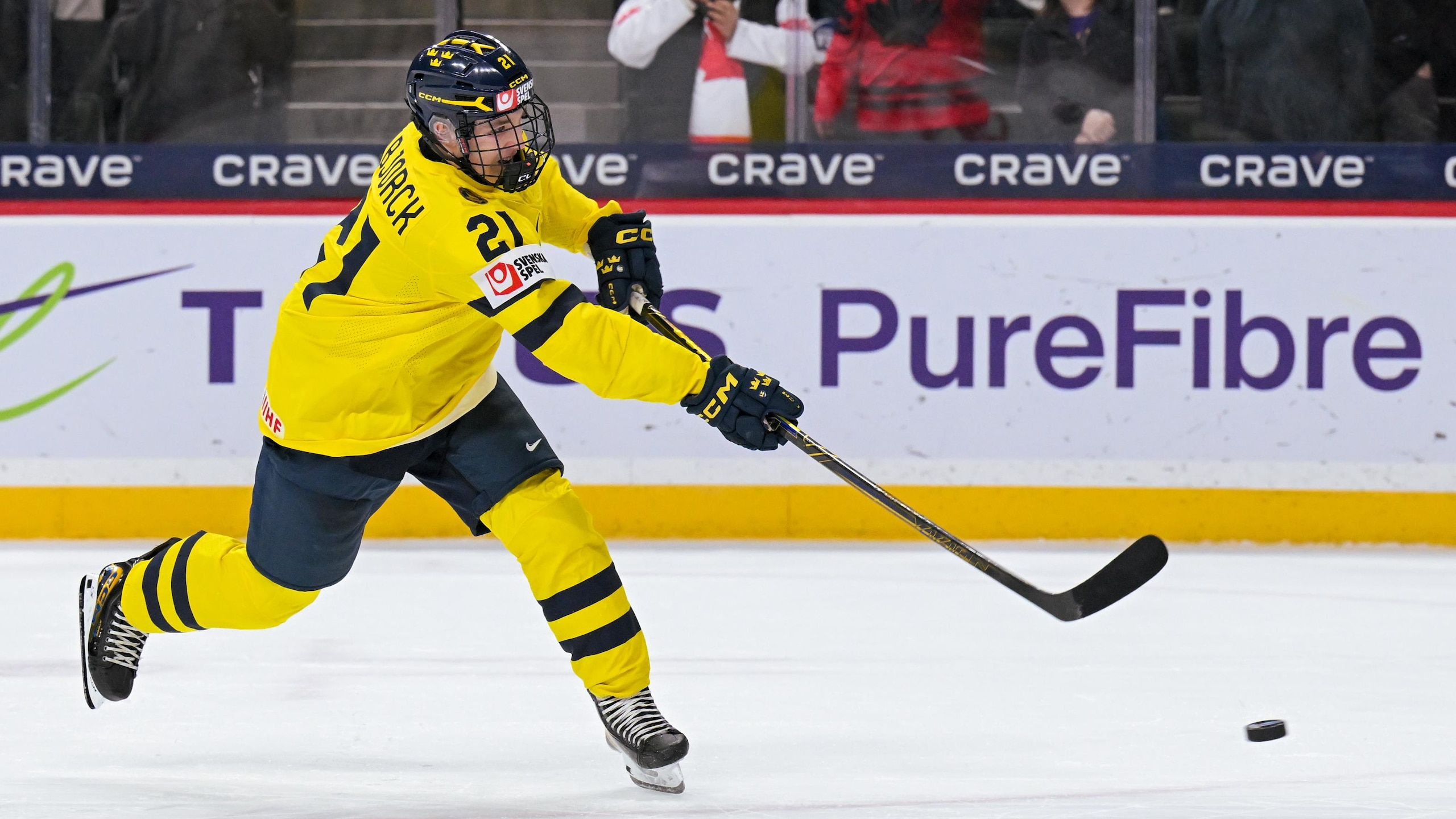
Stylistic Comparable: Andy McDonald
A lot has been made of the fact that Viggo Bjorck is only 5'9", and unless the player has Connor Bedard-level abilities, teams are usually very afraid to go anywhere near a center that diminutive.
Bjorck has a very good chance to succeed, nonetheless. The Swede was a force at the U20 World Juniors this past winter and he also produced nicely in the Swedish Elite League.
He is an agile, creative playmaker. He's slippery and also has nimble hands in small spaces, and those are the abilities that should allow him to navigate out of trouble against big defenders. He's a capable half-wall operator on the power play but is also feisty and will work his way to the net as well.
The size may lend to problems when needing to engage physically or rely on reach in defensive situations, but he thinks the game at a high level and is very strong on faceoffs. He won 61 percent of his draws in the Swedish J20 league and won 10 of 13 draws in the WJC, per InStat.
Maybe he splits time between center and wing to make it work, but I think he ends up as a top-six NHL forward. For that reason, and those cited above, I'm using former Anaheim Duck Andy McDonald as the comparable.
McDonald defied the odds as a 5'8" forward, often operating at center due to his cerebral nature and strong faceoff capabilities. He became a top-six center in Anaheim through his skating, hockey IQ and willingness to compete in spite of his size. He won a Stanley Cup in Anaheim despite the stigma against a player of his size.
Bjorck doesn't have the straight-line speed of McDonald, who once won the NHL's fastest skater competition, but he does have an inch or two on McDonald height-wise.
.jpg?w=2560)

.jpg?w=2560 "Purdy Becomes Highest-Rated QB EVER 🤩")
.jpg?w=2560 "Grading WWE Raw 🔠")