

Since last year's "All No. 1 Seeds" Final Four, there has been a steadily cascading narrative that there won't be any more Cinderella stories in the men's NCAA tournament, due to the combination of NIL and what is essentially annual free agency with unlimited transferring.
If we could just get a massive first-round upset or two, though, maybe that would shut those people up for a little while.
Where are those potential bracket busters most likely to come from on Thursday, though?
Ignoring the 8/9 and 7/10 matchups that would hardly qualify as upsets, we've pinpointed five spots where we could get a dose of madness on the first real day of the dance.
No. 6 BYU Cougars (vs. Texas Longhorns)
1 of 5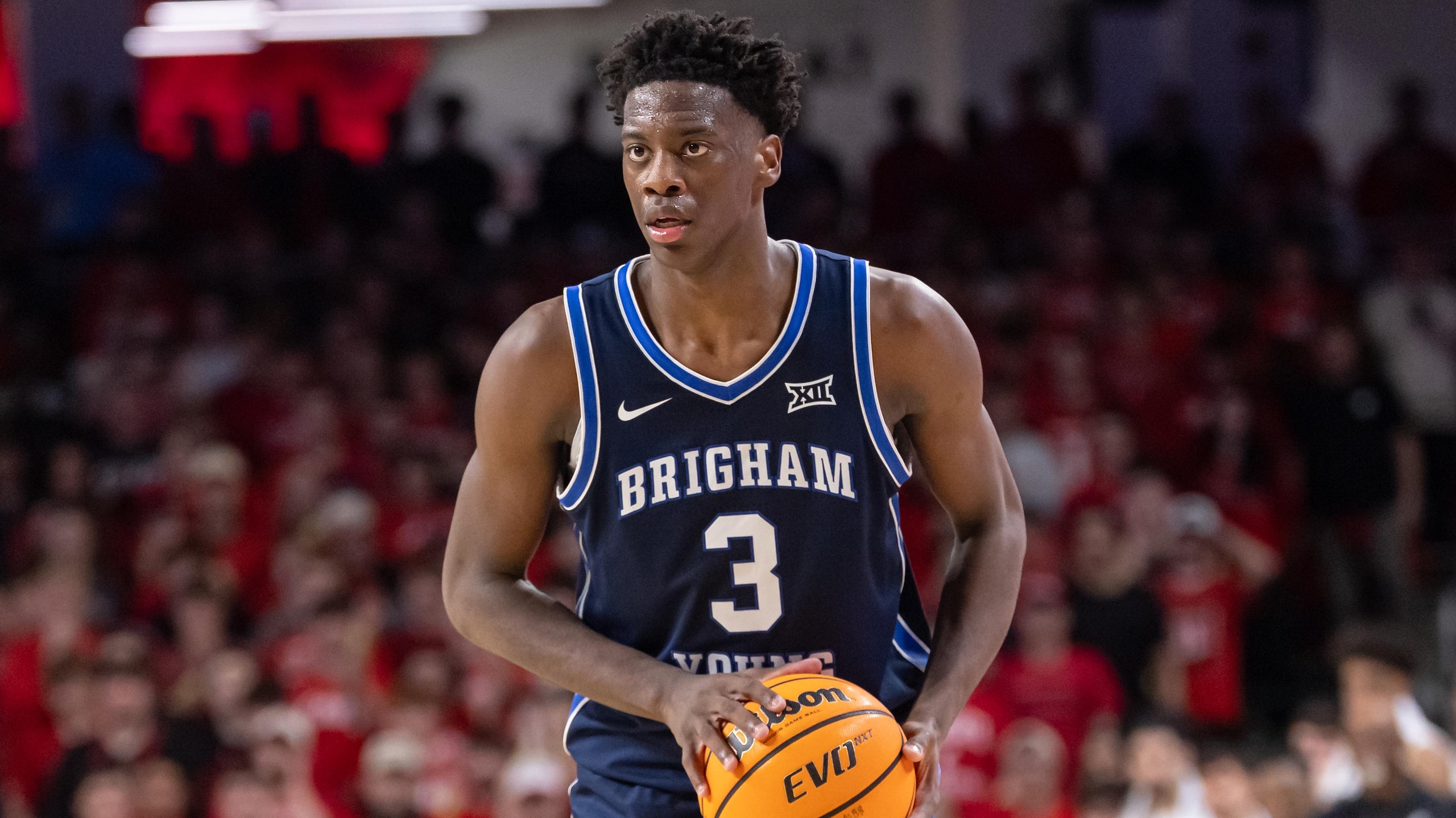
With the way BYU has been playing over the past two months, losing 10 of its last 17 games, this one would barely even feel like an upset.
Case in point: BYU opened as just a 1.5-point favorite after Texas' ugly win over NC State on Tuesday night.
Any time the seed line gap is four or more, though, that's a pretty legitimate upset. At any rate, we can probably all agree that a Top 25 team really should win a game against an opponent that just barely made it into the dance.
However, this particular Top 25 team is nowhere close to a top-25 defense, particularly down the stretch without Richie Saunders, who suffered a torn ACL in mid-February.
And this Texas team has more than enough offense to take advantage of that, with four leading scorers who each average better than 13 points per game.
Granted, the Longhorns defense is considerably worse than BYU's defense, and AJ Dybantsa could always go for around 40 points by himself. There's frankly no way the winning score should be any lower than 80 in this one.
The X-factor, though, is the combination of Texas' ability to draw fouls and BYU's limited depth.
The Longhorns draw 21.3 fouls per game, which is the second-highest rate in the nation. And while Dybantsa never gets into any sort of foul trouble, BYU could simply run out of frontcourt players by midway through the second half if the whistles are blowing.
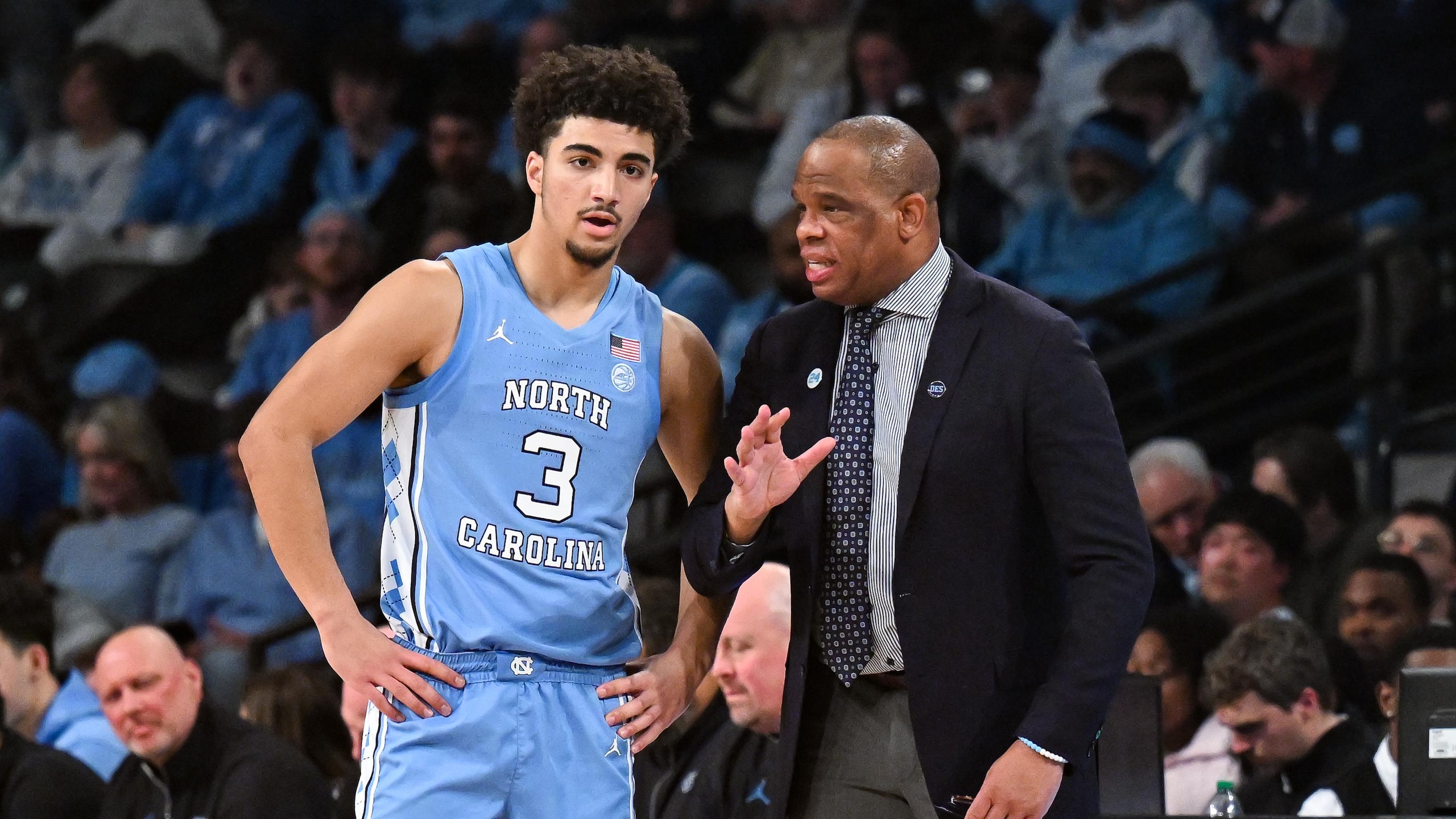
No. 6 North Carolina Tar Heels (vs. VCU Rams)
2 of 5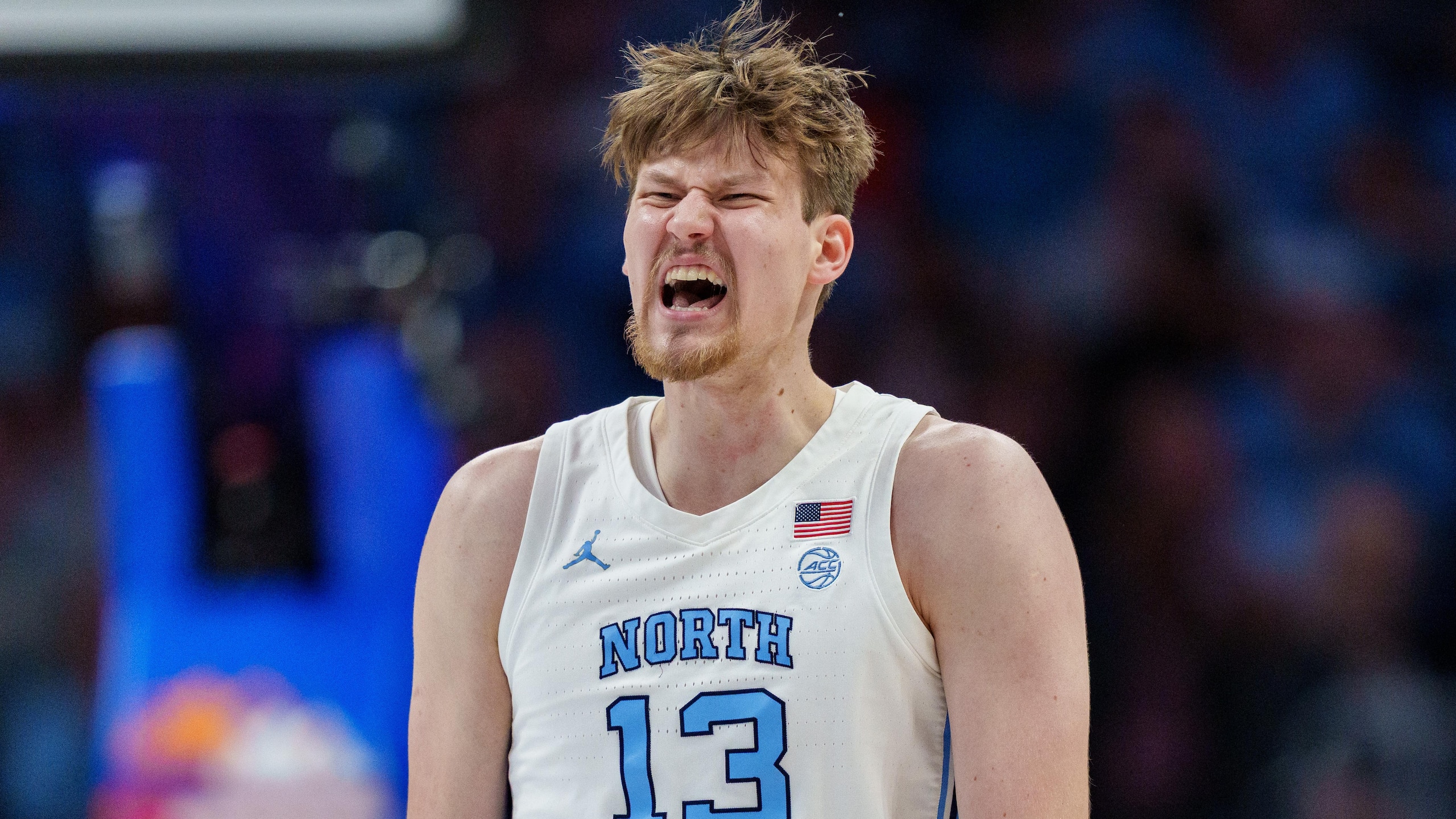
Like BYU, this No. 6 seed has had to adjust to losing a key player in mid-February.
With North Carolina, though, the loss of Caleb Wilson is even bigger.
At the time of his original injury, Wilson was leading the team in points, rebounds, blocks, and steals. He was only a few assists behind Kyan Evans for the top spot in that department, as well. But the Tar Heels were able to tread water admirably without him, beating Louisville and Clemson at home while awaiting his triumphant return.
When he suffered the season-ending thumb injury, though, it felt like the wind went out of the sails here. Even on a night where Henri Veesaar went for 28 points and 17 rebounds against a Clemson team also playing without a key big man that it had just lost for the season, the Tar Heels couldn't get the win.
No matter the draw, it was going to be tempting to pick against them in the first round.
And VCU is a tough draw.
The Rams didn't have any great wins this season, topping out at victories over South Florida and Virginia Tech in the Bahamas and a three-game sweep of Dayton. But they've won 16 out of 17, they've had strong metrics all season long, and, like Texas, they excel in physical games, drawing more than 20 fouls per game.
That latter detail will be an interesting contrast to monitor, as North Carolina rarely gets into foul trouble, averaging 14.6. But we know that Lazar Djokovic and Terrence Hill won't be shy about trying to go straight through bodies to initiate contact.
No. 6 Louisville Cardinals (vs. South Florida Bulls)
3 of 5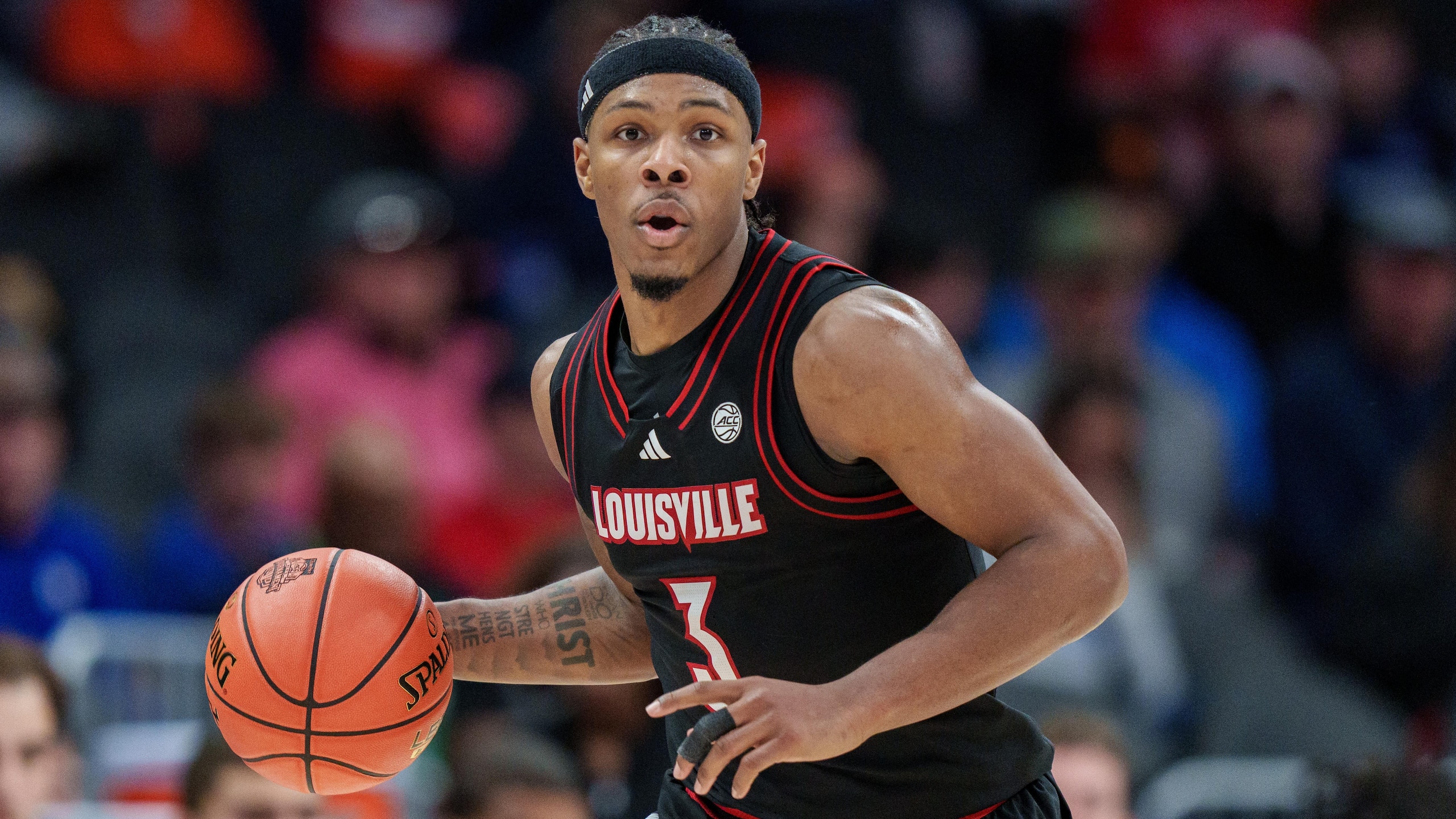
Could we see all three No. 6 seeds bite the dust on Thursday?
It wouldn't be terribly out of the ordinary, as three of the four No. 11 seeds advanced to the second round in each of 2024, 2022, 2017, 2016, and, fittingly, 2011.
And like the other two, this No. 6 seed has a significant injury concern.
There had been hope that Mikel Brown Jr. would be able to play for Louisville after missing the past four games with a back injury, but the school announced on Wednesday morning that he will be out.
The freshman star was averaging 18.2 points and 4.7 assists per game, so that's a huge loss. The Cardinals did manage to win at Miami and beat SMU in the ACC tournament without him, but their ceiling is much lower.
And because of how much Louisville relies on three-pointers—not to mention how underwhelming its defense has been in the majority of games played against tournament-caliber foes—this was always going to be a high-variance team in a single-elimination tournament.
The big question is: Can South Florida prevail in what profiles as a high-scoring affair even without Brown available?
At a team-wide level, the Bulls are nowhere near as dependent on threes as Louisville. However, they do have a pair of big-time shooters in Wes Enis and Joseph Pinion, who have made 107 and 106 triples, respectively. Even Louisville's leader, Ryan Conwell, tops out at 105, with Isaac McKneely next on the list at 86, so getting that dynamic duo going will be critical.
Should be a fun one, though. First to 90 wins.
.jpg?w=2560 "Patriots 49ers Football")
.jpg?w=2560)
No. 5 Vanderbilt Commodores (vs. McNeese Cowboys)
4 of 5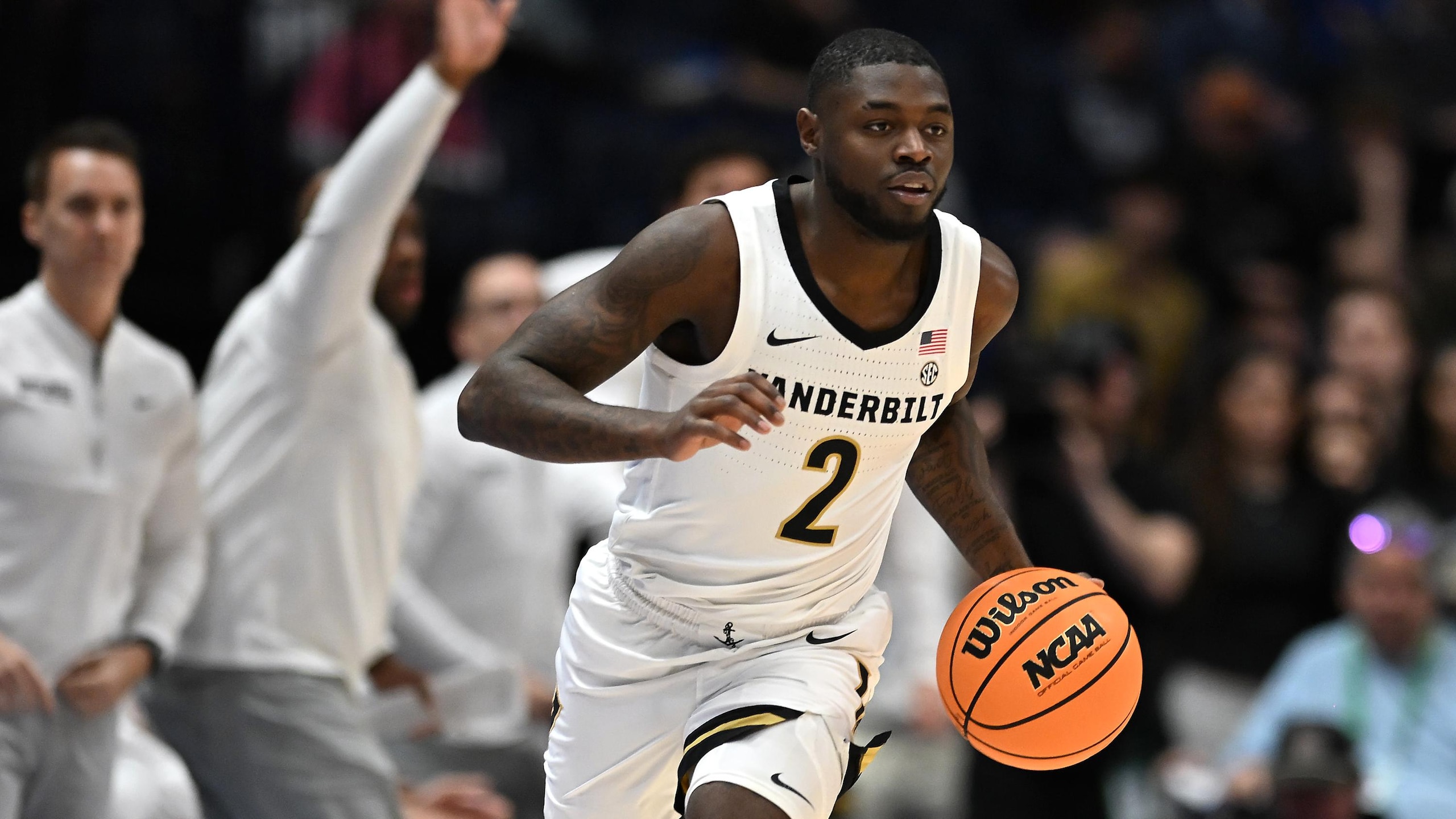
McNeese is probably the best of the No. 12 seeds.
The Cowboys pulled off the upset of No. 5 seed Clemson in the first round last year. And though the coach and most of the roster have changed, they are stylistically similar.
This year's bunch doesn't shoot as well as last year's did, but they've made up for it by being even more relentless on defense, going from a team that averaged 9.0 steals and 3.4 blocks per game to 10.5 and 4.3, respectively.
Unfortunately, they got a tough draw from the selection committee, as Vanderbilt rarely turns the ball over. In fact, there has only been one game all season in which an opponent tallied at least nine steals against them. This is also one of the better offenses in terms of not having shots blocked, and they have more than enough three-point prowess to capitalize on what should be many open looks from the perimeter.
Can they avoid one of their patented slow starts, though?
At Arkansas in late January, the 'Dores were down by 14 after just seven minutes. In the head-scratching home loss to Oklahoma in early February, they trailed by 16 at virtually the same junction. More recently, they were pretty much immediately down by a dozen at Ole Miss and trailed by 20 at Kentucky with five minutes left in the first half.
It's not every game, but it happens often enough (and emphatically enough) that it is a concerning trend. And if McNeese gets an early lead, it's only going to ratchet up its defensive intensity for the rest of the game.
No. 3 Michigan State Spartans (vs. North Dakota State Bison)
5 of 5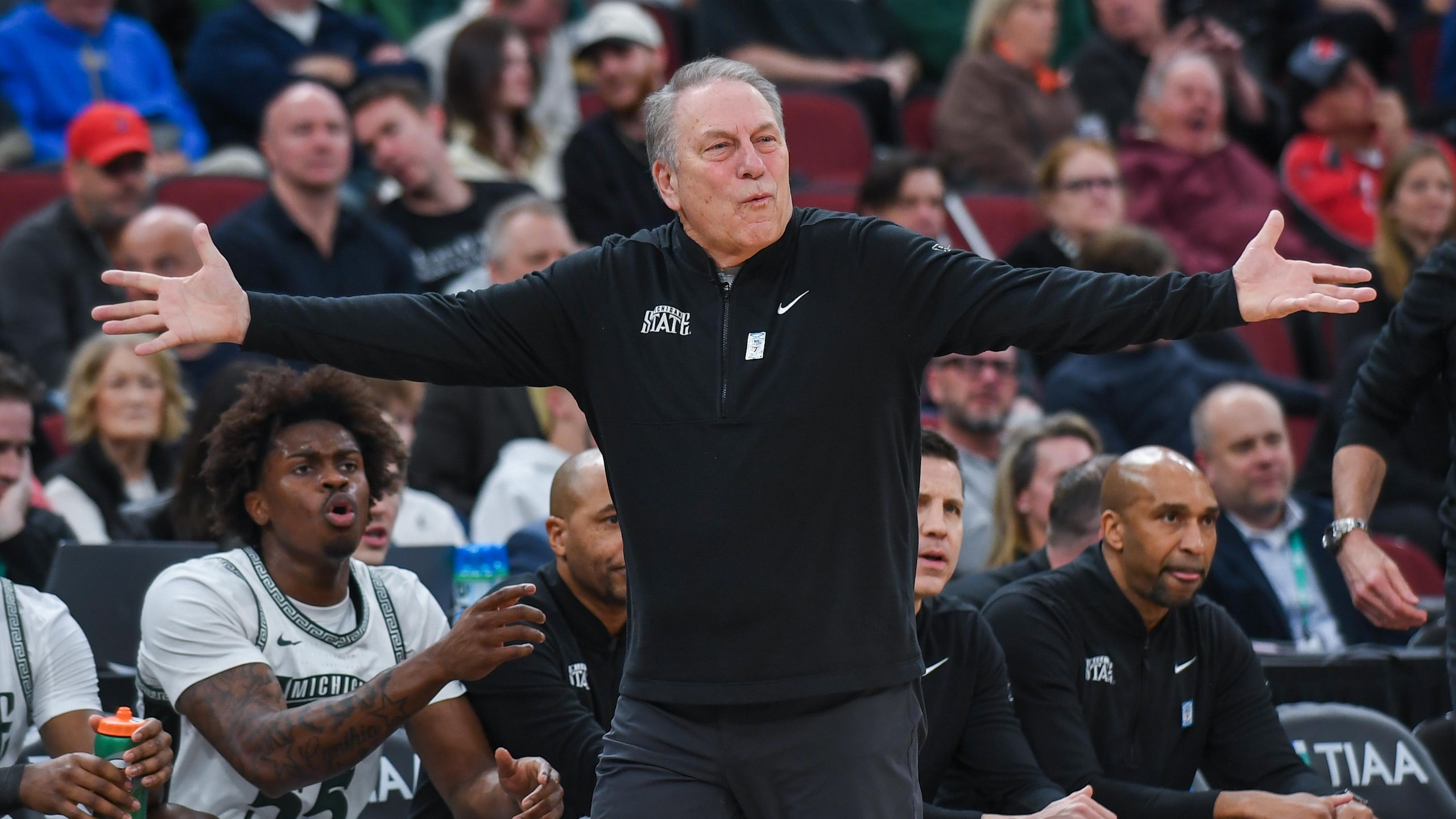
After those first four nappers, let's give you a real sleeper.
If you've filled out brackets before, you probably already know that 11s and 12s pull off the first-round upset on a semi-regular basis.
Even No. 13 Troy knocking off No. 4 Nebraska early on Thursday wouldn't be all that shocking. There weren't any last year, but there had been at least one 13-over-4 upset (and occasionally several of them) in five of the previous six tournaments.
A No. 14 toppling a No. 3, though, is pretty rare.
In fact, dating back to 2017, there have only been two such upsets—Oakland over Kentucky in 2024 and Abilene Christian over Texas in 2021.
That's the same number of No. 16 seeds that have shocked the world in that same time, and one fewer than the number of No. 15 seeds that have won at least one game.
But with the way Michigan State has been sputtering lately, maybe we get one this year.
For what it's worth, the recent 91-87 game against Rutgers was never trending toward being that close or high scoring. It was 79-68 with two minutes remaining until Rutgers suddenly couldn't miss and continued to foul, resulting in 31 total points in under 120 seconds.
Did that kind of break Sparty, though? Because they turned around and gave up 90 in the loss to Michigan and 88 in the loss to UCLA, with no shortage of wide-open threes in both of those games.
Enter, North Dakota State, who probably could have been a No. 13 seed. At any rate, the Bison are well ahead of Troy as far as KenPom ratings go, and they average better than 80 points per game.
Sure, most of that came against the Summit League, which over the past decade has been far more likely to produce a "bottom 10 in the nation" defense than one that ranks in the top 100.
But an 80ish PPG Summit League champ running up against a Big Ten team with a defense that has been floundering as of late...well, that sure sounds like 2021 Oral Roberts, who stunned Ohio State on its way to the Sweet 16.
There's no Max Abmas on this NDSU team, but watch out for Tay Smith, who comes off the bench and averages 11.1 three-point attempts per 40 minutes played. Against this perimeter defense, he could be this year's Jack Gohlke if he gets hot.
.jpg?w=2560 "Saints Cowboys Football")

.jpg?w=2560 "Caleb Reposts Hype Video 🥶")