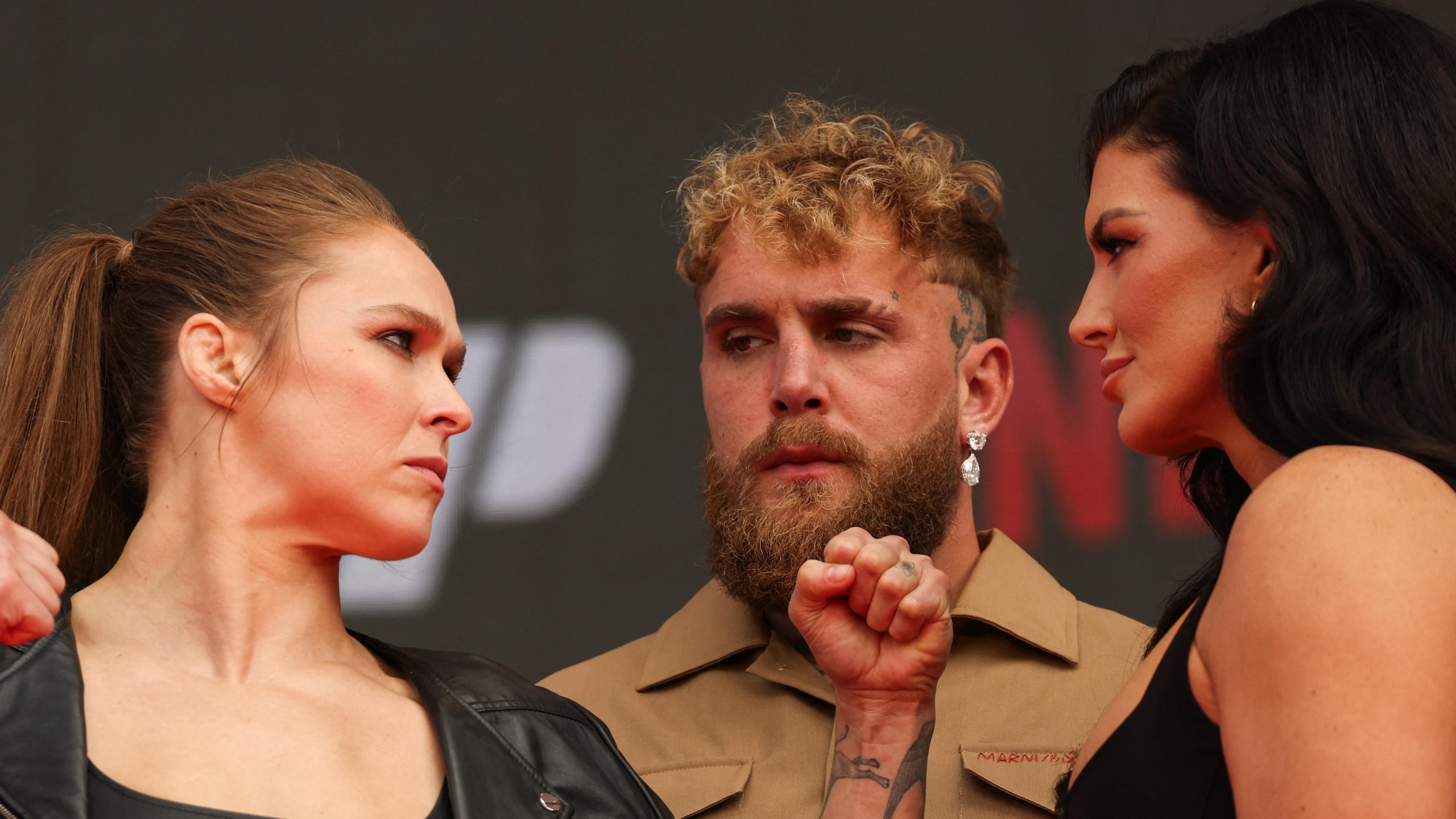

Can Jake Paul's MMA Start-Up Become a UFC Rival?
Go ahead. Laugh.
Get it out of your system now.
Because once the lights go up at the Intuit Dome in suburban Los Angeles, the venue Jake Paul has secured for his May debut as an MMA promoter, the punchlines are going to get a little harder to find.
TOP NEWS
.jpg?w=2560 "Packers 49ers Football")
AD Trolls Bears WR on IG 😂
.jpg?w=2560 "Lions Cardinals Football")
Viral Dan Campbell Presser 💙
NFL Season Shaping Up To Be Unpredictable 🗣️
Paul—the YouTube brat-turned-boxing curiosity whose chin met Anthony Joshua's right hand in Miami not long ago—has pivoted from the ring to the cage. And while the reflexive response is to reach for the nearest spit bucket, a more measured look at what he's assembling suggests that the smart money might want to holster the mockery for a beat.
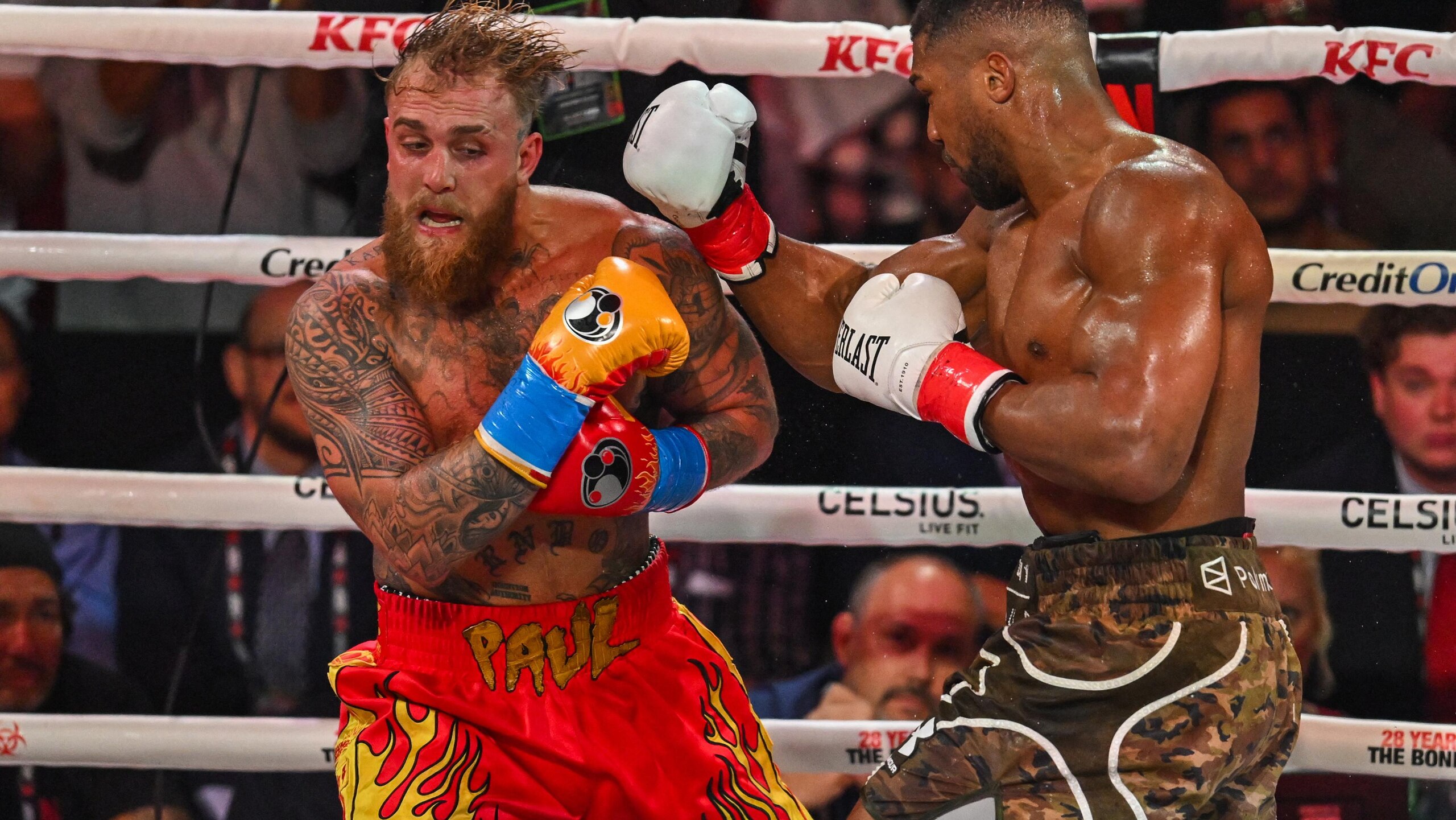
Because while he's promoted himself into a broken jaw and a bruised legacy as a fighter, he's also done something few people with his background have managed:
He's learned the business.
His inaugural MMA card will feature Ronda Rousey—the most significant female combat sports figure in history, whose 2015 knockout at the hands of Holly Holm remains one of the sport's defining moments—in the main event, with former heavyweight king Francis Ngannou elsewhere on the bill.
And just announced on Monday, Nate Diaz, one of UFC's biggest stars in the last decade, will be appearing on the card against Mike Perry.
That's not a sideshow. That's a card with names casual fans actually recognize, which is precisely the currency that moves pay-per-view needles.
And Paul knows how to move needles.
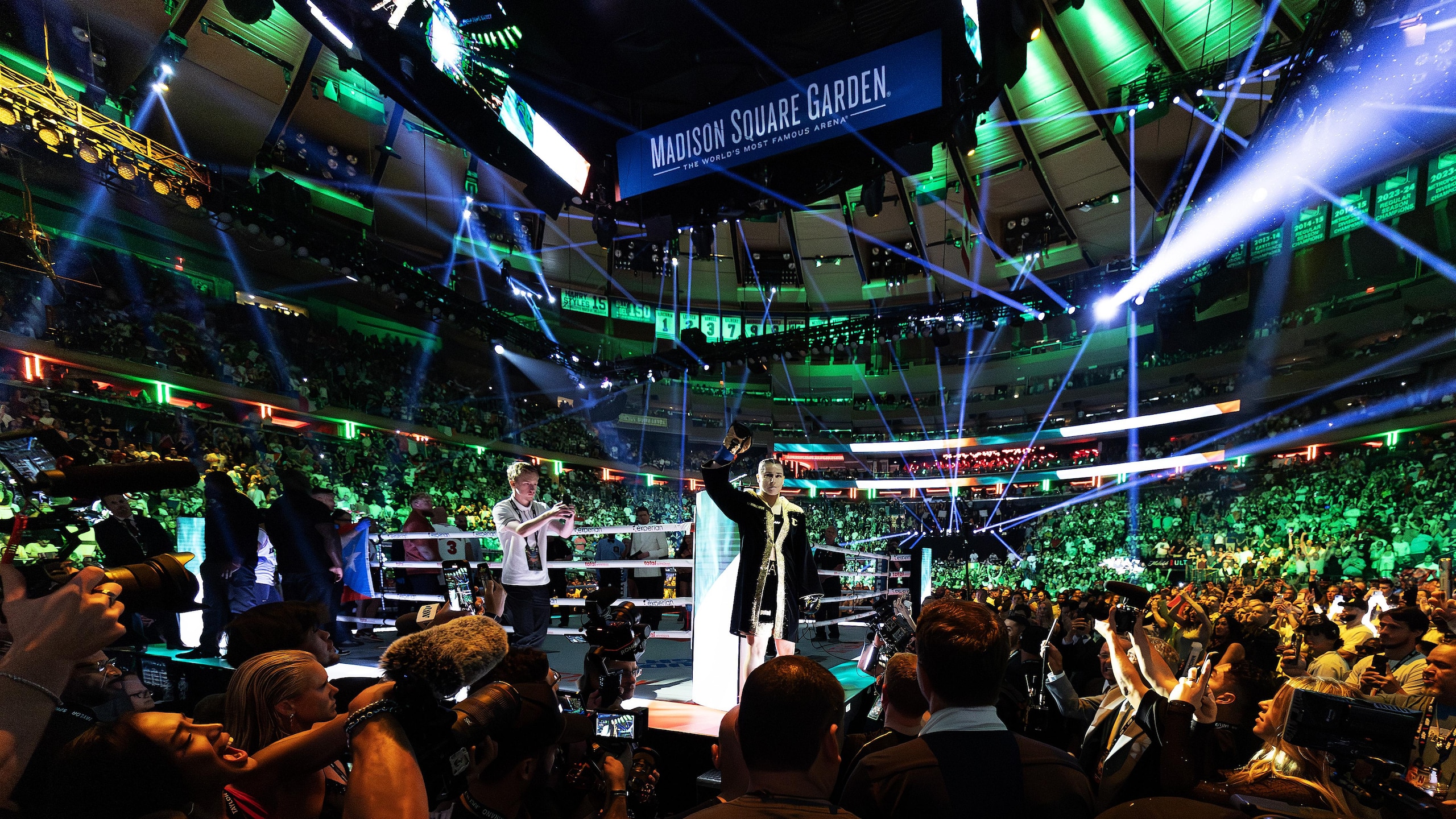
Say what you want about his boxing career—and plenty has been said, here included—but the man generated real interest. He put Amanda Serrano on the map for mainstream audiences, helped engineer the most significant night in women's boxing history at Madison Square Garden, and consistently pulled numbers that made established promoters uncomfortable. That's not luck. That's promotional aptitude, developed over years of trial and error in a sport that wasn't exactly rolling out the welcome mat.
Now he's turning those skills—and a well-documented personal grievance—toward Dana White's kingdom.
Paul has spent years as one of the UFC's loudest critics, hammering the organization publicly over fighter pay, healthcare, and the kind of revenue splits that would prompt a labor attorney to double-check the math. Whether that's genuine advocacy or savvy positioning barely matters anymore. What matters is that fighters have noticed. And in a sport where the talent pool is both the product and the leverage, that's something.
If Paul can credibly position himself as the promoter who actually pays, he won't have to chase talent for long.
The history of UFC competitors, it should be noted, is not encouraging.
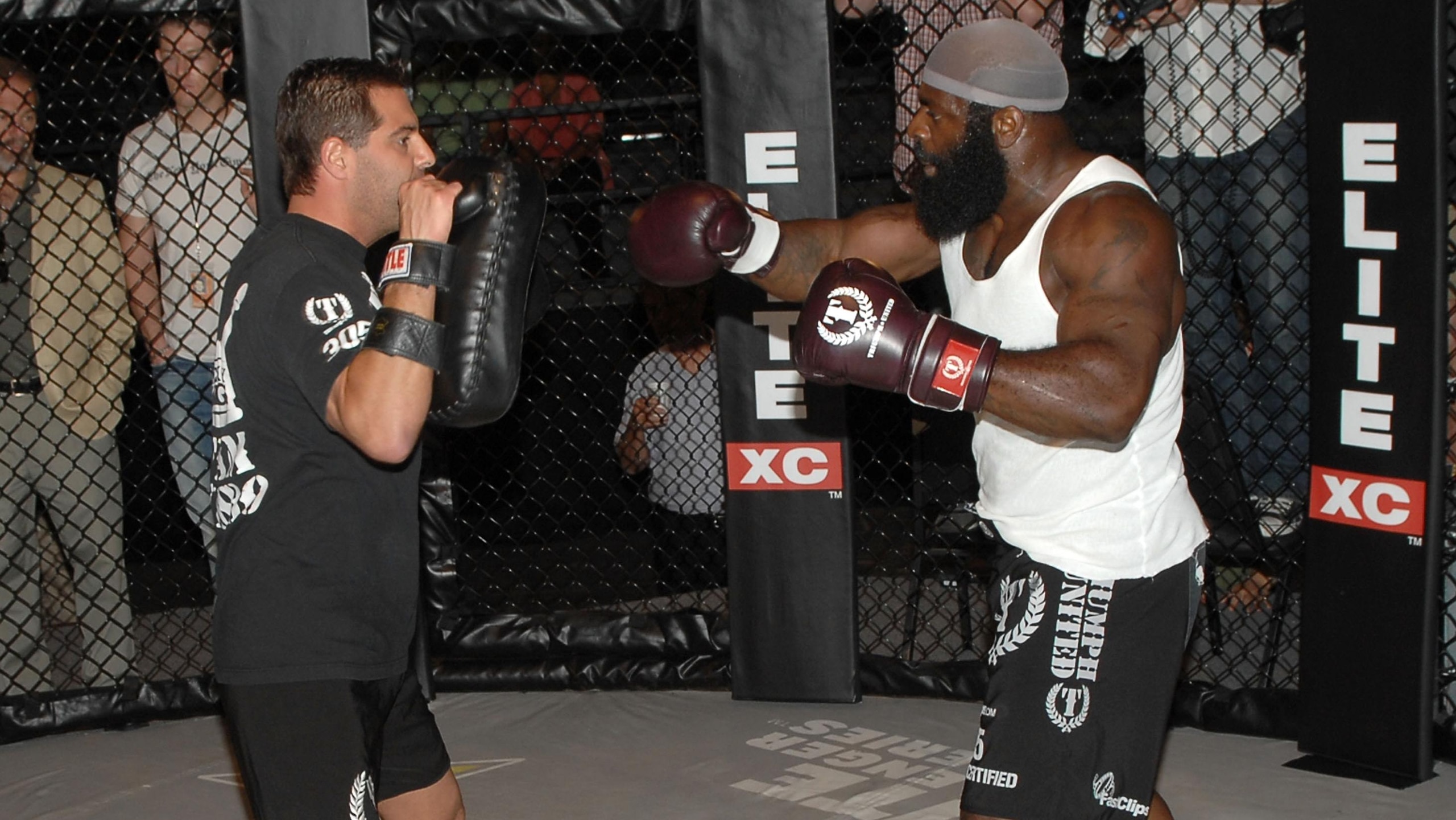
Bellator spent 15 years assembling credible rosters and television deals before Paramount pulled the plug and sold its carcass to the PFL. World Series of Fighting became Professional Fighters League, rebranded twice, absorbed Bellator, and still operates in the UFC's considerable shadow. Affliction lasted two shows. EliteXC went bankrupt.
The pattern is consistent and unambiguous:
You can build a respectable organization, but replacing the UFC—or even meaningfully threatening its market position—has proved roughly as achievable as repealing gravity.
Paul is not going to change that.
But here's the thing—he doesn't have to.
What he needs is staying power. An audience. A fighter-friendly reputation that attracts talent the UFC would rather warehouse on the bench or underpay into quiet resentment. A television or streaming deal that keeps the lights on when the novelty wears off. And enough promotional sizzle to make a casual fan—the one who watched Rousey on ESPN and Ngannou in a highlight reel—care about what happens next.
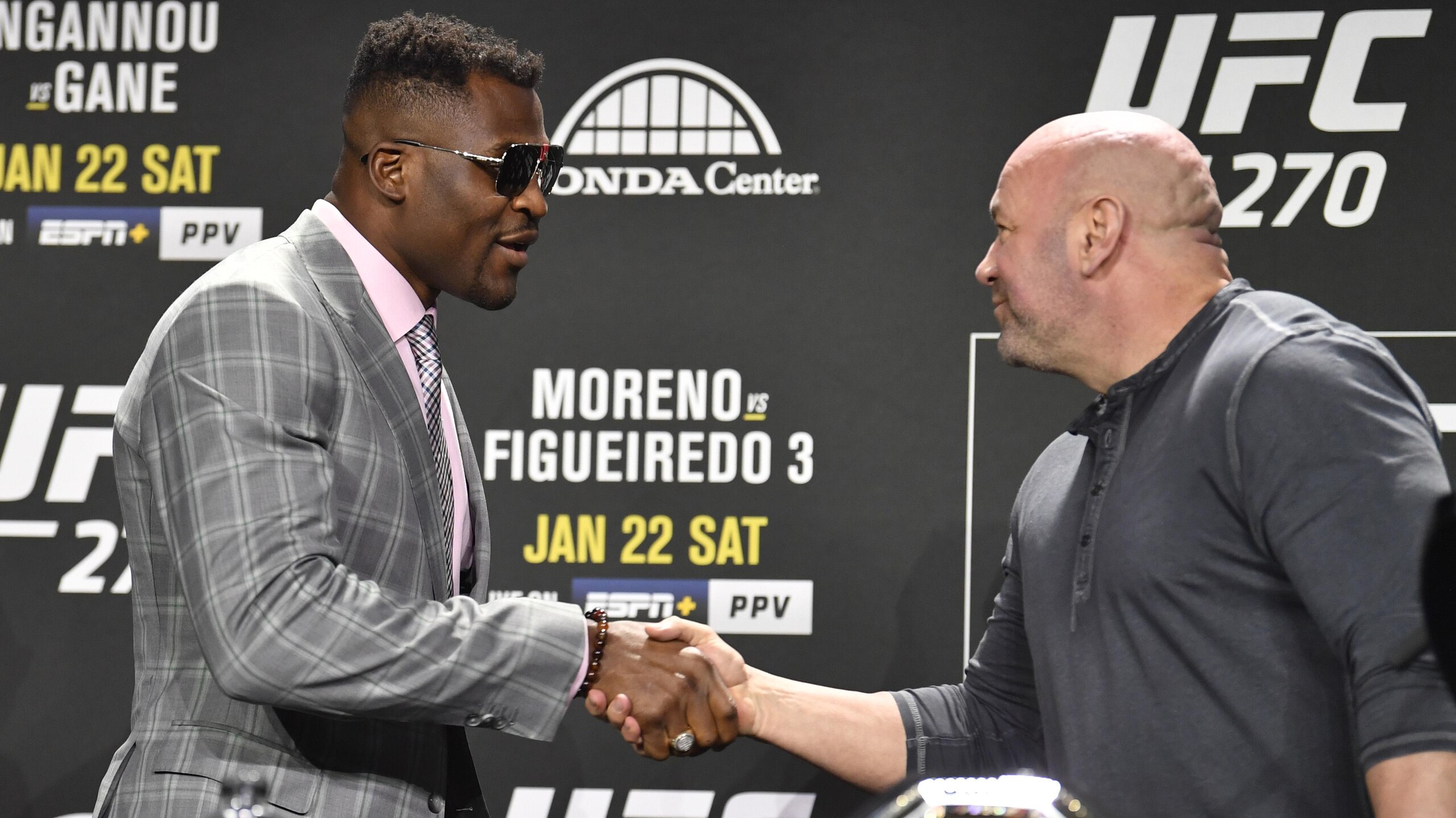
He has at least some of those things already. And unlike the suits who launched Bellator in a conference room and Affliction on a prayer, Paul arrives with a built-in audience measured in the tens of millions, a social media apparatus that makes traditional fight promotion look like a fax machine, and a chip on his shoulder the size of the T-Mobile Arena.
Which makes him, improbably, as credible a UFC alternative as the sport has seen since the organization muscled its way into the mainstream. Not a conqueror. Not a revolution. But a genuine competitor—something Dana and Co. haven't truly had to reckon with in a very long time.
Whether Paul's jaw heals faster than his promotional ambition cools will go a long way toward determining how long this lasts.
But dismiss it outright?
Not this time.
.jpg?w=2560 "Steelers Browns Football")
.jpg?w=2560 "Texans Titans Football")
.jpg?w=2560 "Buzz: MHJ Hired Agents for Trade")
.jpg?w=2560 "Chargers Fall to 0-5 🤢")
