
Answering the Biggest Bracketology Questions on the Men's 2026 NCAA Tournament Field

Ready or not, Selection Sunday for the 2026 men's NCAA tournament is tomorrow.
As we wait for the final answers from this year's selection committee, though, there are a lot of bracketology questions hanging in the balance.
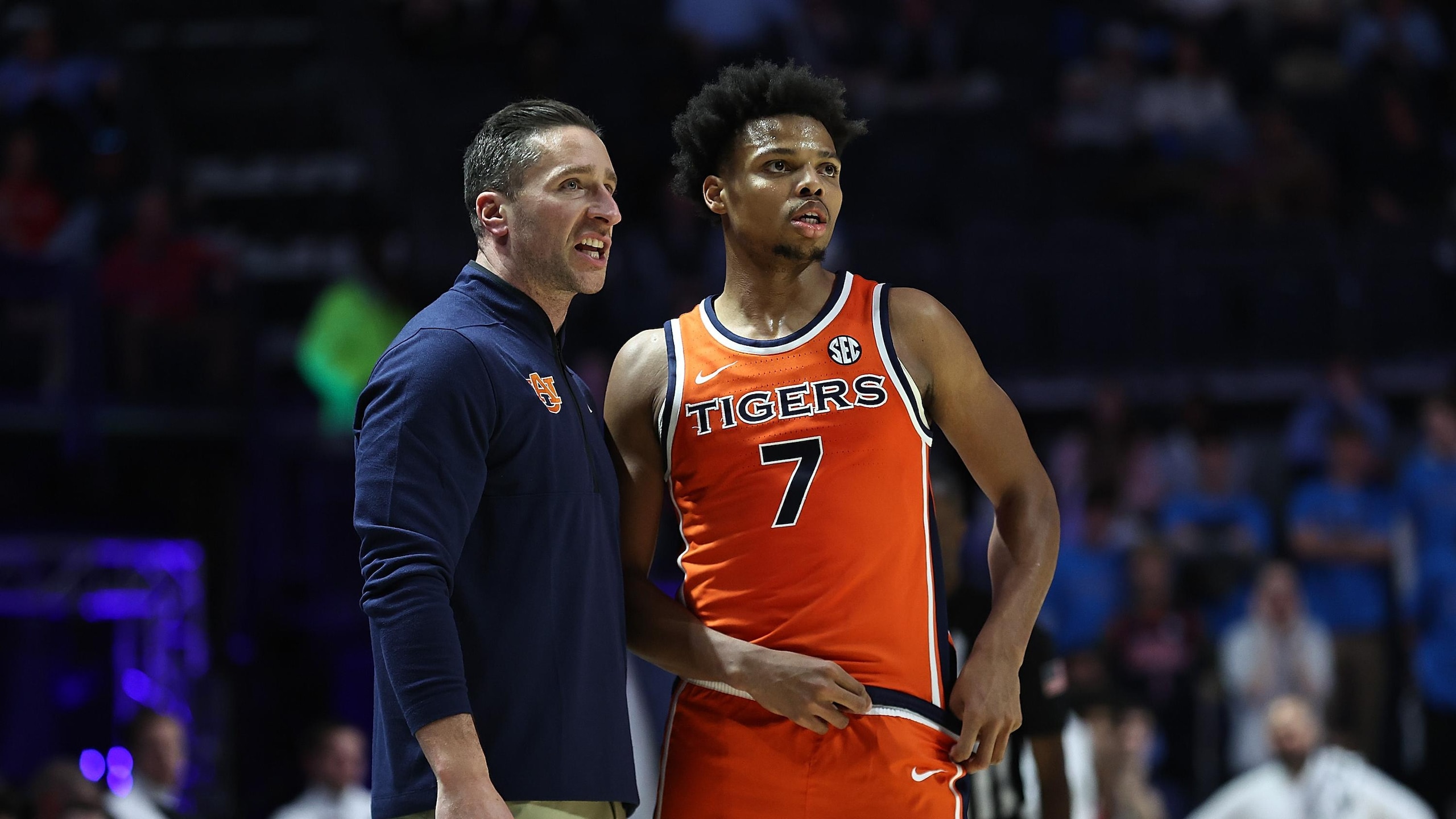
Most of them pertain to the bubble, of course, with Miami (OH) and Auburn remaining the biggest lightning rods for hot take season. It's truly possible they'll play each other in a First Four game in Dayton, if the committee feels like doing the funniest possible thing.
There are questions all throughout the projected field, though, and we'll do our best to answer the unknown.
Team sheet metrics are current through the start of play on Friday, but Friday results will be incorporated into the discussion.
What Is Going to Happen with Miami (OH)?
1 of 6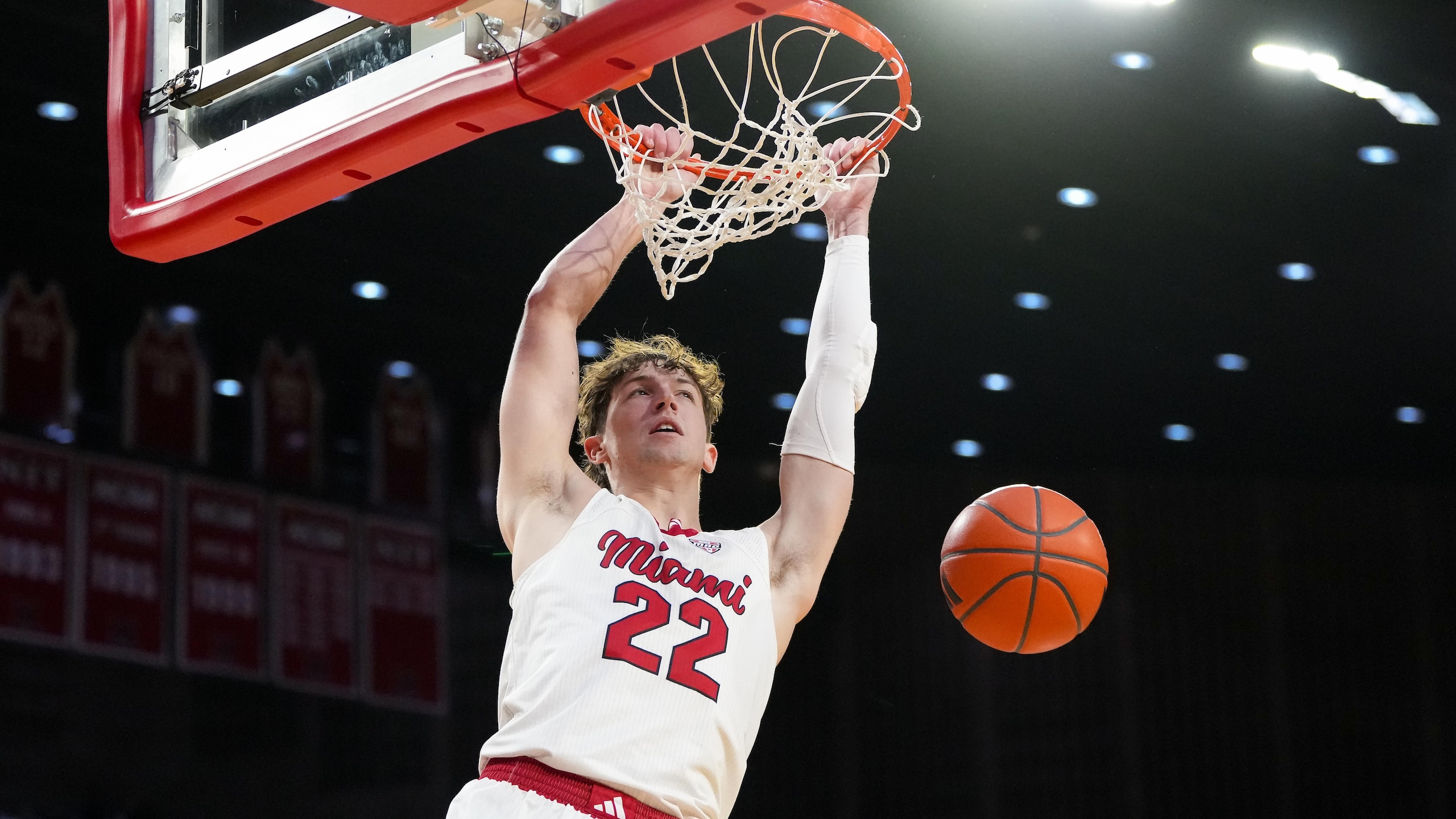
Please forgive the length of this initial section, but it is the topic du jour and it deserves some added context.
Let's state, first and foremost, that nobody knows for sure what the selection committee will do with the Miami (OH) RedHawks, because we've never been in this situation before.
Undefeated regular seasons? Yes.
But on the bubble? Uncharted waters.
There was a lot of "Well, there's our first bid thief, because Miami's a lock" talk on socials in the aftermath of the loss to Massachusetts on Wednesday afternoon, which was just wildly irresponsible behavior.
Look, if the committee wanted to leave out the RedHawks, they have plenty of data points to support that decision, starting with the 340th-ranked strength of schedule.
The three commissioners and three athletic directors on the selection committee from mid-majors will probably sympathize with the plight of the RedHawks in this regard. Those individuals know all too well just how difficult it has become to convince any of the bigger schools to agree to play a potential landmine.
However, they also know all too well what can be done to avoid playing three non-D1 opponents in a nonconference schedule that ranks third-easiest in the nation. Crying "No one good would agree to play us" while feasting on cupcakes might not work out the way they're hoping.
But that's at the root of all the problems with this resume.
They've played one game all season against a NET Top-125 team, beating Akron by three at home. They do at least have a second Quad 2 win these days, now that the road victory over Horizon League champ Wright State counts as a top-135 result. But two games played against Quad 2 and none against Quad 1 is a joke.
Then there's the fact that they didn't exactly make mincemeat of that schedule.
The narrative surrounding Miami would be a whole lot different if this team were destroying everything in its path and at least appearing to be a top-45 team in the predictive metrics.
Instead, if you take out the three non-D-I massacres, their average scoring margin wasn't even +11 PPG. Of their 28 D-I wins, 16 were decided by 10 points or fewer, nine of them either in overtime or by a single possession. And that's why they are presently 64th in the NET and hovering around 90th in BPI, KenPom, and Torvik.
But!
Wins Above Bubble is the selection committee's shiny new toy; the ace of spades; the king of the metrics. And in WAB, Miami-Ohio still ranks 37th after the UMass loss.
The RedHawks are also 28th in Strength of Record.
And whether you want to call it a 31-0 record or a 28-0 record by removing the Milligan, Indiana East, and Trinity Christian games, ending the regular season with a zero in that loss column is impossible to ignore.
Also, like, you've seen this year's bubble, yes? That massive collection of teams that also didn't win their Quad 3 conference tournament openers?
There might be years in which 31-0 isn't good enough. But to leave Miami out this year would mean another bid for the likes of 13-loss Virginia Tech, 14-loss Indiana, 15-loss Cincinnati, or 16-loss Auburn, each of whom has a resume with warts that are harder to ignore than "didn't play anyone."
Miami (OH) should be in the tournament. The RedHawks might be headed for Dayton. And we will scream if they are left out.
What Exactly Is the Case for 17-16 Auburn Being in the Field?
2 of 6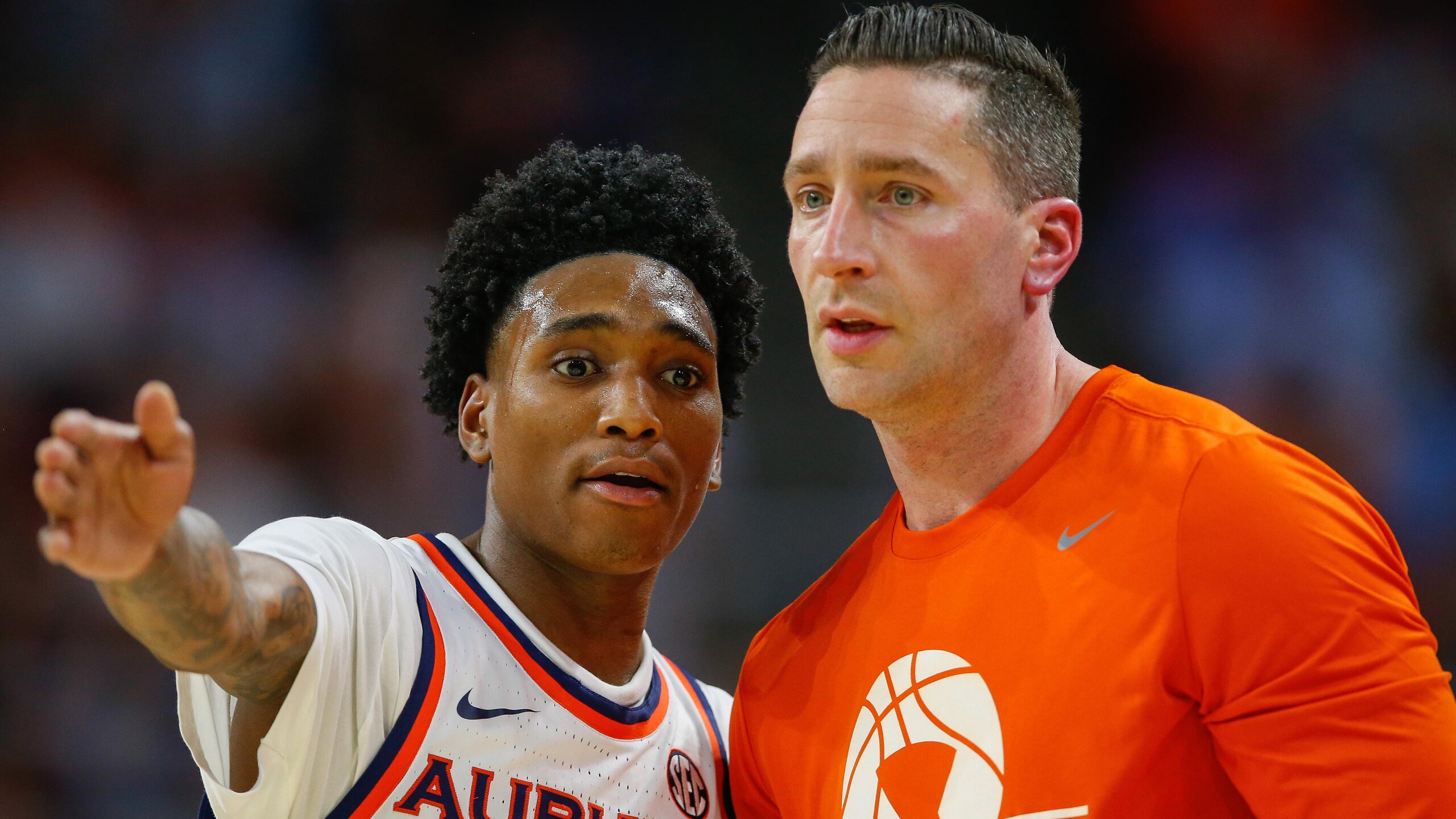
In case you haven't been following our Bracketology Tracker, I still had 17-16 Auburn as my last team in as of Friday morning.
And, yes, it disgusts me, too.
Though there have been four 15-loss teams (all from the SEC, I might add) who have received at-large bids in the 68-team era of the dance, we've never seen one get in with 16 or more losses. It has also been 25 years since the last time a team received an at-large bid at fewer than three games above .500, that being 16-14 Georgia (always an SEC team, ain't it?) getting a No. 8 seed back in 2001.
And while all five of those teams played schedules that ranked in the top 25 in terms of overall strength (per KenPom), Auburn's this year was pretty much undeniably the toughest of the bunch.
During the nonconference, the Tigers played projected No. 1 seed Michigan, projected No. 1 seed Arizona, projected No. 2 seed Houston, and projected No. 3 seed Purdue, all away from home. Sure, they lost all four, with three by margins of 28-30 points. But at least they played some legitimate games, also beating St. John's on a neutral and NC State at home.
All told, Auburn played 20 games against teams that are at least in the conversation for an at-large bid. But because the Tigers went 6-14 in those games—while also picking up problematic losses to Ole Miss and Mississippi State—the loss total got a bit gaudy.
That's a .300 batting average, though, even with 12 of those 20 games coming against teams who presently rank in the top 16 on KenPom. And within that batting average was the grand freaking slam of a road win over Florida.
Compare that to other teams along the bubble and 16 losses doesn't sound so disqualifying after all:
Virginia Tech—13 total losses, 2-10 vs. potential at-large teams, losing the singular game it played against a top 16 foe (Duke)
SMU—13 total losses, 4-9 vs. potential at-large teams, 0-2 vs. top 16
Indiana—14 total losses, 3-10 vs. potential at-large teams, 1-6 vs. top 16 (vs. Purdue)
The big question is whether Auburn can edge out SEC brethren Oklahoma and Texas, as it may well be just one of those teams getting in.
Or it might be none of them if we get another bid thief or two.
For now, though, it's close, and we're leaning in the direction of the team that took a couple extra lumps as a consequence of actually challenging itself.
Is the A-10 Going to Get Multiple Bids?
3 of 6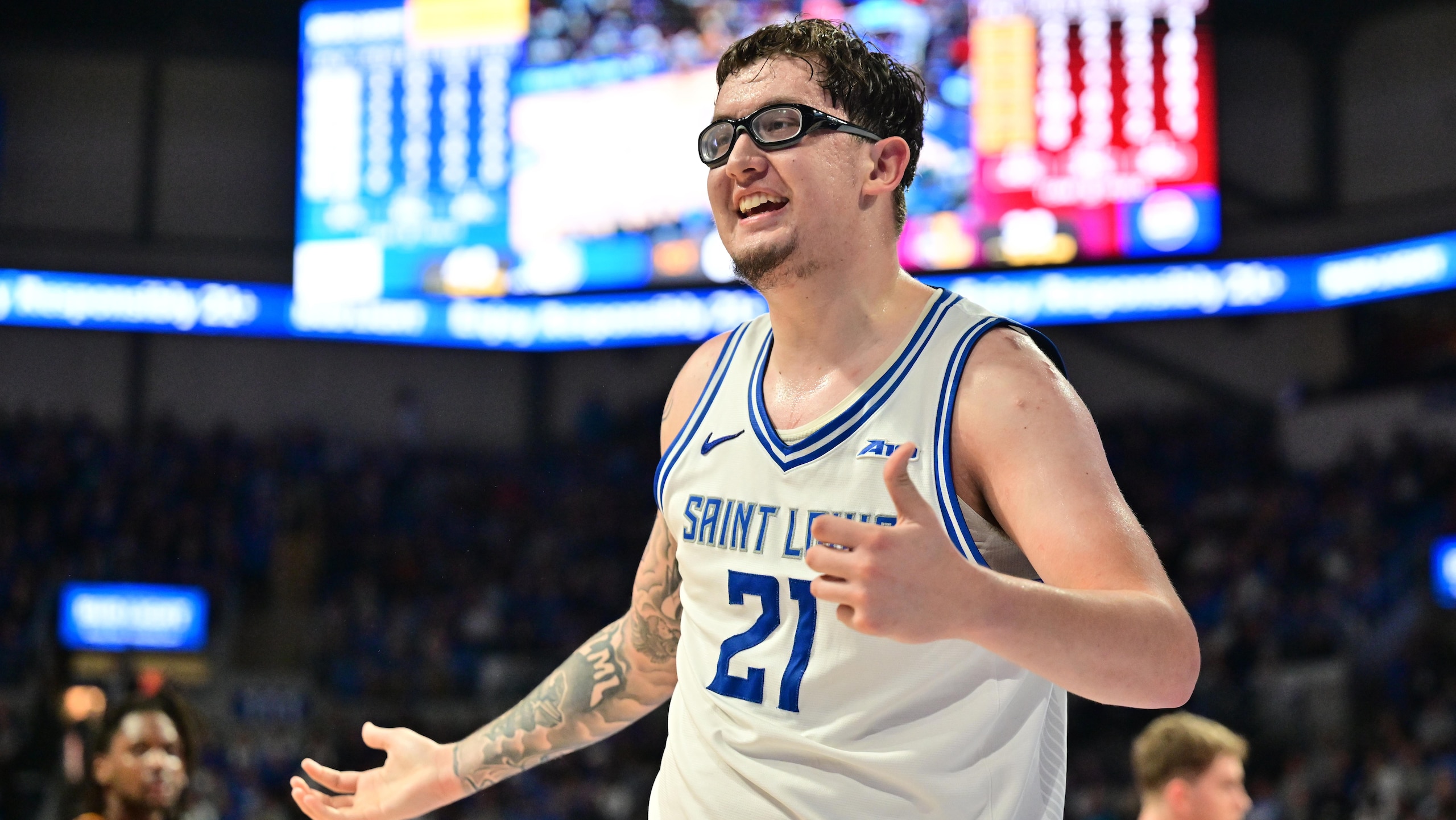
This one started to look really iffy early on Friday as A-10 No. 1 seed Saint Louis fell behind George Washington by 21 points in the first half. But after trailing 36-15, one of the best shooting teams in the nation finally started making shots and the Billikens won the rest of the game by a 73-45 margin.
Had SLU remained in that hole for a fourth loss in seven games, we would've had a bit of a different question here.
As is, the Billikens are probably a lock. They entered the day ranked 41st or better in all of the team sheet metrics and now sit at 8-3 against Quads 1 and 2 and 28-4 overall.
That said, current SLU head coach and former Indiana State head coach Josh Schertz won't be counting any chickens yet. He knows as well as anyone that 28 wins doesn't guarantee you anything, especially if bid thieves start devouring spots in the field. But these Billikens are in considerably better shape than those Sycamores were, boasting a sweep of VCU and a neutral victory over Santa Clara.
The real A-10 question at this point is whether VCU will be dancing.
The Rams are presently our third-to-last team in with a classic bubble resume of no great wins and no terrible losses. They did beat both Virginia Tech and South Florida in the Bahamas, but the home loss to New Mexico could be a dagger if the committee starts comparing those bubble teams side by side.
As it pertains to the A-10 as a whole, though, I'm thinking it's most likely a two-bid league.
The dream scenario is VCU vs. Saint Louis in the championship game on Sunday. Regardless of who's the auto and who's the at-large, they'd both be in, and the committee may not change anything about the seed list regardless of the outcome.
Another somewhat straightforward scenario would be VCU vs. Dayton, should the Flyers upset Saint Louis on Saturday. If that's the case, it's likely the winner gets in and the loser gets left out, with Dayton directly stealing VCU's spot in the field.
But the nightmare scenario—both for the A-10 and the selection committee—is if VCU loses to Saint Joseph's and it ends up being Saints Joseph's vs. Louis.
Is it still as simple as the bid thief taking VCU's spot if the average Joe's pull off the upset?
Or would a loss to the Hawks knock VCU all the way out, turning this into a one-bid league if the Billikens take care of business?
The committee allegedly does a bunch of contingency brackets to account for Sunday's five possible outcomes, but the A-10 could be putting that to the test.
.png?w=2560 "CFB Top 25")

Where Is Villanova Going to Land?
4 of 6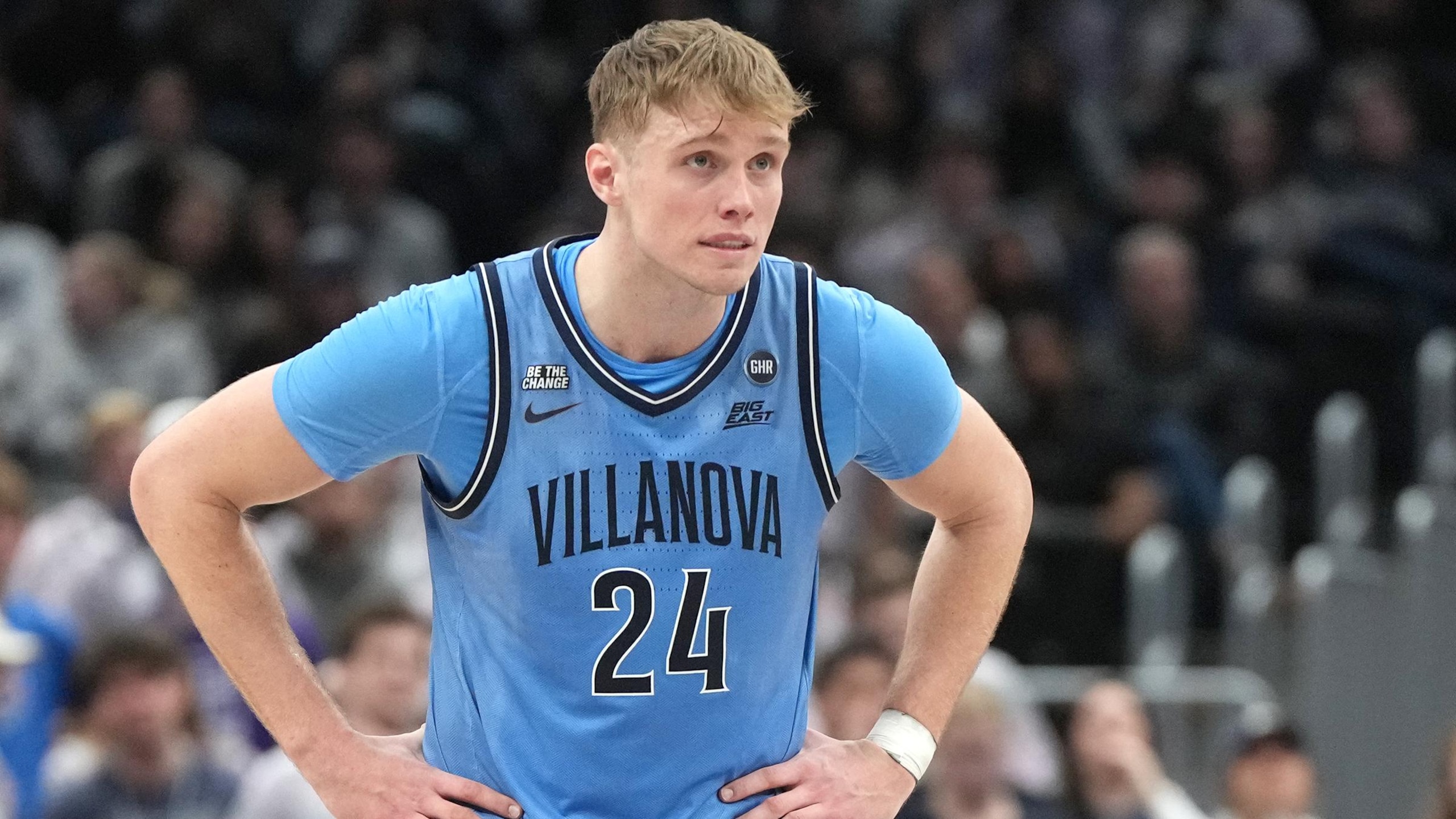
Maybe this isn't a big question at a national level, but it's a big one that bracketologists would love to have answered.
It's not huge in the zeitgeist because the Wildcats are going to be dancing for the first time since 2022, presumably somewhere in the Nos. 7-10 seed range. And though the Wildcats won national championships in both 2016 and 2018, they aren't exactly Duke or Kentucky.
Nevertheless, it's huge to us nerds on multiple levels.
For starters, here is Villanova's list of wins against legitimate at-large candidates:
That's it. That's the list. And Wisconsin was a borderline top 50 team at the time.
They also swept Seton Hall, who was a bubble team for a time. But even with that sweep, Villanova went 3-6 against KenPom top 70 foes, plus a home loss to Creighton and the blowout loss to Georgetown in the Big East quarters.
Not much meat on the bone there.
Yet Villanova remains top 29 in all three results-based metrics and top 37 in all predictive metrics, suggesting the Wildcats should probably be a No. 7 seed if all that truly matters are the metrics.
There's also the Matt Hodge injury factor to consider.
Villanova lost what had been its starting power forward to a torn ACL in the blowout loss to St. John's on Feb. 28. And while the Wildcats had no problems with DePaul or Xavier to close out the regular season, they were out-rebounded 46-25 by Georgetown on Thursday night, looking very much the part of a team missing a crucial piece of the frontcourt.
To be sure, there are big injuries to consider all over the place this season. But at least Texas Tech remained competent after losing JT Toppin, BYU finished strong without Richie Saunders, and North Carolina didn't exactly crash and burn sans Caleb Wilson. It's unlikely the committee will deliberately underseed those teams because of those missing pieces.
Considering Villanova's resume was already paper thin, though, could this be a spot where the committee puts a little extra emphasis on the current state of the roster by dropping the Wildcats to a No. 10 seed?
Who Is This Year's Controversial Inclusion from the ACC?
5 of 6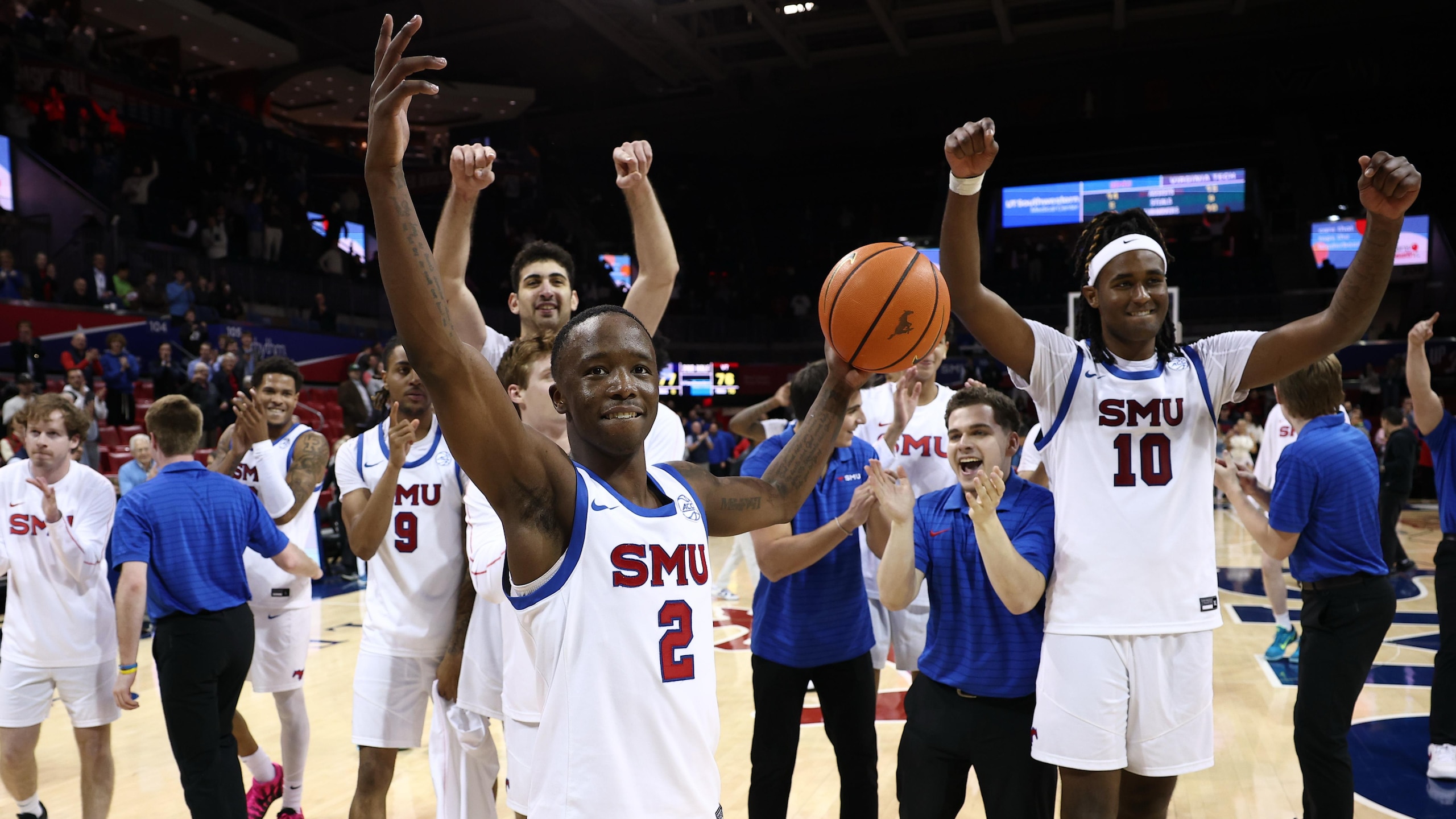
North Carolina getting in last year—with its AD as the selection committee chair, no less—was the gigantic, controversial inclusion. But it was one thing about last year's bracket that I got right, because I remembered the rule of thumb that there will basically always be one highly questionable ACC team that makes the cut.
Virginia making it in 2024 was pretty controversial.
Both Pitt and NC State getting in three years ago was debatable.
Notre Dame dancing in 2022 at 4-9 vs. Quads 1-2 was pretty shocking.
Let's not forget that virtually no one outside of the committee wanted Syracuse in the dance in 2016 or 2018, either.
And at the outset of this year's ACC tournament, that league looked like Bubble Central, with all of NC State, SMU, Virginia Tech, California, and Stanford among the teams in the conversation, yet nowhere near a lock for a bid.
It does look like NC State is going to get in, even though the Wolfpack have relentlessly cratered with losses in seven of their last nine games.
And after their immediate losses, it looks like both Cal and Stanford will miss the cut. Save for KPI ranking Stanford at 43 for some reason, neither of the ACC's West Coast pair ranks better than 55th in any metric. They do have a combined record of 9-12 vs. Quad 1, but each team suffered at least five losses outside of that group.
Could Virginia Tech surprise us, though?
Most bracketologists kicked the Hokies to the curb after their loss to Wake Forest on Tuesday, but they have a "nothing great, but nothing terrible" resume that beats a lot of the alternatives this year. They have a Quad 1A home win over Virginia, a Quad 1A road win over Clemson, and no losses outside of the NET top 70. Granted, they are a pretty ugly 4-13 against the NET top 70, but we're grasping at straws here.
[Evidently, even the Hokies have already thrown in the towel, though, tweeting on Friday afternoon that they are declining to play in the NIT. So, maybe it's not them.]
Or perhaps after a bid thief or two, it'll be SMU, seemingly getting scrubbed out of the field, only to still show up in the bracket on Sunday evening?
The Mustangs have a resume pretty similar to Virginia Tech's, but marginally better across the board—thanks in large part to Boopie Miller's half-court heave to beat Virginia Tech back in January. They won home games against both North Carolina and Louisville, as well as a road game against Texas A&M, and they don't have any losses outside of the NET Top 85. But they do appear to be smack dab on the cut line at the moment.
Could We See Any Changes Along the No. 1 Seed Line?
6 of 6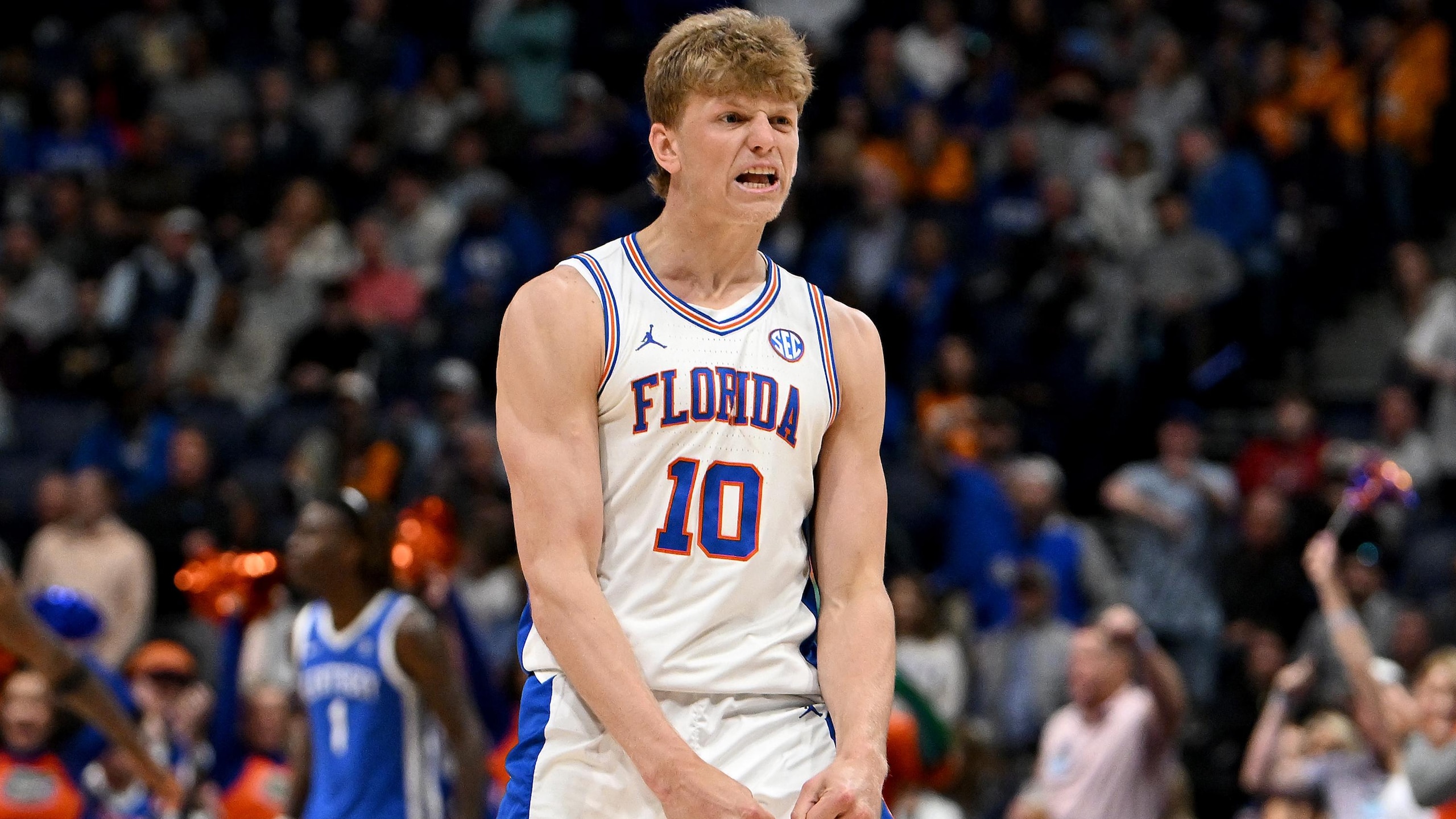
No. 1, No. 2 and No. 3 overall are going to be Duke, Michigan and Arizona in some order. That already felt like the case heading into the respective major conference tournaments, and the fact that none of those teams has yet lost only solidifies it.
Moreover, we can say with 99 percent certainty that it'll be Duke in the East, Michigan in the Midwest and Arizona in the West.
The order does matter on at least two fronts, though.
For one, Michigan has said it would prefer Philadelphia to Buffalo for its first-weekend pod, but that request won't necessarily be granted unless the Wolverines end up at No. 1 overall.
There's also a bracketing rule that prevents the top No. 1 seed and top No. 2 seed from being placed in the same region. Thus, if it ends up being Duke at No. 1 overall and Connecticut at No. 5 overall, the Huskies wouldn't be allowed in the East Region.
But the real question is in regard to that fourth and final spot on the No. 1 seed line.
Right now, it belongs to Florida. And if the Gators take care of business against Vanderbilt on Saturday, there's a good chance they will remain the No. 1 seed in the South - even if Houston beats Arizona in the Big 12 championship followed by Florida losing to Arkansas in the SEC championship.
However, with as much emphasis as this committee has been putting on saying that every game matters, maybe they would put Houston on the top line in that scenario? There's also incredibly a possibility that Florida runs into SEC No. 15 seed Ole Miss in the title game, in which case a loss would be much less forgivable.
There's also a chance that UConn is still in play here, even after the Huskies' disastrous regular-season-ending loss to Marquette. If they beat St. John's on Saturday night while both Florida and Houston lose, all of a sudden UConn's head-to-head win over the Gators in Madison Square Garden starts to feel like a pertinent tiebreaker again.
Long story short, yes, we still could see some movement even at the top of the bracket. But if all the current projected No. 1 seeds hold serve and win their major conference tournaments, I would think we'll see Duke, Michigan, Arizona and Florida, in that order.

.jpg?w=2560 "Myles Garrett Got Warning 👀")
.jpg?w=2560 "Rookies Looking Like Draft Steals 😏")