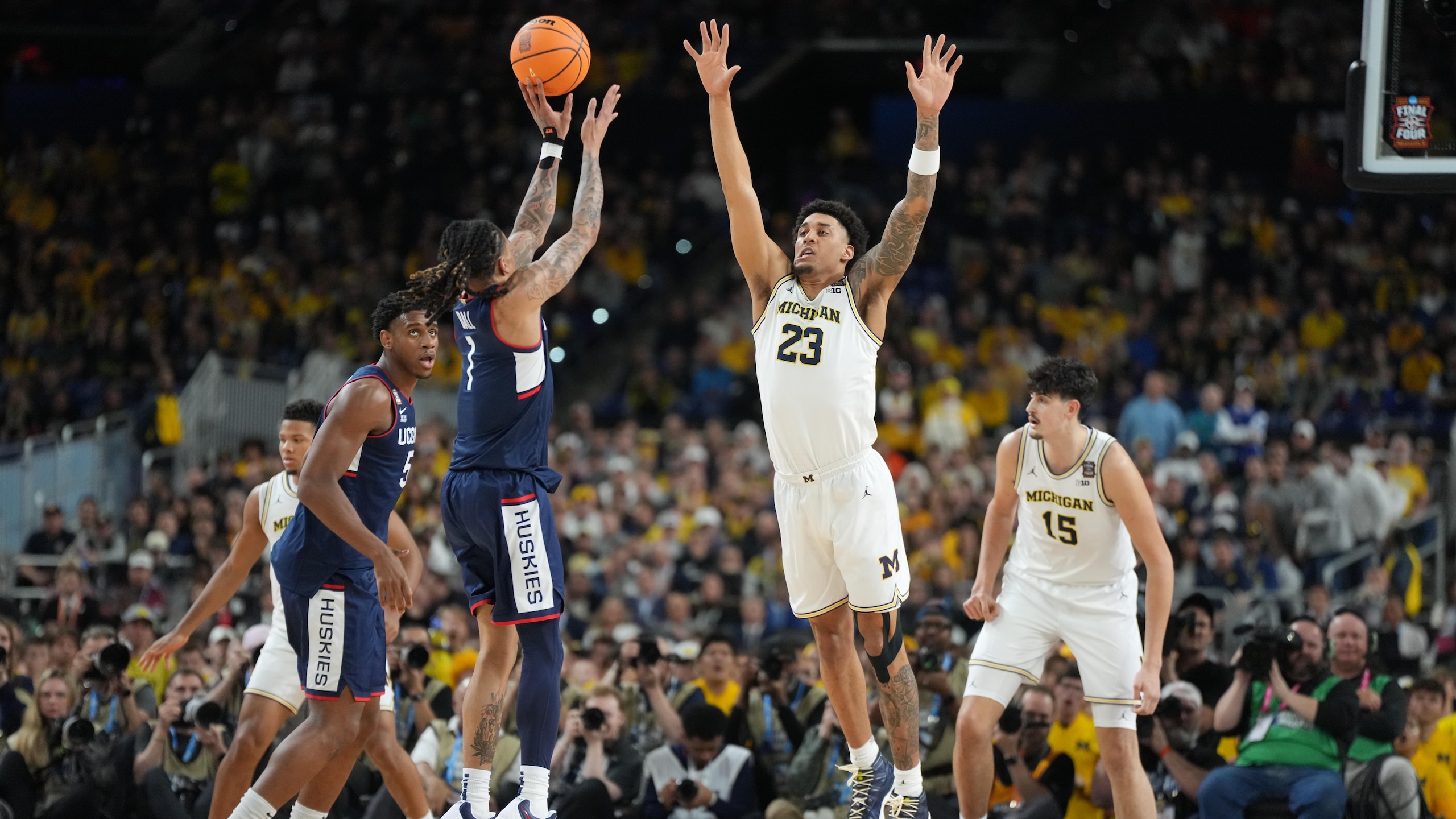

NCAA Expands March Madness Tournaments to 76 Teams, Here's What New Bracket Looks Like

The NCAA Division I men's and women's tournaments are expanding to 76 teams following a vote on Thursday.

"The expanded Opening Round for the NCAA tournaments will now feature 12 automatic qualifiers and 12 total at-large teams, resulting in highly competitive matchups and greater access to the opportunity to compete for the championship for the eight new at-large bids," Division I Men's Basketball Committee Chair Keith Gill said in a statement. "During the last two years of the tournaments, men's and women's teams seeded 15 or 16 are winless in 32 first-round games. Moving forward nearly half of the 28 men's and women's teams seeded on the 15 and 16 lines will win at least one tournament game. March Madness is the best postseason in all of sports, and this new format will continue that legacy by producing even more compelling games for fans and student-athletes."
The Opening Round will now be featured in two locations to accommodate the additional games. Dayton, Ohio, which has been the home of the men's First Four, will remain one of them. The other location is to be determined.
According to the NCAA, the new tournament structure will "award more than $131 million in new revenue distributions to member schools participating in the basketball tournaments over the remaining six years of the NCAA's broadcast agreements."
"Expanding the Division I Men's and Women's Basketball Championships is the right decision for the student-athletes and programs that will now have access to the greatest events in college sports," Board of Directors Chair Tim Sands said. "As NCAA leaders, we are especially excited to provide additional, highly competitive games for fans who look forward to March Madness every year."
The big winners here are the power conferences that can now slide in bubble teams that hover around .500 and aren't as strong in league play. The likes of Auburn, Indiana and Oklahoma, for example, would have found their way in this past year on the men's side.
"Providing additional access to the NCAA Men's and Women's Basketball Championships for Division I programs will be incredibly meaningful, especially to the student-athletes of the eight additional men's and women's programs that receive these coveted bids," NCAA Board of Governors Chair Jim Phillips said. "The leadership by President Charlie Baker as well as Dan Gavitt, Lynn Holzman and JoAn Scott has been outstanding. We also appreciate the support of our broadcast partners and corporate champions and partners in making this a reality."