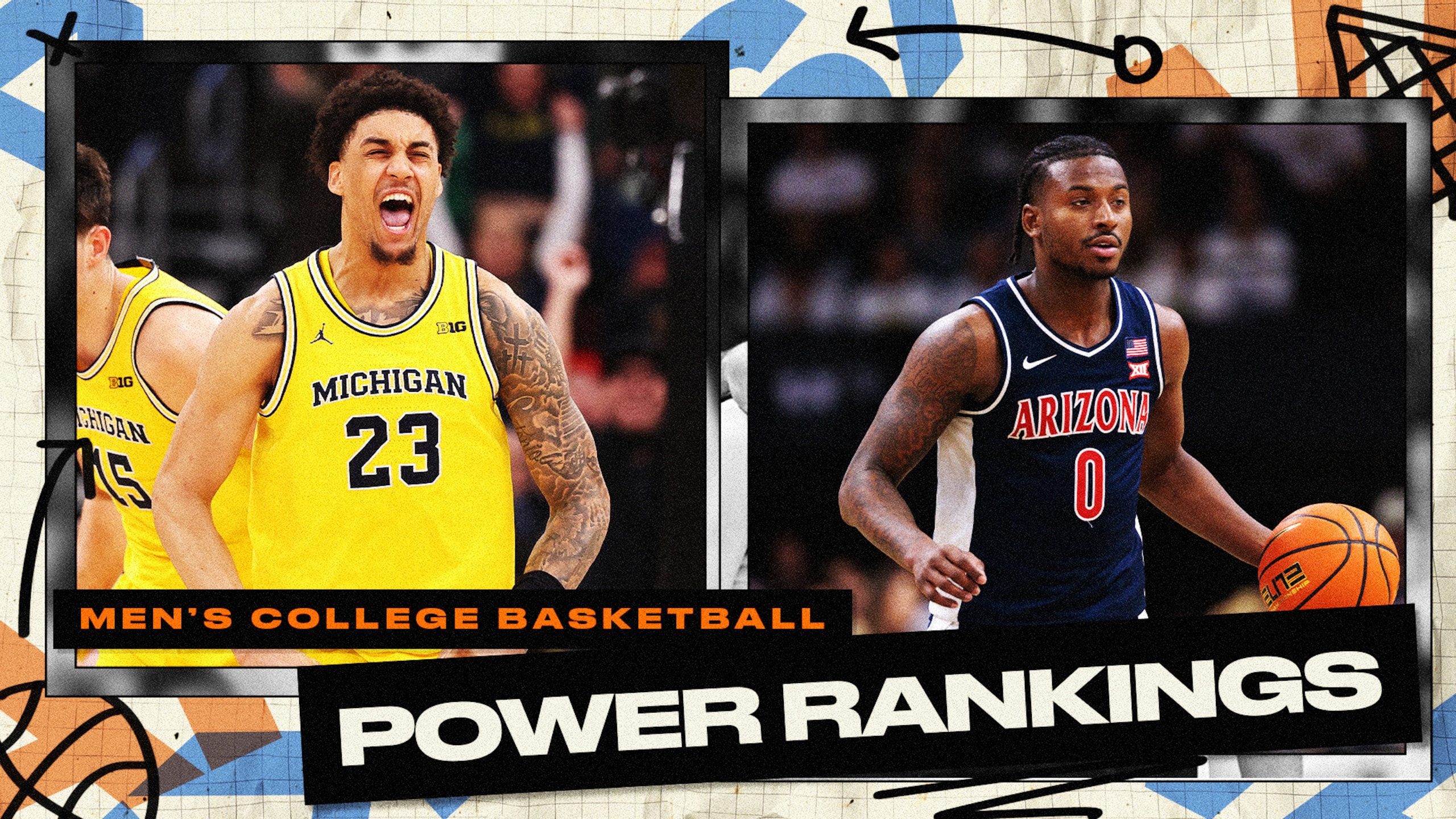

Power Ranking All 68 Teams in the 2026 Men's NCAA Tournament
Selection Sunday has finally arrived, and with it the 2026 NCAA men's basketball tournament field has been set.
After months of arguing about NCAA Evaluation Tool (NET) rankings, KenPom ratings, wins above bubble (WAB) rankings, Quad records and more, none of that mumbo jumbo matters anymore.
It's time to fill out those brackets.
We have been researching the heck out of these 68 teams throughout Championship Week in hopes of creating at least a little bit of a bracket-picking edge over someone who is just going to throw darts, flip coins or make selections based on mascots.
Based on a combination of player talent, current roster health, marquee wins, biggest weaknesses and a hefty dose of gut feeling/eye test, we have ranked all 68 NCAA tournament teams.
Generally speaking, if you're trying to decide which team to choose in a matchup, the higher-ranked team would be our suggestion. There are matchup-based exceptions to that rule of thumb, but the teams at the top of our list are the ones with the least troubling Achilles' heels. Thus, they are the ones most likely to reach the Final Four.
Before we dive in, a thank-you must be extended to Joel Reuter. Joel took the Big East and WCC teams this year, as well as about two-thirds of the champions from the one-bid leagues. If you see him on Twitter touting Hofstra or High Point as a sleeper, maybe take his word on it.
One final note: Seeding/draw had nothing to do with these rankings.
68. Prairie View Panthers
1 of 68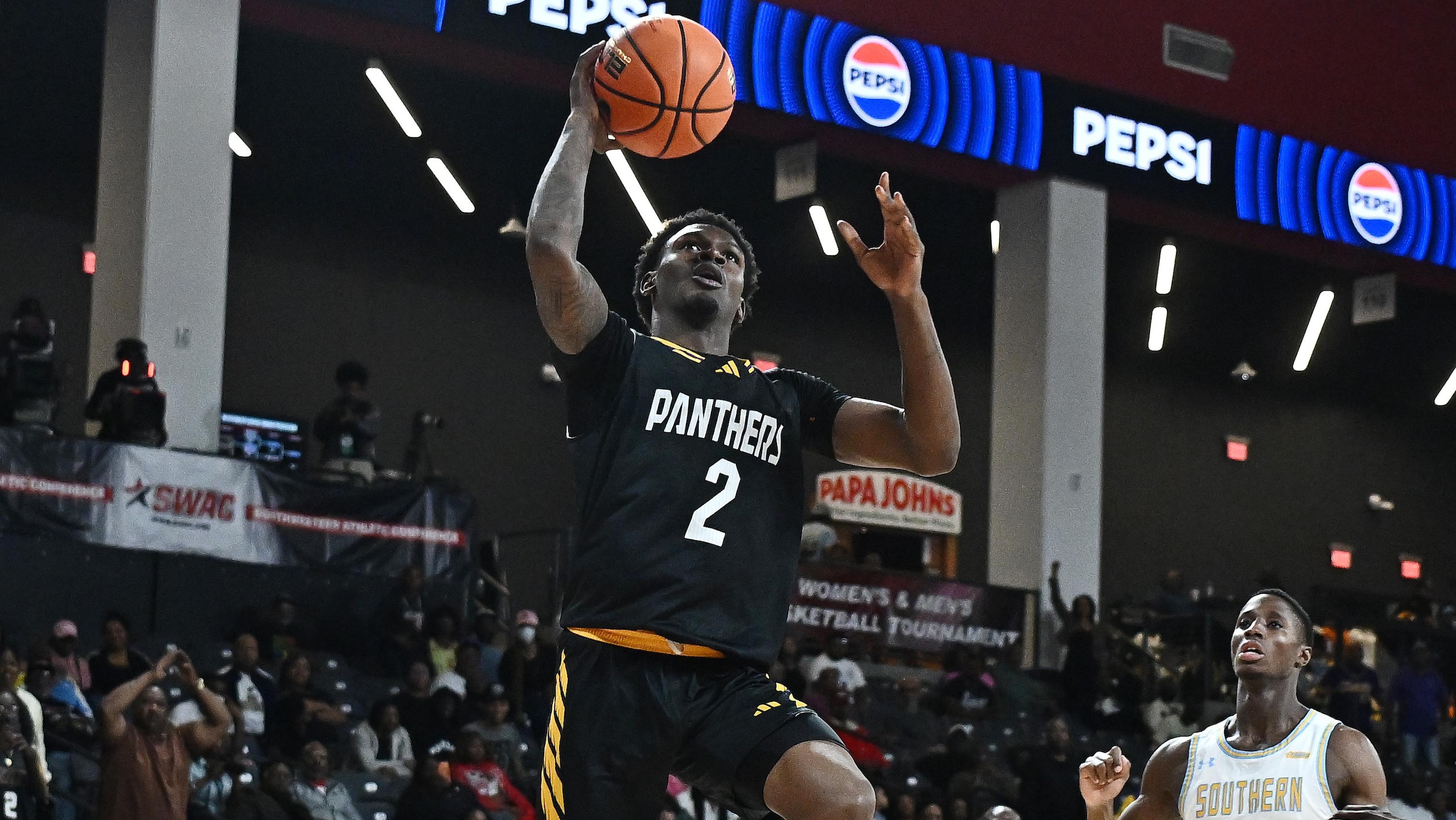
Record: 18-17 (9-9 in SWAC)
Star Player: Dontae Horne struggled to find his shooting stroke in the SWAC title game, but he had scored at least 25 points in 10 of the previous 11 games, averaging better than 20 for the season. He also averages close to five rebounds, three assists and two steals per contest.
Biggest Wins: Barely one month ago, PVA&M was 5-16 overall against D-I competition, and the Panthers never did beat a KenPom top 200 foe. But they've won nine out of 10, including upsetting SWAC No. 1 seed Bethune-Cookman in the quarterfinals before getting through Alabama A&M and Southern to seal the deal.
Reason to Worry: Panthers basketball is 50 percent track meet, 50 percent rugby match. It is fast-paced. It is physical. It features a lot of turnovers. But it isn't great basketball, as they struggle to shoot or rebound. They lost by an average final score of 101-75 the five times they faced top 100 foes.
March Madness Ceiling: Could Prairie View A&M win a First Four game? If they're hitting their free throws and generating a bunch of steals, absolutely. But this team beating a No. 1 seed would be even more preposterous than when Fairleigh Dickinson knocked out Zach Edey and Purdue.
67. Lehigh Mountain Hawks
2 of 68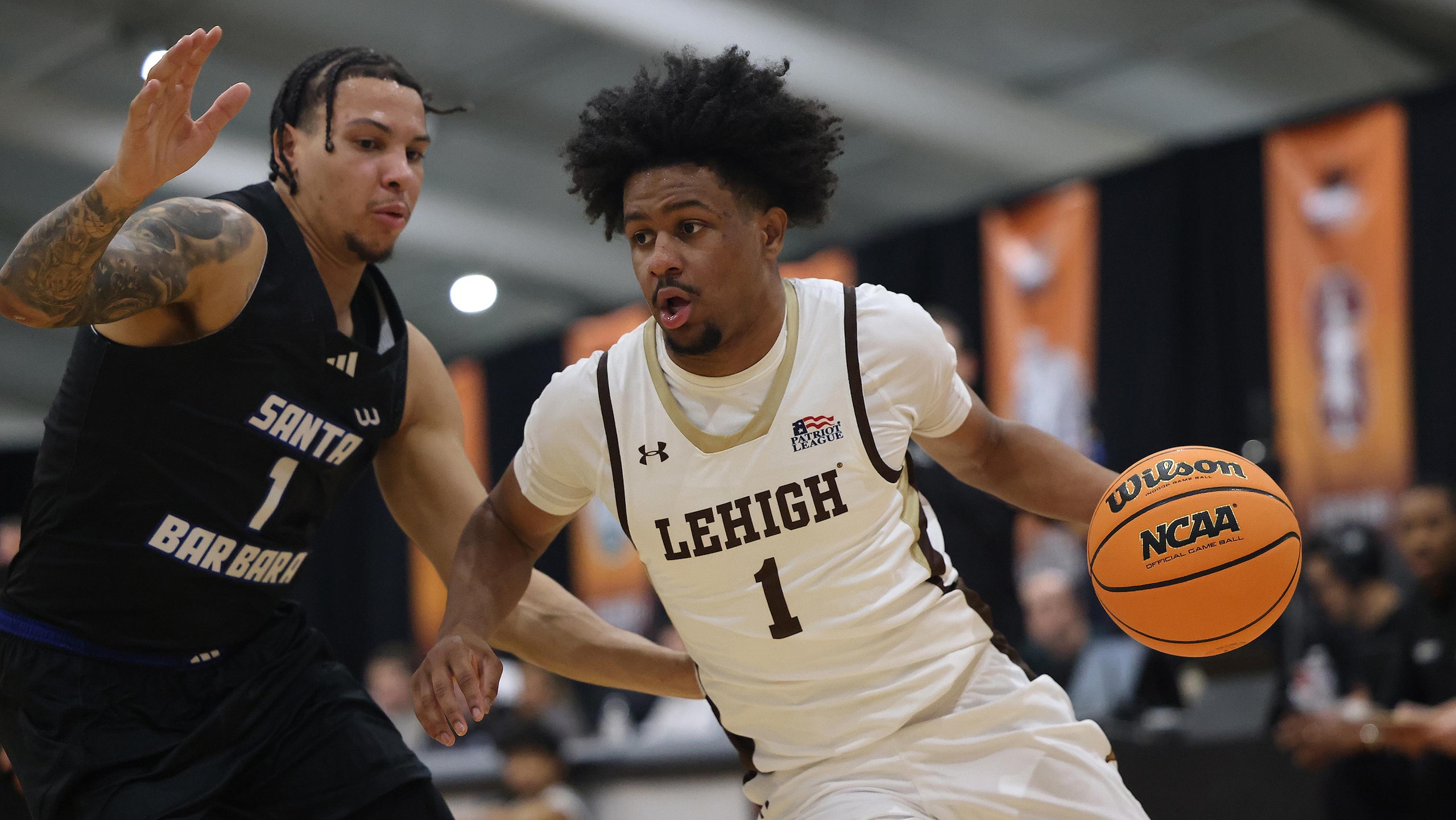
Record: 18-16 (11-7 in Patriot)
Star Player: Guard Nasir Whitlock has made significant strides in his three years at Lehigh, going from role player as freshman to sixth man as a sophomore to leading scorer in the Patriot League with 21.0 points per game. He has scored at least 30 points in eight different games, thanks in part to his development as a shooter, with 77 made threes at a blistering 44.5 percent clip.
Biggest Wins: Navy was the No. 1 seed in the Patriot League tournament and beat Lehigh twice during the regular season, but they were upset by Boston University in the semifinals. Meanwhile, the Mountain Hawks beat the Terriers twice during the regular season, and made it a clean sweep with a 74-60 victory in the championship game to snag the automatic bid.
Reason to Worry: The Mountain Hawks played just nine games against teams inside the top 200 in NET ranking, and they went 0-9 in those games, losing seven of them by double figures. They are also one of the worst rebounding teams in the nation, allowing 10.9 offensive rebounds per game, and they can't allow that many second chance opportunities to a superior opponent and still hope to win.
March Madness Ceiling: Lehigh is in the NCAA tournament for the first time since 2012 when they lit countless brackets on fire by upsetting No. 2 seed Duke. That team had a future NBA lottery pick in C.J. McCollum and one of the best mid-major offenses in the country. This year's team is significantly less likely to survive its opening matchup.
66. LIU Sharks
3 of 68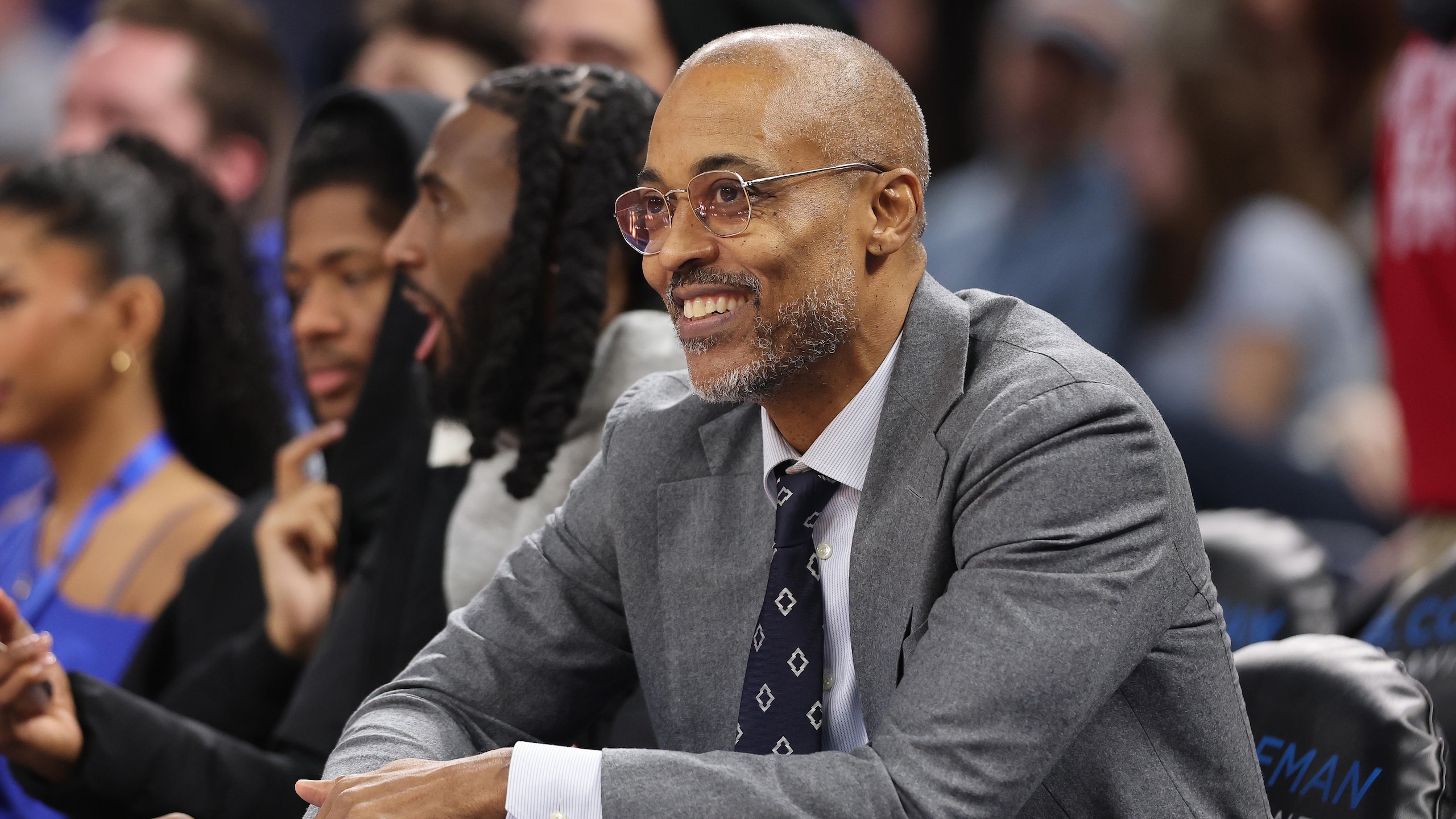
Record: 24-10 (15-3 in NEC)
Star Player: Jamal Fuller (16.4 PPG, 43.8 3PT%) and Malachi Davis (14.4 PPG, 3.4 APG) both earned first team All-NEC honors, but Greg Gordon is the team's most important player. The UAB transfer won Defensive Player of the Year in the conference and also took home MVP honors at the NEC tournament, and he averages 14.1 points, 5.5 rebounds, 2.9 assists and 1.8 steals.
Biggest Wins: With a 1-7 record above the Quad 4 line, the Sharks are sorely lacking in quality wins, and the best of the bunch was a road victory over Missouri State in November. Since their NEC title game opponent Mercyhurst is still in the reclassification window and not eligible for the NCAA tournament, the Sharks actually punched their ticket with their semifinal win over Wagner.
Reason to Worry: A 40-point loss to Illinois in November provided a glimpse of how LIU stacks up against a top-tier opponent, and it wasn't pretty, with the Illini shooting 63.1 percent from the floor in that game. An offense that averages just 74.1 points per game and ranks outside the top 200 in KenPom's efficiency metric will have a tough time keeping up with a major conference foe.
March Madness Ceiling: The Sharks went 3-26 in head coach Rod Strickland's first year on the job during the 2022-23 season, so for him to have them in the NCAA tournament field three years later is a major accomplishment. The Fairleigh Dickinson team that upset No. 1 seed Purdue in 2023 came out of the NEC, so never say never, but this team faces an uphill battle avoiding a one-and-done finish.
.jpg?w=2560 "Texans Titans Football")
.jpg?w=2560 "Lions Cardinals Football")
65. Howard Bison
4 of 68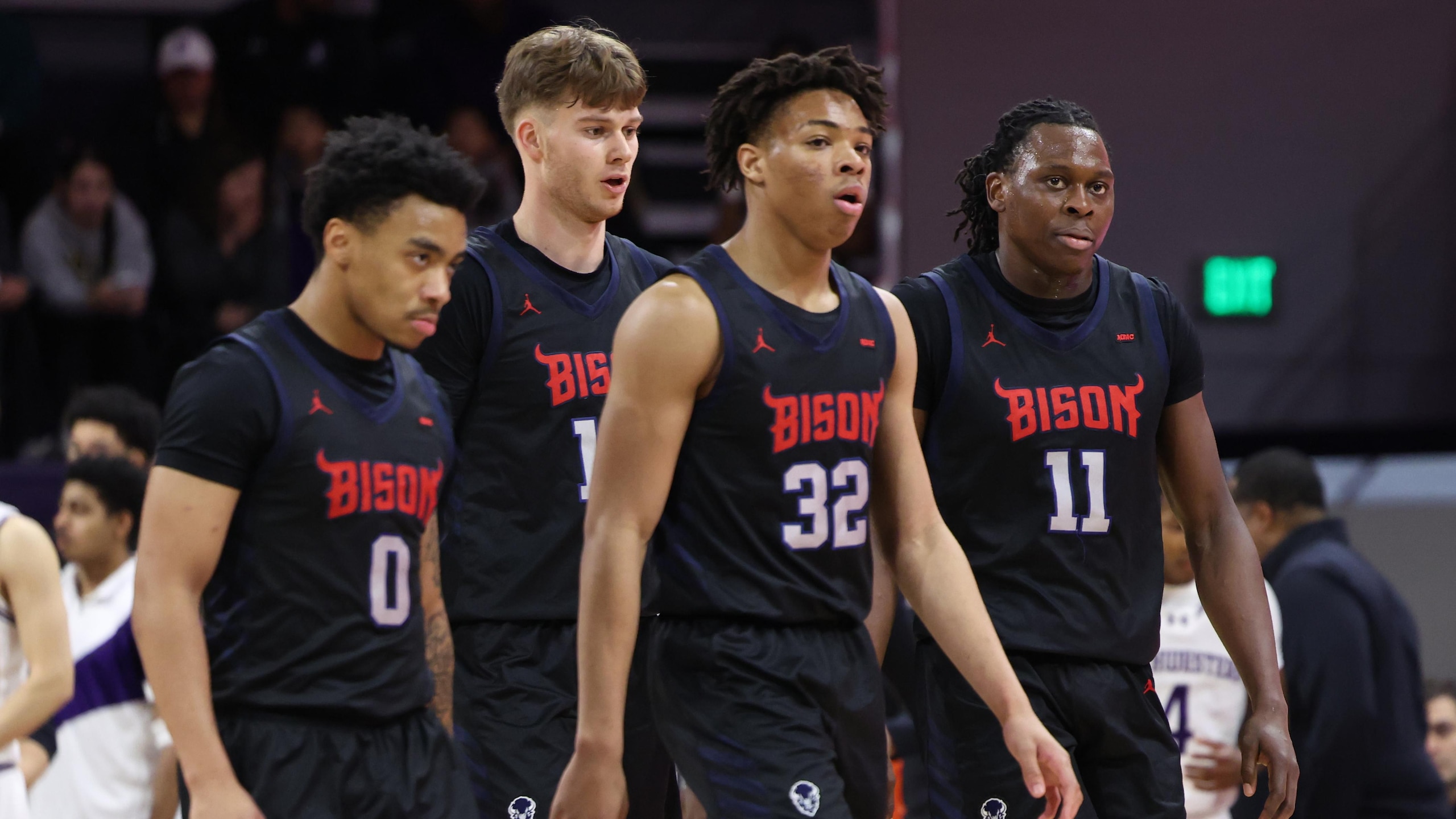
Record: 23-10 (11-3 in MEAC)
Star Player: Both Cedric Taylor III and Bryce Harris recorded double-doubles in the MEAC championship game, but what else is new? Both halves of the Bison's dynamic duo averaged better than 17 points and slightly below seven rebounds per game during the regular season.
Biggest Wins: The Bison'' biggest win was convincing Missouri to play a true road game against them to start the season. The Tigers won by 21, but it was a cool scheduling wrinkle. Beyond that, Howard won true road games against UNC Wilmington and Drexel in mid-December. Most importantly, though, the Bison won their final 11 games against MEAC foes, including beating NC Central in the championship game.
Reason to Worry: Howard barely ranks top 300 in adjusted offensive efficiency, turning the ball over nearly 20 percent of the time and not shooting well when it does avoid those giveaways. And though their physical style worked pretty well in league play, good luck with getting it to work wonders in the dance.
March Madness Ceiling: In each of the last 10 NCAA tournaments, the MEAC champ either lost in the First Four (four times) or lost by at least 23 points against a No. 1 seed (six times). And when Howard faced a No. 1 seed earlier this season, it lost by 37 to Duke. We're not expecting a Final Four run, is the point we're trying to make here.
64. Tennessee State Tigers
5 of 68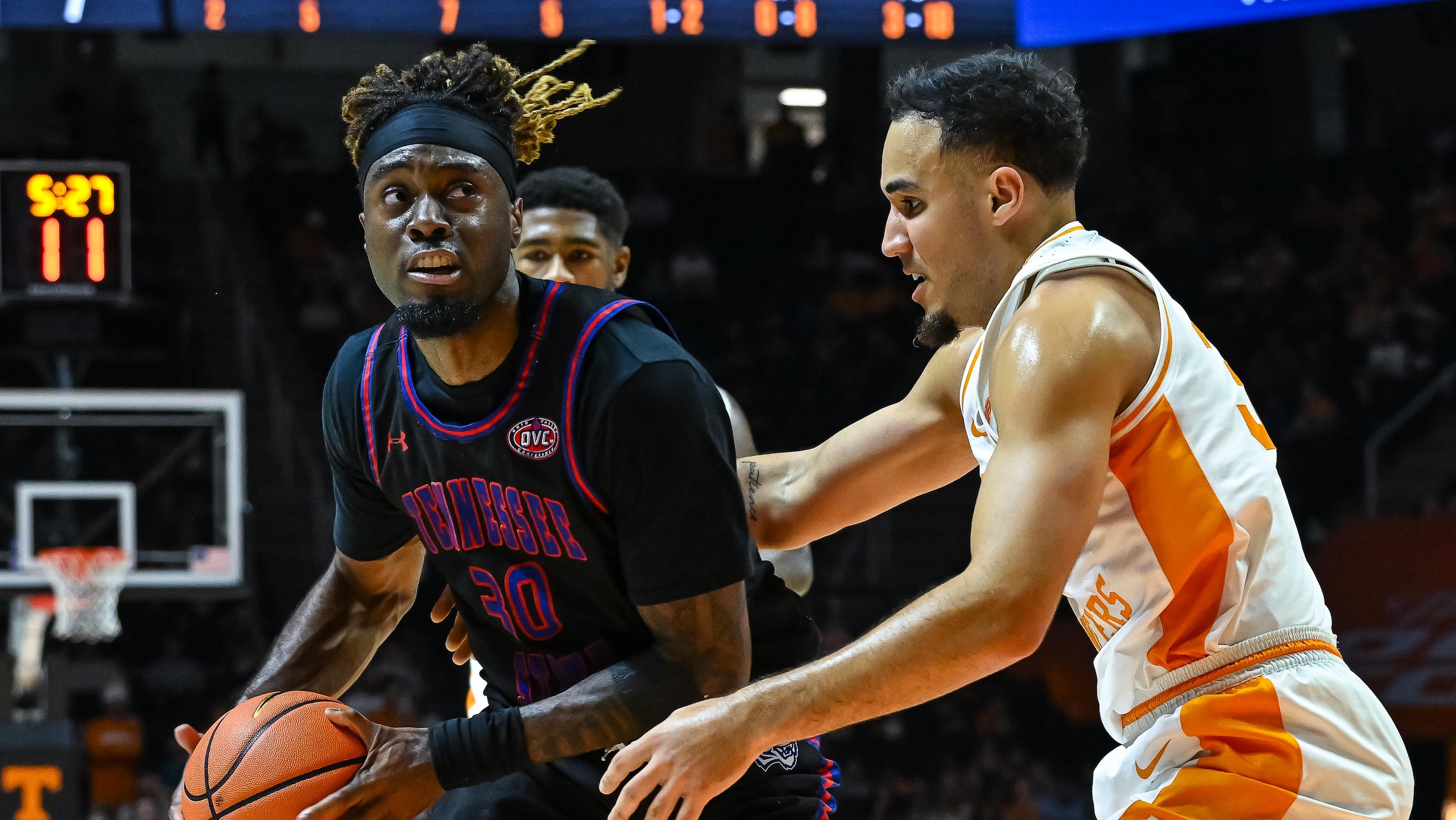
Record: 23-9 (15-5 in OVC)
Star Player: Senior guard Aaron Nkrumah won OVC Player of the Year honors, leading the conference in scoring (17.6 PPG) and steals (2.8). He took a significant step forward after averaging 10.9 points a year ago, and fellow senior Travis Harper II made a similar leap from 10.2 to 17.3 points while knocking down 81 threes on 40.1 percent shooting from distance.
Biggest Wins: The Tigers have a Quad 2 victory on their resume from when they knocked off UNLV on the road back in December, but there is no question the biggest win of the season was a 93-67 blowout of Morehead State in the OVC title game to claim their first NCAA tournament berth since 1994.
Reason to Worry: A 29-point loss to Tennessee provides a less-than-encouraging snapshot of how the Tigers stack up against a major conference opponent. They turned the ball over 21 times and were held to 32.1 percent shooting from the floor. They don't shoot the three ball well (33.1%), which further limits their upset potential.
March Madness Ceiling: It's difficult to be optimistic about a team with six Quad 4 losses and limited exposure to tournament-caliber opponents, even if they are pesky defenders that average nearly 10 steals per contest. That said, former Duke star Nolan Smith has done a fantastic job getting this program back to the tournament in his first year as head coach.
63. Queens (NC) Royals
6 of 68
Record: 21-13 (13-5 in A-Sun)
Star Player: Forward Avantae Parker is one of the most efficient offensive players in the country with a .686 true shooting percentage that ranks sixth in the nation, and he is averaging 11.3 points on just 6.4 shot attempts per game. With 5.3 rebounds per game and a team-high 40 blocks, the Georgia Southern transfer does a little bit of everything for a Royals team with six different players averaging in double figures.
Biggest Wins: The No. 3 seed in the A-Sun tournament, Queens took down No. 2 Austin Peay in the semifinals before a thrilling 98-93 overtime victory over No. 1 Central Arkansas in the championship game to snag the automatic bid. The Royals are in just their fourth season at the D-I level and first year of eligibility for the NCAA tournament field, so that was not only the biggest win of the season, but the biggest in program history.
Reason to Worry: The Royals are more battle-tested than most mid-major teams with a non-conference schedule that included Virginia, Arkansas, Villanova, Auburn and Wake Forest. Unfortunately, they lost those games by a combined 152 points and allowed 102.6 points per game to those major conference foes, so there is little reason to believe they will suddenly be able to keep up with a similar opponent in the NCAA tournament.
March Madness Ceiling: Props to the Royals for their rapid rise from playing at the D-II level to earning a spot in the NCAA tournament, but their inaugural March Madness experience figures to be a one-and-done early exit.
62. Siena Saints
7 of 68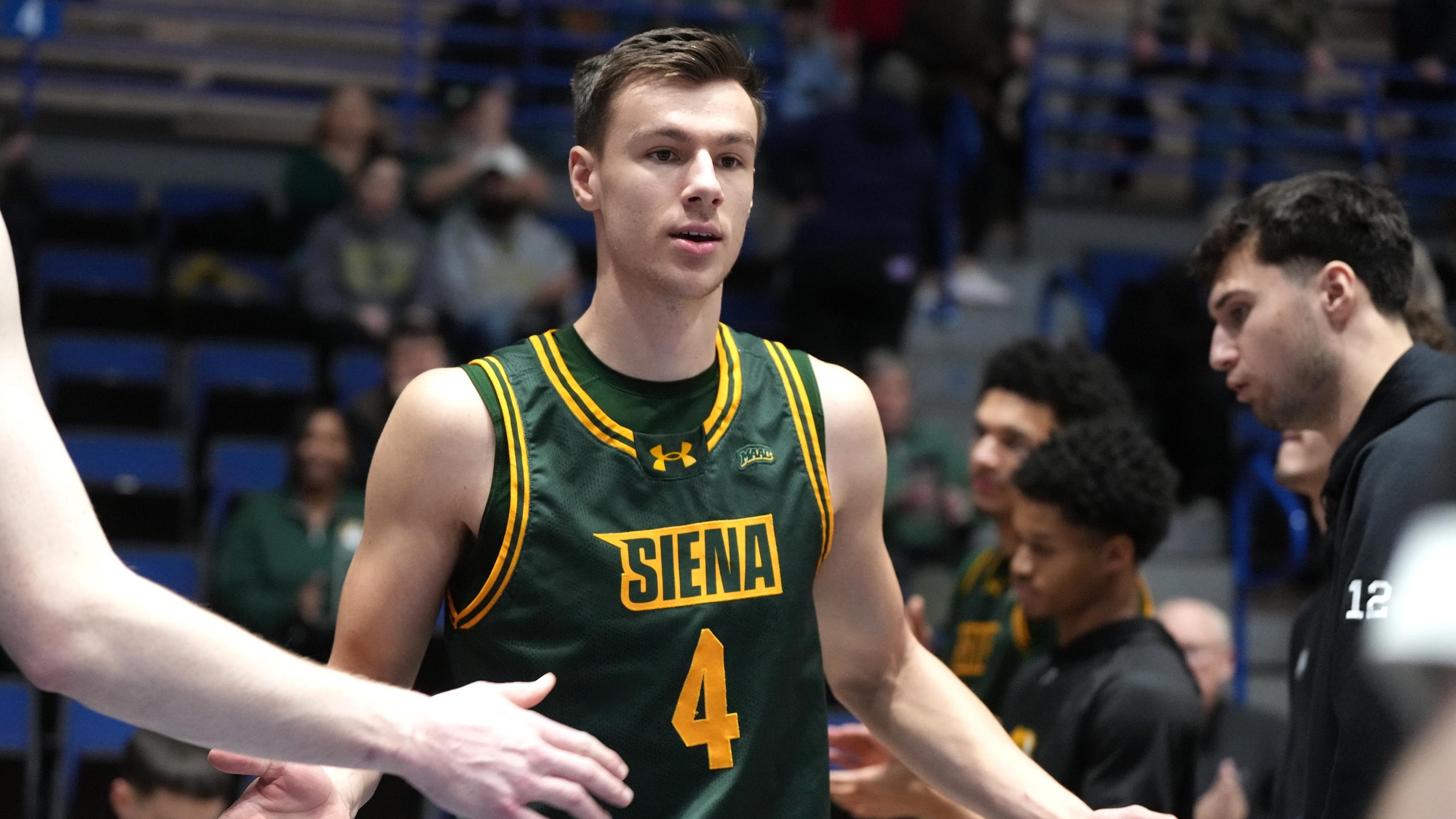
Record: 23-11 (13-7 in MAAC)
Star Player: After averaging 11.3 points as a freshman, Gavin Doty has stepped into a leading role for the Saints this season with 17.9 points, 7.0 rebounds, 2.2 assists and 1.2 steals per game to earn first team All-MAAC. His output has jumped to 20.4 points over his last 15 games, and he took home MAAC tournament MVP honors.
Biggest Wins: In both importance and resume, the Saints biggest victory of the season came against MAAC No. 1 seed Merrimack in the conference tournament championship game. With 21 of their 23 wins coming at the Quad 4 level and a 21-point loss to Indiana their only exposure to a major conference opponent, there's not much to hang their hat on from a resume standpoint.
Reason to Worry: The Saints are one of the worst three-point shooting teams in the field, averaging just 5.4 made threes per game on 30.4 percent shooting. That's going to make it extremely difficult for them to hang around with a superior opponent. They are 3-10 in games where they allow at least 70 points, so keeping things low scoring will be extremely important.
March Madness Ceiling: The Saints made the NCAA tournament three years in a row from 2008-10 under longtime Iowa coach Fran McCaffery, but that run was followed by a 15-year drought. Former Syracuse standout Gerry McNamara finally has them back dancing in his second year on the job, but a lack of offensive firepower limits their upset chances.
61. UMBC Retrievers
8 of 68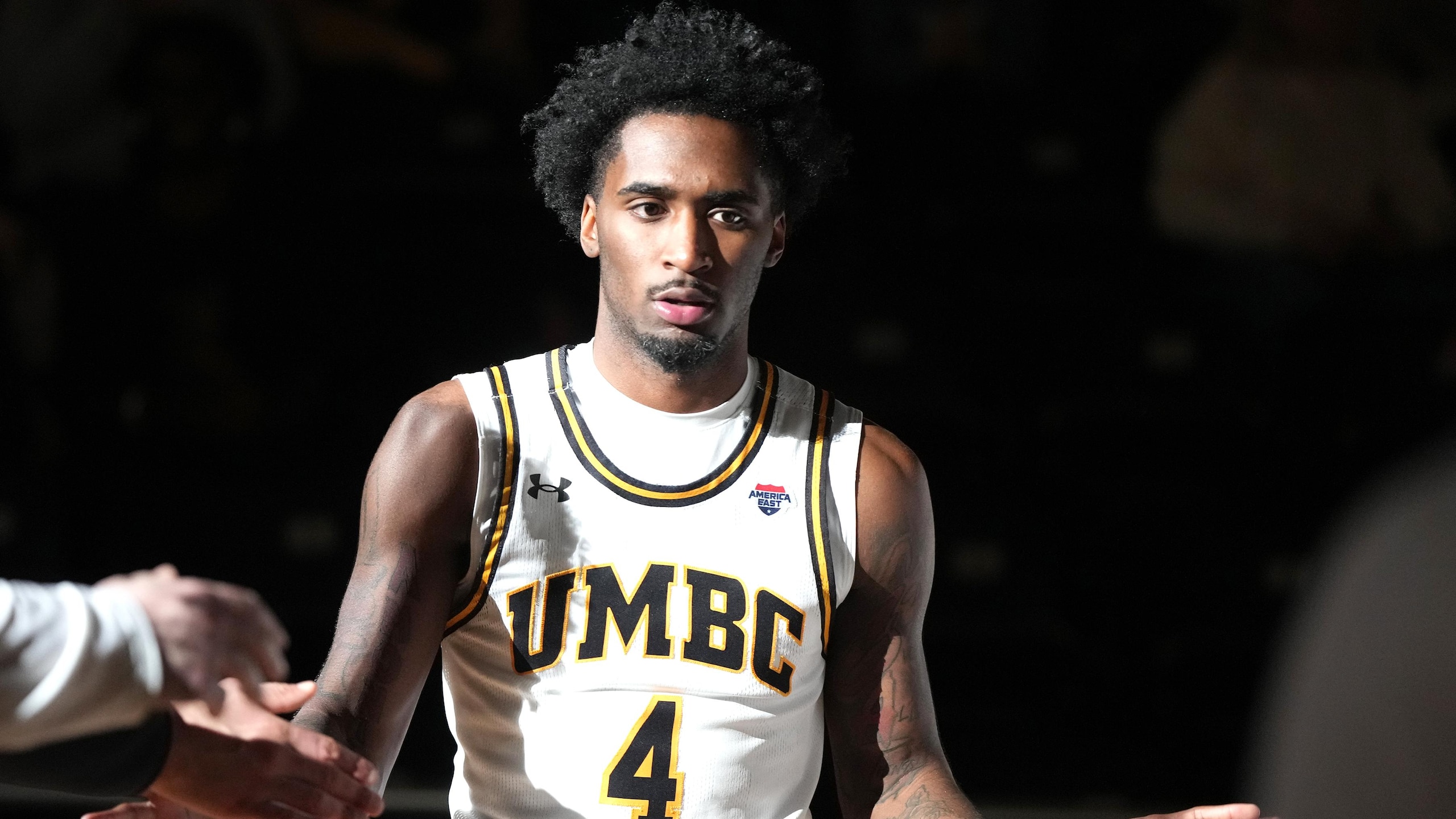
Record: 24-8 (14-2 in America East)
Star Player: Jah'Likai King was UMBC's leading scorer and the one part of the Retrievers' three-pronged attack that was named to the America East first team. Though, if the only time you've watched UMBC this season was in the conference championship game, you probably didn't notice him. He missed all eight of his shots in a rare no-show.
Biggest Wins: UMBC went 2-6 against teams in the KenPom top 300, winning both of its home games against Vermont. Fortunately, one of those wins was the 74-59 America East championship on Saturday, in which DJ Armstrong simply could not miss, scoring 33 points on 11 field-goal attempts.
Reason to Worry: Well, the aforementioned 2-6 record is a great place to start, even though UMBC did put up respectable fights in road losses to Dayton and Georgetown. This team is barely top 200 on offense or defense and really shouldn't be able to hang with a title contender, unless that team is having just a nightmare of a self-inflicting disaster.
March Madness Ceiling: UMBC... UMBC... Where have we heard that name before? Ah, yes, the first ever 16-over-1 upset in 2018. This is the Retrievers' first appearance in the dance since making tournament history. And if they shoot the lights out in a slow-paced game yet again, never say never. In all likelihood, though, they're going to get smoked in the first round.
60. Furman Paladins
9 of 68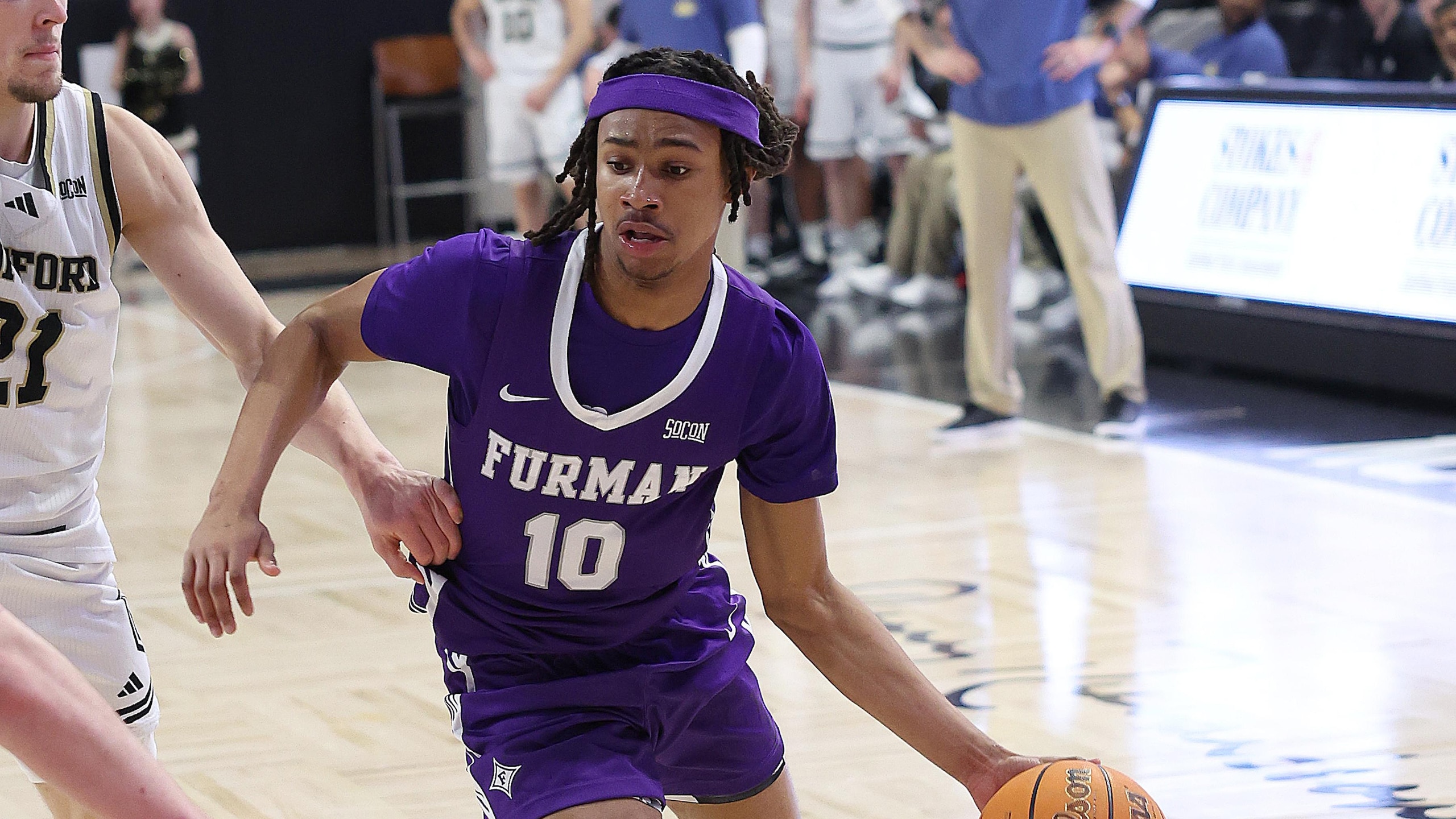
Record: 21-12 (10-8 in SoCon)
Star Player: Alex Wilkins has been one of the best under-the-radar freshmen in the country this season, averaging 17.8 points and 4.8 assists to earn second team All-SoCon honors. He had a season-high 34 points against UNC Greensboro in the conference tournament semifinals, and he will be a popular name in the transfer portal this offseason if he decides to move.
Biggest Wins: The Paladins lost both regular season matchups with East Tennessee State, who was the No. 1 seed in the SoCon tournament, but they won the one that mattered. A lopsided 76-61 victory in the conference title game was their most important win of the season and their best from a resume standpoint, as they went 0-3 above the Quad 3 line with losses to Northern Iowa, High Point and Illinois State.
Reason to Worry: A team that shoots a lot of threes and doesn't connect at a very high rate always has a ton of boom-or-bust risk, and the Paladins fit the bill with 27.2 attempts per game and a 32.6 percent shooting clip. They are also one of the worst free throw shooting teams in the field, connecting on just 68.8 percent from the charity stripe.
March Madness Ceiling: A high-powered Furman team that averaged 80.9 points per game and had a future NBA player in Jalen Slawson upset No. 4 seed Virginia in the 2023 NCAA tournament. This team is not as talented, but head coach Bob Richey has found March Madness success before and that can't be overlooked.
59. Penn Quakers
10 of 68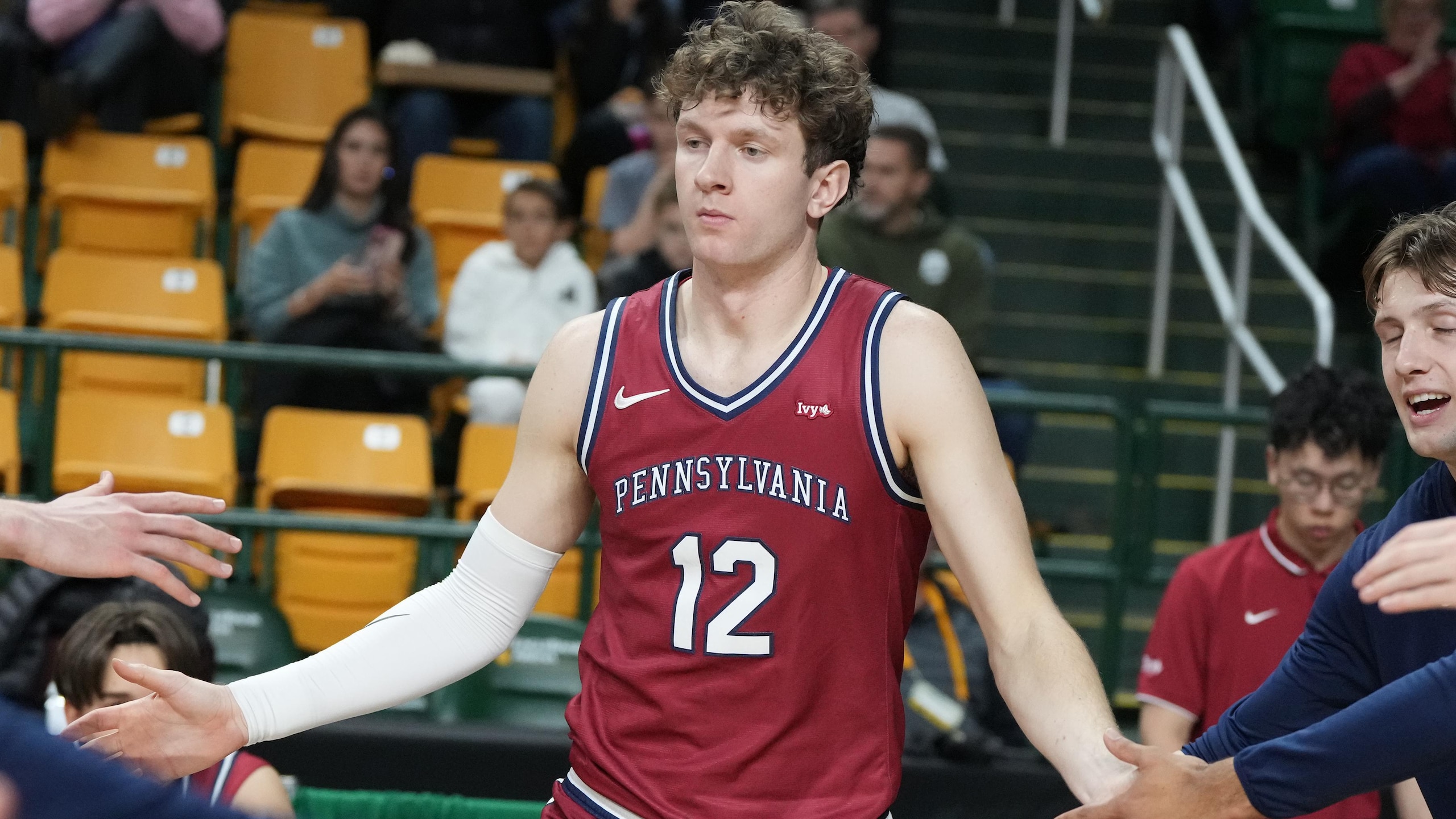
Record: 18-11 (9-5 in Ivy League)
Star Player: TJ Power was a top 25 recruit three years ago, originally beginning his college career at Duke. He barely played for the Blue Devils, transferring to Virginia before barely playing there, either. But he landed at Penn along with former Iowa coach Fran McCaffery and became, well, Power-ful. After exploding for 44 points in the Ivy League title game, Power is at 16.8 PPG and 7.9 RPG for the year.
Biggest Wins: The beauty/calamity of Champ Week is that for about three-quarters of the country, nothing really matters until that conference tournament. Penn was pulverized by Villanova, Providence and even Hofstra in nonconference play. The Quakers proceeded to get swept by Yale during the regular season. But they did enough for the Ivy No. 3 seed before some serious surviving and advancing, beating Harvard in overtime before beating Yale in OT, too.
Reason to Worry: Power picked up the slack in a huge way, but Ethan Roberts was Penn's leading scorer before missing the Ivy League tournament with a recurrence of concussion symptoms that caused him to miss a month of action earlier this season. If he's unavailable, an offense that already ranks around 200th in efficiency becomes even more one-dimensional.
March Madness Ceiling: McCaffery is 6-12 in the NCAA tournament in his coaching career, run out of Iowa one year ago after 15 years without a Sweet 16 appearance. But he's a good (albeit, fiery) coach who could draw up a blueprint for a stunner.
58. Kennesaw State Owls
11 of 68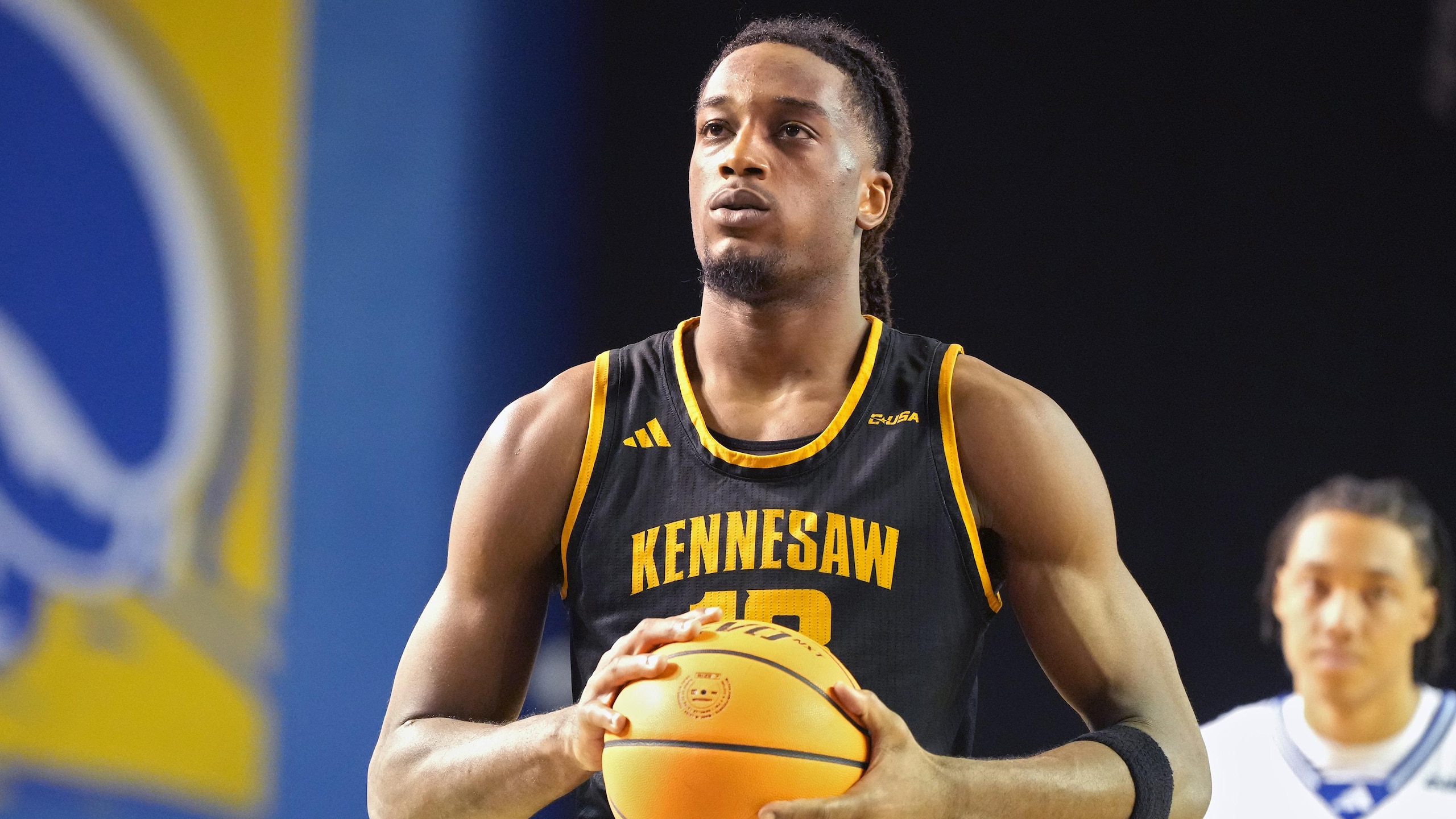
Record: 21-13 (10-10 in CUSA)
Star Player: Well, it was Simeon Cottle, averaging better than 20 points per game...until he was suspended amid that big point-shaving scandal that broke in mid-January. In his stead, RJ Johnson stepped up his game, averaging 16.5 points and 4.4 assists in league play. He proceeded to go for 51 points and 16 assists in KSU's three CUSA tournament wins.
Biggest Wins: If we're counting moral victories, Kennesaw State rallied from 30 points down to only lose by 11 against Alabama in late December. But as far as actual wins go, upsetting Sam Houston State in the CUSA semifinal—after getting swept by the Bearkats during the regular season—set the Owls up to get back to the dance.
Reason to Worry: This team doesn't shoot well and it barely ranks top 200 in defensive efficiency on KenPom. The entire plan of attack seems to be: Muck up the game as much as possible and hope that we make more of our 27 free-throw attempts than our opponent makes of its 27 free-throw attempts. Maybe it works, but most competent teams have had little trouble scoring against the Owls.
March Madness Ceiling: The Kennesaw State team that made the tournament three years ago was a legitimate Cinderella candidate, almost upsetting No. 3 seed Xavier in the first round. This version of the Owls, though, has a much lower ceiling, needing the game to be played in a rather specific way to have much hope of a stunner.
57. Idaho Vandals
12 of 68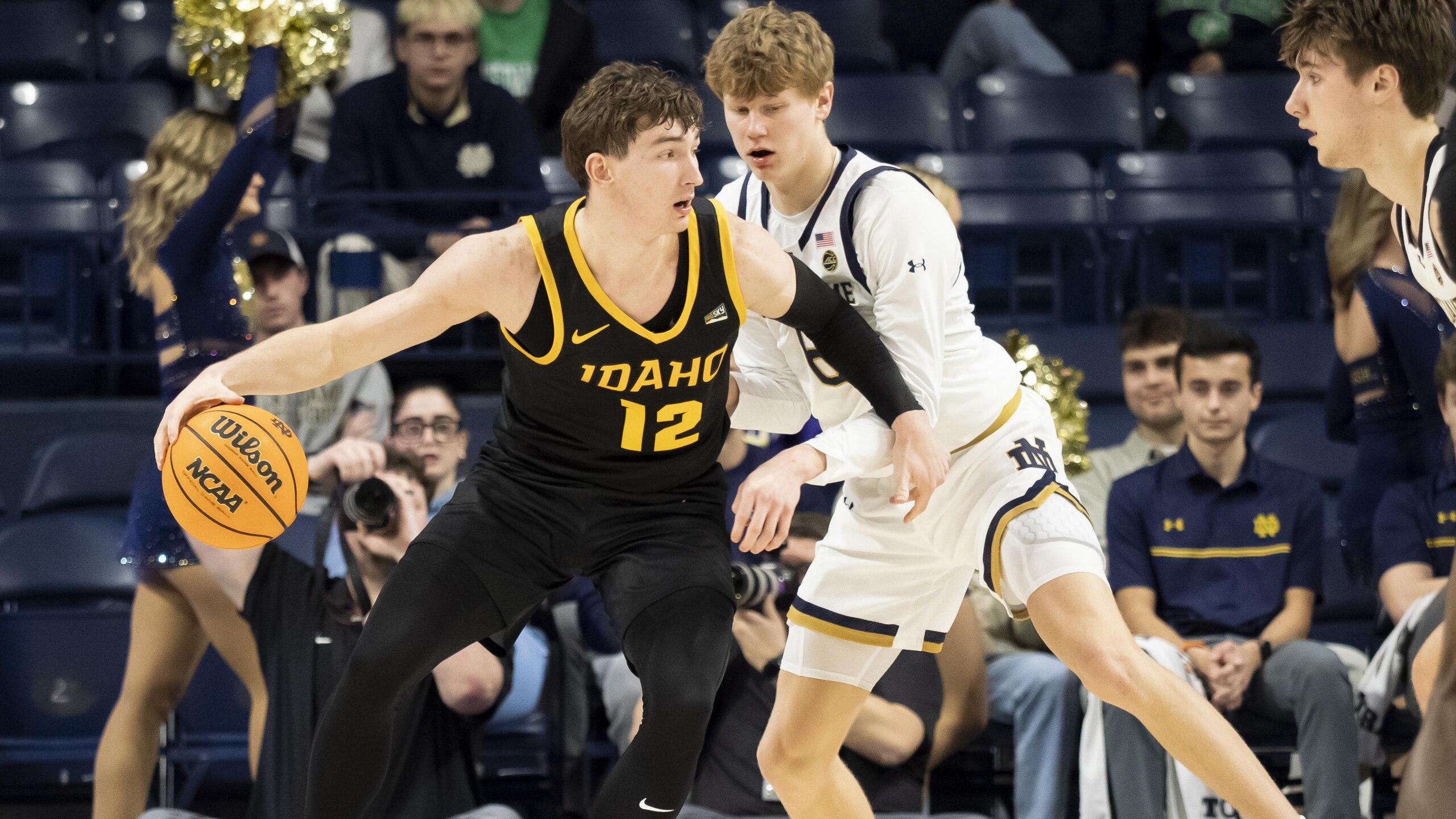
Record: 21-14 (9-9 in Big Sky)
Star Player: Freshman Jackson Rasmussen was a 3-star recruit and one of the top prep players in Utah a year ago. The 6'7" forward led the team in scoring with 13.9 points per game en route to Big Sky Rookie of the Year honors, and he has been shooting it extremely well of late with 16 made threes at a 43.2 percent rate in his last 10 games.
Biggest Wins: The No. 7 seed in the Big Sky tournament, the Vandals knocked off Sacramento State (68-45), Montana State (78-74), Eastern Washington (81-68) and Montana (77-66) over a span of five days to earn their spot in the NCAA tournament field. Their best non-conference victory was a two-point win over Washington State in their season opener, with six different players registering double-figure points in that game.
Reason to Worry: The Vandals only exposure to a major conference opponent was a 15-point loss to a bad Notre Dame team in December, so there's not much meat on the bone when it comes to their resume. They don't force many turnovers or grab many offensive rebounds, and they're not particularly efficient offensively. That's usually not a recipe for success when the margin for error disappears against a quality opponent.
March Madness Ceiling: It's been 36 years since the last time Idaho was penciled into a March Madness bracket, so even getting to this point is a major victory for the program. Their upside is limited, but with a freshman and sophomore anchoring the starting lineup, they have a chance to build on this year's success going forward.
56. Wright State Raiders
13 of 68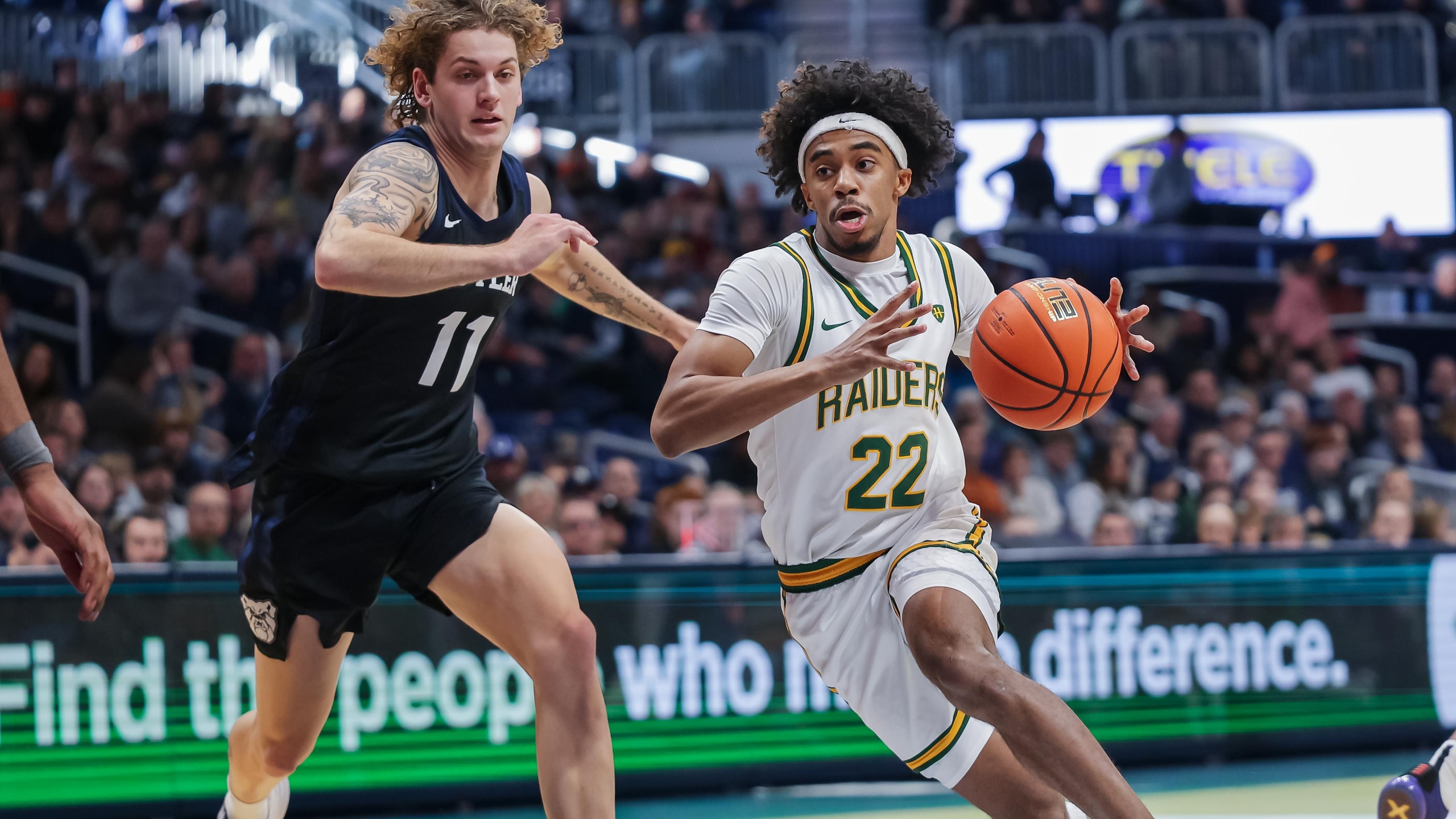
Record: 23-11 (15-5 in Horizon)
Star Player: After playing just 9.6 minutes per game as a freshman at Ball State, TJ Burch found an immediate home after transferring to Wright State. He won Defensive Player of the Year and Newcomer of the Year in the Horizon League, averaging 12.3 points, 3.5 assists and 2.5 steals.
Biggest Wins: After scoring a season-high 103 points in their semifinal victory over Northern Kentucky, the Raiders gutted out a 66-63 win over Detroit Mercy in the Horizon League championship to clinch their spot in the NCAA tournament. They hung around with two tournament-caliber opponents in Miami (OH) and California during non-conference play, but did not have a win above the Quad 3 level.
Reason to Worry: The Raiders were 0-7 against teams inside the top 150 in NET rankings, though only two of those losses came by more than 10 points. They only have one player in the rotation taller than 6'7" and it's freshman Kellen Pickett who is 6'9" and only 215 pounds, so matching up against a bigger opponent could pose significant problems.
March Madness Ceiling: Wright State won a First Four game in 2022 before playing competitively against No. 1 seed Arizona in an 87-70 loss. This year's group has enough offensive balance and efficiency to similarly avoid getting blown out, but that might be their best-case scenario.
55. Troy Trojans
14 of 68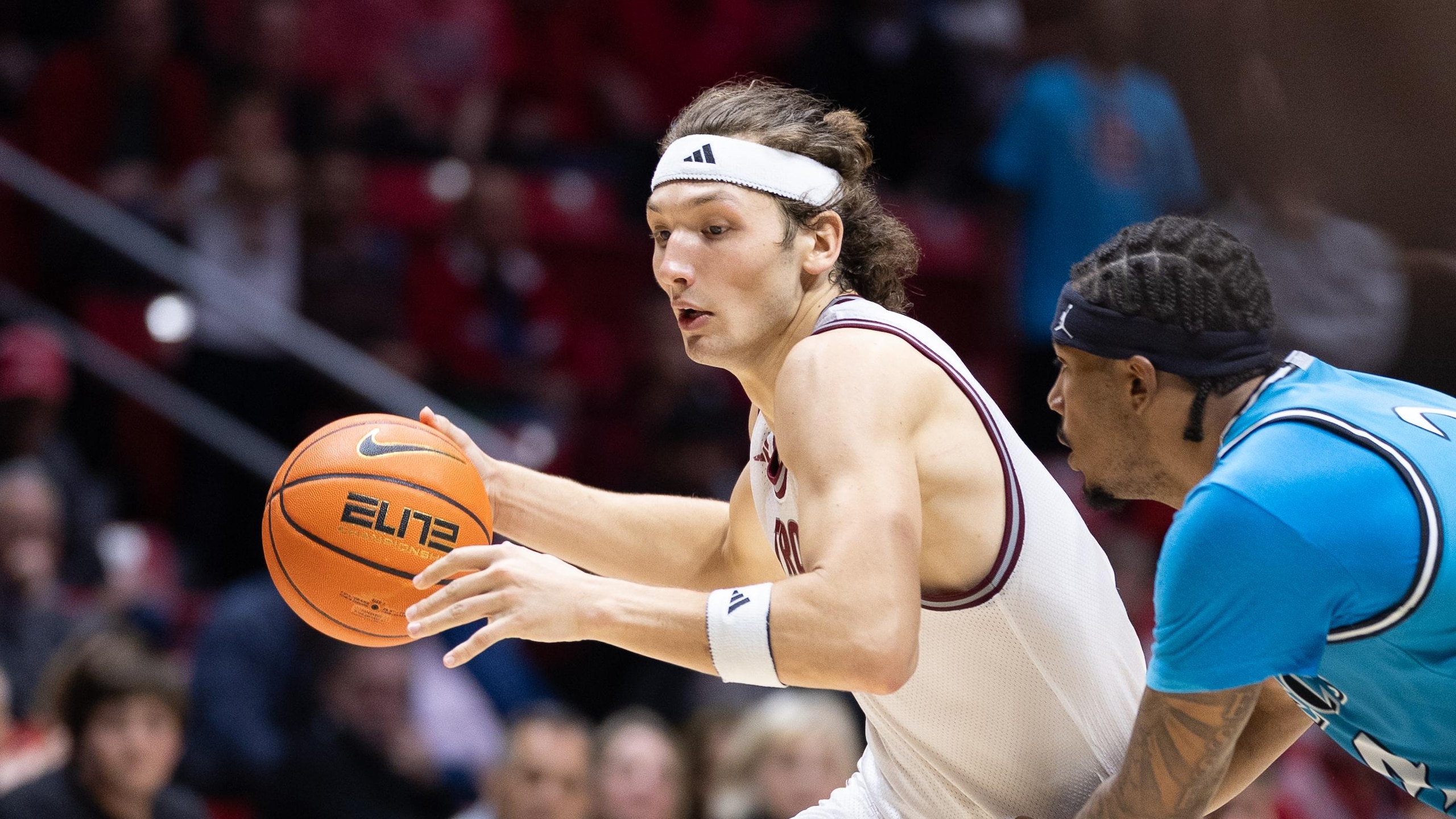
Record: 21-11 (12-6 in Sun Belt)
Star Player: Thomas Dowd is one of only three players in the nation averaging at least 10 points (14.8), 10 rebounds (10.1), two assists (2.2), one steal (1.2) and one block (1.3) per game, and he earned first team All-Sun Belt honors. The 6'8" forward has also knocked down 65 threes at a solid 34.4 percent clip, making him a difficult matchup on the perimeter who is also capable of making an impact in the paint.
Biggest Wins: The Trojans have a Quad 1 win on their resume with a 108-107 road victory in double overtime against San Diego State back in November, and they are 3-1 above the Quad 3 line on the year. That said, their biggest win was still the one that earned them a spot in the NCAA tournament field, as a lopsided 77-61 victory against Georgia Southern in the Sun Belt title game secured the automatic bid.
Reason to Worry: With a 5-3 record in February and all three losses coming against teams outside the top 175 in the NET rankings, the Trojans are not exactly rolling into March Madness with a ton of momentum on their side. They are 12-1 in games where they knock down at least 33 percent of their three-point attempts, compared to 9-10 when they are below that mark, so their fate is tied heavily to whether the deep ball is falling.
March Madness Ceiling: The Trojans are dancing for the second year in a row after landing a No. 14 seed in the 2025 NCAA tournament. The Sun Belt won an NCAA tournament game as recently as 2024 when James Madison upset No. 5 seed Wisconsin, so overlooking the Trojans entirely would be a mistake.
54. North Dakota State Bison
15 of 68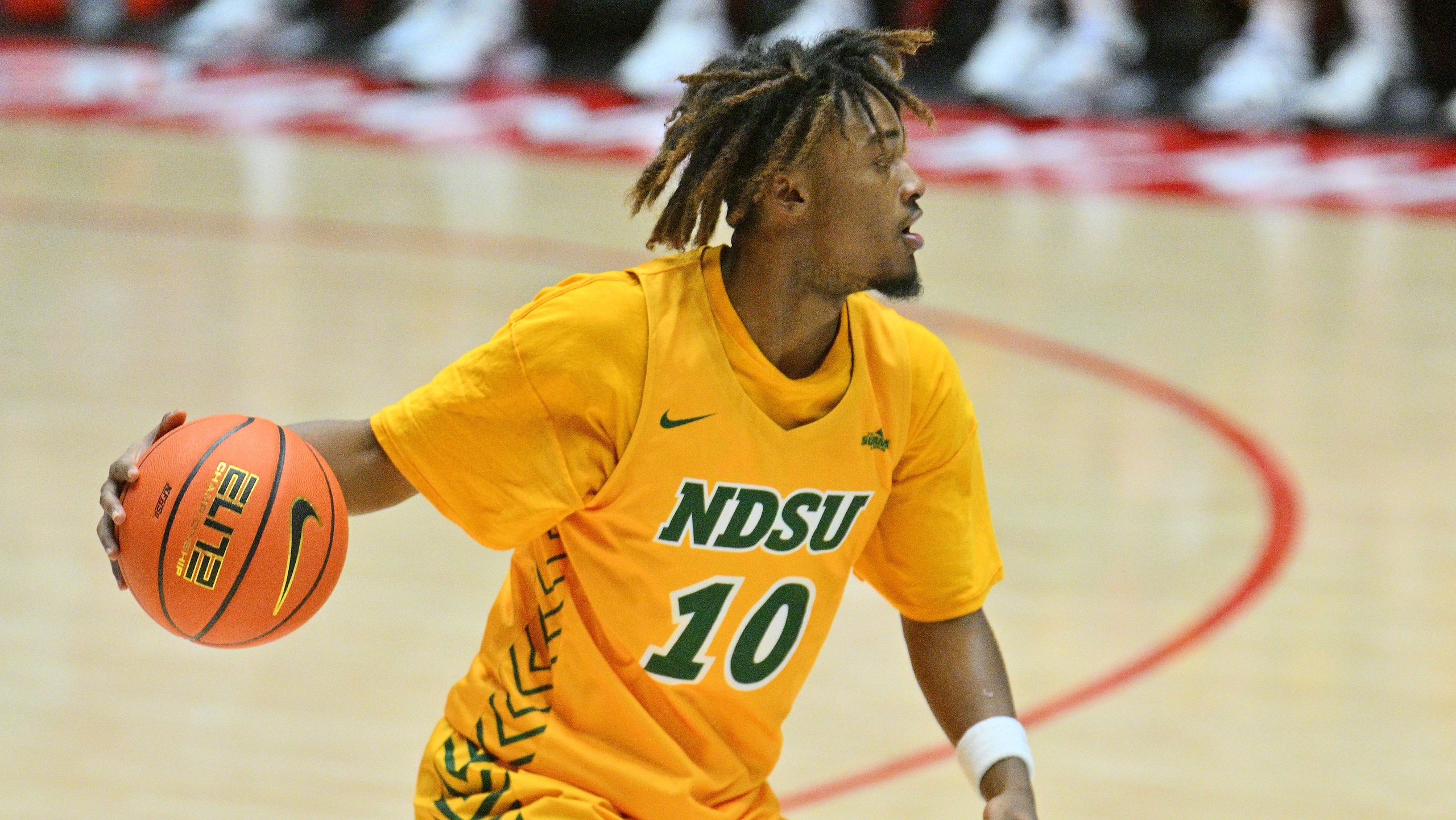
Record: 27-7 (14-2 in Summit)
Star Player: Junior Trevian Carson was an NJCAA All-American last season at Des Moines Area CC, and he has filled up the stat sheet in his first season at the D-I level. The 6'3" guard averages 12.0 points, 6.4 rebounds, 2.8 assists and 1.9 steals, and he was a first team All-Summit League selection while also finding his way onto the All-Defensive team.
Biggest Wins: The Bison were the No. 1 seed in the Summit League tournament, and knocked off Oral Roberts (76-65), Omaha (74-50) and North Dakota (70-62) to earn their fifth NCAA tournament bid in the last 13 years. Their best non-conference wins came against a pair of Missouri Valley opponents in Southern Illinois and Drake.
Reason to Worry: The Bison only played one game above the Quad 3 level, and it was a 22-point loss on the road against Summit League runner-up Saint Thomas. There is something to be said for exposure to high-level opponents, even if the outcome is a lopsided loss, and they could be in for a real culture shock when their opening round game tips off. They are 6-6 when they fail to reach 75 points, compared to 21-1 when they exceed that mark, but points figure to be much harder to come by in March.
March Madness Ceiling: It was 12 years ago that the Bison upset No. 5 seed Oklahoma in the first round of the 2014 NCAA tournament, but that team had one of the most efficient offenses in the country and a bona fide star in Taylor Braun. This year's group is far less likely to make a bracket-busting splash.
53. Hawaii Rainbow Warriors
16 of 68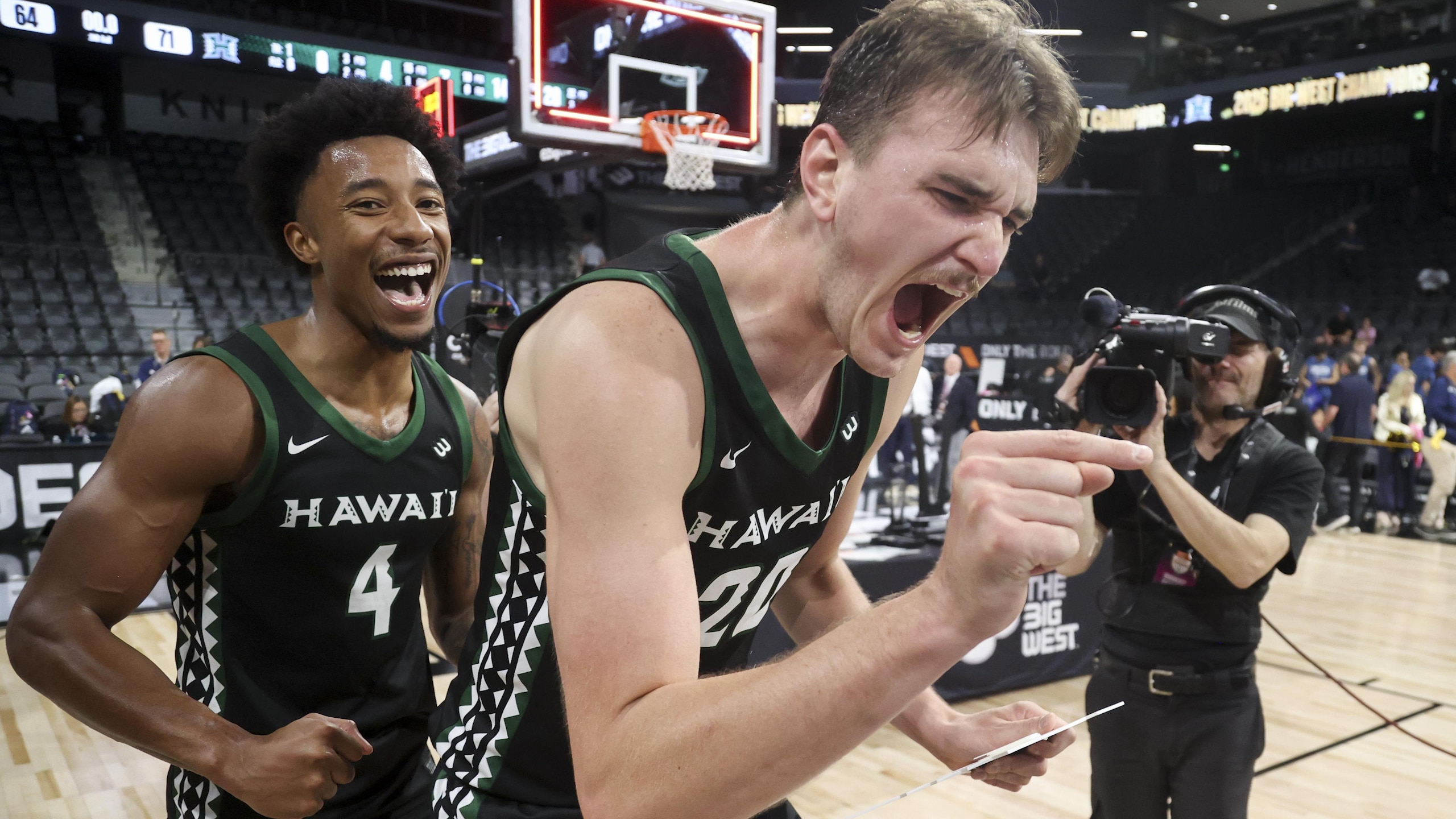
Record: 24-8 (14-6 in Big West)
Star Player: Isaac Johnson was a top 100 recruit in a 2019 class that included Anthony Edwards, who has already scored more than 10,000 points in the NBA. But he's the seven-footer who leads Hawaii in both points and blocks. He went for 22 points with seven rebounds, three blocks and two assists in the Big West title game, making sure to play in one final NCAA tournament.
Biggest Wins: Hawaii almost won at Oregon to open the regular season, and it gave Arizona State a good run for its money two weeks later. But the Bows' best win of the year, by far, was that ticket-punching victory over UC Irvine, denying the Anteaters a spot in the dance for a fourth consecutive year with at least 23 wins.
Reason to Worry: Hawaii is very sloppy with the ball on offense and does not shoot well at all from distance. Despite that combination, the Warriors do average nearly 80 points per game. But the better opponents on their schedule were pretty much always able to keep them below that threshold.
March Madness Ceiling: Hawaii has only been in the dance once in more than two decades, and it did pull off a 13-over-4 upset back in 2016. But that team had a slightly better defense and a substantially better offense, so another bracket buster might be tough. Johnson is quite literally a grown man in the paint, though, and maybe he can anchor a stunner.
52. California Baptist Lancers
17 of 68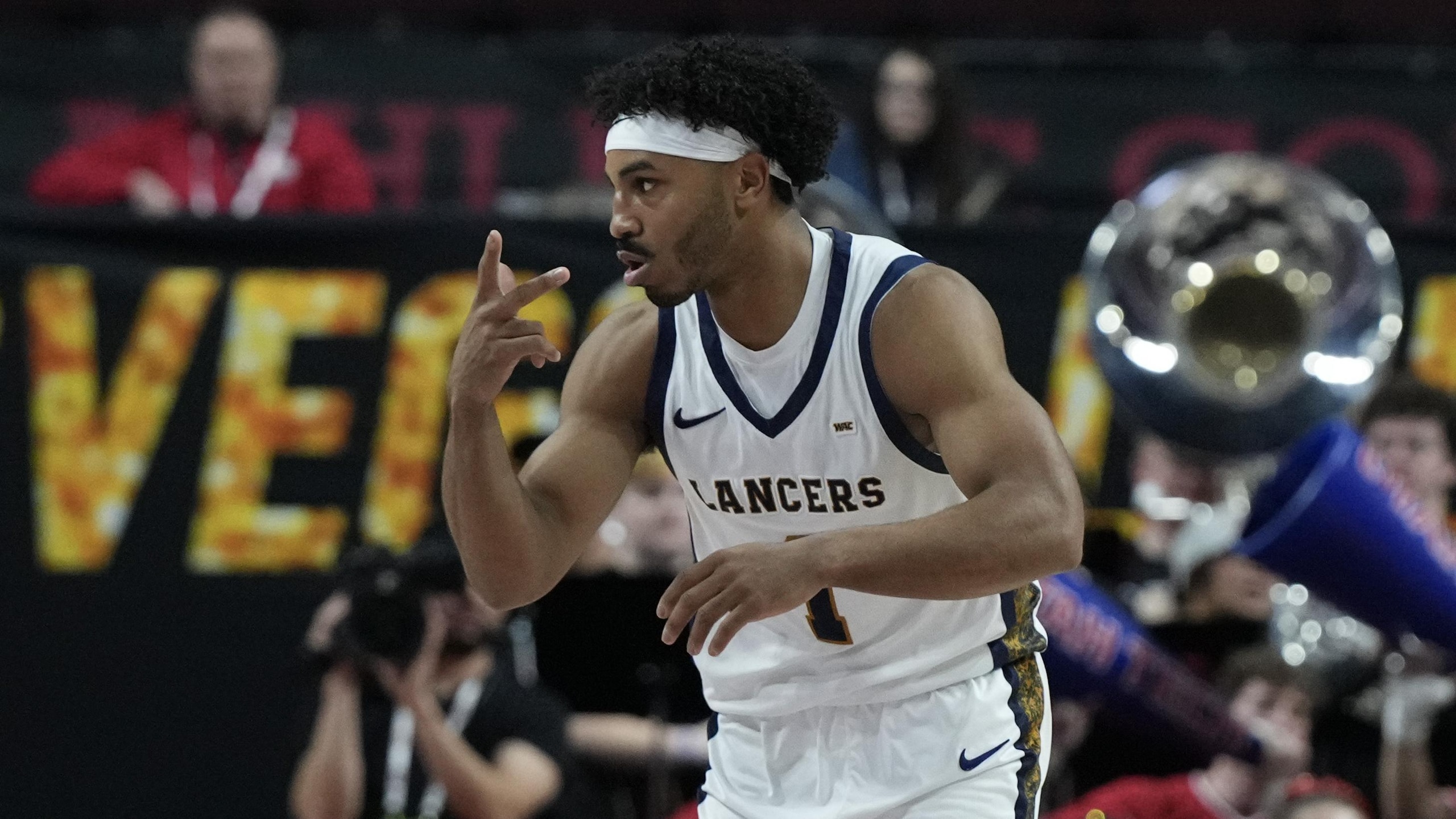
Record: 25-8 (13-5 in WAC)
Star Player: Dominique Daniels Jr. might be this year's small school hero that everyone falls in love with. Small in stature (5'10"). Not small in stats. Daniels averages better than 23 points per game, as well as 3.8 rebounds and 3.2 assists. He couldn't buy a bucket for the first 38 minutes of the WAC championship game, but then he hit three-pointers on three consecutive possessions to end the game, turning a six-point deficit into a two-point victory.
Biggest Wins: CBU's three biggest wins were the regular-season home win over Utah Valley (Daniels scored 47), the WAC semifinal against Utah Tech (Daniels scored 41) and then that come-from-behind championship game to punch their first ever ticket to the dance.
Reason to Worry: Despite Daniels' heroics, this is a dreadfully inefficient offense, aside from ranking top 10 in the nation in offensive rebounding. Though, when you don't shoot well and you commit a lot of turnovers, how much good will offensive rebounds do you? They grabbed 14 in the game at BYU and still lost by 31.
March Madness Ceiling: If Daniels is in his bag, anything's possible. It's hardly a "Steph Curry at Davidson" situation, but we are talking about one of the nation's five leading scorers here. Cal Baptist also plays pretty solid defense, which makes Daniels' 30 burgers feel even bigger than they already are. CBU may shove a lance straight through brackets around the country with an upset or two.
51. Hofstra Pride
18 of 68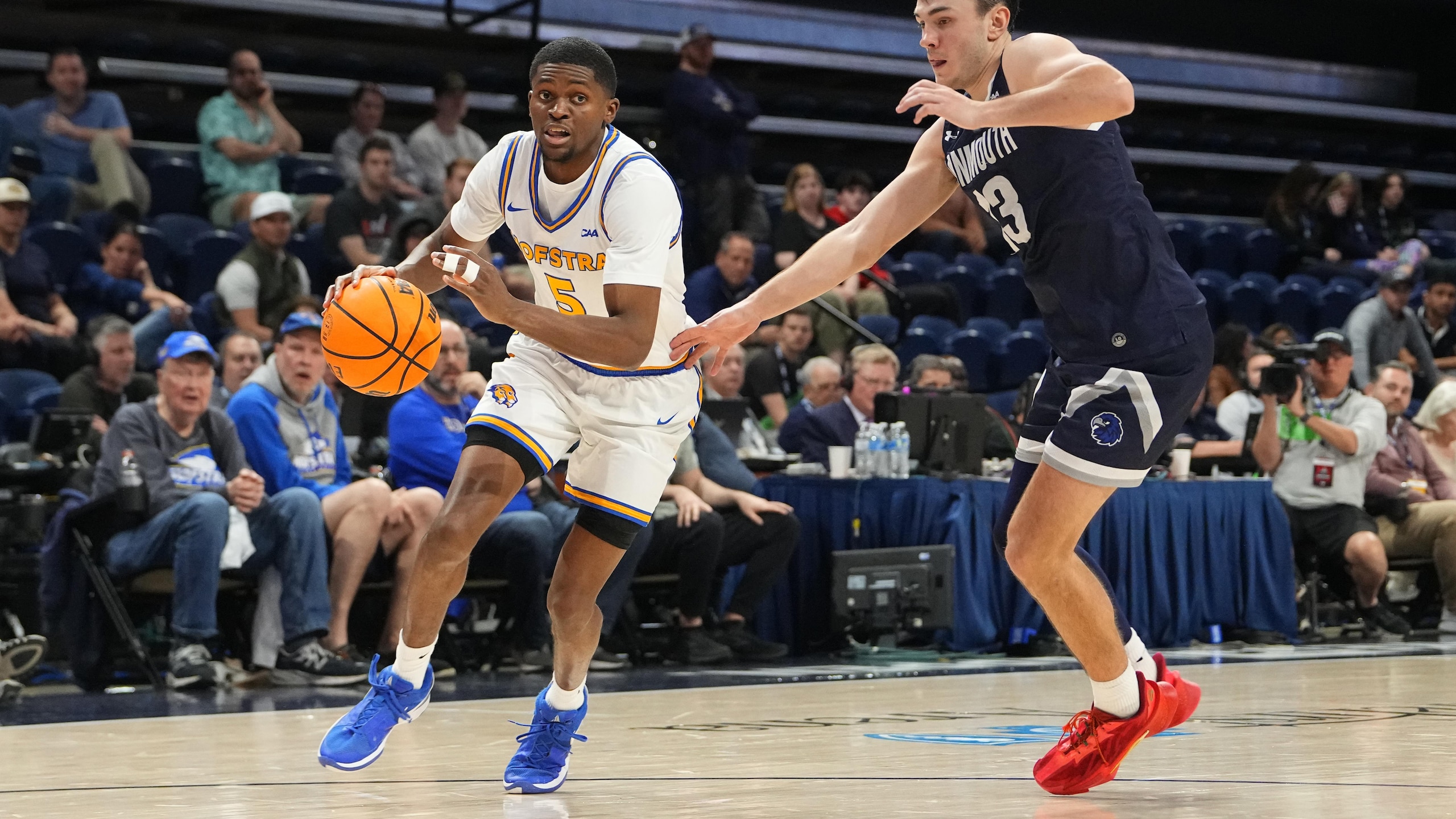
Record: 24-10 (12-6 in CAA)
Star Player: Guard Cruz Davis won CAA Player of the Year honors, leading the conference with 20.2 points per game while adding 4.6 assists and 3.7 rebounds. The 6'3" junior has also knocked down 81 threes at a 39.9 percent rate, and he has five 30-point games in his ledger, including one in the conference tournament opener.
Biggest Wins: The Pride have a pair of road wins against major conference opponents, knocking off Pittsburgh and Syracuse back in December. Their path through the CAA tournament became easier when No. 1 seed UNC Wilmington and No. 2 seed Charleston both fell in the quarterfinals, and they knocked off Monmouth in the title game to earn the automatic bid.
Reason to Worry: A defense that has allowed 66.1 points per game and 38.7 percent shooting from the field might look like a strength on paper, but those numbers are inflated by lopsided performances against some low-level opponents. They went 3-9 in games where they allowed at least 70 points, and it will be tough to keep a superior opponent out of that range.
March Madness Ceiling: The Pride have not won an NCAA tournament game since 2000 when head coach Speedy Claxton was the team's star, and they have not even cracked the March Madness field since 2001. This year's team will go as far as a defense that thrives on slow tempo allows, and that could mean an early exit.
50. High Point Panthers
19 of 68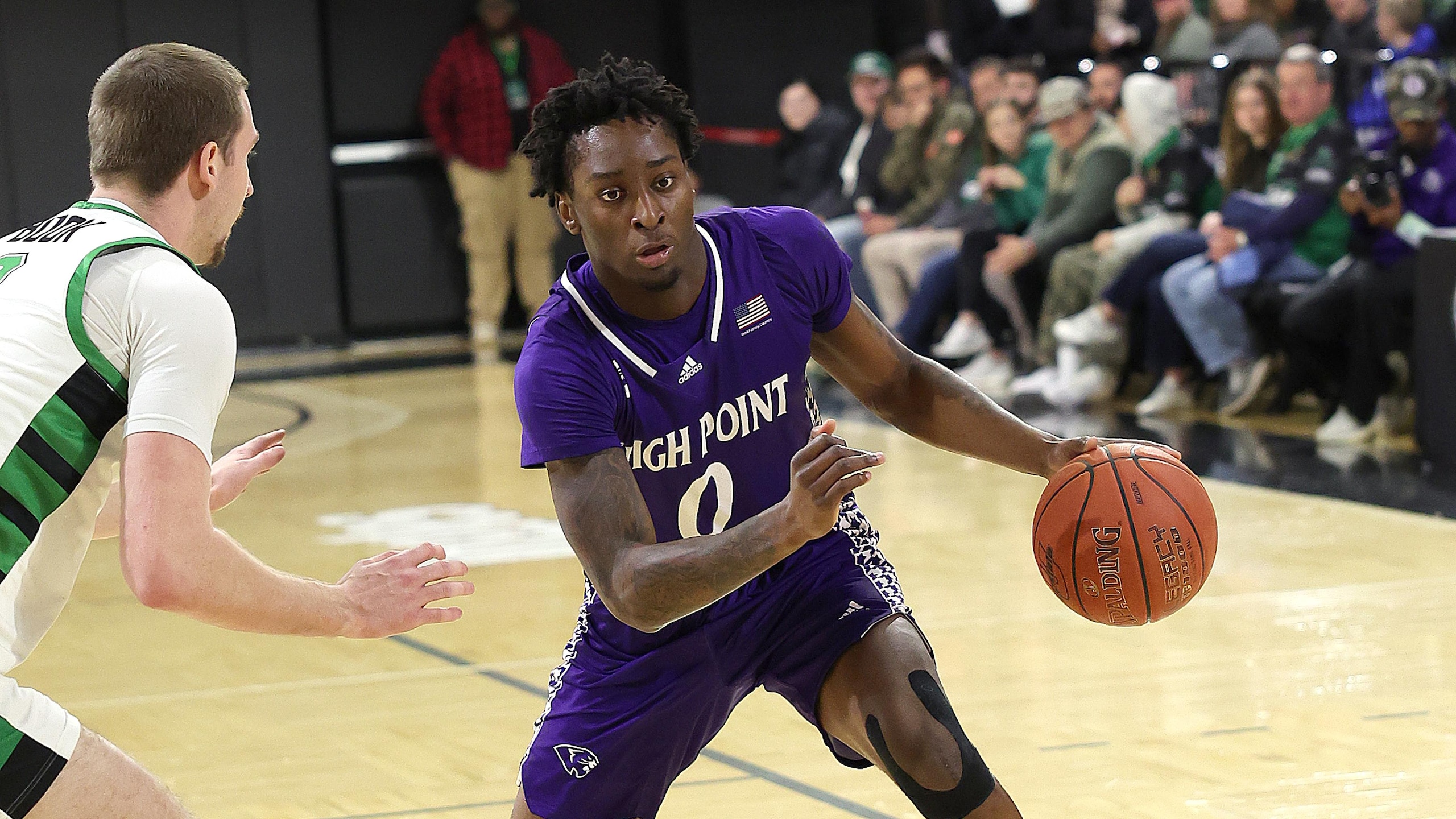
Record: 30-4 (15-1 in Big South)
Star Player: Head coach Flynn Clayman did a terrific job rebuilding the Panthers roster through the transfer portal, landing some high-major talent along the way, but returning role player Terry Anderson is the team's best player. After averaging 4.5 points a year ago, he earned first team All-Big South with 16 points per game on 56.4 percent shooting. He upped that to 18.7 points and 9.7 rebounds during the Big South tournament.
Biggest Wins: Despite their gaudy record, the Panthers do not have a win against an opponent inside the top 100 in NET rankings. They went 2-1 against Big South No. 2 seed Winthrop, splitting home and home during the regular season before punching their ticket to the Big Dance with a 91-76 victory over the Eagles in the conference championship game.
Reason to Worry: Not playing a major conference opponent all season means little frame of reference for the caliber of opponent the Panthers will be matching up against in March. They like to play up-tempo, but also went just 2-4 when allowing more than 85 points to the opposition, so their style could play right into the hands of a more athletic opponent.
March Madness Ceiling: The Panthers lead the nation with 10.9 steals per game and have a top-100 offense in KenPom's efficiency metric, which is a compelling foundation for upset potential. They hung around with Purdue as a No. 13 seed in last year's tournament, and while they remain a longshot, there would be far more surprising first-round Cinderella stories.
49. Northern Iowa Panthers
20 of 68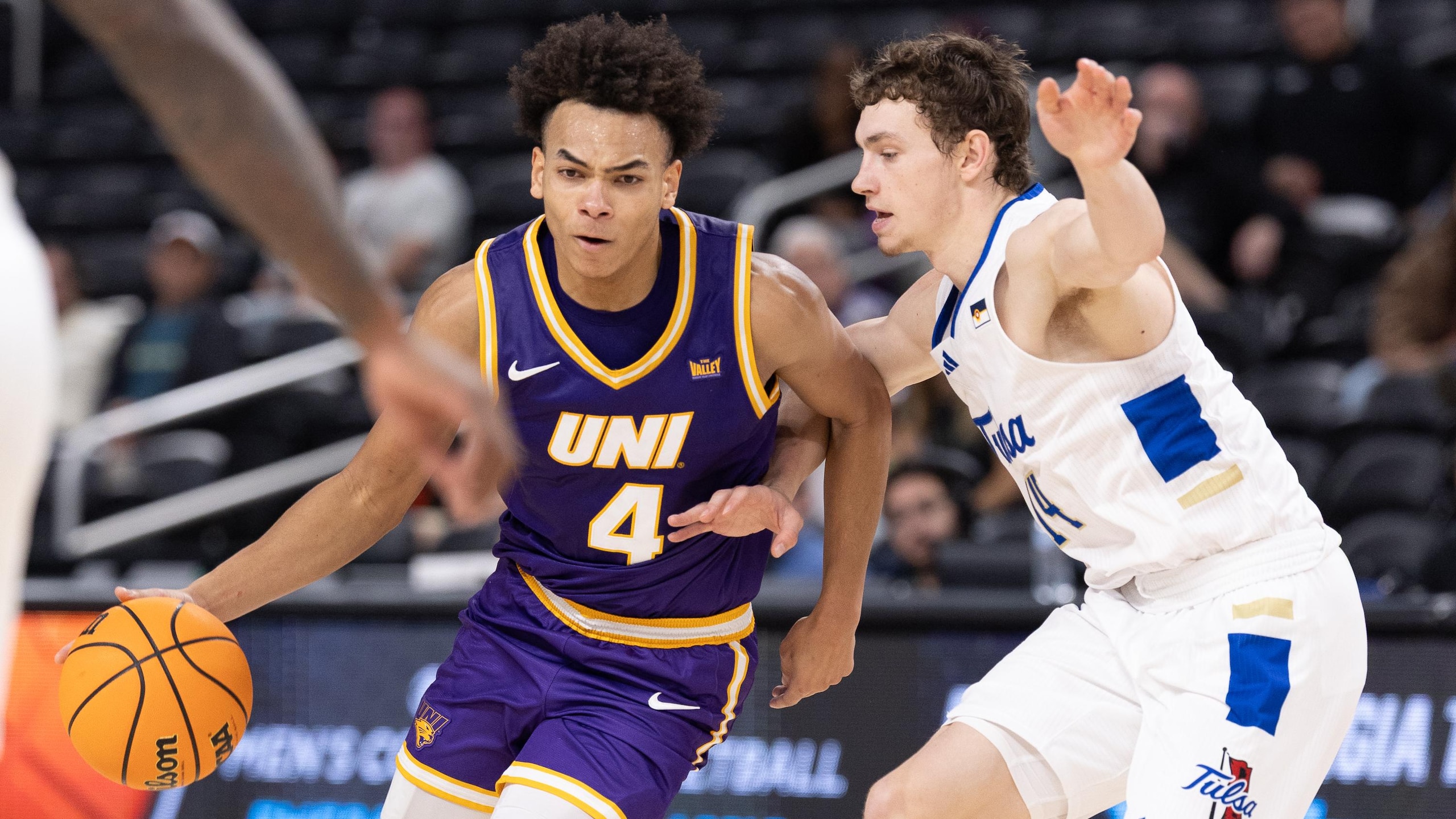
Record: 23-12 (11-9 in MVC)
Star Player: Senior guard Trey Campbell earned first team All-MVC honors by averaging 13.7 points, 3.9 assists and 1.6 steals, and he was also part of the conference's All-Defensive team. A four-year starter for the Panthers, he is playing his best basketball of the season right now after averaging 17.8 points, 4.3 rebounds and 3.5 assists over four games in the MVC tournament, connecting on 14-of-29 attempts from beyond the arc.
Biggest Wins: The Panthers played Saint Mary's tough in a 63-58 loss back in December, proving they can hang with a tournament-caliber team, but their resume is lacking a signature win. They beat No. 3 seed Illinois State and No. 2 seed Bradley in the MVC tournament before knocking off No. 5 seed UIC in the championship game to claim the automatic bid.
Reason to Worry: Thanks in large part to the slowest tempo of any team in the NCAA tournament field, the Panthers held opponents to just 61.3 points per game. They were 1-5 when the opposition scored at least 70 points, and therein lies the biggest flaw in their NCAA tournament outlook. If they can't grind the opposition to a halt in the halfcourt, which will be significantly harder to do against a major conference foe, they don't have the firepower to keep up.
March Madness Ceiling: The Panthers are going to be an uncomfortable matchup, and that always opens the door for a potential upset. They will need to play their best game of the season offensively to have a chance, but if they control the tempo, an opening round surprise is not out of the question.
48. Akron Zips
21 of 68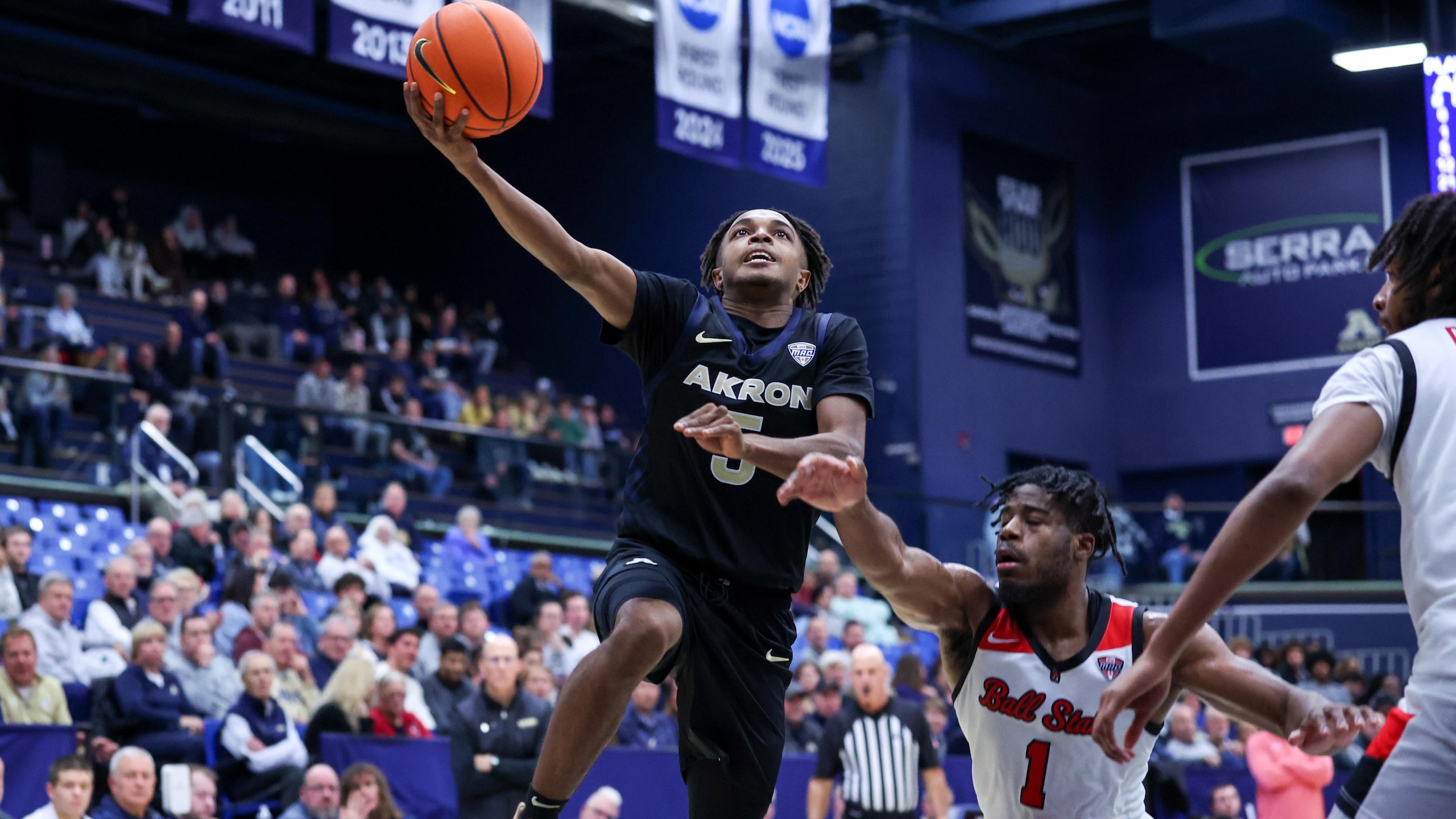
Record: 29-5 (17-1 in MAC)
Star Player: The star of Akron's season was Tavari Johnson, averaging 20 points, five assists and three rebounds per game. He probably should have been named the MAC Player of the Year, but like, we get why it went to Miami (OH) star Peter Suder. However, the star of Akron's championship game was Shammah Scott, who hit the tie-breaking, game-winning triple with about five seconds remaining.
Biggest Wins: Akron's best nonconference win came against Tulane, and in going 0-1 against Miami (OH), the Zips didn't get anything close to a big win in league play, either. So their biggest wins? Squeaking past Buffalo, Kent State and Toledo by a combined margin of 13 points in the MAC tournament.
Reason to Worry: Their MAC tournament games were all gritty, but this defense was just not good at all for most of the season. Akron lost 97-79 to Purdue, lost 97-94 to Yale and lost 115-100 in a regulation game against Murray State. Did you know it's even possible to allow 115 points in regulation in today's game?
March Madness Ceiling: Make no mistake about it: This team has a chip on its shoulder. The Zips went 17-1 in MAC play, and all they heard for the past six weeks or so is how laughable it is that Miami (OH)'s best win of the year came against Akron. But this team can shoot, and John Groce can coach. And as far as KenPom is concerned, this is easily the best team he has had in his nine seasons there. Wouldn't be shocking if they win at least one game.
47. South Florida Bulls
22 of 68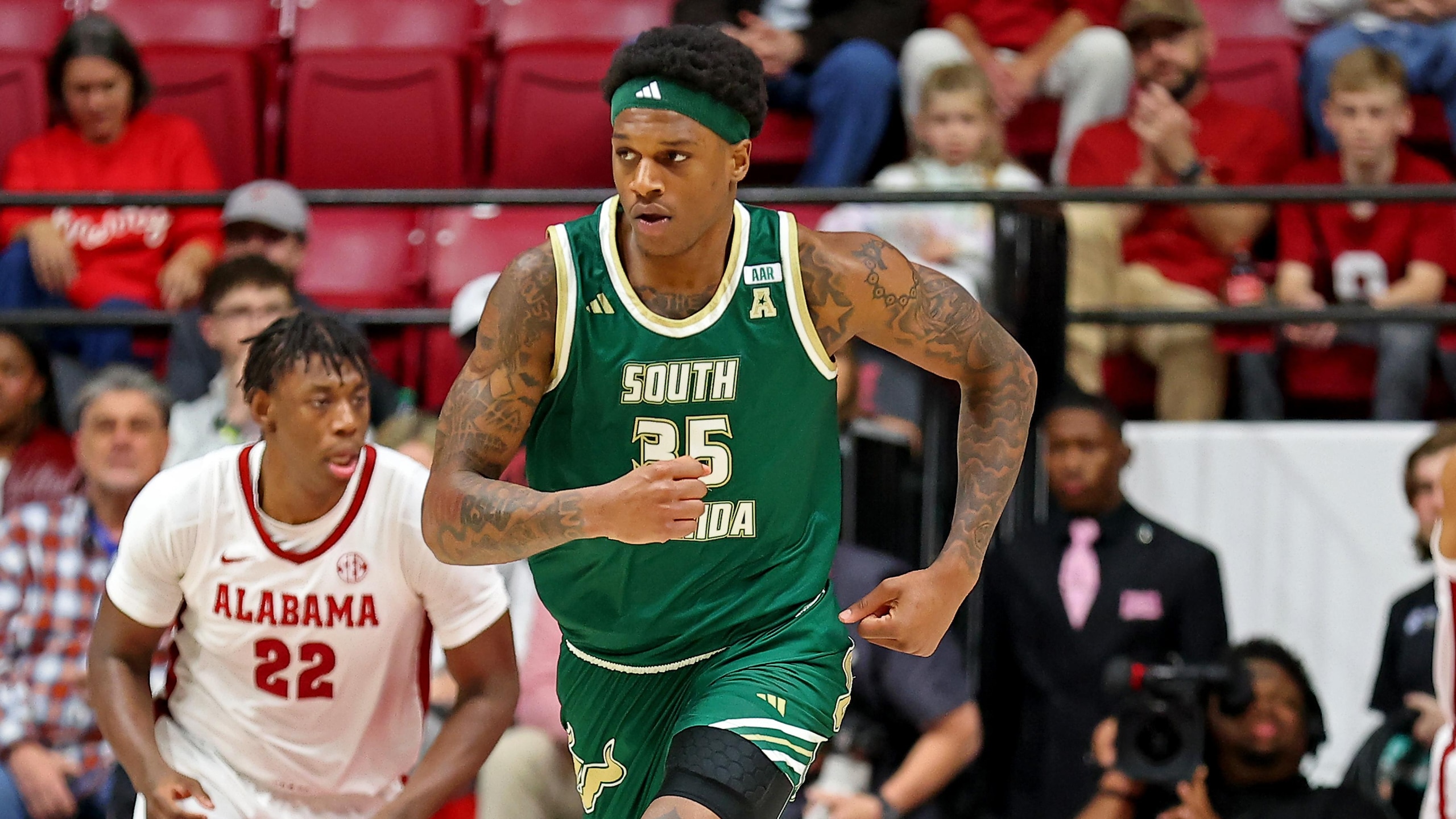
Record: 25-8 (15-3 in American)
Star Player: The Bulls have five players averaging better than 11 points per game, but the biggest one is, in fact, the biggest one. Izaiyah Nelson averages nearly 16 points and 10 rebounds per game, not to mention a combined total of three blocks and steals. He had 18 double-doubles en route to being named the AAC POY.
Biggest Wins: It was a woefully down year for the AAC as a whole, so big wins were few and far between, even for this regular season and conference tournament champion. The Bulls did sweep Tulsa and twice beat Wichita State away from home, including in the championship game on Sunday. But none of those were top 60 wins, meaning the only one of those that this team got was the home win over Utah State back in early December.
Reason to Worry: South Florida can put up points in a hurry like few other teams, averaging better than 88 per contest. But the Bulls don't actually shoot well, barely ranking top 200 in effective field-goal percentage. Both Joseph Pinion and Wes Enis have made more than 100 three-pointers on the season, but things can get ugly if either one has an off night.
March Madness Ceiling: South Florida has only been in the dance once in the past three decades, but that 2012 team did break some brackets with its first-round upset of No. 5 seed Temple. That said, if "No. 5 seed Temple" didn't clue you in, that was a long, long time ago. But maybe these Bulls can wreak some havoc again.
46. Miami (Ohio) RedHawks
23 of 68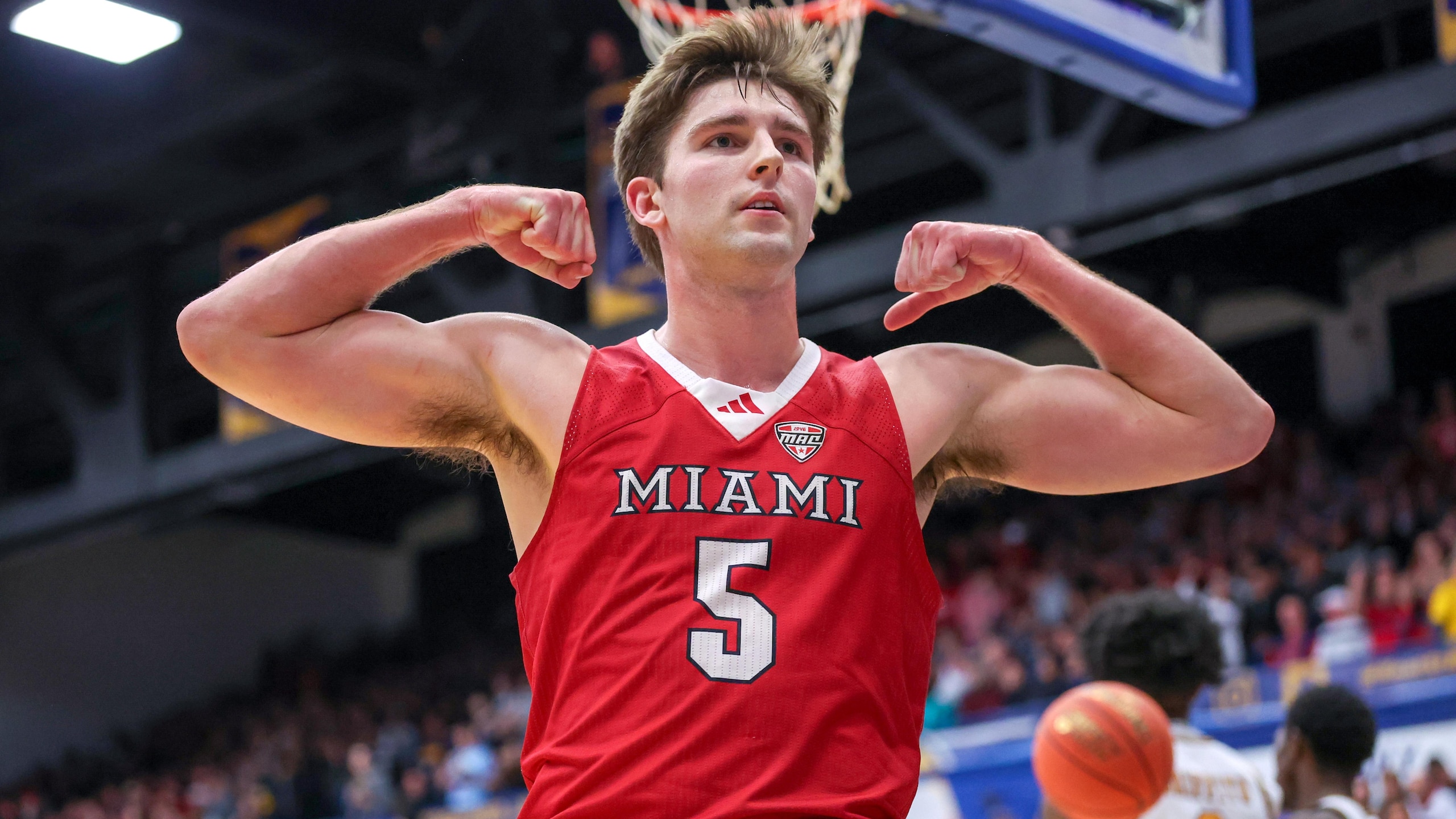
Record: 31-1 (18-0 in MAC)
Star Player: Peter Suder became the face of this team, scoring in double figures in each of his final 15 games. But the beauty of Miami-Ohio is that six different players average at least 10 points for a team that scores better than 90 per contest. That diversified portfolio is what allowed the RedHawks to almost completely avoid ever having a bad night of offense.
Biggest Wins: Every win felt huge, as the RedHawks entered the MAC tournament at 31-0. The biggest victory from a team sheet perspective was the three-point home win over Akron. But the unforgettable, legendary victory was the 110-108 overtime win at Ohio to complete the undefeated quest.
Reason to Worry: To put it lightly, this team's defense isn't great, allowing more than one point per possession in 22 of 32 games played. And with just one game played all season against a top 100 foe, there's no evidence that Miami can hang with, let alone beat anything close to a single-digit seed.
March Madness Ceiling: There's a reason Miami sparked a huge debate over whether the selection committee's job is to select the best teams or the most deserving teams. Though their undefeated regular season was a magical ride, the RedHawks never passed the smell test as a team liable to make a deep run in the dance. Never say never with shooting like this team has, but it's unlikely this David will bring down any Goliaths.
45. McNeese Cowboys
24 of 68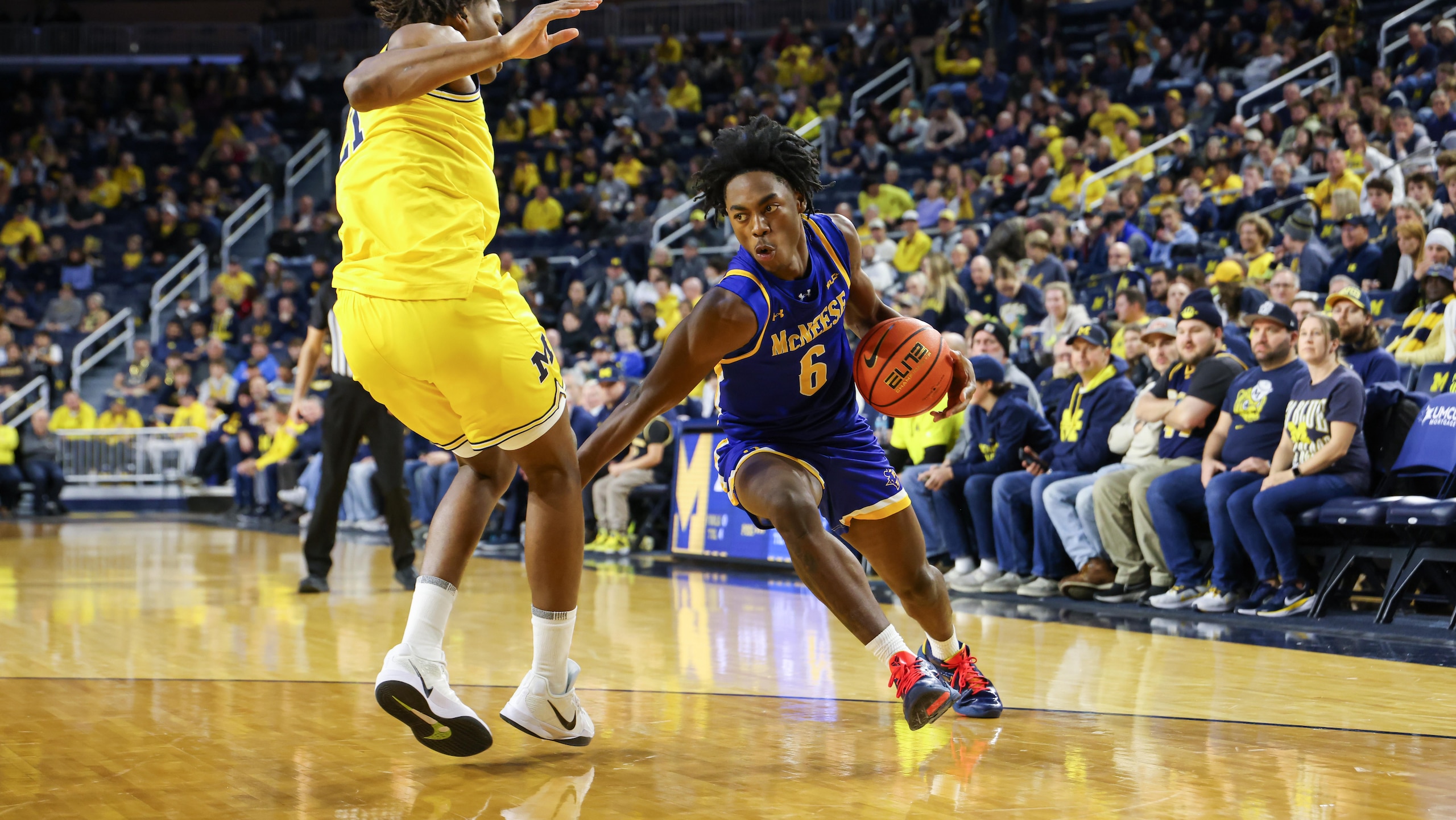
Record: 28-5 (19-3 in Southland)
Star Player: A 4-star recruit who committed to Creighton, guard Larry Johnson has a flashier pedigree than most mid-major players. The 6'4", 200-pound slasher averages 17.5 points and 5.5 rebounds, and he has scored in double figures in 29 of 33 games to give the Cowboys a true go-to scoring option. Fellow transfers Garwey Dual (Seton Hall) and Jerrell Colbert (SMU) also provide high-major skill sets.
Biggest Wins: The Cowboys won the Cayman Islands Classic in November with wins over George Washington, Murray State and Middle Tennessee State, and those are three of the best wins on their resume. However, the best and most important came against Stephen F. Austin, who they beat 76-59 in the Southland tournament championship game after splitting with them during the regular season.
Reason to Worry: A stingy defense that ranks inside the top 50 in KenPom's adjusted defensive efficiency is the Cowboys calling card. They held the opposition below 70 points in 26 of their 33 games and went 25-1 when they protected that threshold. However, they were utterly overmatched in a 112-71 loss to Michigan in December, and also allowed 79 points to Santa Clara in a blowout. Simply put, the defense has not translated against quality opponents.
March Madness Ceiling: In two seasons at the helm, Will Wade turned McNeese into a mid-major powerhouse, going 58-11 with a pair of NCAA tournament appearances and an upset victory over No. 5 seed Clemson a year ago. He took the NC State job last offseason and his former LSU assistant Bill Armstrong took over, bringing some philosophical continuity with him. If the defense clamps down, another upset is well within reach.
44. SMU Mustangs
25 of 68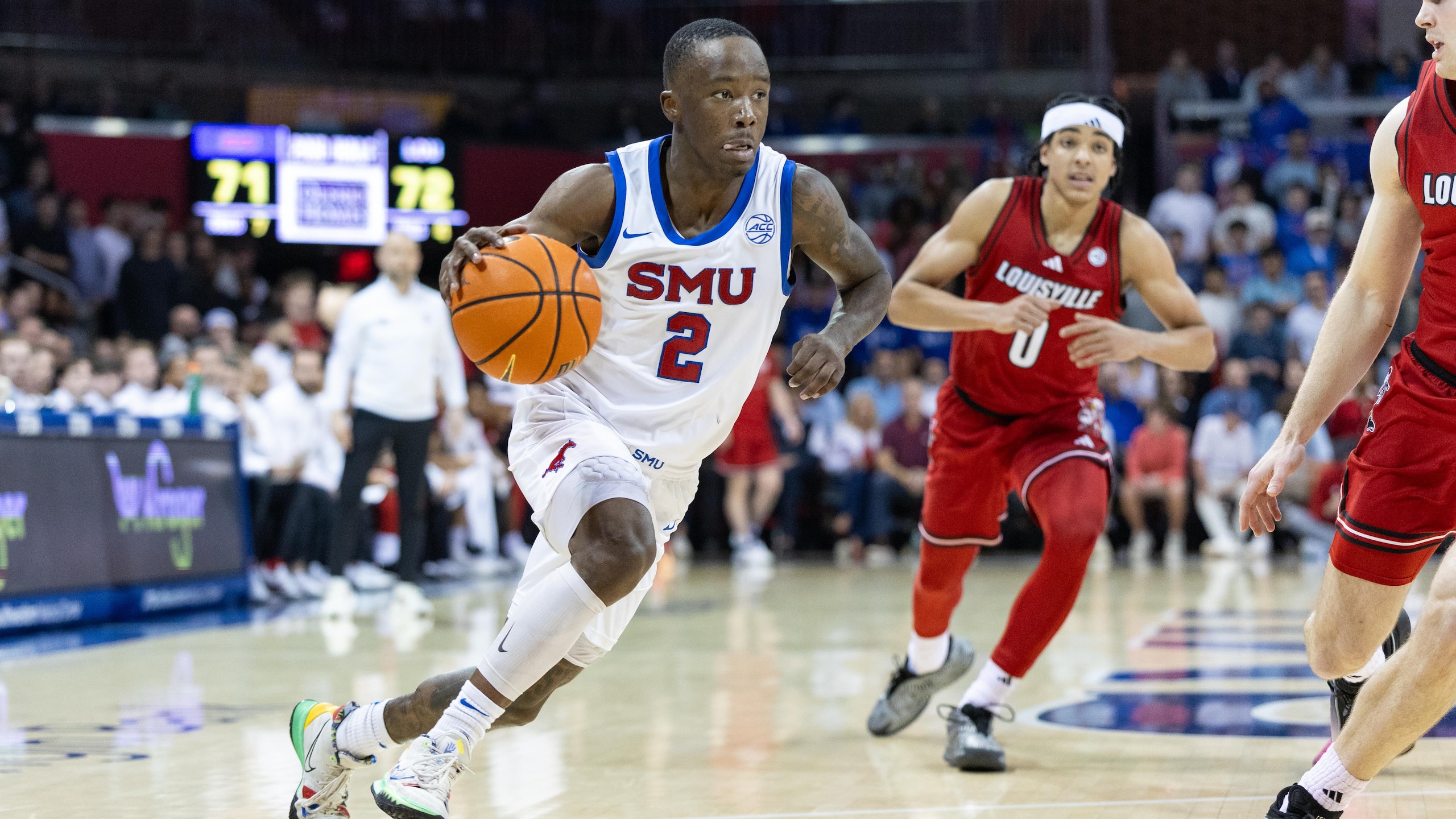
Record: 20-13 (8-10 in ACC)
Star Player: In a world where Cameron Boozer doesn't exist, SMU's Boopie Miller might have been the ACC Player of the Year. The Mustangs point guard averages better than 19 points and six assists per game. But in the two big wins over North Carolina and Louisville, he went for a combined 50 points and 21 assists. He also drained the 50-foot buzzer-beater against Virginia Tech that probably saved SMU's season.
Biggest Wins: Not a whole lot to see here outside of Moody Coliseum, but the Mustangs did score a pair of massive home wins over North Carolina (97-83) and Louisville (95-85). And they did win true road games against both Wake Forest and Mississippi State, even though neither of those amounted to all that much on the tournament resume.
Reason to Worry: Though the Mustangs can score in bunches, their defense is decidedly not great. In fact, the last time they held an opponent below one point per possession was in a late December rout of Cal St. Fullerton. And SMU's lone quality win in the past two months (vs. Louisville) maybe said as much about the Cardinals' floor as it said about the Mustangs' potential.
March Madness Ceiling: Teams that pair top 25 offenses with defenses that rank around 100th can be dangerous in the dance. See Miami (FL) in 2022 and 2023 or Alabama in 2024 as recent proof of concept there. But it also can be a recipe for disaster, like the 2024 Kentucky team that lost to Oakland or basically any iteration of Iowa that made a tournament under Fran McCaffery. And this offense hasn't traveled all that well.
43. Texas Longhorns
26 of 68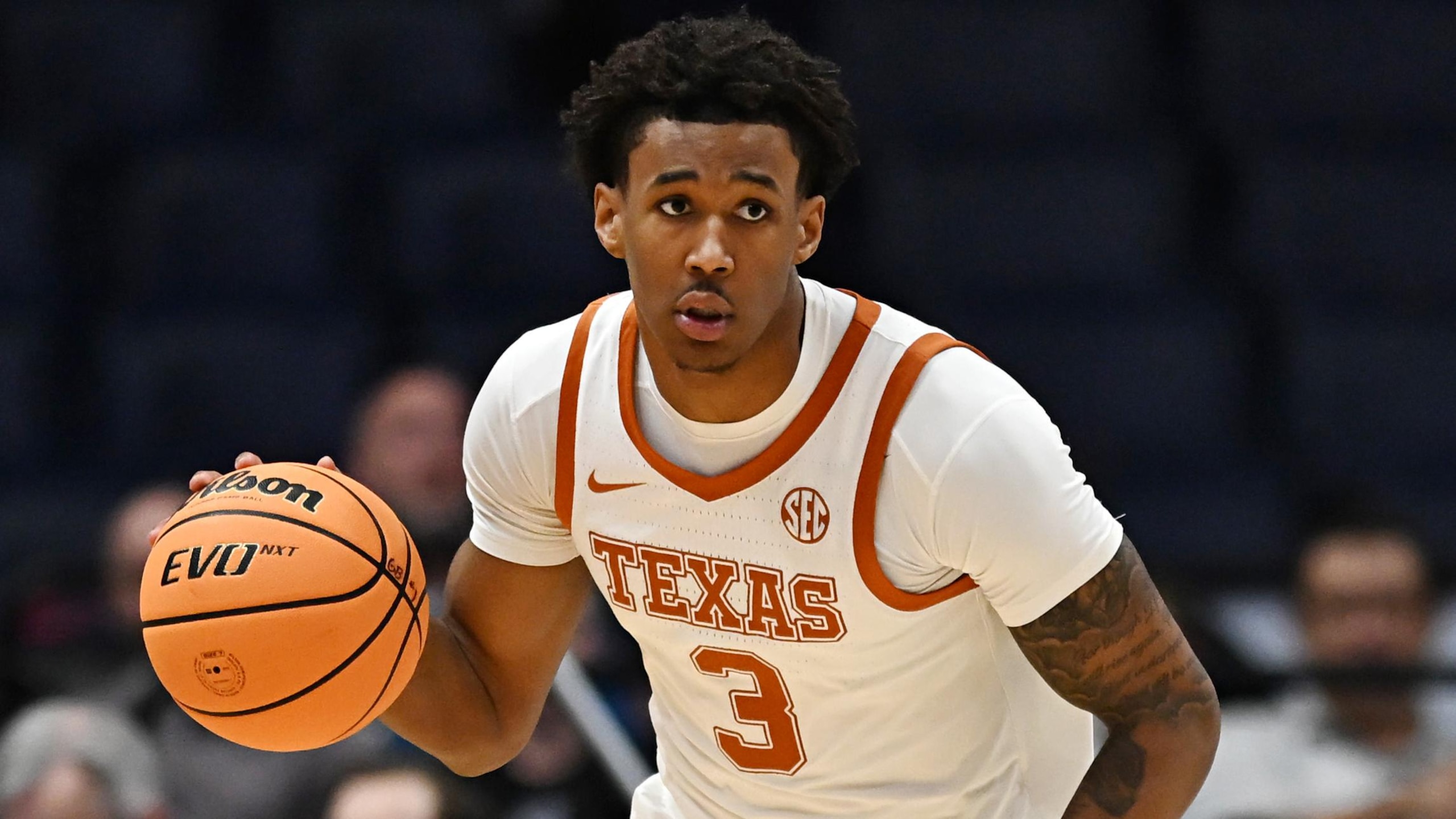
Record: 18-14 (9-9 in SEC)
Star Player: When Sean Miller left Xavier, he convinced Dailyn Swain to follow him to Texas. And, well, it's hard to imagine where the Longhorns would be without him, as he leads the team in points, rebounds, assists and steals. He had a couple of 30-point efforts this season, albeit both in losing efforts.
Biggest Wins: The top win by far was the game at Alabama in mid-January. Texas also beat Vanderbilt a few days later, won at Texas A&M, Missouri and Oklahoma and got a key victory over NC State in the Maui Invitational. Frankly, it's a much better stockpile of wins than what inexplicably got the Longhorns into last year's tournament.
Reason to Worry: This defense is woeful, and let's just say it didn't surge to the finish line. Texas allowed at least one point per possession in 17 of its 18 regular season SEC games, and it was north of 1.2 PPP allowed during the 1-5 finish. They do rebound quite well, though. At least until Matas Vokietaitis gets into foul trouble, which often doesn't take long.
March Madness Ceiling: The average Texas game features a combined total of 50 free throw attempts. However, the Longhorns play that bully ball with a remarkably high degree of offensive efficiency, thanks to a big four that averages roughly 60 points per game. They could impose their physical will for a couple of wins.
42. Missouri Tigers
27 of 68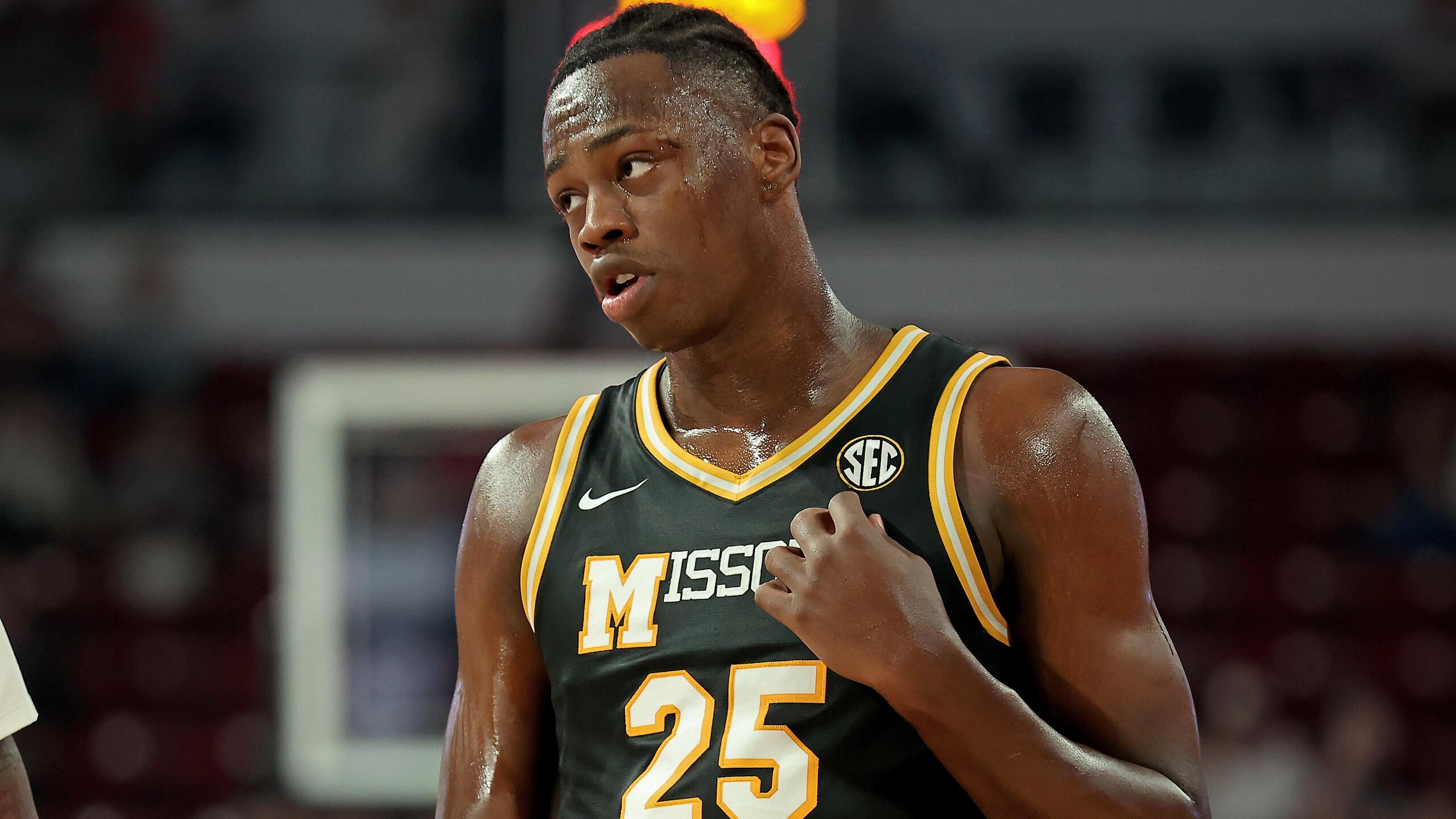
Record: 20-12 (10-8 in SEC)
Star Player: It's Mark Mitchell, and it's not particularly close. The 6'8" forward leads the Tigers in points, rebounds and assists, and was the only player on this injury-riddled roster to start all 31 regular season games. (Big man Shawn Phillips was the only other one to even get to 20.) Mitchell only had three double-doubles, but his fingerprints are always all over the box score. And he almost carried them to an upset of Kentucky in the SEC tournament with 32 points.
Biggest Wins: Missouri got absolutely no wins worth mentioning while going 10-3 in nonconference play, but opening SEC play with back-to-back wins over Florida (home) and Kentucky (road) was quite the instant resume booster. The Tigers later won home games against Tennessee and Vanderbilt and a road game against Texas A&M.
Reason to Worry: There might not be a worse perimeter defense among teams that were ever in the conversation for an at-large bid. Missouri ended the regular season ranked worse than 300th nationally in both three-point rate and three-point percentage on defense, while also committing 25 more turnovers than it forced. It's why half of their losses were decimations.
March Madness Ceiling: Missouri's five best wins came by a combined margin of 12 points, and most of them were buttressed by a loss in which the defense just laid down and died. This is a classic whack-a-mole team that could win one game, but that probably shouldn't be trusted to win two.
41. VCU Rams
28 of 68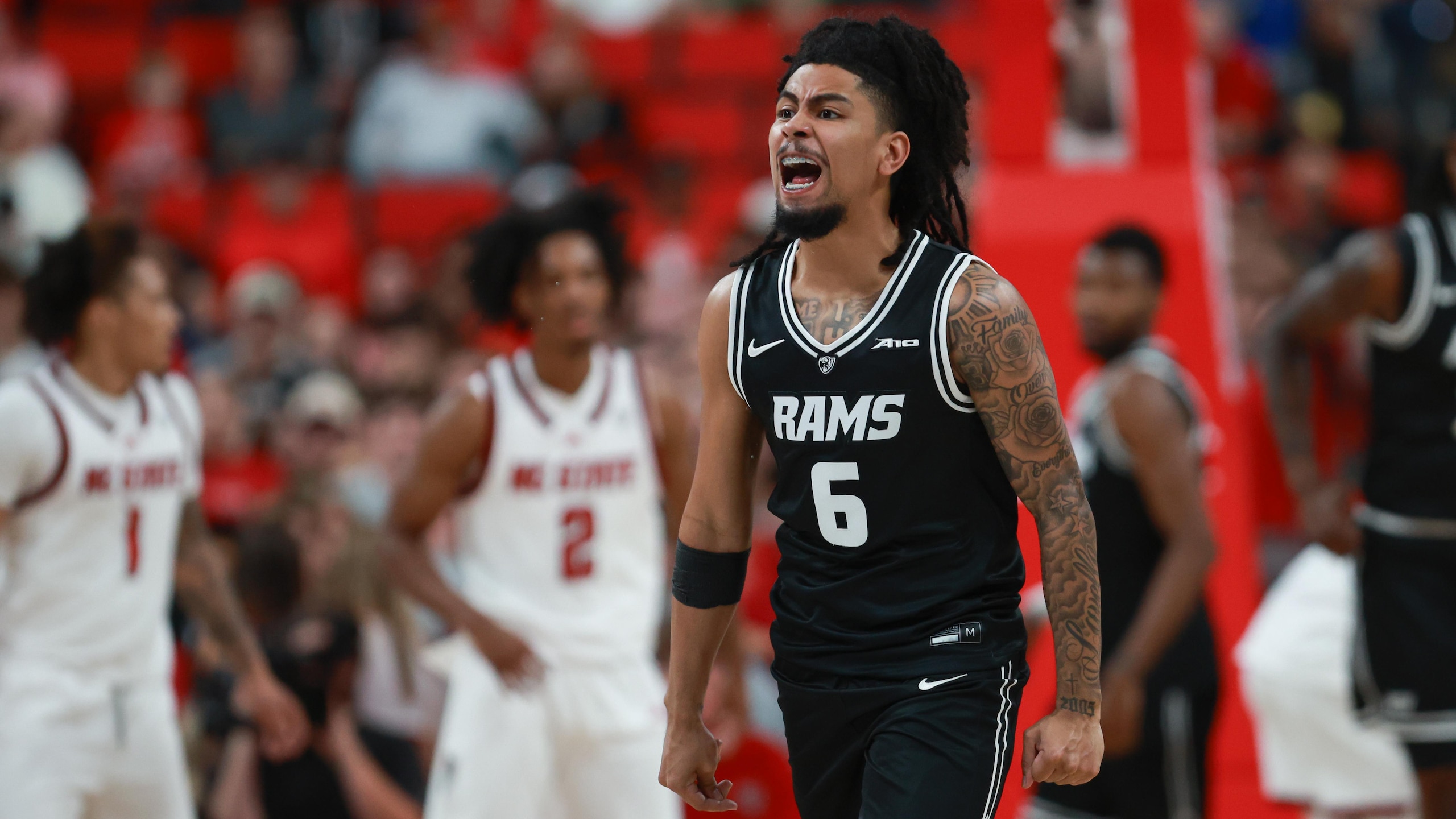
Record: 26-7 (15-3 in Atlantic 10)
Star Player: Terrence Hill Jr. only plays about 24 minutes per game off the bench, and yet he leads the Rams in both points and assists, as the ball is seemingly always in his hands when he's on the floor. He's like a light version of what Rob Dillingham was for Kentucky two years ago.
Biggest Wins: It's because this list is so underwhelming that VCU never felt remotely assured of an at-large bid. The Rams did beat South Florida and Virginia Tech in the Battle 4 Atlantis, both of which were borderline Quad 1/Quad 2 results. Same goes for the regular-season ending road win over Dayton. But it's mostly because they didn't suffer any bad losses that VCU ended up with a respectable Wins Above Bubble rating.
Reason to Worry: It's the lack of big wins, TBH. The Rams had chances against Vanderbilt, Utah State, NC State and New Mexico in nonconference play, plus two against Saint Louis during the A-10 portion of the season. They whiffed on all six, and some of them weren't very competitive.
March Madness Ceiling: VCU had that miracle run from First Four to Final Four in 2011 and had a couple of solid seasons immediately thereafter. Dating back to 2014, though, the Rams are 1-7 overall in the dance, winning a first-round game against No. 7 seed Oregon State a decade ago. And this particular iteration of VCU isn't any better than those previous teams were.
40. UCF Knights
29 of 68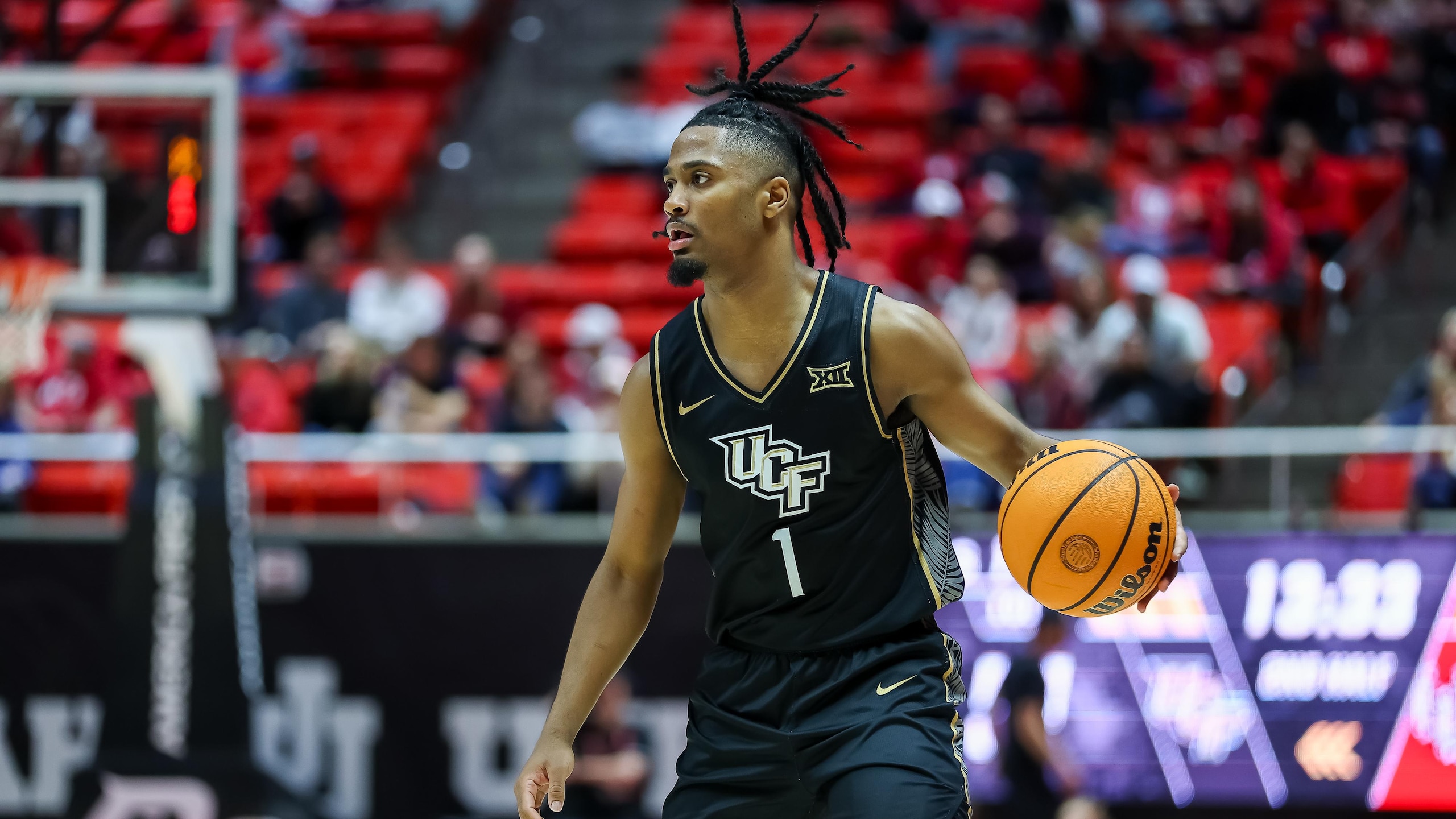
Record: 21-11 (9-9 in Big 12)
Star Player: Themus Fulks went from South Carolina State to Louisiana to Milwaukee before landing at UCF and becoming a darn good major conference lead guard. Were it not for Texas Tech's Christian Anderson, Fulks would've led the Big 12 in assists while also leading UCF in points scored. He went for 30 and eight when the Knights somewhat flirted with upsetting Arizona.
Biggest Wins: Who knew in mid-November that UCF at Texas A&M was a battle between tournament-caliber teams? The Knights won that one and proceeded to win home games against Kansas (with Darryn Peterson) and Texas Tech (with JT Toppin) and a road game against BYU (without Richie Saunders, but UCF was also missing Riley Kugel for that one).
Reason to Worry: UCF's defense is quite poor, ranking outside the top 100 in adjusted defensive efficiency and outside the top 300 in points allowed per game. Even in their three big wins in Big 12 play, they allowed 75, 80 and 84 points. And in six of their losses, they allowed at least 87. Don't expect any 67-63 types of ball games involving UCF, is the moral of the story.
March Madness Ceiling: UCF is 1-5 all-time in the NCAA tournament—Tacko Fall going for 13 points, 18 rebounds and five blocks in a first-round win over VCU in 2019—but who's to say they couldn't get another win? If Kugel and/or Jordan Burks is shooting well from distance, the Knights are going to be a tough out in a high-scoring affair.
39. North Carolina State Wolfpack
30 of 68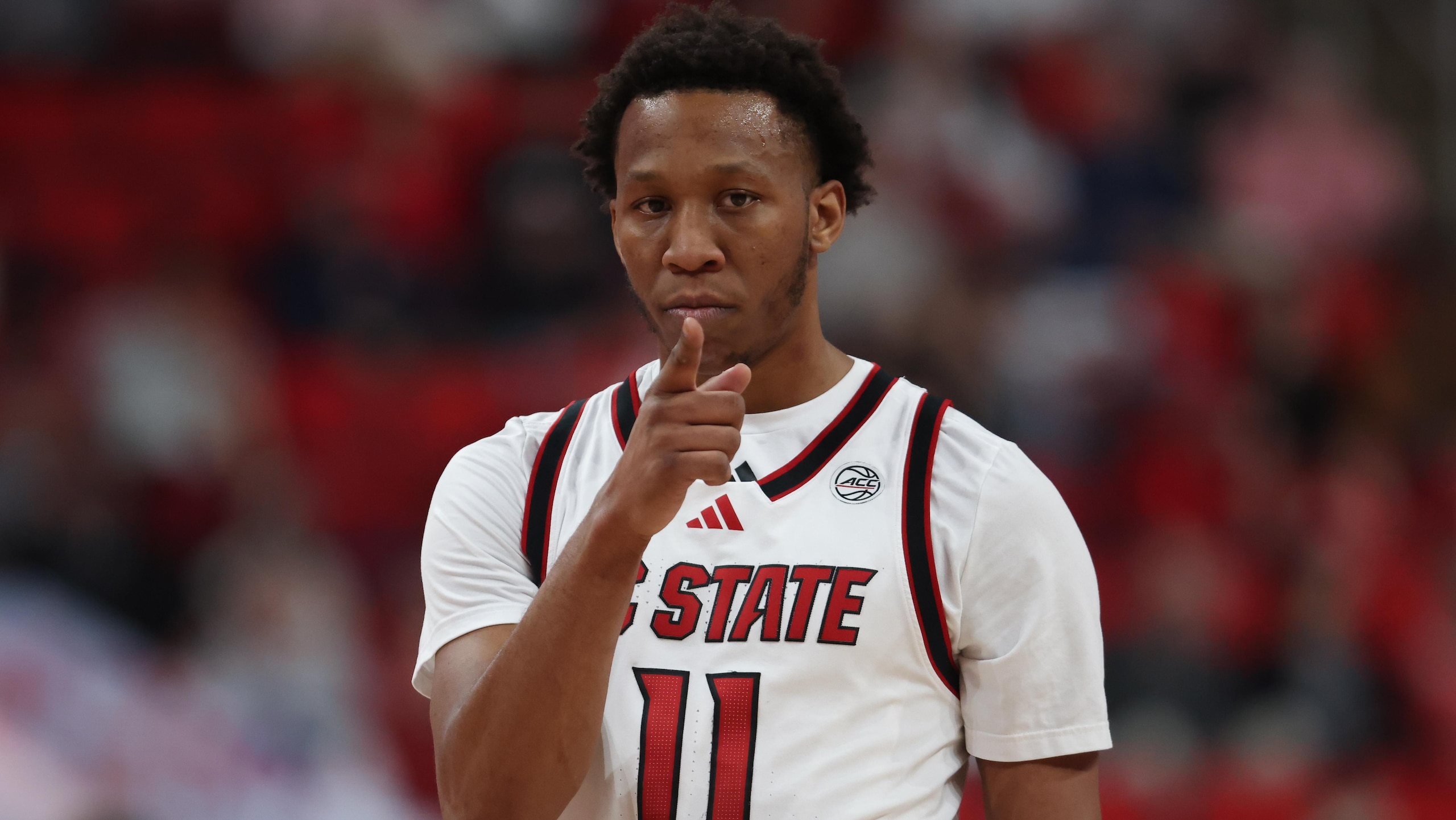
Record: 20-13 (10-8 in ACC)
Star Player: Four months ago, we all sure expected the answer to be Darrion Williams, and he is one of four members of the Wolfpack averaging better than 13 points per game. But Quadir Copeland—who came with Will Wade from McNeese—has become the lifeblood of this team, averaging nearly seven assists per game. He had a preposterous line of 16 assists with no turnovers in a one-point win at SMU that NC State simply had to have.
Biggest Wins: Emotionally, the biggest win was the 82-58 shellacking of North Carolina, even though the Tar Heels were without both Caleb Wilson and Henri Veesaar. However, the road wins over full-strength Clemson, SMU and VCU were arguably more impressive.
Reason to Worry: When things start to go sideways for the Wolfpack, they don't seem to have any idea how to right the ship. They've lost by scores of 118-77, 93-64 and 90-61 just in the past five weeks. They also lost a home game to Georgia Tech, and their loss to Seton Hall in the Maui Invitational was basically the only reason the Pirates ever emerged as an at-large hopeful.
March Madness Ceiling: With four starters who average better than 13 points per game, NC State has had some prolific performances. And if Williams and/or Paul McNeil Jr. gets on a heater from distance, anything is possible. The key is going to be keeping the opposition from getting hot, which NC State hasn't been able to do for a while now. Even though we're talking about a team that crashed the 2024 Final Four as a No. 11 seed, dreams of a Sweet 16 might be too optimistic.
38. Clemson Tigers
31 of 68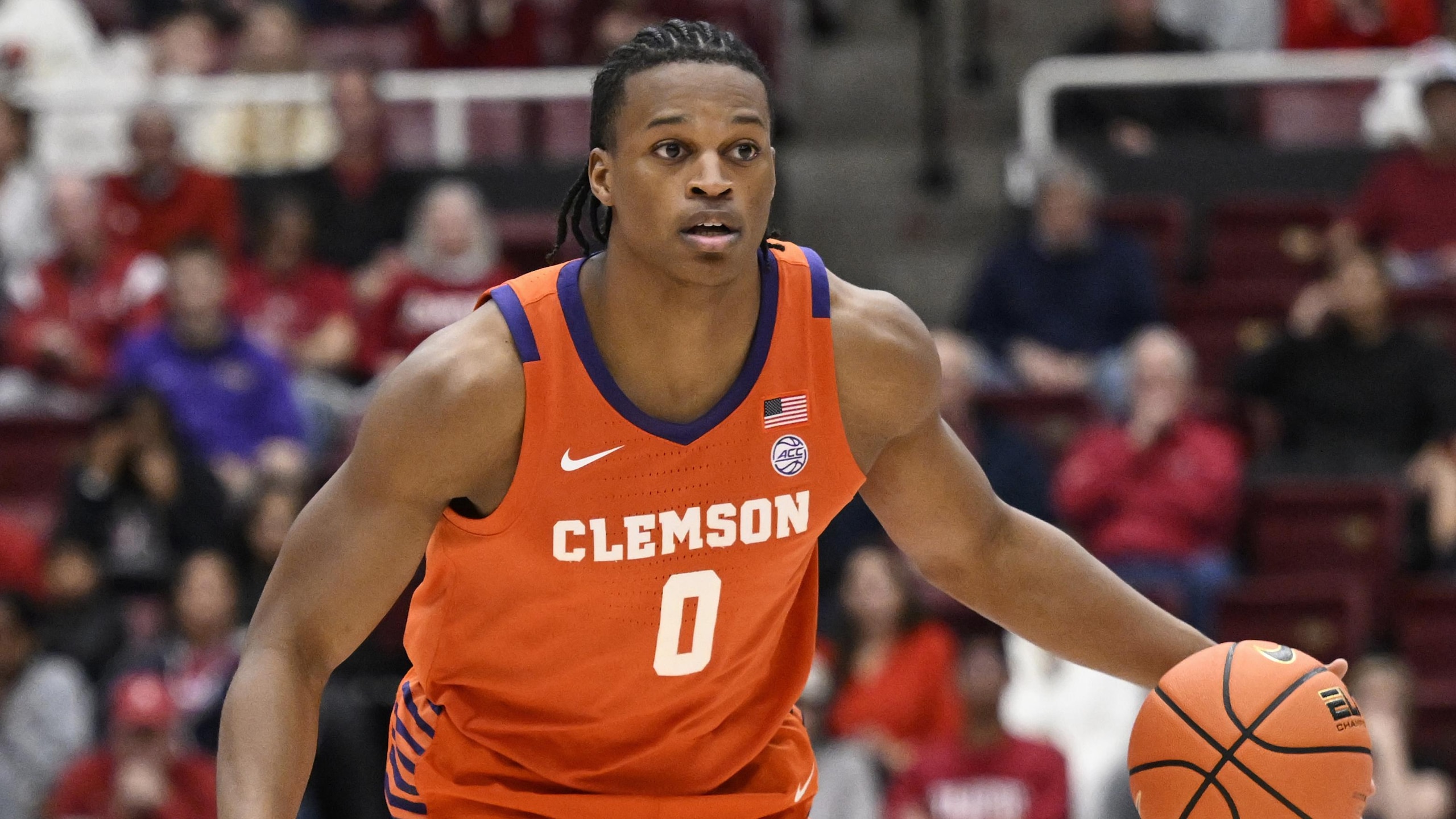
Record: 24-10 (12-6 in ACC)
Star Player: What's fun/wild about Clemson eclipsing 20 wins is there's no good answer here. Probably got to go with RJ Godfrey as the leading scorer, but the Tigers basically have eight role players—it was nine before Carter Welling suffered a torn ACL in the ACC tournament—all of whom contribute to what has been one of the stingier defenses in the country.
Biggest Wins: The home wins over Louisville, Miami and SMU all stand out, as does the ACC quarterfinal win over UNC and the overtime win over Georgia back during the Charleston Classic. But maybe most impressive were the back-to-back road wins over Stanford and California. Unfortunately, the Tigers did come back east and immediately lose four games to rather squander the achievement, but Duke was the only other ACC team to survive a trip out west.
Reason to Worry: You love to see a "whole is greater than the sum of its parts" team, right up until you need one of those parts to put the team on his back and no one rises to occasion. Freshman guard Ace Buckner has shown glimpses of becoming that guy in recent weeks, but even he couldn't carry them to victory in the February losses to Virginia Tech, Wake Forest and Florida State.
March Madness Ceiling: Clemson immediately lost to McNeese in last year's tournament, but it was only two years ago that Brad Brownell led the Tigers to the Elite Eight as a No. 6 seed. A first-round exit does feel a whole heck of a lot more likely than another three-win run, but they are 17-0 when holding the opposition to 65 points or fewer and might be able to defend their way to an upset or two.
37. Villanova Wildcats
32 of 68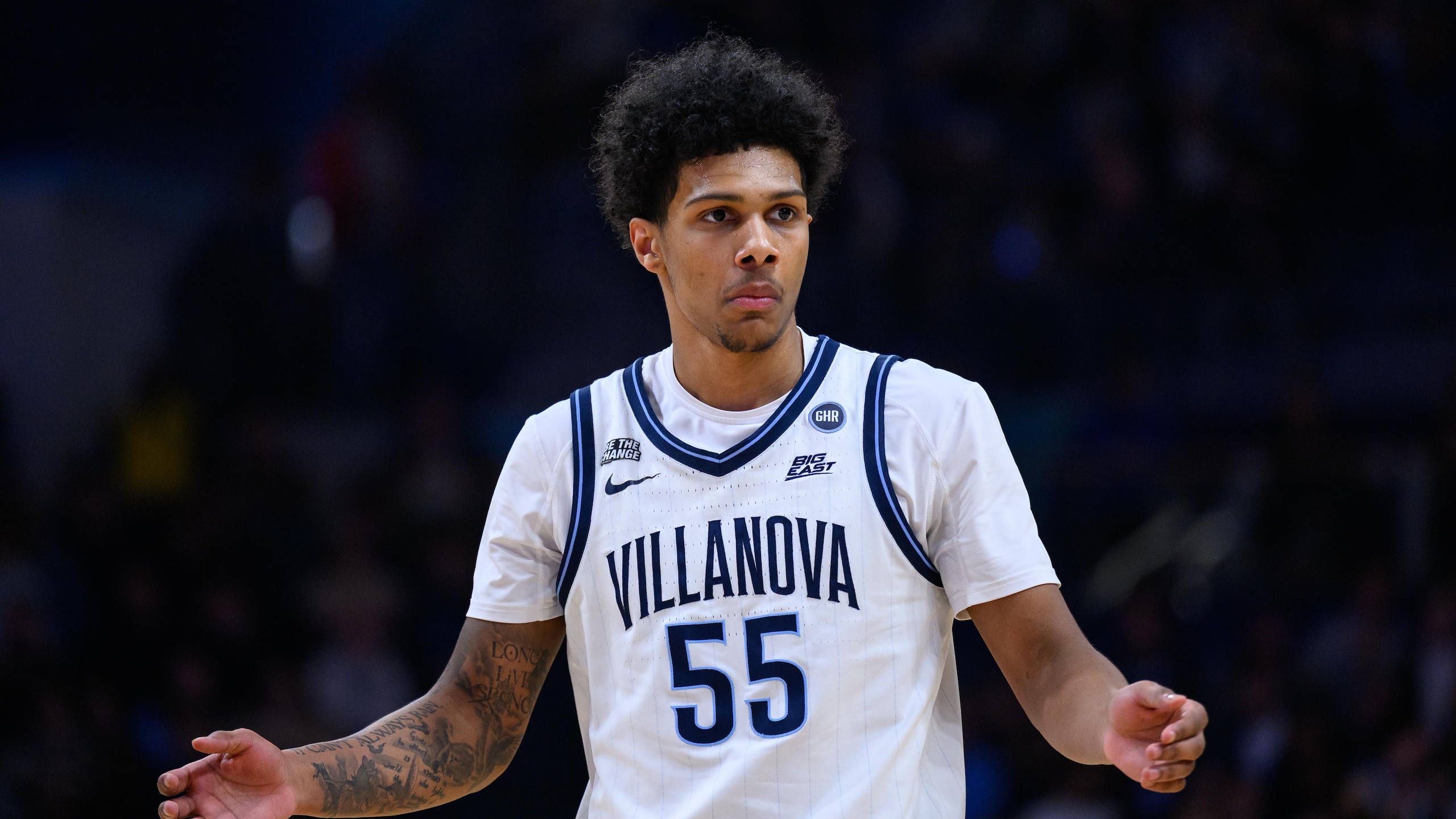
Record: 24-8 (15-5 in Big East)
Star Player: Freshman Acaden Lewis was a 4-star recruit and the fifth-ranked point guard in the 2025 recruiting class, and he has delivered on lofty expectations. His scoring output has been hit and miss, but he has done a terrific job running the offense, tallying 168 assists against just 68 turnovers. He averages 12.3 points, 5.3 assists, 3.1 rebounds and 1.9 steals per game, and earned second team All-Big East honors.
Biggest Wins: The Wildcats went 8-2 on the road in conference play, with their only losses coming against UConn and St. John's. That equated to a Quad 1 win over Seton Hall and seven Quad 2 victories to provide the foundation for their NCAA tournament case. They also beat Wisconsin in overtime in a neutral-site game in December, limiting the high-powered guard tandem of Nick Boyd and John Blackwell to 33 points on 8-of-21 shooting.
Reason to Worry: An 0-4 showing against UConn and Saint John's along with a 28-point loss to Michigan raises some immediate questions about the Wildcats ceiling. They play with the same grind-it-out tempo that has long been the calling card of the program, but lack the elite perimeter shooting they had during their two title runs. Case in point, they were 7-of-29 from long range in their Big East tournament opener, and the result was a 14-point loss to a sub-.500 Georgetown team.
March Madness Ceiling: The Wildcats are in the NCAA tournament for the first time in four years since Jay Wright retired, and they are good enough to put a scare into a top-tier opponent. Their fate will be tied to their outside shooting, as five of their eight losses came in games where they shot under 30 percent from beyond the arc. If they are consistently knocking down shots from the perimeter, the Sweet 16 is doable.
36. TCU Horned Frogs
33 of 68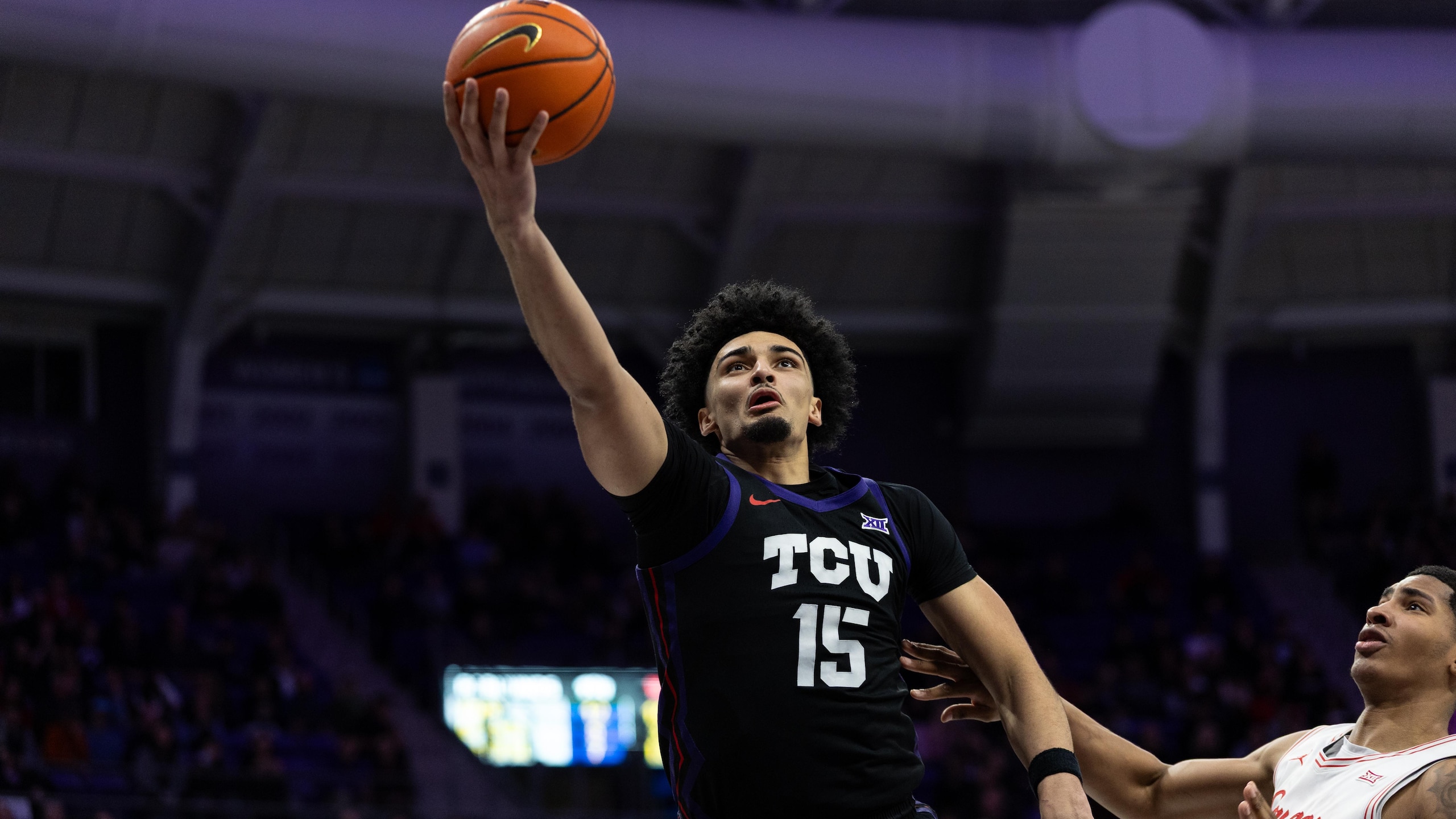
Record: 22-11 (11-7 in Big 12)
Star Player: David Punch gives TCU a puncher's chance in any game. He's not always a big-time scorer, but he is an eraser at the rim, as well as one of the team leaders in all the other major categories. When the Horned Frogs won the Rady Children's Invitational MTE, Punch averaged 18.0 points, 9.0 rebounds, 2.5 blocks, 2.0 steals and 2.0 assists.
Biggest Wins: Not many teams can claim to have beaten Florida, but TCU did on a neutral court on Thanksgiving afternoon. The Horned Frogs also knocked off Wisconsin the following day before scoring huge wins over Iowa State (home) and Texas Tech (road) in league play.
Reason to Worry: If the disastrous home loss to New Orleans on opening night had been this team's only miscue, we would've come to forgive it. But TCU also suffered one brutal loss in each of December (vs. Notre Dame), January (at Utah) and February (at Colorado by 26). The Horned Frogs have had some great wins, but they are the ultimate whack-a-mole team that ranks around 200th in effective field-goal percentage.
March Madness Ceiling: When they want to, the Horned Frogs have a stout defense anchored by Punch and Xavier Edmonds. When they hold their competition to 68 points or fewer, they are 16-1, the one loss a nail-biter against Michigan. Conversely, they're 6-10 when allowing at least 76 points, and it's occasionally way more than 76. Their ceiling hinges on their intensity on defense, because they don't have the shooting to win a track meet.
35. Santa Clara Broncos
34 of 68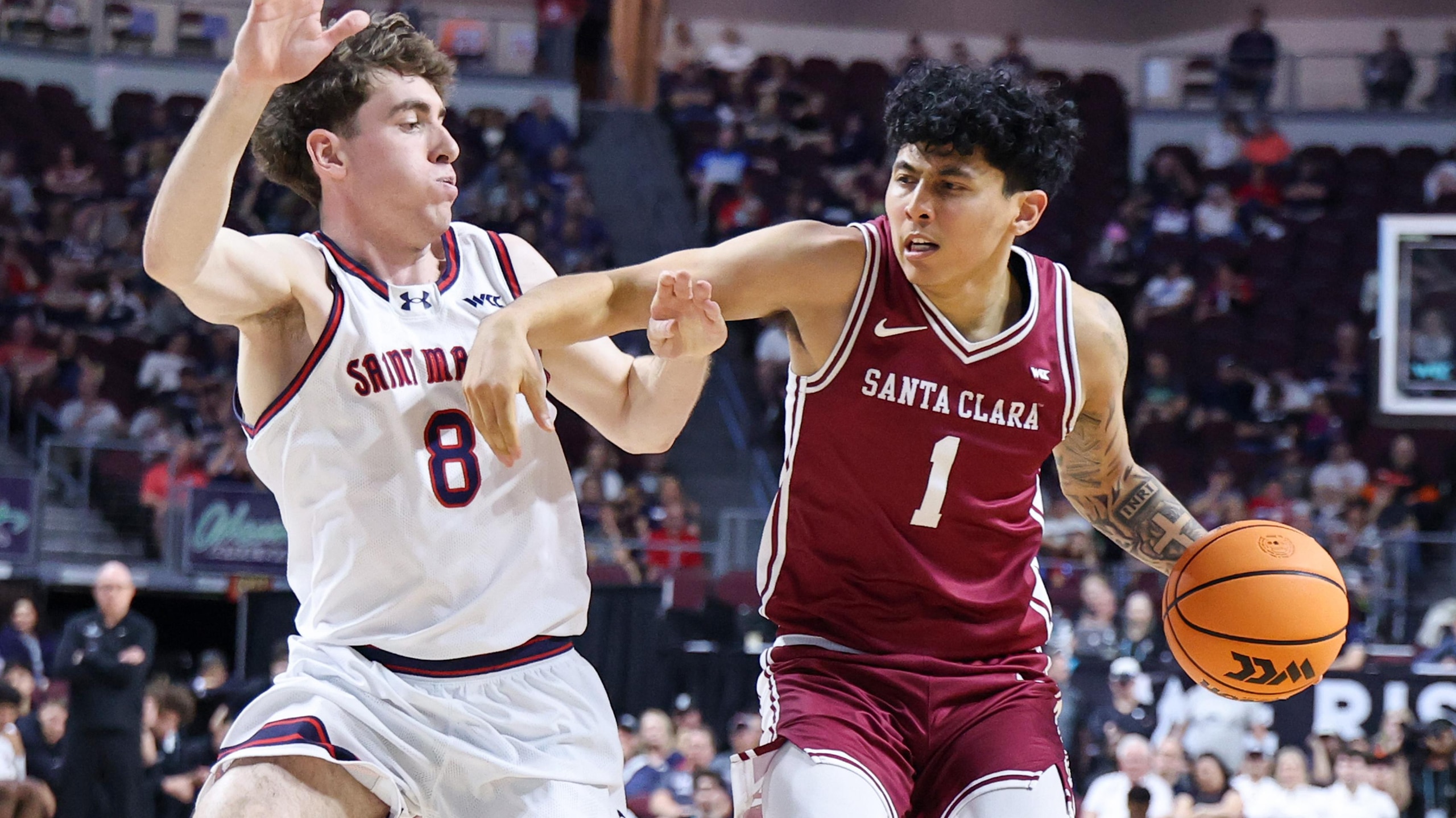
Record: 26-8 (15-3 in WCC)
Star Player: After averaging 3.7 points during an injury-plagued freshman season, Christian Hammond took a redshirt last year. With five seniors departing from last year's rotation, he came out the other side in a starting role and has emerged as the team's leading scorer, averaging 15.8 points while knocking down 52 threes at a 40.0 percent clip.
Biggest Wins: The Broncos beat Saint Mary's twice this year, including a 76-71 win in the WCC tournament semifinals that seemingly gave them the final push they needed to secure an at-large bid. Their non-conference resume includes wins over Xavier, Nevada, Minnesota and a tournament-bound McNeese team. All told, they were 8-7 above the Quad 3 line, so they had plenty of exposure to quality competition.
Reason to Worry: The Broncos allowed 10 or more offensive rebounds a staggering 16 times this season, including 20 in a loss to Saint Mary's last month. That is a recipe for disaster in the NCAA tournament. They also send the opposition to the free throw line more than 20 times per game, while ranking near the bottom of the pack in drawing fouls. These hurdles could be overcome in a single game, but will make a deep tournament run difficult.
March Madness Ceiling: The Broncos last trip to the NCAA tournament came with Steve Nash running the point back in 1996. With an offense that ranks inside the top 25 in KenPom's adjusted metric, they are capable of an upset if they bring it on that end of the floor. However, some glaring weaknesses make it difficult to buy them escaping the opening weekend, and the Sweet 16 looks like their ceiling.
34. Saint Louis Billikens
35 of 68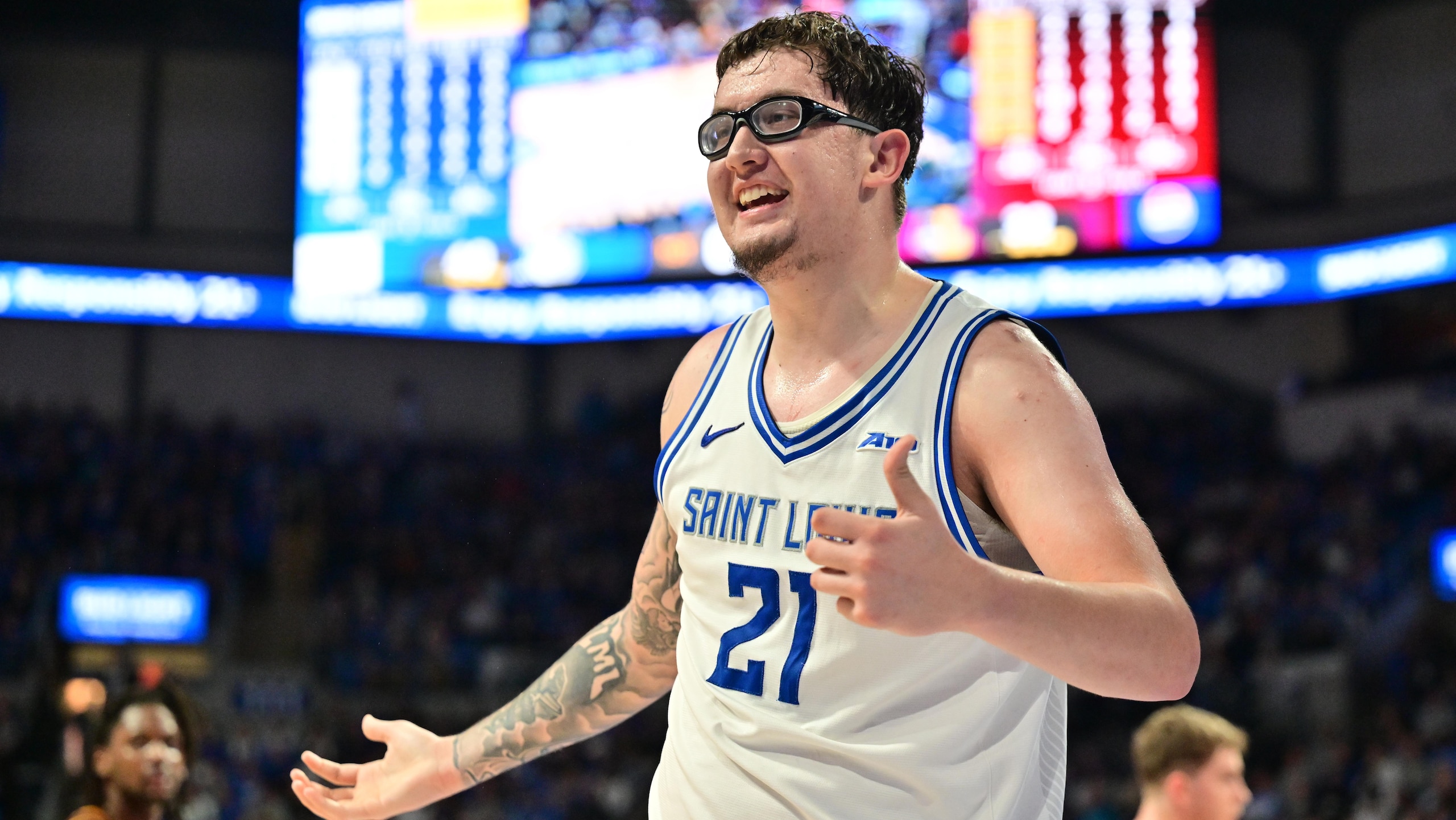
Record: 28-5 (15-3 in Atlantic 10)
Star Player: Robbie Avila has been battling some plantar fasciitis in recent weeks, but "Larry Nerd" is the star of the Saint Louis show, leading the way in both points and assists. He's merely one piece of the puzzle, though. The real beauty of this Billikens team is that nine guys average better than 16 minutes per game and all make a big impact.
Biggest Wins: Sweeping VCU was huge, but so was the neutral-court victory over Santa Clara on Thanksgiving. Shame the Billikens were unable to follow that one up with a win over Stanford the next day, losing to the Cardinal when the "foul up three" strategy went horribly, terribly awry.
Reason to Worry: Saint Louis didn't just stumble down the stretch. It tripped, somersaulted and broke its nose while falling across the finish line. After holding its first 25 opponents to 0.92 points per possession, that skyrocketed to 1.12 PPP allowed during a 3-3 finish to the regular season, punctuated by a 29-point loss at George Mason. Was it just a rough patch of road games or is their mojo gone?
March Madness Ceiling: There was a point about a month ago where the gap between Saint Louis' offensive and defensive effective field-goal percentage was the widest in KenPom history, and it wasn't even close. The Billikens have since endured a regression to the mean and no longer rank No. 1 in either department. But if that worm turns again and opponents stop shooting the lights out against them? Let's just say this team felt like an Elite Eight sleeper during its 24-1 start to the year.
33. Texas A&M Aggies
36 of 68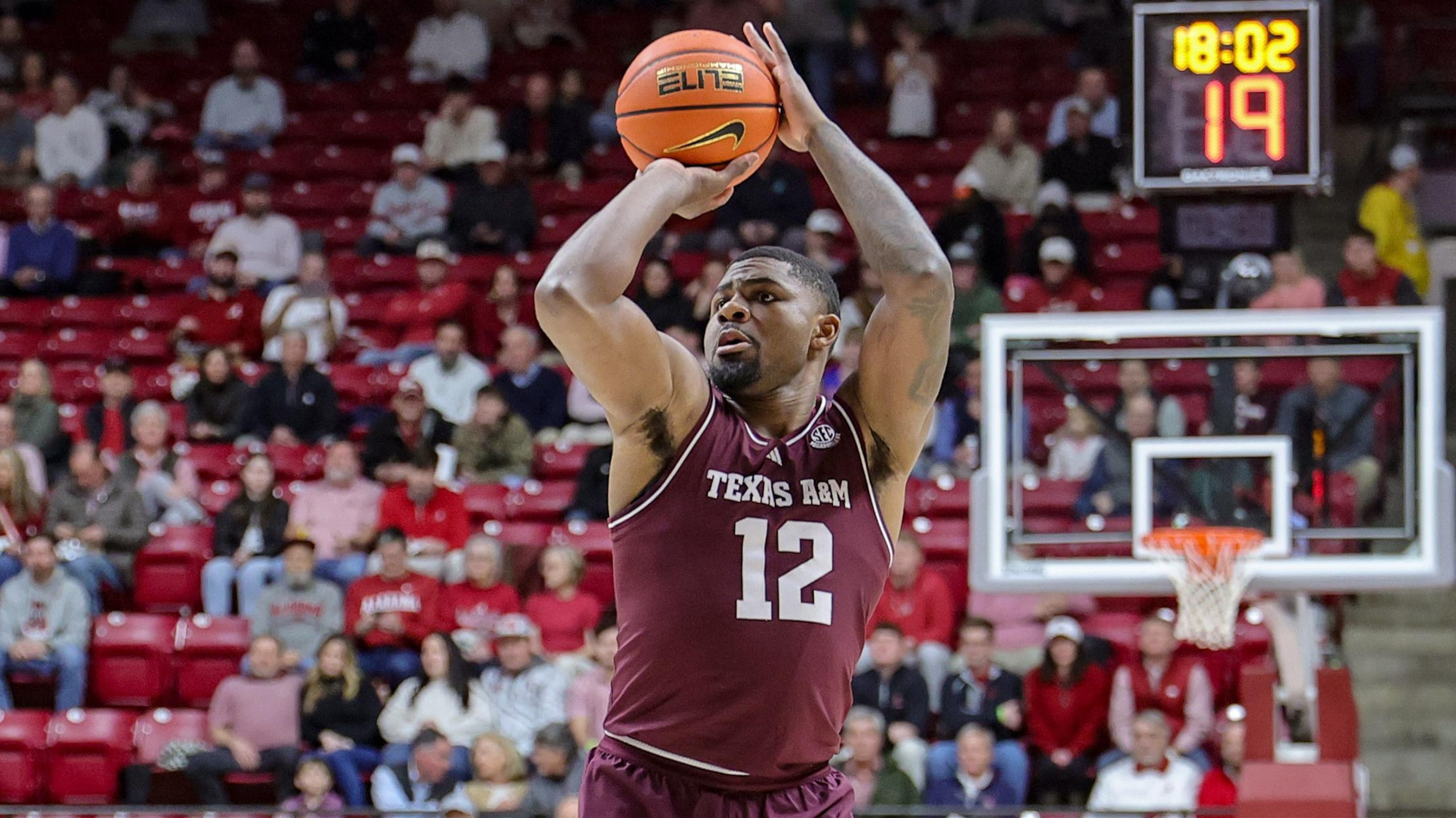
Record: 21-11 (11-7 in SEC)
Star Player: Texas A&M was supposed to run offense through Indiana transfer Mackenzie Mgbako, but he lasted just seven games and it has instead been four-time transfer Rashaun Agee leading the way. In back-to-back early wins over Florida State and Pitt, he went for a combined 38 points and 30 rebounds. He also put up 18 and 15 with seven assists in a January win at Georgia.
Biggest Wins: Though the Aggies are lacking in anything close to a fantastic victory, they did go 11-7 in what KenPom rates as the best conference. That resulted in a home win over Kentucky, as well as road wins over Georgia, Auburn, Texas, Oklahoma and LSU.
Reason to Worry: Stout defense isn't exactly Bucky Ball's calling card. And outside of frequently winning the turnover battle, A&M doesn't provide much resistance on that end of the floor. Alabama got to 100 in regulation against them. Arkansas fell one point shy of doing the same. They allowed at least 82 points in most of their losses.
March Madness Ceiling: In five games played against KenPom top 25 foes, Texas A&M went 0-5, losing by an average score of 91-80. The Aggies did at least give both Alabama and Tennessee a run for their money in those road games, but the lack of an elite win makes it tough to imagine they're going to finally get one now. Maybe they'll survive the first round, but probably not the second.
32. Utah State Aggies
37 of 68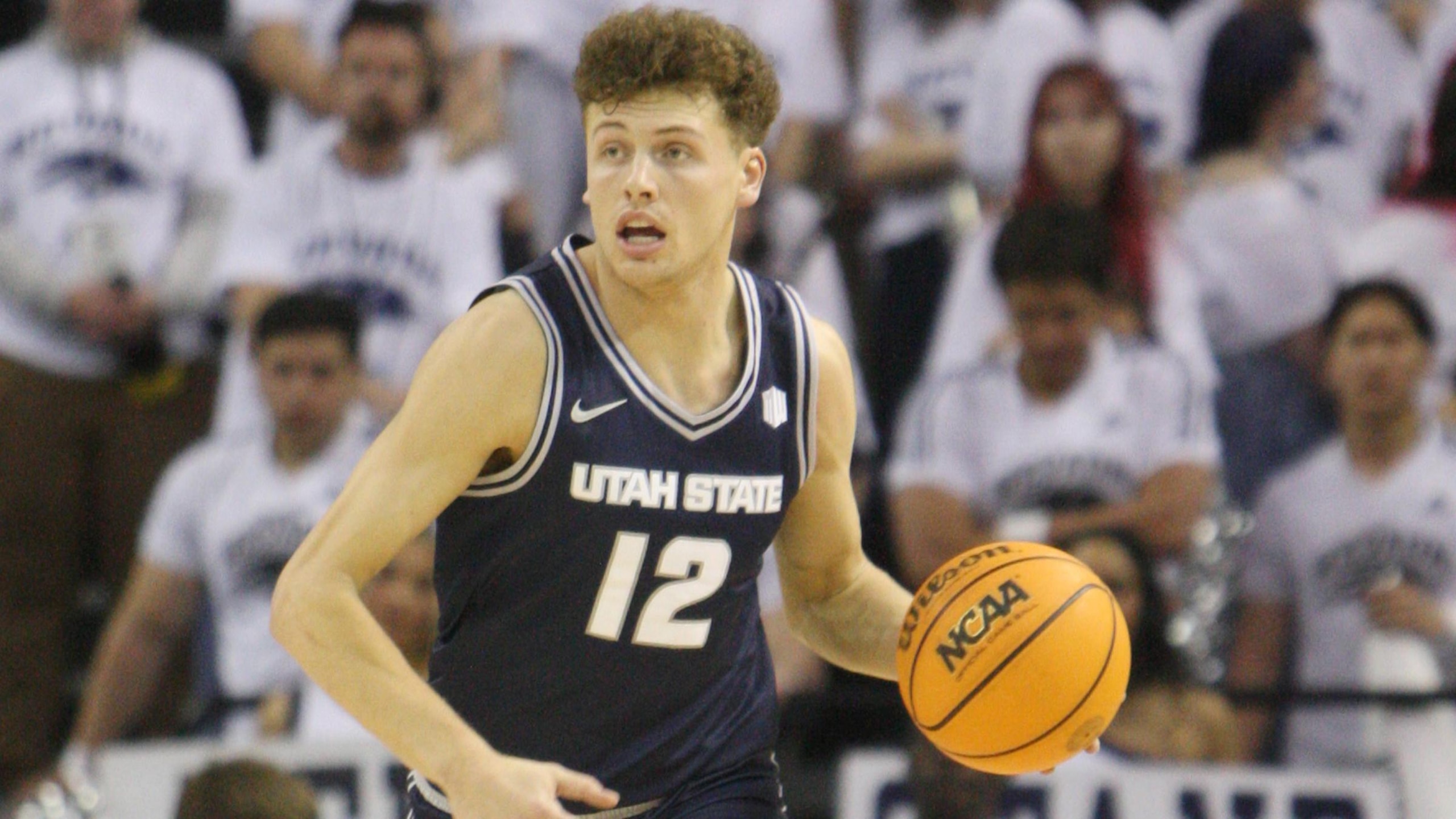
Record: 28-6 (15-5 in Mountain West)
Star Player: MJ Collins is the top scorer and the primary perimeter threat, but Mason Falslev is Mr. Everything for the Aggies, averaging around 16 points, six rebounds, five assists and two steals per game. He went for 17 and 10 with three dimes and two steals in their NCAA tournament game last season.
Biggest Wins: Utah State did not play a single game against a KenPom top 40 opponent, so opportunities for elite wins were nonexistent. The Aggies did sweep New Mexico, though, winning the road game by 20. They also beat VCU on a neutral floor in early November and took two out of three from San Diego State, including the all-important MWC championship game.
Reason to Worry: USU's defense wasn't exactly great for the first few months of the season, but it really went downhill down the stretch, allowing 84.0 points over its final five regular-season games. That included losses to both Nevada and UNLV, as well as a blowout loss at SDSU. But they allowed 60, 66 and 62 in the MWC tournament, so, who knows?
March Madness Ceiling: Save for a win over TCU in an 8/9 game two years ago, Utah State has been immediately eliminated in each of its last 11 NCAA tournament appearances. (And it followed up that lone win with a 39-point loss to Purdue in the second round.) They've been able to get into the dance on a regular basis, but they've yet to figure out how to do much of anything with their ticket. That trend likely continues.
31. North Carolina Tar Heels
38 of 68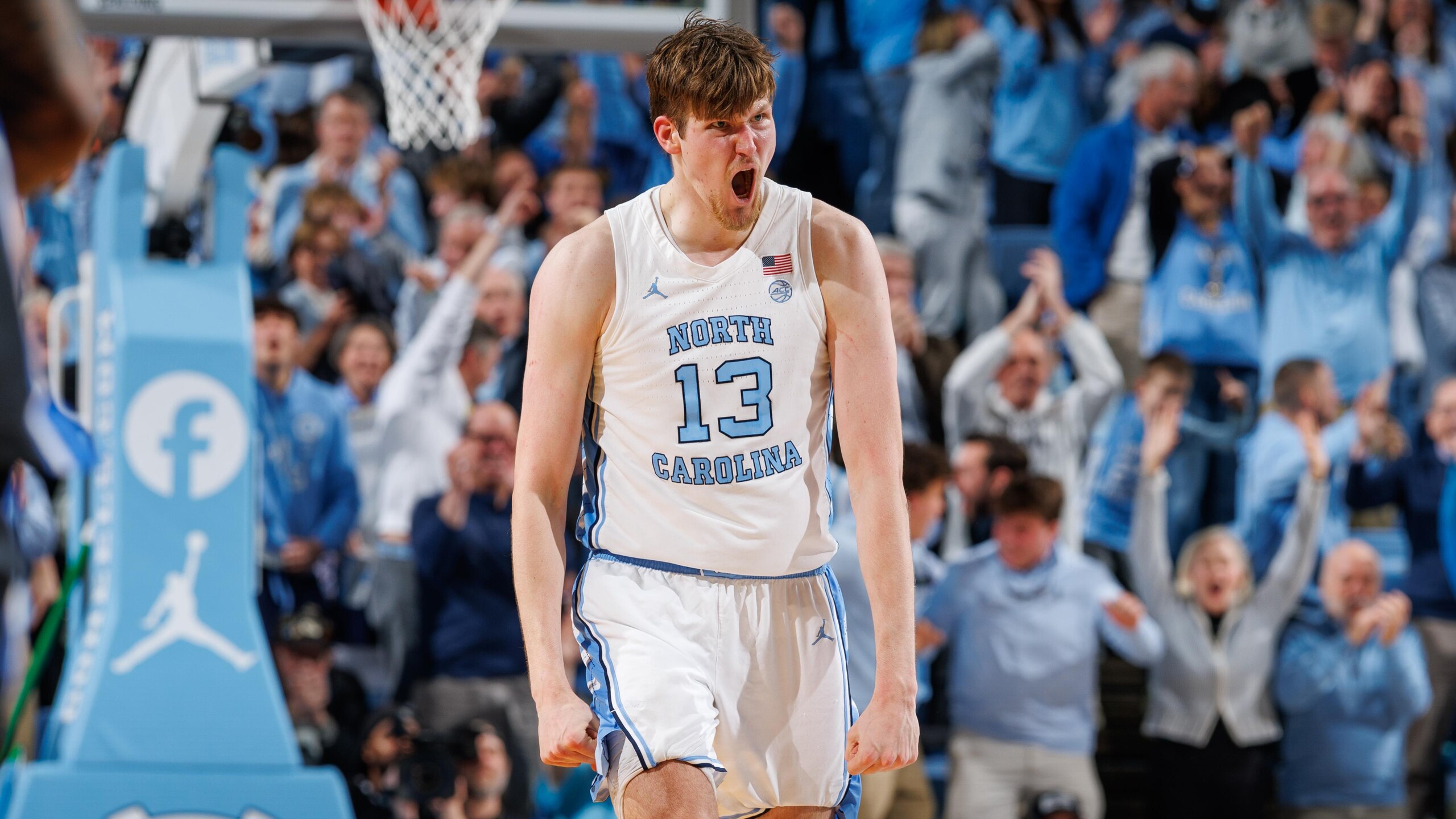
Record: 24-8 (12-6 in ACC)
Star Player: Well, it was Caleb Wilson, who was averaging 19.8 points and 9.4 rebounds per game. But he's done for the year with a broken right thumb that was suffered while recovering from a fractured left hand. Now it all falls on Henri Veesaar, who did go for 28 points and 17 rebounds in the ACC tournament game against Clemson—which UNC still lost.
Biggest Wins: No. 1 on the list was Seth Trimble's game-winner against Duke that will be replayed for many years to come. But UNC also won at Kentucky, won at Virginia, beat Kansas in Chapel Hill and even took care of both Louisville and Clemson while Wilson was unavailable.
Reason to Worry: The defense has certainly improved since mid-January, but there are still stretches or even entire games in which they are about as productive on that end of the floor as a paper bag trying to contain water. The Tar Heels have allowed at least 80 points eight times just during the 2026 portion of the schedule. They also shoot below 69 percent from the free-throw line as a team, which could be a recipe for disaster.
March Madness Ceiling: It hasn't been anything close to a vintage year for UNC, spending most of the campaign hovering somewhere around 30th on KenPom. But outside of that stretch of horrific perimeter defense in the losses to SMU, Cal and Stanford two months ago, the Tar Heels have shown they can beat anyone when they're at full strength. Unfortunately, they won't be at full strength and may well get bounced immediately.
30. Miami (FL) Hurricanes
39 of 68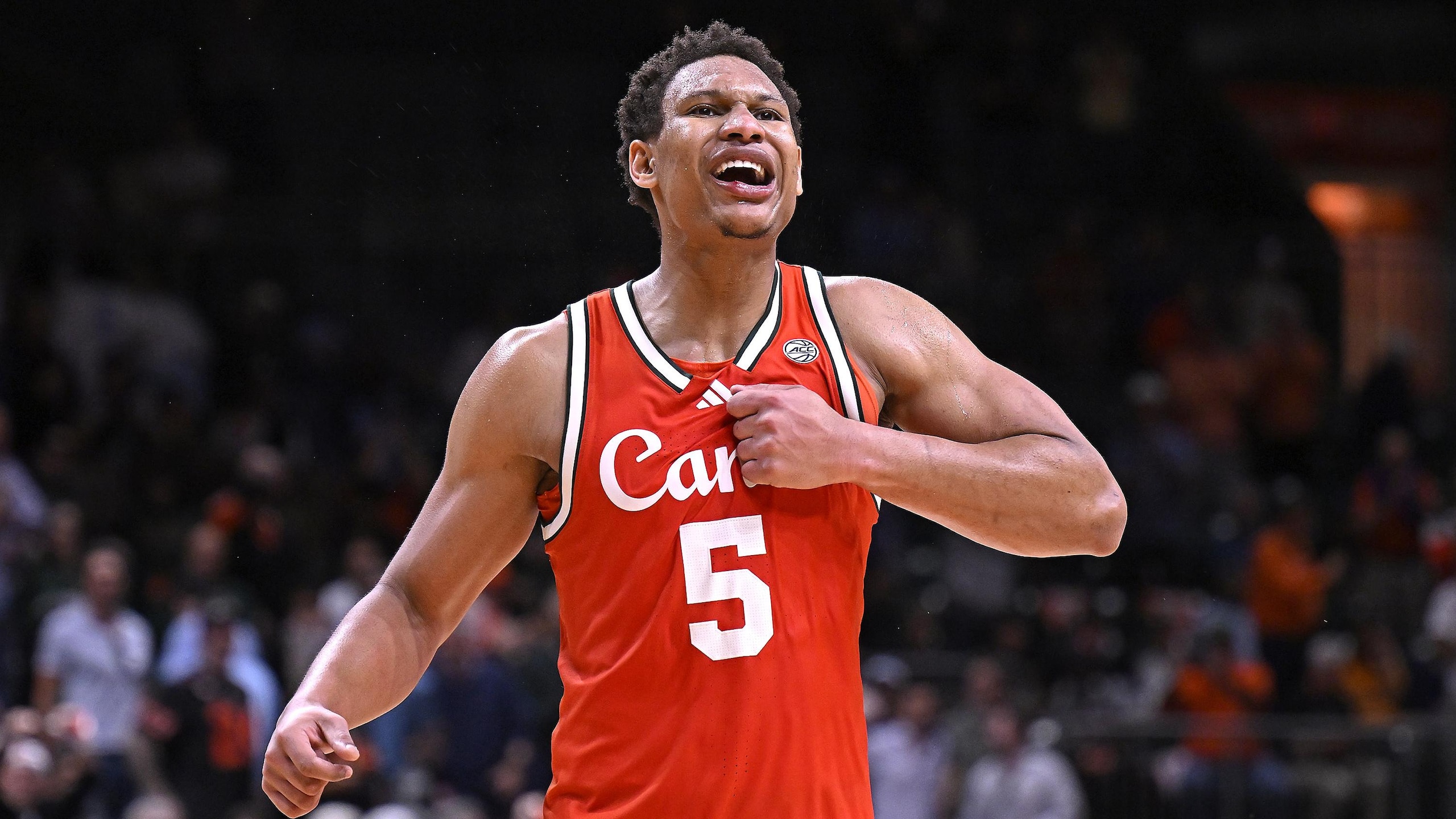
Record: 25-8 (13-5 in ACC)
Star Player: Miami hired first-year head coach Jai Lucas away from Duke last March, insisting that he relocate to Coral Gables before the ACC tournament, in order to be ready for action as soon as the transfer portal opened. And he put together quite the haul, headlined by Indiana transfer Malik Reneau, who has become just the second Hurricane since 1990 to score at least 620 points in a season.
Biggest Wins: The ACC typically runs through the Tar Heel State. And though Miami did not face Duke this season thanks to the ACC's preposterous scheduling, it was the consecutive victories over UNC and NC State that got the Hurricanes not only off of the tournament bubble, but into the conversation as a team that could do some damage in the dance. They subsequently won at SMU and beat Louisville in their ACC tournament opener.
Reason to Worry: While they did beat North Carolina, that was the game in which Caleb Wilson suffered his hand injury. They also won at NC State, but what a miracle minute that was, erasing a seven-point deficit in the final 52 seconds. And before those back-to-back wins in mid-February, they had lost by double digits all three times they faced a top 50 foe. They sure got pummeled by Virginia in the ACC semis. Was it just one good week?
March Madness Ceiling: Miami has one of the best rebounding frontcourts in the nation, as well as an interior offensive attack that is just relentless, averaging more than six more two-pointers made per game than it allows. The 'Canes haven't gotten many opportunities this season to show what they can do, but last year's 7-24 disaster feels like a lifetime ago. They could absolutely win a game in the dance. Maybe even a couple of them.
29. Georgia Bulldogs
40 of 68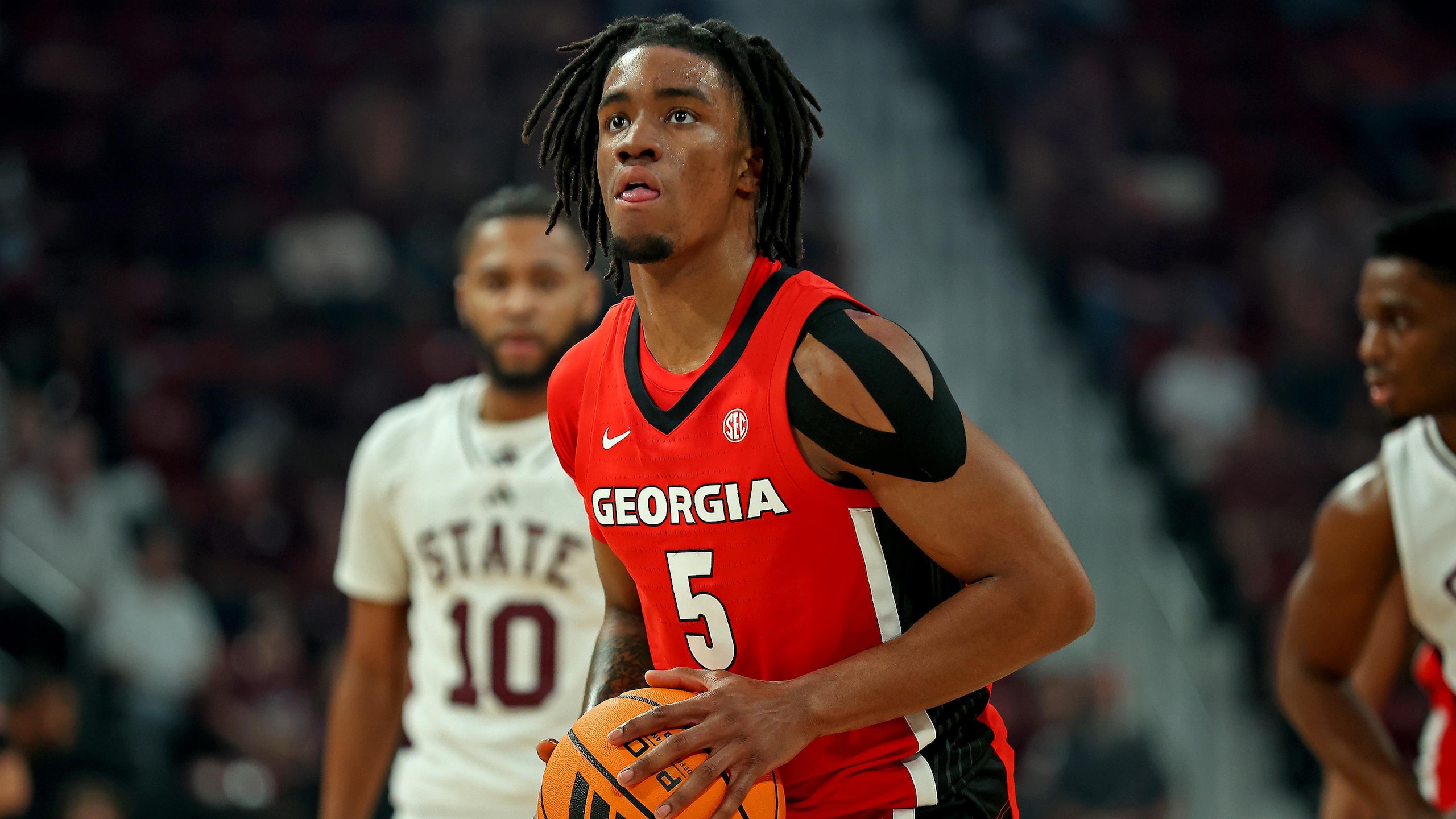
Record: 22-10 (10-8 in SEC)
Star Player: As far as fun names go, Blue Cain and Marcus "Smurf" Millender take the cake here. But in terms of best game, it's Jeremiah Wilkinson. The transfer from California has been Georgia's top scoring threat, as well as the team leader in steals. The Bulldogs have four players who average more than four three-point attempts per game, but Wilkinson is the leader of that quartet.
Biggest Wins: Winning at Kentucky in mid-February was the pièce de résistance, victorious in Rupp Arena for the first time since putting the final nail in Billy Gillispie's coffin in March 2009. Georgia also won home games against Alabama and Arkansas, both by double digits.
Reason to Worry: On the one hand, Georgia ranks among the nation's highest-scoring teams and (prior to a stunning loss to Ole Miss in the SEC tournament) had gone a perfect 18-0 when holding its opponent to 85 points or fewer. On the other hand, the Dawgs allow at least 86 points more than 40 percent of the time, and they lose most of those games. Can they get stops in the dance? Or are they headed for a repeat of last year's 89-68 first-round exit?
March Madness Ceiling: Say this much for Georgia: few teams finished the regular season hotter. The Bulldogs shot better than 40 percent from distance in each of their final six regular season games, winning all but the game at Vanderbilt. If they're firing like that in the dance, they could win at least one game, maybe two. With only three NCAA tournament victories in the past 40 years, though, UGA reaching the Sweet 16 would feel like a Cinderella story.
28. Iowa Hawkeyes
41 of 68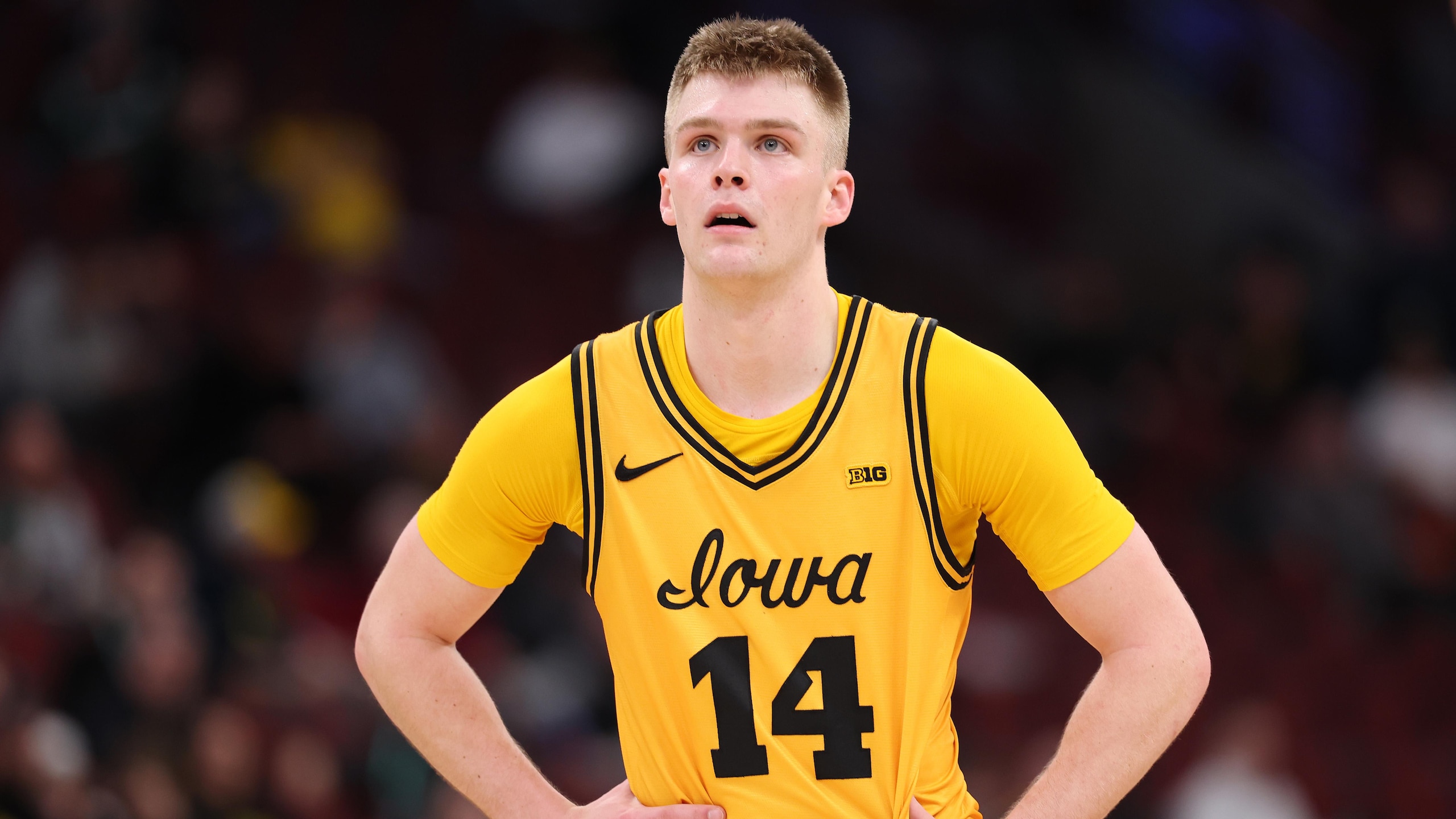
Record: 21-12 (10-10 in Big Ten)
Star Player: As was the case last year at Drake, Ben McCollum's team is the Bennett Stirtz show. The point guard who plays nearly every minute of every game has almost twice as many points and twice as many assists as his closest teammate. If any opponent could figure out how to shut him down, it could probably hold the Hawkeyes to about 40 points. However, the next D-I foe to shut down Stirtz would be the first.
Biggest Wins: Not much of a list here, which is why Iowa felt a bit bubbly until the finish line. The Hawkeyes did have a quality home win over Nebraska, though, in a relatively ugly 57-52 game. They also won at Indiana and got home wins over Ohio State and UCLA, which kept them from ever really falling into bubble trouble.
Reason to Worry: In the trifecta of bad losses to Maryland, Penn State and Minnesota, the Hawkeyes allowed those opponents to shoot a combined 66.7 percent from inside the arc. It's not usually that bad, but defending the paint has been a season-long struggle for this team.
March Madness Ceiling: The dream for Iowa is a 2018 Loyola-Chicago type of run to the Final Four, fueled by wins in which neither team reaches 70 points. That's how the Hawkeyes beat Nebraska. It's how they almost beat Michigan and Illinois. And they're 17-1 when holding their opponent below 70. Let's see if the frontcourt defense is up to the challenge.
27. Ohio State Buckeyes
42 of 68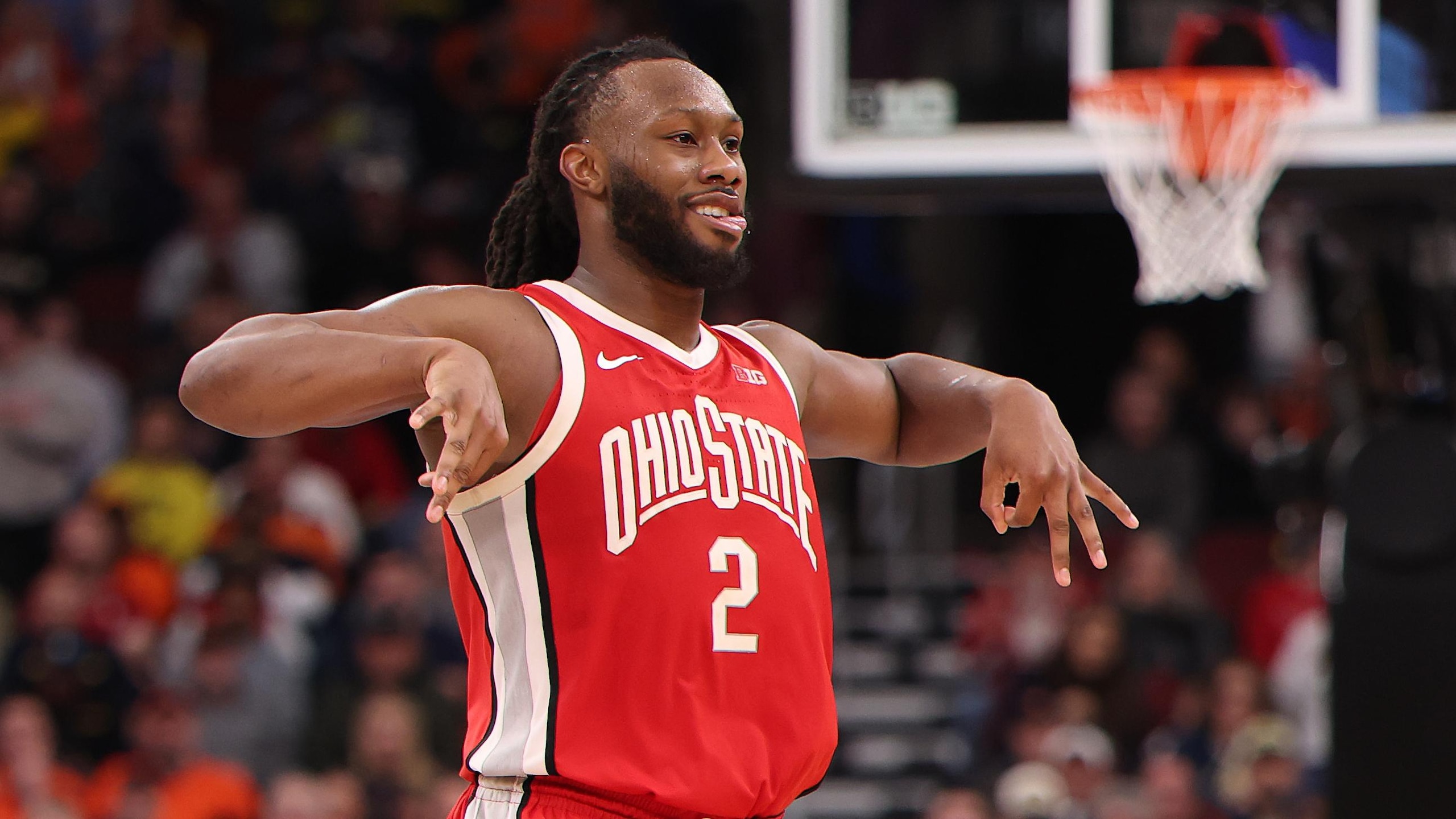
Record: 21-12 (12-8 in Big Ten)
Star Player: If you were to put together a list of five players liable to completely take over a game or two in the NCAA tournament, Bruce Thornton needs to be on that list. In his four-year career at Ohio State, Thornton eclipsed 2,000 points, 500 assists and 500 rebounds. And in the win over Wisconsin last month, he went for 27, nine and eight.
Biggest Wins: By the end of February, Ohio State was still on the wrong side of the bubble, desperately lacking for anything close to an elite win. But the Buckeyes got a big one on March 1, topping Purdue in Columbus. At that point, prior wins over Wisconsin, UCLA, Northwestern and West Virginia looked less problematic as supporting data points. Beating Iowa in the Big Ten tournament was a nice cherry on the sundae.
Reason to Worry: Outside of Thornton and the occasional scorching hot stretch from John Mobley Jr. along the perimeter, this team is just kind of...blah. The Buckeyes aren't terrible on defense, but they aren't exactly good on that end, either. And it hardly feels like an accident that it took them 10 tries to finally get a great win.
March Madness Ceiling: After starting out 6-0—all in home games against non-tournament teams—Ohio State went W-L-W-L through almost its entire schedule, seemingly unable to play well in back-to-back games. The Buckeyes did finish strong, though, almost completely rewriting their season-long narrative in a good battle with Michigan in the Big Ten quarters. Still, multiple wins would be a stretch.
26. Saint Mary's Gaels
43 of 68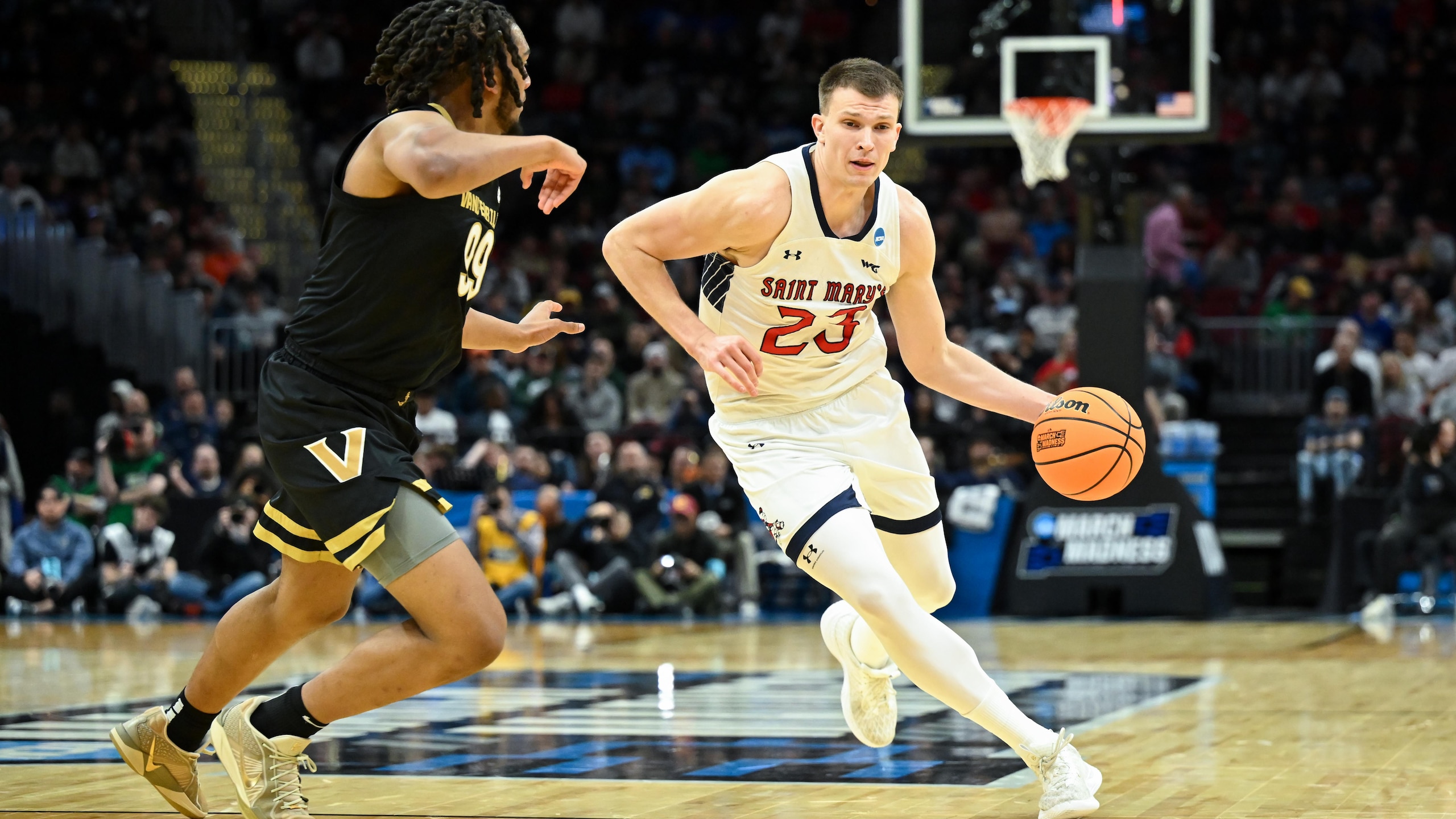
Record: 27-5 (16-2 in WCC)
Star Player: A 4-star recruit out of Lithuania who began his college career at Arizona, forward Paulius Murauskas earned first team All-WCC honors for the second year in a row. The 6'8", 225-pound junior averages 18.8 points, 7.7 rebounds and 2.2 assists, and he does a great job drawing fouls, averaging 6.2 free throws per game and shooting 83.8 percent from the line.
Biggest Wins: As is often the case, a win over Gonzaga headlines the Gaels resume, while they also split their two regular season games with Santa Clara, losing to them in the WCC tournament. Outside of conference play, the highlights include victories over Wichita State and Virginia Tech at the Battle 4 Atlantis and a home win against Northern Iowa.
Reason to Worry: Defense is the talking point, but it's worth noting that all five of the Gaels losses came when they scored fewer than 72 points, so the biggest concern might be the offense falling short in support of that always stingy defense. Their toughest matchup outside of conference play was Vanderbilt in the Battle 4 Atlantis title game, and they allowed a season-high 96 points and lost by 25.
March Madness Ceiling: The Gaels are once again a stout defensive team that plays at one of the slowest tempos in the country. They were unable to slow down a fast-paced Alabama team in the second round of the NCAA tournament a year ago, and a similar matchup would again pose a problem, but they are more than capable of surviving the opening weekend if the bracket unfolds in their favor.
25. Kentucky Wildcats
44 of 68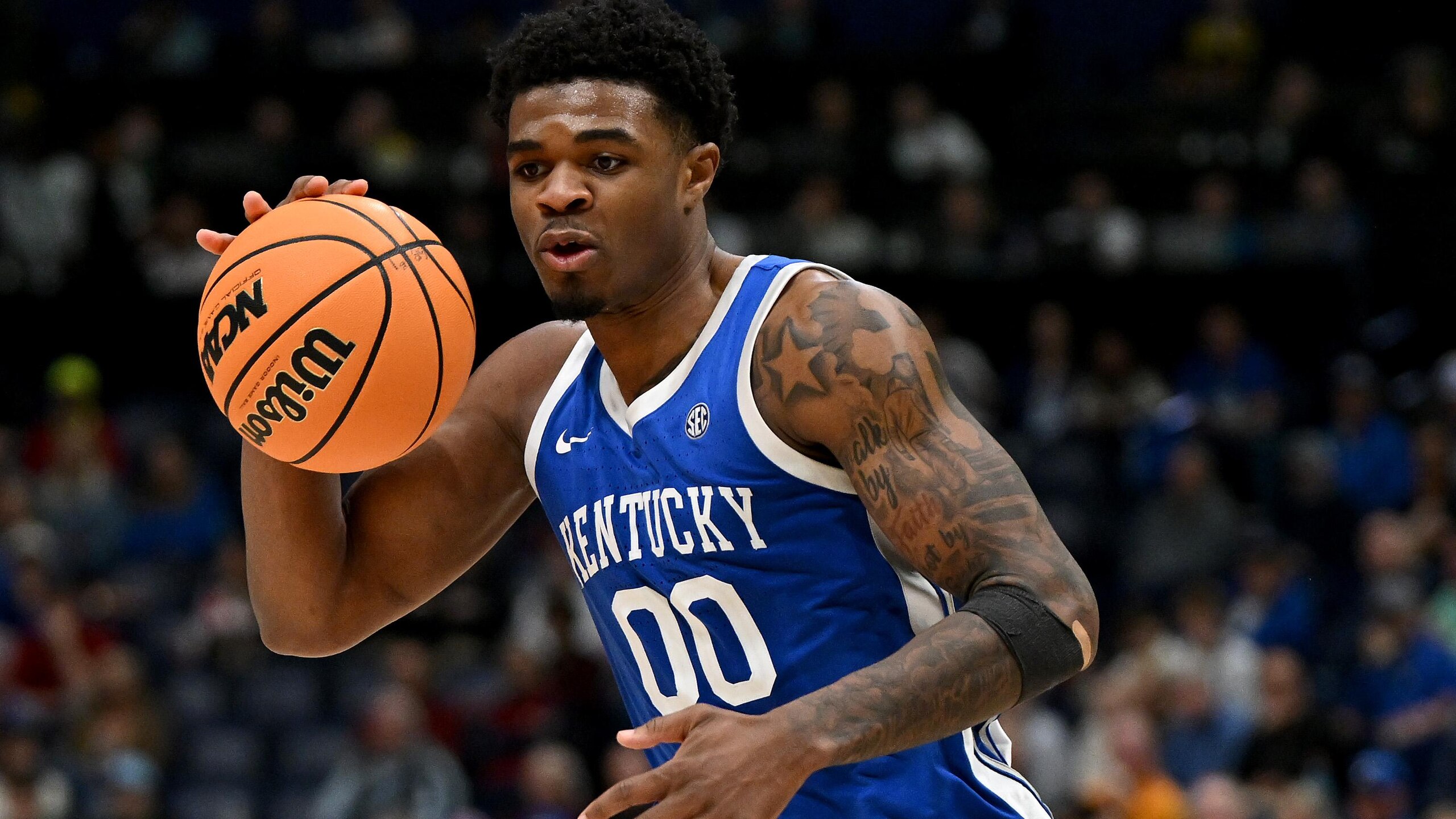
Record: 21-13 (10-8 in SEC)
Star Player: As was the case one year ago, Otega Oweh was Kentucky's rock amid a roster fraught with injury. He led the Wildcats in both points and steals, averaging 21.1 and 1.8, respectively, in their 18 regular-season SEC games. But one key difference from last year has been a considerable uptick in three-point attempts. Oweh nearly made as many triples in league play (27-for-73) as he attempted in 2024-25 (11-for-33).
Biggest Wins: After playing one of the toughest schedules in the country, Kentucky ended up with a nice stockpile here. The Wildcats swept Tennessee (after trailing big early in both games), won at Arkansas, smoked Vanderbilt at home and beat St. John's on a neutral court. They also won home games against Texas and Indiana, hurting both of their cases for a bid.
Reason to Worry: While Kentucky did win a good number of games against top 50 competition, it also lost nearly two-thirds of those games, including at home against both Georgia and Missouri. They're dancing, yes, but these Wildcats fell laughably short of preseason expectation. (Though, getting a combined total of 233 minutes out of Jaland Lowe and Jayden Quaintance rather explains their shortcomings.)
March Madness Ceiling: The Wildcats easily could be a second-weekend team. But they need to get back to playing like the squad that won eight out of nine games in January and February, as opposed to the one that lost five of seven to end the regular season. That largely hinges on defense, which was a struggle down the stretch.
24. BYU Cougars
45 of 68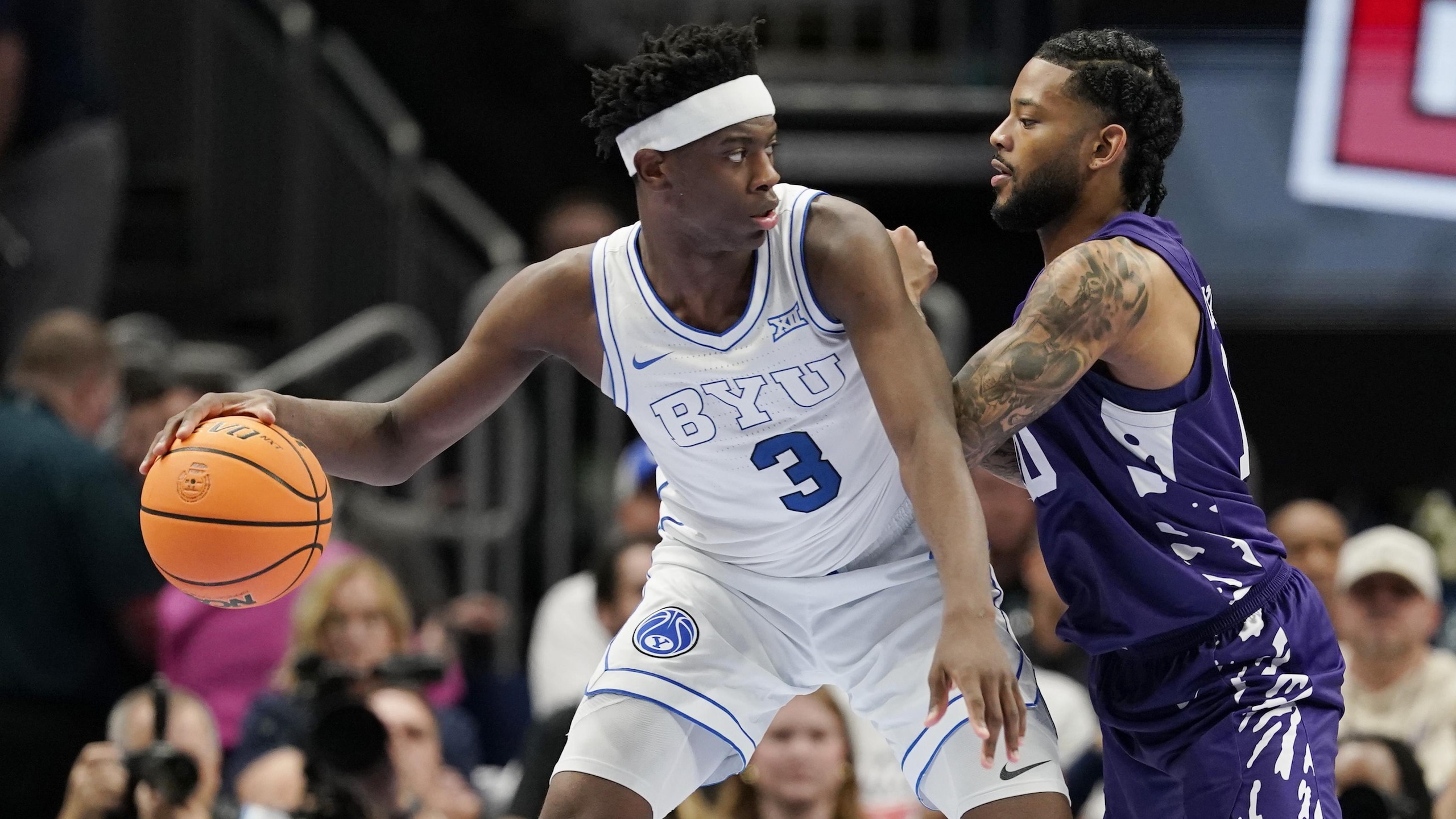
Record: 23-11 (9-9 in Big 12)
Star Player: Whether BYU's AJ Dybantsa or Kansas' Darryn Peterson will go No. 1 overall in this summer's draft is yet to be determined, but there's no question who has been the brighter college basketball star, as this Cougar led the nation in scoring average. And while many freshmen tend to hit a late-season wall, with Dybantsa, it was more of a late-season accelerator, averaging 29.1 points per game in February; 31.0 PPG in three Big 12 tournament games
Biggest Wins: Before the end of November, BYU had scored neutral-site victories over Villanova, Wisconsin, Miami (FL) and Clemson. There hasn't been a whole lot worth mentioning since then, but the Cougars did beat Iowa State by double digits less than 12 hours after the Cyclones were crowned as the fourth No. 1 seed in the Top 16 reveal in late February. They also beat Texas Tech to end the regular season.
Reason to Worry: Even before losing Richie Saunders to a torn ACL in mid-February, BYU's wheels seemed to be falling off. Regardless of when the worm fully turned, though, the Cougars' 16-1 start feels like it happened a lifetime ago, as they have been a disaster on defense lately.
March Madness Ceiling: Between the short-handed roster, the poor defense and the season-long propensity to fall into a deep hole in the first half before trying to mount a furious comeback after the intermission, BYU getting bounced in the first round is possible, if not probable. With Dybantsa, though, anything could happen, as evidenced by the two-point loss to UConn and the pair of losses to Arizona by three and seven points, respectively.
23. UCLA Bruins
46 of 68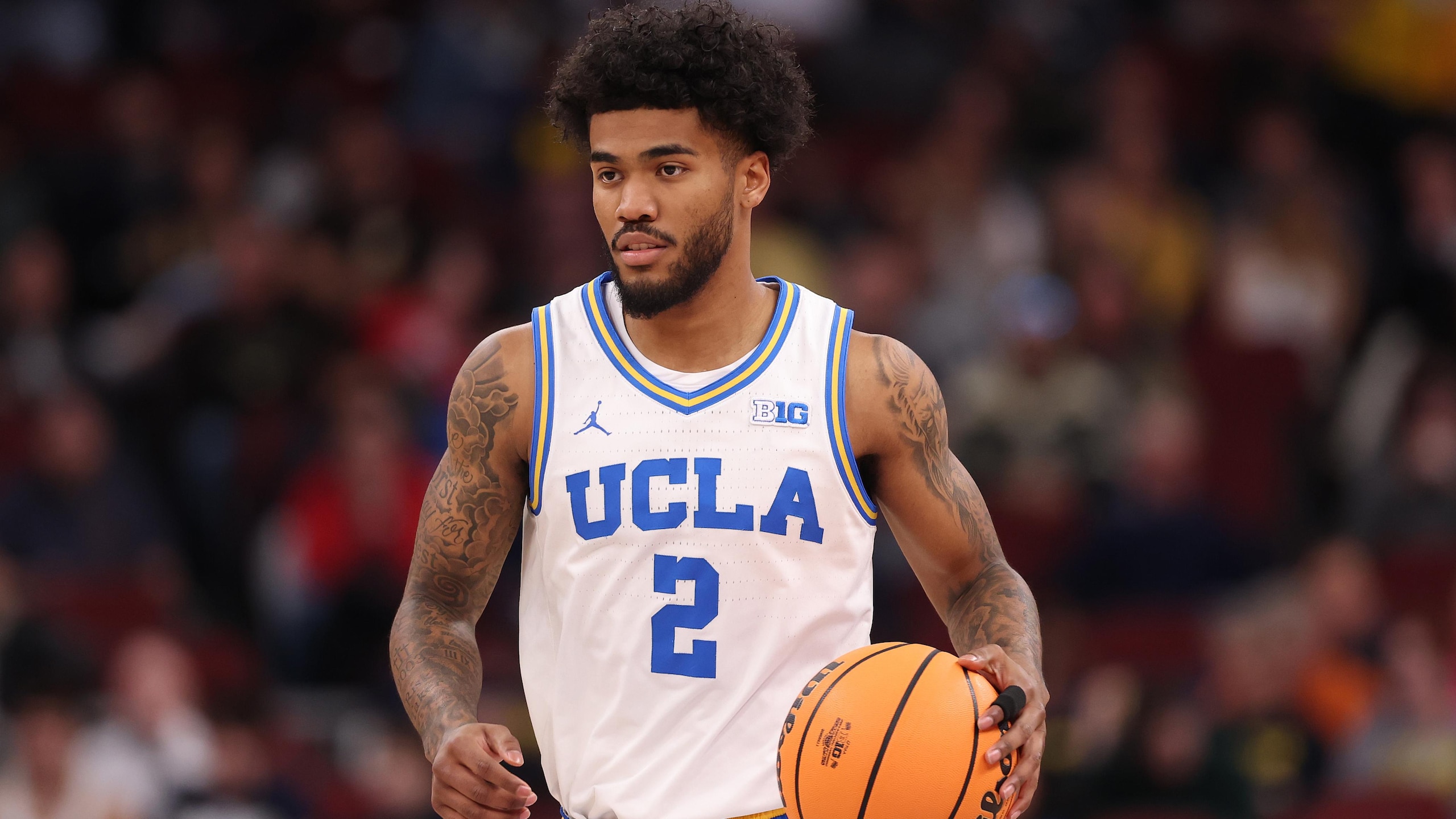
Record: 23-11 (13-7 in Big Ten)
Star Player: After transferring from New Mexico to UCLA, Donovan Dent originally looked like a square peg in a round hole. Over the past two months, though, he and the Bruins seem to have figured things out. Between the consecutive late-February wins over Illinois and USC, Dent went for 44 points with 23 assists and no turnovers. Yeah, that'll do.
Biggest Wins: The one that initially put UCLA back on the map was the 69-67 win over Purdue in late January—in which Dent had 23 points, 13 dimes and three blocks. Coming back from an early 23-point deficit to upset Illinois was maybe even bigger. It was the 20-point rout of Nebraska that pretty well sealed UCLA's bid. And it was the 88-84 win over Michigan State in the Big Ten tournament that made this team feel like a real dangers in the dance.
Reason to Worry: Most of those big wins? They came at Pauley Pavilion, as UCLA went 4-9 away from home with nary a regular-season victory over a tournament team outside of those friendly confines. And though Mick Cronin's teams usually thrive on defense, this might be the worst team he has ever had on that end of the floor.
March Madness Ceiling: UCLA was supposed to be a top 10 team, but it never came close to that. The Bruins also went First Four to Final Four five years ago and might be hitting their peak now that Dent is playing like the best transfer in the nation that we all thought he might be.
22. Louisville Cardinals
47 of 68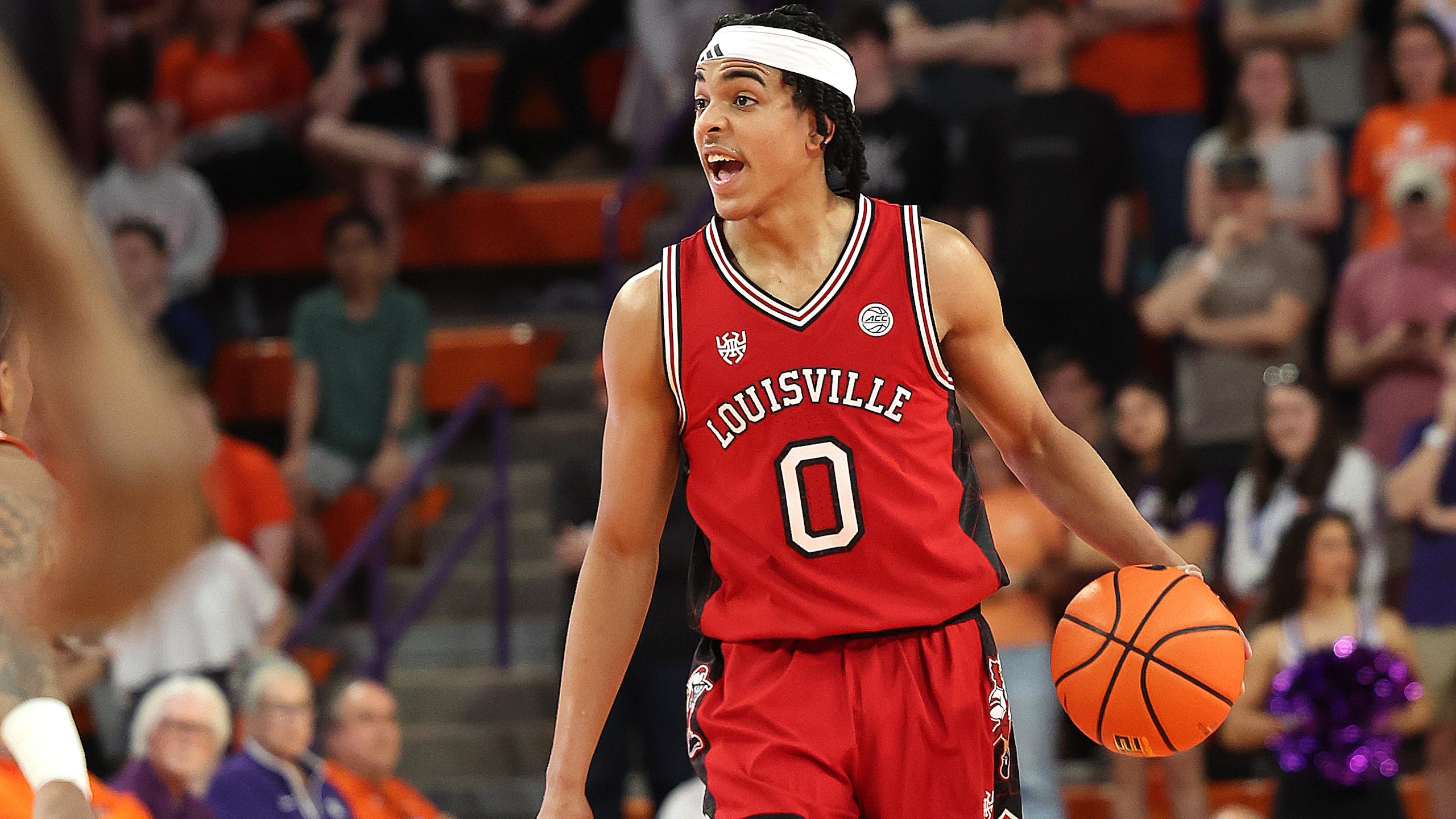
Record: 23-10 (11-7 in ACC)
Star Player: Soon-to-be lottery pick Mikel Brown Jr. missed eight games in the middle of the season with a back injury. It flared up again recently, causing him to miss the final two games of the regular season and the ACC tournament. If he's good to go, though, few players in the country are more electric. He maxed out at 45 points against NC State last month, but also hit 29 exactly on three occasions.
Biggest Wins: Louisville made a statement one week into the season with its 96-88 home win over Kentucky. The Cardinals proceeded to beat both Indiana and Cincinnati in nonconference play before scoring convincing home wins over NC State and SMU during league play. They ended the regular season with a solid road win over Miami (FL), even without Brown.
Reason to Worry: No team lives and dies by the three quite like Louisville does, averaging more than 32 attempts per game. Not surprisingly, the Cardinals always win when making at least 39 percent of those shots. However, they have lost six times while making at least 10 triples. And despite many opportunities to do so, they never got an elite win.
March Madness Ceiling: It's only year No. 2 under Pat Kelsey, but failing to win the big ones has already become a major knock. The Cardinals' only Quad 1A win last season was a game they almost blew against Clemson in the ACC tournament. They proceeded to lose by 14 in an 8/9 game of the NCAA tournament before repeatedly falling short in the major chances again this year. Theoretically, this team can catch fire from distance and beat anyone. Maybe one day they'll prove it.
21. Texas Tech Red Raiders
48 of 68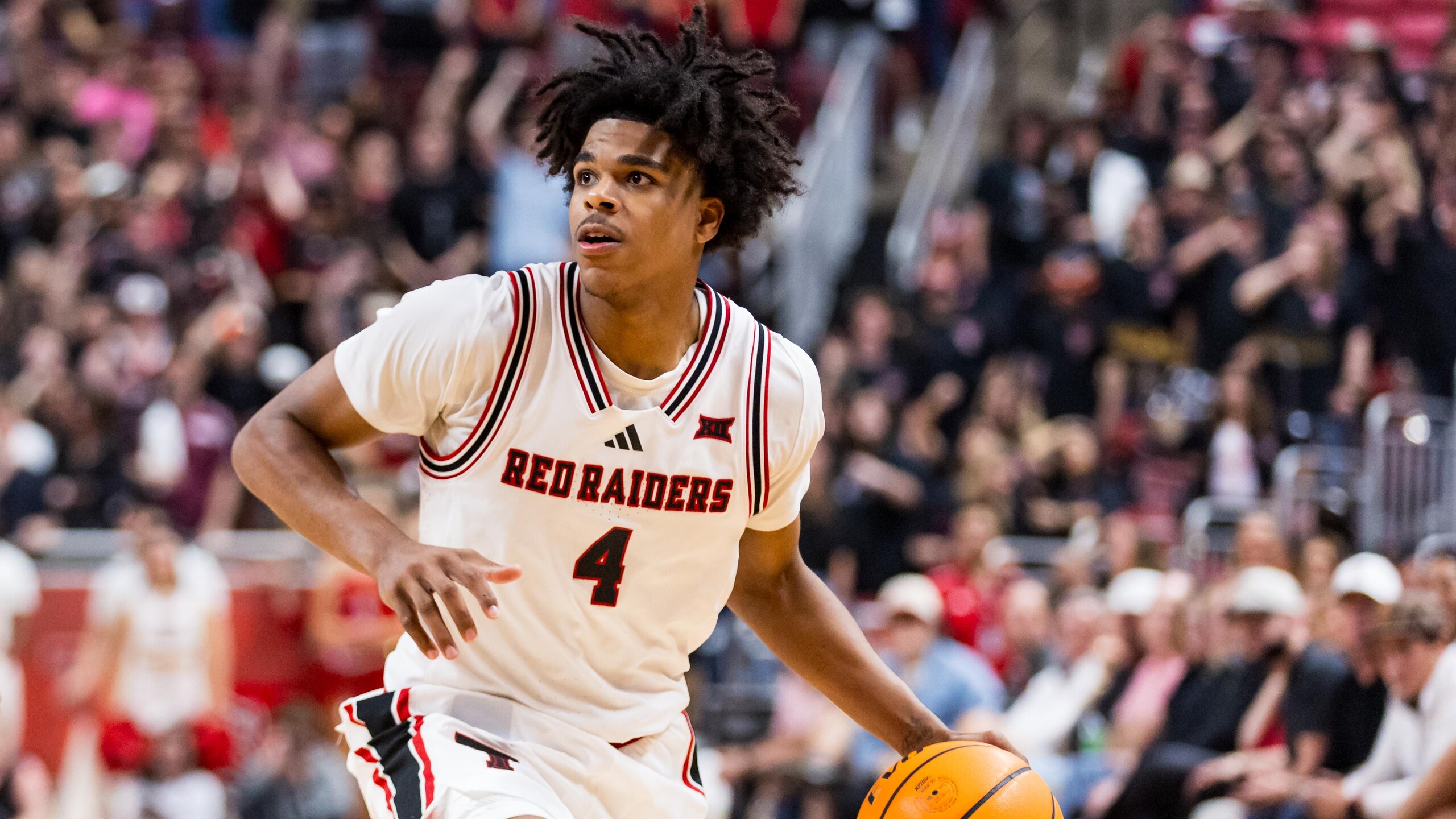
Record: 22-10 (12-6 in Big 12)
Star Player: Five weeks ago, the answer here would've been JT Toppin, who was arguably the top challenger to Cameron Boozer for National Player of the Year. But when Toppin suffered a torn ACL, Texas Tech's dynamic duo became the Christian Anderson show. Fortunately, though, he is one of the best lead guards in the nation.
Biggest Wins: Most of their big wins—at Arizona, vs. Houston, vs. Duke (in MSG)—came with Toppin. They do still count for something, though. And the Red Raiders did pull off a bit of a stunner recently with their road win over Iowa State. It was the Cyclones' only loss at Hilton Coliseum this season.
Reason to Worry: Sophomores Luke Bamgboye and Josiah Moseley were minor role players in the frontcourt who both missed large chunks of the first three months, but they're now getting all the minutes they can handle with Toppin out of the picture. Thus far, it's going alright outside of Bamgboye's foul troubles, but is it sustainable? And can Anderson cut down on the turnover issues that plagued him down the stretch?
March Madness Ceiling: Full strength Texas Tech would have been a very real threat to win a national championship. The Red Raiders in their current state? Could still make a Sweet 16, especially if Donovan Atwell is doing his thing from three-point range. Anderson is that special, and Grant McCasland is that good of a coach. However, there's no question this ceiling is lower than it was in mid-February.
20. Virginia Cavaliers
49 of 68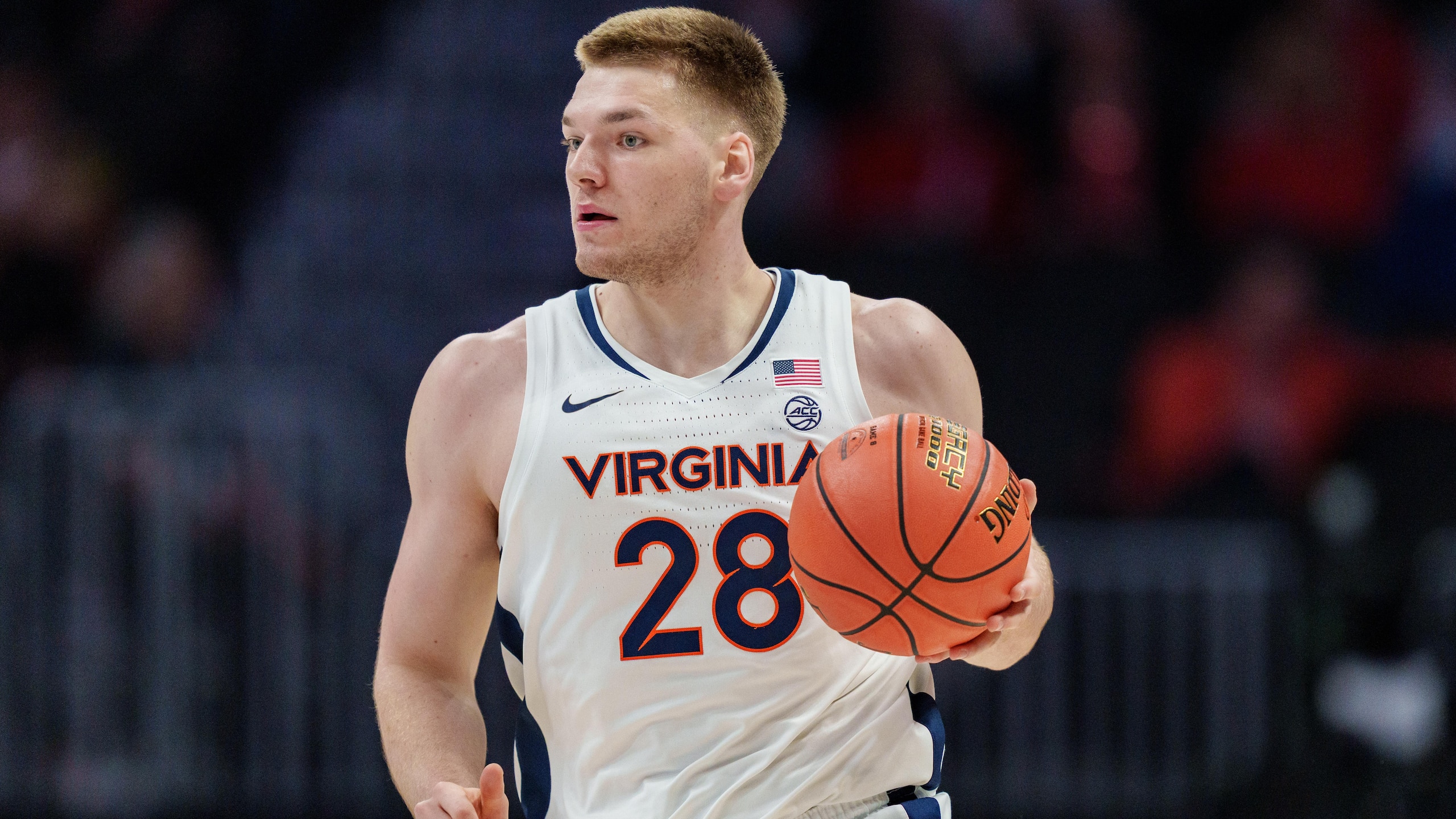
Record: 29-5 (15-3 in ACC)
Star Player: Hopelessly lost in the shuffle of an ACC where Cameron Boozer, Caleb Wilson, Mikel Brown Jr. and Ebuka Okorie thrived, UVA's Thijs de Ridder was one heck of a fifth-best freshman in the league. He led the Cavaliers in both points and rebounds as they rallied admirably from last year's 15-17, "Tony Bennett retired out of nowhere in October" disaster of a season.
Biggest Wins: Virginia's resume kept jumping off the page throughout February, as the Cavaliers sat at 4-0 against Quad 1A, winning road games against Louisville, NC State, SMU and Texas. They also won a neutral-site game against Ohio State on Valentine's Day and scored both home victories and ACC tournament victories over Miami (FL) and NC State in the past month.
Reason to Worry: You would think a 29-win team from the ACC would have better "Biggest Wins" than that, right? Even in the best win at Louisville, the Cardinals were notably missing two starters, including Brown. And in its big chance to prove it belongs in the Final Four conversation, Virginia was obliterated at Duke just a couple Saturdays ago. UVA couldn't even beat Duke sans two starters in the ACC championship game.
March Madness Ceiling: With De Ridder manning power forward while the tandem of Johann Grunloh and Ugonna Onyenso splits 40 minutes at center, Virginia boasts one of the better offensive rebounding and shot-blocking units in the nation. And save for Onyenso, everyone who plays for the Cavaliers is a serious threat from three-point land. Just because they haven't beaten an elite opponent doesn't mean they can't. The "second weekend" potential is strong here.
19. Alabama Crimson Tide
50 of 68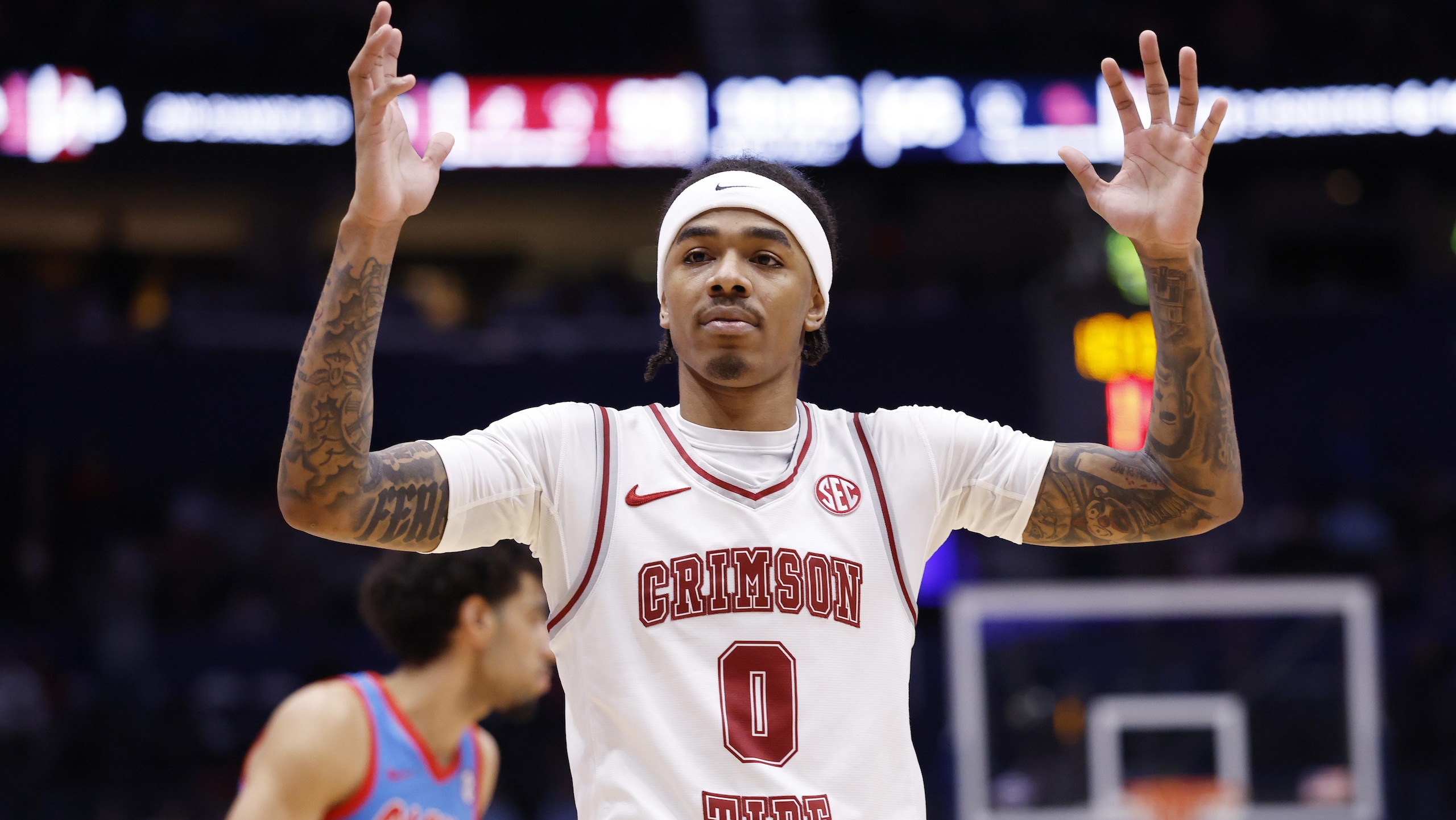
Record: 23-9 (13-5 in SEC)
Star Player: Labaron Philon Jr. probably could have gone pro after his freshman season, but he came back to become the star of this high-octane offense. And goodness has he ever, averaging better than 21 points and nearly five assists per game.
Biggest Wins: Recently, Alabama has been annually putting together one of the toughest schedules in the country, and that netted the Crimson Tide a road win over St. John's and a neutral win over Illinois barely two weeks into the season. They proceeded to win their home games against Arkansas and Kentucky, as well as their road game against Tennessee in SEC play. Sweeping Auburn, though, surely felt the sweetest.
Reason to Worry: Alabama fought so hard to get Charles Bediako eligible because of its frontcourt woes. This team allows offensive rebounds at an alarming rate and rarely forces turnovers, resulting in 92.9 points allowed in its eight regular-season losses. Granted, the Crimson Tide also won five games in which they allowed at least 92 points, but the defense is a problem.
March Madness Ceiling: When Alabama made that run to the Final Four in 2024, its defense was far more problematic than it is this year. But they averaged 12 makes in 29 three-point attempts during those four wins, and they're averaging closer to 13 makes in 36 attempts per game this year, launching from the perimeter like no other. It's a tough approach to trust with your bracket-picking life, but it's even tougher to put a ceiling on what could happen if they catch fire.
18. Nebraska Cornhuskers
51 of 68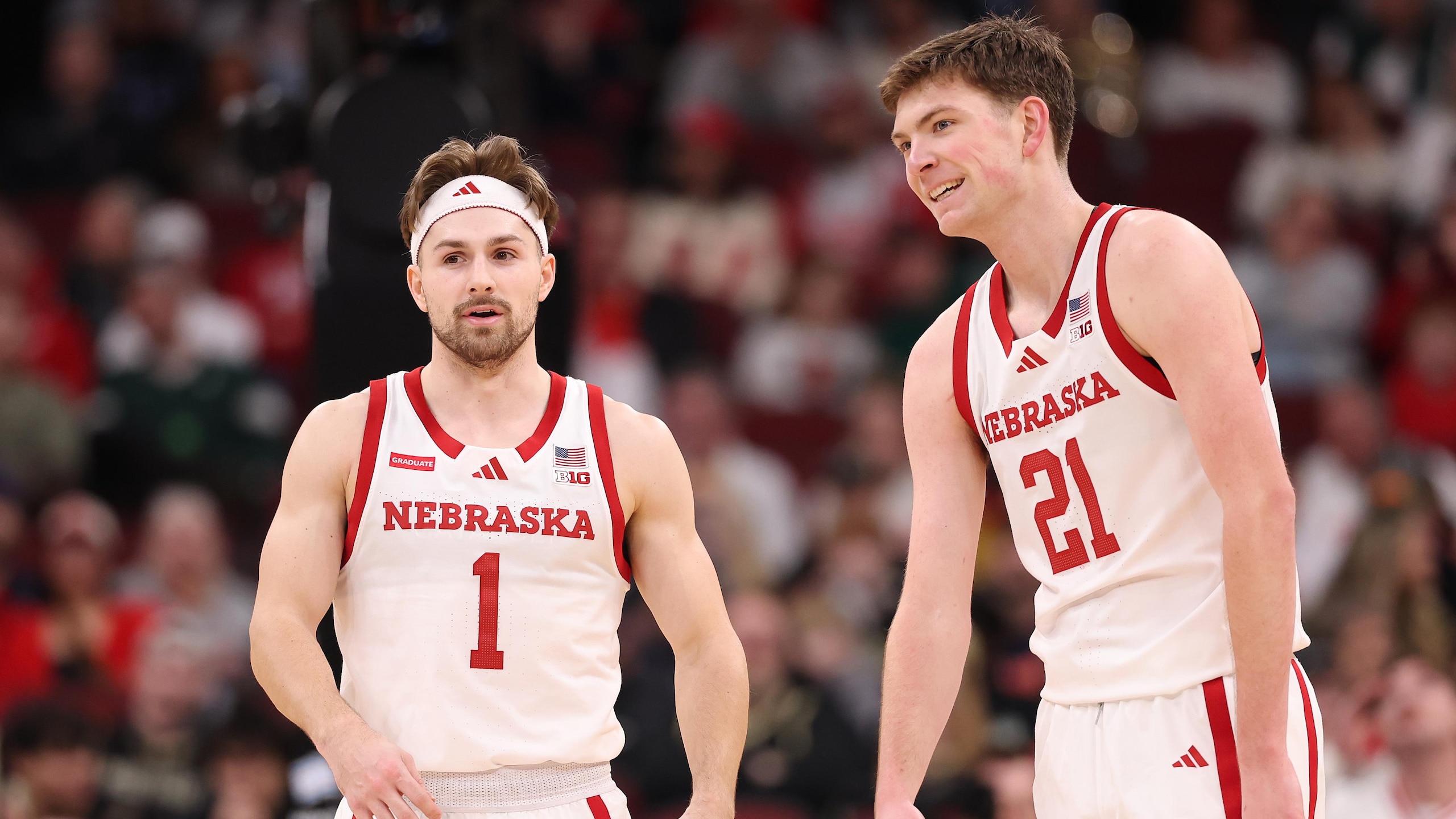
Record: 26-6 (15-5 in Big Ten)
Star Player: A reserve at Iowa one year ago, Pryce Sandfort transferred to Nebraska and became the king of the Cornhuskers. When this Big Ten leader in made three pointers scored at least 16 points, Nebraska went 15-1, the lone loss coming in a three-point game at Michigan, for which the Cornhuskers were missing their No. 2 and No. 3 scorers, Rienk Mast and Braden Frager.
Biggest Wins: During the 20-0 start to the season, Nebraska had a dominant week in early December, beating Creighton by 31 and Wisconsin by 30 before a three-point road win over Illinois. The Cornhuskers also had a great early January, beating Michigan State by a deuce before consecutive road wins over Ohio State and Indiana.
Reason to Worry: Nebraska takes roughly 50 percent of its shots from three-point range, allowing opponents to do the same. It's fun when their shots are falling while the opposition's aren't, but even that doesn't guarantee anything for a team that doesn't manufacture points via offensive rebounds or free-throw attempts. Case in point: In the home game against Illinois, Nebraska shot 15-for-35 from distance while the Illini went 9-for-30, and the Cornhuskers still lost by nine.
March Madness Ceiling: Nebraska has never won an NCAA tournament game. It's the only major conference team in that dubious club. But decades of futility didn't prevent Indiana from winning a football championship, did it? This Cornhuskers team may have peaked too early and is almost certainly too dependent on the three ball (on both ends of the floor), but they're good enough to make the Sweet 16.
17. Tennessee Volunteers
52 of 68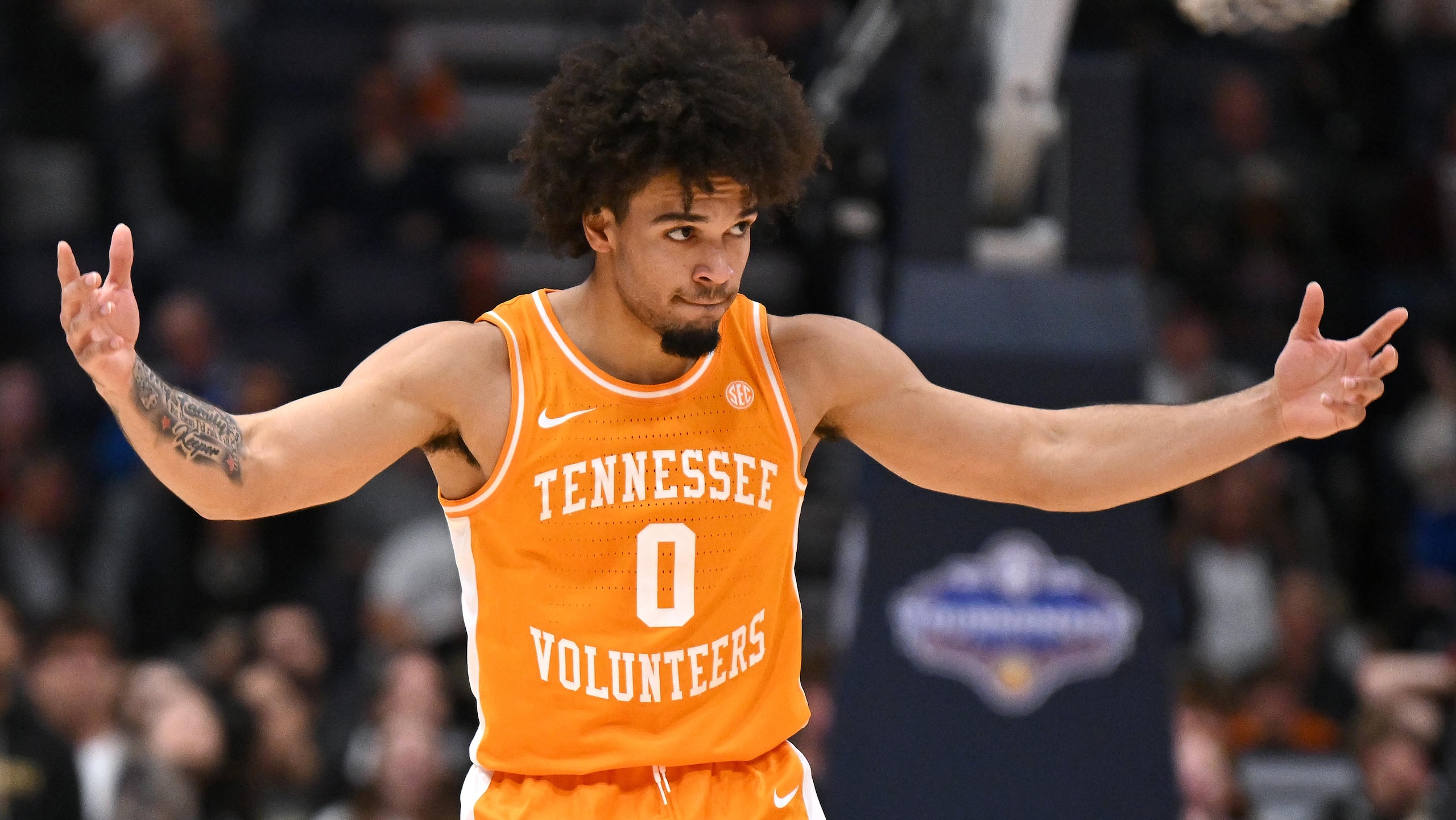
Record: 22-11 (11-7 in SEC)
Star Player: As far as NBA draft potential is concerned, the biggest star here is freshman Nate Ament. But the more indispensable Volunteer is veteran lead guard Ja'Kobi Gillespie who averages around 18 points, six assists and two steals per game. He has also made darn near half of this team's three-point buckets over the course of the season.
Biggest Wins: Not a whole lot of teams picked up three high-quality wins away from home prior to their conference tournaments, but Tennessee did. The Vols beat Houston in Las Vegas in the Players Era Festival before scoring road wins over Alabama and Vanderbilt. They also won at Georgia and blew out Louisville—though, that was the Cardinals' first game without Mikel Brown Jr.
Reason to Worry: While this is the best offensive rebounding team in the nation, there's nothing else above-average about this offense worth mentioning. And though Tennessee's defense is definitely better than average, it's also the least imposing D that Rick Barnes has had since 2020.
March Madness Ceiling: Tennessee is a solid team, but its ceiling is undeniably lower than where it had been over the past four years. That said, with Ament recovering from his late-season lower leg injury to put up a 27-8-4-3 line in the SEC tournament win over Auburn, Tennessee once again has a dynamic duo that could do some real damage. A third consecutive trip to the second weekend could be in the cards.
16. Wisconsin Badgers
53 of 68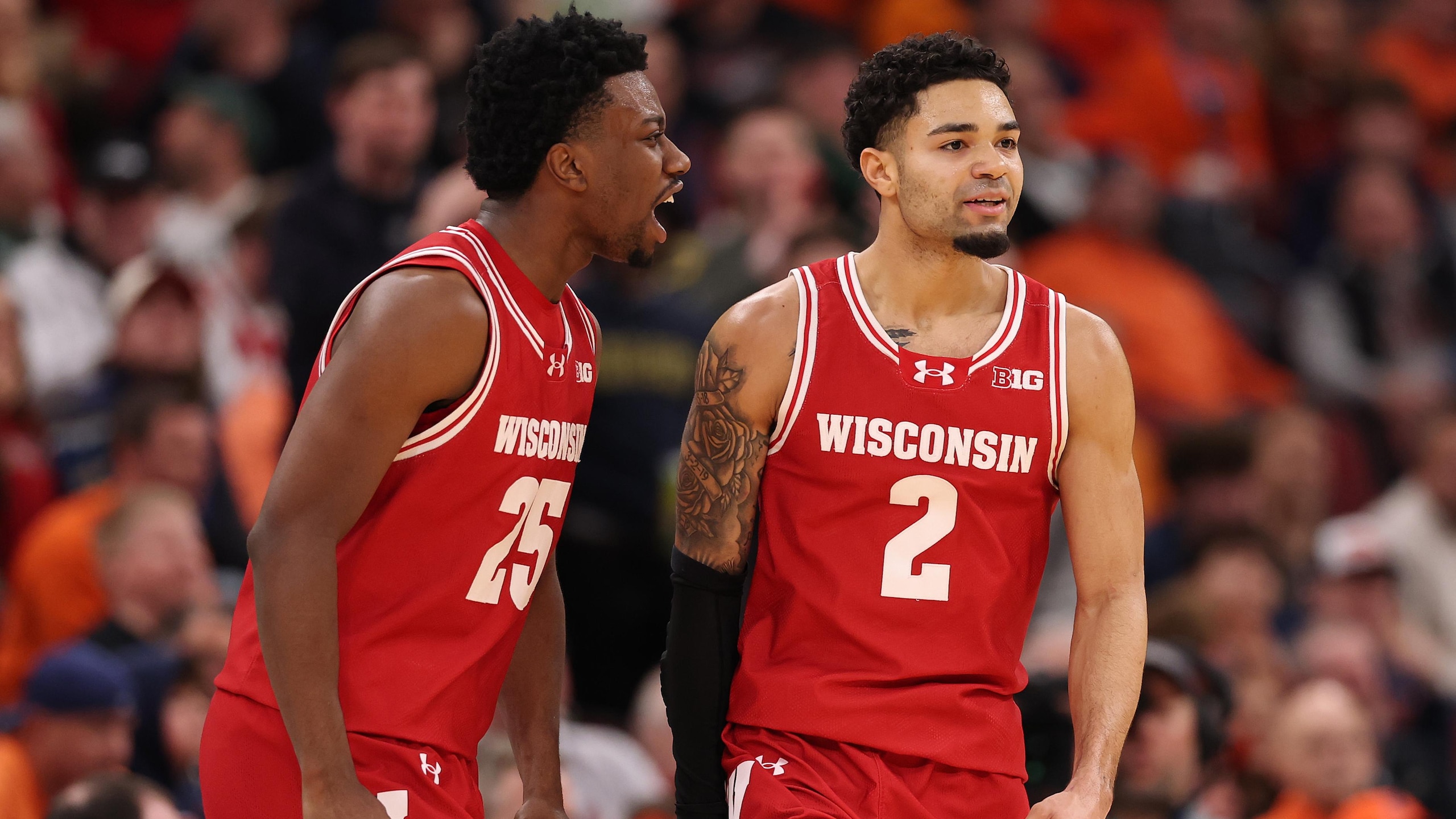
Record: 24-10 (14-6 in Big Ten)
Star Player: Take your pick between Nick Boyd and John Blackwell here. In the four massive wins noted below, that dynamic duo combined to average 54.8 points and 7.8 assists. Each one has had multiple 30-point games this season. Blackwell is the bigger three-point threat, while Boyd fell one rebound shy of a triple-double in a recent win over Iowa.
Biggest Wins: It was a slow start to the year for the Badgers, their best nonconference wins coming against Big East afterthoughts Providence and Marquette. But they sure did make up for lost time with road wins over Michigan and Illinois, plus a 21-point home rout of Michigan State before another win over the Illini in the Big Ten tournament. Save for maybe Texas Tech, that's the best quartet of best victories in the country.
Reason to Worry: Wisconsin doesn't play great defense and it relies on three-pointers more than just about every other team in the field. They're kind of a poor man's Illinois (that keeps beating Illinois in overtime, for some reason), with one major difference being that the Badgers are drastically worse on the offensive glass.
March Madness Ceiling: When the Badgers shoot at least 34 percent from distance, they're 20-2. But when they shoot 32 percent or worse, they're 3-7, with two of the wins coming against Northern Illinois and Milwaukee. Whether it's running into an elite perimeter defense or just going through a tough night at the office, their ceiling may be whenever that 9-for-38 type of performance strikes.
15. Kansas Jayhawks
54 of 68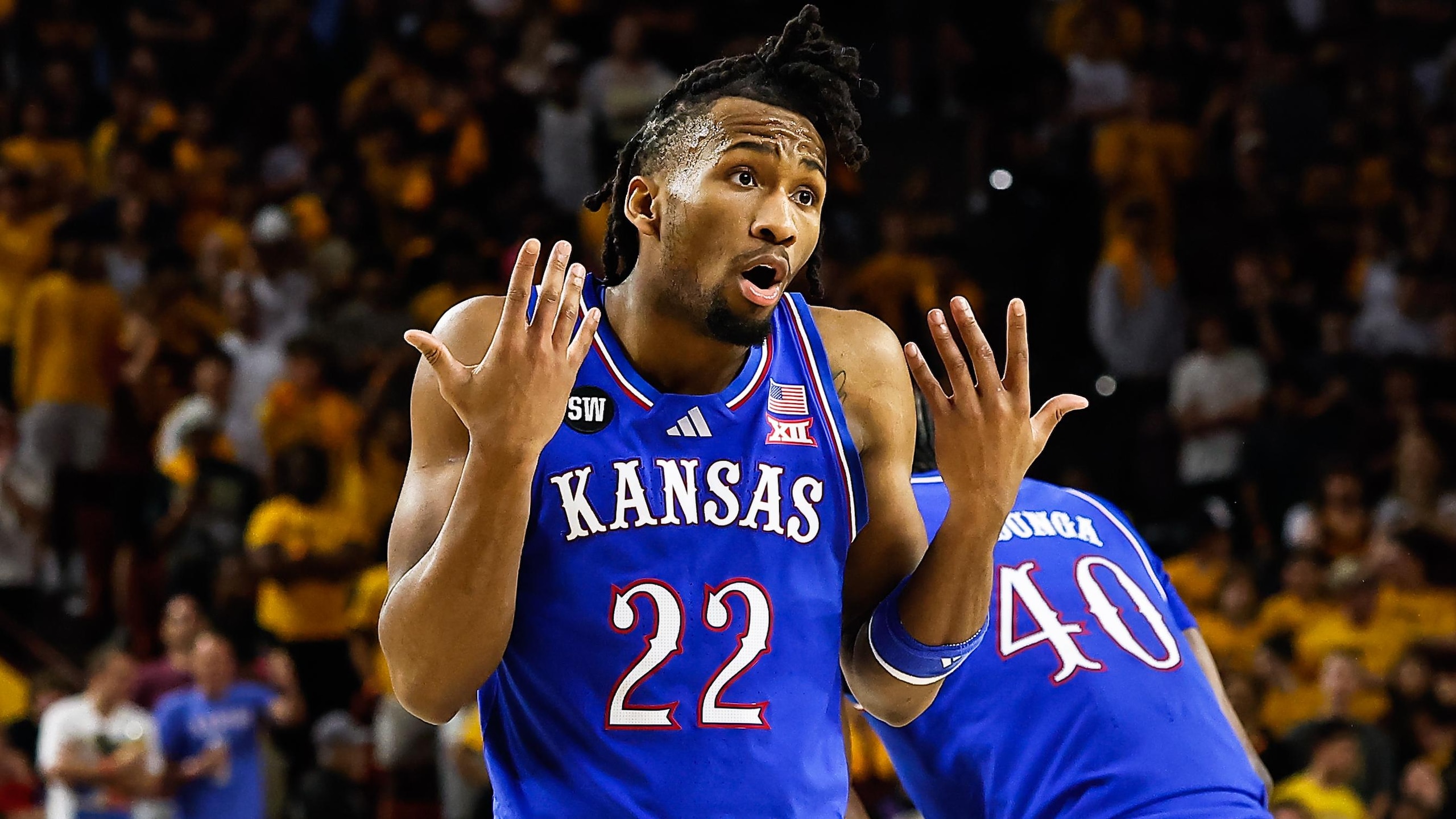
Record: 23-10 (12-6 in Big 12)
Star Player: Darryn Peterson has been quite the lightning rod for uninformed, terrible hot takes. He's also preposterously talented and the exact type of lead guard who could take over the NCAA tournament if he gets on a heater, as everyone in the arena knows he is going to be looking to get up a shot when the ball is in his hands. He's finally starting to really tap into that unlimited potential, but is it too late for this team to reach its potential?
Biggest Wins: At Phog Allen, the Jayhawks beat all of Arizona, Houston, Iowa State and BYU, most of them pretty convincingly. They also won at Texas Tech, at NC State and defeated Tennessee on a neutral court to get to 3-0 in the Players Era Festival. No shortage of wins over tournament-caliber teams on this resume.
Reason to Worry: Because of how much he was in and out of the lineup, this team never learned how to play with Peterson. So while most teams are hitting their stride, the Jayhawks are still figuring things out and really struggling on offense because of it, losing five of their last nine games by double digits.
March Madness Ceiling: Bill Self is arguably the greatest active coach. Flory Bidunga is arguably the best rim protector in the nation. And Peterson is Peterson. You might be tempted to pick Kansas to lose immediately and you might be right. You also shouldn't be too shocked if they go on a deep run.
14. Vanderbilt Commodores
55 of 68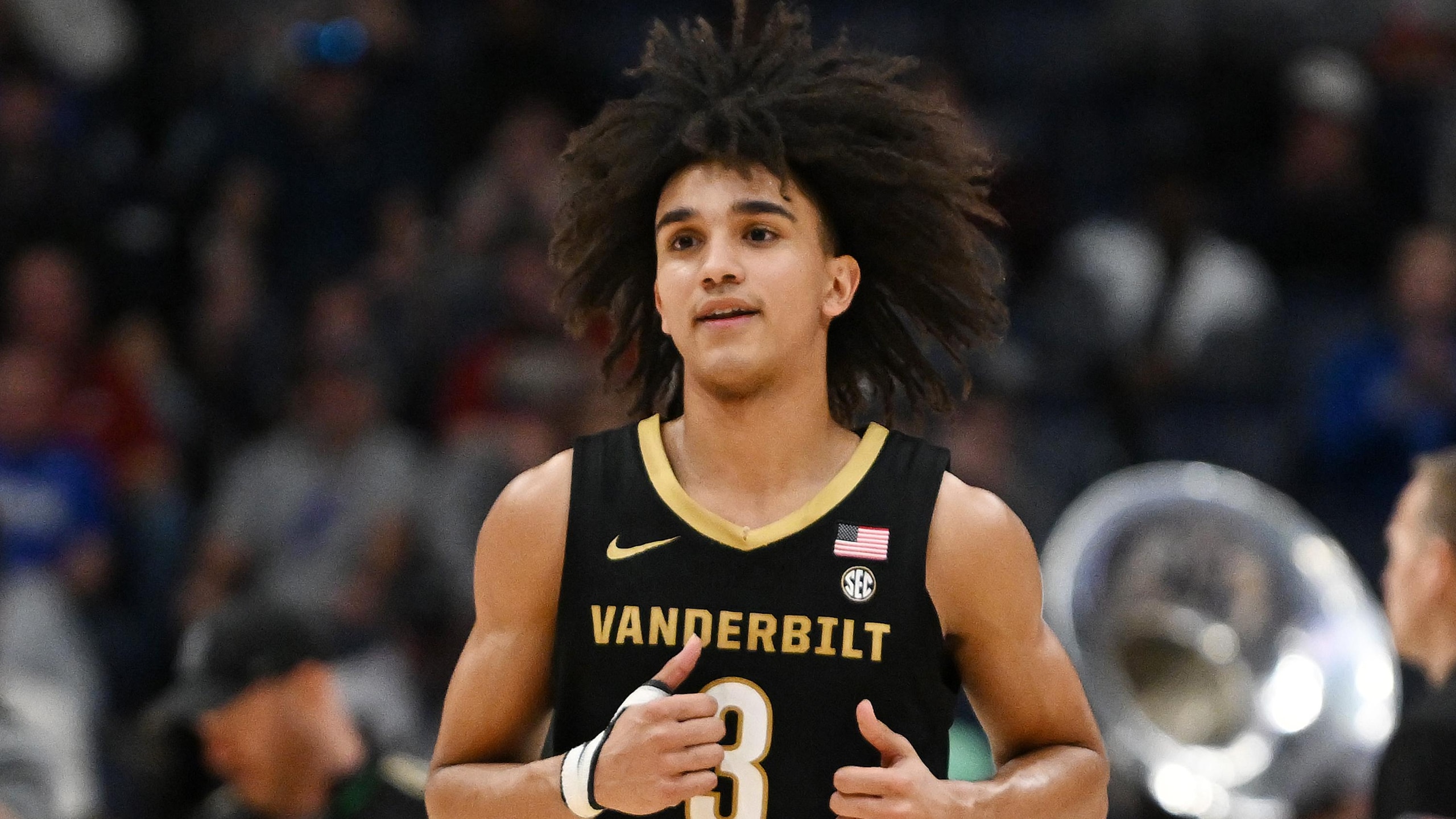
Record: 26-7 (11-7 in SEC)
Star Player: Vanderbilt's Tyler Tanner was the nation's breakout sophomore of the 2025-26 season. He went from a defensive specialist who averaged 11.2 points and 3.7 assists per 40 minutes to a sensational lead guard who roughly doubled both of those rates—while remaining a darn good defender, too. He scored in double figures in all but one game during the regular season.
Biggest Wins: The early statement from the Commodores was the 25-point rout of Saint Mary's in the Battle 4 Atlantis championship. That came in the middle of a 16-0 start that also included a key home win over Alabama. They played .500 ball for the next six weeks, but then won at Tennessee to end the regular season before beating the Vols again in the quarters and pummeling Florida in the semis to reach the conference championship.
Reason to Worry: In Vanderbilt's seven regular season losses, it allowed 86.3 points per game. And far too often, this team dug itself into a huge hole before trying to mount a furious comeback. Sometimes, it worked, like clawing back from an immediate 15-3 deficit to win in overtime at Ole Miss earlier this month. But as BYU has also shown over the past two months, that's a dangerous game, friend-o.
March Madness Ceiling: Vanderbilt has never been to a Final Four, and its only trip to the Elite Eight came all the way back in 1965. But this team definitely has second-weekend potential, provided it can avoid one of those performances where it tries to snooze through the first 10 minutes.
13. Arkansas Razorbacks
56 of 68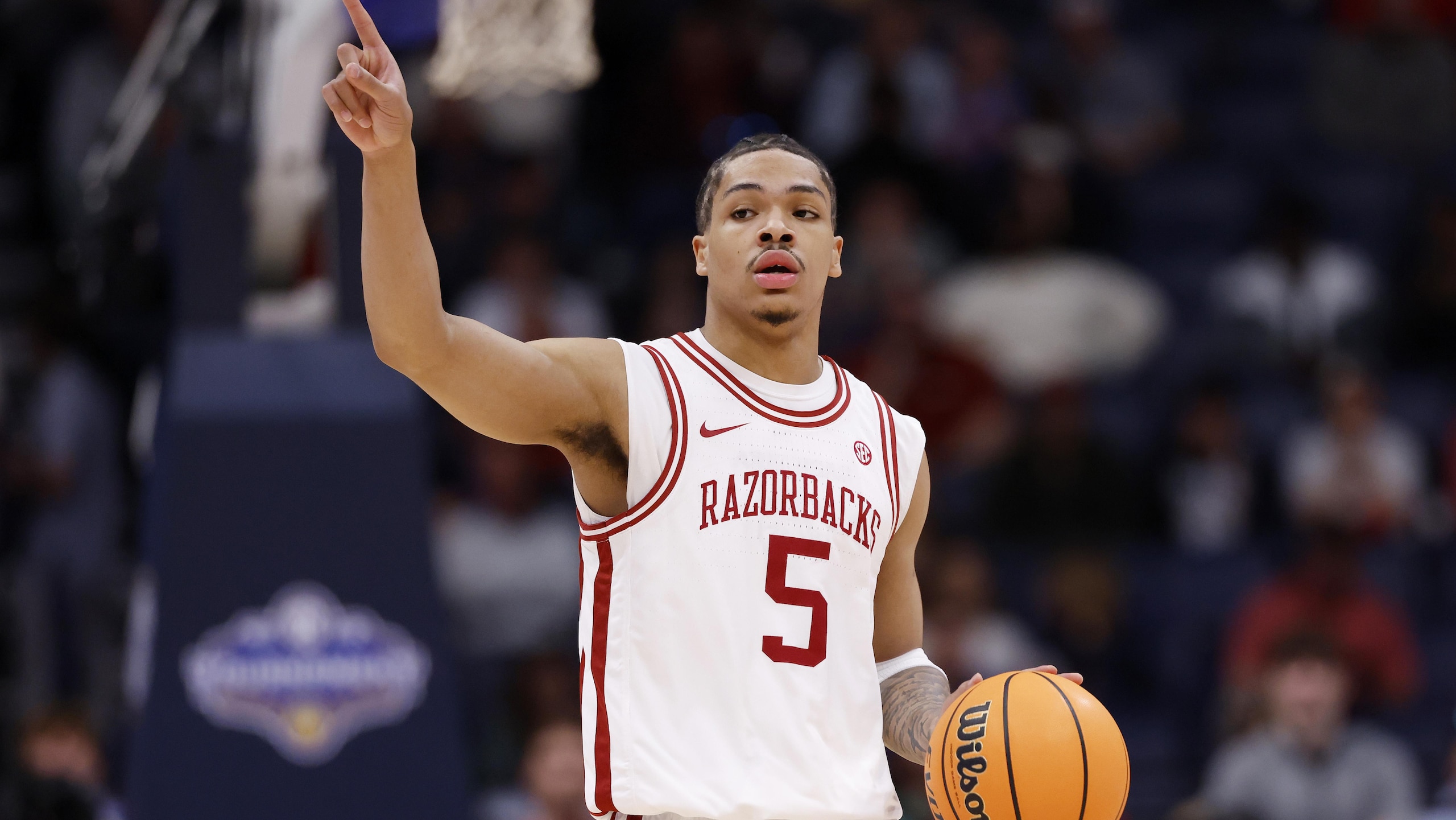
Record: 25-8 (13-5 in SEC)
Star Player: Arkansas managed to win its regular season finale at Missouri without Darius Acuff Jr., but it wasn't the same relentless offensive force without him. And, well, how could it be, when we're talking about a lead guard who led the SEC in both points and assists per game? In the 11 games before that finale, Acuff averaged 26.6 points, 6.8 assists and 1.7 turnovers. And he was his electric self in the SEC quarters win over Oklahoma.
Biggest Wins: Outside of beating Texas Tech in Dallas in mid-December, the Razorbacks did most of their heavy lifting at Bud Walton Arena, where they defeated each of Vanderbilt, Tennessee, Louisville and almost everyone else they faced. (They did lose at home to Kentucky.)
Reason to Worry: Acuff leads an incredible offense, but the Arkansas defense leaves a whole lot to be desired. There were three overtime periods inflating this number, but the Razorbacks allowed 94.5 points over their final six regular season games and rarely held tournament-caliber foes below 80 at any point during the season.
March Madness Ceiling: Prior to its SEC tournament run, Arkansas hadn't had a four-game winning streak since mid-December, and two of those games were against Queens and Fresno State. As great as this offense can be, the Hogs have a tendency to lay an egg every three or four games and probably won't be making a Final Four. Sweet 16 feels likely, but they're probably going to need some help in the form of upsets elsewhere in their region in order to crash a national semifinal.
12. St. John's Red Storm
57 of 68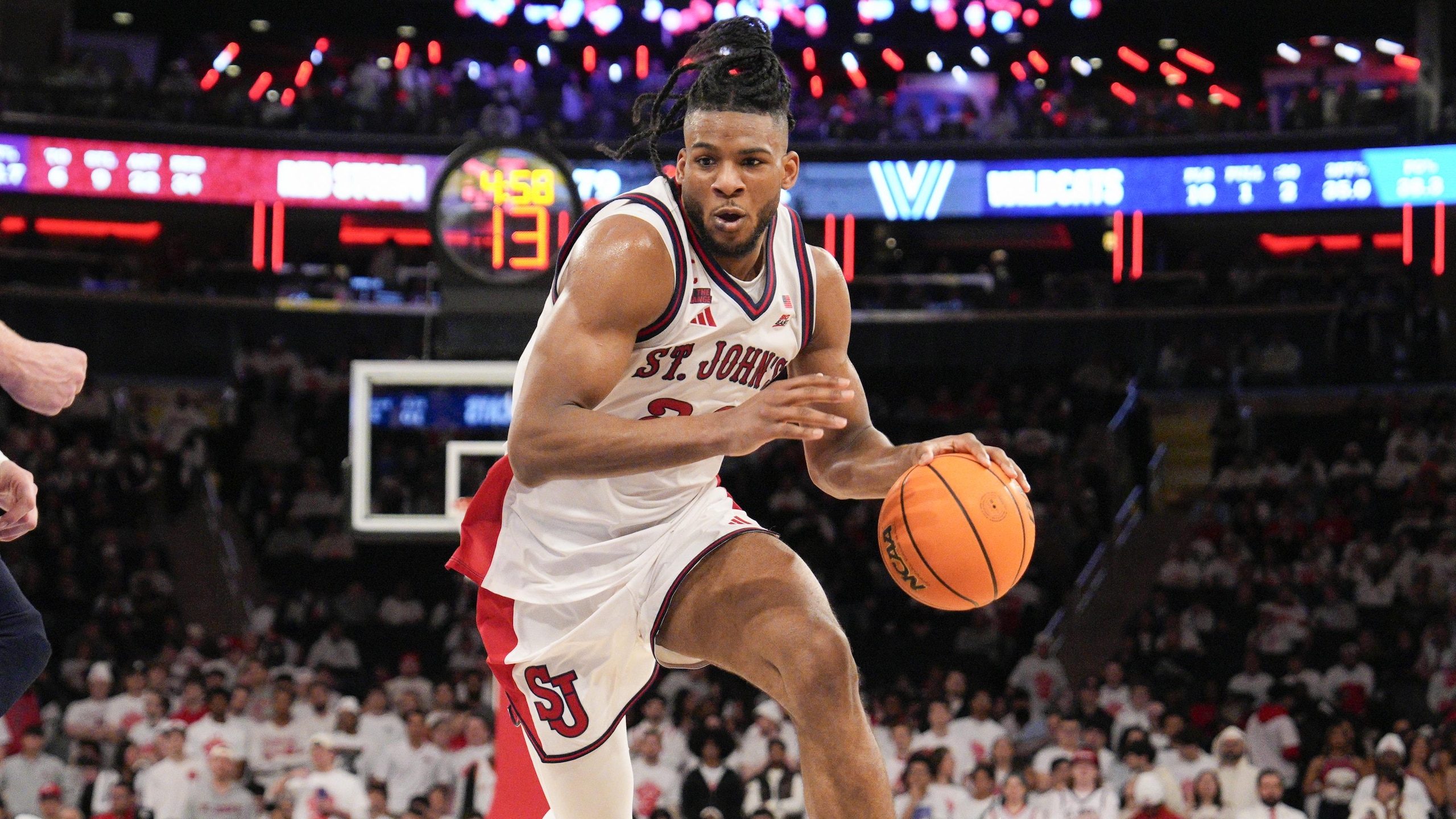
Record: 28-6 (18-2 in Big East)
Star Player: After taking a back seat to RJ Luis Jr. a year ago, Zuby Ejiofor followed in his footsteps and took home Big East Player of the Year honors. The 6'9", 240-pound forward averages 16.3 points, 7.1 rebounds, 3.5 assists and 2.1 blocks per game, and his season highlight reel includes a triple-double against Villanova and a 33-point performance against Providence.
Biggest Wins: The Red Storm have four Quad 1 wins and two of them are against UConn, including a 20-point blowout in the Big East championship game. They held the Huskies to a season-low 52 points in that game, while avenging a 72-40 loss just a few weeks ago in the process. They also beat Villanova and Seton Hall en route to an impressive 9-1 record on the road in conference play.
Reason to Worry: Outside of their quality conference wins, there's not much to talk about from a resume standpoint. They went 12-0 in Quad 2 games, but it was 11 teams that didn't make the NCAA tournament and a home win over Villanova. They have a rock solid defense, but their offense is middle of the pack relative to the NCAA tournament field, and the three-point shot is not a reliable weapon.
March Madness Ceiling: Any team that beats UConn by 20 points has to be taken seriously, and considering it was the second time they beat them this year, it was by no means a fluke. Their combination of defense, rebounding, shot-blocking and tempo makes them dangerous, but the lack of resume outside of Big East play makes it tough to bank on them advancing beyond the Sweet 16.
11. Gonzaga Bulldogs
58 of 68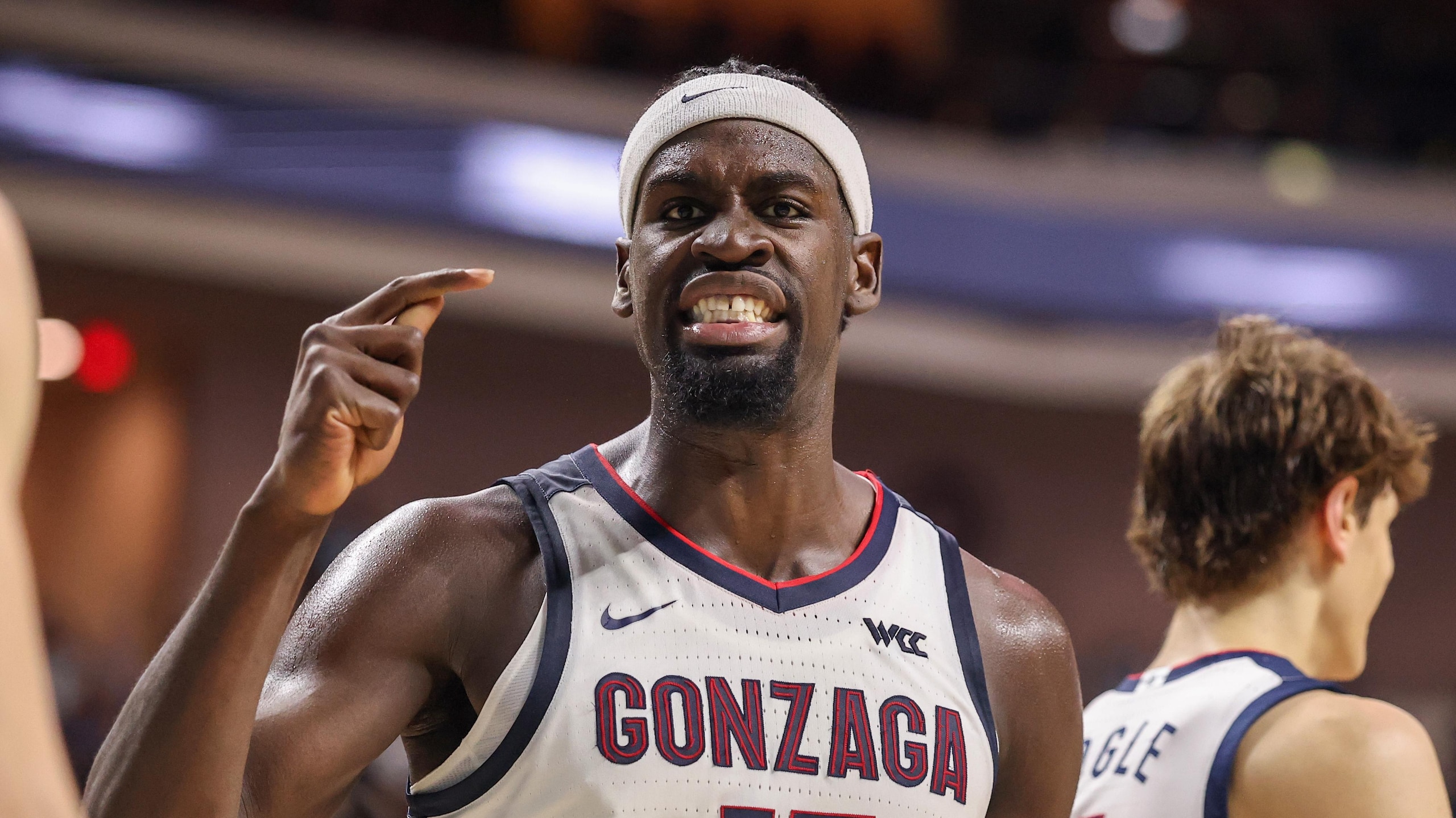
Record: 30-3 (16-2 in WCC)
Star Player: Forward Graham Ike is Gonzaga's leading scorer for the third year in a row after transferring in from Wyoming to replace Drew Timme. The 6'9", 245-pound senior led the WCC with scoring (19.7 PPG) and eFG% (.602) this season, chipping in 8.2 rebounds per contest while tallying 14 double-doubles. He had 27 points against No. 1 seed Houston in the second round of last year's tournament.
Biggest Wins: A lack of quality wins was an issue for Gonzaga a year ago when they settled for a No. 8 seed in the NCAA tournament, but that's not an issue this year as they are 7-2 in Quad 1 games with victories over Alabama, Kentucky, UCLA, Oklahoma, Arizona State and Creighton in non-conference play. They went a combined 4-1 against Saint Mary's and Santa Clara and took home the WCC tournament title for the 12th time in the last 14 years.
Reason to Worry: It was their third game in as many days at the Players Era Festival back in November, but a 101-61 drubbing at the hands of Michigan is tough to ignore. The Wolverines' size was clearly an issue in that game, with Graham Ike limited to one point on 0-of-9 shooting and a 42-31 deficit on the boards. Mario Saint-Supery is the only knockdown shooter in their rotation, and they made fewer than 33 percent of their threes in 16 of 33 games, so they will need to be careful not to fall in love with the deep ball.
March Madness Ceiling: This is a better Gonzaga team than a year ago, particularly on the defensive end of the floor. They proved they can run with an up-and-down team when they beat Alabama, or play in the halfcourt when they beat Saint Mary's. The only question is whether they can string together enough shot-making against high-level opponents, but this group has Final Four upside.
10. Michigan State Spartans
59 of 68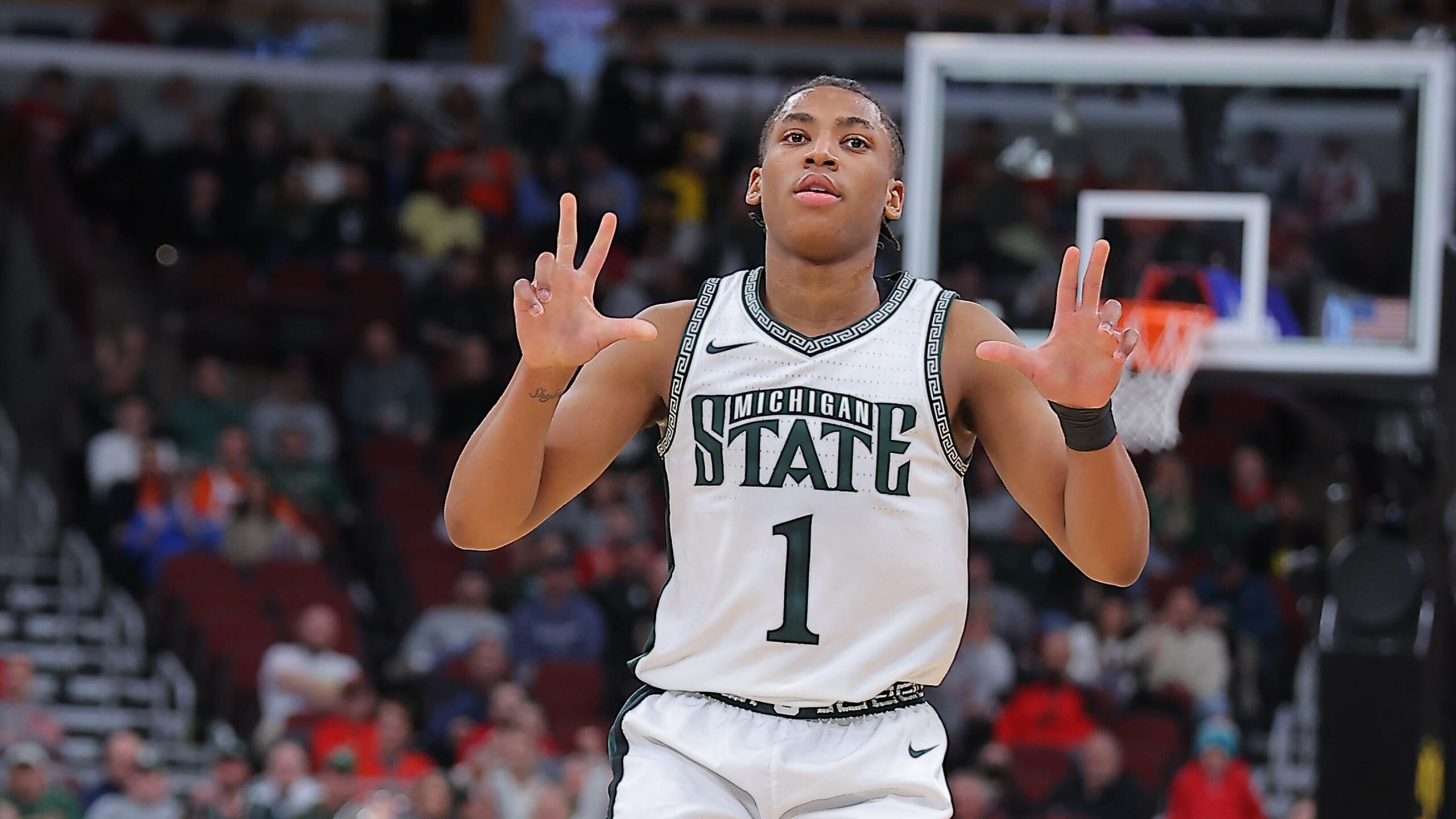
Record: 25-7 (15-5 in Big Ten)
Star Player: Jeremy Fears Jr. put himself ankles deep in a Grayson Allen type of tripping controversy midway through the season, but he has otherwise been one of the most valuable point guards in the nation, averaging around 15 points and nine assists per contest, as well as four assists per turnover. He had 10 points-assists double-doubles.
Biggest Wins: Early home wins over Arkansas and Iowa and neutral wins over Kentucky and North Carolina turned Michigan State from a fringe top 25 team into an early title contender. And after not accomplishing much during the middle two months of the season, February wins over Illinois (home) and Purdue (road) put Sparty back in the title conversation.
Reason to Worry: As seems to be the case every year, turnover margin is a bit of an issue for Michigan State. The Spartans also allow three-point attempts at one of the highest rates among all tournament teams. And that can be a lethal combination. In their seven losses, they had a minus-18 turnover margin while their opponents shot 78-for-192 (40.6 percent) from distance.
March Madness Ceiling: Opponents take so many threes against MSU because this is one of the most imposing frontcourts, darn near leading the nation in both offensive and defensive rebounding percentage with a fair amount of shot-blocking to boot. Between that physical dominance and Fears' leadership at the point, Michigan State can win any game. And we would dare say Tom Izzo is overdue for a ninth trip to the Final Four.
9. Connecticut Huskies
60 of 68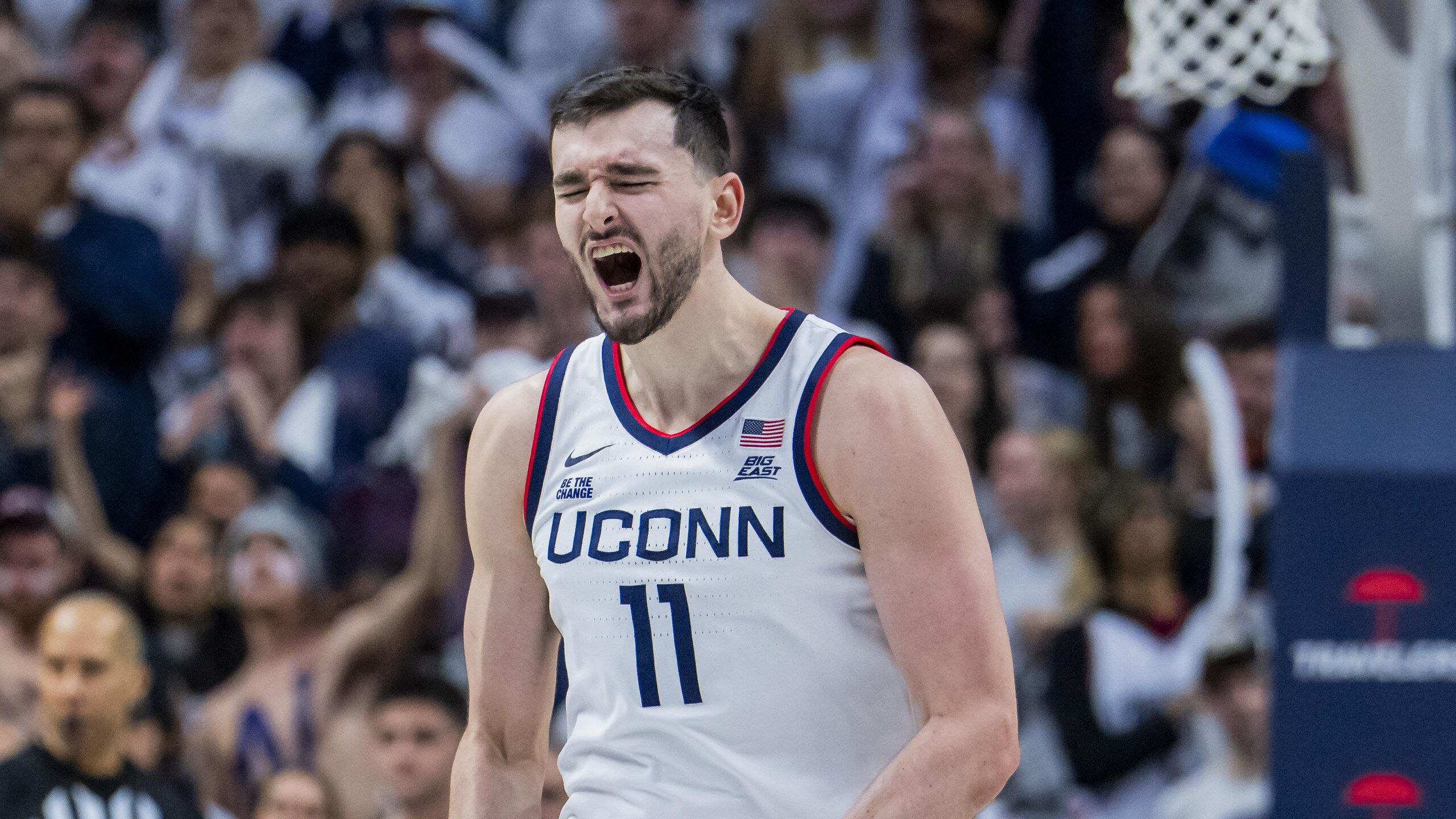
Record: 29-5 (17-3 in Big East)
Star Player: The Huskies entire starting lineup averages double-digit points per game, and Alex Karaban, Silas Demary and Tarris Reed all took home first team All-Big East honors. Karaban made his 144th career start in the Big East championship game, and he has seen it all during his four years at UConn, playing a key role in two national championships and filling up the stat sheet as a 6'9" forward with a well-rounded offensive game.
Biggest Wins: The Huskies have an impressive 7-3 record in Quad 1 games. They held an Illinois offense that averages 84.4 points per game to a season-low 61 points at Madison Square Garden on Nov. 28, and less than a week later they beat Kansas at Allen Fieldhouse. A week after that, they were back at Madison Square Garden, and this time they took down a top-tier Florida team. That's a better resume than most teams compiled all season before Christmas.
Reason to Worry: While a well-balanced offense is nice, the Huskies lack a true go-to scorer, and the offense as a whole is good-not great, sitting outside the top 25 in KenPom's adjusted offensive efficiency. That puts more pressure on the defense, and while it has generally been excellent, they did give up gaudy point totals to Creighton (91), Providence (81) and Georgetown (75) who all finished with a sub-.500 record. It's also worth asking how much we should make of that 20-point loss to St. John's on Saturday.
March Madness Ceiling: This is not the 2023-24 UConn team that steamrolled the competition, but it's also a significantly better squad than last year, and the "reason to worry" section here is trying to poke holes in a strong overall resume. They fit comfortably into the second tier of bona fide title contenders, and they are absolutely a Final Four-caliber team.
8. Purdue Boilermakers
61 of 68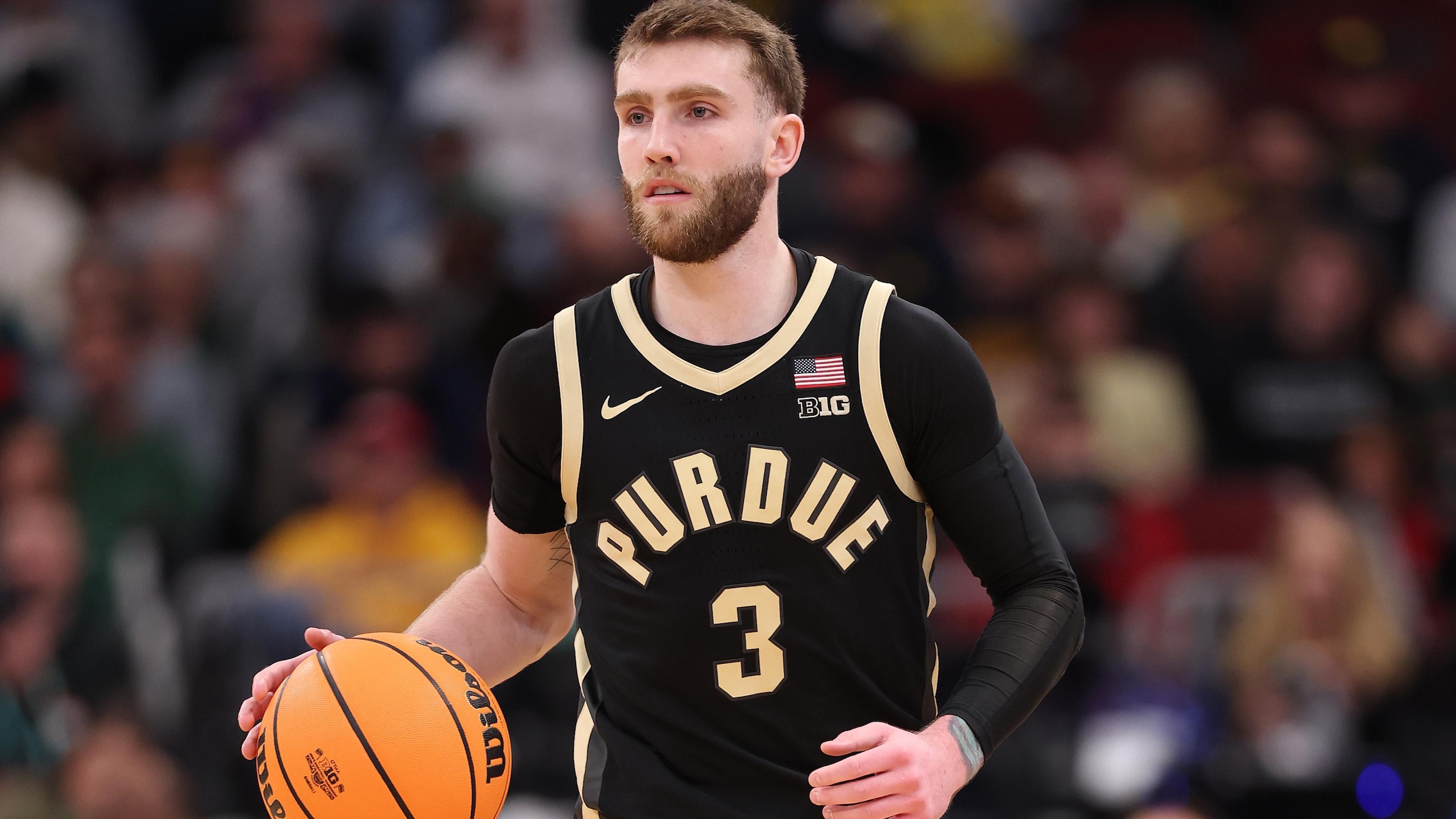
Record: 26-8 (13-7 in Big Ten)
Star Player: Braden Smith is chasing Bobby Hurley's NCAA record for career assists, likely to pass the former Duke point guard in his tournament opener. But this elite distributor is also Purdue's leading scorer and by far its top source of steals. He has had eight points-assists double-doubles.
Biggest Wins: Purdue destroyed Texas Tech in Bahamas back in November, that win coming a week after a marquee road win over Alabama. The Boilermakers also swept Wisconsin and Iowa, picking up a road win over Nebraska along the way. They beat Nebraska again in the Big Ten quarters before eliminating a red-hot UCLA in the semis.
Reason to Worry: All of the metrics still insist that this preseason favorite is a top-notch team, but Purdue didn't much look late in the regular season, losing six of its final 13 regular season games, including three losses (and one close call against lowly Oregon) at Mackey Arena. Limitations on defense have become a major problem. And they never beat a truly elite foe in several tries.
March Madness Ceiling: Somewhere amid the rough closing stretch, Purdue fell from the ranks of the serious threats to win it all. It's still possible, though, if the big three of Smith, Fletcher Loyer and Trey Kaufman-Renn locks in for its final stretch of college basketball games. After all, this is still one of the most efficient offenses in the country, as well as one of the best rebounding groups.
7. Iowa State Cyclones
62 of 68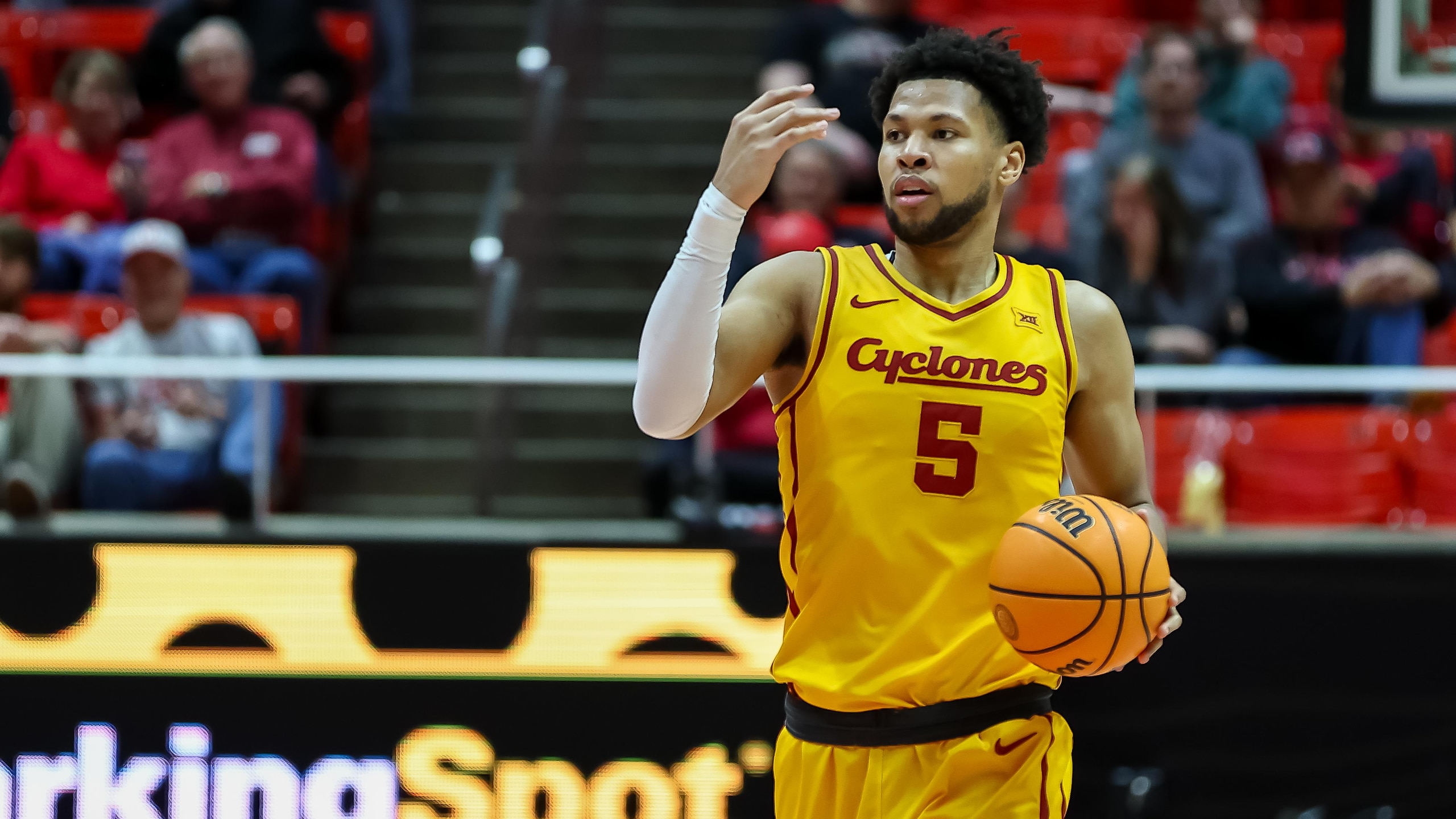
Record: 27-7 (12-6 in Big 12)
Star Player: Following in the footsteps of Royce White and Georges Niang, Joshua Jefferson is the do-it-all big man for the Cyclones who averages nearly 17 points, eight rebounds and five assists per game. He has had some tough shooting nights from the field in recent weeks, but he has still spent most of the season as the (extremely distant) first runner-up to Cameron Boozer in KenPom's Player of the Year rating.
Biggest Wins: The big statement came back in early December. Iowa State waltzed out of Mackey Arena with a 23-point road win over Purdue, smack dab in the middle of the Cyclones' 16-0 start to the year. Granted, they haven't done much away from home since then, but they did work some Hilton Magic for big mid-February victories over Kansas and Houston. They blew out Texas Tech in the Big 12 quarters, too, but that's a team running on fumes.
Reason to Worry: The trifecta of Jefferson, Milan Momcilovic and Tamin Lipsey is pretty great, but who else is going to show up on any given night? Jamarion Batemon has emerged as a three-point sniper off the bench, but he was held scoreless in the curious losses to TCU and Cincinnati. This is also a dreadful free-throw shooting team, with the exception of Momcilovic.
March Madness Ceiling: Recent Iowa State history would suggest the ceiling here is a Sweet 16. That's the best they have done in their 11 NCAA tournament appearances dating back to 2012. But this might be the best that Iowa State has ever been, and they fell one bucket shy of reaching the Elite Eight last year. We maybe wouldn't bet on a Final Four, but we definitely wouldn't rule it out, either.
6. Illinois Fighting Illini
63 of 68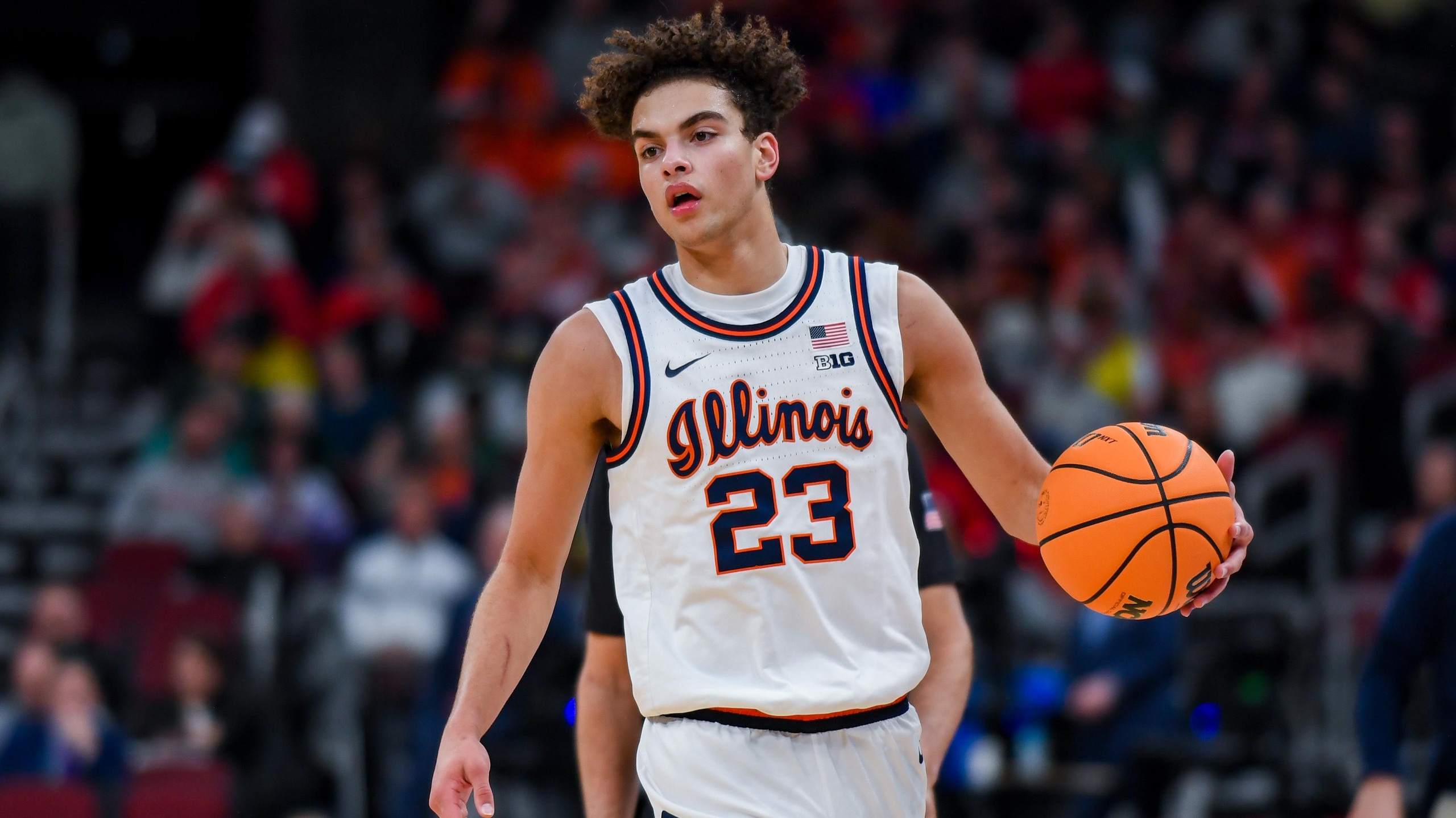
Record: 24-8 (15-5 in Big Ten)
Star Player: Got to love it when a guy who wasn't even mentioned on mock draft boards before the season blossoms into the possible No. 5 overall pick. That's how phenomenal (and unexpected) Keaton Wagler's season has been for Illinois. It wasn't until early December that he really started to become the most important piece of the Illini puzzle, but he has been awesome over the past 3.5 months.
Biggest Wins: In nonconference play, Illinois scored a big "neutral" win over Tennessee (in Nashville) and a home win over full-strength Texas Tech. The Illini also obliterated Missouri in that annual rivalry game. And then in Big Ten play, they scored road wins over Purdue, Nebraska, Iowa and Ohio State.
Reason to Worry: The offensive efficiency is top notch. The defensive efficiency is decidedly not. In fact, the Illini rank dead last in the nation in turnover percentage, and they allowed 1.25 points per possession in the five losses they've suffered in their last nine games. Illinois is also extremely reliant on the three ball, averaging nearly 32 attempts per game.
March Madness Ceiling: In nine of its last 10 trips to the NCAA tournament, Illinois was eliminated before the Sweet 16. But if Wagler and this offense start cooking with gas, getting back to a Final Four for the sixth time in program history doesn't feel like that big of a stretch. Getting something out of the defense would be a big help, too.
5. Houston Cougars
64 of 68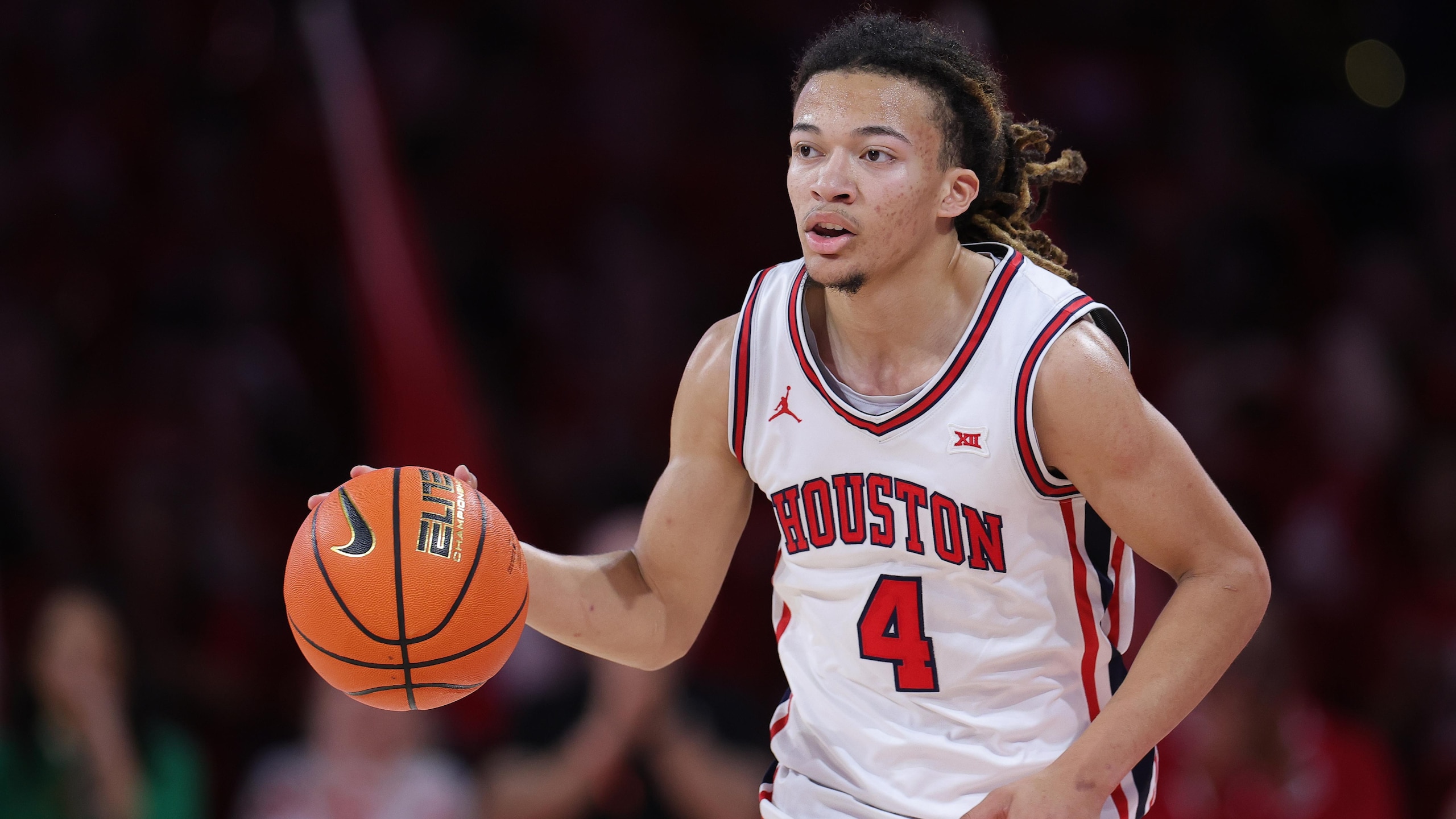
Record: 28-6 (14-4 in Big 12)
Star Player: Kingston Flemings is a borderline first-team All-American, running this offense at an elite level while also serving as Houston's best perimeter defender. Though his per-game numbers (16.4 PPG, 5.3 APG, 4.0 RPG) can't hold a candle to what, say, Darius Acuff Jr. is doing for Arkansas, let's not forget that Houston plays at one of the slowest paces in the country. Flemings' points and assists on a per-100 possessions basis are similar to those of the star Razorback, and this Cougar is more valuable on defense by many miles.
Biggest Wins: If you're skeptical about Houston getting back to a Final Four, this might be the main reason why. The Cougars' best win of the regular season was either the road game against BYU, the home game against Texas Tech or the neutral game in which Arkansas scored 85 against them. Any of those would've made for a fantastic top win for a bubble team, but it's pretty 'meh' for a title contender. They did trounce Kansas in the Big 12 semifinals, though.
Reason to Worry: The recent string of three straight losses to Iowa State, Arizona and Kansas was understandable, but did accentuate Houston's season-long problem of a frontcourt that is quite limited on offense. Chris Cenac Jr. has a sky-high ceiling that has NBA execs salivating, but he's not quite that presence in the paint that J'Wan Roberts was last year. And if either Flemings or Emanuel Sharp has an off night, points can be tough to come by.
March Madness Ceiling: Houston was a botched final possession away from winning it all last year, and the predictive metrics certainly suggest the Cougars could get there again. They have an excellent defense, per usual, and they rarely shoot themselves in the foot with turnovers. The big question, though, is how well they'll shoot the ball.
4. Florida Gators
65 of 68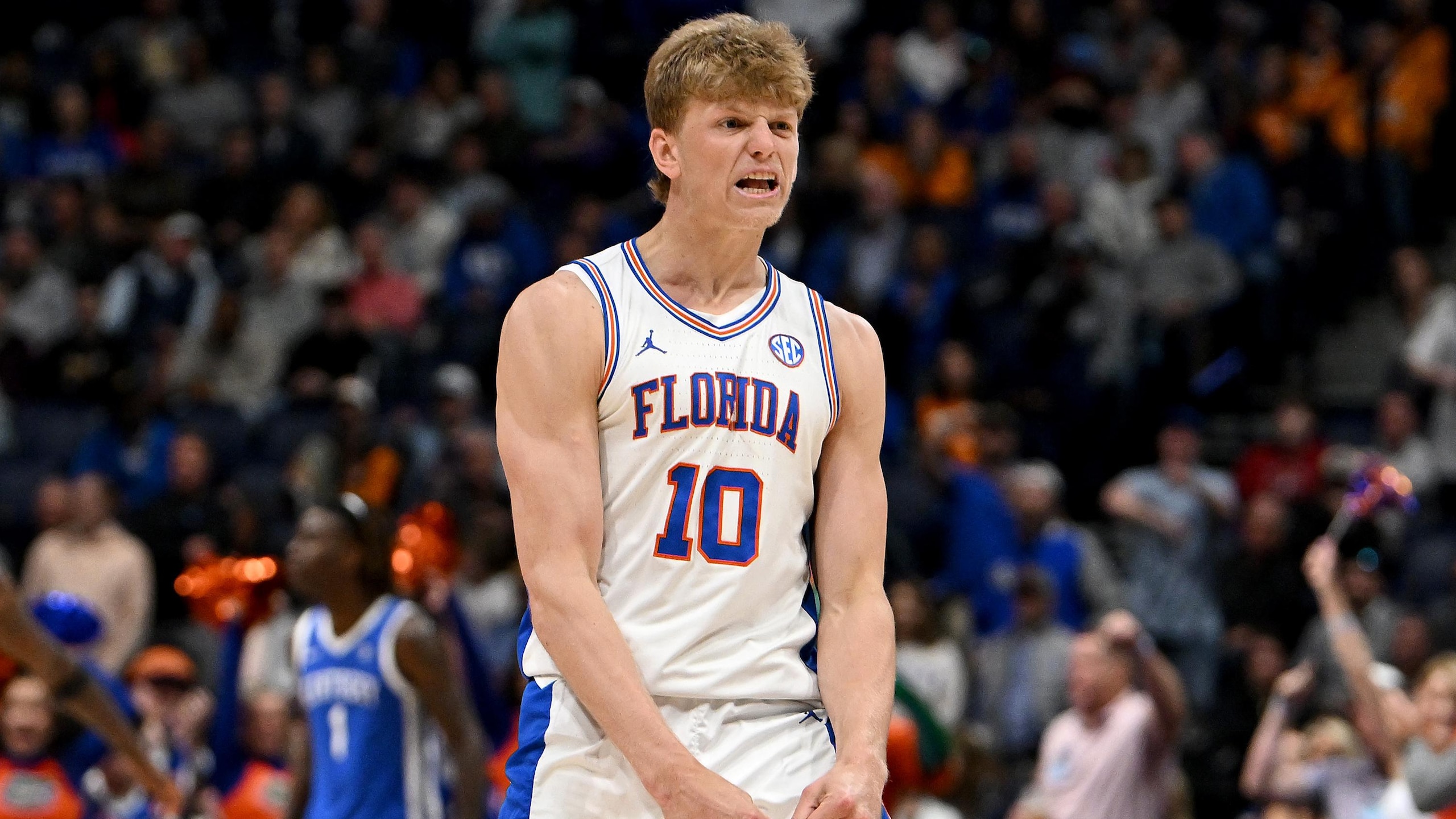
Record: 26-7 (16-2 in SEC)
Star Player: With a most honorable mention to "God of the Glass" Rueben Chinyelu, the star of these reigning national champs is Thomas Haugh. Hardly seems like a coincidence that his most ridiculous stat line of the season—21 points, 12 rebounds, five assists, four blocks and three steals vs. Georgia on Jan. 6—came in the game that jump-started Florida's 16-1 surge to finish the regular season.
Biggest Wins: Though the Gators did strike out against Duke, Arizona and Connecticut early in the season, they swept Kentucky, won at Vanderbilt and straight up pummeled all of Alabama, Arkansas and Tennessee in Gainesville. Though the SEC as a whole was nowhere near as incredible as last season, that's quite the collection of statements.
Reason to Worry: Florida's three-point shooting has been a lot better in recent weeks, but this was a sub-30 percent team from the perimeter through its first 26 games. The Gators could become mortal again in a hurry if Xaivian Lee and Boogie Fland revert to collectively missing more than three out of every four shots they take. They also don't force many turnovers—however, a negative turnover margin in five of six tournament games last year certainly didn't slow them down much.
March Madness Ceiling: If there was a ceiling here, Florida smashed right through it at some point in the past two months. SEC semifinal loss to Vanderbilt notwithstanding, just like last year, the Gators are sprinting into the dance with all of the momentum of a runaway freight train and have blossomed into the trendy (but not the betting) favorite to win it all.
3. Michigan Wolverines
66 of 68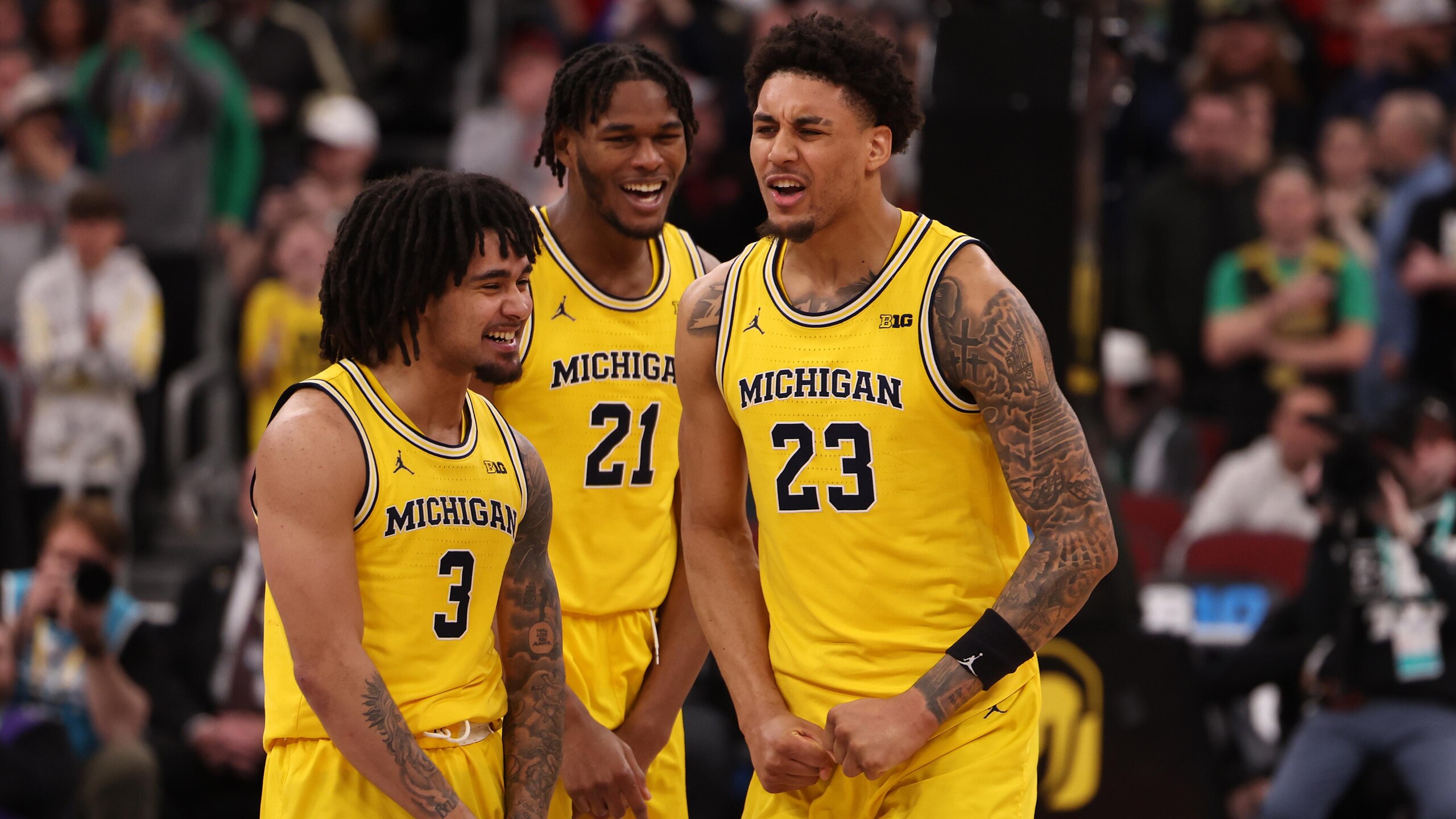
Record: 31-2 (18-1 in Big Ten)
Star Player: The entire three-man frontcourt of Yaxel Lendeborg, Morez Johnson Jr. and Aday Mara has been incredible for Michigan, combining for roughly 40 points, 20 rebounds and five blocks per game. But Lendeborg is the brightest shining star of the bunch. Big things were anticipated from the former UAB star who almost left for the NBA, and he has delivered the goods.
Biggest Wins: Both literally and figuratively, some of the biggest wins came during the Players Era Festival, in which Michigan destroyed San Diego State, Auburn and Gonzaga by at least 30 points apiece. The Wolverines immediately became the title favorite at that point, and proceeded to back it up with a near perfect run through the Big Ten, including road wins over Illinois, Purdue and Michigan State.
Reason to Worry: Backup point guard LJ Cason suffered a season-ending injury just a couple of weeks ago, after a February in which he averaged 11.8 PPG and 2.8 APG. Starting point guard Elliot Cadeau was always going to be Michigan's biggest X-factor in the dance, but now an even heavier weight rests upon his shoulders.
March Madness Ceiling: There is no ceiling for Michigan, who routinely annihilated quality competition all season long. Even the neutral-site loss to Duke in late February felt like a game that the Wolverines win if Mara doesn't get into early foul trouble, if Cadeau could make anything or if Duke's Nik Khamenia didn't have maybe his best game of the season. We shall see which version of Cadeau shows up, though.
2. Arizona Wildcats
67 of 68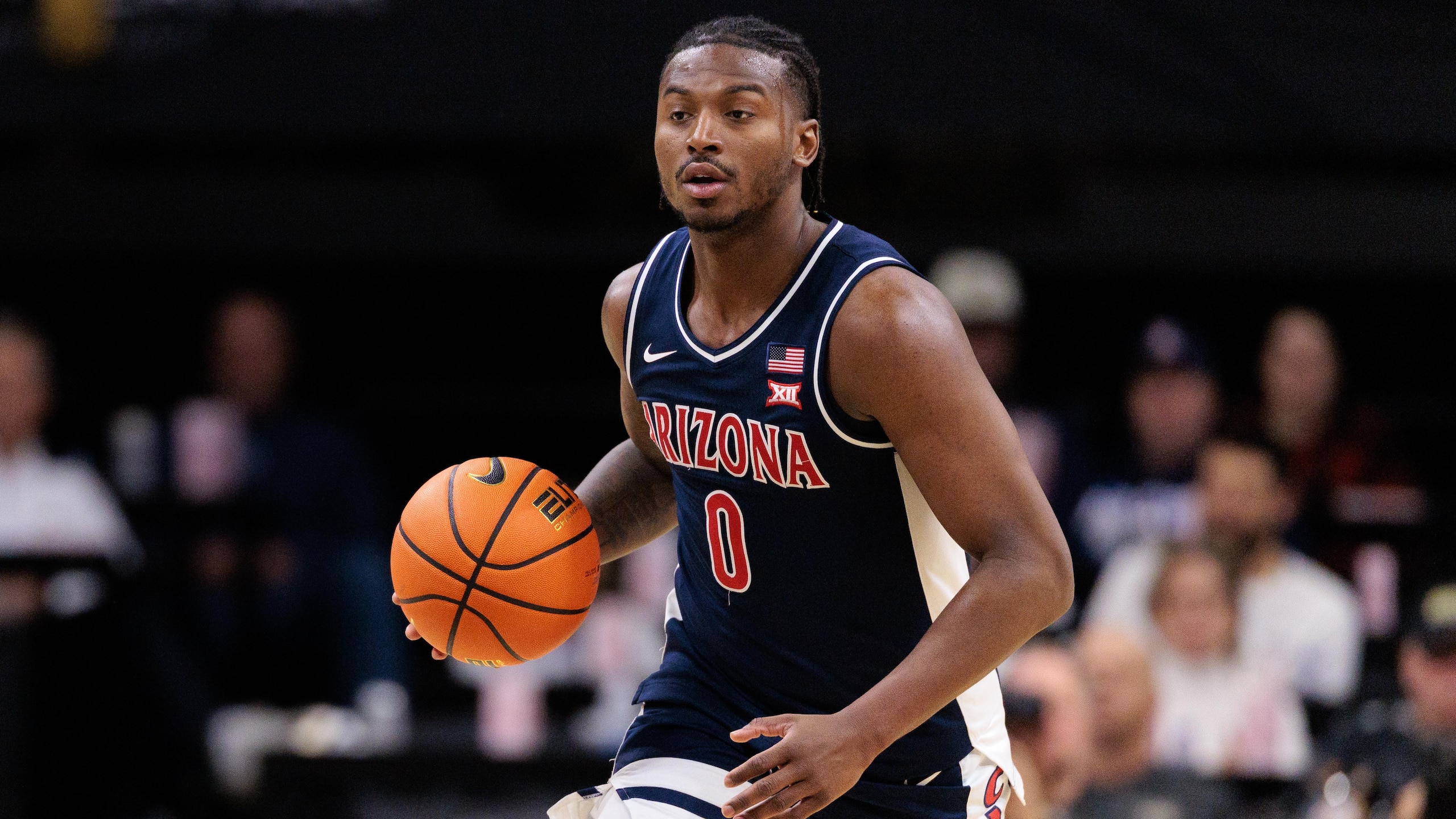
Record: 32-2 (16-2 in Big 12)
Star Player: There are some teams for whom the pick for star player is "I don't know" because there simply aren't any great choices. With Arizona, however, it's "I don't know" because there are too many great options. Veteran point guard Jaden Bradley has been stellar. The freshman duo of Brayden Burries and Koa Peat is likely headed for the NBA draft lottery. Motiejus Krivas might be the best defender in the nation. Tobe Awaka is probably the best rebounder in the nation. Basically, if you're looking for the best eight-man rotation in the field, you've found it.
Biggest Wins: How much time do you have? In nonconference play alone, Arizona beat all of UConn, Florida, Alabama and UCLA away from home. The Wildcats proceeded to win at Houston and BYU before blowing out both Kansas and Iowa State at home and ultimately winning the Big 12 tournament, running through UCF, Iowa State and Houston.
Reason to Worry: It is both a gift and a curse that the Wildcats don't take many three-pointers—a gift because it makes their offense more consistent, but a curse because, well, sometimes you need some triples to survive against a quality foe. In the regular-season wins over Houston, UConn and Florida, though, they went a combined 7-for-27 from downtown.
March Madness Ceiling: Arizona has not been to a Final Four since 2001, but there also hasn't been an Arizona team anywhere near this good since then. They've had some No. 1 seeds, sure. But per Sports-Reference's Simple Rating System, the Wildcats tallied a 26.85 in 2001, checked in below 25 in each of the next 24 seasons and enter this year's dance right around 30. They are every bit as likely to win it all as Duke and Michigan, if not more so.
1. Duke Blue Devils
68 of 68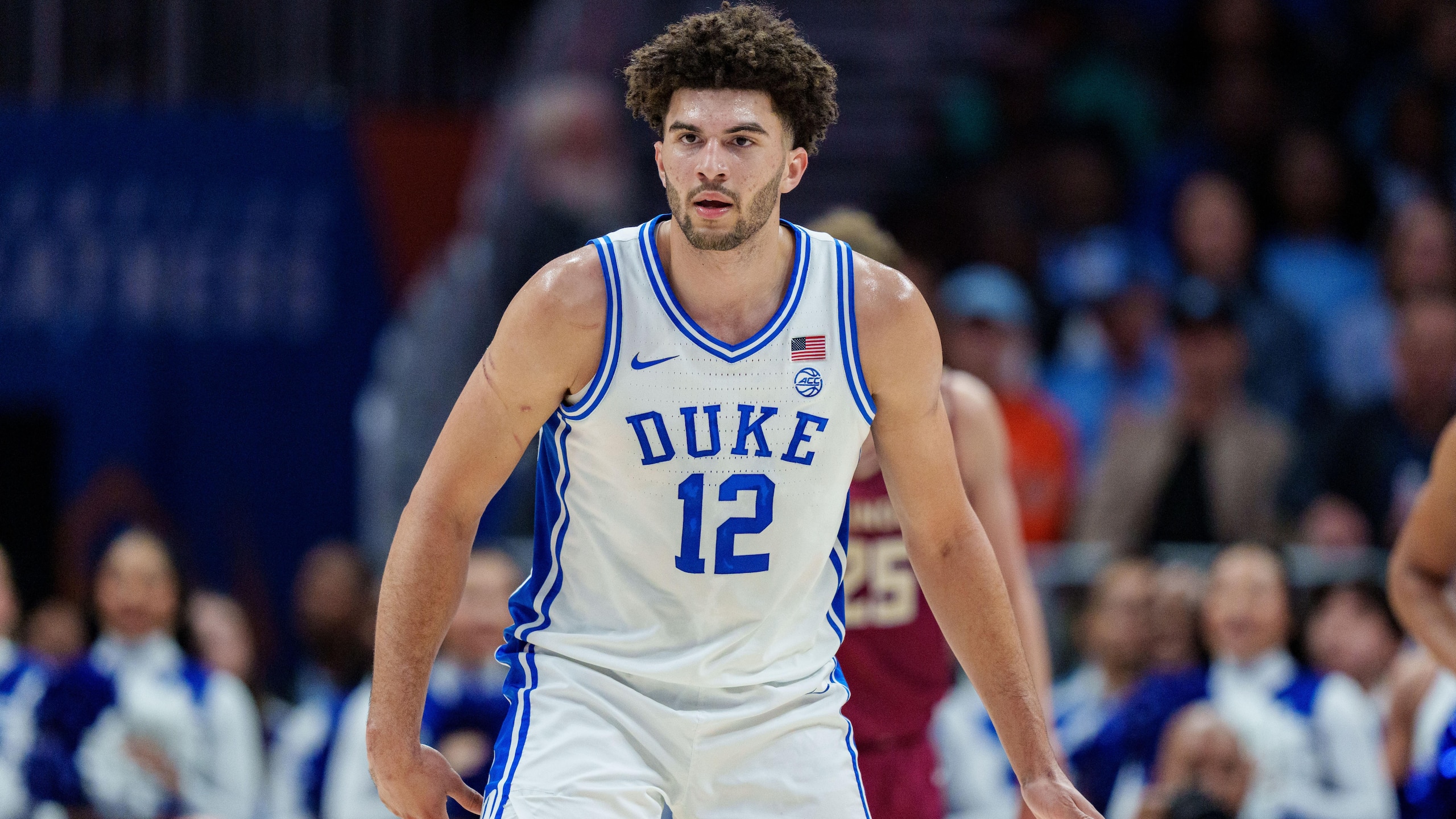
Record: 32-2 (17-1 in ACC)
Star Player: Cameron Boozer isn't just Duke's star player. He was the NCAA's 2025-26 star player, destined for the same stockpile of Player of the Year accolades that Cooper Flagg accumulated one season ago. Boozer's actual middle name is Sikandar, but his unofficial middle name is "Consistent" after a regular season in which he seemed to put up 23 points, 10 rebounds and a few assists in every single game. And unless that suddenly changes in the dance, Duke might be the toughest team to beat.
Biggest Wins: Speaking of stockpiles, Duke racked up the nation's longest list of Quad 1A wins, five of which came during the nonconference portion of the season. The Blue Devils won at Michigan State, beat Florida at home and won neutral-site games against Kansas, Arkansas and—most recently, in late February—Michigan. Throw in the sweep of Louisville, the regular-season pummeling of Virginia and yet another ACC tournament title and let's just say there's no questioning whether Duke is capable of beating anyone.
Reason to Worry: In both of Duke's regular season losses, it led by nine points with seven minutes remaining...before collapsing. Just like in last year's Final Four against Houston, in which the Blue Devils somehow blew a 14-point lead with eight minutes to go. This team has ludicrous overall efficiency, but was also held to 70 points or fewer five times in February, as Boozer's supporting cast is nowhere near as consistent as he is.
March Madness Ceiling: If not the singular favorite, Duke is easily a top-three candidate to win it all. Jon Scheyer is steadily climbing the mountain, reaching the second round in his first season, the Elite Eight in year No. 2, the Final Four last year and perhaps now a national championship in his fourth season at the helm.
.jpg?w=2560 "Broncos Chargers Football")