
Who Exactly is WWE Appealing to in 2026?
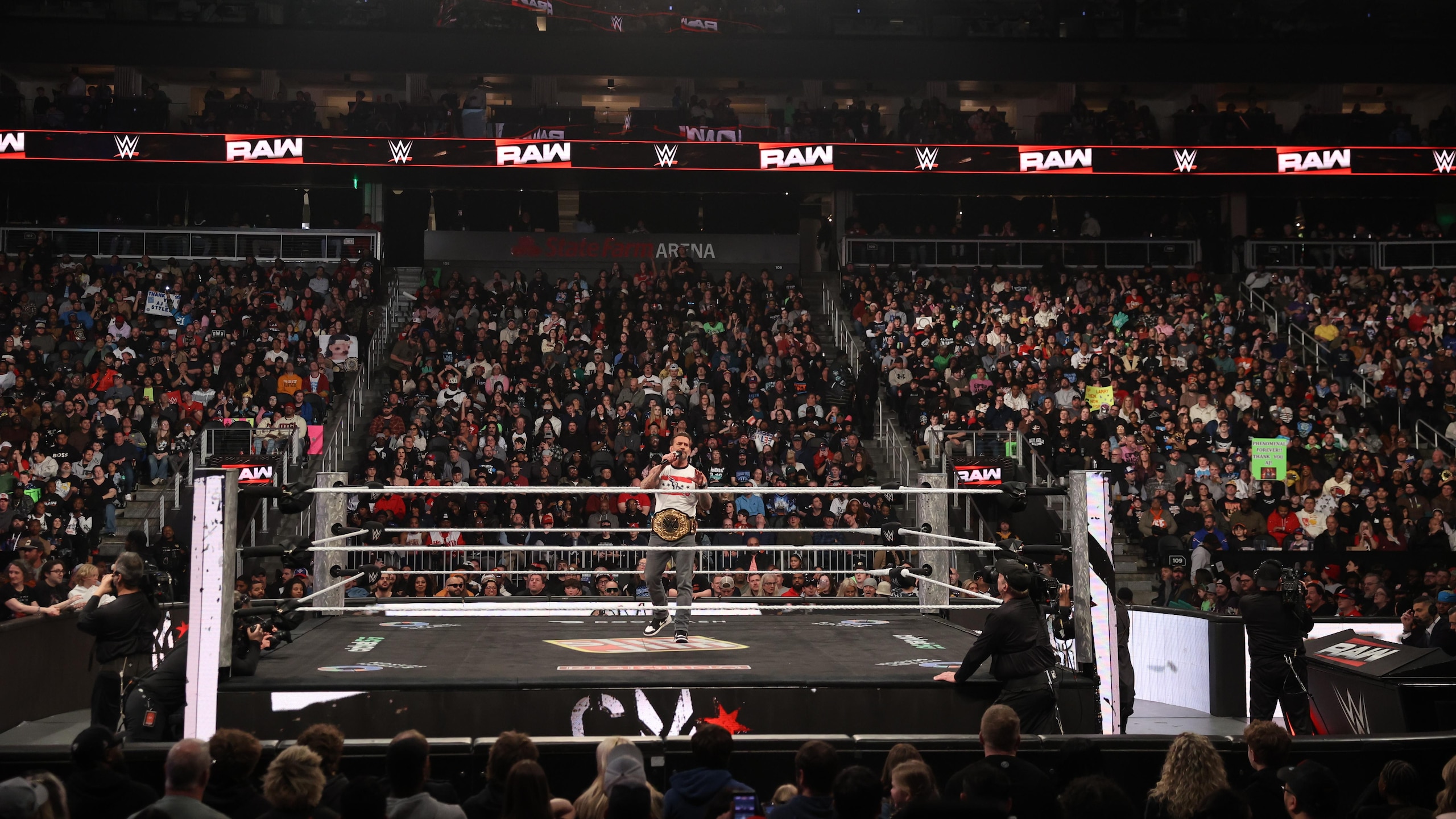
Chicago has historically been considered one of the best crowds for professional wrestling, but you would never know that from watching Elimination Chamber 2026.
It was an adequate event that set the stage for some WrestleMania 42 matches, but missed the mark in generating genuine hype for the event.
Moreover, it was painfully apparent throughout the night that WWE has become more about making moments than delivering a complete card worth the premium prices the company is charging, whether in attendance or even on the ESPN app.
.jpg?w=2560 "WWE NXT Grades and Reaction September 22")
.jpg?w=2560)
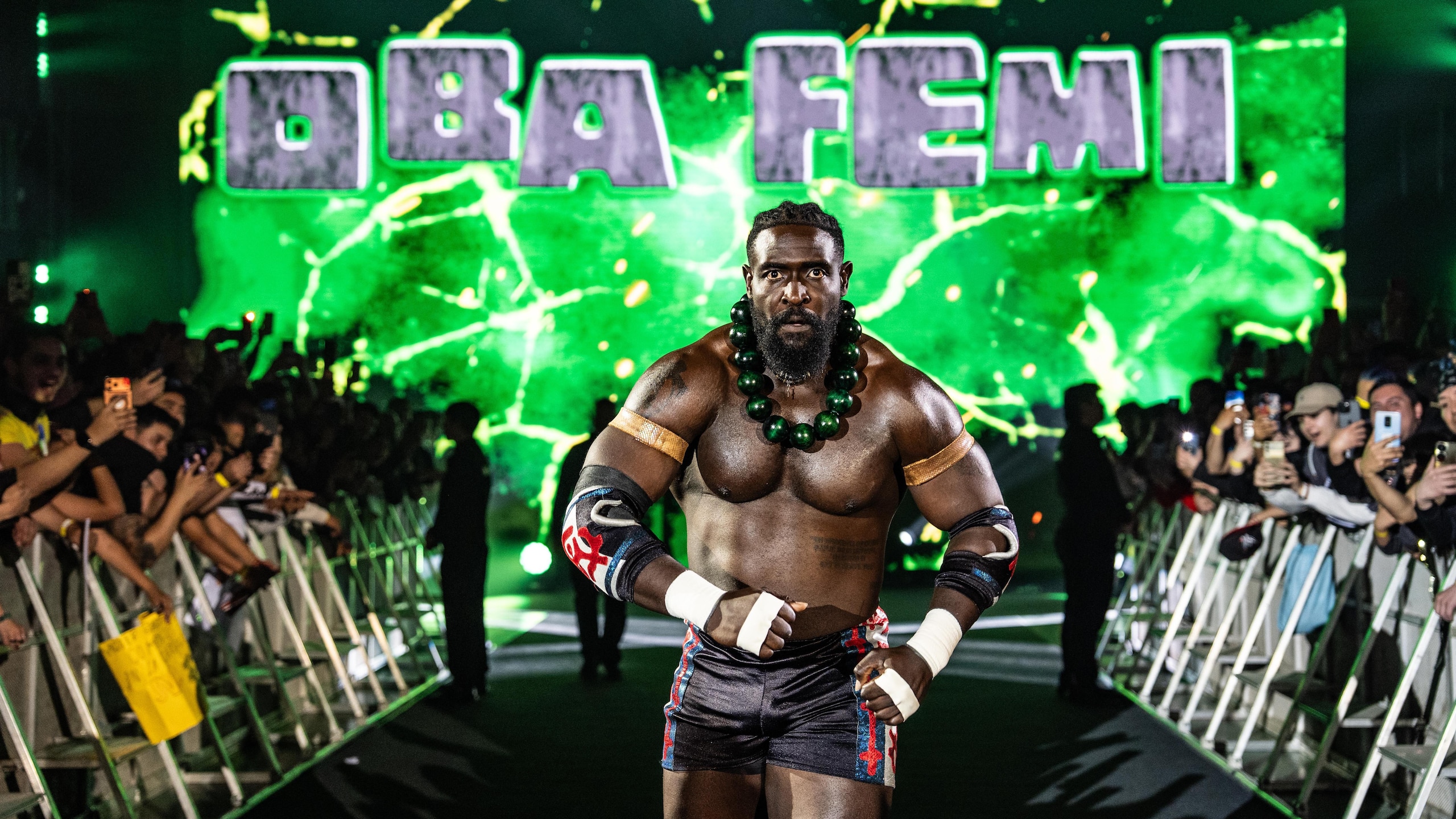
The entrances alone ate up what felt like the majority of the three hours. That's not including the constant commercials that were never a part of WWE's pay-per-view model before.
The days of WWE crowds being loud and rowdy for more than just the elaborate entrances of the top stars and the finishing sequences appear to be long gone.
It could be that the weekly shows simply aren't up to par and there isn't enough to get excited about, but it's also worth questioning who WWE actually wants to appeal to with its product in 2026.
Elimination Chamber in Chicago Was an Eye-Opener for WWE
WWE claimed to have sold out the United Center in Chicago with over 19,000 in attendance on Saturday night.
The online reaction from fans, meanwhile, was mixed. It was far from a terrible show, but the lack of crowd enthusiasm during most matches was an indicator of a bigger issue WWE has yet to address.
Fans not being happy about outcomes and potential storyline directions has been commonplace in WWE for decades, especially in the age of the internet. At times, it's led to crowds voicing their displeasure at the shows and sending a message that way.
Most notably, the "Yes!" Movement with Daniel Bryan in 2014 and Cody Rhodes replacing The Rock as Roman Reigns' WrestleMania XL opponent wouldn't have happened without fans hijacking the shows.
Nowadays, matches and segments are met with sheer silence, and that apathy is arguably the worst reaction WWE could possibly want from its fans.
Cities such as Memphis and Atlanta, with quiet crowds at recent Raw events, were already alarming, but Chicago was the most eye-opening of them all. Outside of CM Punk's iconic Bulls-inspired entrance, the crowd sounded virtually no different than almost any other.
AJ Lee and Becky Lynch exceeded expectations with a quality contest, but the crowd was muted until the final stretch. Punk and Finn Bálor then delivered a hard-hitting affair that apparently didn't appeal to those in attendance based on how tepid they were.
The women's Chamber match was entertaining and the crowd was into the action, but it benefited from starting the show. The men's Chamber never once felt important, despite the high stakes, and largely fell flat due to poor planning and abysmal execution.
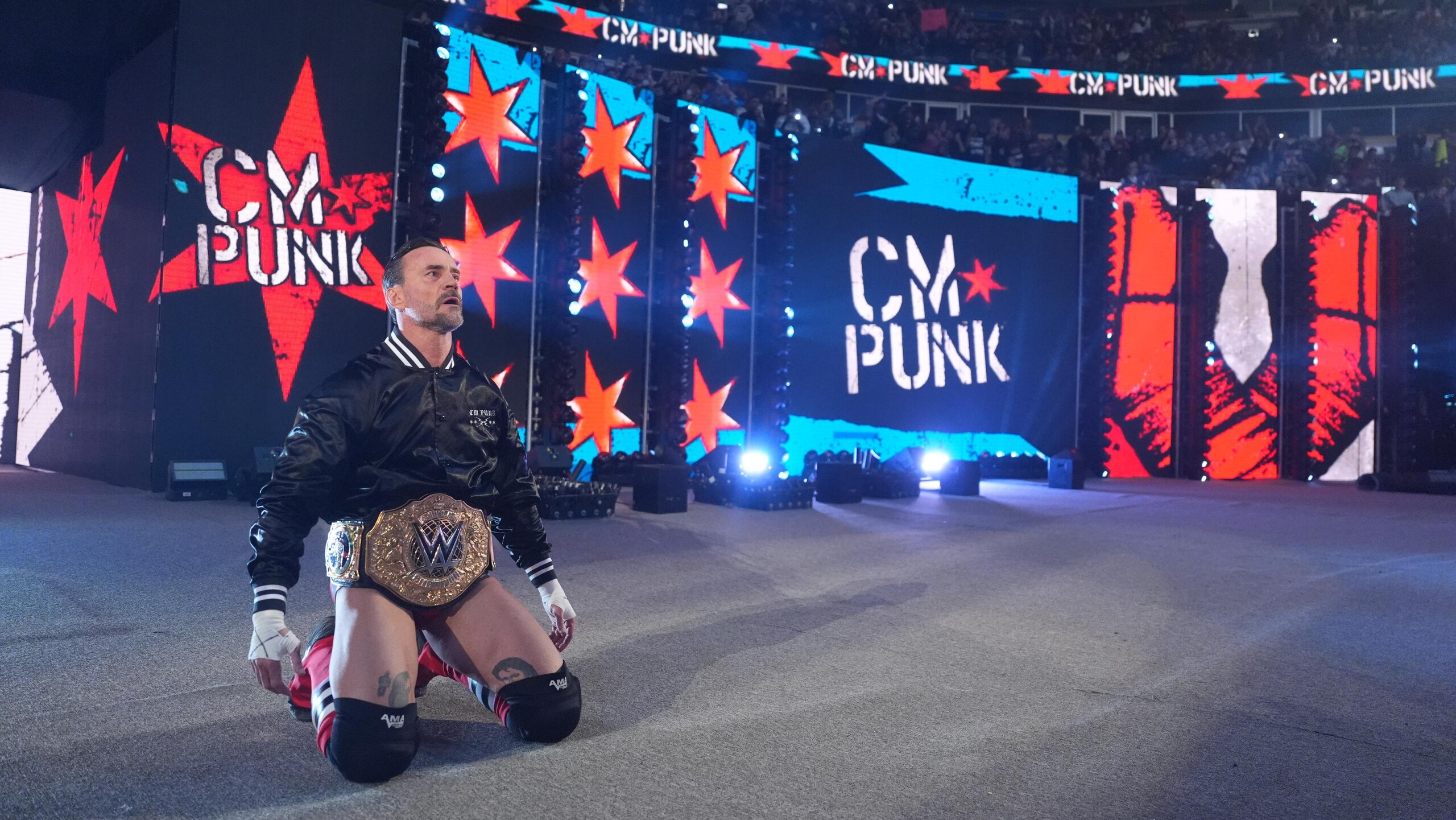
The Chicago crowd was fine. They weren't overly excited for anything, nor were they upset with what went down (except Danhausen's debut).
Rather, they radiated boredom. It was almost as if they paid to be a part of the entrances and sit on their hands for everything else.
The atmosphere wasn't remotely as electric as it was for Roman Reigns vs. Sami Zayn in the latter's hometown of Montreal three years ago at Elimination Chamber, let alone the same show a year ago when John Cena turned heel in Toronto.
At both of those points, the storylines were stronger. Ticket prices overall were more affordable, and anything higher-priced was justifiable because WWE was a hot ticket at the time.
If WWE keeps packing buildings and making record-setting profits, they have zero incentive to change creatively. Legitimate criticism and dissatisfaction from fans online won't matter until it actually has a discernible effect on their business, which could be coming sooner rather than later.
The TKO Effect Is a Short-Term Gain for a Long-Term Loss
WWE is always showcasing celebrities in the crowd to make mainstream headlines.
There have been countless instances over the last few years where it's worked because they've been incorporated into the product organically.
The company has flourished financially by allowing more corporate partnerships, clearly a change in philosophy under TKO.
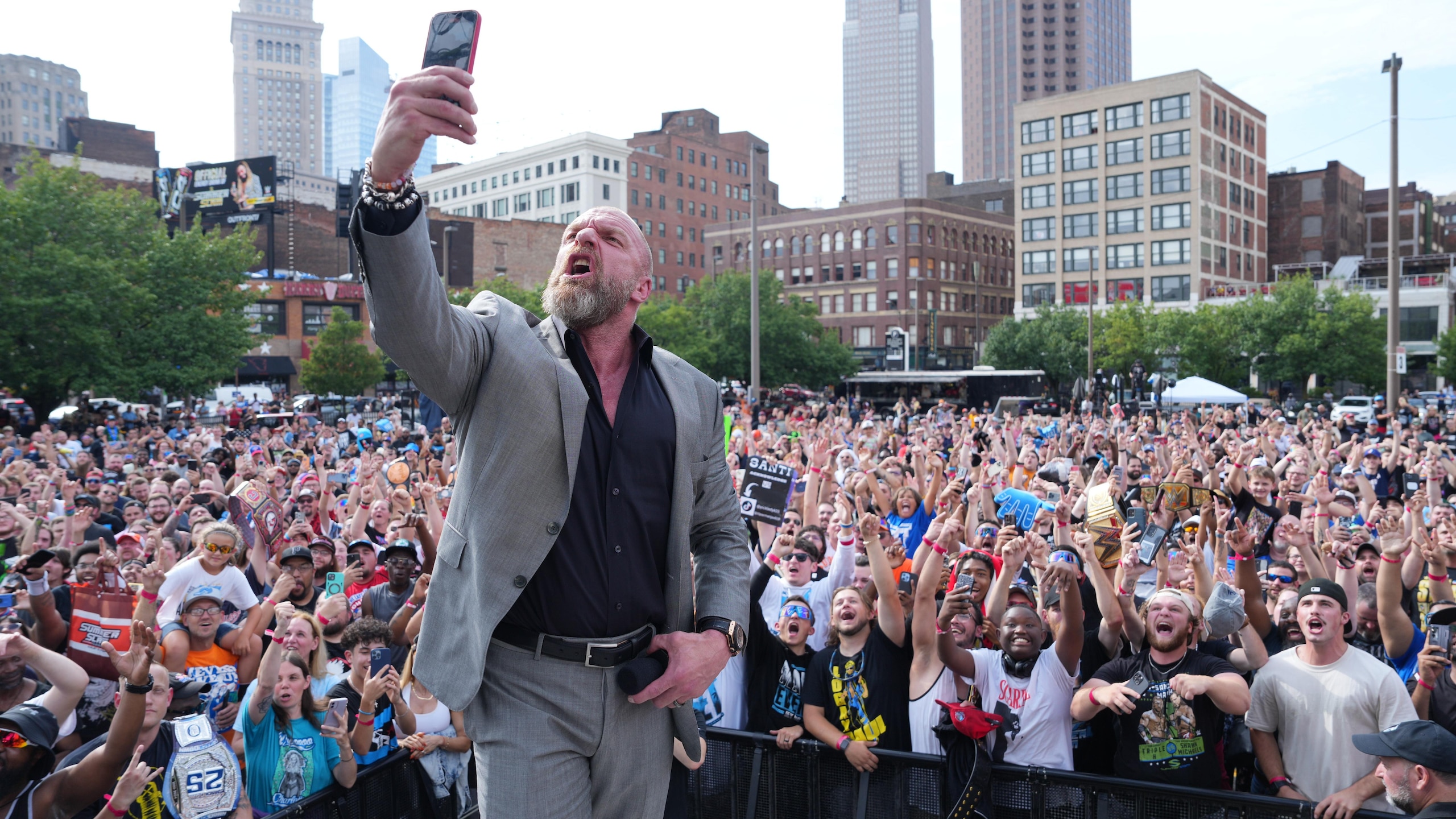
Many moments have gone viral on social media during the Triple H regime, and that's part of the reason why the ultimate influencer, Logan Paul, is as prominently featured as he is.
All of these things have proved successful strategies for the company and have helped cater to the "casual" audience that eluded them for so long—except that they've now come at the expense of what WWE should prioritize.
Exceptional stories, matches and characters worth investing in are what will get it trending in the right direction and entice its hardcore fans to tune in regularly again and pay to be there in person.
Contrary to popular belief, that hardcore portion of WWE's fanbase won't be there no matter what. The rapidly declining ratings for Raw and SmackDown have shown that, and if they don't check out one of the many alternatives (AEW, TNA, NJPW, etc.), they could become disenchanted with wrestling completely.
Granted, WWE's identity has rarely been about the wrestling itself. Vince McMahon was notorious for never wanting his roster to use the word "wrestling" on TV. Triple H has done a nice job of reversing that narrative since taking over from his father-in-law.
Pricing people out who support your product long-term more than any casual fan will for one night's worth of social media content that will be immediately forgotten is shortsighted.
WWE has come so far from being the epitome of "uncool" for the better part of the 2010s. Of course, it could be so much worse than what it is now. Various aspects of modern-day WWE show promise, such as the stacked women's division and the focus on youth.
But once you realize their product isn't really for the wrestling fans anymore, it makes a lot more sense as to why their programming is suffering: because it can—for now, anyway.
Their current approach isn't sustainable. They spend more time on everything else than what these premium live events should be about. The "aura farming" has gotten egregiously out of control and favoring style over substance has done damage.
WWE isn't selling out arenas as quickly as it was at this time a year or two ago, with advance ticket sales for WrestleMania 42 a prime example, but business is still booming.
Until it isn't (and inevitably it won't be), WWE won't make any meaningful improvements and will remain complacent.
Graham Mirmina, aka Graham "GSM" Matthews, has specialized in sports and entertainment writing since 2010. Visit his website, WrestleRant, and subscribe to his YouTube channel for more wrestling-related content.
.png?w=2560 "NFL Draft Prospect Rankings 📊")
.jpg?w=2560 "OBJ's Post for Dart 🙏")
.jpg?w=2560 "Report: Bears' Backup QB Has Concussion")
.jpg?w=2560 "Broncos HC Had Beef with Seahawks 😡")
.jpg?w=2560 "Jets to sign former second-round pick QB")