

Simply looking at a player's "baseball card" statistics and expecting those numbers to be duplicated is a thing of the past, as advanced metrics have created a more complete statistical picture to follow.
Things like expected batting average relative to actual batting average, batting average on balls in play, average exit velocity and bat speed have all proven to be strong indicators of potential regression.
With that in mind, a statistical deep dive was done to identify a list of 10 hitters who enter the 2026 season as potential bust candidates, due to red flags in their advanced metrics.
This is by no means a guarantee that any of these players are going to struggle, but there is enough data to back the idea that it would be wise to temper expectations for this group of hitters.
Jose Altuve, Houston Astros
1 of 10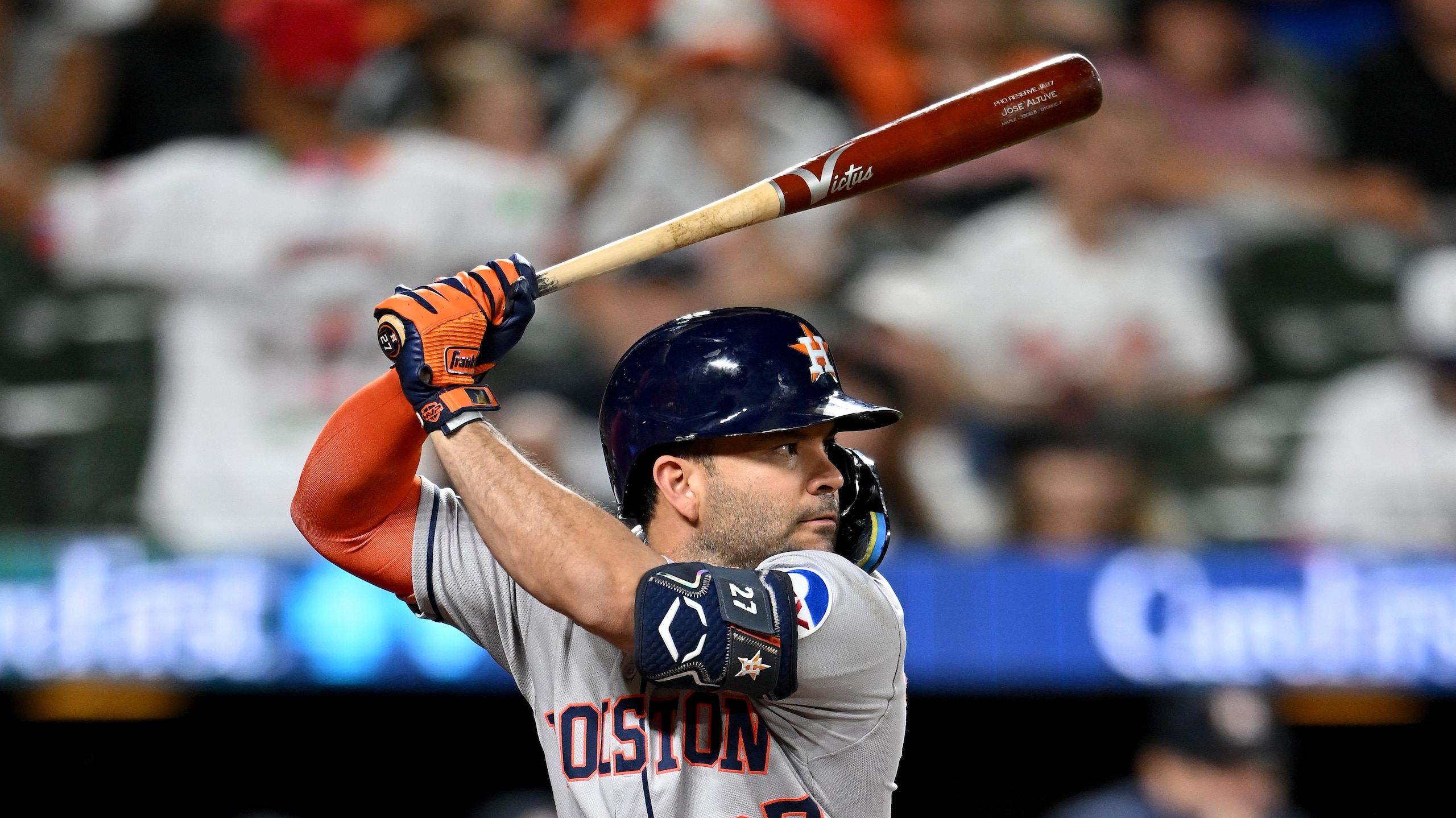
Why Expectations Are High
In his age-35 season and while navigating the distraction of trying to learn how to play left field, Jose Altuve still posted a 112 OPS+ with 26 home runs, good for the fourth-highest home run total in his 15-year career. He is no longer the batting title threat he was in his prime, but his improved power production has helped drive offensive value over the second half of his career.
Why He Could Be a Bust
Age and ugly batted-ball metrics make Altuve a prime candidate for a cliff season as he comes down the home stretch of his storied career. He ranked near the bottom of the leaderboard in average exit velocity (4th percentile), hard-hit rate (10th percentile) and bat speed (18th percentile), which could make it increasingly difficult to maintain his power production. He is still owed $92 million over the next four seasons, though the back-loaded deal will see his salary dip from $33 million in 2026 and 2027 to $13 million in 2028 and 2029.
Harrison Bader, San Francisco Giants
2 of 10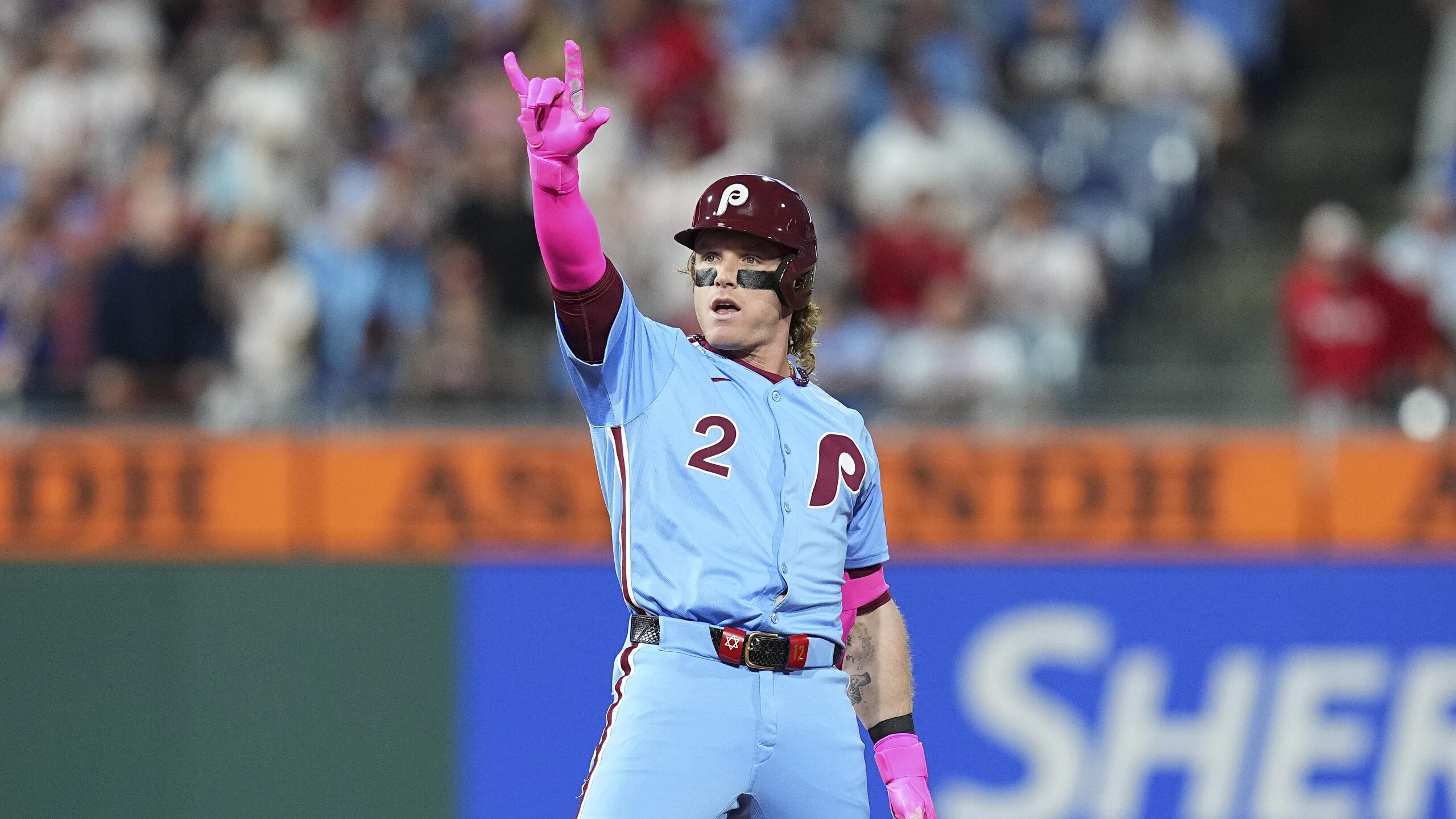
Why Expectations Are High
Playing on a modest one-year, $6.25 million deal last season, Harrison Bader posted career-high marks in OPS+ (117), hits (124), home runs (17) and RBI (54), and he logged a gaudy .305/.361/.463 line with 17 extra-base hits in 50 games after he was traded to the Phillies at the deadline. That was enough to earn him a two-year, $20.5 million contract from the Giants this time around in free agency.
Why He Could Be a Bust
A .220 expected batting average and a spike in his strikeout rate from 21.7 to 27.1 percent run counter to the idea that Bader had a career year, and moving to pitcher-friendly Oracle Park figures to rob him of any step forward he has taken in the power department. His +.057 differential between batting average and expected batting average was the second-highest gap among players with at least 200 plate appearances in 2025.
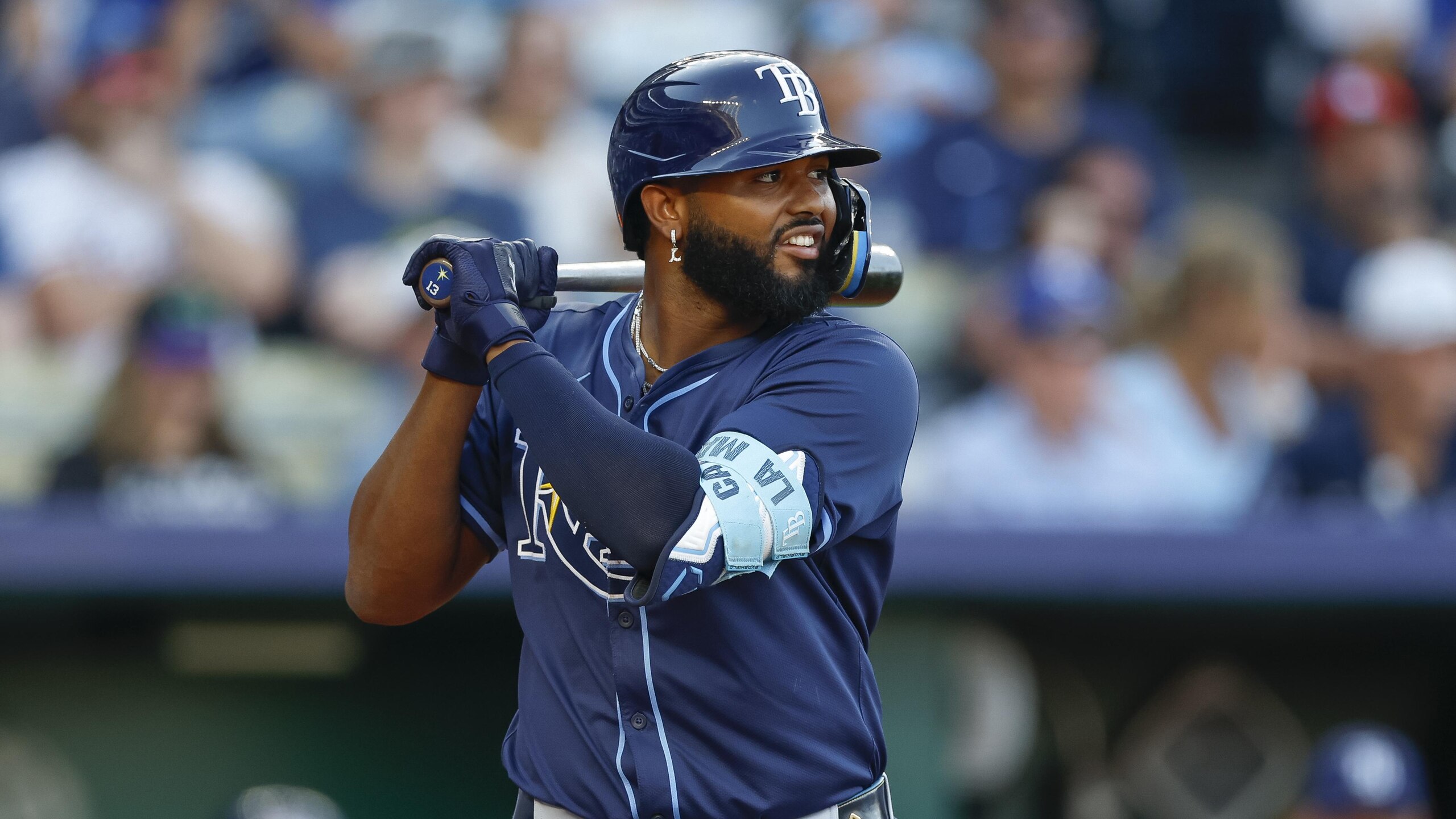
3B Junior Caminero, Tampa Bay Rays
3 of 10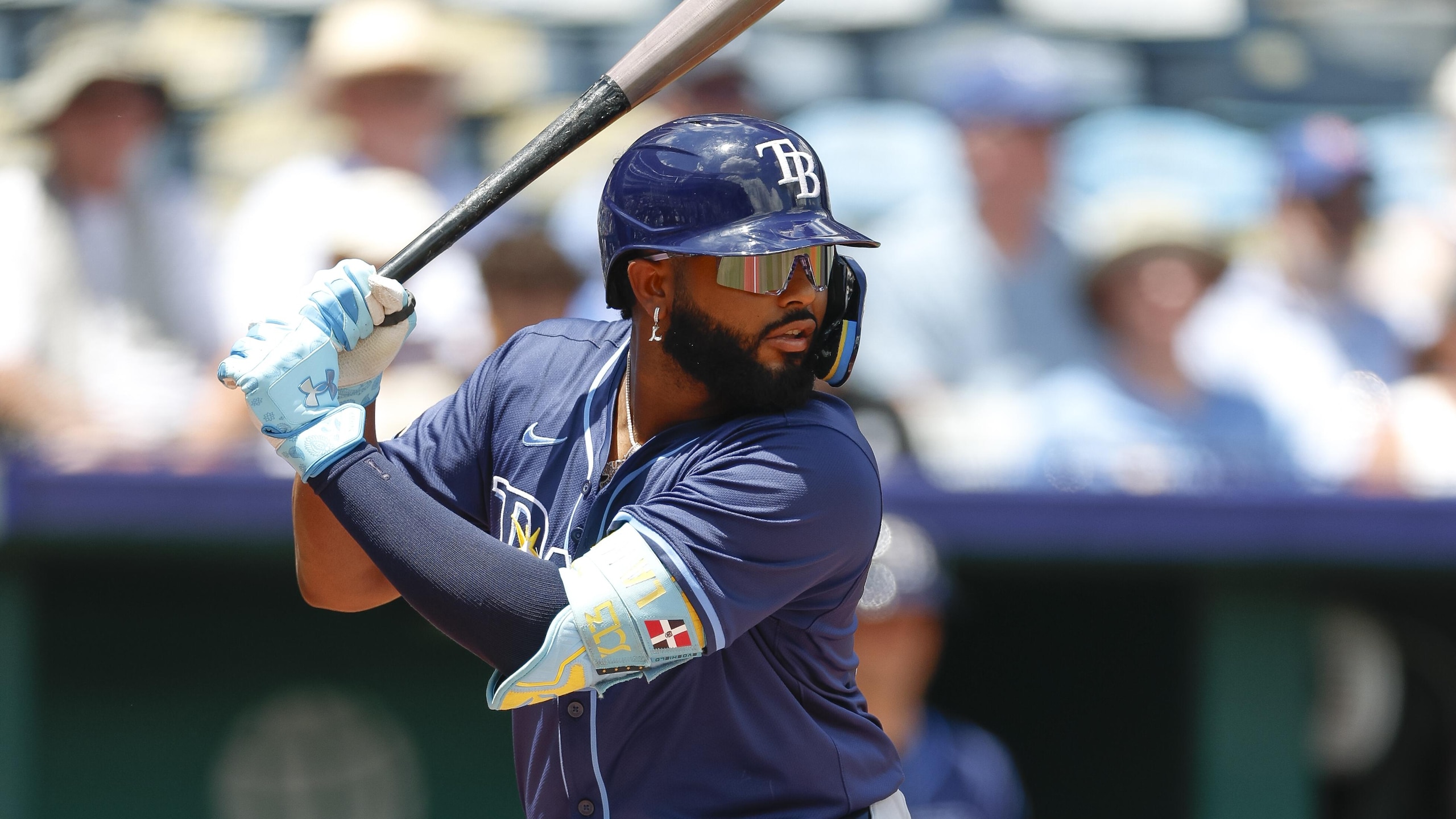
Why Expectations Are High
There is a lot to like about a 22-year-old coming off a 45-homer, 110-RBI season where he posted a 131 OPS+ and earned his first All-Star selection while finishing ninth in AL MVP balloting. The Rays appear to have a legitimate franchise cornerstone in the former top prospect, and with club control through 2030, he looks like the face of the franchise for the foreseeable future.
Why He Could Be a Bust
Caminero had some of the most dramatic home (.313 BA, .954 OPS, 22 HR) and road (.218 BA, .743 OPS, 23 HR) splits of any hitter in baseball, and the Rays are set to move back to Tropicana Field in 2026 after playing their home games at Steinbrenner Field in 2025. He also had an unusually high 46.5 percent groundball rate for a power hitter, giving further reason for pause when assessing the likelihood of him duplicating his huge power numbers.
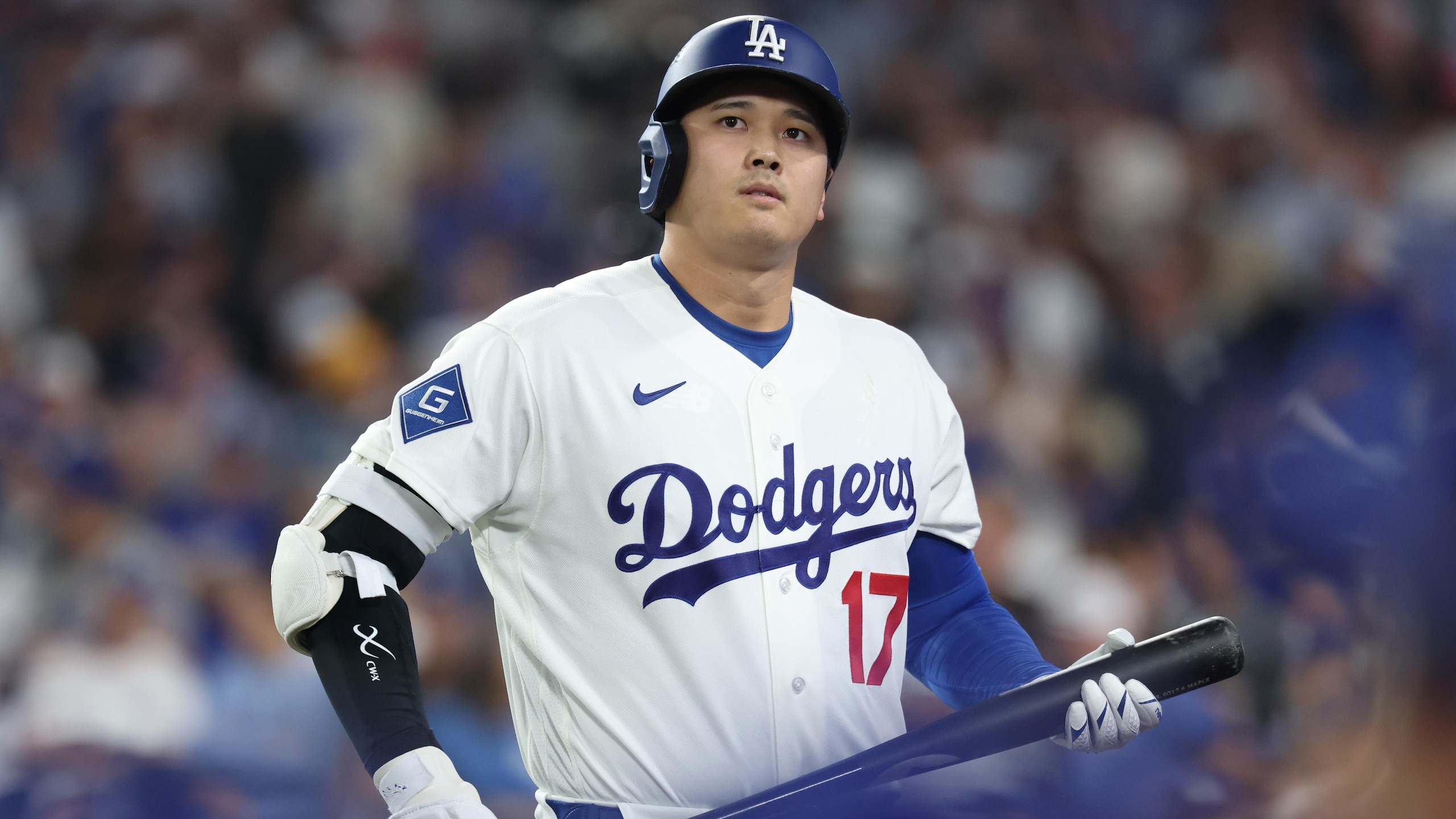
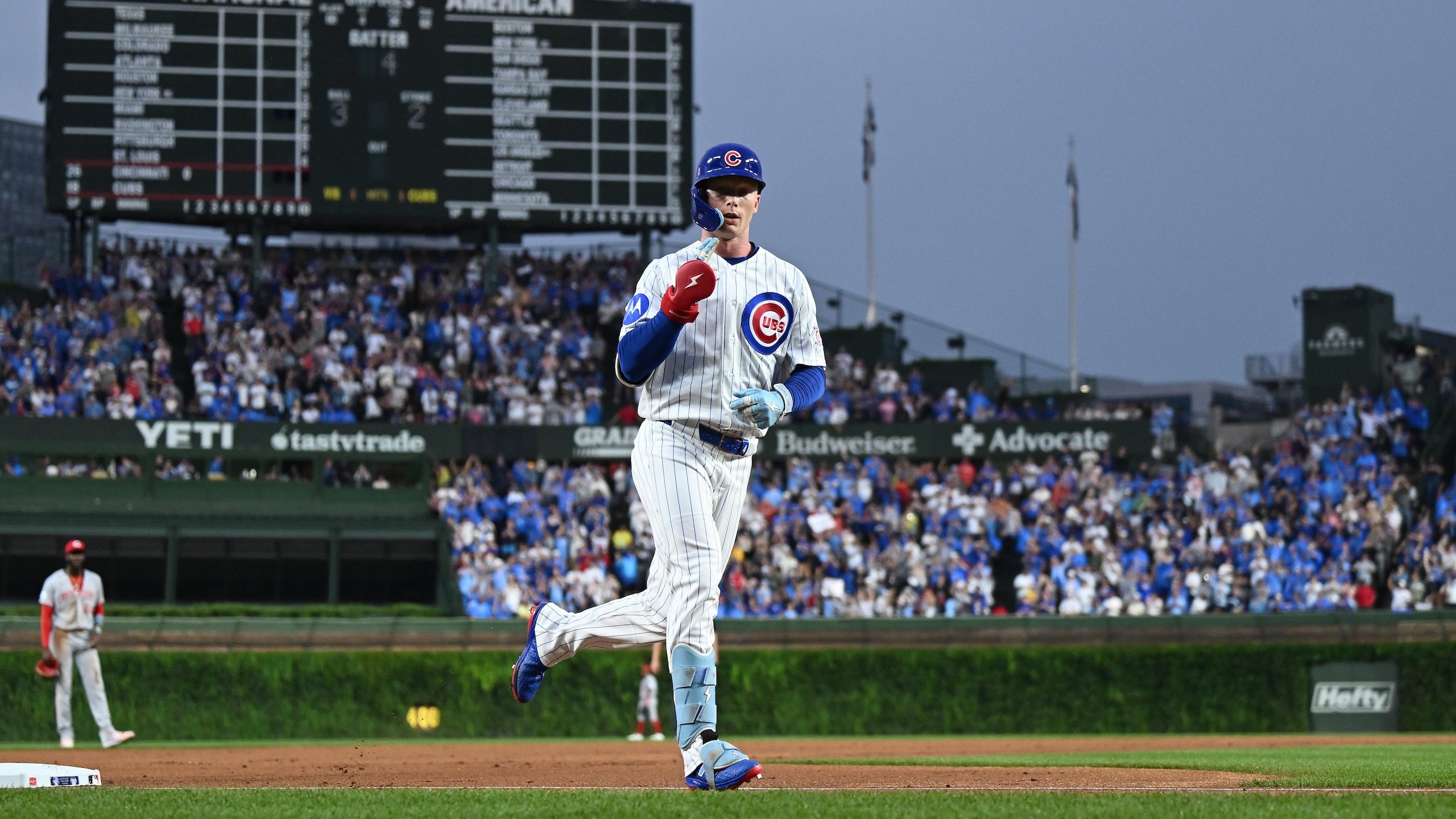
Pete Crow-Armstrong, Chicago Cubs
4 of 10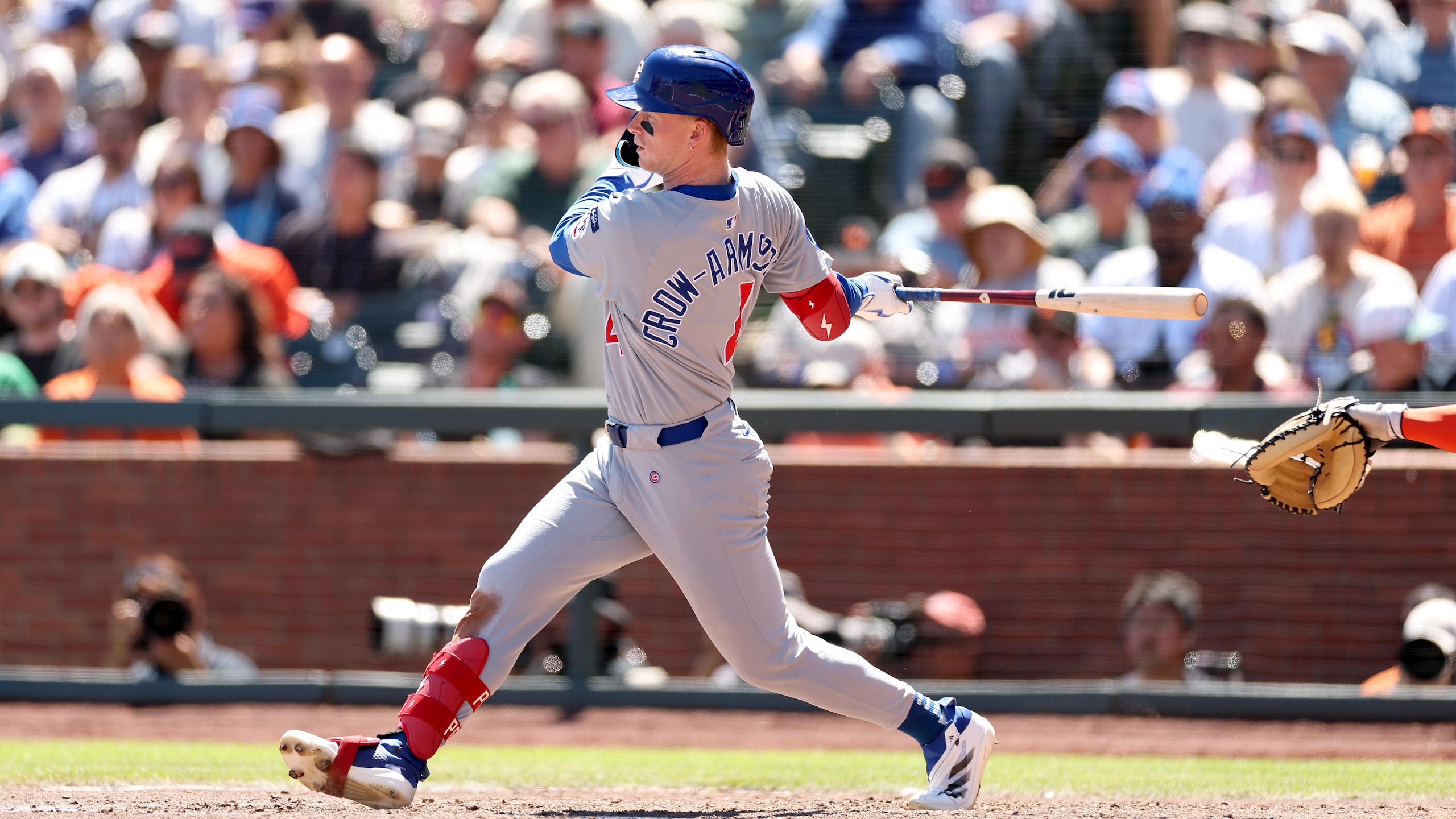
Why Expectations Are High
Pete Crow-Armstrong looked like the biggest competition to Shohei Ohtani in the NL MVP race during the first half of the season, and even with a quieter second half, he still posted a 118 OPS+ with 37 doubles, 31 home runs, 95 RBI, 91 runs scored and 35 steals in a 6.0-WAR campaign. The 23-year-old was the first 30/30 player for the Cubs since Sammy Sosa, and looked the part of a rising star at Wrigley Field.
Why He Could Be a Bust
As good as that final stat line looked, there is no ignoring the fact that he hit .216/.262/.372 with just six home runs and a strikeout rate north of 25 percent after the All-Star break. Bottom-of-the-league marks in chase rate (2nd percentile) and walk rate (4th percentile) show his approach at the plate still needs significant refinement, and might mean those second-half numbers are closer to where expectations should land for 2026.
Luke Keaschall, Minnesota Twins
5 of 10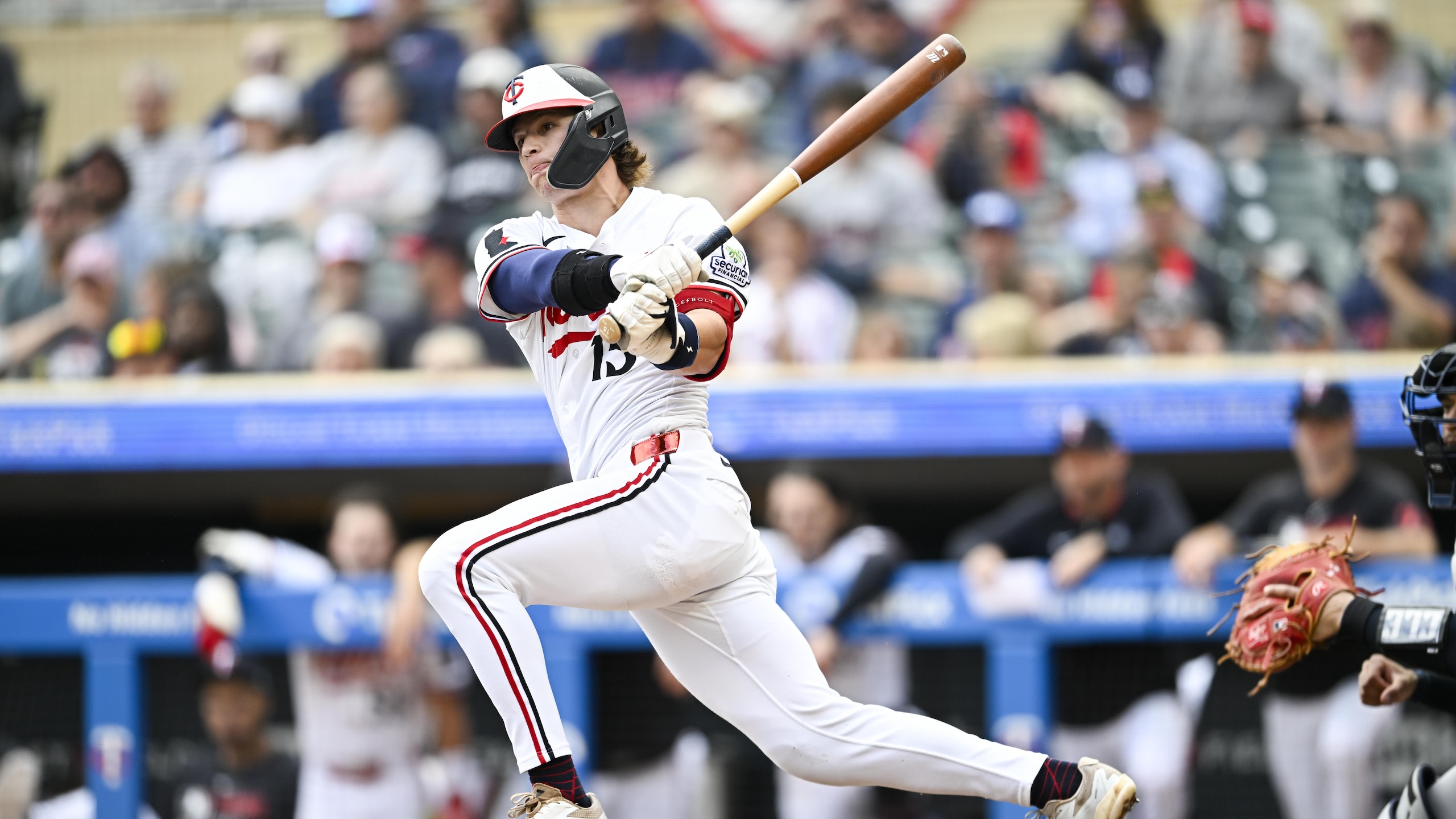
Why Expectations Are High
The No. 45 prospect in baseball at the start of the 2025 season, Luke Keaschall made his MLB debut on April 18 and went 7-for-19 with three doubles in his first seven games before suffering a fractured right forearm that sidelined him until early August. He went 2-for-4 with a home run in his return to action on Aug. 5, and finished his abbreviated rookie campaign hitting .302/.382/.445 for a 128 OPS+ with 14 doubles, four home runs, 28 RBI and 14 steals in 49 games.
Why He Could Be a Bust
Massive gaps between his actual batting average (.302) and slugging percentage (.445), and his expected batting average (.263) and expected slugging percentage (.378), serve as a major red flag. The 23-year-old has the contact skills to be a useful piece of the puzzle for the Twins, but nothing in his batted-ball profile suggests his early extra-base production is sustainable.
Geraldo Perdomo, Arizona Diamondbacks
6 of 10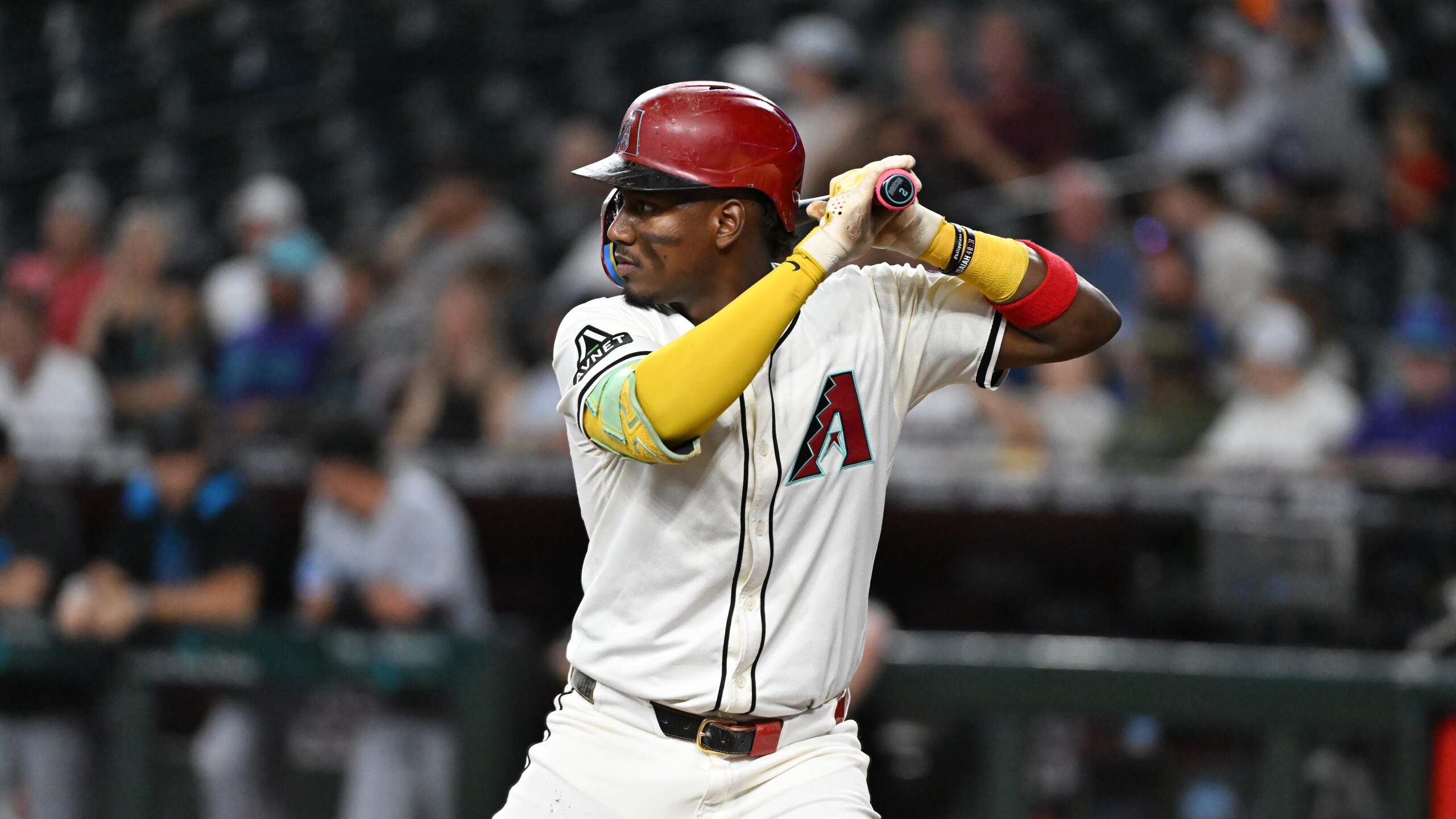
Why Expectations Are High
An All-Star in 2023 and a 3.5-WAR player in 2024, Geraldo Perdomo took his game to another level last season. The 26-year-old hit .290/.389/.462 with 33 doubles, 20 home runs, 100 RBI and a staggering 7.0 WAR that was the seventh-highest mark in all of baseball. That earned him a fourth-place finish in NL MVP voting and Silver Slugger honors for the first time in his career.
Why He Could Be a Bust
After hitting just 14 home runs in 1,420 plate appearances during his first four seasons in the big leagues, Perdomo's home run total was the most unexpected part of his elite 2025 campaign. However, his average exit velocity (16th percentile), hard-hit rate (11th percentile) and bat speed (7th percentile) raise some serious questions about the sustainability of his power surge. His defense and on-base ability still give him a 3-WAR floor, but significant regression seems likely.
George Springer, Toronto Blue Jays
7 of 10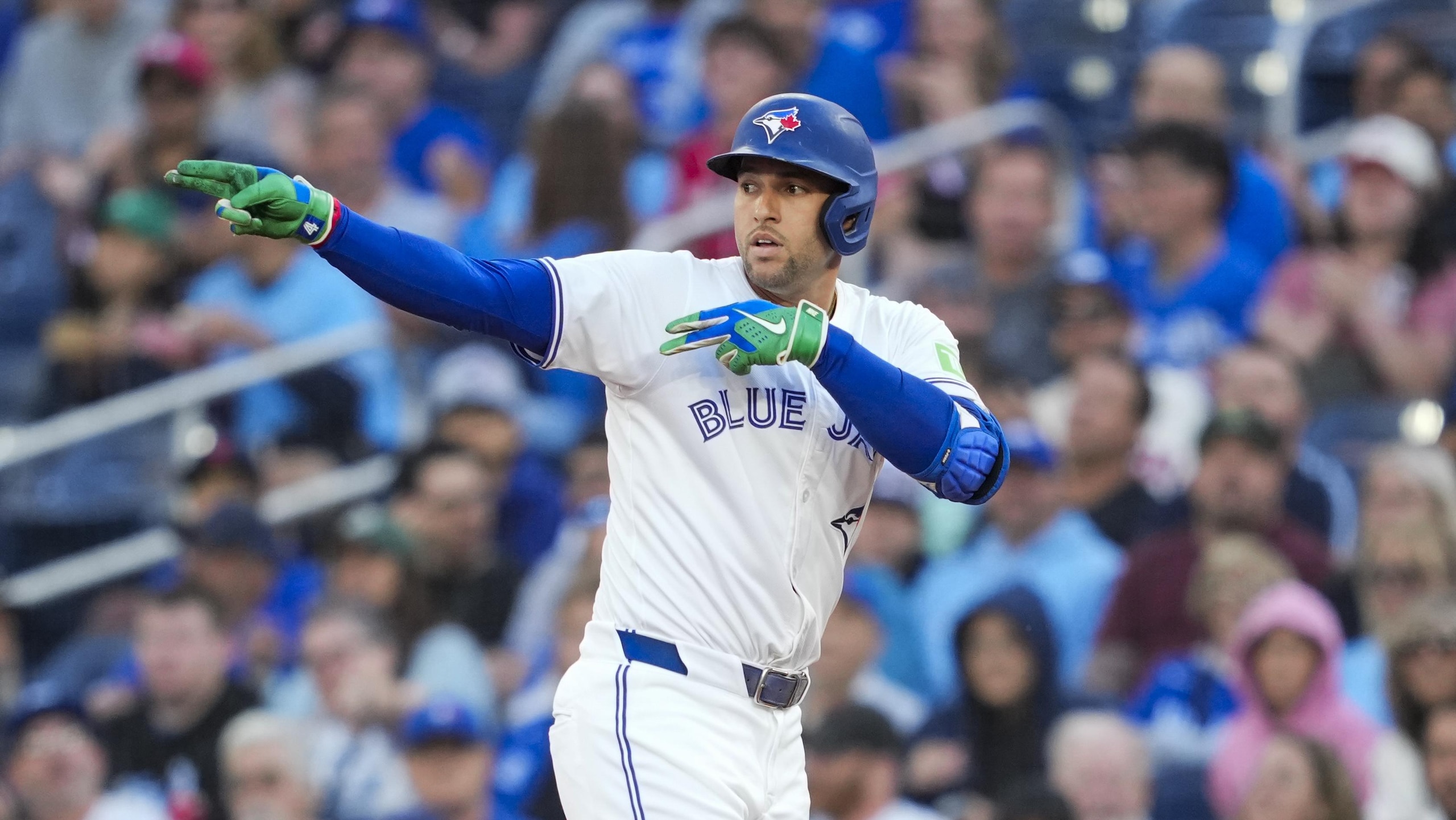
Why Expectations Are High
In his age-35 season, George Springer logged a career-high 161 OPS+ with 32 home runs and 4.8 WAR while winning Silver Slugger honors for the first time since 2019 and finishing seventh in AL MVP voting. That resurgent performance was capped off by an epic home run in Game 7 of the ALCS and a .381 average in the World Series.
Why He Could Be a Bust
It looked like Springer might be a sunk cost when he posted a 91 OPS+ and 1.1 WAR in 145 games during what was unequivocally the worst season of his career in 2024, and that raises some serious questions about the sustainability of his bounce-back performance. His batted-ball metrics were strong, but his .340 batting average on balls in play was still well above his .298 career mark, and that coupled with his age will make it difficult to come close to his stellar 2025 numbers.
Brice Turang, Milwaukee Brewers
8 of 10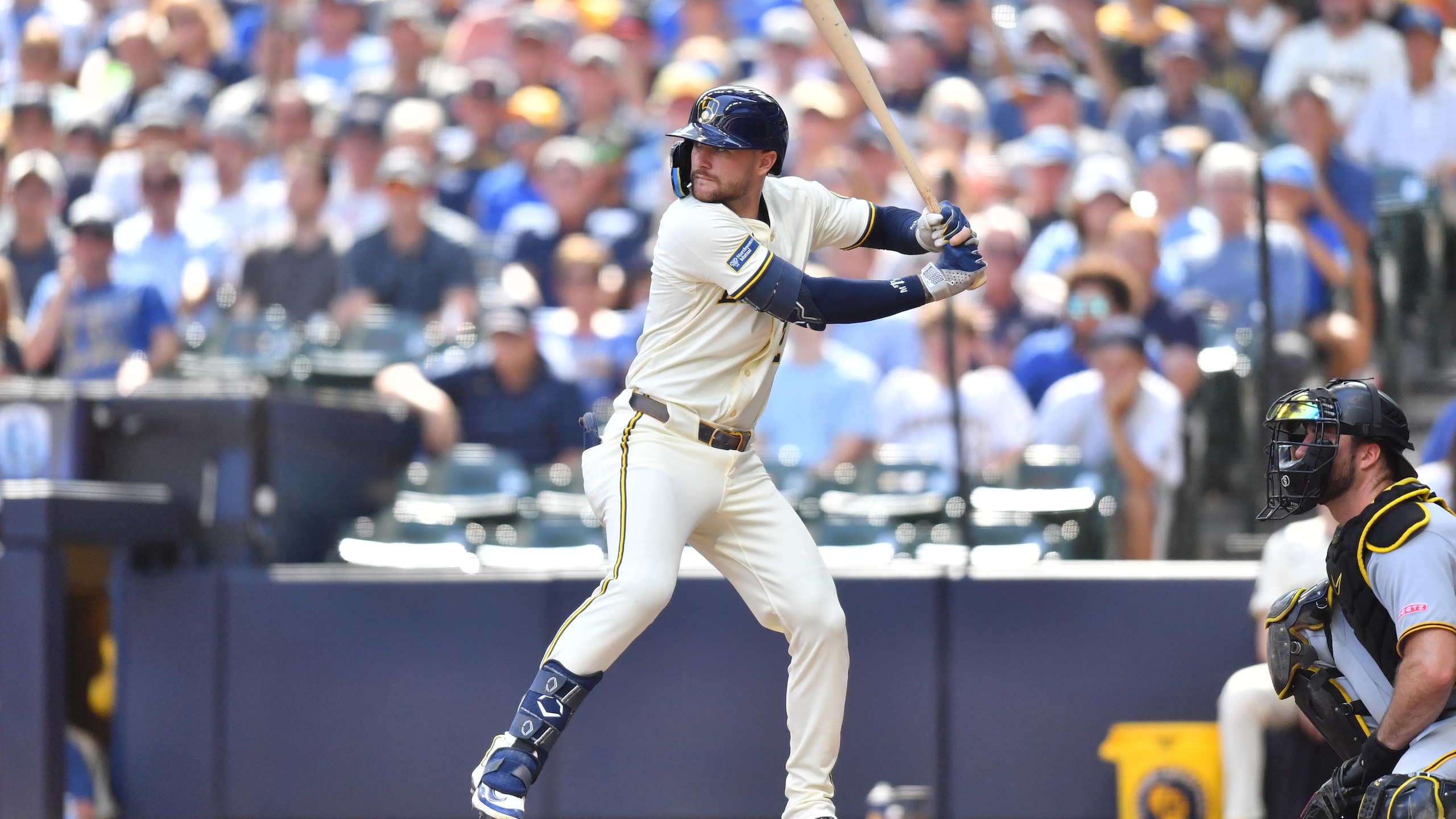
Why Expectations Are High
Brice Turang was the 2024 NL Platinum Glove winner, and a 4.7-WAR player that season even with a middling 86 OPS+ that made him a glove-first player with elite speed and little else of impact on the offensive side of things. That narrative shifted in 2025 as he hit .288/.359/.435 for a 121 OPS+ with 28 doubles, 18 home runs and 81 RBI, with those numbers bolstered by a .916 OPS and 12 long balls after the All-Star break.
Why He Could Be a Bust
Turang had a combined 13 homers in 1,067 plate appearances during his first two seasons in the majors, so the 18-homer pop is the biggest eyebrow-raiser in his stat line, but the bigger problem might be his strikeout rate spiking from 17.0 to 22.8 percent. With middling bat speed (27th percentile) there's a good chance the over-the-fence production will regress, and selling out for more power could end up having the opposite effect going forward.
Taylor Ward, Baltimore Orioles
9 of 10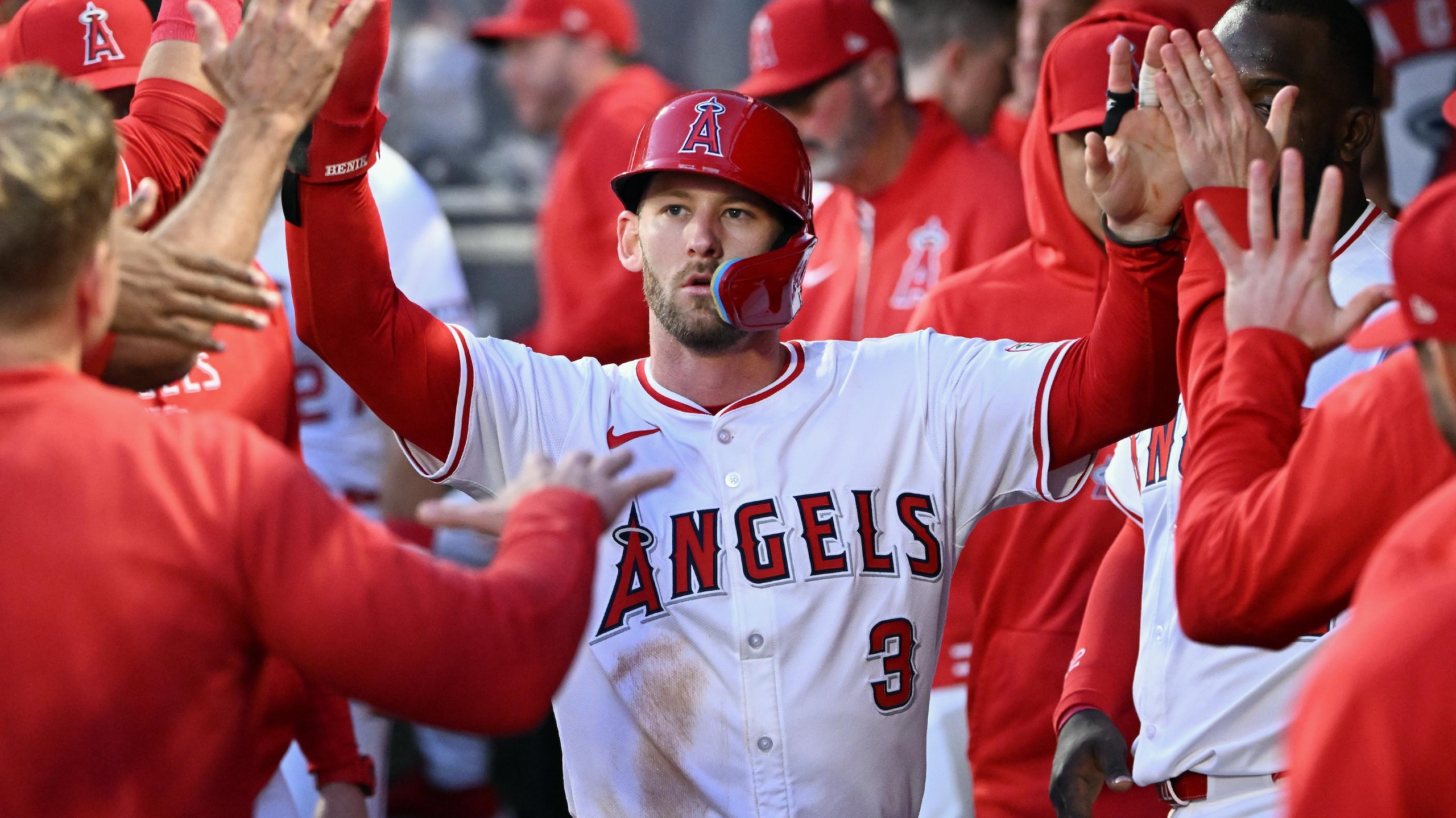
Why Expectations Are High
The Orioles went from second (235) to 11th (191) in the majors in home runs last season following the departure of Anthony Santander and with a step backward from multiple in-house players. That makes the addition of Taylor Ward on the heels of a 36-homer, 103-RBI campaign with the Angels a clear move to address that diminished impact, and the O's parted with controllable starter Grayson Rodriguez to get the deal done.
Why He Could Be a Bust
With limited on-base skills (.317 OBP) and a high strikeout rate (175 Ks, 26.4 K%), Ward is far from a complete player, and the bulk of his value is tied to his power production. The O's have moved the left-field wall in at Camden Yards ahead of the 2026 season, but it's still unclear exactly how the park will play after generally being a pitcher-friendly venue in years past. With so much reliance on power production and a change of scenery, Ward has one of the most volatile profiles of any slugger.
Jacob Wilson, Athletics
10 of 10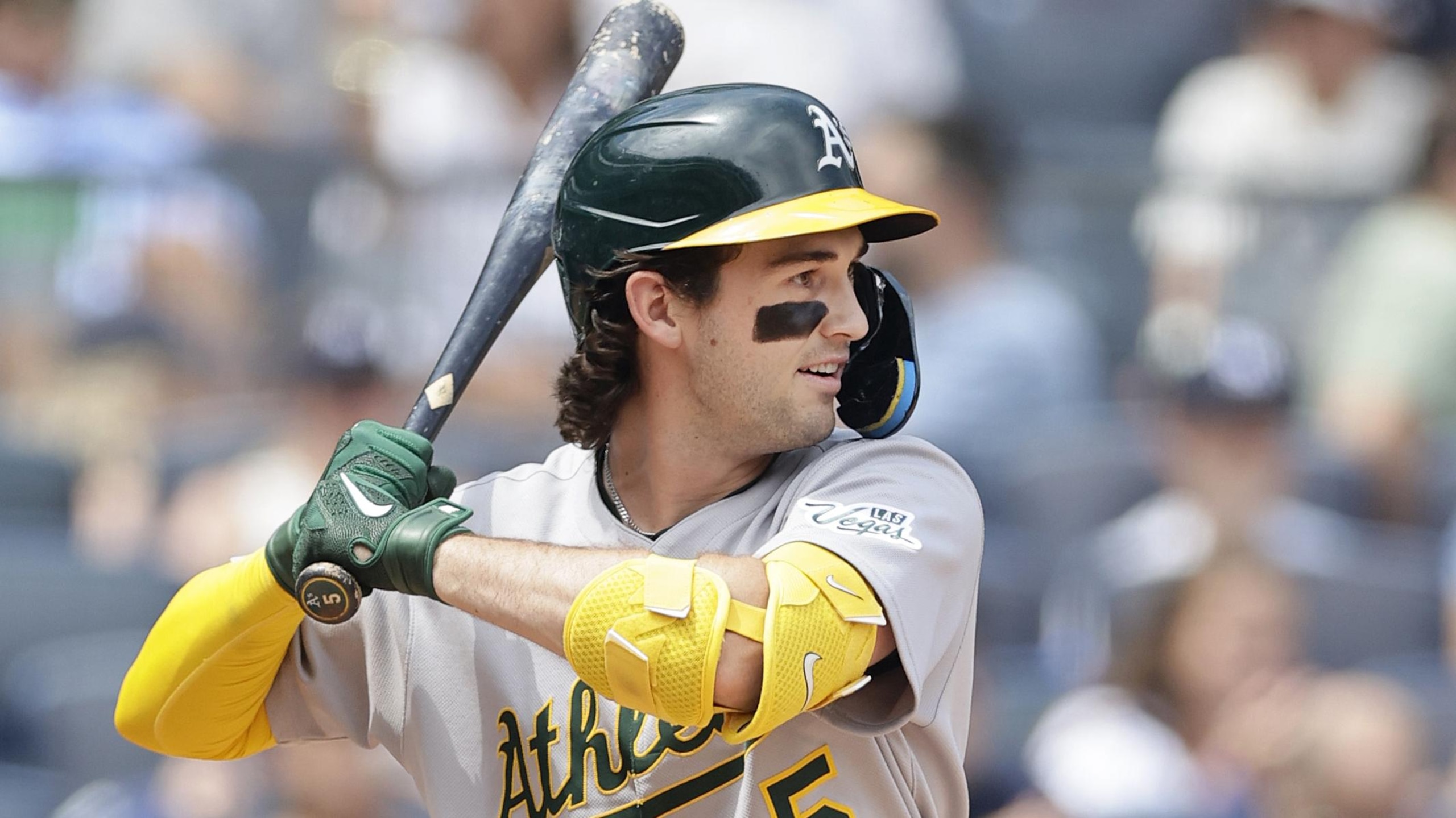
Why Expectations Are High
Jacob Wilson won the starting shortstop job out of camp last season and immediately showcased his elite contact skills, carrying a .372/.408/.528 stat line on June 8 with just 16 strikeouts through his first 268 plate appearances. He suffered a forearm fracture in July and leveled off a bit upon returning, but still hit .311/.355/.444 for a 121 OPS+ with 26 doubles, 13 home runs, 63 RBI and 3.0 WAR in 125 games to finish runner-up in AL Rookie of the Year balloting.
Why He Could Be a Bust
The contact skills are for real, and Wilson put the ball in play in a staggering 86 percent of his plate appearances as a rookie. However, his marks in average exit velocity (1st percentile), hard-hit rate (2nd percentile), barrel rate (6th percentile) and bat speed (1st percentile) were all among the worst in baseball, which could make maintaining his batting line extremely difficult. Can he pack enough punch to avoid carrying an empty batting average going forward?