

The 2026 NBA trade deadline is still a couple of weeks away, but it's not going to sneak up on any of the league's 30 teams.
Everyone from the contenders to the punching bags has been plotting since before the season started. Sure, circumstances between October and February can change plans. But every team is constantly preparing, weighing options and making exploratory calls.
In other words, you'd better believe 30 general managers would be ready with a list of action items if the trade deadline were today instead of Feb. 5.
As a way to get ready for the real thing, let's scan the league and lay out what every team would prioritize if it had to start swinging deals today.
Atlanta Hawks: Hard Reset Required Post-Trae
1 of 30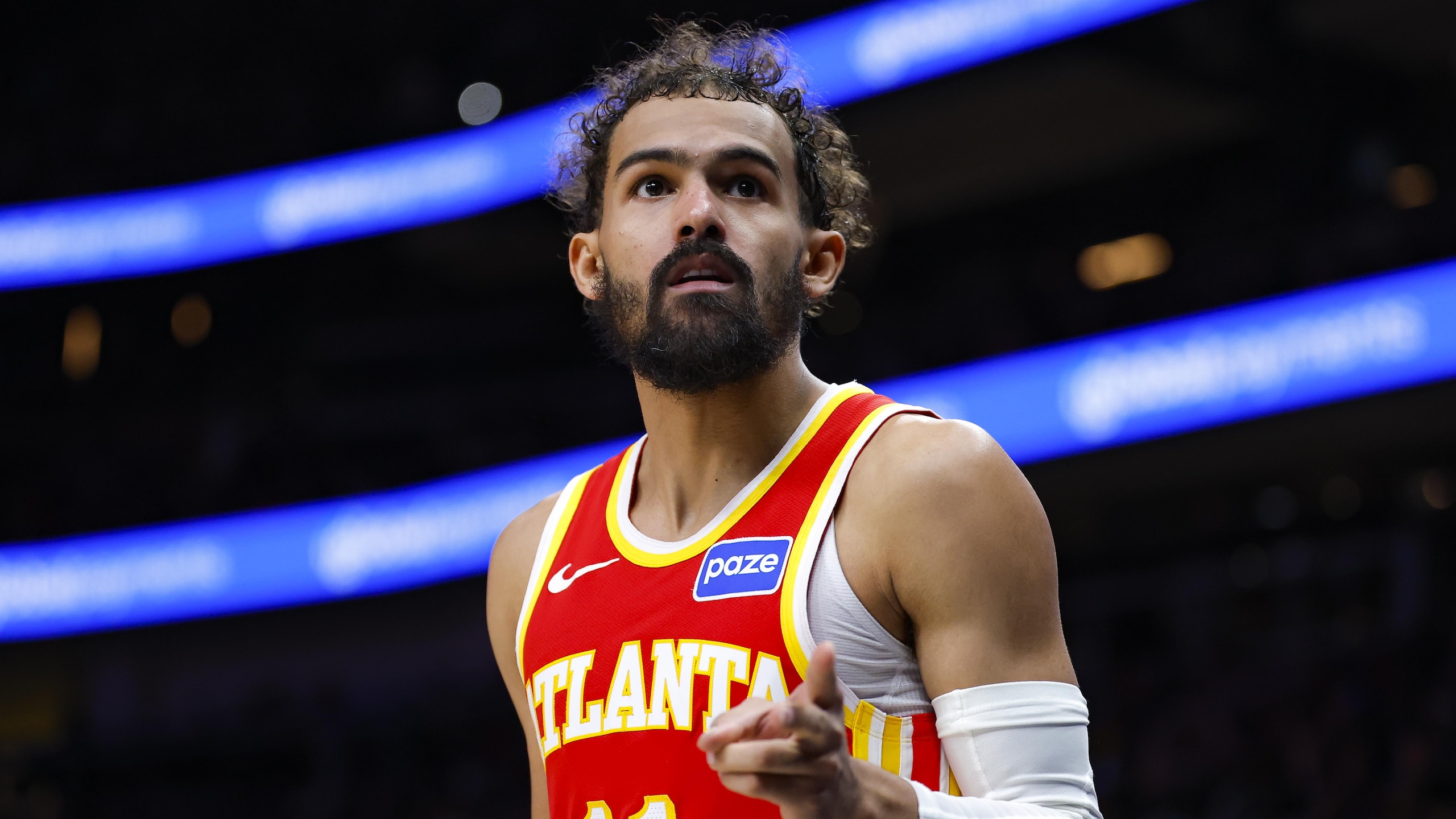
With Trae Young now a member of the Washington Wizards, the Atlanta Hawks can move on to other business.
The Hawks should be willing to listen on everyone but Jalen Johnson and Nickeil Alexander-Walker as they re-orient themselves around youth, athleticism and a more egalitarian offense. Former No. 1 pick Zaccharie Risacher, a suddenly overpaid Dyson Daniels and a perpetually unavailable (and expiring) Kristaps Porzingis should all be on the table.
With the New Orleans Pelicans' lottery pick incoming this summer, the time could be right for a harder reset.
Boston Celtics: Duck the Luxury Tax
2 of 30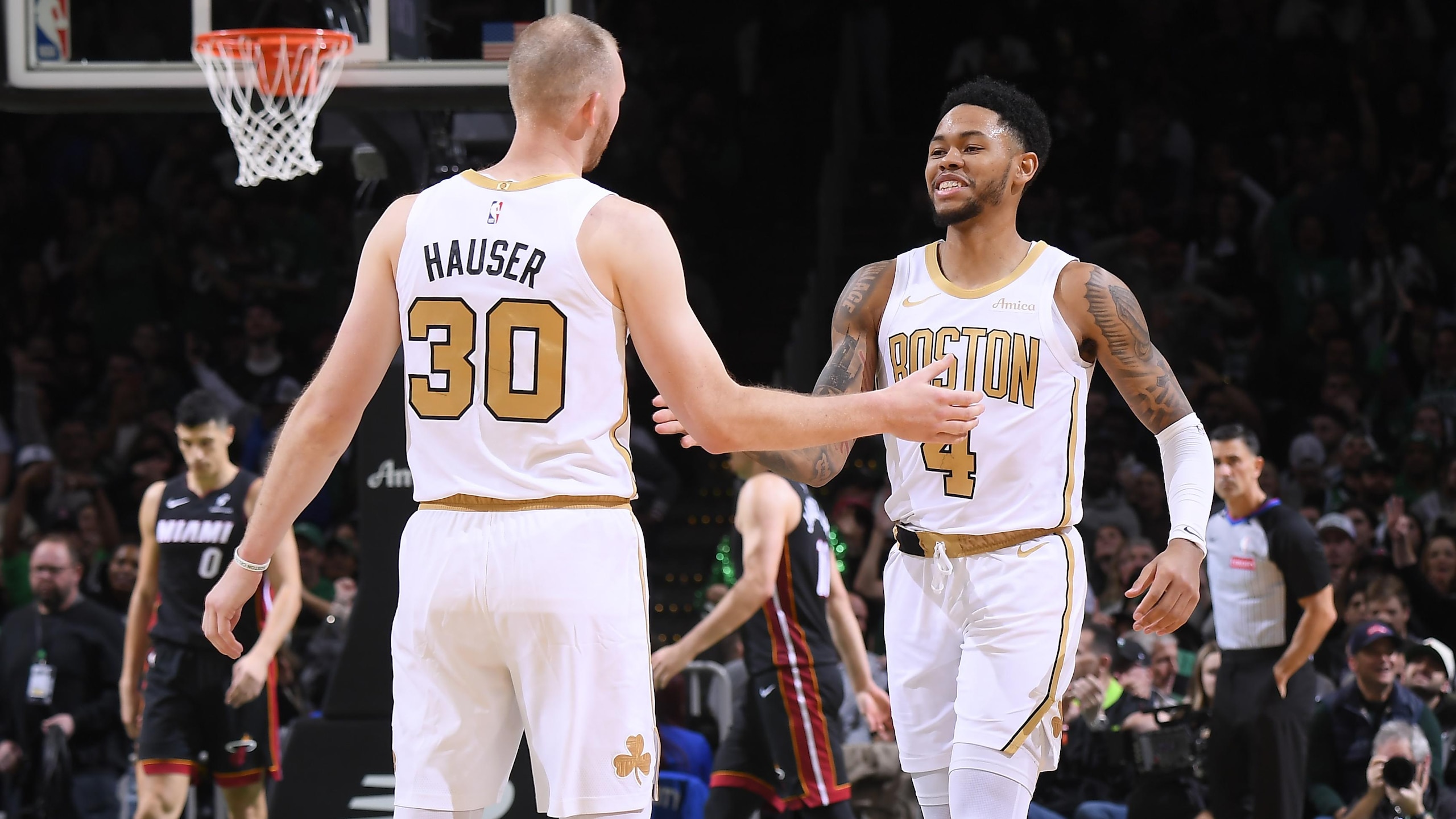
The Boston Celtics can finish what they started over the summer. By shedding roughly $12 million in salary to duck the luxury tax and reset the repeater clock, they'll avoid heftier penalties as they get Jayson Tatum back and, theoretically, return to contention next year.
This season's surprising competency makes the decision to offload money more difficult. Teams that currently sit among their conference's top four don't tend to be sellers. But the Celtics can shed the necessary cash with relatively little trouble. Sam Hauser's $10 million salary gets them almost all the way there, and the more drastic option of dumping Anfernee Simons' expiring $27.7 million is still on the table.
Boston probably can't improve the roster while also trimming cash, but early-season success stories like Neemias Queta, Josh Minott and Hugo Gonzalez suggest this is a franchise that can find and replace depth pieces better than most.
Brooklyn Nets: Move Some Vets
3 of 30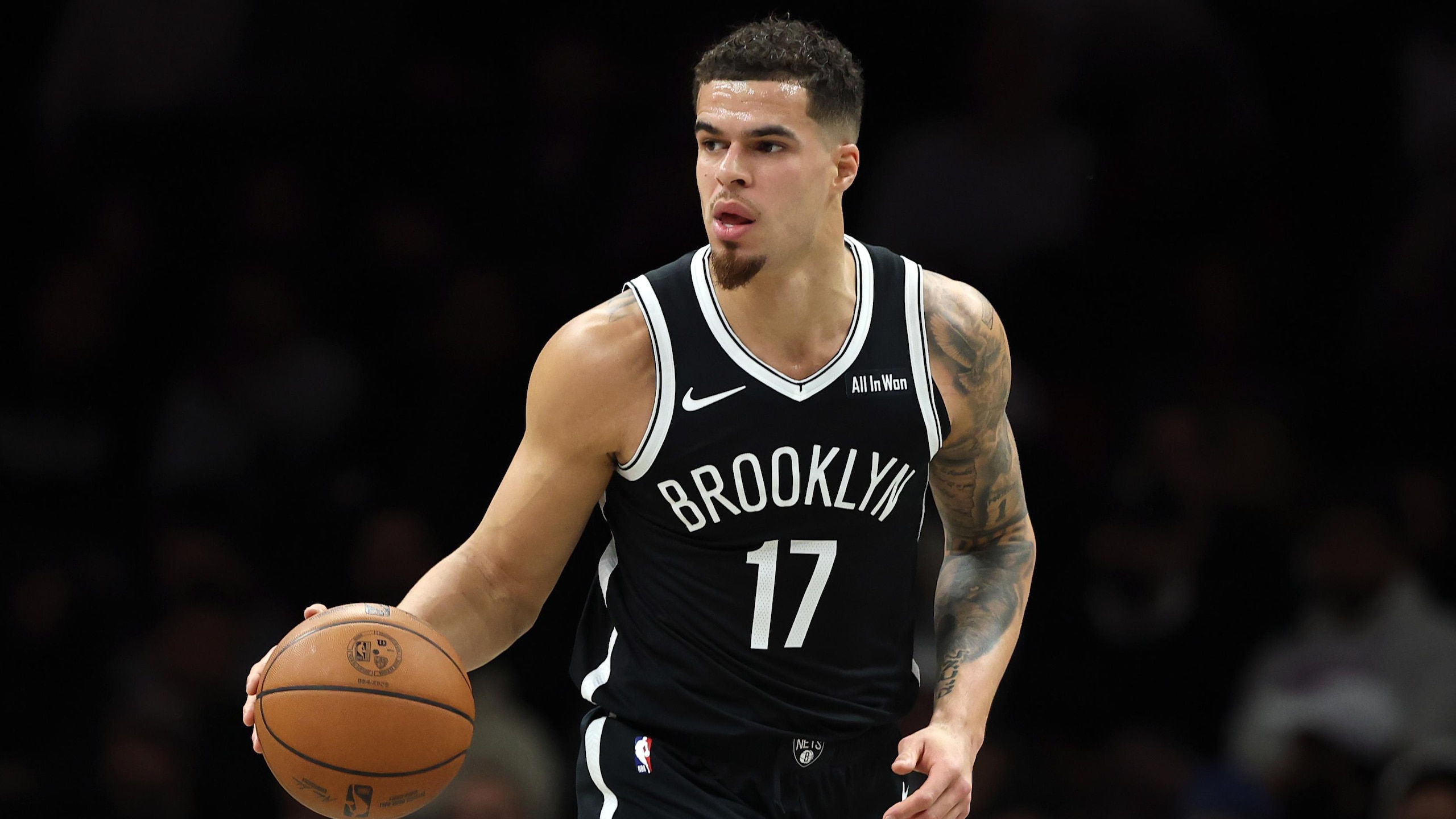
Michael Porter Jr.'s value may never be higher on his current contract, and Nic Claxton's growth as a facilitator makes him more than a defense-only trade chip. While December's veteran-led surge (particularly on defense) was a good time, the Brooklyn Nets still need to acknowledge where they are in their development cycle.
This team added five first-round rookies to the roster six months ago, an indisputable giveaway that the rebuild is still in its earliest stages.
MPJ's shooting and heretofore unknown offensive self-sufficiency should make him appealing to plenty of playoff teams. The Warriors and Pistons both seem like ideal landing spots. Claxton's lack of stretch and bulk aren't ideal, but he's not so far removed from postseason success with those KD-led Nets squads of a few years ago.
Terance Mann, Cam Thomas and virtually anyone else over the age of 25 should be made available as Brooklyn continues to stock picks and high-upside talent.


Charlotte Hornets: Hold onto LaMelo Ball
4 of 30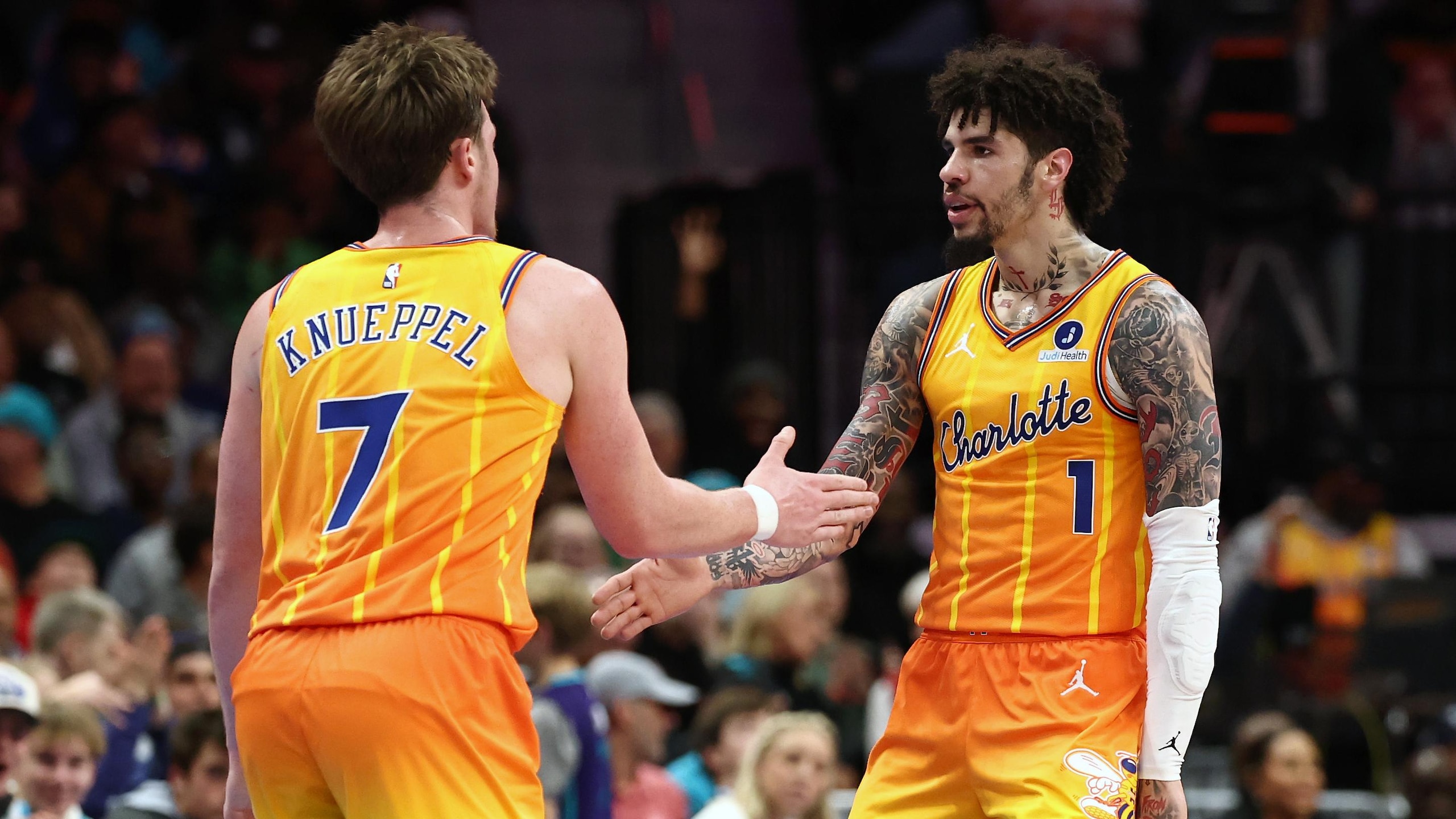
LaMelo Ball's ability to play major role on a winner remains a question mark, which is precisely why the Charlotte Hornets shouldn't be eager to move him at the 2026 deadline.
That's not to say Charlotte should feel certain about Ball as a cornerstone. His defense may never be up to snuff, his shot selection seems iffy on a winner and Kon Knueppel might already be a better culture-defining prospect. At the same time, the Hornets are only just now getting a firm sense of how well the whole operation might work with Ball alongside their other top options.
The information Charlotte has from this season is wildly promising. Across 616 non-garbage-time possessions, the Hornets own a plus-11.5 net rating and a 99th-percentile offense when Ball, Knueppel and Brandon Miller share the floor. That's elite stuff, more than intriguing enough to justify using the rest of this season as a proving ground.
If Ball can't stay healthy or the team's performance regresses, the Hornets can readdress a foundation-shifting trade this summer.
Chicago Bulls: Nothing
5 of 30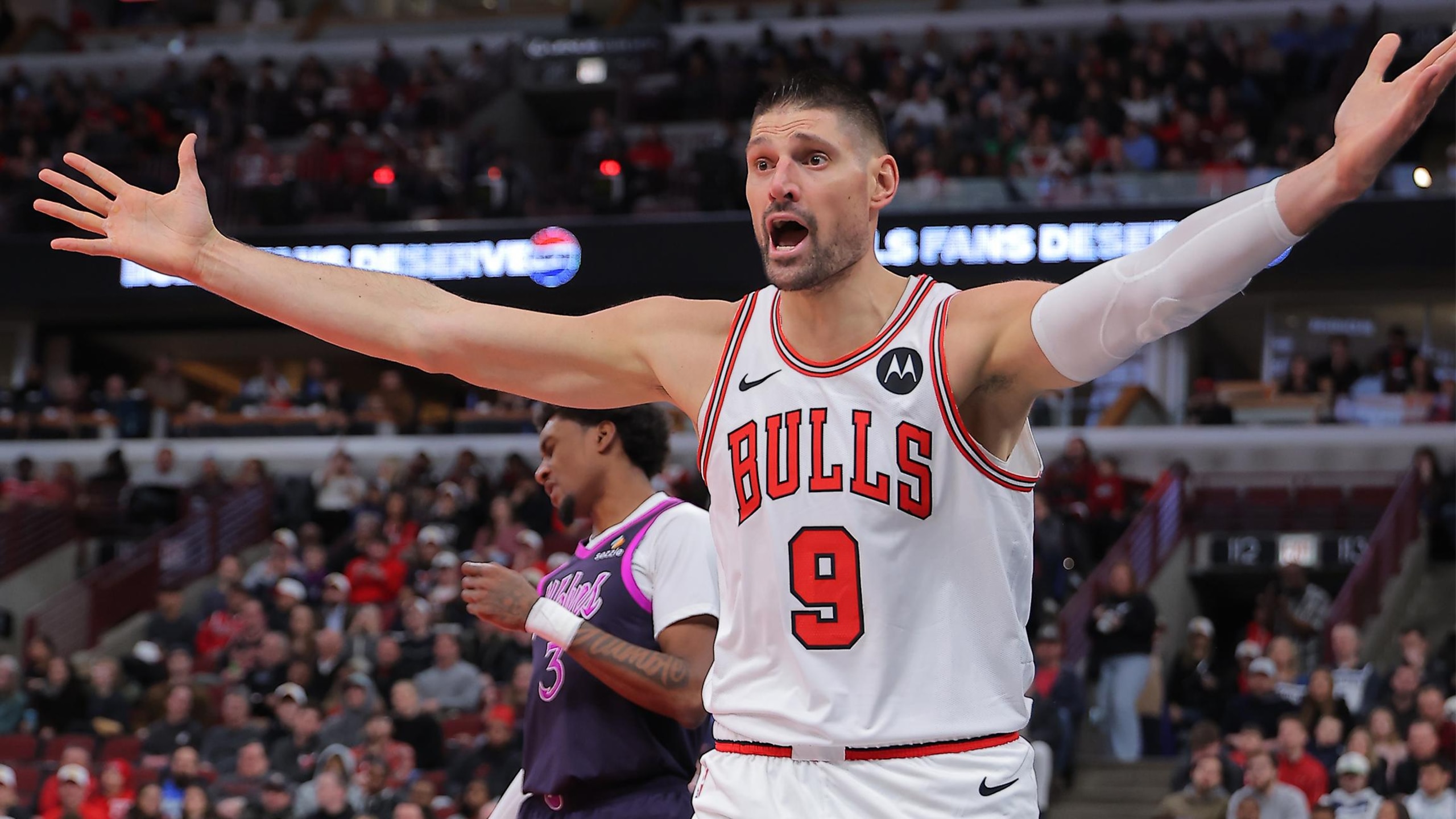
It's easy to see what the Chicago Bulls should do if the trade deadline were today: Move off the expiring contracts of several veterans who will be too difficult to extend and/or unhelpful in getting the team out of the mid-tier muck it's been in for several seasons.
Escape purgatory at all costs, basically.
Unfortunately for Bulls fans, this franchise has resisted a reset for what seems like forever and shows few signs of changing course this February. So if the trade deadline were actually upon us, we could trust Chicago to hold onto guys like Coby White, Ayo Dosunmu and Nikola Vučević—all of whom will enter free agency this summer.
The Bulls have operated as if they're happy winning 37-43 games for a long time. Until they do something to suggest there's a new plan in place, why expect anything different?
Cleveland Cavaliers: Take a Step Back
6 of 30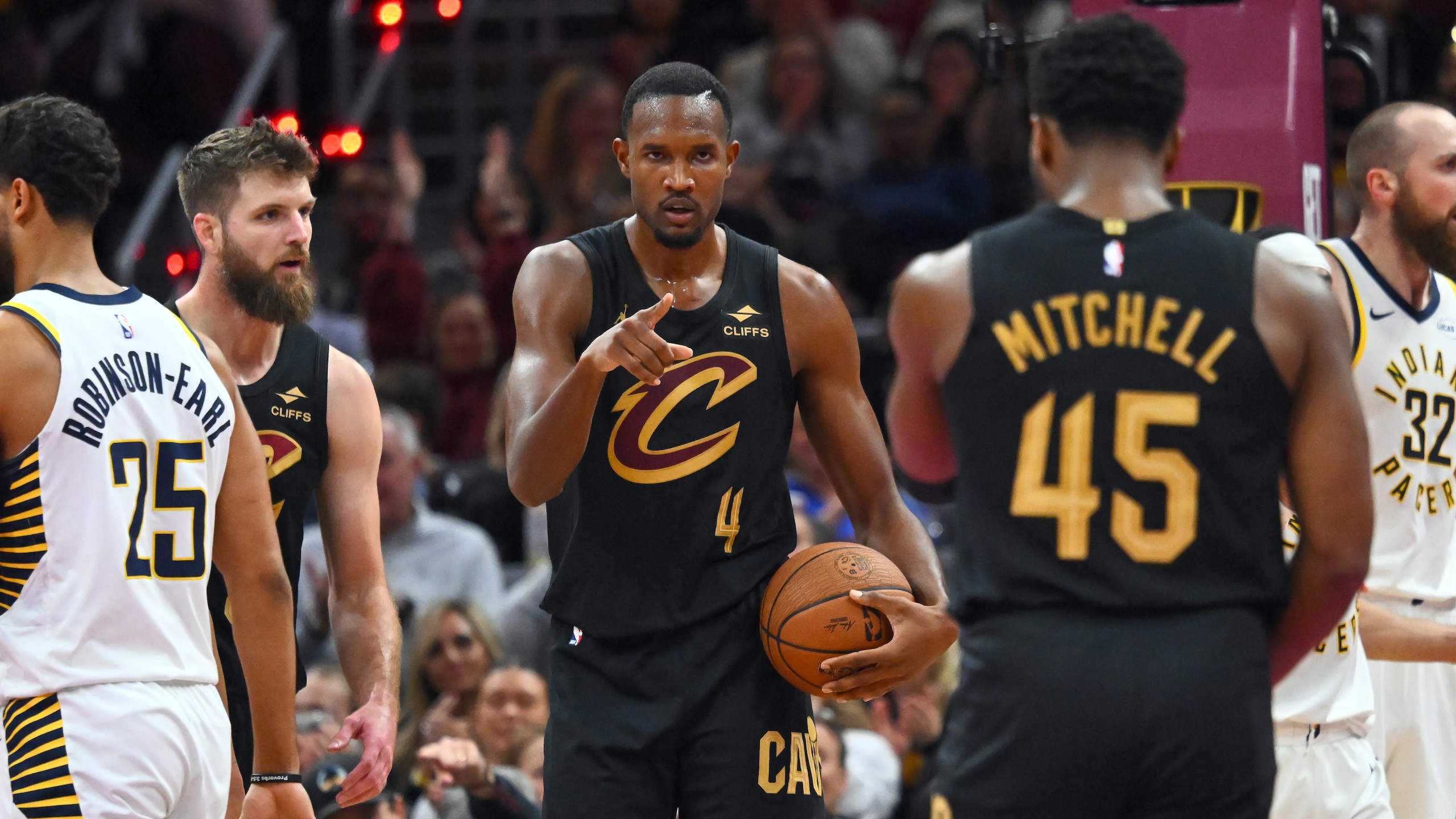
This isn't a suggestion the Cleveland Cavaliers should step back in the sense of scaling down their competitive intentions. As the only team currently above the second apron, the Cavs are more pot-committed to chasing a championship this year than almost anyone else.
The step back they need to take is all about keeping perspective.
Yes, the Cavs are among the league's biggest disappointments. They won 64 games a year ago and featured an offense that set the world on fire. Now, they're on pace for about 20 fewer victories and rarely score at even top-10 rates. While it might be tempting to declare the magic is gone and major trades are in order, the wiser course is to acknowledge bad injury luck up and down the roster.
Max Strus hasn't played all year, while Darius Garland missed the start of the season and has rarely looked like himself. A toe injury on his other foot will now limit him even further. Jarrett Allen was out for almost three weeks, and the team's core four players—Garland, Allen, Donovan Mitchell and Evan Mobley—have seen just 350 possessions together.
This is not a time for drastic action. Cleveland needs to trust in the roster it built and resist the urge to panic.
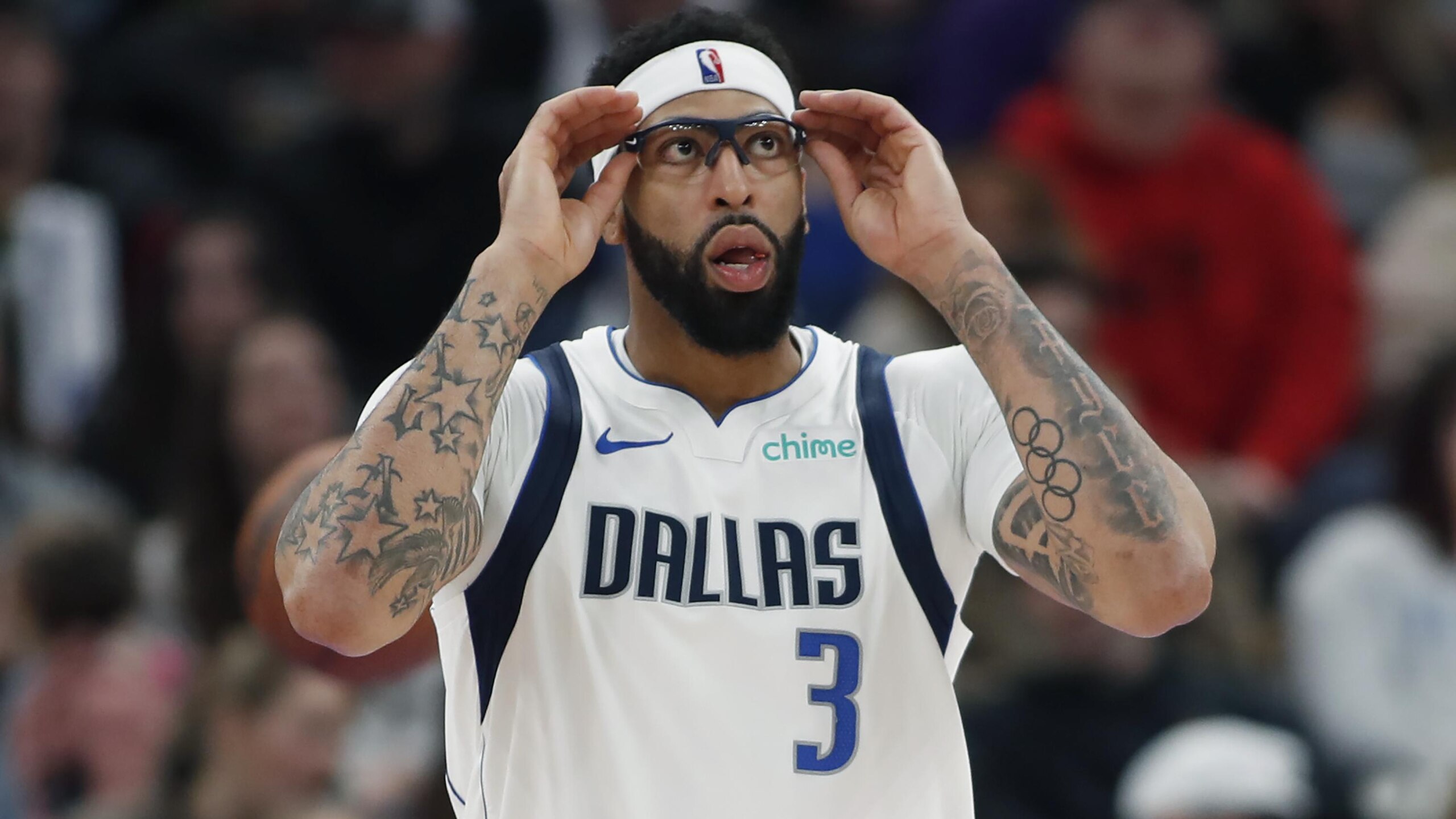
Dallas Mavericks: Try to Find Positive Value for Anthony Davis
7 of 30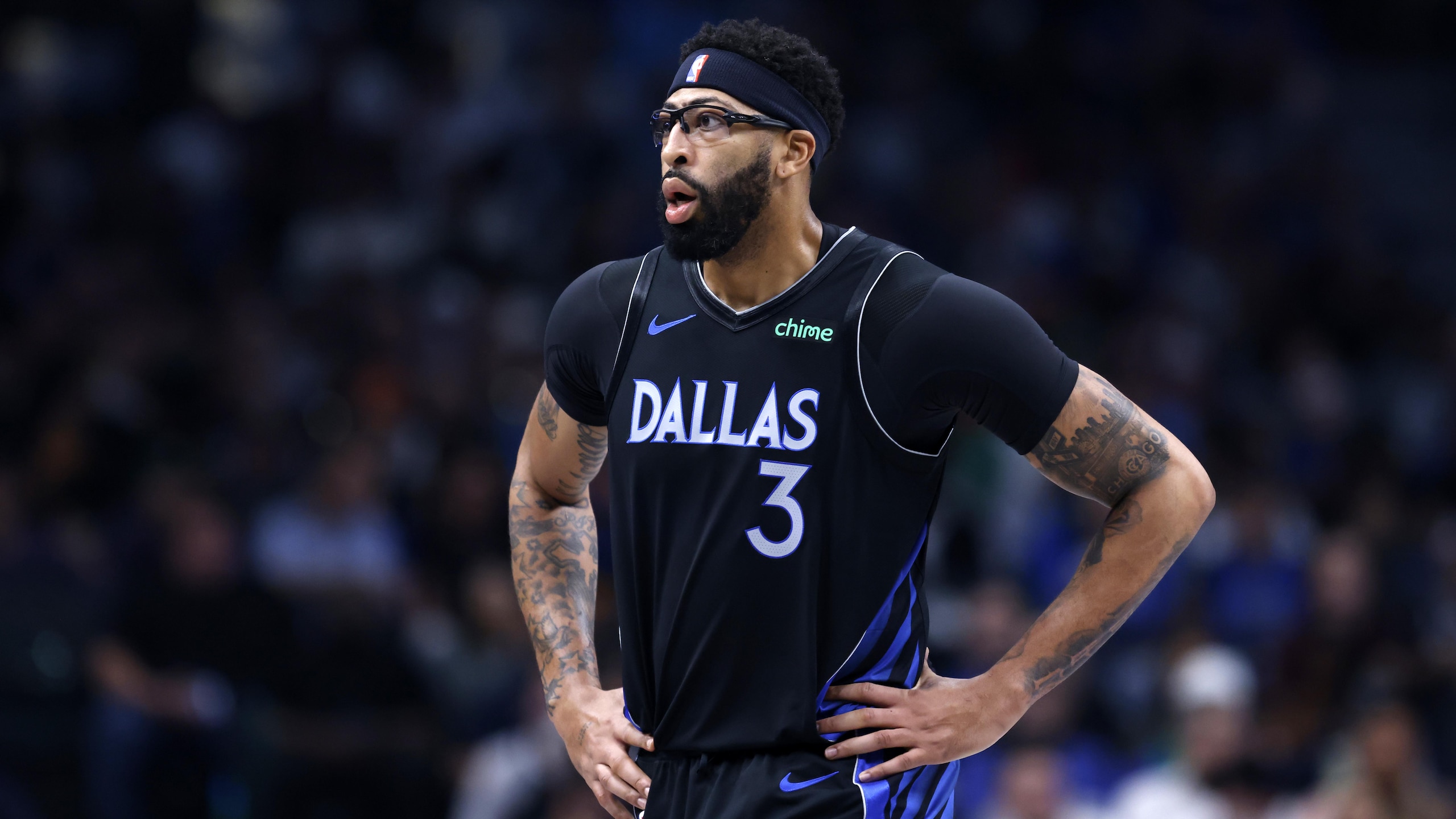
Anthony Davis' trade value might be higher over the summer, now that a hand injury will make him a risky half-season rental for any acquiring team. Then again, part of the reason the Dallas Mavericks would consider moving him at the deadline would be to avoid a tricky offseason trade scenario.
Davis can opt out of his current contract after the 2026-27 season, so he'll be looking for an extension wherever he lands. Would a team give up real assets in July, let alone agree to an extension, without seeing if Davis can stay healthy for more than a couple of weeks?
Maybe the timing and potential fluctuations in Davis' value are beside the point. There's a case to be made Dallas should want to move AD for page-turning purposes. Cooper Flagg is clearly the franchise's centerpiece, and Davis is a vestige of the deposed Nico Harrison regime. Moving him won't erase the Luka Dončić trade, but it could represent another step toward closure.
Plus, it's clear Davis isn't interested in sticking around if the Mavs aren't going to give him a massive extension. Dallas should be wary of the bad vibes that could result from holding onto AD for too long.
Denver Nuggets: Carefully Shop Zeke Nnaji
8 of 30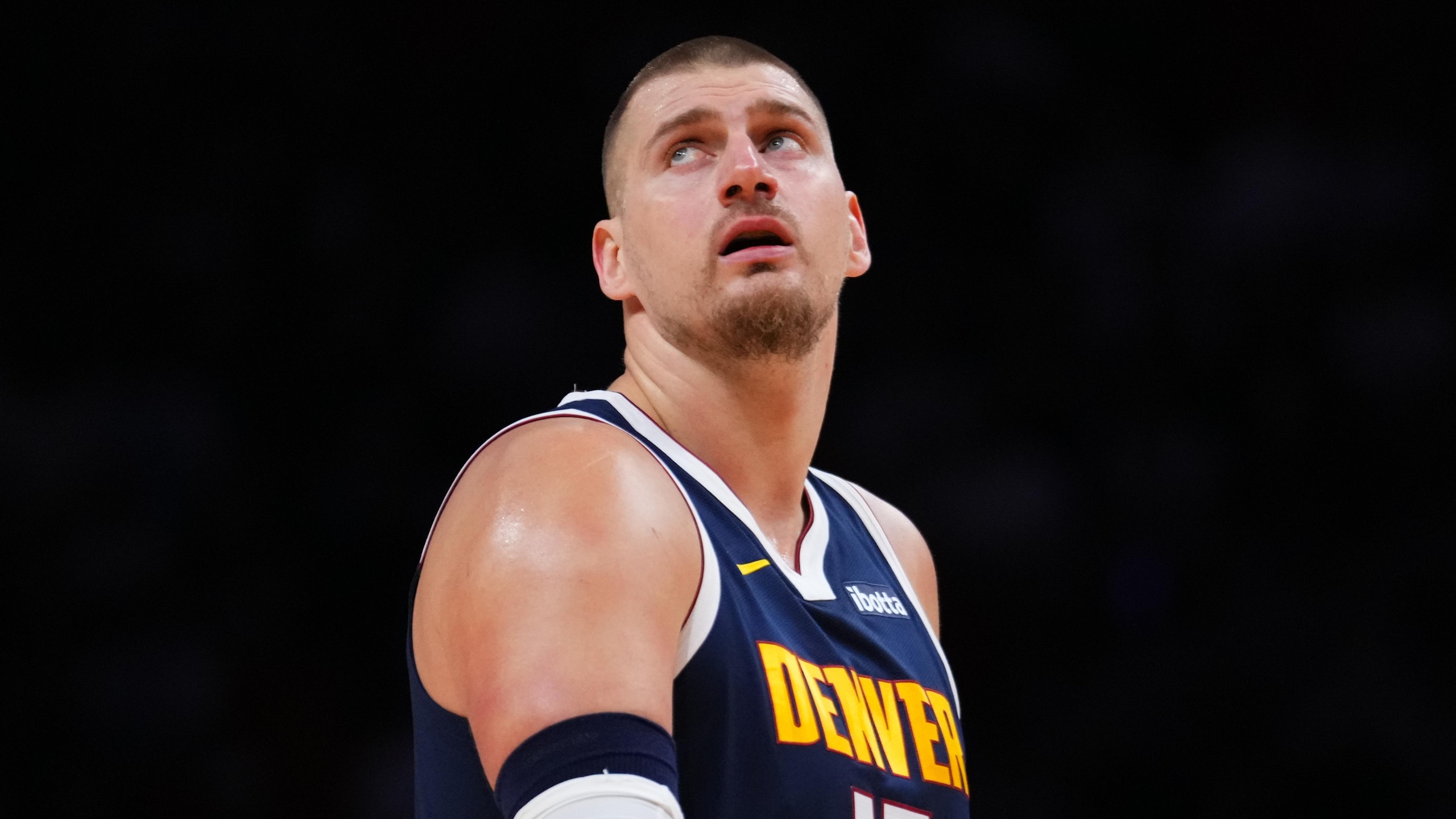
The Denver Nuggets are holding strong without Nikola Jokić, playing well above .500 since he went down with a knee injury on Dec. 29. Though they were never positioned to make a desperation deal, this recent stretch of solid play staved off any temptation to get reckless.
Denver should canvas the market for Zeke Nnaji takers, as his increased playing time with Jokić out produced his best stretch in years. Inked to a deal that'll pay him $7.5 million in each of the next two seasons, the 25-year-old forward might never be more marketable.
The Nuggets are always looking to trim salary, and Spencer Jones' emergence is going to require a conversion from his two-way deal. Dumping Nnaji could create breathing room, but that flexibility cannot come at the expense of Peyton Watson.
The fourth-year forward is enjoying a mini breakout ahead of restricted free agency and is sometimes mentioned as the necessary sweetener to get off Nnaji's deal. Watson is far too valuable to be utilized as a salary-dump facilitator.
Detroit Pistons: Trust Themselves
9 of 30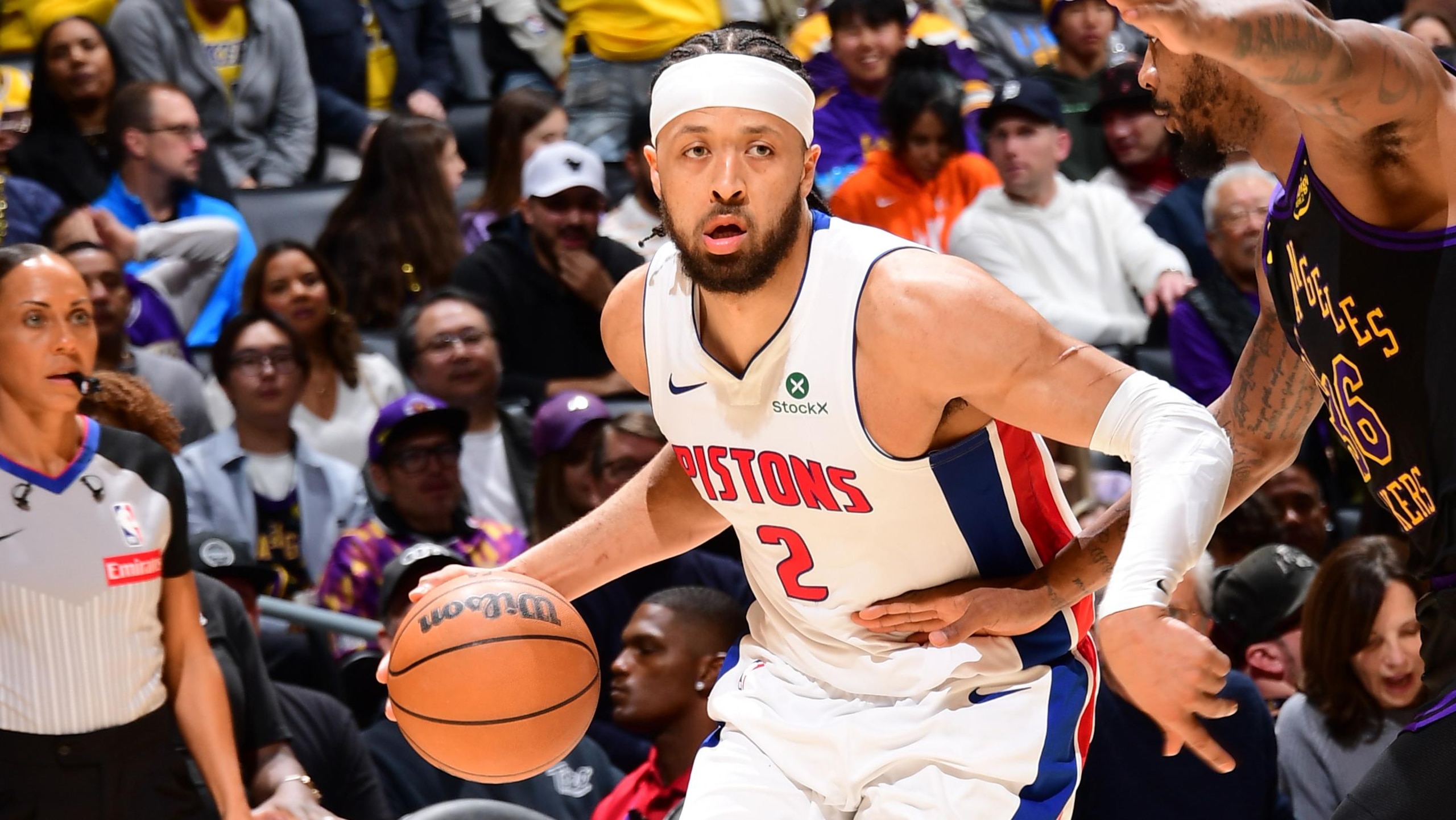
The Detroit Pistons are either championship-caliber posturers, or they're completely serious about holding fast at the trade deadline.
At the moment, we need to take them at their word that they're not planning to use some combination of Tobias Harris, Jaden Ivey and picks to secure a star-level upgrade.
Even if Harris' expiring $26.6 million salary seems tailor‑made for a trade, and even if Ivey's appeal around the league continues to exceed his apparent value in Detroit, the Pistons' consistent messaging about being opportunistic but not aggressive suggests they'll keep faith in the talent already on hand.
Maybe that'll disappoint more ambitious Pistons fans, but there's undeniable logic in trusting Cade Cunningham, Jalen Duren, Ausar Thompson and the rest of a young core that dragged this team from 14 wins two years ago to the top of the East today.
Golden State Warriors: Wonder Why Jonathan Kuminga Is Still Here
10 of 30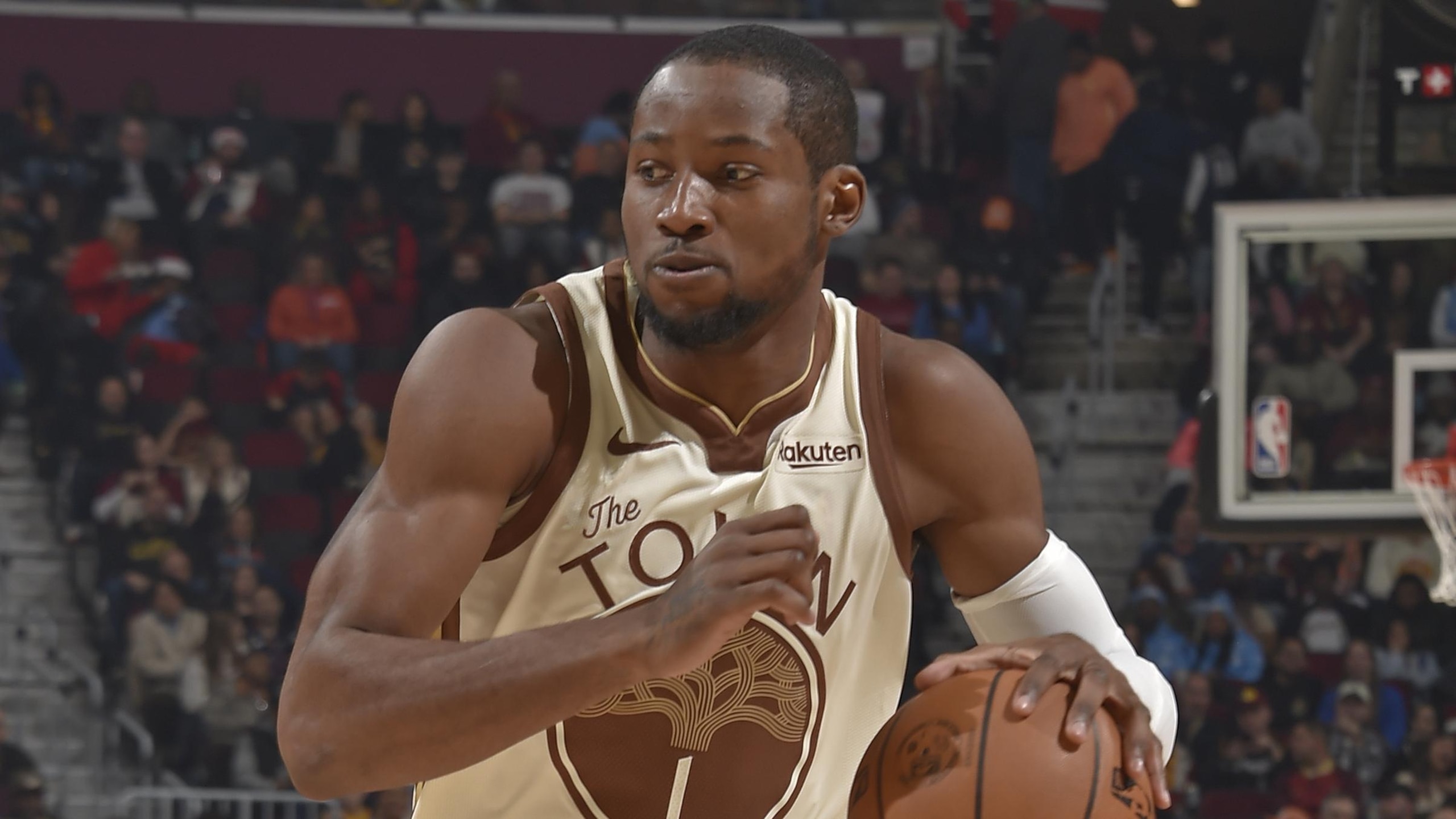
Jonathan Kuminga wasted no time, officially making a trade request on Jan. 15, the first day he was eligible to be moved. The Golden State Warriors need to cut ties as soon as possible, even if trading Kuminga offers only salary relief.
Though some might suggest Jimmy Butler's season-ending torn ACL will give Kuminga a chance to re-enter the rotation, it feels more likely that the bridge between him and the team is torched. Even if head coach Steve Kerr offered Kuminga minutes, the 23-year-old forward would likely refuse them.
The Dubs used the leverage of restricted free agency to sign Kuminga to a one-plus-one contract that features a team option on 2026-27, basically a "get out of jail free" card for either themselves or Kuminga's acquiring team. In other words, he was signed to be traded or dismissed for nothing this summer.
Golden State could still pursue that second option, but it would be hard to justify skipping past the first—particularly with the team desperately needing youth, athleticism, shot creation and size if it wants to avoid the Play-In.
Houston Rockets: Check In with Fred VanVleet
11 of 30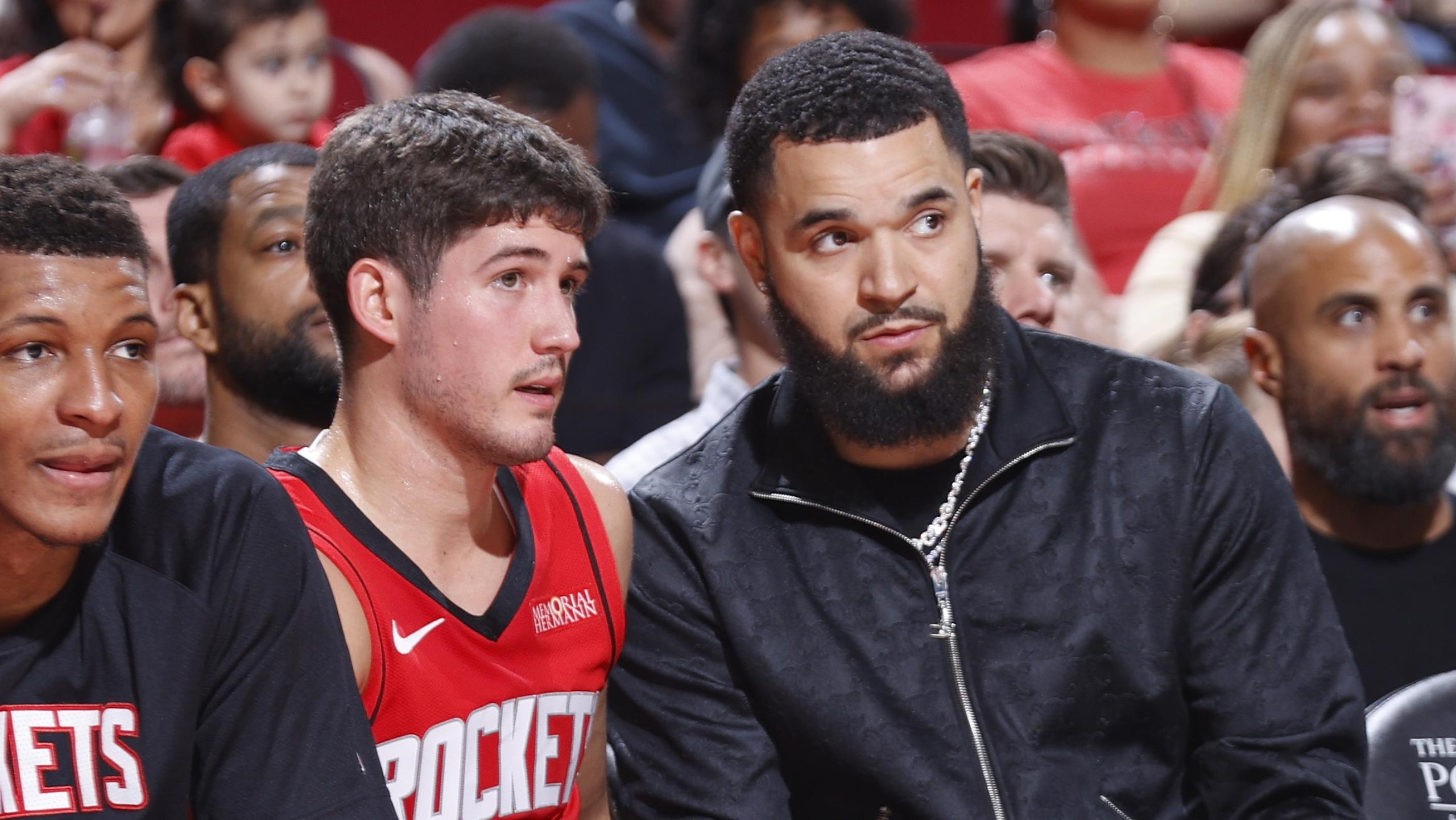
Fred VanVleet's torn ACL didn't cripple the Houston Rockets offense. Thanks to Reed Sheppard's emergence, Kevin Durant's sustained excellence as a bucket-getter and a board-crashing style that gives Houston more second-chance opportunities than anyone else, scoring hasn't been an issue for most of the season. Lately, the Rockets are hovering around the middle of the pack in points per possessions, but they're in the top five overall.
That's another way to say FVV's absence is something the Rockets can handle. This is why they should sync with the veteran point guard on his willingness to be moved.
VanVleet has an implied no-trade clause because the two-year, $50 million deal he signed over the summer has a player option for 2026-27. Houston can't move him without his approval. Though FVV's veteran presence and potential to return next year both matter in Houston, a team this good has to prioritize on-court performance right now.
Trading VanVleet for a healthy guard who can shoot and facilitate could make the Rockets an even bigger threat in the West. They have to at least ask VanVleet where his head's at, trade-wise.
Indiana Pacers: Shop Bennedict Mathurin
12 of 30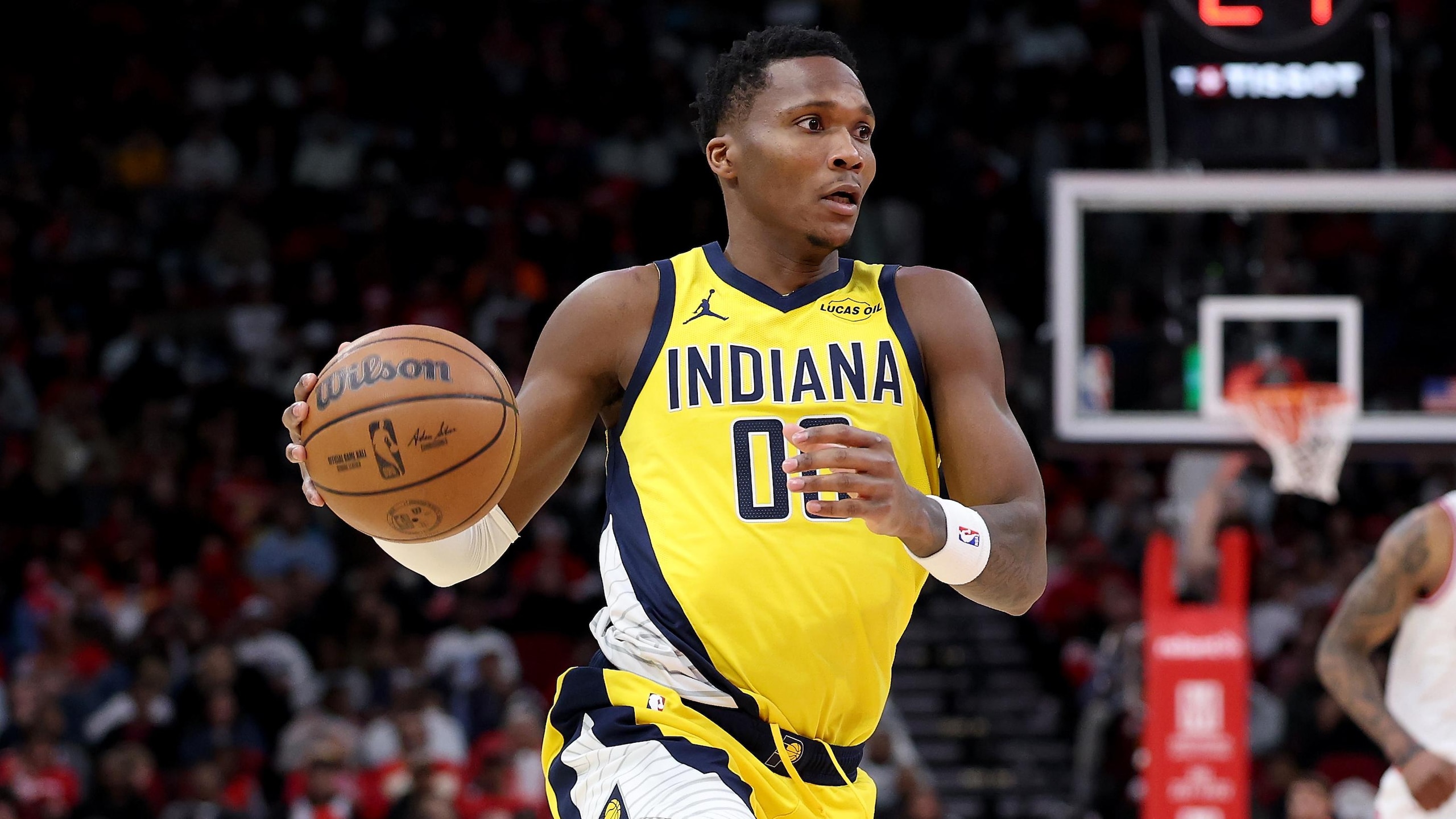
Bennedict Mathurin and the Indiana Pacers never got close to an extension prior to the season, which means the fourth-year guard will enter restricted free agency this summer. Because Mathurin used this season to cement his defense-free, score-only reputation, the Pacers are unlikely to pay market rates for his services.
Maybe if Mathurin had shown more playmaking chops or improved work as a stopper, things would be different. But the former No. 6 pick's per-36 numbers (19.9 points, 2.4 assists and 2.7 turnovers) are worse on balance than they were last season, and he still grades out as a massive negative on D.
Though teams have recently showed more willingness to put the screws to their own RFAs (see: Kuminga, Jonathan and Thomas, Cam), Indiana knows Mathurin's fit next to Tyrese Haliburton is no good and that its cap sheet probably can't accommodate the $20-plus million salary Mathurin could attract from another team.
Better to move the 23-year-old for an asset at the deadline than to deal with the uncertainty of restricted free agency, particularly since it comes with the possibility of losing Mathurin for nothing.
LA Clippers: Beg the Thunder for Picks
13 of 30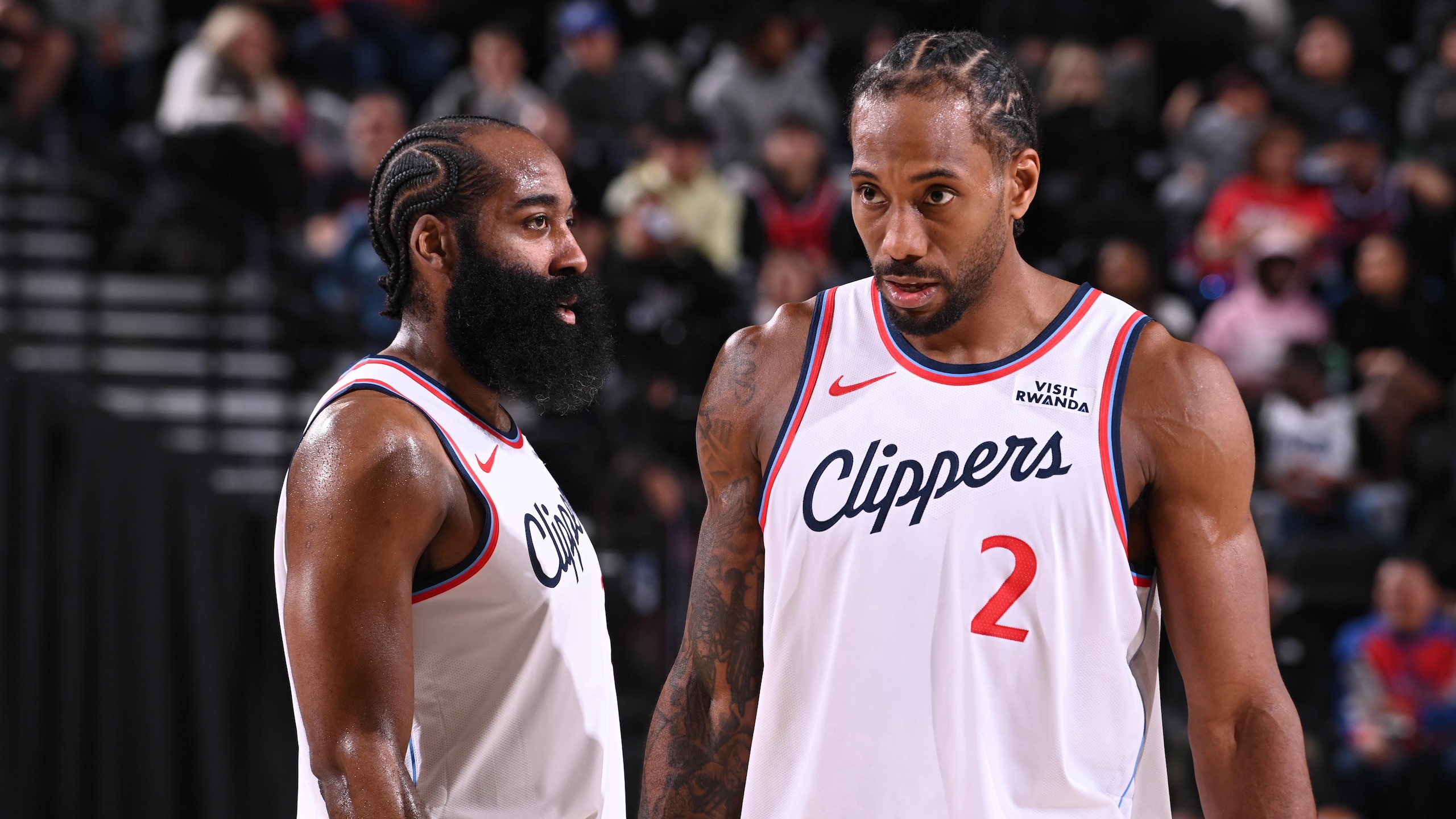
Even if the LA Clippers probably can't make an offer good enough to reclaim control of their 2026 and 2027 first-round picks from the Oklahoma City Thunder, they have to try.
OKC might view the Clips' recent return from the dead as a reason to offload those selections if it means getting back more distant picks with other assets attached. LA could offer control of its 2030 through 2032 first-rounders (2031 would be a swap) in exchange for its selections in the next two years. That would allow the Clippers to sell off what they could, tank and rebuild through the next two drafts.
Despite more competent play of late, the Clippers must recognize they don't have the core of a sustainable winner.
The Thunder could drive a hard bargain, knowing those selections represent a lifeline to LA. But we know OKC would see value in securing more distant future firsts because it may need to get cheaper and/or re-tool around its core down the line. Those more immediate picks could come with high salaries and little access to playing time on a team that figures to contend for the next handful of years.
Los Angeles Lakers: Seek Athleticism on D
14 of 30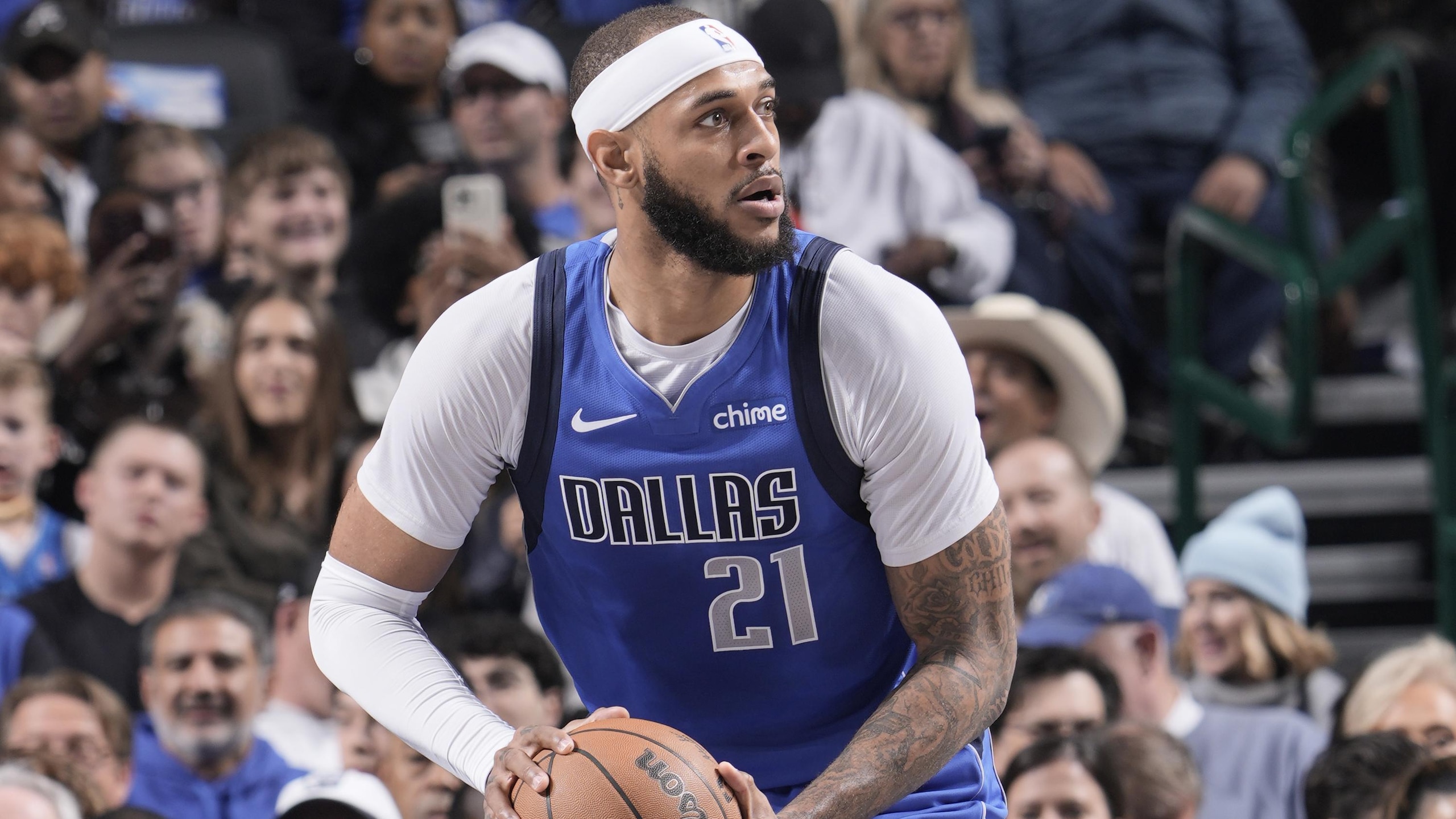
The Los Angeles Lakers' defense isn't good enough. They're hovering just above the bottom five on that end, and head coach JJ Redick hasn't been able to hide his frustration as the lapses increase in frequency.
If the organization is going to make a win-now move, the return has to address that deficiency.
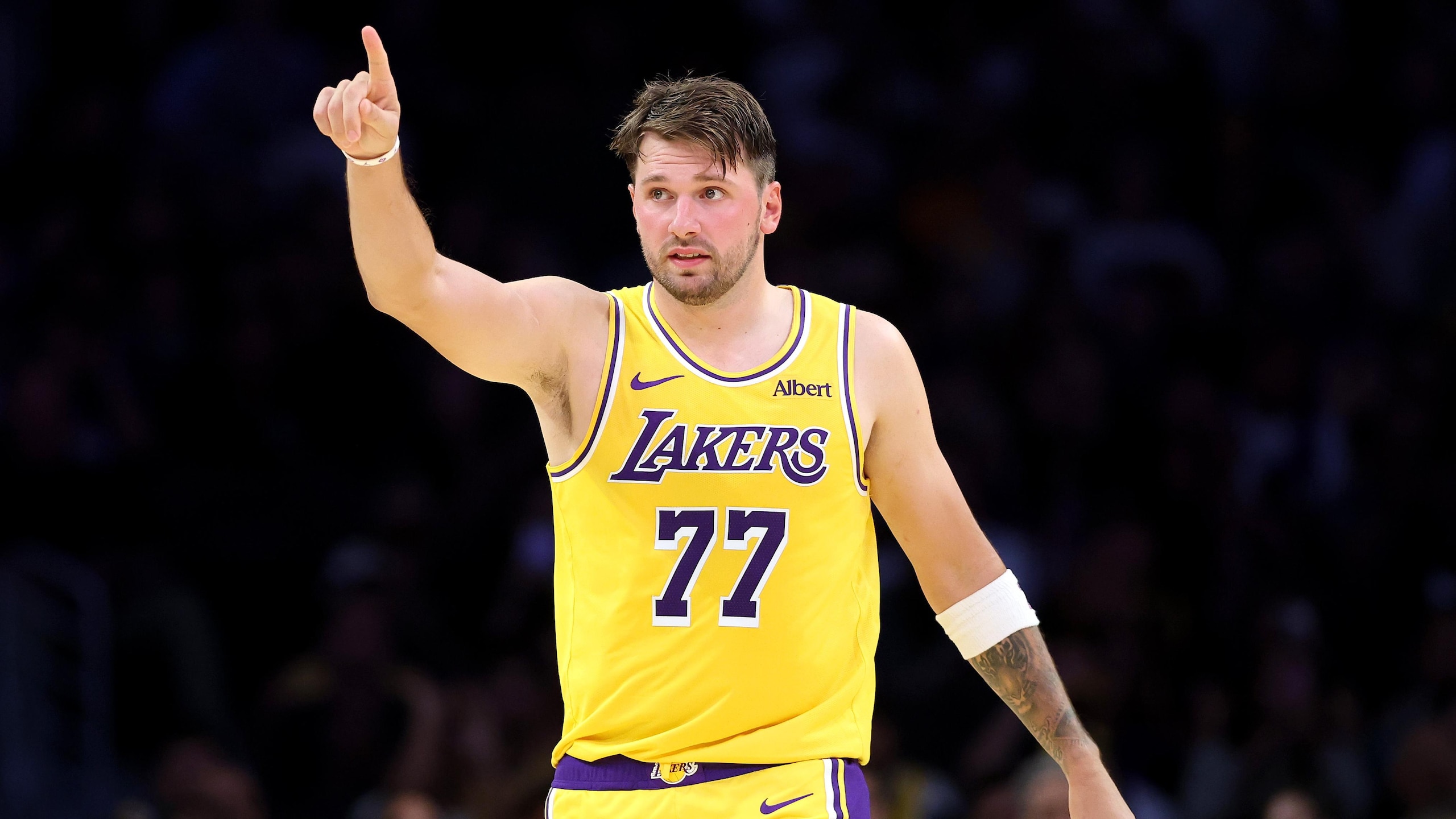
Herb Jones is an obvious target on the wing, though the Lakers might want to prioritize a big man with a higher-revving motor and faster processing than Deandre Ayton, at whom some of Redick's annoyance seems directed. Former Dončić teammate Daniel Gafford should be a consideration.
Plenty of the blame for the Lakers' uninspired, mistake-laden defense lies with bigger names like Luka Dončić and LeBron James, but neither of those two is going anywhere.
If changes are coming, they'll be in the role-player category. Surrounding James and Dončić with shooters and defenders has always been the best approach.
Memphis Grizzlies: Find Shooting
15 of 30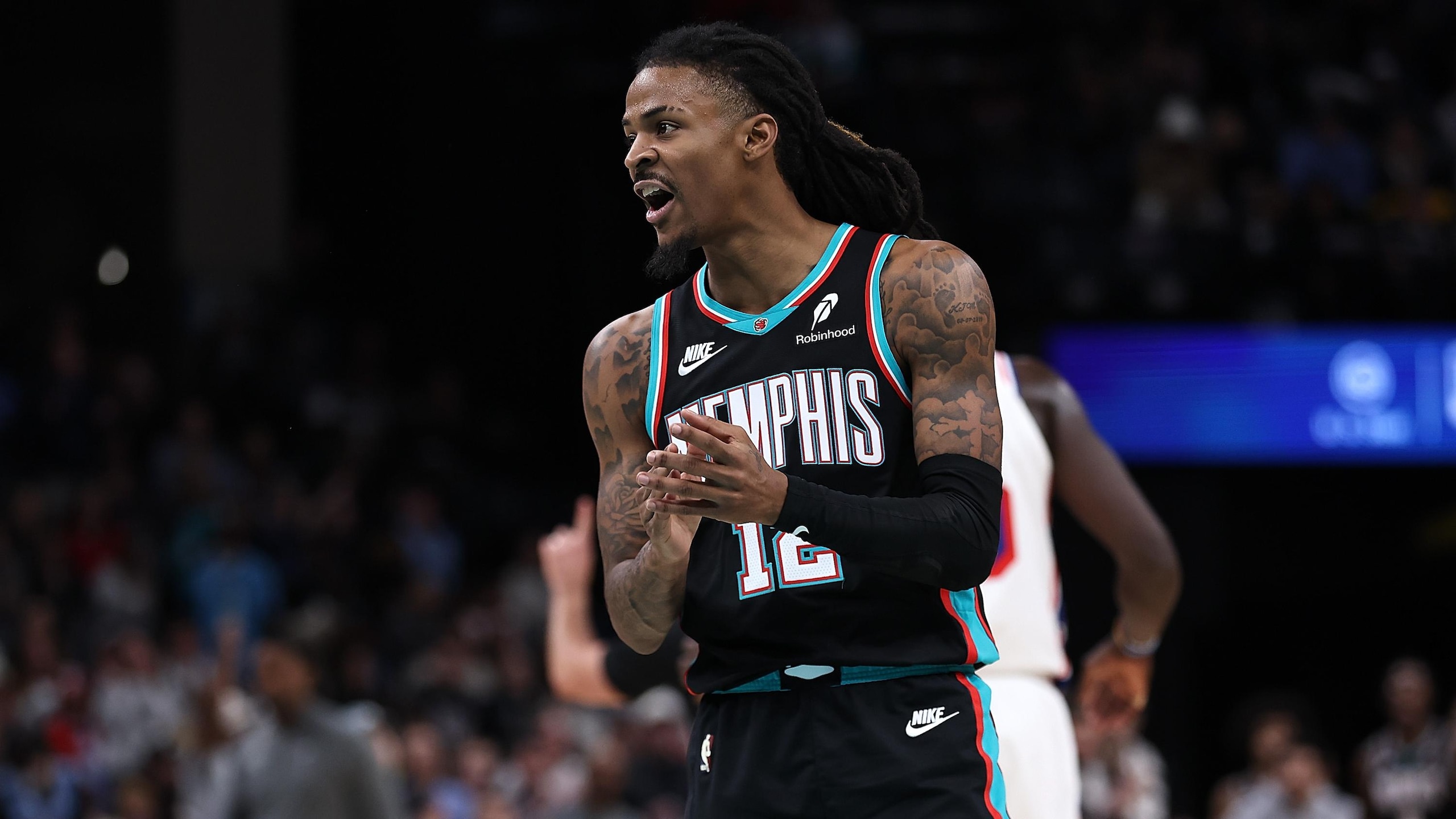
The Memphis Grizzlies could lead the deadline in drama by trading Ja Morant, but it's hard to find appealing offers for him, and the one-time cornerstone told reporters in London that he didn't want to be dealt.
If Memphis' focus is on making the most of life with Morant (for now), that starts with shooting.
Morant himself is still hitting less than a quarter of his threes, and Cam Spencer is the only high-volume gunner on the roster hitting better than 40.0 percent of his deep attempts. Wing combo Jaylen Wells and Cedric Coward are both below the league average, and Jaren Jackson Jr.'s career has been defined by fluctuating year-to-year accuracy.
The Grizzlies are in the Play-In mix at the moment, but better offensive play could reasonably get them into contention for the top six—particularly with so many teams ahead of them facing injury issues and age-related decline. Boston's Sam Hauser or Miami's Simone Fontecchio wouldn't be overly costly and could address Memphis' shooting shortage.
Miami Heat: Shake It Up
16 of 30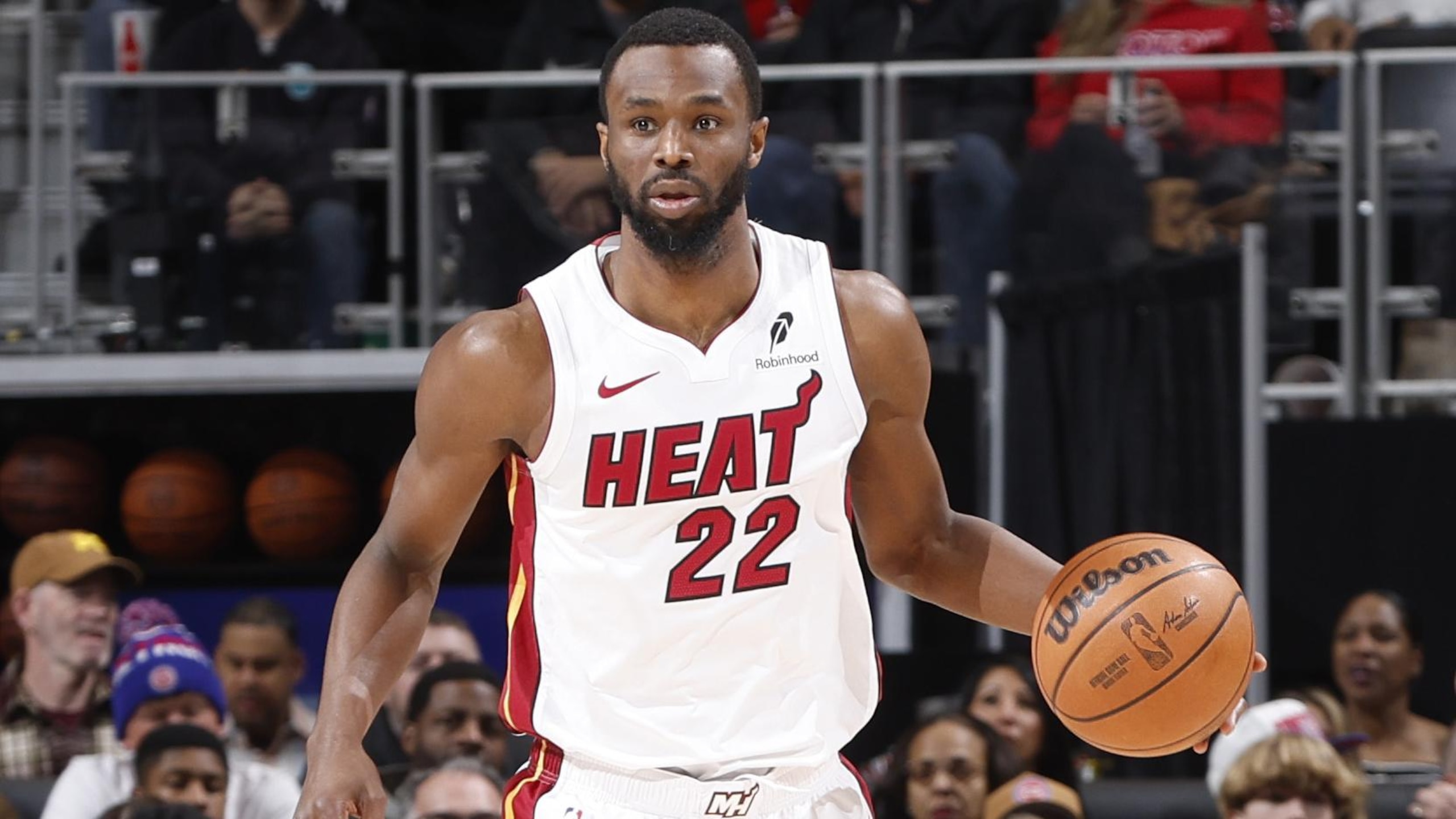
The innovative offense that produced a 14-7 start isn't humming quite like it used to, and the Miami Heat are once again a decidedly average team.
That would be fine if the roster had upside, loads of young prospects or key players signed to reasonable deals. But Andrew Wiggins (player option) and Norman Powell can both hit free agency this summer, while Tyler Herro, who's played just six games so far this season, is due an extension.
If the Heat assess themselves honestly, they'll see this group isn't cheap enough, good enough or young enough to get them where they want to go.
Wiggins and Powell should both have value to contenders. The former isn't far removed from elite three-and-D play for a championship team, while the latter could juice anyone's offense.
Miami hasn't historically been a tear-it-down team in situations like this, but a full demolition isn't necessary. The Heat just need to get value for assets they might otherwise lose, and then hope the flexibility allows for more help around their remaining core.
Milwaukee Bucks: Postpone the Inevitable
17 of 30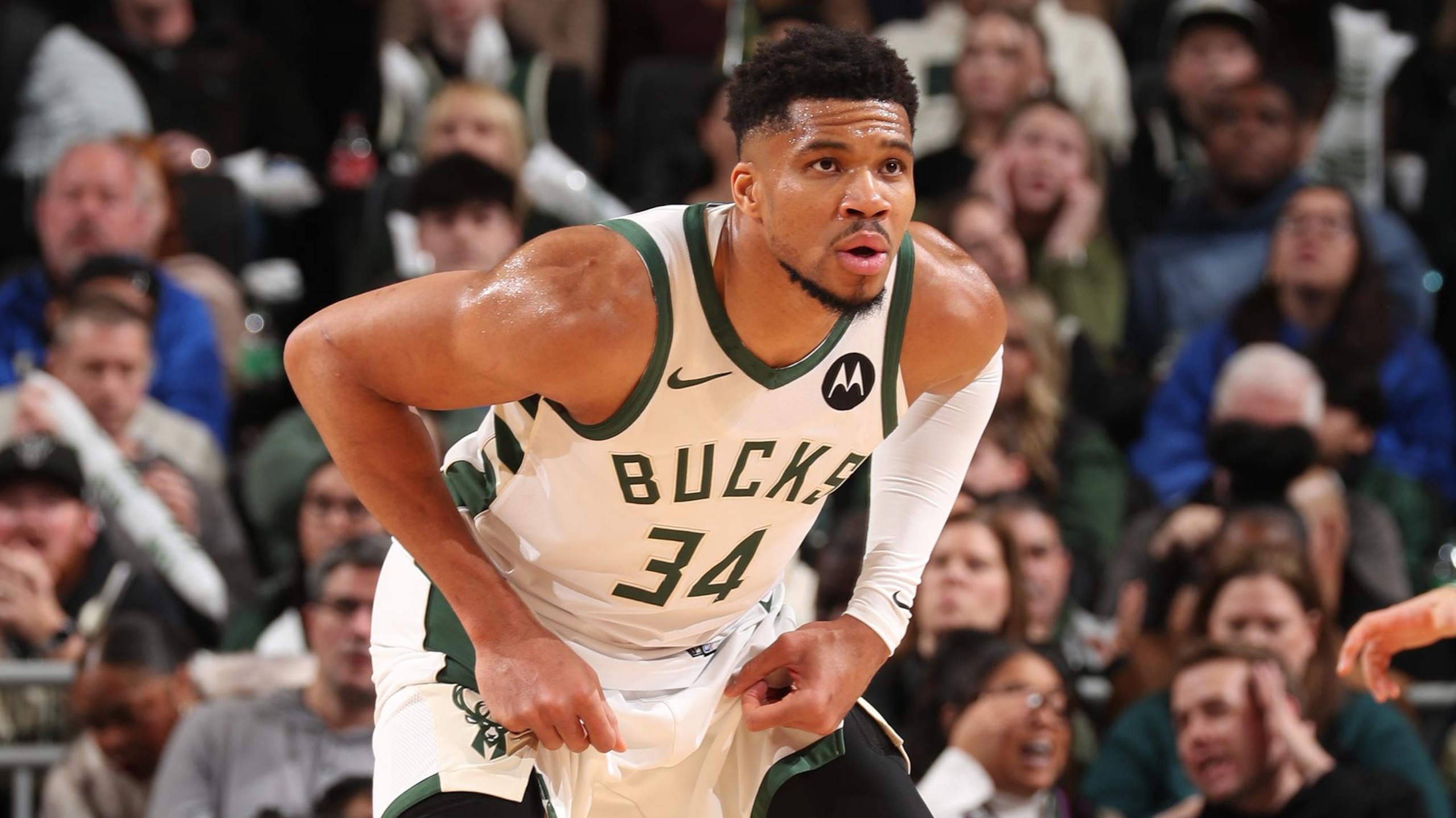
The year is 2148. Cars are flying all over the place, we've colonized Mars, everyone eats nutrient paste from tubes, and the Milwaukee Bucks and Giannis Antetokounmpo are still engaged in a staring contest.
The way things are going, with neither team nor player willing to be the one to break up the relationship, it's hard to imagine the current situation changing.
So, if the trade deadline were today, Giannis and Milwaukee would still probably be waiting for the other party to finally sever ties. Antetokounmpo won't request a trade, and the Bucks won't seriously shop him without being told it's their only option.
Maybe this stalemate won't last another 120 years or so, but it's hard to imagine it ending in February. Unless something changes, Milwaukee and Antetokounmpo will keep postponing the inevitable.
Minnesota Timberwolves: Upgrade the Point
18 of 30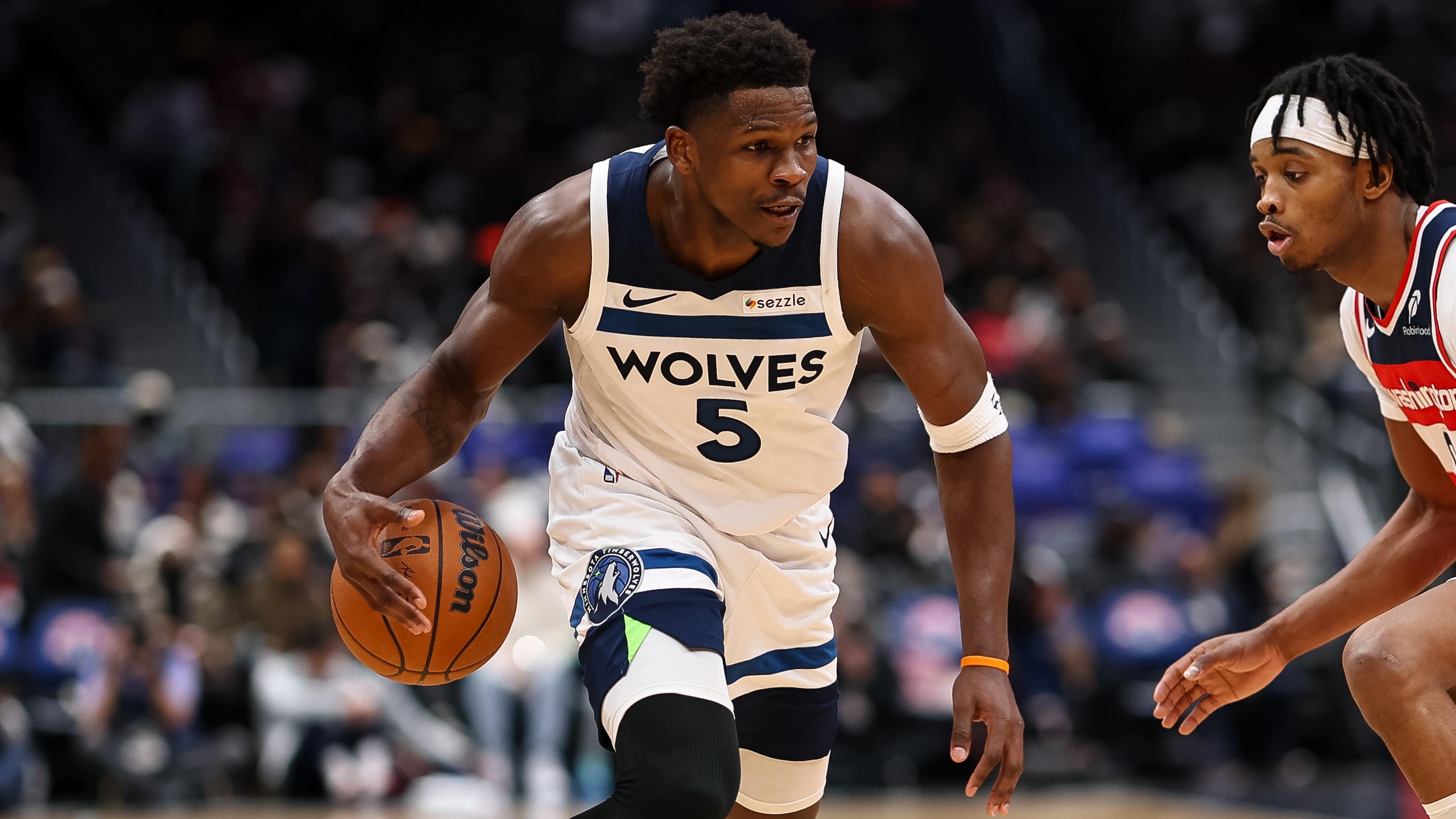
Anthony Edwards is averaging a career-best 29.6 points per game while posting a true shooting percentage north of the hallowed 60.0 percent mark for the first time. Just imagine how much better he'd be if he didn't have to do so much on his own.
The Minnesota Timberwolves' deadline plan must focus on finding someone who can lower Edwards' degree of difficulty. So far, only 33.6 percent of Edwards' twos have come via teammate assists. That's near a career low and something you'd think a point guard could help address.
Coby White and Collin Sexton would be logical, relatively low-cost additions. Both are ticketed for free agency this summer, which means they'd be rentals for a Wolves team that can't really absorb major long-term salary. Though neither is known as a pass-first facilitator, both are capable ball movers whose scoring chops could divert attention from Edwards, lightening his scoring load in another way.
New Orleans Pelicans: Shop Trey Murphy III
19 of 30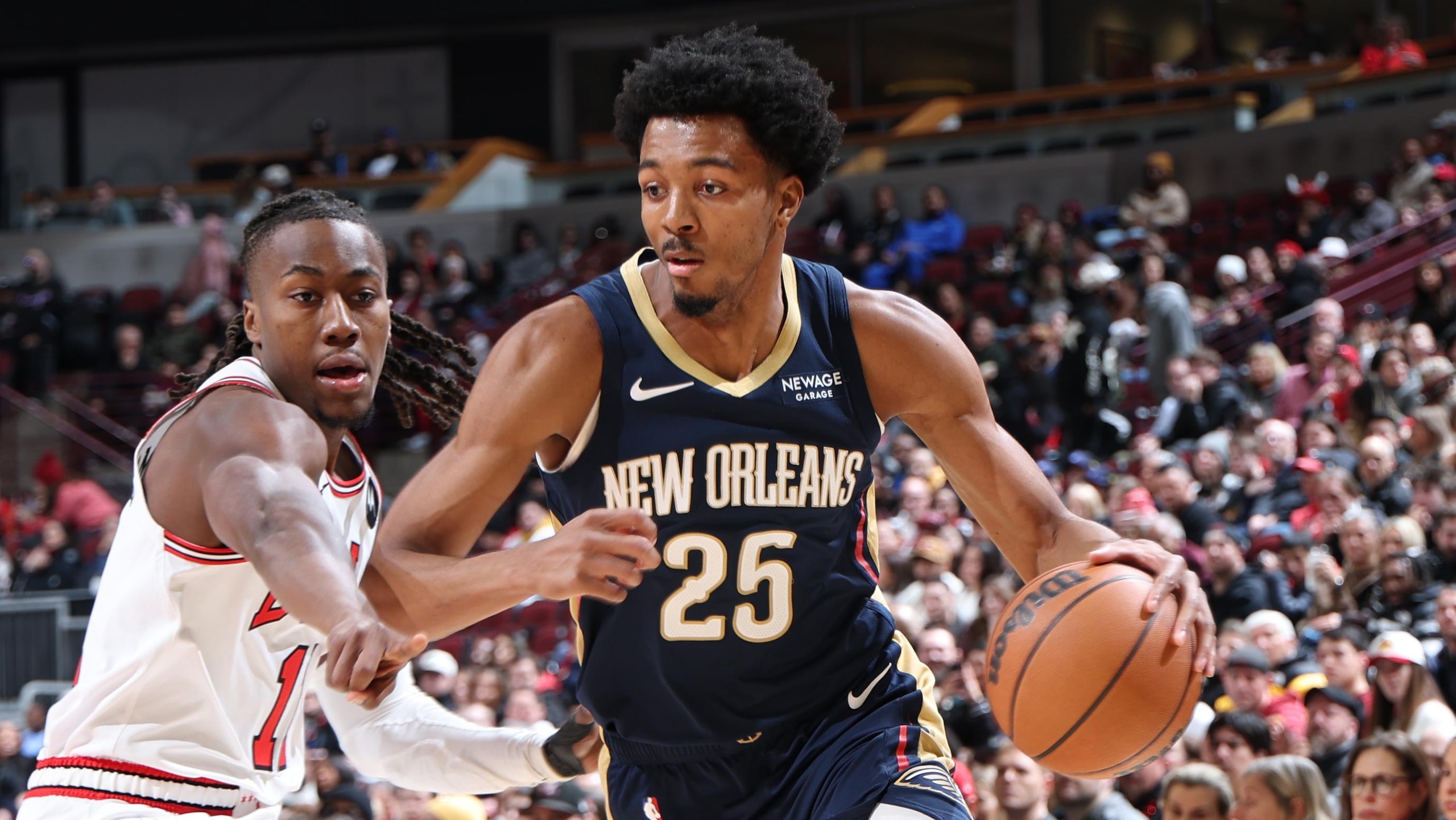
Everyone needs an athletic, 25-year-old sniper who might be a solid defender if removed from a mostly dysfunctional environment in New Orleans. "Everyone" includes the Pelicans, who should want to keep Trey Murphy III around. But at some point, there comes a time to capitalize on an over-eager market.
That time may arrive at this year's deadline, when Murphy stands out as the most affordable, upside-laden, plug-and-play addition in the league.
Michael Porter Jr. is a little older and more expensive. Ditto for Lauri Markkanen. Scan the league for difference-making wings and forwards, and none match Murphy's combo of youth, talent and affordability. Due to make an average of $27 million through 2028-29, Murphy is shooting 38.7 percent from deep on 8.1 attempts per game and, unlike most snipers, can tear the rim down if you close out on him too aggressively.
If the Desmond Bane and Mikal Bridges trades are any indication, New Orleans can expect lavish offers of at least three first-round picks. That might be too good to pass up.
New York Knicks: Make a Targeted Search for a Wing or Forward
20 of 30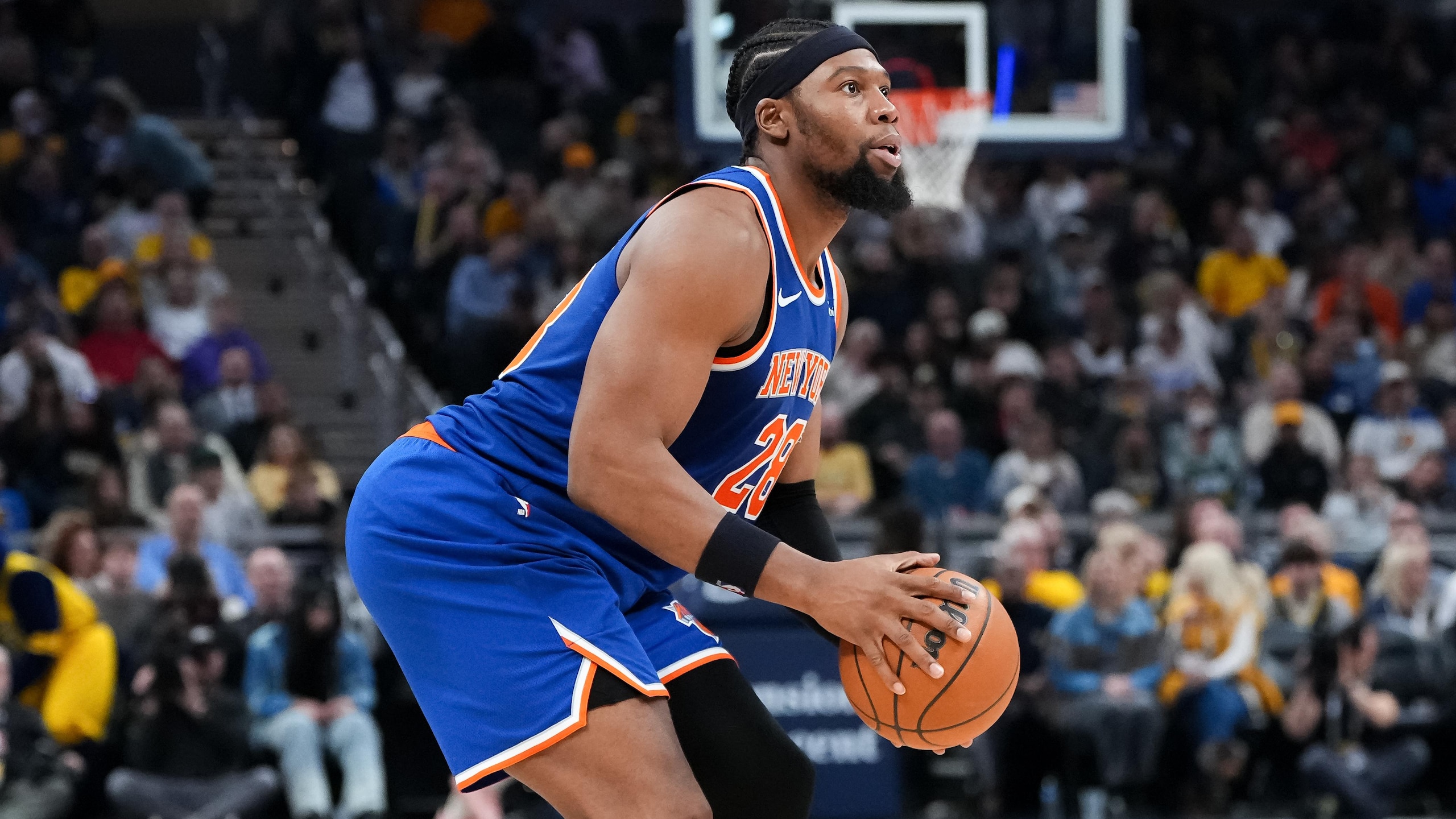
Tyler Kolek had a moment in December, but he's no longer looking like a credible backup to Jalen Brunson. That means New York still needs a ball-handler and someone to shore up the frontcourt spot Guerschon Yabusele was supposed to man.
The Knicks are a hair below the second apron and can aggregate salaries in a trade, but they also can't take back more money than they send out and are hard‑capped at that line after using their taxpayer mid‑level exception on Yabusele.
In other words, they're about as constrained as any team other than the Cleveland Cavaliers.
The Knicks' options are limited, and they're reeling as the deadline draws nearer. They endured a brutal 2-9 stretch after beating New Orleans on Dec. 31.
Oklahoma City Thunder: Kick the Can Down the Road
21 of 30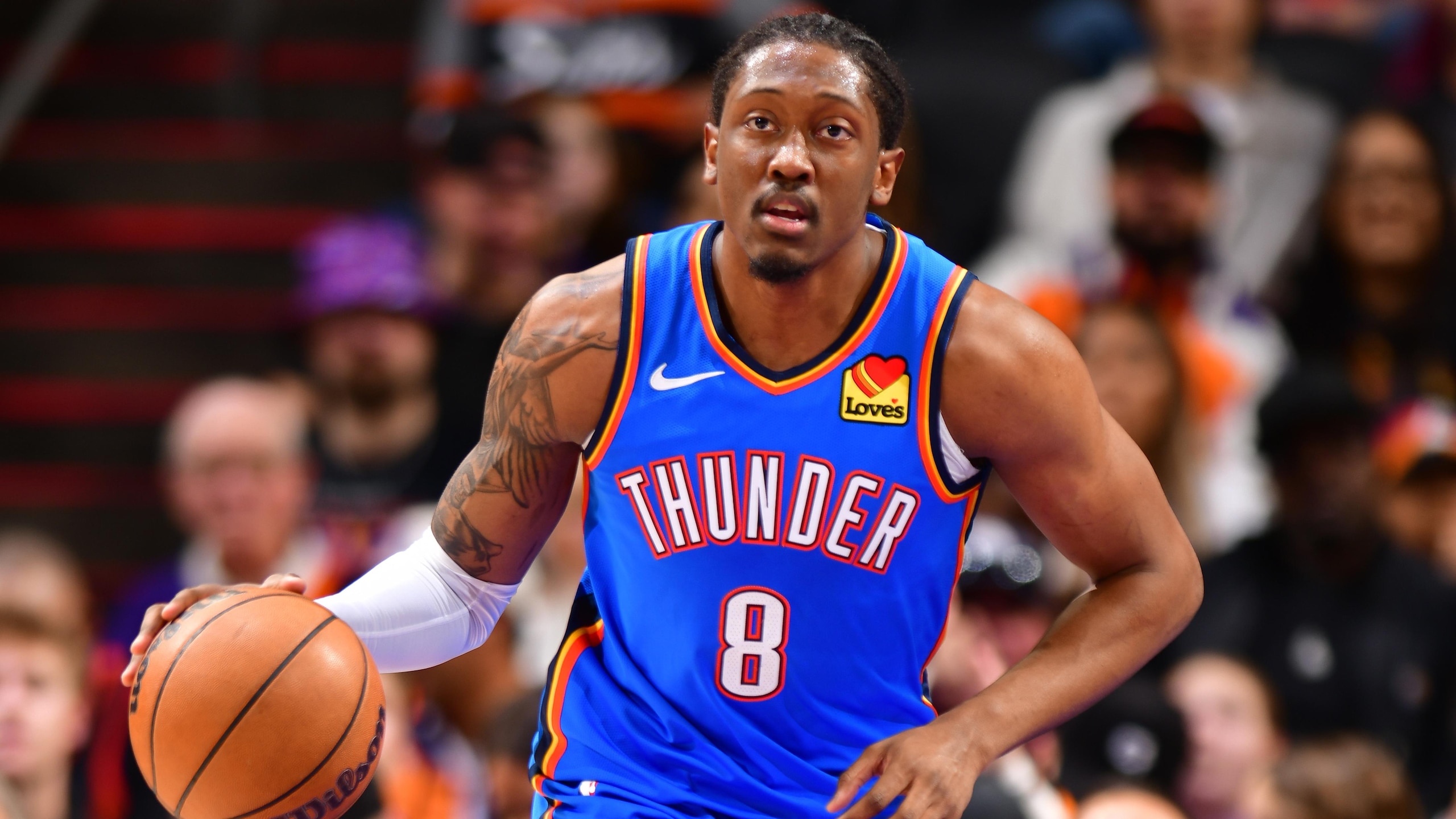
Let's not panic about the Oklahoma City Thunder no longer being on pace to set the all-time wins record. They're only on track to secure something like 68 victories, hardly a disappointment and certainly not something that should spur major deadline action.
If the Thunder make any deals at all, they should focus on moving more immediate draft assets for distant ones. The current rotation is pretty well set, mostly populated by 20-something talents and likely to involve recent first-rounders Nikola Topić and Thomas Sorber next year. There's not really room for another rookie right now, and the Thunder need to keep their costs under control as max extensions kick in for Chet Holmgren and Jalen Williams in 2026-27.
As it is, Oklahoma City might consider declining team options on Isaiah Hartenstein or Luguentz Dort next year.
The Thunder can operate as facilitators in other teams' deals, moving their own first-rounders for picks that will arrive in 2028 and beyond.
Orlando Magic: Trim Salary
22 of 30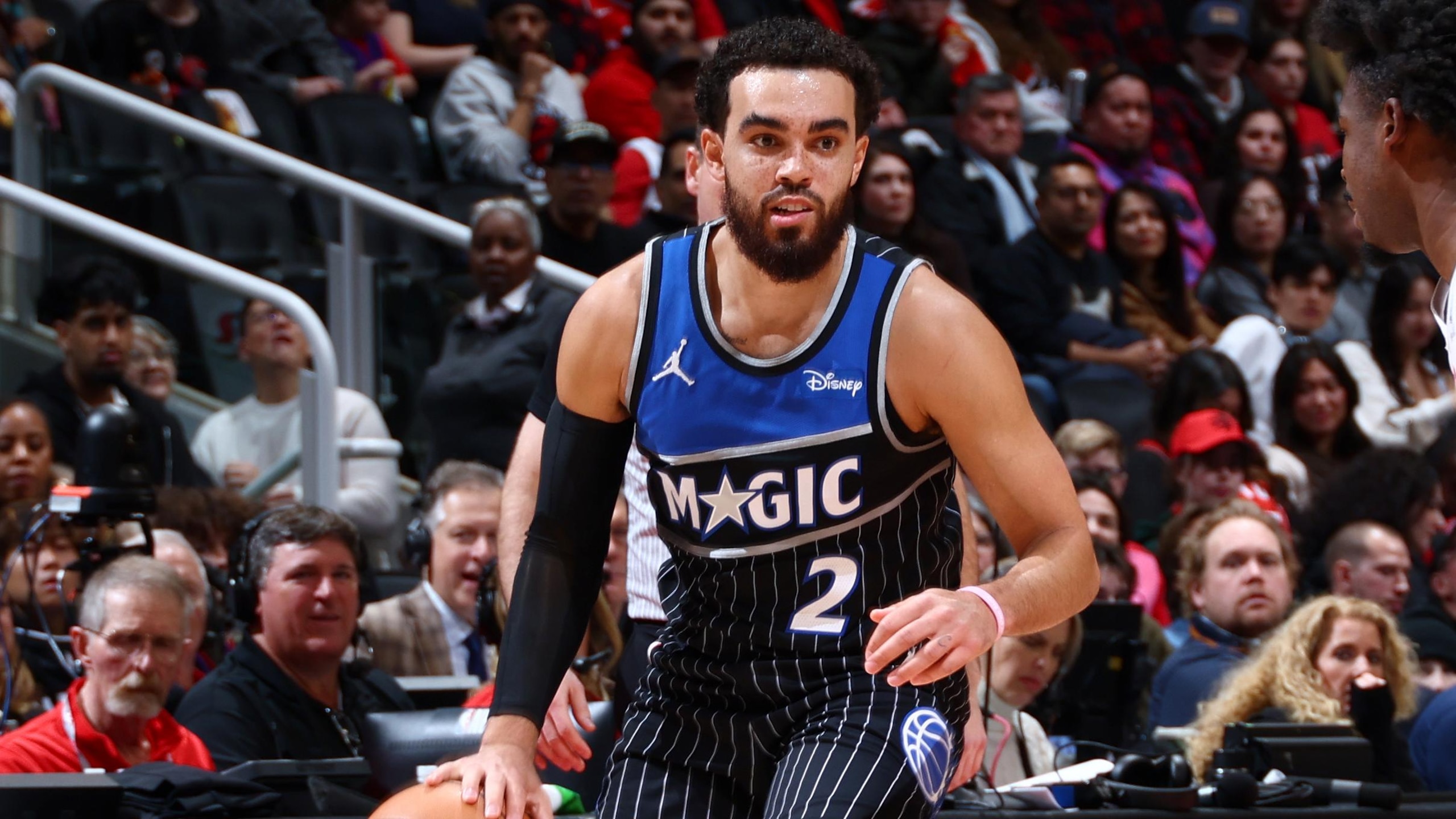
The Orlando Magic are going to be taxpayers in 2026-27 when Paolo Banchero's max extension kicks in, which means they'll take a look at ducking the tax for this year.
The main reason: Orlando should want to avoid starting the clock on the dreaded repeater tax until it's absolutely necessary. Because the Magic haven't paid the tax for over a decade, they can make next year the first season that counts toward that three-out-of-four window. All they have to do is shave about $5.6 million off of this year's books.
Dumping Jett Howard, whose fourth-year option Orlando declined to pick up, would get them almost all the way there. Jonathan Isaac, Tyus Jones or Goga Bitadze could find themselves on the block, with the bigs perhaps seeming more expendable with Moe Wagner now back from a torn ACL.
Orlando looks like a playoff team, which makes cutting money seem like a disappointing priority. But it's not as if the Magic have played like contenders. Maybe avoiding the tax will be key to preserving the flexibility they need to reach that level next year and beyond.
Philadelphia 76ers: Shop Quentin Grimes
23 of 30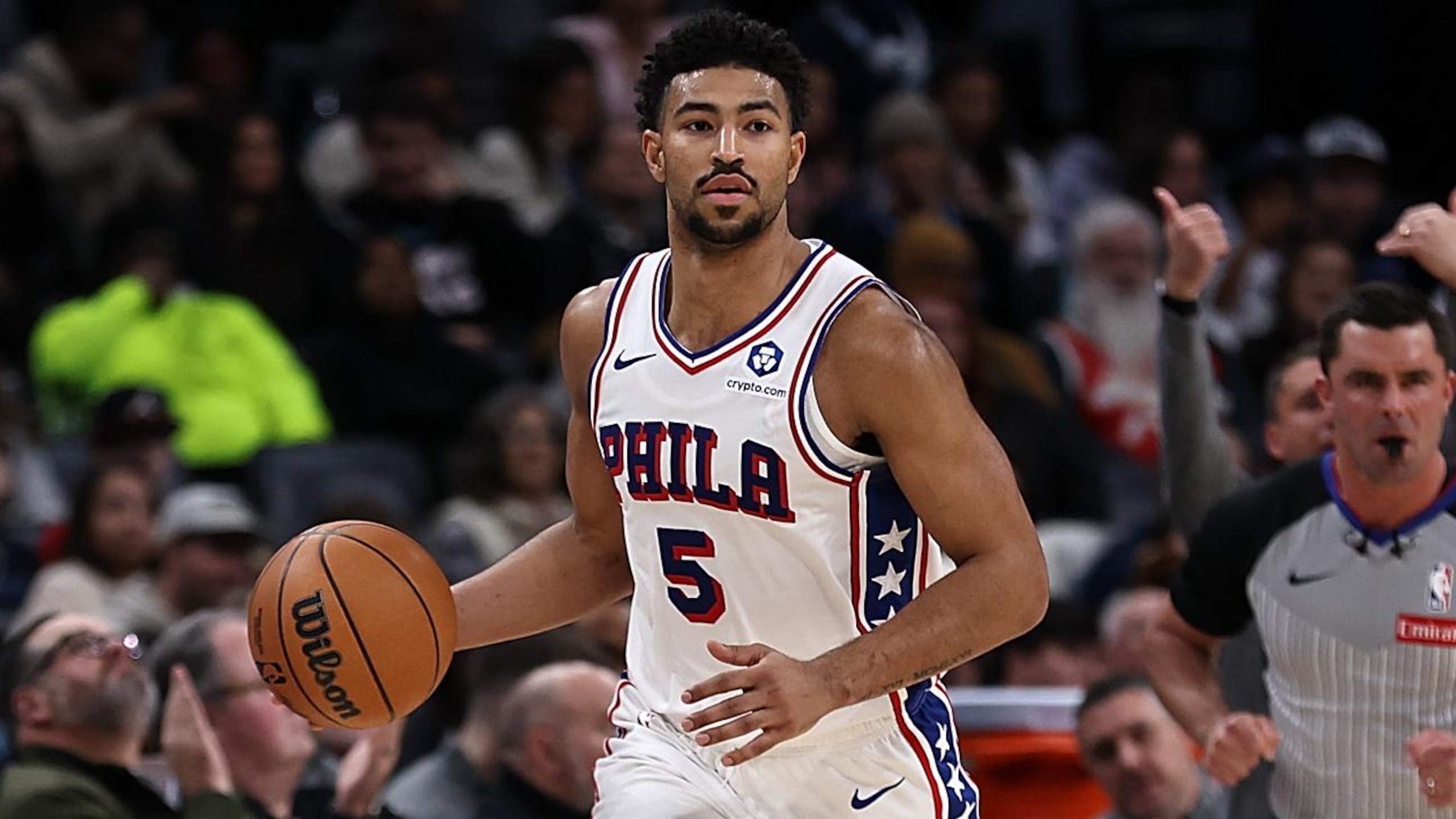
The bad news is that this season's version of Quentin Grimes is not the first-option, high-volume scoring threat he was down the stretch of 2024-25. The good news is that he's still a valuable three-and-D role player who'd fit on virtually any team.
The Philadelphia 76ers are among that group, as Grimes slots in well between cornerstone guards Tyrese Maxey and VJ Edgecombe and the Paul George-Joel Embiid frontcourt that is occasionally healthy enough to play at the same time.
Grimes signed his one-year qualifying offer after a protracted stalemate in restricted free agency. One imagines he didn't feel much love from the Sixers in the lead-up to that decision, and he may be itching to hit the open market this summer.
The Sixers have cost-control issues to navigate and almost definitely won't be able to outbid everyone when Grimes becomes a free agent.
The qualifying offer gives Grimes veto power over any deal, so he and the Sixers will have to collaborate. It might be best for him and his team if a deal materializes that sends Grimes into a bigger role and allows Philly to avoid losing him for nothing.
Phoenix Suns: Trade Royce O'Neale
24 of 30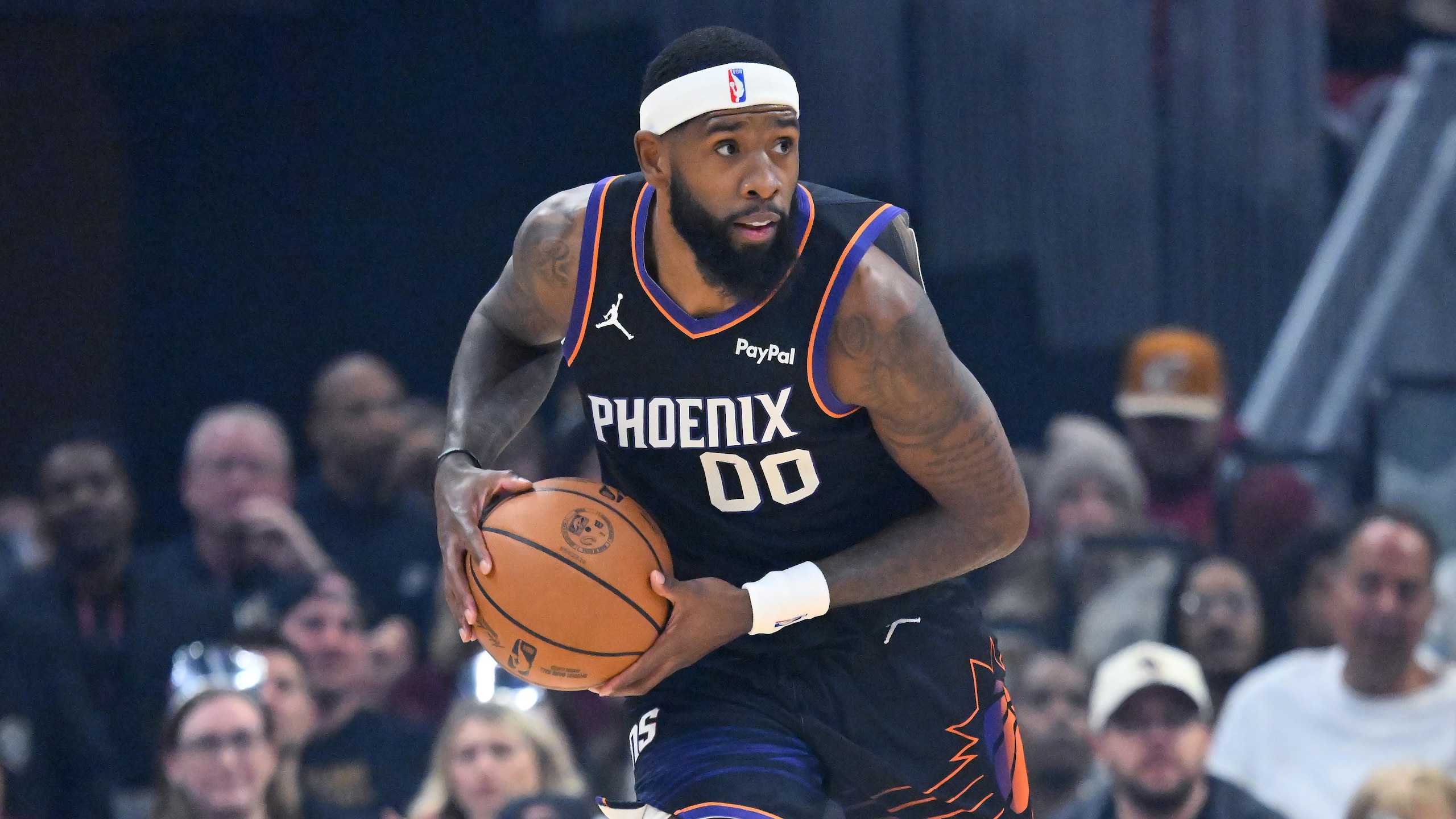
Norman Powell is the exception to the rule that says teams should quickly trade 30-something veterans who produce career years well after normal aging curves say they've peaked.
Royce O'Neale has been hugely valuable to the Phoenix Suns' surprisingly strong play this year. A regular starter for the first time since he was with Brooklyn in 2022-23, the nine-year vet is averaging 10.5 points and shooting 41.8 percent on 7.0 three-point attempts per game. All of those figures represent career highs.
Still a competent defender at a key position, O'Neale projects as a desirable piece for virtually every contender. That he makes just $10.1 million this season only adds to his appeal.
Phoenix is outperforming expectations and looks ticketed for the Play-In, at worst. But the Suns need to be realistic about their situation. Lacking assets after a few years of win-now trading, they should flip O'Neale while his value is highest.
Portland Trail Blazers: Trade Jerami Grant
25 of 30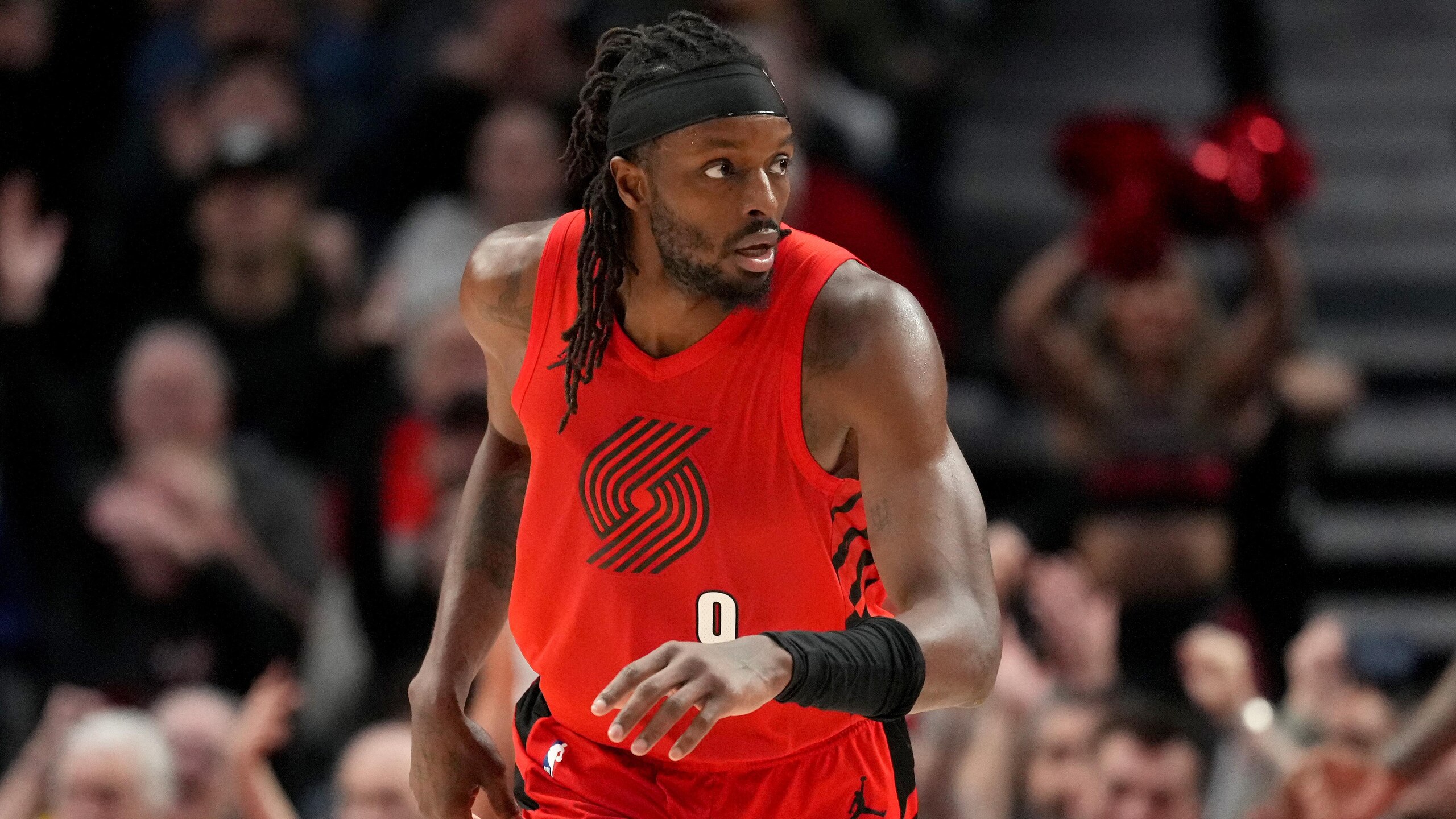
We could have been less ambitious and suggested the Portland Trail Blazers would move Robert Williams III's expiring $13.3 million contract at the deadline. Trading Jerami Grant will be both more difficult and more impactful.
A deal will depend on acquiring teams caring more about Grant's bounce-back production than his current injury, hefty contract and brutally inefficient 2024-25 season.
Out of the lineup with Achilles tendonitis for nearly a month, Grant is back and still averaging 19.9 points, 3.9 rebounds, 2.6 assists while shooting 39.4 percent on the year.
If he stays healthy and sustains those numbers, desperate teams such as the Milwaukee Bucks could talk themselves into onboarding the remaining three years and $102 million on his deal.
Portland should be aggressive in shopping Grant, if only for financial reasons. Shaedon Sharpe's extension kicks in next year, and Scoot Henderson will be eligible to sign his own new deal this summer.
Deni Avdija's well-below-market salary offers breathing room, but Portland can add even more flexibility by turning Grant into someone on a shorter deal.
Sacramento Kings: Pursue Half-Measures
26 of 30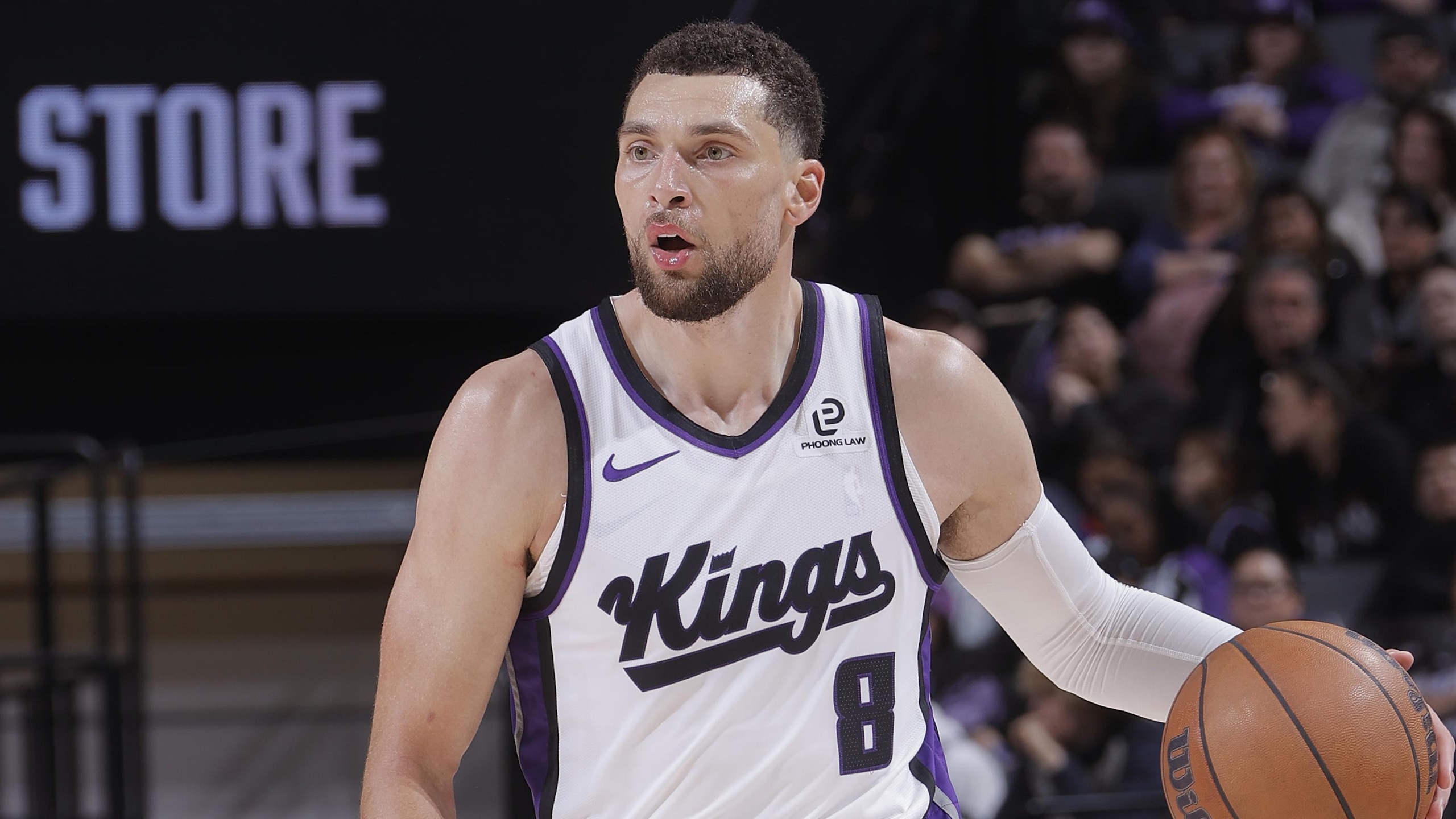
Until new GM Scott Perry proves he has the autonomy to divert the Sacramento Kings from their preferred roster-building approach, best described as "chasing big names who don't fit and can't drive a real playoff run," we have to assume it'll be more of the same for this wayward franchise.
That means most or all of Zach LaVine, DeMar DeRozan, Russell Westbrook and Domantas Sabonis probably won't be traded—to say nothing of Malik Monk, Dennis Schroder, Keon Ellis or Keegan Murray. Those last two players might actually return positive value, but no one should trust Sacramento to get the job done properly.
The Kings need a complete, top-down overhaul. A nuclear restart. A full demolition that precedes losing seasons and draft-pick accumulation.
Instead, they'll maybe flip a veteran or two for a return that doesn't meaningfully change their state.
San Antonio Spurs: Act Ambitiously
27 of 30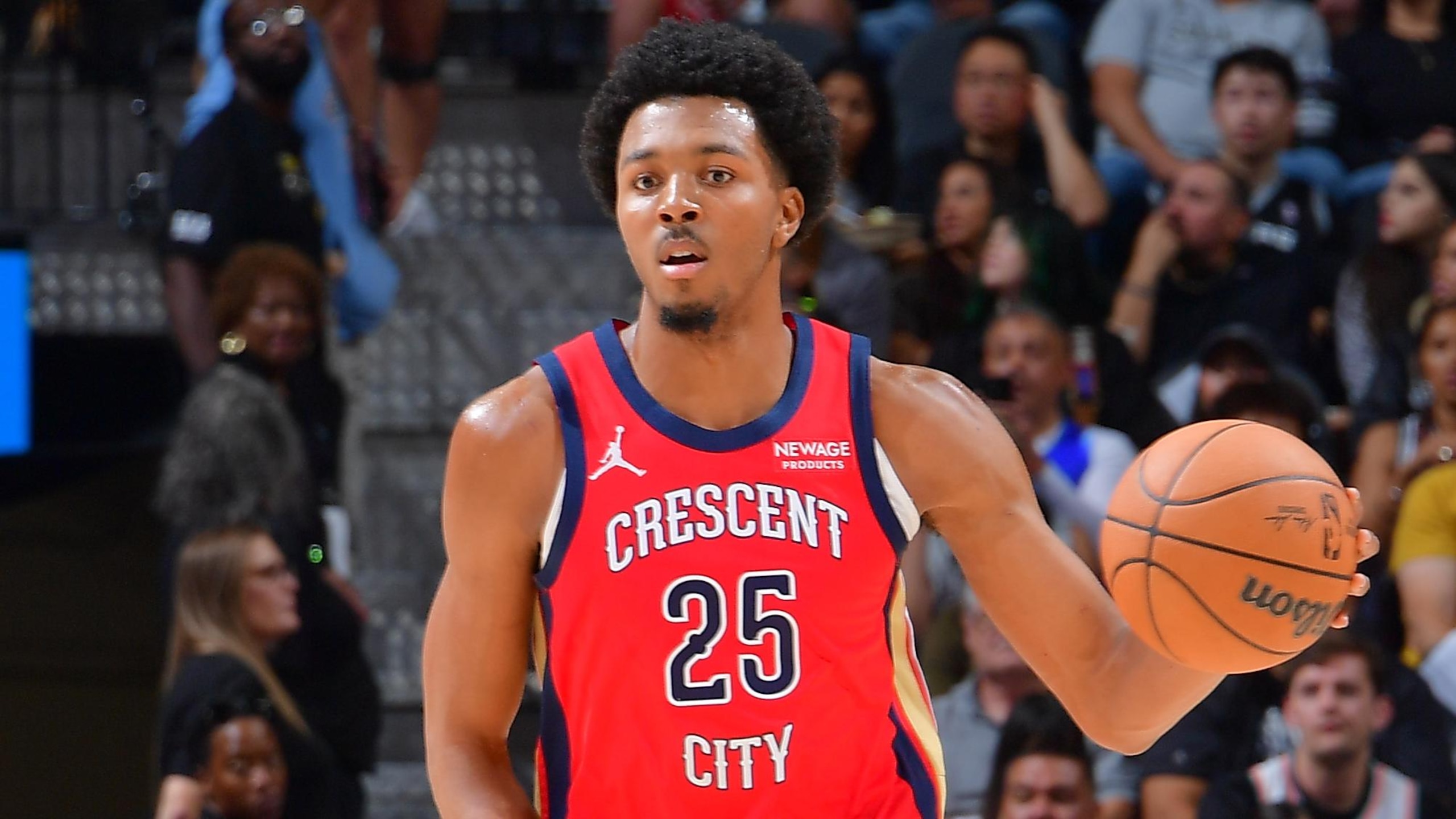
Plenty of teams can talk themselves into a cautious deadline, a wait-it-out approach triggered by the unlikelihood of beating the Oklahoma City Thunder in a playoff series.
The San Antonio Spurs are not one of them.
San Antonio beat OKC three times this year and should rightly believe itself to be a contender. That doesn't mean putting Dylan Harper or Stephon Castle into a deal for a superstar. The Spurs should draw a hard line in negotiations; those two are off limits.
They have enough picks to throw two or three firsts into a deal, $32 million of expiring salary between Harrison Barnes and Kelly Olynyk, not to mention less essential young prospects in Jeremy Sochan and Carter Bryant.
Maybe the biggest moves will be unavailable without Harper or Castle on the table, but the Spurs could chase a sub-star shooter like Trey Murphy III.
Toronto Raptors: Thread the Needle
28 of 30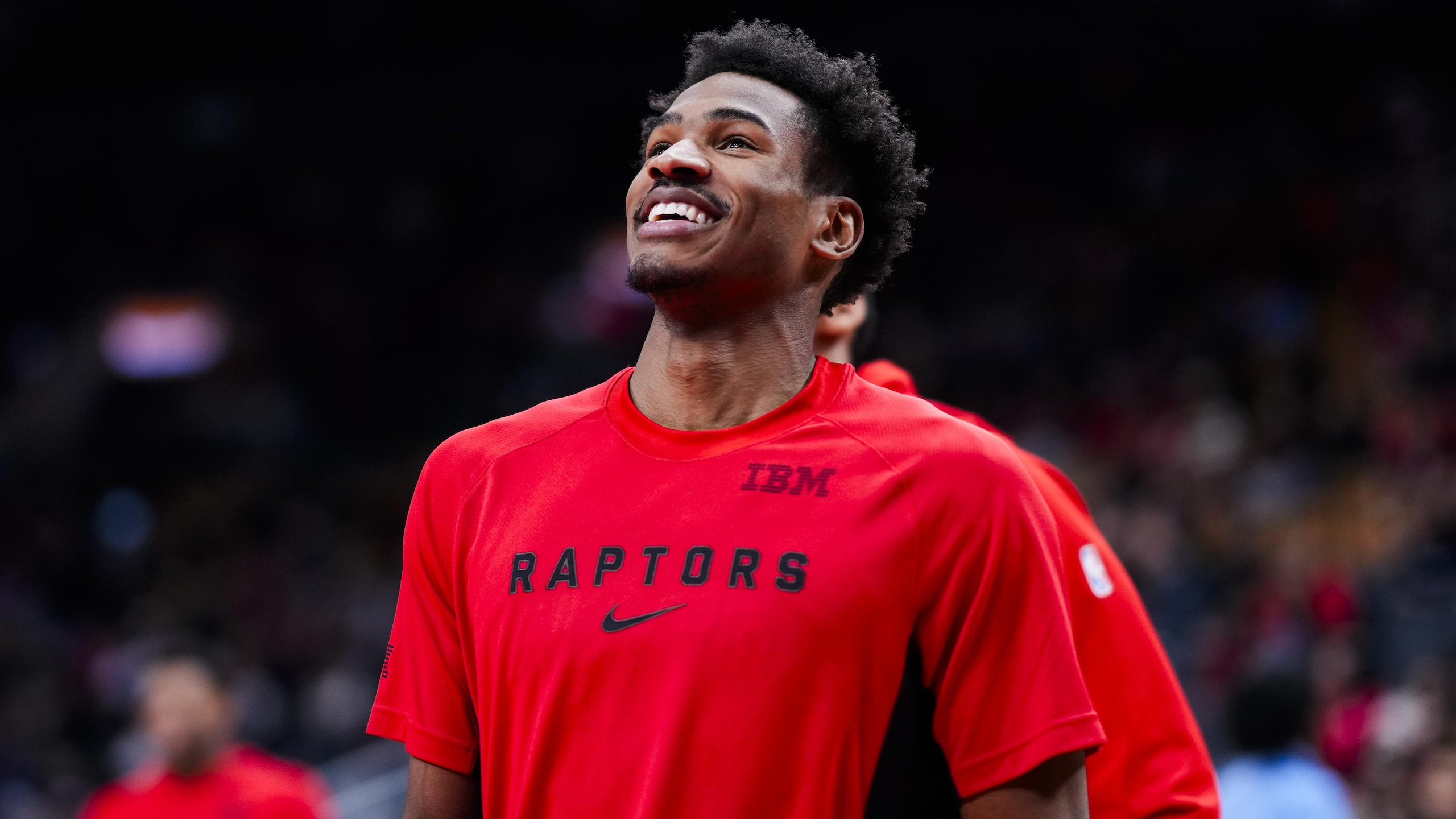
The Toronto Raptors are the worst three-point shooting team in the league, which makes their need for spacers obvious. They're also thin on the front line and should prioritize adding a backup big man to play behind or even in place of Jakob Poeltl, who continues to miss time frequently.
And they'll look to address those separate needs while trying to shave about $1 million off their payroll so they can duck beneath the luxury tax line.
That's a tall task, but Toronto can achieve it by finding someone who covets Ochai Agbaji's expiring deal and the team control that'll come with his impending restricted free agency. An RJ Barrett trade is also an option, but it may not be so easy to foist his mildly overpriced deal ($27.7 million this year; $29.6 million in 2026-27) on a team while getting back positive value.
Utah Jazz: Facilitate and Fail
29 of 30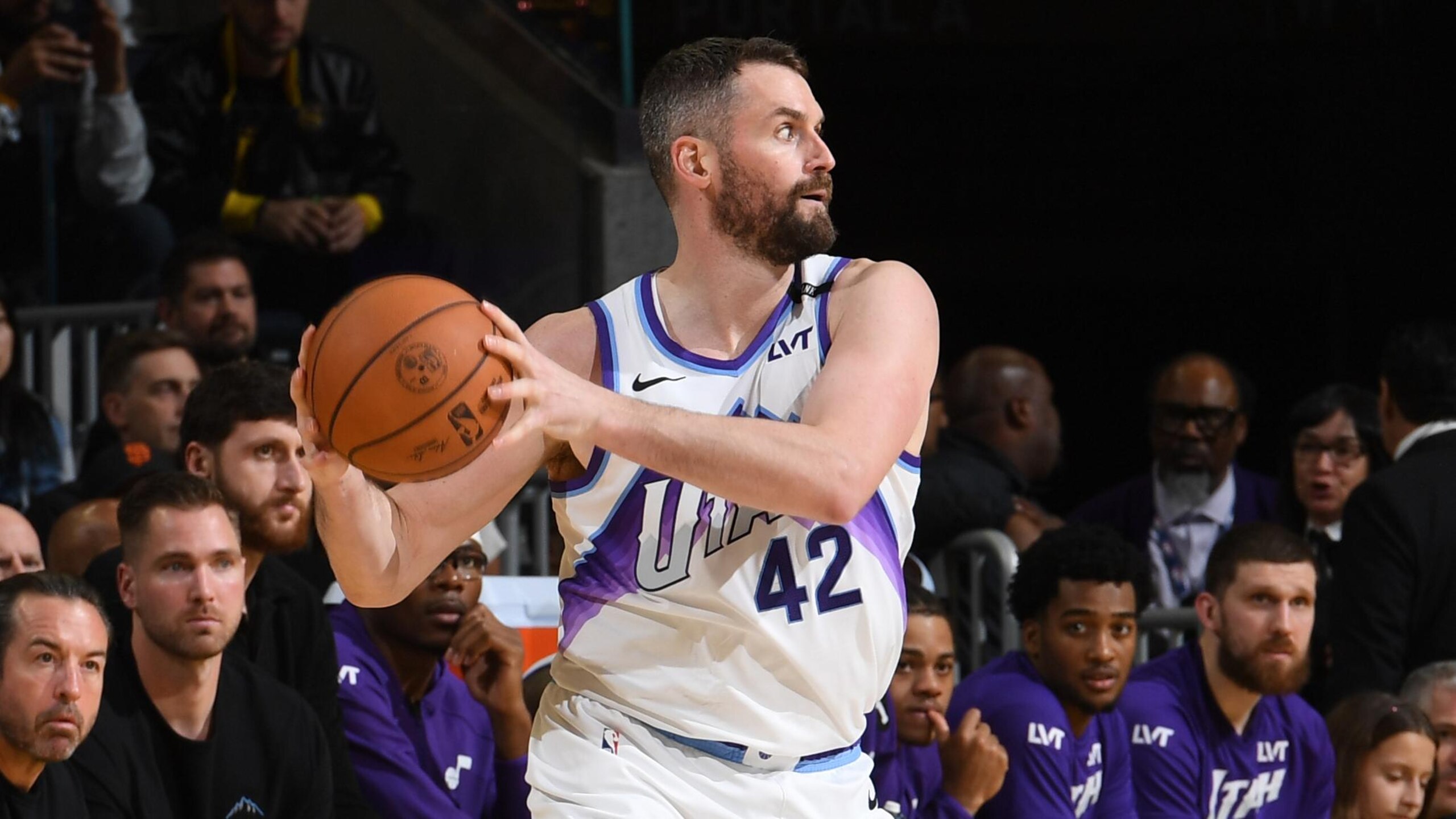
The Utah Jazz need to prioritize keeping the top-eight protected 2026 first-round pick they owe the Oklahoma City Thunder, and it sounds like they'll do that in earnest after yet another better-than-expected start to the season.
In a December appearance on The Athletic NBA Daily podcast, Sarah Todd of the Deseret News said she expected signs of a Utah tank would increase going forward.
The Jazz went out and beat the Detroit Pistons and San Antonio Spurs on back-to-back nights after that, but they're slowly handing more minutes to young, take-your-lumps options like Cody Williams. A league-worst defense will also make it hard to string many wins together.
As far as the deadline goes, Utah will shop its veterans with expiring deals. Kevin Love, Jusuf Nurkić, Georges Niang and Kyle Anderson are owed no guaranteed money for 2026-27 and could be used to facilitate larger deals where other teams need salary relief.
The potential to reel in future draft picks will be nice, but Utah's main goal should be hamstringing itself enough to keep the pick it owes OKC.
Washington Wizards: Find More Bad Money
30 of 30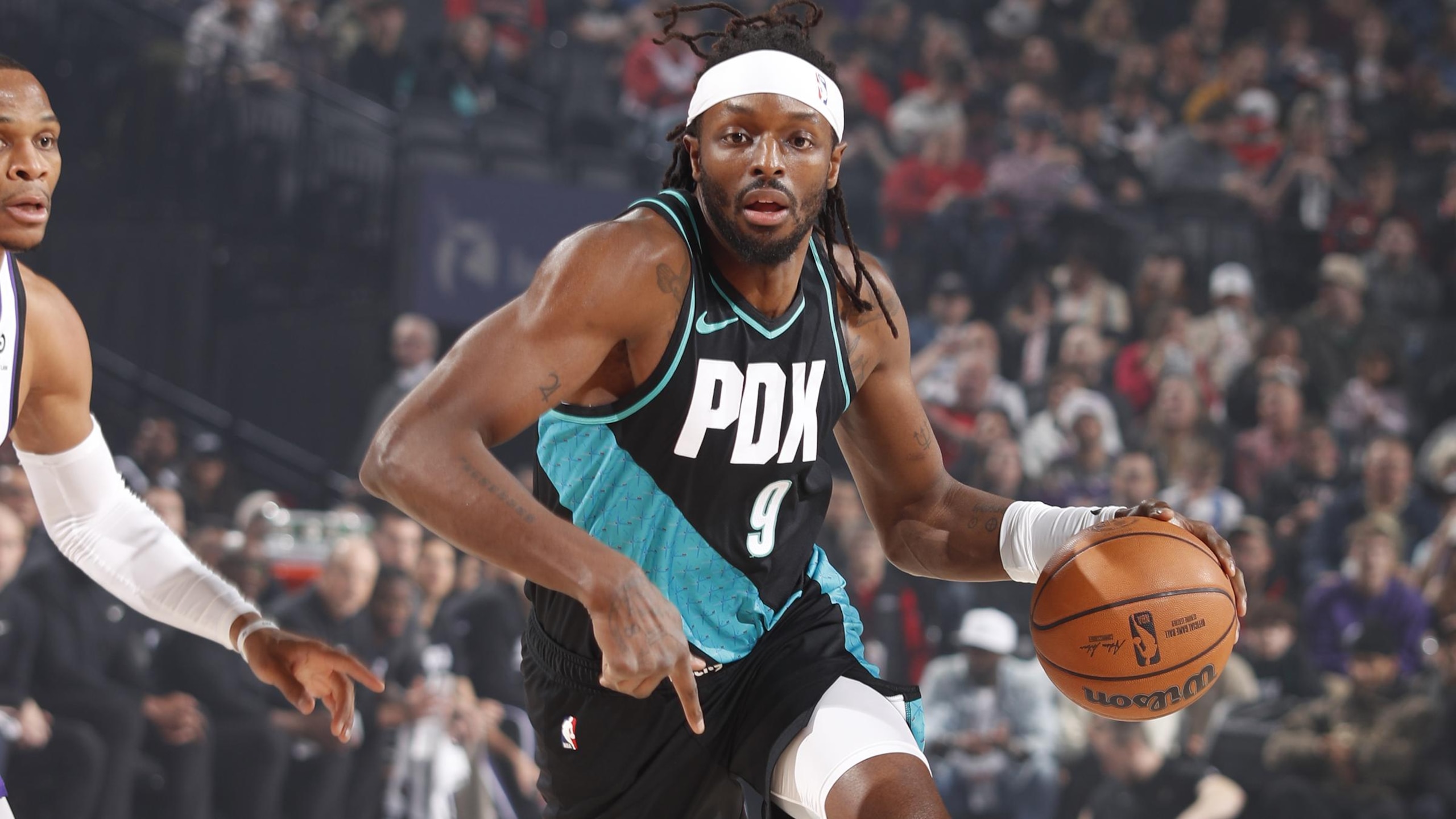
The Washington Wizards swung one deal to take on Khris Middleton at last year's deadline and another to acquire CJ McCollum prior to the 2025-26 season. They've since flipped McCollum (and Corey Kispert) for Trae Young, who won't play any time soon and whose long-term fit with the team remains iffy.
With the rebuild still in its infancy and the Wizards again near the bottom of the East standings, the current circumstances suggest the search for distressed assets should continue.
It's getting harder to find objectively bad contracts these days because teams are so careful about overpaying in the apron era, but Washington could put calls in to the Portland Trail Blazers on Jerami Grant or the Chicago Bulls for Patrick Williams.
The Wizards could even ask about Jrue Holiday while they're talking to Portland. He's on the books for almost the same amount through 2027-28 and could actually help stabilize a Washington defense that ranks 29th in the league—until he gets flipped in a subsequent move down the line.
Stats courtesy of NBA.com, Basketball Reference and Cleaning the Glass. Salary info via Spotrac.
Grant Hughes covers the NBA for Bleacher Report. Follow him on Bluesky and subscribe to the Hardwood Knocks podcast, where he appears with Bleacher Report's Dan Favale.
.jpg?w=2560 "Mahomes Told Teammate to Leave Meeting")
.jpg?w=2560 "🚨 Week 8 AP Top 25 Poll")

.jpg?w=2560 "Baker Gets Glove From Rays 🧤")

.jpg?w=2560 "Updates from EVERY NFL Game 🏈")
.jpg?w=2560 "NFL investigating Eagles")
.jpg?w=2560 "CFP Bracket After Week 8 🏆")