
Every Team's Top 3 Assets With NBA Trade Season Officially Here
Welcome to the unofficial start of NBA trade season, everybody. Let's mark the occasion by updating each squad's top-three assets as they prepare for negotiations leading up to the Feb. 5 deadline.
In order to rank every team's most appealing goodies, we will ask the same two questions that guided our trade-asset big board from earlier this season: What would each squad do if the NBA trade deadline were tomorrow? And relative to whether they are buying or selling, which players or draft picks would opposing teams inquire about first or be most attracted to in hypothetical negotiations?
Unlike last time, we will be including every player who is trade-eligible at some point this season. Most of the league is now available post-Dec. 15, but a handful of names can't be moved until Jan. 15 or later. We'll make notes on these dates where necessary.
Finally, these rankings are not meant to spotlight players who'd be available under a specific set of circumstances. The Atlanta Hawks, for instance, aren't moving Jalen Johnson unless it's for Giannis Antetokounmpo—and might not even part with him then. These big boards emphasize more broadly available names and draft picks.
Atlanta Hawks
1 of 30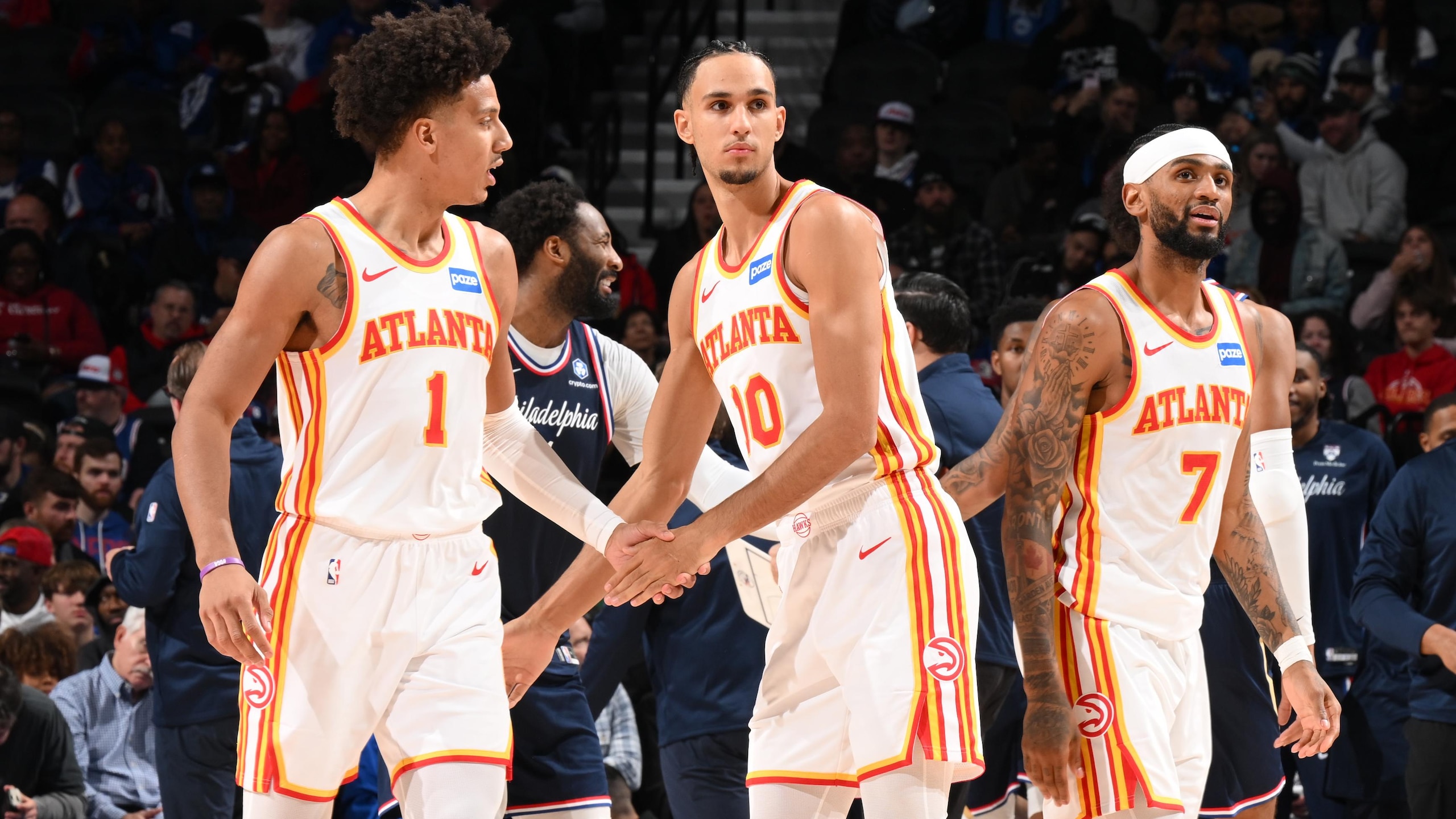
Buyers or Sellers: Buyers
Top Assets:
After giving up too much in the 2022 Dejounte Murray trade, the Atlanta Hawks have successfully restocked their asset armory—with plenty of, if not too much, help from the New Orleans Pelicans.
Few teams are better positioned to swing a blockbuster while still feeling great about the future. The bound-to-be 2026 New Orleans first-round pick is gold. That 2027 selection could also be a lottery selection if the Pelicans continue to be the Pelicans, and if the Milwaukee Bucks don't convince Giannis Antetokounmpo to stay past this season.
Risacher is sliding from the No. 2 spot in our earlier edition. He still holds more value than the expiring contract of Kristaps Porziņģis and probably carries more intrigue than Nickeil Alexander-Walker. But his uneven play and shooting this season are a potential red flag.
Boston Celtics
2 of 30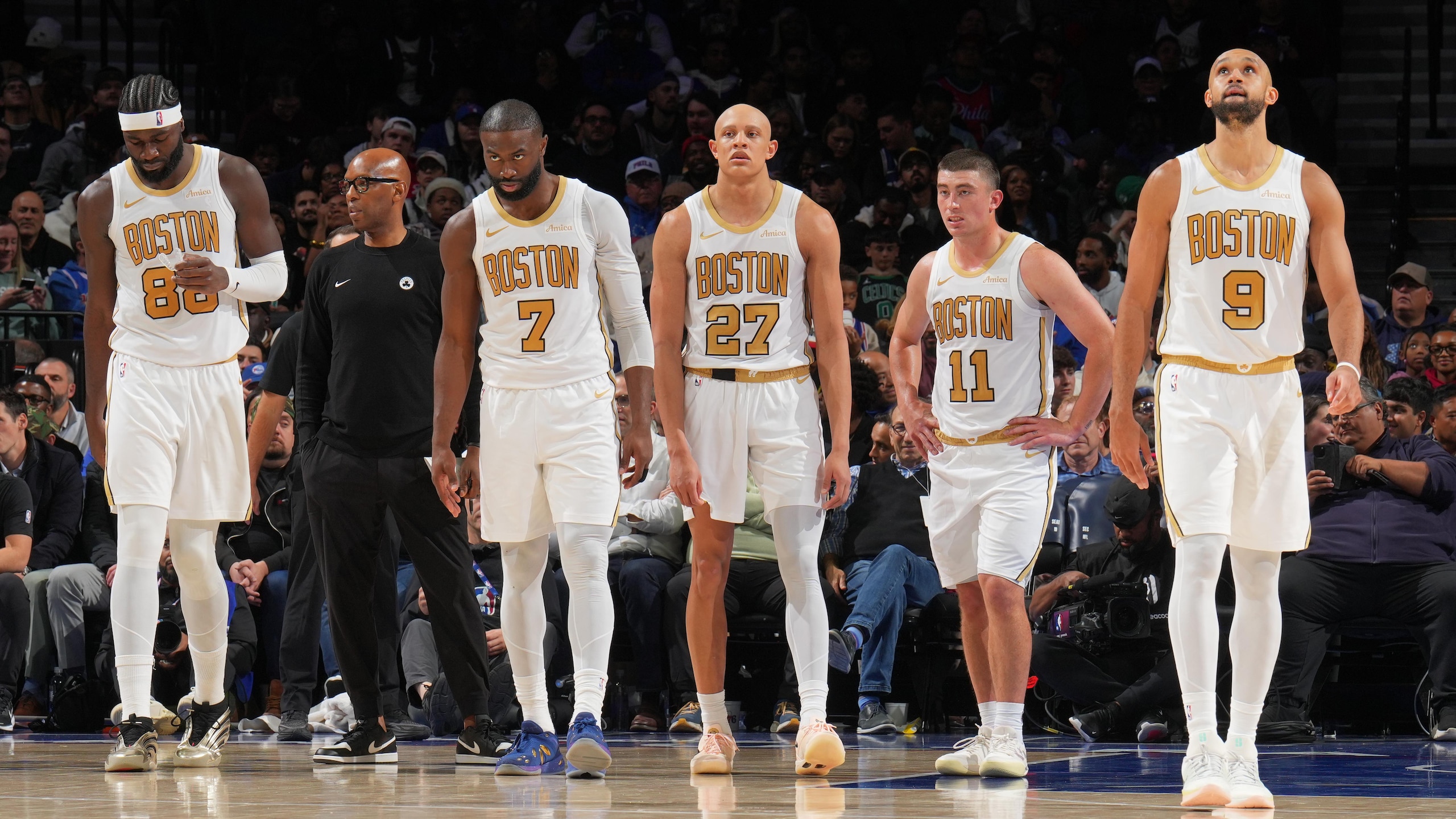
Buyers or Sellers: Sellers
Top Assets:
Whether the Boston Celtics will sell is officially debatable. Hovering around the top four in the Eastern Conference could change things.
It nevertheless feels like they'll look to duck the luxury tax, which requires shaving $12.1 million in salary. Contributing another year towards the repeater-tax clock doesn't make too much sense even if Jayson Tatum plans to return at some point this season.
Derrick White remains the hottest asset Boston employs if it's looking to load up the draft cupboard while knifing into operating costs. The Celtics should be able to get multiple first-rounders if they're willing to move him.
Pritchard is under contract through 2027-28 and will never earn even five percent of the salary cap. His meld of shooting, ball-handling, rebounding at his position and defensive effort is worth first-round equity as well.
Sam Hauser slips from the third and final spot thanks to some blasé shooting and a smaller role than expected. Walsh offers far more curb appeal as someone who is hustling his way to made threes and rebounds and can defend most positions on the floor.
Brooklyn Nets
3 of 30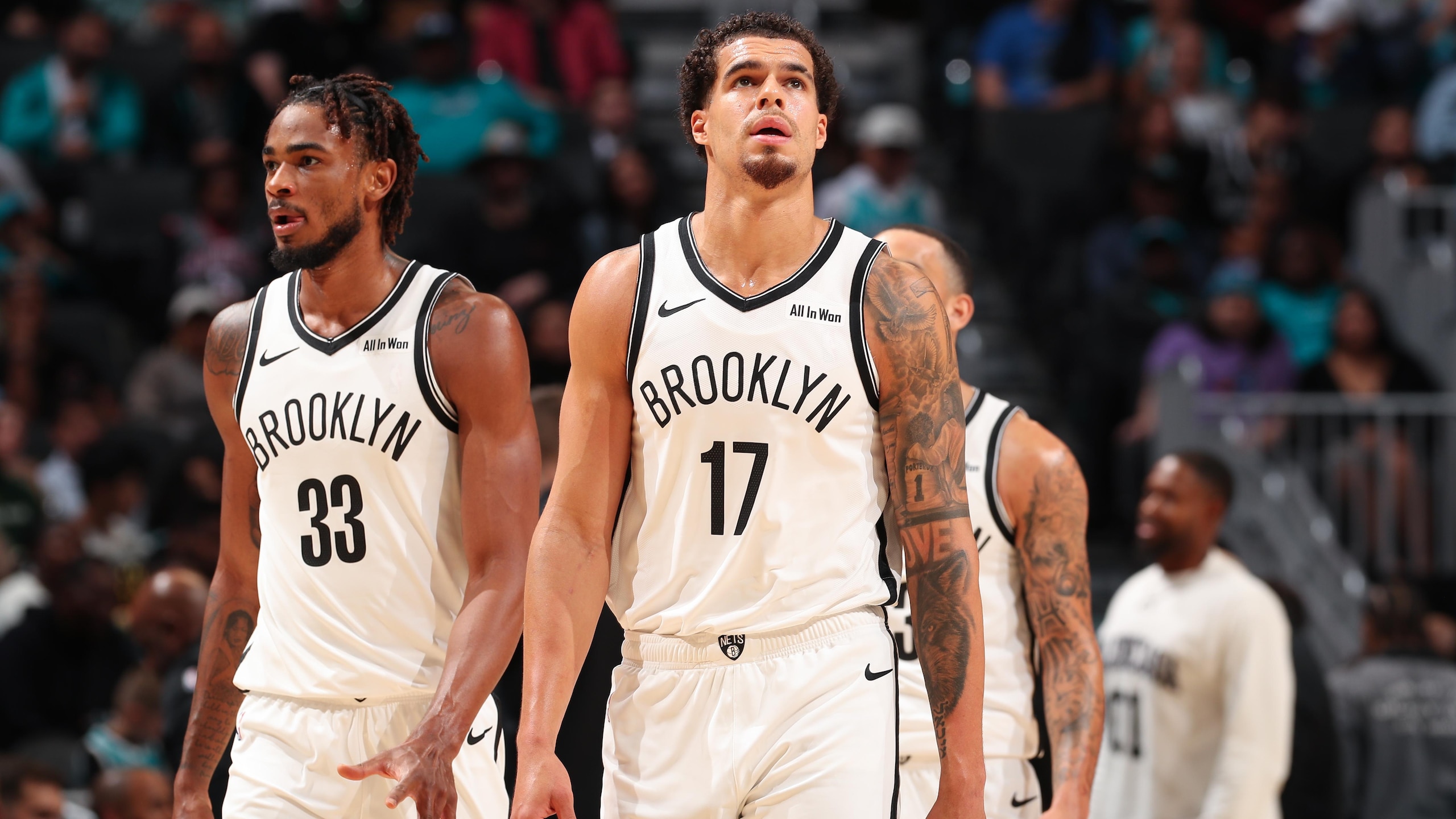
Buyers or Sellers: Sellers
Top Assets:
Pickings remain slim for the Brooklyn Nets after filtering out first-rounders and the rookies other teams would actually want.
Paying Porter $38.3 million this year and $40.9 million next season is not for everyone. On the other hand, a 6'10" deadeye shooter who fires off triples with absurd volume is for everyone. Especially when he's upped his self-creation. The relative short-termness of his contract works in service of upping his value.
The three years and $69.5 million left on Claxton's deal could function as a deterrent. But his ability to blow up plays on the defensive end is intact, including from the perimeter. And the playmaking element he's added to his offense is genuinely intriguing to teams.
Highsmith has yet to play while recovering from right knee surgery. That will scare off some squads. Then again, he makes less than $6 million and typifies the three-and-D wing archetype. Teams will be interested if he's on track to play at any point this season.

Charlotte Hornets
4 of 30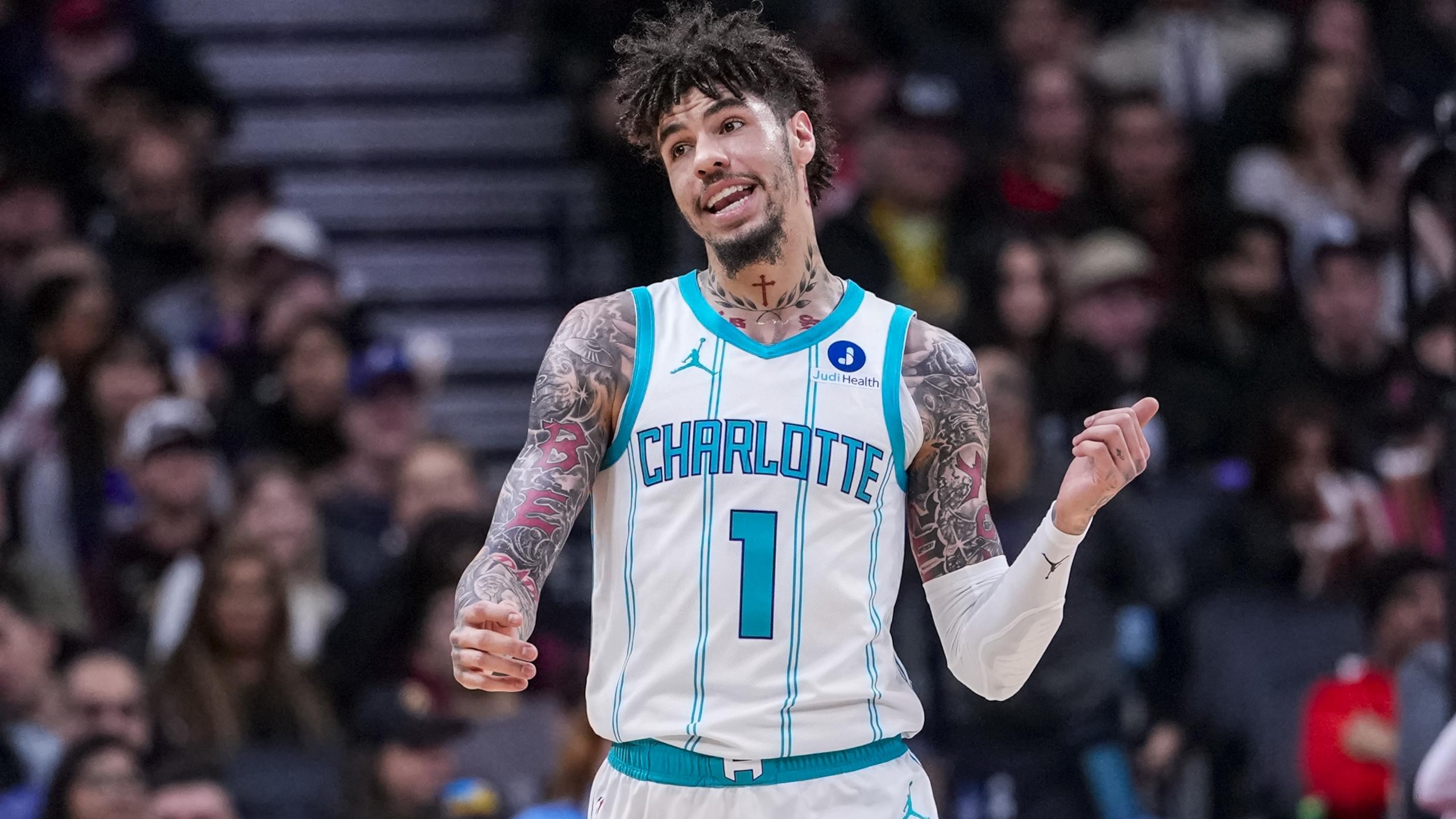
Buyers or Sellers: Sellers
Top Assets:
LaMelo escaped the first round of this exercise, but he won't be spared from this one.
Another ankle injury forces the Charlotte Hornets to ask some uncomfortable questions. They may decide moving him in-season won't adequately reflect his value, but even as an unreliable dice roll, he's their most attractive (realistically available) asset.
Putting the Heat's first-rounder on the table is counter-intuitive to Charlotte's big-picture mission. But it has two others picks in 2027: Its own, and the Dallas Mavericks' selection (top-two protection).
Flipping Miami's first-rounder could net distant picks with higher upside down the line from teams who need more immediate sweeteners to complete other deals.
Sexton is a multipurpose asset. His expiring contract can help teams lop off longer-term money, and his meld of shooting, driving and capacity to play off other ball-handlers renders him a legitimate needle-mover for win-now squads prowling the market for perimeter punches on offense.
Chicago Bulls
5 of 30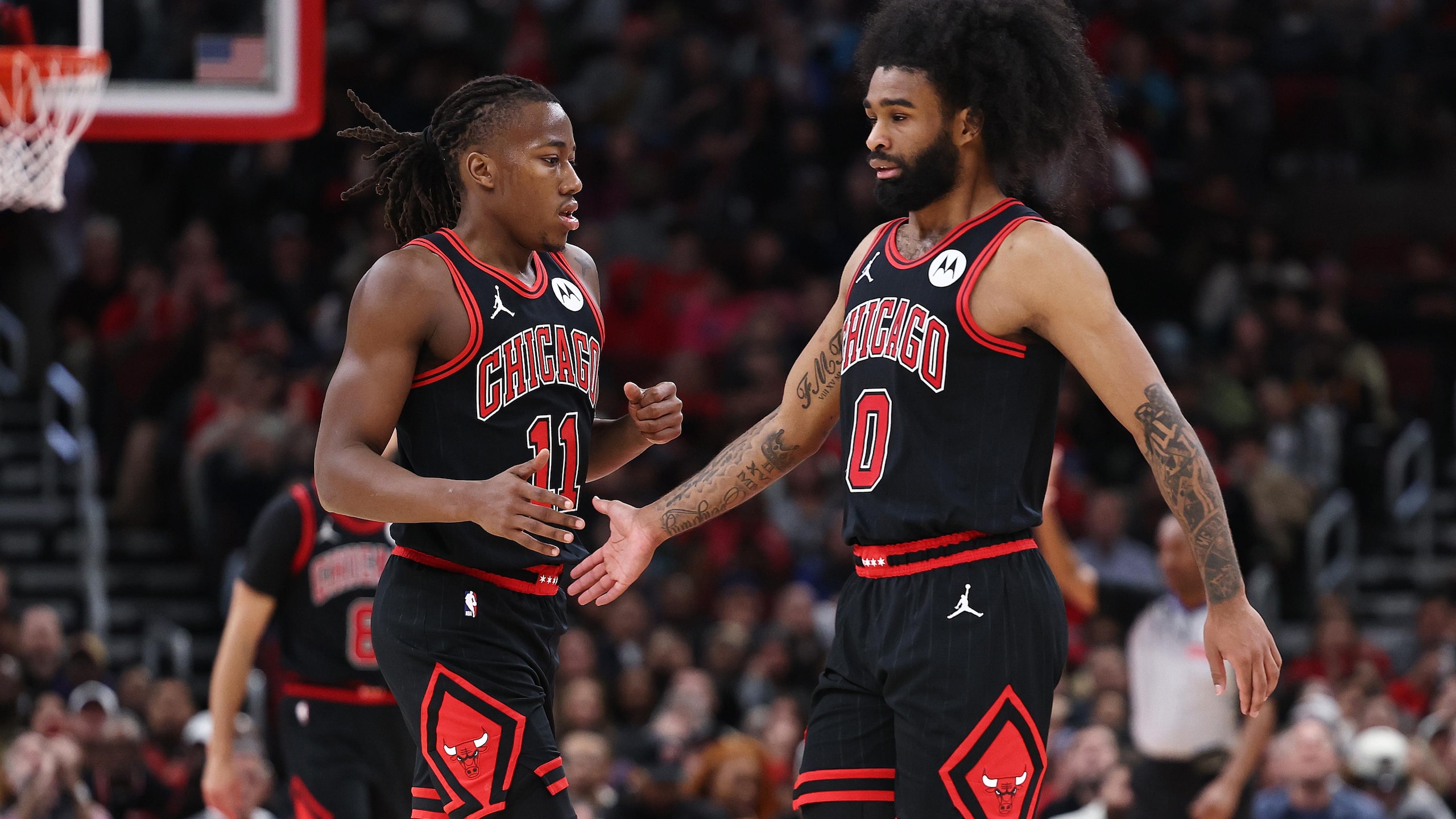
Buyers or Sellers: Sellers
Top Assets:
So much for the Chicago Bulls being surprise darlings. Since beginning the season 6-1, they have a bottom-three offense and bottom-10 defense. It's time to sell.
White's three-ball isn't falling at its usual clip, but he has a track record that's extensive enough to believe it'll come around. His capacity to toggle between on- and off-ball roles can make a real difference on a contender.
Dosunmu remains a pesky defender who has three-point touch and some downhill fuel on offense. If his contract wasn't expiring, he'd be the equivalent of a first-rounder.
Jones, recently made trade-eligible, has seen his three-point efficiency fall off after a scorching hot start but retains his on-ball composure and mid-range touch. He's an ideal name for any squad in need of a secondary floor general.
Cleveland Cavaliers
6 of 30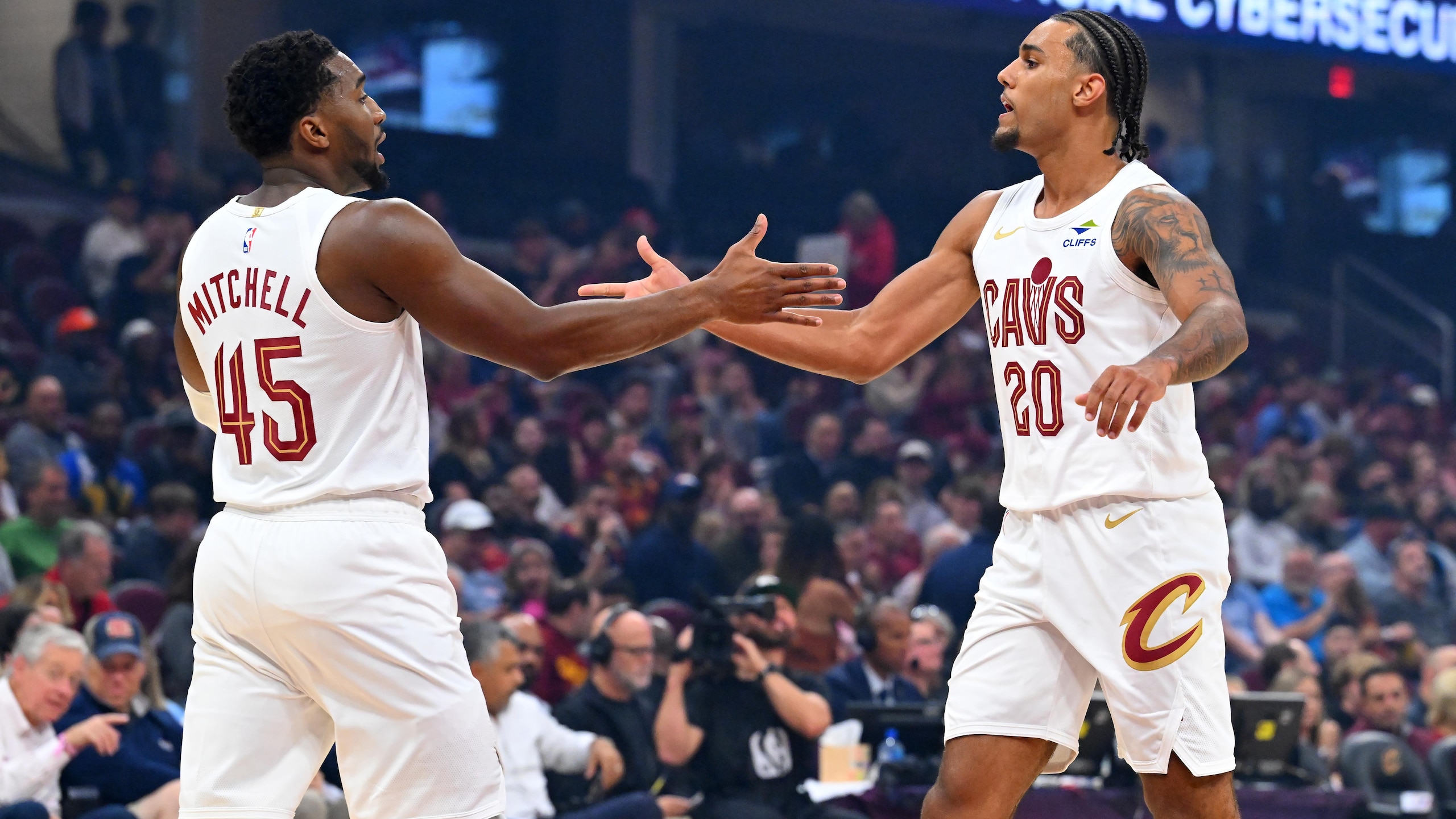
Buyers or Sellers: Buyers
Top Assets:
At some point, we may need to reevaluate whether the Cleveland Cavaliers need to make Darius Garland or Jarrett Allen available. We're not there yet. Realistically, if this team can ever string together a few weeks of relative good health, we'll never sniff that point.
For now, no team is more all-in on this season than the Cavs—financially speaking, anyway. They are the league's lone second-apron squad.
That inherently inflates the value of an already-valuable 2031 and 2033 first-round picks. Cleveland cannot aggregate salaries, but it can attach these selections to a single contract.
Tyson has immense value if you buy into his becoming the Jimmy Butler of Caris LeVert-Caleb Martin hybrids. His $3.5 million salary is infinitesimal, making any deal somewhat complicated. The Cavs can't take back more money than they send out, so they'd either be acquiring someone uber cheap or using Tyson to net first-round equity to facilitate a bigger-salaried move.
Dallas Mavericks
7 of 30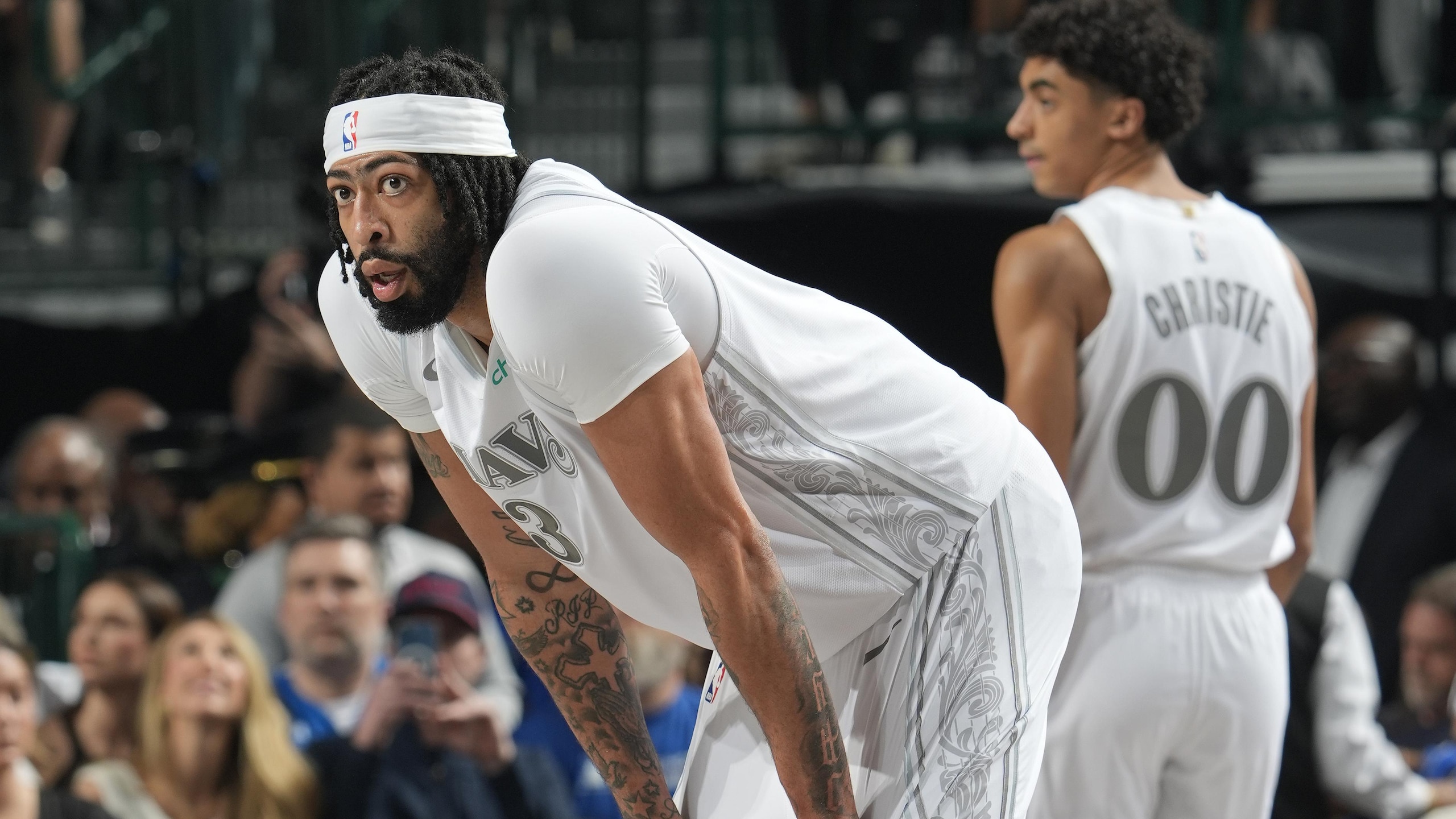
Buyers or Sellers: Sellers
Top Assets:
Oh, how times have changed for the Dallas Mavericks. The firing of Nico Harrison frees them up to escape their self-destructive hamster wheel of faux-buying and selling their butts off.
Scattershot offense (and availability) may detract from Davis' market value. He is worth more than anyone else the Mavs could realistically trade anyway.
Max Christie is the unchallenged No. 2—unless you believe Dallas won't part with a 22-year-old on a cheap deal. That's a fair stance to take. But he's slated for a big-time raise in 2027-28 (player option). If the Mavs can use him to lop off some bad salary and scoop up picks and/or prospects, it's worth a conversation.
The final spot comes down to Marshall and Daniel Gafford. Though the latter is under team control for longer, the former's defensive malleability and on-ball jet fuel should resonate with more potential suitors.
Denver Nuggets
8 of 30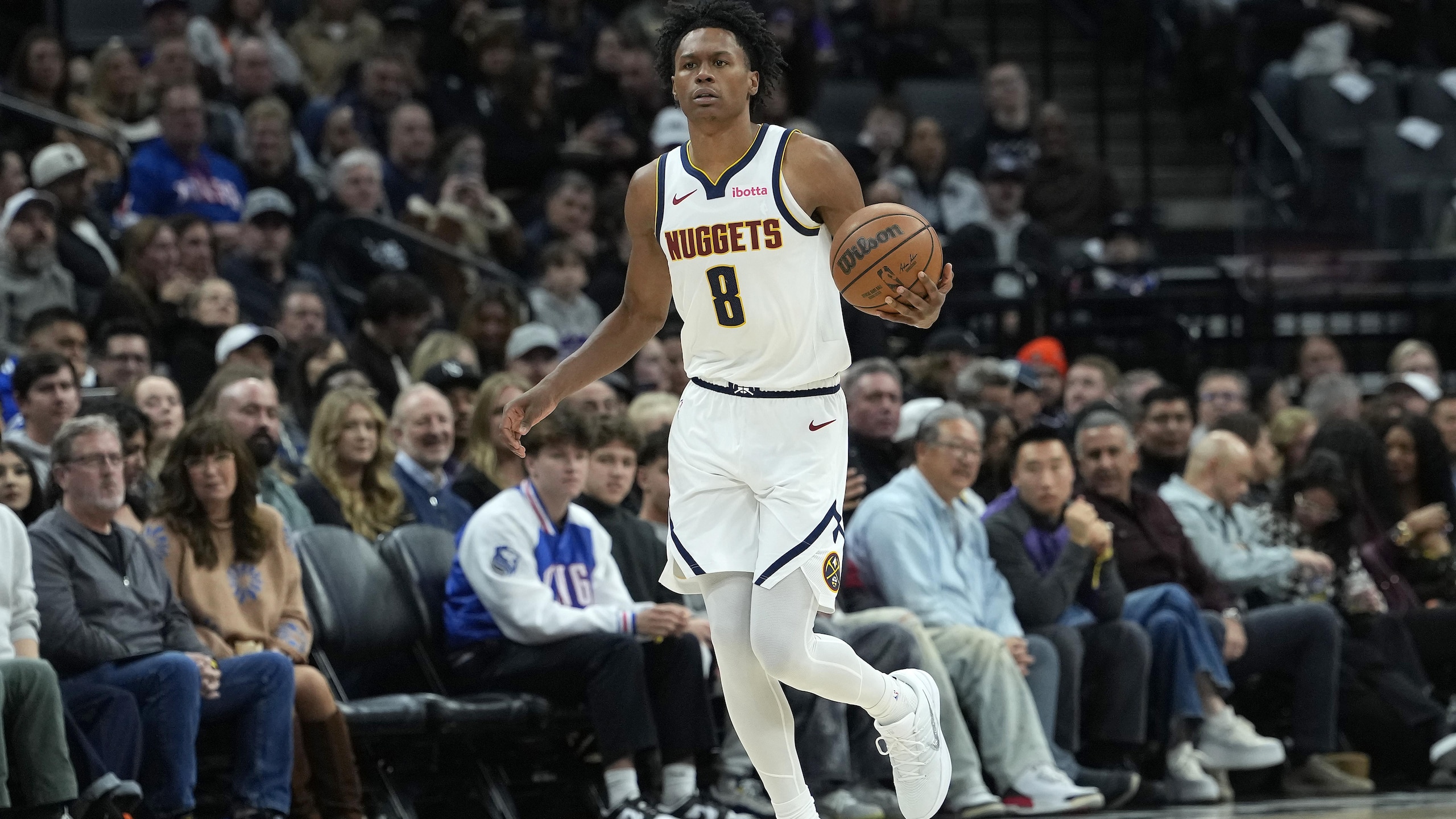
Buyers or Sellers: Buyers
Top Assets:
The Denver Nuggets do not have an outright first-round pick to peddle after sending their 2032 selection to the Brooklyn Nets in the trade that brought back Cam Johnson. Swaps are now their primary assets, particularly after Christian Braun signed an extension that renders him harder to move prior to the offseason.
Teams offering the right to exchange first-rounders bear an uncanny resemblance to that one person in your fantasy league attempting to justify why giving you a handful of their most underwhelming performers for your star stat-stuffer is actually a good idea. Denver is not going to nab a flashy acquisition with its swaps.
Watson could be higher on this list if he wasn't up for a new contract after this season and still an offensive mystery box. Though his uptick in three-point shooting helps, both the 2030 and 2031 drafts are far enough into the future for front offices to place a premium on their optionality over him.
Those swaps convey after Nikola Jokić's age-34 and age-35 seasons. Even if he ages well, the floor could fall out from under the Nuggets as their core either gets too expensive or ages out of contention.
Detroit Pistons
9 of 30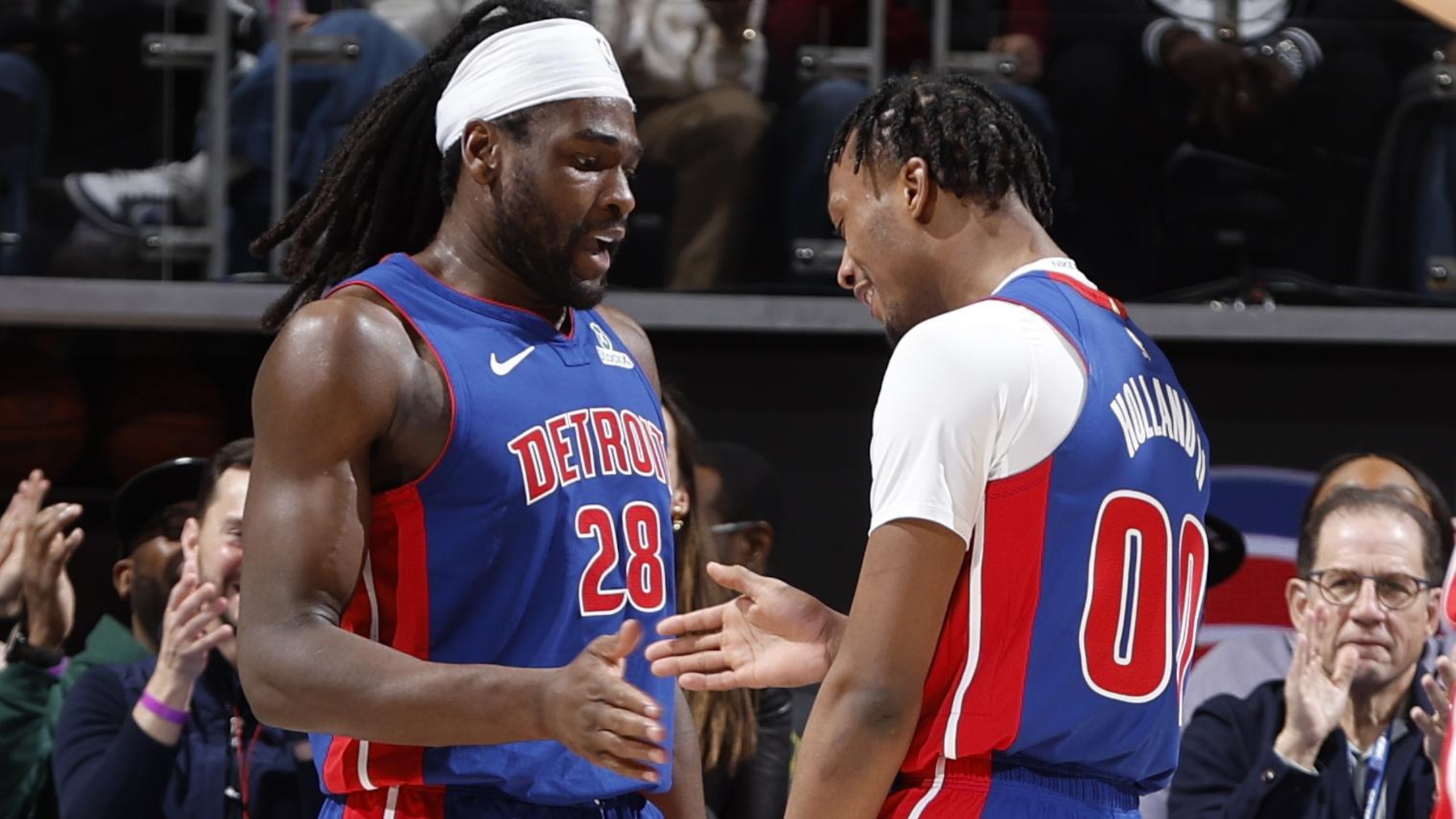
Buyers or Sellers: Buyers
Top Assets:
- Ron Holland II
- 2027 or later first-round picks
- Isaiah Stewart
Let's start with who isn't here: Ausar Thompson and Jalen Duren. Short of deciding to hit the Giannis Antetokounmpo button, the Detroit Pistons are officially too good to think about moving either of them.
Combine Holland's willingness to shoot with his live-dribble decision-making in transition, finishing, defensive disruption and a rookie-scale contract with two more years left on it, and you've got the team's most tantalizing asset.
Detroit should be good enough for its imminent draft picks to have limited value. But we need more information on this team before declaring it a playoff staple. With Duren and Jaden Ivey both headed for restricted free agency next summer, this is a squad that could run into more turnover and see the appeal of its post-2026 selections skyrocket.
Stewart is a defensive monster on a team-friendly contract who's taking threes again. If the Pistons are swinging for the fences on the trade market, his value far exceeds that of contract-year Ivey or Tobias Harris.
Golden State Warriors
10 of 30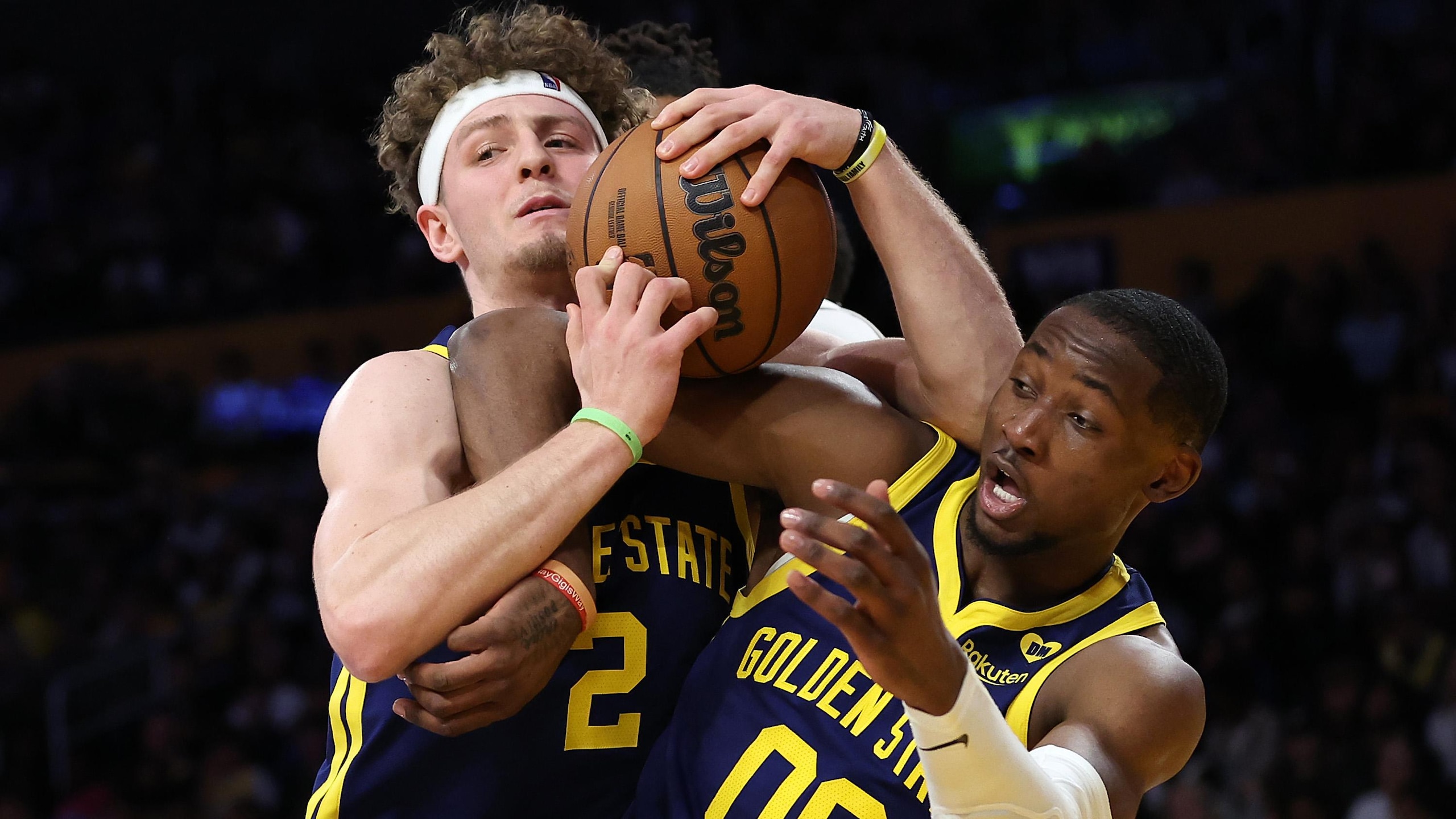
Buyers or Sellers: Buyers
Top Assets:
So...this is awkward.
Jonathan Kuminga's exclusion last time around was explained away by his trade eligibility, which doesn't kick in until Jan. 15. Weeks later, though, his role and production have spiraled even further, to the point where he's more valuable as an expiring contract (2026-27 team option) and as a theory than as a young player with upside.
Picks and Podz have to take center stage with Kuminga's utility in Golden State circling the drain.
Contracts for Stephen Curry, Jimmy Butler and Draymond Green are all slated to expire at the end of the 2026-27 season. Even if they all stick around, they'll be deep into their twilights.
Any Golden State Warriors first-rounders conveying thereafter are potential goldmines—so much so that the team's 2032 first-rounder is being treated as borderline untouchable for this exercise and thus excluded.
Podziemski has a case to be ranked above one of the picks. But while he's a does-bits-of-everything guard with an underrated three-point stroke, his extension eligibility next summer adds another wrinkle to the equation.
Houston Rockets
11 of 30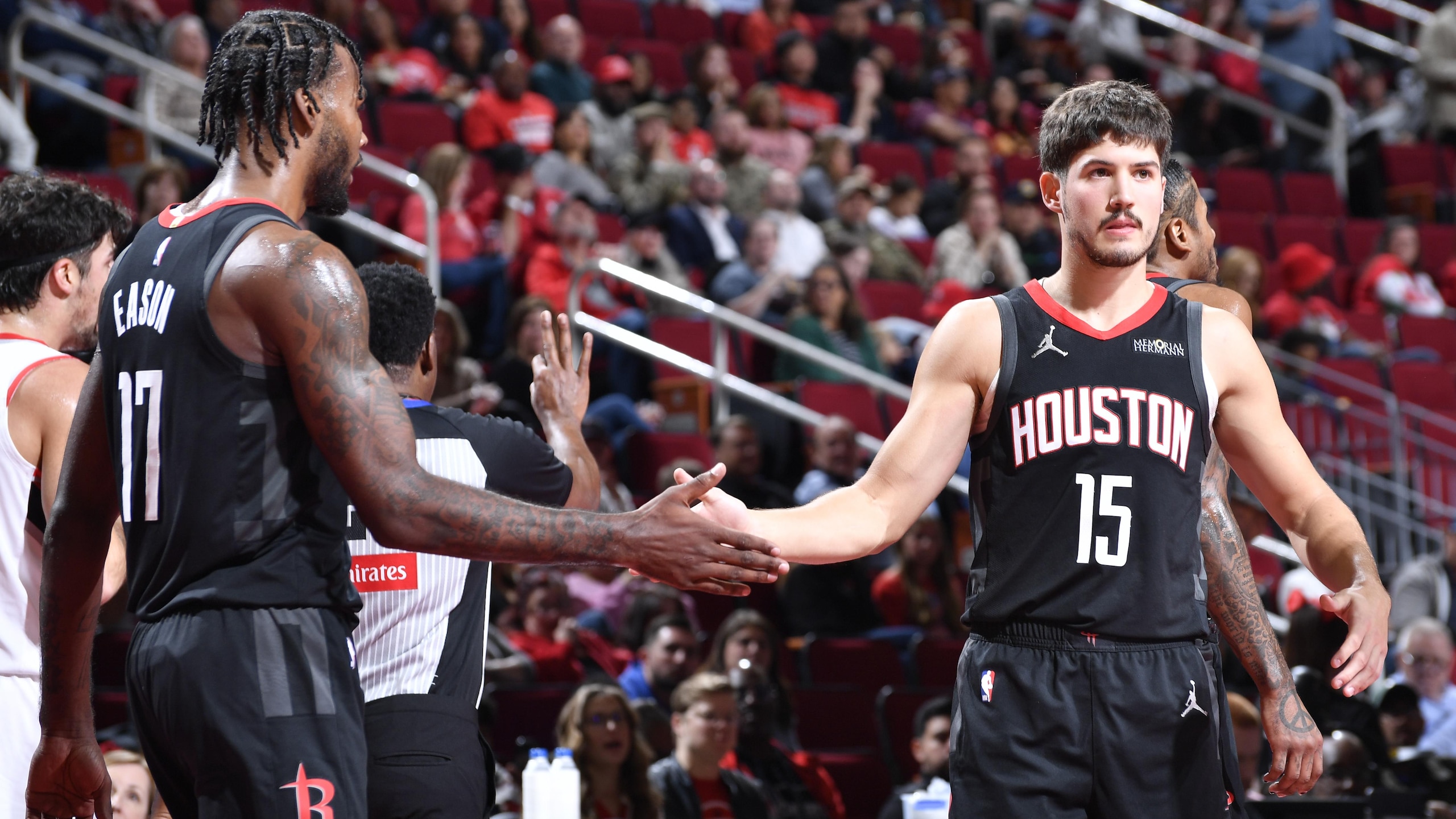
Buyers or Sellers: Buyers
Top Assets:
I am happy to report Reed Sheppard is unequivocally good enough to top this list. Unfortunately for teams selling off superstars, the Houston Rockets have no business considering him a trade asset.
"Untouchable" is a strong word, but his shot-making—which scales to lineups with limited star power—is not something they can afford to concede.
Tari Eason's exclusion is debatable. Combo wings who terrorize opposing offenses and hit just enough of their triples always carry immense value. He'd be more of a given if he was healthy, and if restricted free agency wasn't right around the corner.
More than anything, this is about the upside of Houston's draft stash. Plucky 2025-26 campaign in mind, the Phoenix Suns' future remains less than rosy. You can quibble over the order of 2027 and 2029. It's splitting hairs.
The Brooklyn Nets' 2027 first has a top-spot case. They're in the early throes of a rebuild, and the front office has gone about its starting-over business before without paying mind to pick obligations. But their own draft stash combined with plenty of cap space next summer gives them a shot, however unlikely, at meaningfully revamping their roster before the 2027 draft.
Indiana Pacers
12 of 30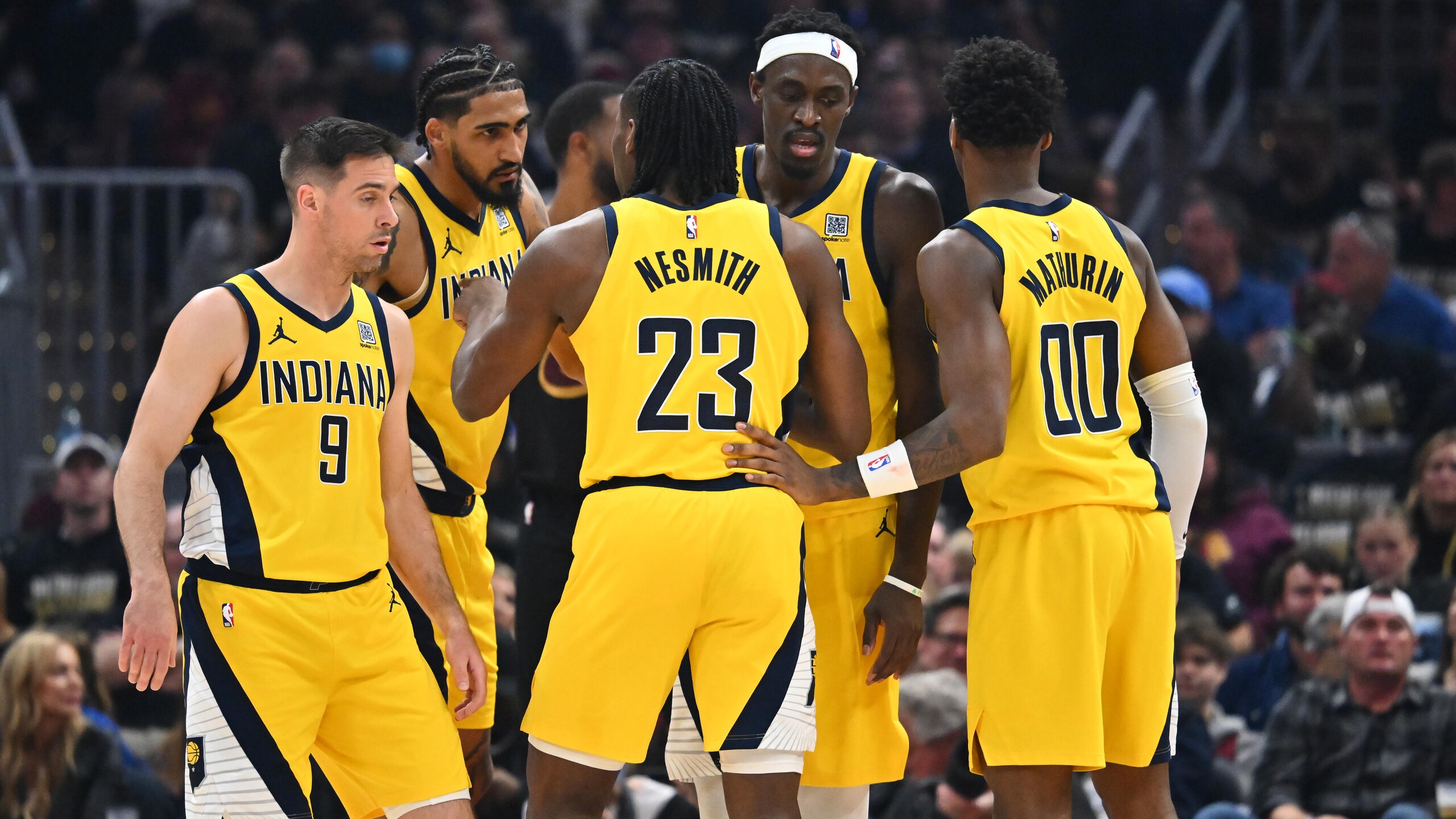
Buyers or Sellers: Sellers
Top Assets:
Unlike the Boston Celtics without Jayson Tatum, this season is a washout for the Indiana Pacers without Tyrese Haliburton. Given the fickleness of recoveries from torn Achilles, next year might be, too.
Returning to contention with both Hali and Siakam is clearly Plan A—and the preferred outcome. The front office would nonetheless be remiss if it didn't gauge the value of an All-NBA hopeful who turns 32 in April and could be 33 before the Pacers are ready to contend again.
Mathurin's inclusion is non-negotiable with a foray into restricted free agency on the horizon. His scoring arsenal is intriguing, and there might be a place for his cadence inside the fast and furious randomness with which Indy likes to play at full strength. The cost of keeping him fuels his expendability.
Walker slides into third place by default. If the Pacers are married to both Siakam and the recently extended Aaron Nesmith long-term, he's unlikely to move much further up the pecking order than he is now.
Depending on the day, you could talk me into Indy's 2027 first cracking the big board. It isn't giving up this year's pick. And frankly, dealing away next year's selection would be out of character, too. If they wanted to reel in someone who can be part of the longer-term program, though, that first carries real value.
Los Angeles Clippers
13 of 30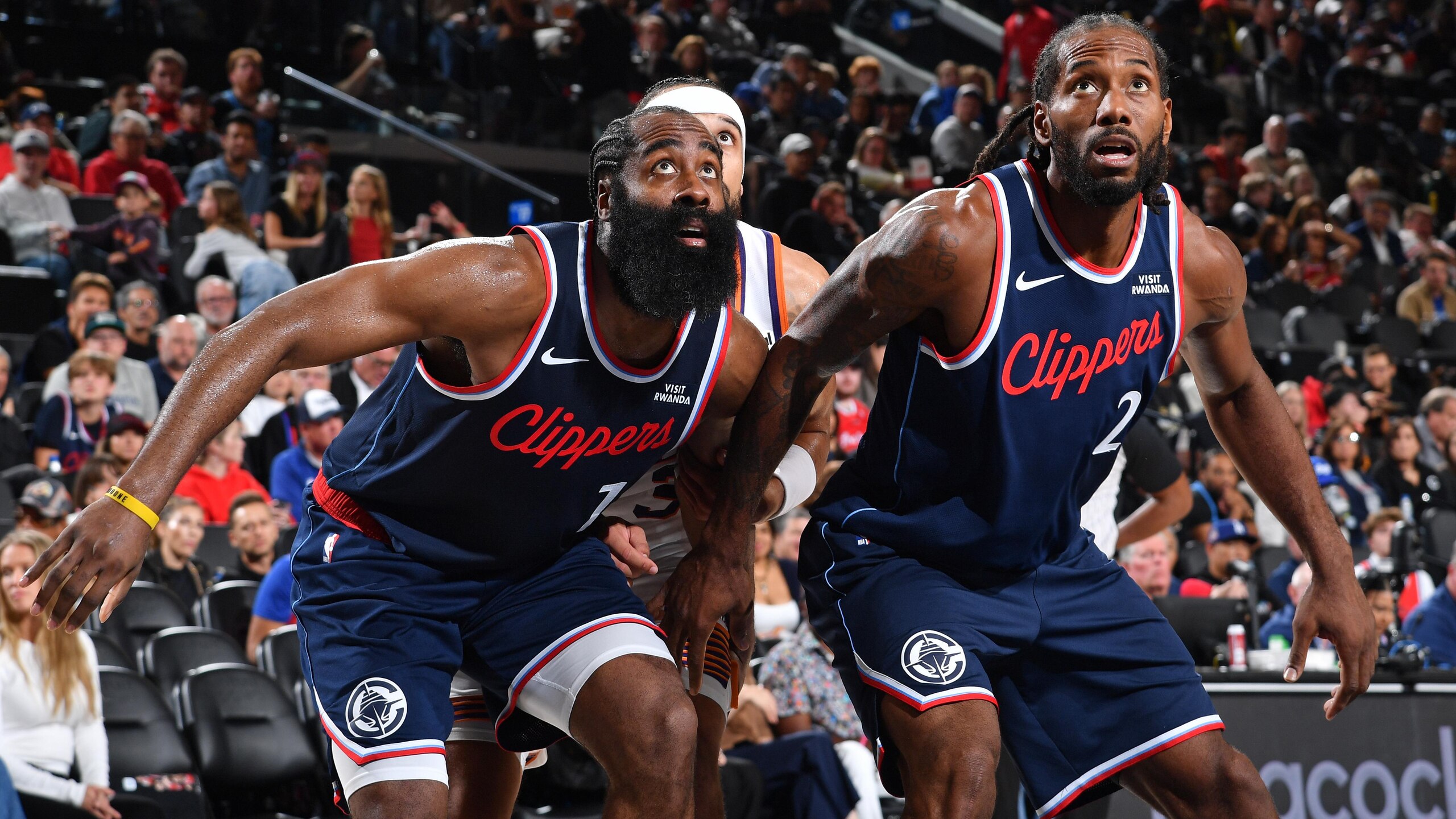
Buyers or Sellers: Sellers
Top Assets:
It's time to flip the script on the Los Angeles Clippers' season. They are going nowhere. They'd have been sellers last time around as well, if not for the fact that they don't control their own first-round pick again until 2030.
Los Angeles shouldn't care (too much) about that anymore. It should be looking to reorient its roster independent of the draft-pick obligations, the most painful of which may be the 2026 and 2027 selections controlled by the Oklahoma City Thunder.
Zubac should be able to net the rough equivalent of two first-round picks. The value for Harden and Leonard is more complicated. Harden remains an offensive system unto himself but isn't someone who can be plugged in anywhere. Leonard's availability is forever in question—as is his willingness to even report to another team.
Whatever. The Clippers should take what they can get, figure out how to duck the tax (which they're just under $7 million into) and carry on with their flexibility plans in the coming summers. If they even think about putting future first-rounders on the table, it better be due to them reacquiring their own 2026 and/or 2027 picks from Oklahoma City.
Los Angeles Lakers
14 of 30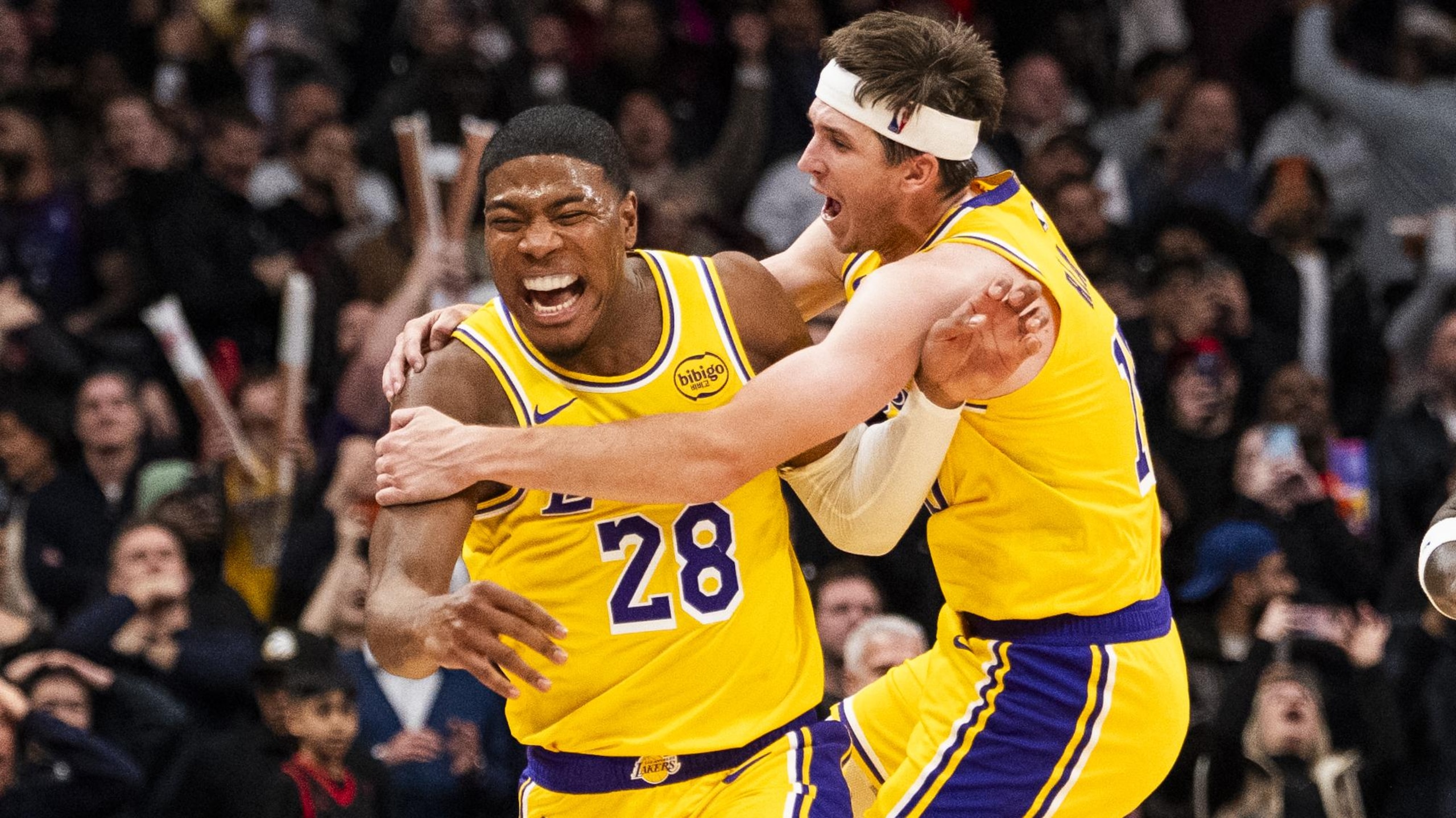
Buyers or Sellers: Buyers
Top Assets:
Ranking Reaves as an asset isn't problematic because he's "older," or because he's headed for free agency next summer (player option). It's difficult because the Los Angeles Lakers could be hard-pressed to upgrade from him.
Still, they already have Luka Dončić. Reaves can be considered dispensable if the right two-way force is coming back. If another team views his capacity to carry an entire offense as a king's ransom equivalent, the Lakers shouldn't be so quick to hang up the phone, even if they don't view LeBron James as central to the immediate future.
Throwing in the 2031 first is an easy call. Dončić is organizational stability unto himself, but six years is a long time. Anything can happen.
Actual debate ensues between Rui Hachimura, Dalton Knecht, Jake LaRavia and a 2032 first-round swap. The latter squeaked by last time around. But Hachimura is conveniently priced for salary-matching in trades and currently one of the league's most efficient complementary perimeter scorers. He gets the nod in large part because that efficiency holds up even when Dončić or Reaves is off the floor.
Memphis Grizzlies
15 of 30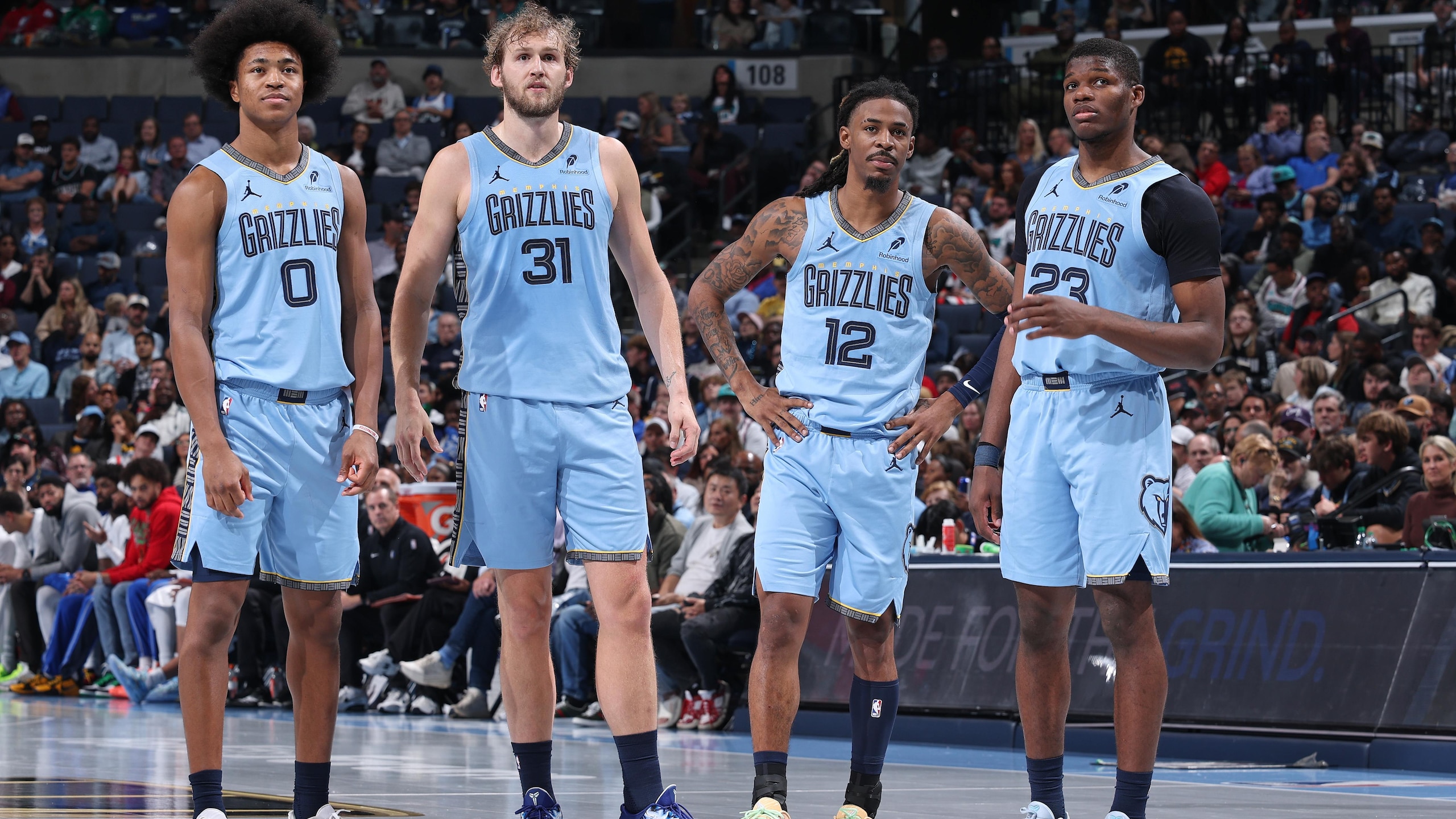
Buyers or Sellers: Buyers
Top Assets:
- 2026 first-round pick (it's complicated, but via Phoenix or Washington)
- Jaylen Wells
- Orlando's 2030 first-round pick
Hashing out the Memphis Grizzlies' top trade assets is finicky because their direction is hazy. They don't seem truly married to anyone other than Jaren Jackson Jr. and Cedric Coward. We'll leave Ja Morant off the board…for now.
Depending on how a labyrinth of obligations shake out, Memphis will either have the two best first-rounders from itself, the Phoenix Suns and Orlando Magic or itself, the Washington Wizards and the Magic. General managers will mortgage parts of their souls for a crack at a Suns or Wizards pick.
Wells has rebounded nicely on offense after a cold start to the year and continues to be a try-hard hard wing defender. It also helps that he's making pennies through next season.
Scotty Pippen Jr. or Zach Edey could snag the No. 3 slot…if either had played enough (or in Pippen's case, played at all). Cam Spencer deserves an honorable mention here, too. In the end, a distant pick from a Magic squad that may not be as well-positioned as we thought gets the green light instead.
Miami Heat
16 of 30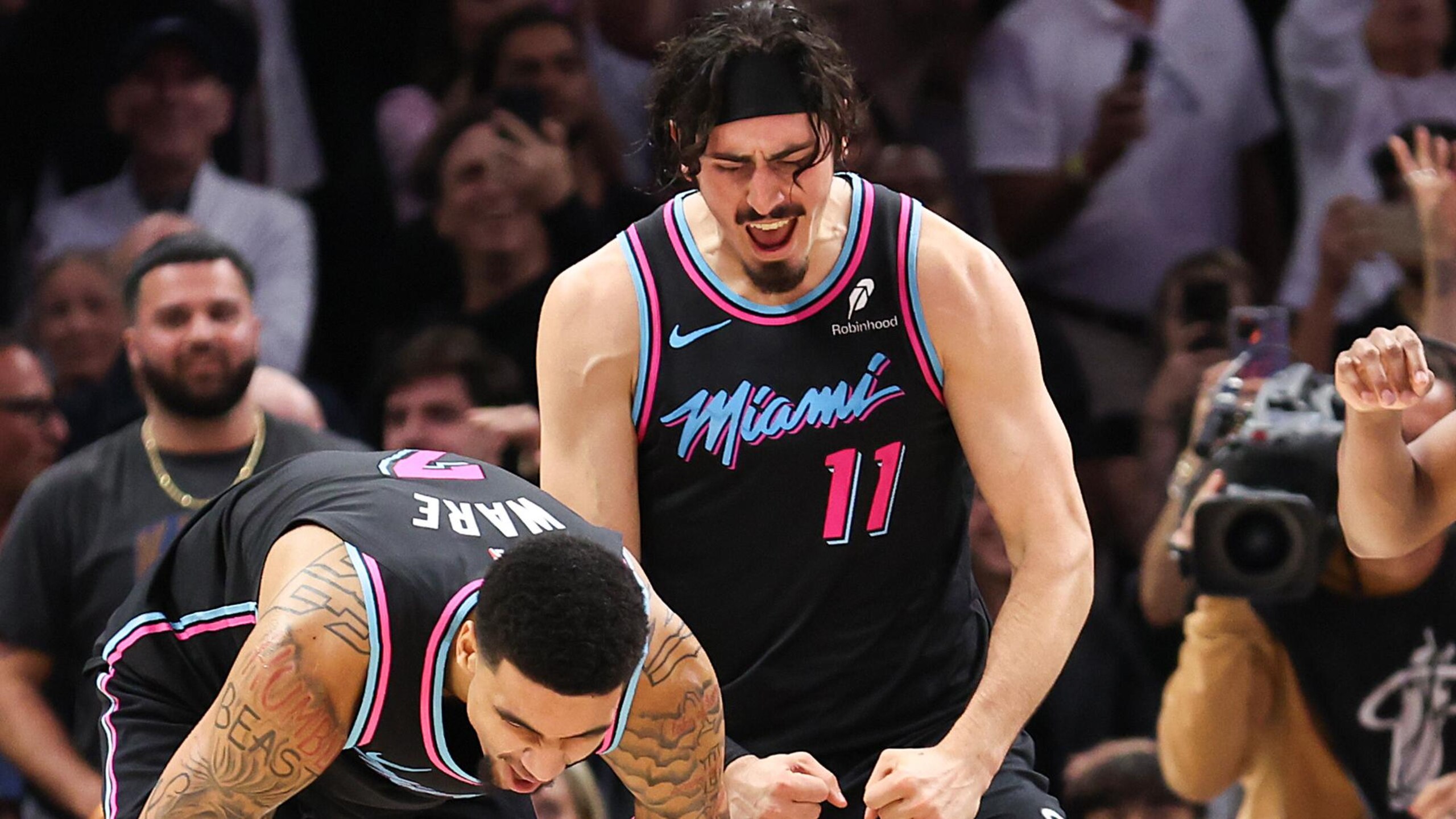
Buyers or Sellers: Buyers
Top Assets:
- 2030 first-round pick
- Kel'el Ware
- Kasparas Jakučionis
The Miami Heat can deal a 2029 first-rounder conditional upon next year's obligation to the Charlotte Hornets expiring. Kicking the can to 2030 allows them to guarantee the pick, and it probably has more upside unless you think they'll stumble into a superstar before then.
Ware officially looks more like an actual player rather than a tantalizing concept. His threes are falling, and the defensive instincts seem better. As an added bonus, he hasn't been aggressively called out by head coach Erik Spoelstra for months. Plural.
Bumping Kasparas Jakučionis off the board is tough. He is very much a mystery box after playing in just a single game, but he might be Miami's best passer.
Jaime Jaquez Jr.'s third-year renaissance is ultimately too strong to bounce for a stab in the dark. It remains to be seen how his game translates to a team that doesn't afford him endless agency on bullying drives, but his downhill juice is both a useful scoring and playmaking vessel.
Milwaukee Bucks
17 of 30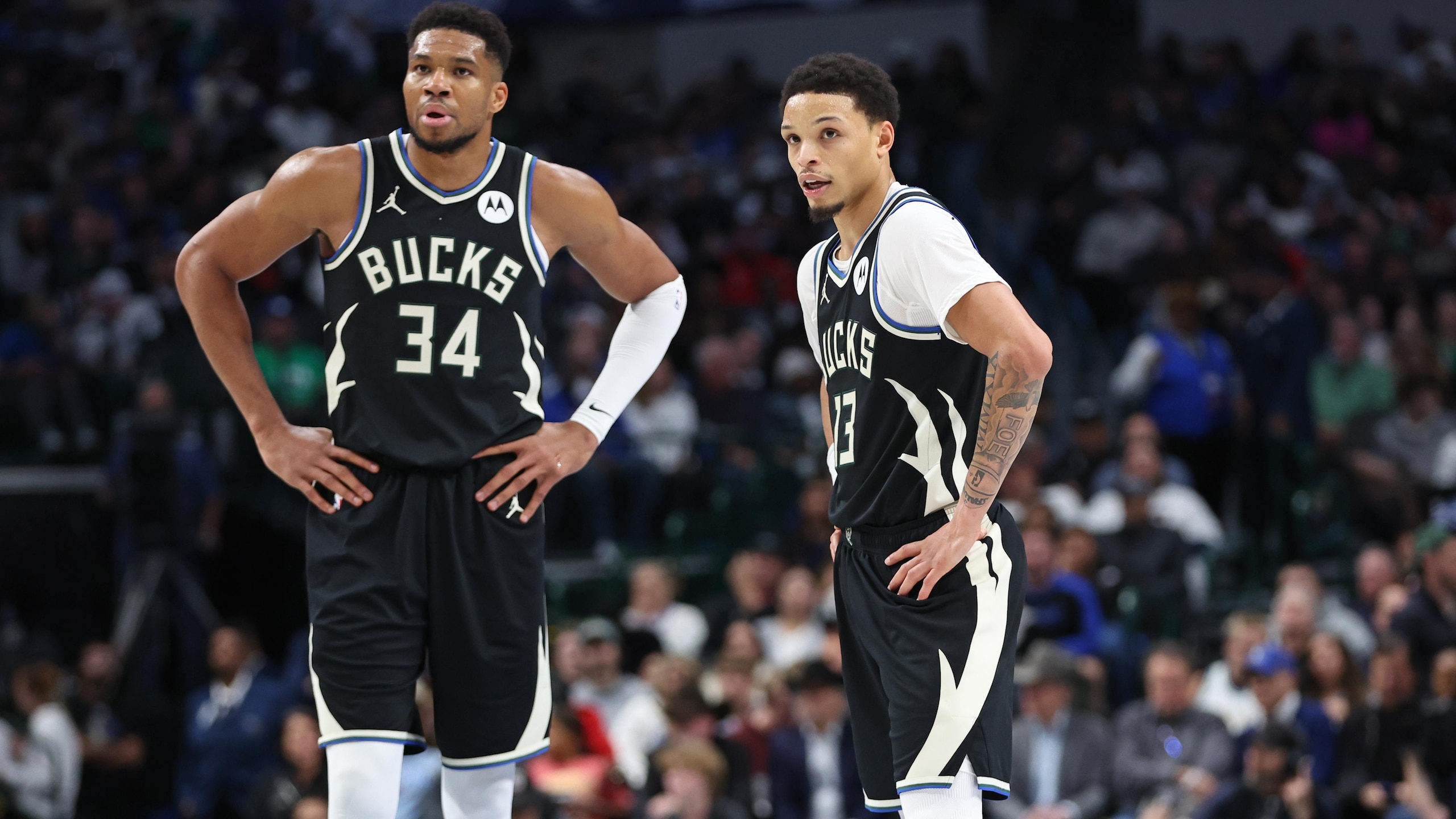
Buyers or Sellers: Buyers(?)
Top Assets:
Categorizing the Milwaukee Bucks as buyers is all sorts of uncomfortable. Until they decide to—or get forced into—moving Giannis Antetokounmpo, though, they're obligated to keep #goingforit. (Or do nothing and sell him on a gap year, but inaction isn't a consideration in Big Board Land.)
Milwaukee's draft picks speak for themselves. They'd have value even if you guaranteed Giannis stays put for the foreseeable future. He remains outstanding but is 31 years old. World dominance will not be his default setting forever. (Also: You can't guarantee he'll stick around for the foreseeable future.)
Ryan Rollins has established himself as the Bucks' second-best player—a plug-and-play force who can hit some ridiculous shots, orchestrate the offense in certain pockets and defend his derrière off. Multiple sources say that type of player is pretty valuable.
Milwaukee shouldn't actively be looking to offload a 23-year-old making $4 million. But if it's planning to make a last-ditch big swing to keep Giannis, Rollins is by far its most attractive non-draft asset. Plus, with a player option for 2027-28, he's only cost-controlled for another season.
Minnesota Timberwolves
18 of 30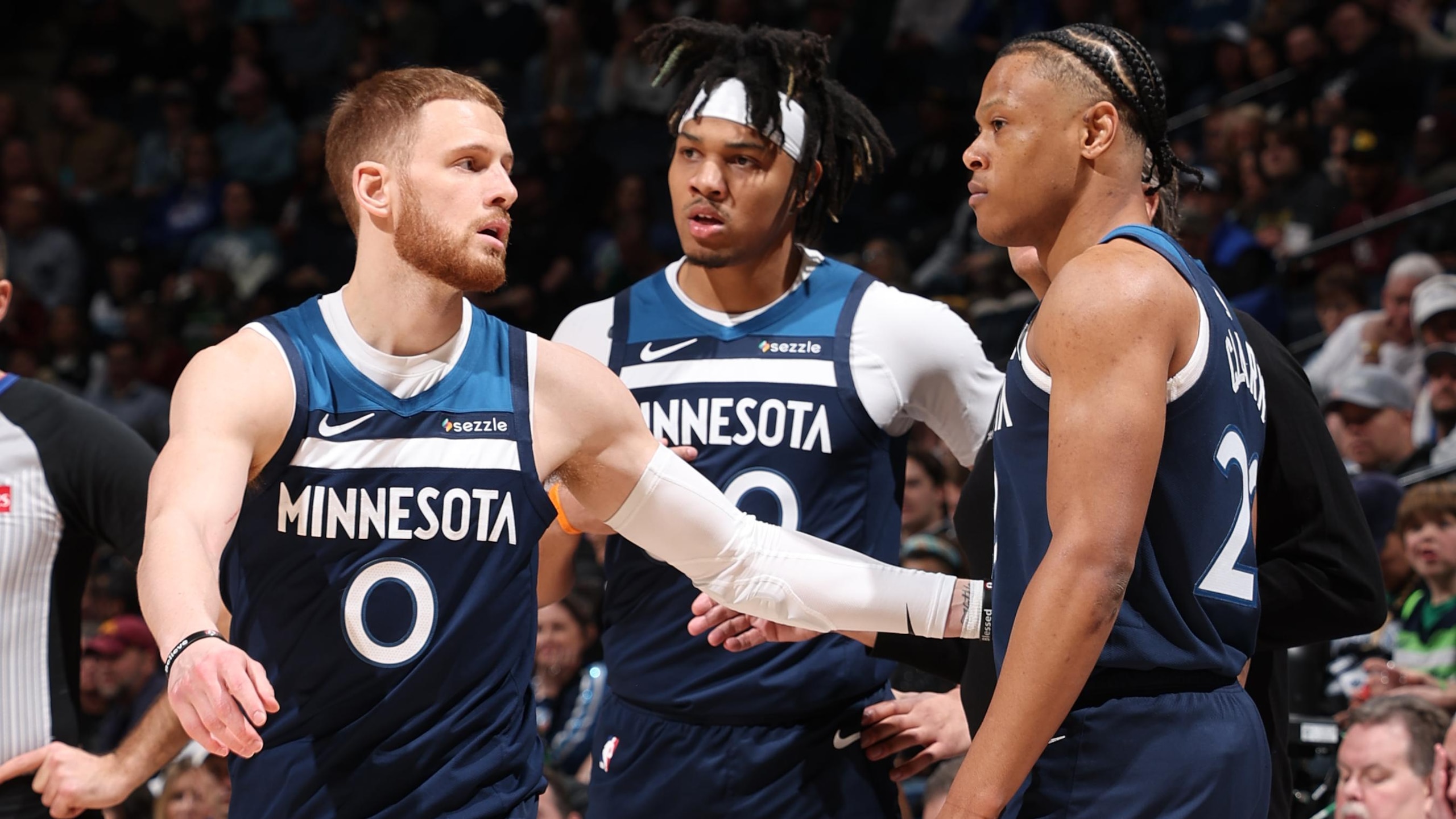
Buyers or Sellers: Buyers
Top Assets:
Rob Dillingham's absence from this shindig is noticeable—and panic-button worthy. Them's the breaks when you're an eighth overall draft pick who has fallen behind Bones Hyland and Jaylen Clark in the rotation.
Swaps get overromanticized, and Anthony Edwards is young enough that 2032 falls smack dab in the middle of his prime. Looking at the bigger picture, though, the Wolves don't have a lot more in place than him and McDaniels. Distant swap rights will capture other teams' attention.
DiVincenzo's volume movement and outside shooting continue to stand out. He is not as efficient or consistent as you'd like, but at $12 million this year and $12.6 million next season, he's closer to a bargain than market value. If the Wolves are serious about meaningfully upgrading the ball-handler reps behind Edwards, DiVincenzo is the player- and salary-type best equipped to do it.
Shannon isn't having the full-fledged breakout many forecasted. That detracts from his appeal a tad. But a 25-year-old who's provided glimpses into bulldog defense, three-point shooting and purposeful drives, on a cost-controlled contract through 2027-28, is bound to incite plenty of interest.
New Orleans Pelicans
19 of 30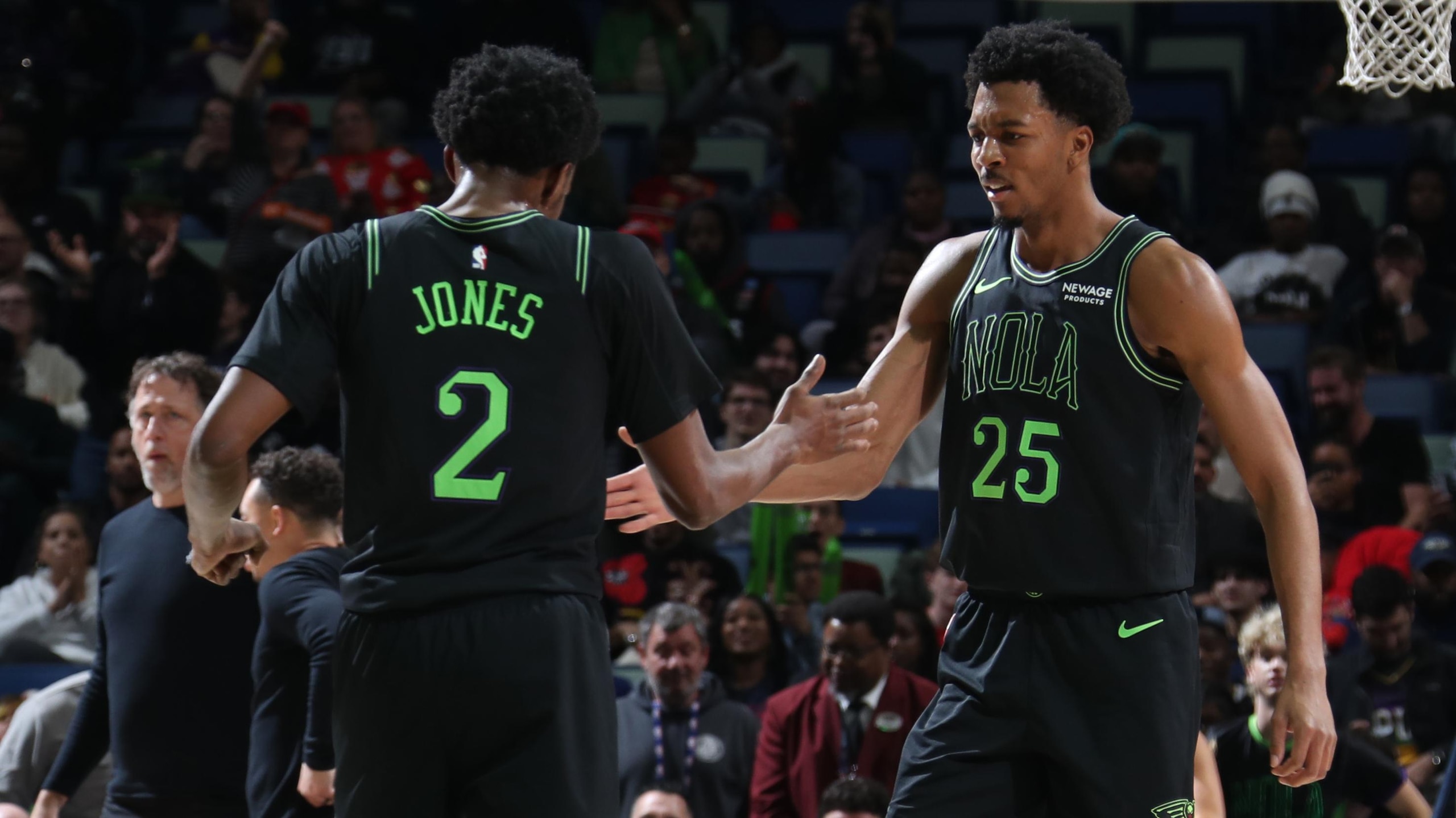
Buyers or Sellers: Sellers
Top Assets:
Congratulations to the New Orleans Pelicans for warranting a full-on rewrite. They continue to be run with minimal self-awareness and fan consideration, but transitioning from Willie Green to James Borrego on the sidelines is nothing short of a functional rejuvenation.
None of which changes New Orleans' outlook. It needs to rank among the mothers of all sellers.
Zion's talent alone could slingshot him up to the No. 1 spot. It won't. The roller coaster of availability is too damning, and his play style isn't necessarily conducive to every type of offensive system or hierarchy.
Murphy's trade value is higher. He fits everywhere and will never make even 17 percent of the salary cap through 2028-29.
We also need to stop pretending as if Murphy should be untouchable. He is a 25-year-old non-star on an excellent contract who will be 30 and on a not-as-team-friendly contract by the time these Pelicans are ready to do anything other than toil in obscurity again. They aren't beholden to moving him, but altogether taking him off the table would be hilarious self-sabotage.
Go ahead and bid farewell to the choose-your-own-adventure license with the third spot. Herb Jones is trade-eligible Jan. 14, and his value easily outstrips that of Jose Alvarado, Saddiq Bey or Yves Missi.
New York Knicks
20 of 30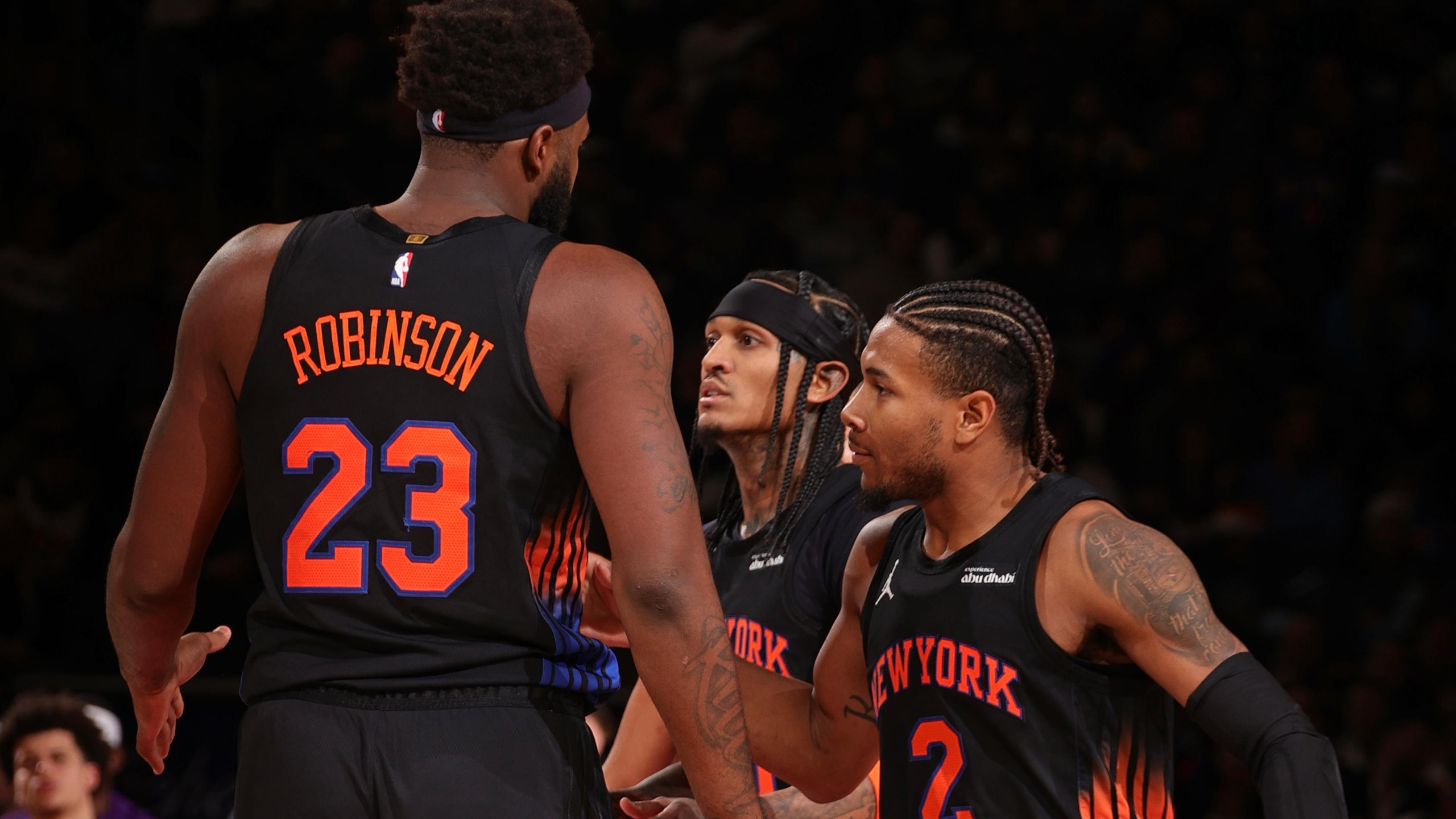
Buyers or Sellers: Buyers
Top Assets:
Trade assets are few and far between for the New York Knicks...still.
None of their youngsters are especially desirable, and they can't promise an outright first-rounder. The three players who would draw the most interest—Jalen Brunson, Mikal Bridges, OG Anunoby, Karl-Anthony Towns—aren't going anywhere short of Giannis Antetokounmpo falling into New York's lap. (Bridges also can't be dealt until Feb 1.)
Josh Hart's offensive turnaround renders him more desirable to the outside world. Again, though, this is someone who probably gets filed under the "Not going anywhere unless it's for Giannis" category.
This leaves the Knicks with distant first-round swaps and McBride, a feisty three-and-D guard who can't run the offense but earns just $4.3 million this season and just $3.9 million next year.
Argue the case for Mitchell Robinson if you please, but turbulent availability and (until recently) lackluster defense makes him a tough sell.
Oklahoma City Thunder
21 of 30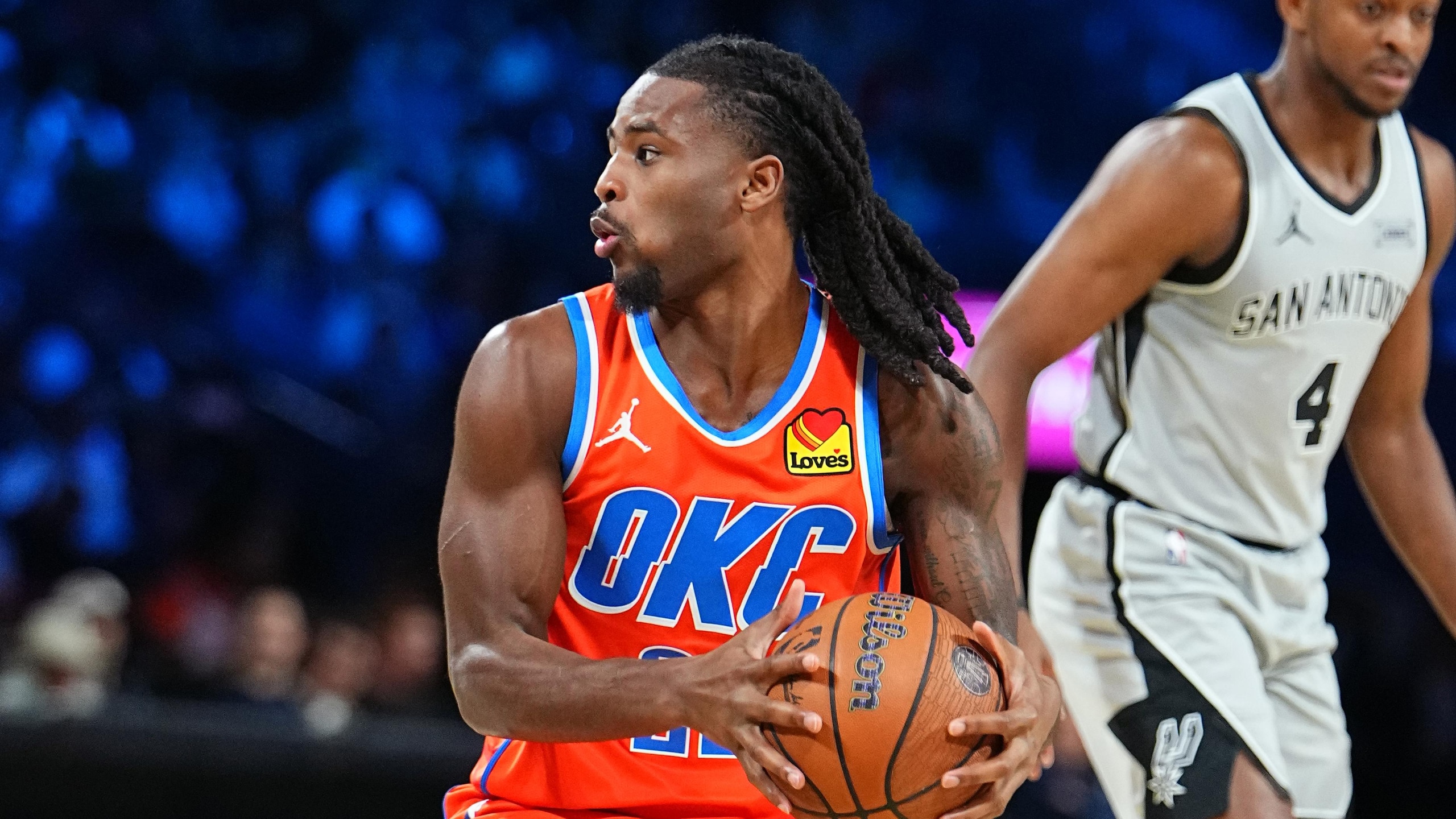
Buyers or Sellers: Buyers
Top Assets:
In the interest of transparency, here's how I opened up the section on the Oklahoma City Thunder earlier this season: "Believe it or not, Oklahoma City is no longer sitting on the most tantalizing future first-round stash. You'd have to believe in the Philadelphia 76ers or Los Angeles Clippers imploding this year or next."
Those Clippers picks have mutated into crown jewels. The Thunder probably shouldn't trade them for anything other than...more Clippers picks.
Cason Wallace edges out the Dallas Mavericks' 2028 first-round pick despite his extension eligibility coming up. He is a defensive menace who routinely punches above his height and weight and among the league's most valuable non-stars when the three-ball is falling—which it's doing right now.
Orlando Magic
22 of 30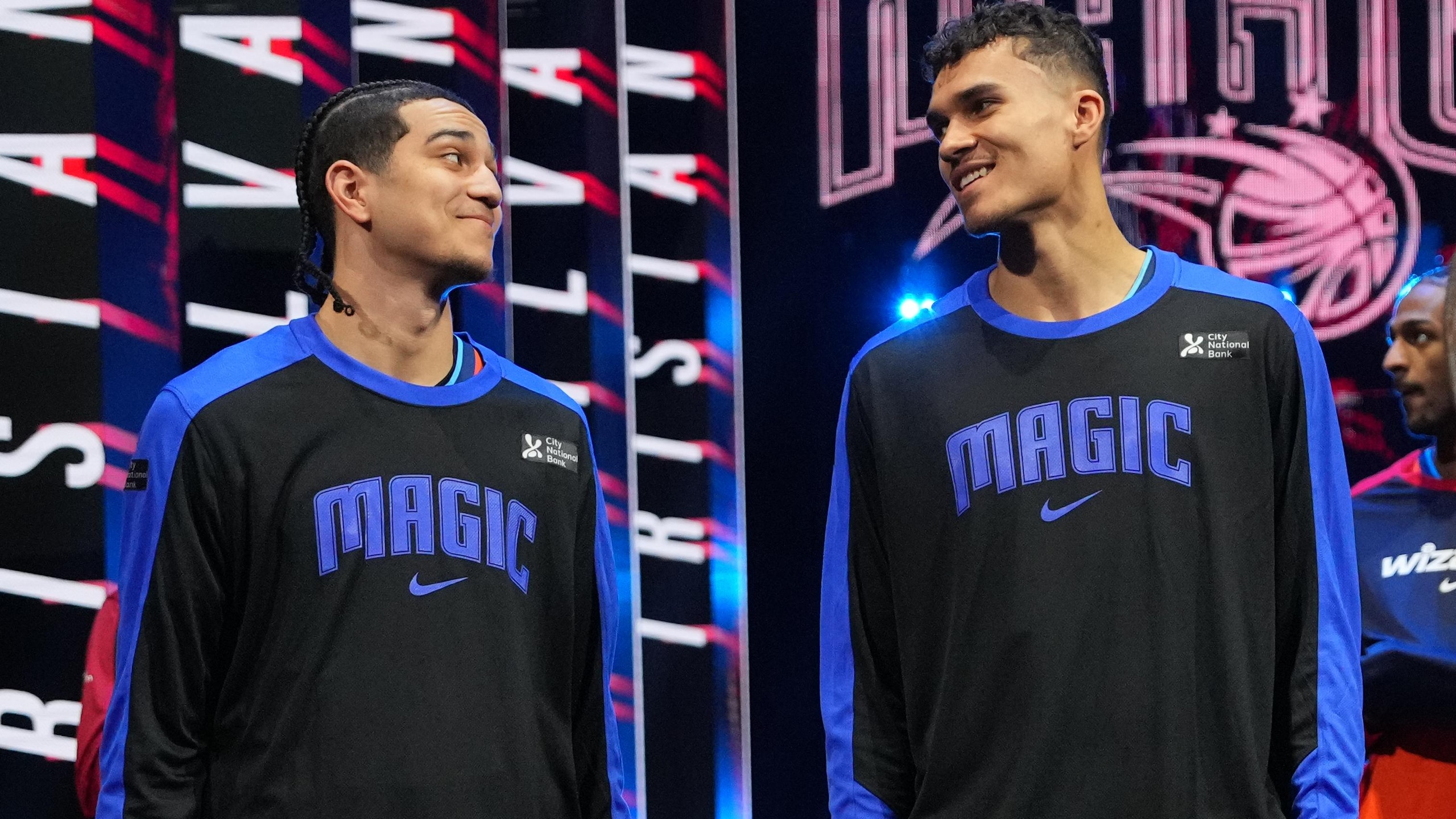
Buyers or Sellers: Buyers
Top Assets:
Going close to all-in on Desmond Bane has boosted the Orlando Magic's urgency and the value of their only tradeable first-rounder.
Paolo Banchero and Franz Wagner are young enough to anchor an extended window, but they need to hit and sustain their highest-percentile outcomes. And then Orlando needs to keep bankrolling a supporting cast around them.
Black is getting promoted from the No. 3 slot in the last edition. He will likely never be able to run an NBA offense full-time, but he moves well without the ball and has shot well from the corners for most of his career. His on-ball navigation and decision-making looks more fluid than ever, and the defense is main-attraction material—equal parts exhaustive, physical, disruptive and rangy.
Da Silva has quietly established himself as a rotation player on a team with deep-playoff aspirations. A 6'8" wing, he holds his own defensively, doesn't let the ball stick and looks more comfortable this year getting off threes. Having another two years on his rookie scale is the cherry on top.
Philadelphia 76ers
23 of 30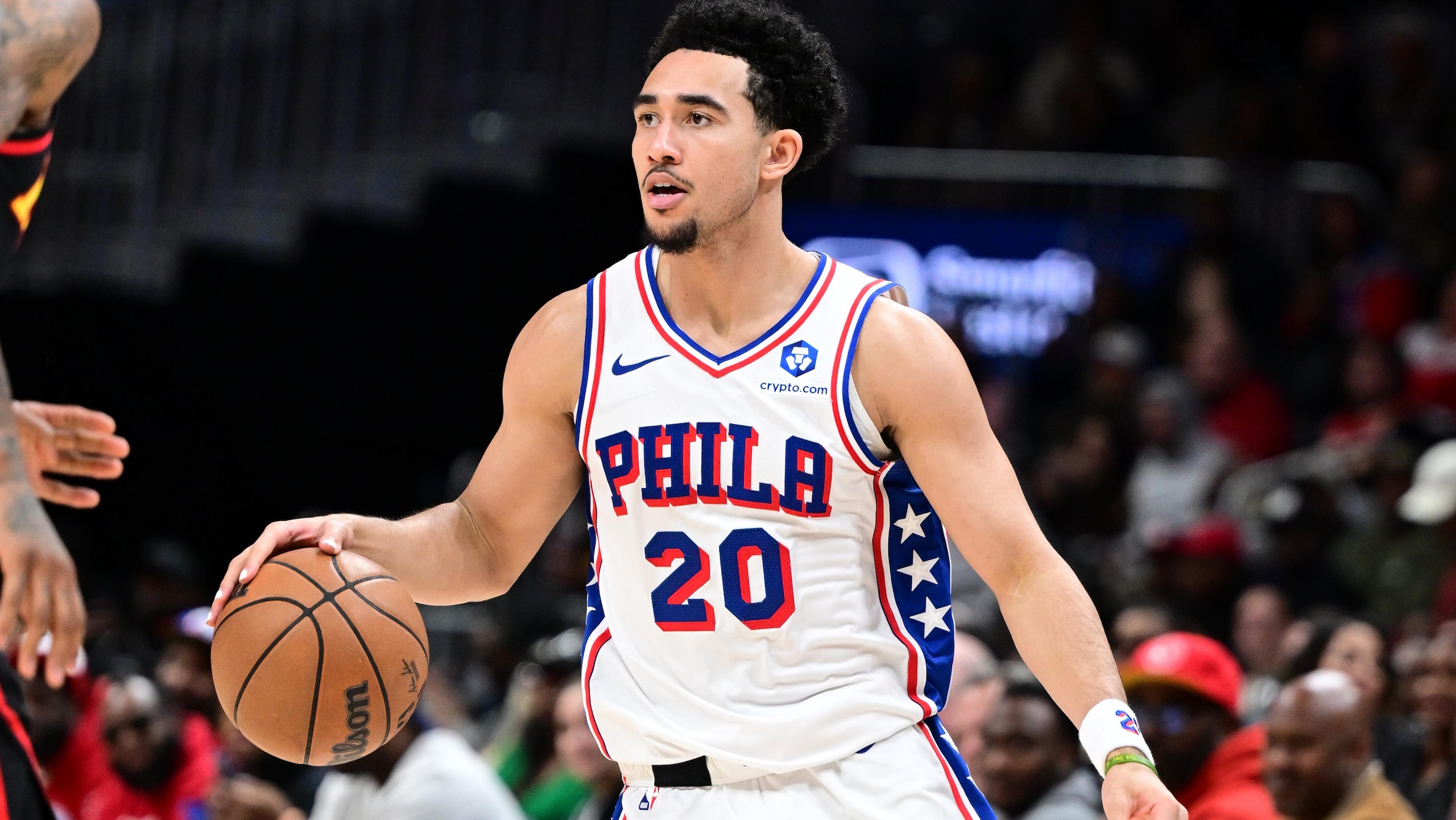
Buyers or Sellers: Buyers
Top Assets:
Unless star players begin leaving teams via free agency again, the 2028 Clippers pick has the chance to be a special asset. Bogdan Bogdanović is currently the only player with guaranteed money on their books during the preceding season.
McCain was a find in the 2024 draft. Still, between his availability question marks, the arrival of VJ Edgecombe and Tyrese Maxey's continued ascent, the 21-year-old falls short of mission critical. The Philadelphia 76ers could even consider moving him to fatten up their future first-round stash, as opposed to targeting a specific player.
Pinning down the third spot gets dicey. We know it's not Joel Embiid or Paul George. Not on their contracts. A case can be made for the Sixers' own 2030 or 2032 first, but their outlook is shaky enough for both to be cornered off with a velvet rope.
Kelly Oubre Jr. is enough of an offensive firecracker to win out the third spot. Quentin Grimes (trade-eligible Jan. 15) has been good enough for consideration if you can look past his veto power. The Clippers' bleak outlook is ultimately too enticing (for other teams) to pass on that swap's inclusion.
Phoenix Suns
24 of 30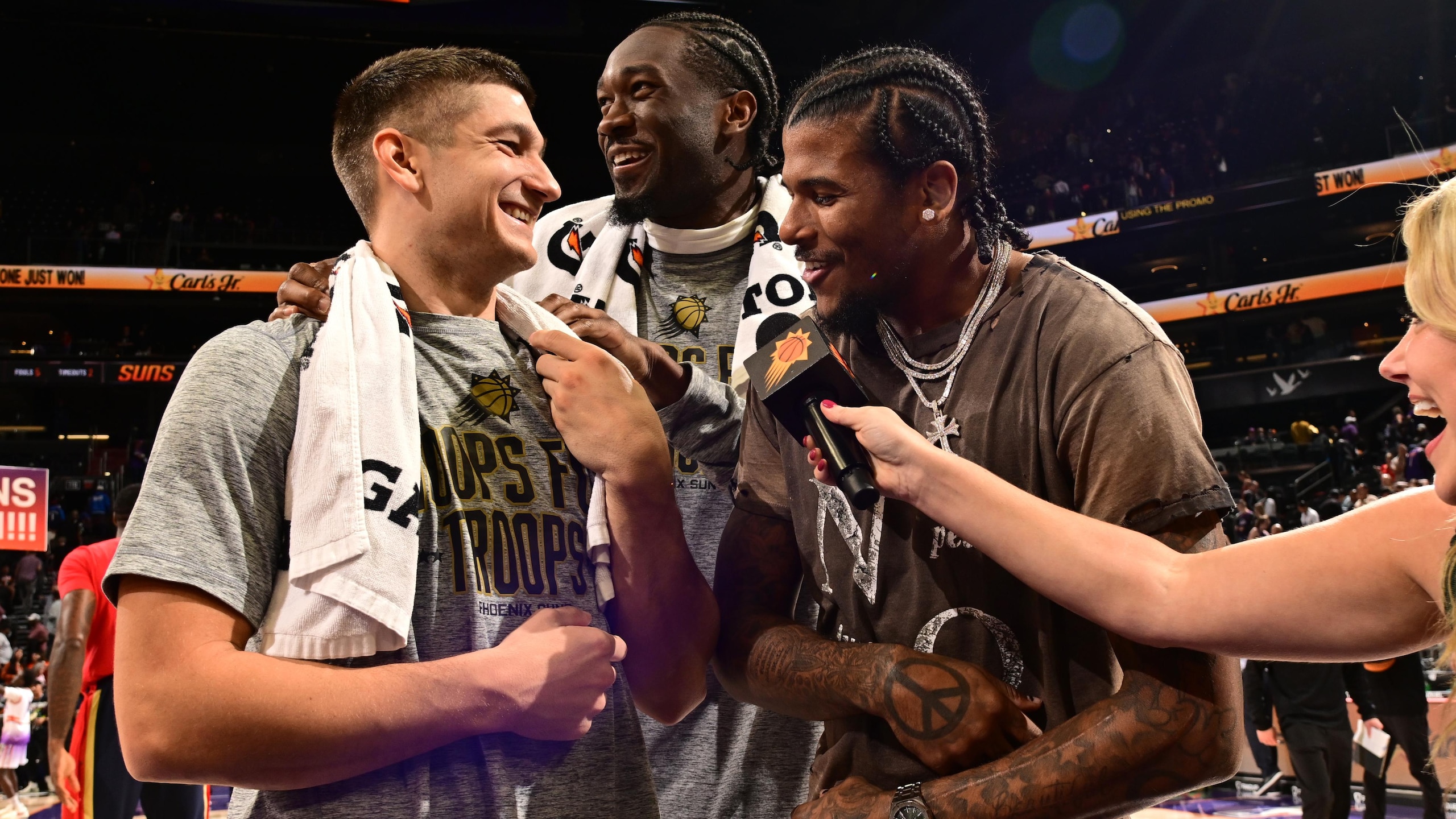
Buyers or Sellers: ...Buyers
Top Assets:
Upgrading the Phoenix Suns from sellers to buyers doesn't have to overhaul their previous big board. For all his shooting struggles, Devin Booker remains the one player they can't afford to unload.
At the same time, Dillon Brooks and Collin Gillespie (who has veto power) are mission critical enough to the team's identity that we'll rope them off. Everyone else is fair game.
Tons of teams would welcome Dunn into the mix, shooting woes and all. He can provide flair in transition and on the offensive glass and still tackles some of the tougher defensive assignments.
Williams is having the kind of season that should have the Suns smitten. Yet, if moving him can be part of a frontcourt upgrade, his injury history and upcoming restricted free agency ensure he's far from off limits.
Green just usurps candidates like Grayson Allen, Royce O'Neale and the barely used Khaman Maluach. Injuries have sidelined him for most of the year, but at 23, he remains a high-upside swing. Teams can talk themselves into rolling the dice on his best-case outcome when his current contract doesn't stretch beyond next season but is also pricey enough that he'd extend off it if everything works out.
Portland Trail Blazers
25 of 30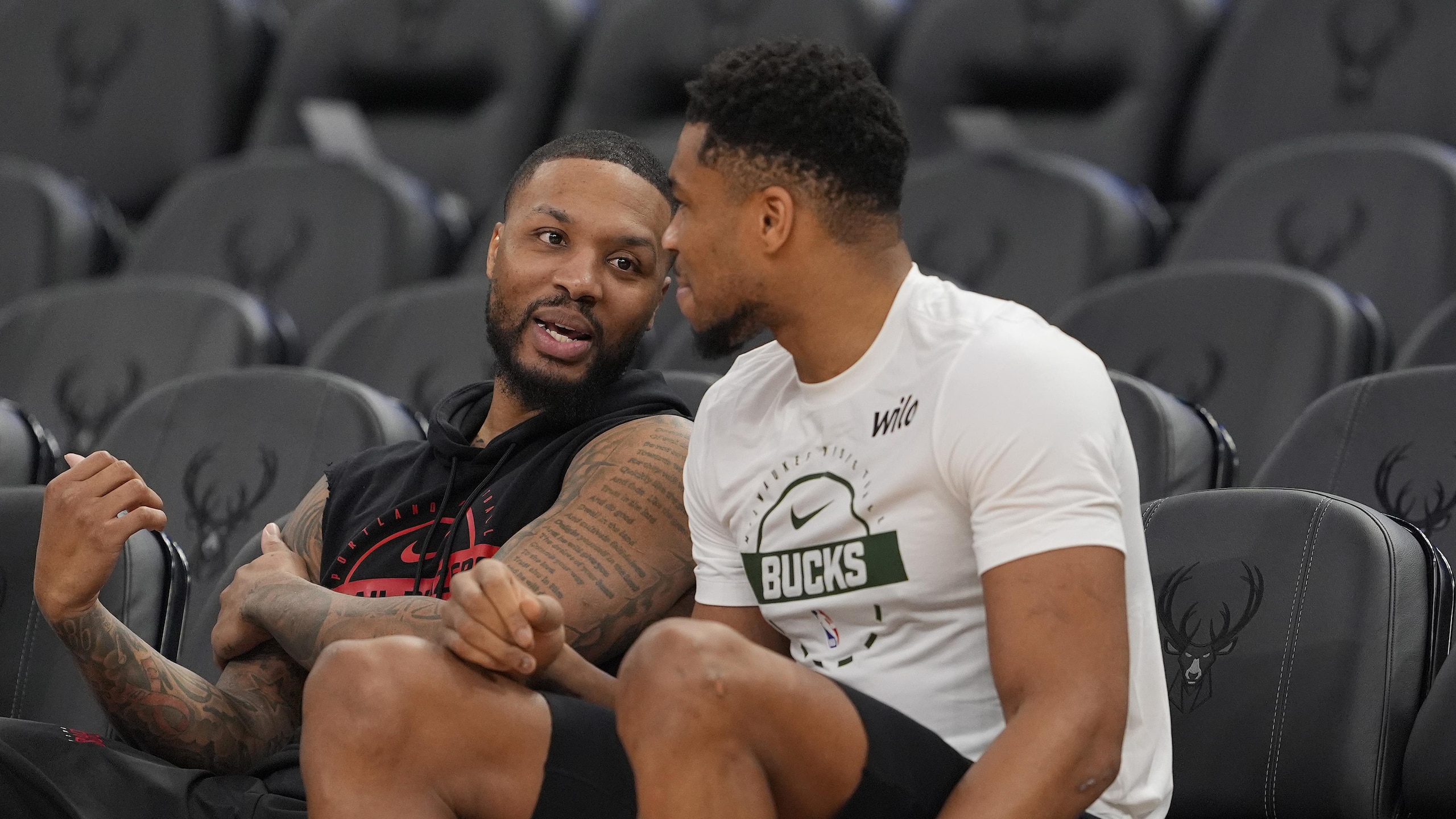
Buyers or Sellers: Buyers
Top Assets:
Act like control over any Milwaukee Bucks first-rounders beyond this season isn't the Holy Grail of assets if you must.
Giannis Antetokounmpo is clearly taking his future year-by-year, if not week-by-week. He could be gone by 2026-27. Or 2027-28. Or...well, you get the point.
The Portland Trail Blazers made building this board even easier by extending Shaedon Sharpe and Toumani Camara and (essentially) removing them from the table. Arguments can be made for Scoot Henderson, but odds are almost every rival team would prefer a stake in Milwaukee's long-term future.
Including Donovan Clingan, meanwhile, requires an overarching organizational preference for Yang Hansen, Robert Williams III and centerless lineups—a reach at this point.
Classifying the Blazers as buyers is the only real issue that comes into play. These Bucks picks won't be on the table if they're selling. Recent struggles, at both ends of the floor, give renewed breath to those seller scenarios. I'm chalking it up to mass injuries and leaving Portland as a buyer—at least for now.
Sacramento Kings
26 of 30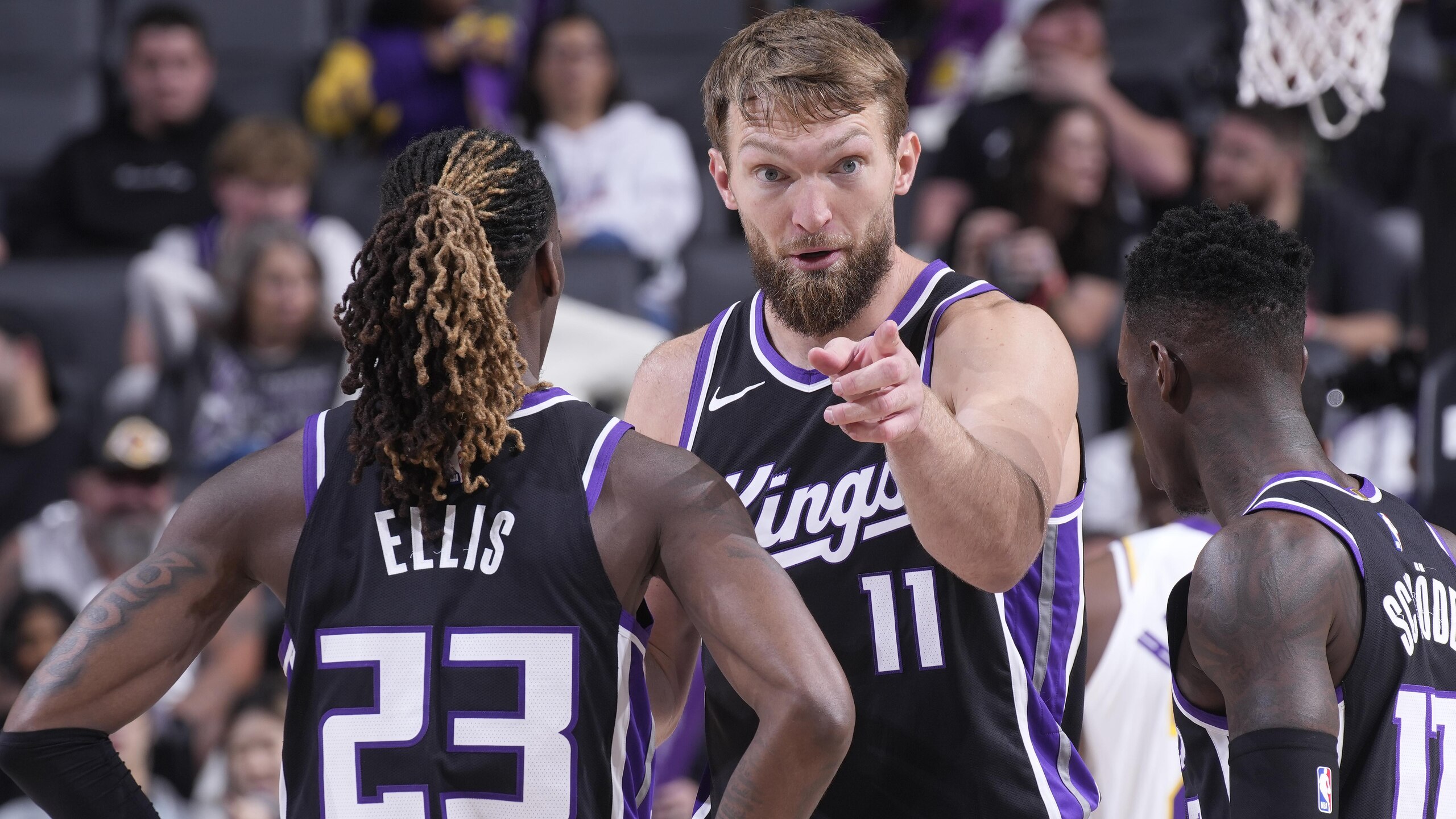
Buyers or Sellers: Sellers
Top Assets:
This big board changes to incorporate draft picks if the Sacramento Kings are out-of-touch enough to fancy themselves buyers. (Of note: They might consider themselves buyers.) Selling should be the goal if they have any semblance of self-awareness.
Ellis would typically be considered off-limits as a three-and-D spark plug, but he's headed for free agency...and doesn't really play. Monk's driving and shot-making can slide into a good team's starting five or run the offense for a bench mob. His price point could drive some suitors away, but a balance of three years (including this one) and $60.6 million isn't quite prohibitive, either.
Domantas Sabonis or Zach LaVine? That is the question at No. 3. The latter won out the first time around but appears fully Sacramento-ified these days.
Sabonis' partially torn left meniscus complicates his value at a time when it was already complicated. He is already someone around whom you must tailor most of your offense, and his contract is expensive (two years, $94.1 million after this season). Now he's injured. Even so, the fact that he can anchor a top-tier offense when healthy gives him a better shot of bagging the Kings' first-round equity than LaVine or DeMar DeRozan.
San Antonio Spurs
27 of 30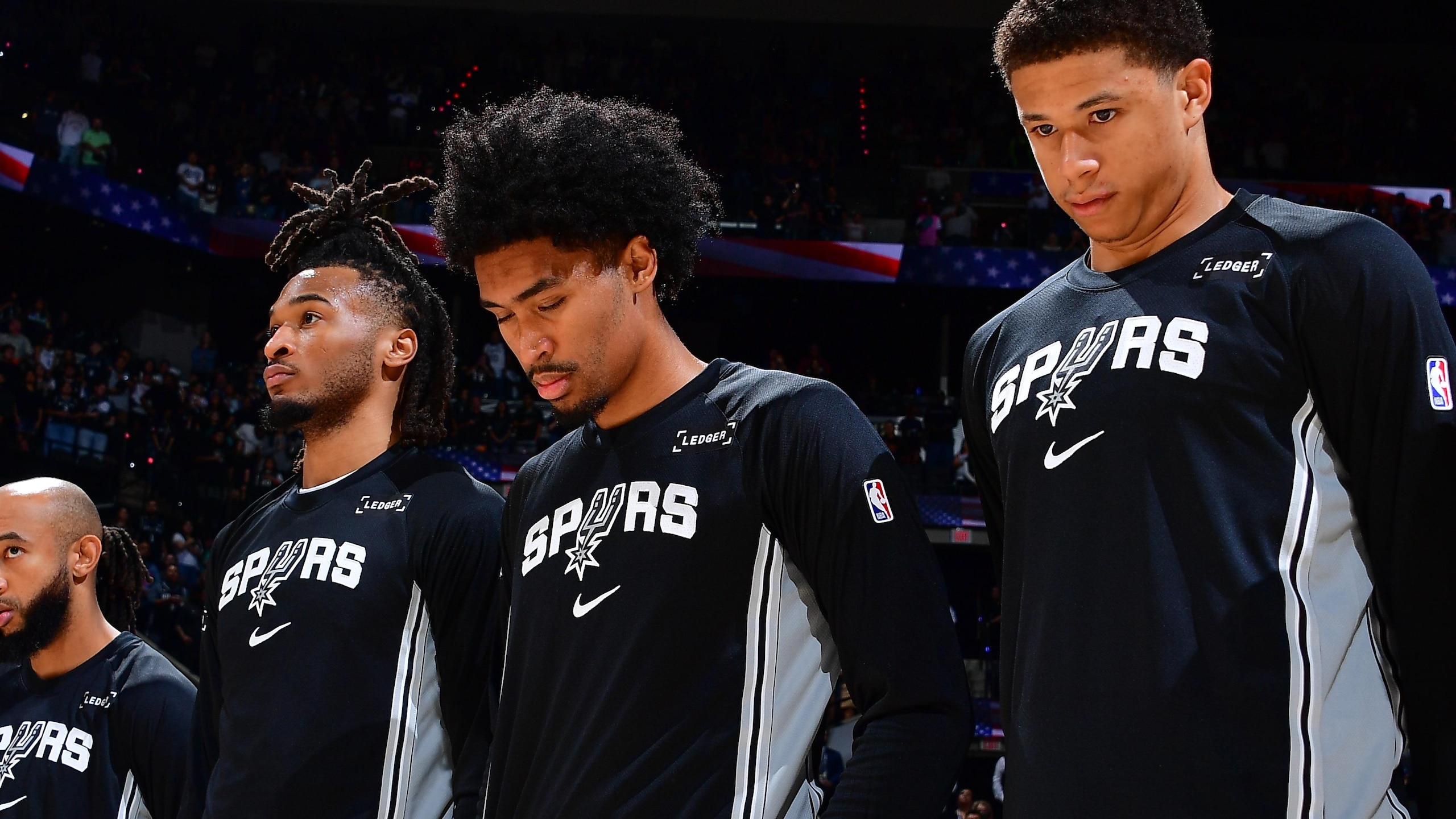
Buyers or Sellers: Buyers
Top Assets:
Stephon Castle has, for the time being, graduated out of this discussion. He or Dylan Harper could prove available if the San Antonio Spurs get the Giannis Antetokounmpo itch, but it's tough to imagine either being gettable outside that one scenario. And they might be off-limits even then.
So, we move onto draft picks. All the typical "It's only swap rights" disclaimers apply to the Sacramento Kings' selection. Except, we're talking about the Sacramento Kings. Their incompetence is among life's greatest certainties.
The Atlanta Hawks initially looked like they maneuvered themselves out of imminent disaster watch. Reality has since set in and begs to differ. Their 2027 pick has more upside than any of San Antonio's own picks, or a swap with the Dallas Mavericks or Minnesota Timberwolves in 2030.
Keldon Johnson, Julian Champagnie or Devin Vassell are all great options to round out the order. With that said, the Spurs might be contenders as currently constructed. That makes Vassell and Champagnie seem closer to "only if it's for Giannis" names.
Johnson is having one heck of a season and is on one heck of a contract, but Bryant's All-Defense tool belt gets the thumbs-up. He has three years after this one remaining on his rookie-scale deal, and the limits on his long-term peak soar if he turns into a reliable three-point shooter.
Toronto Raptors
28 of 30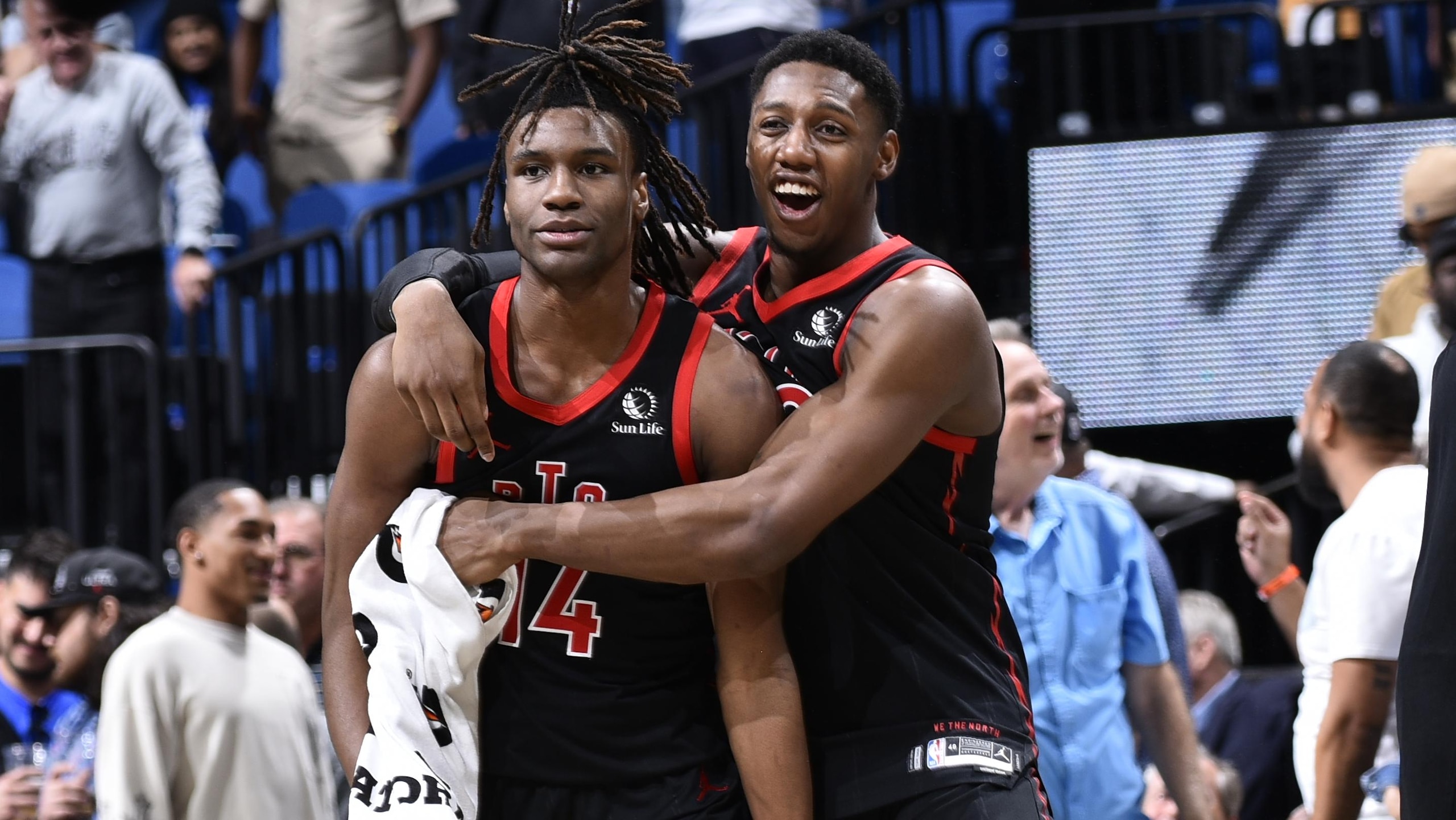
Buyers or Sellers: Buyers
Top Assets:
Having the payroll of a buyer contributes to the Toronto Raptors being classified as one. And they have some interesting stuff to put on the table if they're ready to take a swing.
Ja'Kobe Walter's emergence as an exhaustive defender and someone who doesn't need the ball to impact the offense is game-changing for Toronto. He is both its most important role player and an asset that should pique the attention of any seller.
You could argue the Raptors have no business putting any future first-rounders on the table. That's precisely why this year's pick is here. Their outlook is just uncertain enough for trade partners to treat it as a high-upside asset.
RJ Barrett has shown when healthy that he's not too redundant alongside Brandon Ingram and Scottie Barnes. That boosts his value to Toronto—and every other team.
Unless you can talk yourself into Immanuel Quickley or Collin Murray-Boyles being expendable or Gradey Dick having a more efficient level he's purposely hiding until after Feb. 5, Barrett slides into the No. 3 spot relatively unchallenged.
Utah Jazz
29 of 30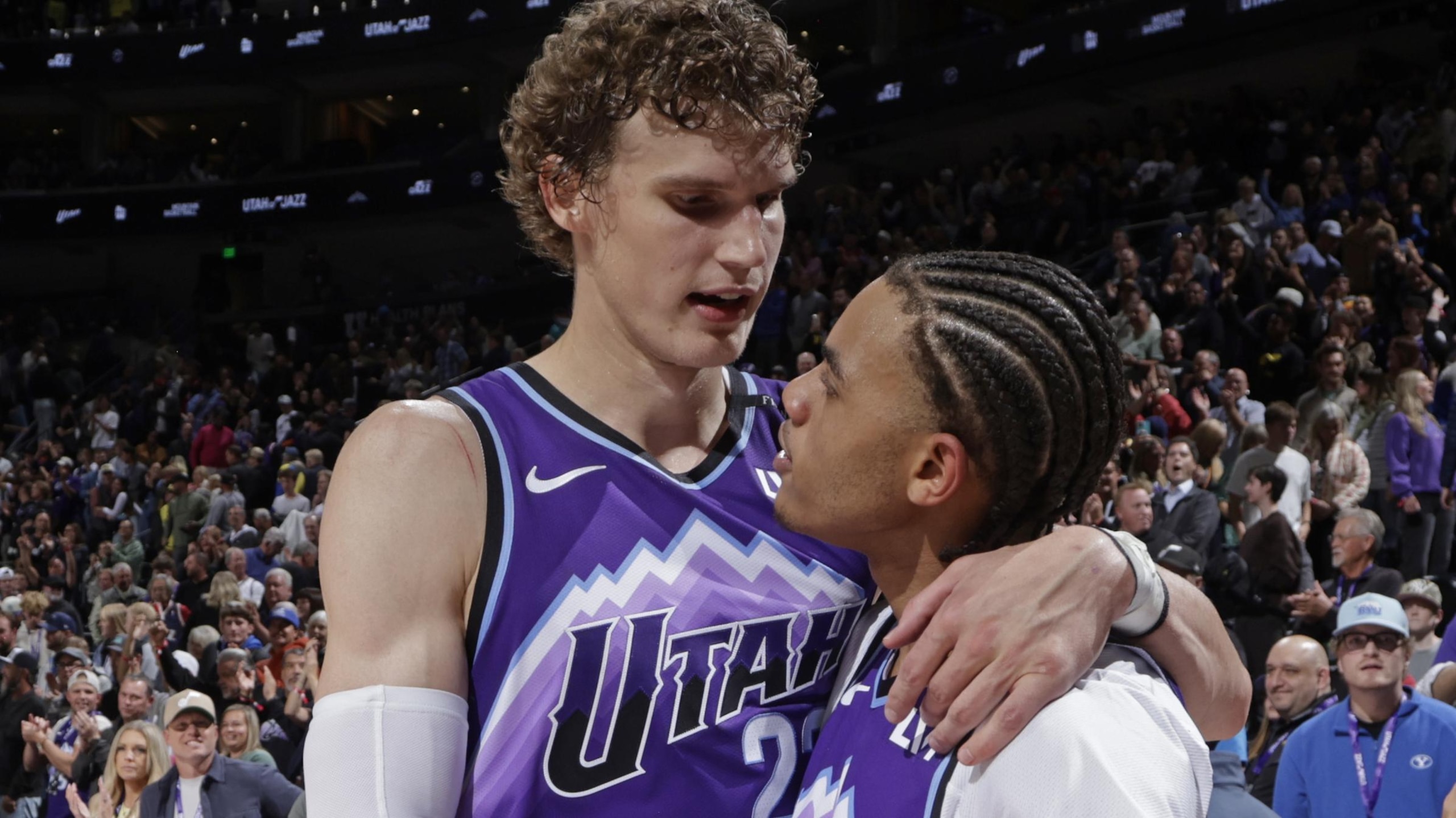
Buyers or Sellers: Sellers
Top Assets:
Markkanen has quashed the notion that he suddenly devolved into one of the NBA's worst contracts with scintillating production. The four years and $195.8 million he's owed (including this season) remains steep, but the Utah Jazz should be able to recoup multiple first-round picks for it if they lean further into the rebuild.
A 22-year-old clearing 20 points and five assists per game on climbing efficiency flashing improved decision-making, shot selection and foul-drawing is not someone a rebuild squad would typically auction off. But if the Jazz are actually married to keeping Markkanen, selling high on George ahead of his extension eligibility is a path that could warrant exploration.
Walker Kessler's season-ending shoulder injury removes him from the running for the final spot. Sviatoslav Mykhailiuk sneaks onto the podium instead.
Because after all, what team wouldn't want a 6'7" sniper who has spent ample time guarding everyone from Luka Dončić and Kevin Durant to Devin Booker and Anthony Edwards and is under team control for sub-$4.1 million through 2027-28?
Washington Wizards
30 of 30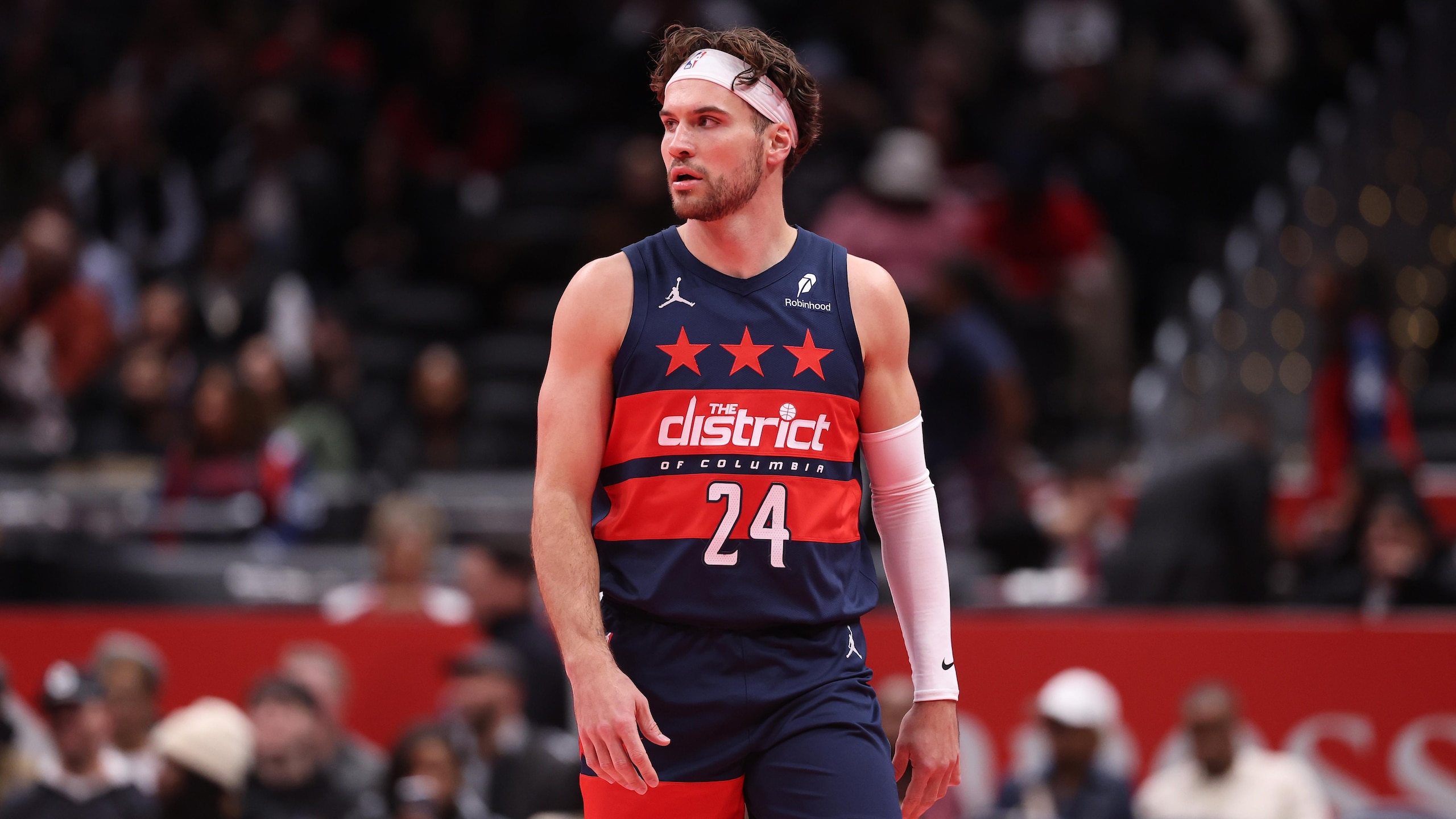
Buyers or Sellers: Sellers
Top Assets:
Kispert is approaching career-best levels of shooting from beyond the arc. His movement alone has value. He remains hyper-efficient inside the arc. And including this season, he'll earn an average of 7.7 percent of the salary cap through 2028-29 (team option). Contenders should be calling about him even after he suffered a fractured right thumb.
Ditto for Champagnie. A crowded wing rotation left him scrounging for minutes until recently. Since joining the Washington Wizards, he has routinely checked one of the opposition's two best players while delivering some help-side rim protection, sneaking onto the offensive glass and hitting spot-up triples. Oh, and he'll earn less than two percent of the cap through 2027-28 (team option).
Washington is unlikely to move any future draft equity, so the expiring contracts of McCollum ($30.7 million) and Middleton ($33.3 million) slide into third place. The Wizards have enough room beneath the tax to max out the return on either deal ($40-plus million), as well as the cap flexibility moving forward to eat up longer-term money.
Dan Favale is a National NBA Writer for Bleacher Report. Follow him on Bluesky (@danfavale), and subscribe to the Hardwood Knocks podcast, co-hosted by Bleacher Report's Grant Hughes.
.jpg?w=2560 "49ers LB Suspended for Headbutt")
.jpg?w=2560 "Buzz: MHJ Hired Agents for Trade")
.jpg?w=2560 "AD Trolls Bears WR on IG 😂")
.jpg?w=2560 "Report: Steelers WR to Miss 'Weeks'")