
Cycling Fans Must Forget Cynicism and Back Chris Froome and the Tour de France
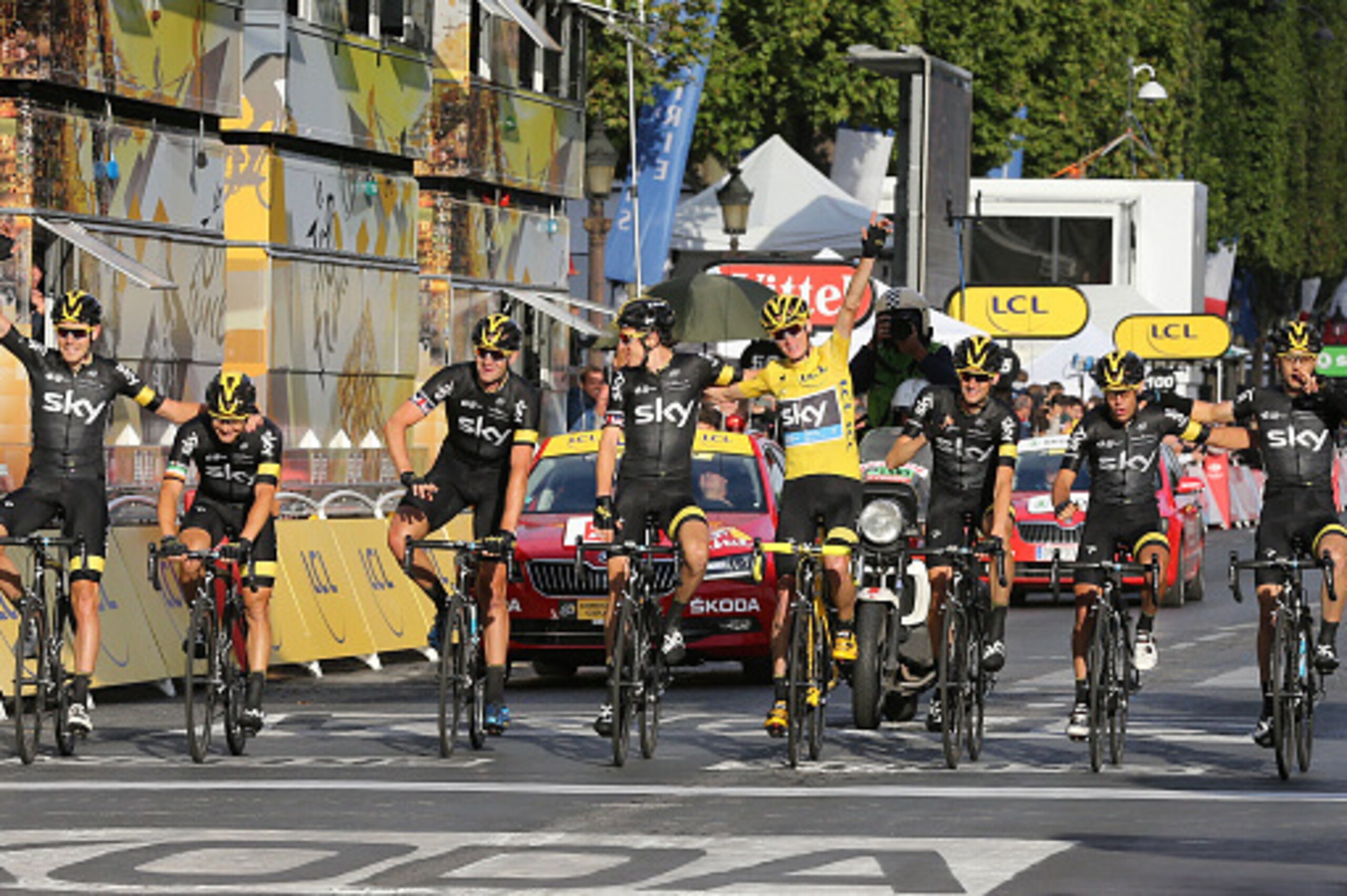
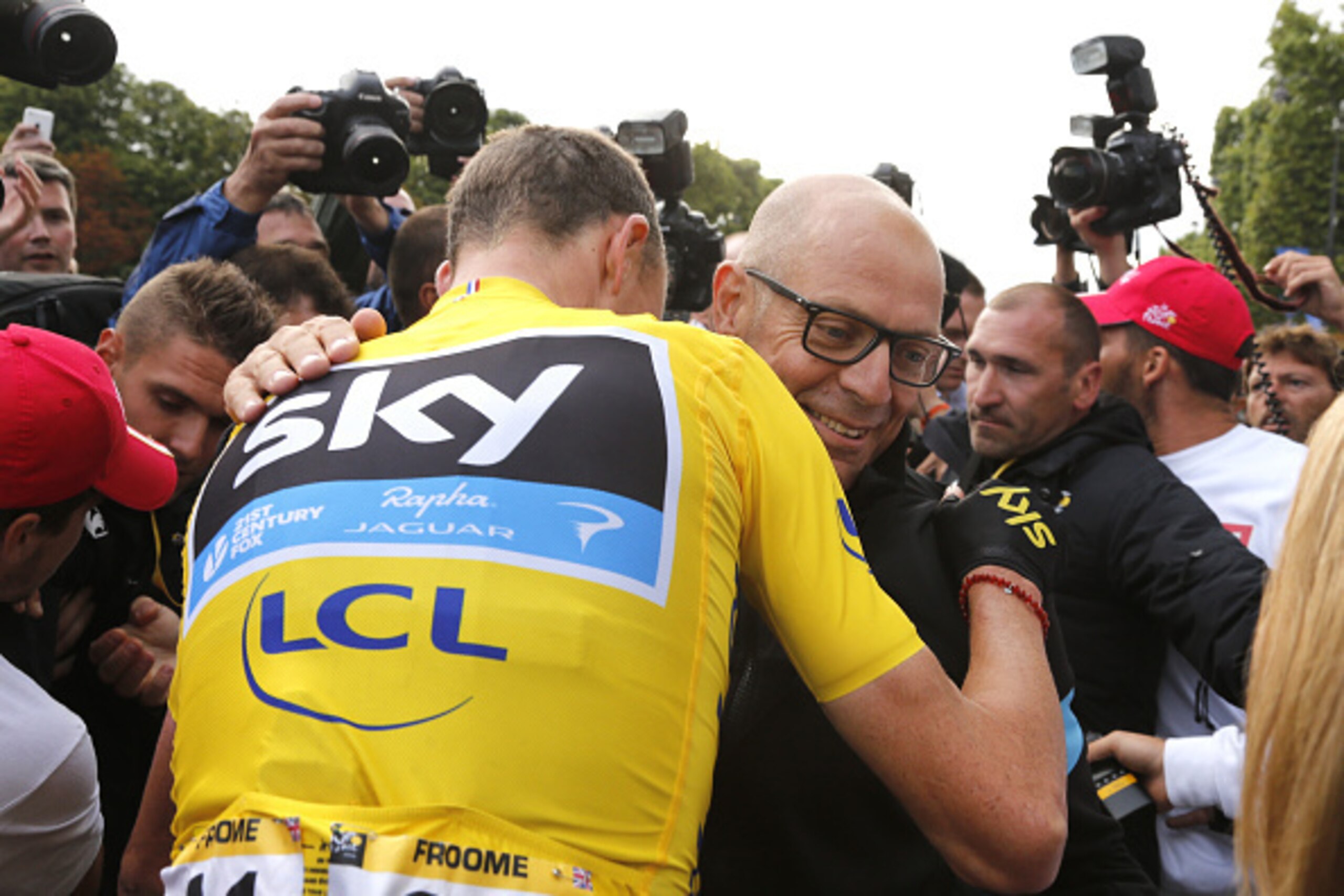
Standing atop the Tour de France podium on the Champs-Elysees on Sunday, Chris Froome ended his victory speech with a stirring call for belief in the race, the sport of cycling and himself.
"The maillot jaune is special, very special," the Team Sky leader said, per British Eurosport. "I understand its history, good and bad. I will always respect it, never dishonour it and I will always be proud to have won it."

.jpg?w=2560 "49ers Giants Football")

Two years earlier Froome had expressed a similar sentiment from the same spot after winning his first maillot jaune, describing it as "one yellow jersey that will stand the test of time," per BBC Sport. His need to reword it in 2015 came after three weeks in which skeptical elements of the French public and media had cast doubt on his efforts.
If nothing else, you can sympathise with their cynicism.
Ten years ago Lance Armstrong celebrated his seventh and last Tour de France victory* with a defence as similarly evocative as Froome's. "You should believe in these people," the American pleaded, via BBC Sport. "There are no secrets. This is a hard Tour and hard work wins it. Vive Le Tour."
One year later, the Operacion Puerto investigation into Spanish doctor Eufemiano Fuentes' doping network struck on the eve of the race, removing Armstrong's peers Ivan Basso and Jan Ullrich from the race. Floyd Landis, a former team-mate of Armstrong's and the winner* of that 2006 Tour, was found guilty of fouling a drug test within a week of taking yellow in Paris.

Cycling's age of the asterisk eventually caught up with Armstrong too, leading to his admission of doping in January 2013.
No matter the positive changes that had been taking place in the sport—more stringent testing, a culture more hostile to cheating—the confession of its biggest event's most prolific champion cast a shadow over the confirmation of Froome's rise to prominence later that year. One that, as evidenced by this summer's edition of the Tour—littered with unsavoury roadside abuse and unfounded insinuations—has not disappeared.
Froome is staking a claim as the most dominant grand tour rider of this decade.
Backed by a Sky team able to successfully recalibrate after last year's Tour de France disappointment, his second triumph here yet again included a commanding first-place assault in the first mountain stage proper up to La Pierre Saint-Martin. Also as in 2013, Froome's overall superiority was all the more impressive for the calibre of riders competing with him for the general classification.
Indeed, the final top five—Froome, Nairo Quintana, Alejandro Valverde, Vincenzo Nibali and Alberto Contador—was made up entirely of former grand tour winners.
France's most famous sporting event has been damaged too often in recent decades. The thought it could suffer even more embarrassment in the form of another disgraced champion is understandably hard to take for those for whom its annual appearance marks a high point in their sporting calendar.
Armstrong and others have battered that trust. Now that reluctance (certainly not just from the French, but some of theirs stood out in their home grand tour) to believe is leading to an unfortunately strained relationship with a competitor who has provided no indication he is competing anything but fairly.
Sky's groundbreaking but polarising methods (not strictly adhering to cycling tradition), the various responses to cycling's doping past and the more prominent contemporary aspects of performance evaluation like power data—these are among the many contradictions, complications and contentions shaping debate and perception around the modern peloton.
Froome has twice given his word on the biggest stage he can be trusted. The past and that mix of present-day issues should rightly ensure all who enjoy the sport show great vigilance. But the guilty-until-proven-innocent narrative being written by some every time Froome has a great day has to be dispensed with as soon as possible.

The skepticism over Froome and Sky did not detract from the spectacle and competition of this year's Tour. How could anyone not have been enthralled by Movistar men Quintana and Valverde's valiant but fruitless penultimate-day attempts to move the Colombian ahead of Froome on the roads to Alpe d'Huez (as it was, the leader's final-week struggles may have soothed the fears of some doubters).
Speaking to Sky Sports News HQ, Sky boss Dave Brailsford said having their backs against the wall ultimately even inspired a fighting mentality within the British-based team. Still, the speculation did unnecessarily distract from the racing at times. The prospect of it doing so again in the months and years to come is a concerning one.
Froome and Quintana could face each other as soon as August's Vuelta a Espana. The latter's attendance was confirmed by Movistar team manager Eusebio Unzue during the Tour, per Cycling Weekly's Stuart Clarke, while the Sky man has hinted at his own participation (above, via Sky Sports Cycling).
The Vuelta does not carry the same profile as the Tour, but especially should Froome compete, it will be intriguing to see if there is an carryover from France.
If this past month's top two come together and the racing is allowed to speak for itself, we should be in for a treat. Froome would be bidding to improve upon two second places in the grand tour where he made his breakthrough, in the process retaining a high level of performance for the winter. Quintana would be looking to record his second major win and make up for crashing out in Spain last year.
If their competitive rivalry is intensified further by another compelling duel at the Vuelta, next year's Tour de France could have the makings of one for the ages, with two talented cyclists in their peak attempting to establish or confirm their superiority in the current generation.
It would be foolish to rule out the veterans Contador and Nibali regaining their best form by that summer (the Spaniard intends to retire at the end of 2016, per the Press Association via the Guardian, and would love to go out on a high), nor to assume someone else will not break through by then. But it is difficult to look past the 2016 Tour not significantly featuring Froome and Quintana again.
For that to be undermined by more unsubstantiated doping innuendo would be a blot on cycling.
If there is evidence, so be it. But until then it is time to roll back on the cynicism or risk any enjoyment of the sport's grand tours being all but killed off. Those who have ruined it in the past cannot be allowed to any further.
.jpg?w=2560 "Commanders Vikings Football")
.jpg?w=2560 "Dak Addresses 'Dumb' Old Romo Tweet 🤣")
.jpg?w=2560 "WWE Raw Live Grades 🔠")

.jpg?w=2560 "🚨 Puka Out for MNF")