
Every NBA Team's Biggest Problem Right Now
Though it did not capture much national attention, Dec. 15 marked the official start of solution season in the NBA.
The vast majority of players signed to offseason deals are trade eligible now, which broadens the scope of roster-tweaking options for teams looking to solve unanticipated problems.
What problems, you ask?
Well, every squad has them. Whether financial, tactical, personnel-based or big-picture, no team is perfect. Let's check in on every NBA operation to isolate an issue that needs addressing.
Atlanta Hawks: Pressure
1 of 30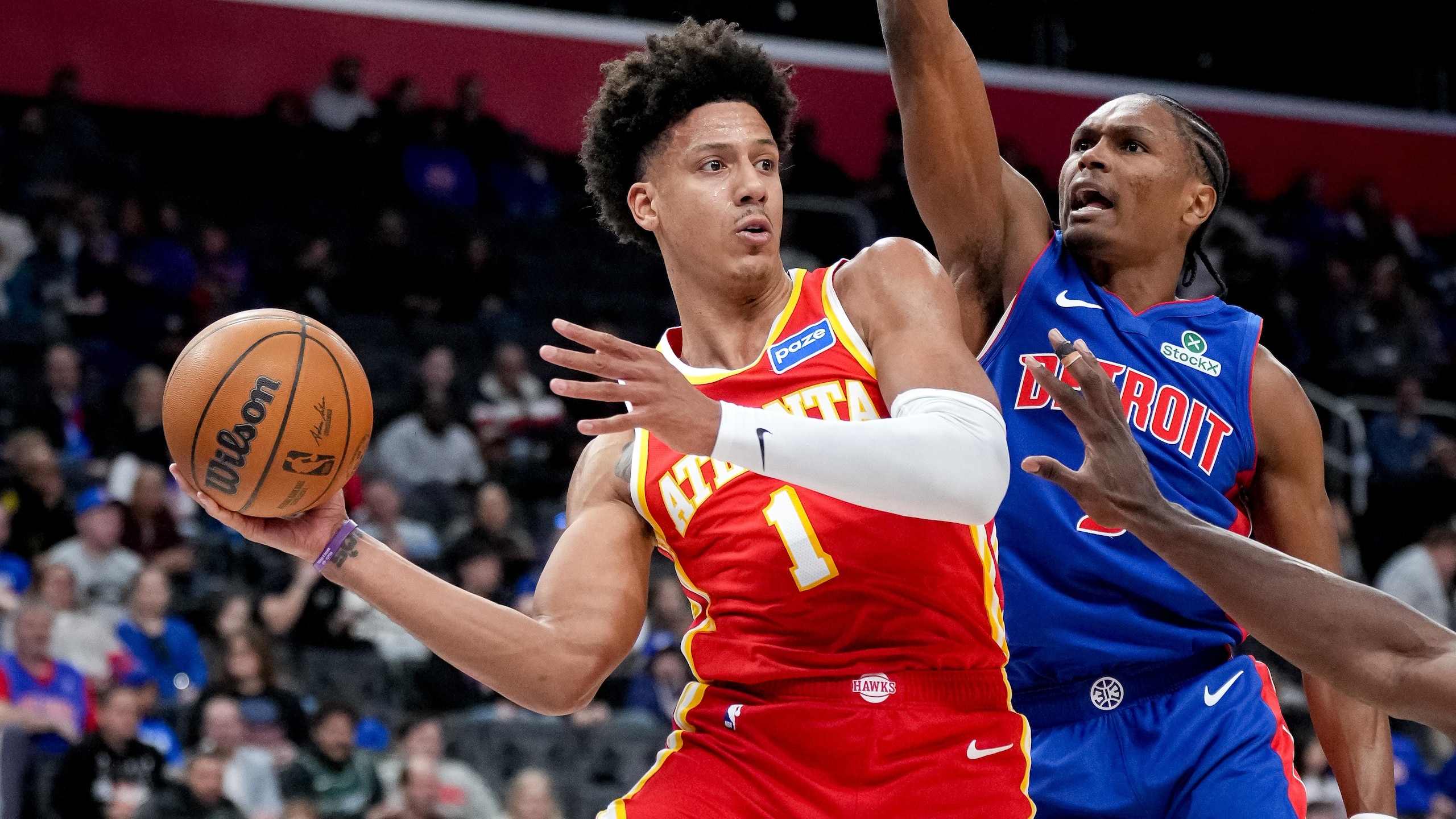
The Atlanta Hawks have done several things well since Trae Young left the lineup with a knee injury in late October, but handling pressure isn't one of them.
It makes sense, though. Take one of the most ball-dominant players out of the picture, and the guys left to handle all the dribbling and playmaking by committee are bound to struggle.
With Young on the floor earlier this season, the Hawks turned the ball over on just 10.0 percent of their possessions. Without him, the turnover rate spikes to 15.5 percent.
In a recent 27-point fall against the rugged and predatory Detroit Pistons (Atlanta's third loss in the season series) the turnover count was 20.
Although Jalen Johnson and Nickeil Alexander-Walker have shown far more shot-creation chops than expected, the Hawks knew they were in trouble during an ominous loss to the Cavs just a couple of days after Young went down.
Cleveland ratcheted up the pressure and forced 23 Hawks giveaways in that one.
Boston Celtics: Rim Pressure
2 of 30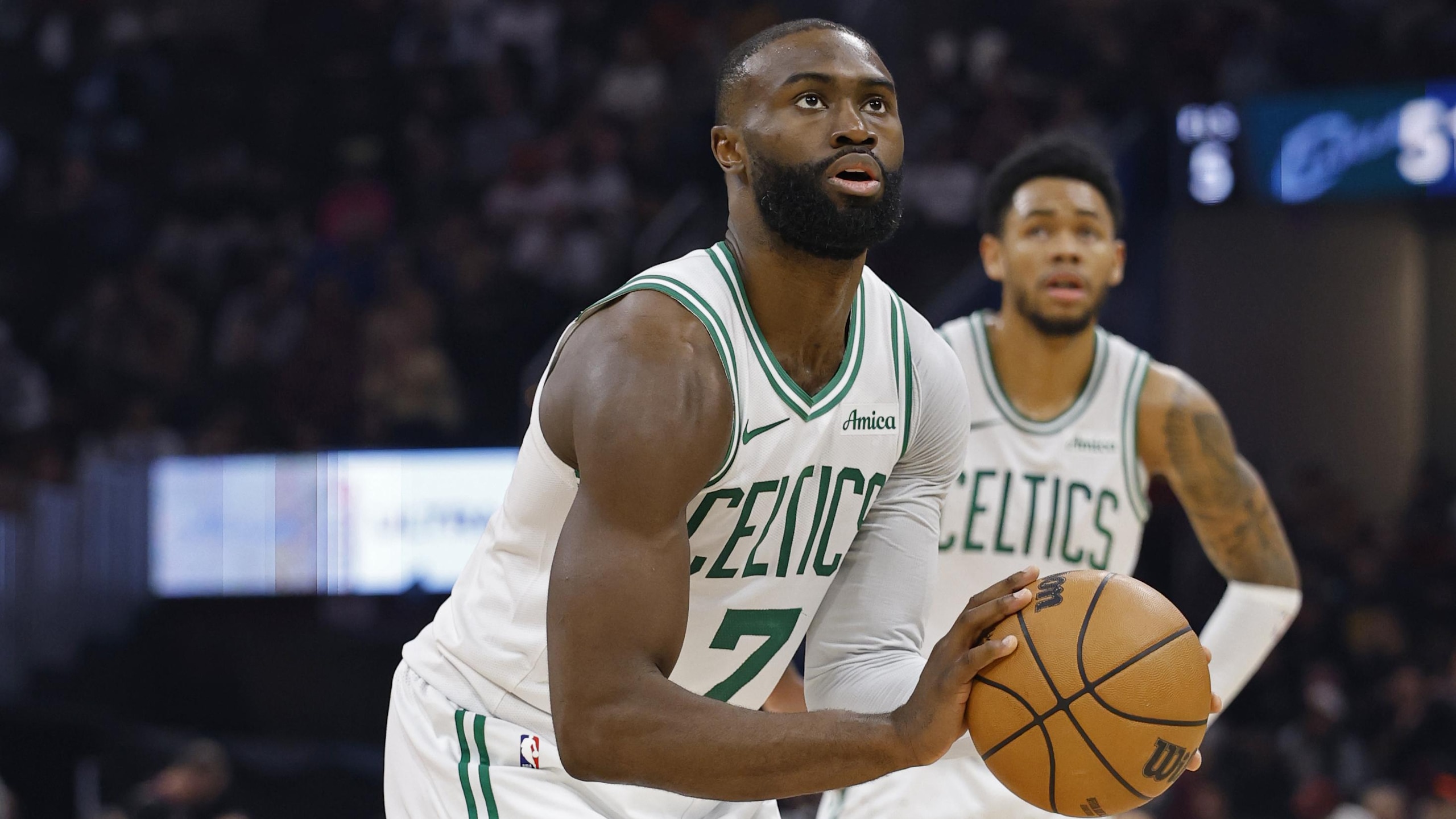
The Boston Celtics' stylistic choices are mostly paying off. An extremely high three-point attempt rate is a huge reason why they are hanging around the league's top five in offensive efficiency.
The Celtics don't have Jayson Tatum because of injury, and they lost several other key scoring forces from last year's team, so it makes sense to lean into math.
Lots of threes can paper over talent deficiencies.
The tradeoff is stark, as Boston's preference for perimeter shots means it rarely forces the issue near the basket. The Celtics are among the league's least frequent shooters at the rim and own the NBA's lowest free-throw rate.
Combined with a high foul frequency on the other end, Boston is allowing opponents nearly nine more free throws per 100 field goal attempts than it's generating for itself. That's a massive gap, one that's almost impossible to bridge when the Celtics go cold from deep.
Credit Boston for figuring out the best way to operate on offense in the wake of a major talent drain, but understand this is a high-wire way to play.
Brooklyn Nets: Competency
3 of 30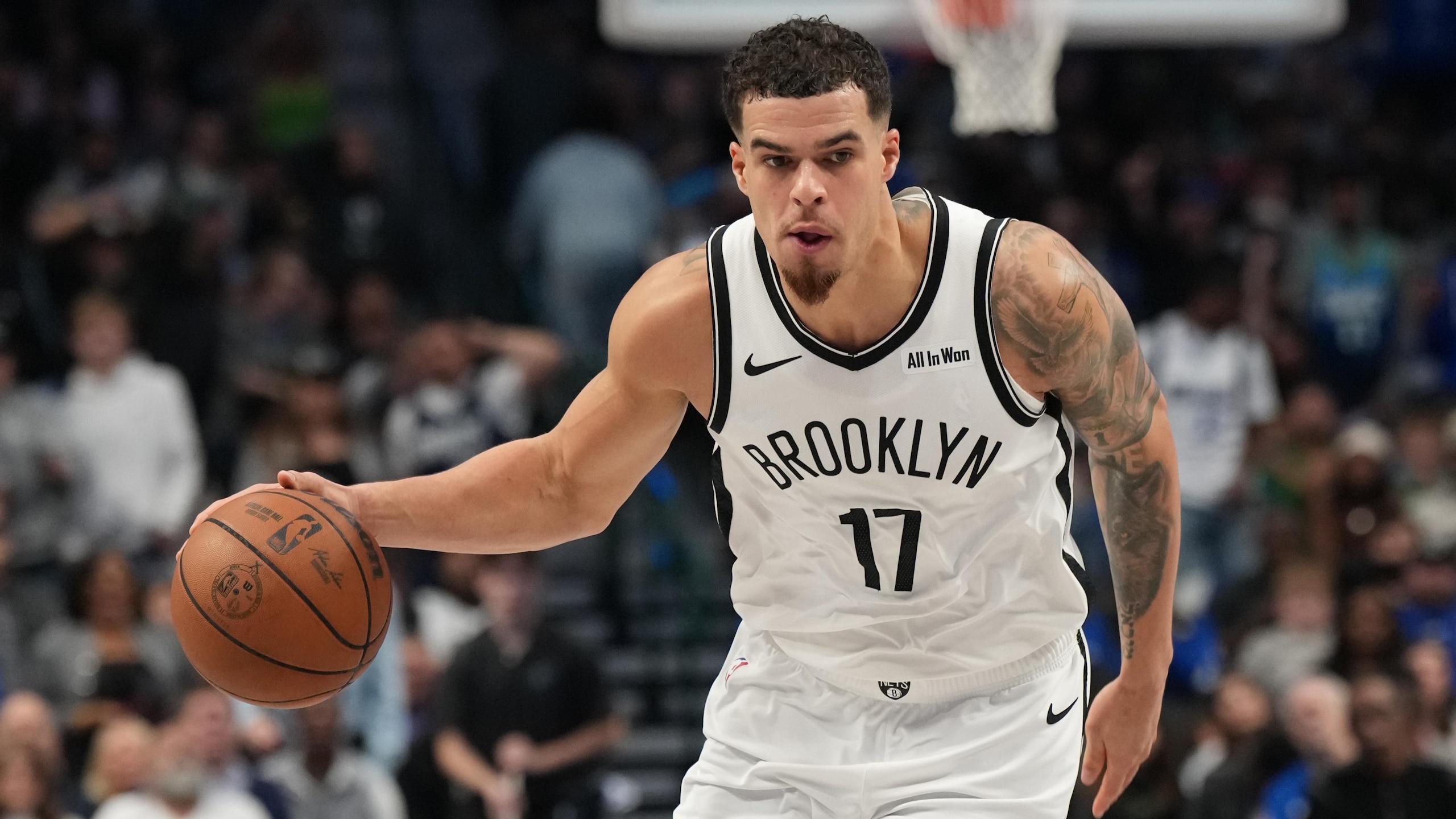
Ideally, a rebuilding team like the Brooklyn Nets wants youth development and enough production from vets to produce trade value while also still losing as many games as possible.
That's especially true with a 2026 draft class that could deliver a cornerstone if those defeats lead to prime lottery position.
Up until December, Brooklyn was following that blueprint perfectly.
Winners in four of their first six games this month, the Nets have diverged from the plan. Michael Porter Jr. hasn't missed a shot in weeks, or so it seems. Danny Wolf is making plays and drilling threes. Noah Clowney is ascending. This is all great, but it'd be greater if those positive developments were happening in defeat.
Brooklyn still has the third-fewest wins in the league, but its point differential across its first six games of December ranked seventh. Its defensive rating was fourth.
The Nets need to chill, and the good news is they probably will. None of those four wins came against teams with winning records, and the schedule starts to get ugly at the end of the month.


Charlotte Hornets: Soft Defense
4 of 30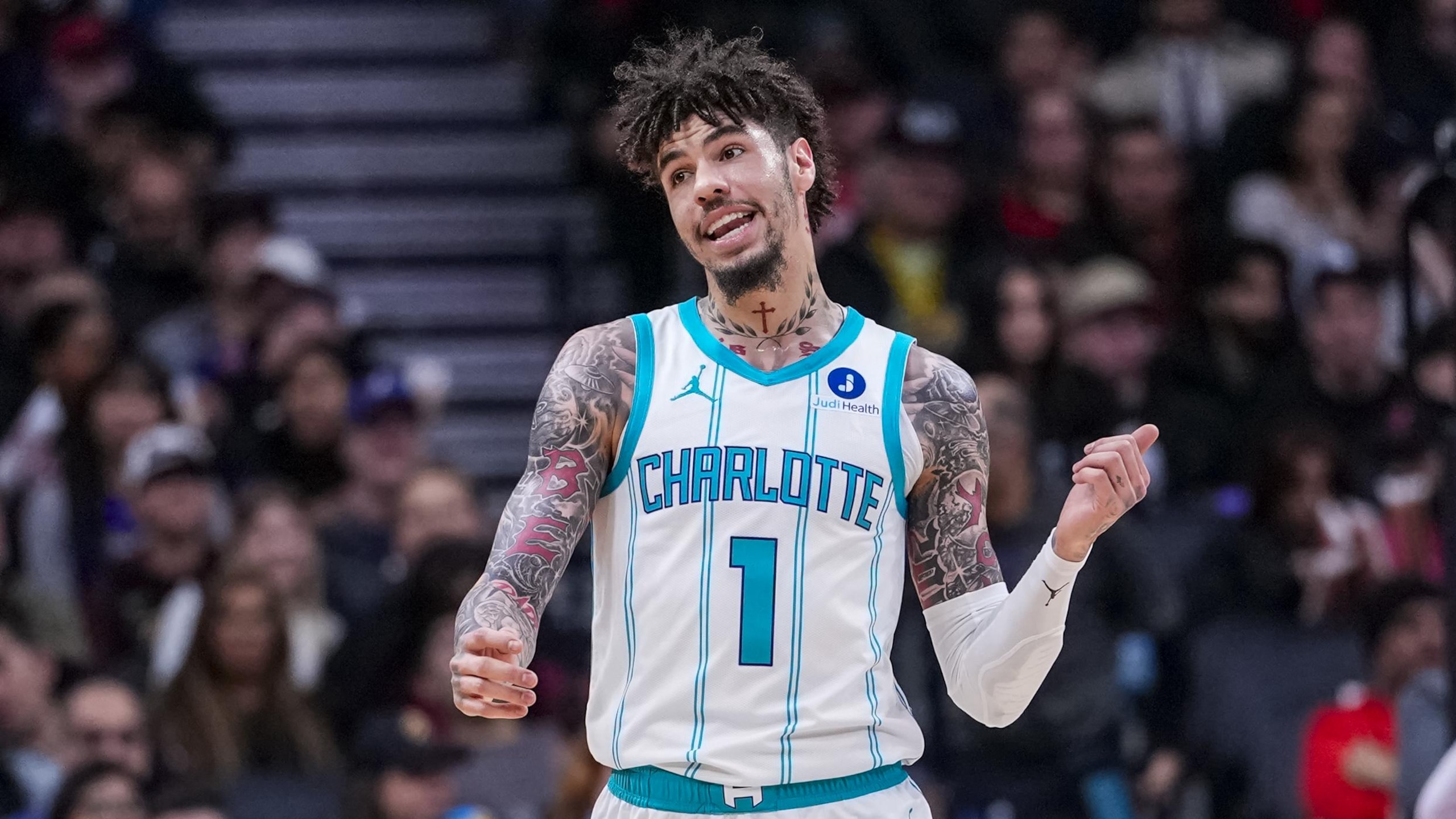
The NBA schedule is a grind, but opponents generally get a break when they face the Charlotte Hornets.
It's not just that Charlotte's defense is permissive in allowing one of the highest opponent effective field-goal percentages in the league, but it's also that the Hornets don't make other teams feel them. That's coachspeak for "these guys are soft."
The Hornets never foul, which is sometimes a good quality in a defense but here feels indicative of their lack of force. Couple that with a general inability to force turnovers, and you get a sense of just how little defensive pressure Charlotte applies.
Rookie Ryan Kalkbrenner looks like a viable rim-protector at times, but his teammates' point-of-attack ineptitude leaves him hung out to dry far too often. The Hornets don't play with enough physicality on the perimeter, and they lack heft inside.
Chicago Bulls: Interior Defense
5 of 30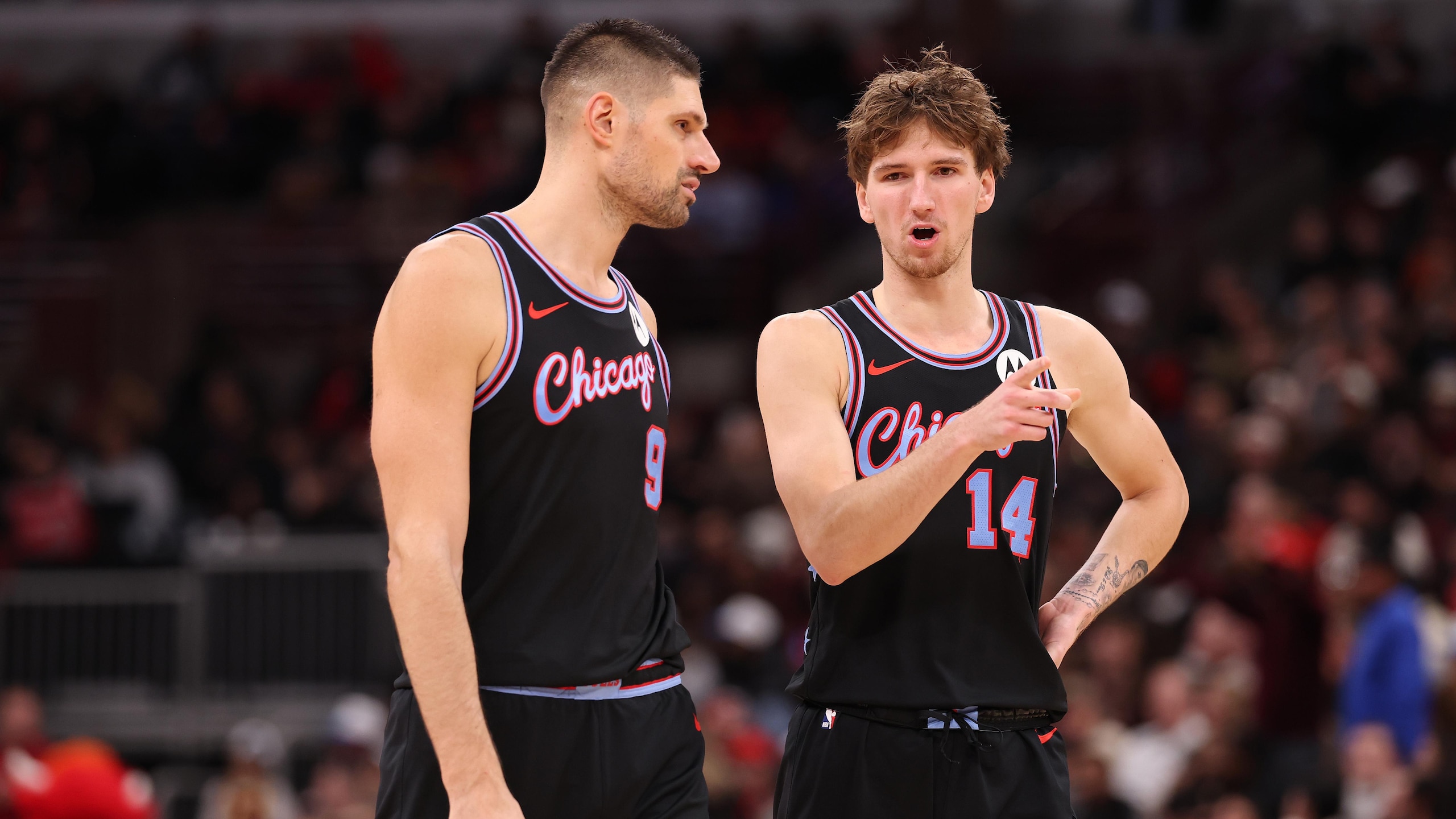
The Chicago Bulls' failure to defend the basket is so pronounced that it borders on polite.
Right this way sir, your layup is waiting.
Pardon me, but was I obstructing your path down the lane? Sincerest apologies. Proceed, please.
Chicago's opponents attempt 38.4 percent of their shots at the rim, the highest share in the league. It helps that the Bulls are relatively good at limiting close-range accuracy, but the overall result is still the highest expected opponent field-goal percentage in the NBA.
It's not complicated: If you permit tons of shots right around the basket, it's basically impossible to build a functional defense.
While it's tempting to pin this all on starting center Nikola Vučević, who's allowing a generous 68.6 percent conversion rate inside six feet, the Bulls' point of attack defense is putting the big man in tough spots every night. To be this bad, you have to do it collectively.
Cleveland Cavaliers: Darius Garland's Toe
6 of 30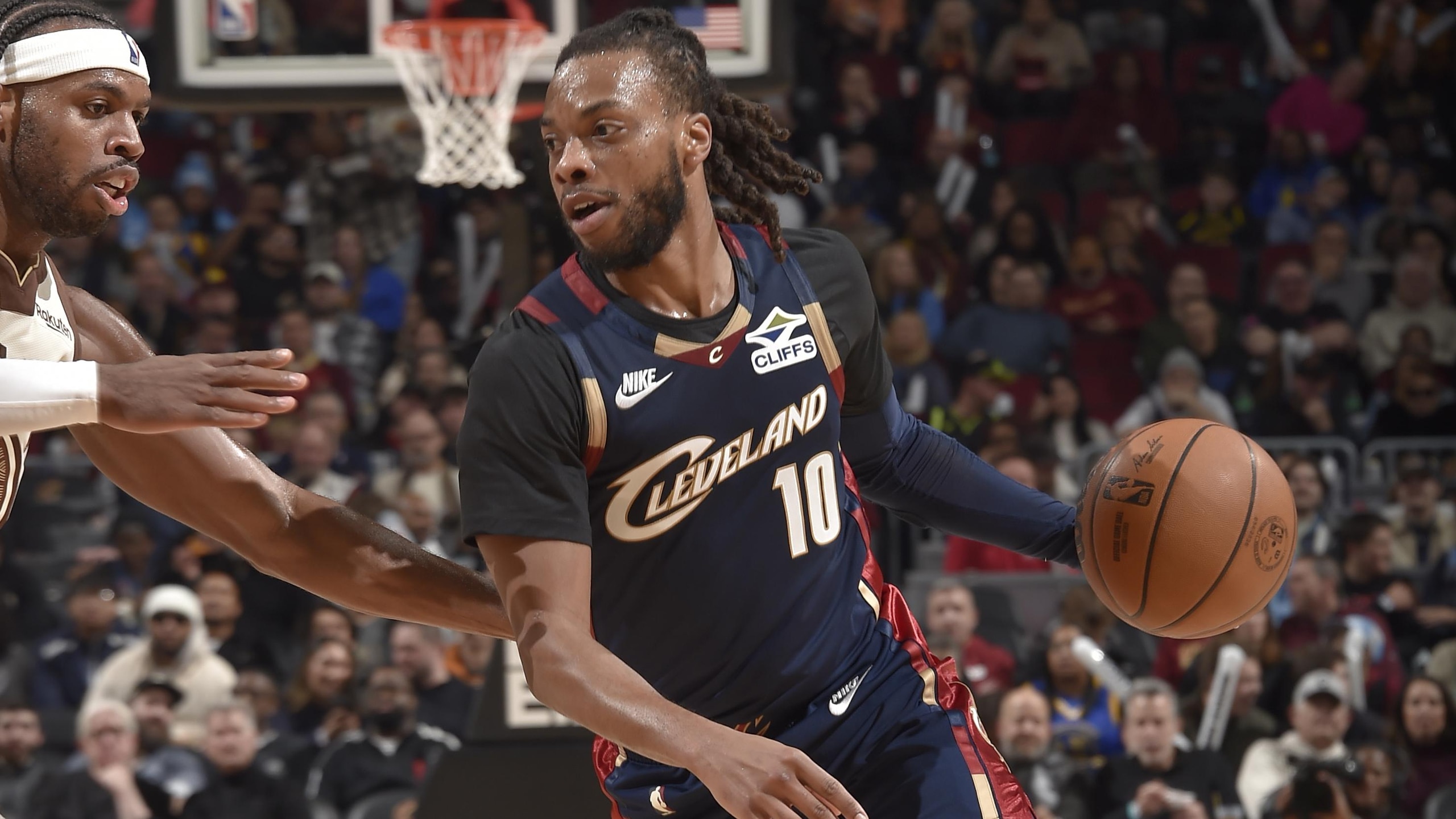
Darius Garland had offseason surgery on his left big toe, missed the first seven games of the year while recovering and hasn't looked anything like the All-Star he was in 2024-25.
A step slower, struggling to create space and looking even more exploitable on defense than he was in the past, Garland is not himself. Last year, he averaged 15.3 per game and shot 53.2 percent on them. Those numbers are down to 14.3 and 38.6 percent, respectively, this season.
Every year from 2020-21 to 2024-25, his presence on the floor coincided with a boost to Cleveland's offense. Now, he's in negative territory for the first time since he was a rookie.
None of this is on Garland himself. He had a legitimate injury that required surgery and has aggravated it more than once since returning.
It's not that he doesn't want to play at his former level; it's that he can't. Unless that changes, the Cavs are going to have a hard time shaking off one of the league's more disappointing starts.
Dallas Mavericks: Pick Problems
7 of 30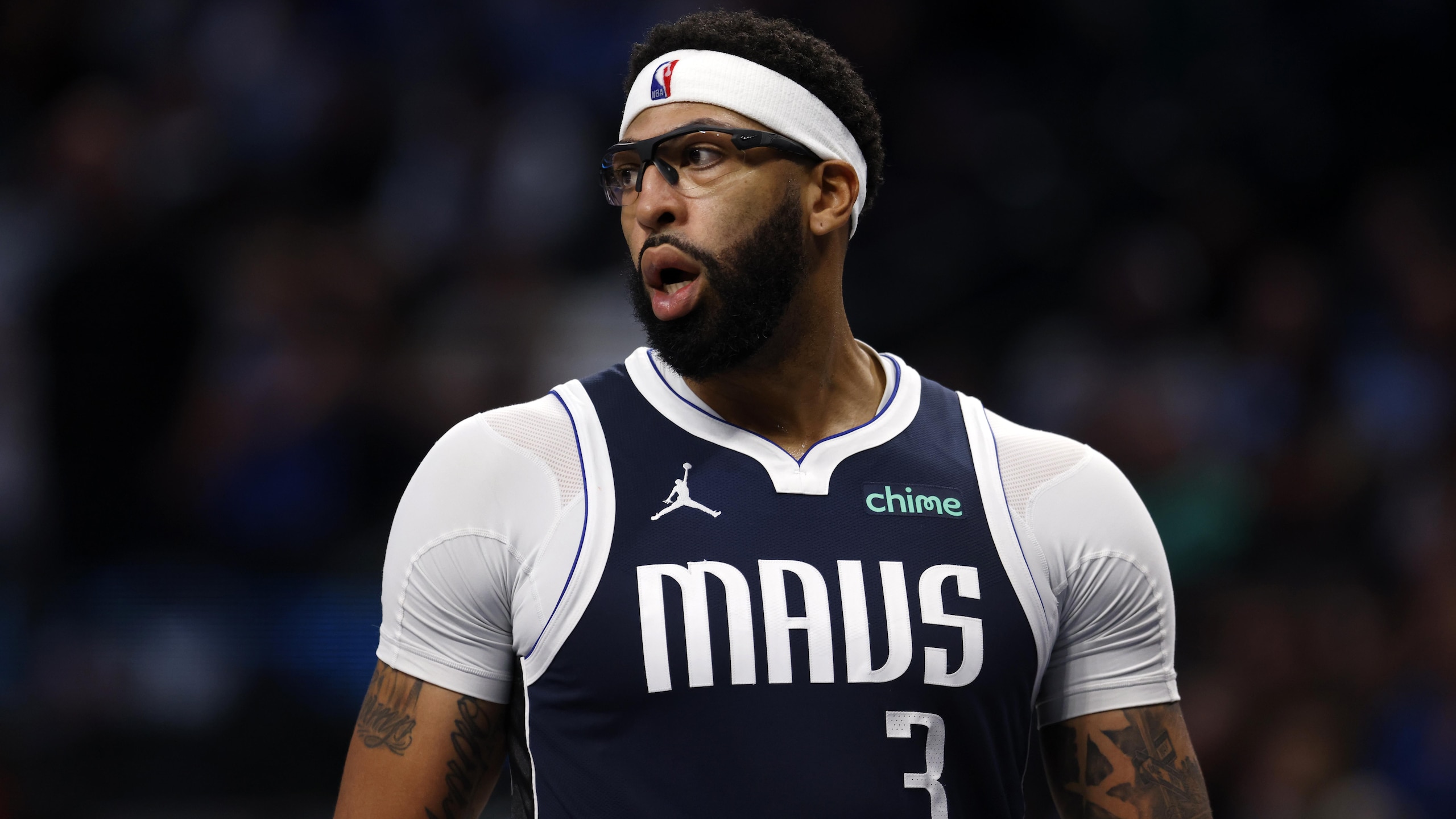
The Dallas Mavericks' 2026 first-rounder is the only one they control between now and 2031, but they're playing too well now to maximize its value.
That's the most pressing pick-related conundrum facing the recently competent Mavs, but it's not the only one.
It would also be nice if Dallas had the ability to sweeten deals by attaching draft capital. D'Angelo Russell and Caleb Martin are both effectively out of the rotation, but they each have a player option for next season. The Mavs would find it easier to move what looks like dead money if they possessed a surplus of draft assets.
Then again, Dallas acquired Martin last season by attaching a pick to Quentin Grimes, who turned out to be the far superior player. So, maybe it's best the Mavericks aren't equipped to make the same mistake again.
Denver Nuggets: Conservative Defense
8 of 30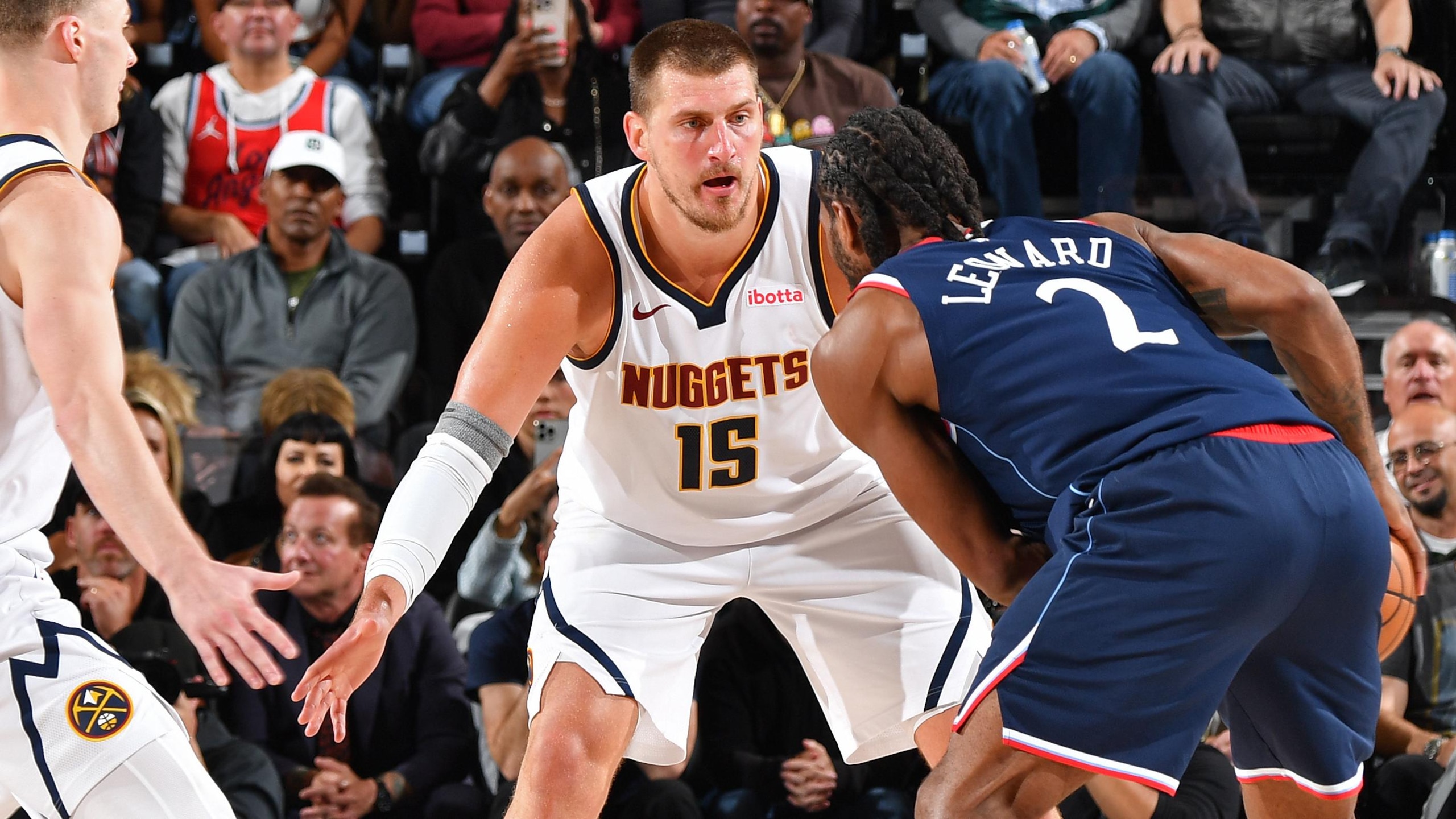
You'd think the Denver Nuggets would understand the value of mistakes better than most. After all, one of Nikola Jokić's singular gifts is his ability to identify and exploit his opponents' miscues.
A defender who takes a half step in the wrong direction can count on a Jokić dime delivery to the spot he just vacated. Turned heads, the tiniest lapses in attention, even ill-timed blinks—Jokić capitalizes on them all.
Paradoxically, Denver doesn't seem interested in exposing opponents that way on the other end. Only Washington forces turnovers on a lower percentage of plays than the Nuggets, who don't even play that conservatively in their base coverages. Jokić's limitations as a rim-protector mean he often comes up to the level of screens, sometimes trapping the ball-handler.
Opponents don't seem to have a problem with that pressure, and the Nuggets rank just 18th in defensive efficiency—largely because they don't make other teams uncomfortable.
Detroit Pistons: Secondary Creation
9 of 30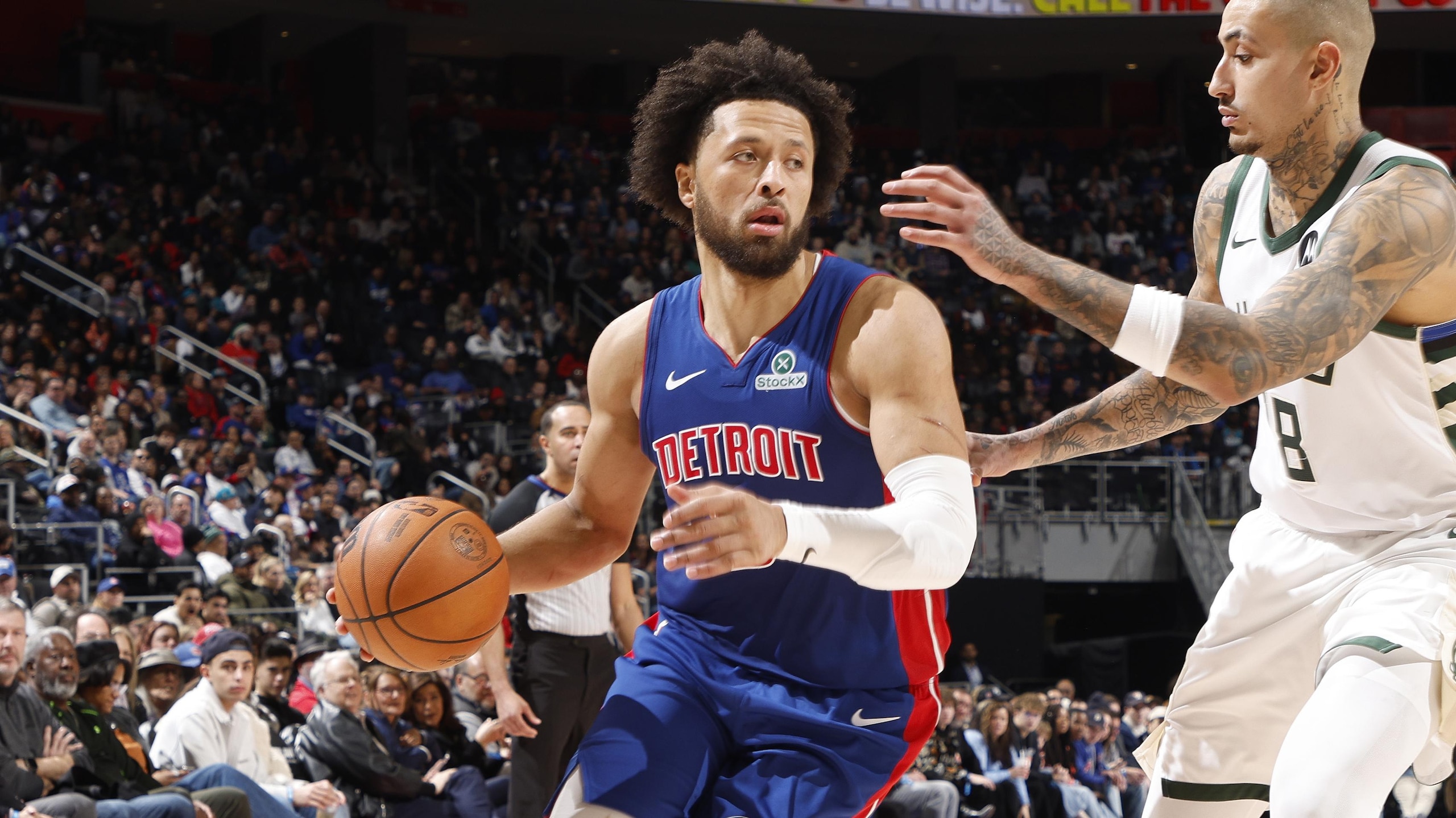
It's a good idea to keep the ball in your best player's hands, but Cade Cunningham can't keep doing everything all by himself.
The Detroit Pistons entered the season hoping Jaden Ivey could build on the progress he showed prior to injury last year, ideally slotting into a clear secondary creator position alongside and in relief of Cunningham.
Ivey has impressed in a more limited role after starting the year behind schedule, but it's still clear the Pistons need someone else to generate shots.
Cunningham trails only Luka Dončić for the league lead in time of possession, though he plays almost two minutes per game fewer than the Los Angeles Lakers superstar.
If Detroit can't get more out of Ivey, it'll either have to trade for another playmaker or force more production from the likes of Jalen Duren, Ausar Thompson and Daniss Jenkins.
Golden State Warriors: Bad Driving
10 of 30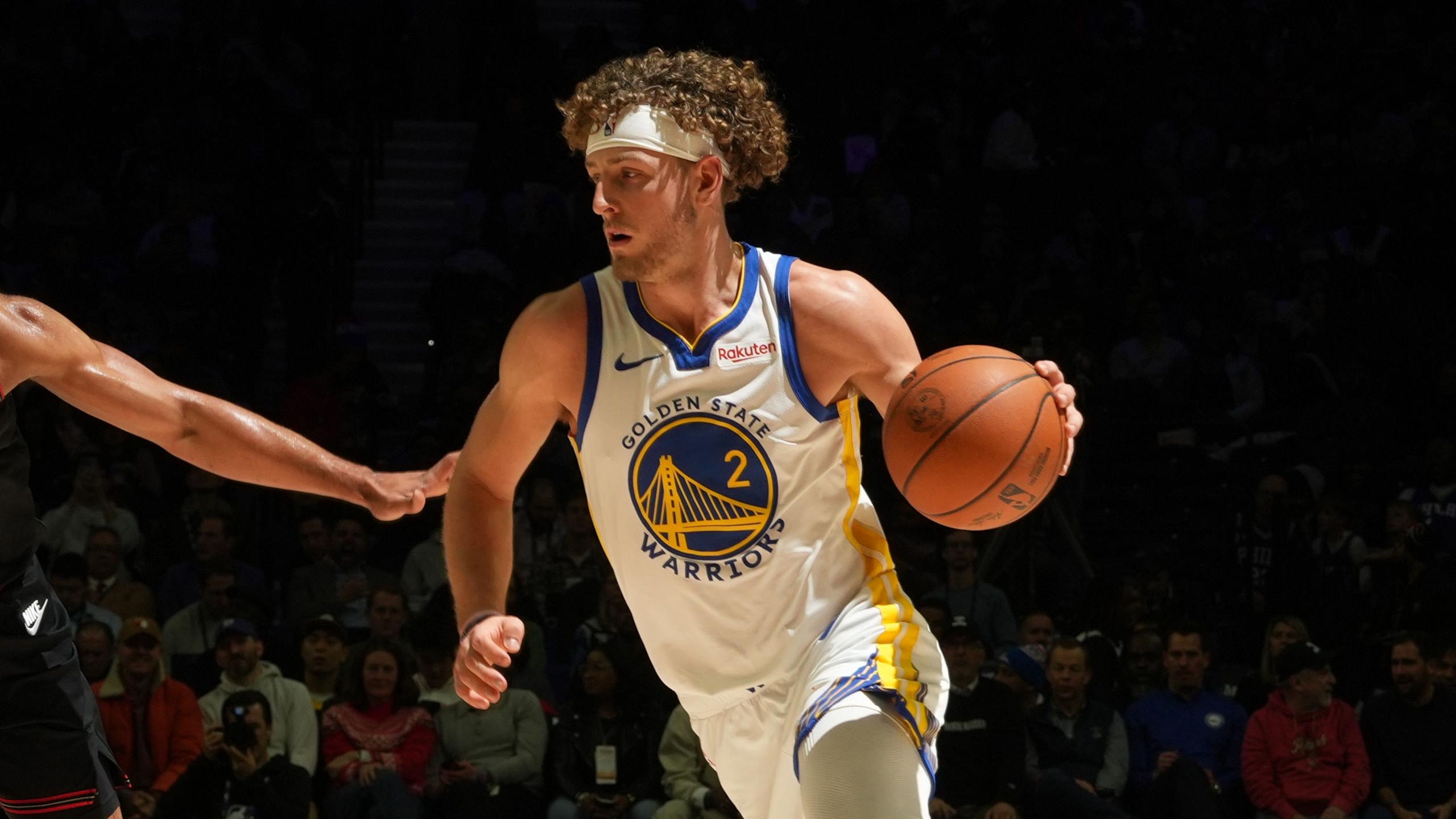
No, not that kind of driving. The Golden State Warriors don't speed or fail to obey traffic laws.
Their issue is tied to a lack of threatening off-the-bounce attackers. You don't need to pile up drives to have a good offense; the Denver Nuggets average the fewest drives in the league, and they score more points per possession than anyone. The Warriors, though, are a bottom-10 offense, and their struggles seem tied to a lack of downhill verve.
The Dubs generate the third fewest points per game (via field goals and assists combined) on drives, and they're just outside the bottom five in turnover rate on those plays.
This is mostly a personnel issue. Other than Stephen Curry, the Warriors don't have anyone who can consistently beat his man off the dribble or finish in traffic. Jonathan Kuminga and Brandin Podziemski are particular disappointments in this regard, and Jimmy Butler's foul-grifting only gets him so far.
Golden State flashed some intriguing ball and man movement at the end of its injury-plagued road trip through the east, looking particularly dynamic in a blowout win over the Bulls on Dec. 7.
Maybe that kind of quick passing and advantage-creation will stick, and the driving issue won't be so profound going forward.
Houston Rockets: Imminent Shooting Regression
11 of 30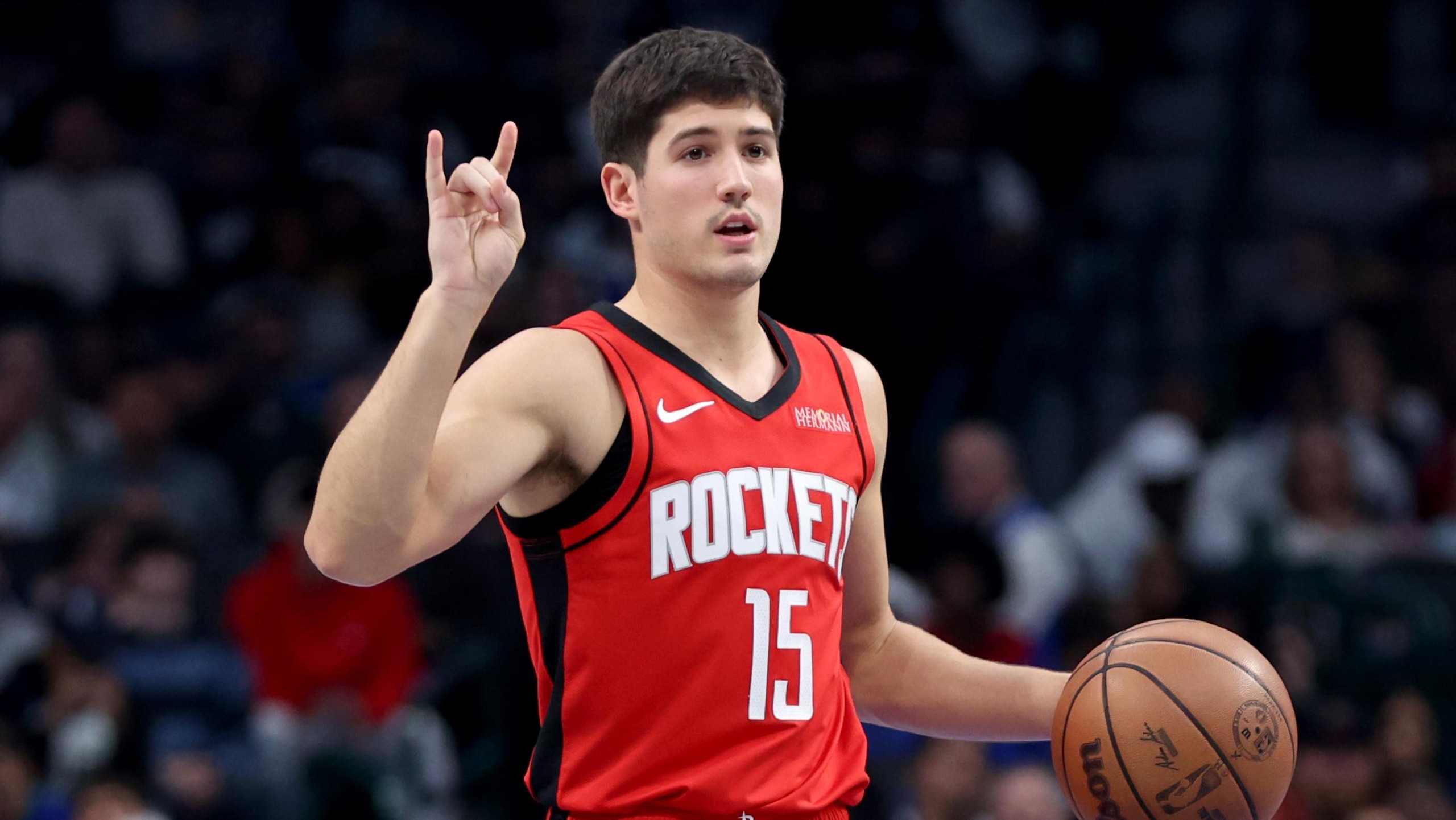
The Houston Rockets aren't taking many threes, but they're hitting an unsustainable share of the few they attempt. Currently dead-last in long-range attempt rate but top-five in accuracy, they could be in for some offensive slippage when those numbers normalize.
Compounding the problem, Houston has yet to shake its turnover issues. Though Fred VanVleet's absence hasn't hurt the Rockets' bottom line so far, the offense is clearly struggling to take care of the ball without him.
After committing turnovers on just 13.8 percent of their possessions last season, ranking eighth-best in the league, the Rockets are giving the ball away on 16.2 percent of their possessions in 2025-26. That figure ranks 28th.
League-leading offensive rebounding will still give Houston a great chance to win the possession battle every night, but sustained problems with ball security will hurt more when shots begin to fall at expected rates.
Indiana Pacers: Jarace Walker's Development
12 of 30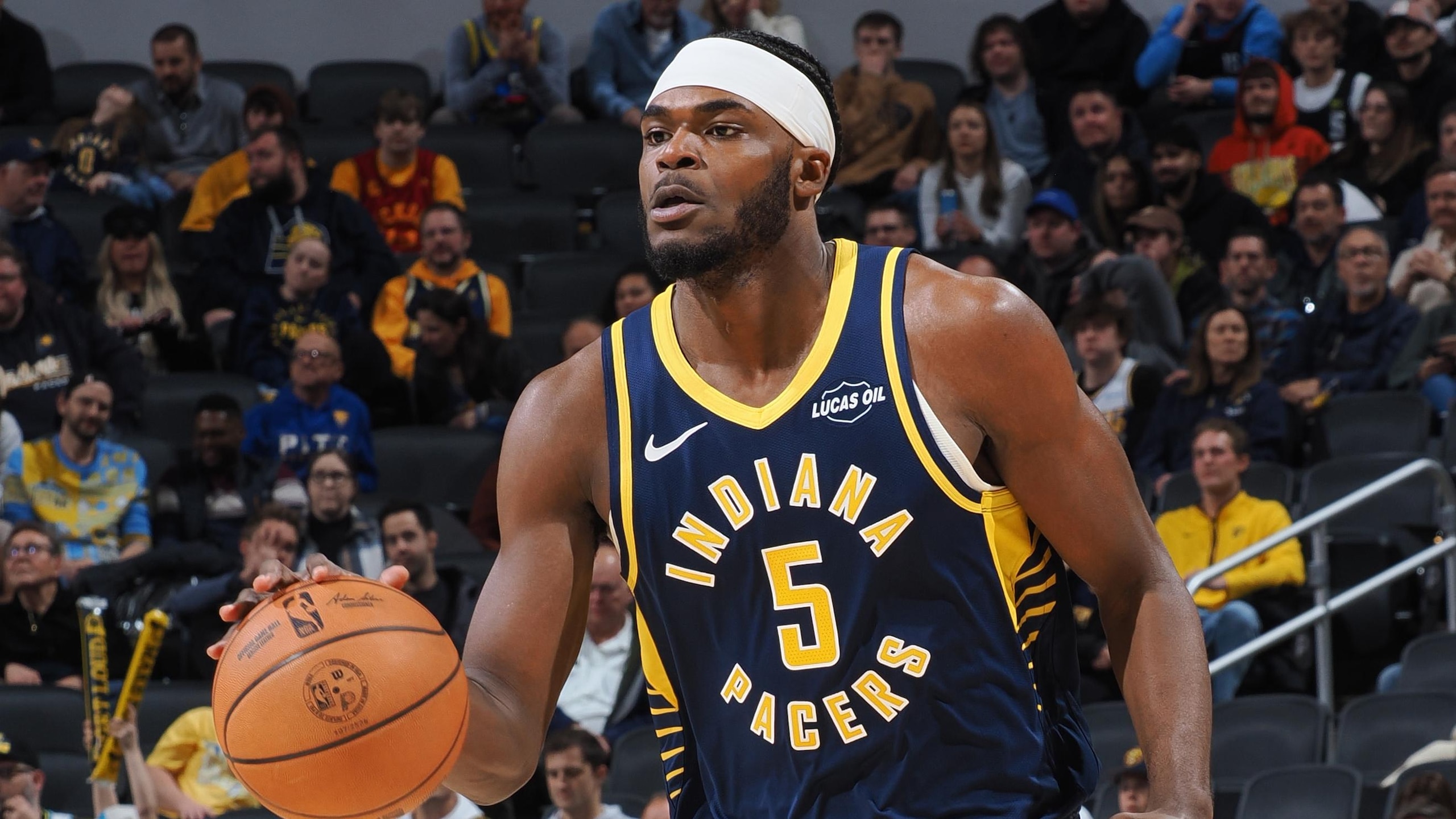
You've got to be careful when looking for trouble spots on an Indiana Pacers team beset by injuries and mired in a "what's the point?" gap year.
Indy is one of the worst offenses in the league, for example, but Tyrese Haliburton's absence pretty much eliminates that as a real issue.
Of course, the Pacers can't score without one of most transformative offensive forces in the NBA.
Gap years don't need to be total throwaways, though. Teams can utilize them to develop young players and establish roles so the whole operation runs more smoothly when the key figures return. Jarace Walker has so far wasted his golden opportunity to prove himself.
Though he's playing more minutes, most of that is out of necessity and because Indiana isn't playing many games with real stakes.
If the Pacers were trying to win, it'd be hard to justify Walker even being in the rotation. The third-year forward is averaging fewer points, rebounds, assists steals and blocks per 36 minutes than he did a year ago, and his shooting has completely cratered.
After canning over 40.0 percent of his threes in his first two seasons, he is at 31.4 percent and only hitting 34.9 percent of his twos.
Too often, the ball stops when it gets to Walker, and he remains prone to confounding lapses in attention on defense. Two-plus years into his career, the former lottery pick looks less like a contributor on a good team than ever.
LA Clippers: Age
13 of 30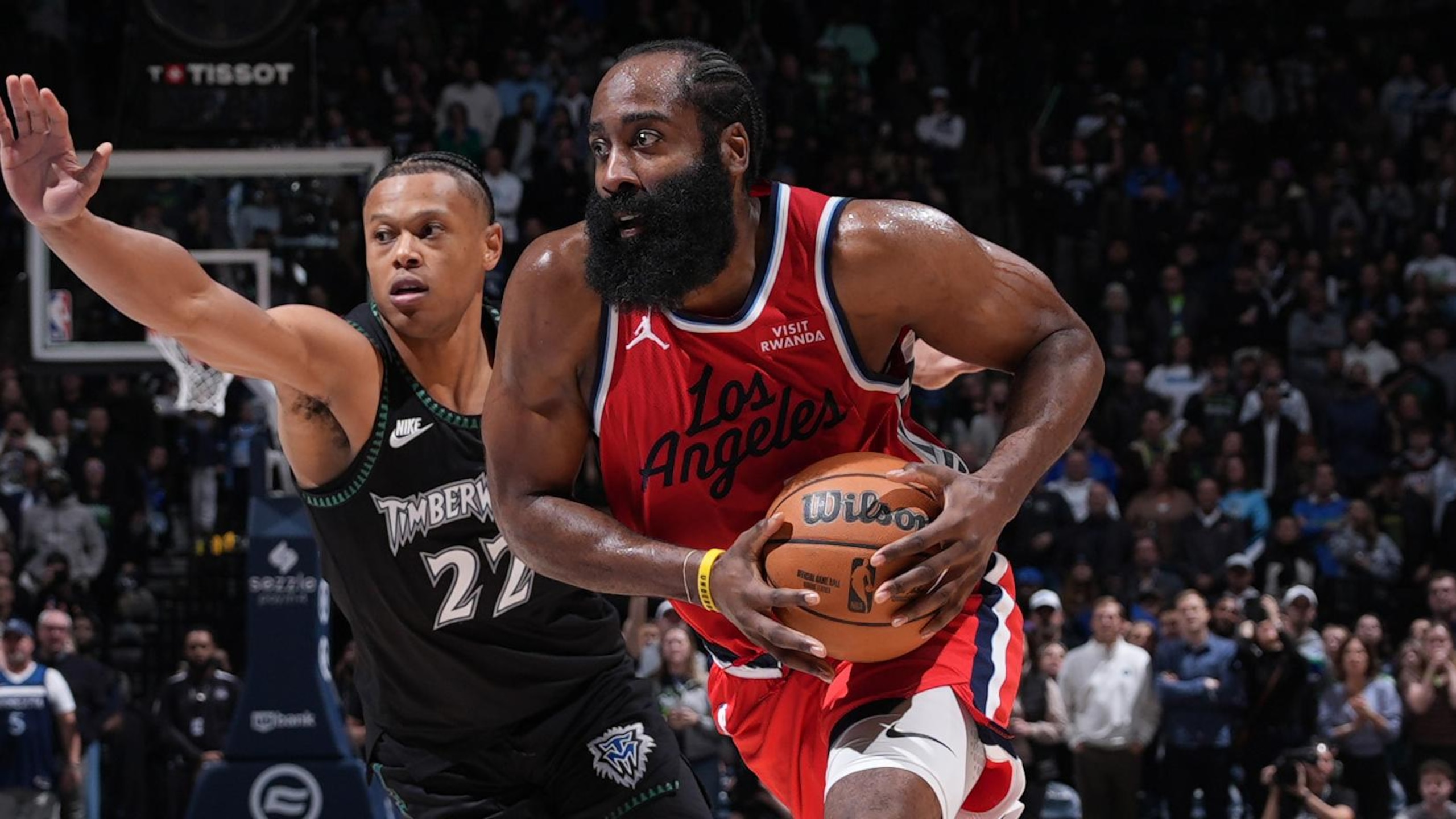
The LA Clippers aren't officially the slowest team in the league, ranking fourth from the bottom in average speed, per NBA.com's tracking data. But if you watch them enough, you'd swear that was a lie.
No squad looks more stuck in the mud than the Clippers, who gambled on loads of aging veterans in an offseason overhaul and got burned by Father Time. James Harden and Kawhi Leonard actually look pretty spry compared to what we've seen from Brook Lopez, Nicolas Batum and Bogdan Bogdanović—and what we saw from Chris Paul and Bradley Beal when they were part of the rotation.
It's easy to point out the flaw in L.A.'s roster build now, when it's become abundantly clear that youth, depth and athleticism are musts in the most up-tempo and physically demanding era we've seen. But maybe the Clippers should have peppered in one or two 20-somethings when they put this team together.
Struggling to keep up defensively and among the league's most disappointing teams, the Clips got old in a hurry.
Los Angeles Lakers: The Stars Don't Mesh
14 of 30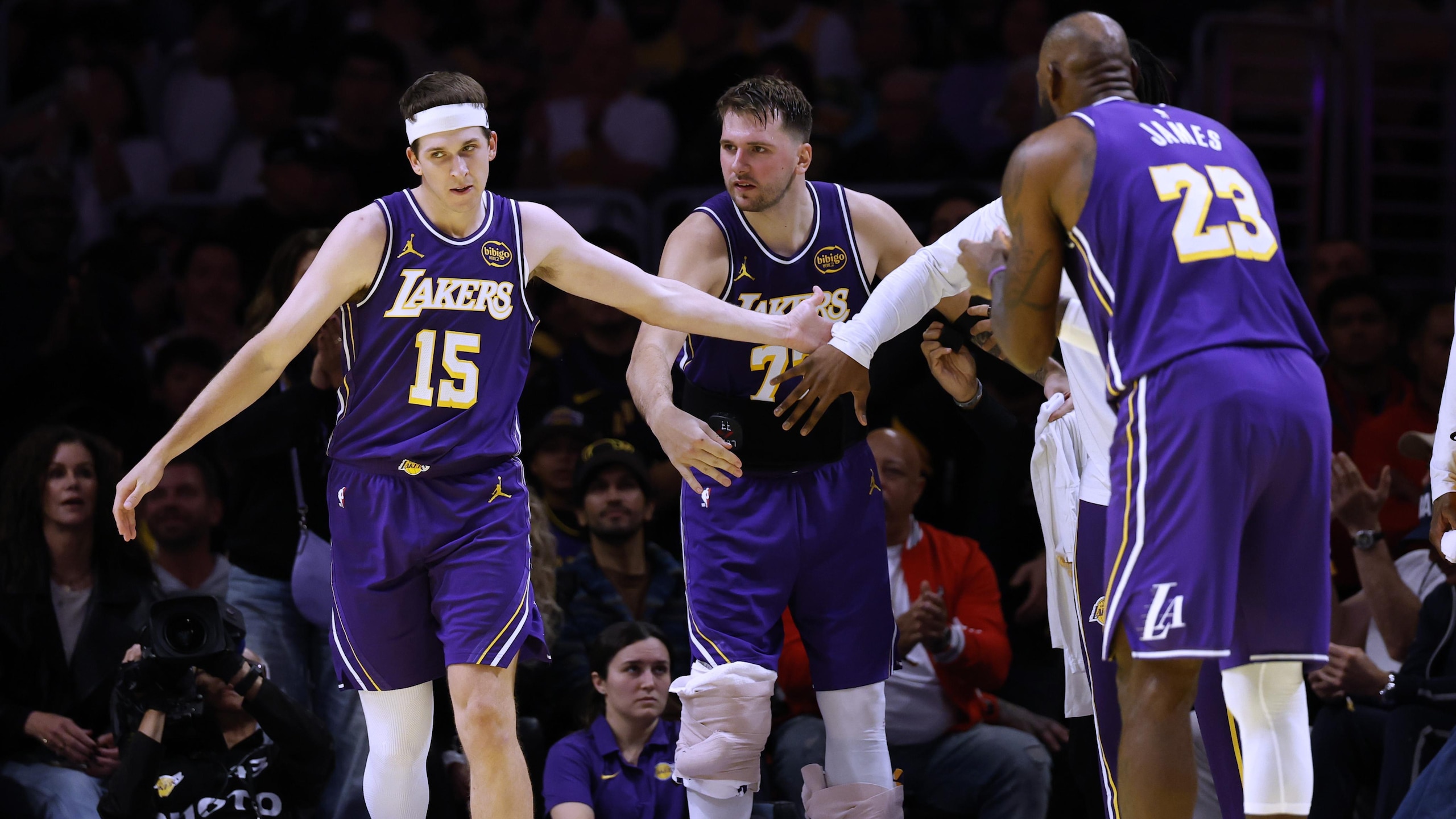
The Los Angeles Lakers' ceiling depends on how well its best players perform together. So far, the results with Luka Dončić, Austin Reaves and LeBron James sharing the floor are falling way below expectations.
Small-sample caveats apply. James' delayed start to the season limited the trio's opportunity to share chemistry-building reps, and the ghastly lineup data (Los Angeles has a minus-10.0 net rating during their minutes) owes to some unsustainably hot opponent three-point shooting.
Potentially stickier problems are in the mix, though. The Lakers allow 81.2 percent shooting at the rim and surrender loads of three-point attempts with their top three offensive stars on the floor. They also get blitzed in transition and never counter with breakouts of their own. All of that squares with preseason concerns about their general lack of pace and defensive oomph.
None of this rises to the level of a crisis just yet, as the Lakers are winning at a higher clip than almost anyone expected. But it's definitely worth monitoring as we get deeper into the season.
Memphis Grizzlies: Jaren Jackson Jr.'s Slippage
15 of 30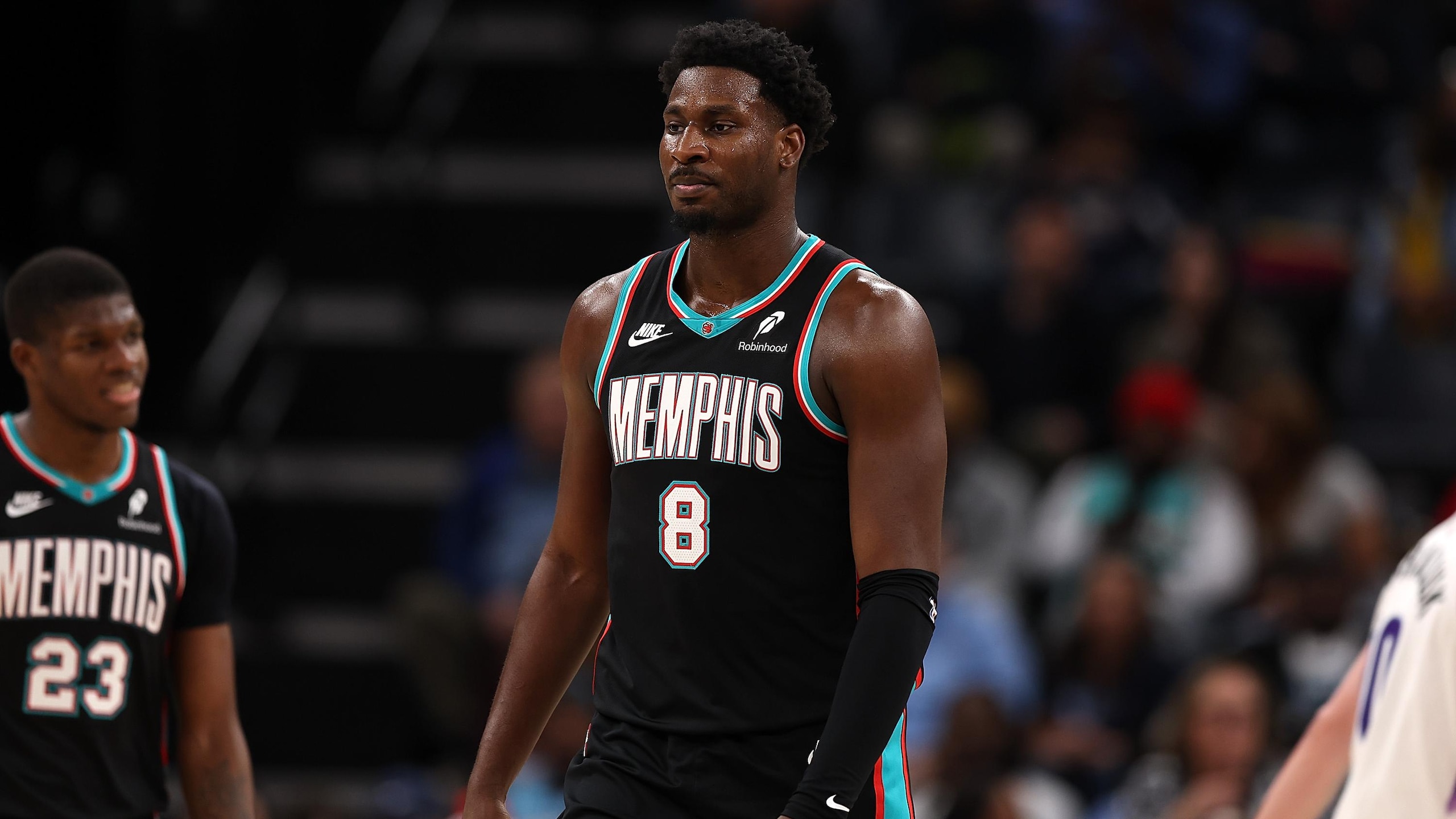
Twenty-six is way too early for an age-related decline, and Jaren Jackson Jr. has missed just two games this season, suggesting he's healthy. He's still been one of the more disappointing star-level players in the league, and that's a problem for a Memphis Grizzlies team running short on reliable cornerstones.
Ja Morant has missed significant time, struggled badly from three (under 20.0 percent) and has not consistently looked like the explosive All‑NBA force of past seasons, which might make it seem like he's the bigger concern. But the Grizzlies didn't give him the five‑year, $205 million extension—that went to Jackson.
Given the uncertainty surrounding Morant's availability and trajectory in Memphis, the Grizzlies can no longer treat him as their unquestioned long‑term centerpiece.
This only magnifies Jackson's struggles to shoot the ball (32.4 percent from deep), his renewed penchant for fouling (4.9 per 36 minutes) and lagging defensive work (career-low 2.2 stocks per 36).
Here's hoping he's just working his way back from the turf toe surgery in July and ankle sprain in November.
Miami Heat: The Unknown
16 of 30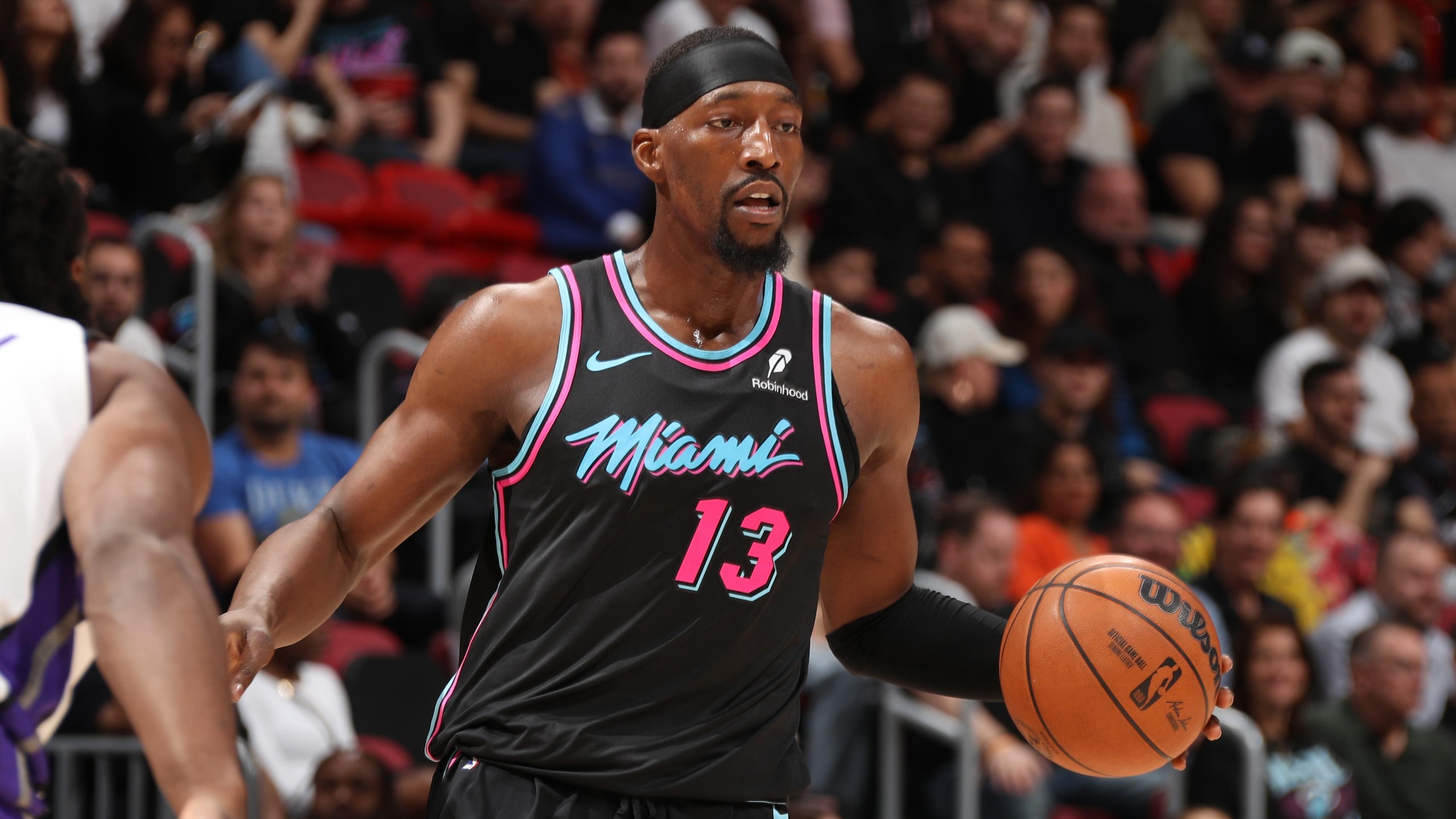
The Miami Heat's revamped offense is one of the freshest and most exciting stories of the season.
In eliminating screens, mandating a breakneck pace and prioritizing a drive-and-cut attack rife with off-ball shifting, it feels like the Heat are entering unexplored territory—or at least checking it out more thoroughly than the Grizzlies did a year ago.
Tactical shifts like this don't come around often. The NBA was defined by the pick-and-roll for almost 20 years, and this departure could mark the beginning of a new era.
Or—and this is where the problem comes in—Miami's offense might fall completely flat in the playoffs and wind up a footnote in a chapter of NBA history devoted to wild ideas that look ridiculous in hindsight.
Probably somewhere between "Cooper Flagg: Point Guard" and "Zach LaVine and DeMar DeRozan never won in Chicago, but Sacramento will be different."
Milwaukee Bucks: Giannis Antetokounmpo's Calf
17 of 30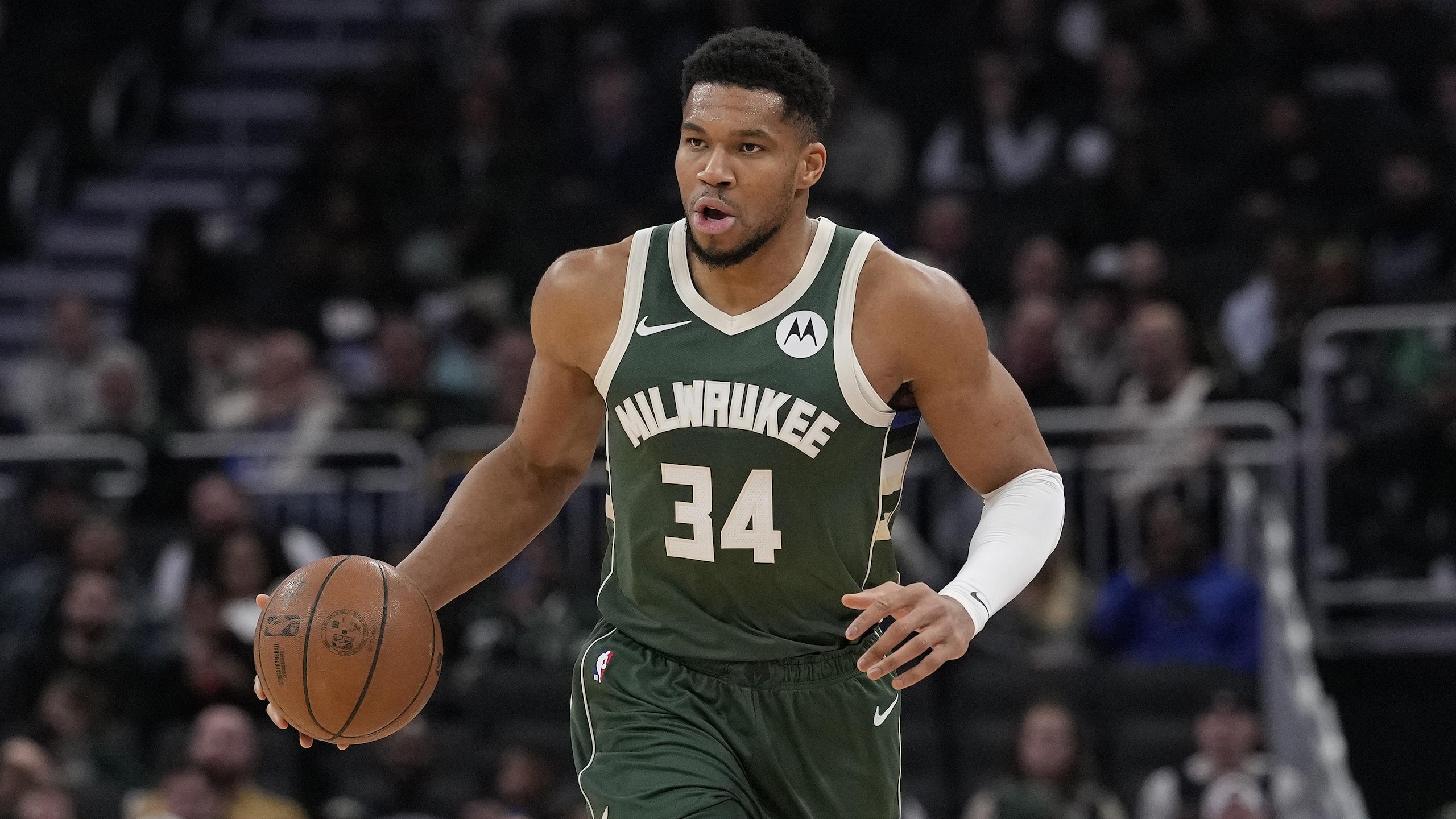
Disinterest in offensive rebounding and a total inability to get to the foul line are issues for the Milwaukee Bucks, but they fall short of "existential."
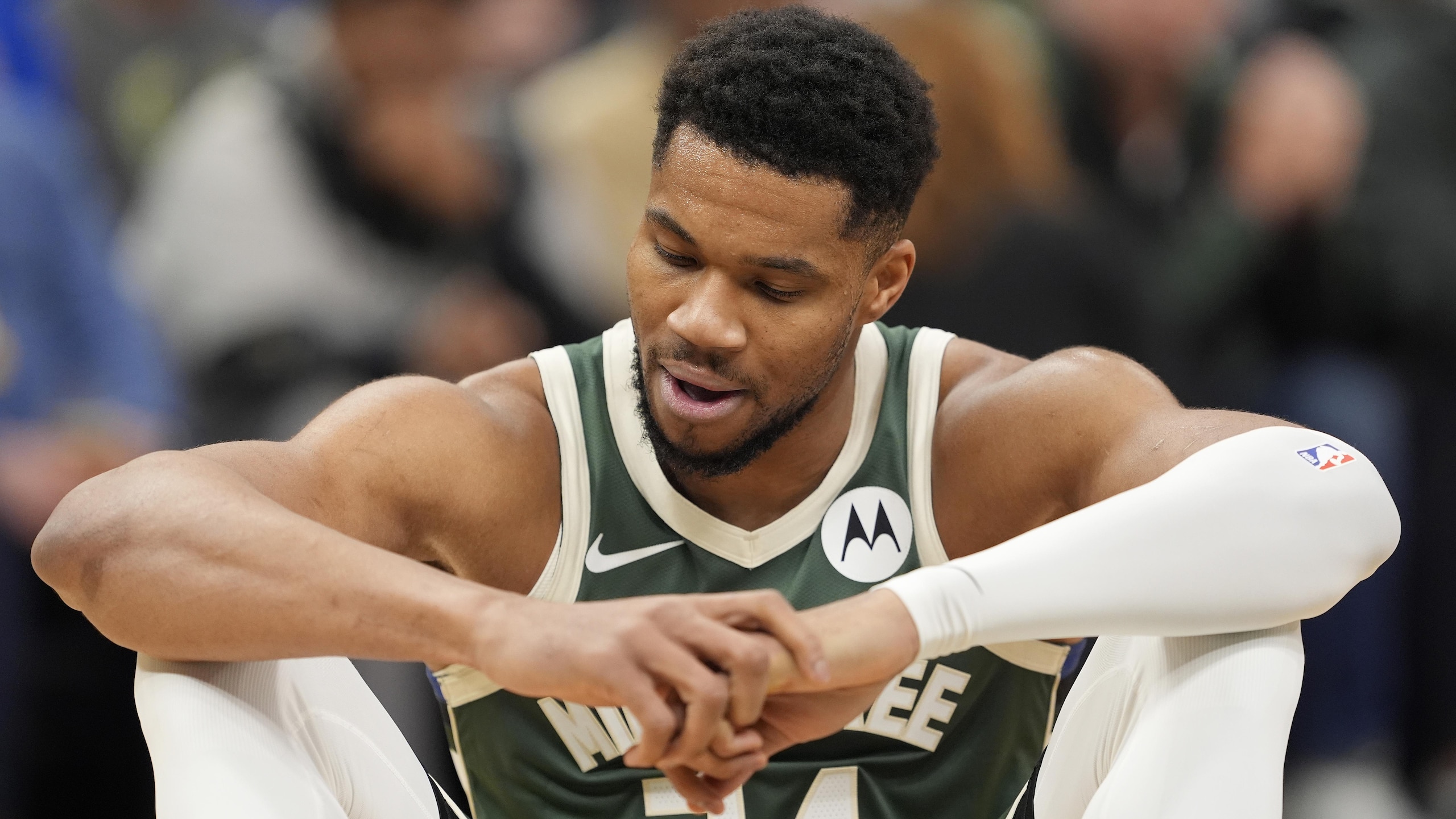
That's why Giannis Antetokounmpo's strained calf, which puts the team's ability to talk trades in a holding pattern, is clearly the choice here.
If Giannis were under contract for three or four more years after this one, a two-to-four-week injury like this wouldn't matter. But because he can opt out of his deal after next season, teams that might otherwise put big offers on the table for him prior to this year's trade deadline have to exercise more caution.
A deal for a healthy Giannis could yield two cracks at a championship run before he can get to free agency. A deal for an injured one could make a blockbuster trade more of a one-shot deal.
Maybe the Bucks will trade Giannis, and maybe they won't. This injury is complicating an already fraught situation and possibly limiting the Bucks' options.
Minnesota Timberwolves: Late-Game Collapses
18 of 30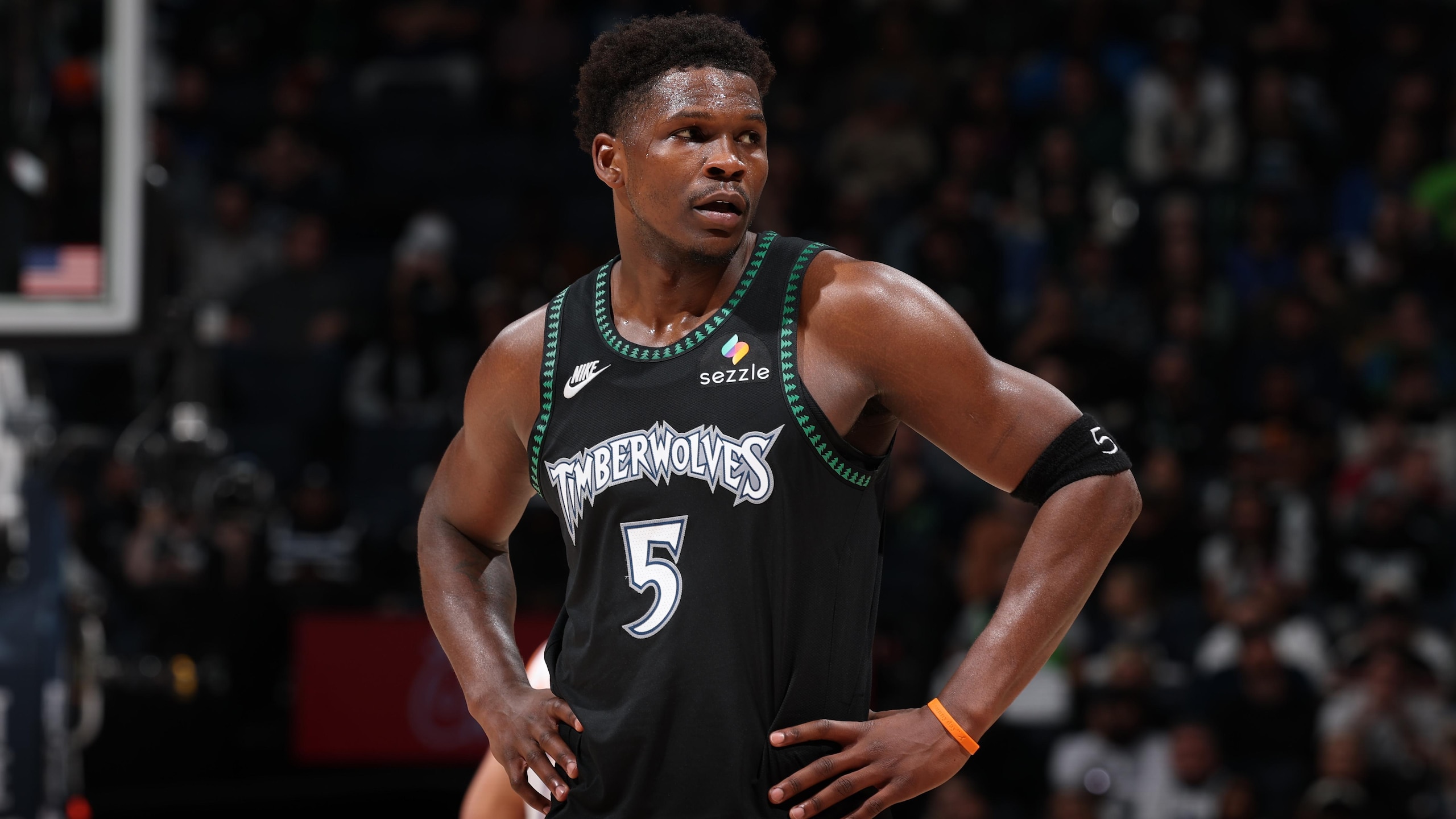
The Minnesota Timberwolves are getting most of the major stuff right. They're a top-10 offense that smothers opponents on D as long as Rudy Gobert is in the game. Overall, they're living up to 50-win, top-four-in-the-West expectations.
Except for one critical issue: Minnesota has a habit of losing its way when the stakes are highest.
The Wolves blew an eight-point lead with less than a minute to play against the Suns on Nov. 21, and they let a 10-point advantage get away in an overtime loss to the Kings on Nov. 24.
Even in close wins, it feels like the determining factor is how many contested pull-up jumpers Anthony Edwards can make after the offense inevitably stalls out. Easy shots disappear when the Wolves need them most.
Minnesota's offensive rating ranks below the league average, and its turnover rate is among the highest in the NBA in clutch situations. Is it a lack of focus? The absence of a reliable playmaking point guard? Julius Randle's bouts of tunnel vision? Defensive inattention?
Unfortunately, all of those factors are involved. If Minnesota wants to make it to a third consecutive conference finals, it better figure out how to shore up its late-game play.
New Orleans Pelicans: They Don't Have Their Pick
19 of 30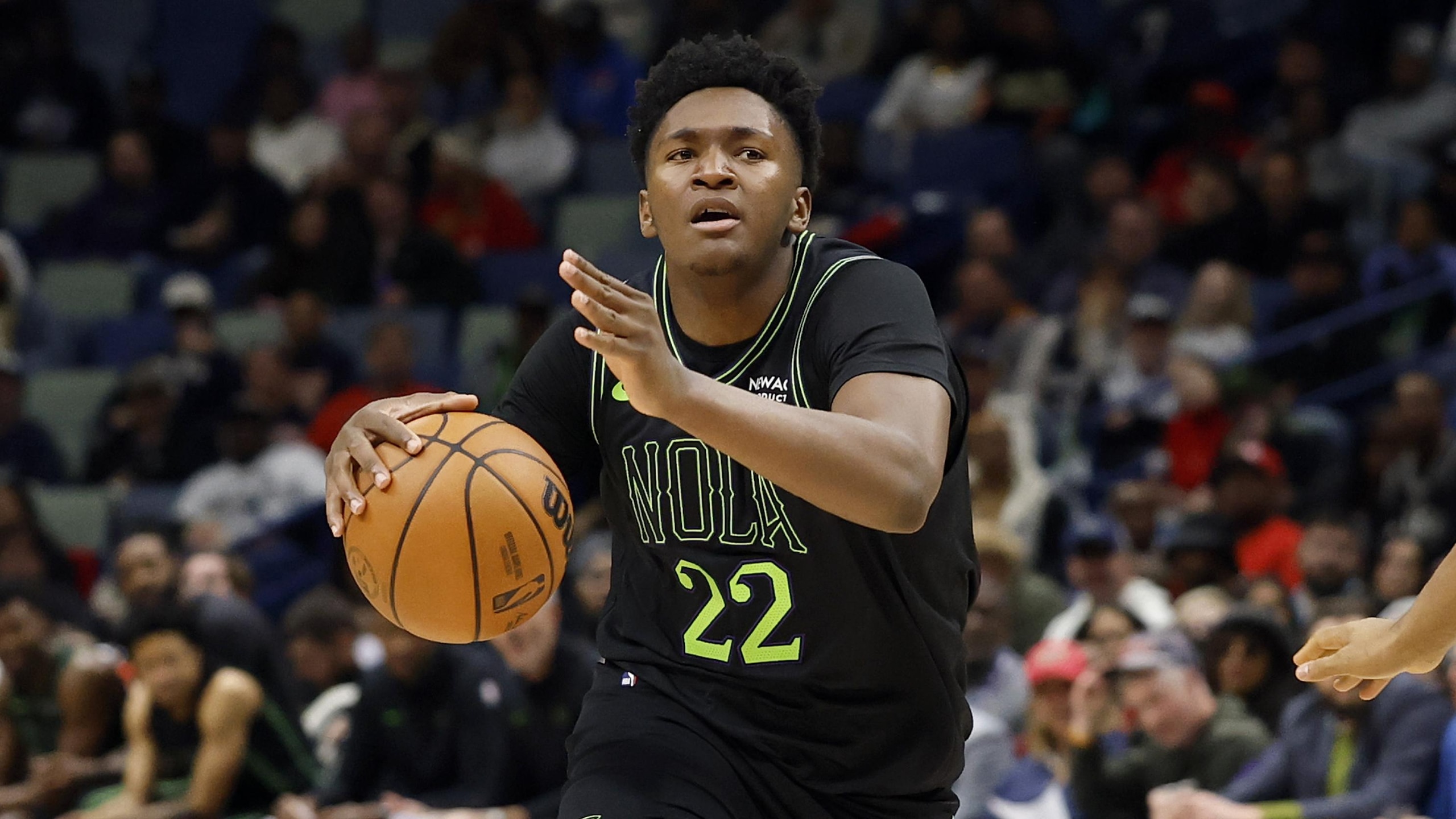
Why ignore the obvious?
The New Orleans Pelicans have plenty of problems, which you'd expect from a team that has lost more games than any other this season. They can't shoot, opponents shoot the lights out against them, Zion Williamson is hurt again, and bottom-five finishes in both offensive and defensive rating seem guaranteed.
None of that would sting quite so badly if there were some kind of incentive for all these losses and on‑court struggles. Something like, oh, I don't know, a pick in the 2026 lottery.
The Pelicans gave that up for admittedly exciting rookie Derik Queen, but they almost certainly didn't have to. The Atlanta Hawks surely would have made the same draft night deal (No. 13 for No. 23 and an unprotected 2026 first-rounder) if New Orleans had insisted on top-five protection.
The Pelicans won't get any payoff after this spiraling season. Just loss after loss after loss.
New York Knicks: Wing Depth
20 of 30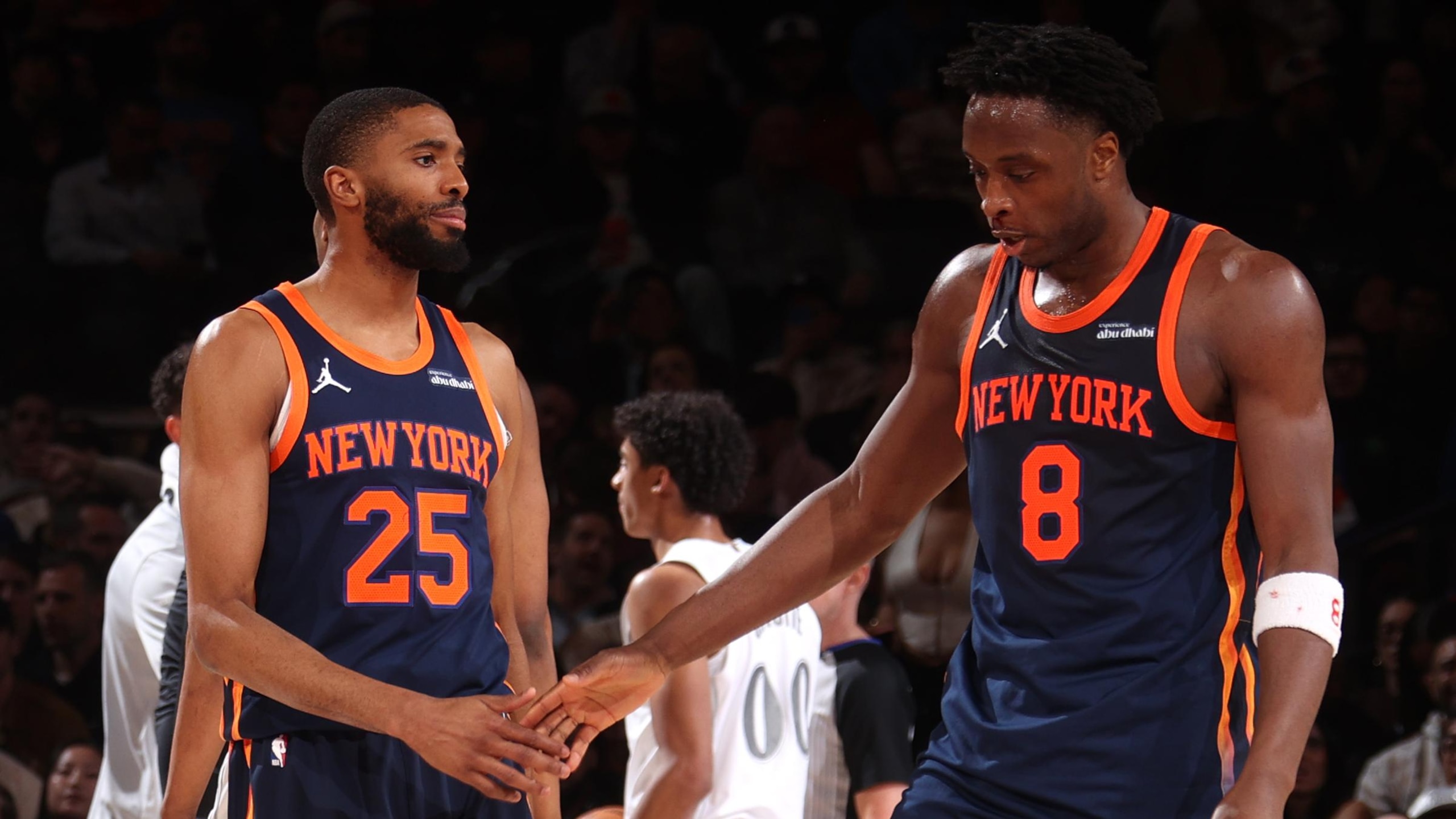
Teams only have so many resources, and the New York Knicks spent a whole bunch of theirs on Mikal Bridges and OG Anunoby. As starting wing duos go, that's about as well as you can do. New York paid a premium for both.
The downside is that behind those two, the Knicks are thin.
Other than Josh Hart, whose positional designation is complicated by his guard size, power-forward rebounding and up-and-down shooting, New York lacks another viable combo forward or wing option. Pacome Dadiet is nowhere near ready, Deuce McBride lacks size and everyone else is either a true big or a backcourt-only option.
This is a first-world problem on a Knicks team that currently looks like a good bet to come out of the East, but it's one that could crop up in higher-stakes games this April and May.
Oklahoma City Thunder: Pacing
21 of 30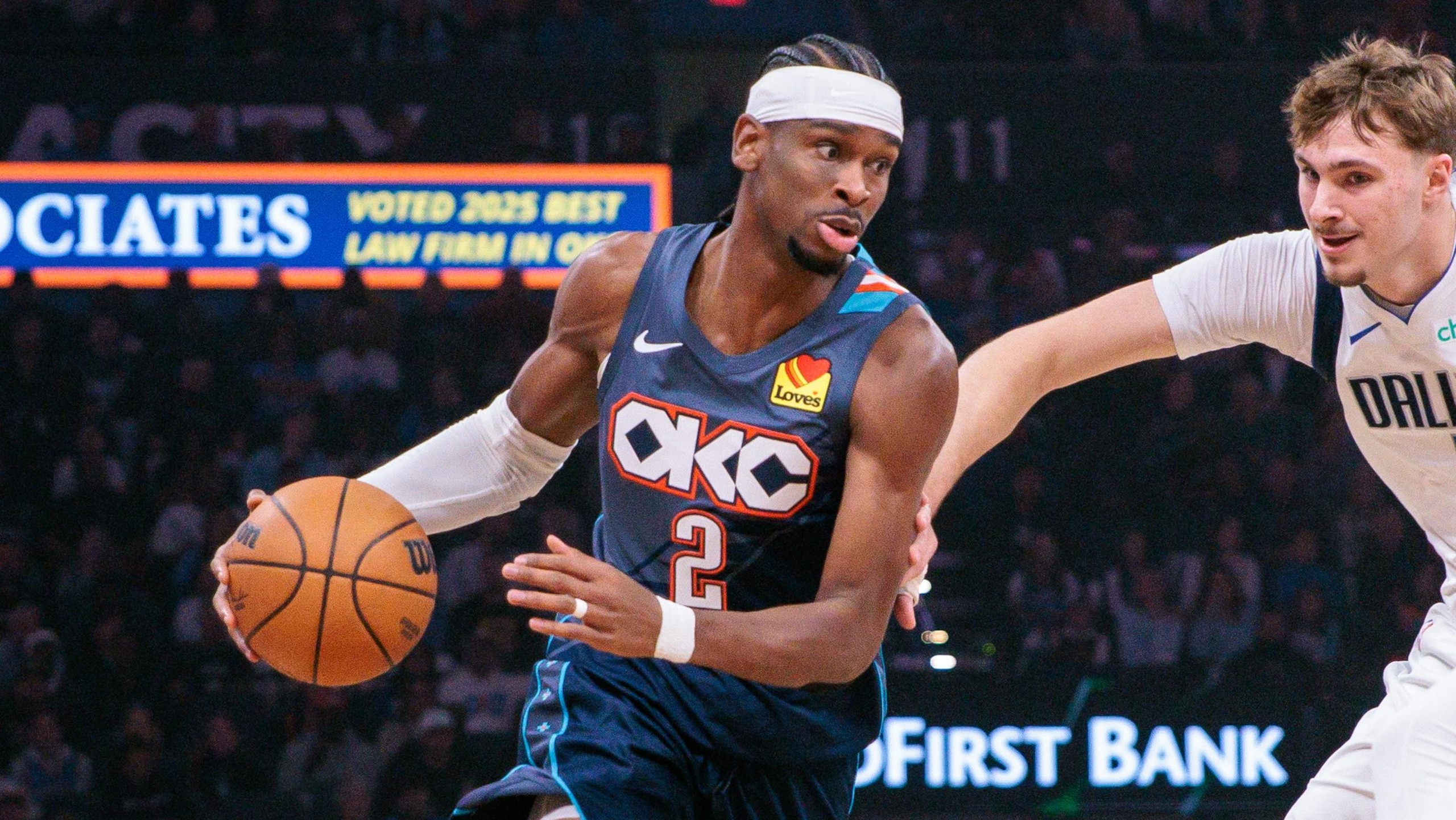
Off to a historic start and showing virtually no frailties worth noting, the Oklahoma City Thunder might be the team with the fewest problems in NBA history.
You can't even find anything if you expand the search beyond this year, as the Thunder have the draft assets and flexibility to navigate the tax and aprons for at least the next half-decade.
The only potential worry is actually tied to OKC's success: Maybe the Thunder will work a little harder than they should in pursuit of the single-season wins mark.
Everyone remembers how the current record-holder failed to seal the deal, as the 2015-16 Golden State Warriors went 73-9 before coming undone and blowing a 3-1 lead in the Finals. What if Oklahoma City burns too much fuel trying to go 74-8, only to gas out in the Finals?
OKC could console itself in the knowledge that it doesn't have a Draymond Green, whose groin-kicking and flagrant-foul-point accumulation probably had more to do with the Dubs' collapse than fatigue.
We're grasping at straws here, though, and "being too good for their own good" is the best we can do for the Thunder.
Orlando Magic: The Revolving Door
22 of 30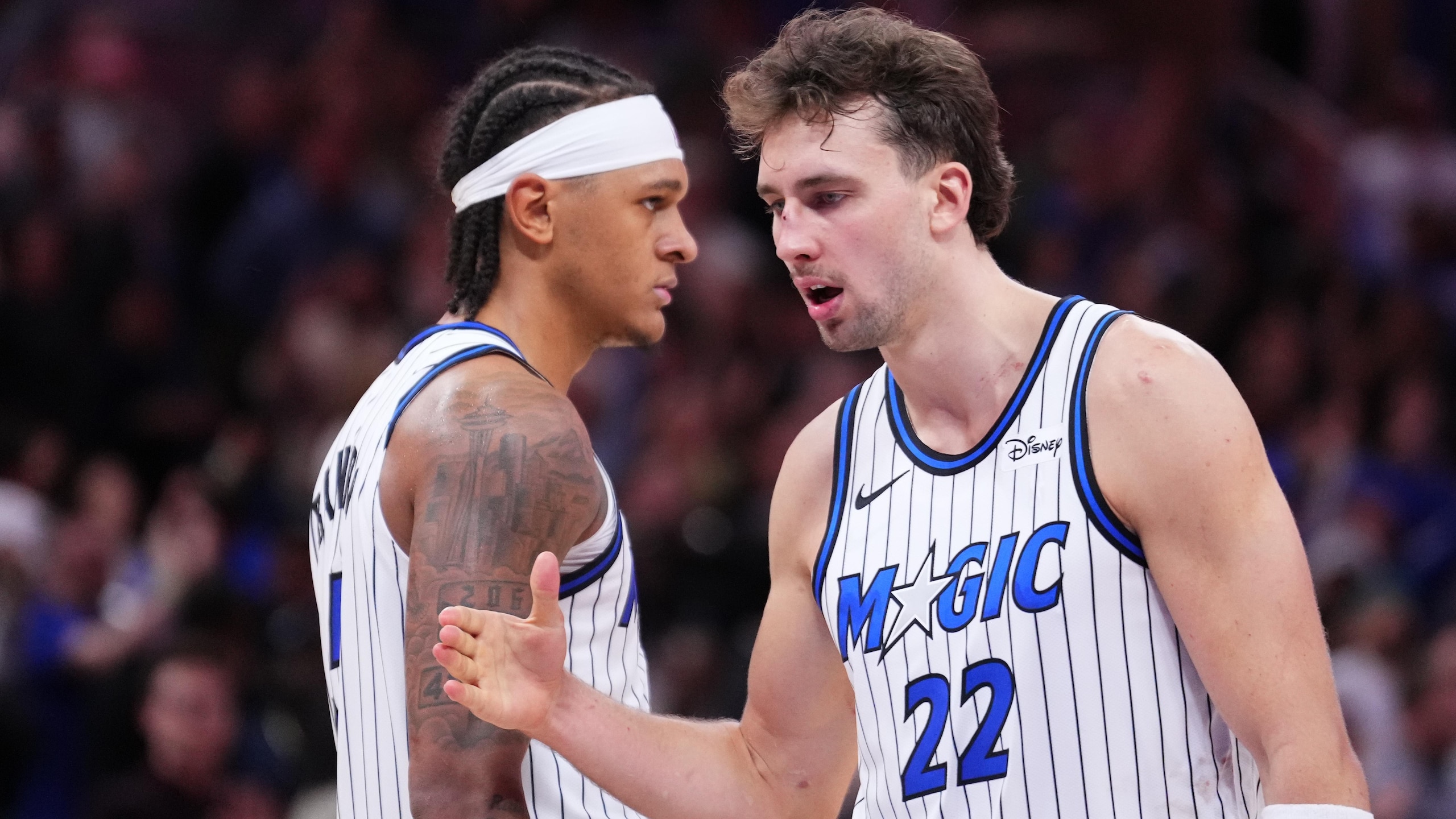
As soon as one of the Orlando Magic's two star forwards gets healthy, the other one goes down. That was the case last year, when Paolo Banchero and Franz Wagner alternated injuries and spent just 40 games on the floor together, and it's how this season is shaping up as well.
In Banchero's second game since returning from a groin strain, Wagner went down with an ugly injury to his lower left leg.
Aside from the obvious issue of preventing the Magic from having all their best players on the floor at the same time, this give and take has a way of turning success into a kind of failure.
We just saw it happen as Orlando performed well during Banchero's absence, when all fans and pundits could talk about was whether the Magic were actually better off without the former No. 1 overall pick.
Philadelphia 76ers: Joel Embiid's Contract
23 of 30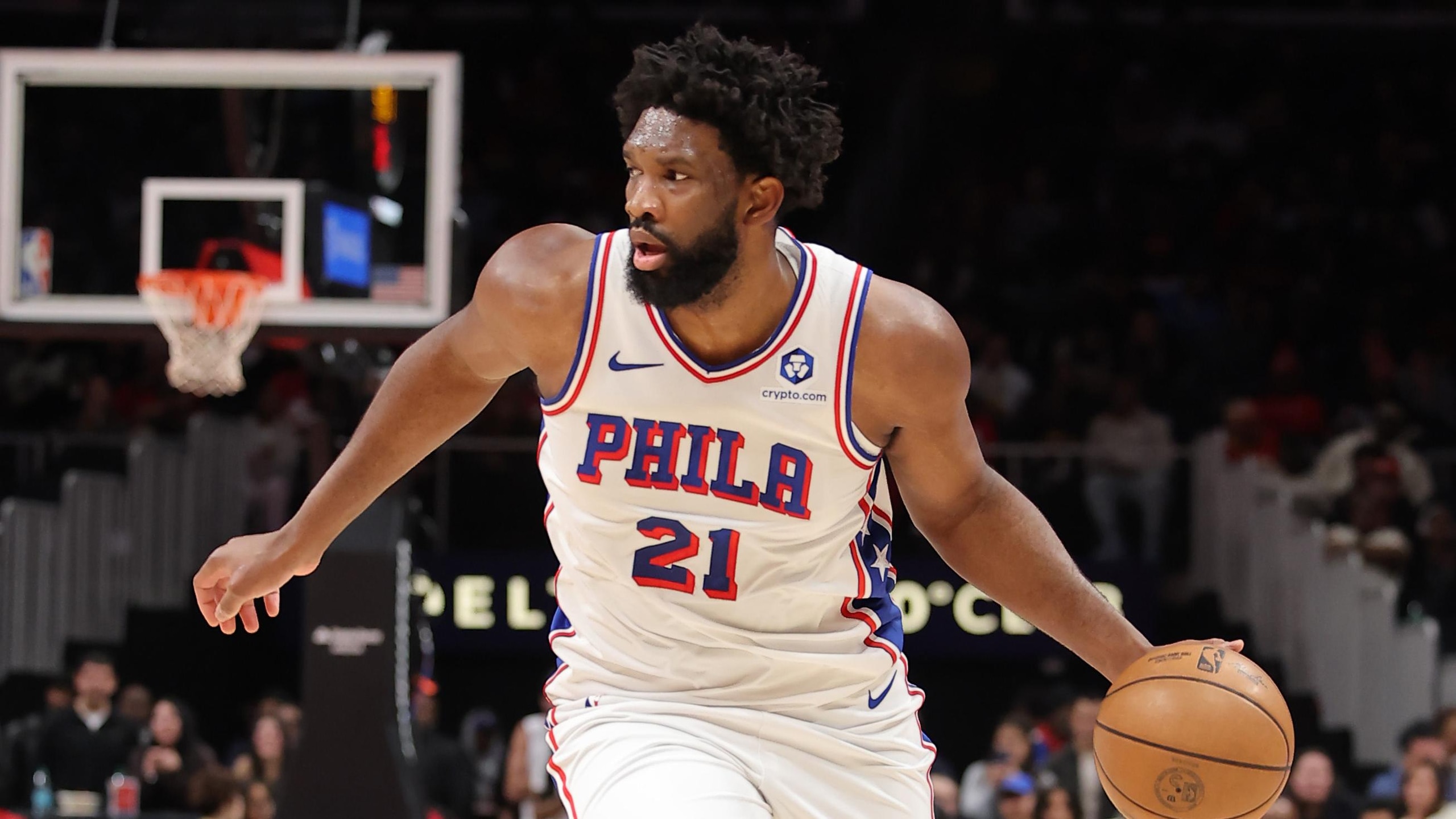
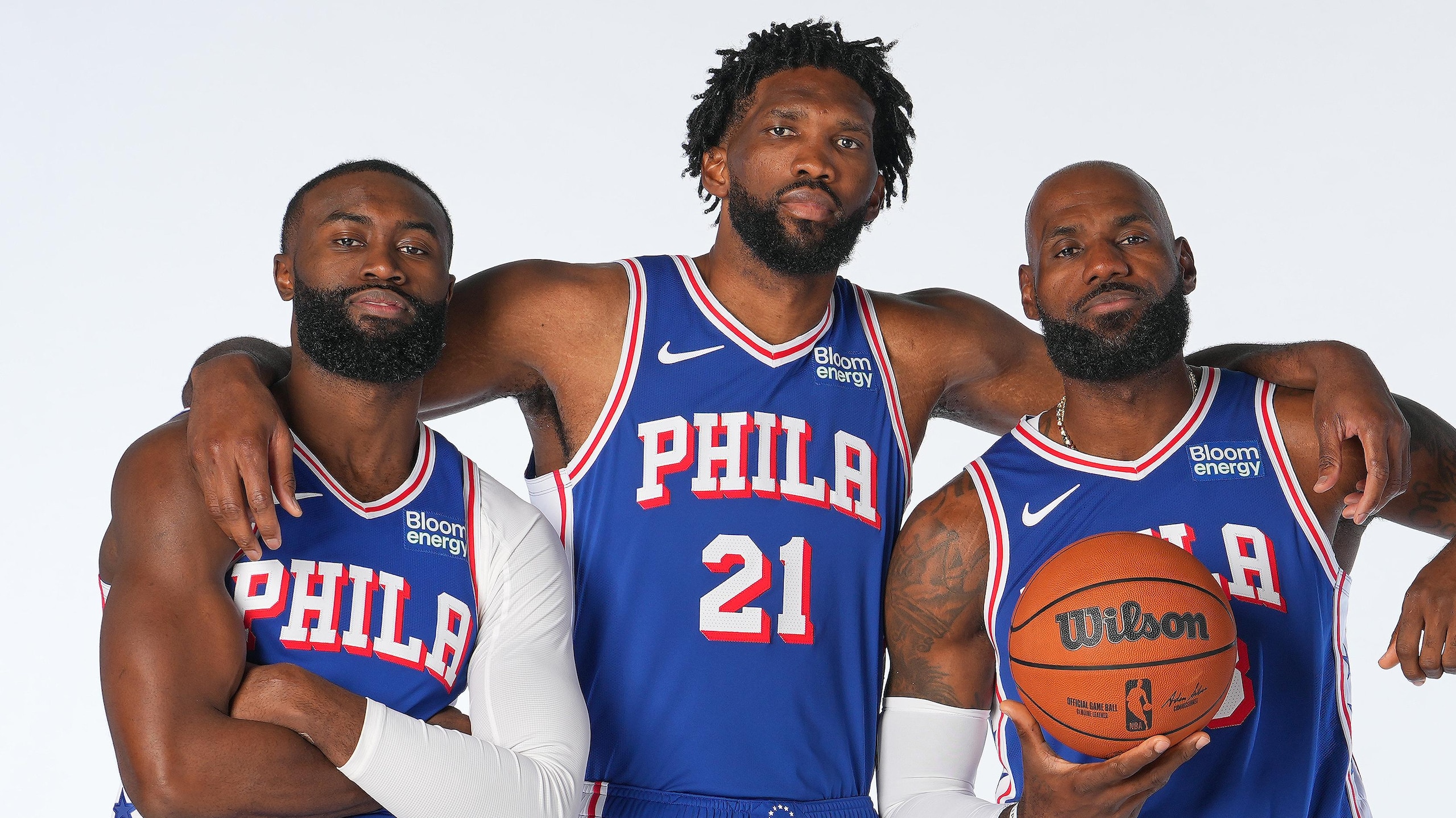
Joel Embiid played three straight games for the first time this season, and all it got the Philadelphia 76ers was a single win (over the lowly Indiana Pacers on Dec. 12) and confirmation that availability wasn't the only variable with the former MVP.
Even when healthy enough to play, Embiid was only occasionally effective.
Now 31, he is on the books through 2028-29 at an average of $61 million per season.
Tyrese Maxey is a star, and the Sixers have plenty of other reasons to be hopeful about their future. But Embiid's contract is perhaps the league's single biggest hindrance to prolonged success.
For as long as it's on the books, Embiid's deal will compromise roster-building plans and likely make night-to-night continuity impossible to achieve.
Phoenix Suns: Judging Reality
24 of 30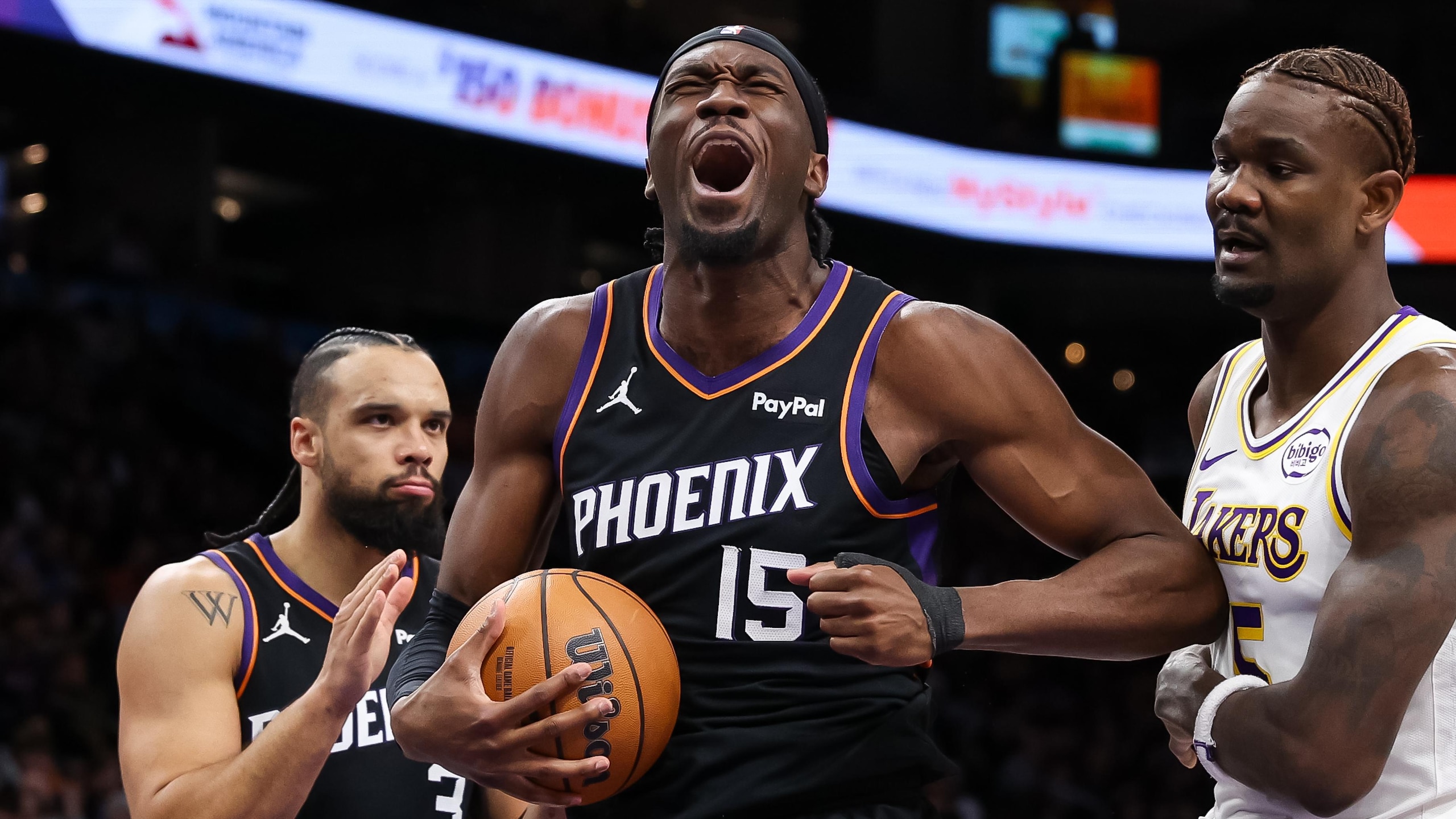
Phoenix Suns owner Mat Ishbia approved one of the most aggressive, high‑risk roster overhauls in recent memory, leaving the franchise with limited long‑term flexibility and prompting serious questions about the sustainability of its team‑building strategy.
That could be an issue as the trade deadline approaches because the Suns are one of this season's pleasant surprises. If they get too caught up in the moment, it could cost them an opportunity to improve their longer-term prospects.
Head coach Jordan Ott has Devin Booker and a cast of non-stars playing extremely hard. Combined with leaps from the likes of Collin Gillespie and Grayson Allen, Phoenix's strong start could convince it to either hold onto assets that it should move or, even worse, operate as buyers.
Dillon Brooks is shooting the lights out, Mark Williams is healthy and Royce O'Neale continues to hold universal plug-and-play trade appeal. The Suns should be willing to move all of them for draft capital and young players, striking while the iron is hot.
That's assuming they see these first few months of the season clearly, which may not be a safe bet.
Portland Trail Blazers: Shooting
25 of 30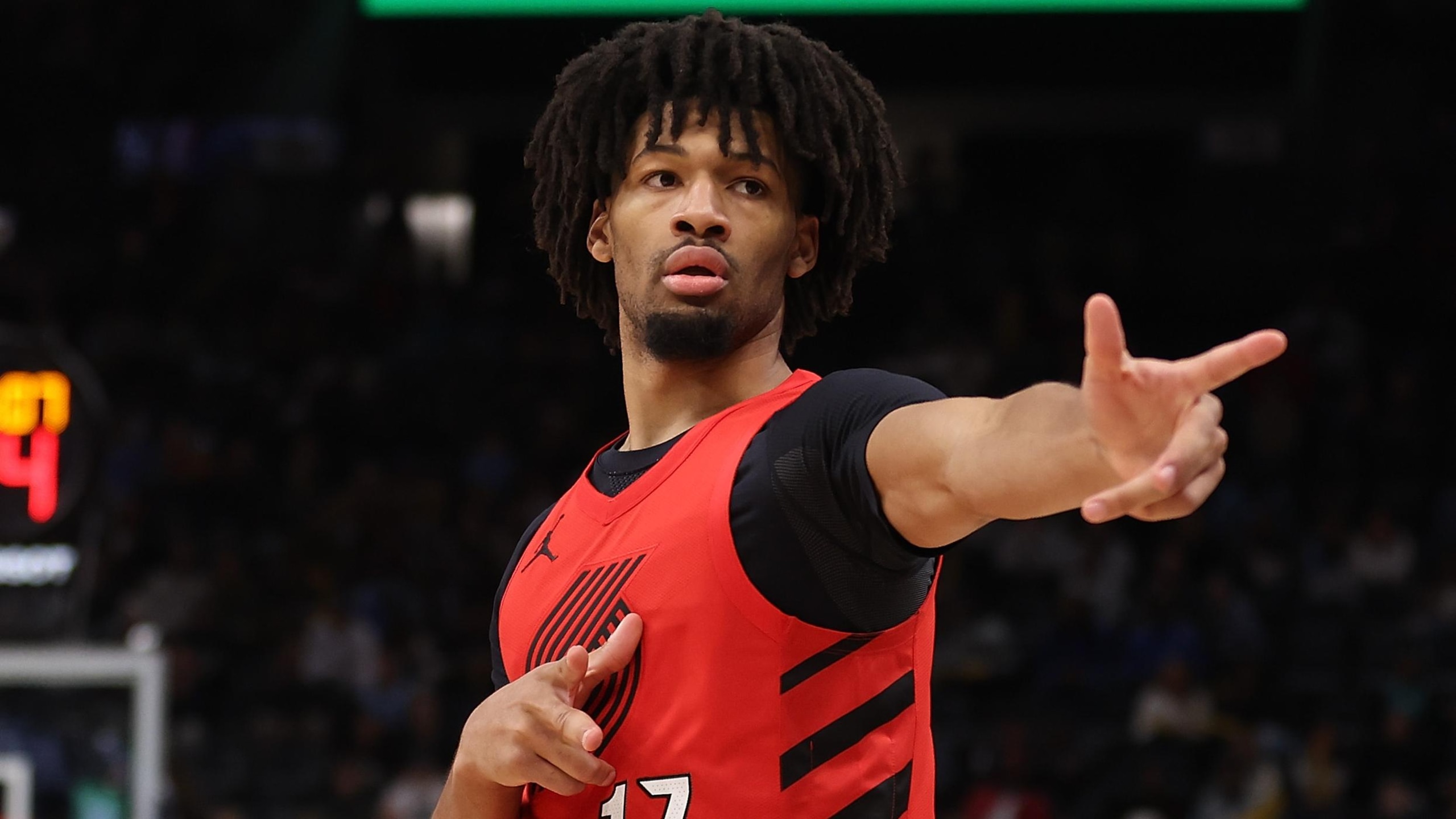
Shooting cures many ills, but the reverse is also true. If a team can't knock down perimeter shots, that failing can obscure a whole bunch of other positive qualities.
That's the plight of the Portland Trail Blazers, who play with great pace, crash the glass relentlessly and power their way to the foul line with both high craft and brute force. Those attributes don't amount to much offensive success because the Blazers rank dead last in three-point accuracy.
Perhaps some of this owes to injuries that have shelved all of Portland's rotation-caliber guards for long stretches. Scoot Henderson has yet to play a minute this season, and Jrue Holiday has been out for a month with a calf strain. Shot quality would likely be better with those two healthy.
Then again, the Blazers are hitting their wide-open threes at a bottom-three clip. So this might simply be a talent issue.
It's hard to avoid noticing how Portland's poor shooting is muting breakout star Deni Avdija's potential impact. He leads the league in drives and passes on drives per game, but his teammates aren't cashing in on all those setups.
Sacramento Kings: No Easy Escapes
26 of 30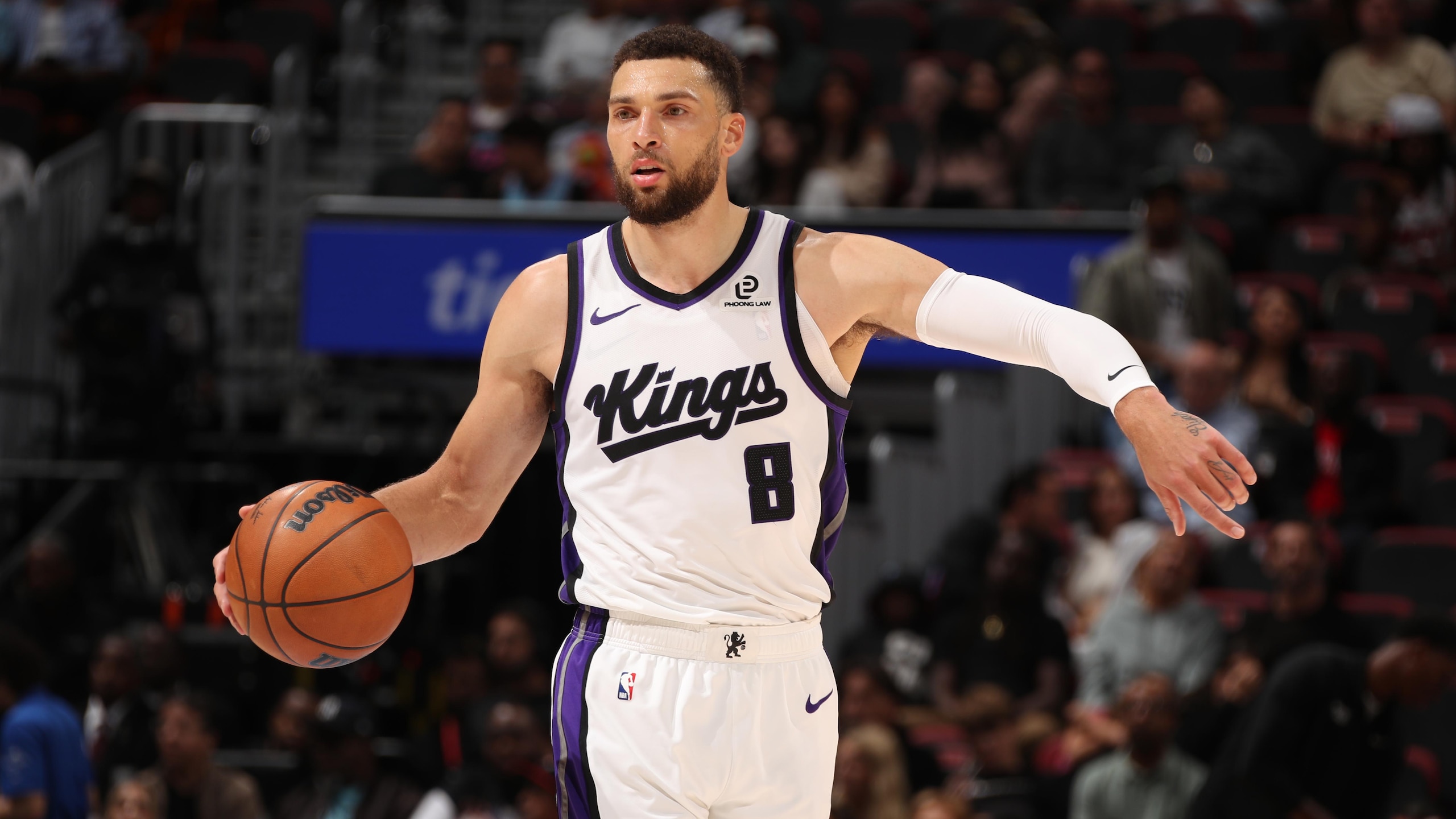
The Sacramento Kings' long stretch of on‑court struggles has spanned multiple front offices, coaches and roster iterations, making organizational decision‑making at the ownership level a persistent basketball concern.
Over the past decade-plus, misaligned timelines, uneven roster moves and frequent resets have contributed to many of the issues the franchise is still trying to solve.
That problem isn't going away, so let's focus on a more immediate concern: The lack of sensible routes out of the current quagmire.
The only team with a worse point differential this season is the Washington Wizards, but at least they have young, inexpensive talent that can kindle some hope for the future.
Sacramento is built around expensive veterans whose trade value is far from peak, making it difficult to extract meaningful future assets in deals involving Domantas Sabonis, Zach LaVine or DeMar DeRozan.
The only assets that might return the picks and cheap talent required for a proper rebuild are Keegan Murray and Keon Ellis, the two players no smart team should want to surrender.
San Antonio Spurs: Temptation
27 of 30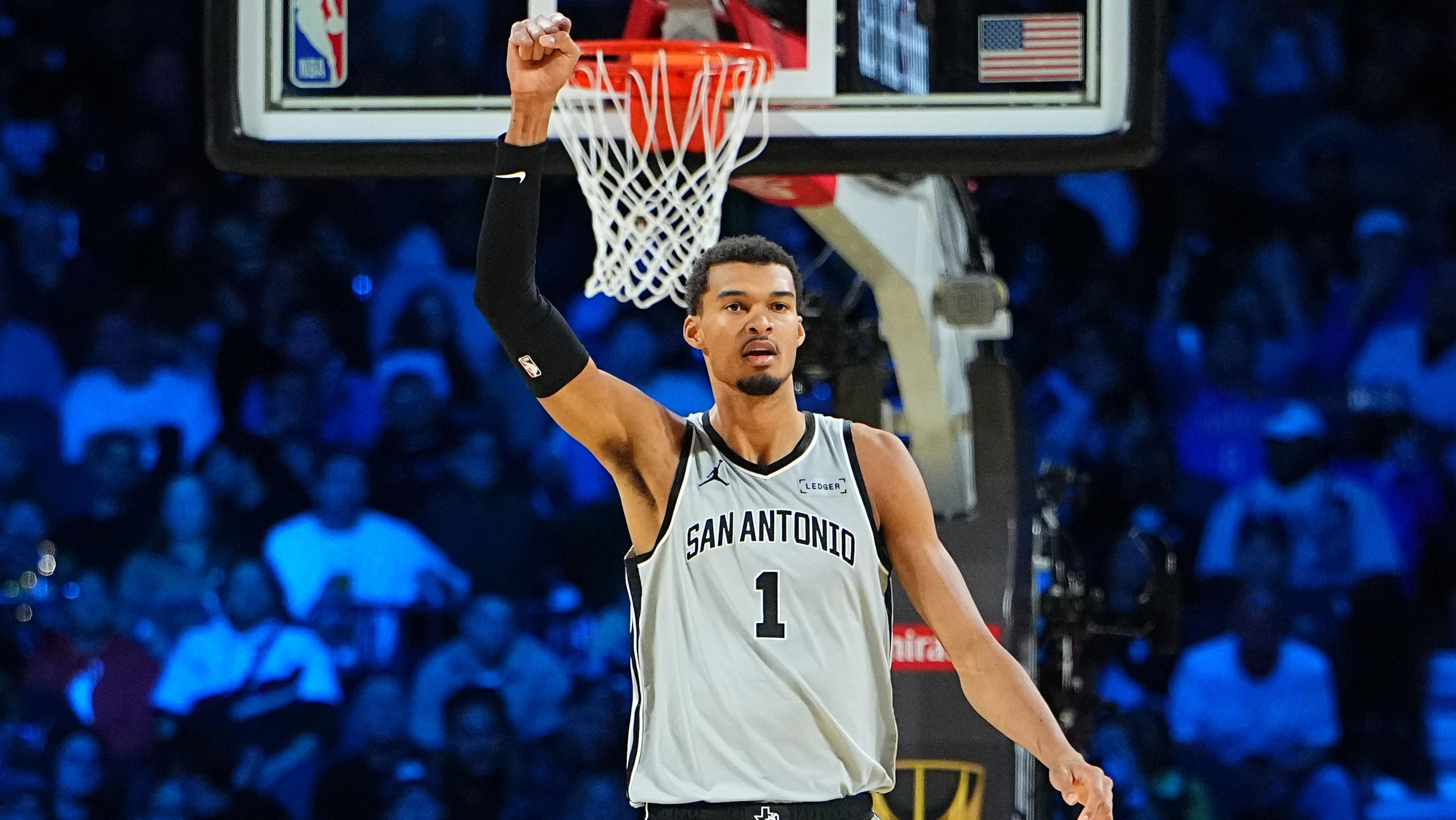
When you see the impact Victor Wembanyama can have against any opponent, it's hard to stay clear-headed. Case in point: his return from a 12-game absence, which came in a win over the seemingly indomitable Thunder, made it seem like the San Antonio Spurs were contenders.
And really, if Wemby can have that kind of effect in a tiny 20-minute sample—galvanizing his teammates, providing clutch shots and game-wrecking defense against the apex predators of the league—who's to say the Spurs aren't title threats?
The Spurs see Wembanyama up close every day, so it must be even harder for them to resist the urge to sell off every future asset in order to surround their megastar with as much win-now talent as possible. Why not? Clearly, he's ready to take over the world today.
San Antonio might have most of a contending core in place already. Dylan Harper and Stephon Castle, to name two, are among the most tantalizing guard prospects around. But patience is tough to exercise when you've got a sport-altering talent like Wemby.
Toronto Raptors: RJ Barrett's Importance
28 of 30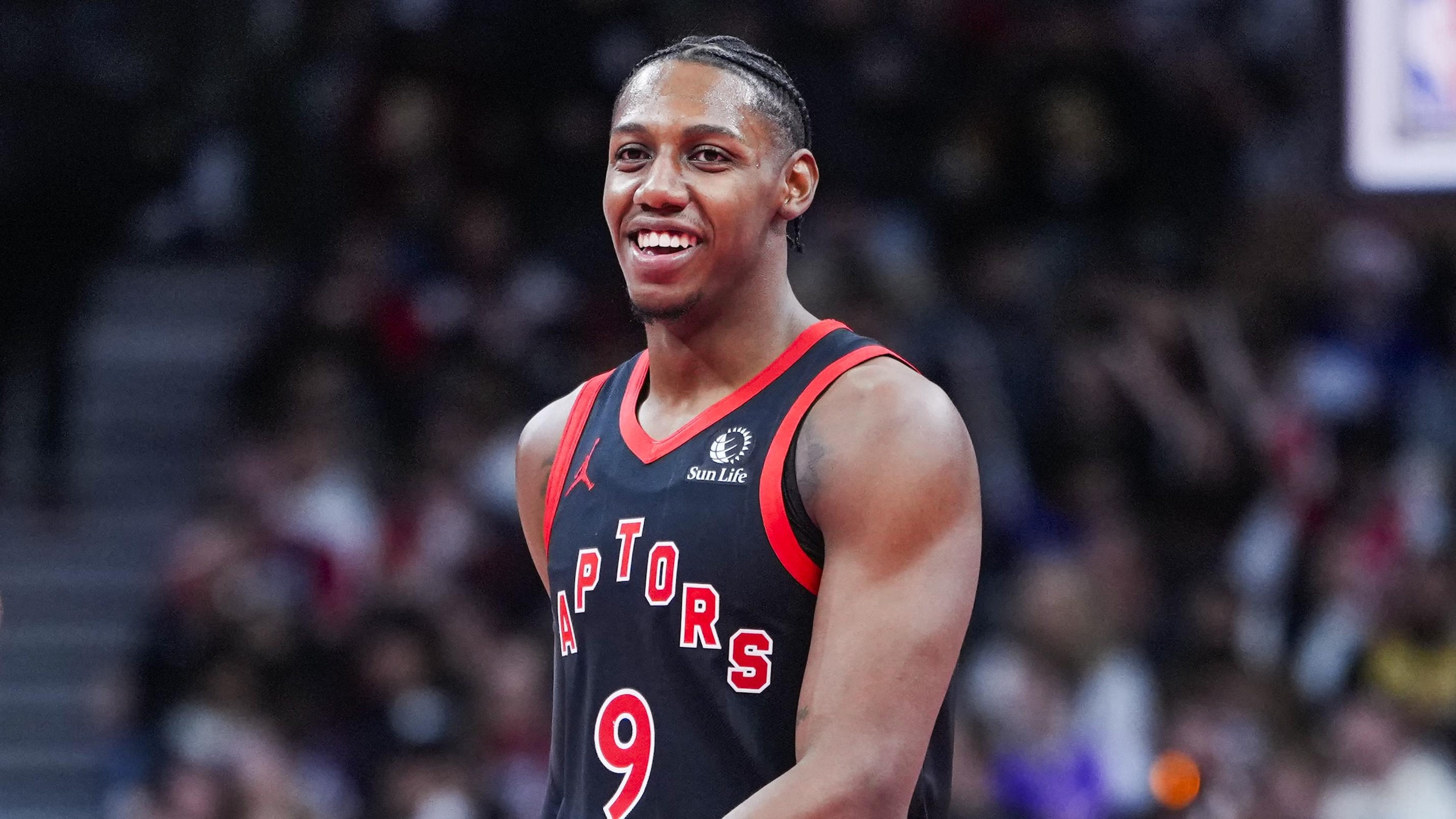
RJ Barrett went down with a sprained right knee on Nov. 23, at which point the Toronto Raptors were 12-5 and had won seven straight. Though they collected two more victories in his first two absences, a season-worst stretch ensued after that.
Who'd have thought Barrett mattered so much?
We can't get carried away here, as Toronto's net rating is actually better when he has been off the floor. But it's also pretty clear he has a singular offensive impact in a couple of areas. First, the Raptors' effective field-goal percentage is substantially higher with Barrett in the game, likely because his skills as a driver and facilitator create clean looks for teammates.
The Raptors also get to the line more often when he is playing, another piece of evidence suggesting his attacking style puts defenses in compromised positions.
Why is this a problem? Mainly because Barrett's salary and Toronto's younger alternatives at his position mean he's the team's most likely trade candidate.
Utah Jazz: Turnovers
29 of 30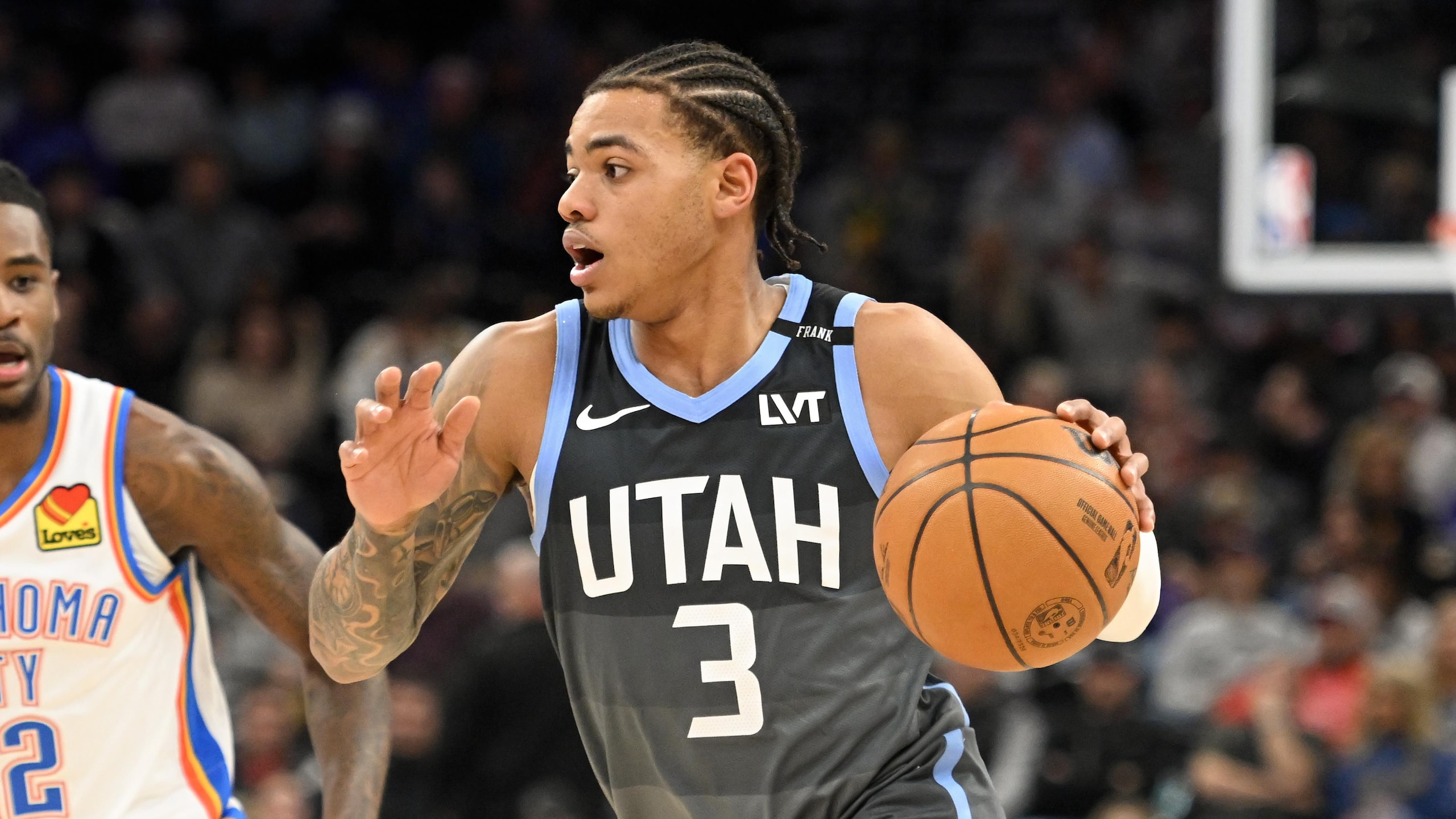
To hear Utah Jazz head coach Will Hardy tell it, the team's main issue is a lack of effort.
While it's concerning that a coach has to lambaste a team this young in order to draw out some competitive intensity, the Jazz aren't the only squad that suffers from the occasional bout of malaise.
One area the Jazz do stand out? Carelessness.
Utah turns the ball over at alarming rates, and breakthrough point guard Keyonte George is the main offender. He's coughing up the rock 3.5 times per game. Given his workload and team-leading time on the ball, his cough-ups come with the territory.
Similarly, it's not so odd that Isiah Collier, Walter Clayton and Ace Bailey—all first- or second-year players—have been loose with the rock.
Low-usage big man Jusuf Nurkić, however, has no excuse for ranking second on the team in total giveaways.
Washington Wizards: Historic Failure
30 of 30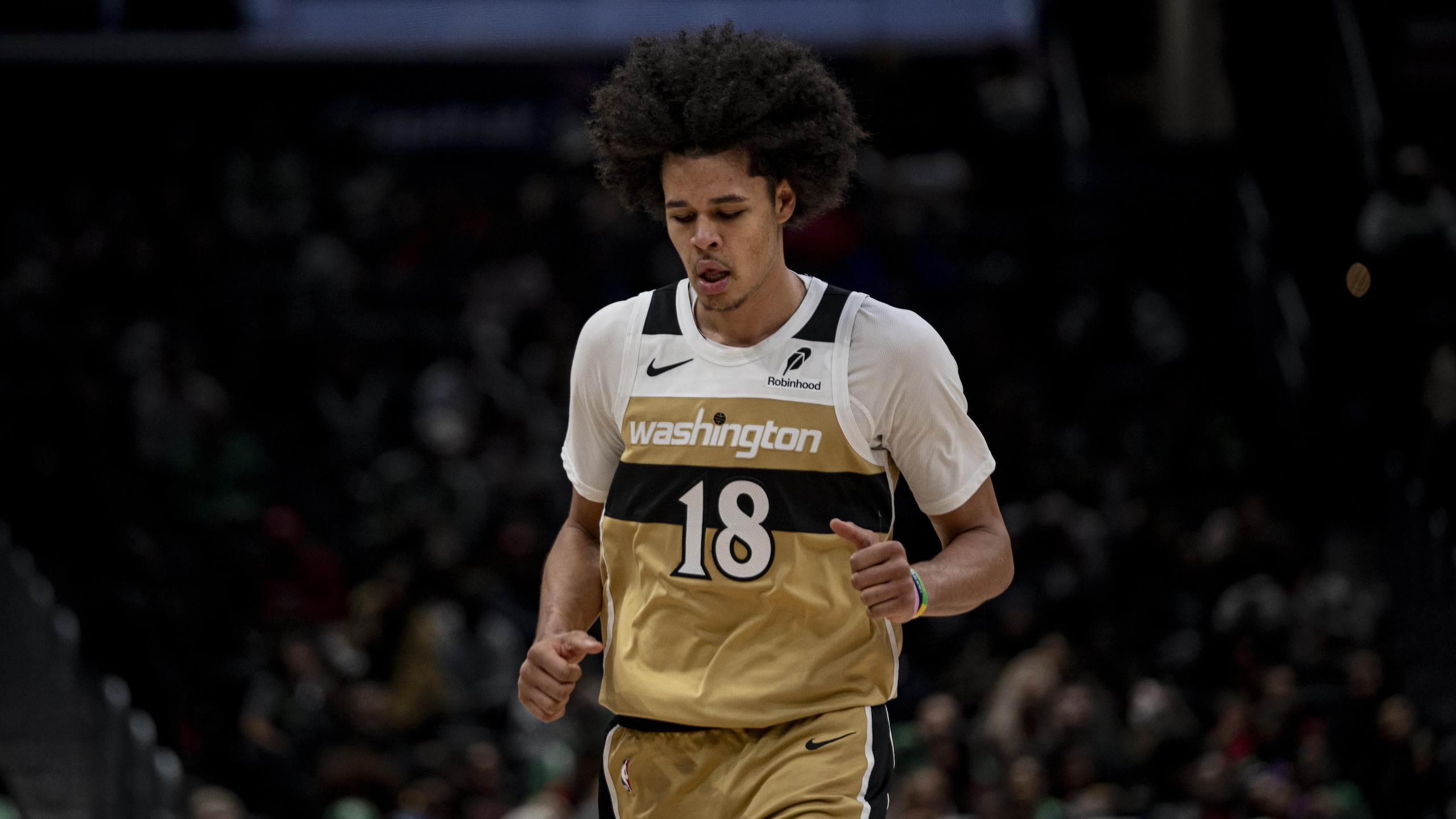
The Washington Wizards are on pace to post the worst defensive rating of all time, but that's a little misleading. Offense is up around the league, and that's not an era-adjusted stat.
This year's New Orleans Pelicans and Utah Jazz are on track to post the second- and third-worst defensive ratings in history, and each of the 25 worst defensive ratings on record come from the last four years.
That's not to say the Wizards are actually good, or that the overall picture of what's happening with them this season is in any way positive.
For example, you can't explain away Washington's current position in the race for the lowest Simple Rating System figure of all time. "SRS" combines margin of victory (or defeat in the Wizards' case) and strength of schedule. It basically asks how easily you're winning or how badly you're losing relative to the competition you've faced.
So far, the Wizards rate as the third-worst team in NBA history by that metric.
All rebuilds have their difficulties, but it's worth asking whether the extremity of Washington's struggles is doing permanent damage to everyone involved.
Stats courtesy of NBA.com, Basketball Reference and Cleaning the Glass. Salary info via Spotrac.
Grant Hughes covers the NBA for Bleacher Report. Follow him on Bluesky and subscribe to the Hardwood Knocks podcast, where he appears with Bleacher Report's Dan Favale.