
Brutal Truths Every NBA Team Will Remember from Dallas Mavs' Front-Office Disaster
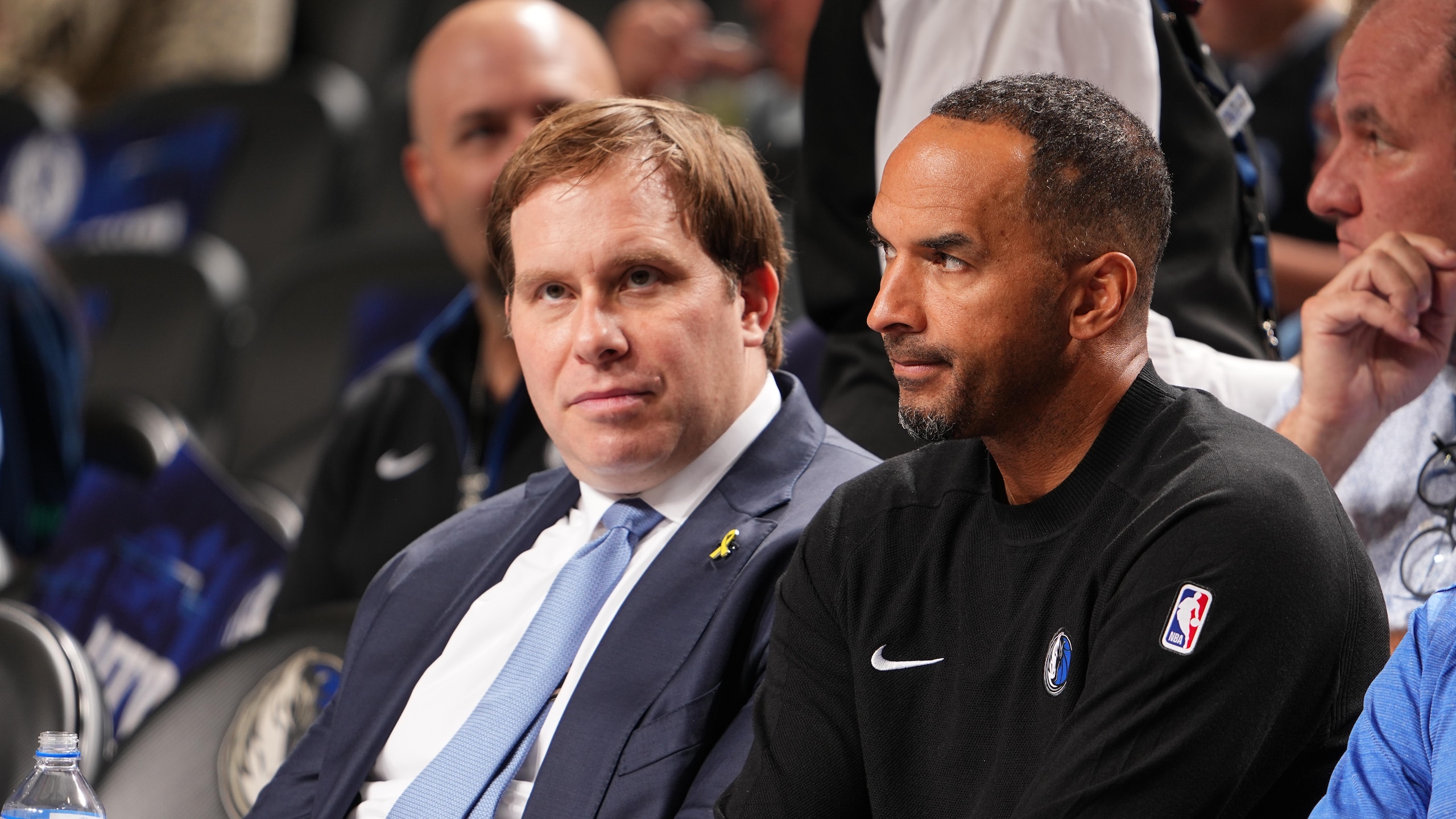
In news that felt inevitable from the moment the infamous Luka Dončić trade went down, the Dallas Mavericks finally decided to move on from general manager Nico Harrison.
ESPN's Shams Charania and Tim MacMahon first reported the move on Tuesday.
Now, after months of acrimony from fans, Dallas has loads of work to do to rebuild trust in the organization.
Harrison couldn't be the one to do that.
Trading one of the greatest players of all time, in the middle of the night, for a way-below-market return and without talking to anyone but the Los Angeles Lakers sealed his fate with this fanbase.
Avoiding all of that should have been obvious. But there were some mistakes made by Harrison and the Mavericks that others could fall into if they're not careful.
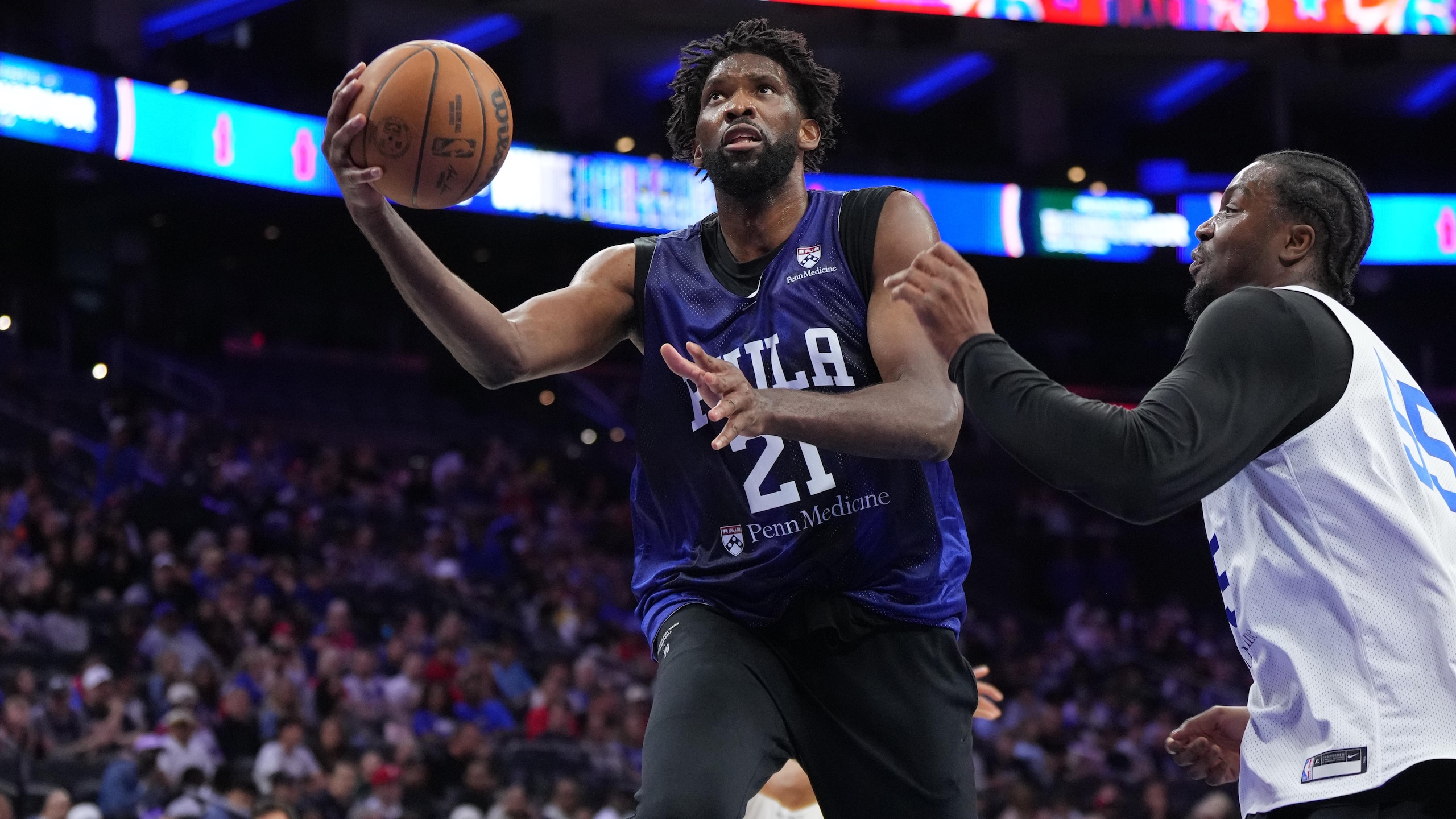
Offensive Engines Are The Most Important Player Archetype
1 of 5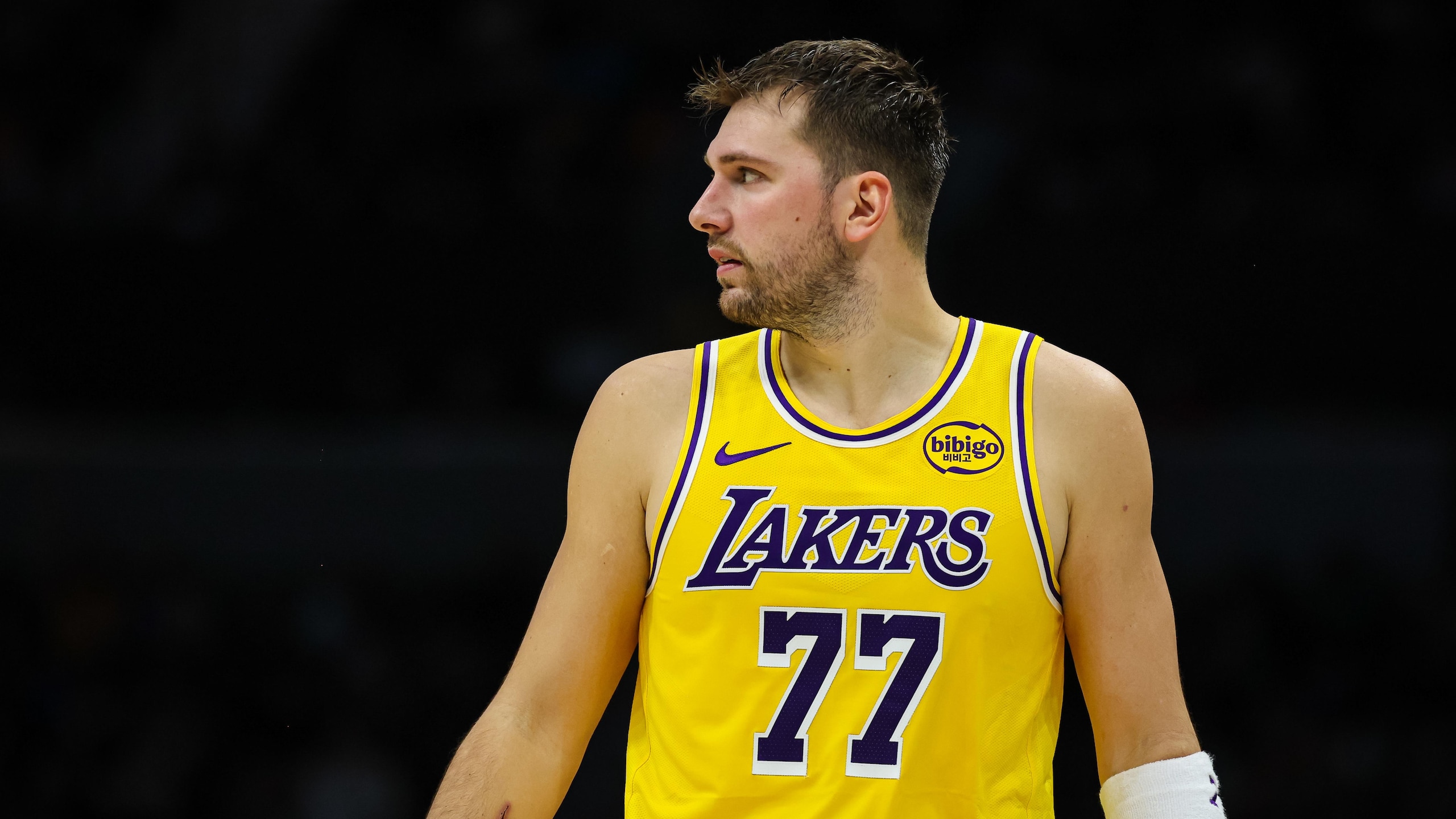
You might argue that we can't really judge Anthony Davis' tenure in Dallas because of the injuries, but that's part of the bargain with him (and to a lesser extent, with Kyrie Irving).
And even if Davis was fully healthy, there was almost no way he was ever going to lead the Mavericks to where Luka did.
In today's NBA, no role is more important than the offensive engine. And if you have one of the best engines in the league, you should move heaven and earth to keep him happy, build a team around him that makes sense and keep him on the roster.
Part of what's so confusing about the Dončić trade is that Dallas actually did check one of those boxes. Before the infamous deal, Harrison surrounded the 26-year-old with rim-running bigs, gritty three-and-D wings and forwards and an all-time great secondary creator in Irving.
The formula led the team to the Finals.
And no matter how many times Harrison repeated the "defense wins championships" mantra (or cliche), replacing the center of that basketball orbit with another second option (which is what Davis' career tells us he is) bound Dallas for failure.
Two-Timeline Approaches Rarely Work
2 of 5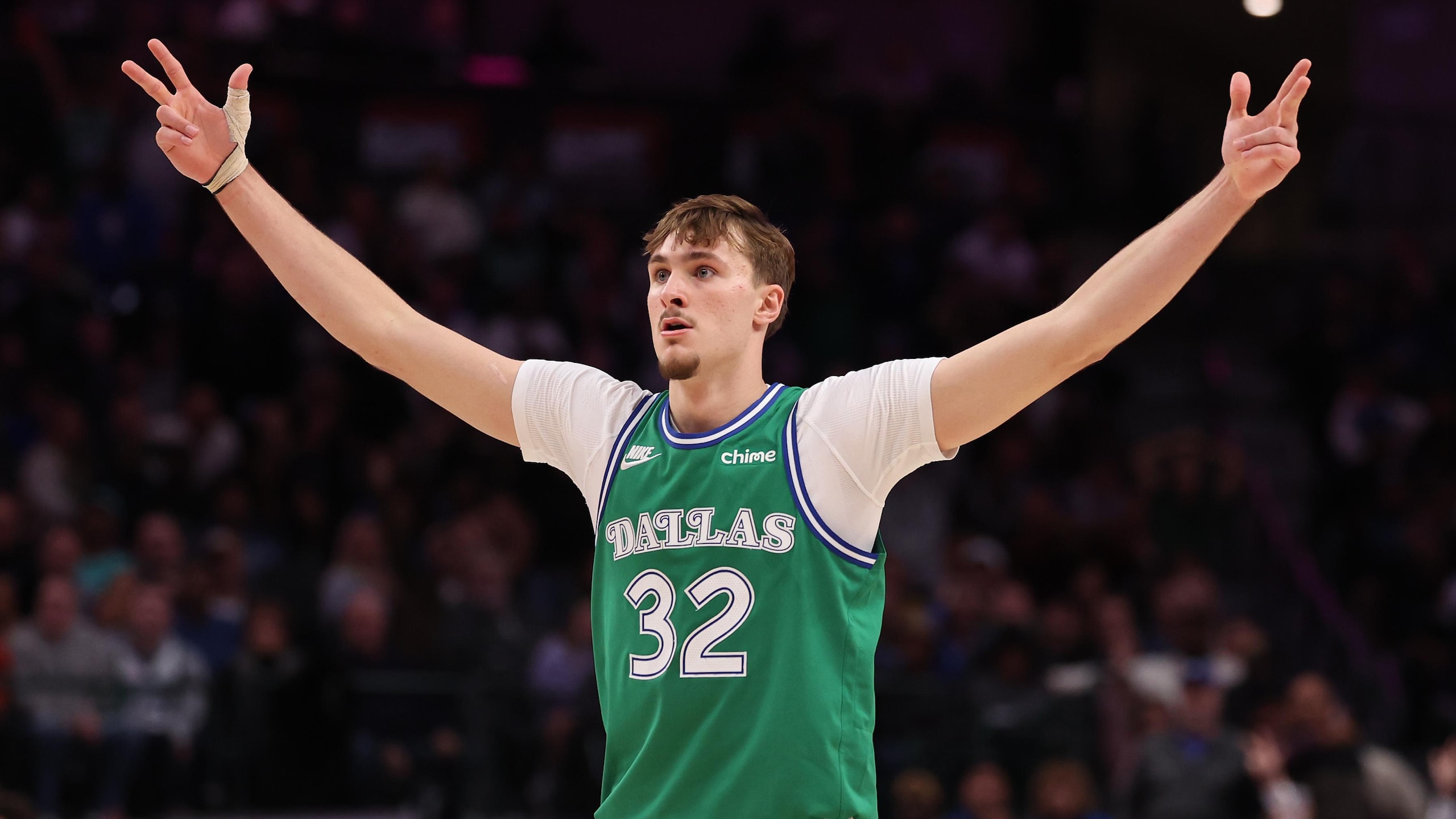
When Dallas miraculously turned a 1.8 percent chance to land the No. 1 pick into Cooper Flagg, it should have dropped to its collective knees, thanked the basketball gods and instantly pivoted to a full-fledged rebuild.
Instead, Harrison spouted platitudes such as "fortune favors the bold," and the Mavericks thought they could develop Flagg as a point guard (a position that was completely foreign to him).
Expecting an 18-year-old who wasn't the engineer in college to make a roster packed with power forwards and bigs make sense was borderline ludicrous.
Even if on-ball reps now may serve Flagg in the future, he should probably be taking them as a secondary creator or with another reliable ball-handler on the floor with him.
Instead of trying to jam together a jigsaw puzzle with a bunch of mismatched pieces, Dallas should have followed up the lottery win with rebuild-focused moves to add prospects and picks around Flagg.
The good news is that even if the pivot is delayed, the Mavericks can still make it. There's plenty of time between now and February's trade deadline to try to rehab AD's trade value. Veterans like P.J. Washington and Naji Marshall will almost certainly have some value.
Few teams have ever looked as primed for a teardown and rebuild as this one. There's no reason to put it off any longer.
Fans Aren't Stupid
3 of 5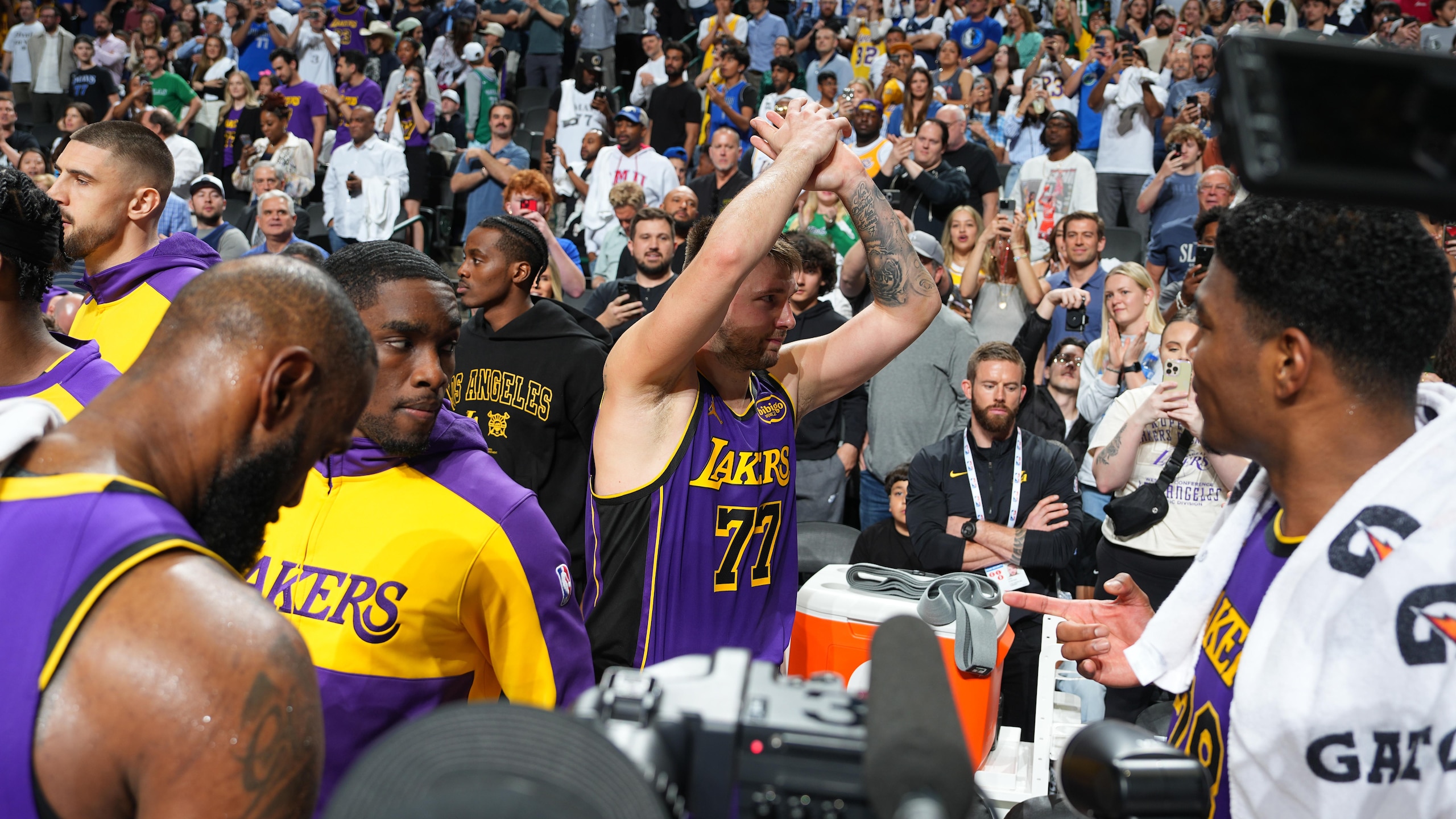
The moment the Dončić trade was reported, every fan and analyst seemed to be in genuine shock. It made so little sense that "Shams was hacked!" and "this has to be AI or something" were more plausible explanations than the actual news.
And when, at least for Dallas fans, the reaction shifted from surprise to anger, instead of acknowledging a mistake or taking any kind of accountability, the organization adopted more of an adversarial posture with the fanbase.
Now, expecting the team or the front office to flat-out say, "Oh shoot, we were wrong" in the immediate aftermath of the trade would be silly, but not any sillier than openly fighting with fans.
The negative PR campaign against Luka and his conditioning was never going to work. Telling people they should see the "vision" after one half of basketball from Davis was ridiculous. Pretending that winning the lottery was a part of the plan was never going to fool the fans.
The entire organizational philosophy insultingly underestimated the understanding of the Mavs' faithful. Every public comment and appearance almost seemed designed to intensify the animosity.
Instead of constantly signaling "we know better," NBA organizations should show, at the very least, they realize today's fans are as well-informed as those of any era. And the connections they form with their teams' superstars are real.


NBA Experience Is Pretty Important
4 of 5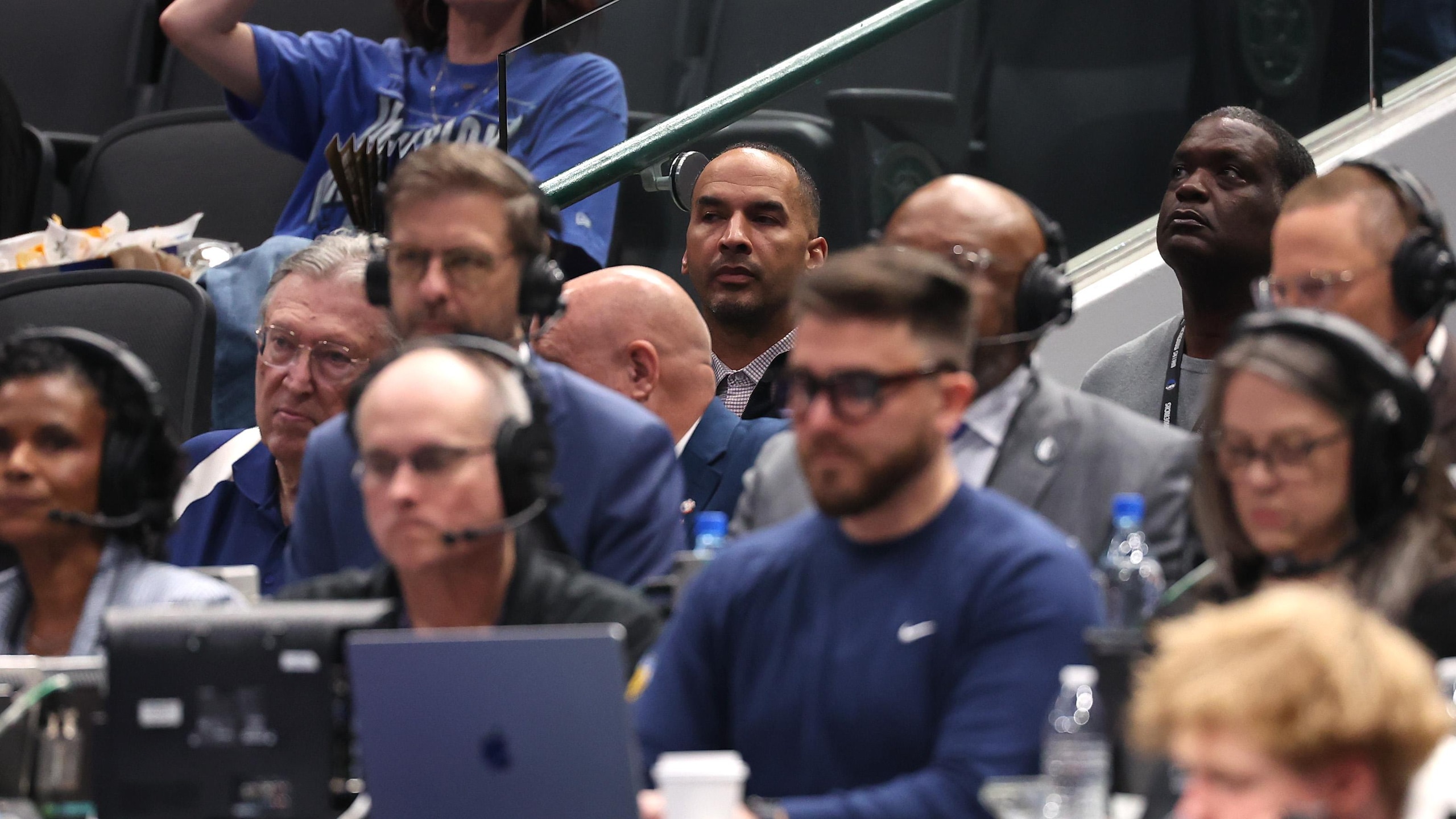
Harrison certainly had experience in basketball prior to joining the Mavericks. He played in college and for multiple professional teams outside the NBA. And he spent nearly two decades with Nike, where he formed and cultivated relationships with star players.
However, going from that background, as interesting as it may be, to the lead decision-maker for a team led by a future Hall of Famer, led to disastrous results.
On one hand, NBA teams constantly going with retreads who've been fired from multiple previous stops probably isn't the wisest course. But the other extreme—someone who's never been in a front office—isn't either.
There's a creative hire. And then there's one that can lead to a catastrophic, franchise-decimating trade that cost the organization millions in merchandising, advertising, attendance and franchise valuation dollars.
Harrison made multiple good moves as the head of the Mavs. Again, he built a team that made a lot of sense around Luka. But his lack of experience—and by extension, lack of understanding of the current NBA—played a part in his decision to trade Dončić.
He inherited a team with one of the best scorers and creators in league history. And just a few years later, he blew it up with one colossal misstep (and likely several smaller ones that led up to it).
Owners Need Competent General Managers
5 of 5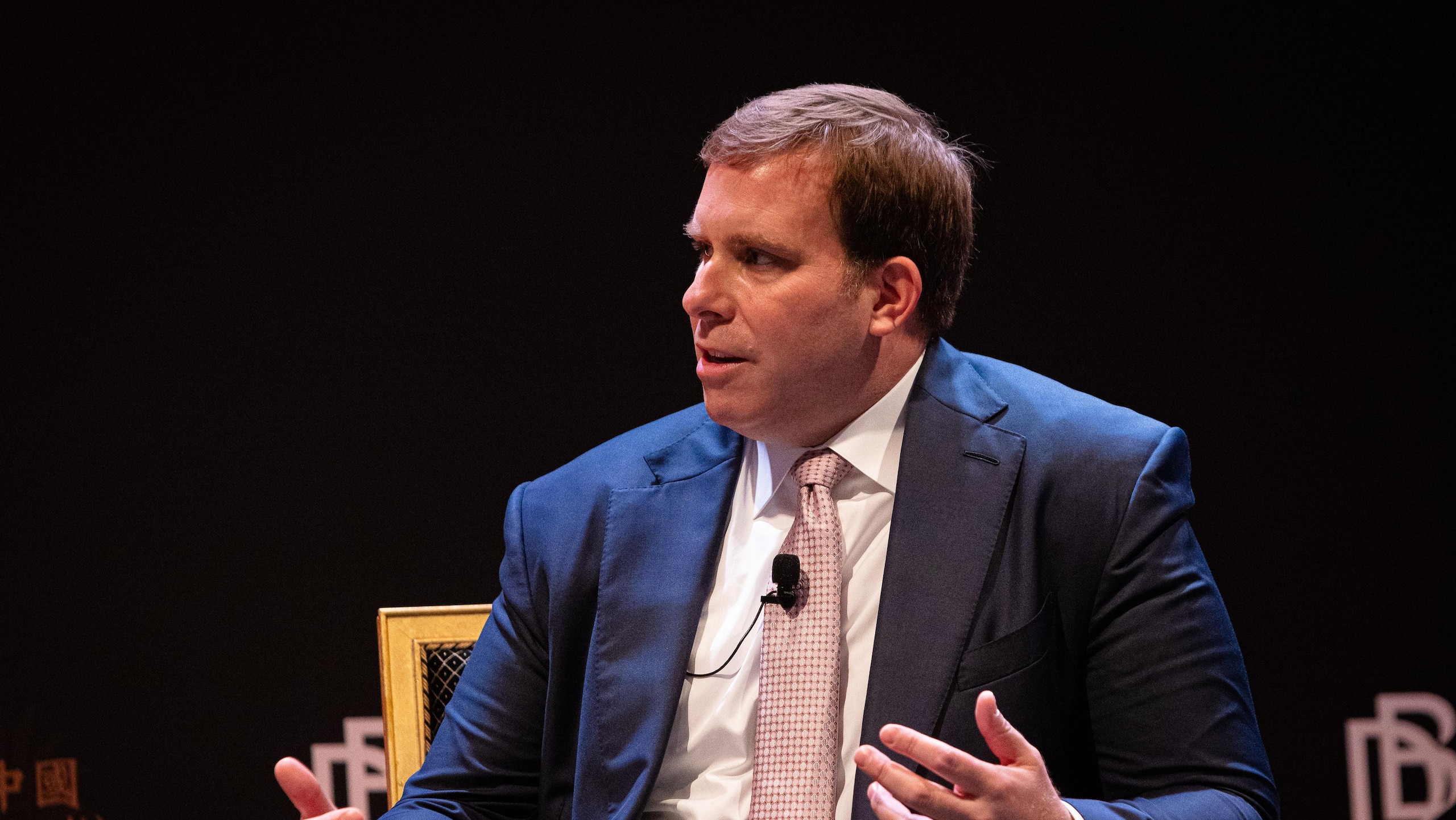
To this day, at least publicly, Mavs governor Patrick Dumont has failed to admit that he made a mistake, or even that he allowed Harrison to make a mistake.
His open letter to Mavericks fans following Harrison's firing was about as noncommittal as it could get.
But that doesn't change his role in this whole debacle. Harrison may have cooked up the Luka trade, but Dumont had to sign off on it. He has to own that. Mavs fans should make him own it.
As they do, owners all over the rest of the league should take note. As smart or effective as they might be in their chosen fields, most aren't basketball people, at least not in the same sense that seasoned NBA executives are. They have to have confidence in the general managers or presidents of basketball operations they put in charge of their rosters.
Dumont inherited Harrison as a decision-maker from Mark Cuban, and he had to learn this lesson in about as brutal a fashion as one can imagine.

.jpg?w=2560 "2 NFL Officials Suspended")

.jpg?w=2560 "Injury-stricken Seahawks signing veteran RB")
.jpg?w=2560 "Mahomes' Wife Trolls Kubiak 💀")