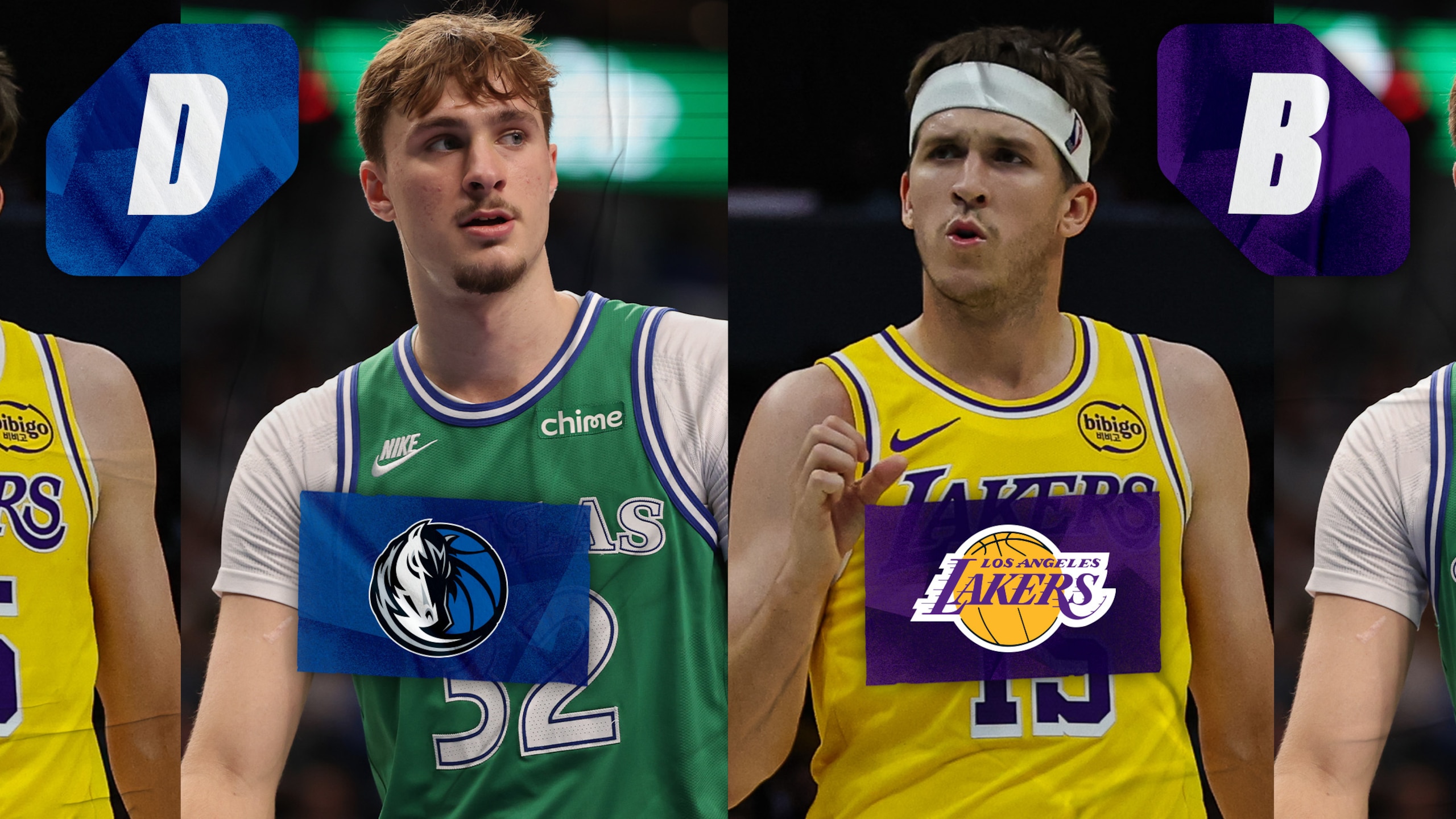


There are 48 minutes in an NBA game, but the first six tend to have some extra tone-setting importance. With that in mind, it's time to check in with all 30 teams to see how their starting lineups are performing through the first three weeks of the 2025-26 season.
As you might expect in the era of load management, almost every team has already shuffled its first unit several times. Injuries have disrupted squads' plans, and reactionary tinkering has also caused some early-season change.
We'll zero in on the lineup that has either taken over most recently or figures to be the one a team will turn to most in the immediate future. When in doubt, we'll focus on the starting group that has amassed the most possessions—as long as an injury hasn't made it impossible for it to continue logging time.
The goal is to assess how well each team is playing with its theoretical best lineup on the floor, small-sample caveats and all.
Atlanta Hawks: D
1 of 30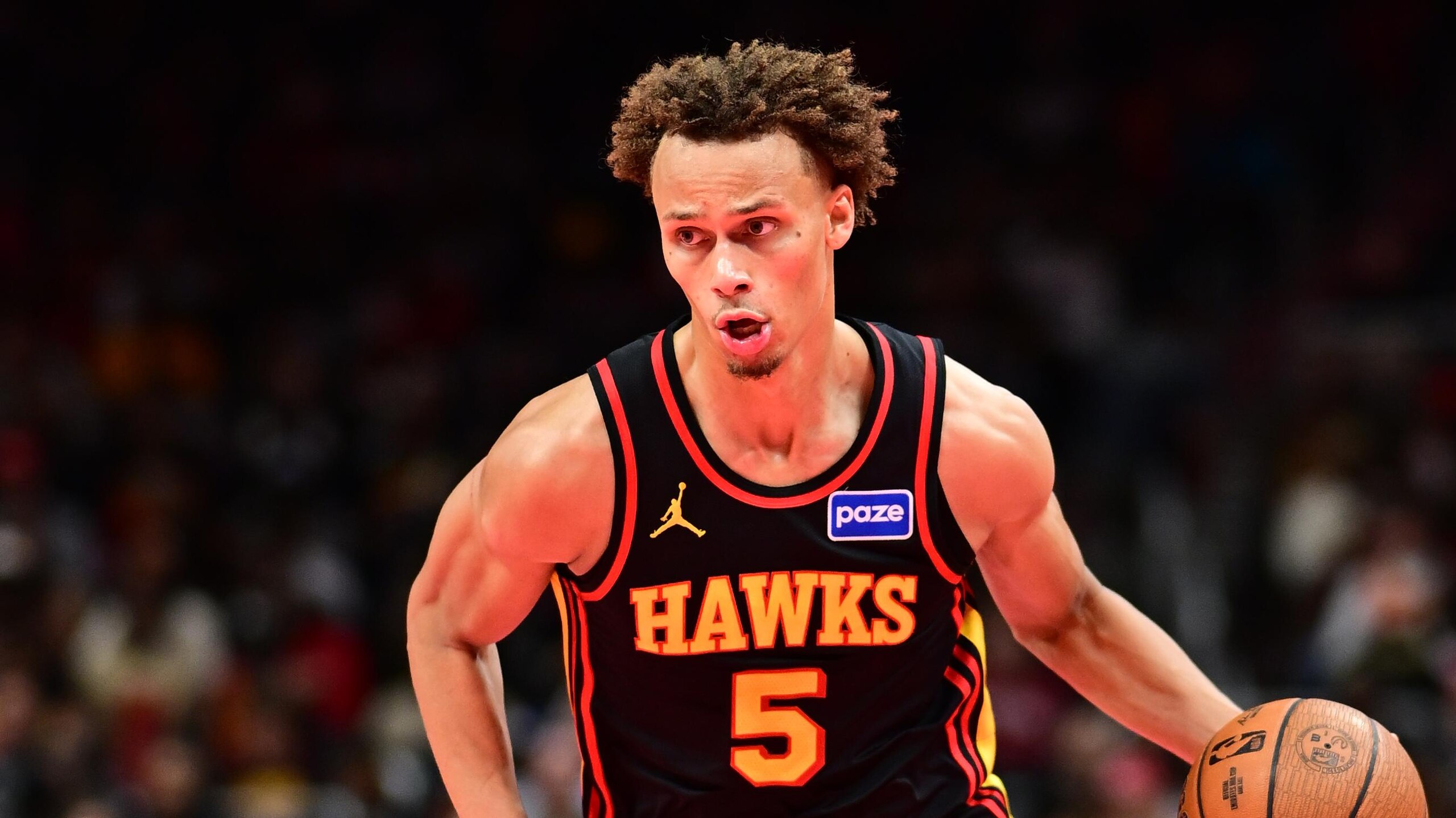
Lineup: Dyson Daniels, Nickeil Alexander Walker, Zaccharie Risacher, Jalen Johnson, Kristaps Porzingis
Net Rating: Minus-5.4
This isn't the unit we expected to see start most frequently for the Atlanta Hawks, both because Trae Young isn't in it and because Onyeka Okongwu seemed like a safer bet to be available than Porzingis.
Atlanta won three of its first four games after Young went down with a sprained MCL, and Daniels had his three best efforts of the year upon assuming point guard duties, averaging 18.0 points, 5.0 assists, 6.3 rebounds and 3.0 steals per game against Indy, Cleveland and Orlando from Oct. 31 to Nov. 4.
Generally speaking, this group has been passable on defense while struggling mightily to score. And as has been the case for virtually every Hawks lineup this season, rebounding has been a crippling deficiency. Opponents are rebounding roughly one third of their own misses against these guys, allowing for loads of second-chance points.
Boston Celtics: B
2 of 30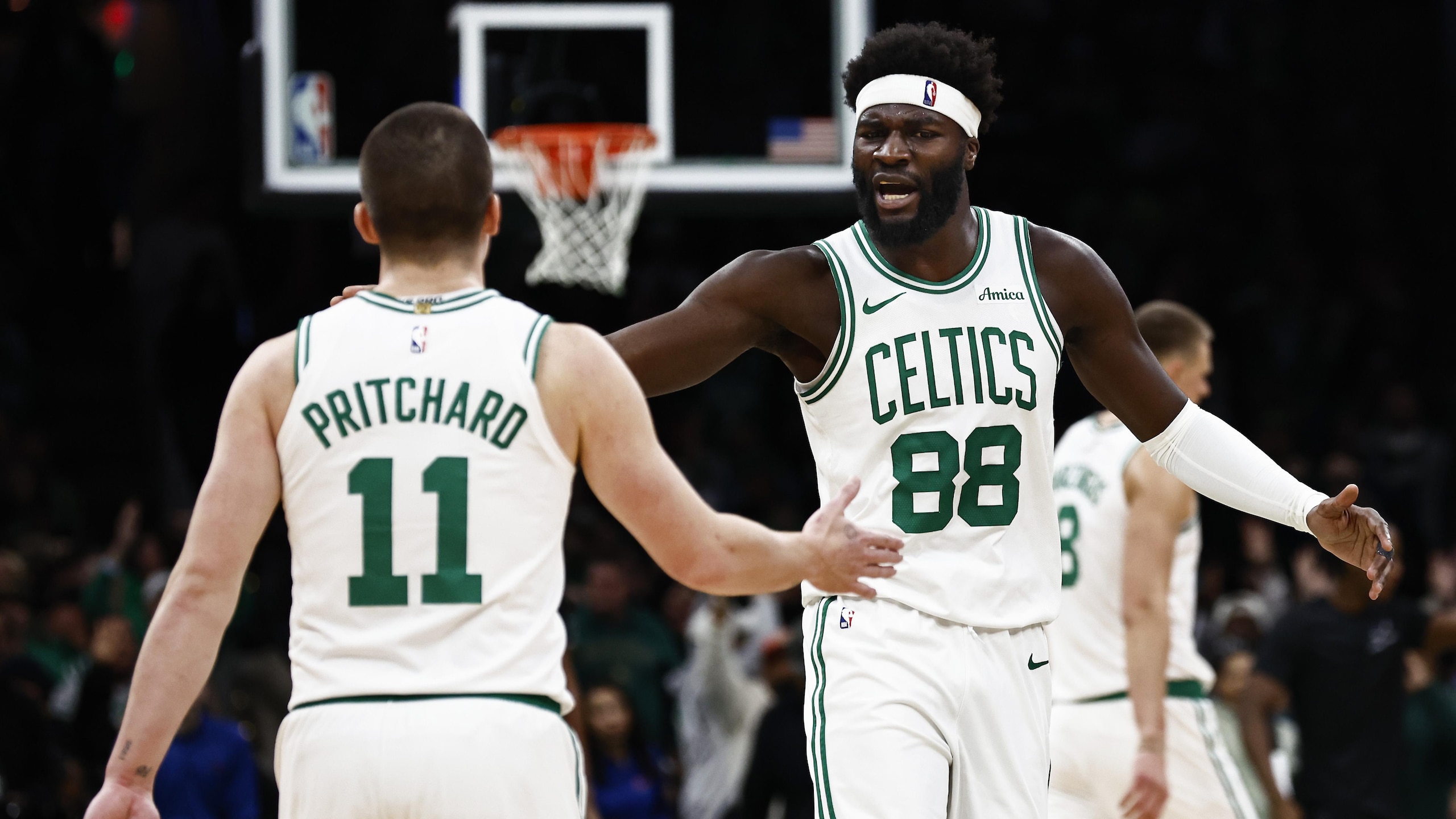
Lineup: Payton Pritchard, Derrick White, Jaylen Brown, Josh Minott, Neemias Queta
Net Rating: Plus-7.6
You probably didn't have this kind of starting-lineup success on your Boston Celtics bingo card before the season.
Despite mostly low expectations after losing Jayson Tatum to injury, jettisoning Jrue Holiday and Kristaps Porzingis, and watching Al Horford leave in free agency, Boston has played respectably overall so far, winning four of its first 10 games and defending well whenever Queta has been on the floor.
That trend extends to the starting five, which has often smothered opponents in the early going.
Brown has managed to make 51.7 percent of his field goals in a much higher-usage role. Though Neither Pritchard nor White are hitting even 30.0 percent of their threes, the Celtics get enough of them up (44.3 per game, second only to the Cavs) to pull defenders out of the lane.
Opponents should shoot the ball better from deep against this lineup than they have so far, but Queta's presence pairs with a high activity level from point-of-attack defenders nicely. As a result, Boston's starters are elite at preventing shot attempts near the rim. That part of the defense feels sustainable.
Brooklyn Nets: F
3 of 30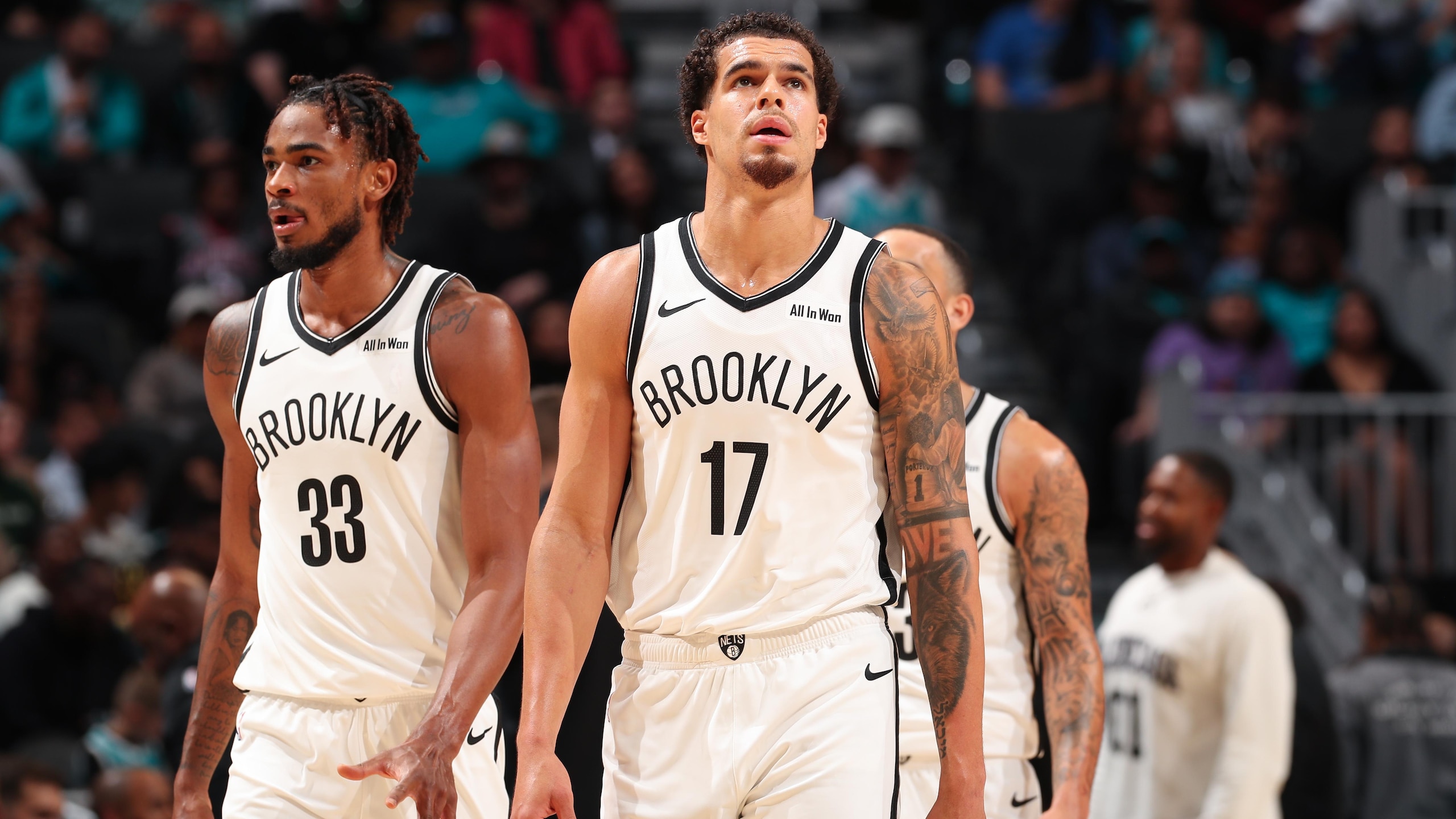
Lineup: Egor Demin, Terance Mann, Michael Porter Jr., Noah Clowney, Nic Claxton
Net Rating: Minus-14.7
With Cam Thomas set to miss significant time due to a hamstring injury and Ben Saraf demoted since starting the first five games of the year, Brooklyn has had to get creative.
That's probably for the best.
Saraf, a rookie adjusting to a tough point guard position, never found his footing. Demin's inside-arc-game leaves plenty to be desired, but he's shot it well in stretches. Brooklyn even used Thomas as the nominal point guard in a win over the Pacers on Nov. 5.
Across the board, the Nets have had a hard time getting stops. This unit is posting just 112.4 points per 10 possessions on offense, but it's at least better than the season-opening starters on D, allowed 136.0 points per 100 possessions.
It's hard to guess how many different sets of starters head coach Jordi Fernandez will trot out between now and the end of the season. He's already tried four different looks since Saraf moved to the bench, and Thomas' absence will surely lead to more tinkering.

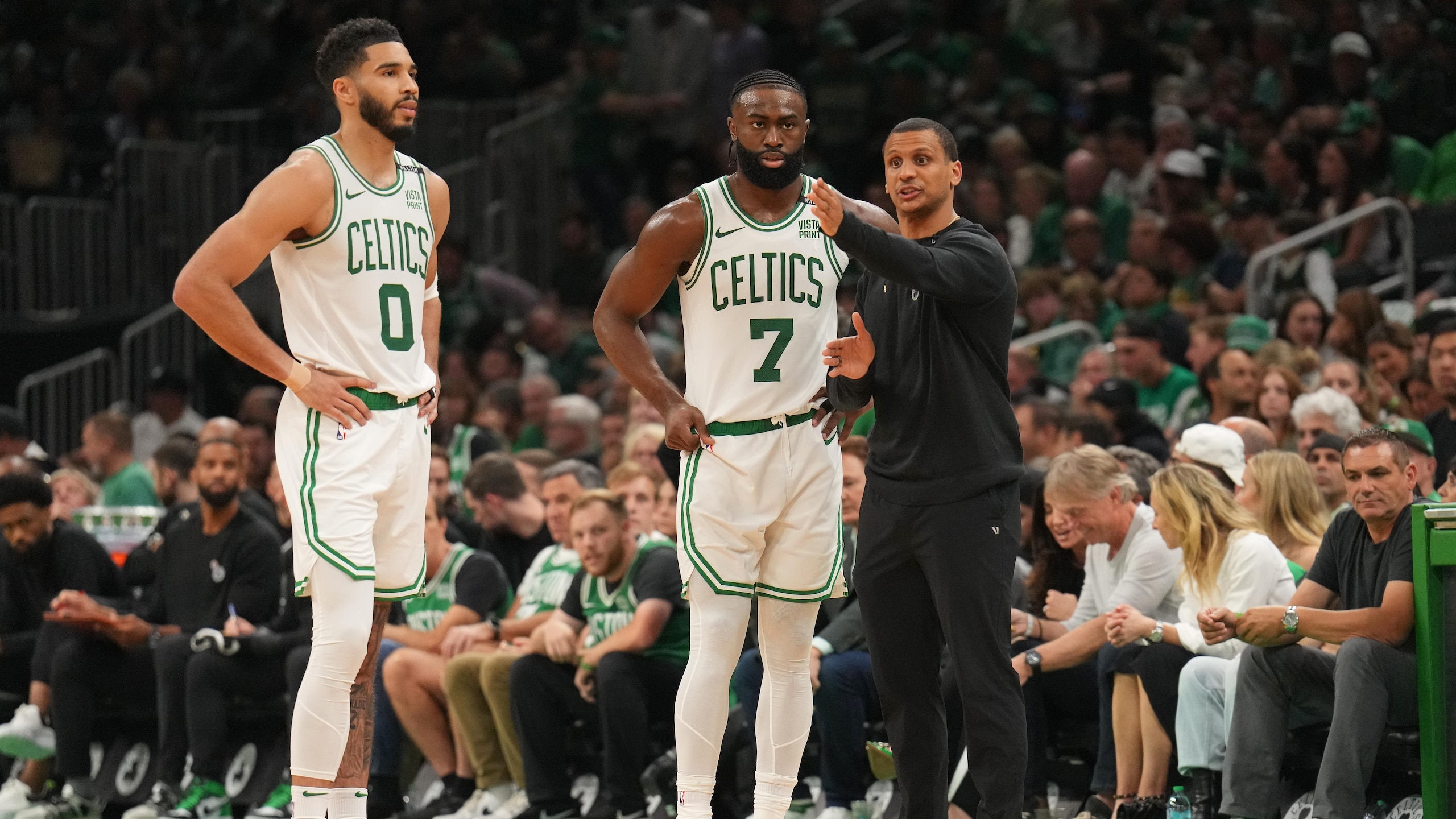

Charlotte Hornets: C
4 of 30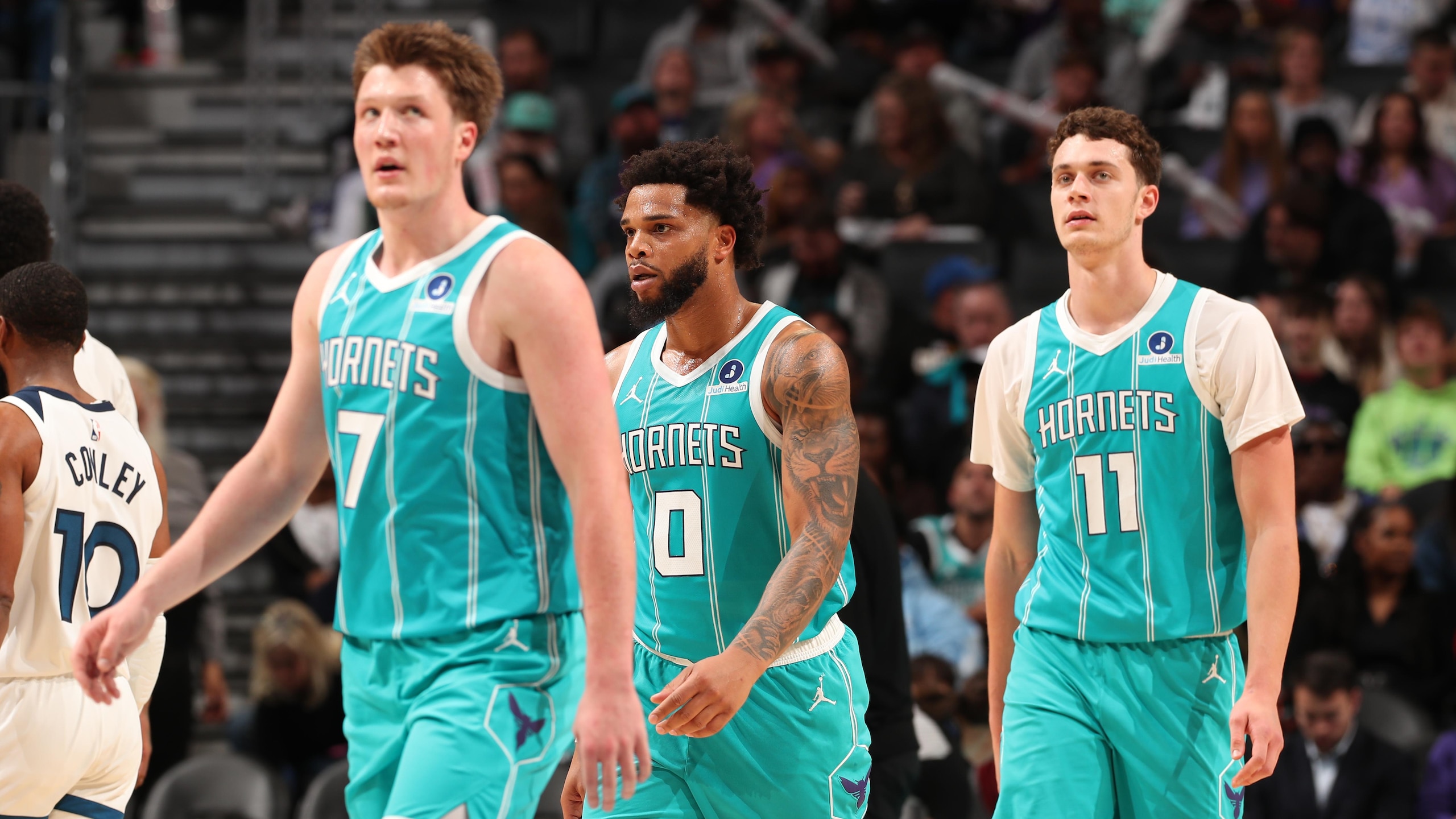
Lineup: LaMelo Ball, Collin Sexton, Kon Knueppel, Miles Bridges, Ryan Kalkbrenner
Net Rating: Plus-0.3
LaMelo Ball has played once in November (ankle), and Brandon Miller hasn't seen the floor since Oct. 25 (shoulder), so we're not getting anything close to the full picture for the Charlotte Hornets with this lineup, which has started a team-high three times.
Kalkbrenner is probably the most interesting focal point, as the rookie's importance to a team with a dreadfully thin center rotation is hard to overstate.
He's not all that mobile and has a scoring range of "dunk", but he is at least giving this Hornets lineup some paint protection. He blocked four shots in four consecutive games from Nov. 1 to Nov. 11 and has logged multiple swats in all but four appearances this year.
In a unit that has no other reliably helpful defenders, the rookie big man's presence looms large.
Chicago Bulls: D
5 of 30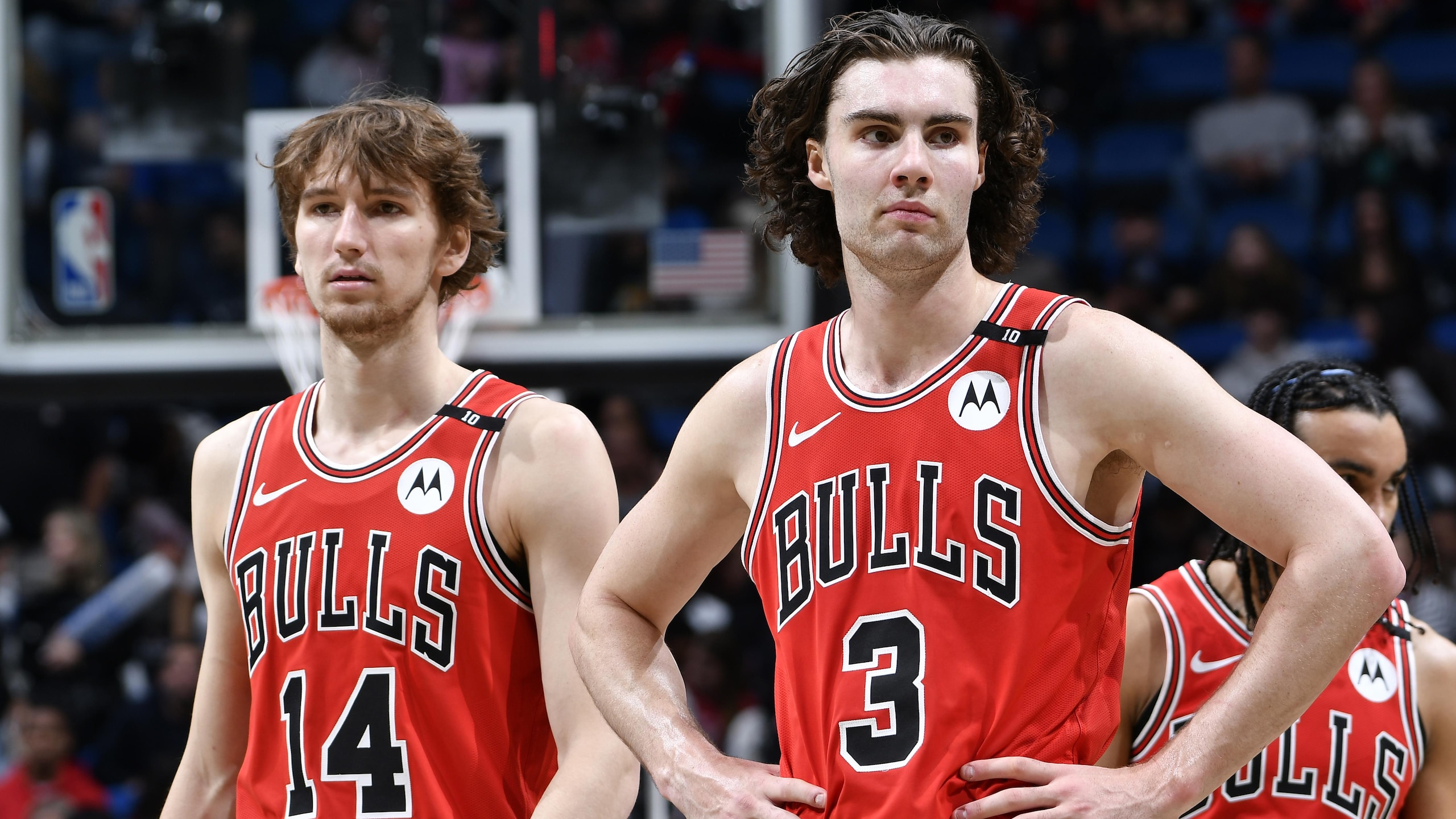
Lineup: Josh Giddey, Tre Jones, Isaac Okoro, Matas Buzelis, Nikola Vučević
Net Rating: Minus-13.1
The Chicago Bulls' surprisingly stellar start has nothing to do with its starting lineup, which had the distinction of appearing in nine consecutive games to begin the season.
When this group is on the floor, the offense is a complete four-quadrant failure. Its shooting is abysmal, it turns the ball over almost 20.0 percent of the time, it never grabs offensive rebounds and it can't get to the foul line.
The only bright spot is that opponents have actually shot with roughly average accuracy on threes against Chicago's starters, a departure from its other lineups' unsustainable good luck on the opponent shooting front.
The Bulls have only lost once at home but look a long way from their 5-0 start after a 1-4 stretch. That said, Giddey is a rounding error away from averaging a triple-double, Vooch is hitting 48.8 percent of his threes and Buzelis is doing nothing to dispel notions he's a future impact player. But the numbers say the Bulls' starters, together, have been awful to this point. The team's worst quarter, by point differential, has consistently been the first.
Despite deserving something in the "B" range as a team, we can't reward a starting group that routinely gets hammered with a good grade.
Cleveland Cavaliers: A
6 of 30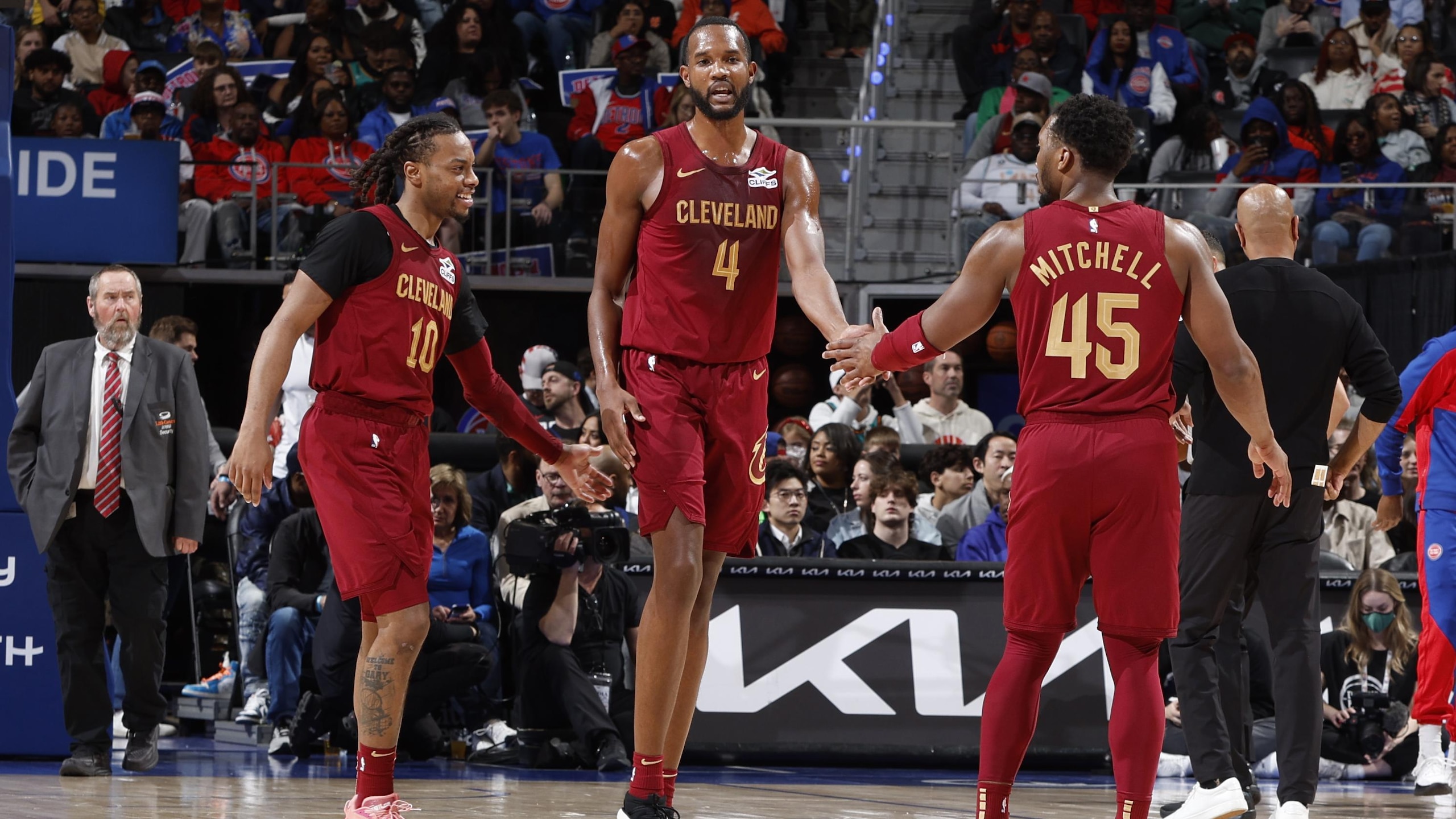
Lineup: Darius Garland, Donovan Mitchell, De'Andre Hunter, Evan Mobley, Jarrett Allen
Net Rating: Plus-51.1
This isn't the Cleveland Cavaliers' most-started lineup, but it's obviously the one they'd prefer to use (at least until Max Strus is healthy), and it finally debuted last week when Darius Garland made his return to the floor.
Cleveland tried seven different sets of starters across its first 10 games, with varying levels of success. This unit saw 73 possessions in the 2024-25 regular season and put up a plus-28.8 net rating.
Between Garland and Mitchell, there's no shortage of shot-creation. Mobley's continued development on that front even offers a third source of playmaking. Hunter's ability to generate his own looks out of a triple-threat setup makes him a helpful complement to Mitchell when the shot clock ticks down and last-resort shot attempts are necessary.
We know what we're getting with most configurations that include Mitchell, Mobley, Garland and Allen: Two-way excellence that blends size and shotmaking. Hunter could be swapped out for any number of alternatives—Lonzo Ball, Strus, Dean Wade, Sam Merrill, Jaylon Tyson—and we'd still hand out a high grade.
Dallas Mavericks: D
7 of 30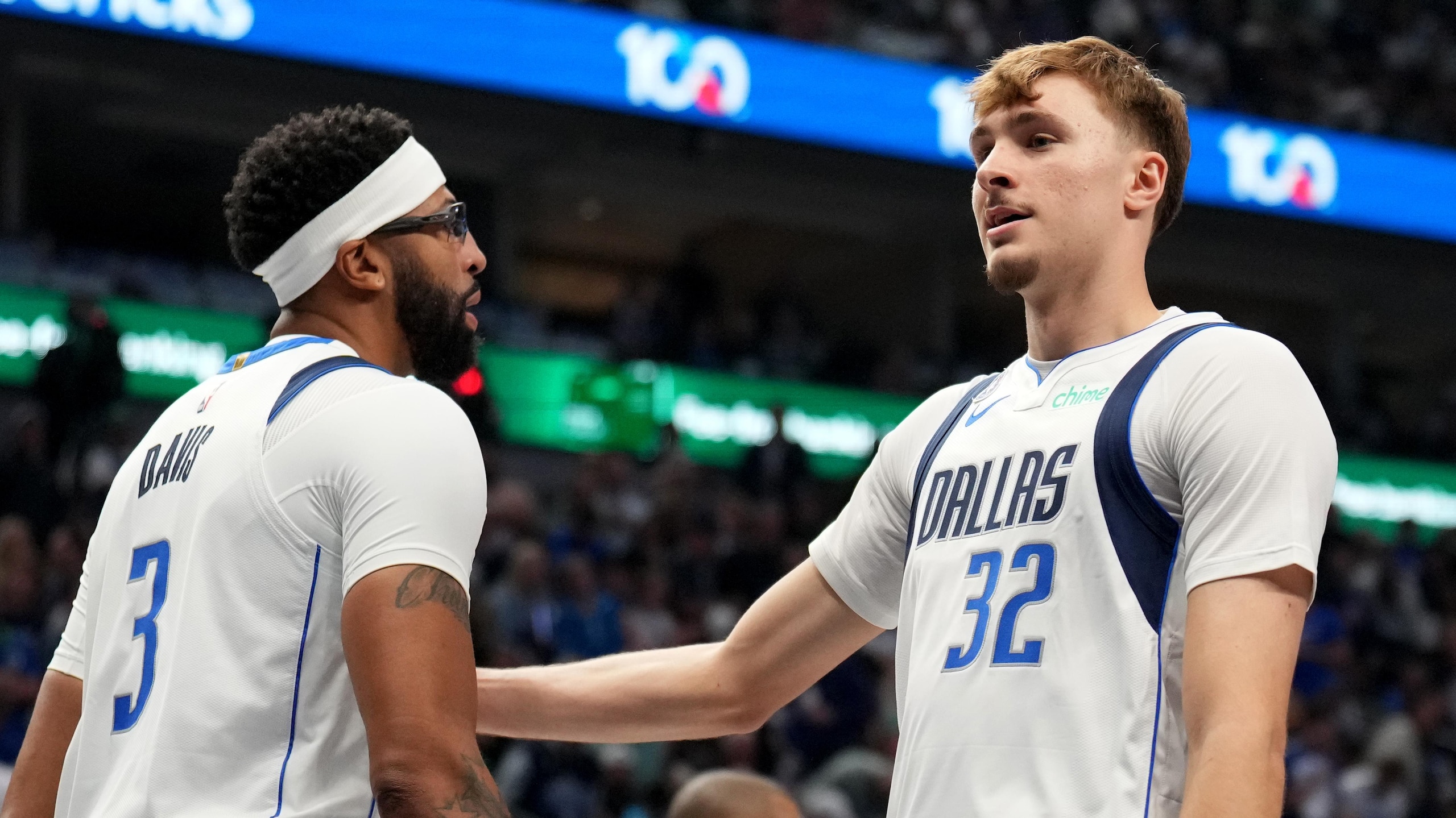
Lineup: Cooper Flagg, Klay Thompson, PJ Washington, Anthony Davis, Dereck Lively II
Net Rating: Plus-3.7
This is the point-guard-free group that started the Dallas Mavericks' first three games, and it might not seem fair to spotlight it because it hasn't seen action since Oct. 26.
Injuries to Davis and Lively prevented its reappearance, but it has still started as many games as any other Mavs lineup. Head coach Jason Kidd might have kept using it if not for health issues and, most importantly, it's the one that needs to be discussed.
Dallas' insistence on hulking groups that lack playmakers was a tactical misfire from the jump. Flagg was and is overtaxed as a high-usage on-ball creator, spacing was cramped and easy shots were almost impossible to come by because Dallas' offense couldn't break the packed-in paint off the dribble often enough.
Though the excess of size allowed for solid defensive production, the opening-night starters simply couldn't score.
Max Christie and D'Angelo Russell have featured prominently in more recent starting groups with Thompson coming off the bench, but many of the same problems persist. The offense has been even more anemic with nominal point guards and shooting guards involved.
No set of Mavericks starters has produced more than a single win this season, and the team's offense is among the league's worst in almost any configuration. This is the kind of imbalanced, ill-conceived roster that gets general managers fired.
Denver Nuggets: A
8 of 30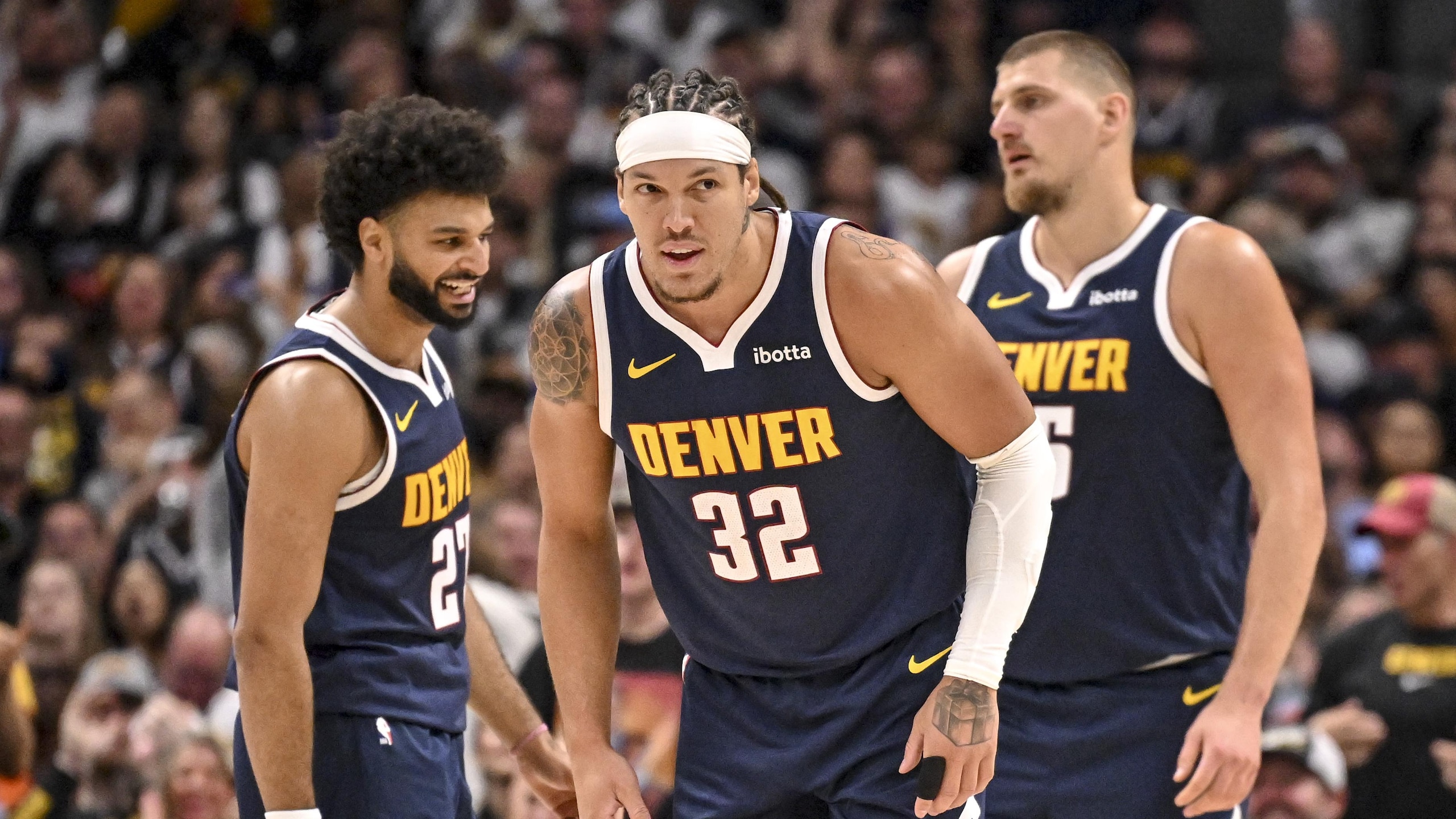
Lineup: Jamal Murray, Christian Braun, Cam Johnson, Aaron Gordon, Nikola Jokić
Net Rating: Plus-13.9
Anybody else surprised Denver's starters are only outscoring the opposition by 13.9 points per 100 possessions? That's a high number—roughly the equivalent of a team on a 63-win pace overall—but it's not all that impressive by Nuggets standards.
This is normal.
There's no scenario in which a positive double-digit net rating will earn anything less than an "A" for this group. Plus, Johnson is eventually going to find his footing in Denver's system. When that happens, he'll get his accuracy marks up to career levels of around 45.0 percent from the field and 39.0 percent from deep, neither of which he's even sniffed during a frigid start.
Jokić is the rising tide that lifts all boats, and Murray is off to an atypically solid start. If you had to bet on one lineup to finish the year atop the net-rating list for high-usage groups, you could do a lot worse than this one.
Detroit Pistons: D
9 of 30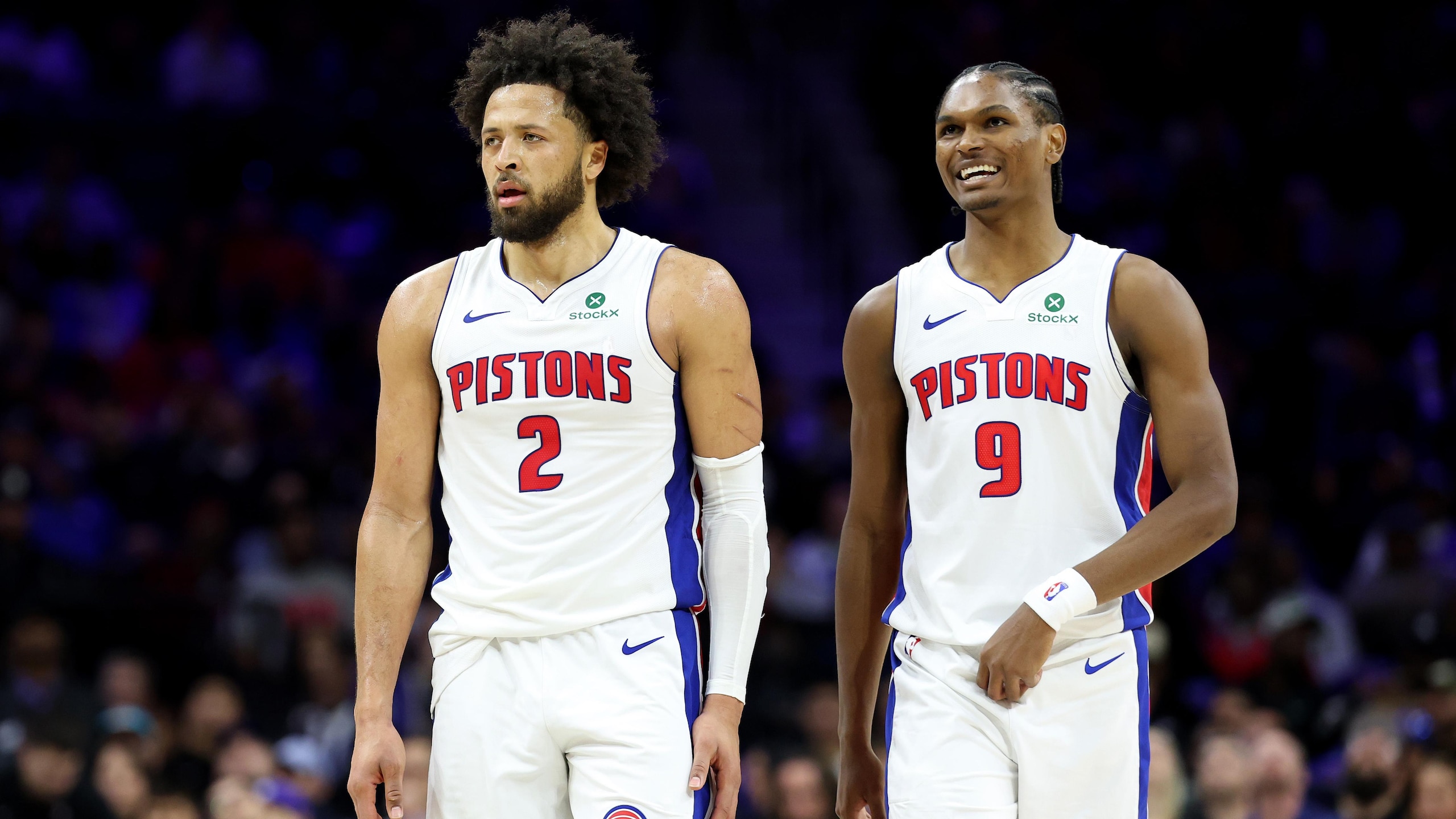
Lineup: Cade Cunningham, Ausar Thompson, Duncan Robinson, Tobias Harris, Jalen Duren
Net Rating: Minus-10.4
The Detroit Pistons are off to a terrific start overall. They've dominated the interior on both ends, leading the league in points per game in the paint while allowing the second-fewest points per game in the lane on the other end.
Surprisingly, the team's success hasn't had much to do with its most-used starting five. That group has posted an offensive rating in the 12th percentile and an effective field-goal percentage in the fourth, a huge reason why Detroit has had to work its way out of early holes all year.
The Pistons have positive point differentials in the second, third and fourth quarters but have trailed by an average of 3.5 points per game at the end of the opening period.
We should trust the numbers to normalize. Failing that, the Pistons could turn to more double-big groups that include both Duren and Isaiah Stewart.
In fact, they've tried that configuration a handful of times since Harris went out with an ankle injury, and the results have been convincing—particularly on offense where the team's points-per-100 figure is nearly 15.0 points better.
Golden State Warriors: A-
10 of 30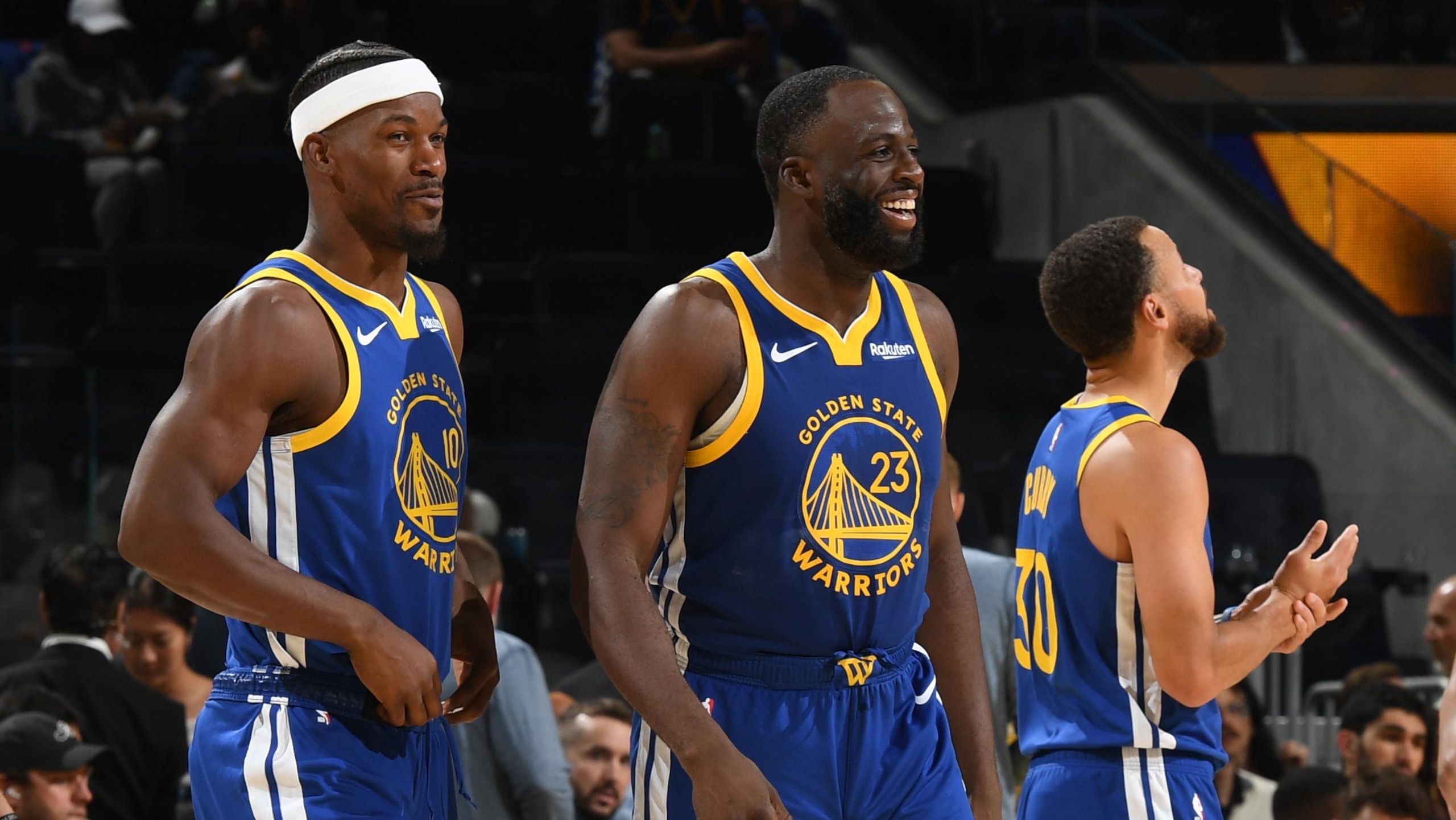
Lineup: Stephen Curry, Brandin Podziemski, Jimmy Butler, Jonathan Kuminga, Draymond Green
Net Rating: Plus-13.7
It's not complicated: When the Golden State Warriors have Curry, Butler and Green on the floor together, it almost doesn't matter who the other two players are. Good numbers are assured.
This season, Podziemski and Kuminga have spent the most time with the Dubs' veteran trio. Though an illness knocked Curry out of the first unit for a handful of games, this group still has as many starts and nearly double the total number of possessions of any other Warriors quintet.
Curry's presence has assured strong scoring numbers, though the group's success on that end is bolstered by a surprisingly low turnover rate of 12.1 percent, good for the 79th percentile. That's going to change. If we know anything about Golden State, it's that careless passing is baked into the recipe.
Despite being undersized, the Warriors starters have walled off the defensive boards exceptionally well and forced a high rate of opponent turnovers. The only thing this unit really needs is a secondary creator better than Podziemski, who's good for five to seven go-nowhere possessions when he picks up his dribble at the elbow and can't get defenders to bite on his pump fakes.
Houston Rockets: A
11 of 30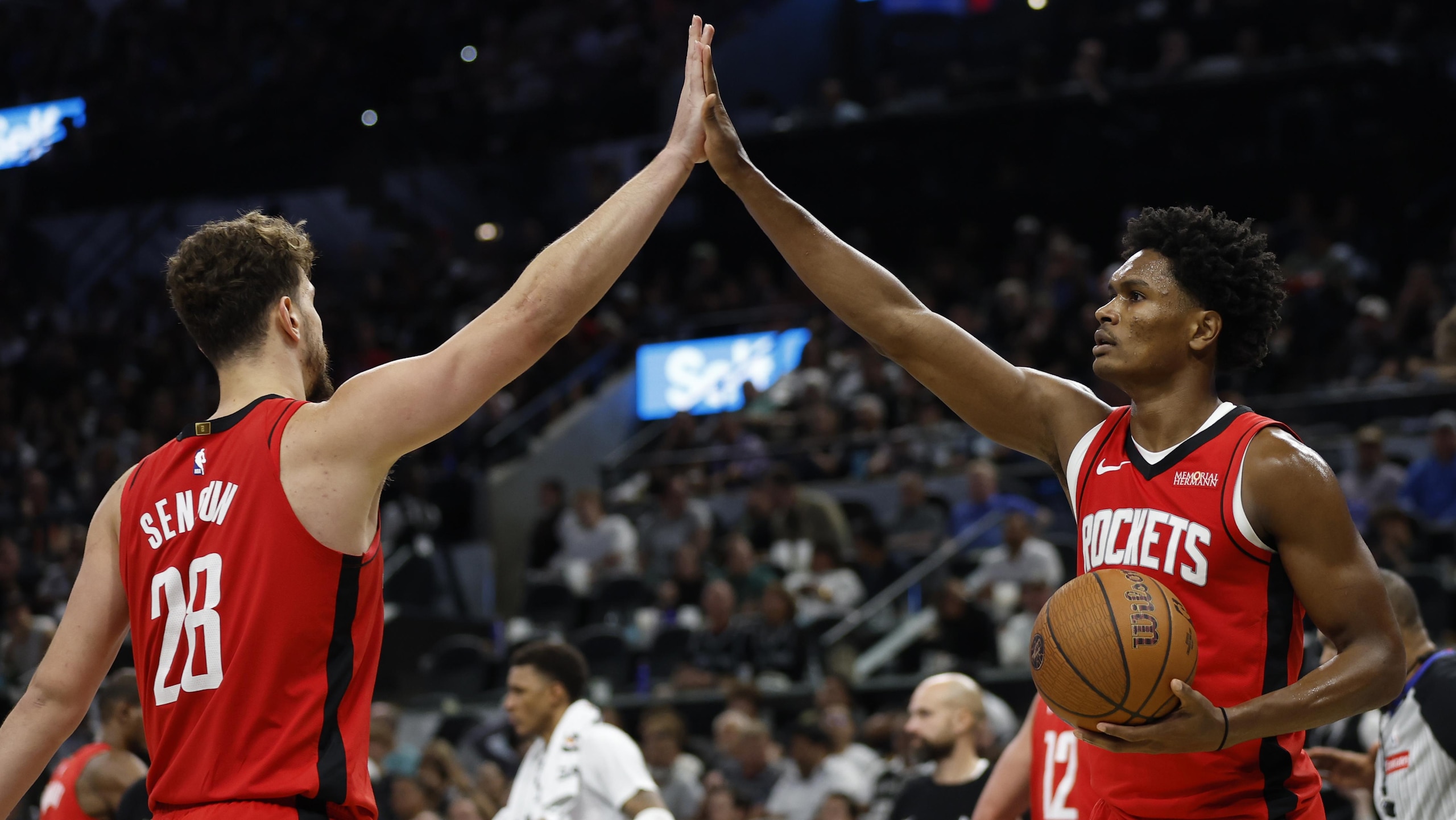
Lineup: Amen Thompson, Josh Okogie, Kevin Durant, Jabari Smith Jr., Alperen Sengün
Net Rating: Plus-17.8
The Houston Rockets ditched their ultra-mega-big starting group after two games, opting instead for one that is merely ultra-big by swapping out Steven Adams for Josh Okogie.
Both were effective, but Okogie offers more spacing than Adams (most players do) and allows for more dynamic perimeter defense. With him on the floor, Thompson doesn't have to spend all his time running the offense and guarding the opponent's top scoring threat.
When Adams enters the game, the Rockets become an offensive-rebounding monster who wins the math game by adding tons of extra possessions. The above lineup is merely adequate on the offensive glass, but it has a 100th-percentile effective field-goal percentage that means it's efficient enough to only need one scoring chance per trip down the floor.
Sengün's improved outside shooting and Thompson's growth as a facilitator pair well with Durant's bailout scoring game. Houston's offensive possessions are rarely pretty, even with the starters involved, but they get the job done.
Indiana Pacers: C
12 of 30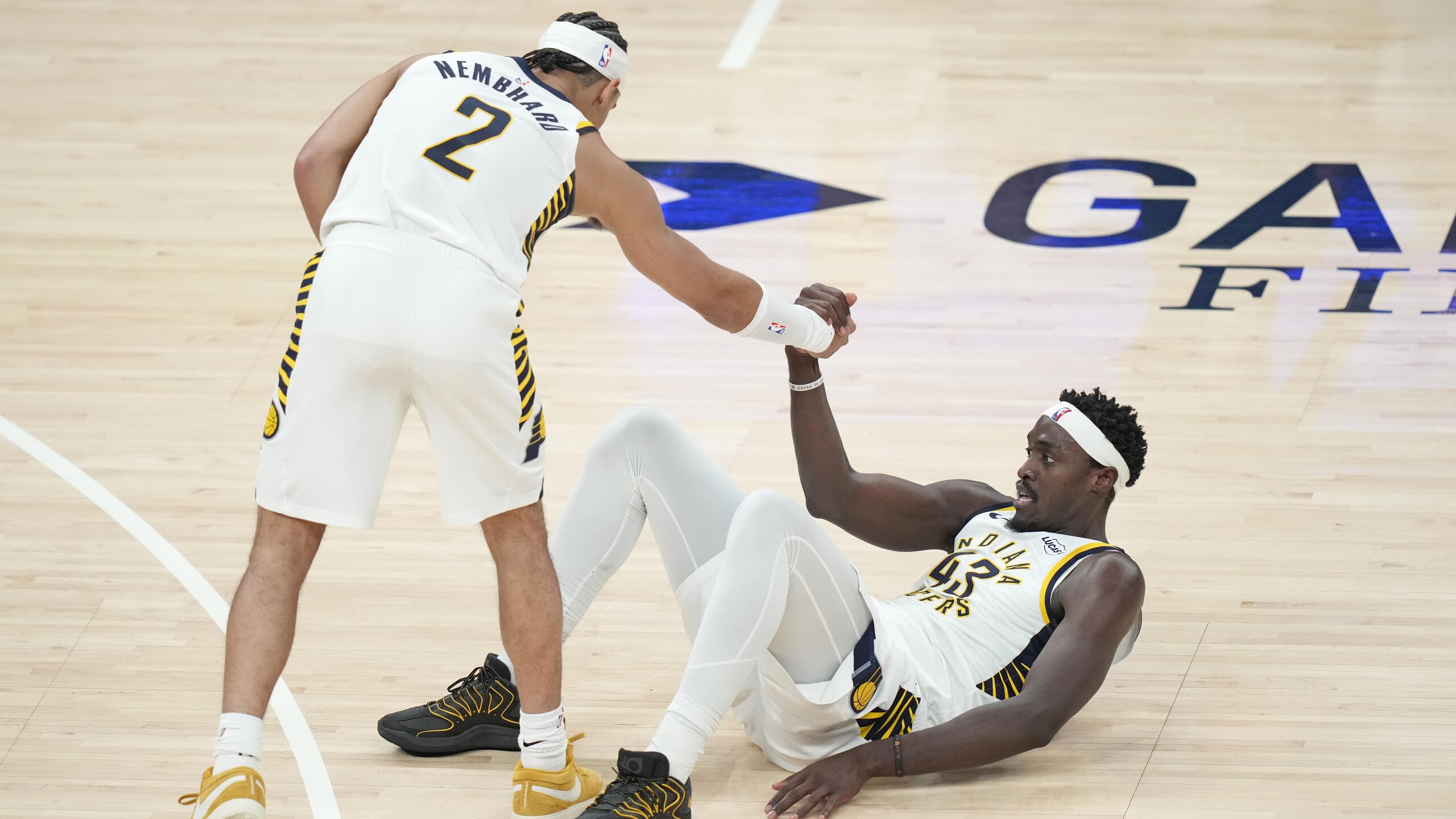
Lineup: Andrew Nembhard, Aaron Nesmith, Jarace Walker, Pascal Siakam, Isaiah Jackson
Net Rating: Plus-16.7
The Indiana Pacers started the season missing bodies and lost what felt like two or three new ones every day for the first two weeks of the year. As a result, they've used seven different starting groups, including one in which little-used reserve Quenton Jackson appeared three times.
We're going with the lineup that has appeared just once because the players in it are all healthy for the moment and would probably make up the group Indy would choose most often until longer-term health issues with Bennedict Mathurin are resolved.
Despite owning the worst record in the East, Indiana looks decent with this lineup on the floor. Jackson anchors a solid interior defense, Siakam scores and Nembhard and Nesmith fly around creating turnovers with their ball pressure and full-court pickups.
LA Clippers: D-
13 of 30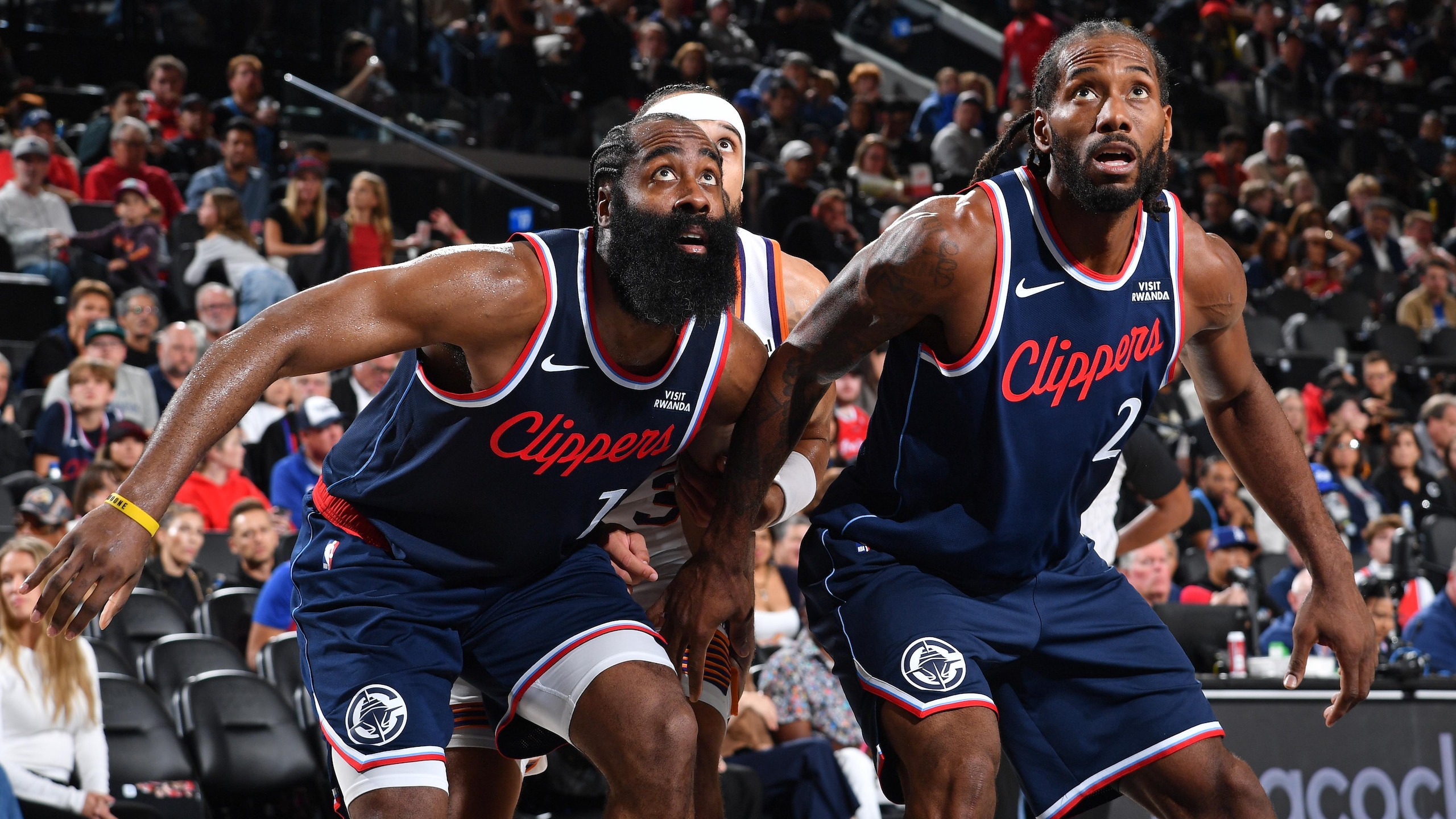
Lineup: James Harden, Bradley Beal, Derrick Jones Jr., Kawhi Leonard, Ivica Zubac
Net Rating: Minus-12.8
There's no way this lineup continues to fail so miserably, but a minus-12.8 net rating produced by some terrifyingly ugly peripheral numbers leaves us no choice at the moment. The Clips are lucky to escape an F.
A plague of turnovers is the main culprit for this group, which has started most often and logged more total possessions than the LA Clippers' next three most-used lineups combined. In addition to coughing up the rock at alarming rates, this unit gets bludgeoned on the offensive glass and almost never gets to the foul line.
The good news is that, when available, Harden and Leonard have posted numbers right in line with what they did last year. Zubac, too, looks very close to where he was during a career-best 2024-25. Beal, though, is now done for the year due to a hip fracture.
With Jones on pace to post his best season ever from long range, the Clippers might be able to get away with putting Kris Dunn in Beal's spot. Another point-of-attack defender and decent ball-handler couldn't hurt as L.A. tries to get its turnovers under control while putting more pressure on opponents.
Los Angeles Lakers: B
14 of 30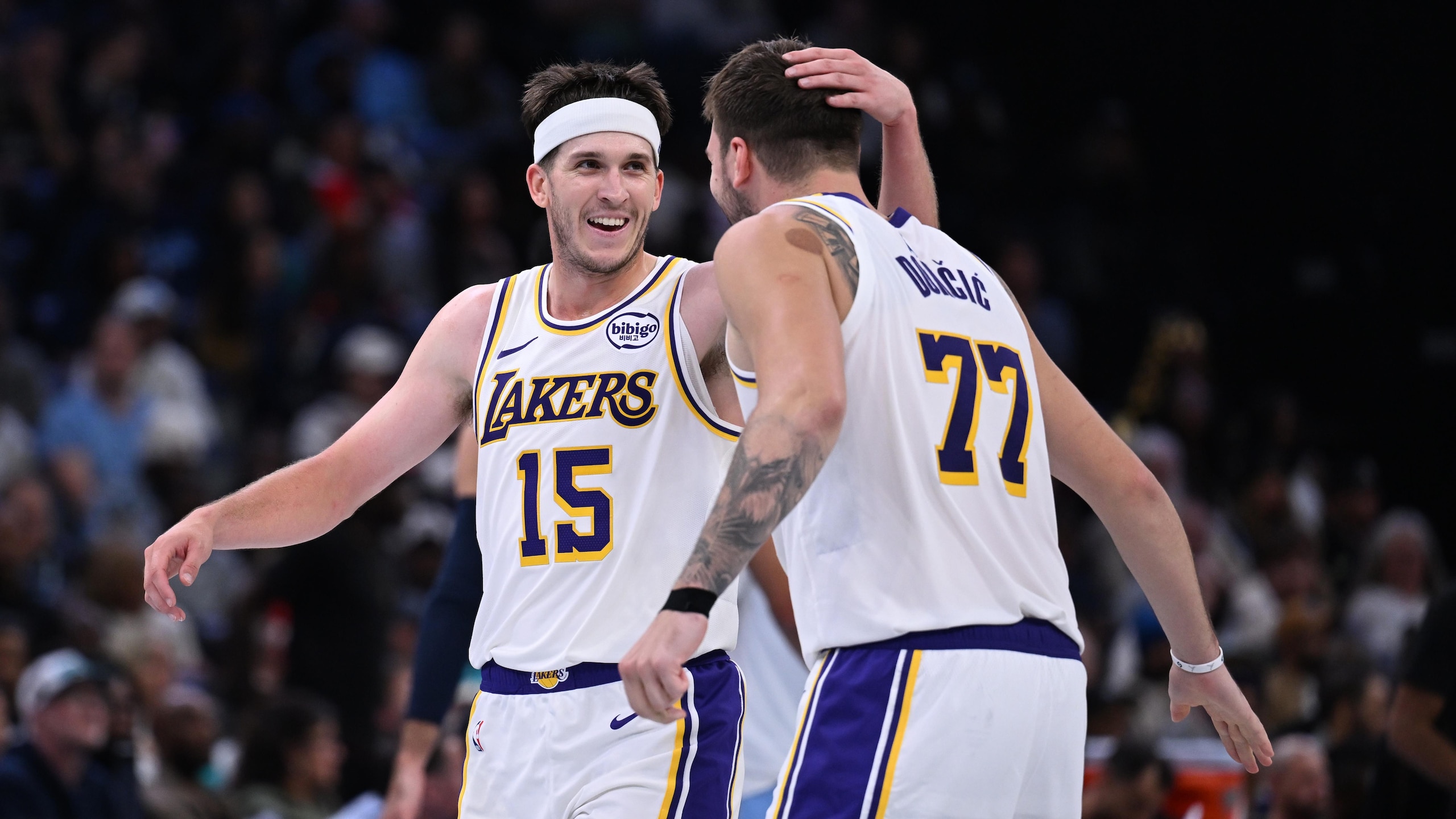
Lineup: Luka Dončić, Austin Reaves, Marcus Smart, Rui Hachimura, Deandre Ayton
Net Rating: Plus-13.3
No Los Angeles Lakers' set of starters has taken the floor for more than two consecutive games, and no group has started more than two contests overall. We're skipping the opening-night starters, which included Gabe Vincent in Smart's spot. The results don't suggest that should be the lineup L.A. uses if everyone's healthy.
The numbers with Vincent were ghastly, an unsustainably bad minus-31.1 net rating. So far, Smart has been the better fifth starter.
In theory, the combo of Dončić and Reaves offers more than enough playmaking. That means offensive success will basically come down to how efficiently Hachimura and Smart can hit their threes. So far, Hachimura has more than pulled his weight with a team-best 52.4 percent from long range.
Questions linger, as Smart's foul-baiting, iffy shooting and penchant for crippling late-game mistakes could result in Vincent or Jake LaRavia retaking his spot. Ayton has looked better with the Lakers than he did in Portland, but his attention and effort are known to fluctuate.
Memphis Grizzlies: F
15 of 30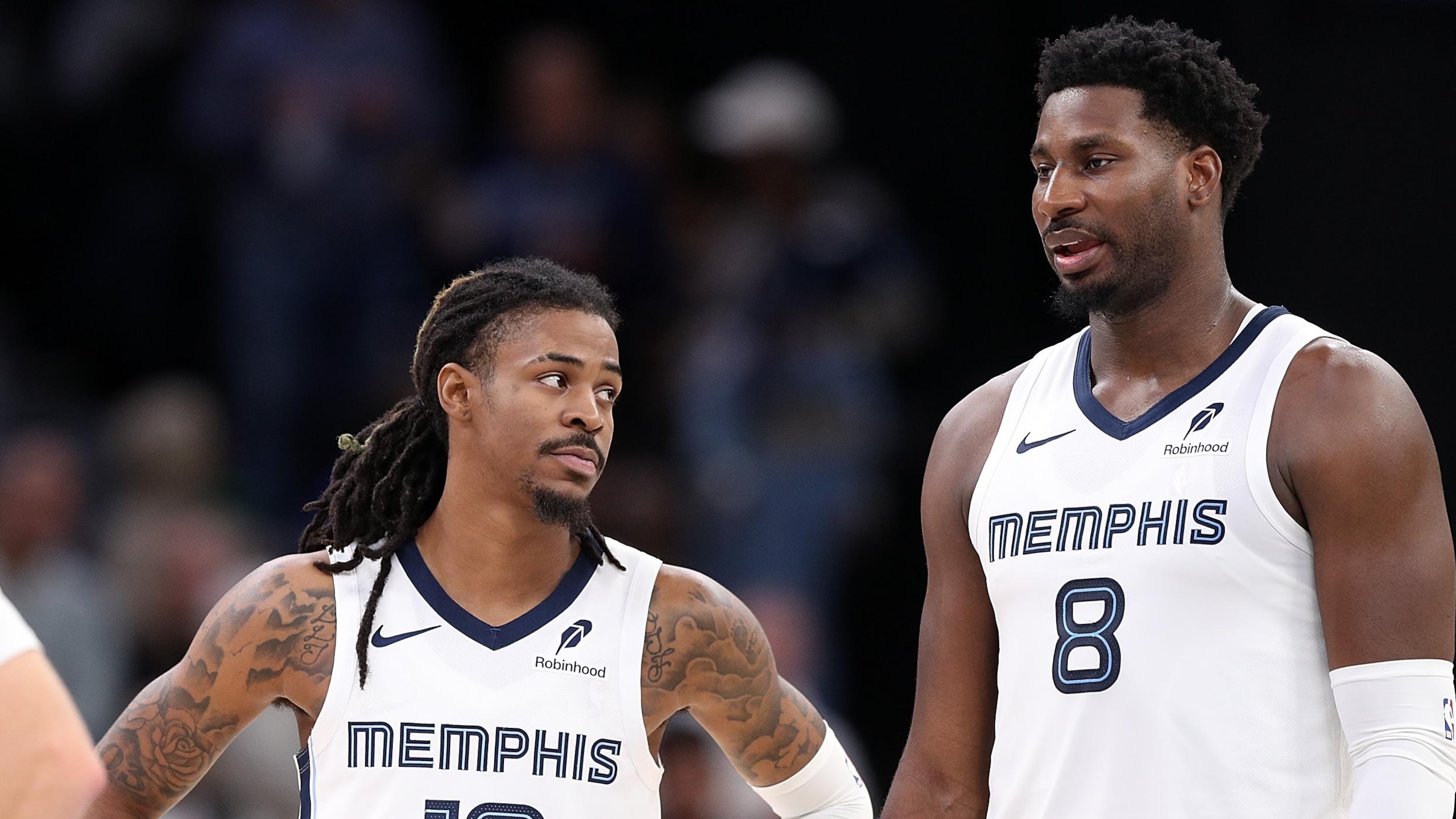
Lineup: Ja Morant, Kentavious Caldwell-Pope, Jaylen Wells, Jaren Jackson Jr., Jock Landale
Net Rating: Minus-12.2
Cam Spencer got a start when Morant was suspended against the Toronto Raptors on Nov. 2, but the Memphis Grizzlies have otherwise trotted out the above group in every game.
That consistency hasn't produced results.
Though the microscope has mostly been trained on Morant, who is still posting a three-point percentage in the teens and looking nowhere close to as quick as he used to be, Wells and Caldwell-Pope have quietly been much more damaging players. Neither has shot the ball well yet, and neither has succeeded in consistently containing opposing wings on D.
It may not be long before rookie standout Cedric Coward—bigger, more athletic and a more efficient scorer than any other Grizzlies wing—seizes a starting spot. In fact, it probably should have happened by now.
Memphis should improve when Zach Edey returns to shore up the middle, but Landale has actually been passable as a starting center so far.
Somebody, at some point, is going to start making shots. Through the first few weeks of the season, though, the Grizzlies starters have put up truly abysmal offensive numbers, marked by a 101.7 offensive rating.
Miami Heat: A-
16 of 30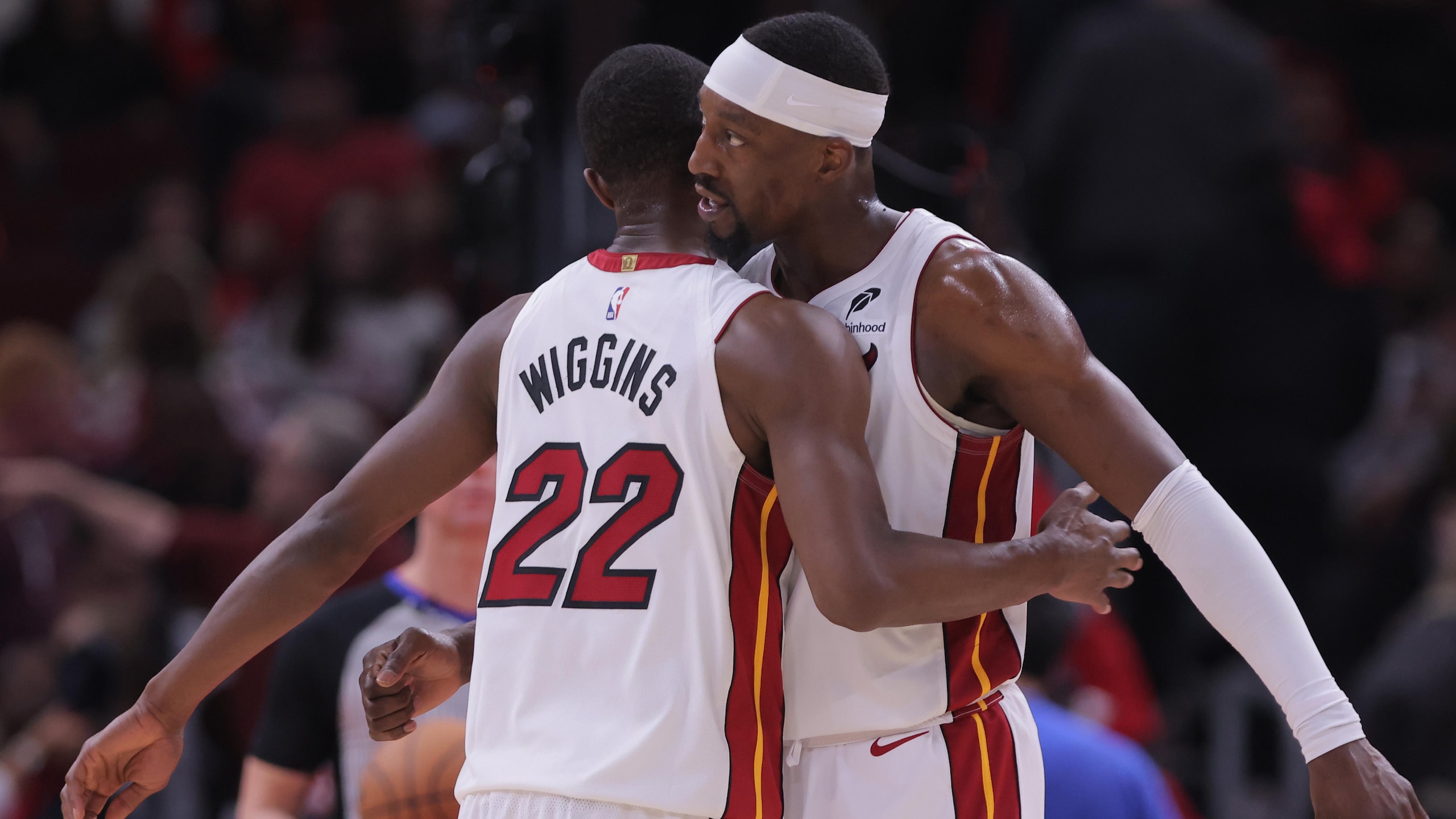
Lineup: Davion Mitchell, Norman Powell, Pelle Larsson, Andrew Wiggins, Bam Adebayo
Net Rating: Plus-27.1
Until Tyler Herro returns or Kel'el Ware and Nikola Jović sort out who belongs up front with Adebayo, this appears to be the unit the Miami Heat prefer to start. We've only seen it twice, but that number would have been higher if Adebayo hadn't suffered a foot injury.
Like most of the best parts of this Heat season, this lineup has been fast, disruptive and explosive. Larsson and Mitchell harass ball-handlers all over the floor, and Powell's return to health gives Miami's screen-free offensive attack another dangerous threat.
With fewer than 60 possessions together so far, it's hard to trust a 142.4 offensive rating as being anything close to real. But it's reasonable to expect something even higher than Miami's 117.6 overall figure—considerably more once Herro is in the mix.
Milwaukee Bucks: C-
17 of 30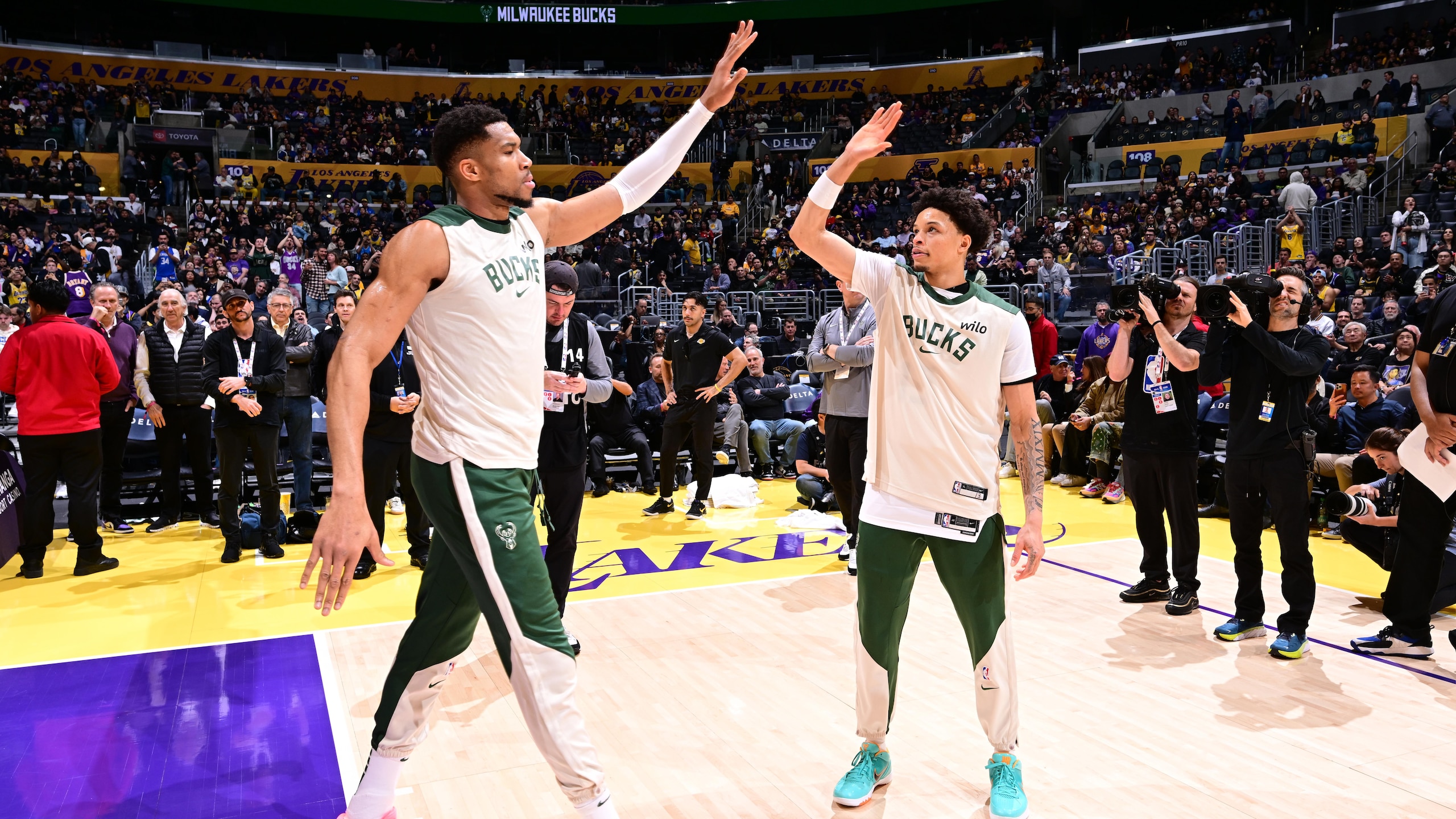
Lineup: Ryan Rollins, AJ Green, Gary Trent Jr., Giannis Antetokounmpo, Myles Turner
Net Rating: Minus-4.9
It's ironic that Rollins has been the biggest revelation on the team this season, yet it's Cole Anthony whose court time has coincided with the most success.
A lot of that owes to Rollins seeing much more time against opposing starters, but it's still jarring to note that the Bucks' preferred first unit has been pretty soundly beaten in the early going.
Most of the damage has come on defense, where poor rebounding is allowing too many second-chance points. A Nov. 9 loss to the Rockets (who, in fairness, beat everyone on the glass) illustrated the issue: Houston grabbed 20 offensive boards and outrebounded the Bucks 50-27 overall to steal a win in Milwaukee.
Antetokounmpo is as dominant around the basket as ever, and the logic of surrounding him with four three-point threats is sound. Eventually, Milwaukee's starters will at least score at above league-average rates.
The defense is more of an open question, but Rollins is grabbing two steals per game, and the Giannis-Turner combo should eventually protect the paint more effectively.
Minnesota Timberwolves: A
18 of 30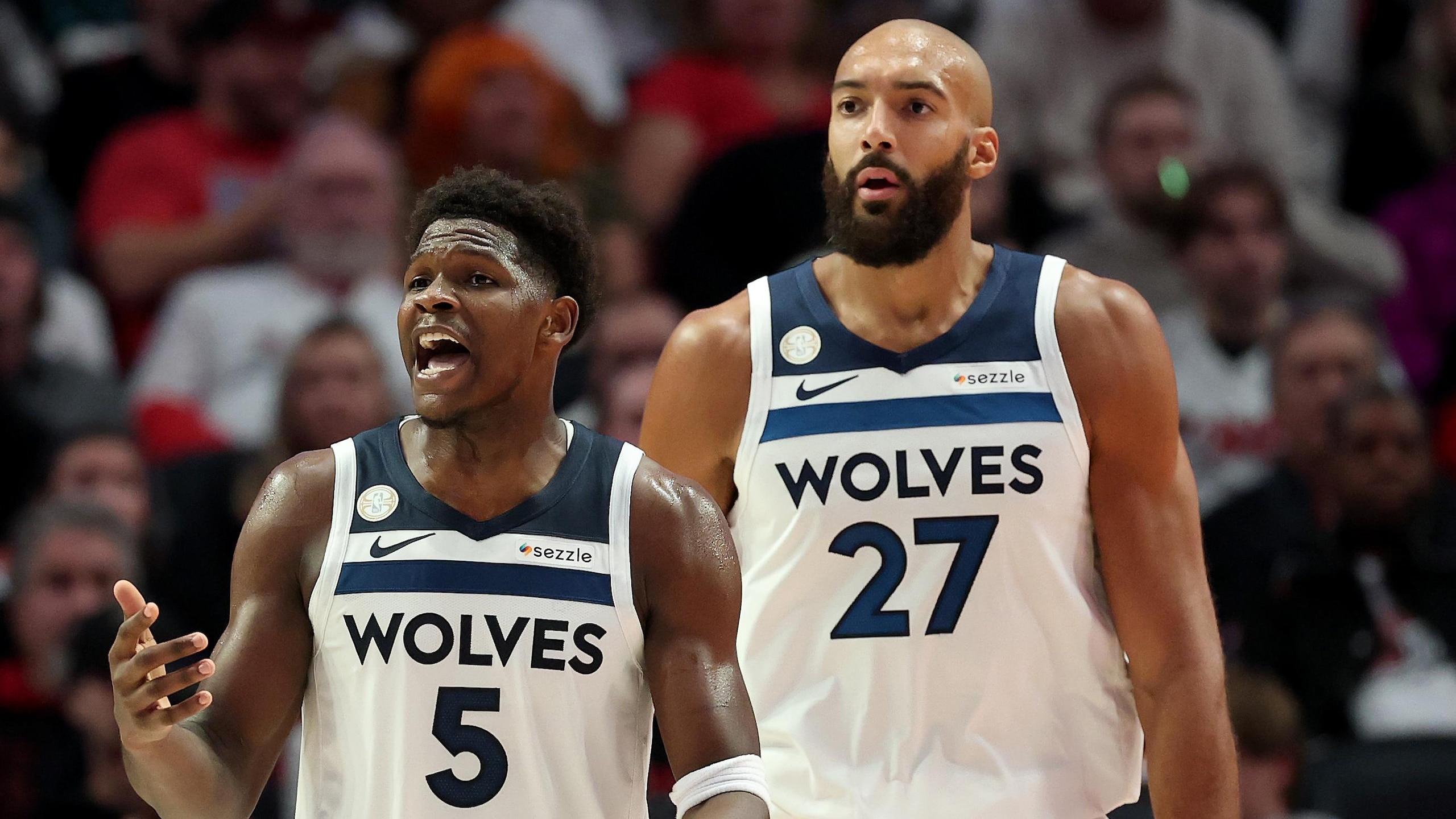
Lineup: Donte DiVincenzo, Anthony Edwards, Jaden McDaniels, Julius Randle, Rudy Gobert
Net Rating: Plus-28.3
Recent pulverizing wins against the Jazz and Kings offset dispiriting losses at Los Angeles and New York earlier in the year, putting a sheen on the Minnesota Timberwolves' numbers.
Edwards remains the key to success, but the Wolves' starters performed just fine in the three games he missed with a hamstring injury. Mike Conley, demoted as a starter in favor of DiVincenzo to begin the season, stepped into Edwards' spot and contributed to a plus-22.0 net rating.
Gobert's singular importance to the defense only seems to be increasing with McDaniels not quite looking like his best self in the early going.
Randle has been spectacular on offense, sitting a couple of free-throws away from a 50-40-90 pace and joining Edwards above the 25.0-points-per game threshold.
New Orleans Pelicans: C
19 of 30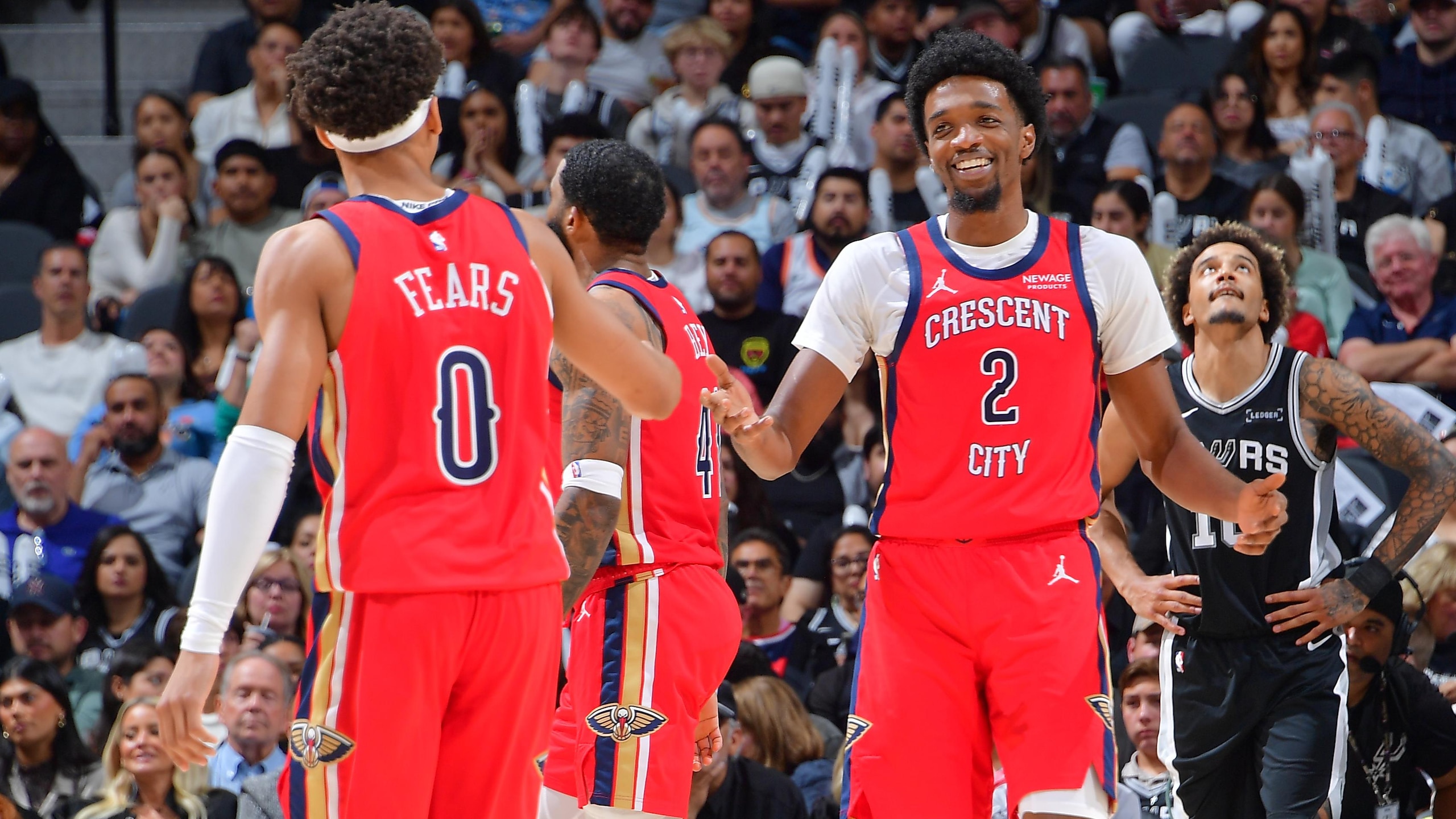
Lineup: Jeremiah Fears, Saddiq Bey, Herb Jones, Trey Murphy III, Kevon Looney
Net Rating: Plus-4.9
There's not much use in sugar-coating it: The New Orleans Pelicans are an unmitigated disaster. From offseason moves, to roster construction, to a lame-duck coaching situation to health—it's all a mess.
At least the latest iteration of the starting lineup has been pretty good.
With Zion Williamson nursing another hamstring issue, the Pels have turned to the above group consistently ... insofar as that term can apply to a team that experimented with five different starting lineups in its first five games and hasn't been much more stable since then.
Tiny sample and all, the unit led by Fears and anchored by Looney has played poorly on offense but enjoyed enough opponent-shooting misfortune to post what look like elite defensive numbers.
We're being charitable with a C for now. Soon, other teams will hit shots, and this group will be deep in negative territory.
The only sure thing about the Pelicans is that everyone seems to play better without Jordan Poole, whose minutes coincide with across-the-board declines in teammate production.
If head coach Willie Green has done one thing right, it's relegating Poole to the bench an leaving him there.
New York Knicks: A
20 of 30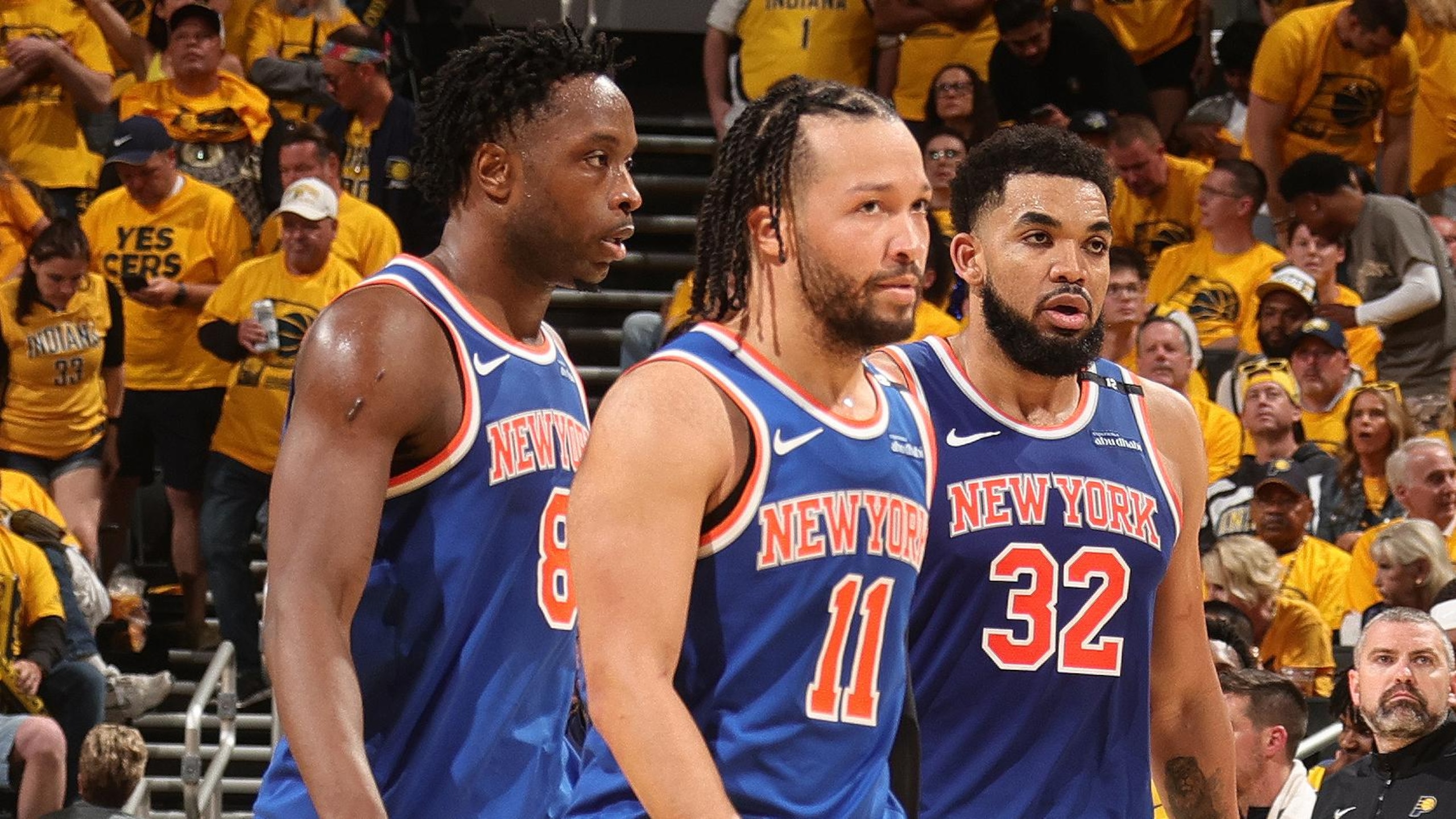
Lineup: Jalen Brunson, Mikal Bridges, OG Anunoby, Karl-Anthony Towns, Mitchell Robinson
Net Rating: Plus-58.5
Early returns suggest the two-big lineup featuring Towns and Robinson up front works like a charm.
The stat B/R's Dan Favale relayed on Nov. 9 seems like a good sign. He noted Robinson's plus-40 against the Nets (in only 16.5 minutes played) was the biggest single-game plus-minus any player has ever logged in fewer than 17 minutes.
Preserving Robinson's health by limiting his minutes will be key, which means this lineup may not see a ton of time together.
Mike Brown's more movement-heavy offense is getting the best out of Anunoby while increasing Brunson's off-ball impact, and Bridges looks like a player transformed. He's hitting over half his shots from the field and was above 50.0 percent from deep across his first nine games while setting a career-best pace in assists.
Oklahoma City Thunder: A
21 of 30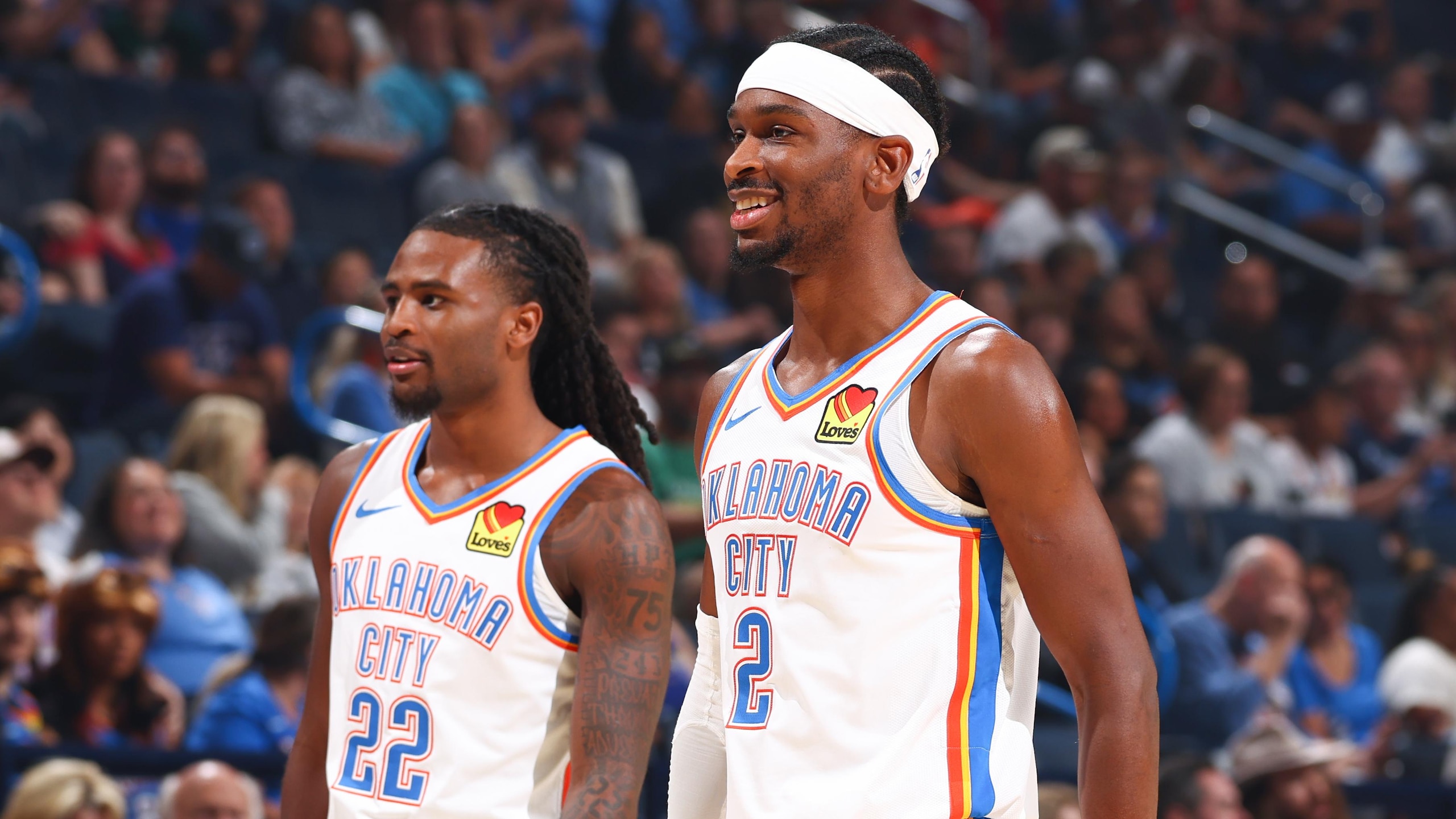
Lineup: Shai Gilgeous-Alexander, Lu Dort, Cason Wallace, Chet Holmgren, Isaiah Hartenstein
Net Rating: Plus-14.6
It's been over a week since this lineup started a game because Dort's shoulder injury shelved him on Nov. 4. It still deserves to be featured because the Oklahoma City Thunder used it on opening night, and because it's still (narrowly) the team's most used five-man group.
As you'd expect from almost any lineup seeing time for the defending champs, this one has been blowing the doors off its opponents by forcing turnovers, generating efficient offense and taking care of the ball.
When the Thunder swap in Ajay Mitchell for Dort, they put up even higher point totals. Mitchell is likely too valuable as a creator to use as a starter once the entire team (and Jalen Williams, specifically) is at full strength.
His impact off the bench as a second-unit leader will go a long way toward alleviating the struggles OKC had last year when Gilgeous-Alexander was off the floor.
Orlando Magic: A
22 of 30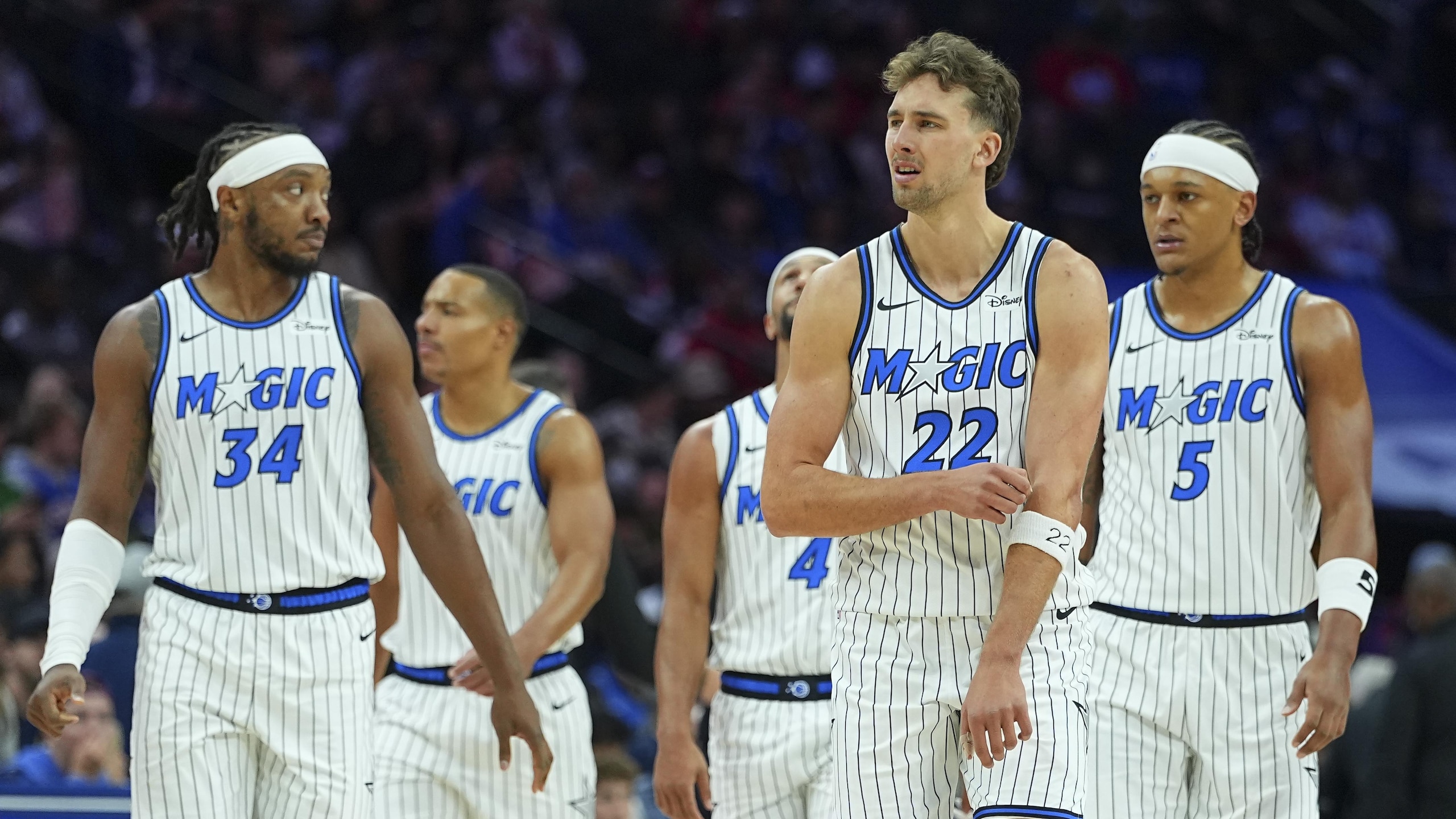
Lineup: Jalen Suggs, Desmond Bane, Franz Wagner, Paolo Banchero, Wendell Carter Jr.
Net Rating: Plus-19.1
The scoring struggles, marked by a plodding, station-to-station approach, aren't issues when this lineup is in the game. The Orlando Magic's preferred starters own an 83rd percentile offensive rating, which is all the more impressive in light of its 16.3 percent turnover rate.
Orlando makes up for those wasted possessions by relentlessly attacking the rim, which has produced a 33.3 percent free-throw rate. The league average is just 22.7 percent, so these starters are a huge reason the Magic make about five more free throws per game than their opponents. When you know your bench is going to have a hard time scoring, that's a hugely significant buffer.
Bane has yet to find his form from long distance, and Banchero's preference for mid-rangers leaves money on the table. That said, this group is clearly not the source of the Magic's substandard offense. If the bench could ever pull its weight, a mid-tier offensive rating overall is still in play.
Philadelphia 76ers: B
23 of 30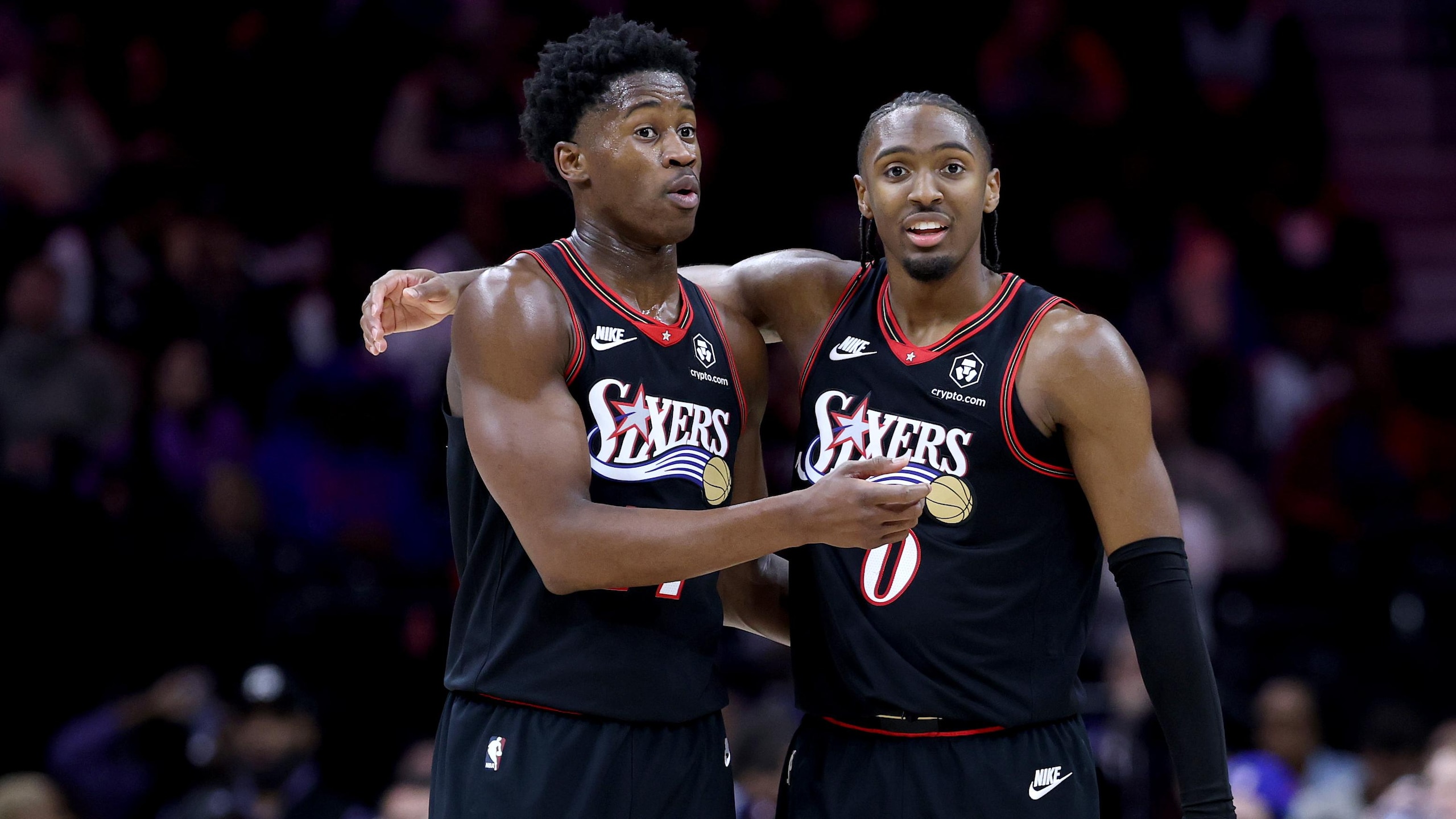
Lineup: Tyrese Maxey, VJ Edgecombe, Kelly Oubre Jr., Jabari Walker, Joel Embiid
Net Rating: Plus-11.0
Embiid's inconsistent availability and Paul George's delayed debut mean this lineup and the litany of others the Philadelphia 76ers have employed is a stopgap. Maxey and Edgecombe have been very hard for defenses to contain, posting huge scoring numbers exceeded only by their jarring minute totals.
Put Maxey on the floor with virtually anyone, and the Sixers have scored in bunches and taken good care of the ball. Philly has been even more potent on offense in constructions that swap in Andre Drummond for Embiid and Quentin Grimes for Walker, but it makes more sense to evaluate the Sixers as if the former MVP is going to be a big part of the starting five.
Edgecombe has cooled off after a scorching start, failing to crack 20 points in any November game. He's still clearly a valuable long-term option, but he should benefit from the lightened defensive scrutiny he'll receive when George and Jared McCain slot back into the rotation.
Phoenix Suns: B
24 of 30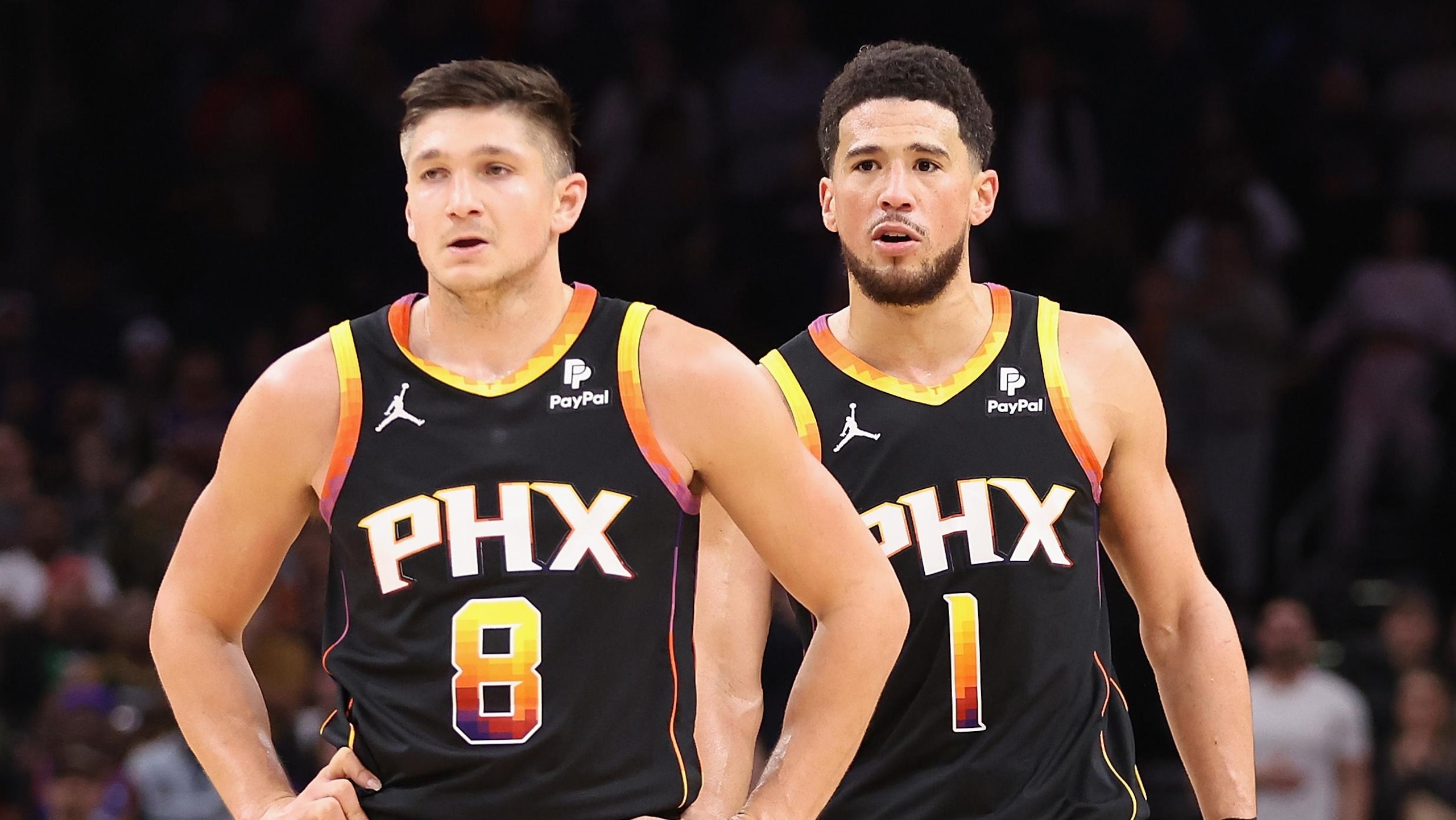
Lineup: Devin Booker, Grayson Allen, Dillon Brooks, Royce O'Neale, Mark Williams
Net Rating: Plus-15.3
Brooks made his season debut on Nov. 8 in a 114-103 win over the LA Clippers, but Jalen Green reaggravated his hamstring almost immediately and will miss at least another four weeks. The Suns turned to the above unit in a blowout win over the Pelicans on Nov. 10, and it seems a good bet to stick around for a while.
The lack of a point guard will be an issue, but that was known coming into the season. Allen has started every game for Phoenix so far, and his continued presence could make up for a facilitation shortage with dangerous shooting. He's burying 44.7 percent of his shots from deep and is the team leader at 9.4 long-range attempts per game. Just as impressively, he's on track to blow away his previous career high in assists at 4.6 per game.
It's too early to say the Suns' offense will be objectively good without a point guard, but it might be passable. Employing a high-energy defensive style that should only improve with Brooks in the lineup, the Suns could even lift themselves into the West's top eight by season's end.
Portland Trail Blazers: C-
25 of 30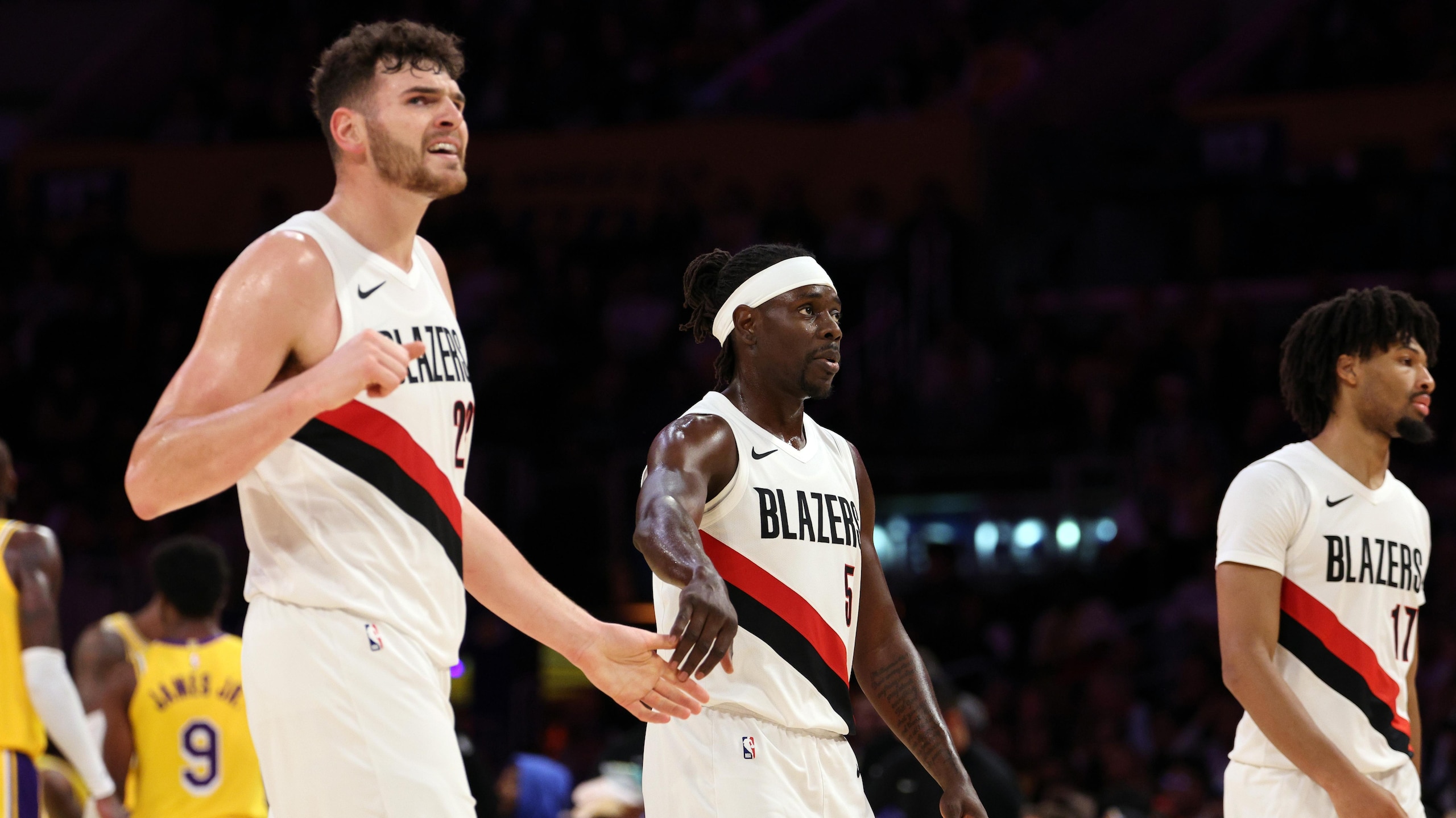
Lineup: Jrue Holiday, Shaedon Sharpe, Deni Avdija, Toumani Camara, Donovan Clingan
Net Rating: Minus-4.4
The Portland Trail Blazers had too many centers on the roster over the last couple of years, and they've ironically been better this season when they play without a 5.
Swap out Clingan for Jerami Grant and the same four players in the above lineup, and Portland cooks in an intriguingly large sample. With the second-year big man in the game, though, the Blazers score at a 17th-percentile clip and don't convert nearly enough shots from the floor (50.0 effective field-goal percentage) to make Clingan's offensive rebounding matter much.
Opponents get a larger share and make far more of their shots at the rim when Grant takes Clingan's place, and a lot of the defensive numbers are skewed by red-hot opponent three-point shooting during Clingan's minutes.
However, the real issue for Portland has been on offense, and it's not hard to understand why replacing a plodding big man who can't space the floor with a versatile forward makes it easier to put points on the board.
Sacramento Kings: F
26 of 30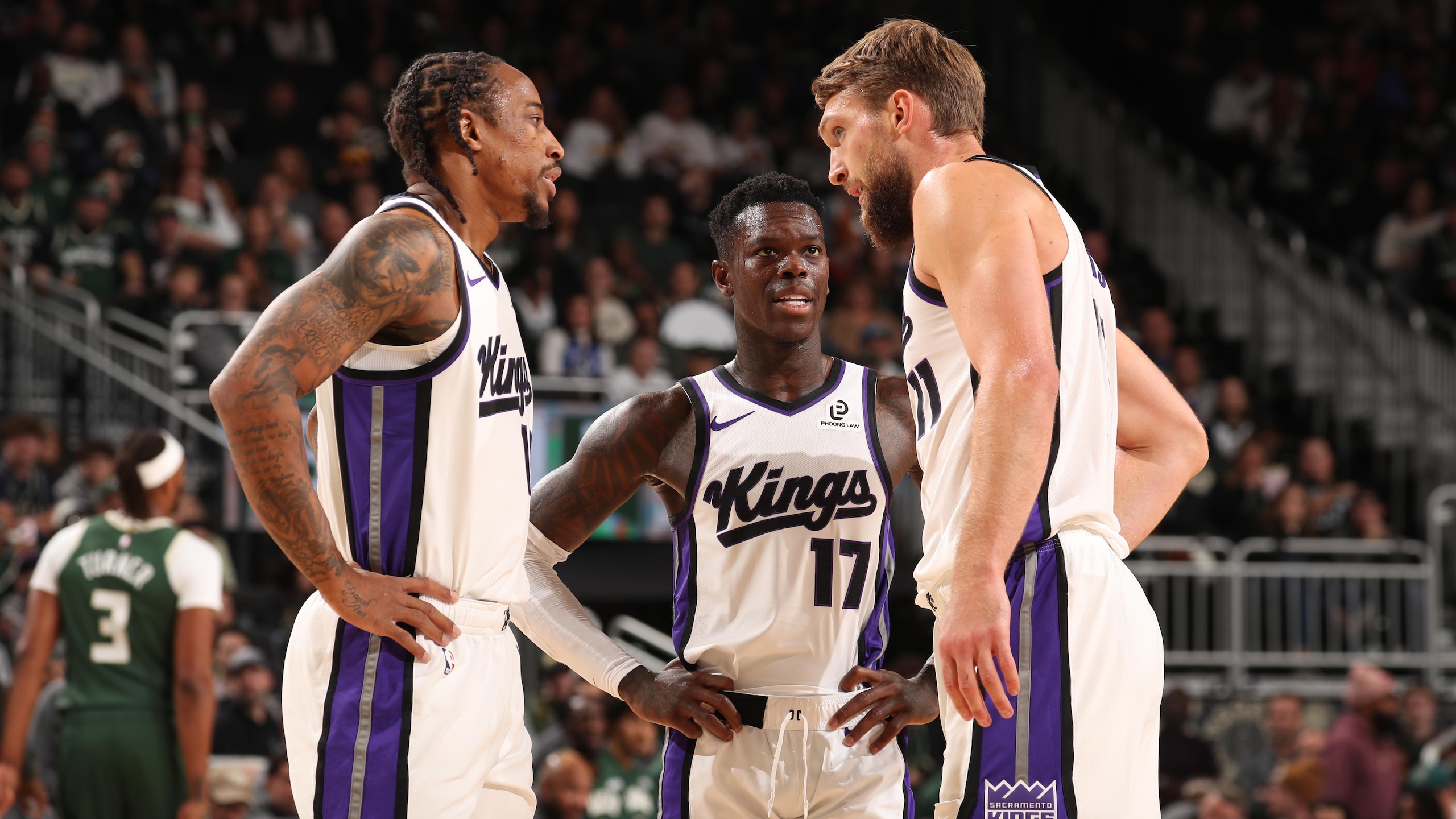
Lineup: Russell Westbrook, Dennis Schroder, Zach LaVine, DeMar DeRozan, Domantas Sabonis
Net Rating: Minus-19.3
The only thing this lineup does well is limit its own turnovers, which makes some sense given the overabundance of players more willing to take tough shots than force a pass.
Everyone in Sacramento's preferred starting five is an on-ball offensive weapon with limited value outside of scoring. LaVine's shooting makes him a credible spacing threat, and Sabonis is a willing facilitator as long as you tailor a dribble-handoff system to his skills like former head coach Mike Brown did to great effect. But none of these players complement one another.
And then there's the defense, which is roughly as bad relative to the league as the offense (bottom 20 percent in both points allowed and scored per possession), but somehow seems more hopeless.
Sabonis cannot defend the rim, and there isn't a single consistent perimeter stopper in sight. Keon Ellis should probably start over Westbrook or Schroder, and Keegan Murray would make sense ahead of LaVine or DeRozan once he's healthy. That would create a lineup with a semblance of balance, but it's hard to imagine any of the more established names in the current unit will readily relinquish his spot.
San Antonio Spurs: A
27 of 30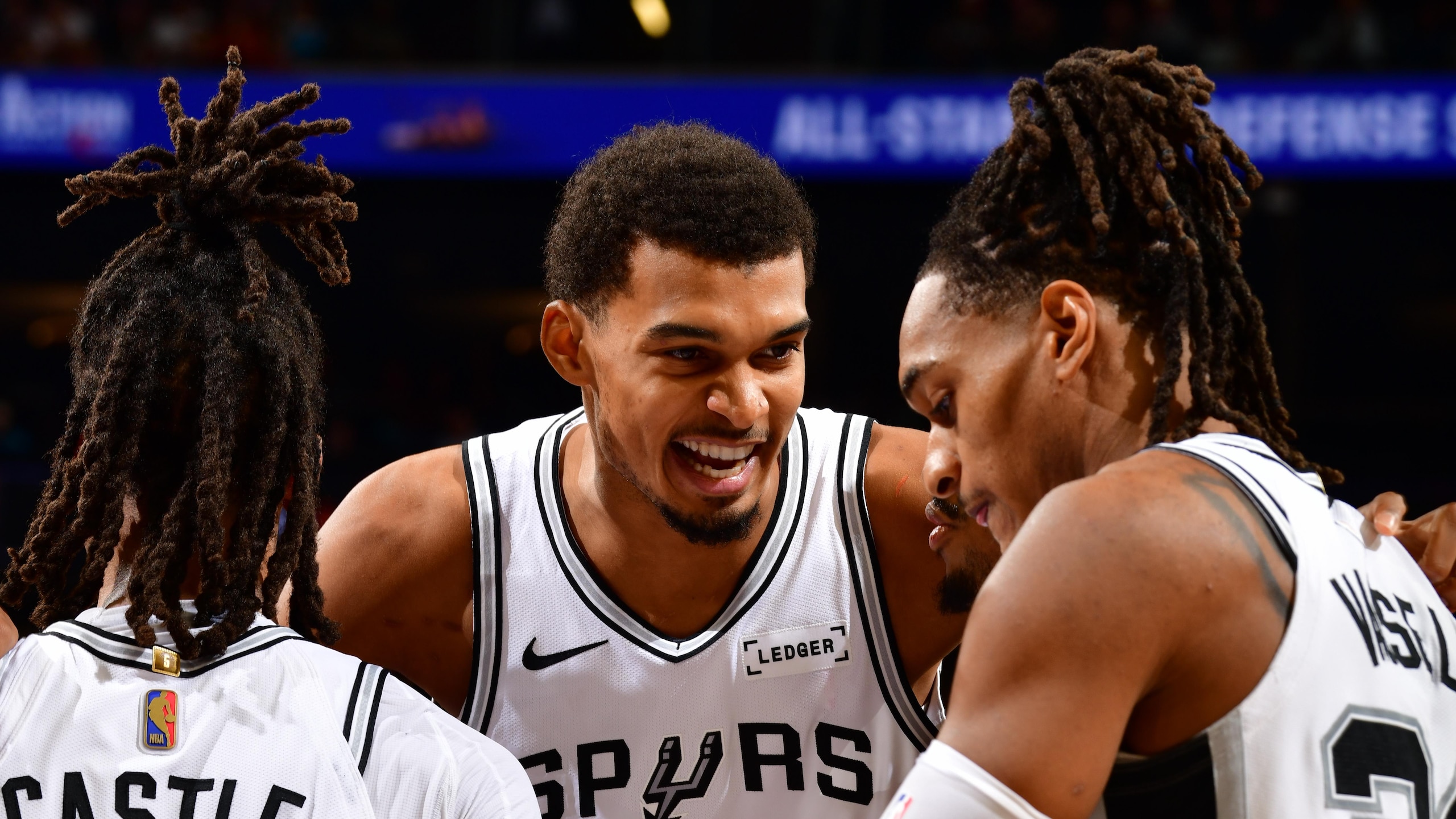
Lineup: Stephon Castle, Devin Vassell, Julian Champagnie, Harrison Barnes, Victor Wembanyama
Net Rating: Plus-12.2
In what should be a trend for the next decade or so, the San Antonio Spurs' best lineups will be defined by defense. Wembanyama's presence is transformative on that end, utterly decimating rim-attempt frequency and affecting every second of the opponent's possession.
The above lineup defends at a rate that ranks in the 96th percentile, and it's only the fourth-best of the Spurs' most-used lineups involving Wemby.
De'Aaron Fox finally returned to face the Pelicans on Nov. 8, but we're focused on the unit that started San Antonio's first eight games of the season, winning six of them.
Castle impressed with his scoring volume and foul-drawing aggression, but he was too close to 5.0 turnovers per game for comfort and hit only about a quarter of his threes. He'll be better with Fox at the controls, freed up to attack a scrambling defense on the weak side and unleashed as a lane-filler in transition.
Toronto Raptors: C-
28 of 30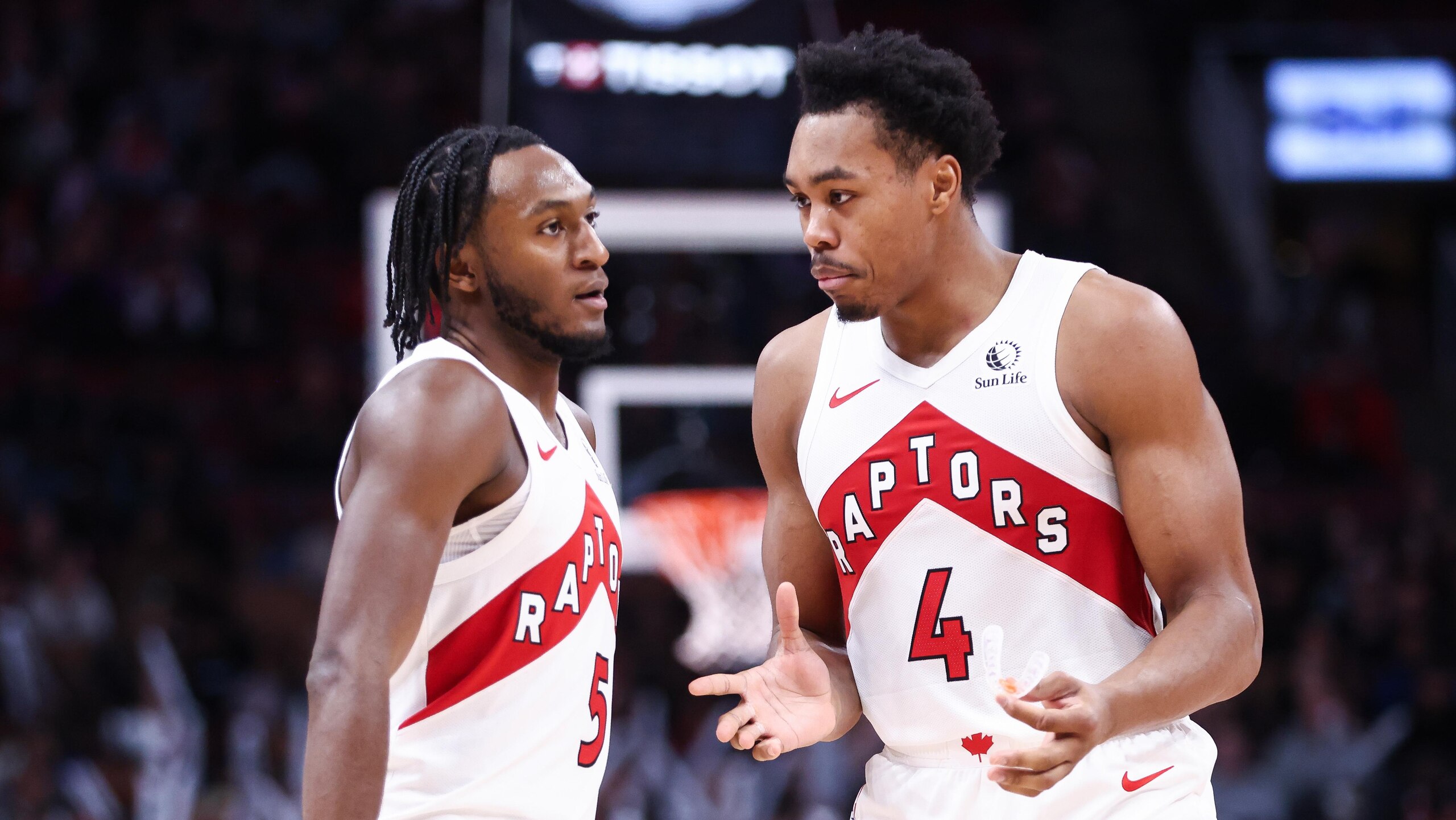
Lineup: Immanuel Quickley, RJ Barrett, Brandon Ingram, Scottie Barnes, Jakob Poeltl
Net Rating: Minus-2.5
It's hard to put up solid defensive numbers when opponents hit their threes at elite rates against you, which is what happened to the Toronto Raptors starters over the first 11 games of the season.
Once those efficiency numbers fall back to normal, the Raptors' starters won't give up 123.2 points per 100 possessions.
Outside of poor rebounding numbers and way too many shots allowed at the rim, some of this group's other defensive indicators are promising. They force loads of turnovers and thrive in transition, for example.
Quickley and Co. need to do a better job of containing ball-handlers at the point of attack, and the Barnes-Poeltl combination has to improve its paint protection.
Sort those issues out, assume opposing shooters will cool off from deep, and Toronto could get its defensive numbers back in order.
Utah Jazz: C-
29 of 30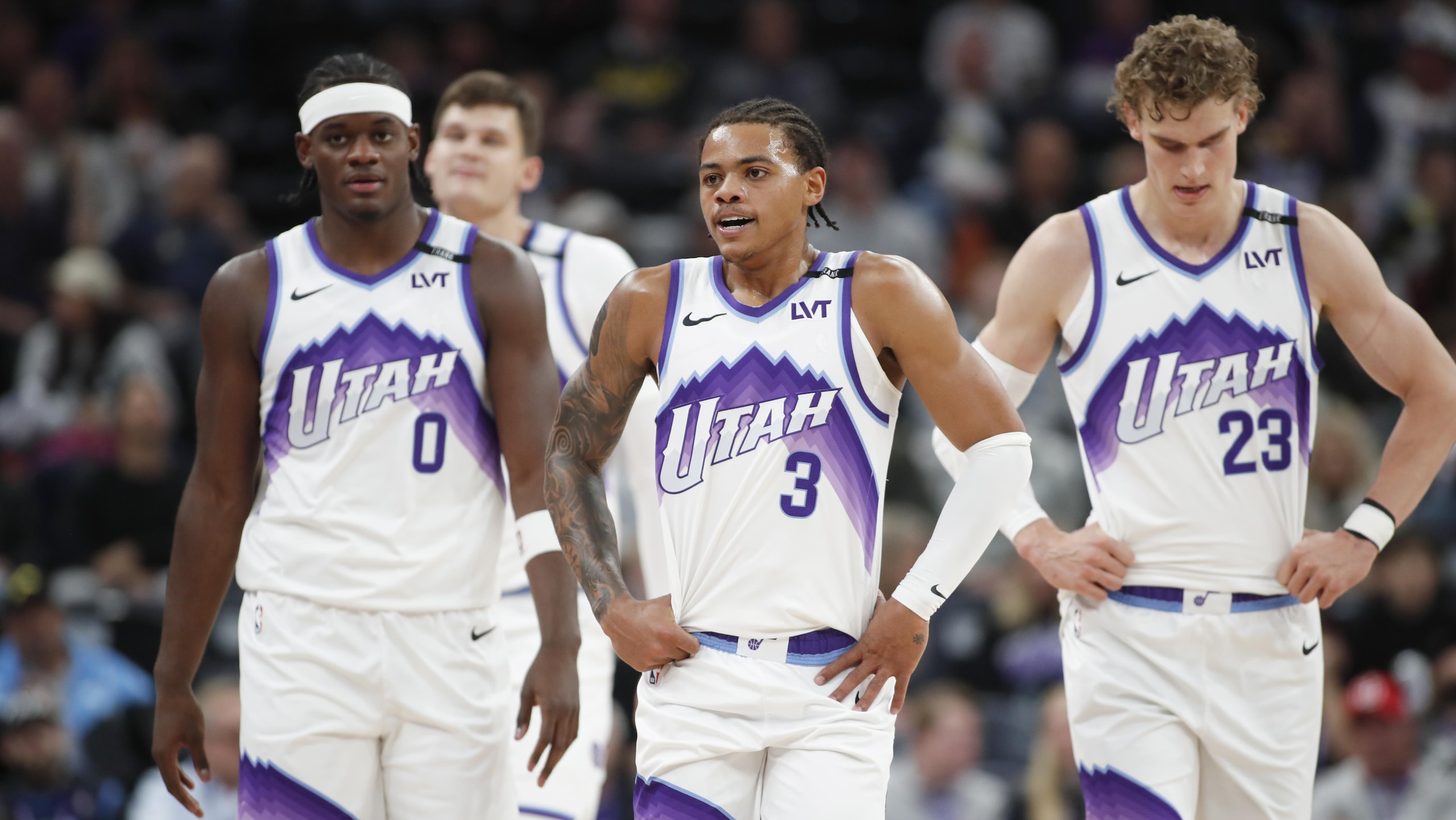
Lineup: Keyonte George, Svi Mykailiuk, Taylor Hendricks, Lauri Markkanen, Jusuf Nurkić
Net Rating: Minus-8.4
Walker Kessler's season-ending shoulder injury looms large here, as the Utah Jazz were destroying teams whenever he took the floor with George, Mykhailiuk, Markkanen and Kyle Filipowski.
Those five posted a plus 34.7 net rating in 101 possessions, by far the best performance of any heavy-minute group.
Results have been worse with Nurkić at the 5 and Hendricks taking Filipowski's place for defensive purposes.
The good news is that George appears to have taken real developmental steps as both a scorer and facilitator. He's getting to the foul line over 8.0 times per game and has an inside track toward a career high in assists (7.2) and points (22.1).
Kessler's absence compromises the defense to an extreme degree, so any offensive stumbles from George or Markkanen could produce some protracted losing streaks.
Washington Wizards: D
30 of 30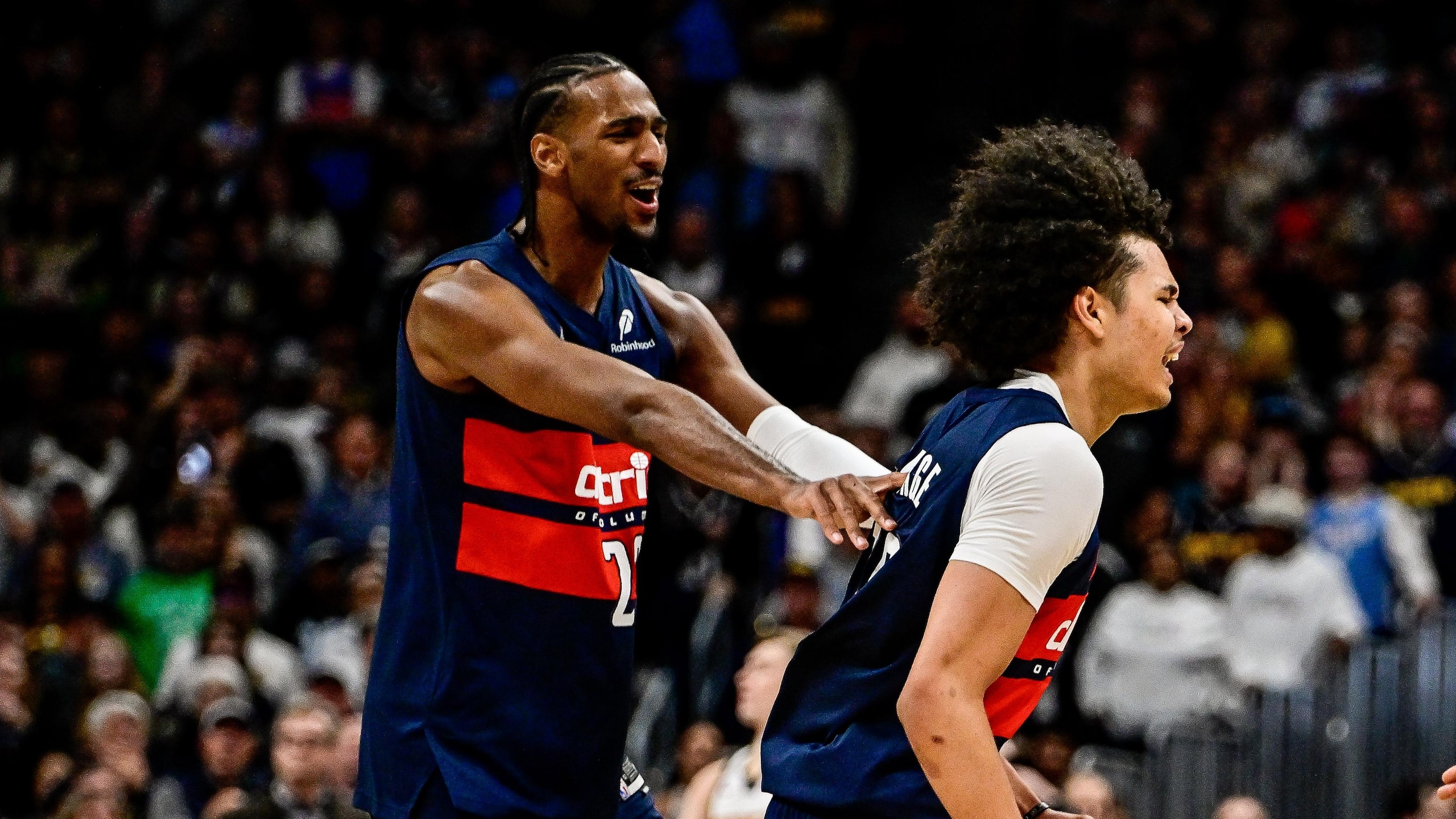
Lineup: Bub Carrington, CJ McCollum, Khris Middleton, Kyshawn George, Alex Sarr
Net Rating: Minus-10.2
CJ McCollum, Kyshawn George and Alex Sarr are the only Washington Wizards to start every game, and head coach Brian Keefe has tinkered endlessly with the other two spots all year.
The one-win Wizards are probably right to mix and match until they find something they like.
At roughly double the possessions of any other Washington lineup, we're going with the above starters and their minus-10.5 net rating. Not great by any stretch, but also among the best of any Wizards lineup to see at least 20 possessions.
The only real strength for these guys is defensive rebounding. They hold opponents to a meager 18.6 percent offensive rebound rate, which helps limit the damage of a 60.9 effective field-goal percentage allowed.
Sarr has been solid on the glass, and George looks like a potential on-ball weapon on the wing whose energy and hot shooting from deep give Wizards fans hope.
Carrington's shuttling in and out of the first unit raises real questions about the future of the Wizards' playmaking, but it would be almost impossible for his production to slip further. Through his first 10 games, he made an incomprehensibly low 19.4 percent of his two-point shots.
Stats courtesy of NBA.com, Basketball Reference and Cleaning the Glass. Salary info via Spotrac.
Grant Hughes covers the NBA for Bleacher Report. Follow him on Bluesky and subscribe to the Hardwood Knocks podcast, where he appears with Bleacher Report's Dan Favale.

.jpg?w=2560)



.jpg?w=2560 "Latest Peyton-Colts Rumors")


.jpg?w=2560 "Landing Spots for Trade Candidates 📍")