John Lucas and 'The Gift of Desperation' Ty Lawson Could Receive in Recovery
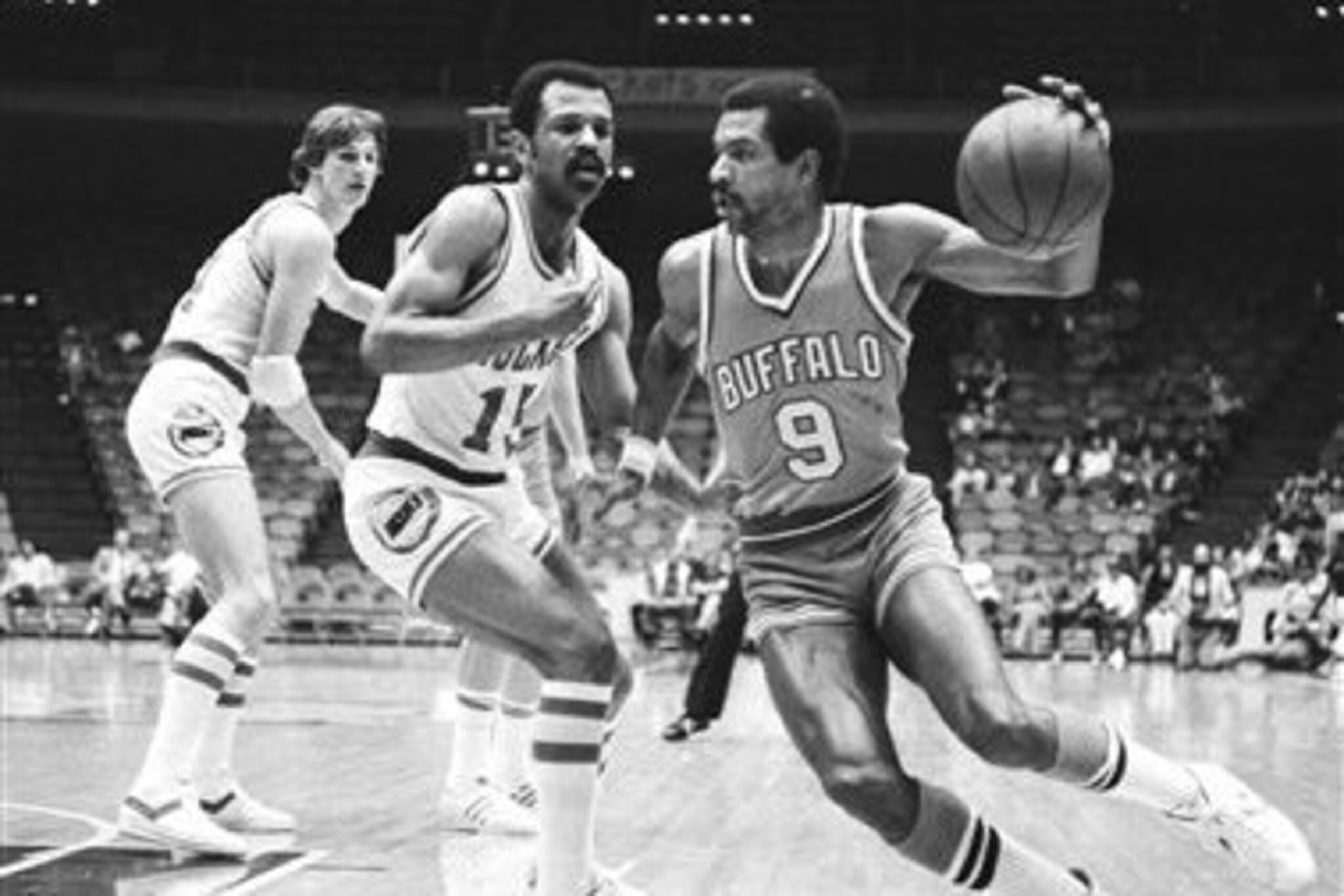
John Lucas was young and strong. He was blessed with athletic talent he believed could help him overcome anything. When he was a tennis player, he was an All-American. When he was a basketball player, he was the first pick of the NBA draft.
And when he drank, he competed, determined to be the last man standing.
He wasn't fearless. He had all sorts of fears he would discover later, when drugs and alcohol defeated him in a rout. But he thought he was fearless at the time. He thought of himself as a success.
TOP NEWS
KAT's Contract News Quote 😬

1 Player Every Team Should Trade 🔀
Most Fascinating Players This Season 😲
Lucas knows himself better now. He has what he calls "the gift of desperation" to become and stay clean. He can't go back and tell himself everything he needed to know and understand when substance abuse ruled him. So he tells others. He guides them. He shares his story and the lessons he learned so painfully.
Eventually, he might help Ty Lawson this way, as ESPN's Marc Stein has reported:
The connection would make sense. Lawson, who is currently in a 30-day rehab program following his second DUI arrest in the past six months, was traded to the Houston Rockets on Monday. Houston happens to be the city where Lucas has long run the John Lucas Athletes Aftercare Program. Lucas would not speak to the possibility of working with Lawson or specifically about Lawson's situation when contacted by Bleacher Report. But he did have insights into what an NBA player in Lawson's situation would be facing.
"The same thing that makes us very good in sports is the one thing that can kill our acceptance of our problem, because we can't believe that a liquid can kick our butt," Lucas said. "Something in a bottle is kicking my butt or some form of powder is kicking my butt. Instead, we blame everything else except the powder or the liquid. It doesn't have...anything to do with your job. It's all about who you are as a person."
It is not about the lifestyle of the NBA, though that does not make recovery easier. It is not about the city. Danger is everywhere and easy to find. But the first step—admitting to being powerless—can be even more difficult for those who have long been trained not to admit or accept defeat.
"We were always taught find a way to win, not a way to surrender," Lucas said. "I try to tell an athlete, 'People could say to you, "Michael Jordan is better." We all know it, but we don't believe it. Let me try.'
"If I tell you you will fight the heavyweight champion of the world, you might put on Rocky shorts and come into the ring with Rocky music, but you're going to get knocked out. I've been knocked out. After you've been knocked out enough times, you say, 'I'm tired of being knocked out. How do I beat this champ?' The answer is, 'Don't get in the ring.'"
The irony of treating addiction is that to save a career, an individual in recovery has to be willing to give it up. Recovery must come first. But if an athlete makes that commitment, Lucas said, he or she can be better equipped for the fight. Athletes reach their level of excellence because of determination to achieve specific goals. But even starting the process is complicated by athletic success. A 30-day rehab program like the one Lawson's in is like taking a car to a car wash.
"It isn't the alcohol or the drugs that are the problem. It's life that is the problem," Lucas said. "You see, I couldn't live life on life's terms. I was the No. 1 pick of the draft. I was an All-American in two sports. And I'm mad because there isn't a number higher. Now what? So many of our young athletes get to the pros and they stop growing as adults because they don't have any more goals to get to.
"Now that I made it, now what? Now that I'm a pro and I've played in all the arenas and I've got that, now what? Now, you have to become an adult, and that scares athletes. I wanted to be perfect. I didn't know how to turn off the competition. When I started drinking, I was going to outdrink everybody. If I wasn't the last one standing, I was the loser.
"When I know I'm having a problem is when I can't change my behavior to meet my goals. When I change my goals to meet my behavior, I got a serious problem. The hardest thing for an athlete is breaking the denial of having a problem."
Lucas was in his 10th NBA season and in his second stint with the Rockets when he missed another practice after another night filled with cocaine and alcohol until he passed out. He was given a drug test and sat on the bench the next night knowing what the results would be.
When he was cut from the Rockets in 1986, he checked into rehab, got sober and returned to the NBA the next season. He played four more seasons, finishing his career in Houston, where it had begun. When he retired in 1990, he began mentoring athletes with substance abuse problems and has since added camps for players ranging from children to NBA stars.
Over the years, he has counseled coaches (Billy Gillispie and Larry Eustachy) and players (Rod Strickland and Michael Beasley), football players (Tyrann Mathieu and JaMarcus Russell) and former stars (Darryl Strawberry and Dexter Manley). He has worked with players struggling with conditioning (Andray Blatche) and coaches trying to manage anger (Mike Rice).
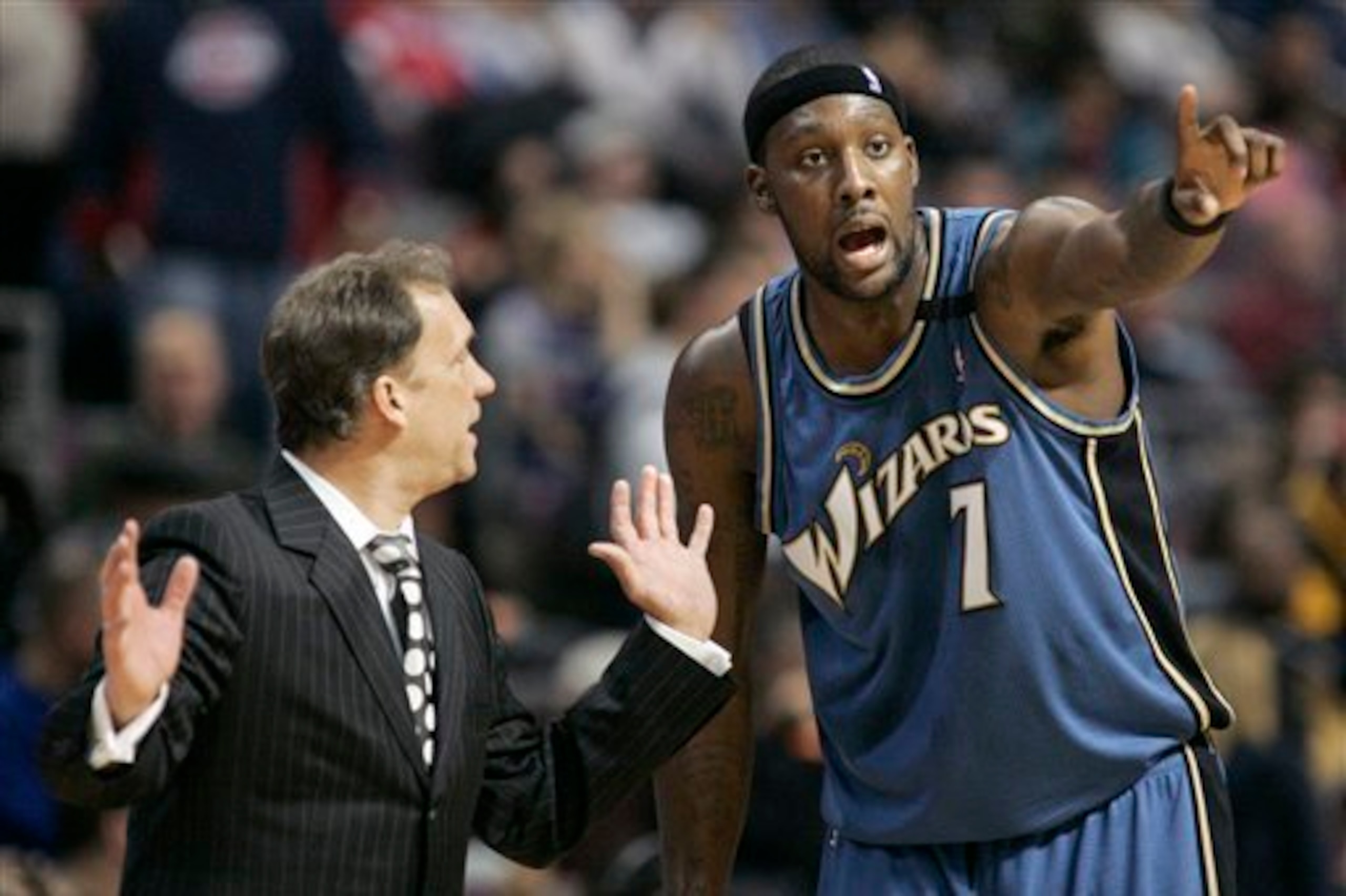
"We got to tell them, 'You got to get gut-level honest with yourself,'" Lucas said. "That's any athlete. Unless you hit them over the head with a 2x4, not a lot of us can get gut-level honest with ourselves."
Athletes who work with Lucas begin with a 30-day in-patient program, though with much more bare-boned accommodations than the treatment facilities many choose. They move on to two months of out-patient care. But Lucas will typically be available to anyone who calls and sincerely seeks his help.
"You know what happens after 30 days? You're going to feel better," Lucas said. "You know what you're going to feel better? You're going to feel pain better. You're going to feel grief better. You're going to have all these feelings you've been medicating for so long come up. Now, you have to keep your side of the street level clean by being gut-level honest with yourself."
Lucas, who has had 18 college players enter his program so far this year, said he finds guiding others to sobriety "a fascinating journey." He could not know what Lawson has faced and is facing, but he knows the darkness that once had him trapped and the way out.
"I hope that anybody that gets in that situation gets the gift of desperation," Lucas said. "I didn't care if I played basketball again in my life. I just wanted to stop the pain of living. It's a form of having a true acceptance of who you are, shortcomings and all. You got to go on a journey to find yourself. And the only way to go on a journey to find yourself is someone has to walk you through that journey who has been there before. They know the fear, the pain, the situations that baffle the person that is going through it now.
"Addiction amputates your spirit. It has nothing to do with basketball. It's all about who you are. It attacks your values, and it makes you violate every value you have. It is the most cunning, baffling..."
Helping someone through an issue like that, he said, can be the most "wonderful gift you can ever give somebody."
"You know what you're giving? A life. Not a basketball career. A life."
Jonathan Feigen covers the Houston Rockets for the Houston Chronicle. Follow him on Twitter at @Jonathan_Feigen

.jpg?w=2560 "Cam Ward Says He's Not A Loser")
.jpg?w=2560 "🚨 Texans Trade for MHJ")
.jpg?w=2560 "Grading MHJ Trade 📝")
.jpg?w=2560 "Chargers Fall to 0-5 🤢")

.jpg?w=2560 "MHJ Bought Own Jugs Machine")