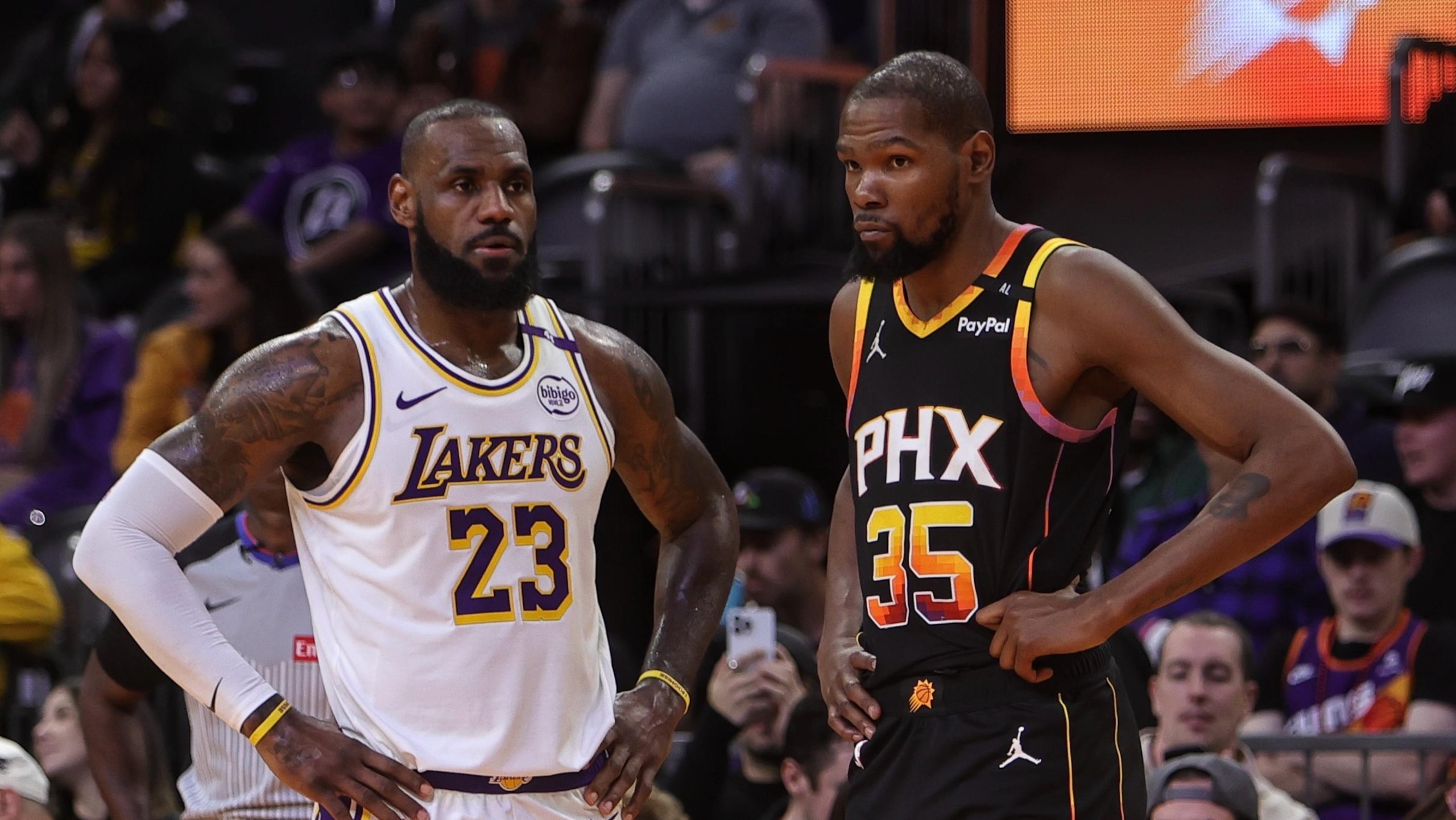


For well over a decade, the debate over LeBron James and Kevin Durant's place in the league hierarchy has raged.
LeBron's MVP count (four) to KD's (one) shows who's generally been in command, but Durant's back-to-back Finals MVPs in 2017 and 2018 gave him some momentum.
And this week, in their annual survey, the league's general managers had Durant above LeBron (but behind Luka Dončić and Jayson Tatum) among small forwards.
And that begs the question: Has Durant finally, officially passed LeBron? Which of the two all-time greats is truly the better player right now (or after LeBron returns from his sciatica-induced absence)?
Advanced numbers from last season still point to LeBron, but the past can only partially inform the present (and future), especially when the subject players are 40 and 37 years old, respectively.
Below, we'll look forward for both superstars, break down their games in five different categories and provide the definitive answer to the question.
Shooting: Durant
1 of 6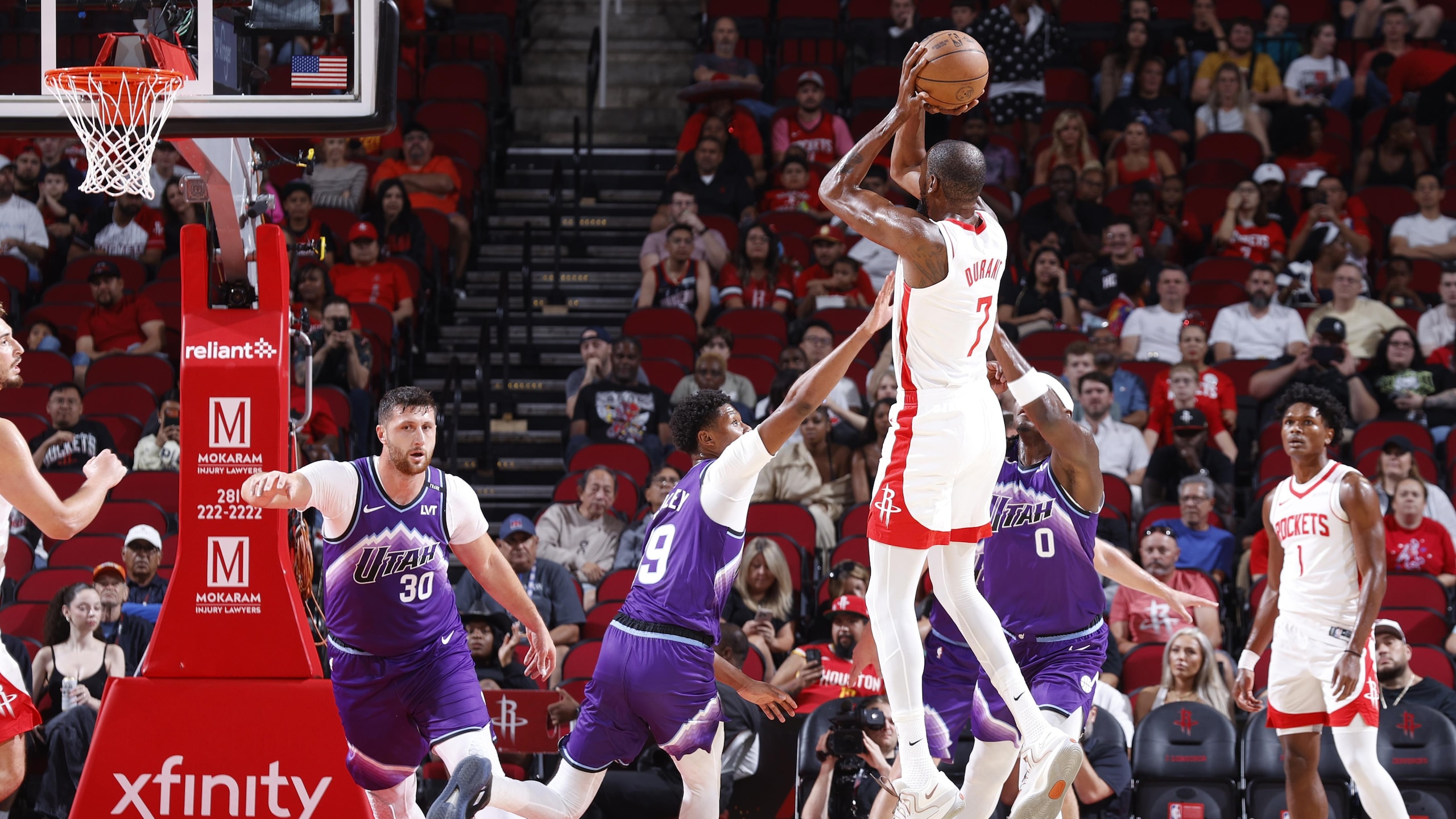
This first one is a no-brainer. Durant has been one of the greatest jump shooters in NBA history. And, as that skill ages better than most, he remains one of the most devastating shooters in the league today.
Last season, he shot a scorching 57.4 percent on twos, 43.0 percent on threes and 83.9 percent from the line. Basketball Reference projects a 62.9 true shooting percentage in 2025-26, while Dunks and Threes has him getting to 60.3.
Either way, he figures to be above average again, especially given his role on his new team.
With the Houston Rockets, Durant should get plenty of catch-and-shoot opportunities playing off distributors like Alperen Şengün, Amen Thompson and Reed Sheppard.
And even when those up-and-coming teammates aren't feeding him the ball, limited preseason action from KD demonstrated he still has the ability to get to his spots and rise up for his high-release, nearly unguardable pull-up jumpers.
Recent history more than suggests that Durant will once again be one of the game's most dangerous shooters in 2025-26.
LeBron, meanwhile, has trailed well behind Durant in field-goal percentage, three-point percentage, free-throw percentage and effective field-goal percentage over the last five years. His true shooting projections from both Dunks and Threes and Basketball Reference are lagging well behind too.
And none of that really takes the sciatica into account either. If this is a lingering issue for LeBron, his jump shooting could suffer. But even if he gets back to 100 percent, the chances of him ever catching up to KD on this front were slim.
Playmaking: LeBron
2 of 6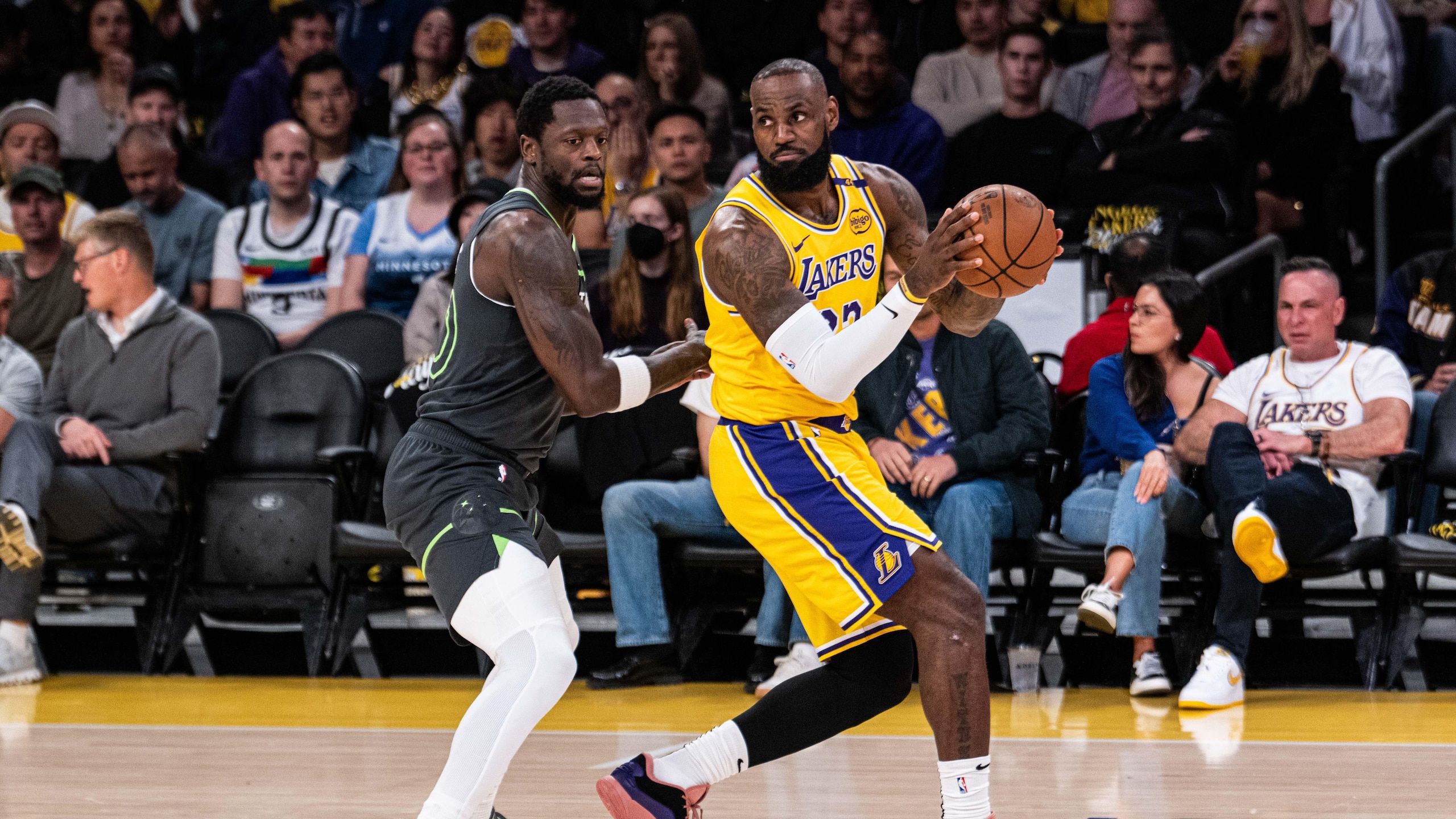
As obvious as shooting was for KD, the playmaking category might be even clearer.
LeBron is one of the best creators, distributors and individual possession engineers we've ever seen. His ability to diagnose a defense, break it down and then attack it with either a pass or his own shot is nearly unrivaled.
Durant is a solid playmaker with a career average of 4.4 assists. LeBron is rightfully in conversations with Magic Johnson and Nikola Jokić. He's averaged 7.4 assists for his career and could pass Jason Kidd for third all time in total assists this season (depending on his health).
The aforementioned projection systems both, understandably, have LeBron handing out significantly more dimes than Durant in 2025-26, but the best indication of who deserves this category might lie in their roles.
It's partially a function of who he's played with, but Durant has always been a secondary or tertiary playmaker. LeBron, on the other hand, has had full control of the reigns for almost every team he's played for (with the lone possible exceptions being the Cleveland Cavaliers in his rookie season and Los Angeles Lakers post-Luka Dončić trade).
If the general managers were asked which of these two players were the better playmakers, they'd undoubtedly answer LeBron.
Defense: Durant
3 of 6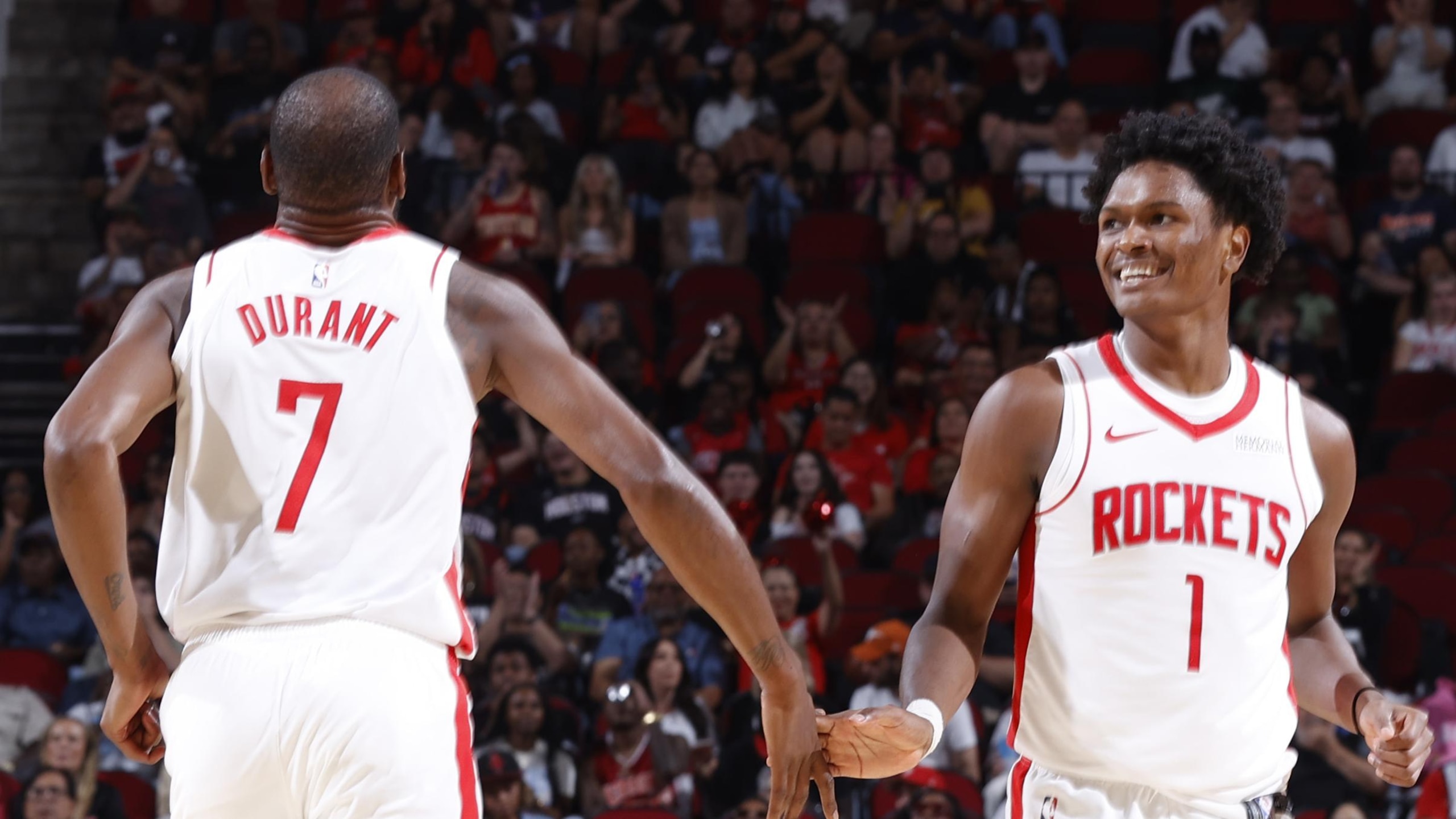
This is maybe the most difficult call of the exercise.
No one should've expected them to maintain their peak athleticism into their late 30s (and in LeBron's case, his 40s), but both have slowed in recent years.
And the loss of a half-step or two can show up more vividly on the defensive end. Neither is able to stay in front of his matchup quite as consistently. Neither can recover or help from off the ball with quite the same explosiveness.
That's not to say they're incapable of positive contributions on defense. Dunks and Threes projects both to be right around average defenders in 2025-26, which indicates some swells above that line.
Basic numbers indicate some positive effects, too. Durant has averaged over a block per game in each of his last three seasons. LeBron is still good for six-plus defensive rebounds per game.
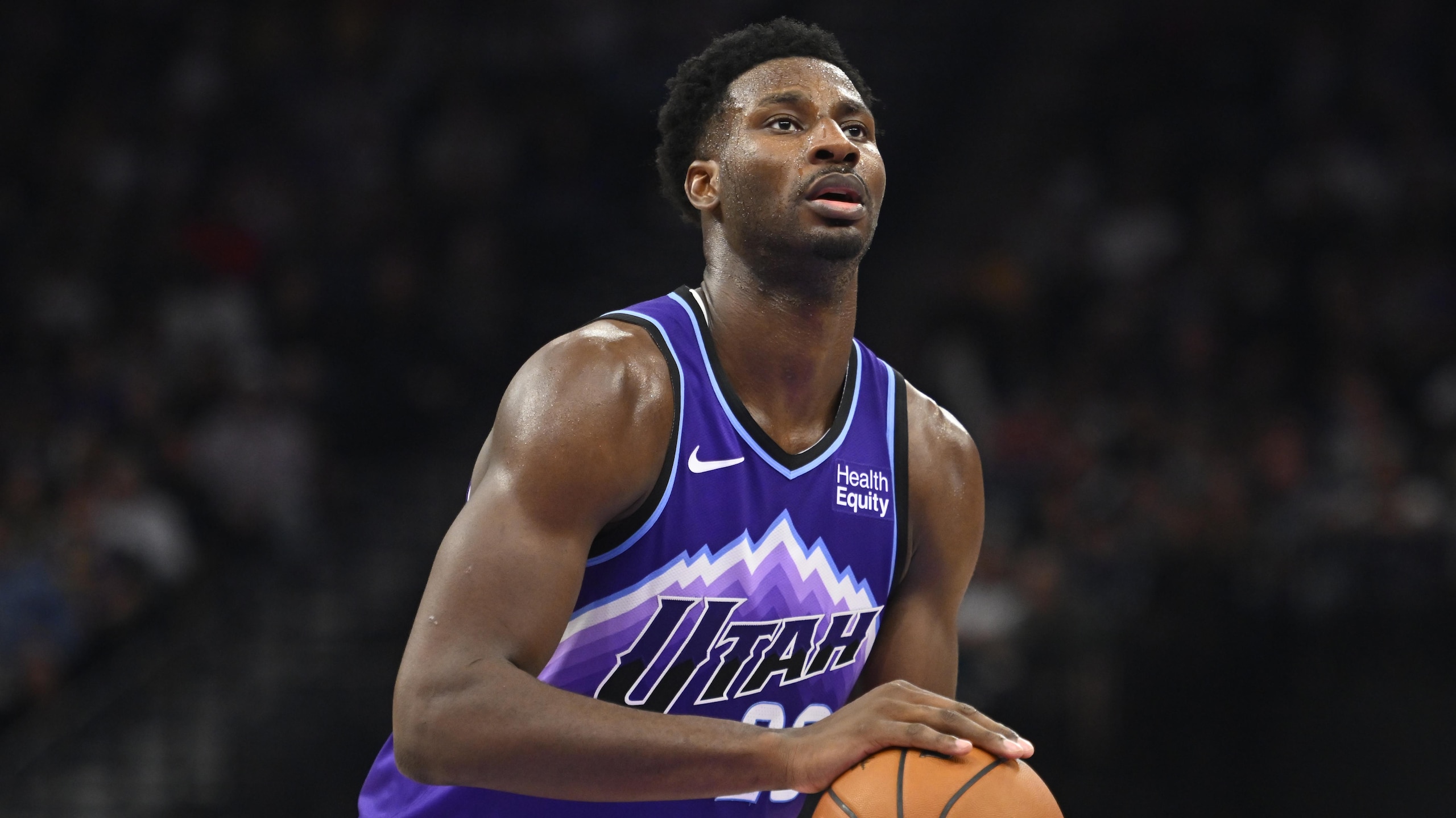
The differentiating factor here is mostly subjective. For much of this latter portion of his career, LeBron has had a tendency to visibly take his foot off the gas on the defensive end. It's not hard to understand why. His role as a primary playmaker asks a lot of him on the offensive end. It's natural to want to reserve a little energy on the other.
Durant has been less prone to such lapses, and his sheer size (6'11" with a 7'5" wingspan) makes him more of a deterrent around the rim. At this age, no one will mistake him for a prime Andrei Kirilenko, but KD is still capable of helping from the weakside and blowing up plays at the rim.
This coming season, LeBron could average more steals and defensive boards than KD, but Durant is still likely to have the greater overall impact on the defensive end.
Motor: Durant
4 of 6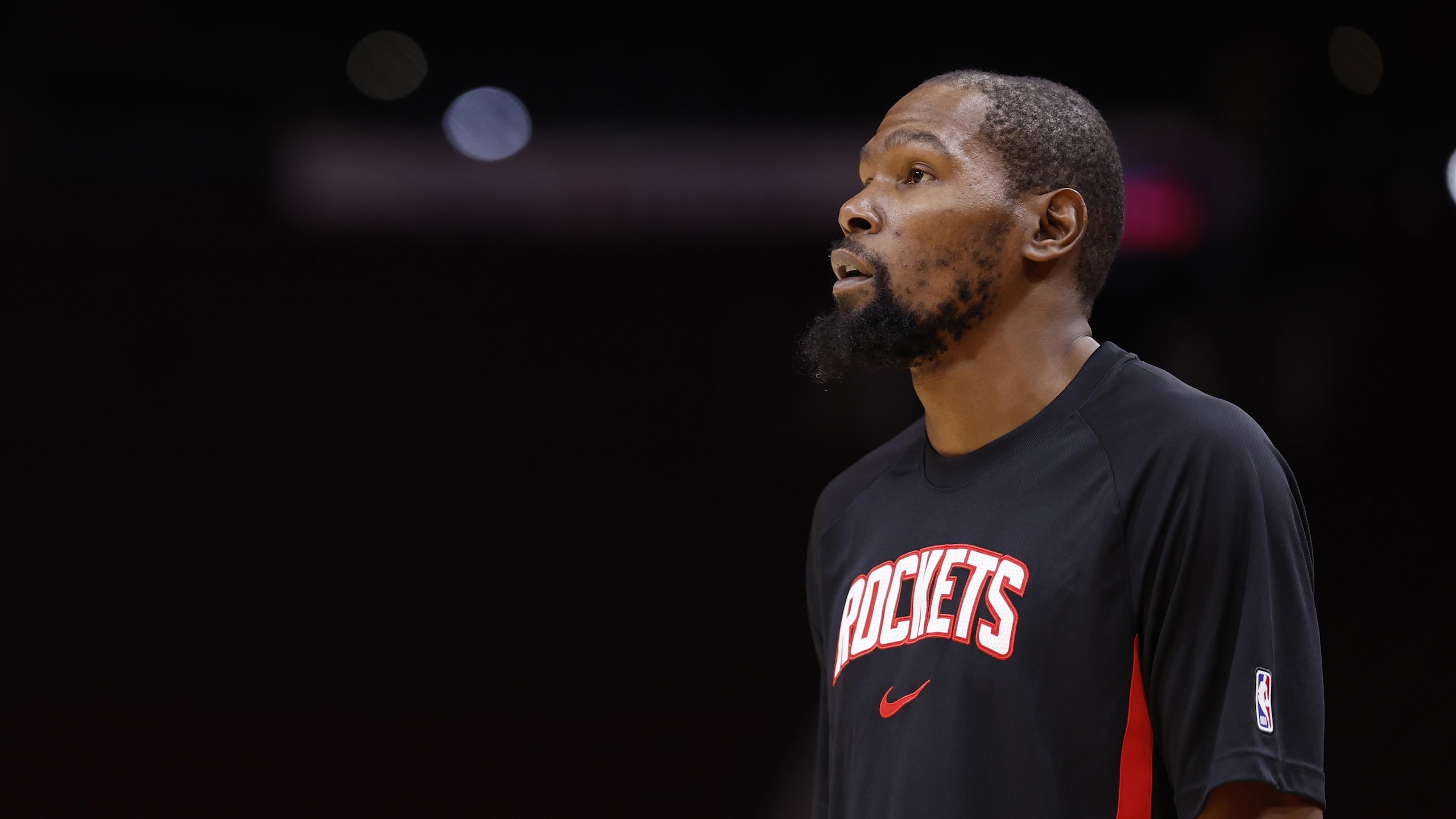
These categories aren't all equal in terms of impact. And some obviously bleed over into others. That's the case, of course, with motor. More effort helps in all facets of the game, especially defense.
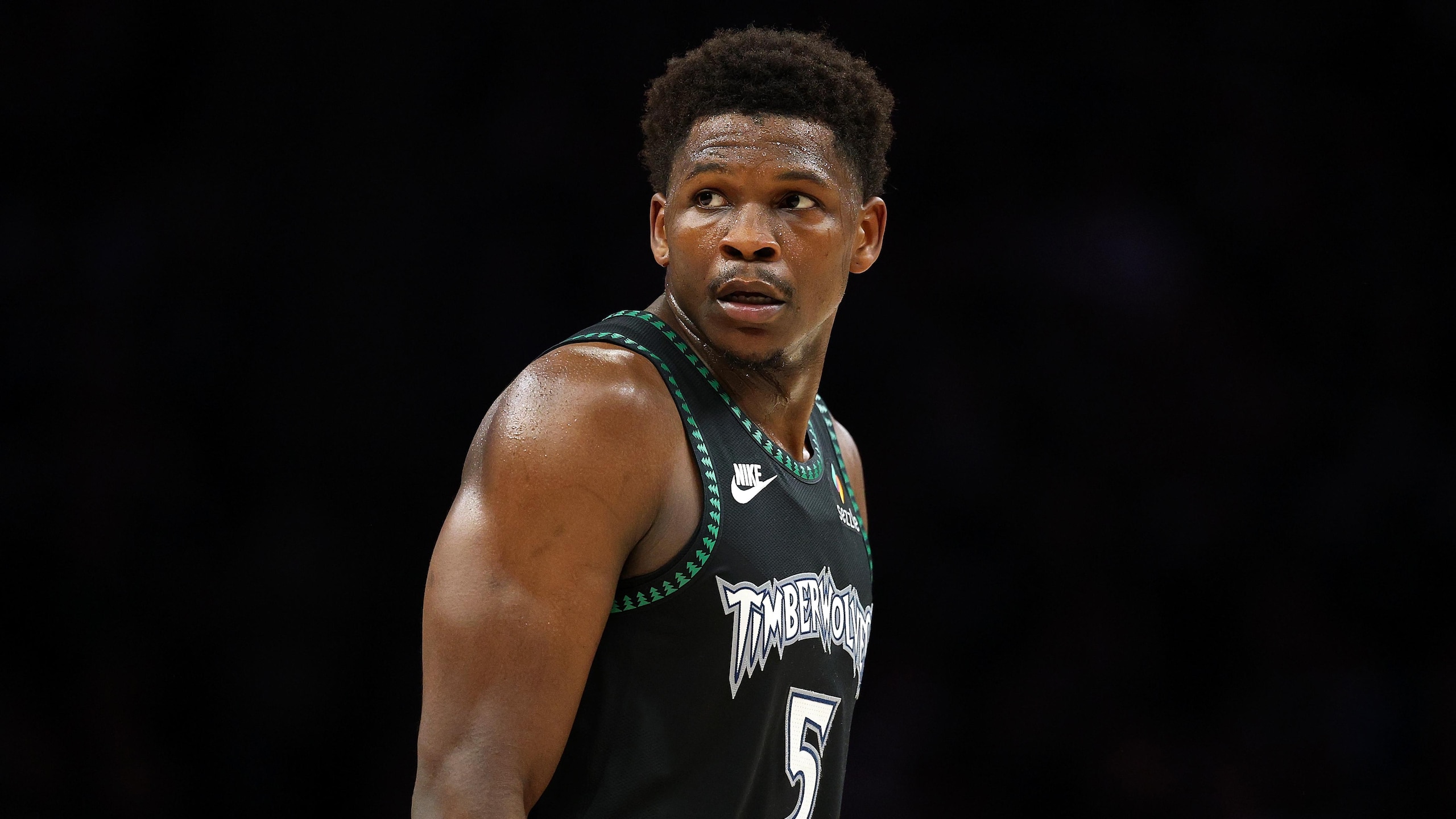
We may have already tipped our hand a bit on this in the previous slide. Again, LeBron has grown comfortable with taking the occasional possession off. Durant's guilty of that too, but it doesn't happen quite as often with him.
And while we said from the jump that past performance can't entirely settle this debate, it can inform it.
Last season, Durant's average speed throughout games and on defense were both higher than LeBron's. He also traveled around 2.4 miles per game, compared to LeBron's 2.3. He more than doubled the number of loose balls LeBron recovered per game and nearly doubled the number of shots he contested.
Both players will be a year older in 2025-26, but only one is now aging into his 40s. It's fair to expect numbers like these to trail off a bit more for LeBron than they will for Durant, especially when you consider who KD's now playing for.
Ime Udoka doesn't seem like the type to cut anyone any slack for being in his late 30s. He'll demand the same (or at least close to the same) consistency and level of effort from Durant as he does from Amen Thompson.
If the edge on this one wasn't already clear, the team situations of each would've pushed it to Durant anyway.
Clutch: LeBron
5 of 6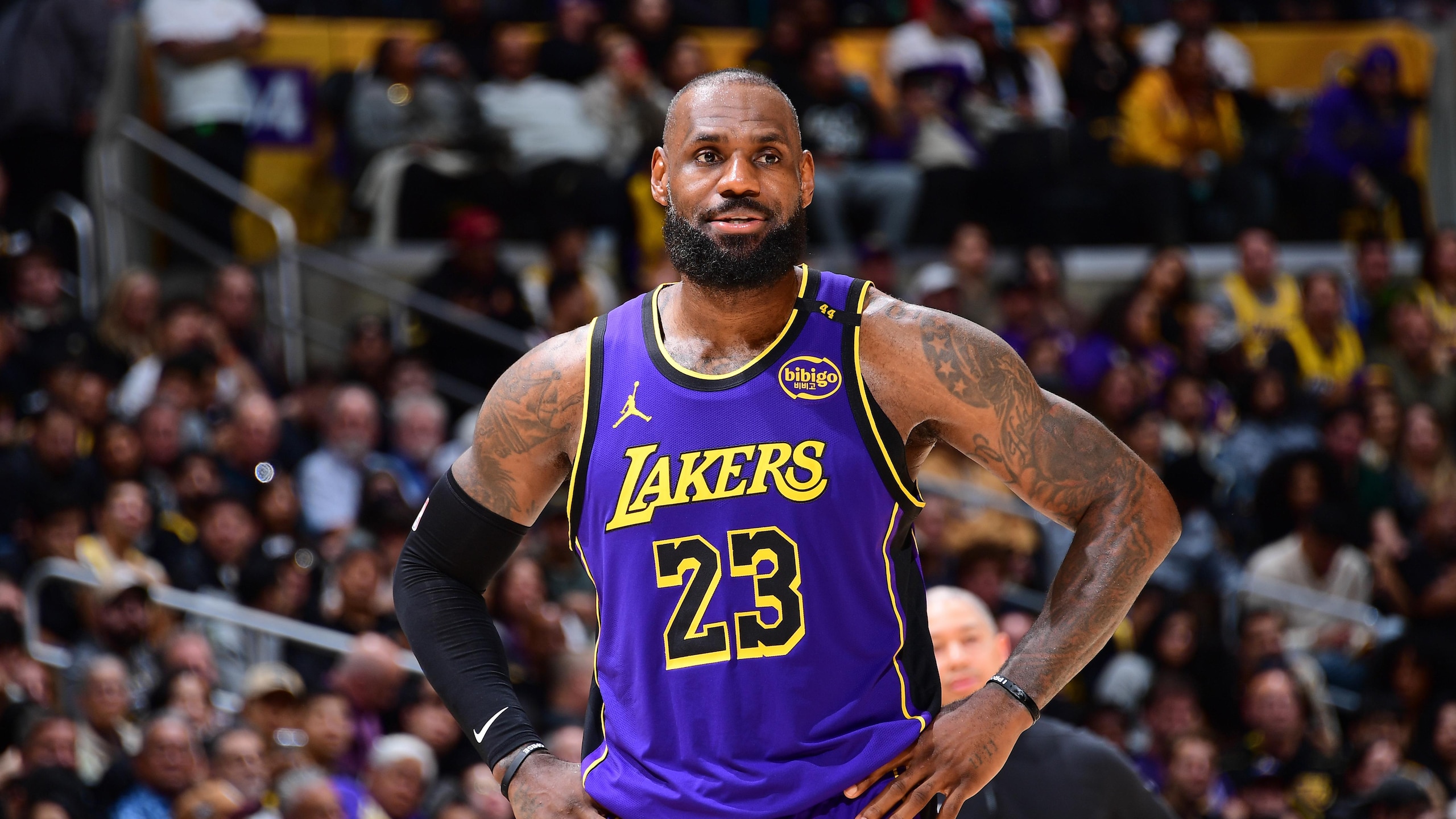
Before we dive into why this category goes to LeBron, it should help to take a look at the clutch numbers (those that were put up in the final five minutes of games within five points) of both from 2024-25.
- Durant: 44.4 points, 8.4 rebounds, 4.0 assists, 2.7 blocks, 1.8 turnovers and 0.0 steals per 100 possessions, 47.7 field-goal percentage, 33.3 three-point percentage, 93.8 free-throw percentage
- LeBron: 39.2 points, 10.8 rebounds, 8.6 assists, 2.3 blocks, 3.2 turnovers and 1.4 steals per 100 possessions, 51.8 field-goal percentage, 39.3 three-point percentage and 81.8 free-throw percentage
The takeaways there should be relatively obvious. And though neither is likely to perfectly copy last season's clutch numbers into this one, a few differences are almost sure to persist.
Most importantly, LeBron is a far more dangerous playmaker in high-leverage possessions than Durant is, while also being a comparable scorer.
LeBron is more capable of creating pick-your-poison scenarios, and he has a knack for forcing defenses into bad choices.
His poise, basketball IQ and ability to rise to the moment has made him a four-time champion and one of the best and most prolific playoff performers in NBA history.
Durant obviously has some incredible clutch moments himself. And if the question was simply who you'd rather have taking a single, last-second shot, KD would be a reasonable answer.
But clutch play goes beyond those individual possessions, and LeBron's all-around game gives him the edge.
Verdict: Durant
6 of 6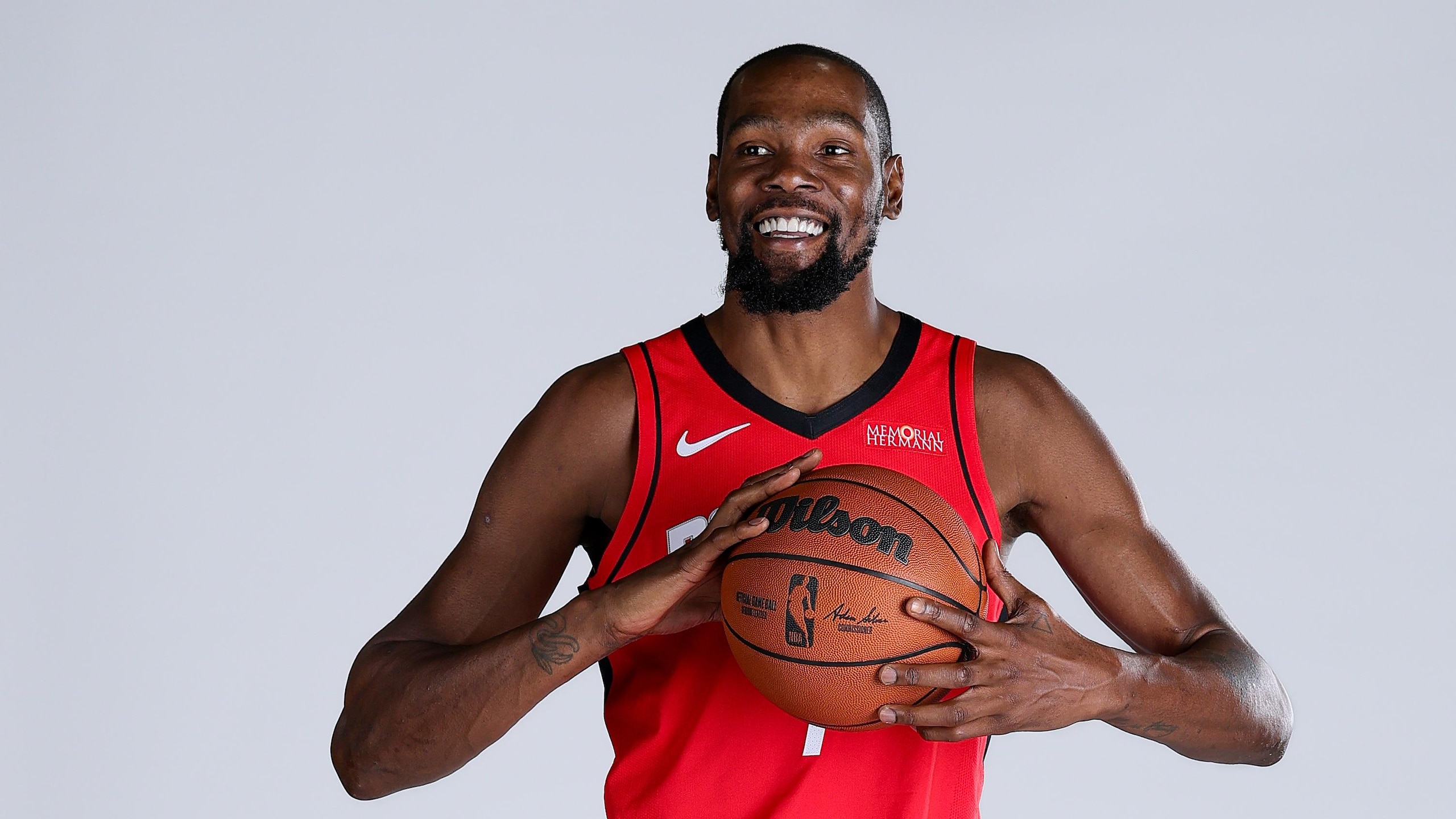
Again, the five categories above don't carry equal weight, but Durant did come out on top, 3-2. That at least nudges us in his direction, but it's not the only reason he's the ultimate answer.
First of all, the league's general managers certainly have some credibility on questions like this. Durant garnering more of their votes means something.
The difference in age is also significant. No one in league history has performed better into his late 30s and 40s as LeBron, but being three years older than Durant makes him likelier to look noticeably worse than he did in 2024-25.
And finally, though it wasn't an explicit criterion, we have to at least acknowledge the injury that will prevent LeBron from playing L.A.'s season opener. If he has a lingering back problem (and NBA basketball has a knack for making any injury linger), the decline could be even more evident.
Remarkably, both of these players, despite their ages, figure to be All-NBA contenders this season. But the general managers were right to give Durant the slight edge over LeBron.
.jpg?w=2560)