
The Biggest Problem for Every Team Entering 2025 NBA Preseason
The work for an NBA front office never really finishes, but this is the time when those decision-makers can, for a moment, sit back and admire their work.
Rosters are, for the most part, fully put together and probably won't be significantly adjusted until trade season tips off in the middle of December.
Optimism should be generally up, then, but we're here to bring things down a bit. Because the truth is every franchise will carry at least one problem into the 2025-26 campaign.
From roster holes that went unfilled to on-court problems capable of preventing clubs from reaching their ultimate goals, we're spotlighting and analyzing the biggest problem every team faces for the new hoops year.
Atlanta Hawks: Non-Trae Young Passing
1 of 30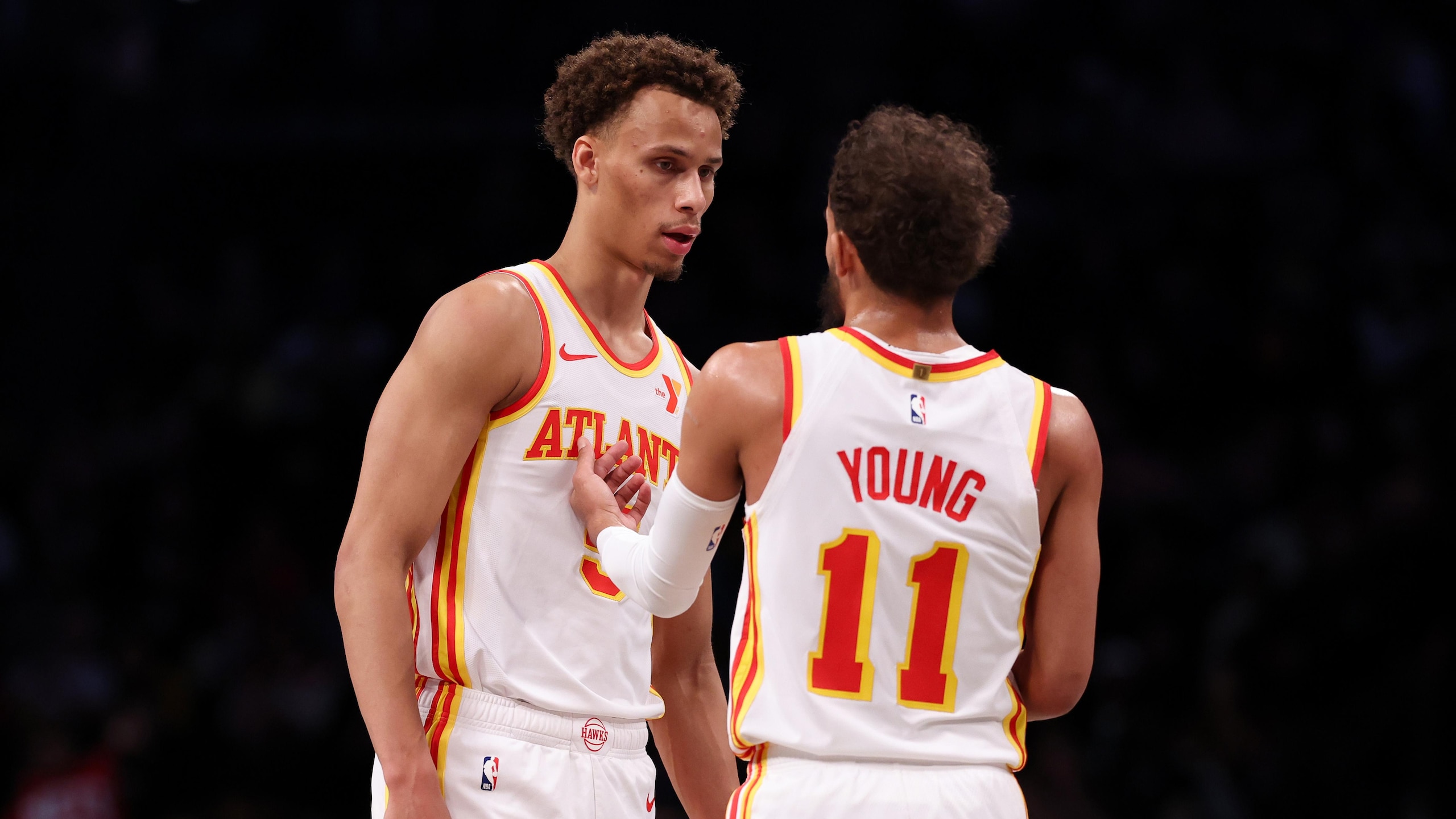
Historically, the Hawks' offense has tumbled off a cliff every time Trae Young needs a breather (minus-10 points per 100 possessions last season).
While the return of Jalen Johnson and additions of Kristaps Porziņģis and Nickeil Alexander-Walker provide more scoring options, there still isn't a great passing option beyond Young.
There will probably be some by-committee approach to getting the ball moving, but it would feel more comfortable if head coach Quin Snyder knew exactly who could take over the offense's keys.
Maybe Atlanta tries leaning into the playmaking prowess of Jalen Johnson and Dyson Daniels more, but the Hawks might prefer to keep them largely tethered to Young given their shooting limitations.
In a perfect world, this role might have been occupied by 2023 first-round pick Kobe Bufkin. In this reality, though, he was just unceremoniously moved to the Brooklyn Nets for cash considerations, and Atlanta has no obvious candidate to fill this void.
Boston Celtics: The Center Rotation
2 of 30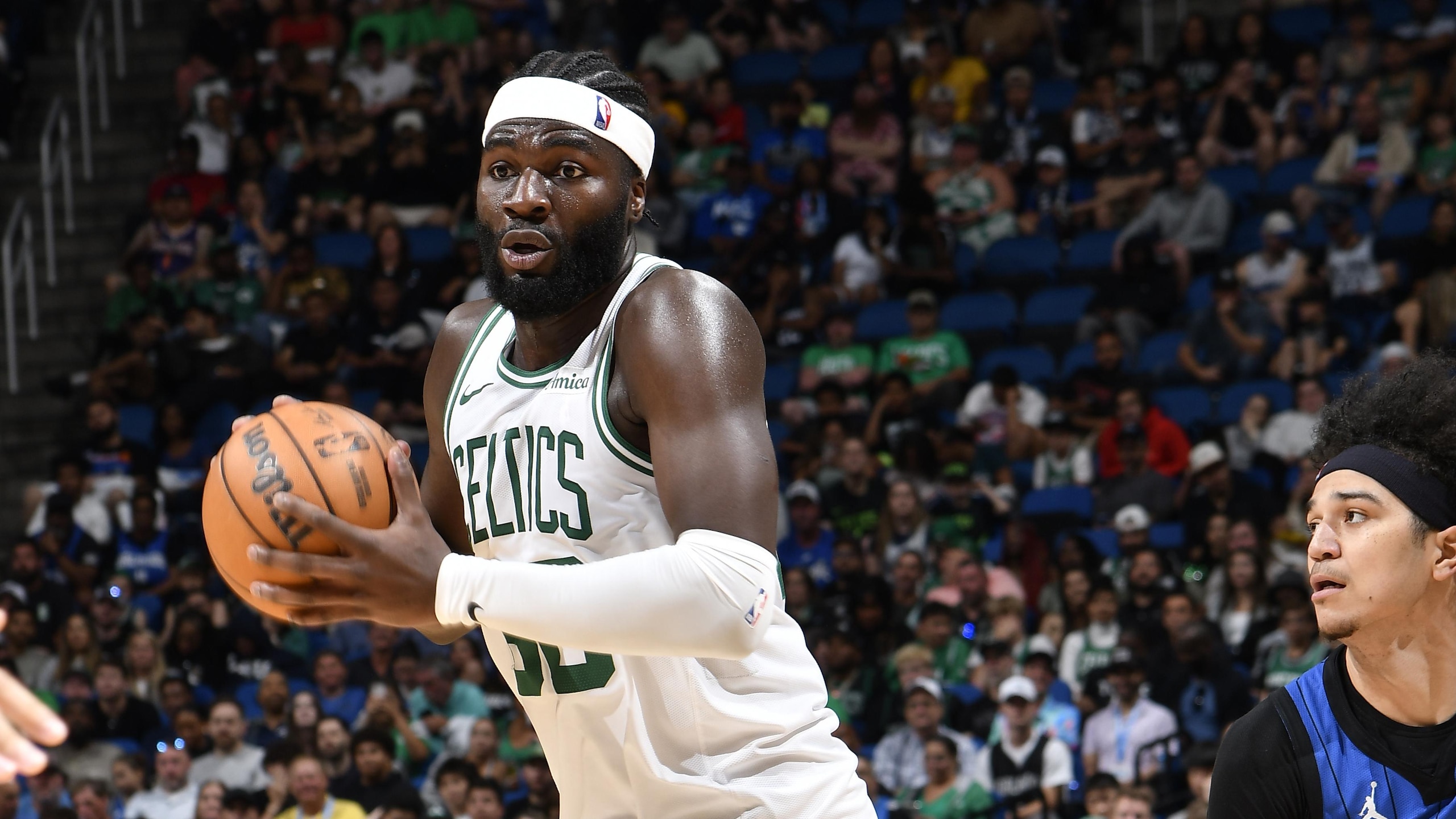
Jayson Tatum's Achilles injury gave the Celtics an excuse to cut costs, and their interior rotation is bearing the brunt of it.
Gone are Kristaps Porziņģis, Al Horford and Luke Kornet. In their place are Neemias Queta, Chris Boucher, Luka Garza and Xavier Tillman.
In terms of a drop-off, that's the kind of fall that would impress roller-coaster designers. Boucher is the most established of the bunch despite starting just 23 of his 407 career contests.
The Celtics are essentially relying on specialists here, as their tightened budget didn't allow for any kind of well-rounded bigs. They aren't quite tanking without Tatum, but if they were, their interior rotation might look identical to this.
Brooklyn Nets: Lack of Experience
3 of 30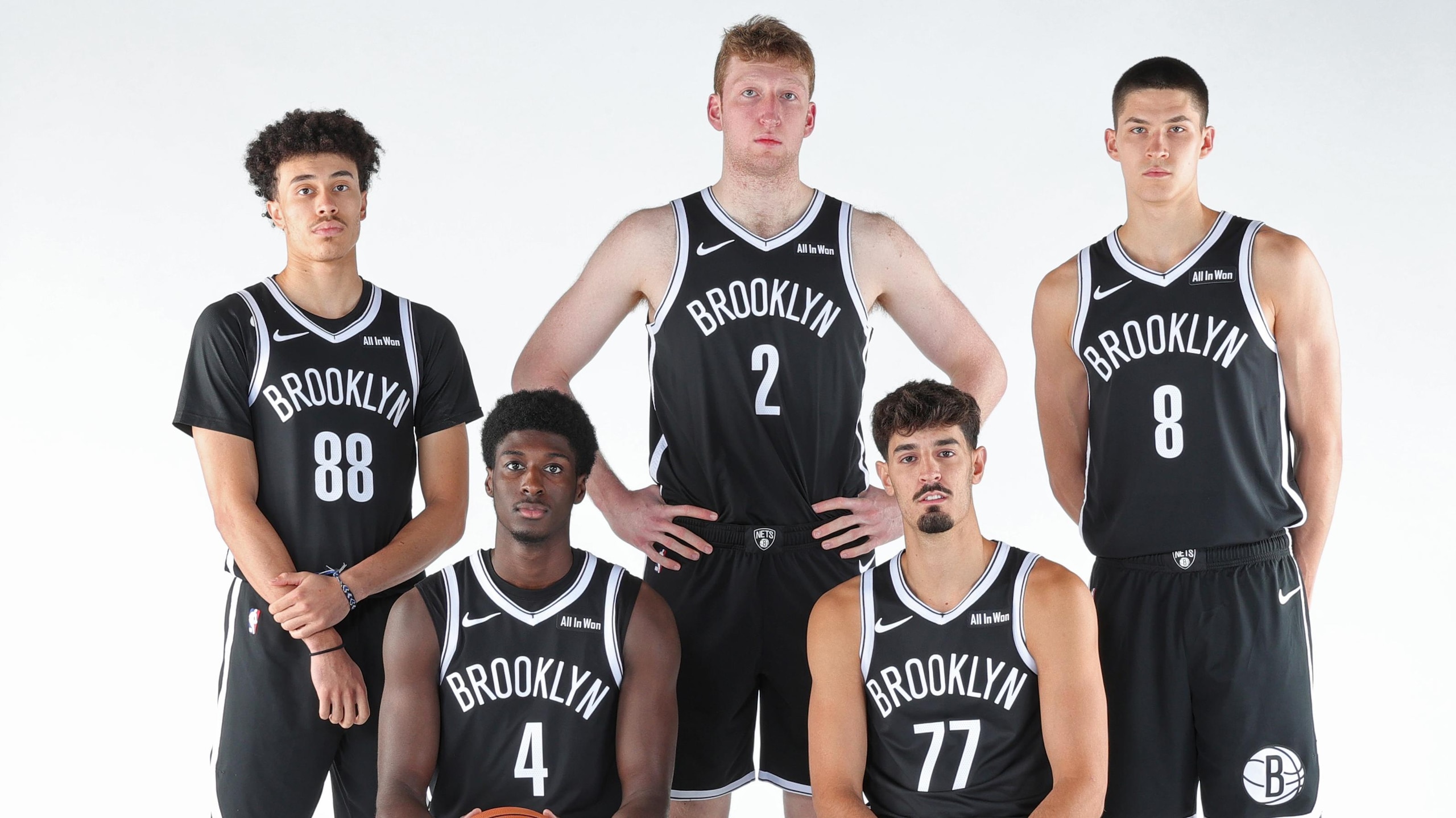
The Nets are knee-deep in a top-to-bottom reset, and this might be their best chance to land a true building block.
The 2026 draft looks loaded at the top, and they'll do what they can to nab a blue-chip prospect now, since the Houston Rockets have swap rights on their 2027 first-round pick.
So, in a lot of ways, Brooklyn's roster is flawed by design. The Nets, who made a whopping five first-round picks in this year's draft, are woefully short on players with even three-plus years of NBA experience. And it's tough to tell how many (if any) of their more seasoned players they're interested in keeping.
While it might help having a few more veterans around to instill the right habits into the young core, Brooklyn seems fully committed to getting these up-and-comers as much floor time as possible. Maybe it'll pay dividends down the line, but it's sure to produce some brutal basketball in the present.
Charlotte Hornets: Interior Quality
4 of 30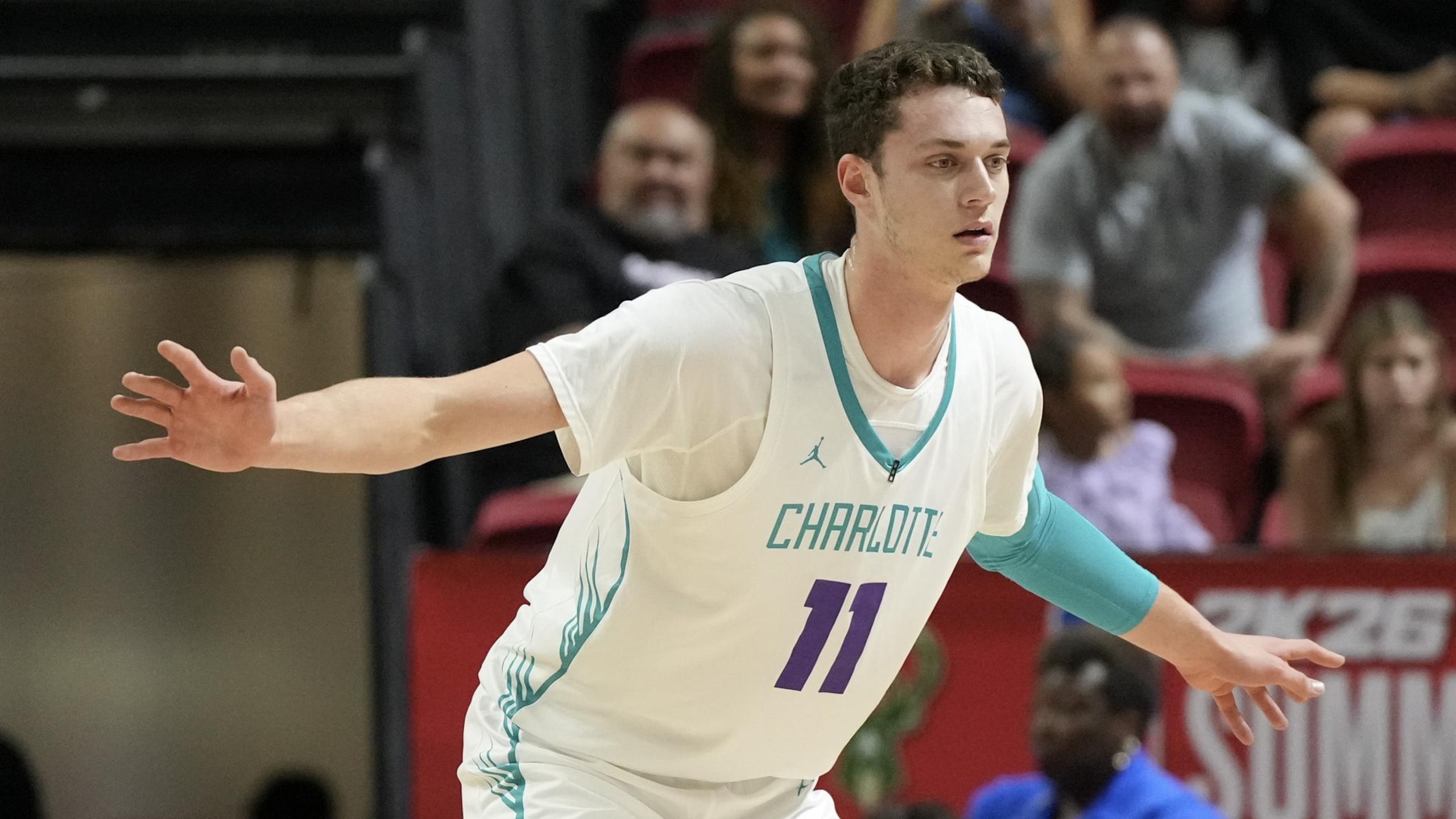
Just last season, the Hornets arguably had three different starting-caliber centers on the roster at different times: Mark Williams, Nick Richards and Jusuf Nurkić.
All three have since bounced out of Buzz City, leaving Charlotte without a clear candidate to fill the first-team 5 spot on opening night.
Veteran Mason Plumlee could get the nod by default, but it would behoove the Hornets to at least let their younger bigs have a crack at it. Moussa Diabaté is a big-time rebounder (especially on the offensive end), and rookie second-rounder Ryan Kalkbrenner was a historically decorated defender at Creighton.
While all three could find rotation minutes elsewhere, this is one of the few places where they would factor into the starting conversation.
Chicago Bulls: No Clear Centerpiece
5 of 30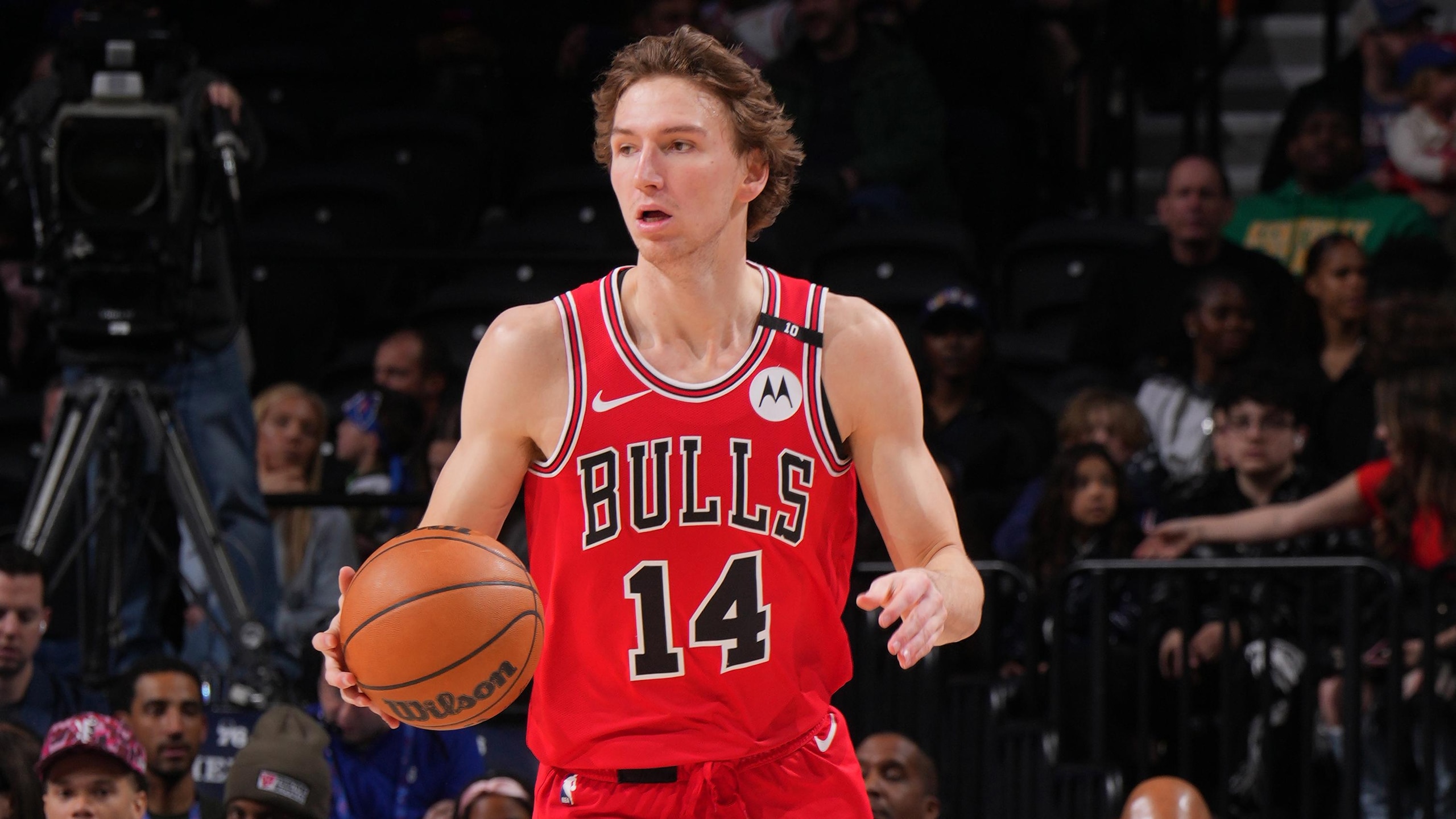
With all due respect to 2023-24 MIP runner-up Coby White and walking energizer Ayo Dosunmu, it feels plenty revealing about the state of the Bulls that Matas Buzelis already seems like their most exciting prospect in years.
If you pay for the premium seats on his hype train, you'll feel like you're catching glimpses of a two-way star.
Maybe he has that in him—he hasn't even celebrated his 21st birthday yet—but it'd be premature to thrust him into any kind of elite conversation. Again, it says plenty that Chicago hasn't had a player as exciting as this in a while, and his second-half surge only featured 13 points, 4.8 rebounds and 1.9 assists.
Perhaps he's on his way to becoming pretty good, which is still a rock-solid return on a No. 11 pick but isn't something you shape the future of your franchise around.
For that matter, neither is White's scoring punch, Josh Giddey's stat sheet-stuffing or Noa Essengue's theoretical potential. If Chicago was stockpiling young talent and improving its lottery odds, this would be fine, but this is a team that's ostensibly looking to compete sooner than later.
More mediocrity feels inevitable, and it's tough to tell how the Bulls ever snap out of this.
Cleveland Cavaliers: Covering Absences
6 of 30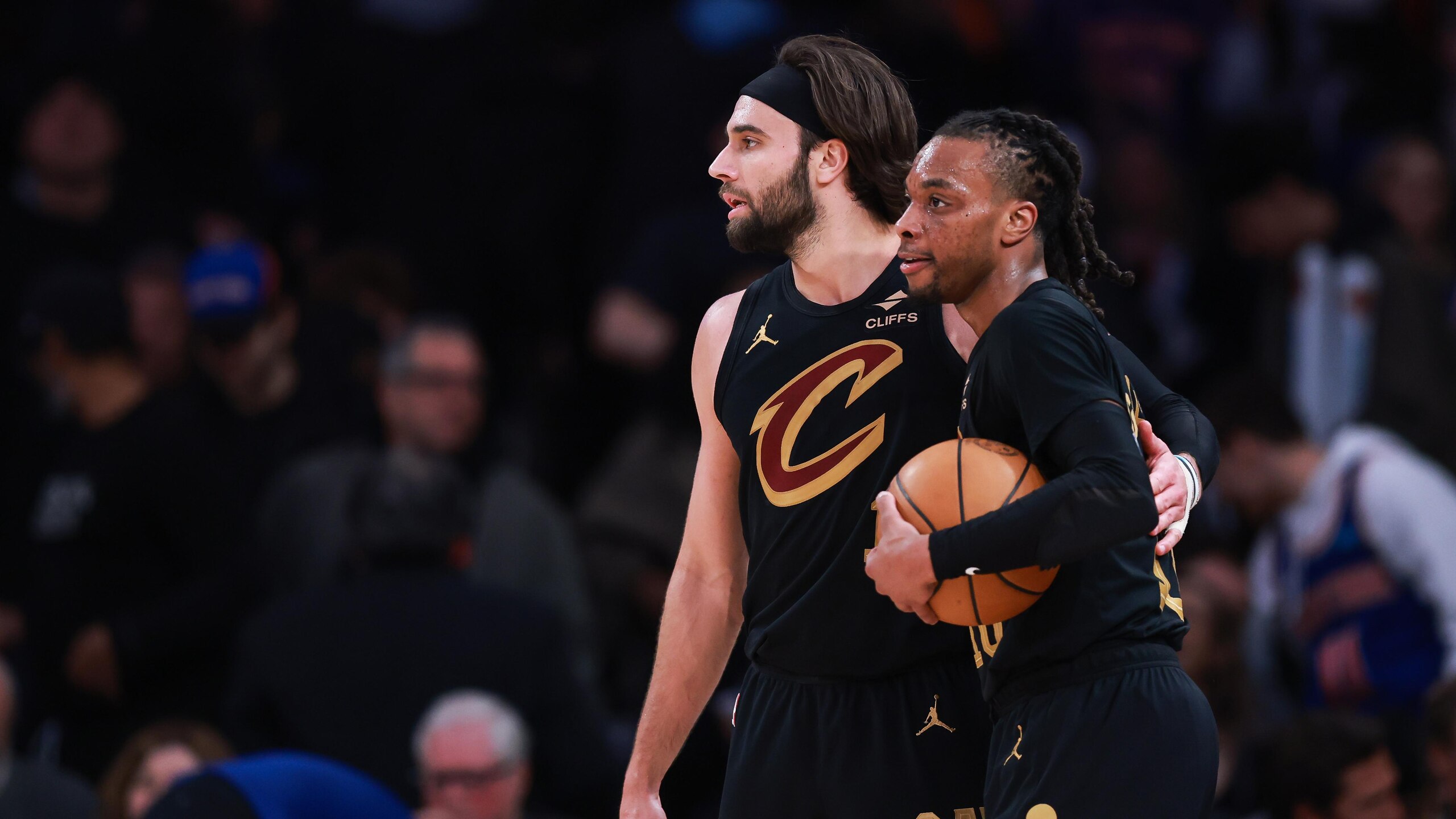
Big-picture, the Cavaliers' biggest questions can't be answered until playoff time. This core has yet to push past the conference semis, though it seemed like breakthroughs might have been happening before the injury bug got the better of this bunch in its latest playoff run.
Speaking of injuries, they're what the narrower lens is worried about. While it's unclear how long Cleveland will be without Darius Garland (toe) and Max Strus (foot), it sounds like neither will be ready to go at the season's start.
Covering either spot could be tricky. Garland's backup from this past season, Ty Jerome, moved on in free agency, and Cleveland sacrificed wing depth (Isaac Okoro) to cover for the loss of Jerome, by trading for the talented, but often injured, Lonzo Ball.
Dallas Mavericks: Primary Passer
7 of 30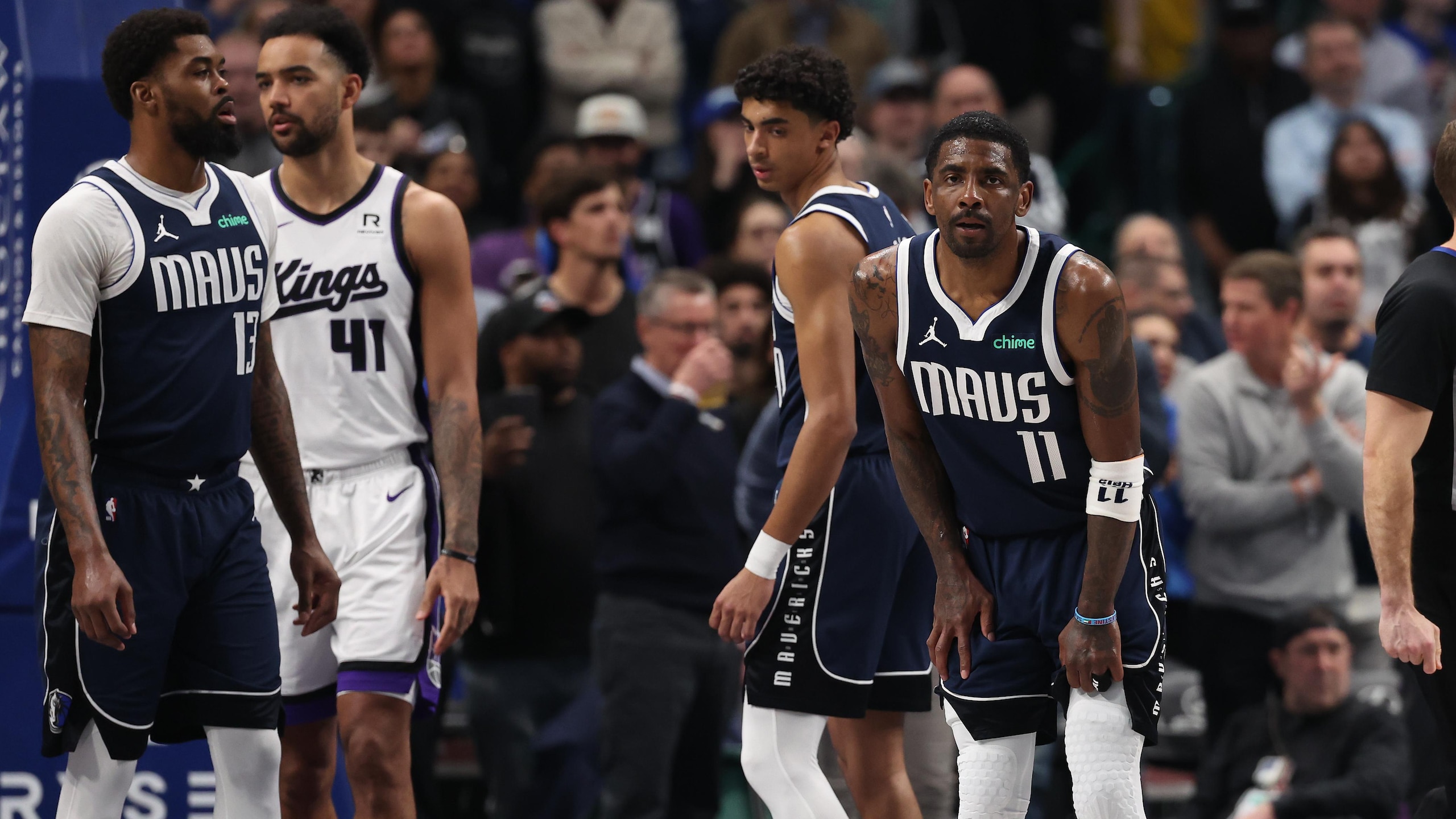
Dallas' post-Luka Dončić offense will no longer revolve around one player, but if it did, that player would probably be Kyrie Irving. And that's kind of an issue until it isn't, since it's unclear when the nine-time All-Star will be ready to return from the ACL tear he suffered in early March.
The Mavericks added D'Angelo Russell as a stopgap solution, but he's always been more of a scorer than a true table-setter. Top pick Cooper Flagg has real point-forward potential, but it's still hard envisioning Dallas asking an 18-year-old forward to pilot its attack.
The Mavericks have talent—and a ton of size—but it'll take the right architect to get everyone aligned. And that player may not be on the active roster for months.
Denver Nuggets: Jamal Murray Insurance
8 of 30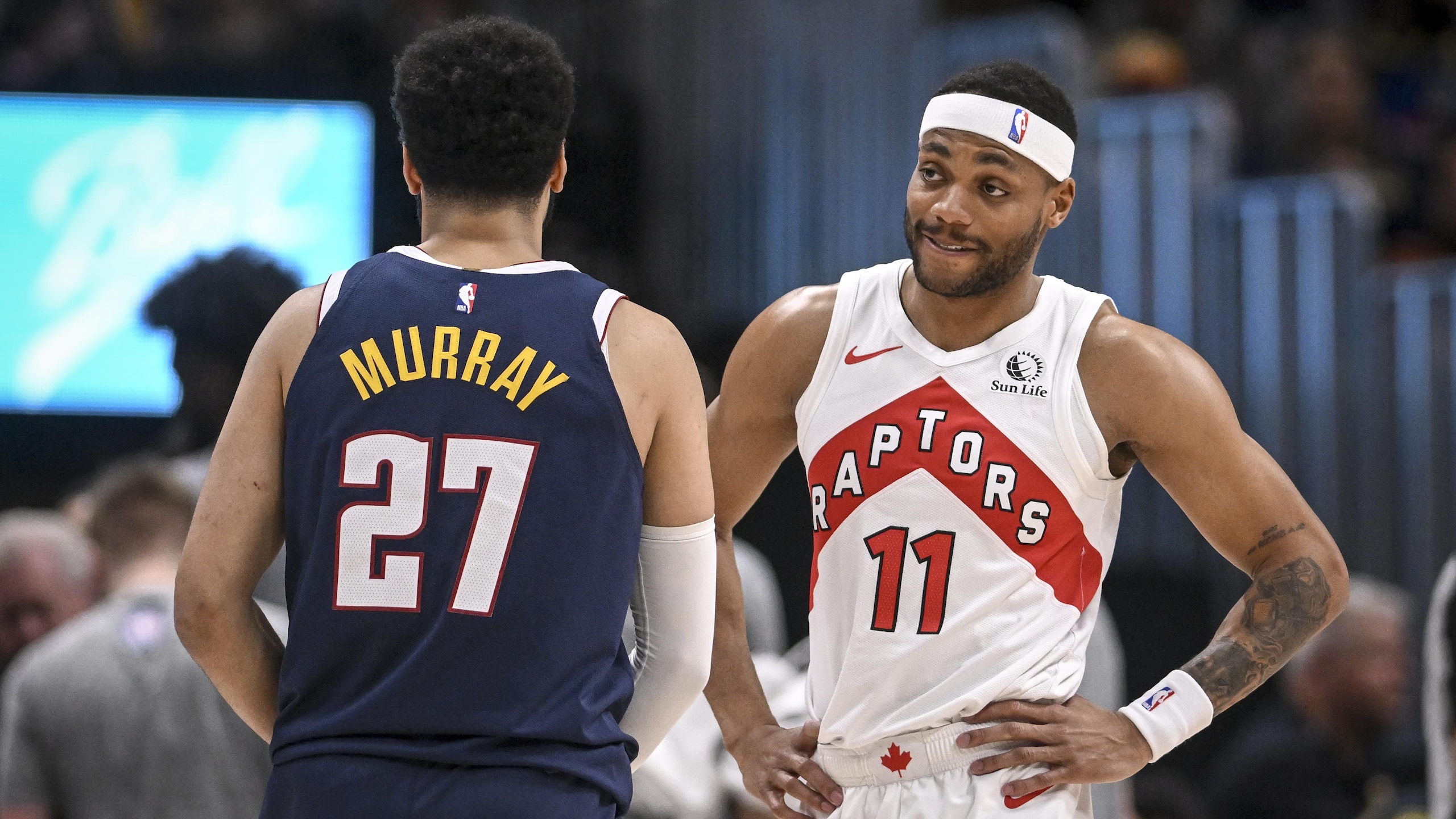
Denver's front office did well this offseason to balance the roster with some much-needed depth. And yet, the Nuggets are still basically built to go as far as Nikola Jokić and Jamal Murray can take them.
That's partly because the pair has a championship-level connection between them. When their two-man game is rolling, no one can stop it.
However, it's also due to the fact that if Murray goes down, there's no comfortable way to replace him.
Jalen Pickett has shown no signs of being ready for the bright lights, and Bruce Brown, while capable of running offense, isn't someone you'd want handling a lot of critical offensive possessions come playoff time.
Hopefully, Murray stays upright, and this isn't an issue, but given his iffy injury history—he last cleared the 70-game mark in 2018-19—it's fair to worry about what is (or maybe isn't) behind him.
Detroit Pistons: No Co-Star for Cade Cunningham
9 of 30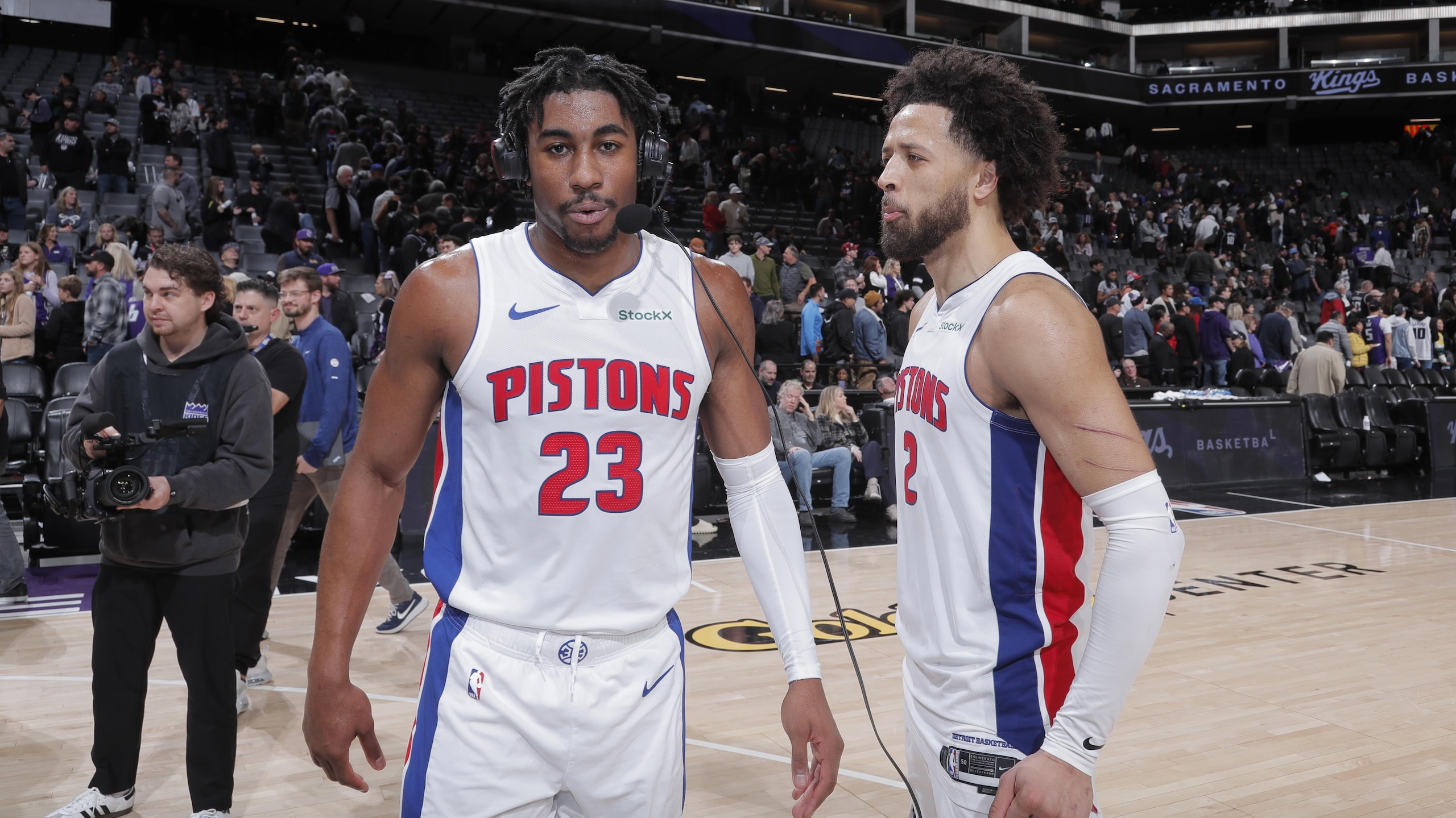
The Pistons know for certain now that Cade Cunningham is a ranking member of the NBA's elite. He wasn't merely a first-time All-Star this past season, he was an All-NBA third-team selection and the biggest driving force behind Detroit tallying 44 wins and booking its first trip since 2019.
With that knowledge, the Pistons should be trying to perfect the conditions around him and give him his best shot at success. Right now, they're not quite there yet, having failed to develop or otherwise add the kind of co-star capable of relieving the immense pressure placed upon him.
They aren't hopeless on this front, as there are a number of players who could grow into that role, like Ausar Thompson, Jaden Ivey and Jalen Duren.
Until one of those leaps happen, though, Cunningham will be a solo star within a league that almost always requires multiple stars to win big.
Golden State Warriors: The Kuminga Conundrum
10 of 30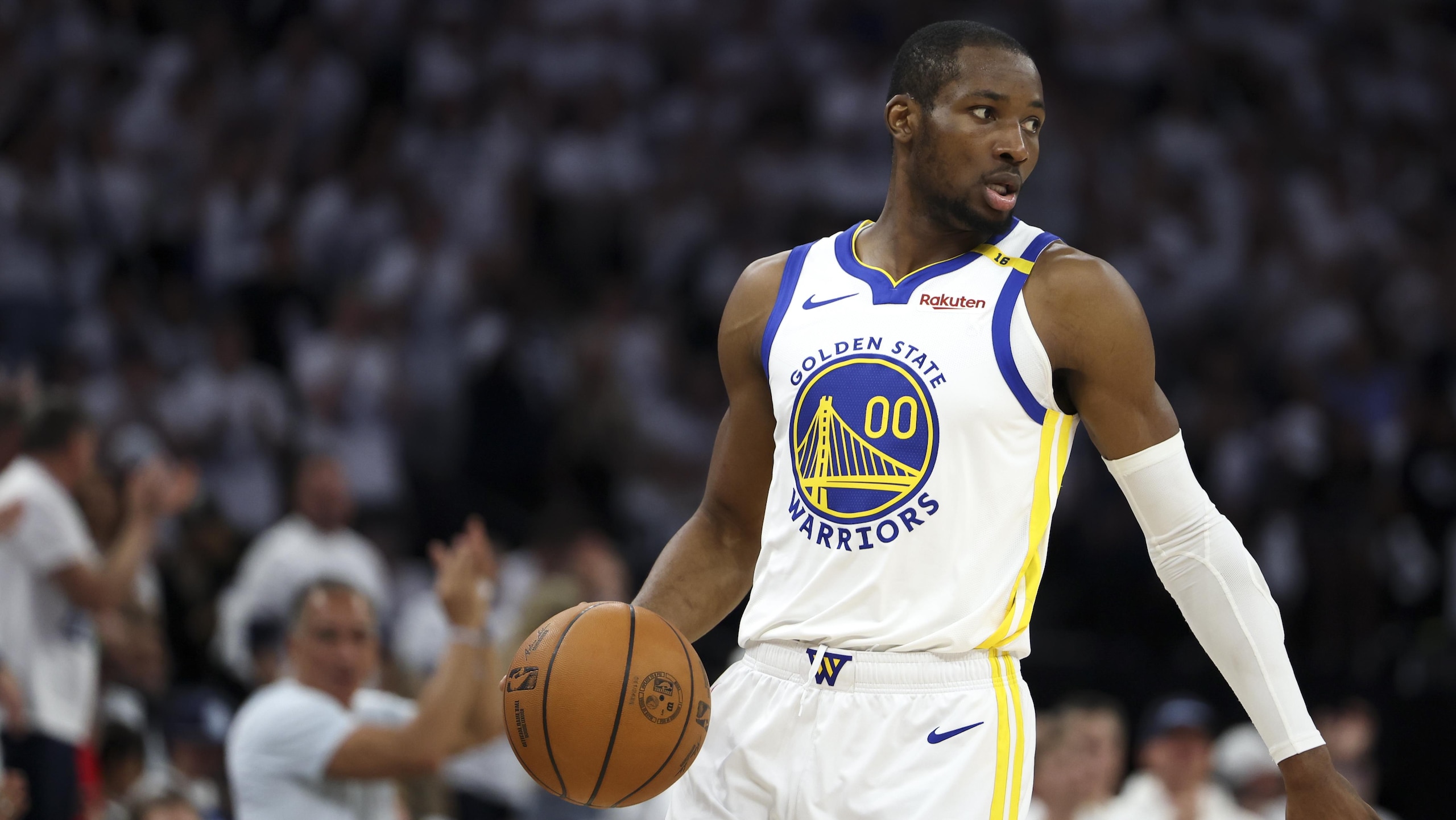
While the Warriors managed to finally iron out a two-year, $48.5 million deal (team option on the second season) with Jonathan Kuminga, they didn't actually find a permanent solution to this problem.
Rather, they basically bought themselves more time to figure things out—or maybe just started the clock on a midseason trade.
As ESPN's Shams Charania noted, "both sides understand the likelihood of exploring trades when Kuminga is eligible to moved in mid-January."
In other words, Golden State will spend at least the next three-plus months with a player who seemingly doesn't want to be there and doesn't appear to be wanted there. This will be a distraction, even if all parties involved do their best to prevent that.
It's also an ongoing issue that coach Steve Kerr can't seem to trust Kuminga, who, if plugged in the right role, would address concerns regarding the team's athleticism and scoring support—not to mention help cover for the seemingly inevitable absences for a team built around three players on the wrong side of 35: Stephen Curry, Jimmy Butler and Draymond Green.
Houston Rockets: Fred VanVleet's ACL Tear
11 of 30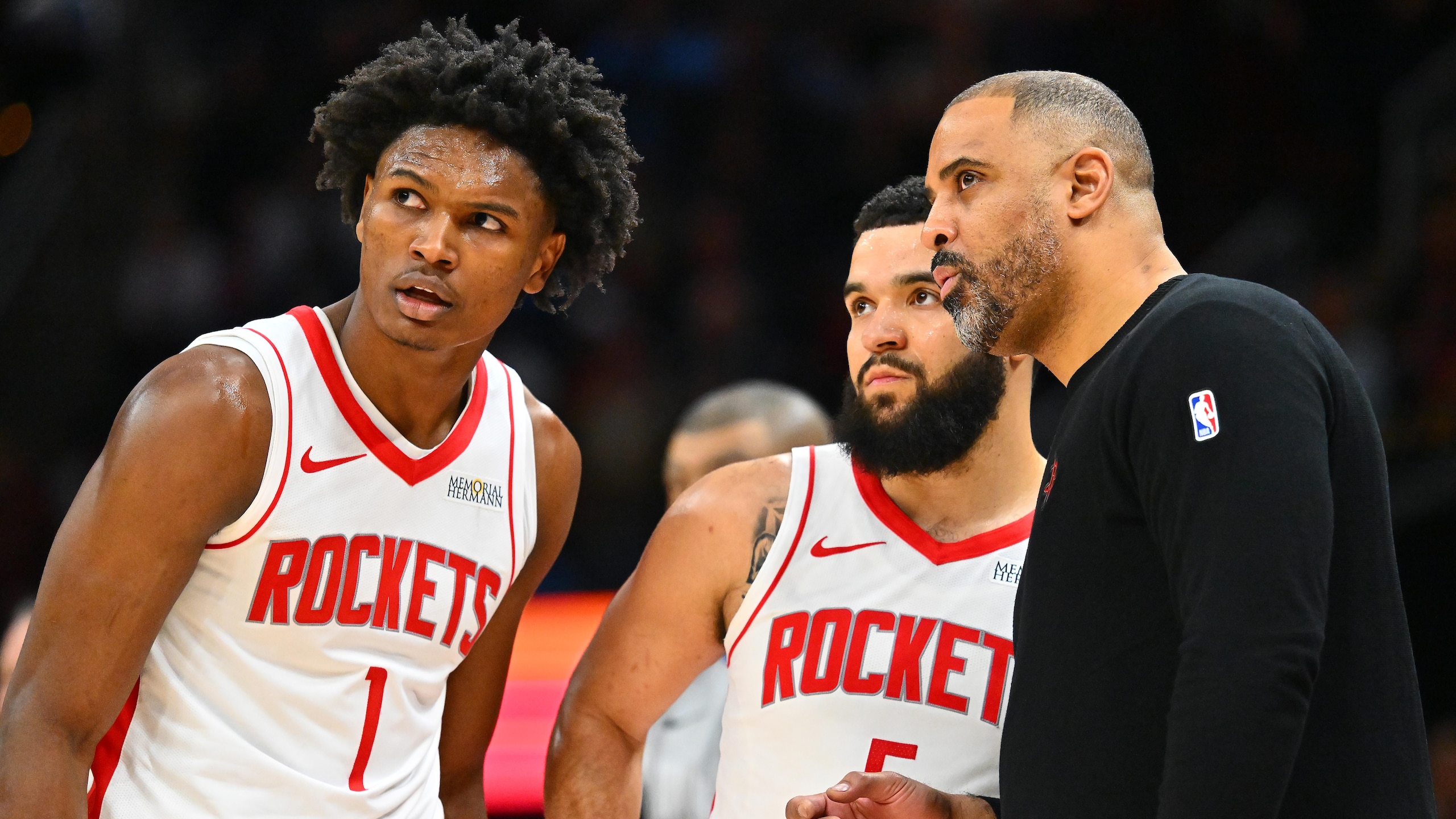
Houston was in the midst of a dream offseason until things took a nightmarish turn with Fred VanVleet suffering a torn ACL.
Could the Rockets, who masterfully addressed their lack of a go-to scoring option with the addition of Kevin Durant, now be forced to hit the trade market in search of a new floor general?
That's certainly a possibility, as they still have the assets to go big-game hunting. That said, it sounds as if their short-term plan is to try solving this problem in-house.
"The word out of Houston is that the Rockets will use the next few months to evaluate both recent No. 3 pick Reed Sheppard and standout swingman Amen Thompson in greater ball-handling capacities before Trade Season truly begins Dec. 15," Jake Fischer reported for The Stein Line.
There is upside within this approach, but there's also a level of uncertainty that could make the decision-makers a little uneasy. Sheppard has yet to prove he can hang in a win-now rotation, while Thompson has yet to show any kind of scoring ability away from the basket. Stay tuned.
Indiana Pacers: No Replacement for Myles Turner
12 of 30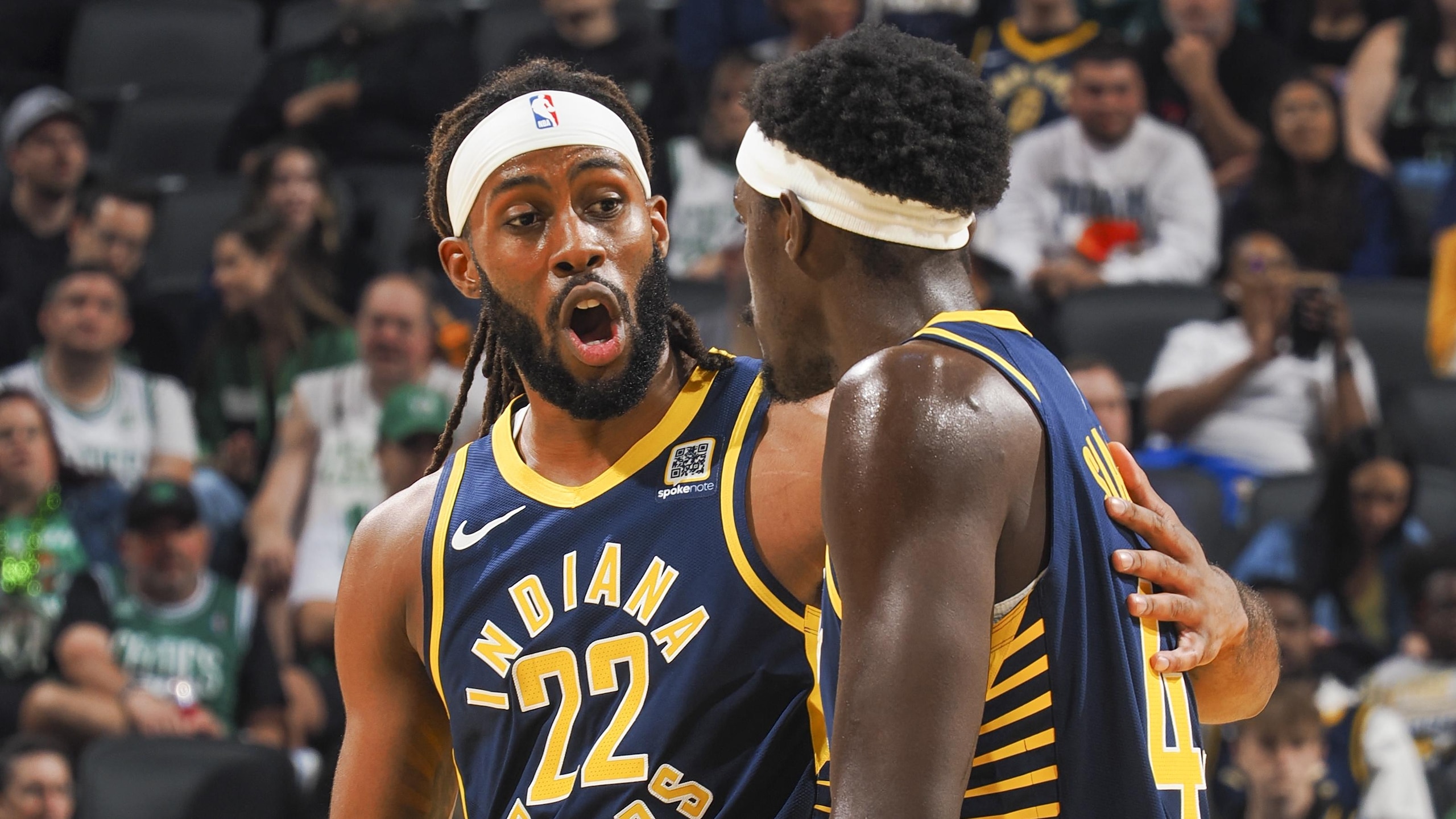
Regardless of the result, had the Pacers escaped last season's NBA Finals unscathed, they'd almost certainly have retained all key components from the roster responsible for the franchise's longest playoff venture in 25 years.
Of course, that didn't happen, as star guard Tyrese Haliburton suffered a torn Achilles in Game 7 of that series, which put Indiana in a bind regarding Myles Turner's free agency.
The loss of Haliburton—and the gap year it forced upon the Pacers—suddenly soured the organization on making a rare dip into the luxury tax, leading to Turner's exit and no arrival of his heir apparent.
The Pacers still have a stingy rim defender in Isaiah Jackson and added a stretch big in Jay Huff, but they no longer have a unicorn center who checks both boxes.
Los Angeles Clippers: Time Crunch
13 of 30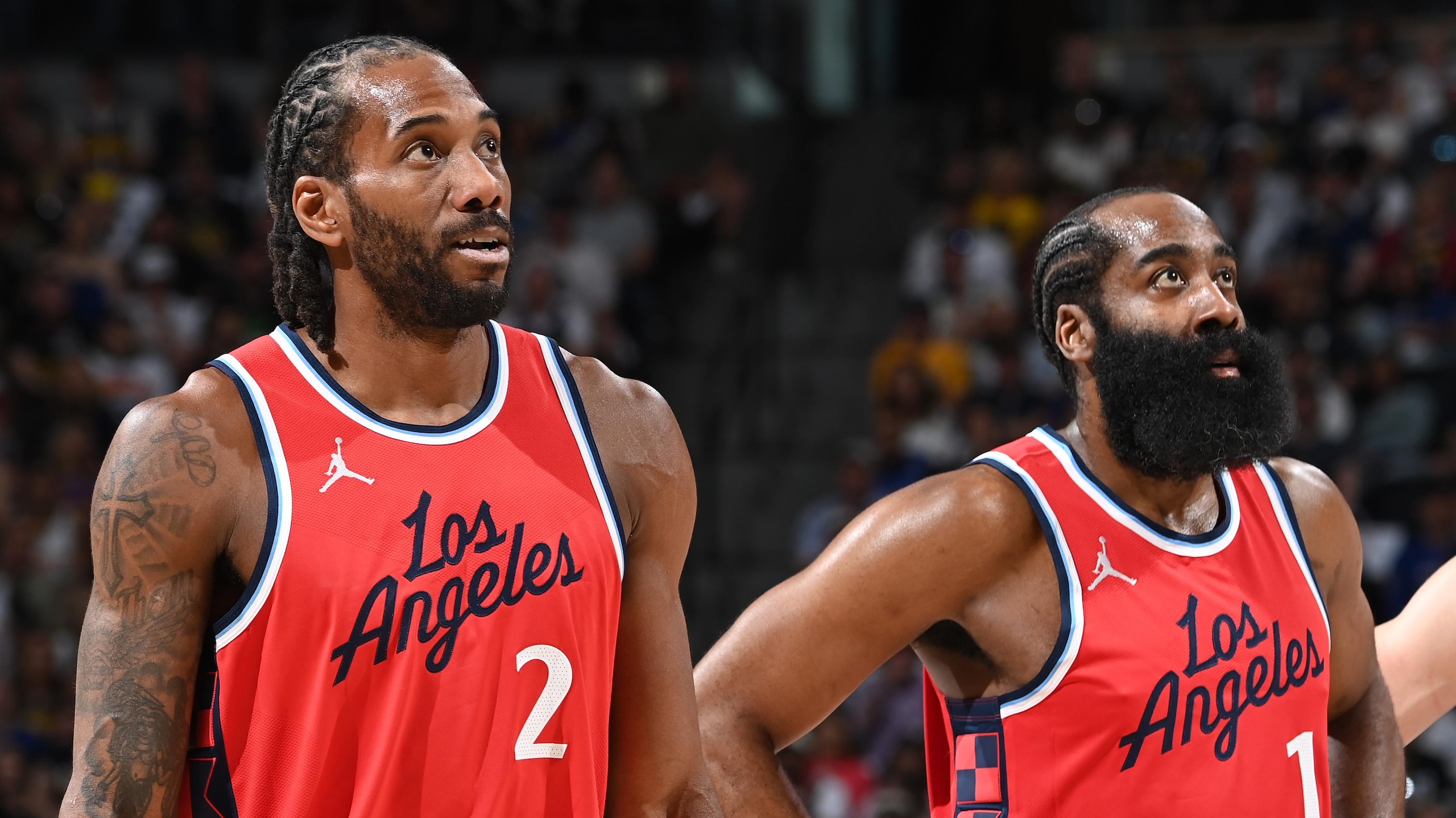
In a certain sense, the Clippers operated this offseason with the kind of urgency you'd expect to see from a franchise built around a pair of 34-and-up stars: James Harden and Kawhi Leonard.
Just about all of their additions fell under the win-right-now category: Brook Lopez, Chris Paul, Bradley Beal and, to a certain extent, John Collins.
Optimists will now say the club is overflowing with experience, guile and all kinds of basketball smarts. Pessimists, on the other hand, might label this roster as ancient and worry what could happen to L.A.'s long-term outlook should the NBA ultimately bring the hammer down upon completing its investigation into the team's potential salary-cap circumvention.
Either way, there's an obvious pressure on this roster to deliver significant postseason success. That's fine for those who feel like the Clippers belong in the Western Conference's inner circle of heavyweight contenders, but it's decidedly less for observers who feel this is more of a good team than a great one.
Los Angeles Lakers: Defense
14 of 30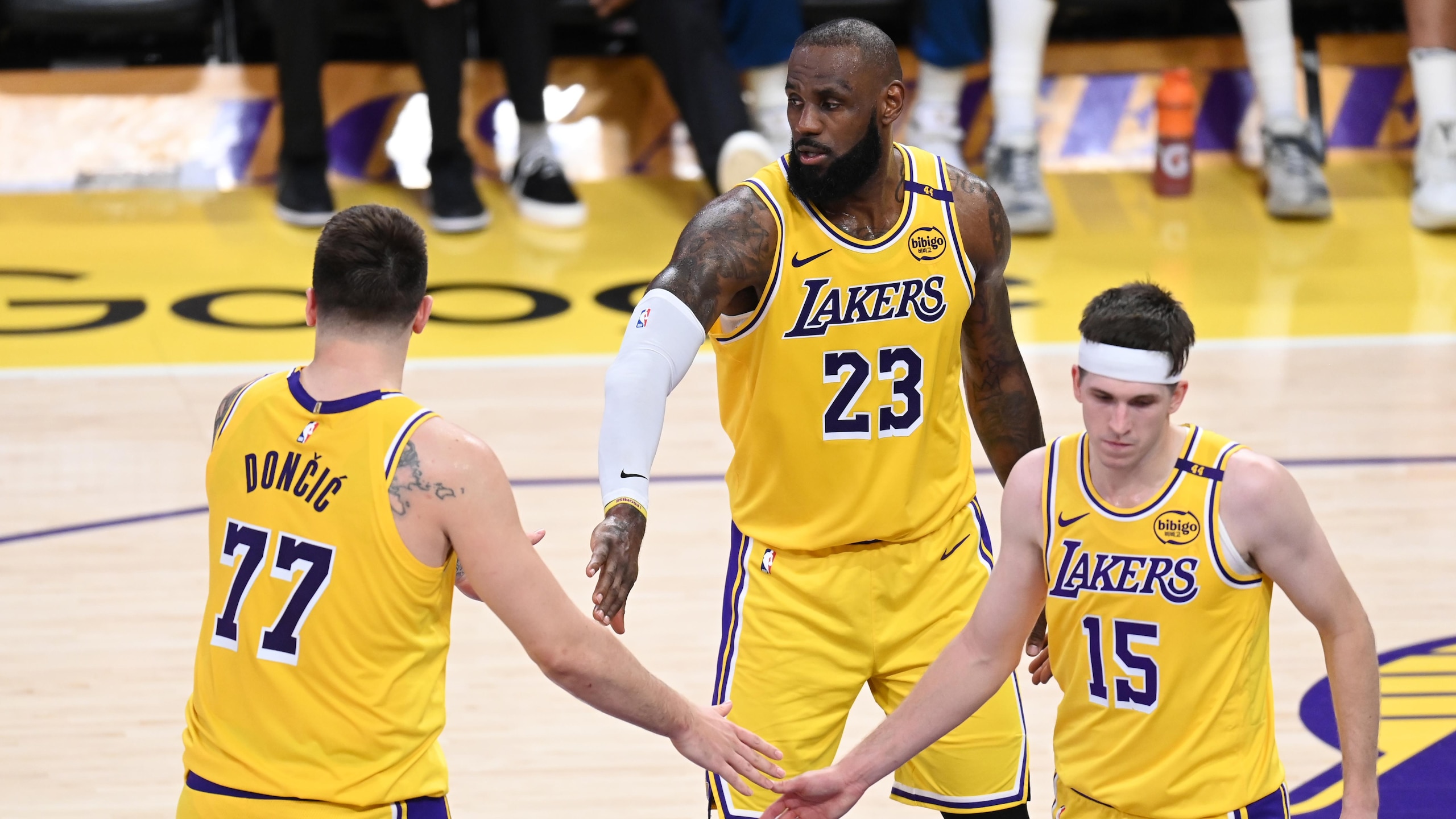
It's all too easy to look at this Lakers roster and wonder how it'll ever generate defensive stops on the perimeter.
Marcus Smart, 31 years old and two full, injury-riddled seasons removed from contributing to a contender, is perhaps the only member of this perimeter rotation who'd consider the defensive end his most favorable side.
Unfortunately, things don't look a whole lot better when shifting over to the interior. While the Lakers did well to fill their glaring hole at the center spot with 2018 top pick Deandre Ayton, he's not exactly regarded as a top-shelf defensive anchor.
Jarred Vanderbilt is hyper-disruptive, and Maxi Kleber provides good versatility when healthy, but it's unclear how big of a role these two players—who are both limited offensively—will wind up with in coach JJ Redick's rotation.
The Lakers are seemingly wagering they can overwhelm opponents with offense, and that isn't the worst bet to make when said offense is led by the likes of Luka Dončić, LeBron James and Austin Reaves.
Memphis Grizzlies: Third Scorer
15 of 30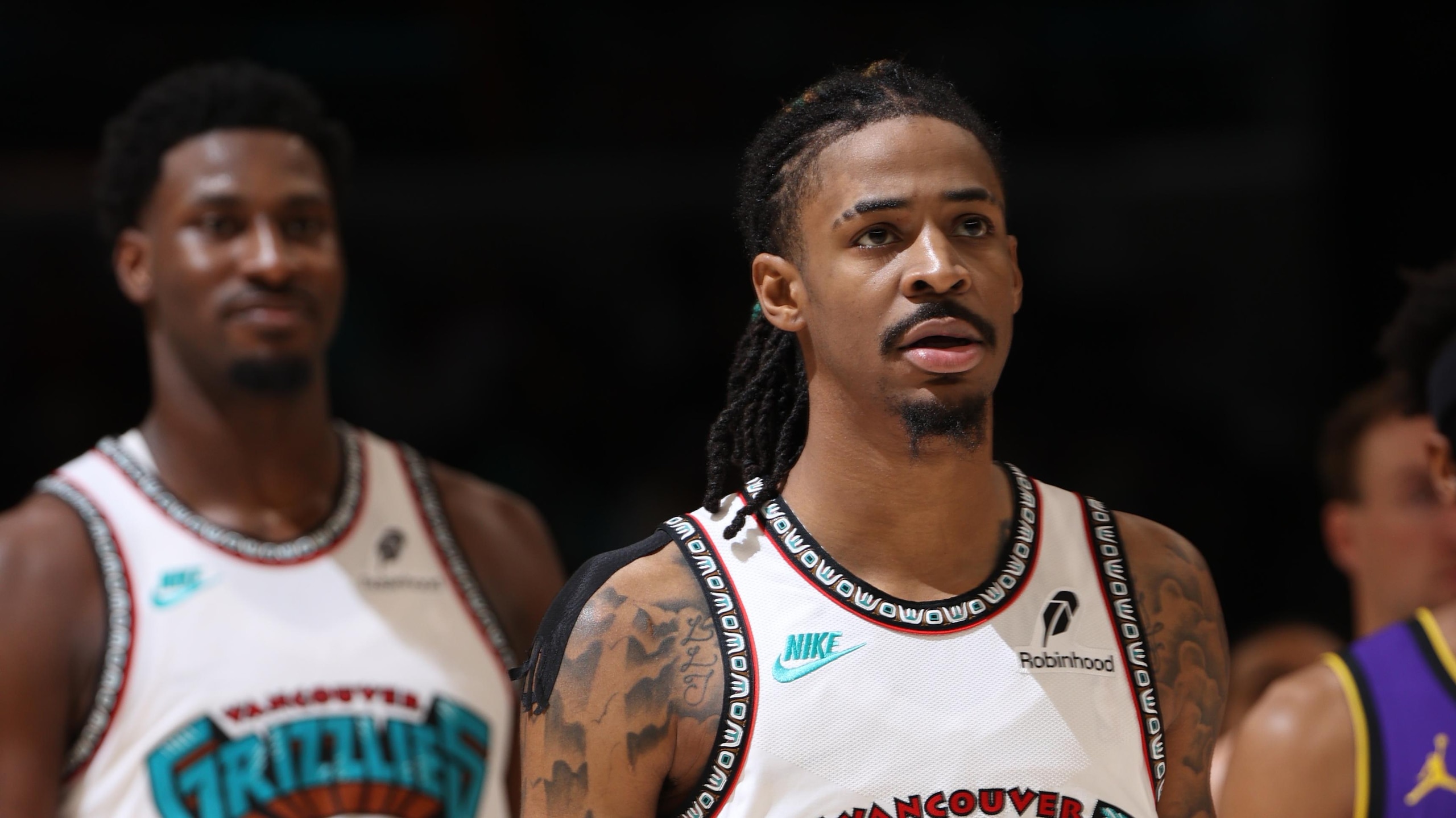
The Grizzlies are focused on the near-future. That's the clearest takeaway from their decision to send out Desmond Bane for a mini-mountain of first-round picks, Kentavious Caldwell-Pope and Cole Anthony.
They haven't abandoned the possibility of competing this season, but they're striving for something more significant sooner than later.
"With the players that we have at the moment and the assets and flexibility going forward, I think we're in a very advantageous position building towards where we believe we're going to be able to get this group to," Grizzlies general manager and president of basketball operations Zach Kleiman told reporters.
The Bane blockbuster was good basketball business—especially if you shared the sentiment that the previous core had peaked—but it's still hard not to notice the...uh, Bane-sized hole in this offensive pecking order.
Ja Morant and Jaren Jackson Jr. still occupy the top two spots, but it might be a nightly search for the third option.
Miami Heat: Shot-Creation
16 of 30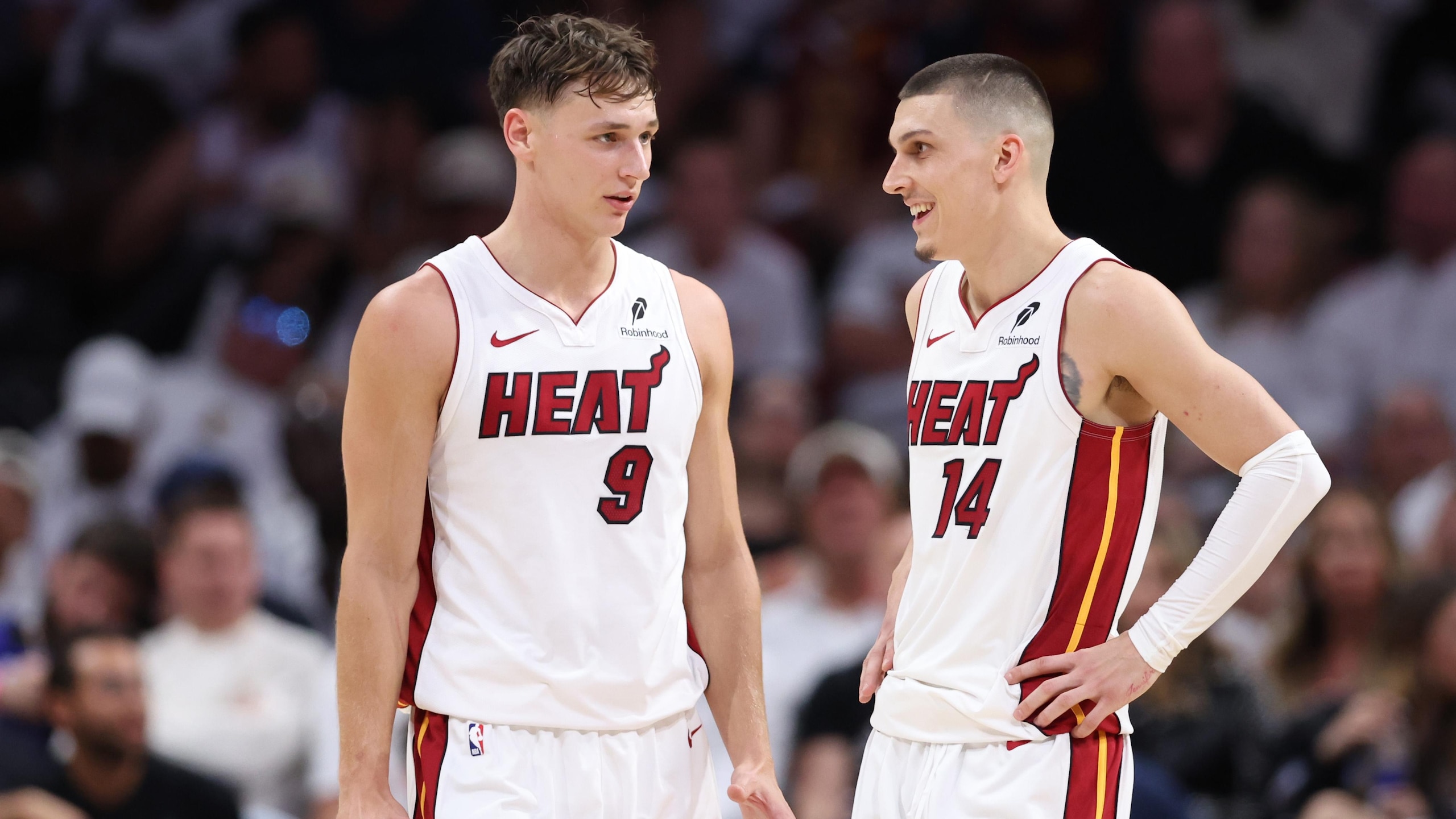
With Jimmy Butler out in Golden State, and Tyler Herro sidelined multiple months after foot surgery, the Heat are left without an obvious focal point for their offense.
What's more worrisome is that even when they were following the lead of Butler and Herro, they weren't particularly good at the whole point-production game. In each of the last two seasons, Miami managed only a 21st-placed finish in offensive efficiency.
Treading water will be tricky enough without Herro, but the Heat's real objective is somehow becoming even better in his absence (or at least paving a path to improvement upon his return).
Even while acknowledging the extremely low price they paid to acquire Norman Powell, hoping for a bounce-back from Bam Adebayo and buying into the Nikola Jović breakout hype, it's all too easy to worry about how this offense can consistently create advantages for itself and capitalize on them.
Milwaukee Bucks: Non-Giannis Offense
17 of 30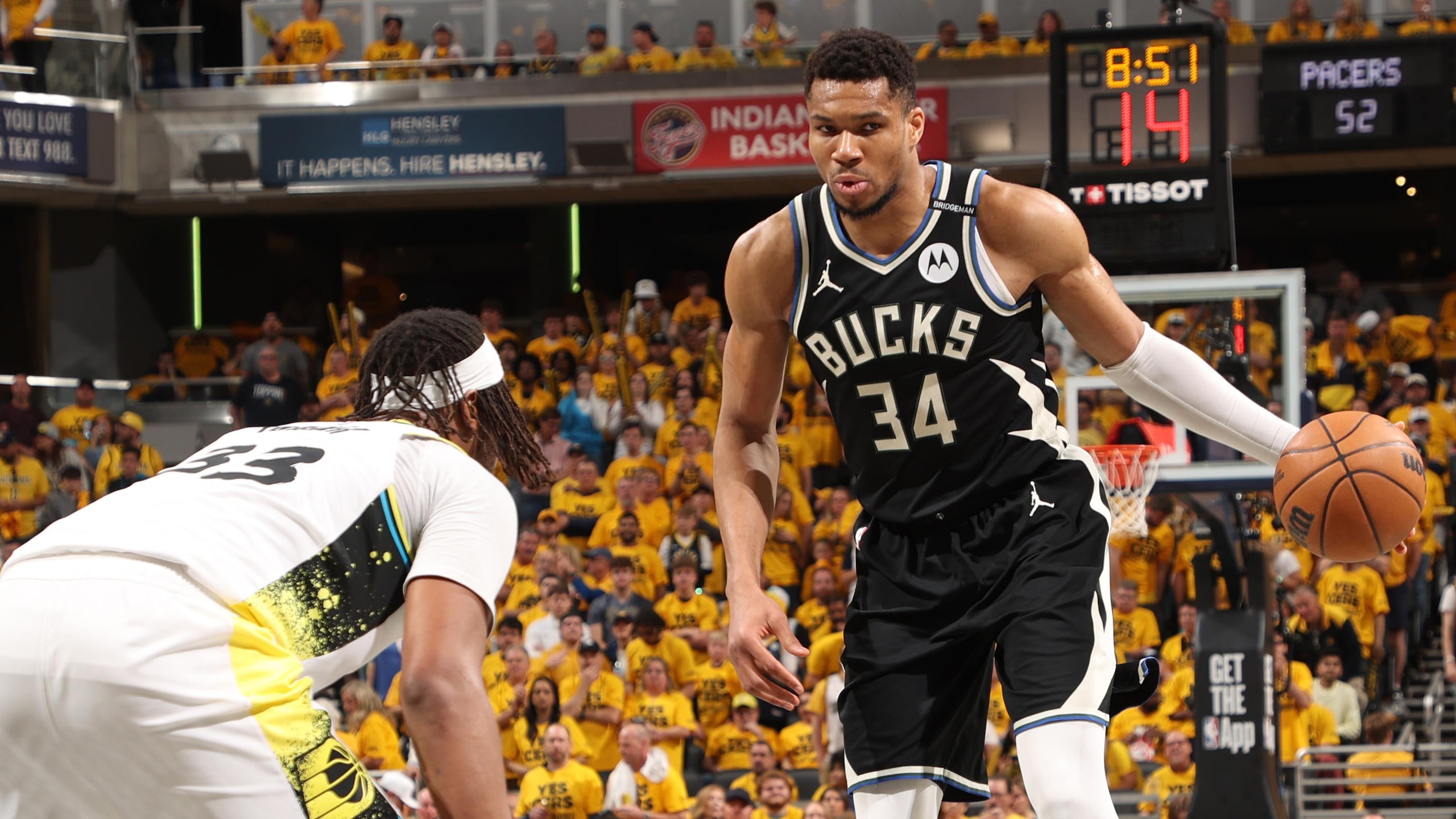
Bucks fans are surely tired of hearing all of the Giannis Antetokounmpo trade speculation, but it exists for a reason.
He is singularly focused on winning a second NBA championship, and it's awfully difficult (if not outright impossible) to see how this front office can fashion a championship-level supporting cast around him.
What's going to stop opposing teams from throwing the kitchen sink and every other appliance within arm's reach in front of Antetokounmpo and daring someone else to beat them? Moreover, who's capable of meeting that challenge when it's inevitably presented?
The best 2024-25 scoring output from a Buck not named Antetokounmpo came from newcomer Myles Turner, who ranked fourth on the Pacers at 15.6 points per night. Kyle Kuzma has had some bigger scoring numbers in his past, but the next time he provides even 15-plus points to a winning team would be the first.
Minnesota Timberwolves: Perimeter Depth
18 of 30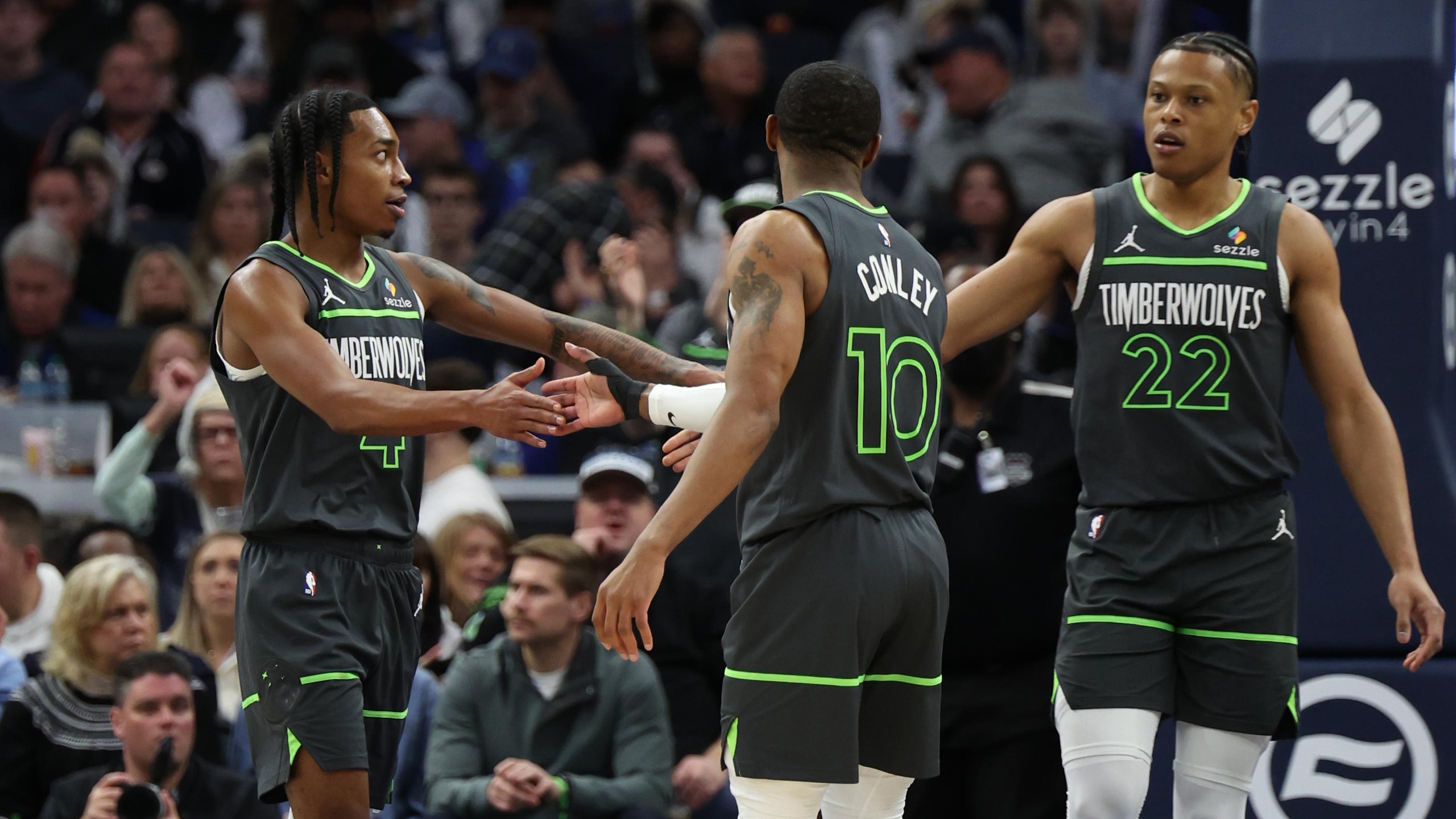
With seven different players collecting eight-figure salaries, and five of them earning more than $20 million this season, the Timberwolves decided there weren't enough funds to go around to bring back Nickeil Alexander-Walker in free agency.
So, they're now forging ahead without proven perimeter options behind Anthony Edwards and Jaden McDaniels.
This isn't just a question about the Wolves' young wings, though. There's also the unfortunate truth that Mike Conley is winding down while Rob Dillingham has yet to rev up. So, point guard might be an even greater concern than wing depth.
If Terrence Shannon Jr., Jaylen Clark and Dillingham himself take big steps forward, no one will remember how big this concern looked heading into the campaign.
But if those leaps don't happen—remember, development isn't linear—the Wolves will be left hoping their frontcourt depth and Edwards' stardom can offset their perimeter problems.
New Orleans Pelicans: No Protection on the Pick They Owe the Hawks
19 of 30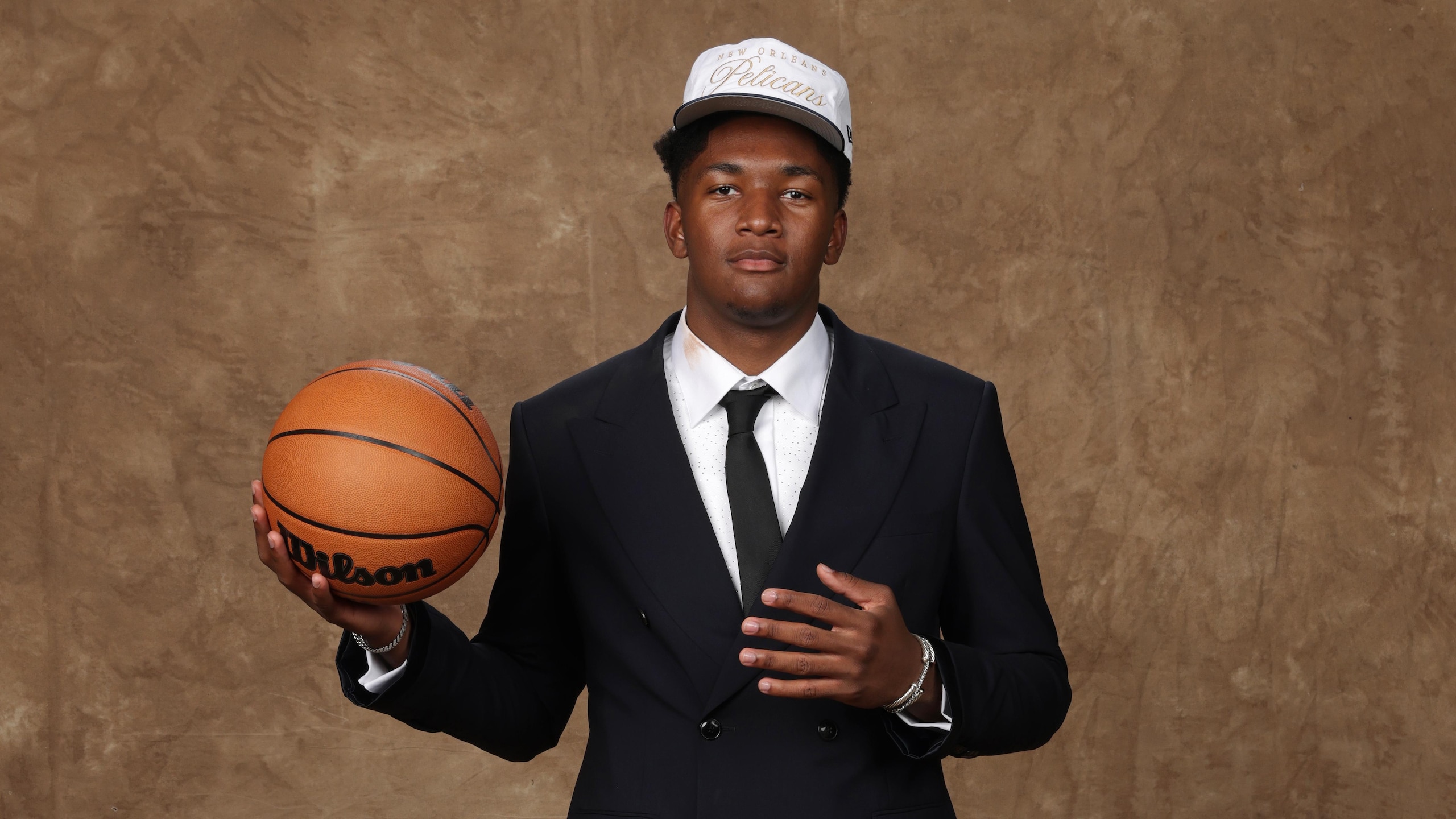
There are plenty of basketball reasons to worry about the Pelicans. Between the perpetual concerns with Zion Williamson's health, Dejounte Murray's ongoing recovery from an Achilles tear, the lack of difference-makers at the 5 and the fact presumed starting point guard Jordan Poole hasn't played meaningful basketball in a while, there are plenty of roadblocks ahead.
Throw in the oppressive depth of the Western Conference, and you can't help but wonder: Why did New Orleans feel the need to part with an unprotected 2026 first-round pick to move up 10 spots to take Derik Queen?
Because that pick could be so valuable in a seemingly loaded draft, the threat of what could go wrong with it will hover over the Pelicans' head at every turn. Maybe they push through it all and succeed anyway, but a disastrous season could reach epic proportions if New Orleans winds up back in the lottery and can't collect a potential jackpot prize.
New York Knicks: Playoff-Quality Depth
20 of 30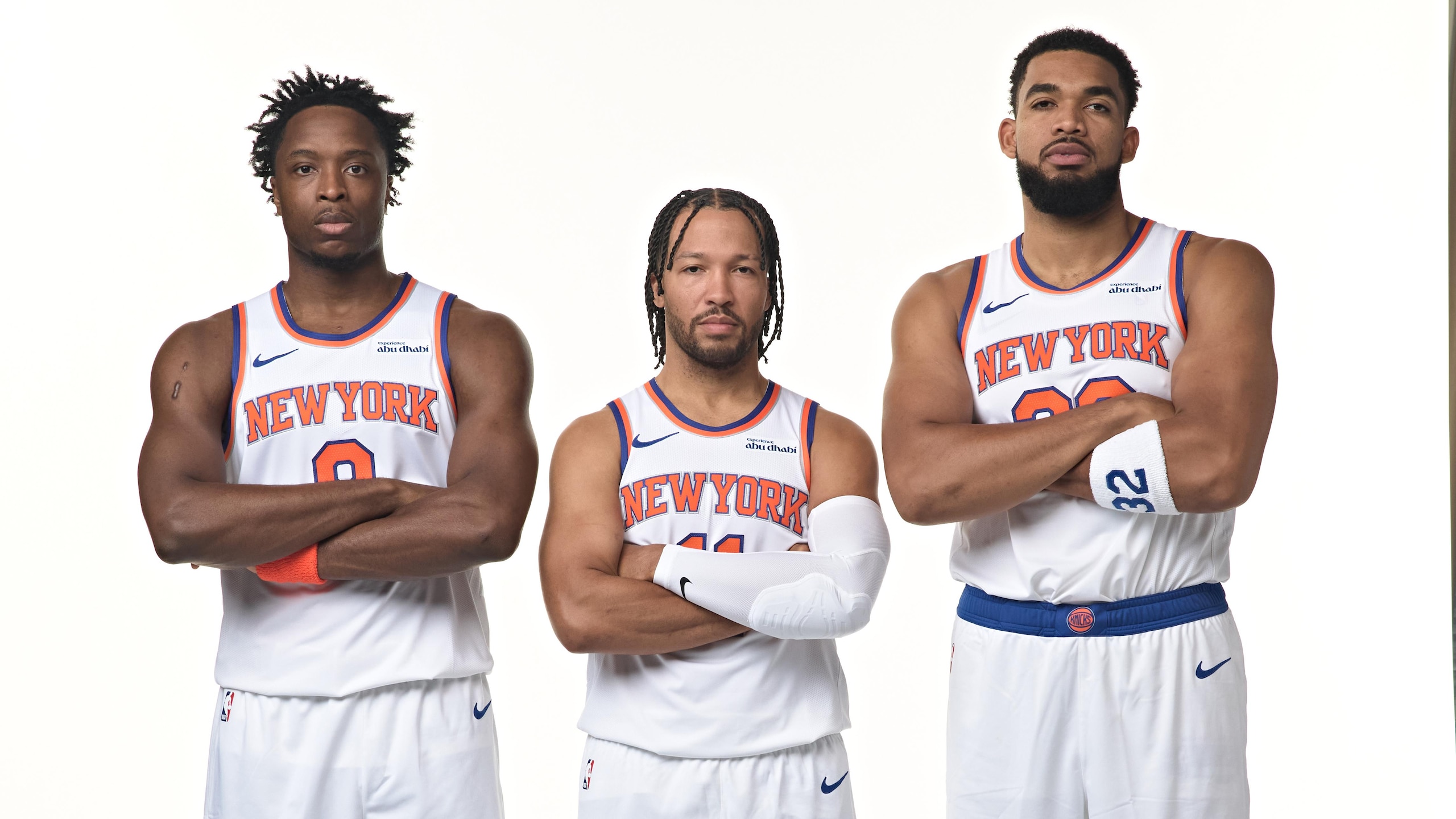
New York did what it could to address its depth issue by masterfully working on the margins. The Knicks were the league's most top-heavy team this past season, but their second unit now features viable alternatives like Guerschon Yabusele, Jordan Clarkson and perhaps one of (if not both) Malcolm Brogdon and Landry Shamet.
Those are known commodities. They're also either unproven in the playoffs (Yabusele) or maybe a little too one-note to not got schemed off the floor in the postseason.
Clarkson last saw playoff action in 2022, Brogdon hasn't been a postseason participant since 2023 and Shamet didn't see more than mop-up duty for the Knicks in their last playoff run until they'd fallen into an 0-2 hole in the conference finals.
Maybe they're ready to contribute under a more trusting coach than Tom Thibodeau, or perhaps they're just regular-season innings-eaters at this stage of their careers.
Oklahoma City Thunder: Three-Point Shooting
21 of 30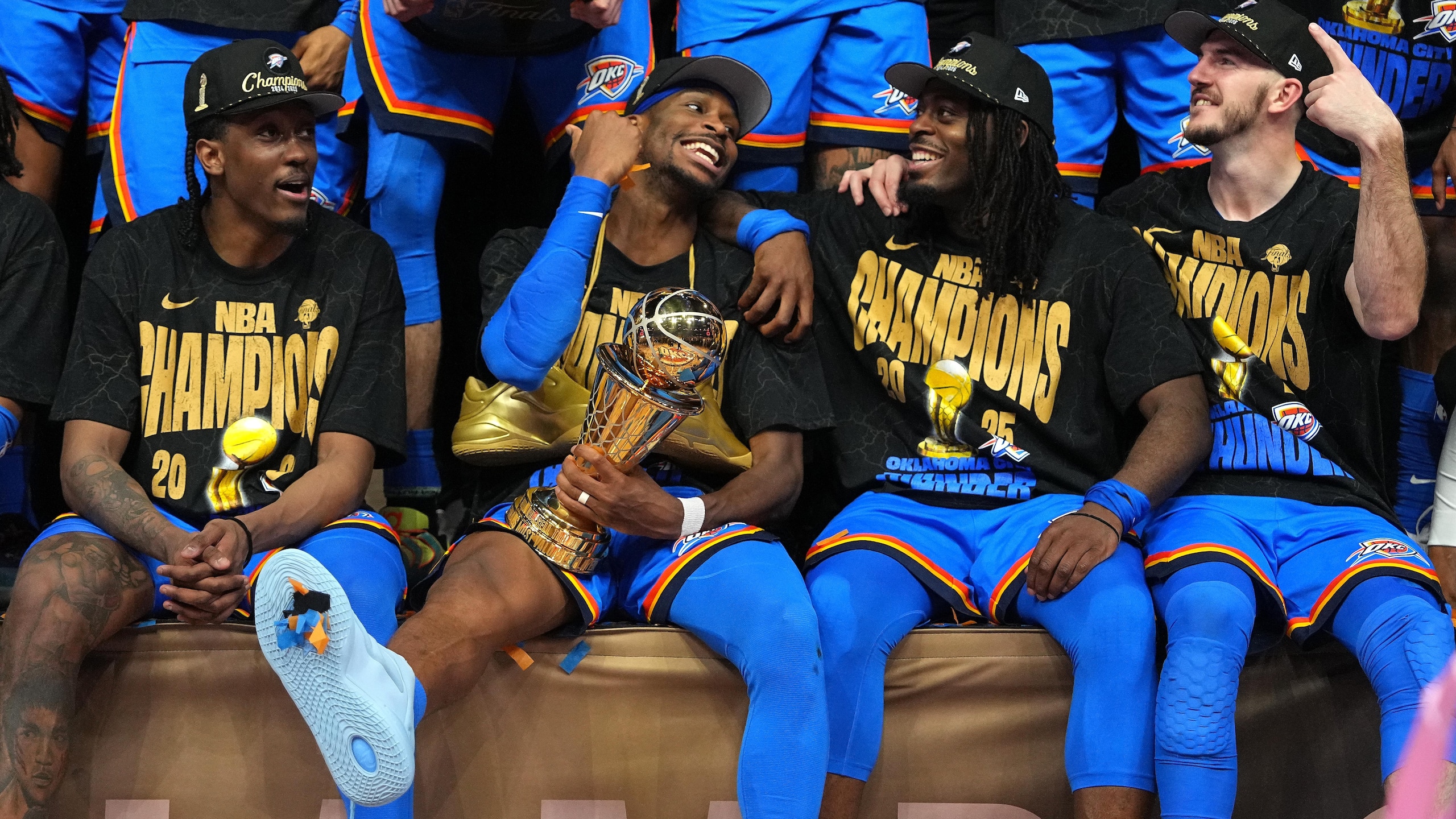
If any team warranted a "No Problems Dictated" cop-out, this would have been the one. The Thunder were absurdly dominant last season—68 wins, a record-setting point differential and a championship—and can reasonably expect to be even better now given the collective age and upside of their core.
Still, cop-out answers aren't any fun. And for as great as Oklahoma City was, all teams could do something better.
This is still a nitpicky choice, as the Thunder ranked sixth in both three-point makes (14.5) and three-point percentage (37.4). They did, however, struggle with the long-ball in the postseason (11.8 and 33.8, respectively), and since they saw a similar decline play out the previous season, this is at least something to monitor.
If nothing else, it probably highlights how some of their best shooters are role-playing reserves who don't see the same floor time or touches on the big stage.
Orlando Magic: Three-Point Shooting
22 of 30
The Magic were, objectively speaking, freakin' awful from range last season. They carried the dubious distinction of sitting dead last in both three-point volume (11.2 makes per outing) and efficiency (31.8).
That clearly played a big part in their willingness to pay such a premium for Desmond Bane, a really good player who hasn't quite crested the star level. It also probably steered them toward selecting Jase Richardson with the No. 25 pick.
Those players—and free-agency signee Tyus Jones—will help, but situations as dire as this aren't typically taken care of with a couple of tweaks.
For the Magic to be even a mediocre shooting team, they'll need the likes of Jalen Suggs and Franz Wagner to get back on track. And, if we're being greedy, any signs of life from 2023 lottery pick Jett Howard would be welcome, too.
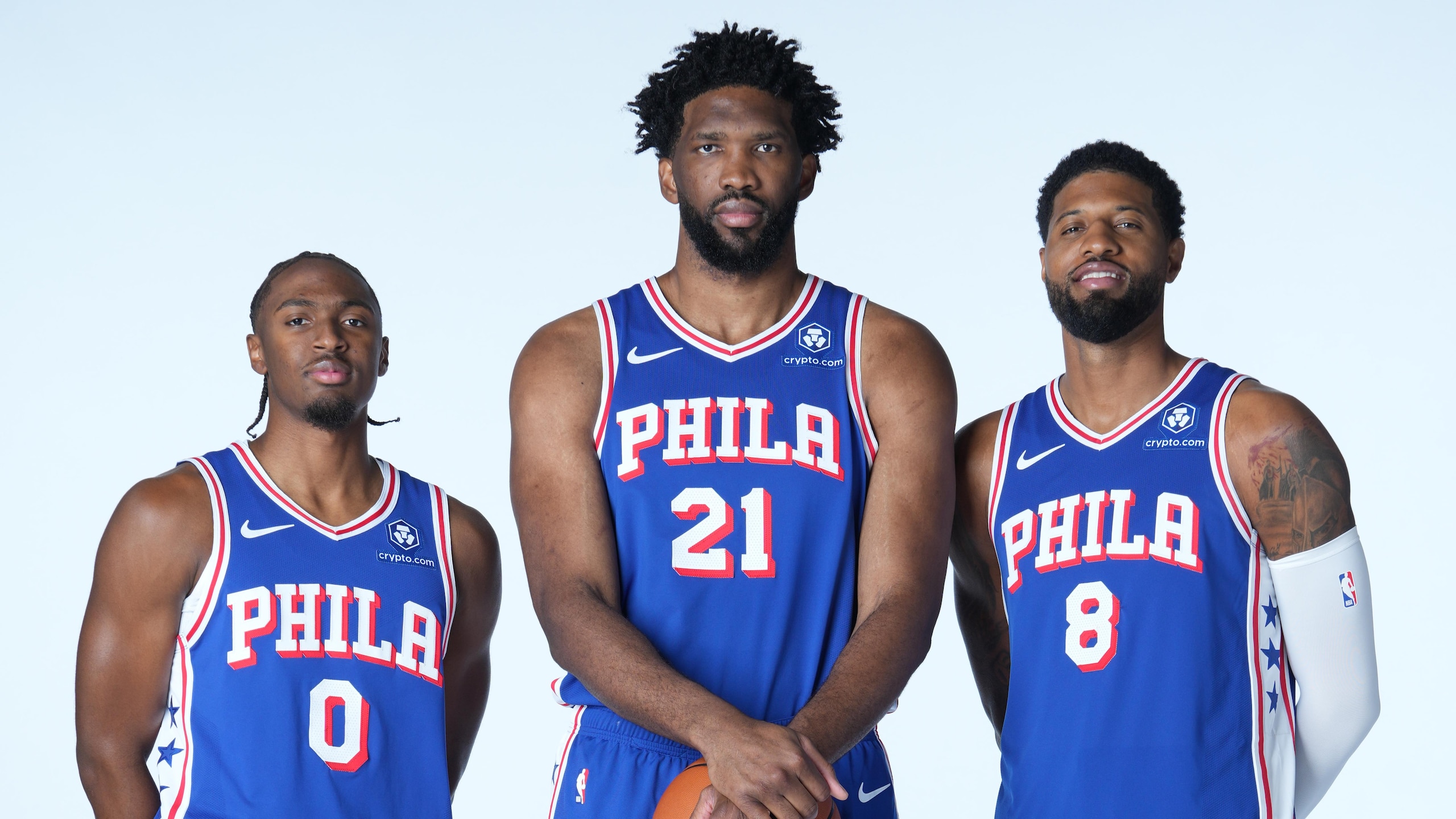
Philadelphia 76ers: Ongoing Injury Problems
23 of 30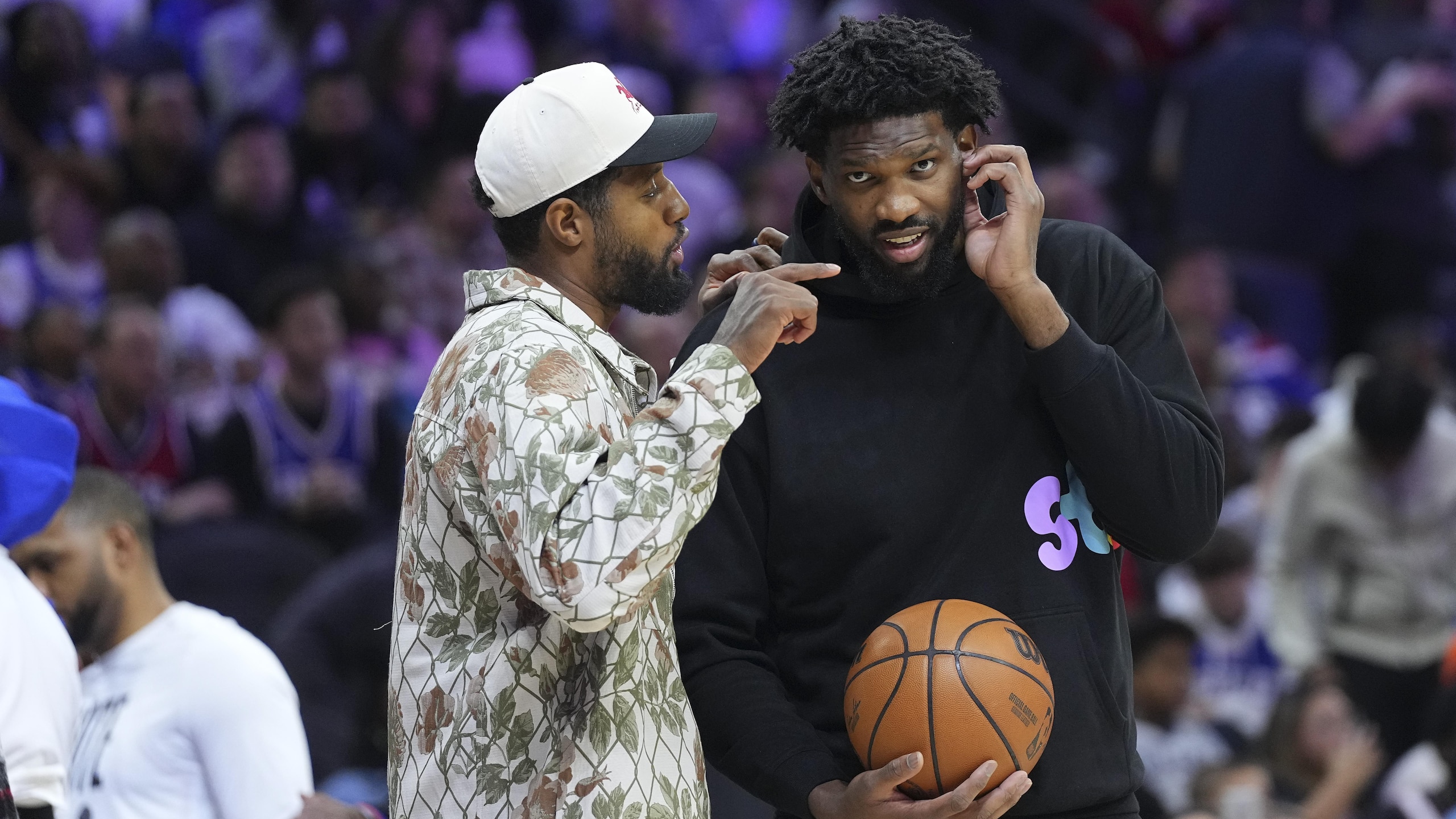
Philadelphia's best-case scenario remains among the league's very best. However, arguably no other team who warrants a mention in the championship race brings more bottom-out potential.
Injury issues just spawned a 58-loss mess of a season for the Sixers, and they're already popping back up.
Joel Embiid and Paul George are both coming back from knee surgeries and have no timelines for their return. What's worse is that neither player looked remotely like themselves last season.
Embiid lost nearly 11 points from his scoring average (34.7 to 23.8) and posted the worst field-goal percentage of his career (44.4). George's 16.2 points were his fewest in a full season since 2011-12, and his 54.3 true shooting percentage was the fifth-worst of his career.
If Philly could ever get its stars healthy, this is still a club capable of making noise, particularly in the wide-open Eastern Conference. That the Sixers are already navigating around injury issues, though, is an ominous sign of what could—or maybe could not—lie ahead.
Phoenix Suns: No Natural Playmaker
24 of 30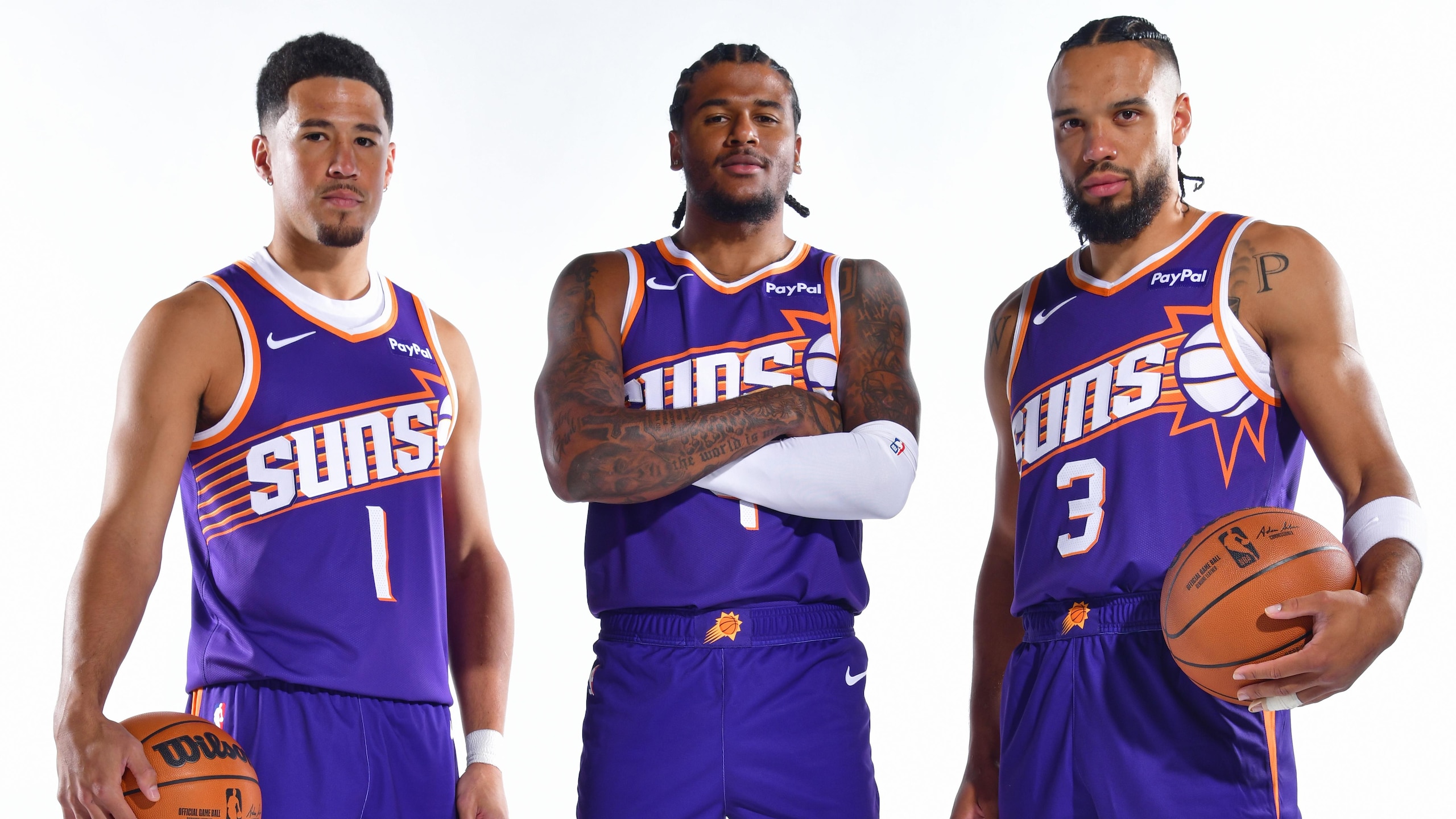
Back when the Suns were following the lead of Devin Booker, Kevin Durant and Bradley Beal, their whole never added up to the sum of its parts.
While there were various factors behind that, one clear issue was the lack of an on-court conductor who could tie everything together.
Well, Phoenix still has that same issue of having no natural table-setter, only now it has less firepower at its disposal. Durant and Beal are gone, and the lone bucket-getter added as a replacement is Jalen Green, a streaky scorer who has yet to shoot even 43 percent from the field or 36 percent from distance.
The Suns' offensive plan seems to be entirely built around the idea of Booker-or-bust, and that's basically true for all facets: scoring, three-point shooting and distributing.
Maybe that somehow powers him to the best campaign of his career, but it's all too possible this is more than he can handle: in terms of both offensive responsibilities and the defensive attention he's destined to receive.
Portland Trail Blazers: Point Guard Injuries
25 of 30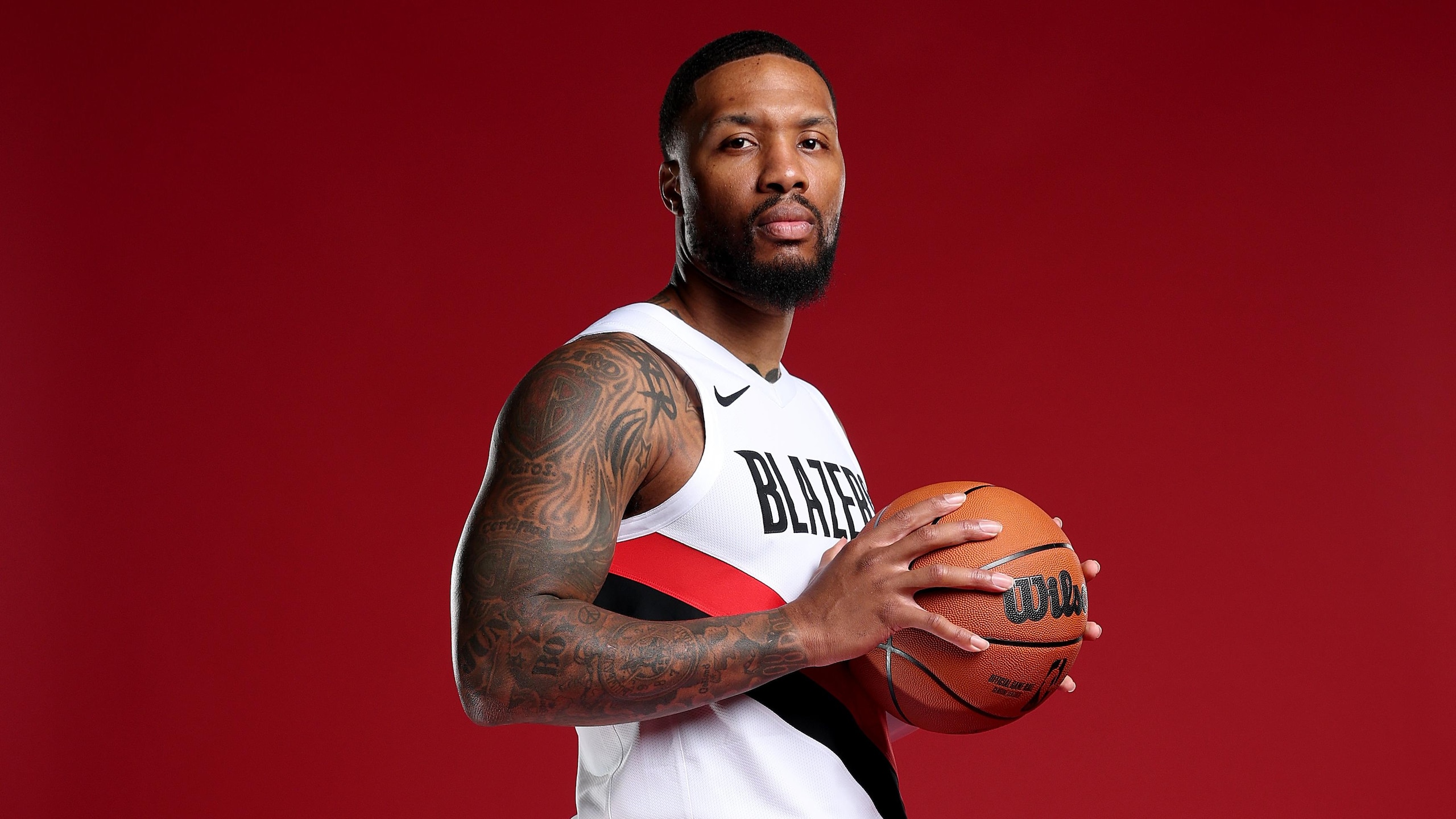
Damian Lillard's return to Portland, while fun in theory, might have no bearing on the Blazers' actual season. That's because the 35-year-old point guard, who's recovering from a late-April tear of his Achilles, can't envision being a part of it.
"I don't plan on it," Lillard told reporters about the possibility of playing this season. "I feel like if this team is a 1 seed [without me], they probably got it. I'm trying to be as healthy as possible."
While Portland surely planned on a lengthy absence from Lillard, it couldn't have foreseen Scoot Henderson's unfortunate hamstring tear, which is expected to sideline him from basketball activities for the next four-to-eight weeks.
The Blazers at least have Jrue Holiday around to hold down the fort, but there's basically no one behind him, and he's a 35-year-old coming off one of the least productive campaigns of his career.
Sacramento Kings: No Pass-First Puzzle-Solver
26 of 30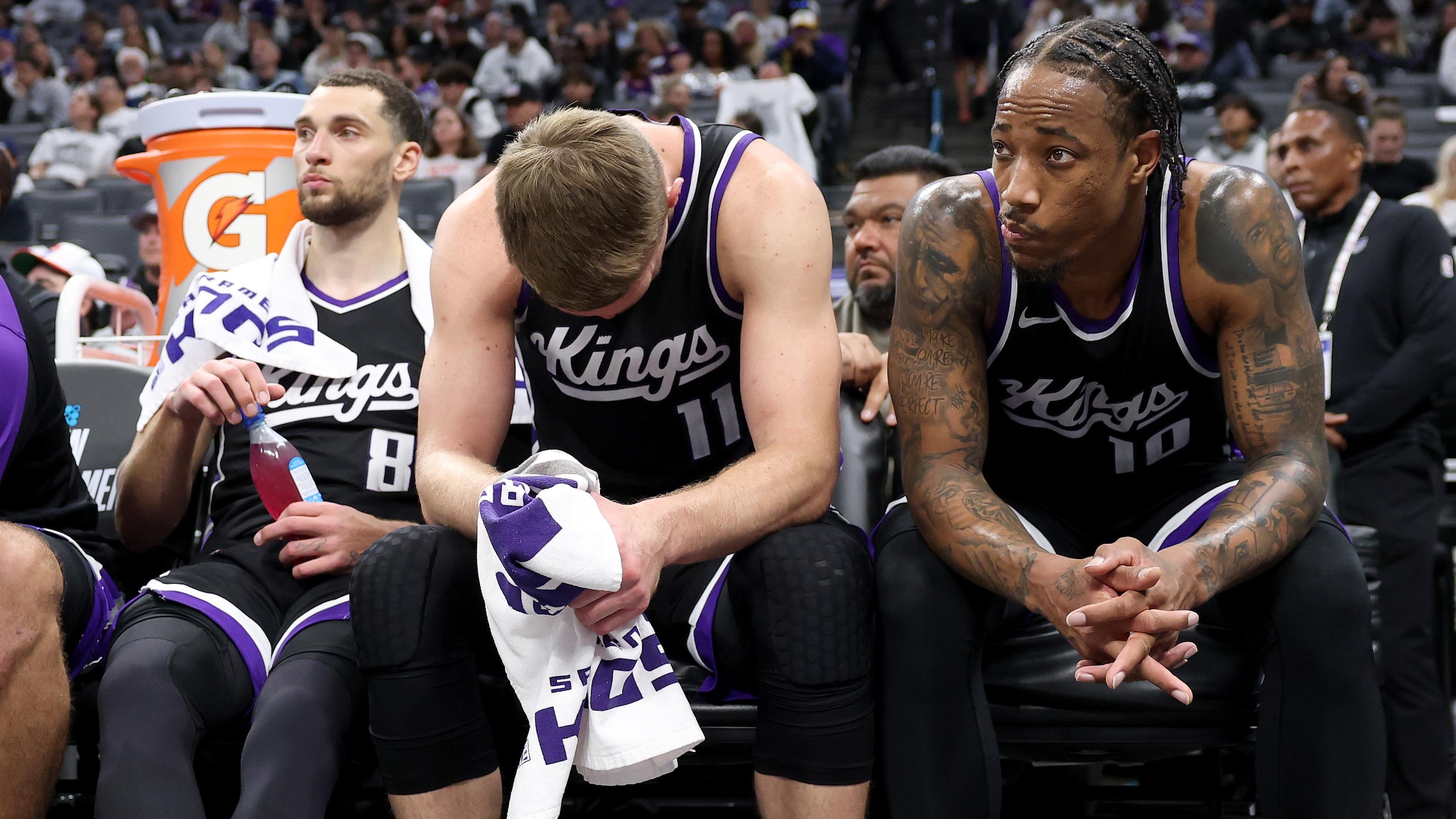
The Kings are quietly loaded with scoring threats, and that's true regardless of whether former No. 4 pick Keegan Murray makes a big leap.
The issue is, there's plenty of skill and playstyle overlaps between them, so it'll take quite the discerning floor general to figure all of this out.
That's not exactly the label many would place upon newcomer Dennis Schröder, who's a bit more like a scoring guard who can pass than your prototypical point guard. Malik Monk, who's played some point guard by default, sits even further down the score-first side of the backcourt scale.
Who's going to ensure everyone is getting enough touches and getting them in the spots where they're most effective? Because it sure looks like the club that recently had a couple of high-end options at point guard in Tyrese Haliburton and De'Aaron Fox suddenly has none.
San Antonio Spurs: Backcourt Redundancies
27 of 30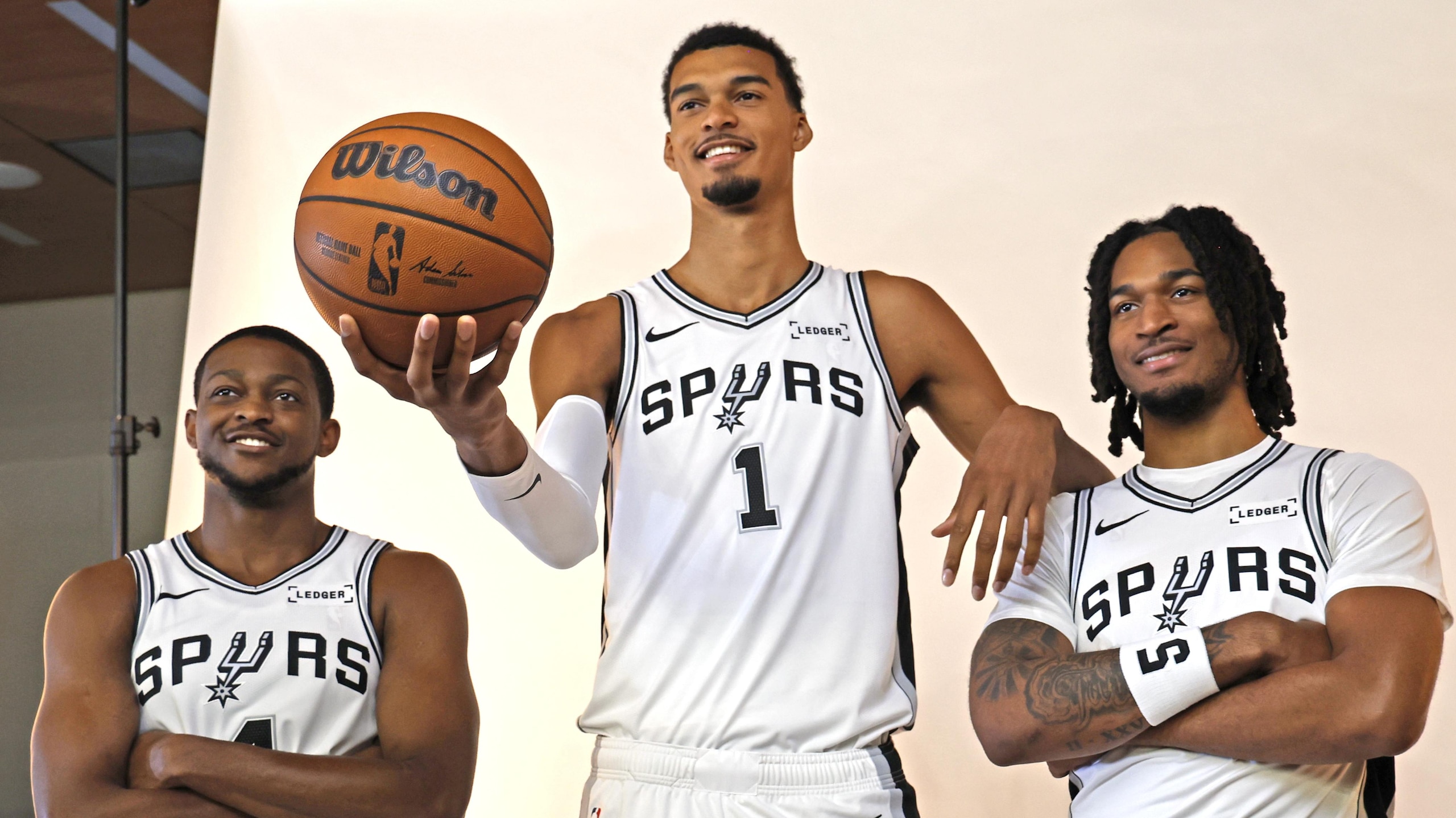
The Spurs are unquestionably more talented than they've been at any point during the brief-but-wildly-exciting Victor Wembanyama era. Where the questions come into play, though, is whether the talent all fits together.
Namely, we're talking about the backcourt, where De'Aaron Fox, Stephon Castle and No. 2 pick Dylan Harper all share similar strengths (downhill scoring, on-ball creation) and weaknesses (inconsistent shooting). While it can be helpful to have multiple playmakers on the floor, that's really only true if those players can add value when they're off the ball, too.
Fox is a career 33 percent three-point shooter. Castle shot 28.5 percent from range as a rookie. Harper made exactly one-third of his three-point attempts at Rutgers. If they're all squeezing the spacing for one another, it could be impossible for coach Mitch Johnson to bring out their best and find ways they can all make life easier on Wembanyama.
Toronto Raptors: Spacing Concerns
28 of 30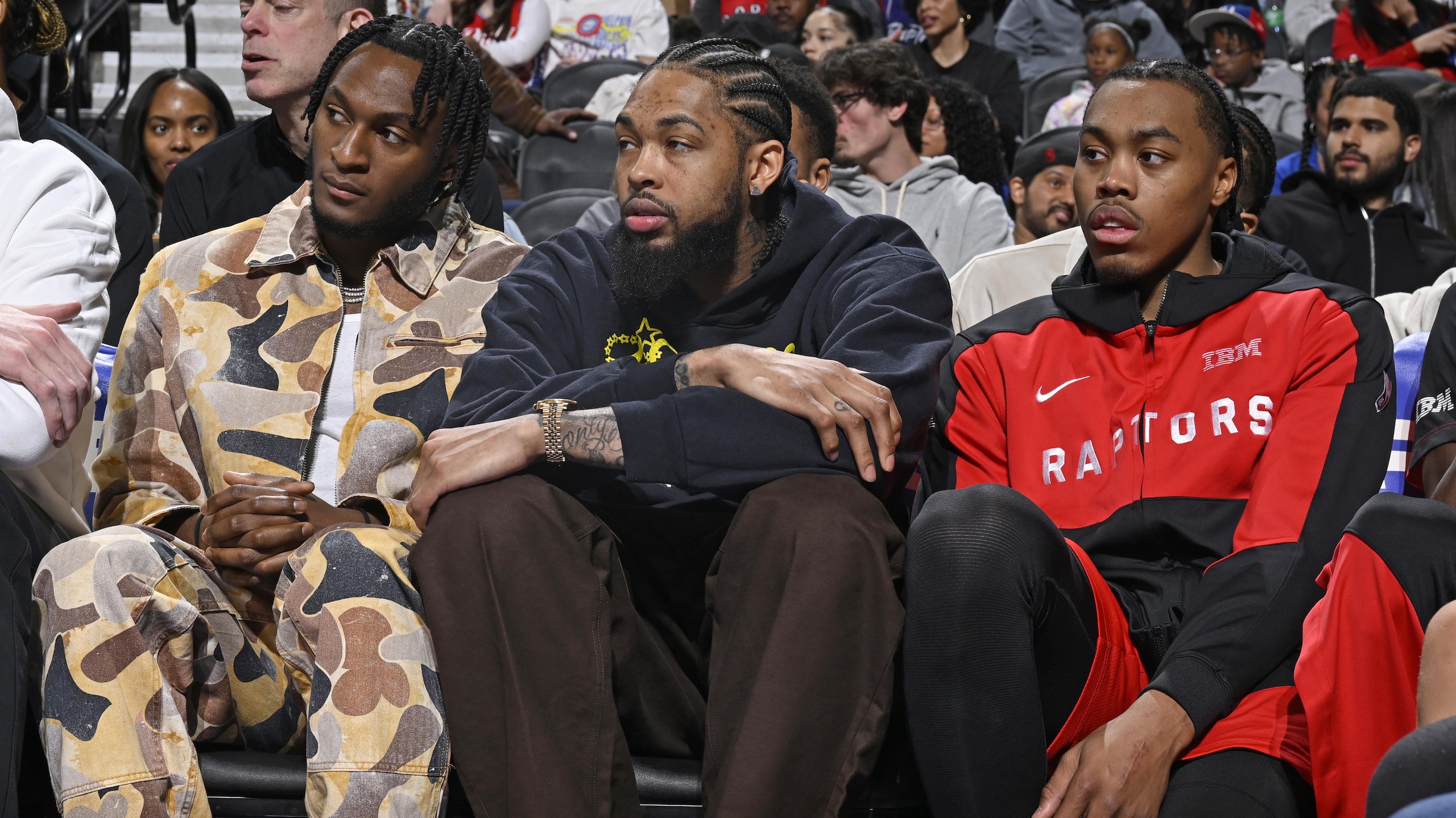
If the Raptors roll out the five best (and highest-paid) players in their starting five, they'll wind up with a group that looks congested even on paper.
Immanuel Quickley is the only plus-shooter in that quintet (career 37.5 percent). Brandon Ingram (36.3) and RJ Barrett (34.6) are closer to average, and neither typically takes a ton of long-range shots. Things get even more crowded up front, as Scottie Barnes is simply a bad shooter (30.0), and Jakob Poeltl is a non-shooter (seven attempts in 595 games).
How is this group supposed to breathe when defenses inevitably overpack the paint? While there's sure to be plenty of minutes staggering, and there are some viable spacers on the second unit, that will also cut into how often Toronto's best players suit up together, which inherently feels less than ideal.
Utah Jazz: Unproven Playmakers
29 of 30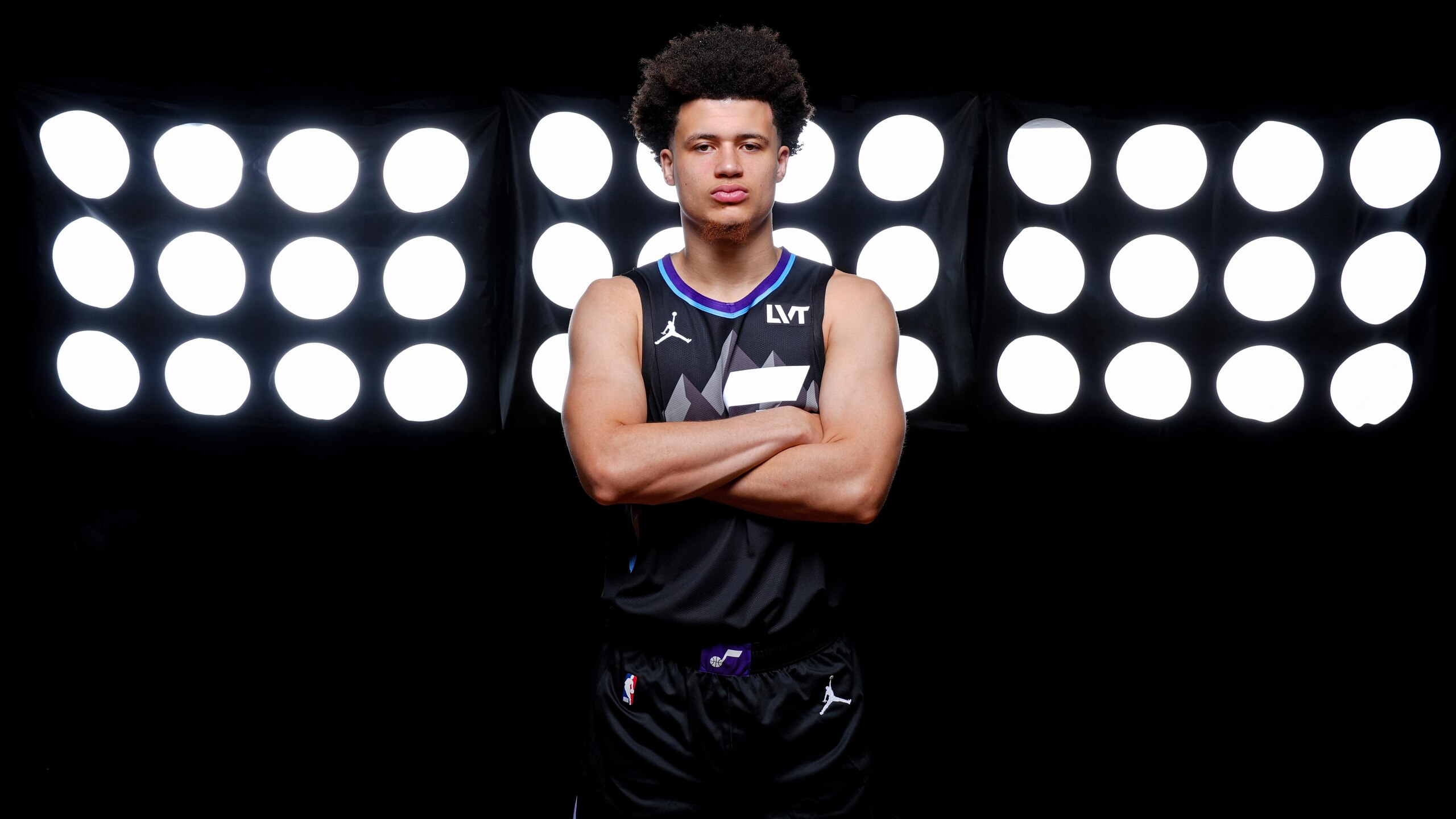
The Jazz, who just changed chief decision-makers in June, are in the infant stage of their youth movement.
Save for Lauri Markkanen (who might be the league's most logical trade candidate), virtually all of their key contributors weren't alive for the start of this millennium.
Big-picture, that's fine. They can and should be sorting through as many young players as possible while figuring out which (if any) can become legitimate building blocks. In the short term, though, that's going to lead to some brutally bad basketball, especially since they don't have a single seasoned point guard to figure things out.
Rookie Walton Clayton Jr. is actually the senior member of the presumed point guard rotation, as the 22-year-old is older than sophomore Isaiah Collier (20) and third-year player Keyonte George (21).
If their collective decision-making is a mess, it'll be hard to put too much blame on the youngsters.
Washington Wizards: No Scoring Punch
30 of 30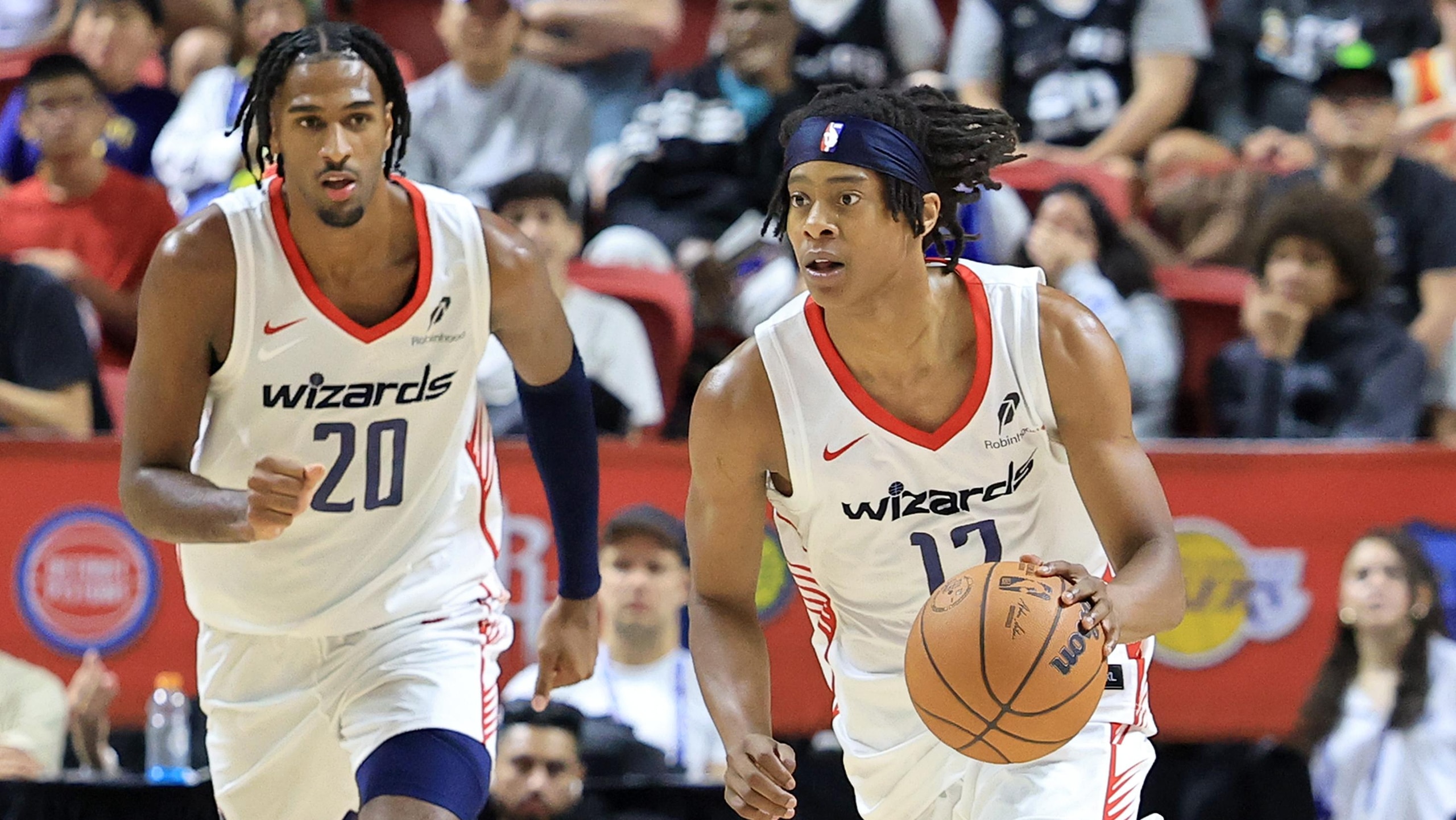
The Wizards, who aren't too much farther along in their own youth movement, were the league's least-threatening offense last season. And as subjective as that sounds, it kind of feels like just an objective assessment.
Despite playing at the fourth-fastest pace, they somehow managed to score just the fourth-fewest points. For context, the other teams in the top five in pace were all top-six in points per game.
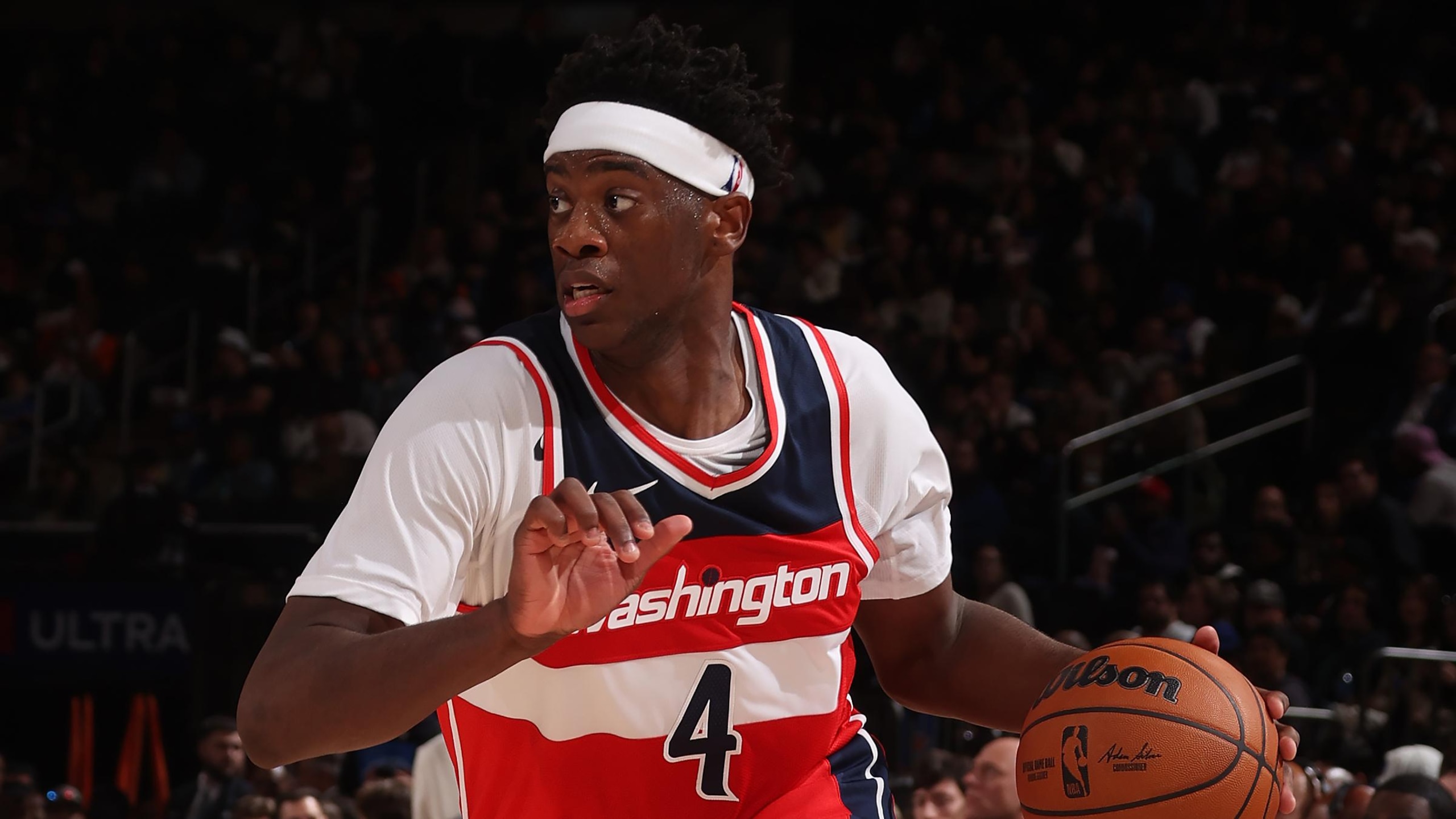
Offensive rating painted an even bleaker picture of Washington's attack. The Wizards not only brought up the rear with a 105.8 offensive rating, but they were also one of just two teams sitting south of 108 and one of six to land below 110.
No returning Wizard averaged more than 13 points last season (Alex Sarr), meaning it's possible this offense winds up running through either trade-candidate-in-waiting CJ McCollum or incoming rookie Tre Johnson, this year's No. 6 pick.